
10 Tips to Dry Your Dog After a Bath
Giving your dog a bath is an important part of maintaining good hygiene, but the grooming process does not end when you rinse away the shampoo. Proper drying is just as important as washing because moisture trapped in your dog’s coat can cause discomfort, unpleasant odors, and skin problems. Some dogs also become cold or nervous when their fur remains wet for too long.
The good news is that drying your dog does not have to be difficult. With the right towels, gentle techniques, and suitable grooming equipment, you can make the process comfortable and stress-free. Whether you have a short-haired puppy or a fluffy adult dog, these 10 practical tips will help you dry your dog after a bath safely while keeping their coat clean, soft, and healthy.
1. Start With a Soft and Absorbent Towel
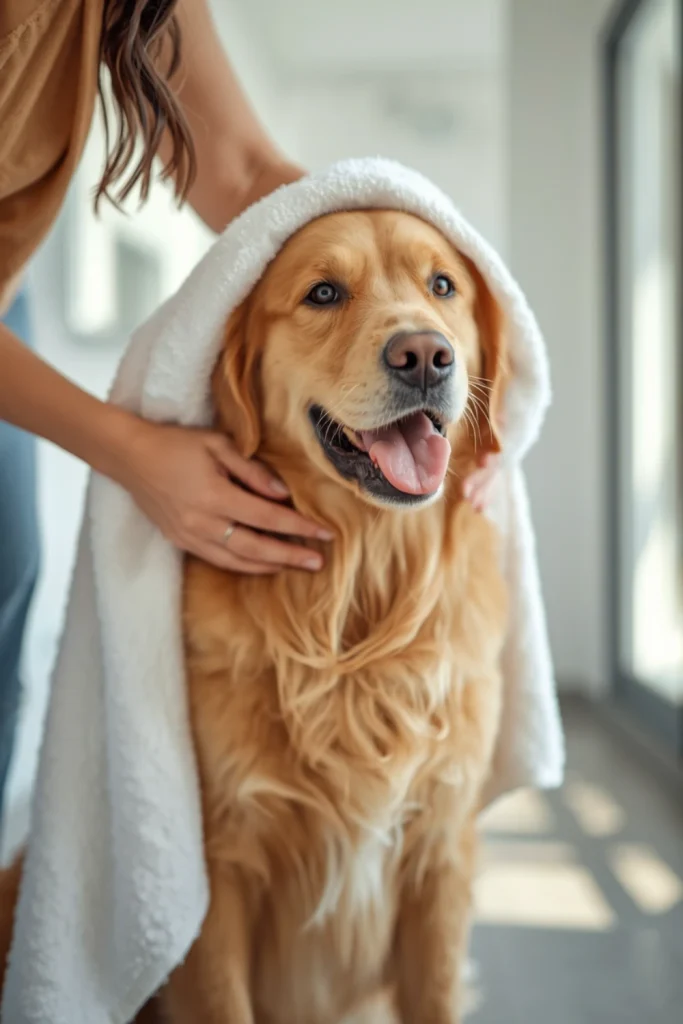
One of the easiest ways to dry your dog after a bath is to begin with a clean, absorbent towel. A good towel helps remove excess water quickly and reduces the amount of time your dog needs to remain wet. Microfiber towels are particularly useful because they are lightweight, soft, and designed to absorb moisture efficiently.
Choose a towel that is large enough to cover your dog’s body comfortably. Gently press it against the back, chest, sides, and legs to absorb water. Avoid rubbing too aggressively because this can create tangles, especially in long-haired breeds. Keep a second towel nearby if your dog has a thick coat or is particularly wet after bathing.
2. Remove Excess Water Before Using a Towel
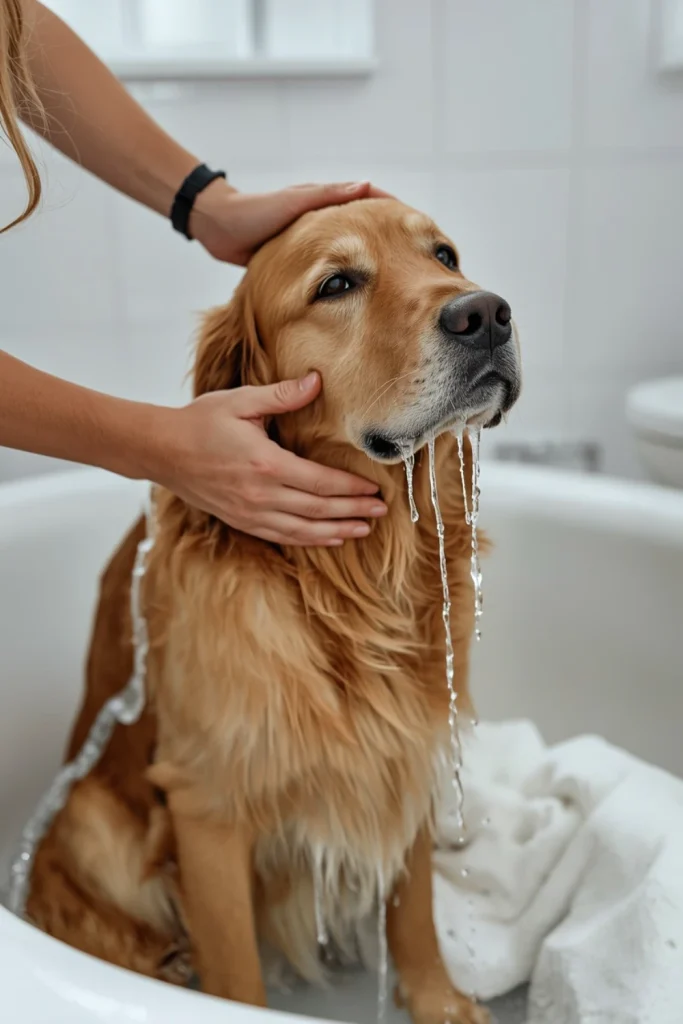
Before starting the main drying process, allow excess water to drain from your dog’s coat. Gently run your hands along the back and sides to help remove surface water. This simple step can make towel drying faster and prevent your towels from becoming completely soaked within seconds.
For dogs with longer coats, gently separate sections of fur with your fingers to release trapped water. Never twist the coat or squeeze sensitive areas. Pay attention to the chest, belly, and legs because these areas can hold considerable moisture. Removing excess water carefully makes the rest of the drying routine more manageable and comfortable.
3. Dry Your Dog’s Body From Head to Tail Carefully
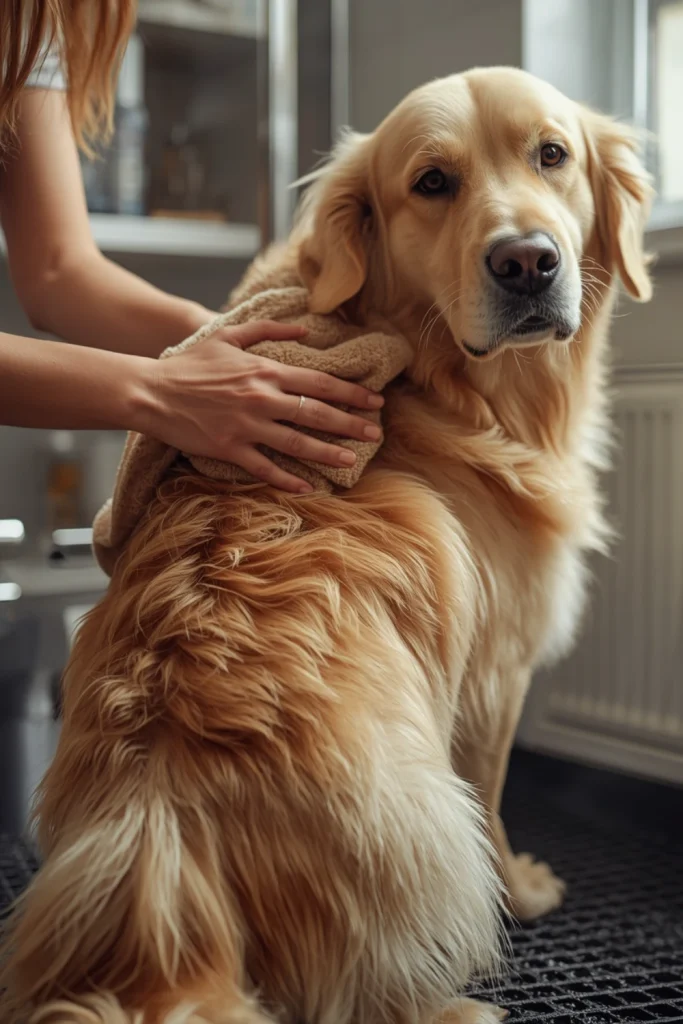
A systematic drying routine helps ensure that no important area is forgotten. Start with the neck and back, then move toward the shoulders, chest, sides, belly, and tail. Use gentle towel pressure instead of vigorous rubbing. This approach helps absorb moisture without unnecessarily pulling on your dog’s fur.
Pay particular attention to areas where water commonly collects, such as underneath the legs and around the chest. If your dog has long hair, work through the coat in manageable sections. Be patient and allow your pet to stand comfortably. A consistent drying method helps you complete the grooming process more efficiently while keeping your dog relaxed.
4. Pay Extra Attention to Your Dog’s Paws and Legs
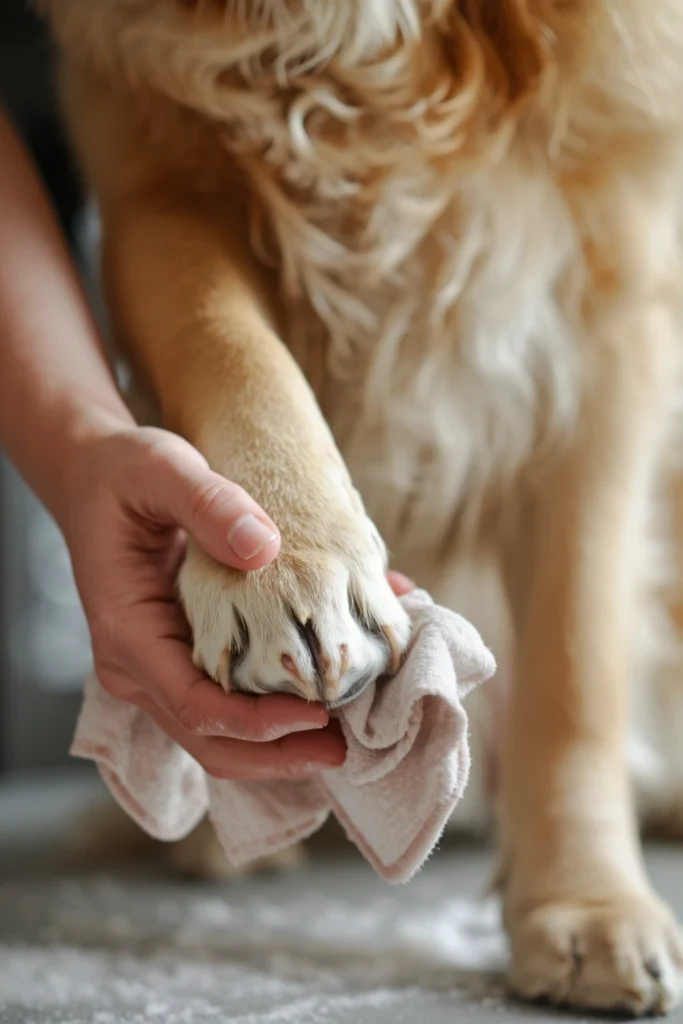
Your dog’s paws and legs can retain more water than you might expect. Moisture may become trapped between the toes, around the paw pads, and in longer hair growing around the feet. If these areas remain damp, your dog may feel uncomfortable while walking or resting.
Use a small, clean towel to dry each paw individually. Gently separate the toes and absorb moisture without pulling on the skin or hair. Check the spaces between the paw pads and dry the lower legs thoroughly. If your dog has long paw hair, inspect it carefully for trapped water and debris. Never use excessive heat or harsh rubbing on these sensitive areas.
5. Use a Dog-Safe Hair Dryer When Necessary
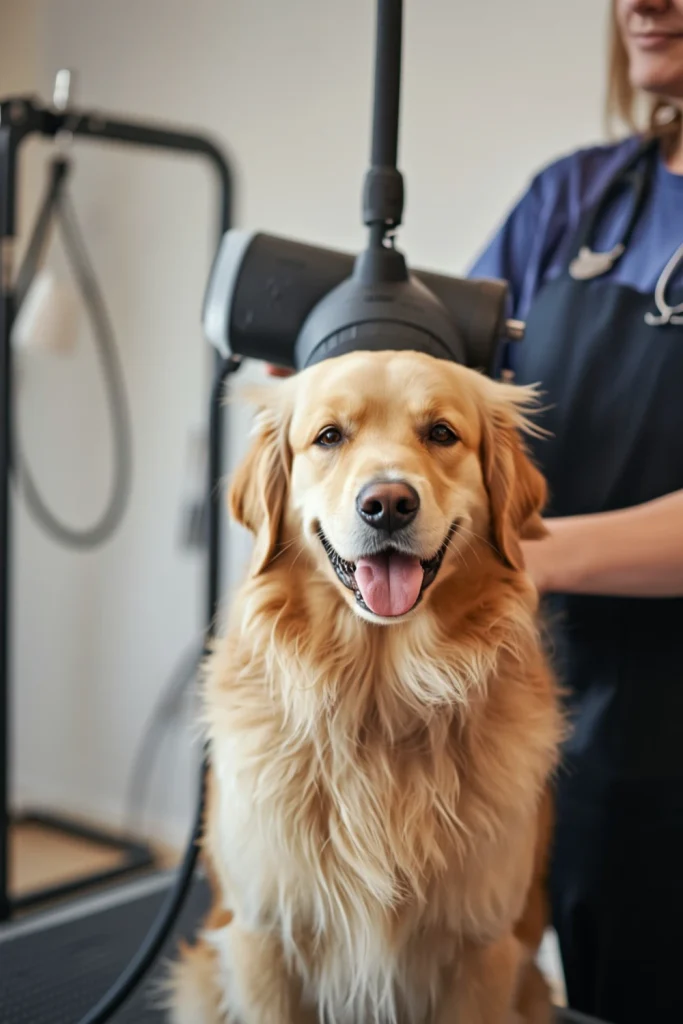
A pet-safe hair dryer can be helpful when your dog has a thick, long, or curly coat that takes a long time to dry naturally. Unlike ordinary human hair dryers, pet grooming dryers are designed for animal grooming and may offer more suitable airflow and temperature settings. However, not every dog enjoys the sound or sensation of a dryer.
Introduce the dryer gradually if your pet is unfamiliar with it. Start with the lowest suitable setting and keep the dryer at a comfortable distance from the coat. Use cool or low heat, move the airflow continuously, and avoid directing it toward your dog’s face, ears, or sensitive skin. Stop immediately if your dog shows signs of fear or overheating.
6. Brush Your Dog While Drying Its Coat
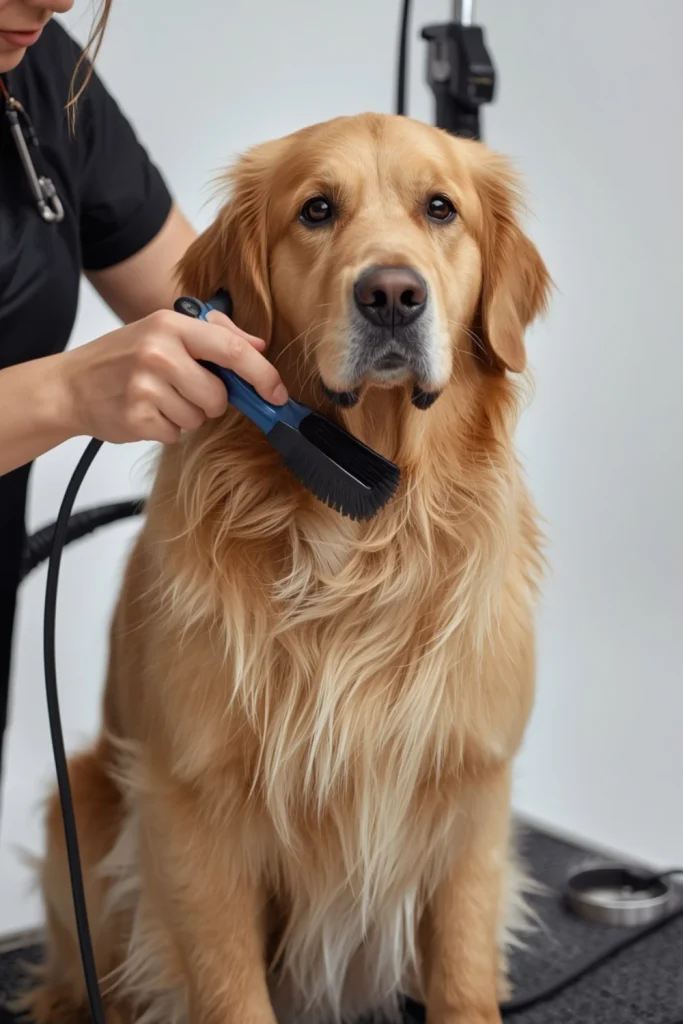
Brushing during the drying process can help prevent tangles and keep your dog’s coat looking neat. This technique is particularly useful for breeds with long, curly, or thick fur. Wet hair can become tangled more easily, so gentle brushing as the coat begins drying can make the grooming process easier.
Use a suitable brush for your dog’s coat type and work through small sections at a time. If you are using a pet-safe dryer, brush gently in the direction of the airflow while maintaining a safe distance between the dryer and your dog’s skin. Never pull on knots or brush aggressively. If the coat becomes tangled, stop and carefully work through the problem area.
7. Keep Your Dog in a Warm and Comfortable Room
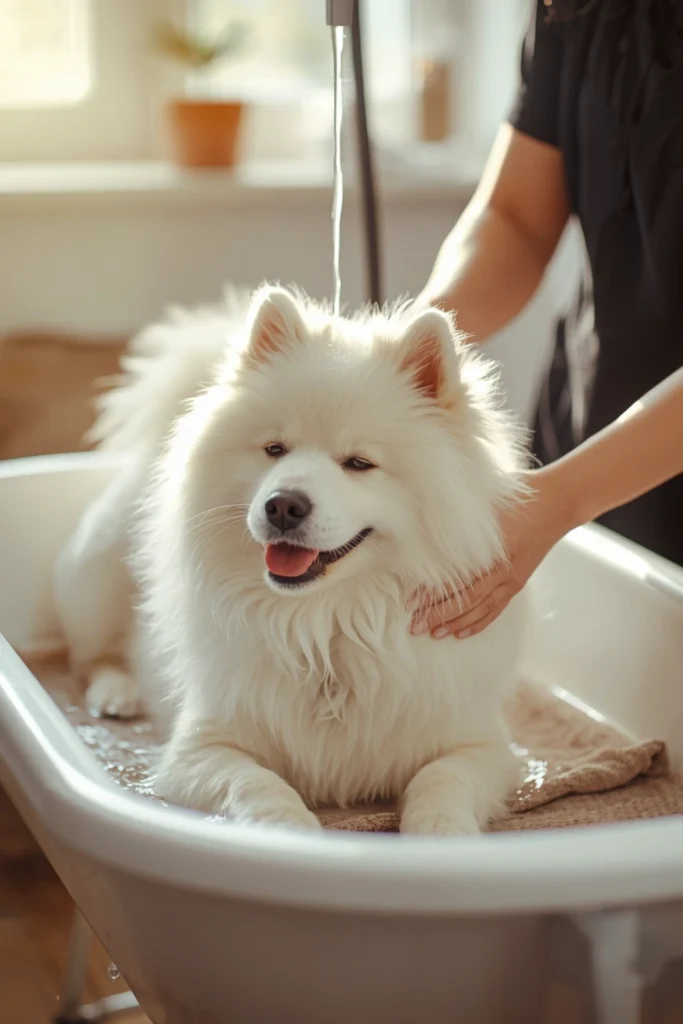
The environment where you dry your dog can make a big difference in their comfort. A cold bathroom or drafty room may make your pet uncomfortable while their coat is still wet. Choose a warm indoor space with good ventilation where your dog can relax during the drying process.
Avoid placing your dog directly in front of a heater, radiator, or other hot appliance. Excessive heat can cause overheating or burns, particularly in small dogs and puppies. Instead, maintain a comfortable room temperature and use clean towels to remove moisture. Keep your dog away from cold drafts until the coat is completely dry.
8. Dry Long-Haired and Thick-Coated Dogs Thoroughly
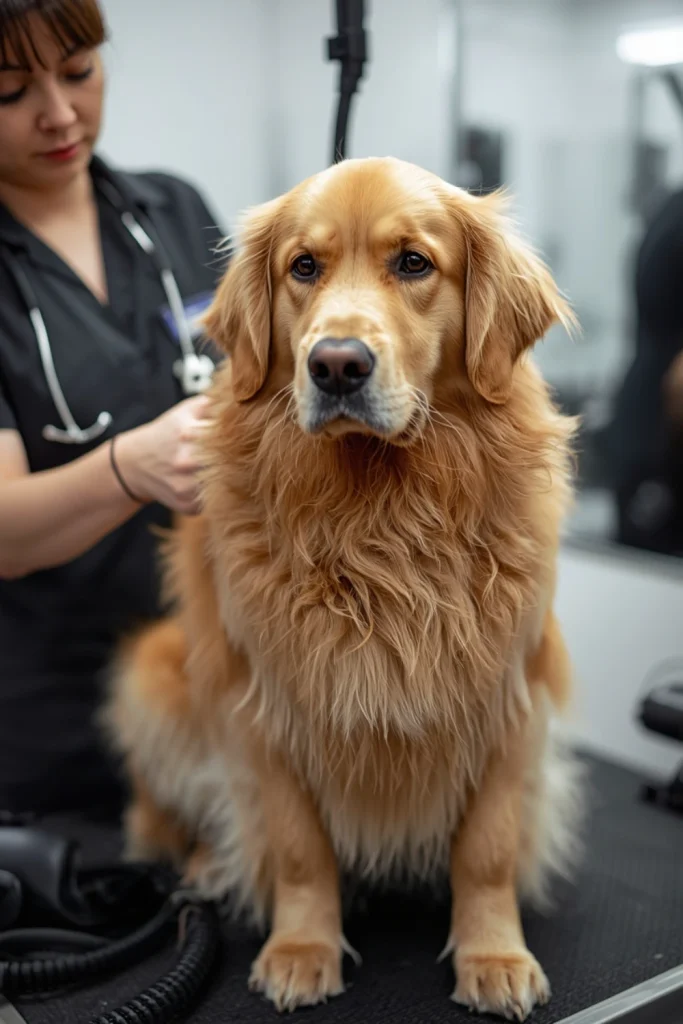
Dogs with long or thick coats often need additional drying time because moisture can remain trapped underneath the outer layer of fur. Breeds with double coats may look dry on the surface while their undercoat is still damp. This is why simply wiping the top of the coat is not always enough.
Separate the fur gently into manageable sections and check whether the hair underneath feels dry. Use absorbent towels first, followed by a pet-safe dryer if your dog tolerates it. Pay attention to the chest, belly, neck, legs, and areas behind the ears. Never rush this process because proper drying helps maintain coat comfort and reduces moisture-related grooming problems.
9. Be Gentle Around Your Dog’s Face and Ears
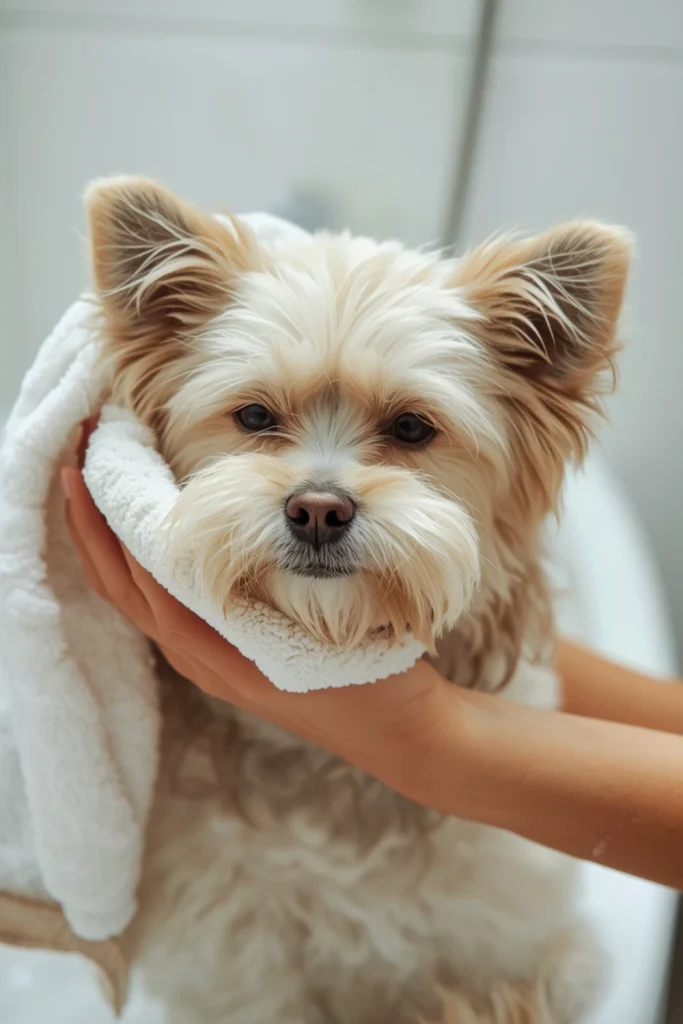
Your dog’s face and ears are sensitive areas that require extra care during drying. Some dogs become nervous when towels or dryers come close to their heads. Strong airflow and loud dryer noises may also frighten pets, especially puppies and dogs that are not familiar with grooming equipment.
Use a soft, clean washcloth or small towel to gently absorb moisture around the face. Carefully dry the outer ear area without inserting anything into the ear canal. Avoid directing dryer airflow toward the eyes, nose, and ears. If your dog becomes uncomfortable, stop and allow them to relax before continuing. Gentle handling helps make drying safer and builds trust during future baths.
10. Reward Your Dog After Completing the Drying Process
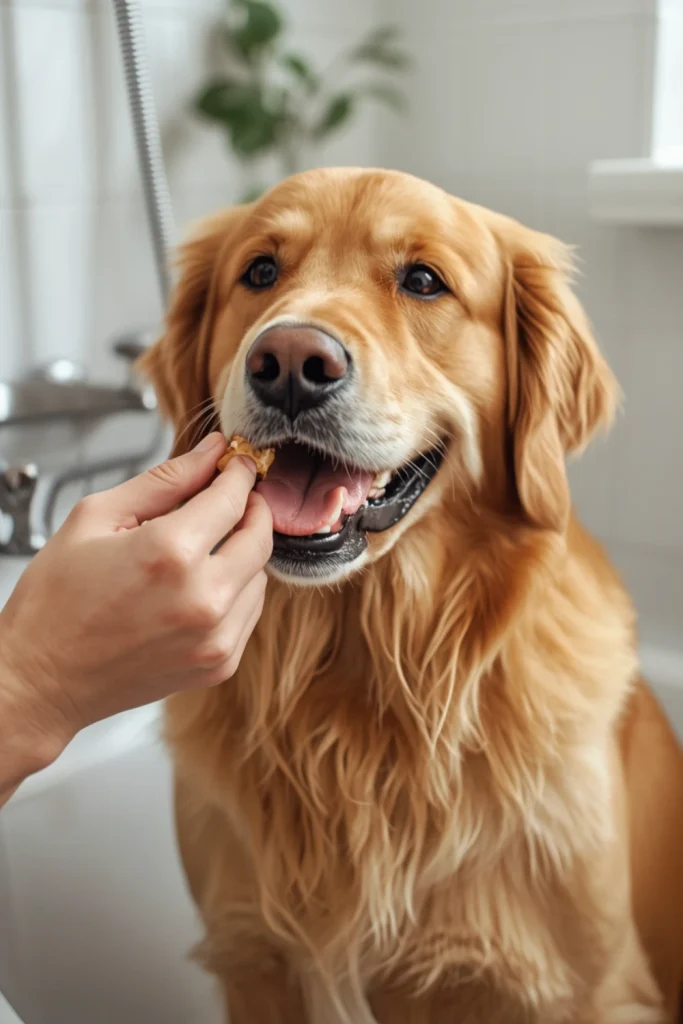
Positive reinforcement can make drying time much easier, particularly for dogs that dislike towels or grooming dryers. When your pet stays calm, cooperates, or allows you to dry sensitive areas, reward them with gentle praise and small treats. These positive experiences can help your dog develop a better attitude toward future grooming sessions.
After drying, allow your dog to relax in a comfortable place and enjoy some affection or playtime. You can also offer a favorite toy once the coat is completely dry. Avoid punishing your dog for shaking, moving around, or showing nervous behavior. Patience and rewards can gradually turn the drying process into a familiar and enjoyable part of your dog’s bathing routine.
Final Thoughts
Learning how to dry your dog after a bath is an important part of maintaining proper grooming and hygiene. A good drying routine helps remove excess moisture, prevents unnecessary tangles, and keeps your furry friend comfortable after bathing.
Remember to choose absorbent towels, use gentle drying techniques, and pay extra attention to thick coats, paws, and sensitive areas. If you use a grooming dryer, always select an appropriate cool or low-heat setting and monitor your dog’s comfort.
Every dog has different grooming needs, so adjust your drying routine according to your pet’s coat type, size, and comfort level. With patience, consistency, and the right equipment, you can make drying time a safe and enjoyable part of your dog’s regular bathing routine.