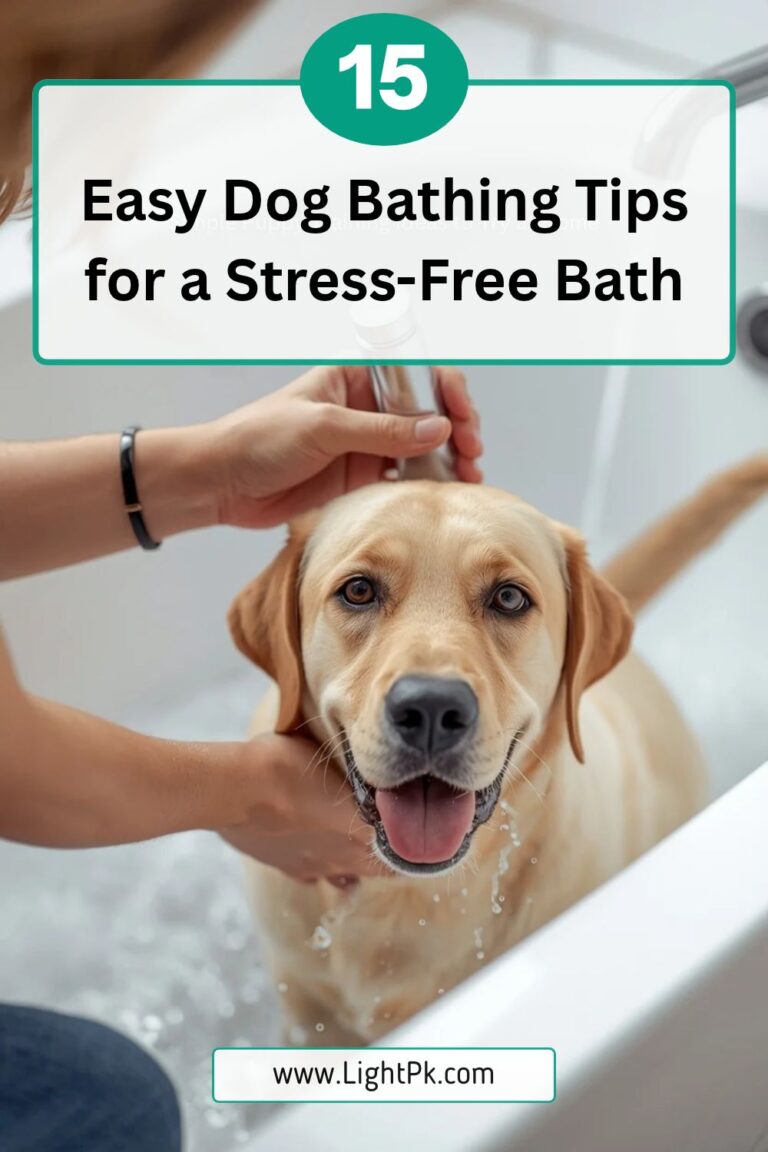

12 Gentle Ways to Help Your Dog Feel Better About Baths
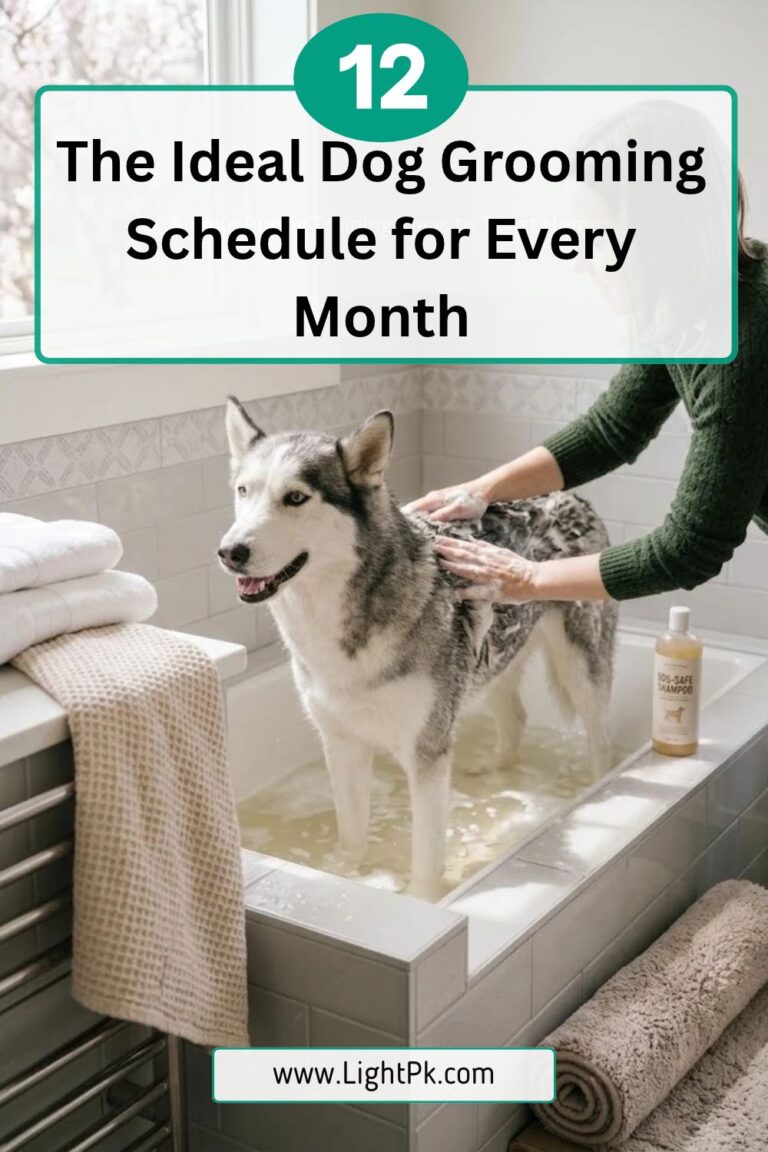
Bath time does not have to be a stressful experience for your dog. While some dogs happily jump into the bathtub, others become nervous as soon as they hear running water or see a shampoo bottle. They may hide, shake, pull away, or try to escape. The good news is that patience, gentle handling, and a few simple changes can make bathing much more comfortable.
If your dog dislikes baths, you do not need to force them to enjoy the experience overnight. Small positive steps can gradually build confidence and trust. In this guide, you will discover 12 gentle ways to help your dog feel better about baths, reduce fear, and make grooming a calmer part of your regular routine.
1. Introduce the Bathroom Slowly
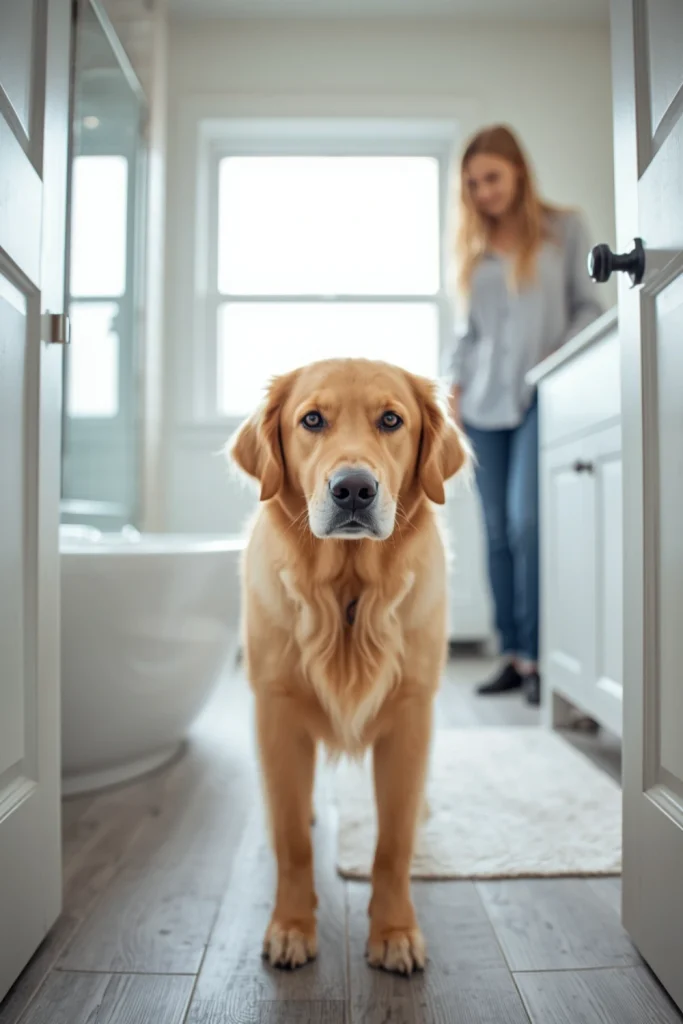
One of the easiest ways to help your dog feel better about baths is to make the bathroom a familiar and comfortable place. If your dog becomes nervous as soon as you take them into the bathroom, avoid starting with a full bath. Instead, allow them to explore the room at their own pace. Keep the door open, let them sniff around, and offer gentle praise when they remain relaxed. You can also spend a few minutes sitting with your dog in the bathroom without turning on the water.
Repeat these short visits over several days until your dog appears more comfortable. Place a favourite toy or a few small treats in the room to create positive associations. Never drag your dog into the bathroom or force them to stay if they become frightened. The goal is to teach them that the bathroom is a safe place where pleasant things happen, not a room they need to fear.
2. Let Your Dog Explore the Empty Bathtub
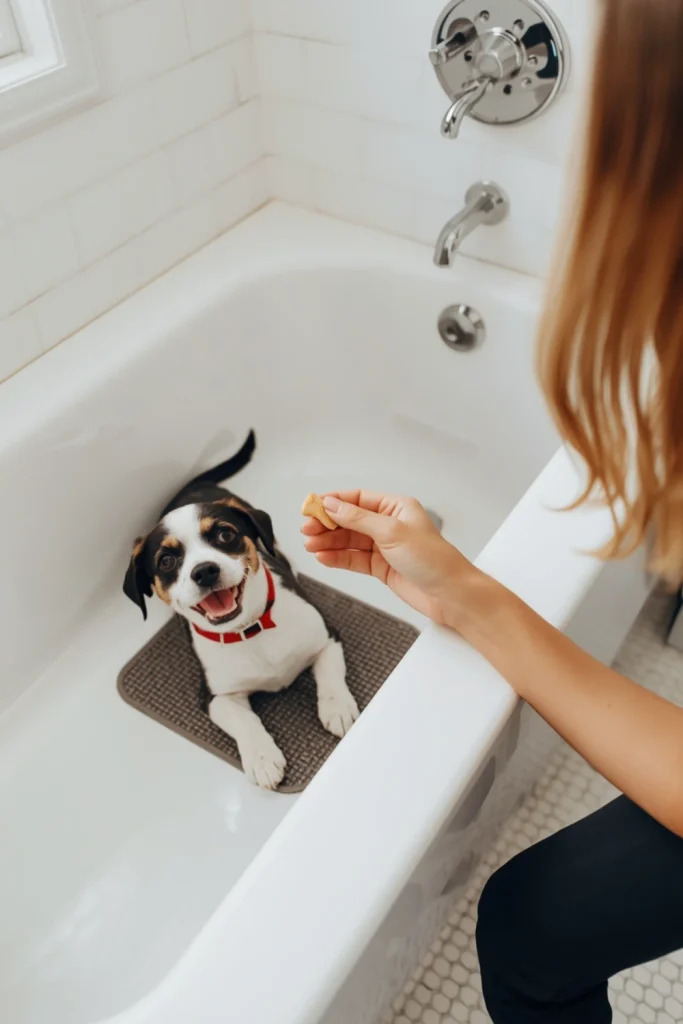
For some dogs, the bathtub itself is the biggest source of anxiety. Its smooth surface, unfamiliar shape, and height can make them feel trapped or unstable. Before introducing water, let your dog investigate the empty tub. Keep it dry, place a non-slip mat inside, and allow your dog to approach and step in voluntarily. If your dog is too small to enter safely, you can use a low-sided washing area or another suitable bathing space.
Reward every small step, such as looking into the tub, placing one paw inside, or standing calmly for a few seconds. You do not need to complete everything in one session. If your dog refuses to enter, reward them for standing near the bathtub instead. Gradually increase their comfort as they become more confident. This simple exercise helps your dog understand that the bathtub is not a frightening place.
3. Use a Non-Slip Mat for Better Stability
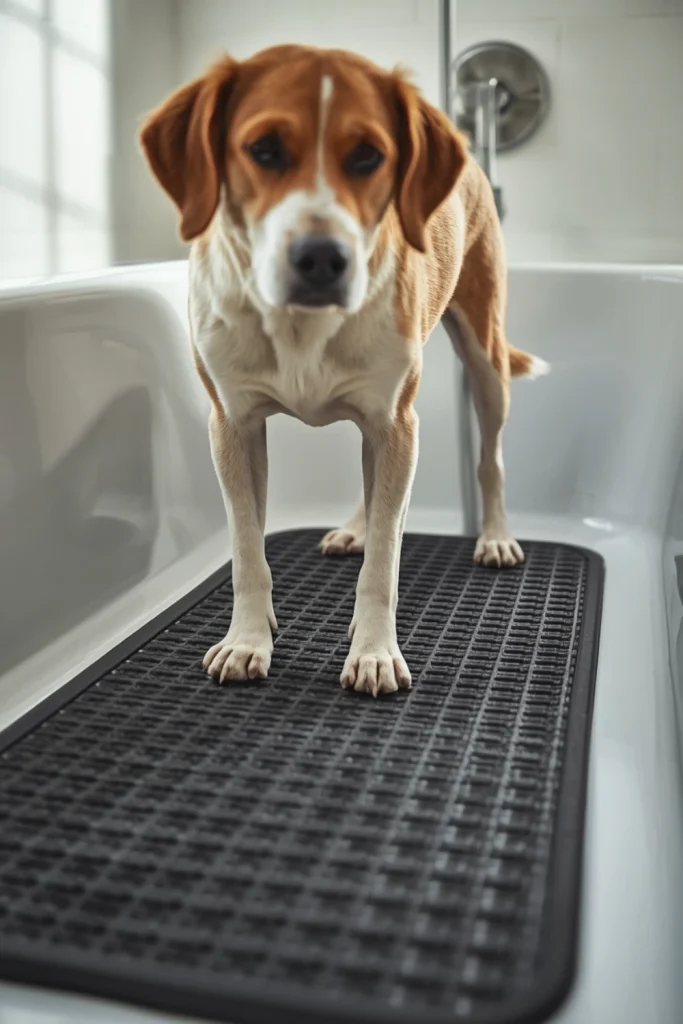
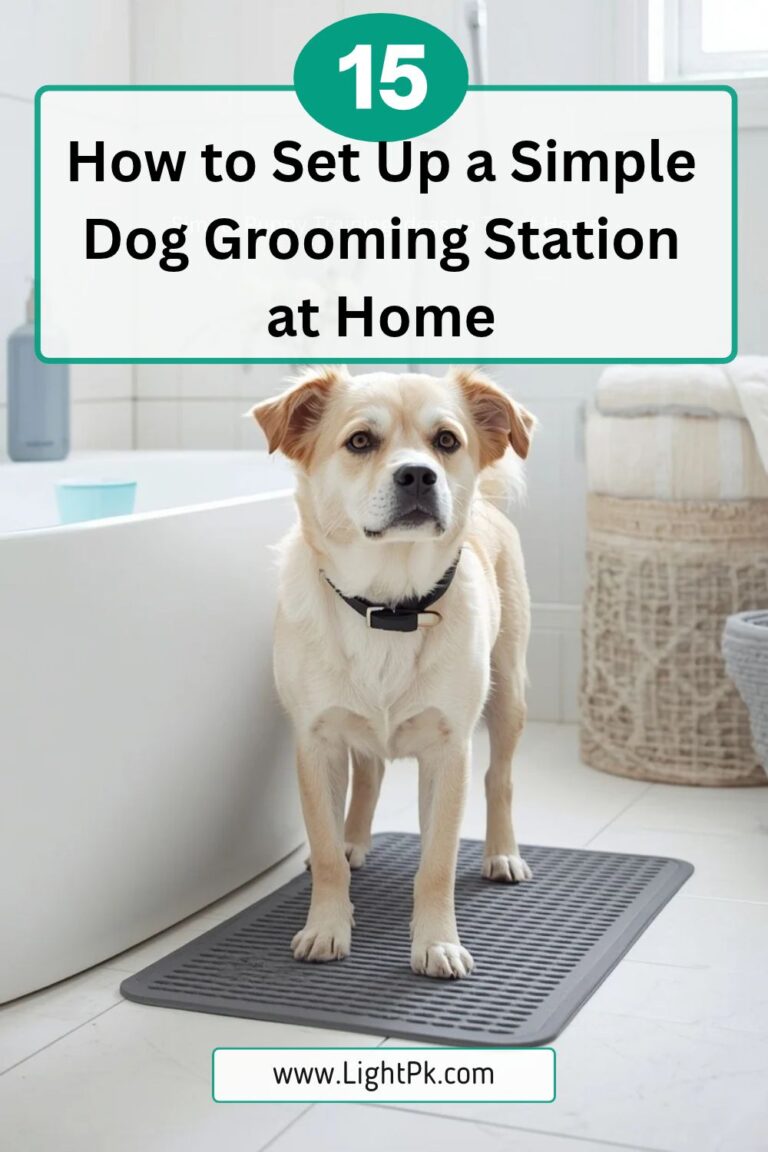
Slippery surfaces can make dogs feel frightened because they cannot maintain their balance. A dog that struggles to stand in a bathtub may become tense, try to jump out, or resist being washed. A good-quality rubber or silicone non-slip mat can provide better grip and help your dog feel more secure. Choose a mat that fits the bathing area properly and does not move around when your dog steps on it. Make sure it is clean and comfortable before every bath.
You can introduce the mat before bath day by placing it on the bathroom floor and rewarding your dog for standing on it. Later, place it inside the empty tub and let your dog explore. During bathing, keep one hand available to support your dog gently when needed, without gripping or restraining them unnecessarily. Better footing can make a significant difference, especially for older dogs, small breeds, and dogs that are naturally nervous.
4. Start With Small Amounts of Water
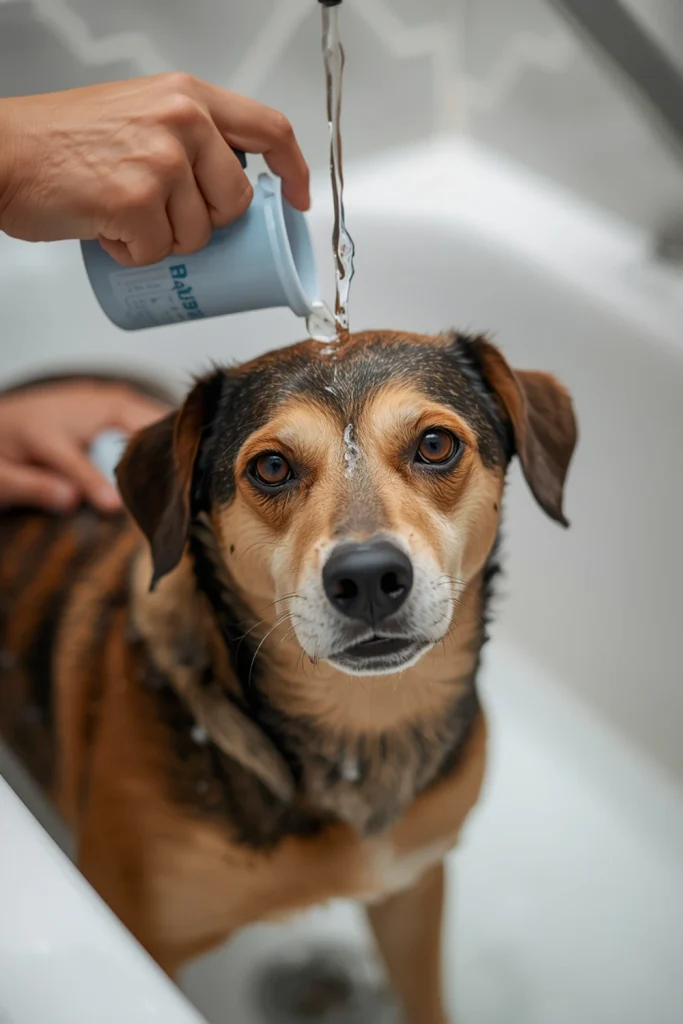
The sound and pressure of running water can frighten dogs, particularly those that have never enjoyed bathing. Instead of immediately turning on a shower or spray nozzle, begin with a small amount of water. Use a cup or a gentle, low-pressure handheld sprayer to wet your dog’s body gradually. Start with the paws or lower legs if your dog is comfortable with that. Avoid pouring water directly over the head, ears, nose, or eyes.
Keep the water lukewarm and check the temperature with your hand before using it. Watch your dog’s reactions throughout the process. If they begin shaking, panting excessively, trying to escape, or showing other signs of distress, pause and give them a break. You can practise with a damp cloth before introducing more water. Slow introductions help your dog become familiar with the sensation without feeling overwhelmed.
5. Choose a Gentle Dog Shampoo
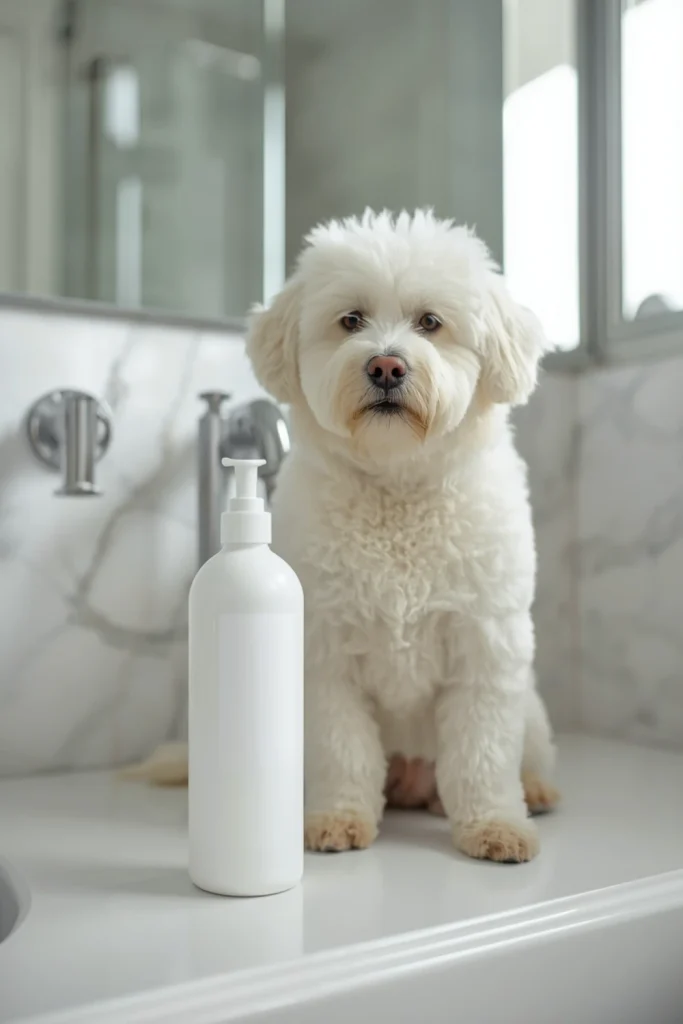
The products you use can influence how comfortable your dog feels during bathing. Strong fragrances, unsuitable formulas, and shampoos that irritate the skin may make bath time unpleasant. Choose a mild dog shampoo that is specifically formulated for canine skin and coat. Avoid using human shampoo unless your veterinarian has recommended a particular product. Dogs have different skin needs, so a product designed for people may not be suitable for them.
If your dog has sensitive skin, allergies, itching, or an existing skin condition, ask your veterinarian which shampoo is appropriate. Read the product instructions and use only the recommended amount. Rinse thoroughly because leftover shampoo can irritate the skin and cause itching. A gentle, suitable shampoo helps make bathing more comfortable and supports a clean, healthy coat. Remember that a pleasant bathing experience depends on both the product and the way you handle your dog.
6. Reward Calm Behaviour With Treats
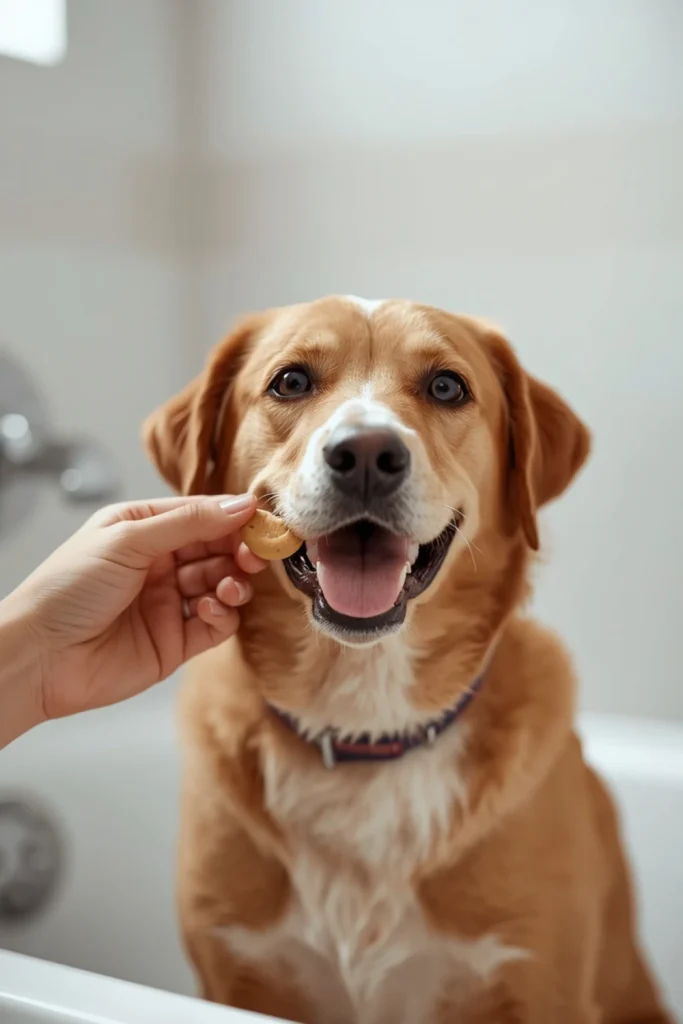
Positive rewards can help your dog develop a better association with bath time. Keep a few small, dog-safe treats nearby and reward calm behaviour throughout the process. For example, offer a treat when your dog enters the bathroom, stands on the non-slip mat, allows their paws to get wet, or stays relaxed while you rinse their coat. You can also use calm praise and gentle affection if your dog enjoys being touched. Rewards should be given during or immediately after the behaviour you want to encourage.
Avoid using treats to trick a frightened dog into staying in a situation they cannot handle. If your dog is too anxious to eat, that may be a sign that the experience is too stressful. Pause, reduce the difficulty, and return to an easier step. Over time, consistent rewards can help your dog learn that bathing involves positive experiences. Keep treats small so they do not replace your dog’s regular meals or cause stomach discomfort.
7. Keep Your Voice Calm and Reassuring
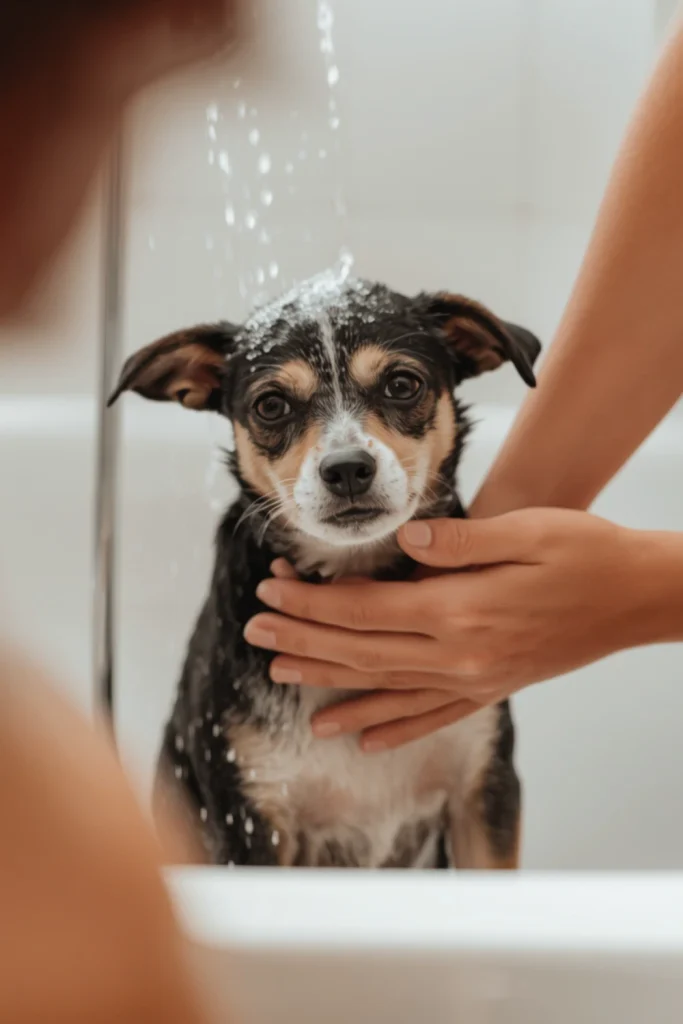
Dogs can respond to the tone and energy of the people around them. If you become frustrated, speak loudly, or move hurriedly, your dog may become even more anxious. Try to keep your voice soft and reassuring throughout bath time. Use familiar words and gentle praise rather than repeatedly telling your dog to stop moving. Slow movements can also help your dog understand what you are doing and reduce the feeling of being startled.
Remember that reassurance should be paired with giving your dog enough space and control. Do not hug, hold tightly, or repeatedly touch a dog that is trying to move away. Instead, pause when needed and allow them to settle. If your dog is frightened, making the bathing session shorter may be more helpful than trying to finish everything immediately. A calm approach builds trust and teaches your dog that you will handle grooming gently.
8. Avoid Spraying Water Directly on Your Dog’s Face
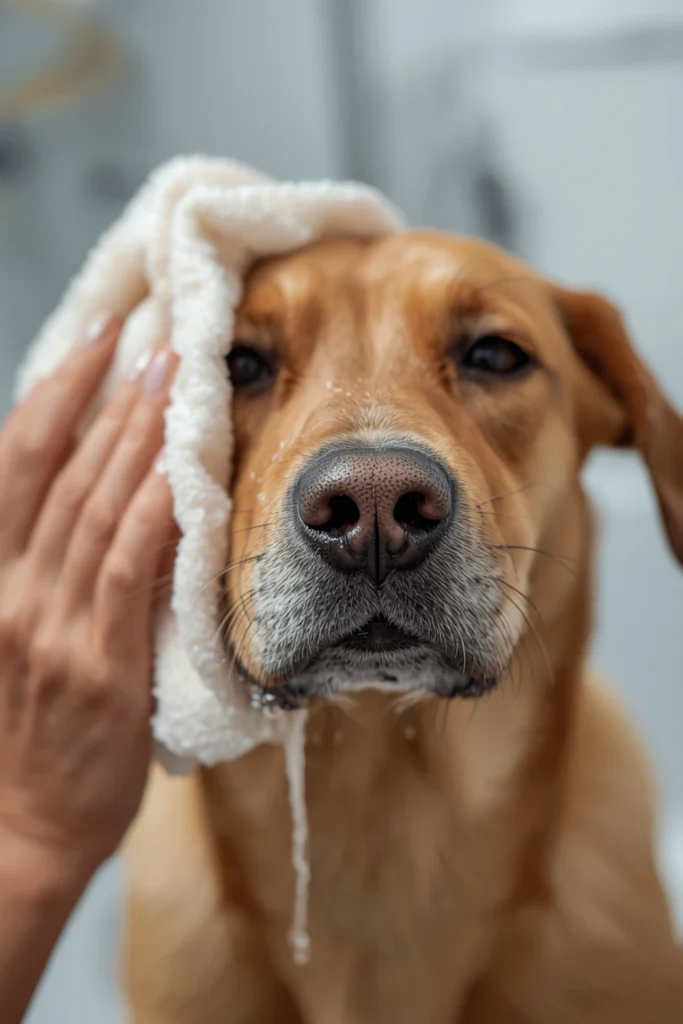
Many dogs dislike having water sprayed directly onto their faces. Water entering the eyes, nose, or ears can be uncomfortable and may make them panic. Instead of using a shower nozzle around the head, use a soft, damp washcloth to clean the face carefully. Wipe around the muzzle and forehead with gentle movements, taking care not to get water or shampoo into the eyes. Use a separate clean area of the cloth when necessary to avoid spreading dirt.
Be especially careful around the ears. Avoid pouring water into the ear canal or inserting cotton buds or other objects. If your dog’s ears need cleaning, use a veterinarian-approved ear cleaner according to professional instructions. Some dogs may prefer having their face cleaned before the rest of their body gets wet. Observe your dog’s comfort level and take breaks. Gentle face cleaning can prevent one of the most common reasons dogs become nervous about baths.
9. Make Bath Time Short and Simple
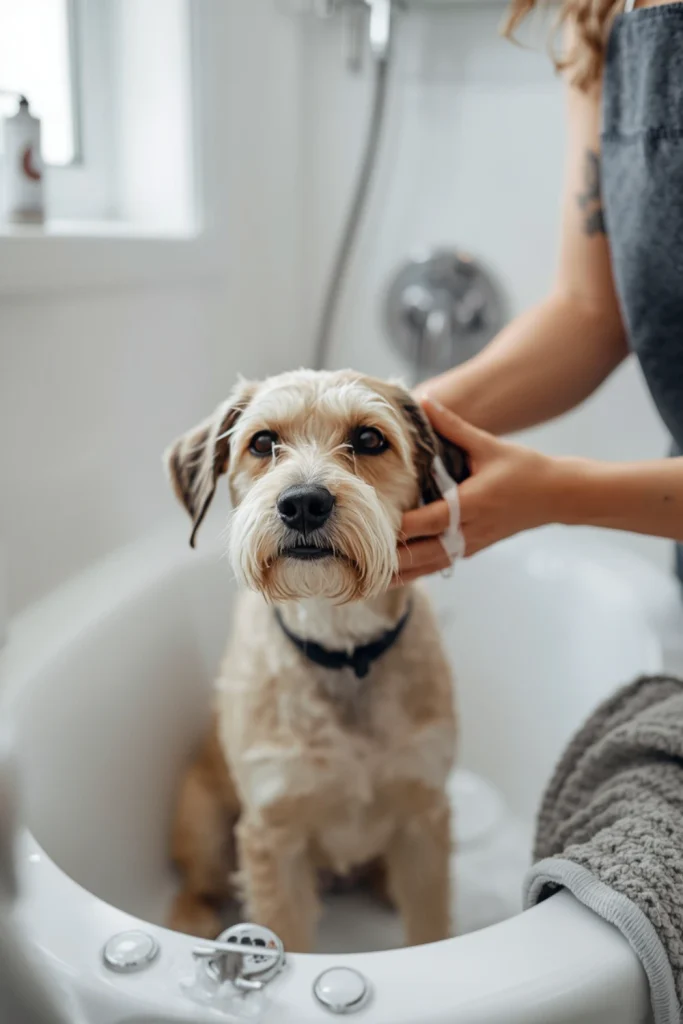
Long bathing sessions can become tiring and stressful, especially for dogs that are still learning to feel comfortable around water. Try to keep each bath organised and simple. Before bringing your dog into the bathroom, prepare the shampoo, towels, non-slip mat, and other supplies. Brush your dog’s coat if needed, and make sure the bathing area is ready. Having everything within reach prevents unnecessary delays and reduces the time your dog has to stand in the tub.
Focus on the essential steps: wet the coat, apply suitable shampoo, rinse thoroughly, and dry your dog comfortably. Avoid unnecessary handling or repeating the same steps. If your dog becomes distressed, stop and give them a break rather than forcing them to continue. For dogs with severe bath anxiety, shorter practice sessions may be more effective than a complete bath at first. A predictable routine can gradually make the experience easier.
10. Use a Favourite Toy or Lick Mat
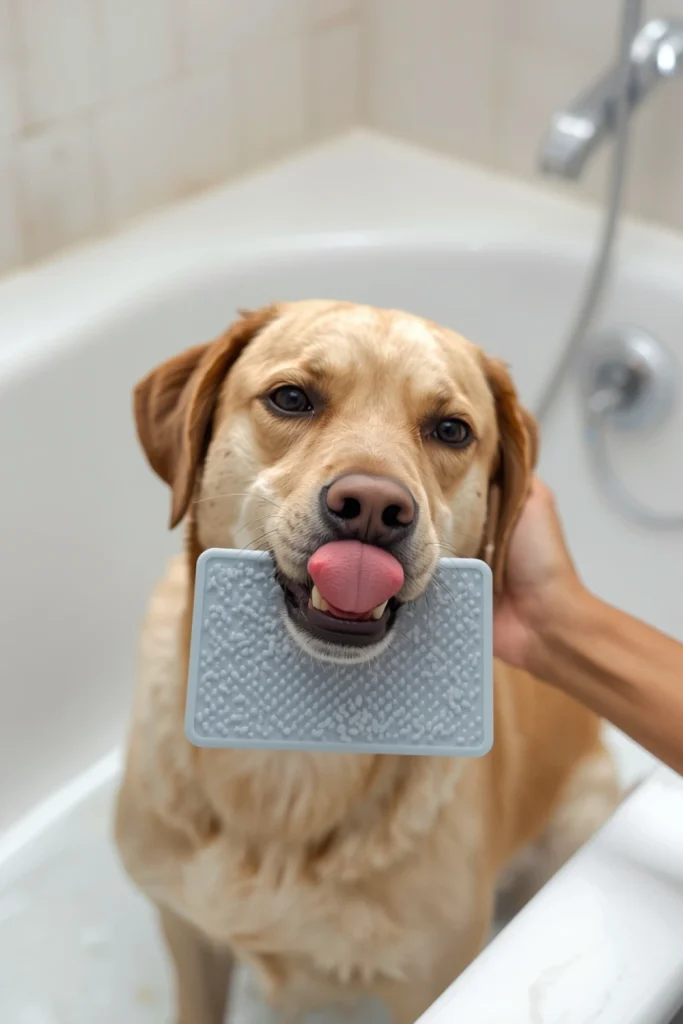
A favourite toy or suitable lick mat can help make bath time more enjoyable for some dogs. A lick mat attached securely to the side of the bathtub can provide a simple activity while you wash your dog’s body. You can spread a small amount of dog-safe wet food or another veterinarian-approved treat on it. Choose ingredients that your dog already tolerates, and avoid foods containing xylitol, chocolate, grapes, raisins, or other unsafe ingredients. Always supervise your dog while they use the mat.
Introduce the toy or lick mat outside the bathroom first so your dog understands how it works. Once they enjoy using it, bring it into the bathing area during a short practice session. Make sure the mat is firmly attached and cannot fall or create a slipping hazard. Not every dog will be interested in food during a stressful experience, so do not depend on this method alone. Combine it with slow introductions, gentle handling, and plenty of breaks.
11. Dry Your Dog Gently After the Bath
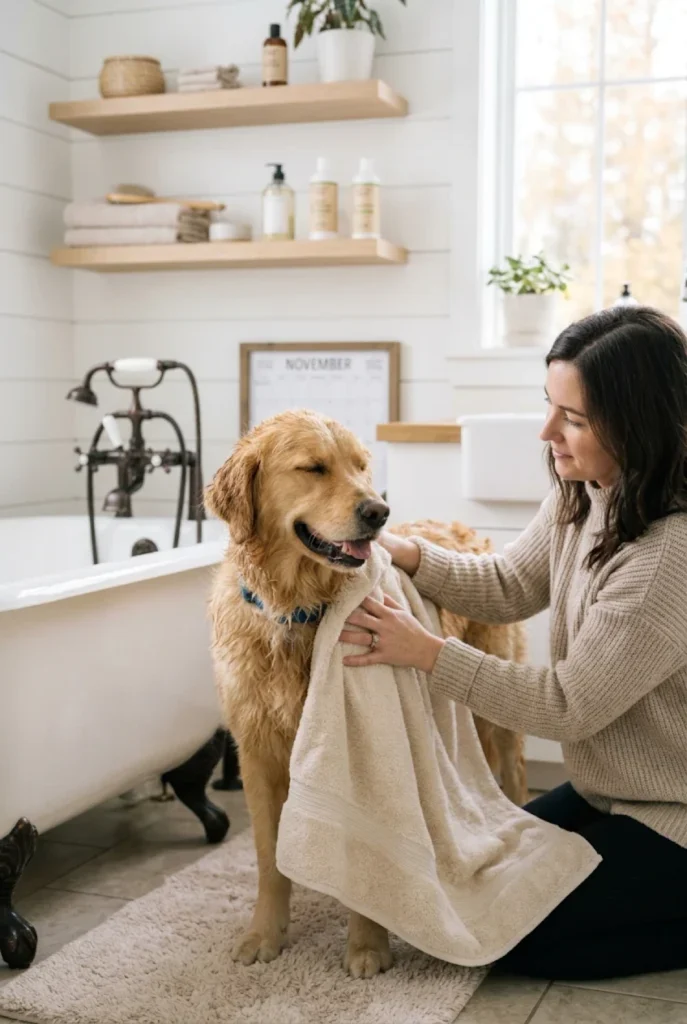
For some dogs, drying is just as uncomfortable as getting wet. Loud hair dryers, rough towel rubbing, and sudden movements can make them nervous after the bath. Start with a soft, absorbent towel and gently press it against your dog’s coat to remove excess water. Avoid rubbing too hard, especially around sensitive areas. Give your dog a moment to shake off naturally if they want to, and keep the room comfortably warm so they do not become chilled.
If you need to use a pet-safe dryer, introduce its sound and airflow gradually before using it on your dog. Begin at a low setting, keep the dryer at a safe distance, and avoid directing hot air toward the face, ears, or one spot for too long. Stop if your dog shows signs of fear. Some dogs may be more comfortable with towel drying alone. A gentle drying routine helps finish bath time on a positive note.
12. Build a Consistent and Positive Bath Routine
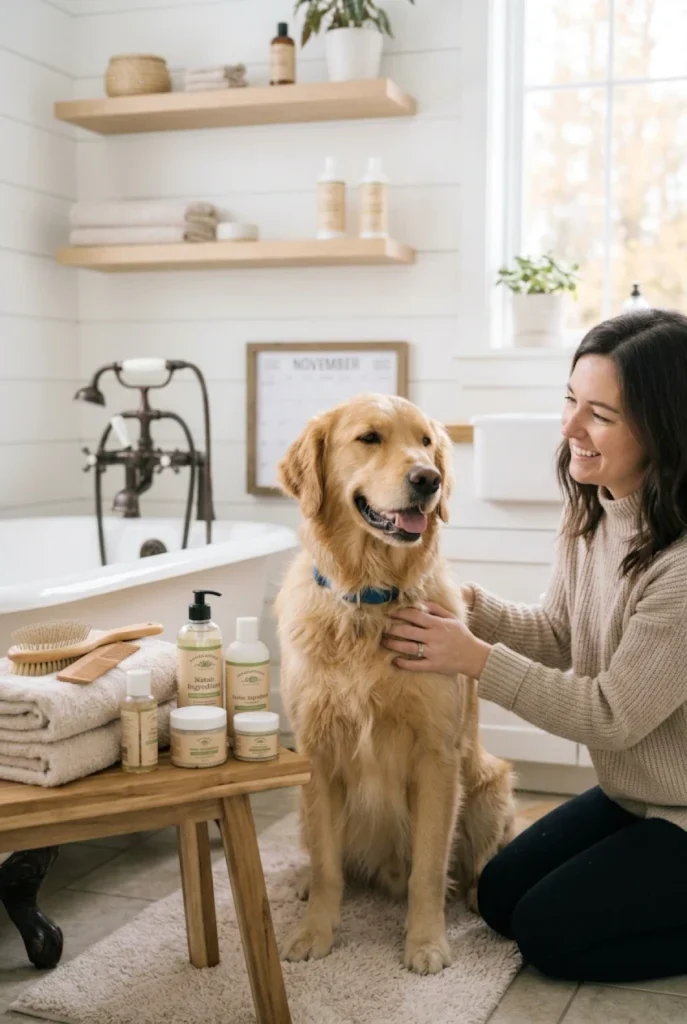
Dogs often feel more confident when they know what to expect. A consistent bathing routine can help reduce uncertainty and make grooming easier over time. Try to follow the same general order each time: prepare the bathroom, allow your dog to settle, introduce water gently, wash the coat, rinse carefully, and dry with a soft towel. Use familiar supplies and keep the environment quiet. You do not need to bathe your dog on a strict weekly schedule; the right frequency depends on coat type, lifestyle, skin condition, and veterinary advice.
Make sure every bathing experience includes something positive, such as praise, a favourite toy, or a small treat after the session. If your dog has a difficult day, reduce the steps and try again another time. Progress may be slow, but consistency matters more than speed. By making bath time predictable and comfortable, you can help your dog develop greater confidence and build a stronger relationship based on trust.
Final Thoughts
Helping your dog feel better about baths is not about making them tolerate everything immediately. It is about building trust, understanding their fears, and creating a bathing routine that feels safe and predictable. Start with simple steps, such as exploring the bathroom, standing on a non-slip mat, and becoming familiar with small amounts of water. Use gentle shampoo, calm handling, positive rewards, and comfortable drying methods.
Remember that every dog learns at a different pace. Some may become comfortable after a few short practice sessions, while others need more time and professional support. Be patient, celebrate small improvements, and avoid forcing your dog when they are frightened. With consistency and kindness, you can help make bath time a calmer and more positive part of your dog’s grooming routine.