
12 Easy Focus Exercises to Help Your Dog Pay Attention
Does your dog suddenly forget you exist when there is a squirrel, another dog, a new smell, or an exciting sound nearby? Teaching your dog to pay attention does not have to be difficult. With simple exercises and consistent rewards, you can build better focus one small step at a time.
These Focus Exercises to Help Your Dog can be practiced at home without expensive equipment. The goal is not to force your dog to stare at you constantly, but to teach them that checking in with you, responding to cues, and choosing your guidance can be rewarding even when interesting distractions are present.
1. Teach the “Watch Me” Cue
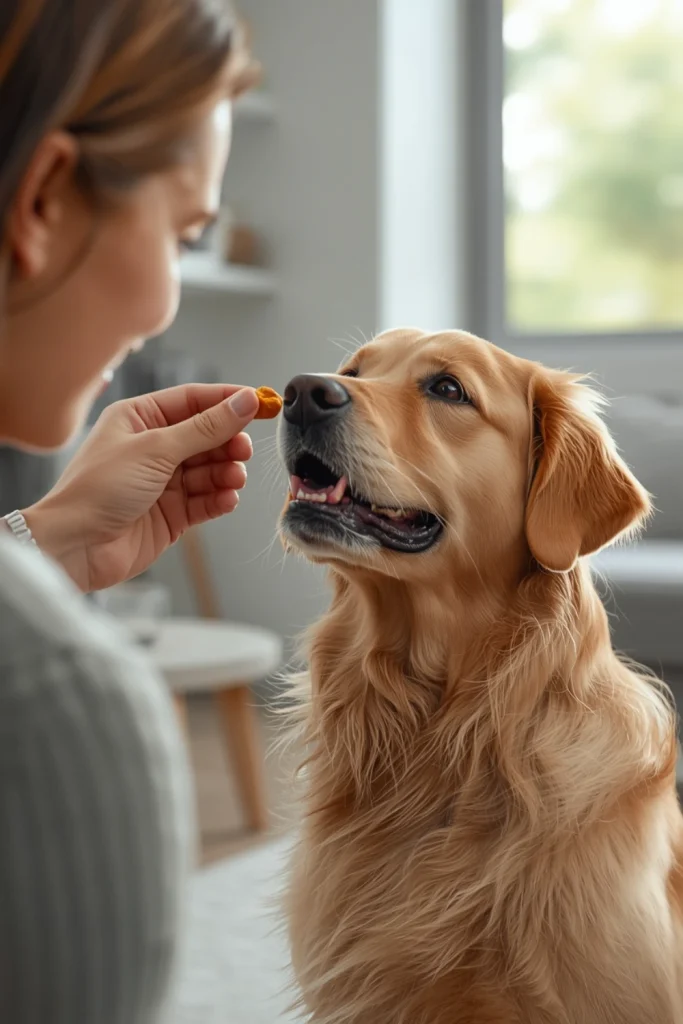
One of the simplest ways to begin focus training is to teach your dog a “Watch Me” or “Look” cue. Start in a quiet room with a few small treats. Hold a treat near your dog’s nose and slowly move it toward your eyes. When your dog looks toward your face, immediately mark the behavior with “Yes” or a click and then give the reward.
Repeat the exercise several times before gradually reducing your reliance on the treat as a lure. Once your dog understands that looking at your face earns a reward, introduce the verbal cue just before asking for eye contact. Keep the sessions short and positive. Some dogs may naturally offer eye contact more readily than others, so avoid forcing prolonged eye contact.
2. Reward Your Dog for Looking at You Naturally
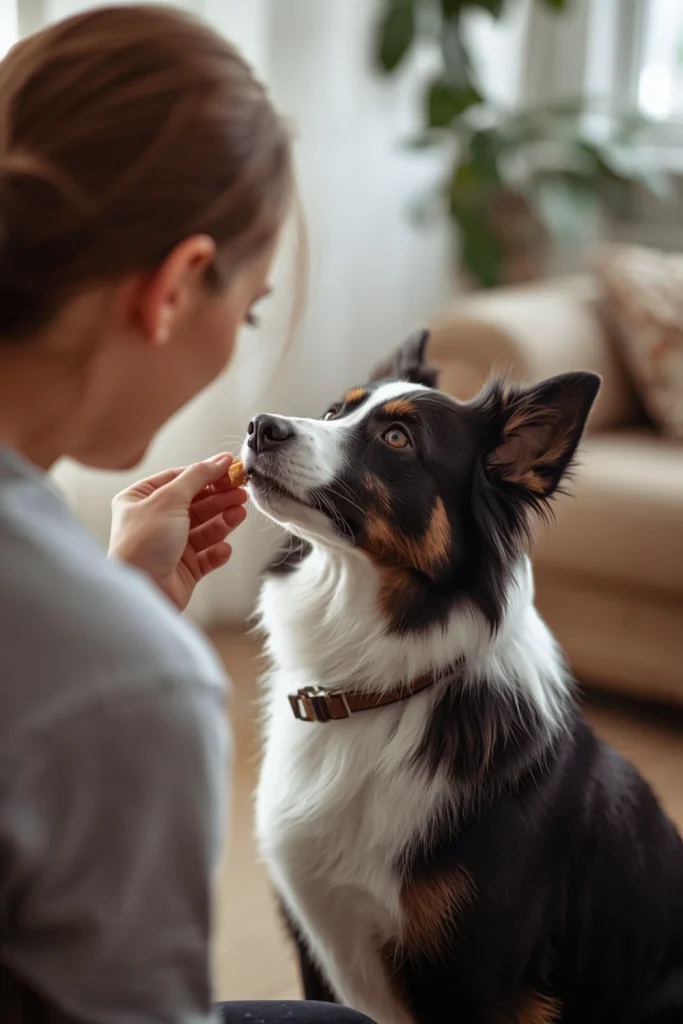
You do not always need to ask for focus. One powerful exercise is to reward your dog whenever they voluntarily look at you. Sit quietly with your dog and keep a few treats nearby. The moment your dog glances at your face, mark the behavior and provide a reward. At first, even a very brief glance should count as success.
With repetition, your dog may begin offering attention more frequently because they have learned that looking toward you produces something positive. You can later practice this during gentle movement around your home. Rewarding offered attention helps create engagement without constantly giving commands. It is also useful during walks, where you can reinforce moments when your dog chooses to check in with you.
3. Practice Focus With a Treat in Your Hand
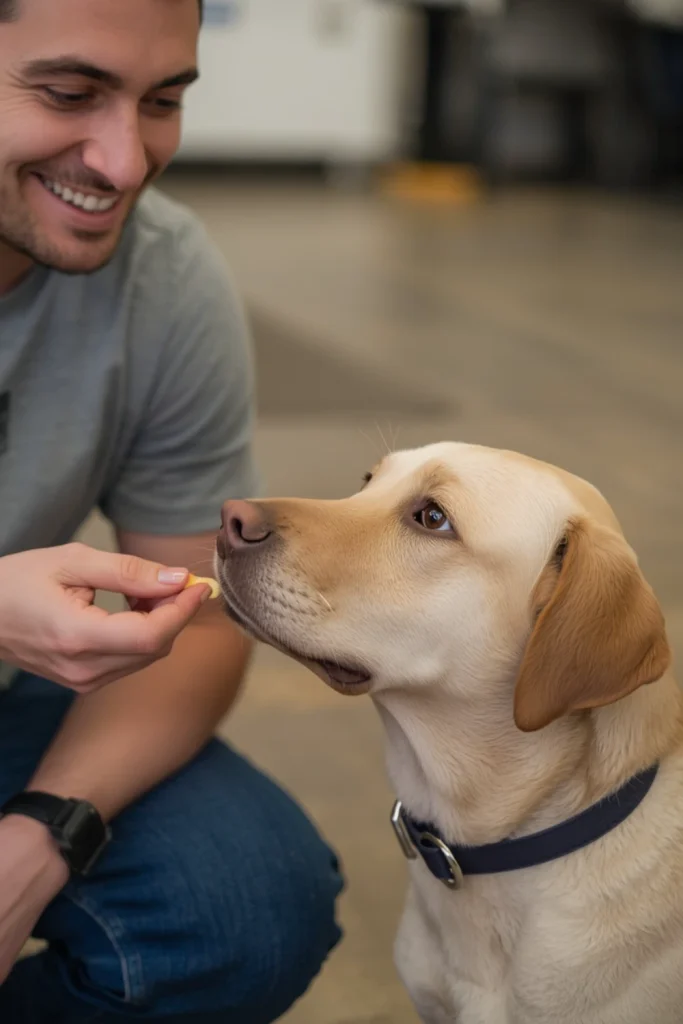
This exercise teaches your dog that the reward does not always come from immediately grabbing what they see. Hold a treat in one hand and allow your dog to notice it. Instead of giving the treat immediately, wait for your dog to look away from the food and toward you. The instant your dog makes that choice, mark and reward.
You can eventually move the treat farther to the side of your body. Your dog may initially stare at the treat, but wait patiently for them to check back in with you. This exercise helps your dog learn that focusing on you can be more rewarding than staring at the distraction. Keep the difficulty low at first and increase it gradually.
4. Use a Name Recognition Game
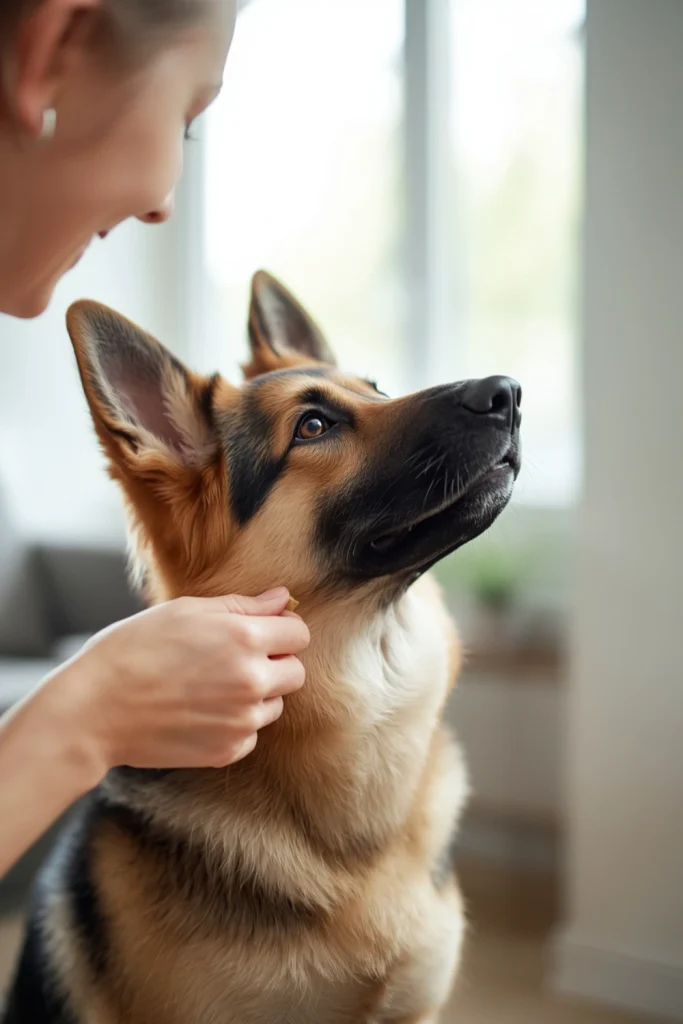
Your dog’s name should have a positive meaning. Begin in a quiet room where there are few distractions. Say your dog’s name once in a cheerful but natural voice. When your dog turns their head toward you or looks at you, immediately mark and reward the response.
Repeat this game several times but avoid saying your dog’s name repeatedly when they are not responding. If your dog does not turn toward you, reduce the distraction level or increase the value of the reward. Once your dog responds reliably inside, practice in different rooms and eventually in slightly more distracting environments. The goal is for your dog’s name to become a useful attention cue rather than background noise.
5. Play the Hand Target Game
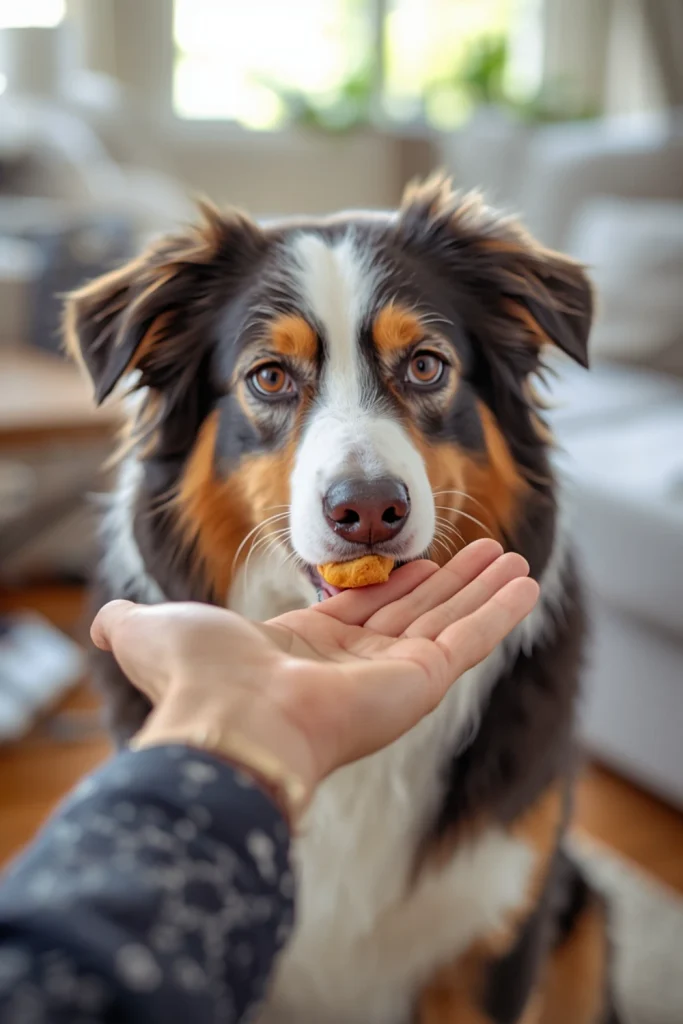
Hand targeting is a fun way to encourage your dog to interact with you. Hold your open palm a short distance from your dog’s nose. When your dog investigates and touches your hand with their nose, mark the moment and reward them. Once your dog understands the game, add a cue such as “Touch.”
Gradually move your hand to different positions so your dog has to pay attention to where you place it. Later, you can practice the behavior while you are standing or moving around the room. Nose targeting can be useful for redirecting a dog’s attention and can eventually be practiced around mild distractions.
6. Practice Focus While Walking Around the House
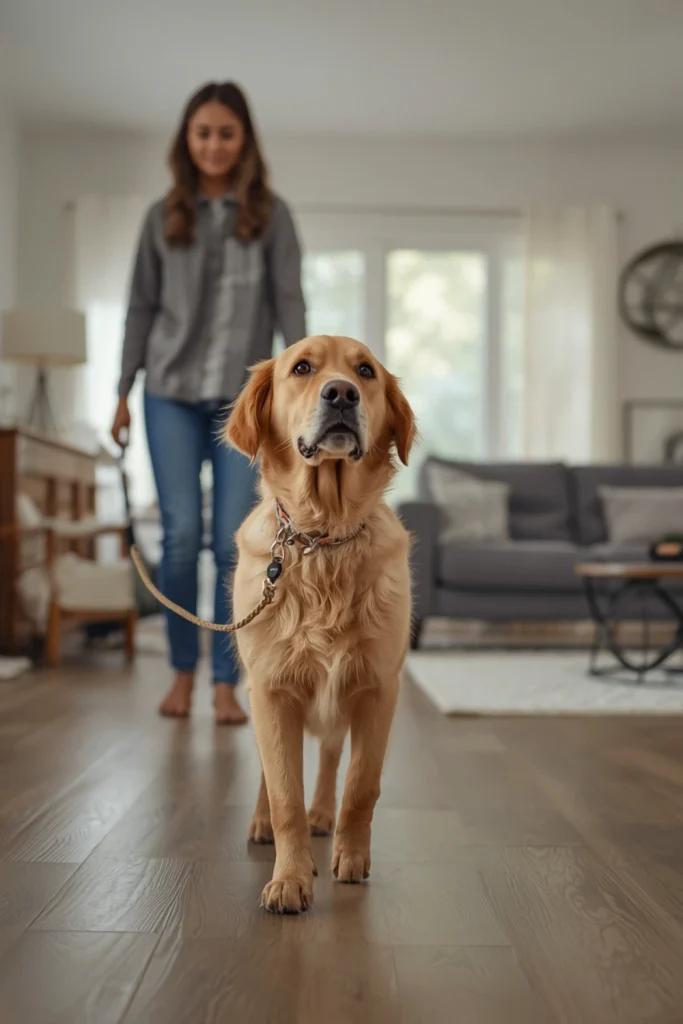
Your dog may pay attention when you are standing still but lose focus when you begin moving. Turn this into a simple indoor game. Walk slowly around a quiet room and reward your dog whenever they choose to look toward you or follow your movement calmly.
Start with only a few steps before rewarding. You can change direction gently and encourage your dog to check in with you. If your dog becomes distracted, reduce your movement and return to an easier version. The objective is to teach your dog that staying connected with you can be rewarding even when you are moving around. This can later support better attention during walks.
7. Practice Focus Around a Favorite Toy
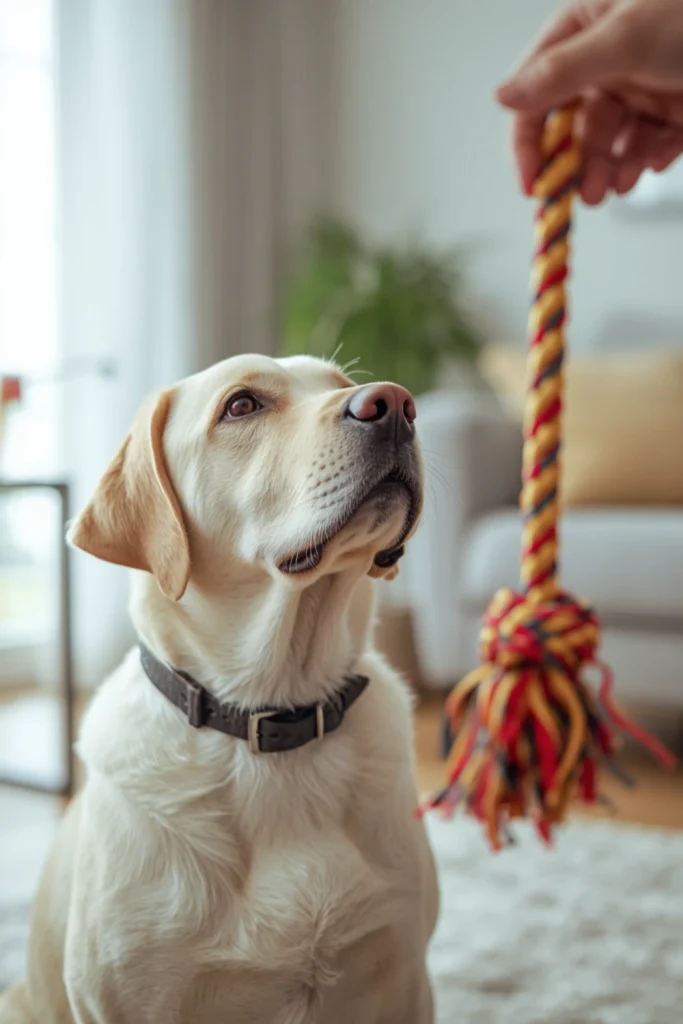
A favorite toy can be a much stronger distraction than an ordinary household object. Start by holding the toy calmly rather than waving it around. Wait for your dog to look at you before giving them access to the toy. Rewarding focus with the opportunity to play teaches your dog that attention can make exciting things happen.
As your dog improves, gently move the toy or place it on the floor. Ask for a brief moment of attention before starting the game. Keep the exercise fun and short. If your dog becomes too excited to think, make the exercise easier. The goal is to develop the ability to shift between excitement and attention, not to eliminate your dog’s enthusiasm for play.
8. Teach Focus Before Mealtime
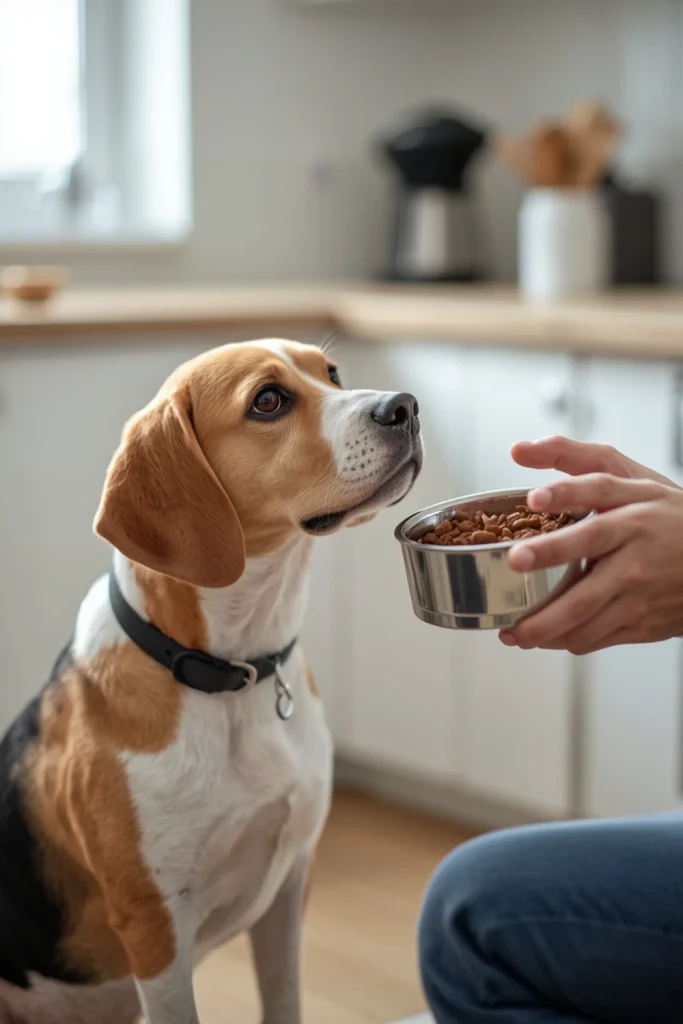
Mealtime provides a natural opportunity to practice attention because food is highly motivating for many dogs. Before placing the food bowl down, wait for a moment when your dog looks toward you or calmly responds to their name. Mark and reward the attention before continuing with the meal routine.
You can gradually build a short sequence: name response, eye contact, calm behavior, and then access to the food. There is no need to demand a long stare or prolonged obedience. The purpose is simply to teach your dog that paying attention to you can help good things happen. Using valuable everyday activities as rewards can make training practical and meaningful.
9. Use Focus During Play Breaks
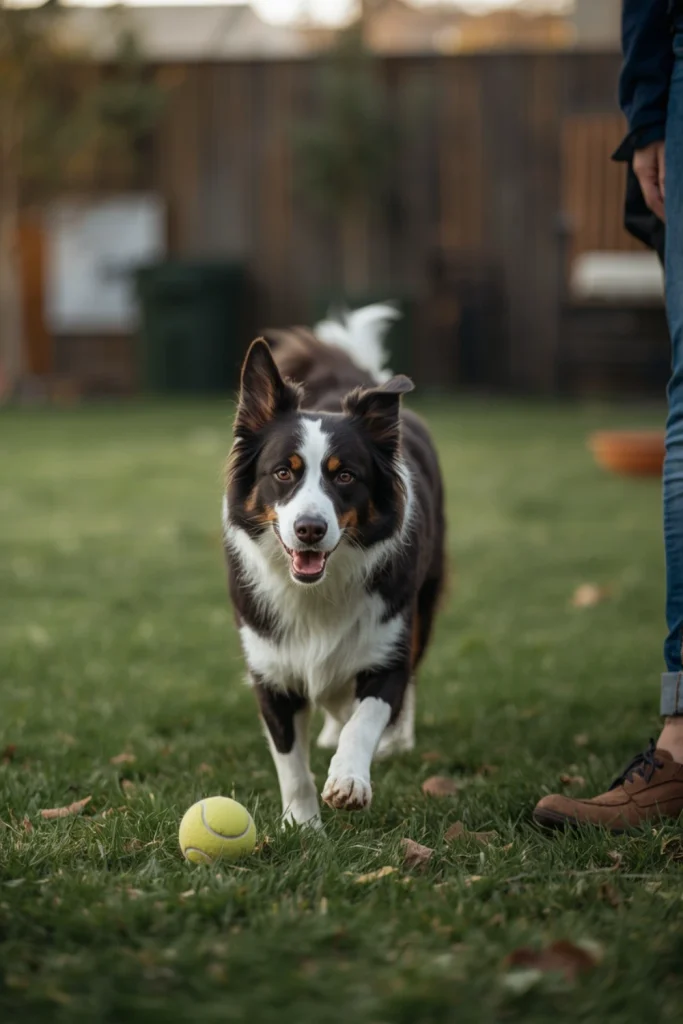
Play can make dogs excited, but it can also become a useful opportunity to practice switching between excitement and attention. Start a favorite game such as fetch or tug. After a short period of play, pause and wait for your dog to look toward you. When they check in, mark and reward by restarting the game.
This teaches your dog that attention does not mean the fun is ending. Instead, paying attention can actually make the game continue. Over time, you can add a simple cue such as “Look” during the pause. Keep the game safe and appropriate for your dog’s age and physical ability, and avoid pushing the dog into excessive excitement.
10. Gradually Add Household Distractions
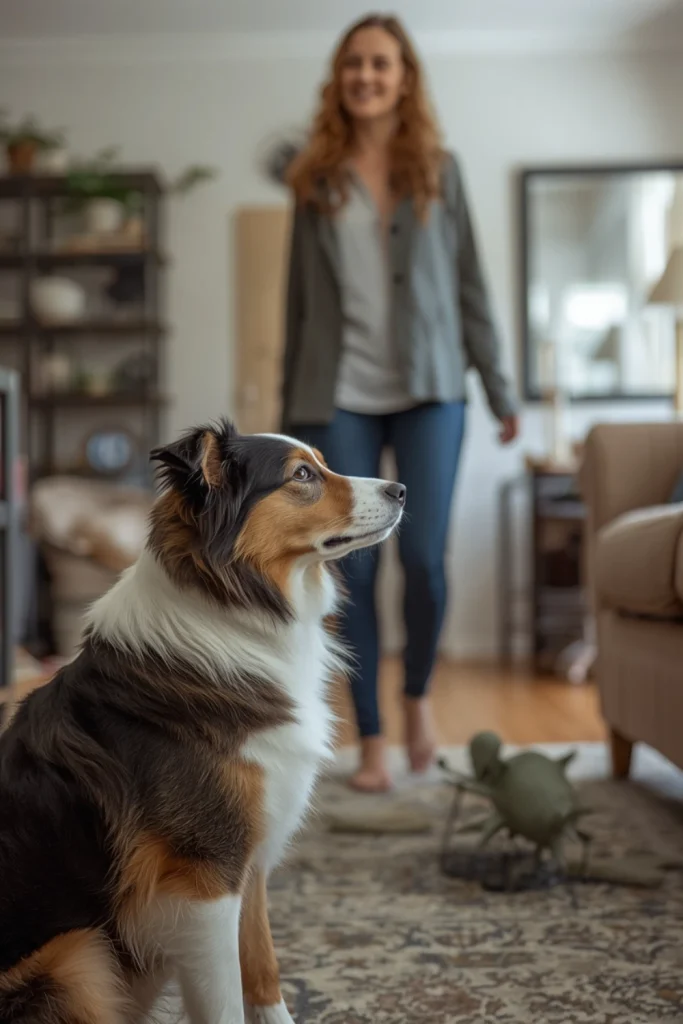
Once your dog can focus in a quiet room, begin introducing mild distractions. Ask a family member to walk through the room, move a chair, open a cabinet, or gently play with a toy in the distance. Reward your dog whenever they choose to look back at you.
Do not make the distraction extremely difficult immediately. If your dog cannot focus, the distraction is probably too strong or you are too close to it. Increase difficulty gradually by changing only one factor at a time. Dogs learn better when they experience repeated success, and distraction training should be structured so that the dog is capable of responding rather than repeatedly practicing ignoring you.
11. Practice Focus at the Door
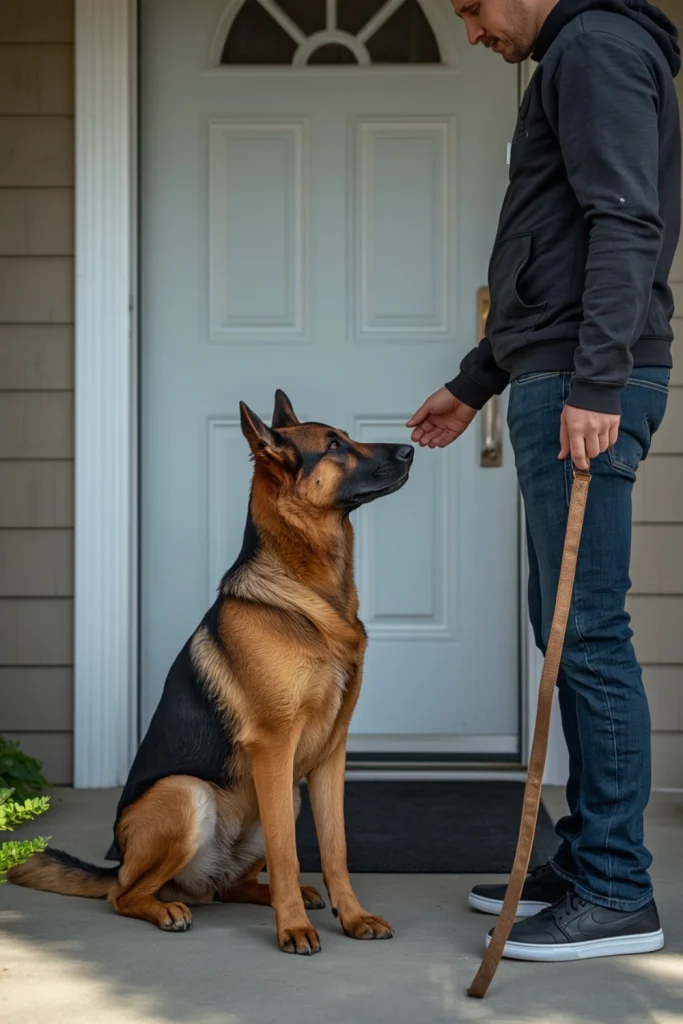
Doors can create excitement because they predict walks, visitors, deliveries, or outdoor exploration. Start with an interior door and ask for a brief moment of attention before opening it. When your dog looks toward you, reward them and continue the routine.
As your dog becomes more reliable, practice with slightly more exciting doors and situations. You can combine focus with a wait cue, asking your dog to check in with you before moving forward. When practicing exterior doors, use a leash or other appropriate safety measure. The goal is to teach your dog that even exciting events are an opportunity to stay connected with you.
12. Take Focus Training to Different Environments
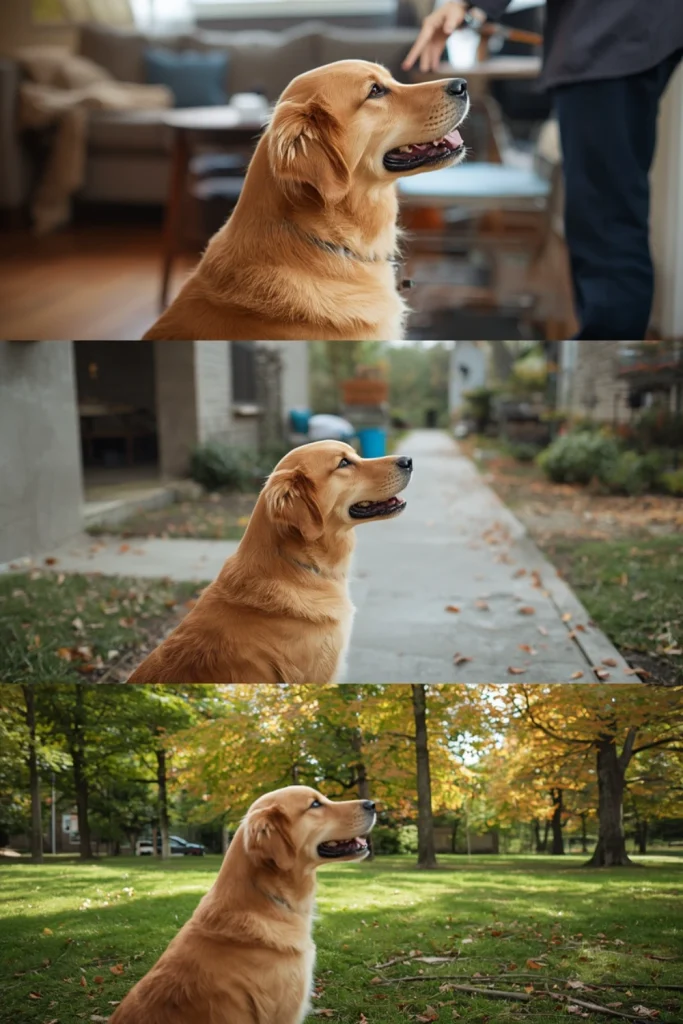
The final step is to help your dog understand that focus is useful beyond the living room. Once your dog can reliably pay attention at home, gradually practice in a quiet backyard, hallway, driveway, or other safe low-distraction location. Reward small moments of attention and keep the sessions short.
As your dog’s skills improve, slowly introduce more challenging environments. You might eventually practice on quiet walks or around mild distractions. Do not jump from a quiet house directly into a crowded park. Your dog may need more distance from distractions, higher-value rewards, or easier expectations in a new environment. Gradually building distractions helps your dog learn to focus without becoming overwhelmed.
Final Thoughts
Teaching your dog to pay attention is one of the most useful foundations for everyday training. A dog that learns to check in with you can be easier to guide through new situations, walks, distractions, and other obedience exercises.
The best Focus Exercises to Help Your Dog are simple enough to practice every day. Start with name recognition, spontaneous attention, watch-me exercises, hand targeting, and focus around favorite toys. Once your dog succeeds in a quiet environment, gradually introduce distractions rather than expecting immediate focus in difficult situations.
Remember that attention is a skill that develops through practice. Reward your dog’s good choices, keep sessions short, and adjust the difficulty whenever your dog struggles. With patience and consistent positive reinforcement, your dog can learn that paying attention to you is rewarding even when the world around them becomes exciting.