
12 Puppy Leash Training Tips for Easier Walks
A calm puppy walk starts long before you step outside the front door. Teaching your puppy how to walk comfortably on a leash can make daily walks safer, more enjoyable, and much less stressful for both of you.
With the right Puppy Leash Training Tips, you can teach your puppy to stay close, respond to you, avoid pulling, and enjoy exploring without turning every walk into a struggle. Leash training takes patience and repetition, but small daily sessions can create excellent walking habits that last into adulthood.
1. Choose the Right Collar or Harness and Leash
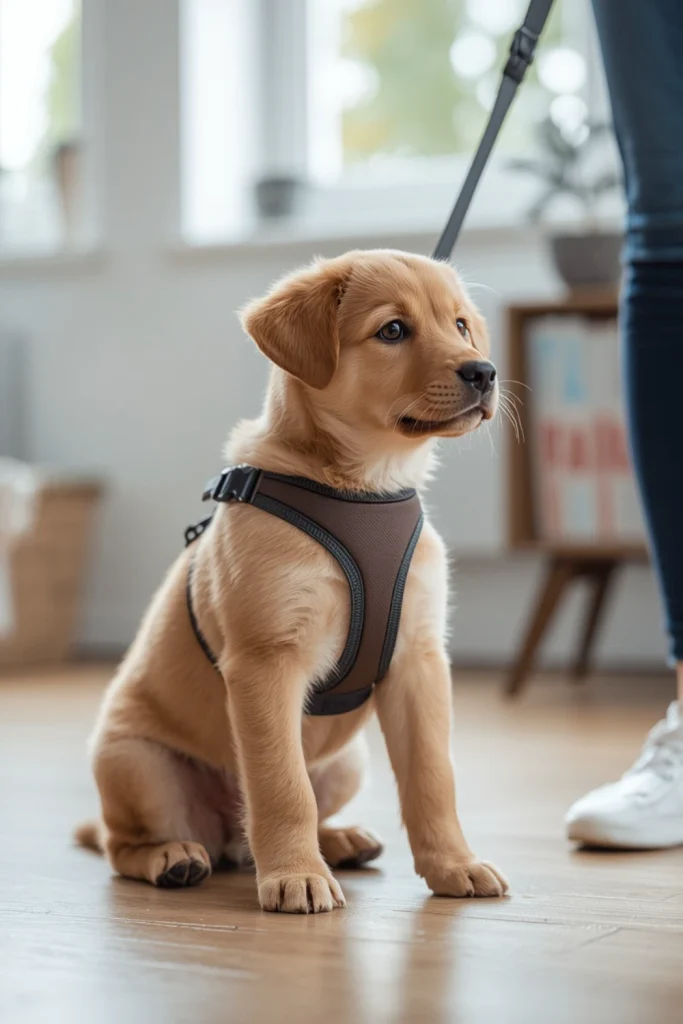
One of the first steps in successful leash training is choosing equipment that fits your puppy comfortably. A properly fitted harness or collar should allow normal movement without rubbing, pinching, or putting unnecessary pressure on the neck. Many owners prefer a well-fitted harness for young puppies, especially when the puppy tends to pull. The leash should be lightweight enough for your puppy but strong enough to handle normal movement. Avoid choosing equipment simply because it looks attractive; comfort and safety should come first.
Before beginning formal leash training, let your puppy become familiar with the equipment indoors. Allow your puppy to sniff the harness or collar and reward calm behavior around it. Put it on for short periods while your puppy is relaxed, then gradually increase the time. Watch for signs of discomfort such as scratching, freezing, or trying to escape the equipment. A puppy that feels comfortable wearing its gear will usually find the transition to walking much easier.
2. Introduce the Leash Inside the House
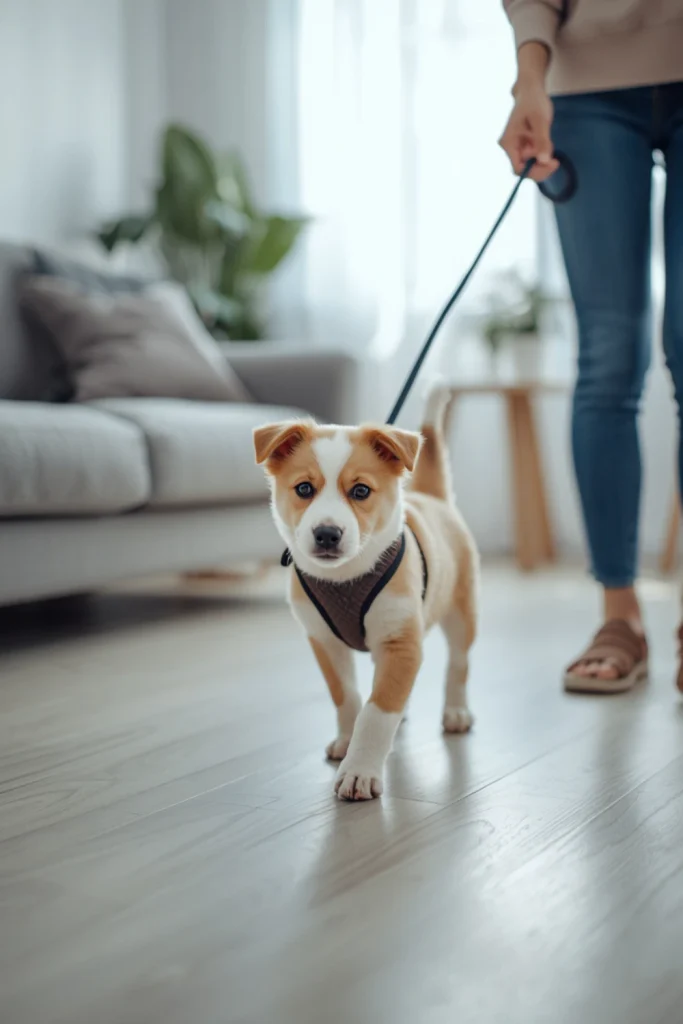
Your puppy does not need to learn everything outdoors. In fact, beginning indoors can make leash training much easier because there are fewer distractions. Attach the leash to your puppy’s harness or collar and allow the puppy to walk around the room while you supervise. Let the leash drag briefly on the floor only if it is completely safe and you are watching closely. Reward your puppy for remaining calm and moving naturally.
After your puppy becomes comfortable with the leash, start holding it while walking around the house. Call your puppy gently and reward it for following you. Change directions occasionally so your puppy learns to pay attention to your movement. Keep these early sessions short and fun. The goal is not to achieve a perfect heel immediately but to teach your puppy that wearing a leash and staying connected to you is a normal and rewarding experience.
3. Reward Your Puppy for Paying Attention to You
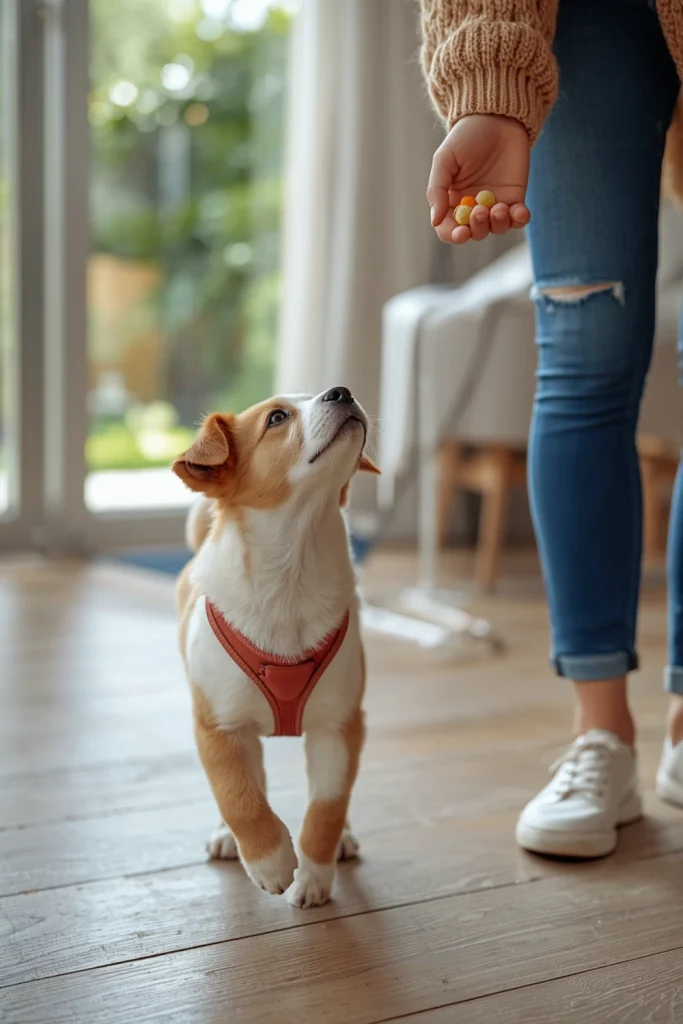
One of the most useful Puppy Leash Training Tips is teaching your puppy that paying attention to you is rewarding. During training, carry small, puppy-safe treats and reward moments when your puppy looks toward you, comes closer, or voluntarily follows your movement. You can also use verbal praise or a favorite toy if your puppy is more motivated by those rewards.
Start in a quiet area where your puppy can focus. Say your puppy’s name gently and reward it when it looks at you. Gradually practice while walking. If your puppy becomes distracted, avoid repeatedly pulling on the leash. Instead, use your voice, movement, or a treat to regain attention. Over time, your puppy will learn that checking in with you is a valuable habit during walks.
4. Start in a Quiet, Low-Distraction Area
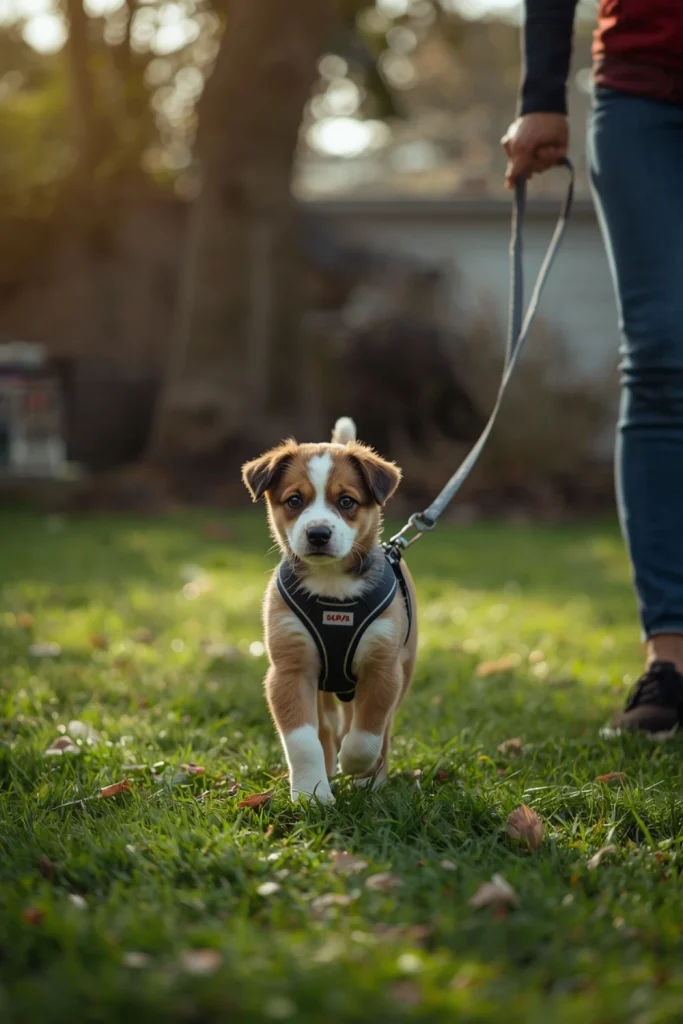
Taking a puppy directly into a busy park or crowded street can make leash training unnecessarily difficult. New sounds, people, vehicles, dogs, bicycles, and smells can overwhelm a young puppy. Instead, begin in a quiet hallway, backyard, driveway, or peaceful outdoor area where your puppy can focus on learning. Keep the first sessions short and give your puppy time to investigate its surroundings.
As your puppy becomes more confident, gradually introduce new environments. Move from a quiet area to a slightly busier location and continue rewarding calm behavior. If your puppy becomes overwhelmed, return to an easier environment and try again later. Good leash training is not about exposing your puppy to every possible distraction at once. It is about gradually building confidence while teaching your puppy how to respond to you.
5. Teach Your Puppy Not to Pull
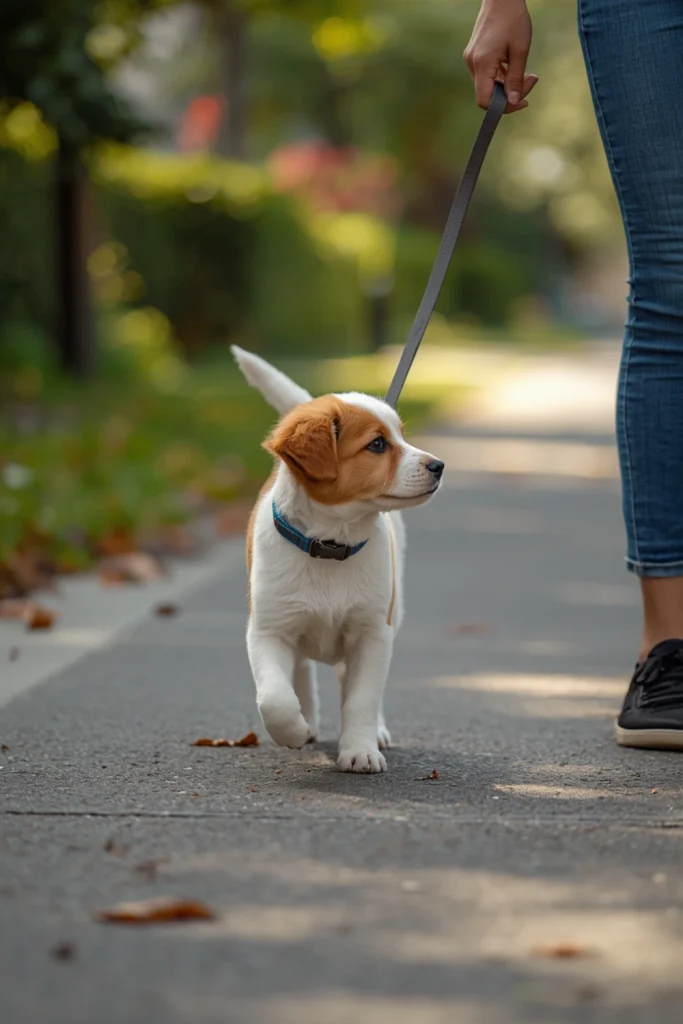
Pulling is one of the most common challenges during puppy walks. When a puppy discovers that pulling moves it closer to an exciting smell, person, dog, or object, pulling can quickly become a learned habit. Instead of constantly pulling your puppy back, teach that a loose leash leads to continued movement. When the leash becomes tight, stop moving or calmly change direction. When your puppy returns closer and the leash becomes loose, reward and continue walking.
Consistency is essential. If pulling sometimes gets your puppy where it wants to go, the behavior may become stronger. Everyone who walks your puppy should follow the same approach. Avoid harsh leash corrections, jerking, or intimidating training methods. Your puppy is still learning how to understand the world. Calmly rewarding loose-leash behavior can create a much better foundation for enjoyable walks.
6. Use the “Stop and Wait” Technique
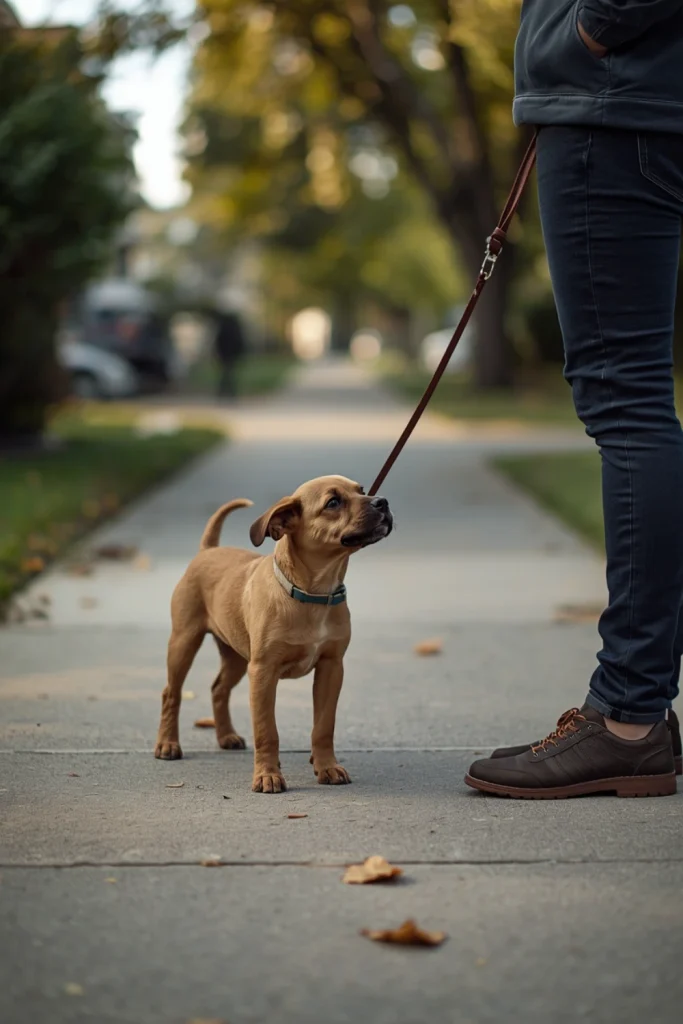
The stop-and-wait technique can help your puppy understand that pulling does not make the walk continue. When your puppy moves ahead and creates tension on the leash, stop walking. Remain calm and wait for your puppy to turn toward you or move closer. As soon as the leash becomes loose, praise your puppy and begin walking again. This teaches an important lesson without using physical punishment.
At first, you may need to stop frequently. That is normal. Keep your expectations realistic and reward even small improvements. Over time, your puppy should begin to understand that a loose leash allows the walk to continue. If stopping repeatedly makes your puppy frustrated, combine this technique with attention exercises, treats, and changes of direction. The goal is to make good leash behavior clear and rewarding.
7. Teach Your Puppy to Follow Direction Changes
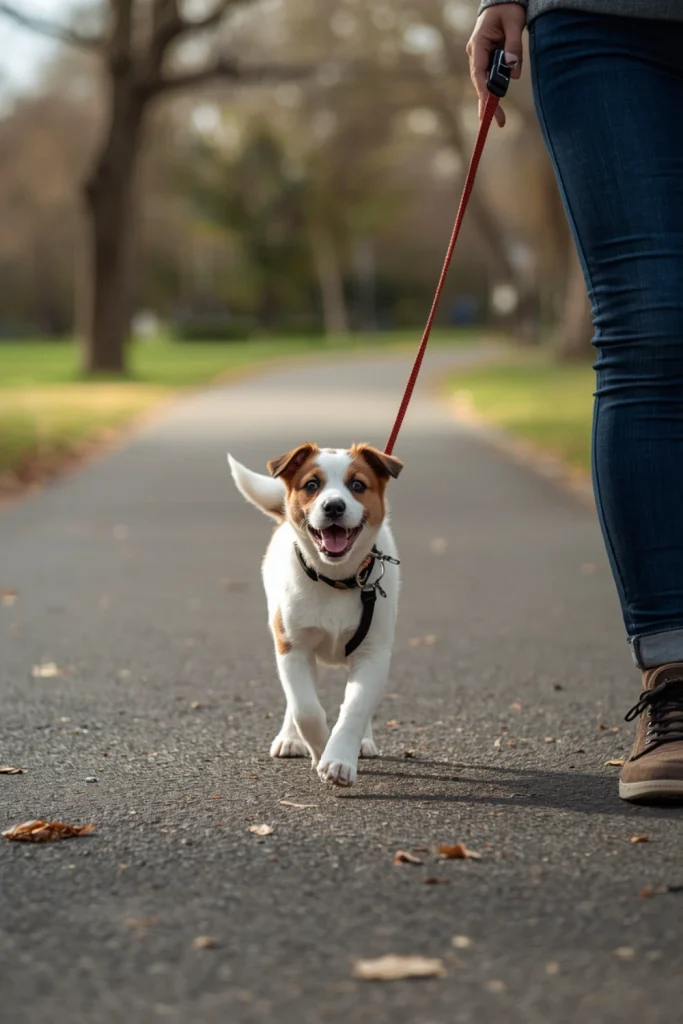
Direction changes can teach your puppy to pay attention to where you are going rather than constantly pulling ahead. During a quiet training session, walk several steps in one direction and then calmly turn around. Encourage your puppy to follow you and reward it when it catches up. Keep your movements gentle and predictable rather than making sudden or frightening turns.
This exercise can become a fun attention game. You can change direction before your puppy becomes too distracted and reward your puppy for following. Eventually, your puppy may begin watching your body language and checking where you are going. This skill can be especially useful in busy environments where you need your puppy to respond quickly and stay connected to you.
8. Keep Training Sessions Short and Positive
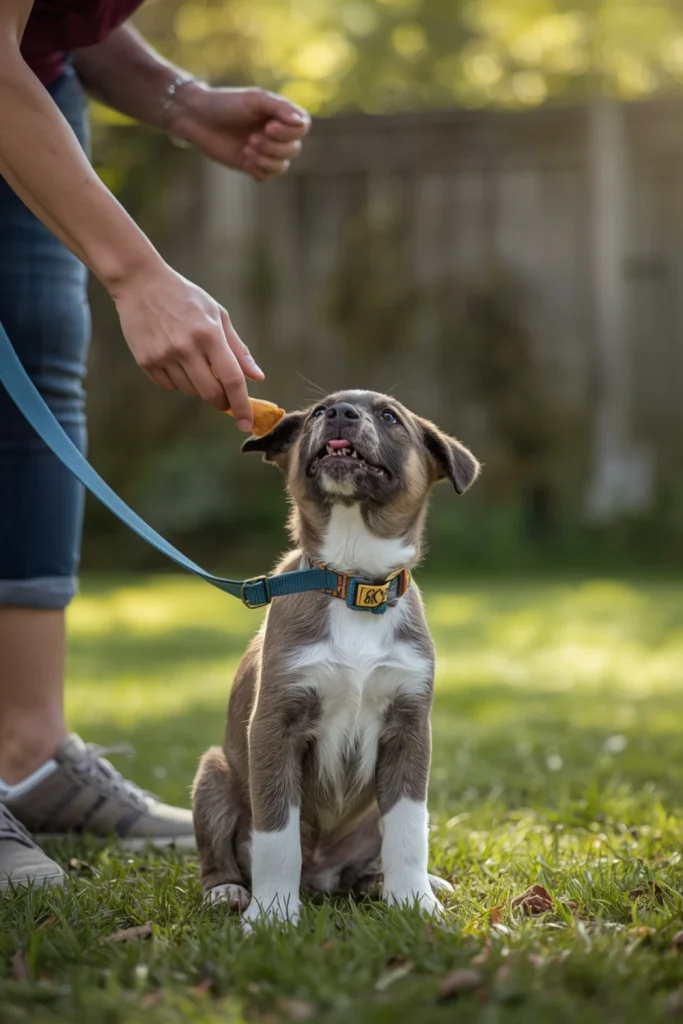
Young puppies have limited attention spans, so long training sessions can quickly become boring or frustrating. One of the most practical Puppy Leash Training Tips is to keep early sessions short. A few minutes of focused practice can be more productive than expecting a puppy to walk perfectly for a long period. End the session while your puppy is still interested and successful.
Try practicing several short sessions throughout the day instead of relying on one long training period. You can practice indoors, in the yard, on a quiet sidewalk, or during regular walks. Always finish with something positive, such as praise, a treat, or a calm sniffing opportunity. Short, successful sessions help your puppy build confidence and make training feel like an enjoyable activity.
9. Let Your Puppy Sniff and Explore Safely
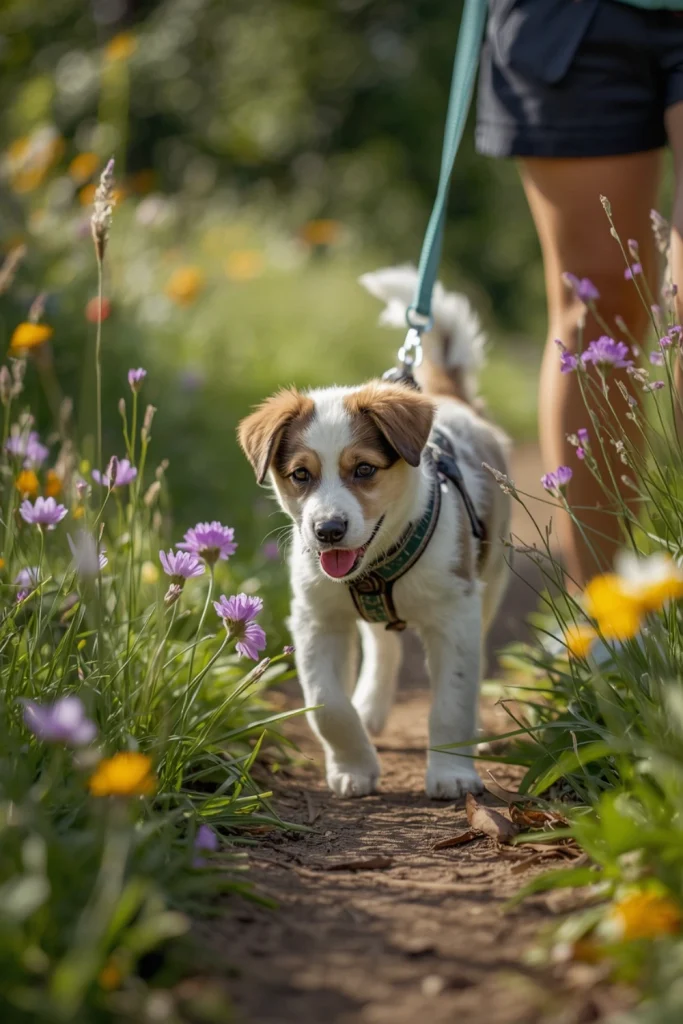
Walks are not only about covering distance. Puppies learn about their environment through smell, sounds, sights, and movement. Allowing your puppy appropriate opportunities to sniff can make walks mentally enriching. You do not need your puppy to walk beside you every second. During safe sections of the walk, allow time for controlled exploration while keeping the leash secure.
You can also teach your puppy the difference between training time and sniffing time. For example, walk together for a short distance and then give a release cue that tells your puppy it is time to explore. After a few minutes, calmly regain attention and continue walking. This balance can prevent walks from becoming frustrating while giving your puppy an appropriate outlet for natural curiosity.
10. Gradually Introduce People, Dogs, and Other Distractions
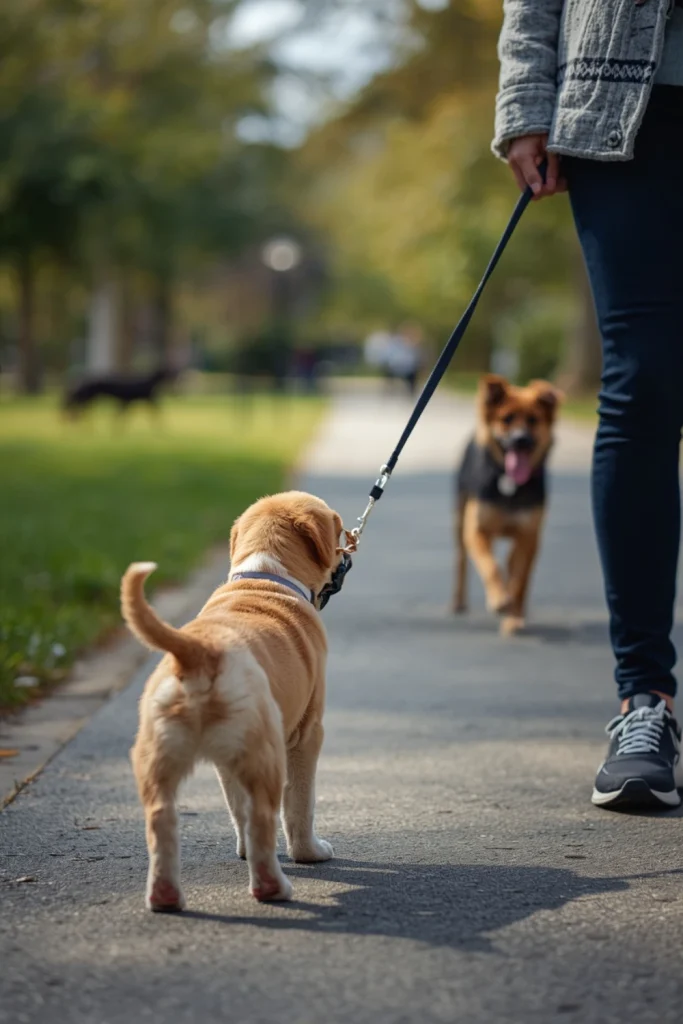
Puppies need opportunities to experience the world, but socialization and leash training should be introduced at a pace your puppy can handle. Start by practicing around mild distractions and reward calm behavior. If your puppy sees a person or another dog and remains relaxed while checking in with you, provide praise or a treat. Gradually work closer to distractions as your puppy becomes more confident.
Do not force your puppy to greet every dog or person it encounters. Some puppies become overly excited, nervous, or frustrated when they see other animals. Give your puppy enough distance to remain calm and teach it that paying attention to you is rewarding. If your puppy becomes overwhelmed, calmly move farther away. Good socialization is about positive experiences, not constant interaction.
11. Practice Leash Walking in Different Environments
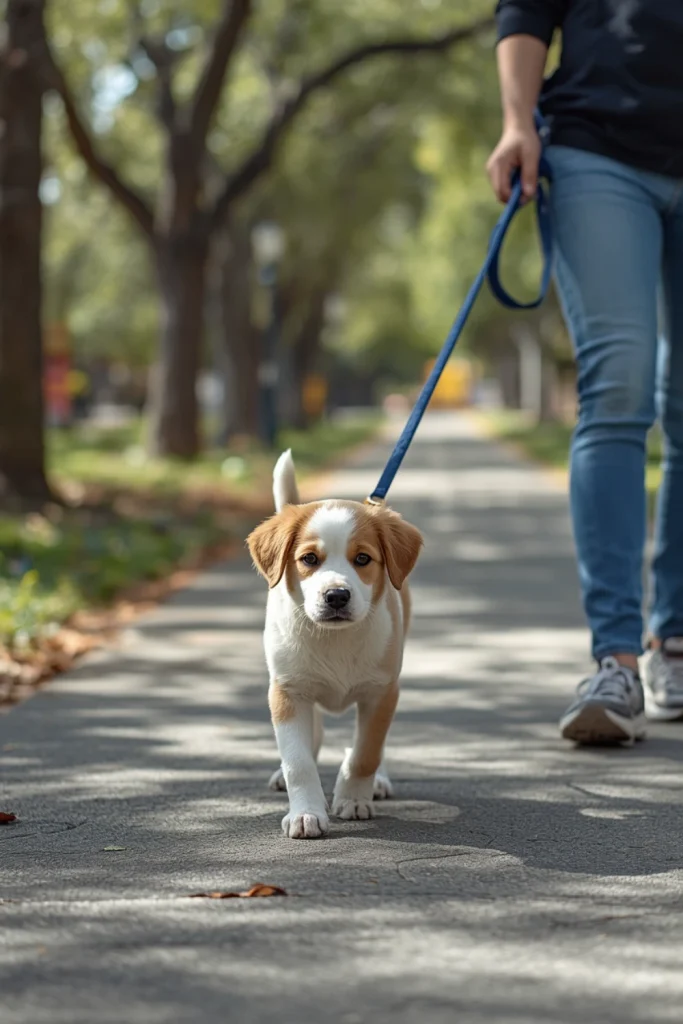
A puppy that walks beautifully in the living room may behave completely differently outside. Dogs do not automatically understand that a behavior learned in one location should happen everywhere. This is why practicing in different safe environments is an important part of leash training. Once your puppy has basic skills, gradually practice in the yard, driveway, quiet sidewalk, park, and other appropriate areas.
Change only one difficulty factor at a time when possible. For example, you might first practice in a quiet street and later move to a location with more people. Reward your puppy for using familiar skills despite new surroundings. If the environment becomes too distracting, move back to an easier location. With repetition, your puppy will learn that loose-leash walking and checking in with you apply in many different situations.
12. Be Consistent, Patient, and Positive
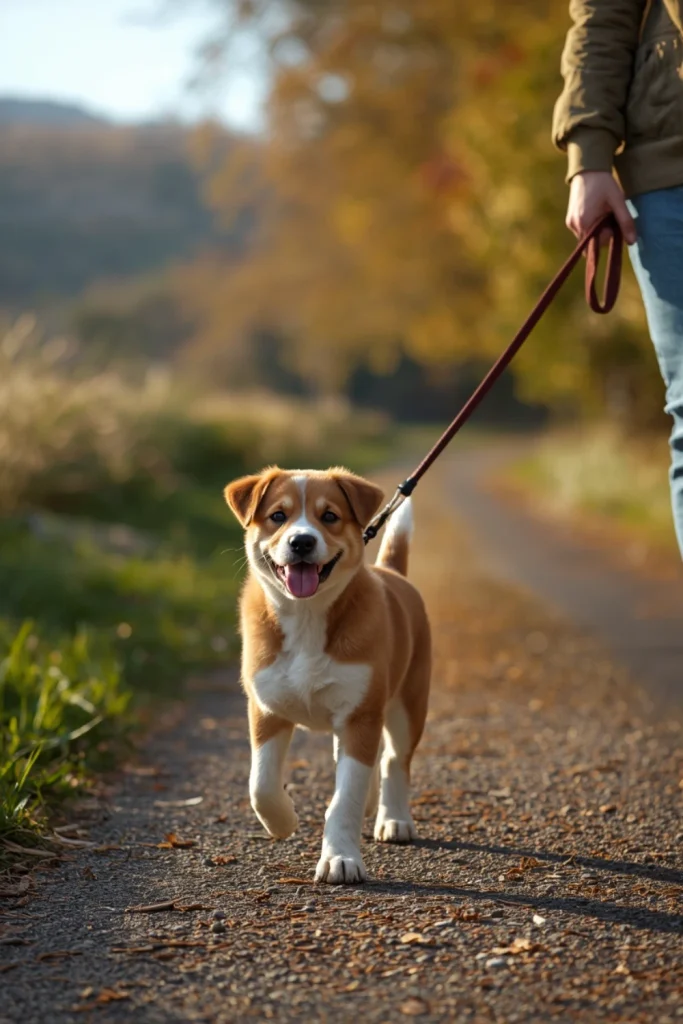
The final and perhaps most important of these Puppy Leash Training Tips is consistency. Puppies do not learn perfect leash manners overnight. Some days your puppy may walk beautifully, while on other days distractions may make the walk more difficult. Stay patient and focus on progress rather than perfection. Reward the behaviors you want to see and calmly redirect unwanted behavior.
Everyone who walks your puppy should use similar rules. If one person allows pulling while another stops whenever the leash becomes tight, your puppy may become confused. Keep training methods simple and predictable. Celebrate small improvements, such as walking a few extra steps without pulling or looking at you after hearing its name. With regular practice and positive reinforcement, your puppy can develop calm, confident walking habits that make future walks much easier.
Final Thoughts
The right Puppy Leash Training Tips can transform daily walks from a frustrating experience into an enjoyable routine. Start with comfortable equipment, introduce the leash gradually, reward attention, and practice in quiet environments before adding more distractions.
Remember that your puppy is learning an entirely new skill. Be patient, keep sessions short, and reward progress. Avoid harsh corrections and focus on teaching your puppy what you want it to do. With consistent positive training, your puppy can learn to walk calmly, stay connected to you, and enjoy exploring the world on a leash.