
10 Simple Ways to Teach Your Dog to Wait
Teaching your dog to wait is one of the most useful skills you can add to their everyday training. A reliable “wait” cue can make meals calmer, doorways safer, car rides easier, and daily routines much more manageable.
The good news is that you do not need complicated equipment or advanced training experience. With short practice sessions, clear communication, patience, and rewards your dog enjoys, you can gradually teach them that waiting calmly leads to something good.
1. Start With a Quiet Training Area
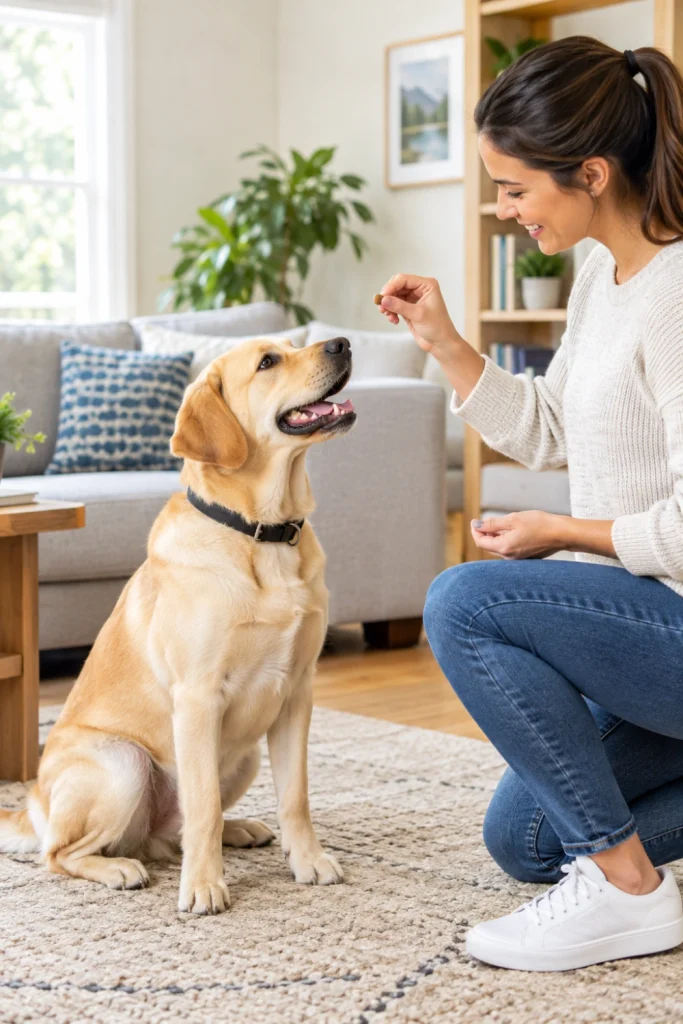
One of the easiest ways to teach your dog to wait is to begin somewhere calm and familiar. Choose a quiet room in your home where there are few distractions. Keep some small training treats nearby and make sure your dog is relaxed before starting. A peaceful environment allows your dog to concentrate on your voice and body language instead of reacting to noises, people, toys, or other animals.
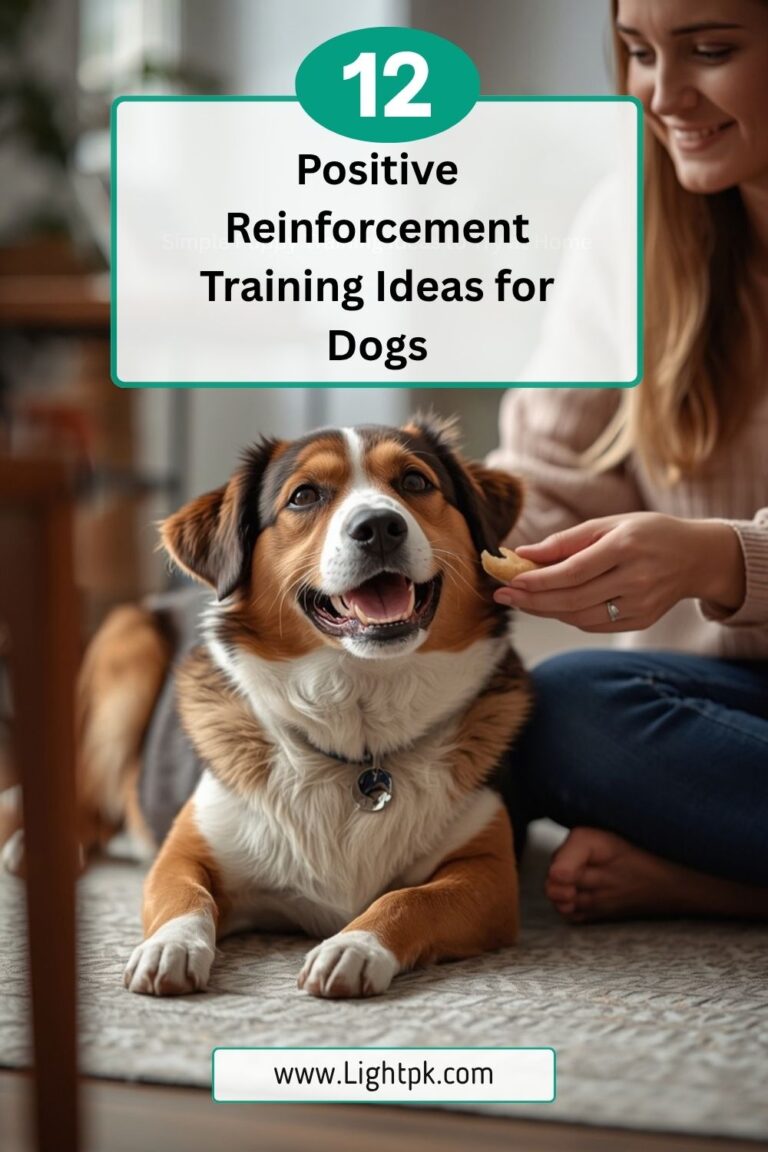
Ask your dog to stand or sit comfortably. Say “wait” in a calm and consistent voice, then pause for just one or two seconds. If your dog remains in place without rushing forward, immediately mark the successful behavior with “Yes” or another marker word and give a reward. Starting with a very short wait makes it easier for your dog to understand what you want.
2. Choose a Clear “Wait” Cue
Consistency is extremely important when teaching your dog a new behavior. Choose one word, such as “wait,” and use the same word every time. Avoid constantly switching between words like “hold,” “stop,” “stay,” and “wait,” because your dog may struggle to understand which behavior you are requesting.
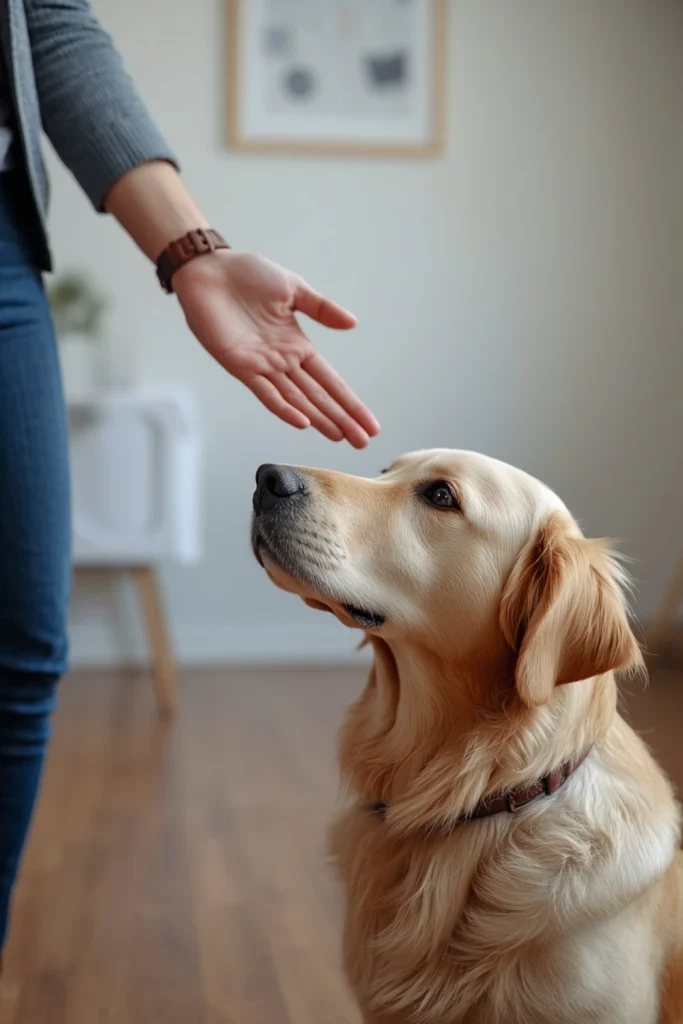
You can also pair the verbal cue with a simple hand signal. An open palm facing your dog can become a visual reminder that they should pause. Give the verbal cue and hand signal before the situation becomes exciting. With repetition, your dog can begin to associate these signals with the expectation of waiting calmly.
3. Reward Very Short Waits First
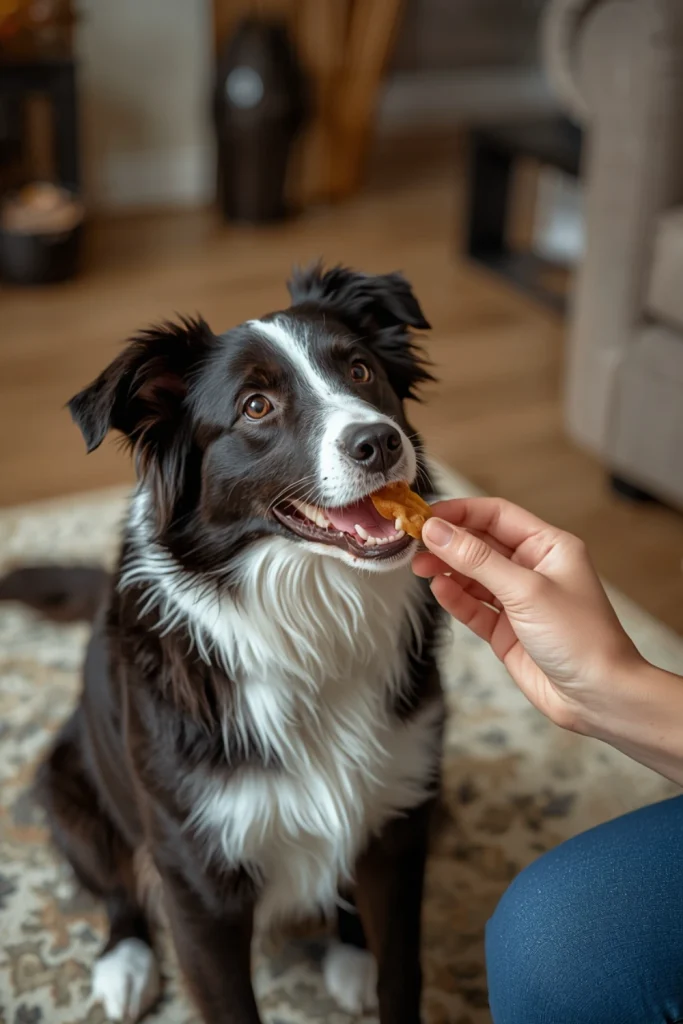
Many beginners make the mistake of expecting their dog to wait for too long immediately. Instead, make the first few repetitions extremely easy. Ask your dog to wait for one second, reward them, and then repeat. Once your dog understands the basic idea, gradually increase the waiting time.
For example, you could begin with one second, then two seconds, then three seconds. There is no need to rush toward a minute-long wait. Your dog needs to learn that remaining patient is rewarding. If your dog repeatedly breaks the wait, reduce the amount of time and return to an easier level where success is likely. Gradual progress helps prevent frustration.
4. Teach Your Dog to Wait for the Food Bowl
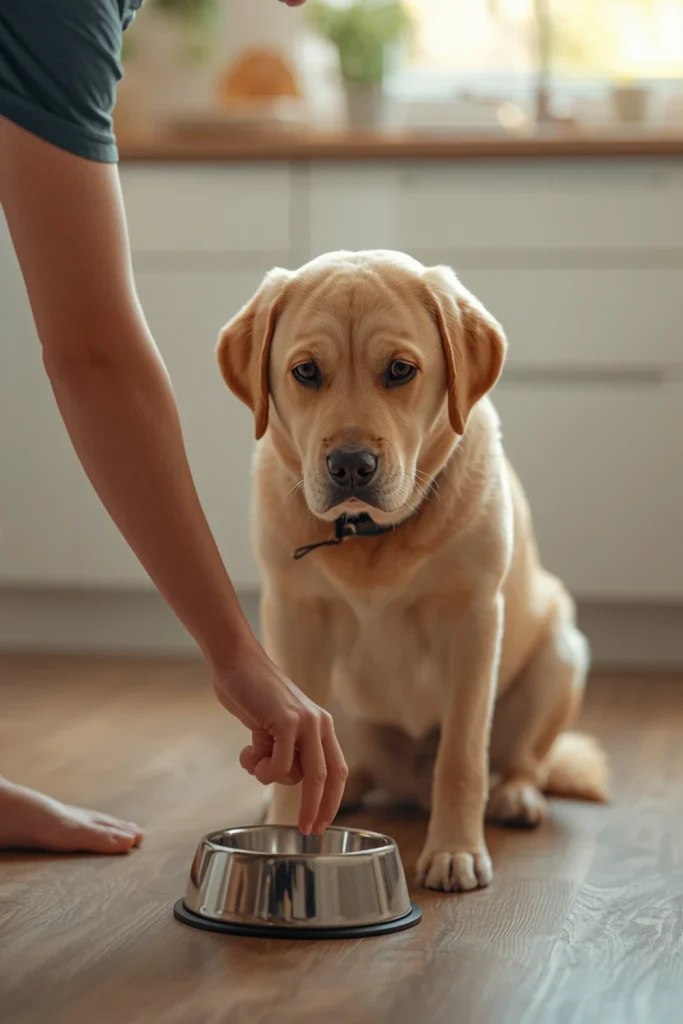
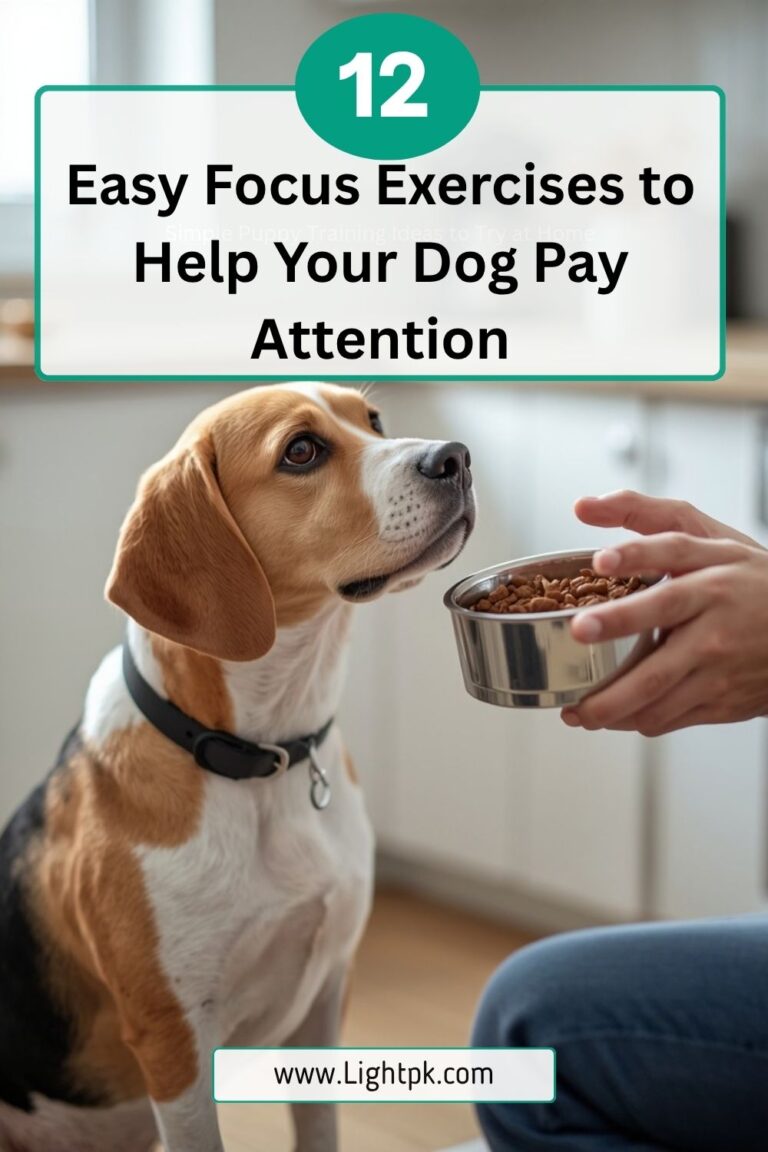
Mealtime provides a natural opportunity to practice the wait cue because food is often highly motivating for dogs. Start by asking your dog to wait while you hold the food bowl. Reward calm behavior before gradually moving the bowl lower. If your dog gets up, simply make the exercise easier rather than becoming frustrated.
Over several repetitions, work toward placing the bowl on the floor while your dog continues to wait. Once the bowl is down, use a consistent release word such as “Okay” or “Free” to tell your dog that they may eat. This teaches your dog that waiting does not mean they will lose access to the reward. Instead, patience becomes the path to getting what they want.
5. Practice Waiting at an Indoor Door
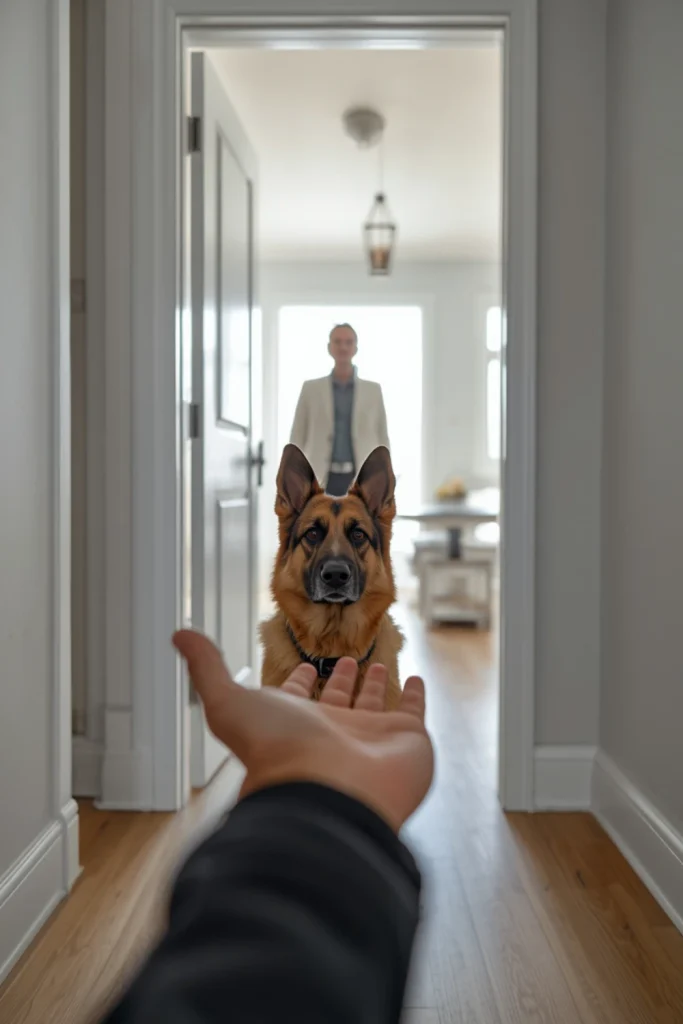
Doorways are one of the most useful places to teach a dog to wait. Start with an interior door where there is no risk if your dog accidentally moves forward. Ask your dog to wait, then open the door only a small amount. If your dog remains behind the threshold, reward them. If they move toward the opening, calmly close the door and make the next repetition easier.
As your dog improves, gradually open the door farther. Eventually, you can take one step through the doorway and return to reward your dog. Build the difficulty slowly rather than immediately walking away. For exterior doors, use additional safety precautions such as a leash or secure barrier during training. Doorway waiting can help reduce dangerous rushing and improve everyday manners.
6. Teach Your Dog to Wait Before Going Outside
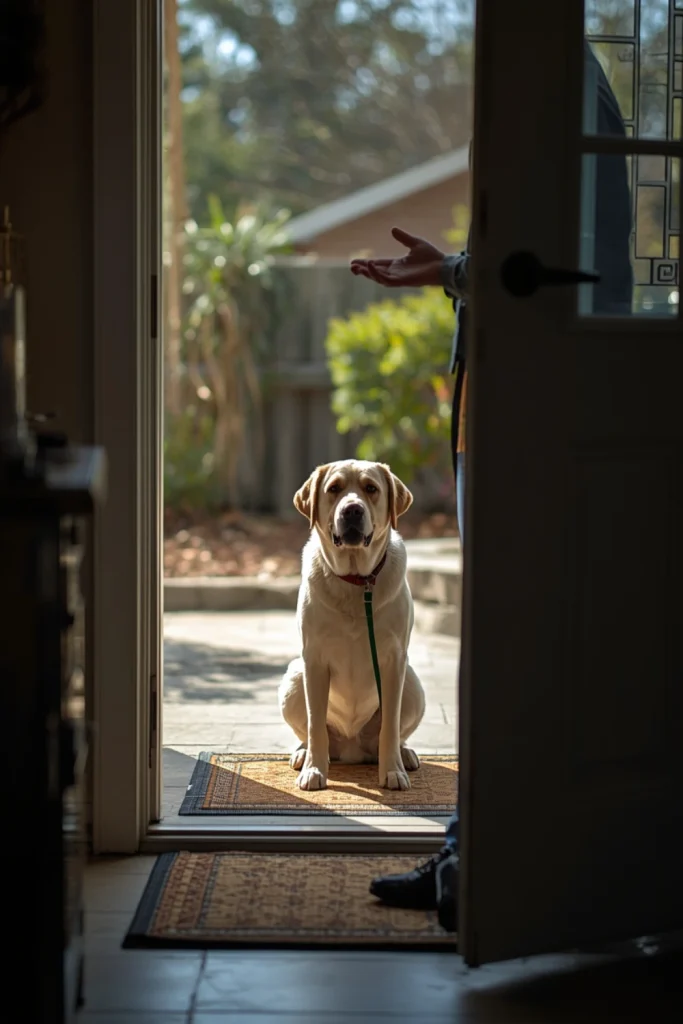
Once your dog understands the basic wait cue indoors, you can practice before going into the yard. Begin with a calm doorway and keep your dog on a leash if the door leads to an unsecured outdoor area. Ask for a short wait before opening the door. Reward your dog for remaining behind the threshold.
Gradually increase the challenge by opening the door wider and waiting a little longer. When your dog is successful, give your release word and walk outside together. The outdoor environment itself can become part of the reward. This approach teaches your dog that patience can lead to something exciting, such as a walk, sniffing, exploring, or playtime. Never rely on the wait cue as the only protection against an unsafe escape route.
7. Practice Waiting Before Getting Out of the Car
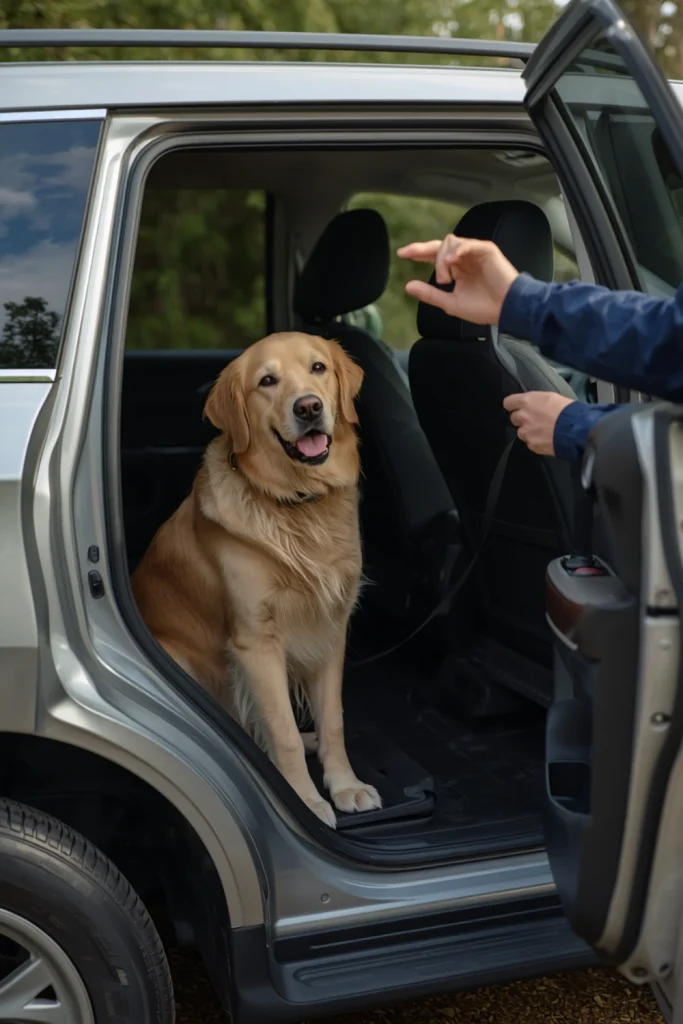
Dogs often become extremely excited when they know they have arrived somewhere fun. That excitement can cause them to jump out of a vehicle before the owner is ready. Teaching a car-door wait can make this routine much calmer. Begin in a safe parked location with your dog secured appropriately.
Open the car door slightly and give your wait cue. If your dog remains inside, reward them. Gradually open the door farther while continuing to reinforce calm behavior. When you are ready, give your release cue and help your dog exit safely. Practice in low-distraction locations before attempting the exercise in busy areas. A dog that waits calmly can be much easier to manage when arriving at parks, trails, veterinary appointments, or other destinations.
8. Increase Distractions Slowly
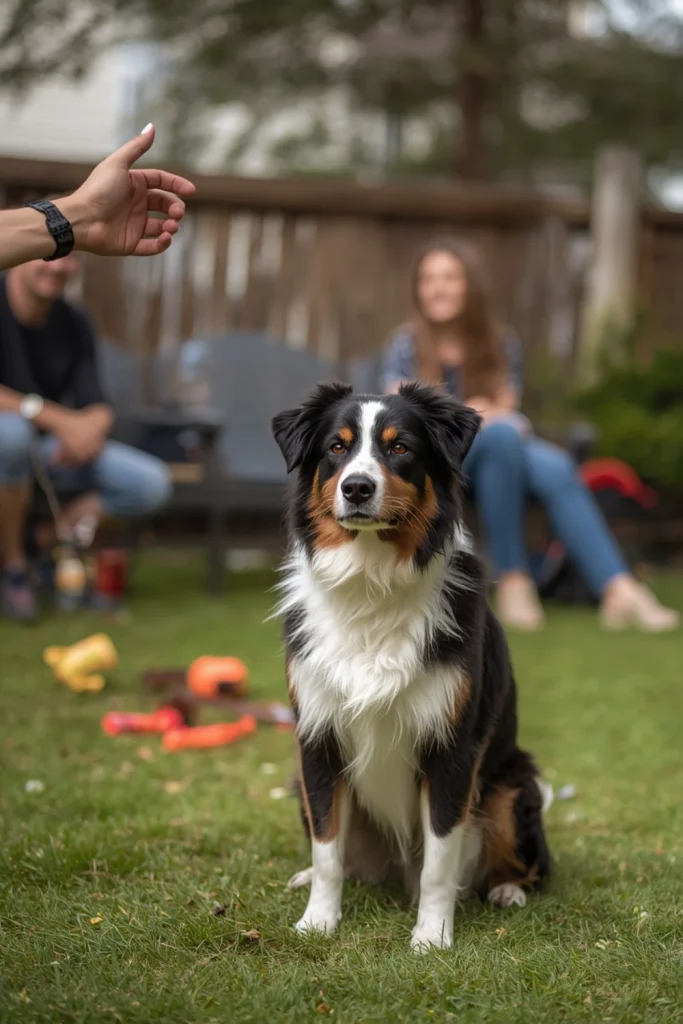
Your dog may understand “wait” perfectly inside the living room but struggle when something exciting happens nearby. This is normal. Dogs often find it harder to respond to familiar cues when the environment becomes more stimulating. Instead of immediately testing your dog in a busy park, gradually introduce distractions.
You might begin by having another family member walk across the room. Later, you can practice near a toy, in the yard, or during a quiet walk. Increase only one difficulty at a time. If your dog struggles, return to an easier version of the exercise. Training should remain achievable, because asking for too much too soon can result in repeated mistakes.
9. Use Different Rewards to Keep Training Interesting
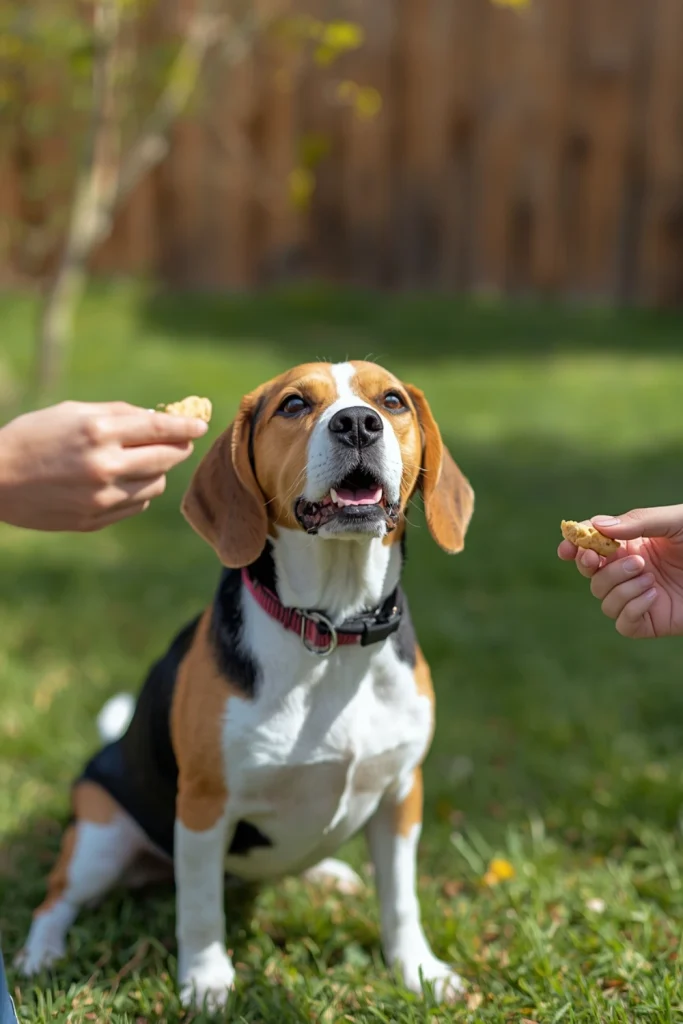
Treats are useful when teaching a new behavior, but they do not have to be the only reward. Some dogs are highly motivated by food, while others may become excited by toys, praise, play, sniffing, or access to something they enjoy. Learning what motivates your individual dog can make training more effective.
You can gradually introduce life rewards into your wait training. For example, your dog might wait before you throw a favorite ball, before going outside, or before starting a walk. This teaches an important lesson: waiting calmly can make good things happen. Over time, you can also vary the rewards rather than showing your dog a treat before every repetition. Rewards should reinforce the behavior rather than become a bribe.
10. Practice the Wait Cue in Everyday Life
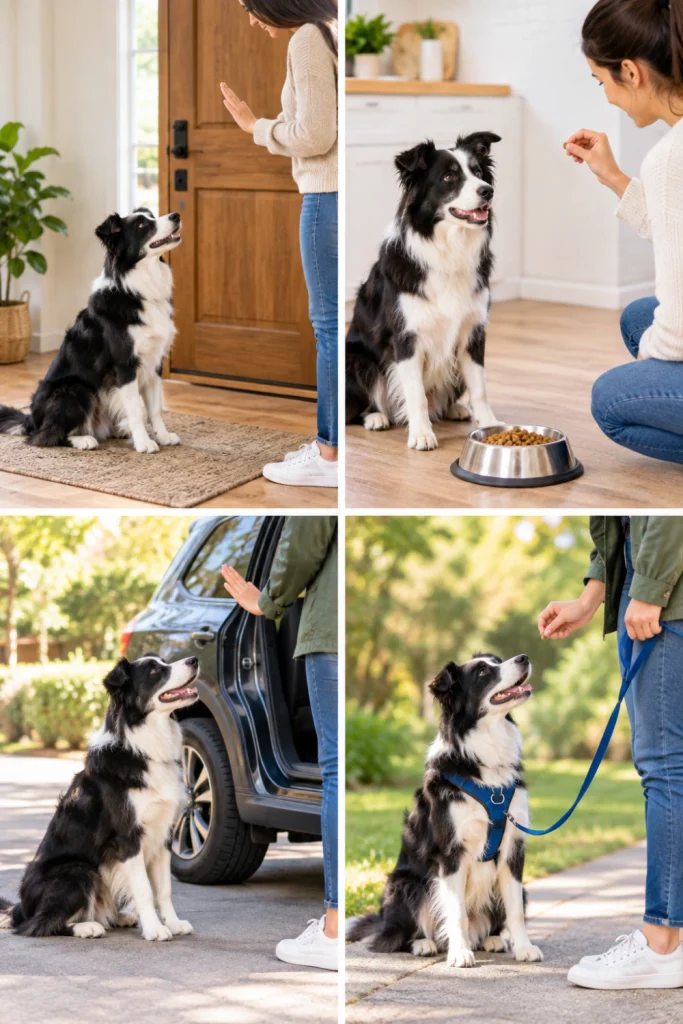
The best way to make “wait” reliable is to use it naturally throughout the day. You do not need to schedule a formal training session every time. Ask your dog to wait before going through a doorway, before receiving a toy, before getting into the car, before eating, or before starting a walk.
Keep your expectations appropriate for the situation. A dog that can wait for five seconds in a quiet room may not immediately manage five seconds beside an exciting park. Continue practicing in different locations and gradually increase distractions. Short, successful sessions are usually more productive than long sessions where your dog becomes frustrated or repeatedly fails. Puppies especially benefit from brief training sessions and positive endings.
Final Thoughts
Teaching your dog to wait is a simple training project that can have a major impact on everyday life. From waiting for a food bowl to pausing at a doorway, the behavior helps your dog learn patience and better impulse control. It can also make common routines more predictable and manageable.
Start with very easy exercises and gradually increase the time, distance, and distractions. Reward your dog for making good choices, use a clear release cue, and avoid asking for more than your dog is ready to handle. With regular short practice sessions, your dog can learn that waiting calmly is a rewarding behavior.
The most important thing is consistency. Your dog does not need to master every situation in one day. Build the behavior step by step, practice in different environments, and celebrate small improvements. With patience and positive reinforcement, the “wait” cue can become one of the most useful skills in your dog’s everyday life.