12 Training Tips for Small Dogs and Their Owners
Small dogs may have tiny paws, but they have big personalities, plenty of energy, and unique training needs. Whether you share your home with a Chihuahua, Pomeranian, Dachshund, Yorkshire Terrier, Shih Tzu, or another small breed, the right training approach can help your dog become more confident, well-mannered, and comfortable in everyday situations. With patience and consistency, even the smallest puppy can learn valuable skills that make life easier for the entire family.
The best Training Tips for Small dogs focus on positive reinforcement, clear communication, gentle handling, and realistic expectations. Small dogs deserve the same thoughtful training as larger breeds, and their size should never be a reason to overlook unwanted behaviour. From teaching basic commands to improving leash manners and preventing excessive barking, simple daily exercises can make a meaningful difference. This guide explains 12 practical training tips to help small-dog owners build a stronger bond with their pets.
1. Use Positive Reinforcement to Encourage Good Behaviour
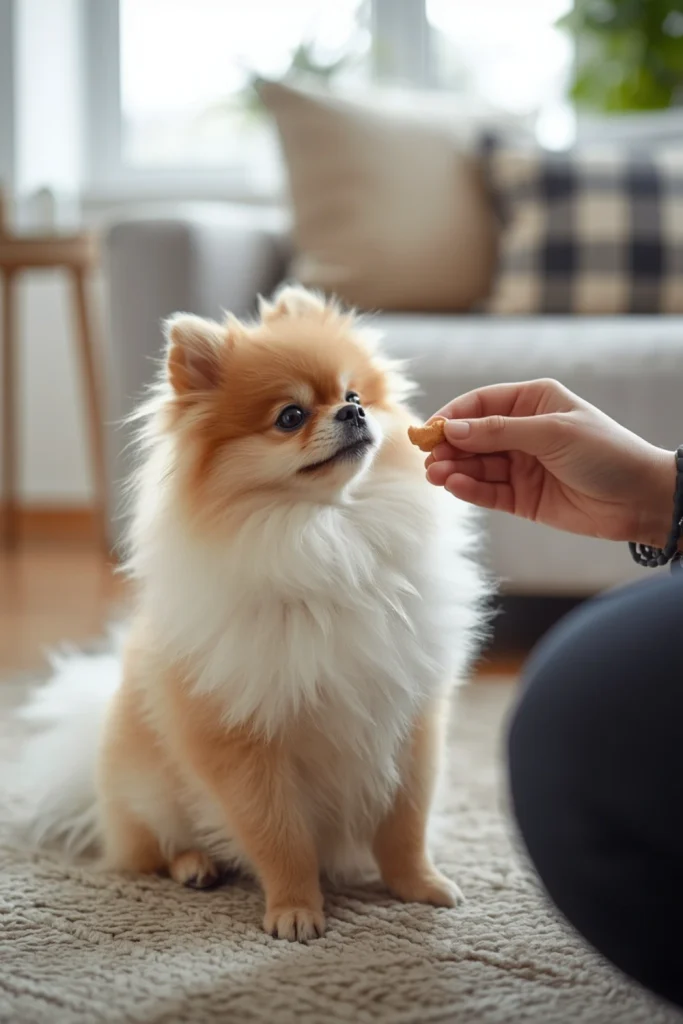
Positive reinforcement is one of the most effective foundations for training small dogs. It involves rewarding behaviour you want your dog to repeat, such as sitting politely, coming when called, walking beside you, or settling on a bed. Rewards may include small food treats, praise, toys, or a short play session, depending on what your dog enjoys most. When the reward follows the desired behaviour promptly, your dog can more easily understand which action earned it.
Small dogs often benefit from tiny training treats because their daily calorie requirements may be relatively low. Break treats into very small pieces and account for them in your dog’s overall diet. You can also reward your dog with access to something enjoyable, such as greeting a familiar person after sitting calmly. The important part is consistency: reward the behaviour you want, and avoid accidentally reinforcing jumping or barking by giving attention at the wrong moment.
2. Teach Basic Commands From an Early Age
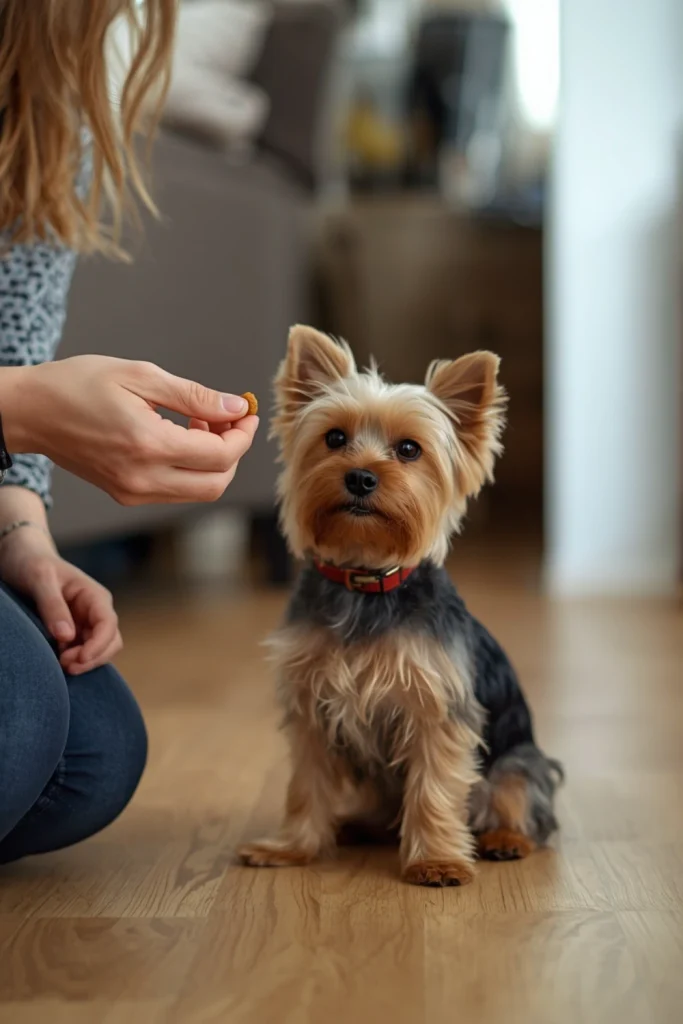
Basic commands help small dogs understand what you expect from them in everyday situations. Start with simple cues such as “sit,” “stay,” “come,” “down,” and “leave it.” Practise in a quiet room with few distractions, using short sessions that keep your dog interested. Say each cue clearly, give your dog a moment to respond, and reward the correct action. For example, reward your dog when it sits before receiving its meal or waits calmly while you prepare its leash.
Avoid teaching several new commands at once if your dog is struggling to understand the first one. Begin with easy repetitions and gradually practise in different rooms or quiet outdoor spaces. Use the same verbal cue for the same behaviour so your dog does not have to guess what you mean. Training should feel like a rewarding game rather than a test. Celebrate small improvements, and remember that reliable responses develop through repetition, patience, and positive experiences.
3. Keep Training Sessions Short and Enjoyable
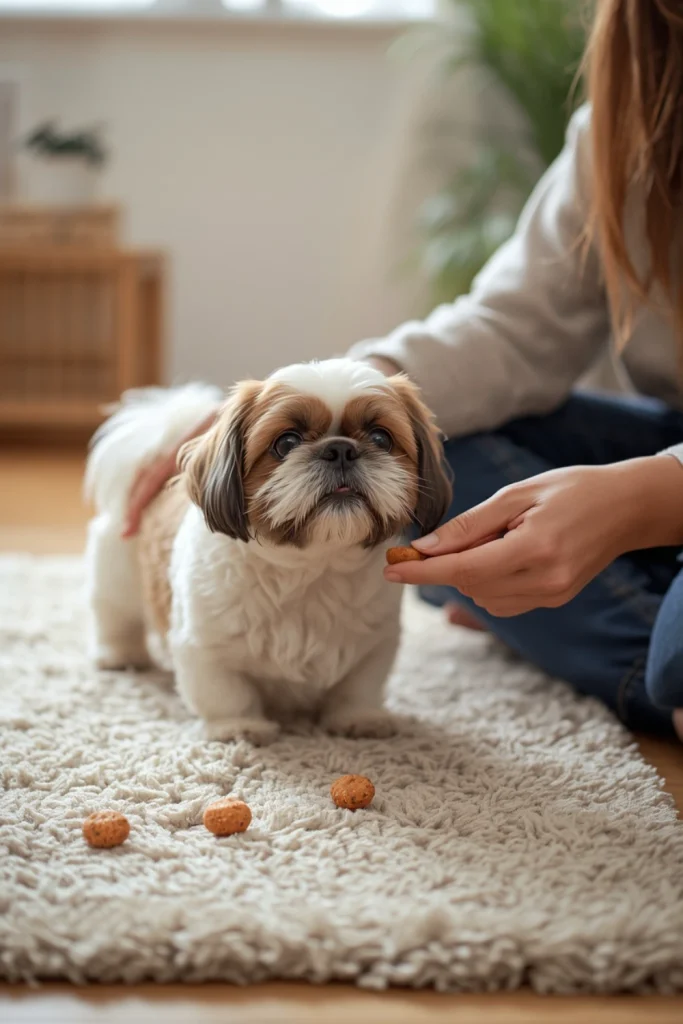
Small dogs can learn many useful skills, but long training sessions may cause boredom, frustration, or loss of concentration. Instead of practising for a long time in one sitting, break training into short sessions throughout the day. You might practise a few repetitions before breakfast, work on recall during playtime, and reinforce calm behaviour in the evening. Short sessions make training easier to fit into a busy schedule and give your dog frequent opportunities to succeed.
Pay attention to your dog’s energy and interest rather than following a rigid schedule. If your dog begins sniffing around, turning away, scratching, or repeatedly failing an exercise it normally understands, the task may be too difficult or your dog may need a break. Finish with an easy behaviour your dog already knows and reward it generously. Over time, regular, positive practice can help your dog learn more reliably without making training feel like an exhausting chore.
4. Prevent Small-Dog Jumping With Calm Greetings
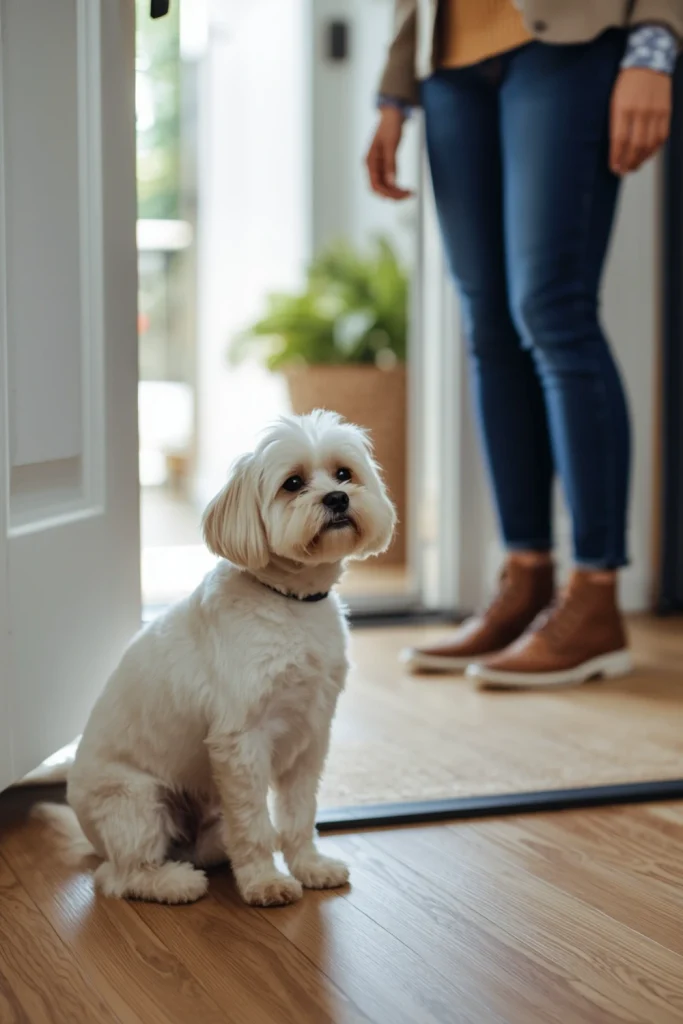
Jumping on people is a common behaviour in small dogs because they often want attention, excitement, or a closer look at someone’s face. Owners may unintentionally encourage jumping by picking up the dog, laughing, petting it, or speaking excitedly whenever it jumps. Even negative attention can sometimes reward the behaviour. Teaching your dog a polite greeting helps visitors feel comfortable and gives your pet a predictable way to interact with people.
Reward your dog for keeping all four paws on the floor or sitting when someone approaches. Ask family members and visitors to wait briefly before giving attention, and avoid greeting the dog enthusiastically when it is already jumping. If your dog becomes overly excited, create a little space and try again once it settles. Practise with familiar people first, then gradually introduce new visitors. For very small dogs, ensure greetings are gentle and that people avoid bending suddenly or handling the dog roughly.
5. Make Leash Training Comfortable and Safe
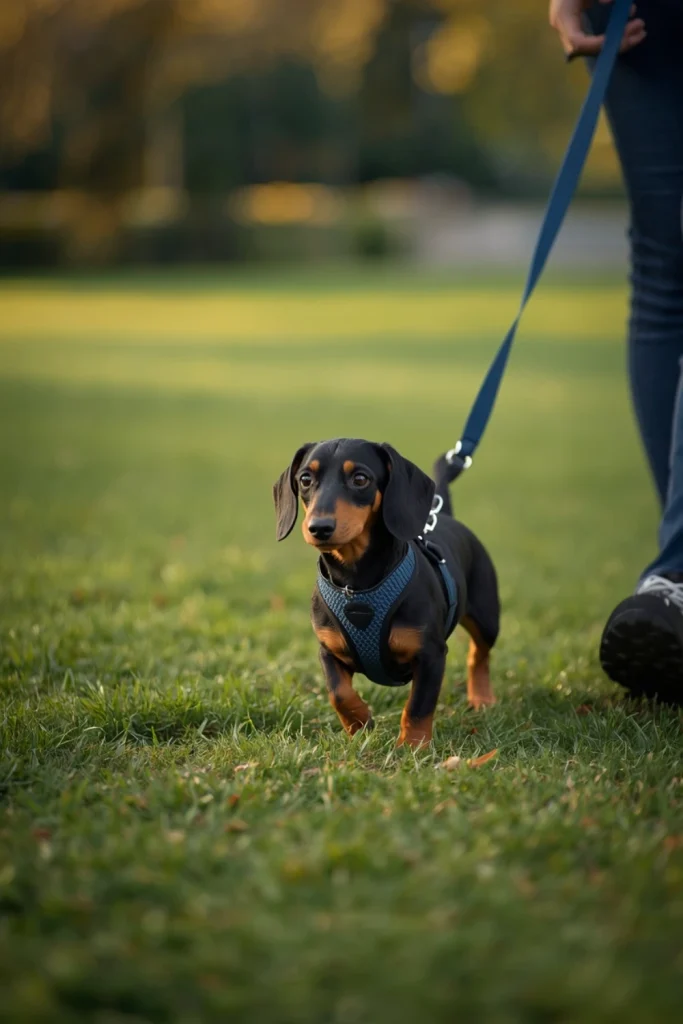
Walking on a leash is an important skill for small dogs, but it can be challenging when the world around them feels large and busy. Some small dogs pull toward interesting smells, bark at passing dogs, or stop because they feel uncertain. Begin indoors or in a quiet, secure outdoor space where your dog can learn to walk beside you without too many distractions. Use a properly fitted harness when appropriate, especially if your dog has a delicate neck or tends to pull against a collar.
Reward your dog whenever it walks near you with a loose leash. If it pulls, pause calmly or change direction when safe, then reward it when it returns to your side. Avoid dragging your dog forward or allowing the leash to remain constantly tight. Keep walks suitable for your dog’s age, health, and physical ability. Small dogs still need exercise and exploration, but their comfort, weather conditions, and individual needs should guide the length and pace of each walk.
6. Socialize Your Small Dog Gradually
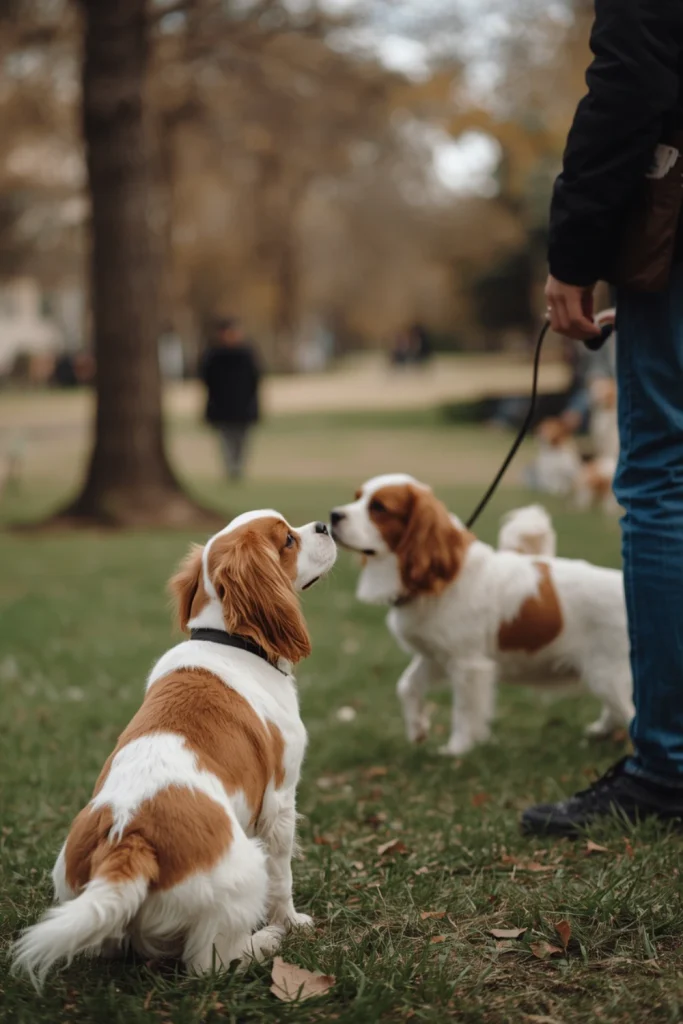
Socialization helps small dogs become more comfortable around different people, sounds, surfaces, environments, and suitable animals. Because small dogs can be physically vulnerable around larger dogs or busy public spaces, owners should choose experiences carefully. Socialization does not mean forcing your dog to greet everyone. It means allowing the dog to observe unfamiliar things at a comfortable distance and develop positive associations through gentle exposure and rewards.
Start with manageable experiences, such as watching people from a quiet spot, hearing household sounds at a low volume, or meeting a calm dog you know is suitable. Let your dog approach voluntarily and move away when it needs space. Watch for signs of discomfort, including a tucked tail, crouching, hiding, or repeated attempts to escape. Ask your veterinarian about safe socialization options based on vaccination status and local disease risks. Gradual, positive experiences are more helpful than overwhelming outings that leave your dog frightened.
7. Teach Your Dog to Stop Excessive Barking
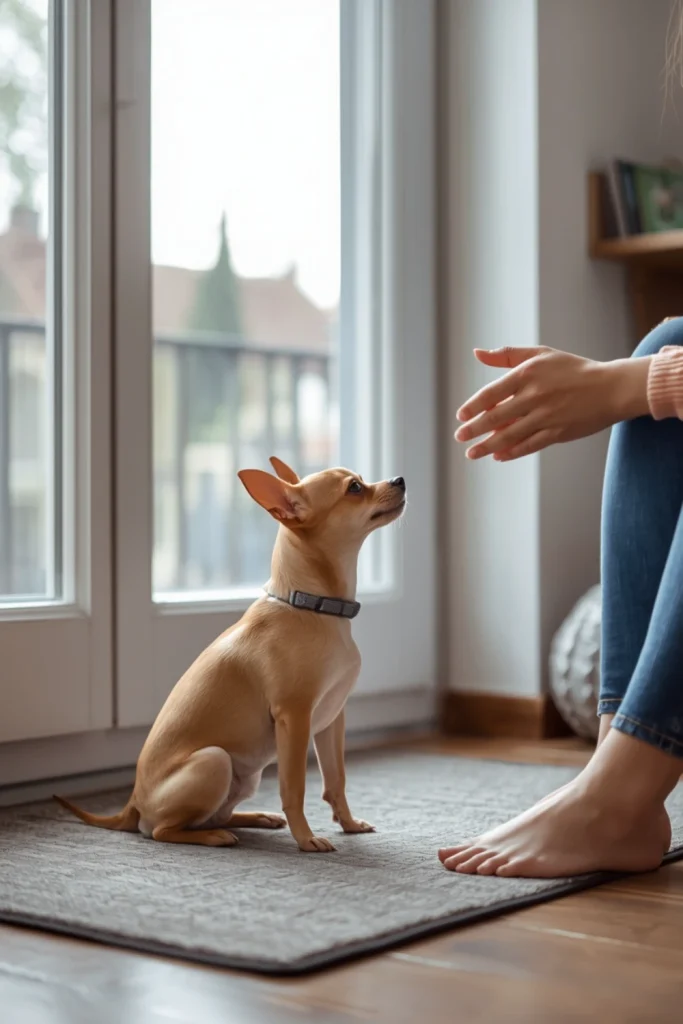
Barking is a normal way for dogs to communicate, but frequent barking can become difficult for owners and neighbours. Small dogs may bark when they hear footsteps outside, notice other dogs through a window, become excited, feel afraid, or seek attention. The first step is to understand what triggers the behaviour. Simply shouting “quiet” may make things worse because your dog may interpret your raised voice as excitement or additional alarm.
When possible, reduce the trigger while teaching an alternative behaviour. If your dog barks at people passing the window, use curtains or move its resting area away from the view. Reward moments of quiet, teach a cue such as “settle,” and redirect your dog to a mat or suitable toy. Avoid punishing fear-based barking, since it may increase anxiety. If barking begins suddenly, becomes extreme, or occurs when your dog is alone, consider veterinary advice to check for discomfort, distress, or other underlying causes.
8. Establish a Consistent Potty Training Routine
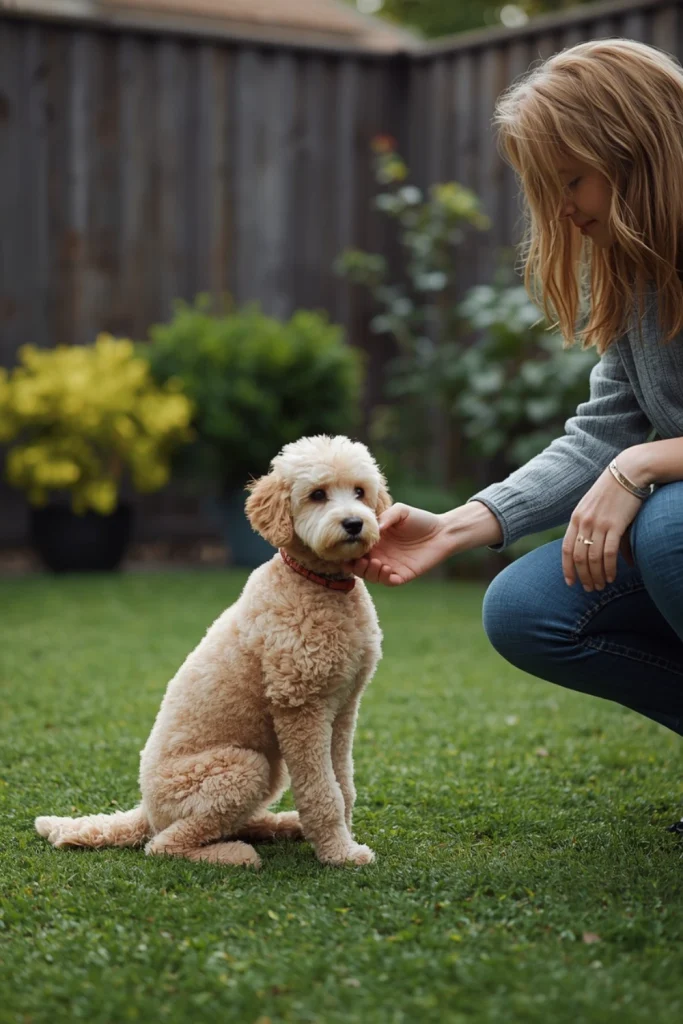
Potty training can require patience, particularly with small dogs whose bladders are smaller and whose bathroom needs may be more frequent. A consistent routine helps your dog learn where and when to eliminate. Take your dog to the appropriate toilet area after waking up, eating, drinking, playing, and before bedtime. Young puppies may need more frequent opportunities than adult dogs, so adjust the schedule according to age, health, and previous habits.
Reward your dog immediately after it eliminates in the correct place. Use a calm, consistent phrase if you wish, but allow your dog enough time to finish before returning indoors. Supervise closely when your dog is inside, and clean accidents with an enzymatic cleaner designed for pet messes to help remove lingering odours. Avoid scolding or rubbing your dog’s nose in an accident; punishment can make the dog fearful of eliminating near you. If a reliably house-trained dog begins having frequent accidents, consult a veterinarian.
9. Build Confidence Instead of Overprotecting Your Dog
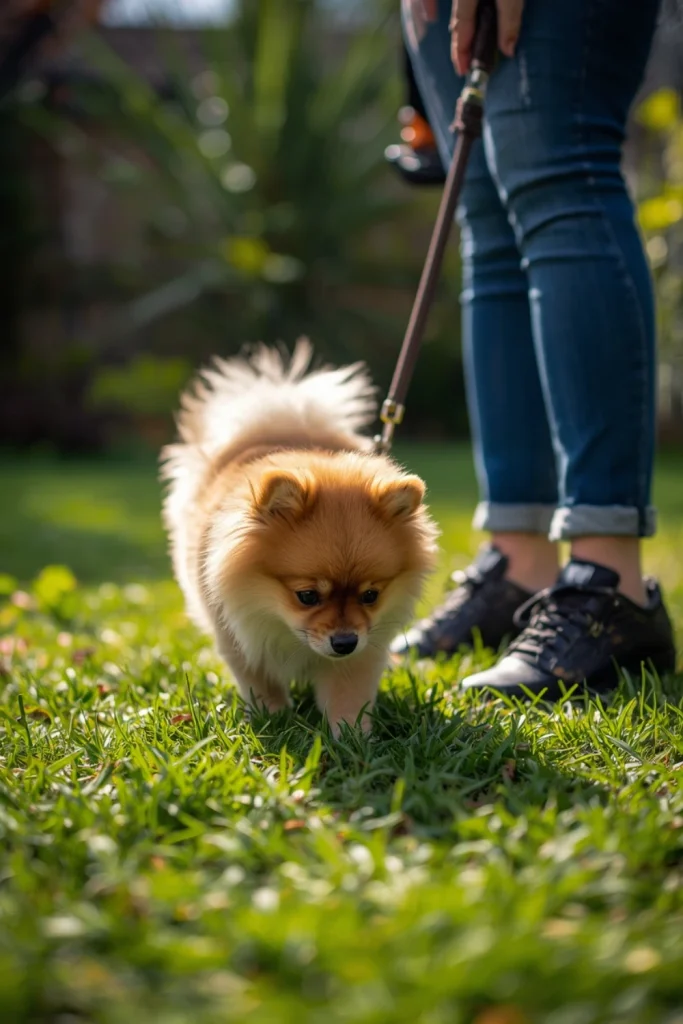
Small dogs are often carried because their owners want to protect them from busy streets, unfamiliar animals, or potential hazards. Carrying can be appropriate when safety requires it, but always removing a dog from manageable situations may prevent it from learning useful coping skills. Some dogs become increasingly dependent on being carried, while others may react defensively when they feel unable to move away from something unfamiliar. Confidence grows through safe opportunities to explore and make choices.
Allow your dog to walk on suitable surfaces, investigate new smells, and explore calm environments at its own pace. Stay close and provide reassurance without forcing interactions. Use a secure harness and leash in appropriate areas, and pick up your dog when there is a genuine risk, such as dangerous traffic or an uncontrolled large dog. The goal is not to expose your dog to danger but to balance sensible protection with independence. Reward curiosity and calm recovery after mild surprises to help your dog develop trust in its surroundings.
10. Teach Your Small Dog to Be Comfortable Alone
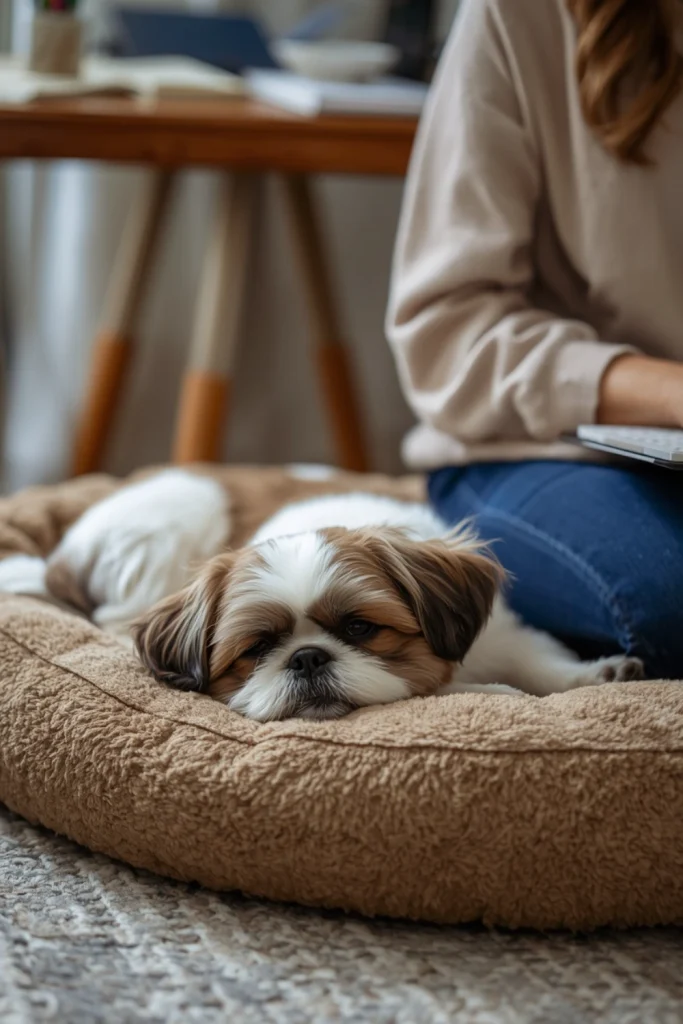
Small dogs can form strong bonds with their owners, but they also need to learn how to relax when people are not constantly beside them. If your dog follows you everywhere, cries when a door closes, or becomes distressed when left alone, it may need gradual practice with independence. Leaving a dog alone for long periods without preparation can be upsetting, especially for puppies or dogs that already struggle with separation-related distress.
Begin by rewarding your dog for settling on a comfortable bed while you remain nearby. Gradually move a short distance away, return calmly, and increase the time only when your dog remains relaxed. Offer safe enrichment, such as a suitable food puzzle, when appropriate and supervised. Keep departures and returns low-key, and never punish your dog for signs of distress. If your dog repeatedly howls, panics, destroys doors, or cannot settle when alone, consult a veterinarian or qualified behaviour professional for a tailored plan.
11. Use Gentle Handling and Reward Grooming
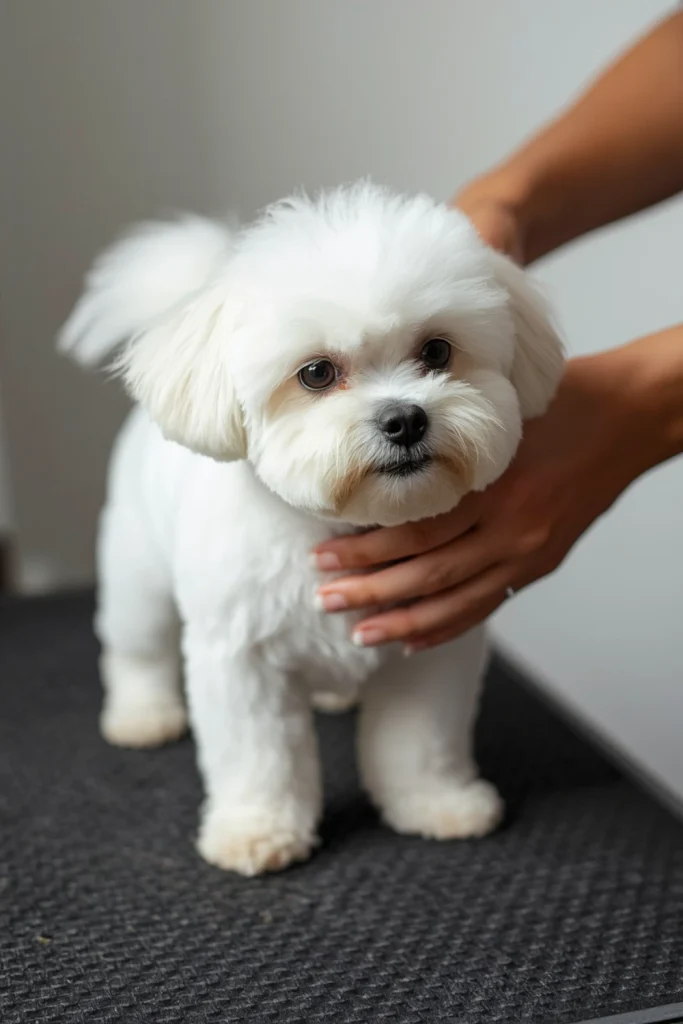
Small dogs often need regular brushing, nail care, ear checks, and dental care. Training your dog to accept handling makes these routines safer and less stressful. However, some owners try to complete grooming quickly even when their dog is struggling, which can create negative associations. A puppy that repeatedly experiences restraint or discomfort during grooming may begin hiding when a brush, nail clipper, or toothbrush appears.
Introduce grooming tools gradually and pair them with rewards. Let your dog sniff a brush before briefly touching it to the coat, then offer a treat. Build up slowly to longer brushing sessions as your dog becomes comfortable. Practise gently touching the paws, ears, and muzzle without forcing the dog to remain still if it is frightened. Use appropriate tools and ask a veterinarian or professional groomer for help with difficult tasks. Stop if your dog shows significant distress, and seek advice if handling sensitivity is new or unusually intense.
12. Provide Mental Stimulation and Appropriate Exercise
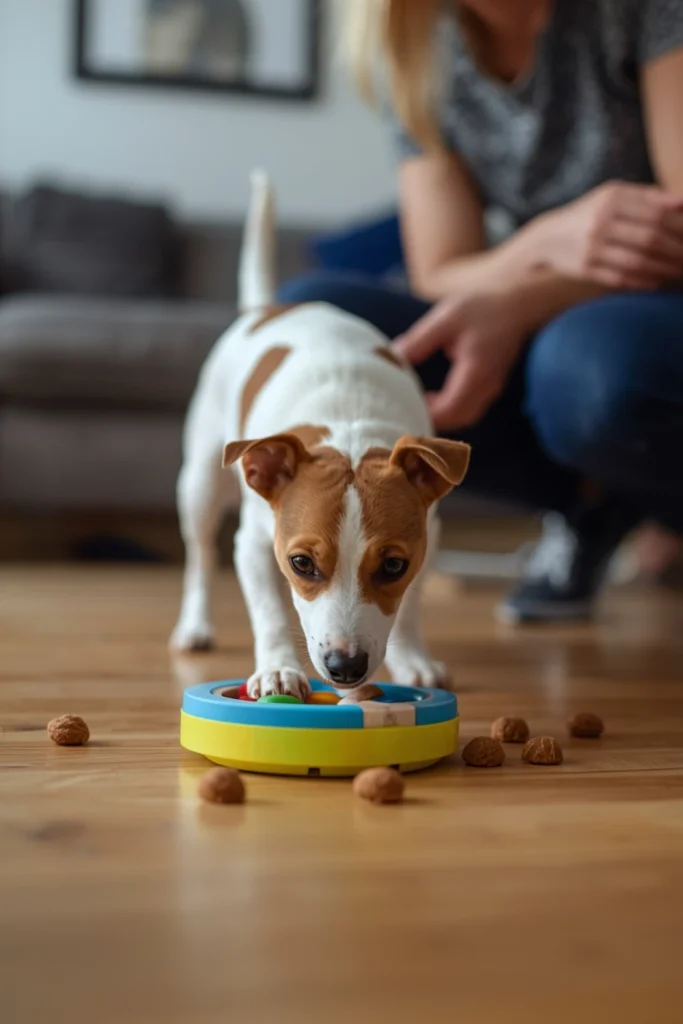
Small dogs need more than basic commands and short bathroom trips. They benefit from activities that use their minds and bodies in safe, enjoyable ways. Depending on the breed, age, and health of your dog, useful activities may include sniffing games, food puzzles, short walks, gentle fetch, toy searches, and simple trick training. Mental stimulation can help reduce boredom-related behaviours such as attention-seeking barking, chewing household items, or repeatedly demanding interaction.
Choose activities that suit your dog’s physical abilities and avoid assuming every small breed has the same exercise requirements. A young, energetic terrier may enjoy more active games, while a short-legged or older dog may need gentler movement and shorter outings. Ask your veterinarian for guidance if your dog has breathing difficulties, joint problems, or another health concern that affects exercise. Rotate toys, hide a few treats for your dog to find, or practise a new trick for a few minutes each day. A balanced routine supports both physical wellbeing and good behaviour.
Conclusion
The best Training Tips for Small dogs combine positive reinforcement, consistent routines, gentle handling, and plenty of opportunities to learn. Teaching basic commands, improving leash manners, managing barking, practising potty training, and providing mental stimulation can help your dog develop useful everyday skills. Small dogs deserve the same clear boundaries and thoughtful training as dogs of every other size.
Start with one or two skills, practise in short sessions, and reward the behaviour you want to encourage. Respect your dog’s individual needs, avoid punishment, and make sure training remains safe and enjoyable. If you encounter persistent fear, aggression, separation-related distress, or sudden behavioural changes, seek appropriate professional advice. With patience and regular practice, you can build a stronger bond with your small dog and enjoy a happier life together.