15 Dog Care Tips Every First-Time Owner Should Know
Bringing your first dog home is the beginning of a wonderful journey filled with companionship, affection, and unforgettable moments. Whether you are adopting a playful puppy or welcoming an adult dog into your family, providing proper care is one of the most important responsibilities you will take on as a pet owner. Your dog depends on you for nutritious food, clean water, exercise, grooming, safety, and regular healthcare.
The good news is that you do not need years of experience to become a responsible dog owner. By learning the right Dog Care Tips, establishing a consistent daily routine, and understanding your pet’s individual needs, you can make life healthier and happier for your furry companion. This beginner-friendly guide covers 15 essential dog care practices, along with practical advice to help you avoid common mistakes and build a loving relationship with your dog.
1. Choose the Right Food for Your Dog

Choosing appropriate food is one of the most important Dog Care Tips for first-time owners. Dogs need a complete and balanced diet that supplies the nutrients required for healthy growth, strong muscles, normal digestion, and everyday activity. The right food depends on your dog’s age, size, activity level, and health. Puppies generally need food formulated for growth, while adult dogs need an appropriate maintenance diet. Senior dogs may have different nutritional requirements depending on their condition and activity level.
Read pet food labels carefully and choose a reputable product designed for your dog’s life stage. Follow the feeding instructions as a starting point, then adjust portions according to your dog’s body condition and your veterinarian’s advice. Avoid feeding dangerous foods such as chocolate, grapes, raisins, onions, and products containing xylitol. Introduce dietary changes gradually to reduce digestive upset. If your dog has food sensitivities, persistent diarrhea, or unexplained weight changes, consult your veterinarian before making major changes to the diet.
2. Provide Fresh and Clean Drinking Water
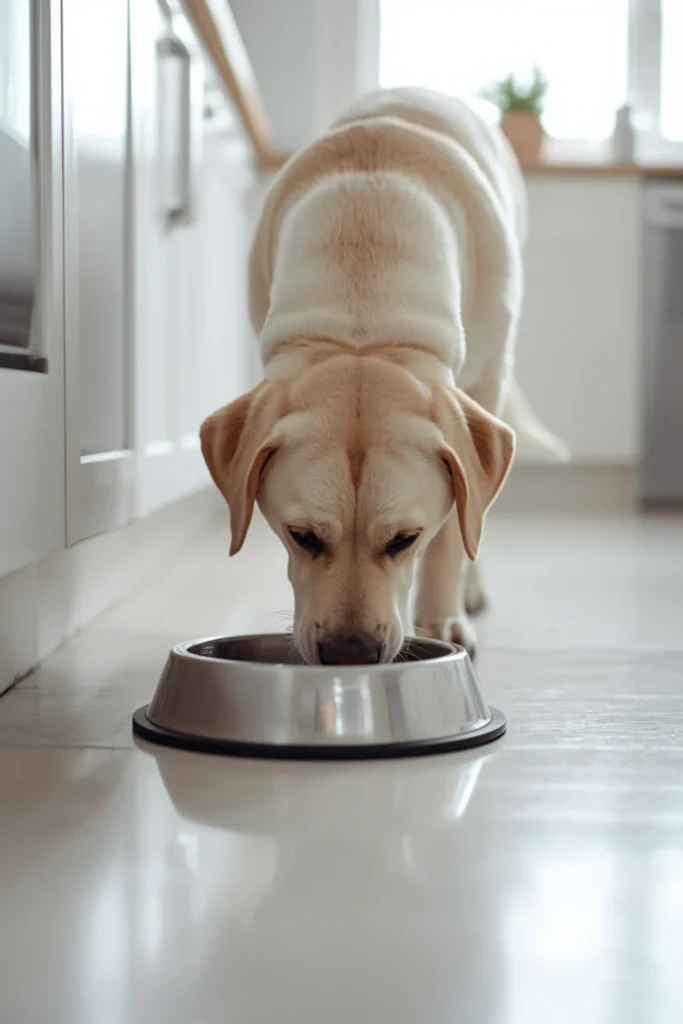
Fresh water is essential for maintaining your dog’s hydration, supporting digestion, regulating body temperature, and helping normal organs function properly. Make clean drinking water available throughout the day and ensure your dog can reach the water bowl easily. Dogs may need more water after exercise, during hot weather, or when eating dry food. However, individual requirements vary according to body size, activity, diet, and health. Puppies and active dogs should have regular opportunities to drink throughout the day.
Wash the water bowl regularly to remove saliva, dirt, and food residue. Refill it with fresh water instead of allowing it to remain unchanged for long periods. When taking your dog on walks or travelling, bring a portable water bottle and suitable drinking bowl. Watch for sudden changes in drinking habits, including unusually excessive thirst or a significant reduction in water intake. These changes can sometimes indicate a medical problem. Never restrict water simply to prevent toilet accidents without consulting your veterinarian.
3. Schedule Regular Veterinary Checkups
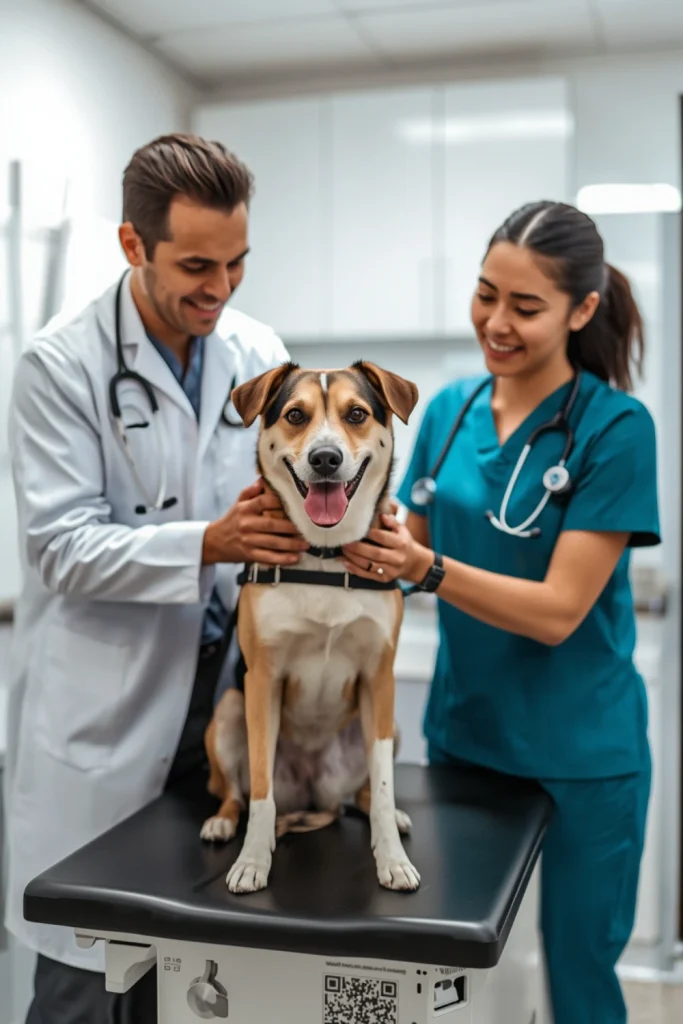
Regular veterinary examinations help you monitor your dog’s health and identify potential problems before they become more serious. During a checkup, a veterinarian can assess your dog’s weight, teeth, skin, ears, heart, and general condition. Puppies usually need several appointments during their early months for vaccinations, parasite prevention, and developmental monitoring. Adult dogs also need preventive healthcare, while senior dogs may benefit from more frequent examinations depending on their age and medical history.
Ask your veterinarian to create a healthcare plan that suits your dog’s individual needs and local disease risks. This plan may include vaccinations, flea and tick prevention, parasite testing, dental assessments, and discussions about spaying or neutering. Keep vaccination certificates and medical records in an organized place so you can provide accurate information when necessary. Do not wait for a scheduled checkup if your dog develops worrying symptoms. Difficulty breathing, collapse, suspected poisoning, or severe weakness requires urgent veterinary attention.
4. Establish a Consistent Daily Routine
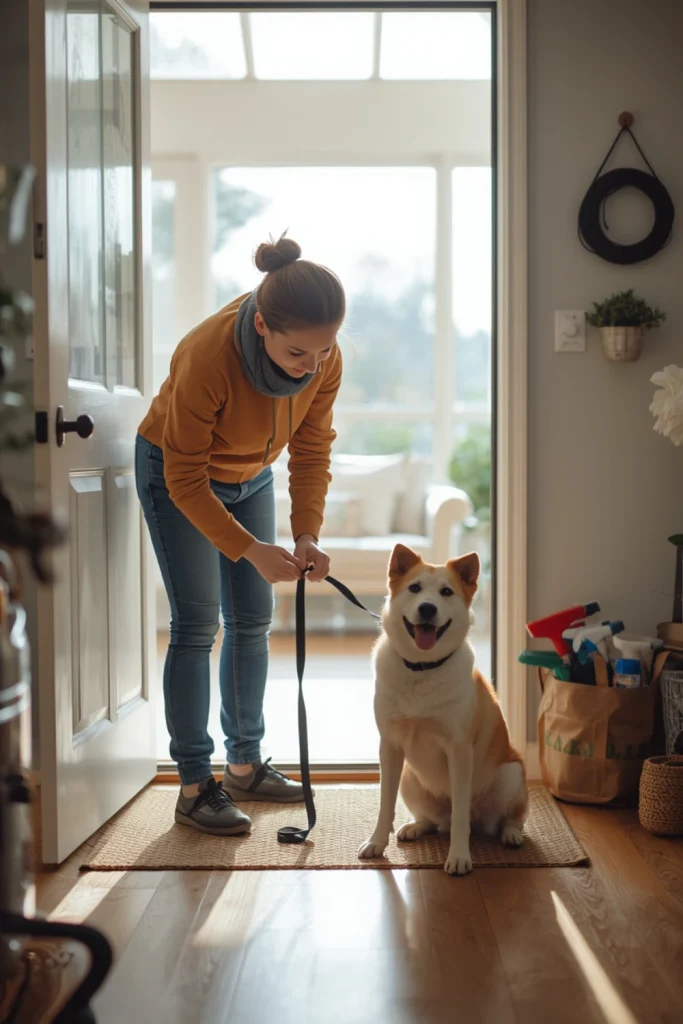
Dogs often feel more comfortable when they understand what to expect from their day. A predictable routine for meals, walks, toilet breaks, training, playtime, and sleep can help your dog settle into a new home. This is particularly helpful for puppies, rescue dogs, and pets experiencing a major change in their surroundings. Try to offer meals at consistent times and provide toilet breaks after waking, eating, drinking, playing, and sleeping. These habits also help you recognize your dog’s normal patterns.
Your daily schedule should suit both your lifestyle and your dog’s needs. For example, a typical routine might include a morning toilet break, a walk, breakfast, rest, afternoon enrichment, dinner, and an evening outing. Puppies may need more frequent toilet breaks, while some adult dogs require additional exercise or mental stimulation. Avoid expecting your dog to follow a rigid schedule without flexibility. The goal is to create reliable habits that provide comfort, reduce confusion, and make everyday care easier for everyone in the household.
5. Give Your Dog Enough Daily Exercise
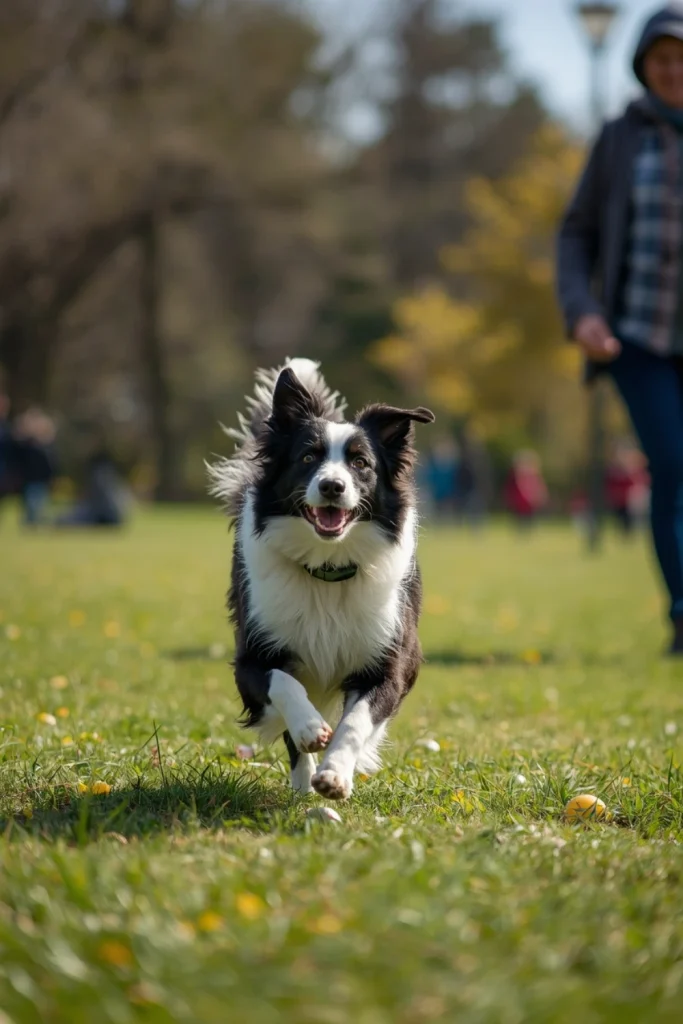
Exercise helps dogs maintain a healthy weight, strengthen their muscles, support joint mobility, and release energy in a positive way. The amount of exercise your dog needs depends on breed, age, fitness, temperament, and health. Some dogs enjoy longer walks and active games, while others prefer shorter, gentler outings. Begin with manageable activities and increase their duration gradually. Puppies need age-appropriate movement, and strenuous repetitive exercise should be avoided while their bodies are still developing.
Walking is only one way to keep your dog active. Playing fetch, enjoying supervised games, exploring safe environments, and taking sniffing walks can all contribute to daily exercise. Watch for excessive panting, limping, slowing down, or reluctance to continue. During hot weather, walk during cooler hours, provide shade, and carry fresh water. Avoid exercising on dangerously hot pavement. If your dog has a heart condition, joint problems, breathing difficulties, or another medical concern, ask your veterinarian to recommend a suitable activity plan.
6. Start Basic Training and Socialization Early
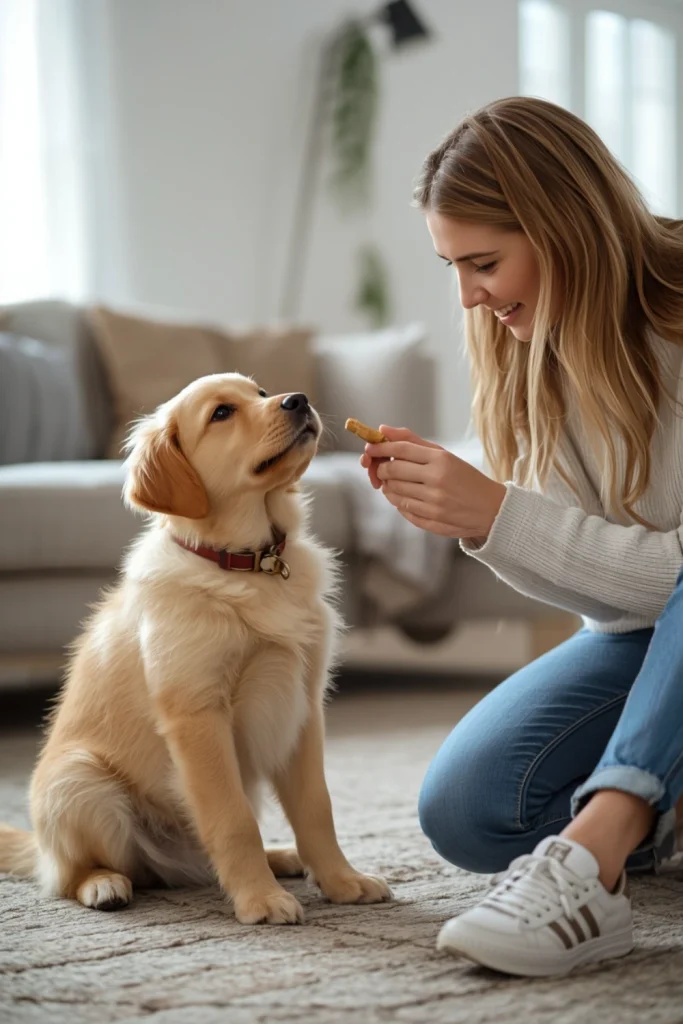
Basic training helps your dog understand household expectations and develop useful everyday skills. Begin with simple commands such as sit, stay, come, leave it, and walking calmly on a leash. Keep sessions short and enjoyable, particularly for puppies with limited attention spans. Reward good behavior with small treats, praise, or play. Use the same verbal cues consistently so your dog can understand what you want. If your dog struggles with a command, make the exercise easier rather than repeating it in frustration.
Socialization teaches dogs to become more comfortable around different people, sounds, surfaces, and environments. Introduce new experiences gradually and allow your dog to approach at a comfortable pace. Avoid forcing greetings or overwhelming your pet with crowded places. For puppies, ask your veterinarian about safe socialization opportunities while vaccinations are in progress. Continue building positive experiences throughout adulthood. If your dog displays persistent fear, intense reactivity, or aggressive behavior, seek guidance from a qualified, reward-based trainer or veterinary behavior professional.
7. Keep Your Dog Clean With Regular Grooming
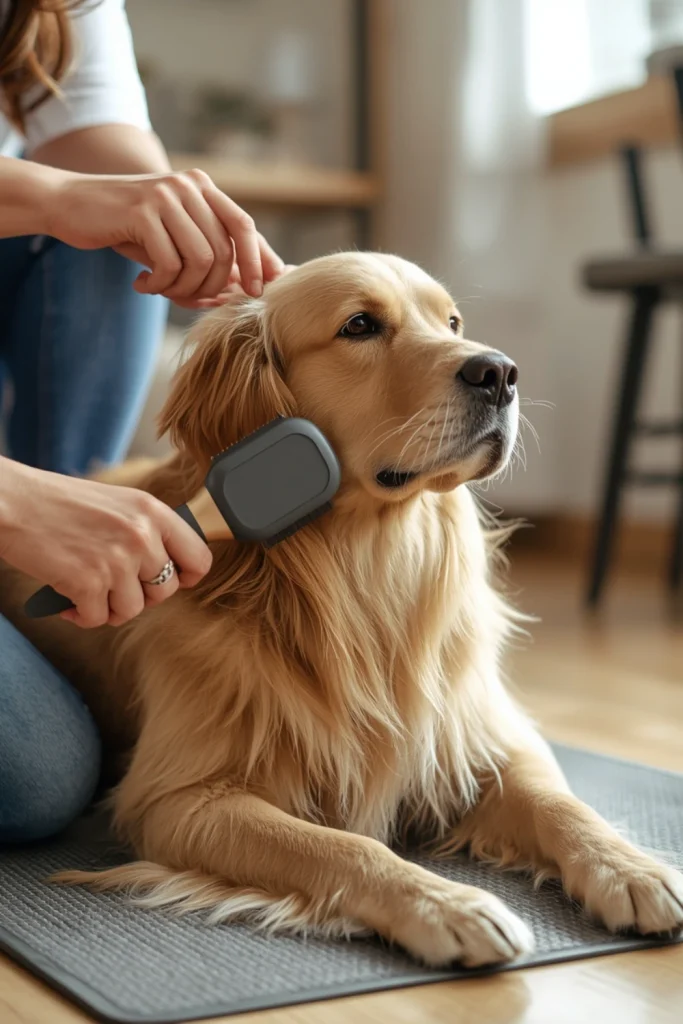
Regular grooming helps keep your dog comfortable and allows you to notice changes in the skin, coat, ears, paws, and nails. The amount of brushing required depends on your dog’s coat type. Long-haired dogs may need frequent brushing to prevent painful tangles, while short-haired breeds often require less intensive grooming. Choose a suitable brush and introduce it gradually if your dog is unfamiliar with the process. Keep early sessions short and reward calm behavior so grooming becomes a positive part of your dog’s routine.
Bathing should be based on your dog’s coat, lifestyle, and skin condition rather than following an unnecessarily frequent schedule. Use dog-safe shampoo, and ask your veterinarian for advice if your pet has allergies or skin problems. Check the ears for redness, unusual odor, or discharge, but avoid inserting cotton swabs deep into the ear canal. Trim nails when needed, using an appropriate technique to avoid cutting the sensitive quick. Brush your dog’s teeth with a dog-specific toothbrush and toothpaste. Professional grooming may be useful for breeds with demanding coat-care requirements.
8. Create a Safe and Comfortable Sleeping Area

Every dog needs a comfortable place to rest without constant disturbance. Choose a bed that suits your dog’s size and sleeping style, providing enough room to stretch out and change positions. Place it in a quiet, temperature-controlled area away from heavy foot traffic, dangerous objects, and excessive noise. Some dogs enjoy sleeping near family members, while others prefer a more private corner. Observe your dog’s preferences and adjust the sleeping area to help them feel secure. Older dogs may benefit from supportive bedding that makes getting up and lying down easier.
Puppies may need additional support when settling into a new home, particularly during the first few nights. A predictable bedtime routine, a final toilet break, and a comfortable resting place can help. If you use a crate, introduce it gradually with treats, meals, and positive experiences. The crate should be large enough for your dog to stand, turn around, and lie down comfortably. Never use it as punishment or leave your dog confined for excessive periods. Puppies need frequent toilet breaks, movement, social interaction, and opportunities to explore their environment.
9. Make Your Home Safe for Your Dog
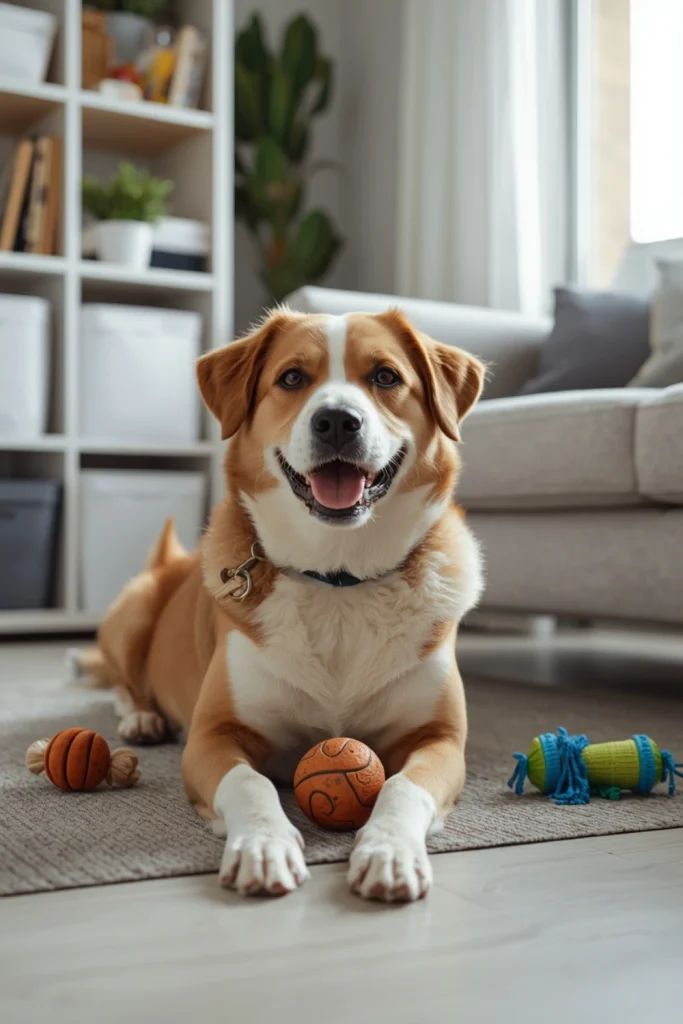
Before bringing a dog home, inspect your living space for hazards that could cause injury or illness. Dogs explore their surroundings with their noses and mouths, and even ordinary household objects can become dangerous. Store medicines, cleaning products, pesticides, sharp tools, batteries, and small objects securely out of reach. Protect electrical cords, secure trash bins, and check gates, balconies, windows, and fences to reduce the risk of escape. Also research houseplants before placing them in areas where your dog can chew them.
Food safety is equally important. Chocolate, grapes, raisins, onions, garlic, and products containing xylitol can be toxic to dogs. Cooked bones may splinter, while small toys or swallowed objects can cause choking or intestinal blockages. Provide suitable toys that match your dog’s size and chewing strength, and supervise play when necessary. Teach household members not to leave dangerous foods on accessible tables or countertops. If your dog swallows a potentially toxic substance or a dangerous object, contact a veterinarian immediately and follow professional instructions instead of attempting an unverified home remedy.
10. Learn to Understand Your Dog’s Body Language
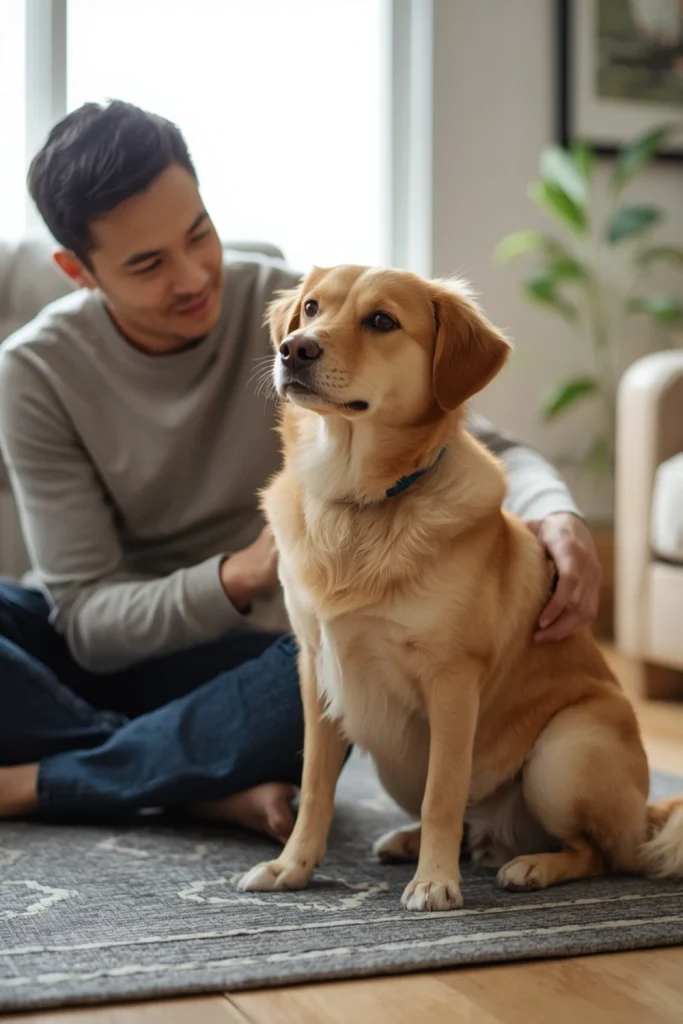
Understanding canine body language helps you recognize when your dog feels relaxed, excited, frightened, or uncomfortable. A loose posture, soft facial expression, and relaxed movements may indicate comfort, while a stiff body, tucked tail, repeated lip licking, turning away, or attempts to retreat can signal stress. A wagging tail does not automatically mean that a dog is friendly. Consider the whole body, the environment, and the situation before deciding how your pet feels.
Respect your dog’s signals by allowing space when they appear uncomfortable. Avoid forcing hugs, disturbing your dog while sleeping, or making them interact with unfamiliar animals. Teach children to approach calmly, leave resting dogs alone, and ask an adult before touching a pet. Supervise interactions between dogs and children, even when they know each other well. If your dog suddenly becomes unusually withdrawn, aggressive, or sensitive to touch, arrange a veterinary examination because pain or illness may contribute to the change in behavior.
11. Take Care of Your Dog’s Dental Health
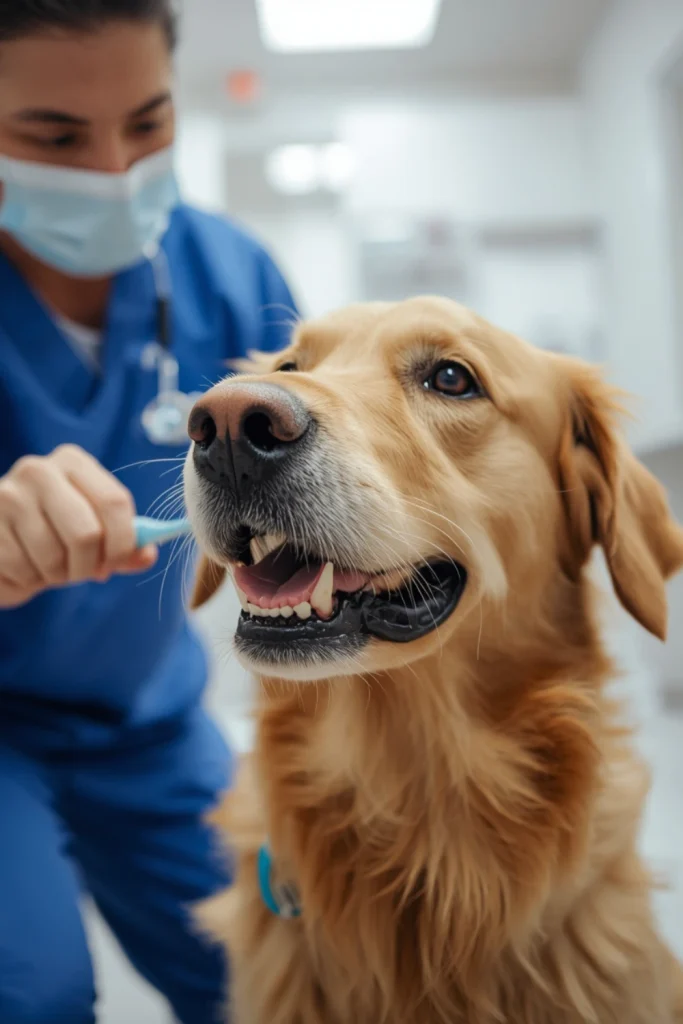
Dental care is an essential part of keeping your dog healthy, yet it is often overlooked by first-time owners. Plaque can build up on teeth and contribute to tartar, gum inflammation, persistent bad breath, and periodontal disease. Dental discomfort may make eating, chewing toys, and playing unpleasant. Begin by gently handling your dog’s muzzle and briefly lifting the lips to inspect the teeth. Introduce a soft dog toothbrush and canine toothpaste gradually, rewarding your pet for remaining calm.
Daily toothbrushing is ideal when your dog tolerates it. Use toothpaste specifically formulated for dogs because human toothpaste may contain ingredients that are unsafe for pets. Dental chews and products approved by recognized veterinary dental organizations can provide additional support, but they do not replace brushing or professional examinations. Ask your veterinarian to check your dog’s mouth during routine visits. Bleeding gums, loose teeth, difficulty chewing, excessive drooling, or persistent bad breath should be assessed rather than ignored. Professional dental cleaning may be necessary when plaque and disease have progressed.
12. Protect Your Dog From Fleas, Ticks, and Other Parasites
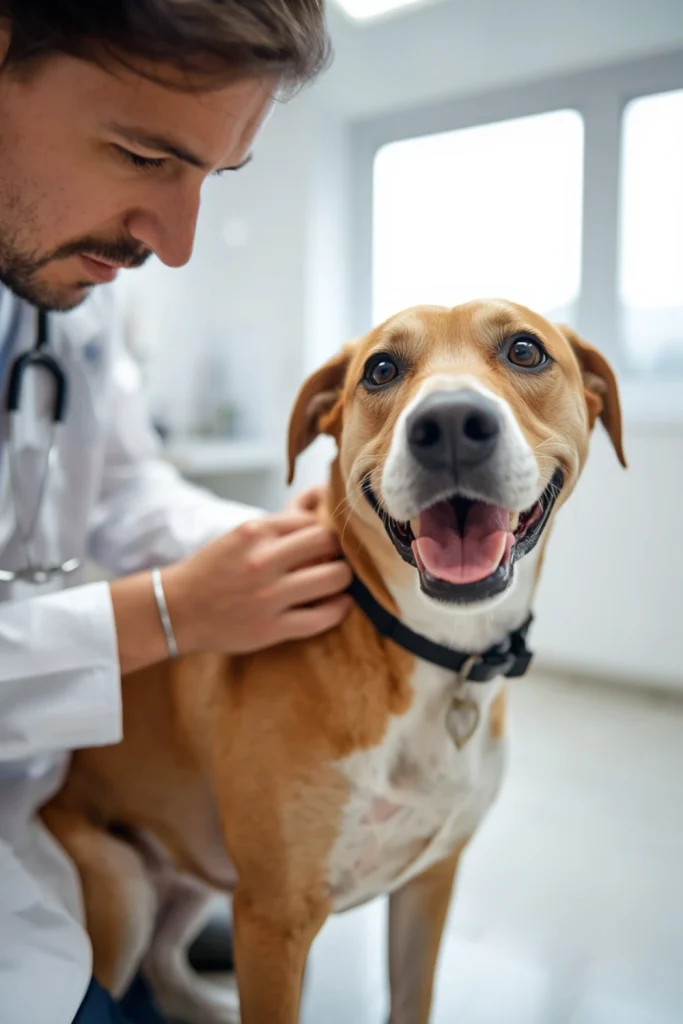
Fleas, ticks, and other parasites can cause discomfort and may transmit diseases. Fleas can trigger itching, skin irritation, and allergic reactions, while ticks may carry infections depending on the region. Some dogs are also at risk from intestinal parasites or heartworms. The right prevention plan depends on where you live, your dog’s lifestyle, age, weight, and medical history. Ask your veterinarian to recommend suitable products and testing schedules. Never assume that a product designed for another animal is safe for your dog.
Check your dog’s coat and skin after walks in grassy areas, wooded trails, or places where ticks are common. Pay particular attention to the ears, neck, paws, and areas where parasites can hide. Maintain clean bedding and follow your veterinarian’s instructions for preventive treatments. If you find a tick, use an appropriate removal tool or seek professional help, and avoid crushing it with your bare fingers. Persistent scratching, visible parasites, hair loss, or inflamed skin may require veterinary treatment. Do not apply essential oils or household insecticides as improvised remedies.
13. Keep Your Dog’s Identification Up to Date
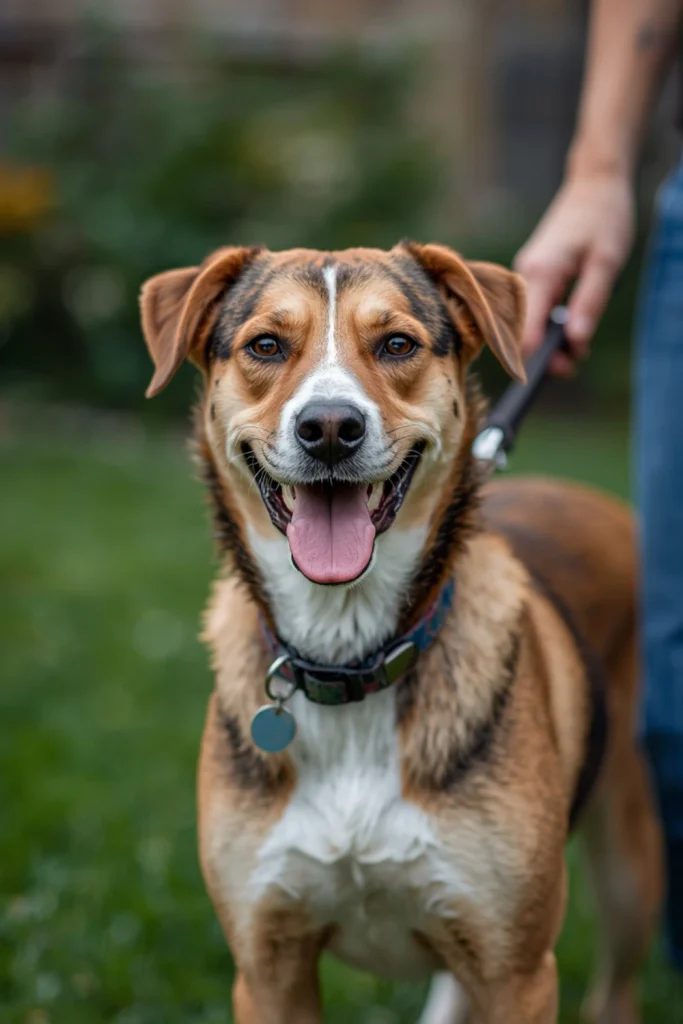
Even well-trained dogs can escape through an open gate, become frightened by loud noises, or get separated from their owners while travelling. Proper identification improves the chances of being reunited with your pet. Make sure your dog wears a comfortable, secure collar with an identification tag displaying a current contact number. Check the fit regularly, especially during puppyhood, because young dogs grow quickly. The collar should not rub the skin or become so loose that your dog can slip out of it.
Microchipping provides another valuable layer of identification. A veterinarian can explain the procedure and help you register the chip with an appropriate database. Remember that a microchip is not a GPS tracker; it contains an identification number that can be scanned using compatible equipment. Keep your registration details updated whenever your contact information changes. Store a recent photograph of your dog and retain important veterinary records. When travelling by car, use an appropriate harness, carrier, or vehicle restraint to help protect your pet.
14. Provide Mental Stimulation and Interactive Play

Dogs need mental exercise as well as physical activity. Puzzle feeders, scent games, interactive toys, and short training sessions encourage dogs to think, explore, and solve problems. These activities are particularly useful on rainy days or when outdoor exercise is limited. Begin with simple games that match your dog’s abilities and gradually introduce more challenging activities. Supervise your pet when using toys that could break apart or be swallowed, and remove damaged items promptly to prevent choking or digestive problems.
Mental stimulation does not have to be expensive. You can hide a few pieces of your dog’s regular food for a supervised sniffing game, practise familiar commands, or encourage your pet to find a favourite toy. Rotate suitable toys to maintain interest and provide different experiences throughout the week. Remember that enrichment complements, rather than replaces, exercise, rest, training, and companionship. If your dog frequently destroys household objects, barks excessively, or struggles when left alone, discuss these behaviors with a veterinarian or qualified trainer to identify the underlying cause.
15. Give Your Dog Love, Patience, and Consistent Attention
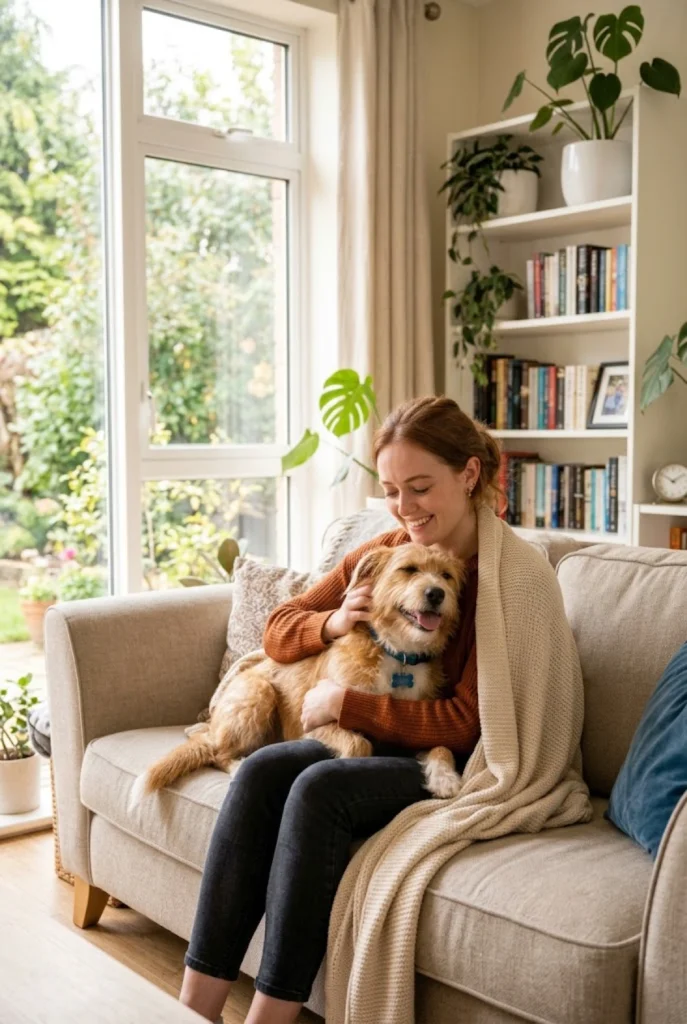
One of the most valuable Dog Care Tips for beginners is to develop a trusting relationship with your pet. Dogs need more than food and shelter; they also need companionship, positive interaction, appropriate exercise, and opportunities to rest. Spend time learning what your dog enjoys, whether that involves taking walks, playing gentle games, learning commands, or relaxing beside you. Every dog has a different personality. Some settle into a new home quickly, while others need more time to feel secure around unfamiliar people, sounds, and routines.
Be patient when your dog makes mistakes. Toilet accidents, chewing, barking, and difficulty following commands are common challenges, particularly during the adjustment period. Identify what your dog needs, redirect unwanted behavior calmly, and reward progress. Avoid physical punishment, intimidation, or frightening training techniques that can undermine trust. Make sure everyone in the household follows similar rules so your dog receives consistent guidance. With regular care, suitable training, veterinary support, and affection, you can help your dog become a confident companion and enjoy a stronger relationship for years to come.
Conclusion
Becoming a first-time dog owner is a rewarding experience that requires patience, preparation, and a commitment to your pet’s well-being. Following these 15 Dog Care Tips can help you establish healthy routines, create a safe home, provide appropriate nutrition, support good behavior, and build a trusting relationship with your companion.
Remember that every dog is different. Age, breed, temperament, activity level, and medical history influence the care your pet needs. Focus on the essentials, learn from everyday experiences, and consult your veterinarian when you need professional guidance. You do not have to be a perfect pet parent from day one. What matters most is providing consistent care, responding to your dog’s needs, and helping your companion enjoy a safe, healthy, and happy life.