
15 Fun Dog Training Games Every Beginner Can Try
Training your dog does not have to feel like a serious classroom session. With the right approach, simple games can turn everyday training into an exciting activity that your dog looks forward to. Fun Dog Training Games can help improve focus, obedience, confidence, communication, and the bond you share with your furry friend.
Whether you have a playful puppy, an adult dog, or a recently adopted companion, you can use games to teach useful skills while keeping your dog mentally active. From finding hidden treats to practicing recall and learning new tricks, these beginner-friendly games are easy to introduce at home.
1. Hide and Seek Recall Game
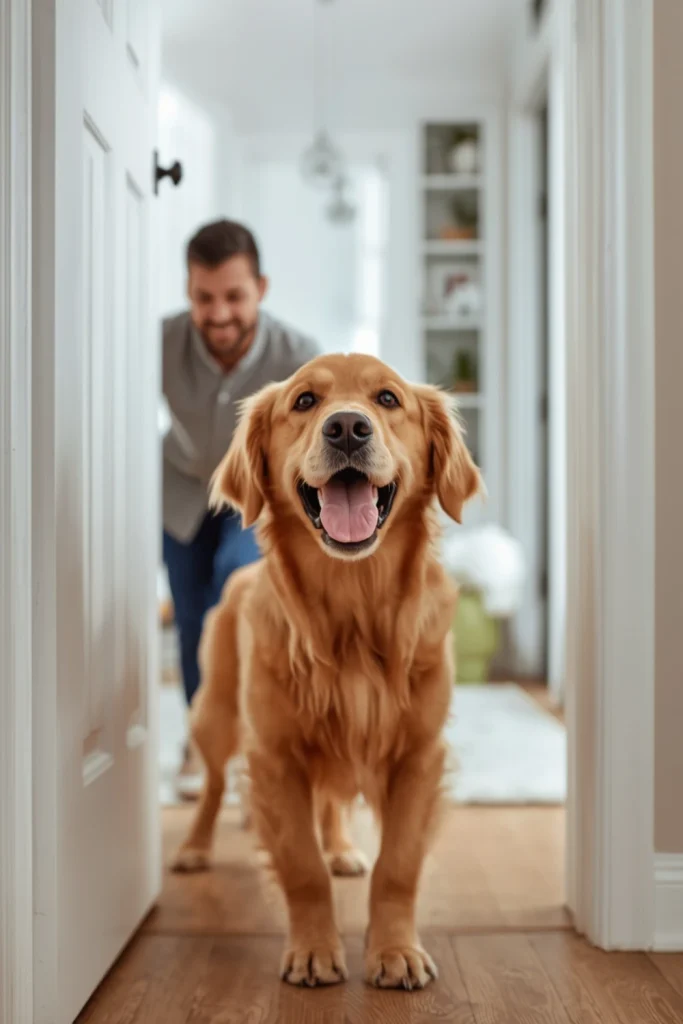
Hide and seek is one of the most entertaining Fun Dog Training Games for beginners. It can help your dog learn that coming when called is rewarding and exciting. Start inside your home where distractions are limited. Ask your dog to stay with another person or wait briefly while you hide behind a doorway or around a corner. Then call your dog’s name followed by a clear recall word such as “come.”
When your dog finds you, immediately praise and reward the response. Keep the hiding places easy at first so your dog succeeds frequently. As your dog becomes more confident, you can make the game slightly more challenging. This activity combines recall practice with mental stimulation and can help your dog learn to search for you when hearing your voice.
2. Find the Treat Game
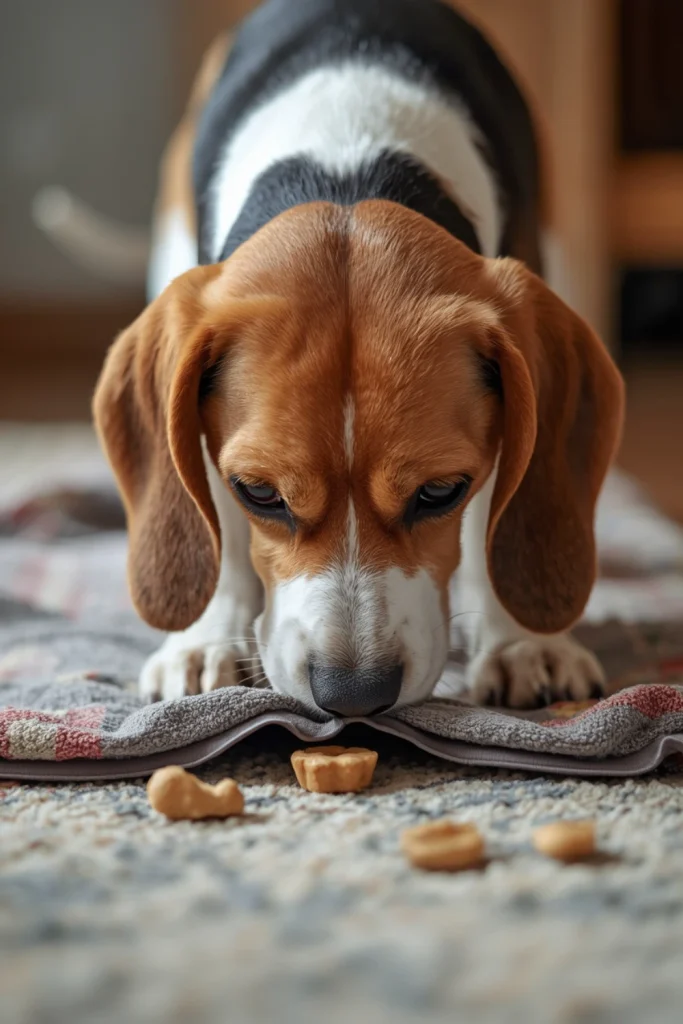
The find-the-treat game is a simple way to encourage your dog’s natural sniffing ability while teaching focus and problem-solving. Begin by placing a small treat somewhere easy to find, such as beside a chair or underneath the edge of a towel. Let your dog watch you place it and encourage your dog to search. When the treat is discovered, offer calm praise.
Once your dog understands the game, make the hiding places gradually more challenging. You can hide treats behind furniture, under safe containers, or in different rooms. Always choose locations that are safe and easy for your dog to access. This game can provide mental stimulation without requiring intense physical exercise.
3. The Cup Game
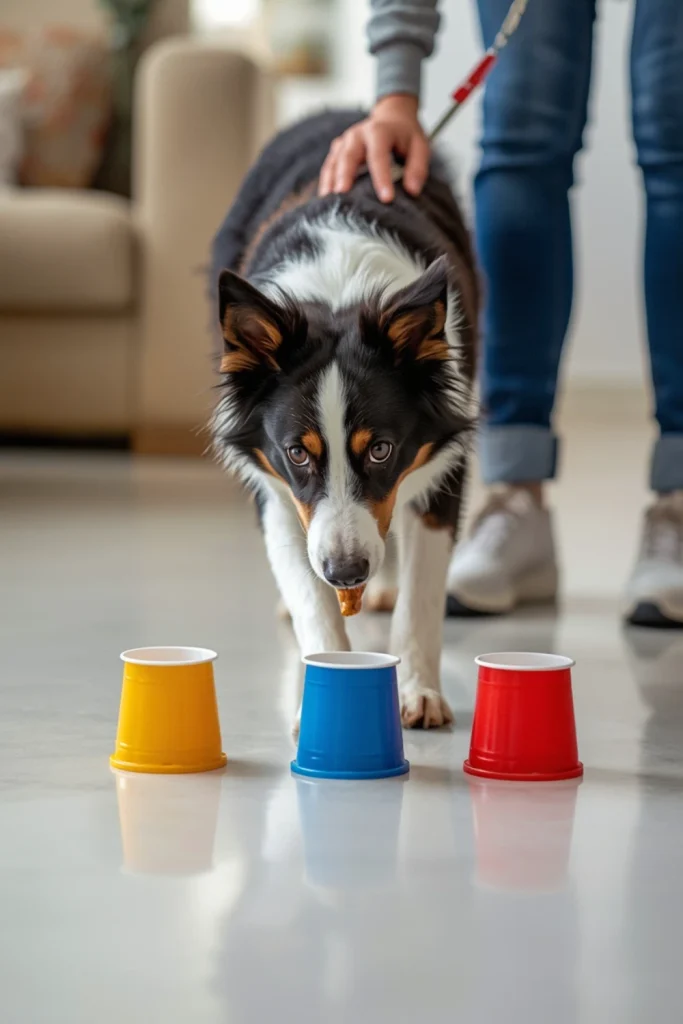
The cup game is an easy beginner activity that encourages your dog to pay attention and make choices. Place two or three lightweight cups upside down on the floor. Show your dog a treat and place it underneath one cup. Move the cups slowly and encourage your dog to identify the correct one. When your dog investigates the cup containing the reward, praise the behavior.
Start with only two cups so your dog does not become confused. As your dog improves, you can add another cup or move them slightly farther apart. This game can help develop concentration and problem-solving skills. It also provides an entertaining way to practice patience and observation.
4. Toy Cleanup Game
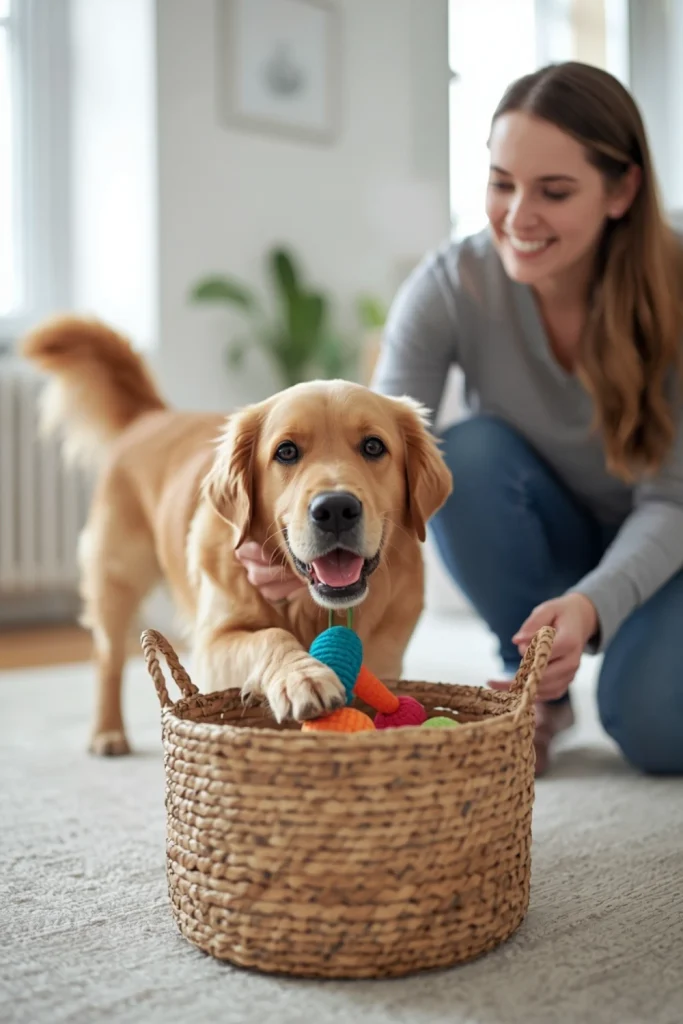
Teaching your dog to put toys away can turn cleanup time into a training opportunity. Start by teaching your dog to pick up one familiar toy. When your dog takes the toy in its mouth, encourage it to bring the toy toward a basket. Reward any movement in the right direction during the early stages.
Once your dog understands that bringing the toy to the basket earns a reward, gradually work on dropping the toy inside. Keep the sessions short and enjoyable. This game teaches useful behaviors such as carrying objects, following cues, and completing a simple task. It can also provide mental stimulation while making everyday household routines more interactive.
5. Follow the Leader Game
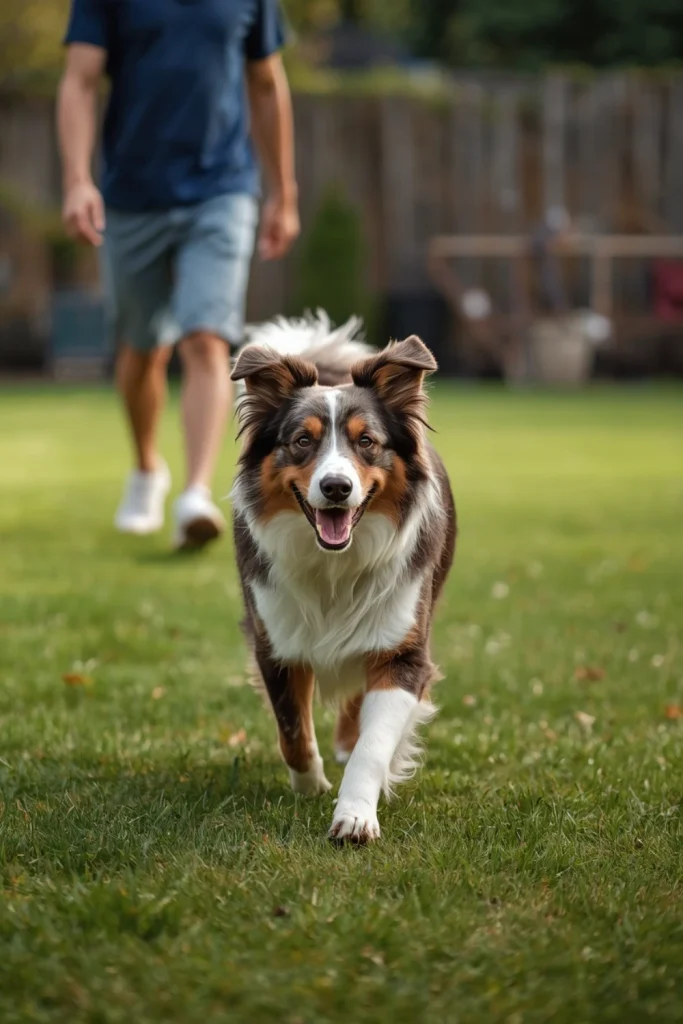
Dogs naturally pay attention to their owners, making a follow-the-leader game a useful beginner training exercise. Walk slowly around your home and encourage your dog to follow you. Change direction occasionally, stop, or walk around an object. Reward your dog whenever it stays focused on you and follows calmly.
As your dog improves, practice the game in a quiet yard or another safe location. You can introduce turns, short pauses, and changes in speed. This game can support attention, communication, and loose-leash skills. Instead of focusing only on commands, your dog learns to watch your movements and respond to changes in your body language.
6. Which Hand Game
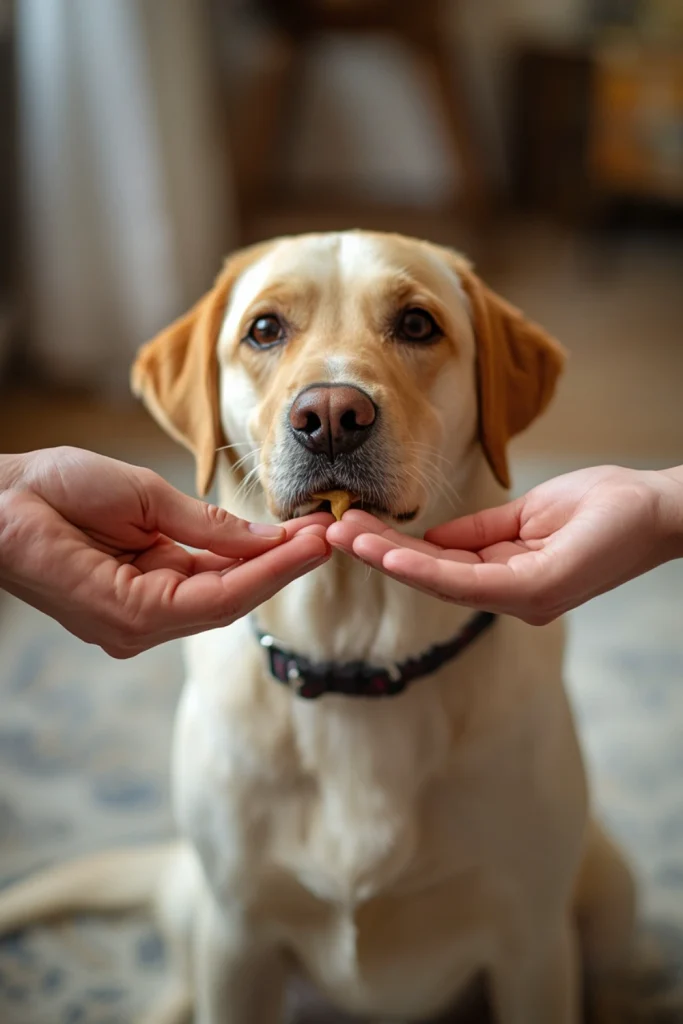
The which-hand game is extremely simple and requires only a small treat. Place a treat in one hand while keeping the other hand empty. Close both hands and present them to your dog. Let your dog sniff and investigate. When your dog chooses the hand containing the treat, open it and provide the reward.
This game encourages your dog to use its nose and make a choice rather than immediately grabbing a reward. Over time, you can use the activity to practice patience and attention. Avoid teasing your dog or repeatedly making the game difficult. The goal is to create a positive learning experience where your dog enjoys thinking and interacting with you.
7. Obstacle Course Game
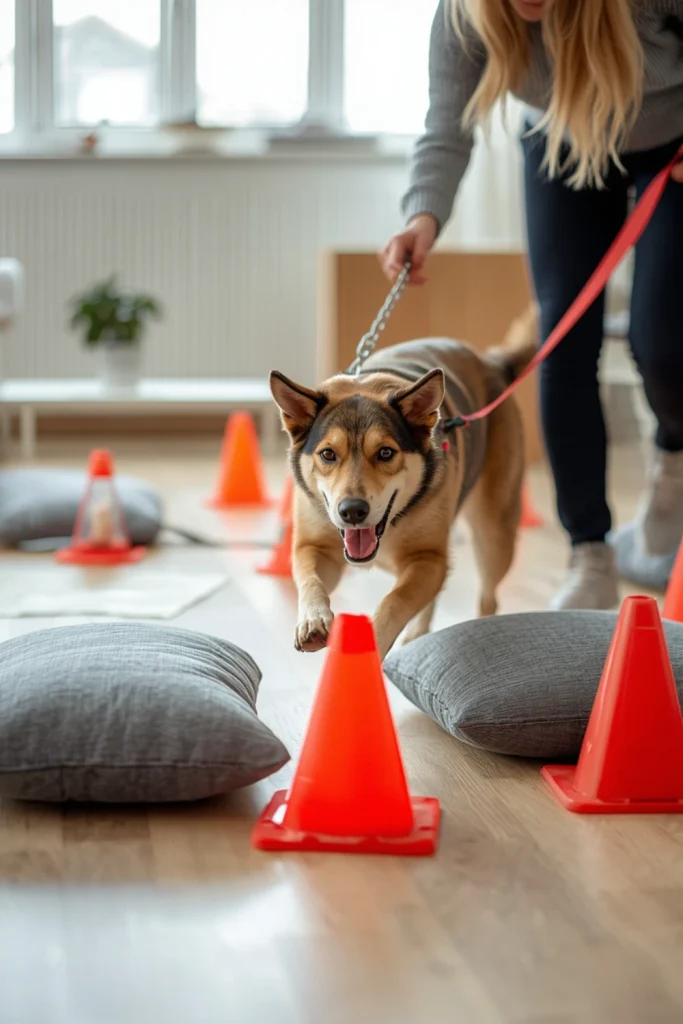
A simple homemade obstacle course can make dog training active and exciting. You can use safe household objects such as cushions, low cardboard boxes, cones, or broomsticks placed securely on the floor. Encourage your dog to walk around, step over, or move between the objects. Reward calm and confident behavior.
The obstacle course does not need to be complicated. Beginners should focus on safety and easy movements rather than speed or difficult jumps. Let your dog approach unfamiliar objects at its own pace. This game can help build confidence, body awareness, attention, and cooperation while providing a fun physical activity.
8. Red Light, Green Light Game
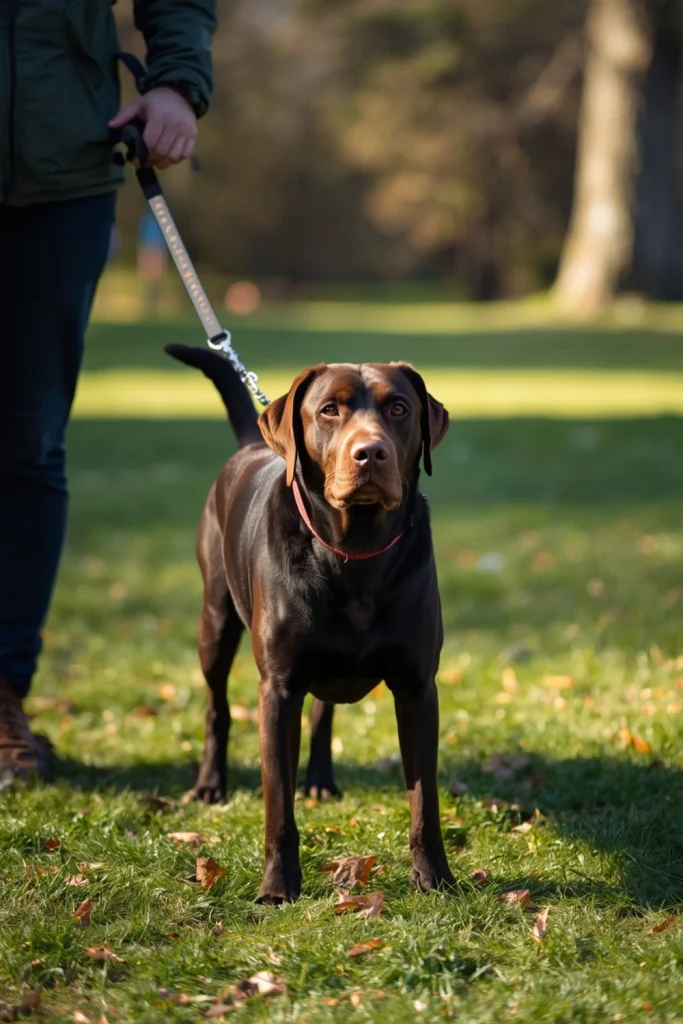
Red light, green light is a fun way to practice movement control. Start by walking with your dog and using a cue such as “go” to encourage movement. After a few steps, stop and ask your dog to pause. When your dog remains calm, give a reward and begin moving again.
The purpose is not to make the activity complicated. Instead, you are teaching your dog that your movement and cues can signal when to continue and when to pause. This can be especially useful for dogs that become excited during walks. Practice in a quiet location first, then gradually introduce more distractions as your dog improves.
9. Tunnel Game
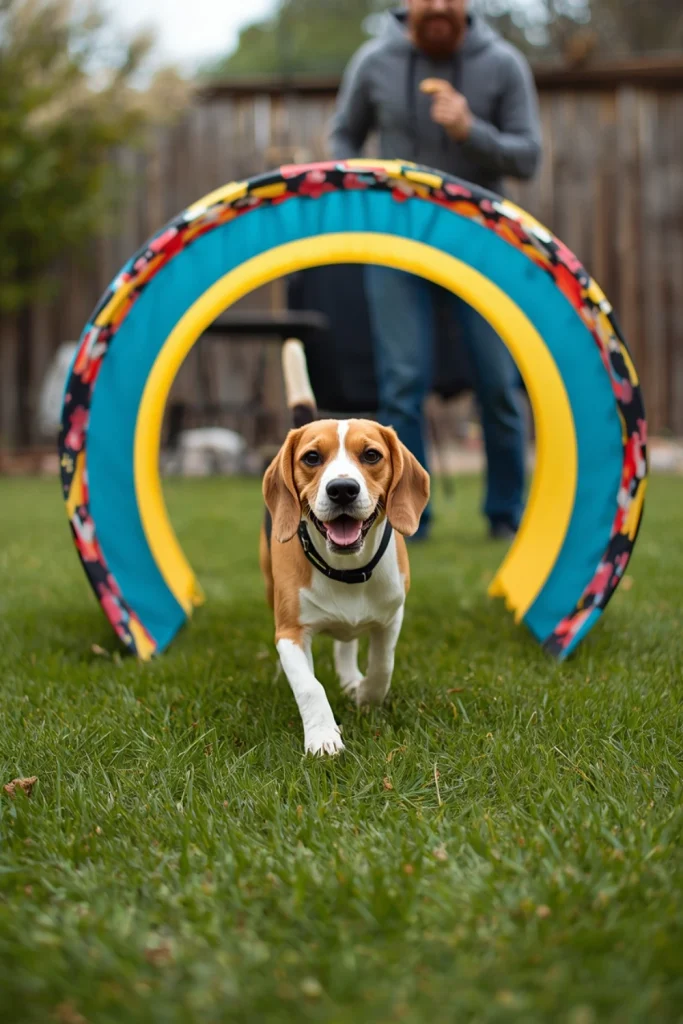
A tunnel game can be created using a safe dog tunnel or a large open cardboard box. Encourage your dog to walk through the tunnel by placing a treat or favorite toy at the other end. Use a cheerful voice and allow your dog to investigate before asking it to enter.
Some dogs may initially feel uncertain about enclosed spaces, so never force your dog through the tunnel. Make the opening wide and keep the activity short. Once your dog becomes comfortable, you can add a simple cue such as “through.” This game can improve confidence, body awareness, and willingness to explore new environments.
10. Touch My Hand Game
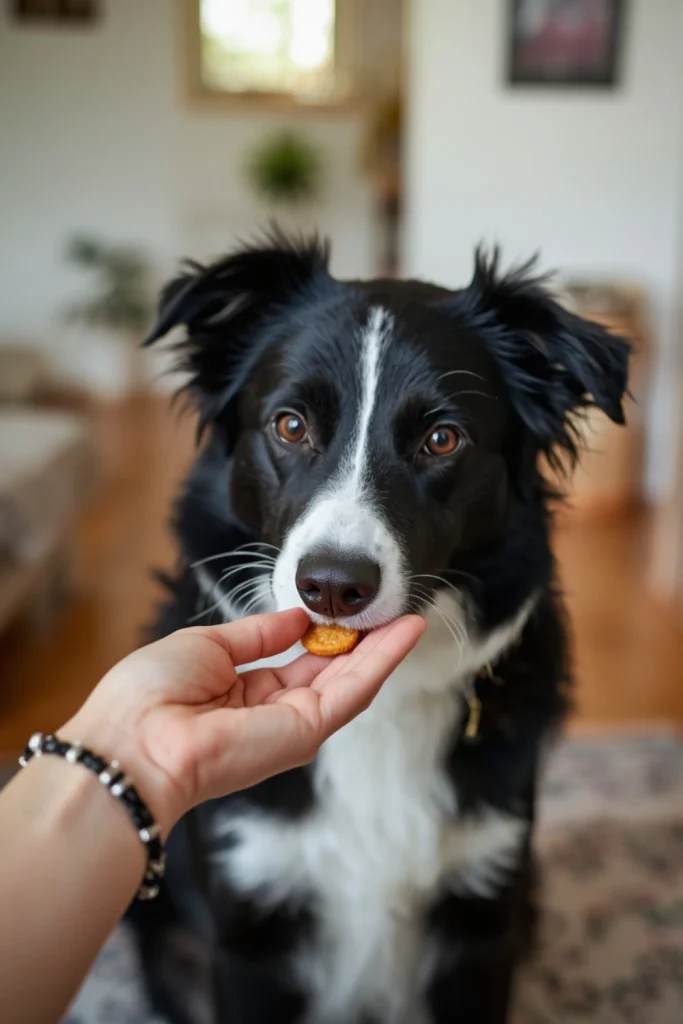
The hand-target game is one of the most useful beginner-friendly activities because it can later support other training exercises. Hold your open palm a short distance from your dog’s nose. When your dog investigates or touches your hand with its nose, immediately praise and reward.
Once your dog understands the behavior, you can move your hand to different positions. Ask your dog to touch your hand from the left, right, slightly higher, or farther away. This game can improve focus and communication. It can also become a practical way to guide your dog without constantly pulling on a leash or using physical pressure.
11. Name Recognition Game
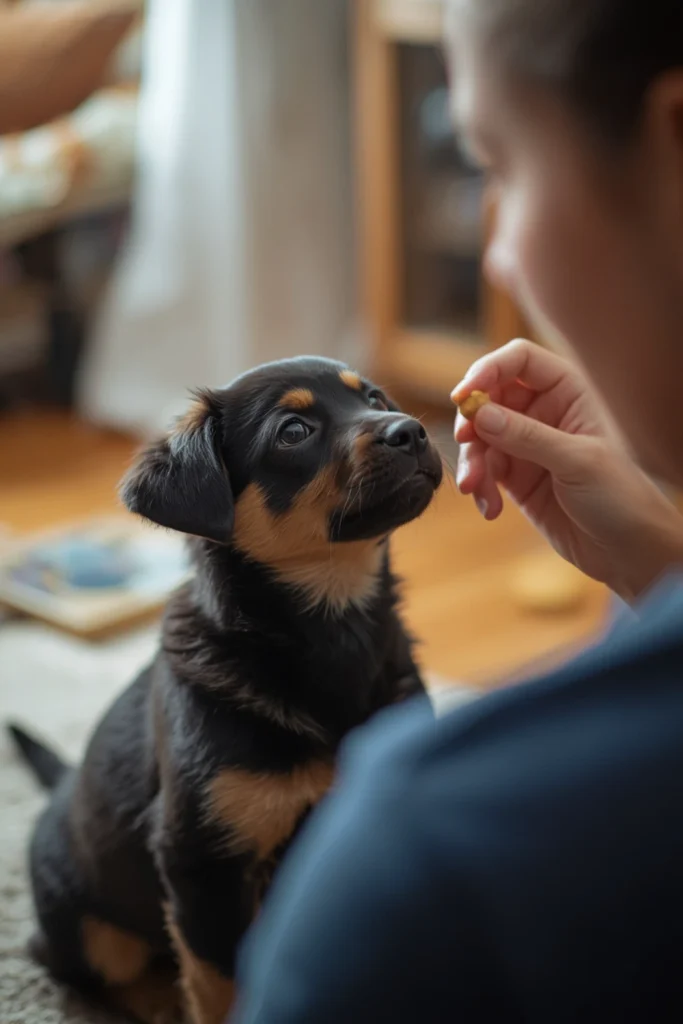
Your dog’s name should have a positive meaning. The name recognition game is a simple activity that helps your dog learn to look toward you when it hears its name. Sit near your dog in a quiet area and say its name once. When your dog looks at you, immediately reward it with praise or a small treat.
Repeat the exercise several times while keeping the sessions short. Avoid repeatedly saying your dog’s name when it is ignoring you. Instead, make the activity easy enough that your dog can succeed. Gradually practice in different rooms and later in slightly more distracting environments. A strong name response can make future training easier.
12. Treasure Hunt Game
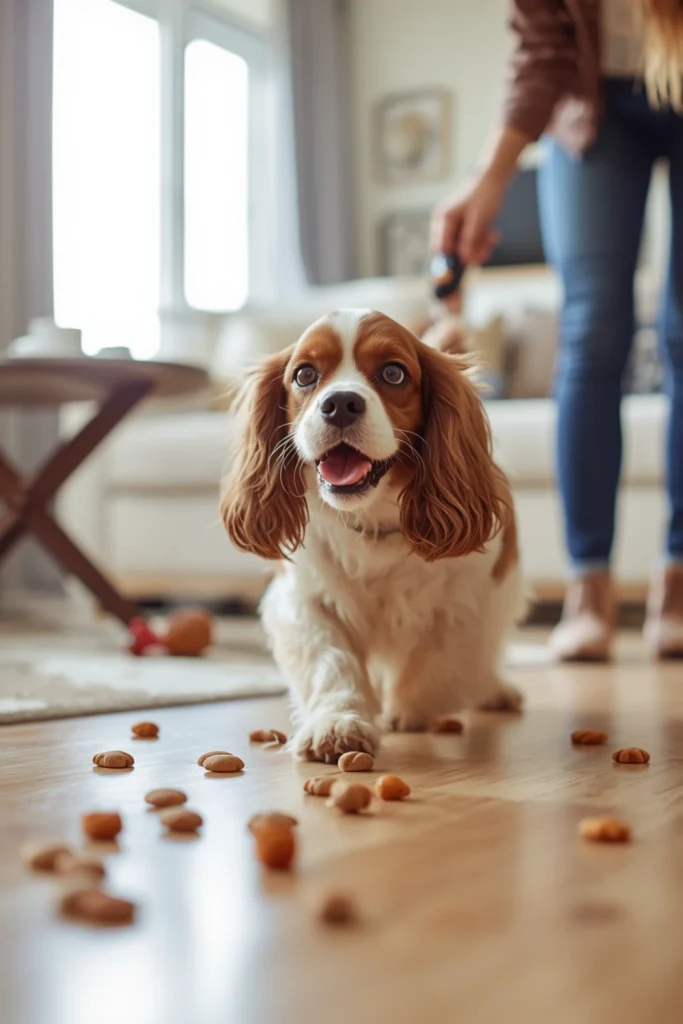
A treasure hunt combines movement, sniffing, and problem-solving. Choose several safe locations around a room and hide small treats or favorite toys. Start by making the objects easy to discover. Encourage your dog to search and praise it when it finds the hidden item.
As your dog learns the game, you can increase the difficulty by using additional hiding spots. Make sure the environment is safe and remove anything your dog could accidentally swallow. Treasure hunts are particularly useful when you want to provide mental stimulation without relying entirely on physical exercise. They can also make ordinary indoor time much more interesting.
13. Freeze and Focus Game
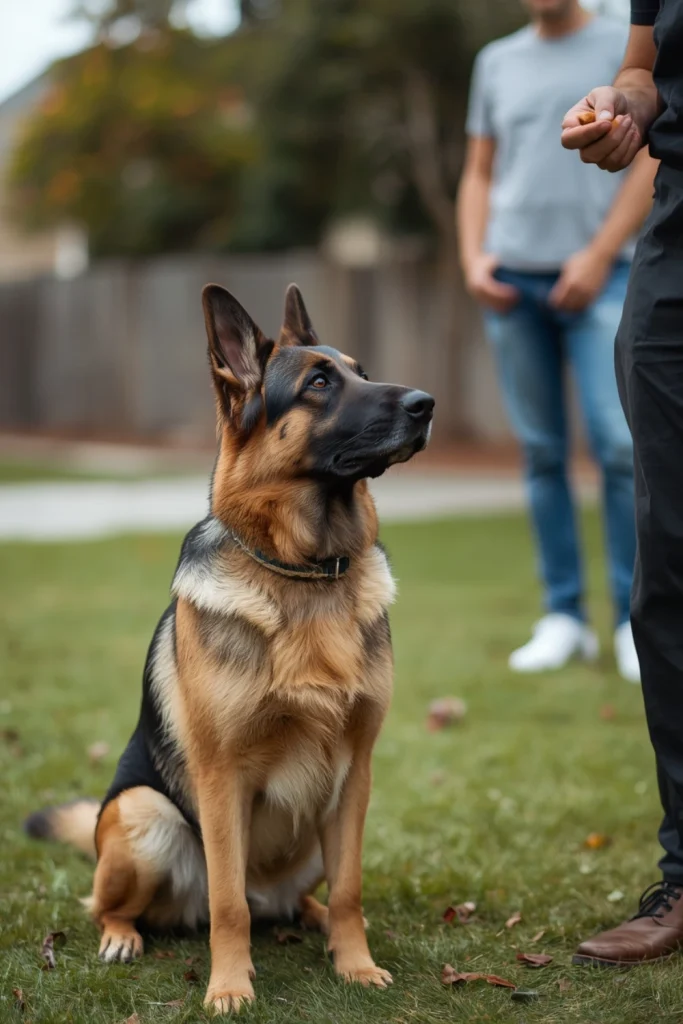
The freeze and focus game teaches your dog to pause and pay attention to you. Start by allowing your dog to walk around a quiet room. Suddenly stop moving and wait for your dog to notice you. When your dog pauses or looks toward you, reward that attention.
You can later add a simple cue such as “focus” or “look.” Practice the activity during calm walks or in the yard. This game can help dogs learn that stopping does not always mean something exciting is happening. It encourages self-control and attention, two skills that can be useful in busy environments.
14. Guess the Toy Game
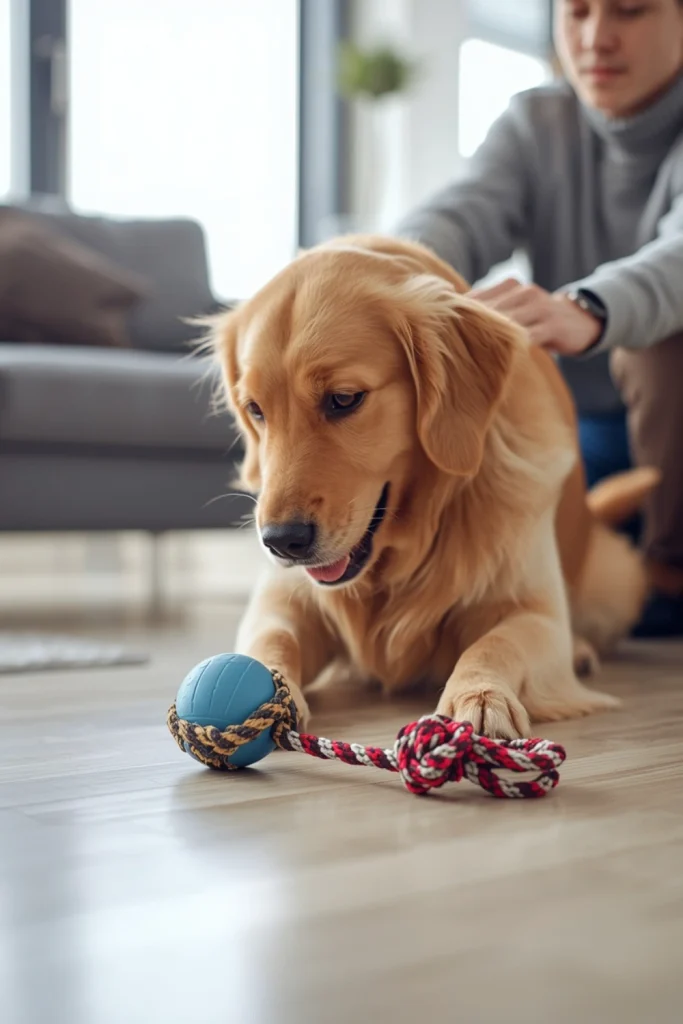
Many dogs love toys, so you can turn toy selection into a simple learning game. Place two familiar toys on the floor and encourage your dog to choose one. When your dog approaches or touches the toy you have selected, reward the behavior. Start by making the correct choice obvious.
As your dog understands the game, you can introduce different toys or teach specific toy names. For example, you might use separate words for a ball and a rope toy. This game can develop vocabulary, focus, memory, and communication. Keep it playful and avoid becoming frustrated if your dog needs time to understand the difference.
15. Training Trick Challenge
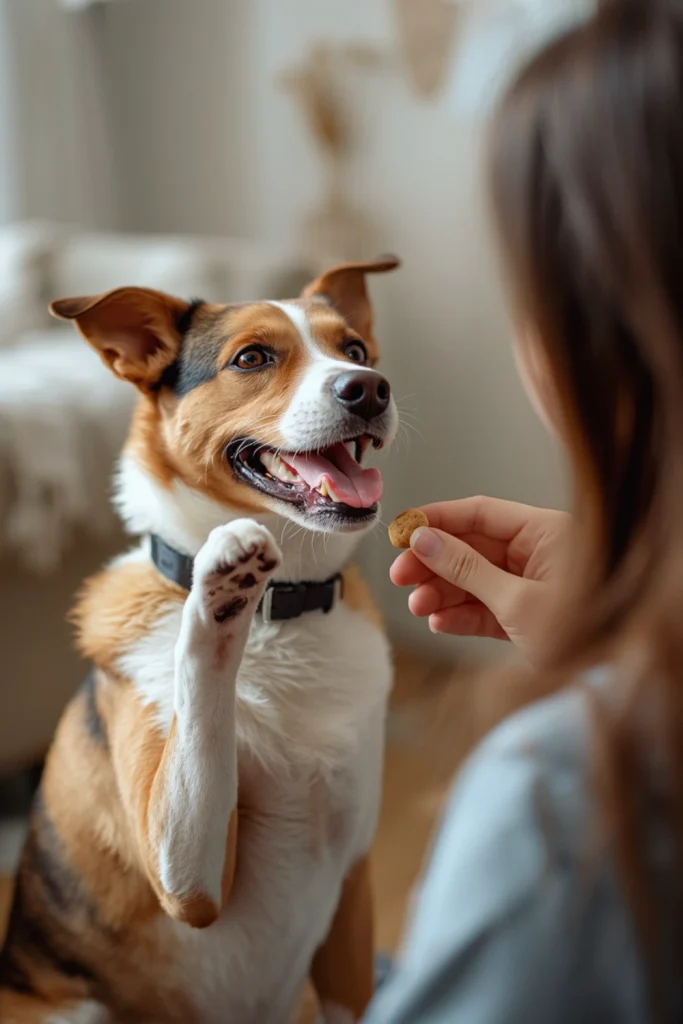
A weekly training trick challenge can keep your dog’s learning routine fresh. Choose one simple trick and practice it for a few minutes each day. You could teach your dog to shake paws, spin, wave, touch a target, bow, back up, or perform another age-appropriate trick.
The important part is to break the trick into small steps. Reward progress instead of expecting perfection immediately. You can repeat an old trick on some days and introduce something new on others. This approach keeps training interesting and gives your dog regular opportunities to think, learn, and succeed.
Final Thoughts
Fun Dog Training Games can transform ordinary training into an enjoyable daily activity for both you and your dog. You do not need expensive equipment, complicated techniques, or long training sessions to get started. Simple games such as hide and seek, treasure hunts, hand targeting, toy selection, obstacle courses, and trick challenges can provide valuable opportunities for learning.
The most important part is consistency and patience. Start with easy activities, reward the behaviors you want, and gradually increase the challenge as your dog becomes more confident. Every successful game gives your dog another opportunity to practice focus, communication, problem-solving, and good behavior.
Whether you are training a puppy, adult dog, or rescue companion, make learning enjoyable. A few minutes of playful training each day can become an important part of your dog’s routine and can help create a stronger relationship between you and your furry friend.