12 Gentle Ways to Build a Shy Dog’s Confidence
A shy dog may need a little extra time, patience, and understanding to feel comfortable in the world. Everyday experiences that seem simple to us, such as meeting a new person, walking through a busy street, or hearing an unfamiliar sound, can feel overwhelming to a nervous dog. The good news is that small, positive experiences can help your dog feel safer and gradually become more confident.
Learning how to build shy dog’s confidence starts with understanding your dog’s individual needs. Instead of forcing interactions or expecting quick results, create a calm environment where your companion can explore at their own pace. These 12 gentle methods will help you encourage bravery, strengthen your bond, and support your dog’s emotional well-being through patience, trust, and positive reinforcement.
1. Give Your Shy Dog Time to Feel Safe
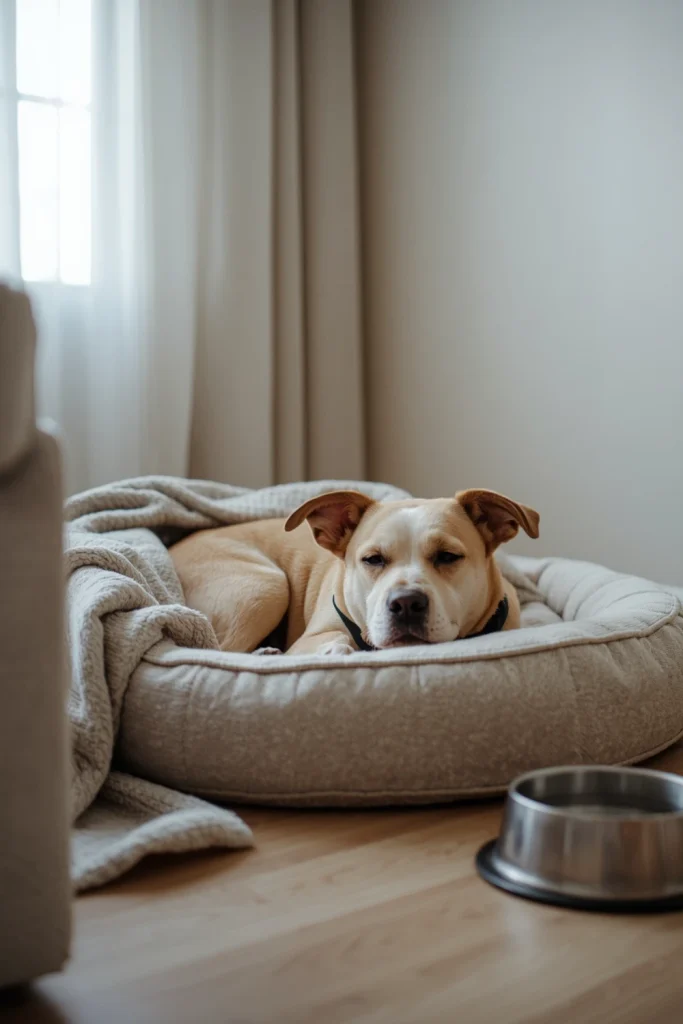
One of the most important ways to build shy dog’s confidence is to give your companion time to adjust without pressure. A nervous dog may need extra time to become comfortable with a new home, family members, or daily routines. Create a quiet resting area with a comfortable bed, fresh water, and suitable toys. Let your dog observe the household from a safe distance and approach people when they feel ready. Avoid reaching over them, cornering them, or insisting on physical affection.
Patience is especially important after adoption or a major change in the household. Keep the environment predictable and introduce new experiences gradually. If your dog spends time hiding, do not pull them out simply to encourage interaction. Instead, make the surrounding area calm and allow them to emerge independently. Over time, repeated experiences of having their space respected can help your dog learn that they are safe and do not need to remain on guard.
2. Use Positive Reinforcement to Encourage Brave Behavior
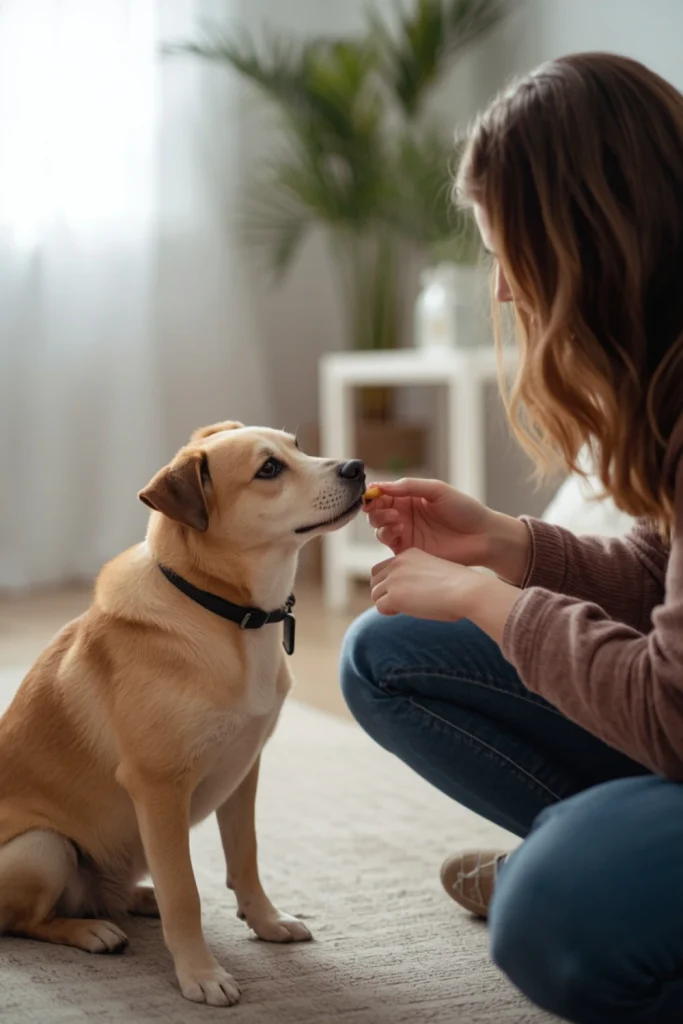
Positive reinforcement helps your dog connect unfamiliar experiences with pleasant outcomes. Whenever your dog shows a small sign of confidence, such as stepping out of a hiding place, investigating a new object, or calmly looking at a visitor from a distance, offer a suitable reward. This might be a small treat, quiet praise, a favorite toy, or an opportunity to sniff somewhere interesting. Rewarding these moments helps your dog discover that exploring the world can lead to good things.
Keep rewards gentle and avoid making a big celebration that could startle your dog. Some shy dogs feel more comfortable when treats are placed on the floor rather than offered directly from a hand. Others may prefer extra distance from people while they eat. Observe what makes your dog feel safest and adjust accordingly. The aim is to encourage voluntary behavior, not lure your dog into a situation they are too frightened to handle.
3. Create a Predictable Daily Routine
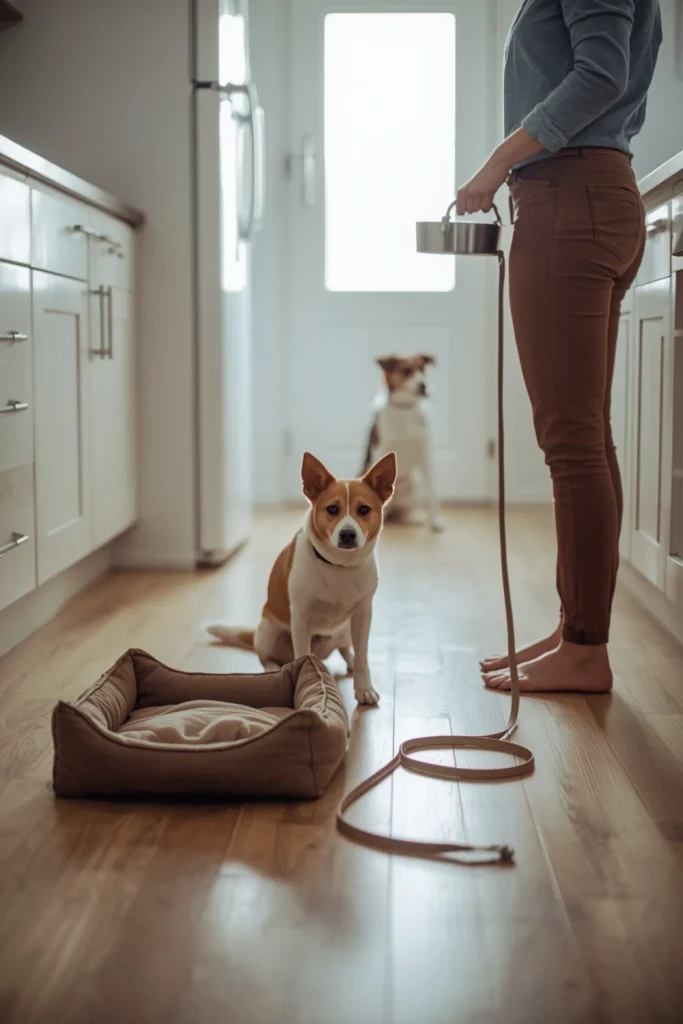
Predictability can make a meaningful difference for a nervous dog. When meals, walks, bathroom breaks, rest periods, and bedtime happen at reasonably consistent times, your dog begins to understand what to expect. This reduces uncertainty and allows them to settle into the rhythm of the household. A shy dog may feel more secure when familiar activities occur in a familiar order, especially during the first few weeks in a new environment.
You do not need a rigid schedule that controls every minute of the day. Instead, create a manageable routine that suits your household and your dog’s needs. For example, begin the morning with a quiet bathroom break, followed by breakfast and a period of rest. Schedule walks during calmer times if busy surroundings are stressful. Keep changes gradual when possible, and give your dog time to recover after unfamiliar activities. A reliable routine provides a stable foundation for future confidence-building exercises.
4. Let Your Dog Approach People at Their Own Pace
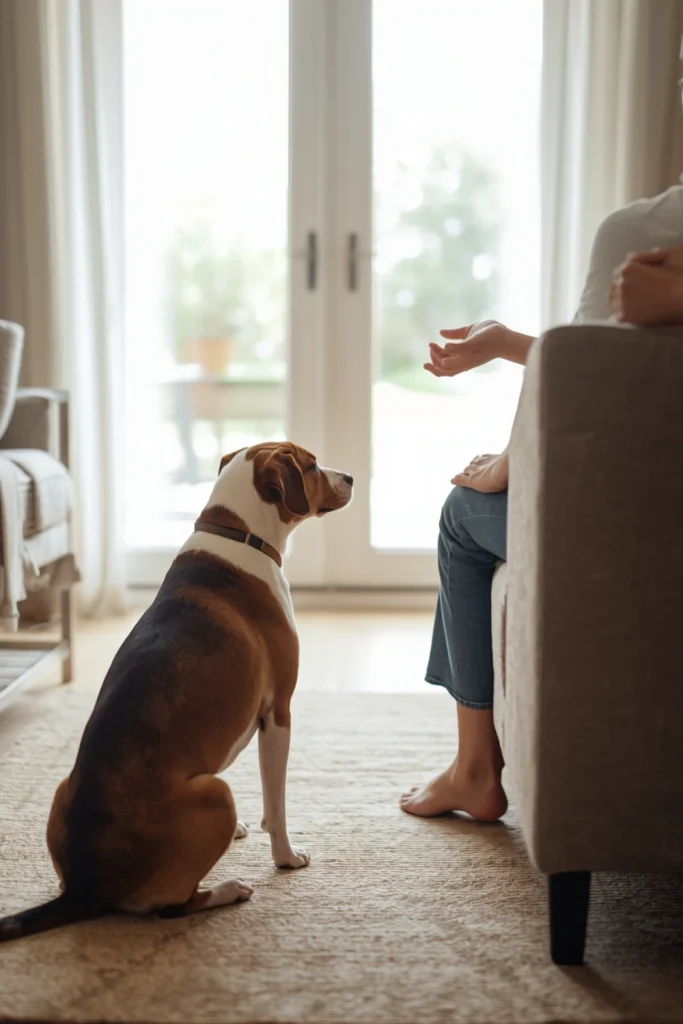
For a shy dog, unfamiliar people can feel unpredictable. Fast movements, loud voices, direct staring, and reaching toward the dog’s head may increase discomfort. Instead of encouraging strangers to pet your dog immediately, ask them to remain calm and give your companion space. A visitor can sit sideways, avoid leaning over the dog, and allow the dog to decide whether to approach. Some dogs become more comfortable when people simply ignore them at first.
Reward your dog for calmly observing people from a distance, but do not insist that they greet anyone. If your dog approaches to sniff, let the interaction remain brief and voluntary. Avoid allowing strangers to corner your dog or block their route to a safe area. If your companion moves away, respect that choice. Confidence grows when dogs learn that they can control their distance from unfamiliar people and that human interaction does not have to be forced.
5. Introduce New Experiences in Small Steps
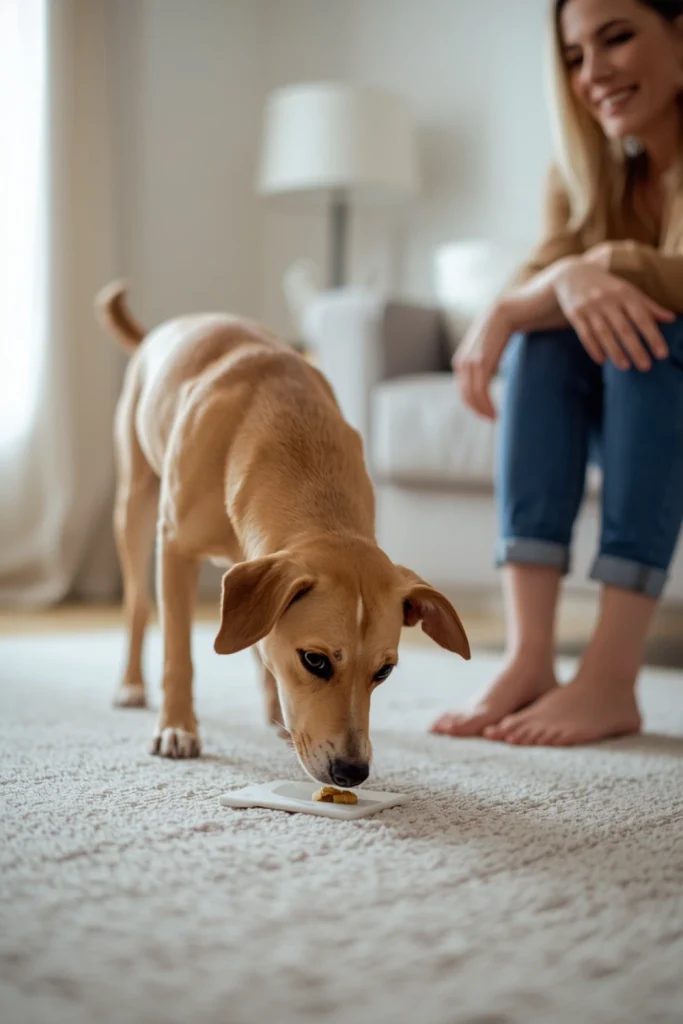
New experiences can help a shy dog become more adaptable, but the way you introduce them matters. Begin with situations that are only slightly unfamiliar, such as placing a new object in a quiet room or walking along a familiar street at a different time of day. Let your dog look, sniff, and investigate without rushing them. Reward relaxed curiosity, and allow your companion to move away whenever they need a break.
Avoid exposing your dog to several challenging things at once. For example, a busy park filled with unfamiliar people, loud traffic, and barking dogs may be too much for a nervous companion. Instead, introduce one manageable change at a time. If your dog remains comfortable, gradually increase the challenge in future sessions. If they freeze, retreat, or become tense, make the situation easier by increasing distance or returning to a familiar environment. Small, successful experiences are more useful than overwhelming encounters.
6. Use Food Games to Encourage Exploration
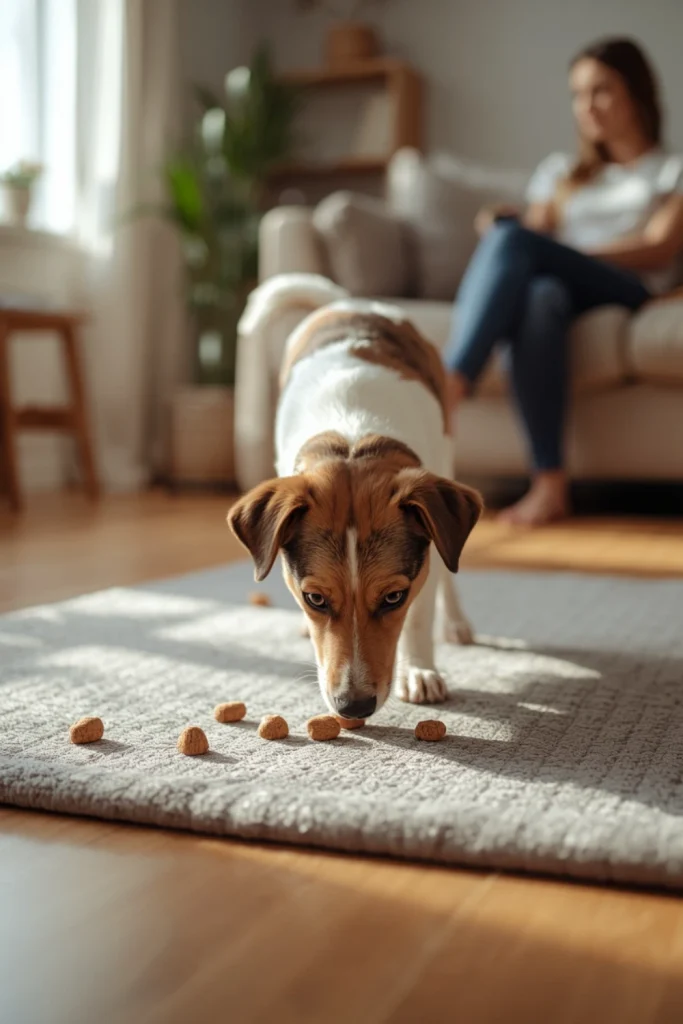
Food-based enrichment can encourage a shy dog to investigate their surroundings without needing to interact directly with people. Start with an easy game, such as placing a few small treats on a familiar mat or scattering them in a clear, quiet area. Let your dog discover the treats at their own pace. Sniffing and searching provide mental stimulation, and the activity can help your dog associate exploration with positive experiences.
As your dog becomes comfortable, try simple variations. Hide a treat partly beneath a towel, place a few pieces in a suitable food puzzle, or scatter treats in a safe grassy area during a quiet walk. Keep the difficulty low enough that your dog can succeed without becoming frustrated. Use food that suits your dog’s dietary needs, and supervise any enrichment toy or material that could be chewed or swallowed. If your dog is too worried to eat, do not push the activity; give them space and try again in a calmer setting.
7. Teach Simple Commands With Gentle Training
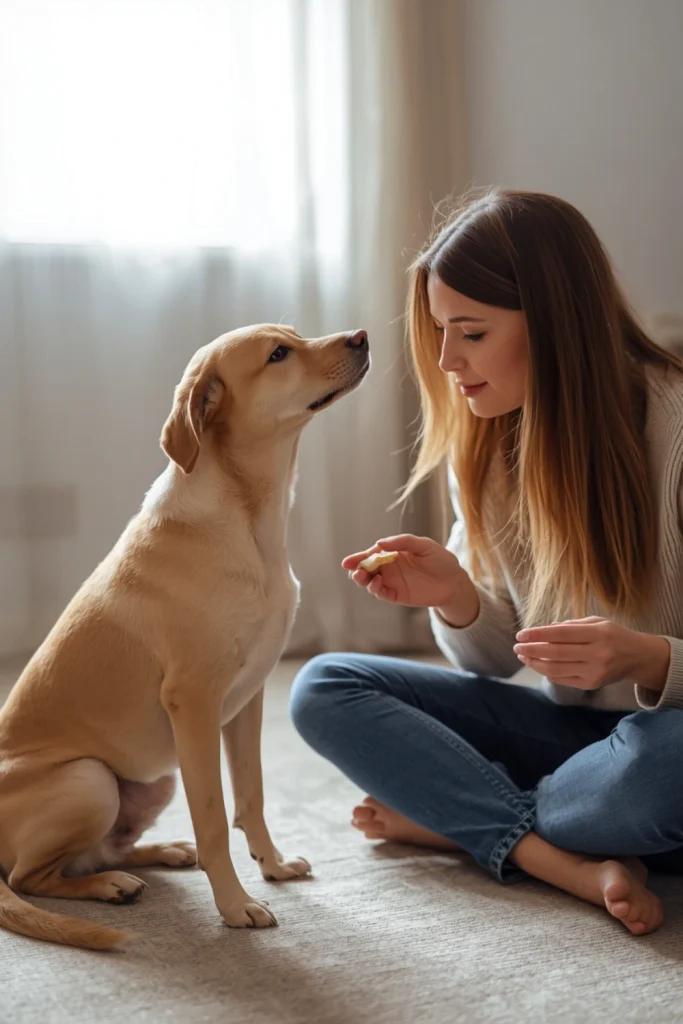
Simple training exercises can help a shy dog learn how to communicate with you. Begin with easy behaviors such as responding to their name, touching their nose to an offered hand, or sitting when they naturally choose that position. Reward small steps and keep each session brief. A dog that discovers they can understand a task and earn a reward may become more willing to engage with you in other situations.
Avoid using commands to force your dog into situations that frighten them. For example, asking a nervous dog to sit while a stranger approaches too closely may increase pressure rather than build confidence. Instead, practice in a calm environment and gradually introduce distractions only when your dog is ready. Use a quiet voice, clear cues, and rewards your dog enjoys. If your companion walks away or stops responding, pause the session. The purpose is to create positive learning experiences, not to demand perfect obedience.
8. Make Walks Comfortable and Stress-Free
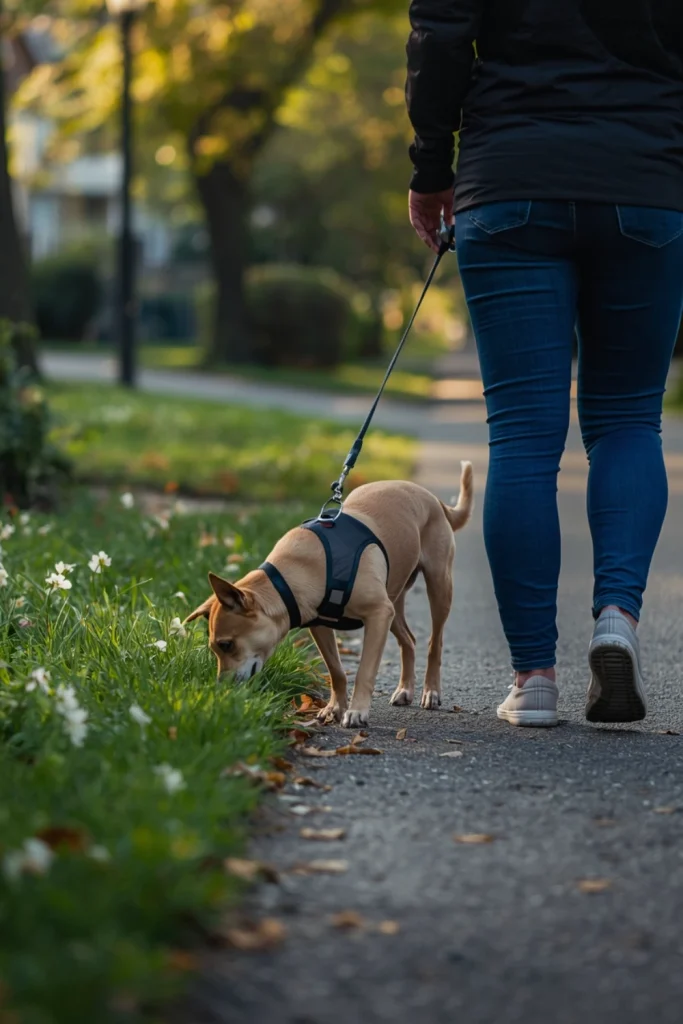
Walks can be challenging for shy dogs because the outside world contains unfamiliar sounds, moving vehicles, strangers, and other animals. Begin with quiet routes and choose times when your neighborhood is less busy. Allow your dog to sniff and explore instead of treating every walk as an exercise in distance or speed. Sniffing is a natural behavior that provides mental stimulation, and a relaxed walk can help your dog become familiar with their surroundings.
Use secure, comfortable walking equipment and maintain enough distance from anything that makes your dog uncomfortable. If your dog becomes frightened by an approaching dog, cross the street or move behind a visual barrier when it is safe to do so. Avoid dragging them toward a trigger or expecting them to greet every passerby. Short, pleasant outings are often more beneficial than long walks that leave your dog overwhelmed. As your companion gains confidence, you can gradually explore slightly busier routes while continuing to respect their limits.
9. Use Play to Strengthen Your Bond
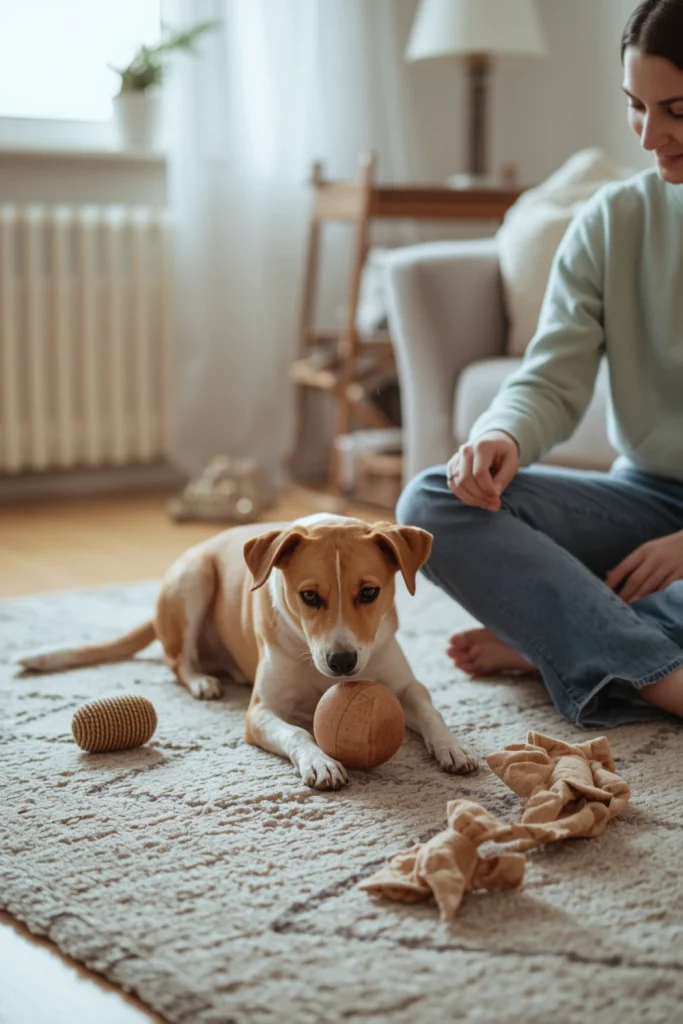
Play can help a shy dog build positive associations with you while giving them an enjoyable way to express natural behavior. Some dogs enjoy gently tossing a soft toy, while others prefer sniffing games, food puzzles, or following a toy along the floor. Start with activities your dog already seems interested in, and keep the energy level appropriate for their temperament. You do not need to encourage vigorous play if your companion prefers quieter interactions.
Let your dog choose whether to participate. If they pick up a toy, investigate it, or move toward you voluntarily, reward the interaction with gentle encouragement. Avoid grabbing toys from their mouth or making sudden movements that could startle them. For dogs who are not yet comfortable playing with people, simply placing a few toys nearby and allowing independent exploration is a useful beginning. As trust grows, play may become a shared activity that strengthens your relationship and gives your dog more opportunities to feel successful.
10. Respect Your Dog’s Need for a Safe Retreat
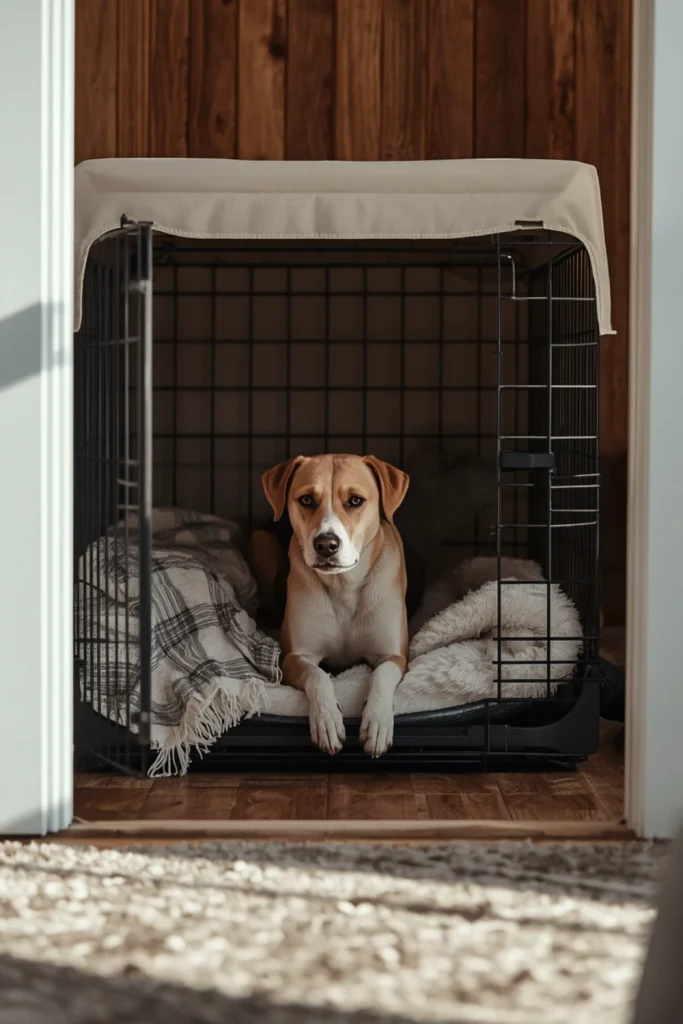
Every shy dog should have a place where they can rest without being approached or disturbed. This may be a comfortable bed in a quiet room, a gated area, or an open crate if your dog has been introduced to it positively. Make the space inviting with suitable bedding and a familiar item, and allow your dog to enter and leave freely. A retreat gives your companion a way to manage stress when visitors arrive or household activity becomes noisy.
Teach everyone in the household to respect this space. Children should not climb into the dog’s bed, reach into a crate, or follow the dog when they retreat. Never use the safe area as punishment or force your dog to remain there while frightened. If you use a crate, introduce it gradually and make sure it remains a positive place. When your dog knows they can move to a secure area whenever they need a break, they may feel more comfortable exploring the rest of the home.
11. Reward Calm Curiosity Instead of Forcing Bravery
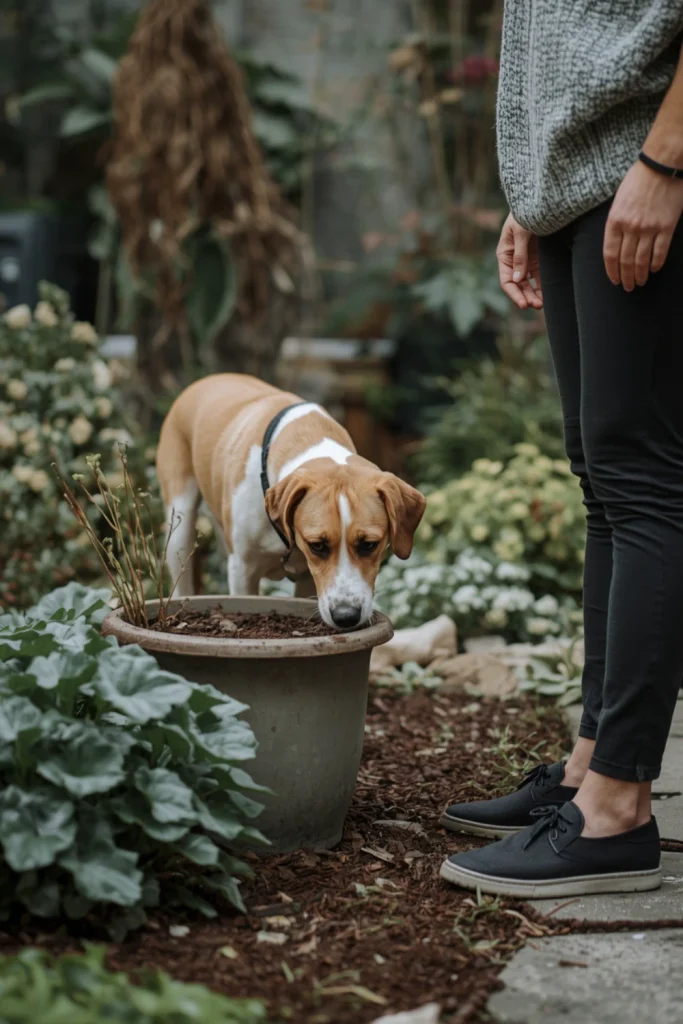
Confidence does not mean that your dog must approach every new person, object, or situation. Sometimes progress looks like watching something unfamiliar without barking, remaining relaxed when a door closes, or taking one step toward a new object before moving away. Notice these small signs of curiosity and reward them gently. When your dog feels free to investigate without pressure, they can learn that unfamiliar experiences do not always require avoidance or panic.
Avoid pulling your dog toward something simply because you think they should overcome their fear. Flooding a dog with an intense experience can make fear worse and may lead to defensive behavior. Instead, give them enough distance to remain comfortable and let them decide whether to move closer. You can offer treats or praise when they look at the unfamiliar item calmly, but allow them to disengage as well. Repeated, manageable experiences can gradually expand your dog’s comfort zone while preserving their sense of safety and control.
12. Be Patient and Celebrate Small Improvements
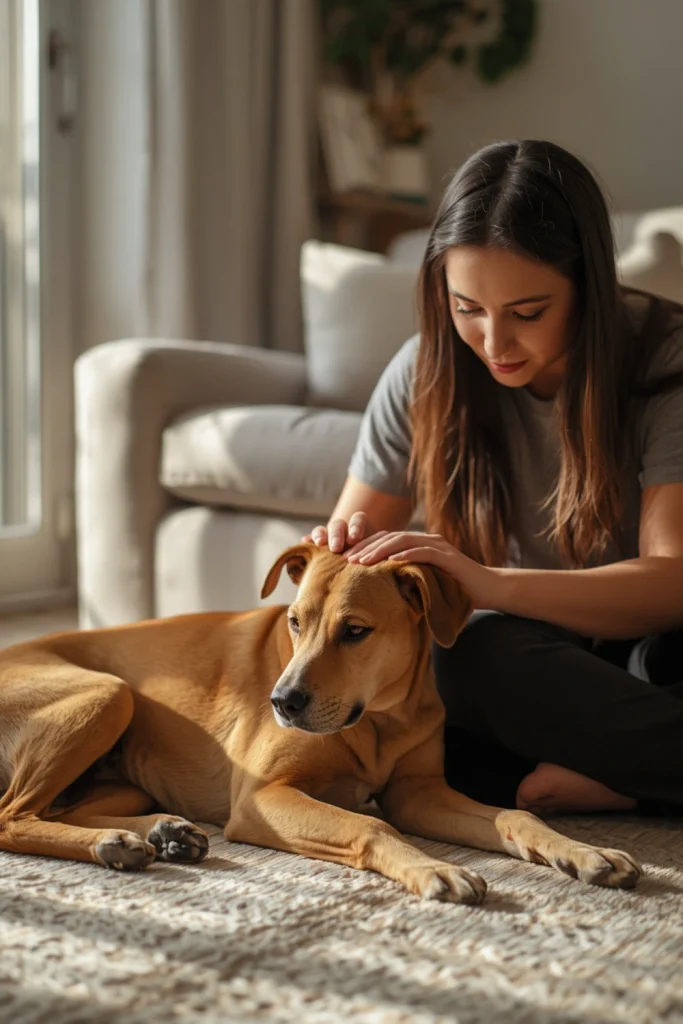
Building confidence is rarely a straight line. Your dog may explore a new place comfortably one day and feel hesitant about the same situation the next. Changes in sleep, health, noise levels, or routine can affect how secure they feel. Rather than judging progress by how quickly your dog approaches strangers or enters unfamiliar places, look for small improvements in daily life. Perhaps your dog recovers more quickly after a noise, explores a room independently, or chooses to rest in the same room as your family.
Keep a simple record of situations your dog finds easy and those that remain challenging. This can help you notice patterns and plan gradual next steps. If a session becomes difficult, return to an easier activity rather than treating it as failure. Celebrate progress calmly, and give your dog plenty of rest between challenging experiences. If fear remains severe, worsens, or interferes with everyday activities, consult a veterinarian and a qualified, reward-based behavior professional for individualized support.
Conclusion
Learning how to build shy dog’s confidence takes patience, consistency, and an understanding of what makes your companion feel safe. By offering a predictable routine, using positive reinforcement, respecting personal space, and introducing new experiences gradually, you can help your dog develop a more comfortable relationship with the world.
Remember that confidence is not measured by how many strangers your dog greets or how boldly they explore every new place. Real progress means your companion feels safer, recovers more easily from stressful moments, and has the freedom to make choices without being pushed beyond their limits. Celebrate small achievements, seek professional help when needed, and continue building a relationship based on trust. With time and gentle guidance, your shy dog can learn that home and the people around them are sources of security.