
12 Fun Ways to Teach Your Dog to Come When Called
A dog that comes happily when called is easier to manage, safer outdoors, and more enjoyable to live with. Teaching a reliable recall does not have to feel like a strict obedience lesson. With the right games, rewards, and consistent practice, you can make coming back to you one of your dog’s favorite things to do.
The best recall training combines patience with positive experiences. Instead of repeatedly calling your dog when something unpleasant is about to happen, create reasons for them to run toward you. These Fun Ways to Teach Your Dog to come when called can help build a stronger recall while making training enjoyable for both you and your pet.
1. Start With a Happy Recall Game
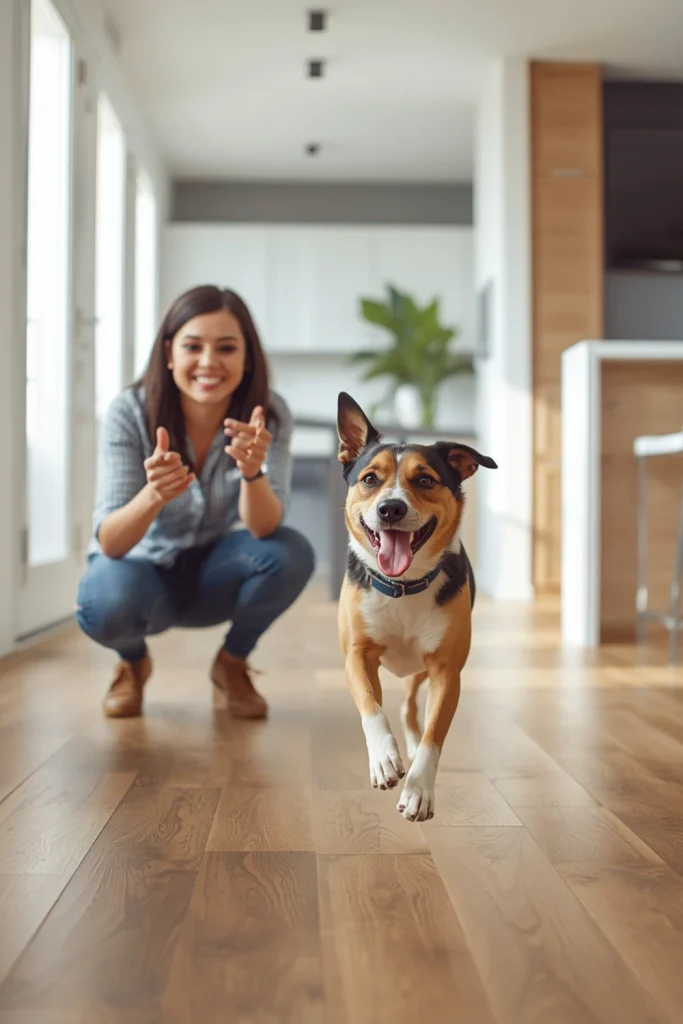
One of the easiest ways to introduce recall is to turn it into a fun game. Begin inside your home where distractions are limited. Move a short distance away from your dog, use their name in a cheerful voice, and say your chosen recall word, such as “come.” When your dog moves toward you, immediately praise them and offer a small reward.
Repeat this game several times without making it difficult. Your goal is to help your dog associate the recall word with something positive. Avoid calling your dog repeatedly when they are ignoring you because this can weaken the meaning of the command. Keep your voice friendly and make returning to you feel rewarding.
2. Play the Hide-and-Seek Recall Game
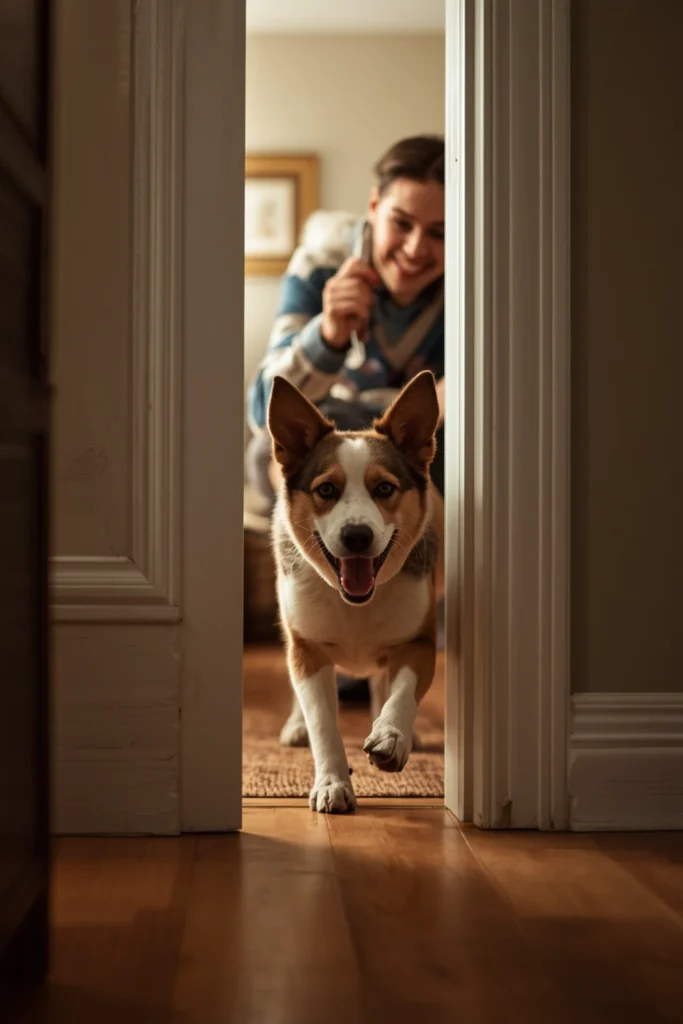
Hide-and-seek can turn recall training into an exciting challenge. Ask a family member to keep your dog with them while you hide behind a doorway or around a safe corner. Call your dog using their name and recall command. When they find you, celebrate enthusiastically and reward them for coming.
As your dog becomes better at the game, choose slightly harder hiding places. Always begin with easy locations so your dog can succeed. This game encourages your dog to pay attention to where you are and teaches them that finding you can be exciting. It can also strengthen the habit of checking in with you.
3. Try the Two-Person Recall Game
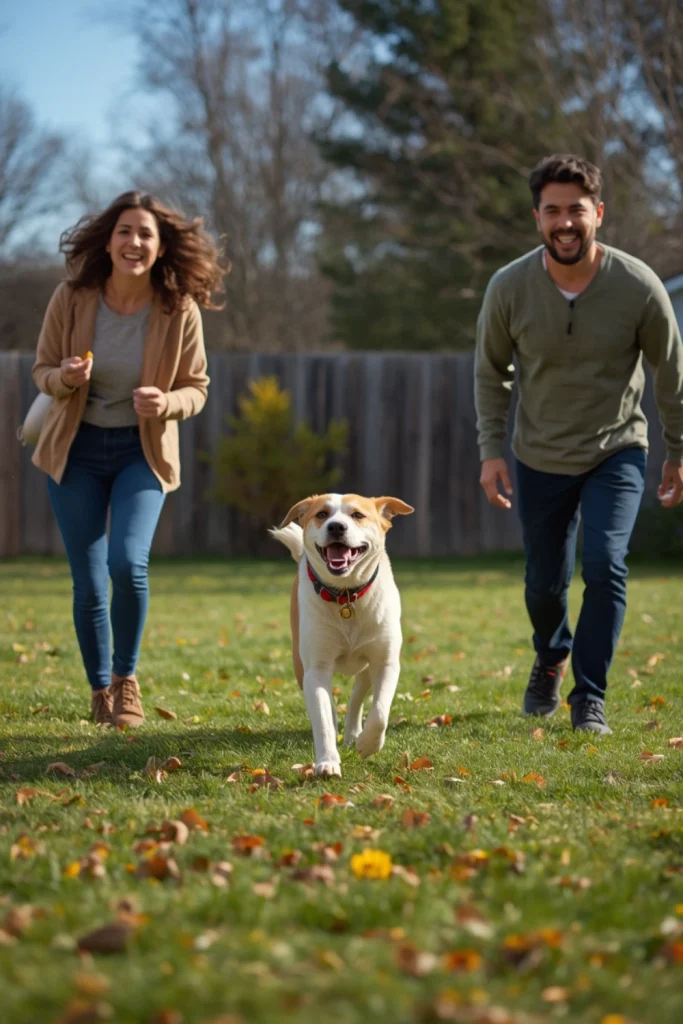
The two-person recall game is especially useful when you have a family member or friend available to help. Have both people sit or stand a short distance apart. One person gently calls the dog and rewards them when they arrive. Then the second person calls the dog and provides another reward.
Gradually increase the distance between the two people as your dog’s recall improves. Make each successful run exciting but keep the sessions short. This game teaches your dog that coming when called is rewarding regardless of which direction they need to travel. It also gives them plenty of repetition without making training feel repetitive.
4. Use High-Value Treats for Recall
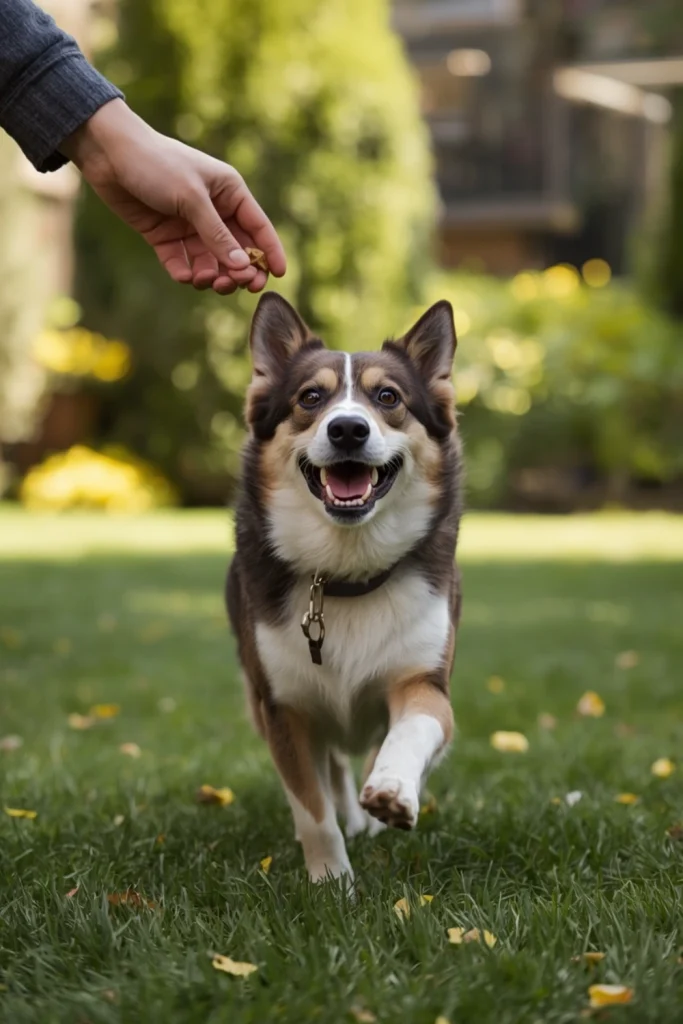
Food can be a powerful motivator during recall training, especially when your dog is learning the behavior. Choose small, high-value treats that your dog loves. These might be tiny pieces of cooked meat, specially prepared training treats, or another safe food your dog enjoys. Give the reward immediately after your dog reaches you.
Use the best rewards for the most difficult situations. For example, you might use an ordinary treat inside your home but a higher-value reward when practicing outdoors. This helps your dog understand that coming back to you is especially worthwhile even when interesting distractions are nearby.
5. Make Running Toward You Exciting
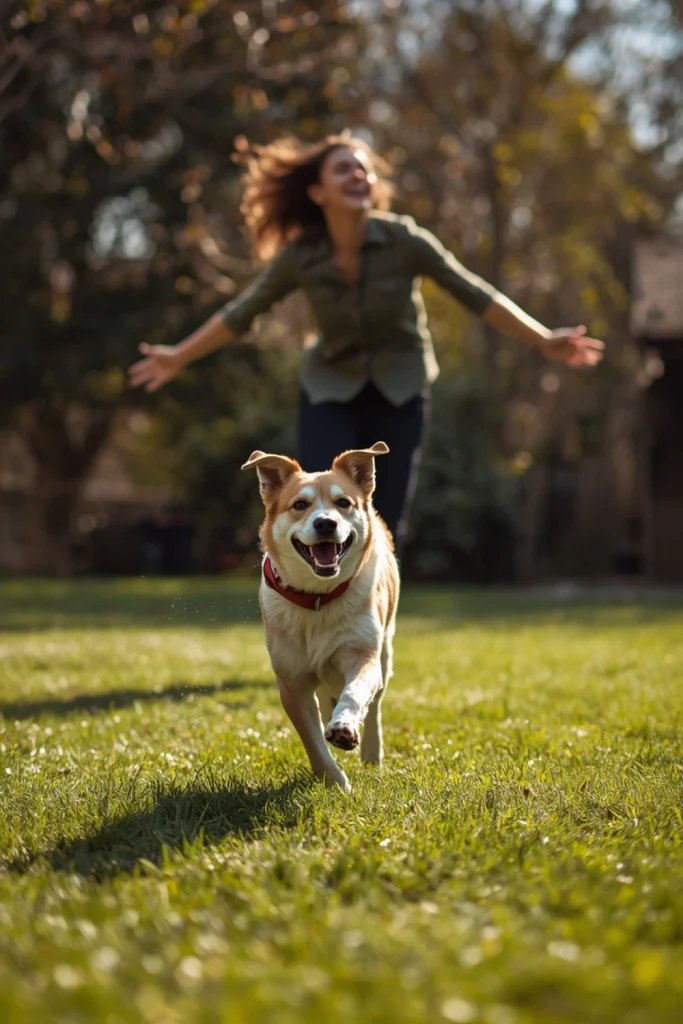
Your body language can make a major difference during recall training. Instead of standing still and sounding serious, try moving backward, crouching down, opening your arms, or gently running away from your dog. Many dogs naturally want to follow movement, so turning recall into a chase toward you can make the exercise much more engaging.
Be careful not to chase your dog if they are running away from you. Chasing can accidentally turn recall into a game where your dog learns that escaping is more fun. Instead, encourage your dog to chase you by moving away from them in a safe, controlled area and rewarding them when they catch up.
6. Practice Recall With a Favorite Toy
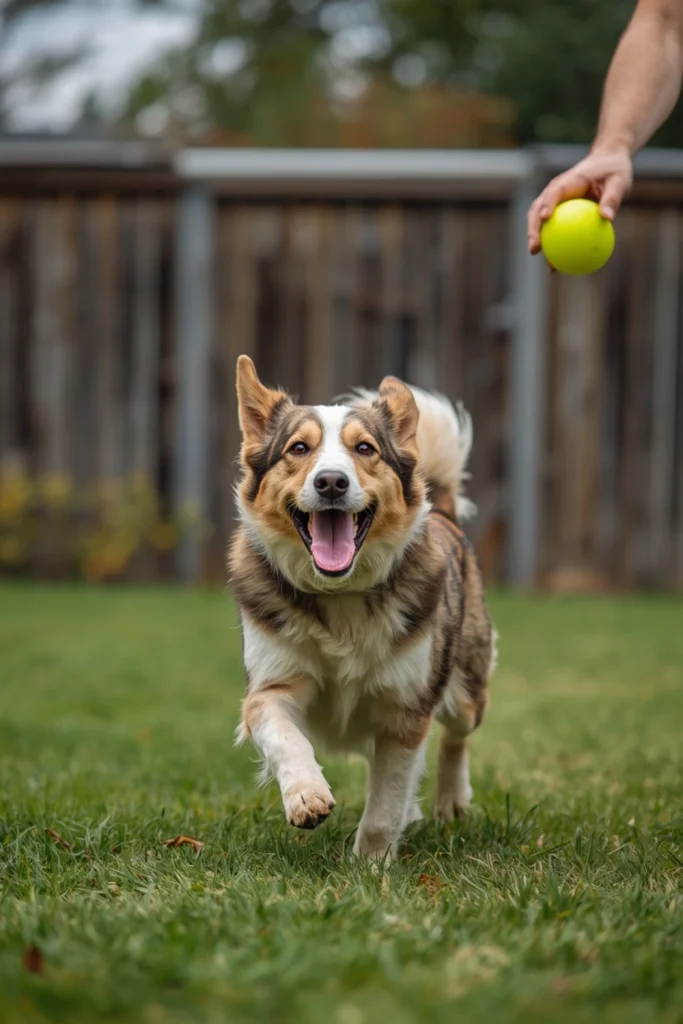
Some dogs are more motivated by toys than food. If your dog loves a particular ball, tug toy, squeaky toy, or another safe favorite, incorporate it into recall training. Show the toy briefly, move away, and call your dog. When they come toward you, reward them with a short play session.
The toy should remain something special rather than being available constantly. Keep the game short and exciting, then finish while your dog is still interested. This teaches your dog that responding to your recall command can lead to one of their favorite activities.
7. Play Recall Around Mild Distractions
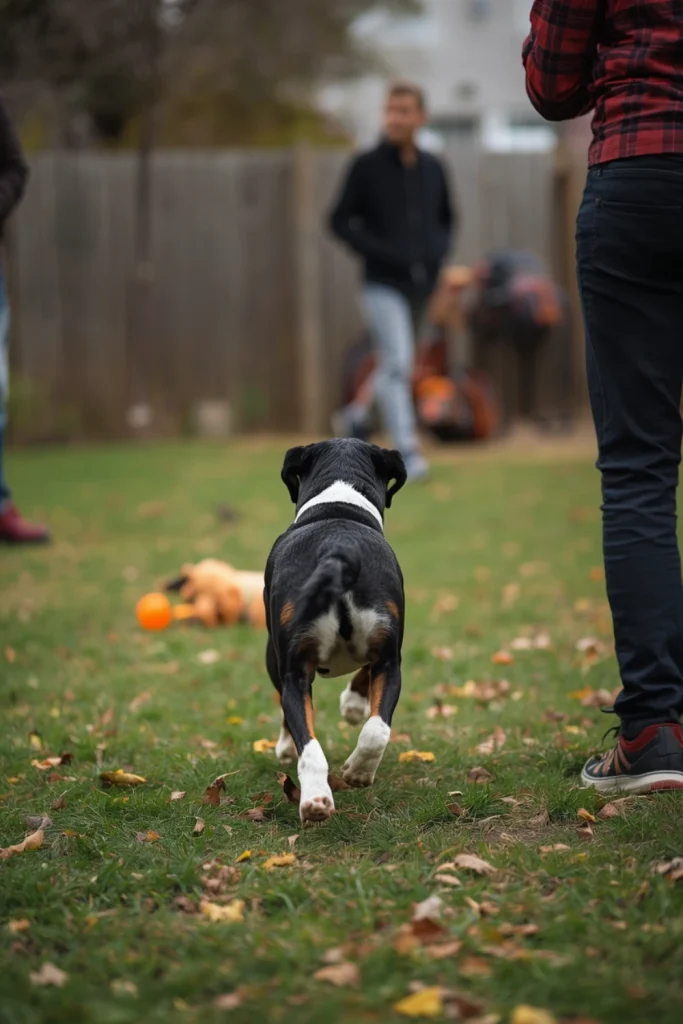
Once your dog reliably comes to you in a quiet environment, begin adding mild distractions. You might practice while another person walks nearby, while a toy is on the ground, or while there are gentle household sounds. Start with distractions that your dog can handle without losing focus.
If your dog ignores the recall, the distraction may be too difficult. Move closer, use a better reward, or return to a quieter environment. Gradually increasing distractions helps your dog learn that the recall command still matters when interesting things are happening around them.
8. Use a Long Training Line Outdoors
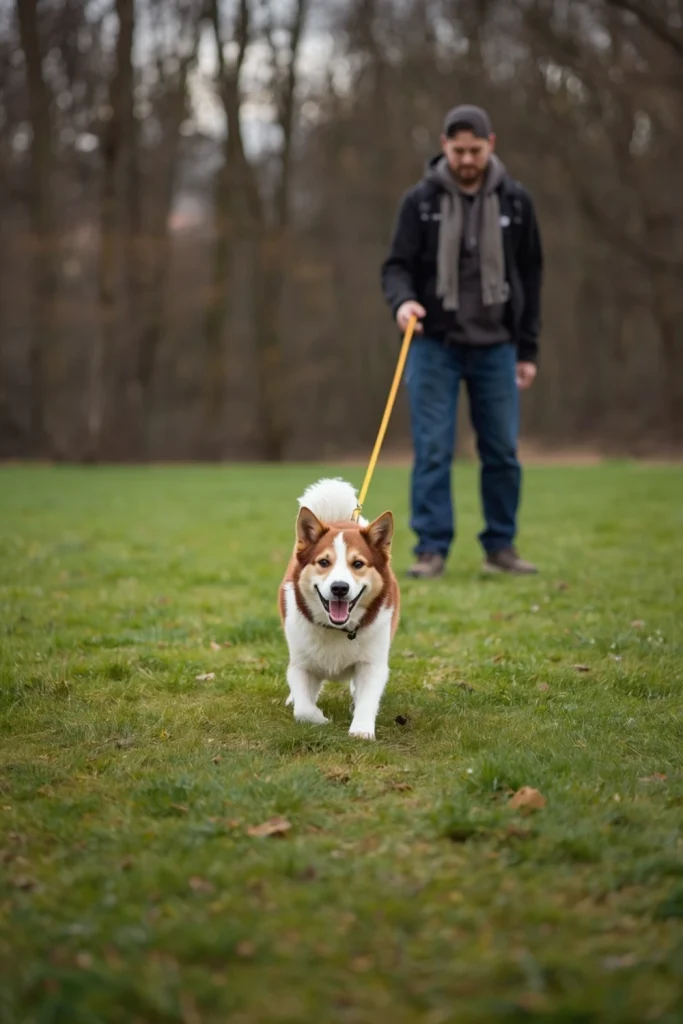
A long training line can provide extra control while practicing recall outdoors. It gives your dog more freedom to explore while allowing you to prevent them from running too far away. Choose a safe open area and use appropriate equipment designed for dog training.
Call your dog when they are only moderately distracted rather than waiting until they are completely focused on something else. When they turn and come toward you, praise them and reward them. Over time, increase the distance and distractions gradually. A long line should be used responsibly and never treated as a replacement for proper supervision.
9. Turn Recall Into a Surprise Reward Game
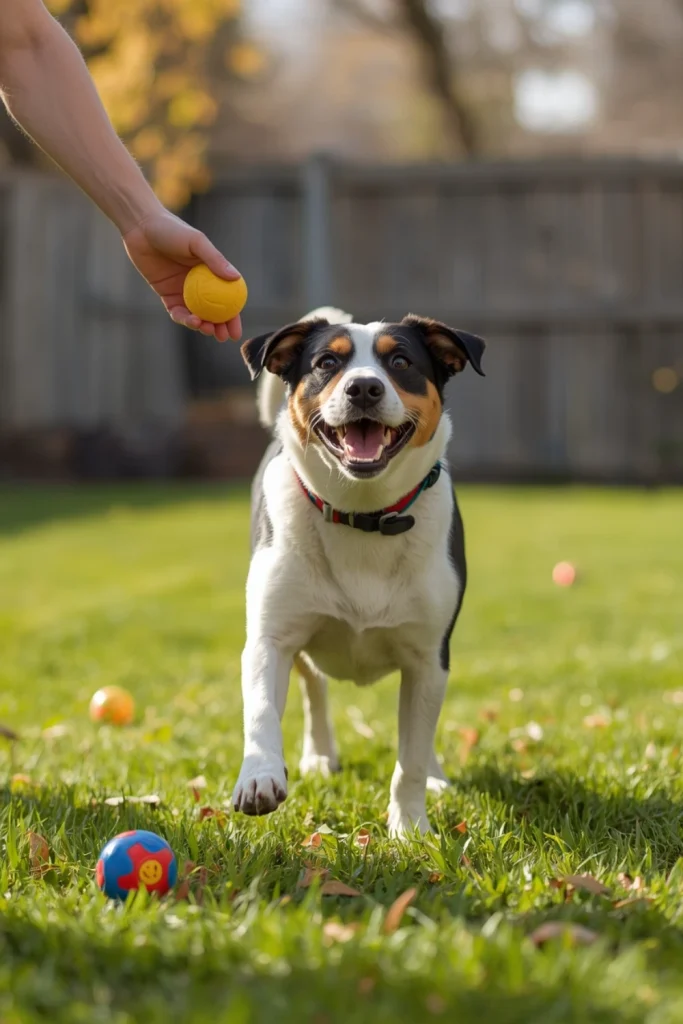
Dogs often enjoy unpredictable rewards, so you can create a surprise recall game. Call your dog from a short distance and reward them with something different each time. One successful recall might earn a treat, another might lead to a favorite toy, and another might result in enthusiastic praise or a short play session.
The variety can keep your dog interested in responding. The important part is that coming to you consistently leads to something positive. You do not need to make every reward exciting or expensive. Your attention, praise, movement, and play can all become valuable rewards when your dog enjoys interacting with you.
10. Practice Recall Before Mealtime
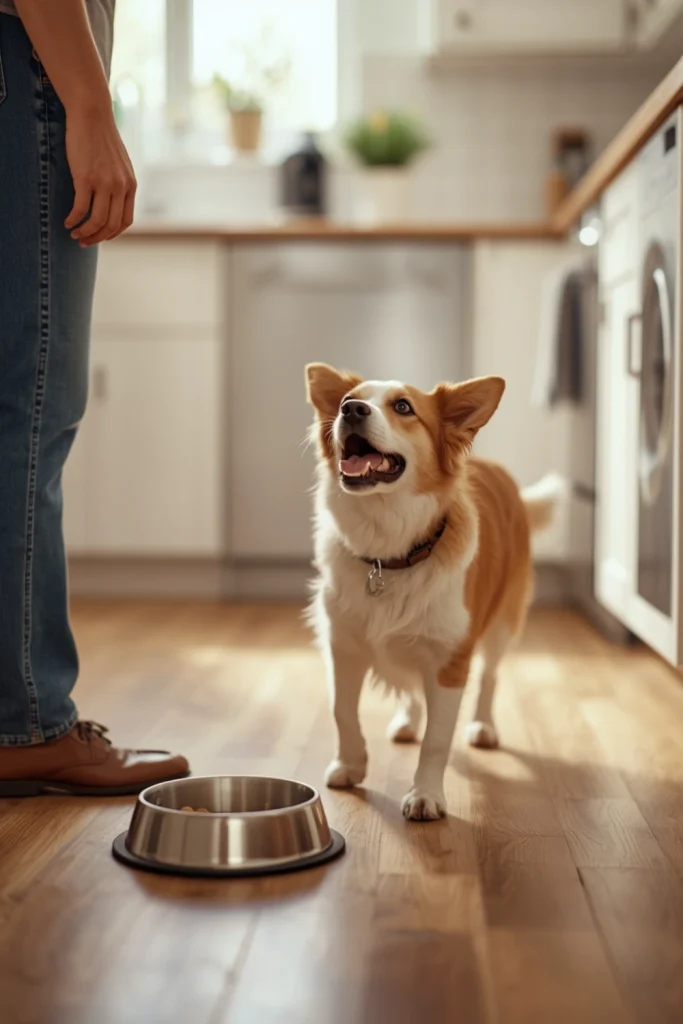
Mealtime can provide another opportunity to make recall valuable. Before giving your dog’s regular meal, move a short distance away and call them. When they come to you, praise them and then provide their meal. This connects responding to the recall command with something your dog already values.
Keep the exercise simple and avoid making your dog wait too long when they are hungry. You can also practice a few short recalls around the house before serving the meal. This gives your dog additional repetition without requiring a separate training session.
11. Teach Your Dog That Coming Does Not Always Mean Fun Ends
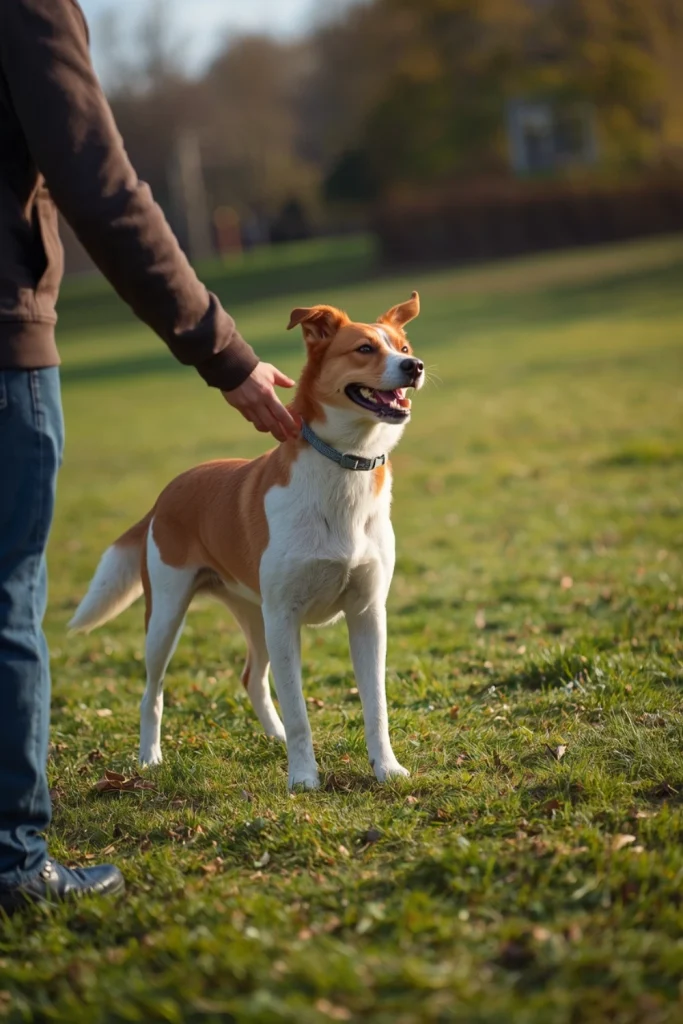
One of the biggest recall mistakes is calling a dog only when something enjoyable is about to end. For example, if you always call your dog and immediately put them back on a leash, end playtime, or leave the park, they may eventually learn to avoid coming.
Instead, practice calling your dog, rewarding them, and then allowing them to return to what they were doing. This teaches them that coming to you does not automatically mean the fun is over. A reliable recall becomes much easier when your dog has confidence that responding will not always result in something unpleasant.
12. Build a Reliable Everyday Recall Routine
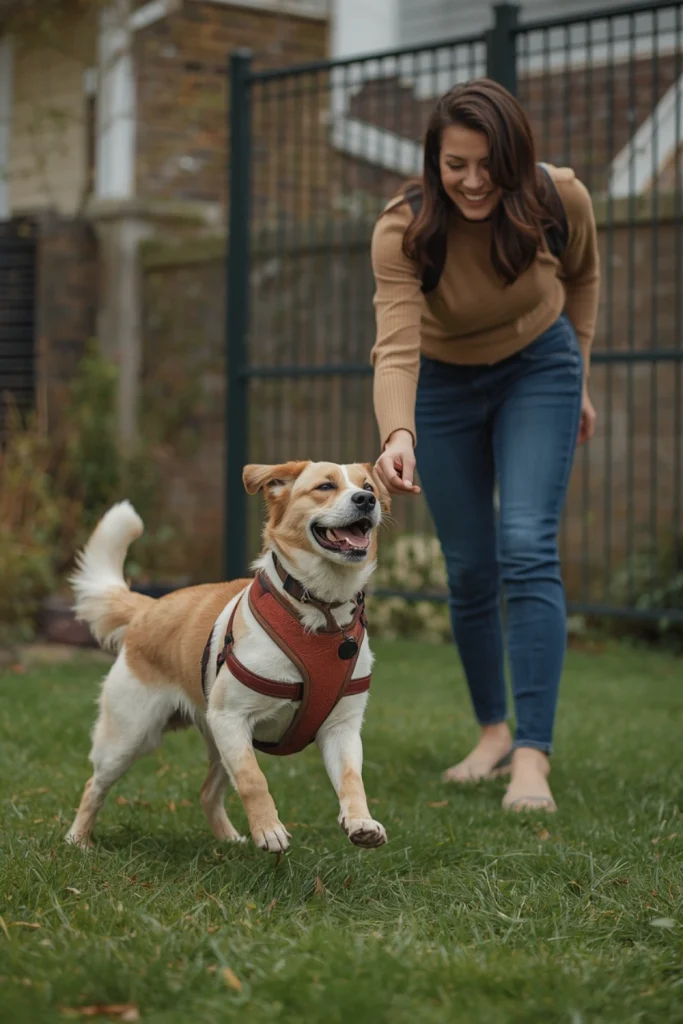
The final step is to make recall practice part of normal life. You do not need to conduct formal training every day. Instead, take advantage of small opportunities around the house, yard, or safe outdoor areas. Call your dog from another room, reward them when they arrive, and occasionally practice outdoors in controlled conditions.
Keep improving gradually by increasing distance and distractions only when your dog is ready. Continue rewarding good responses, especially in challenging situations. A strong recall is built through hundreds of positive experiences rather than one long training session. Consistency is what turns a fun exercise into a dependable everyday behavior.
Final Thoughts
Teaching your dog to come when called can be one of the most rewarding parts of dog training. The process becomes much easier when you turn recall into games instead of making every session feel like a strict lesson. Hide-and-seek, two-person recalls, toy games, surprise rewards, and short outdoor exercises can keep your dog motivated.
These Fun Ways to Teach Your Dog to respond to a recall command can help you build a stronger and more enjoyable relationship with your pet. Be patient, reward good responses, and practice in different environments. With consistent positive training, your dog can learn that coming back to you is always worth it.