The Monthly Dog Care Checklist Every Owner Can Use
Keeping your dog healthy and happy is not just about daily feeding, walking, and playtime. Some important parts of dog care need attention every month, including grooming, checking your dog’s health, cleaning their belongings, reviewing their diet, and making sure their environment stays safe. A simple monthly routine can help you notice small problems before they become bigger concerns.
This Monthly Dog Care Checklist is designed to make responsible pet ownership easier. Whether you have a playful puppy, an active adult dog, or a senior companion, these practical steps can help you organize your dog’s care and create a cleaner, healthier, and more comfortable life for your furry friend.
1. Check Your Dog’s Overall Health
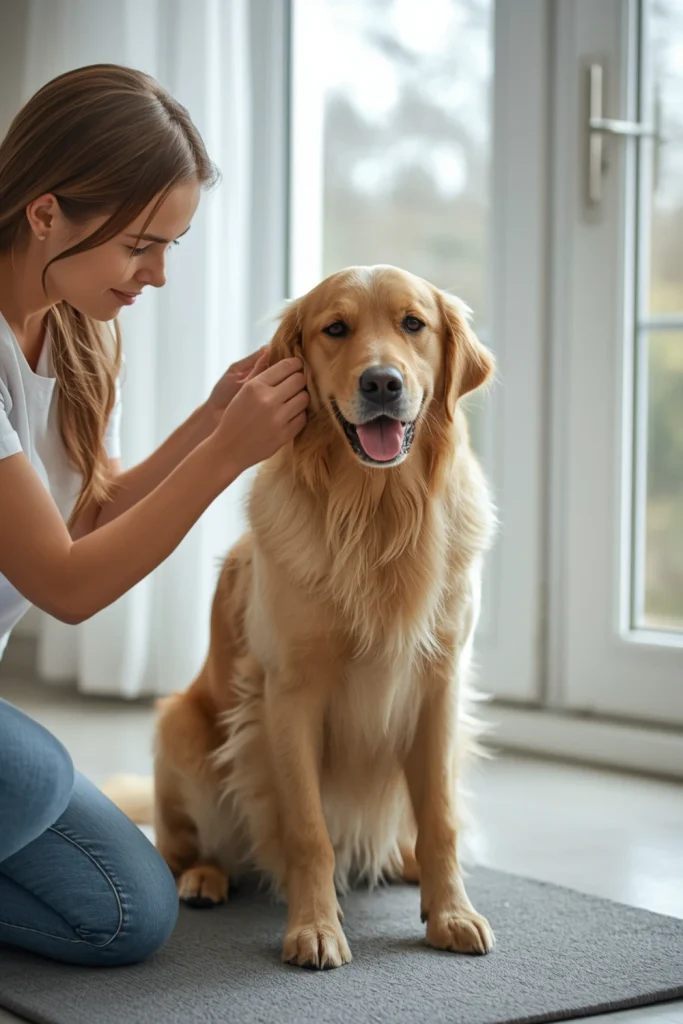
Start each month with a simple head-to-tail health check. Look at your dog’s eyes, ears, nose, mouth, skin, paws, and coat. Notice whether anything looks different from the previous month, such as redness, swelling, unusual discharge, bald patches, or irritated skin. You should also pay attention to your dog’s energy, appetite, bathroom habits, and general behavior. These everyday observations can help you recognize changes that might otherwise go unnoticed.
A monthly health check does not replace a veterinary examination, but it gives you a useful opportunity to monitor your dog’s condition. Gently examine your dog in a relaxed environment and avoid forcing them to tolerate anything uncomfortable. If you notice persistent itching, unusual lumps, limping, vomiting, changes in appetite, or other concerning symptoms, contact your veterinarian rather than waiting until the next monthly check.
2. Review Your Dog’s Weight and Body Condition
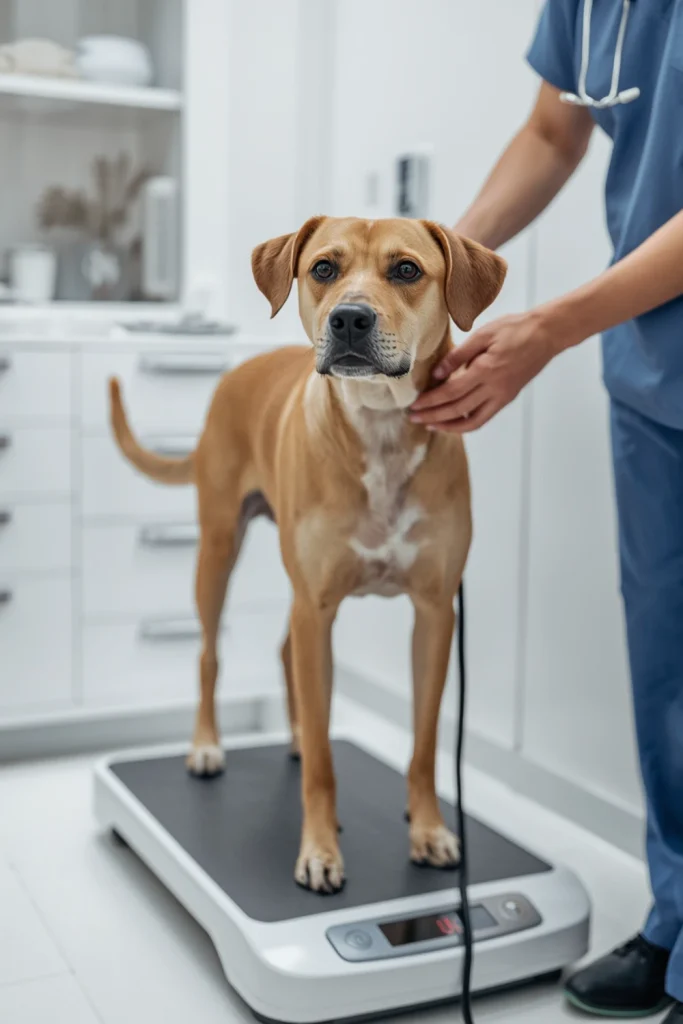
Checking your dog’s weight every month can help you understand whether their feeding and exercise routines are working. Sudden weight gain or loss may indicate that your dog is eating too much, receiving too little food, getting insufficient exercise, or experiencing an underlying health problem. Use the same weighing method whenever possible so that you can compare results over time. Record the weight in a notebook or pet-care tracker.
Weight alone does not tell the whole story. You should also look at your dog’s body condition. In a healthy body condition, you can generally feel the ribs without pressing hard, and your dog should have a visible waist when viewed from above. Breed, age, and body shape can affect what is normal. Ask your veterinarian to help you establish an appropriate target weight and body condition for your dog.
3. Inspect Your Dog’s Skin and Coat
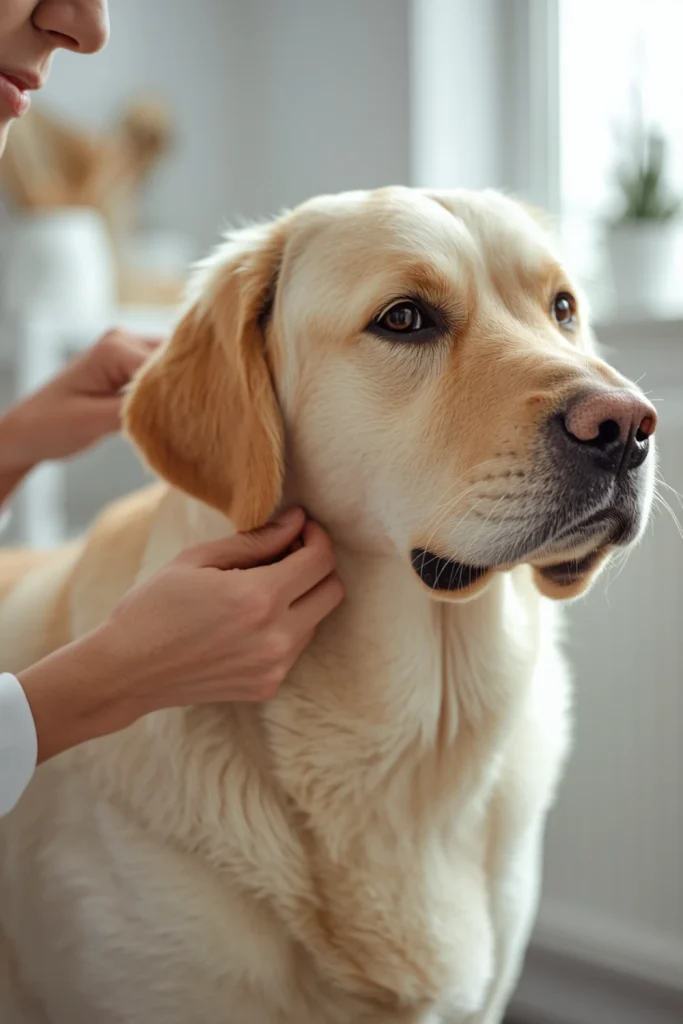
Your dog’s skin and coat can reveal a lot about their general condition. Once a month, carefully inspect the entire body for dryness, redness, unusual bumps, flaky patches, hair loss, sores, or signs of parasites. Part the fur gently, especially around the neck, belly, legs, and tail, because some skin problems are difficult to notice beneath thick coats. Pay attention to repeated scratching, licking, or chewing.
A healthy coat should generally look appropriate for your dog’s breed and coat type. Regular brushing helps remove loose hair, distribute natural oils, and make skin problems easier to spot. If you find a suspicious rash, persistent dandruff, unpleasant skin odor, or a patch of missing fur, seek veterinary advice. Avoid applying human skin creams or random home remedies because some ingredients can irritate dogs or be harmful if licked.
4. Check Your Dog’s Ears
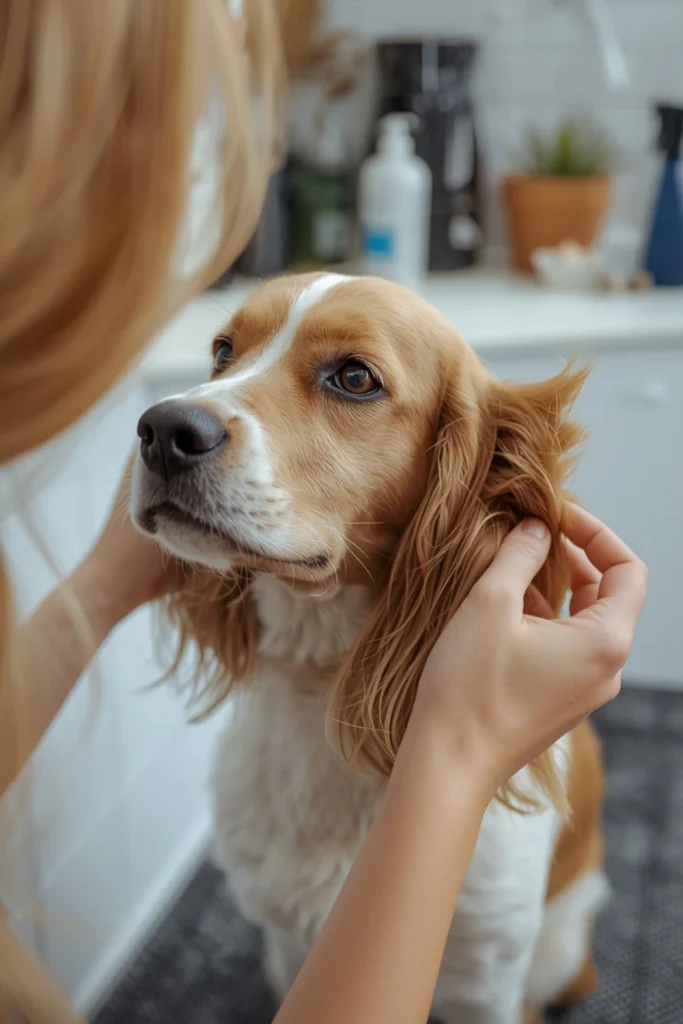
Ear care should be included in every monthly dog care routine, particularly for dogs with floppy ears or breeds that are prone to ear problems. Gently lift each ear flap and look for redness, swelling, unusual discharge, excessive wax, or an unpleasant smell. Notice whether your dog frequently shakes their head, scratches around the ears, or seems uncomfortable when you touch the area. These signs may indicate irritation or an ear infection.
Not every dog needs regular ear cleaning, so follow your veterinarian’s recommendations based on your dog’s ear shape and health history. If cleaning is appropriate, use a veterinarian-approved dog ear cleaner and a soft cotton pad to clean only the visible parts of the ear. Never push cotton swabs or other objects deep into the ear canal. If you notice pain, discharge, strong odor, or significant redness, arrange a veterinary examination.
5. Review Your Dog’s Dental Health
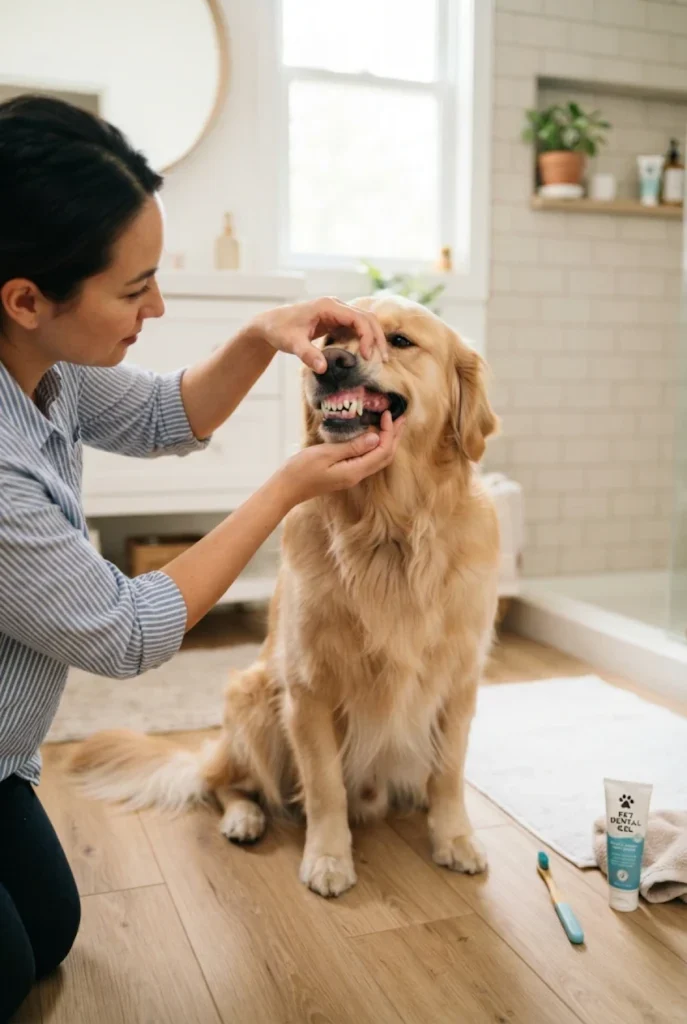
Dental care is an important part of your dog’s long-term health. Every month, take a closer look at the teeth and gums to check for visible tartar, redness, bleeding, broken teeth, or unpleasant breath. Dental problems can develop gradually, and dogs may continue eating even when their mouths are uncomfortable. Notice whether your dog drops food, chews on one side, avoids hard treats, or becomes reluctant to have their mouth touched.
Daily or frequent brushing with a dog-specific toothbrush and toothpaste is generally more effective than occasional cleaning. Never use human toothpaste because some ingredients, including xylitol in certain products, can be dangerous to dogs. Monthly checks help you monitor changes, but they do not replace professional dental examinations. If you see inflamed gums, loose teeth, bleeding, or signs of pain, ask your veterinarian for advice.
6. Trim Your Dog’s Nails When Needed
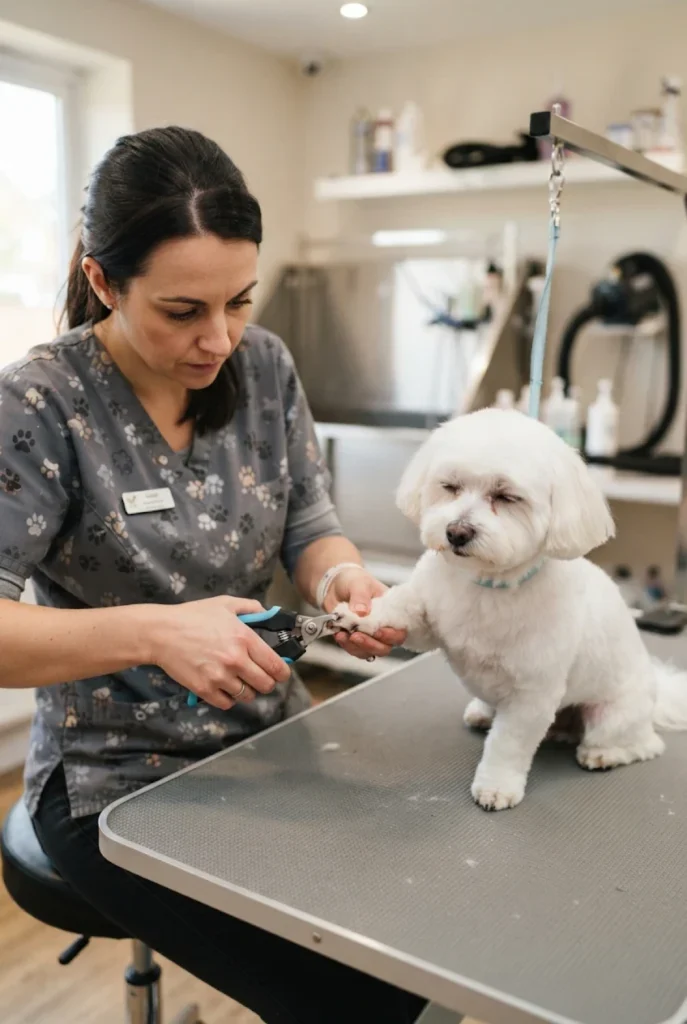
Long nails can make walking uncomfortable and may affect how your dog places their paws on the ground. Check the length of your dog’s nails every month and listen for clicking sounds when they walk on hard flooring. Some dogs naturally wear down their nails through regular outdoor activity, while others need more frequent trimming. Pay particular attention to the dewclaws because they may not touch the ground and can become overgrown.
Use a dog nail clipper or grinder that suits your dog’s size and comfort level. Trim small amounts at a time and avoid cutting into the quick, which contains blood vessels and nerves. If your dog has dark nails or becomes anxious during trimming, ask a veterinarian or professional groomer to demonstrate a safe technique. The goal is to maintain comfortable nail length without causing fear or injury.
7. Inspect Your Dog’s Paws and Paw Pads
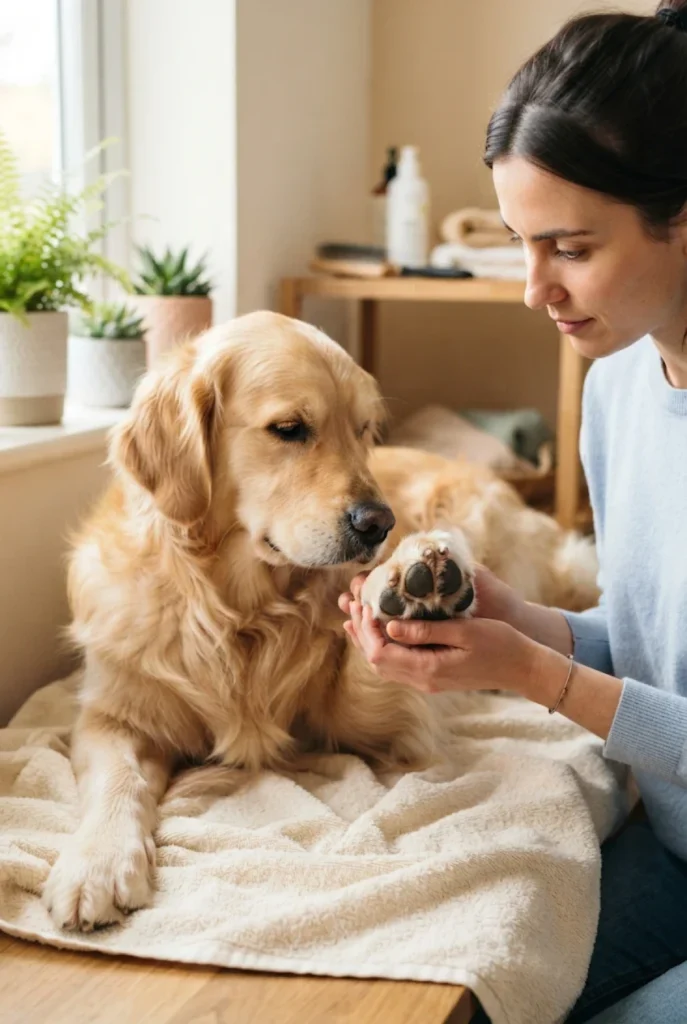
Your dog’s paws experience regular contact with rough surfaces, hot ground, cold weather, dirt, and outdoor debris. Once a month, inspect every paw for cracks, cuts, redness, swelling, damaged nails, or objects stuck between the toes. Gently separate the toes to check the skin underneath. Dogs that spend a lot of time outdoors may need more frequent paw inspections, especially after hiking, playing in rough areas, or walking on hot surfaces.
Keep the fur around the paw pads neat if it becomes excessively long and traps dirt, but avoid cutting too close to the skin. Clean muddy paws with lukewarm water and dry them carefully, including between the toes. If your dog repeatedly licks a paw, limps, or reacts painfully when you touch it, investigate the cause with a veterinarian. Persistent irritation may need treatment rather than simple cleaning.
8. Review Your Dog’s Flea and Tick Prevention
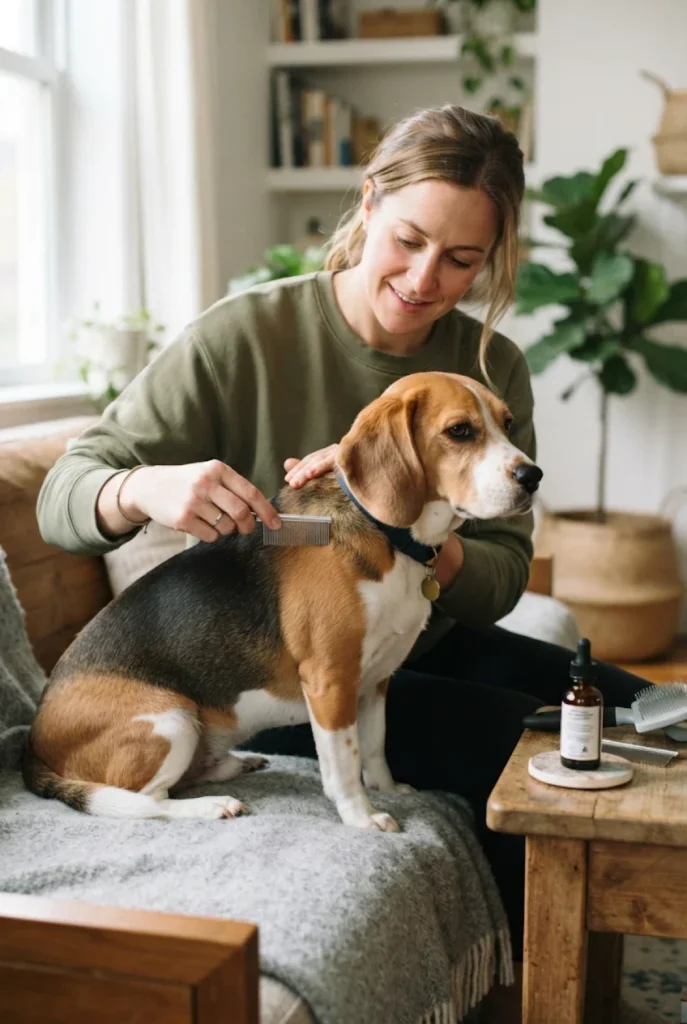
Fleas and ticks can cause discomfort and may transmit diseases. Your monthly dog care checklist should include reviewing your dog’s parasite prevention schedule. Check the product packaging or your veterinarian’s instructions to confirm when the next treatment is due. Some products are given monthly, while others follow different schedules. Never assume that every flea and tick treatment works for the same length of time.
Inspect your dog’s coat, particularly around the ears, neck, armpits, belly, and base of the tail. Look for fleas, flea dirt, ticks, or unusual scratching. Use only products appropriate for your dog’s age, weight, health, and species. Some parasite treatments intended for other animals can be dangerous to dogs. If you discover ticks, ask your veterinarian how to remove them safely and whether your dog needs an examination.
9. Check Your Dog’s Vaccination and Health Records

A monthly review of your dog’s health records helps you stay organized and avoid missing important appointments. Check vaccination dates, previous veterinary visits, prescribed treatments, medical notes, and upcoming reminders. Some vaccinations are given annually, while others follow different schedules depending on local risks, your dog’s age, lifestyle, and veterinary recommendations. Keep the records in one safe place so you can access them quickly when needed.
If you recently adopted your dog, make sure you have copies of any available vaccination and medical documents. Contact your veterinarian if records are missing or if you are unsure which vaccinations are due. Do not repeat vaccinations or medication simply because you cannot remember the previous date. A clear record-keeping system makes it easier for you and your veterinarian to make informed decisions about your dog’s care.
10. Review Your Dog’s Food and Feeding Routine
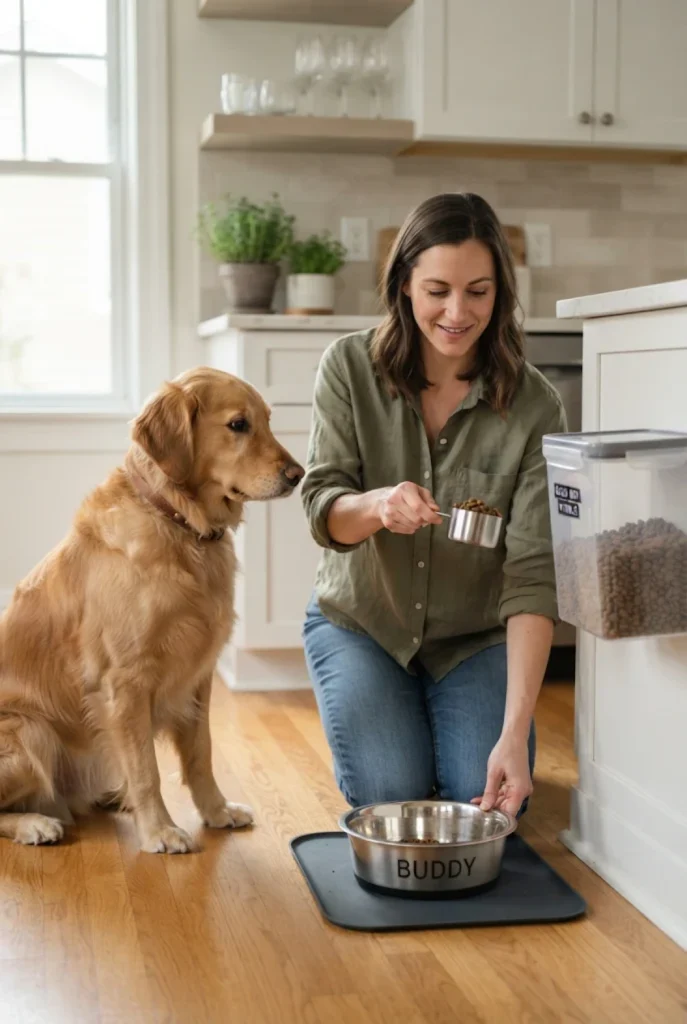
Your dog’s nutritional needs can change as they grow, become more or less active, or enter a different life stage. Every month, review the food you are providing and check whether the portion sizes remain appropriate. Consider your dog’s age, weight, body condition, activity level, and any health recommendations from your veterinarian. Avoid changing the diet simply because a new product is advertised as better.
Check the food packaging for its expiry date, storage instructions, and feeding guidance. Store dry food in a clean, sealed container and keep it away from heat and moisture. If you are considering a new diet, introduce it gradually unless your veterinarian advises otherwise. Sudden food changes can upset your dog’s stomach. Dogs with allergies, digestive problems, or medical conditions may need a specific feeding plan designed with veterinary guidance.
11. Inspect Your Dog’s Food and Water Bowls

Food and water bowls should be cleaned regularly, not just once a month. However, the monthly checklist is a useful reminder to inspect them for scratches, cracks, worn surfaces, stains, and trapped food residue. Damaged bowls can be harder to clean properly. Stainless steel and suitable dishwasher-safe materials are often practical choices because they are generally easy to maintain.
Wash food bowls after meals and provide fresh water every day. Clean water bowls at least daily, and more often if they become dirty or slimy. Once a month, check the surrounding feeding area for spilled food, moisture, insects, or unpleasant smells. Replace bowls that are badly damaged or difficult to clean. Keeping feeding equipment hygienic helps create a cleaner environment and encourages healthy eating and drinking habits.
12. Wash Your Dog’s Bedding and Blankets
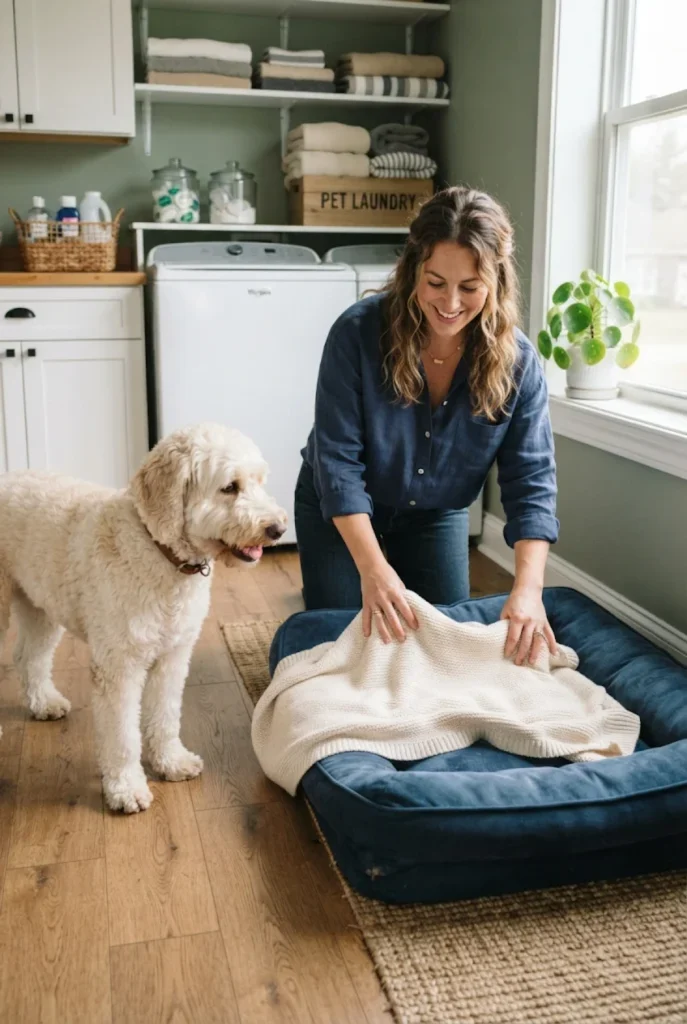
Your dog’s bed collects loose fur, dust, dirt, outdoor debris, and everyday odors. Washing bedding every month is a useful minimum reminder, although dogs that shed heavily, drool, have allergies, or spend a lot of time outdoors may need more frequent cleaning. Check the manufacturer’s washing instructions before putting the bed cover or blanket into the washing machine.
Use a pet-safe detergent and make sure the bedding dries completely before returning it to your dog’s sleeping area. Damp bedding can develop unpleasant odors and may encourage mold growth. While washing, inspect the bed for torn seams, exposed stuffing, broken zippers, or other damage that could create a safety risk. Replace bedding that is no longer comfortable or cannot be cleaned properly.
13. Deep-Clean Your Dog’s Toys
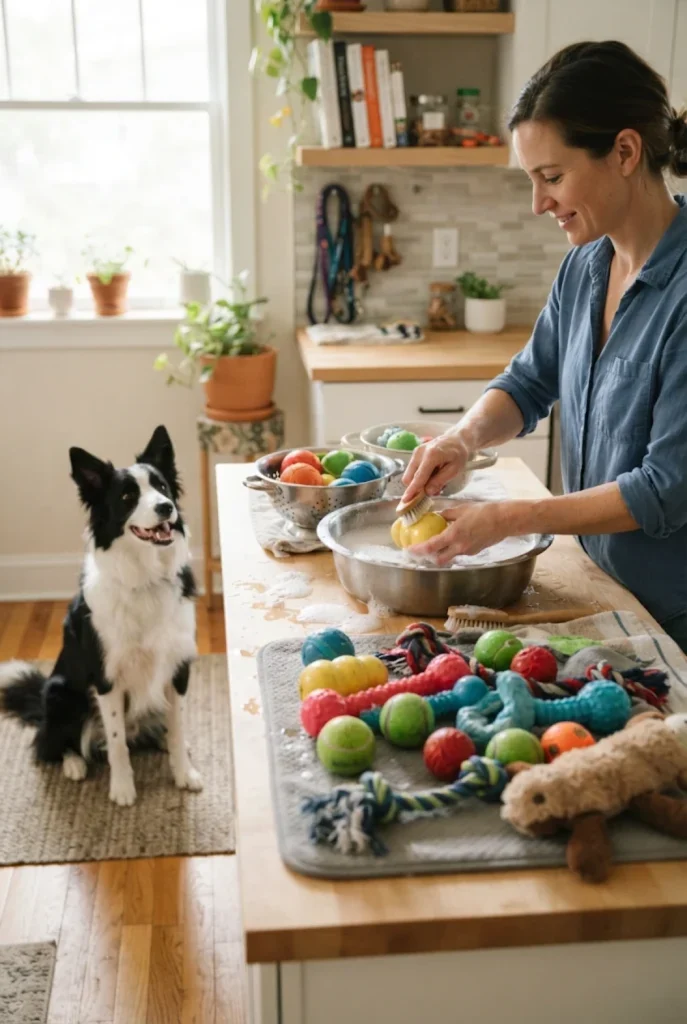
Dog toys can collect saliva, dirt, dust, food particles, and bacteria during everyday play. Once a month, gather all your dog’s toys and inspect them carefully. Separate washable toys from those that need hand cleaning or should be discarded. Follow the manufacturer’s instructions because different materials require different cleaning methods. Avoid strong household chemicals or cleaning products that could leave harmful residues.
Pay particular attention to toys with loose stitching, broken pieces, sharp edges, or exposed stuffing. Damaged toys may become choking hazards if your dog swallows small parts. Wash suitable toys, rinse them thoroughly, and allow them to dry completely before giving them back. If a toy is too damaged to repair safely, replace it. A clean toy collection makes playtime more hygienic and gives you an opportunity to refresh your dog’s activities.
14. Check Your Dog’s Collar, Harness, and Leash
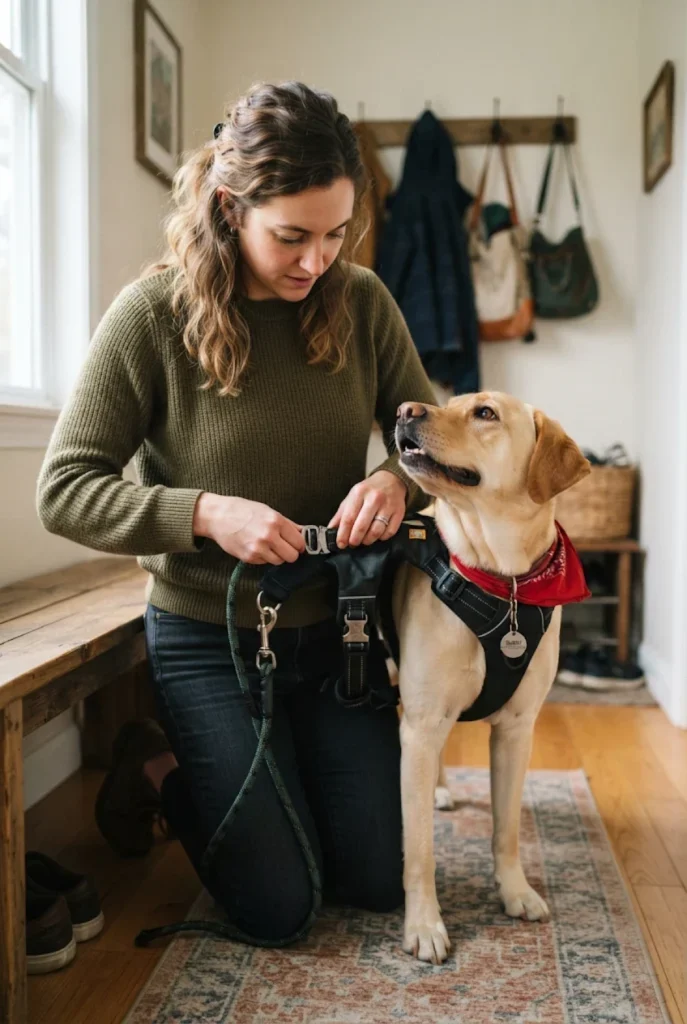
Your dog’s collar, harness, and leash are important safety equipment. Once a month, inspect them for loose stitching, broken buckles, frayed straps, rusted metal clips, and damaged adjustment points. A worn collar or weak leash can fail during a walk, potentially allowing your dog to escape. Check the fit too, especially if your dog is still growing or has recently gained or lost weight.
Clean collars and harnesses according to their material and manufacturer’s instructions. Make sure they are completely dry before putting them back on your dog. Check that identification tags are readable and that the contact information is current. If any part of the equipment is damaged, replace it before your next walk. Comfortable, well-maintained walking equipment helps keep outdoor activities safer and more enjoyable.
15. Review Your Dog’s Exercise Routine
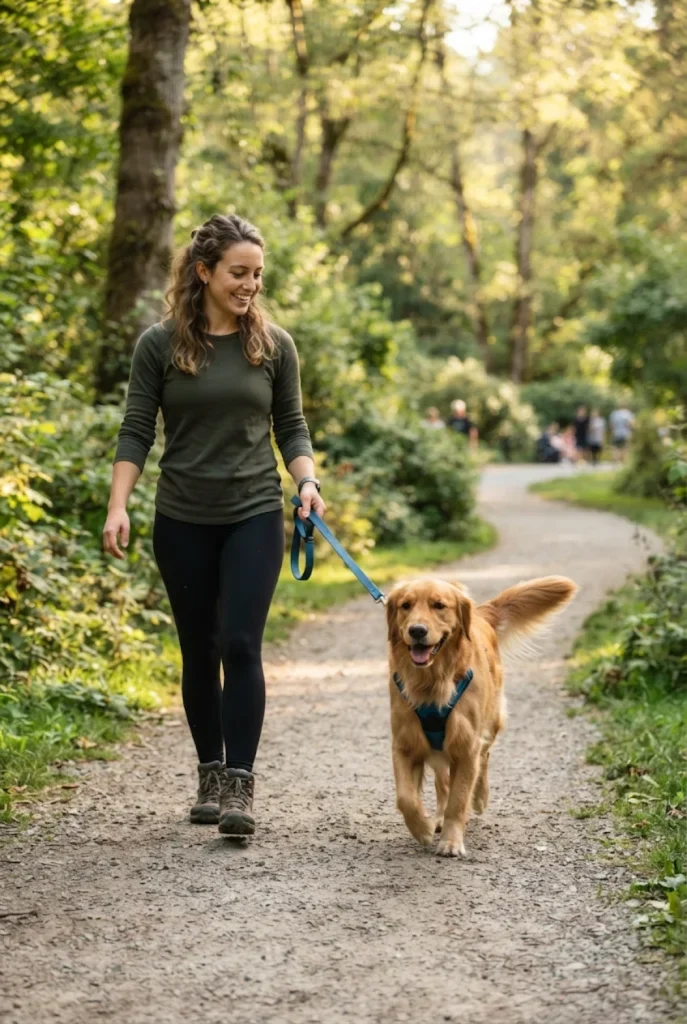
Exercise helps support your dog’s physical condition, mental well-being, and healthy weight. Every month, review how much walking, playing, and other activity your dog receives. Consider whether the routine still suits their age, breed, health, energy level, and current body condition. A young energetic dog may need different activities from a senior dog or a dog recovering from an injury.
Look for changes in stamina, enthusiasm, movement, or recovery after exercise. If your dog becomes unusually tired, starts limping, or struggles with activities they previously enjoyed, do not simply increase exercise to improve fitness. Speak with your veterinarian about the change. A balanced routine may include walks, gentle games, supervised outdoor exploration, and rest periods. Adjust activities gradually instead of making sudden changes.
16. Refresh Your Dog’s Mental Stimulation Activities
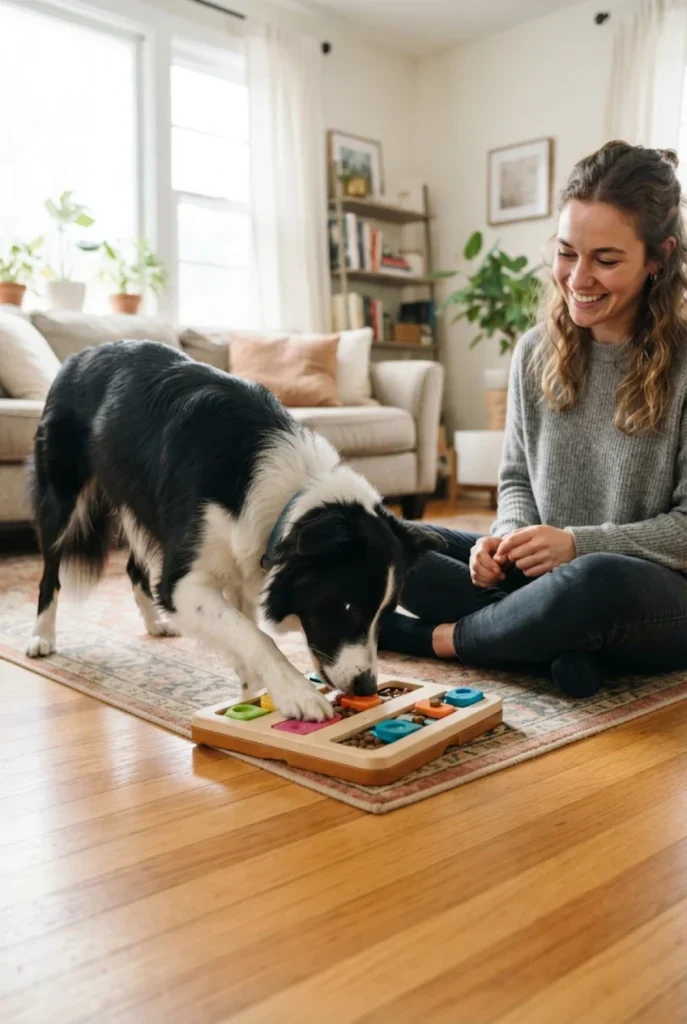
Dogs need mental activities as well as physical exercise. Monthly, review the games, puzzles, training sessions, and enrichment activities you provide. If your dog seems bored or loses interest in familiar toys, introduce a few safe new challenges. Food puzzles, scent games, supervised sniffing walks, and simple training exercises can encourage natural problem-solving behaviors.
Choose activities that match your dog’s abilities and personality. Do not make puzzles so difficult that your dog becomes frustrated, and supervise toys that contain removable parts or food. Rotate toys instead of giving your dog every item at once. You can also hide a few treats around a safe room and encourage your dog to find them. Small changes in mental stimulation can make everyday life more interesting.
17. Review Your Dog’s Training and Behavior
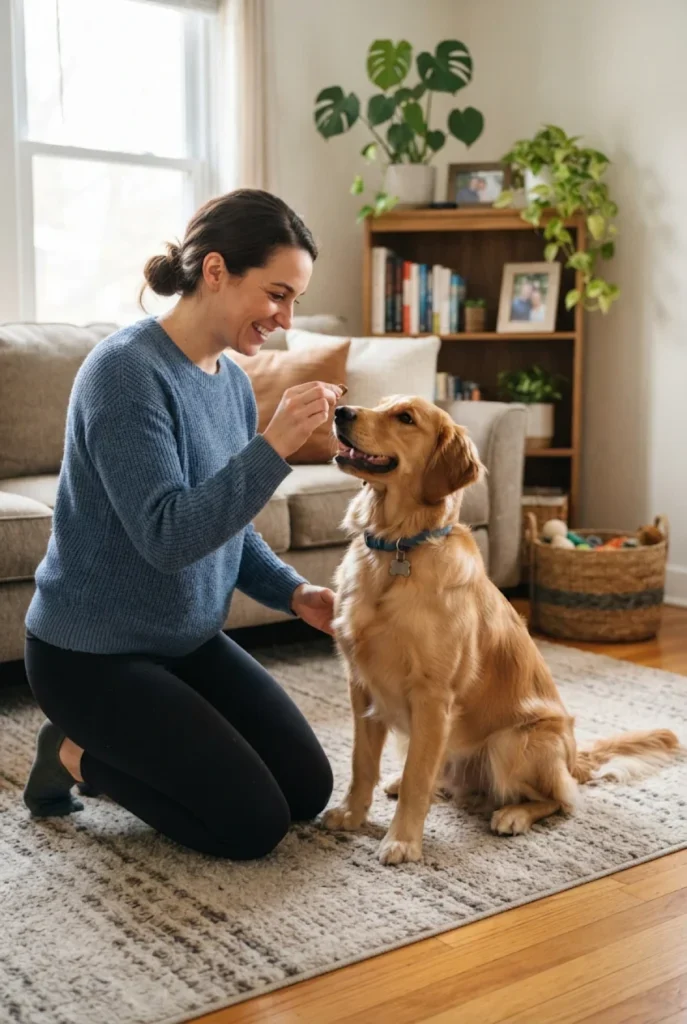
Monthly training reviews help you understand what your dog has learned and which behaviors still need attention. Practice important everyday skills such as coming when called, walking calmly on a leash, sitting, waiting, and responding to simple cues. Keep training sessions short, positive, and consistent. Reward desirable behavior with praise, play, or suitable treats.
Also notice changes in behavior. Increased barking, hiding, destructive chewing, house-soiling, or unusual aggression may have different causes, including stress, changes in routine, insufficient enrichment, or medical discomfort. Avoid assuming that every behavior change is simply disobedience. If the behavior is sudden, severe, or difficult to manage, speak with a veterinarian or qualified reward-based trainer. Monthly progress reviews help you identify what is improving and where your dog needs additional support.
18. Check Your Dog’s Sleeping Area
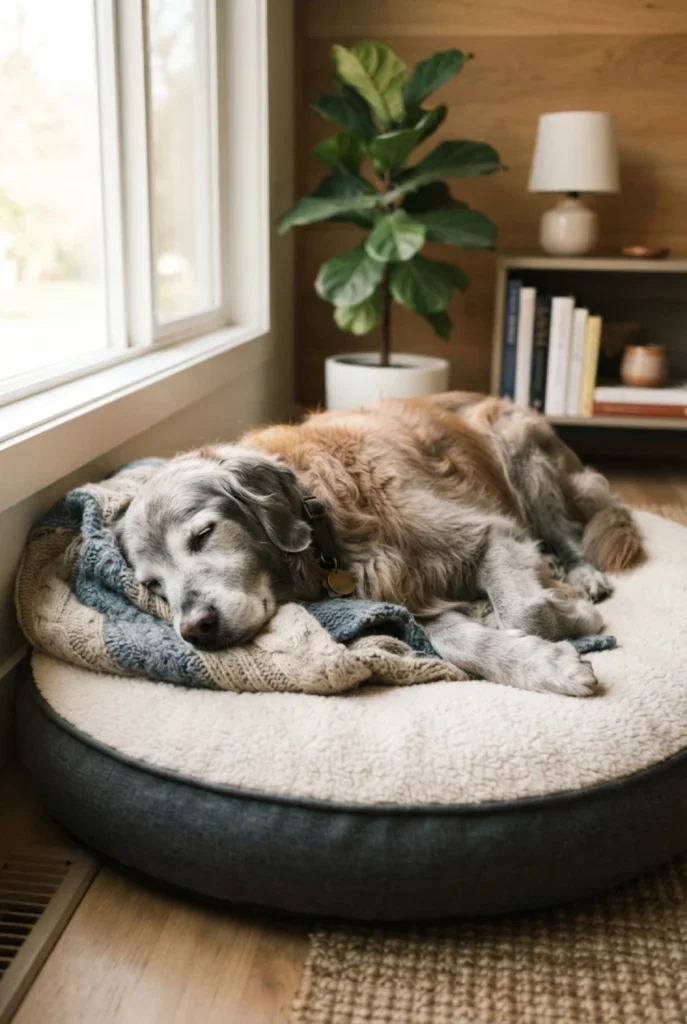
A comfortable sleeping area supports your dog’s rest and helps create a predictable home routine. Once a month, inspect the bed, crate, mat, or designated sleeping space for dirt, damage, loose materials, and signs of pests. Make sure the area is away from excessive noise, direct heat, strong drafts, and household hazards. Your dog should have enough room to lie down, stretch, and change sleeping positions comfortably.
Observe whether your dog is resting normally and seems comfortable in their usual sleeping place. Changes in sleeping patterns can happen with age, activity, temperature, and health. If your dog suddenly struggles to settle, repeatedly changes position, or appears uncomfortable when lying down, consult your veterinarian. Wash blankets and clean the surrounding floor as part of your monthly home-care routine.
19. Check Your Dog’s Indoor Environment for Hazards
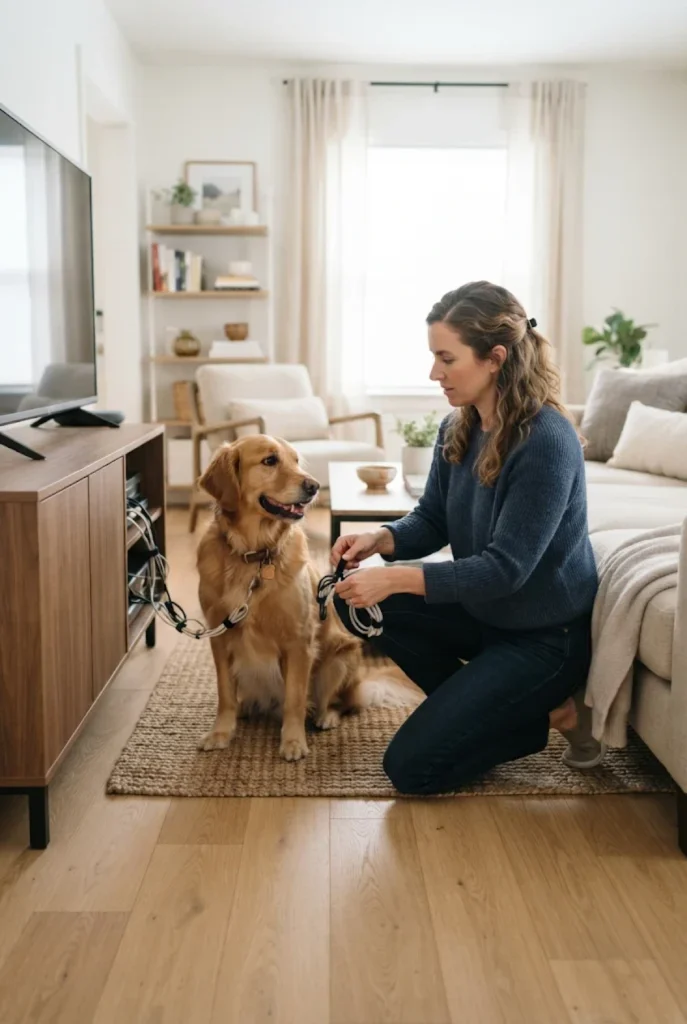
Your dog’s home environment should be safe, comfortable, and free from preventable hazards. Once a month, inspect rooms where your dog spends time. Look for loose electrical wires, small objects, damaged furniture, open cleaning products, accessible medications, toxic plants, and food items that dogs should not eat. Check gates, fences, and doors to make sure your dog cannot escape accidentally.
Think about your dog’s size, age, and behavior when reviewing the environment. Puppies may chew objects that adult dogs ignore, while senior dogs may need better traction on slippery floors. Keep rubbish bins covered and store household chemicals securely. Remove broken toys and objects that could cause choking or injury. A monthly safety inspection helps you discover hazards that may have appeared gradually as your household routine changes.
20. Review Your Dog’s Grooming Needs

Different dogs require different grooming routines. A short-haired dog may need regular brushing and occasional bathing, while a long-haired or curly-coated dog may require more frequent brushing and professional grooming. Once a month, review whether your dog’s current grooming schedule is preventing tangles, excessive shedding, dirty fur, and uncomfortable mats.
Check areas that are easy to overlook, including behind the ears, under the collar, around the legs, beneath the tail, and between the toes. If your dog has a coat that mats easily, do not wait until the monthly review to brush it. Some mats can become painful and should be handled by a professional groomer. Choose grooming tools that suit your dog’s coat type, and make grooming a calm, positive experience.
21. Review Your Dog’s Bathing Schedule
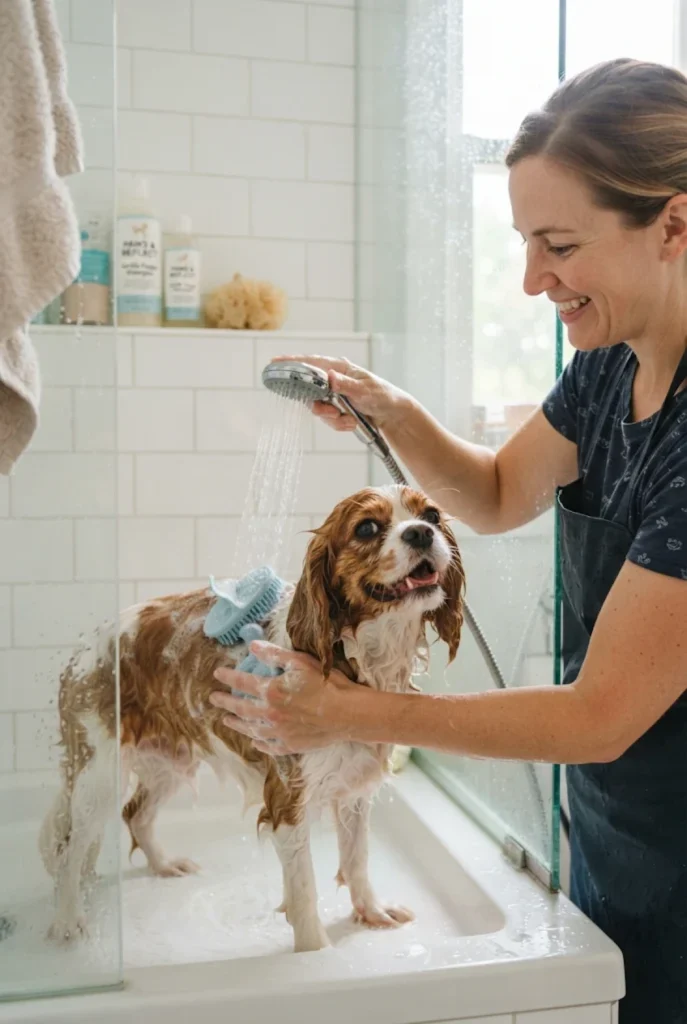
Bathing helps remove dirt, odors, and substances from your dog’s coat, but bathing too frequently may dry or irritate some dogs’ skin. Every month, review whether your dog’s bathing schedule suits their coat type, skin condition, lifestyle, and activity level. Dogs that regularly explore muddy areas may need more frequent cleaning, while indoor dogs with healthy coats may need fewer full baths.
Use a shampoo specifically formulated for dogs and follow the product instructions. Avoid using human shampoo unless your veterinarian specifically recommends a suitable product. Rinse thoroughly so that no shampoo remains on the skin, and dry your dog properly after bathing. If your dog has persistent odor, itching, flaky skin, or greasy fur despite regular grooming, ask your veterinarian whether a skin problem could be responsible.
22. Review Your Dog’s Socialization and Social Activities
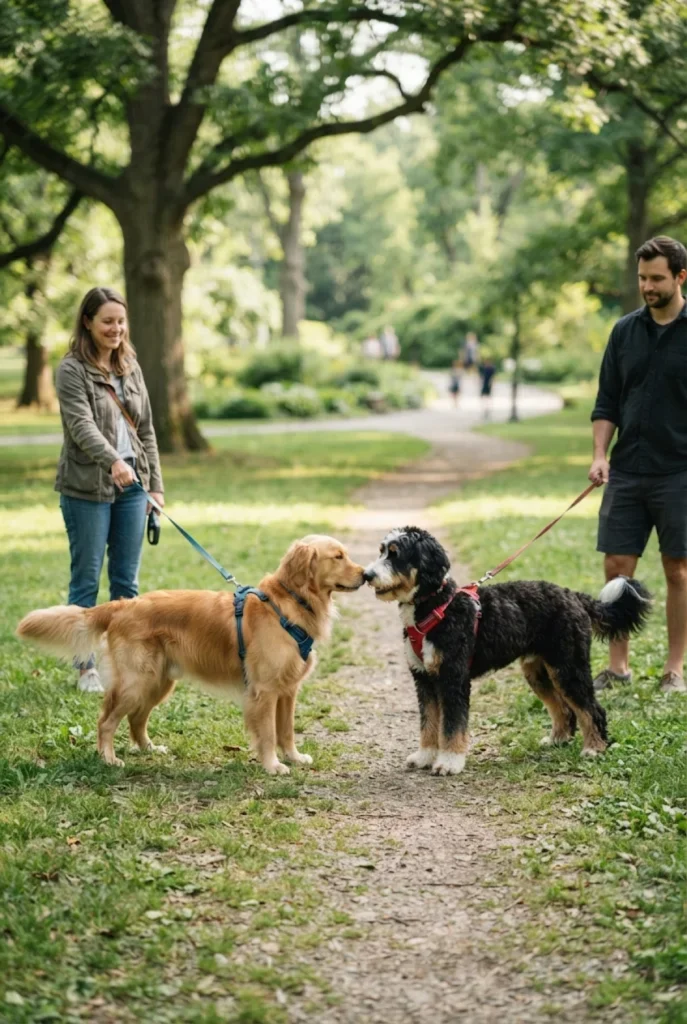
Social experiences can help dogs become more comfortable with different environments, people, sounds, and other animals. Each month, consider whether your dog is receiving suitable opportunities to explore the world at a comfortable pace. This might include calm neighborhood walks, supervised visits to dog-friendly locations, or positive interactions with familiar, well-mannered dogs.
Socialization does not mean forcing your dog to greet everyone or play with every dog. Pay attention to body language, including a tucked tail, repeated lip licking, turning away, stiff posture, or attempts to hide. Give your dog space when they seem uncomfortable. Puppies, shy dogs, and newly adopted pets may need particularly gentle introductions. If your dog shows significant fear or reactivity, seek help from a qualified reward-based trainer.
23. Check Your Dog’s Identification and Microchip Details
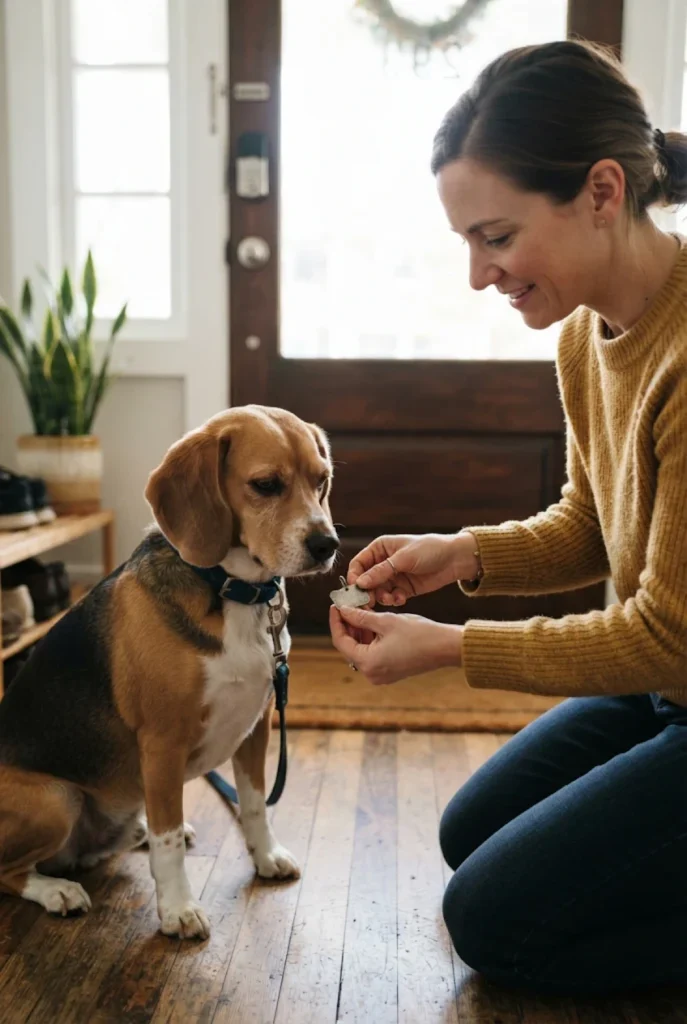
Identification is an important part of responsible dog ownership. Once a month, inspect your dog’s collar tag to make sure it is securely attached and easy to read. Confirm that your current phone number is included and that any important identification information remains accurate. If your dog wears a harness during walks, make sure the identification tag is still accessible.
If your dog has a microchip, check that its registration details are up to date. A microchip is only useful when the associated contact information can help reunite you with your pet. Contact the relevant registration provider or your veterinarian if you need to update details or confirm the registration process. Keep a recent photograph of your dog and a written description in your records. These small steps can be valuable if your dog ever goes missing.
24. Review Your Dog’s Monthly Expenses and Supplies

Organizing your dog’s supplies and expenses helps prevent last-minute shortages and supports consistent care. At the end of each month, review how much you have spent on food, treats, grooming, toys, parasite prevention, and veterinary care. Compare your spending with your budget and identify supplies that need replacing. Keeping a basic record can also help you plan for unexpected veterinary expenses.
Check important supplies such as food, waste bags, cleaning products, grooming tools, medications prescribed by your veterinarian, and training rewards. Replace expired or damaged products and avoid purchasing unnecessary items that your dog does not use. Store medication according to the label and never change a prescribed dose without veterinary advice. A monthly supply review helps you stay prepared and maintain a more organized dog-care routine.
25. Plan Upcoming Veterinary Appointments
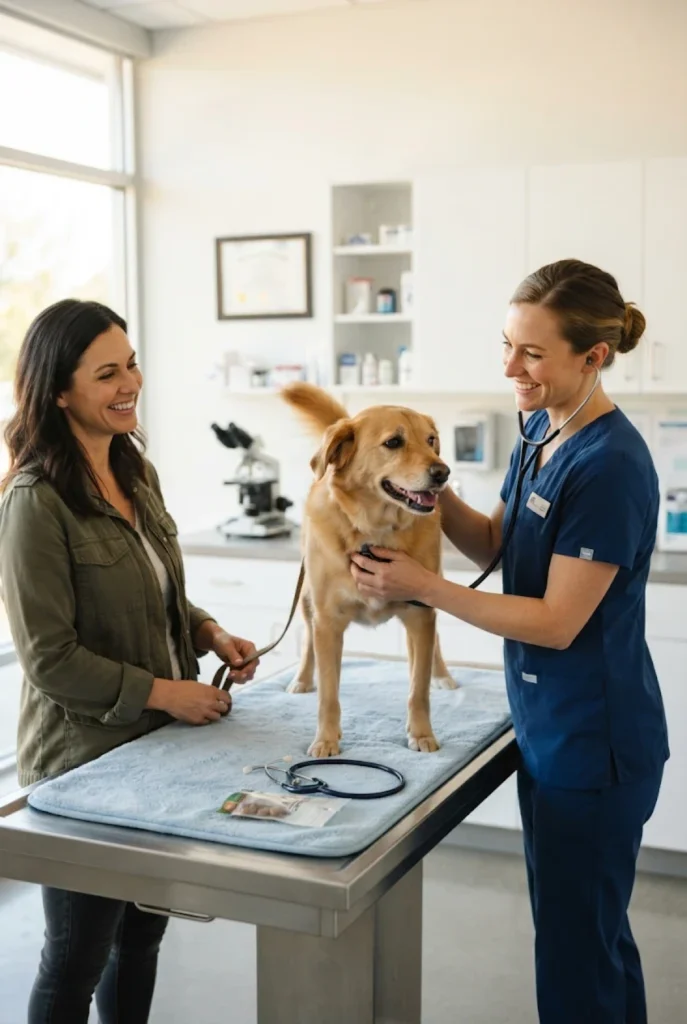
A monthly checklist is a good time to look ahead at your dog’s veterinary needs. Review any recommended follow-up visits, vaccination appointments, dental assessments, diagnostic tests, and treatment reviews. Not every dog needs a veterinary appointment every month, but puppies, senior dogs, and pets with ongoing medical conditions may require more frequent professional care.
If your dog seems healthy, continue following the preventive-care schedule recommended by your veterinarian. Ask questions about parasite protection, nutrition, dental health, weight management, and age-related changes during routine visits. Do not delay care when your dog develops concerning symptoms just because the next appointment is weeks away. Planning ahead helps you manage appointments more easily and ensures that important health needs are not forgotten.
26. Prepare Your Dog’s Emergency Kit
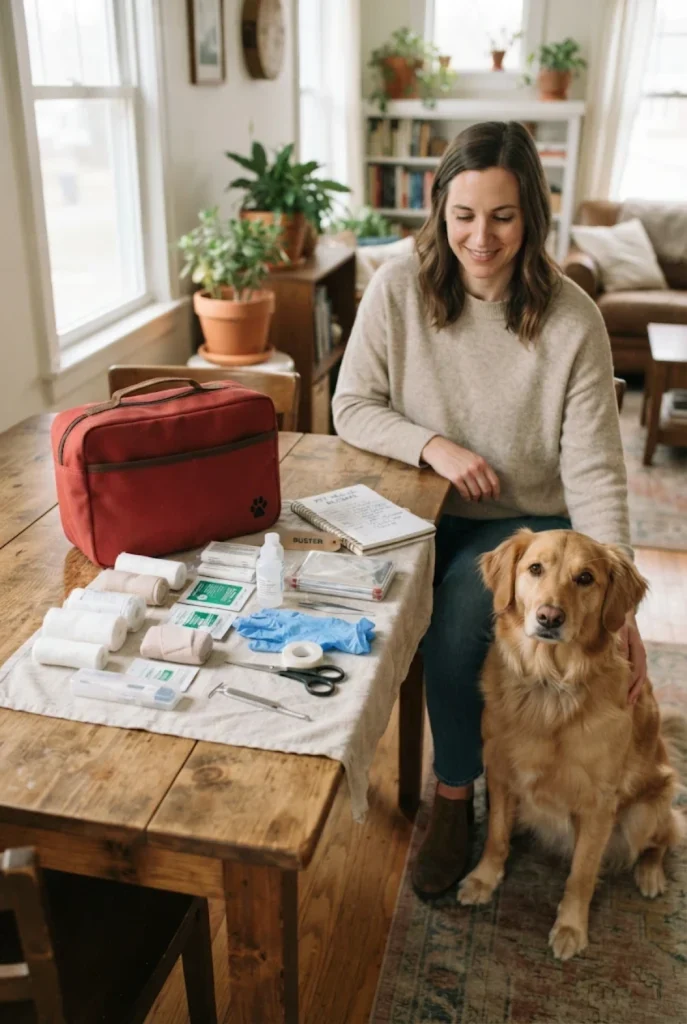
Every dog owner should have basic supplies ready in case of an unexpected situation. Once a month, inspect your dog’s emergency kit and replace anything that has been used, damaged, or expired. Useful items may include gauze, clean bandages, a digital thermometer, disposable gloves, a tick-removal tool, a pet-safe emergency blanket, and copies of important veterinary records.
Keep your veterinarian’s contact details and the nearest emergency veterinary clinic information somewhere easy to access. Include your dog’s identification details, current medications, known allergies, and a recent photograph. Do not give medication or attempt complicated treatment without professional guidance. An emergency kit is intended to help you respond calmly and safely while arranging appropriate veterinary care. It should not replace a veterinarian’s examination or treatment.
27. Update Your Monthly Dog Care Calendar

A dog-care calendar can help you remember recurring responsibilities and upcoming appointments. At the end of each month, review completed tasks and schedule the next month’s activities. You can include grooming sessions, nail checks, parasite prevention dates, food purchases, veterinary appointments, and reminders to inspect equipment. Use a paper planner, digital calendar, or simple checklist based on what works best for your household.
Keep the schedule realistic rather than filling it with unnecessary tasks. Daily responsibilities such as feeding, fresh water, and exercise should remain part of your regular routine, while monthly reminders can focus on inspections, cleaning, and planning. Share important responsibilities with family members so everyone understands the dog’s needs. A simple, organized calendar makes it easier to maintain consistency even when life becomes busy.
Final Thoughts
Following a Monthly Dog Care Checklist is a simple way to stay organized and give your dog the attention they deserve. From checking their weight and inspecting their paws to cleaning their bedding, reviewing their food, and updating veterinary records, each task contributes to a healthier and more comfortable lifestyle. Small, consistent actions can make a meaningful difference over time.
Remember that monthly care is only one part of responsible dog ownership. Your dog still needs daily feeding, fresh water, exercise, affection, mental stimulation, and regular observation. Use this checklist as a helpful reminder, adapt it to your dog’s individual needs, and consult your veterinarian whenever you notice concerning changes. With a little planning and consistency, you can make dog care easier while helping your furry companion enjoy a happier, healthier life.