12 Tips to Make Car Rides Easier for Your Dog
Does your dog get nervous, restless, or uncomfortable whenever you take them for a car ride? You are not alone! Many dogs struggle with traveling in vehicles because of unfamiliar sounds, movement, motion sickness, or previous unpleasant experiences. Even a short drive to the veterinarian can become stressful for both dogs and their owners.
The good news is that you can make car rides easier for your dog with patience, preparation, and simple training techniques. Whether you are planning a short trip to the park or a long family road trip, creating a positive travel experience can help your furry friend feel safer and more relaxed. In this guide, you will discover 12 practical tips to reduce car anxiety, improve your dog’s comfort, and make every journey more enjoyable.
1. Introduce Your Dog to the Car Gradually
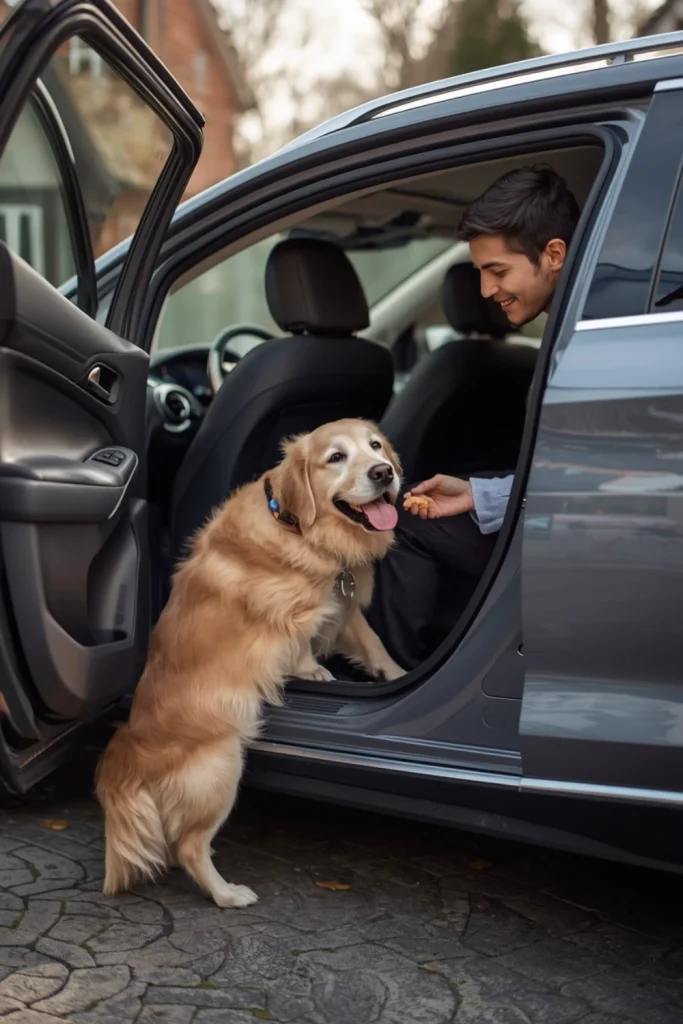
The first step to make car rides easier for your dog is introducing them to the vehicle slowly. If your dog is afraid of cars, immediately taking them on a long journey can increase their anxiety. Start by parking your vehicle in a quiet place and allowing your dog to explore it with the doors open. Let them sniff around the exterior, investigate the open doorway, and become familiar with the different smells. Avoid forcing your dog to enter because this can create additional fear. Give them enough time to approach the vehicle voluntarily and reward their curiosity with gentle praise.
Once your dog becomes comfortable approaching the car, encourage them to step inside using their favorite treats or toys. Allow them to sit in the vehicle for a few minutes while the engine remains switched off. Repeat this activity regularly until your dog feels relaxed inside. You can gradually introduce the sound of the engine and other familiar vehicle noises. Remember that building confidence takes time, especially for nervous dogs. A slow introduction creates positive associations and helps your pet understand that being inside a car does not always mean experiencing something frightening.
2. Create a Comfortable Travel Space
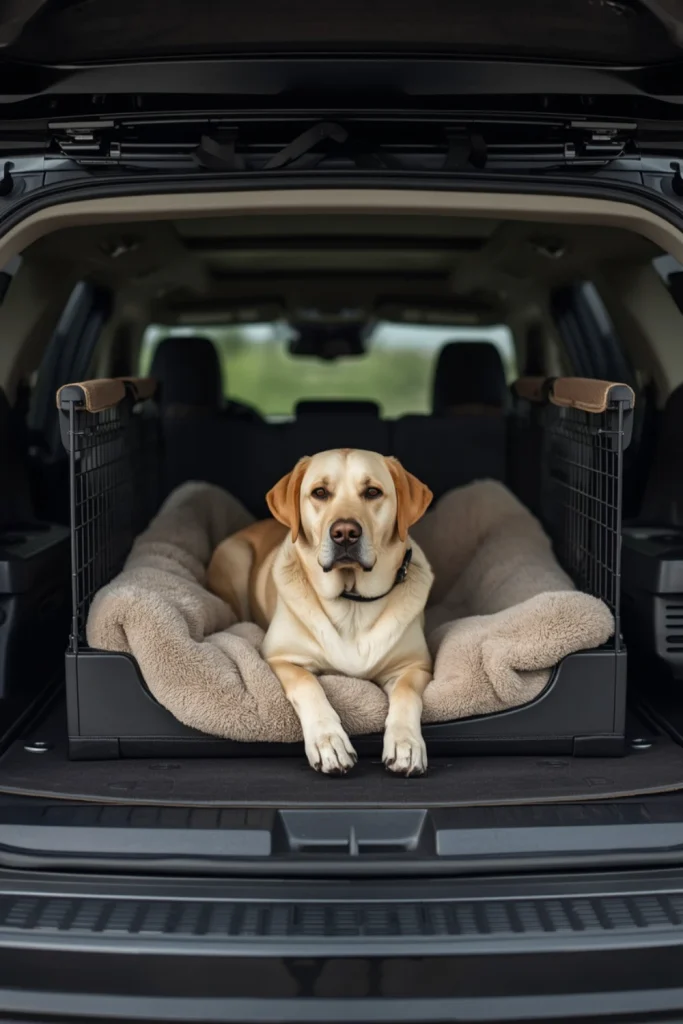
Creating a comfortable travel space is another important way to make car rides easier for your dog. Dogs feel more secure when they have a familiar and comfortable place to rest during a journey. Depending on your dog’s size and personality, consider using a properly secured travel crate, carrier, or crash-tested car harness. Choose equipment that allows your dog to sit, stand, and lie down naturally. A comfortable blanket or travel mat can make the designated area more inviting. Avoid using loose bedding that could interfere with your dog’s restraint or become dangerous during sudden braking.
Pay attention to the temperature, ventilation, and available space inside the vehicle. Your dog should not feel trapped, overheated, or uncomfortable during travel. If your pet prefers sleeping on a particular blanket at home, bringing it along may provide additional reassurance. Familiar smells can help reduce anxiety, especially when traveling to unfamiliar places. Before leaving, check that the travel equipment is correctly installed and that your dog cannot move into the driver’s area. A secure and comfortable environment can help your furry friend relax and enjoy the journey.
3. Start With Short Practice Drives
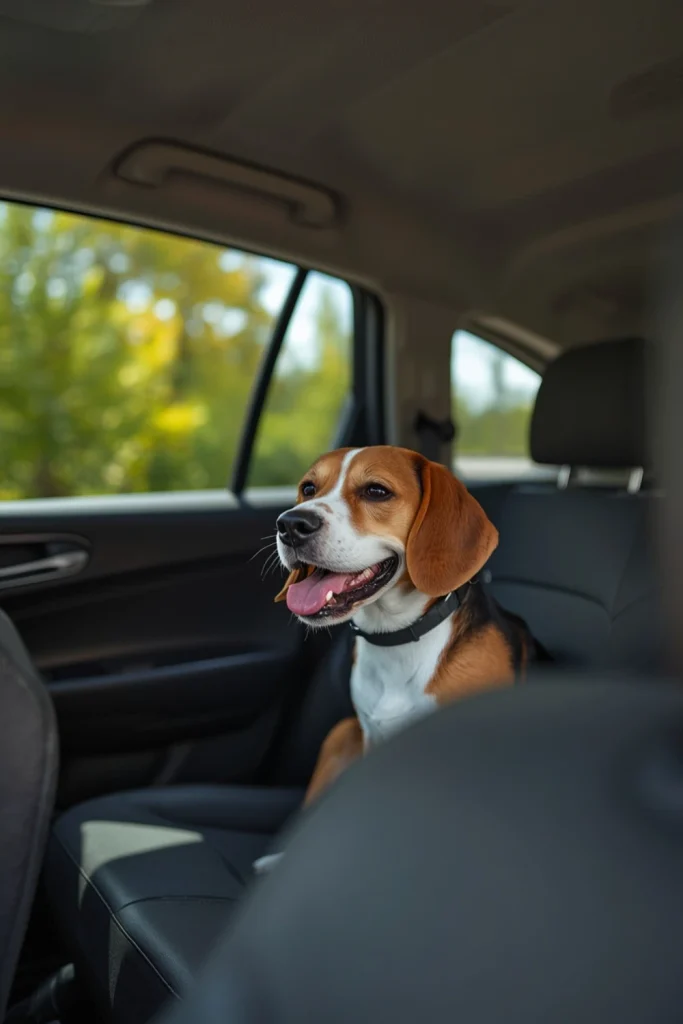
If your dog becomes nervous whenever the vehicle starts moving, short practice drives can help build confidence. Begin after your pet becomes comfortable sitting inside a parked car. Start the engine for a few minutes and observe their reaction. If they remain calm, offer gentle praise and a small reward. When your dog becomes comfortable with the engine sound, take a very short drive around a quiet neighborhood. Avoid busy roads, sudden turns, and unnecessary stops during the first few sessions. The goal is to introduce movement gradually without overwhelming your dog.
As your dog becomes more confident, slowly increase the distance and duration of each practice journey. You might begin with a three-minute drive and gradually work toward ten or fifteen minutes. Pay attention to your dog’s body language throughout the process. If they start trembling, whining, or showing signs of discomfort, return to shorter sessions. Avoid rushing the training process just because you want your dog to travel comfortably as soon as possible. Consistent and manageable practice sessions can help your pet become familiar with vehicle movement and develop a more positive attitude toward car journeys.
4. Use Positive Reinforcement During Car Training
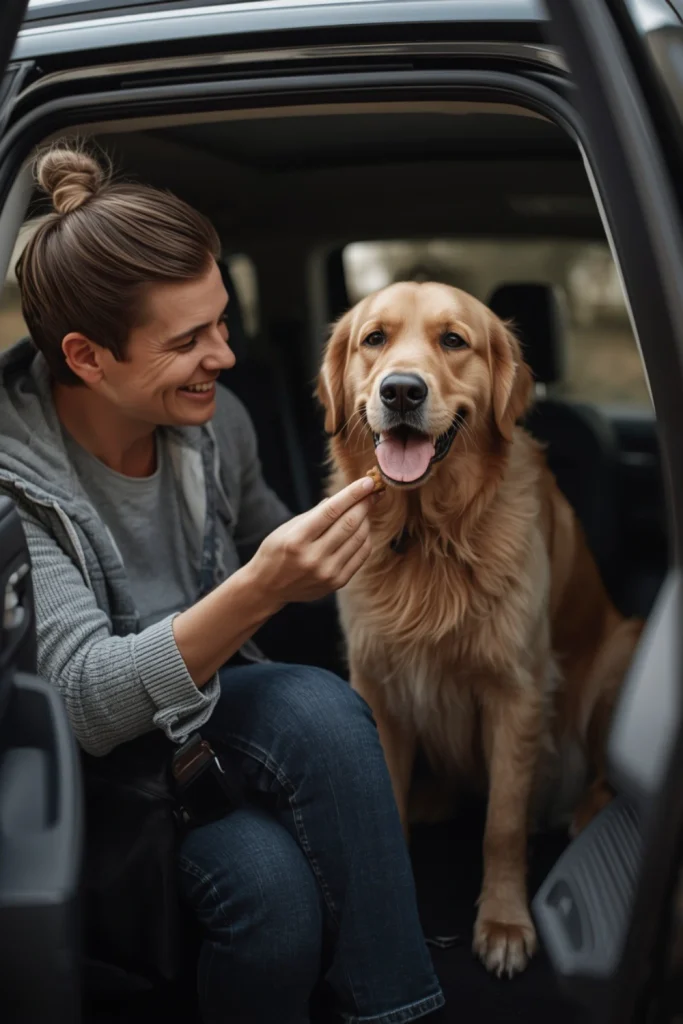
Positive reinforcement is one of the most effective ways to encourage dogs to feel comfortable during car rides. Instead of punishing nervous behavior, reward your dog whenever they demonstrate confidence or calmness. For example, offer a small treat when they approach the vehicle, enter the car, or sit comfortably in their travel area. You can also use verbal praise and favorite toys to create enjoyable experiences. These rewards help your dog develop positive associations with the vehicle and understand that calm behavior leads to pleasant experiences.
Consistency is important when using positive reinforcement. Repeat the same rewarding routine during practice sessions and everyday journeys. However, avoid giving too many treats, especially if your dog experiences motion sickness. You can also reward your pet for remaining relaxed while the engine is running or when the vehicle begins moving. Never force your dog to accept rewards if they are too frightened to eat. In that situation, reduce the difficulty of the training session. With patience and encouragement, your dog can gradually become more comfortable and confident around vehicles.
5. Avoid Feeding Your Dog Immediately Before Traveling
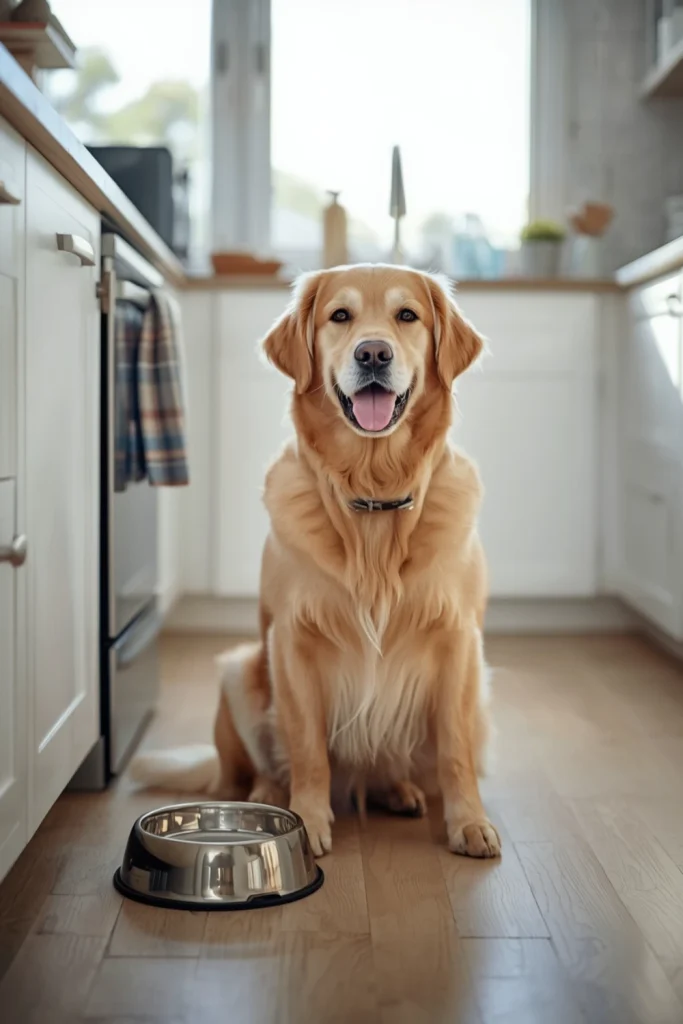
Feeding your dog immediately before a car journey may increase the chances of nausea and vomiting, particularly if your pet is sensitive to vehicle movement. A full stomach combined with the motion of a moving vehicle can make some dogs uncomfortable. If your dog regularly experiences motion sickness, consider arranging meals several hours before departure instead of feeding them immediately before getting into the car. However, feeding schedules should depend on your dog’s age, health, and individual needs. Puppies, small breeds, and dogs with certain medical conditions may require different feeding arrangements.
Water is equally important during travel. Make sure your dog has access to fresh drinking water before departure and during appropriate breaks. Avoid unnecessary changes to your pet’s regular diet before a journey because unfamiliar food may cause digestive problems. If your dog repeatedly vomits, refuses meals, or becomes uncomfortable during car rides, consult your veterinarian. They can help determine whether motion sickness or another health problem is responsible. Proper meal planning can reduce travel discomfort and help your dog enjoy a more pleasant journey.
6. Keep the Car Cool and Well Ventilated
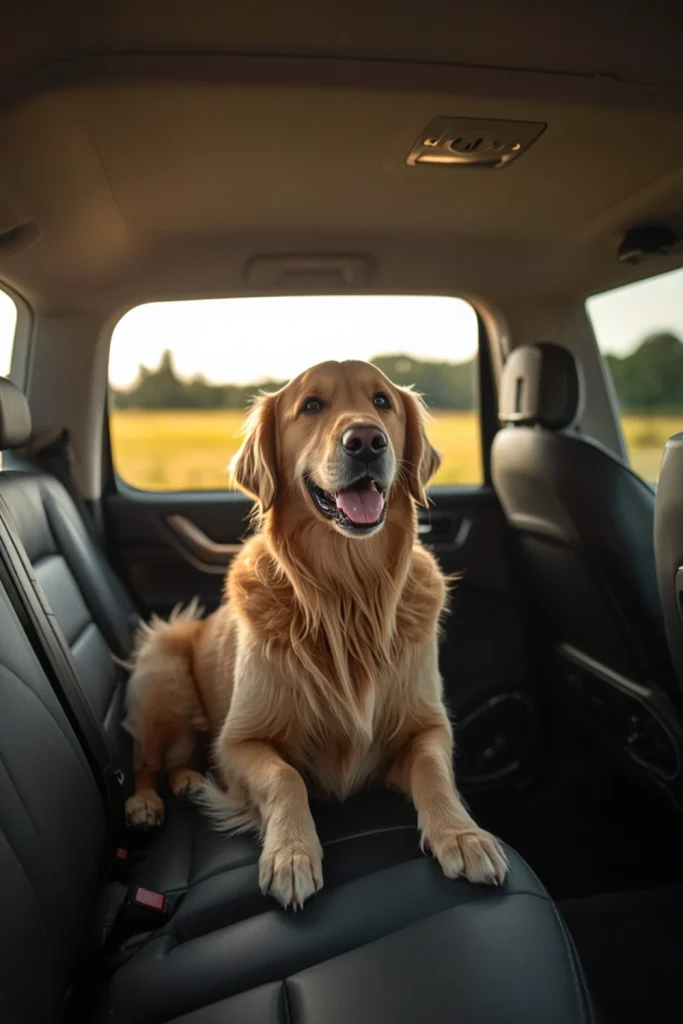
Temperature is an important factor when making car rides easier for your dog. Vehicles can become dangerously hot, even when the outdoor temperature seems comfortable. Dogs regulate their body temperature mainly through panting, which makes them vulnerable to overheating inside poorly ventilated vehicles. Before starting your journey, make sure the car has reached a comfortable temperature. Use air conditioning when necessary and maintain suitable airflow throughout the trip. Avoid placing your dog in direct sunlight for extended periods, particularly during hot summer weather.
Never leave your dog alone inside a parked vehicle, even if the windows are partially open or you intend to return quickly. Interior temperatures can rise rapidly and become life-threatening. During warmer months, consider traveling during cooler parts of the day and taking regular breaks. Watch for excessive panting, heavy drooling, weakness, vomiting, or difficulty breathing. These can be warning signs of overheating and require immediate attention. A comfortable temperature and proper ventilation can help your dog remain relaxed and safe throughout the journey.
7. Bring Your Dog’s Favorite Toys and Blanket
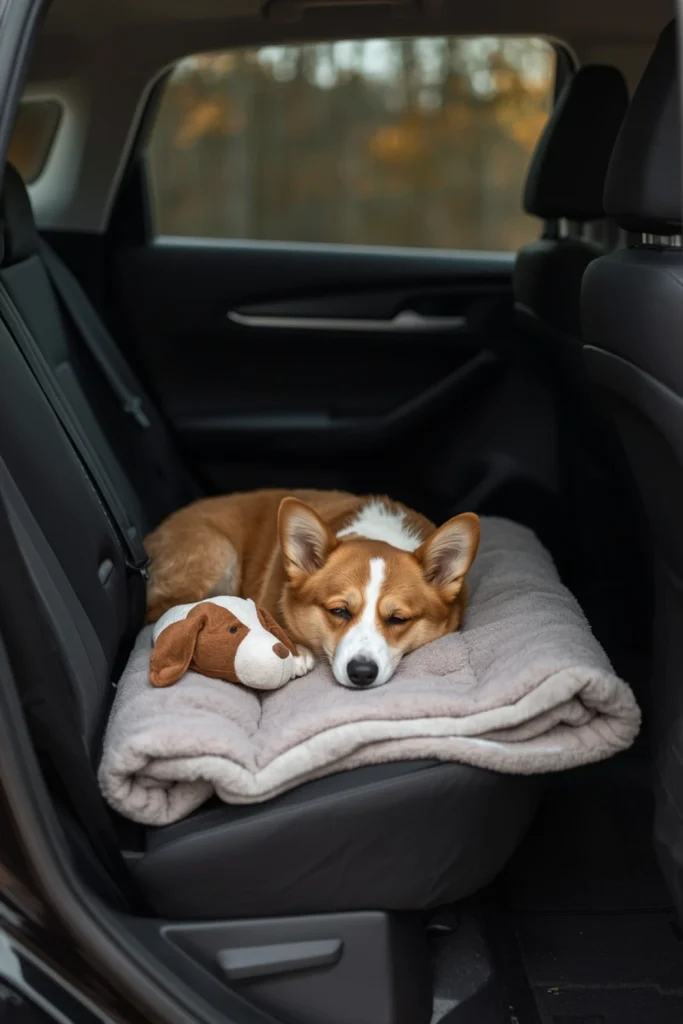
Familiar objects can help your dog feel more comfortable when traveling away from home. Bringing a favorite blanket, toy, or small travel bed can create a familiar environment inside the vehicle. Dogs recognize familiar smells and textures, which may help them feel secure in unfamiliar surroundings. If your dog has a favorite sleeping blanket, place it in their designated travel area before departure. You can also bring a familiar toy that keeps them relaxed during the journey. Choose safe toys that do not contain small parts or easily removable pieces.
Before your trip, allow your dog to become familiar with the travel items inside the parked vehicle. You can use the same blanket during practice sessions to strengthen positive associations with the car. However, make sure loose objects cannot move around or become dangerous during sudden braking. Avoid giving your dog toys that could cause choking or distract you while driving. A familiar travel environment can make a significant difference, especially for puppies and dogs that are nervous in unfamiliar places. Small comforts can help turn an uncomfortable car journey into a more relaxing experience.
8. Take Regular Breaks During Long Car Journeys
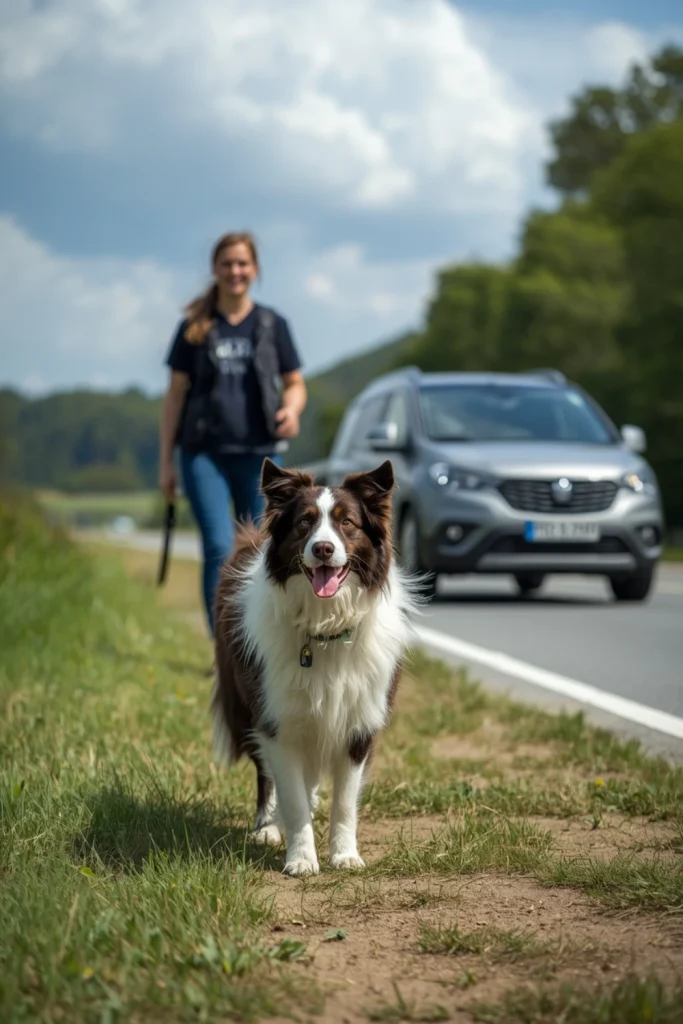
Long journeys can become tiring for dogs because they have to remain in the same position for extended periods. Regular breaks give your pet an opportunity to stretch, walk, drink water, and relieve themselves. For many healthy adult dogs, stopping approximately every two hours is a useful starting point. However, puppies, senior dogs, and pets with medical conditions may need more frequent breaks. Choose safe rest areas away from moving traffic and make sure your dog is securely leashed before opening the vehicle door. Planning these stops can make long-distance travel easier and more predictable.
During each break, allow your dog to explore the surroundings calmly and enjoy a short walk. Offer fresh drinking water and give them enough time to use the bathroom. Avoid allowing your dog to approach unfamiliar animals without permission, especially in busy rest areas. Keep an eye on your pet’s energy level and behavior before continuing the journey. If your dog appears tired or uncomfortable, consider taking a longer break. Regular stops reduce restlessness and help prevent your pet from becoming overwhelmed during extended travel. They also give you an opportunity to check that the travel equipment remains comfortable and secure.
9. Always Use Proper Dog Car Safety Equipment
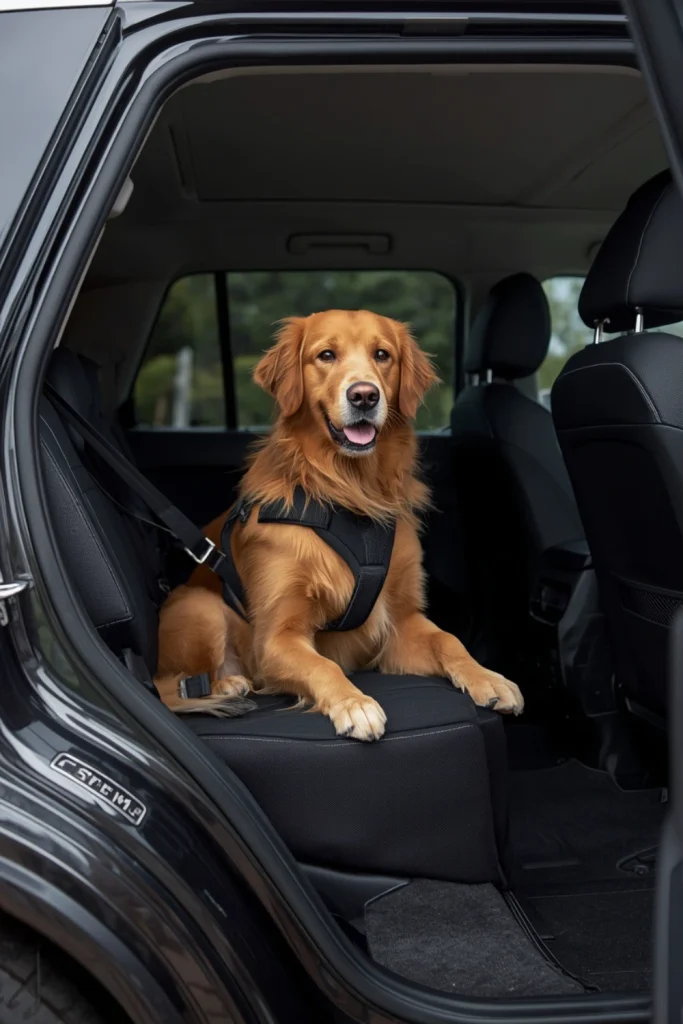
Keeping your dog properly restrained is essential for safe and comfortable car travel. An unrestrained dog can move around the vehicle, distract the driver, or become seriously injured during sudden braking. Choose appropriate safety equipment based on your dog’s size and travel habits. Options include crash-tested dog car harnesses, secured travel crates, and suitable vehicle carriers. Make sure the equipment fits correctly and is installed according to the manufacturer’s instructions. Your dog should have enough room to sit, stand, and lie down without being able to move freely around the vehicle.
Avoid allowing your dog to sit on your lap while driving or travel in the front passenger seat where an airbag could cause serious injuries. The back seat or a properly secured cargo area is generally a safer choice, depending on your vehicle and restraint system. Never attach a regular walking leash directly to a seatbelt because it is not designed to protect your dog during a collision. Always use equipment specifically made for vehicle travel. Proper restraint protects your dog, reduces distractions, and helps you concentrate on driving safely.
10. Help Your Dog Manage Motion Sickness
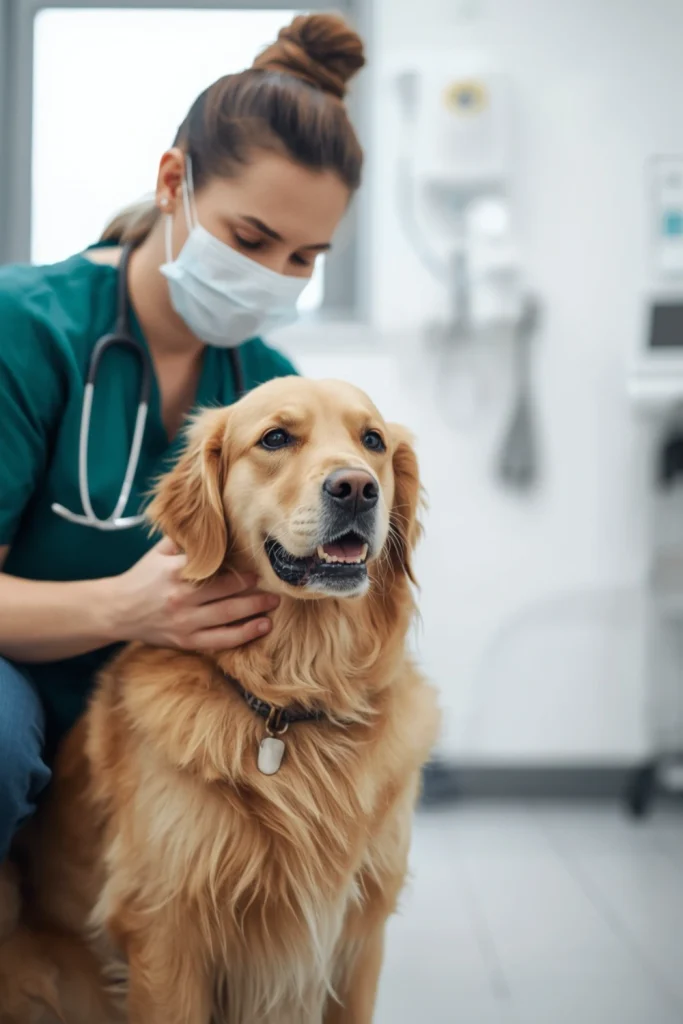
Motion sickness is a common reason some dogs struggle with car rides. It can make traveling unpleasant and may cause your pet to develop a negative association with vehicles. Common symptoms include excessive drooling, lip licking, yawning, whining, restlessness, and vomiting. Puppies may experience motion sickness more frequently because their balance systems are still developing. If your dog shows these symptoms, avoid assuming they are simply misbehaving. Consider whether the movement of the vehicle is making them physically uncomfortable and take steps to reduce the problem.
Start by keeping the car cool, avoiding large meals immediately before travel, and introducing short practice drives. If your dog regularly experiences nausea or vomiting, arrange a veterinary consultation. Your veterinarian can identify possible causes and recommend appropriate treatment based on your pet’s age and health. Some dogs may benefit from veterinarian-approved motion sickness medication or other management strategies. Never give human medication without professional advice because certain medicines may be dangerous for dogs. Addressing motion sickness early can improve your pet’s comfort and make future journeys much easier.
11. Stay Calm and Reassuring Throughout the Journey
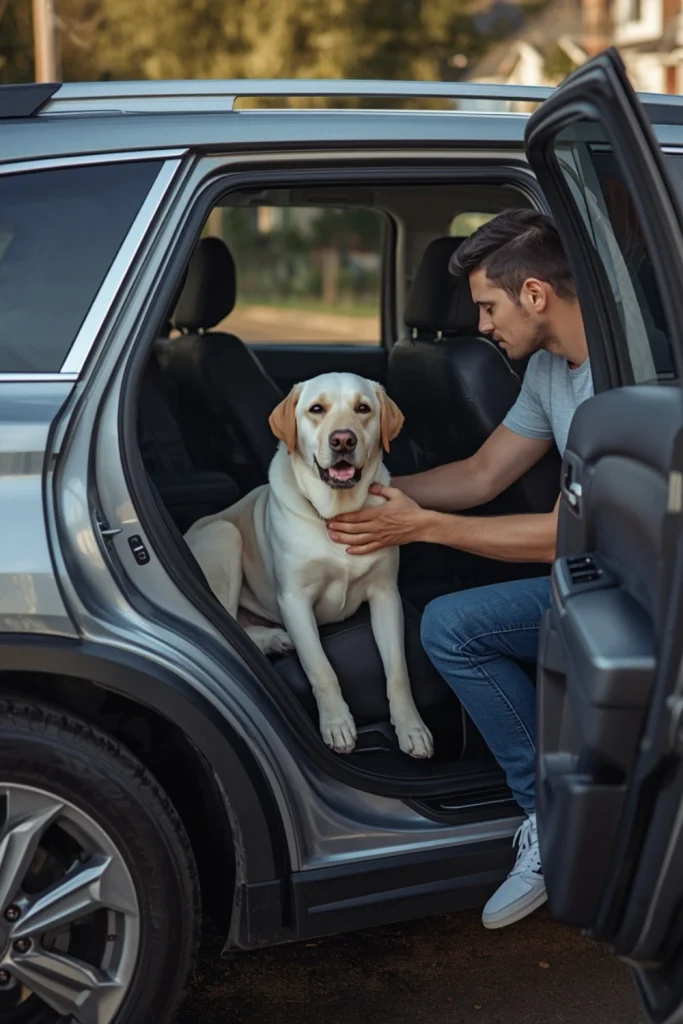
Your behavior can influence how your dog responds to car travel. Dogs are sensitive to changes in human emotions, body language, and voice. If you become frustrated or impatient whenever your dog starts whining or barking, your pet may become even more anxious. Try to maintain a calm attitude and use a gentle voice when communicating with your furry companion. Avoid shouting or punishing nervous behavior because these reactions can increase fear rather than solve the problem. Instead, focus on providing a predictable and peaceful travel environment.
Developing a consistent travel routine can also help your dog feel more secure. For example, use the same command before entering the vehicle, prepare the travel area in the same way, and reward your dog for settling down. Keep music at a comfortable volume and avoid unnecessary loud noises. If your dog becomes extremely distressed, consider working with a qualified positive-reinforcement dog trainer or veterinary behavior professional. Remember that building confidence takes time. A calm and supportive approach can gradually help your dog understand that car journeys are safe and manageable experiences.
12. Make Every Car Ride a Positive Experience
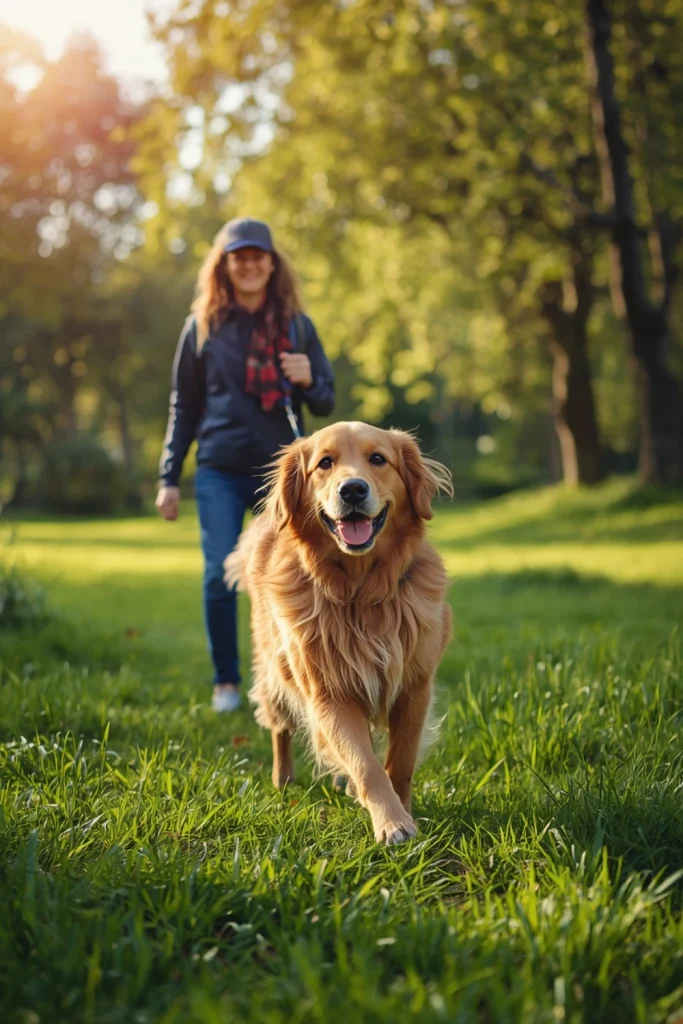
One of the best ways to make car rides easier for your dog is to connect traveling with enjoyable experiences. If every car journey ends with a stressful veterinary appointment, your dog may begin associating the vehicle with something unpleasant. Instead, plan occasional short trips to dog-friendly parks, quiet walking trails, or other places your pet enjoys. These positive experiences can help change your dog’s expectations and encourage them to enter the vehicle willingly. Begin with nearby destinations so your dog does not become overwhelmed by long journeys.
When you reach your destination, give your dog time to explore, walk, or enjoy some playtime. Reward calm behavior and make the outing enjoyable without creating too much excitement. You can also occasionally sit inside the parked car and offer treats without going anywhere. This teaches your dog that entering the vehicle does not always mean a long journey is coming. With consistent positive experiences, your pet may gradually become more confident and comfortable. Turning car rides into opportunities for enjoyable adventures can make traveling a normal and exciting part of your dog’s routine.
Final Thoughts
Learning how to make car rides easier for your dog requires patience, preparation, and consistent training. Every dog has different needs, so understanding your pet’s behavior is the first step toward creating a comfortable travel experience. From introducing the vehicle gradually to providing a familiar travel space and using positive reinforcement, small changes can make a big difference.
Always prioritize your dog’s safety, maintain a comfortable temperature, and schedule regular breaks during longer journeys. If your pet experiences repeated motion sickness or severe travel anxiety, consult a veterinarian for additional support. With the right approach, you can help your furry companion become more confident and enjoy many comfortable road trips together.