15 Tricks to Make Dog Bath Time Easier
Does your dog run away, hide under the bed, or become nervous whenever you prepare for bath time? You are not alone! Many dogs dislike bathing because of running water, unfamiliar sounds, slippery surfaces, or previous uncomfortable experiences. Fortunately, making bath time easier does not have to be difficult.
With the right approach, patience, and a few simple techniques, you can turn stressful bathing sessions into a comfortable grooming routine. These 15 tricks to make dog bath time easier will help you reduce your dog’s anxiety, improve cooperation, and keep your furry friend clean, healthy, and happy.
1. Choose the Right Time for Your Dog’s Bath
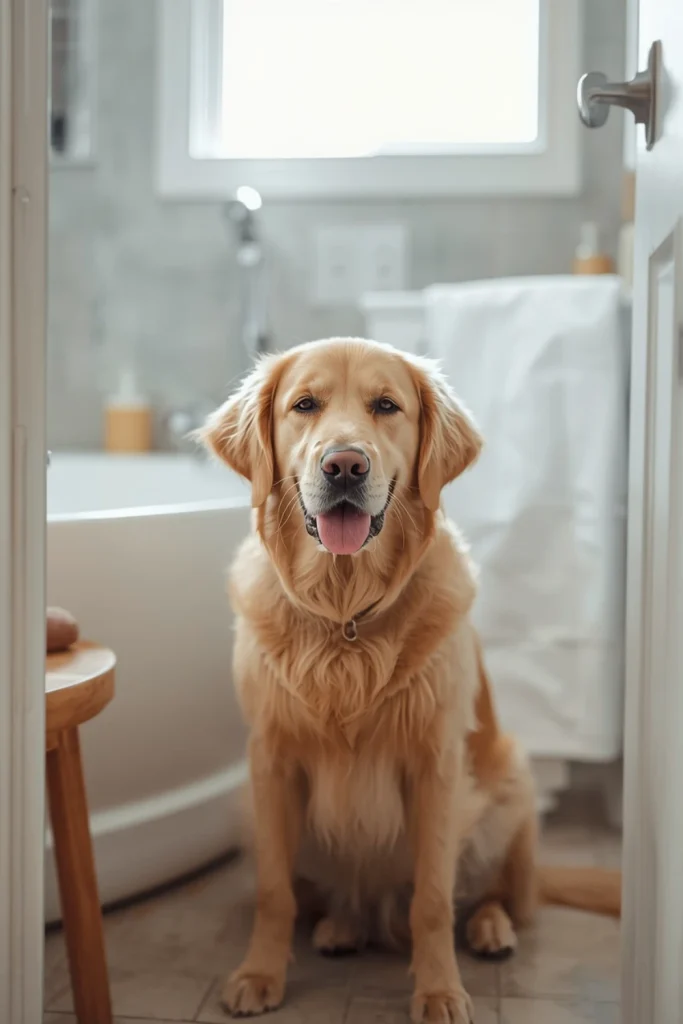
Choosing the right time is one of the easiest tricks to make dog bath time easier. Avoid bathing your dog when they are overly excited, hungry, exhausted, or already feeling anxious. Instead, choose a quiet period when your dog is relaxed and comfortable. A peaceful environment can help reduce resistance and make the bathing process more manageable.
Try to establish a consistent bathing routine so your dog becomes familiar with the activity. Before starting, spend a few minutes playing gently or giving your dog affection. Avoid scheduling bath time immediately after a stressful event, a long walk, or an unfamiliar experience. A relaxed beginning can help your dog approach bathing with greater confidence.
2. Prepare All Bathing Supplies Beforehand
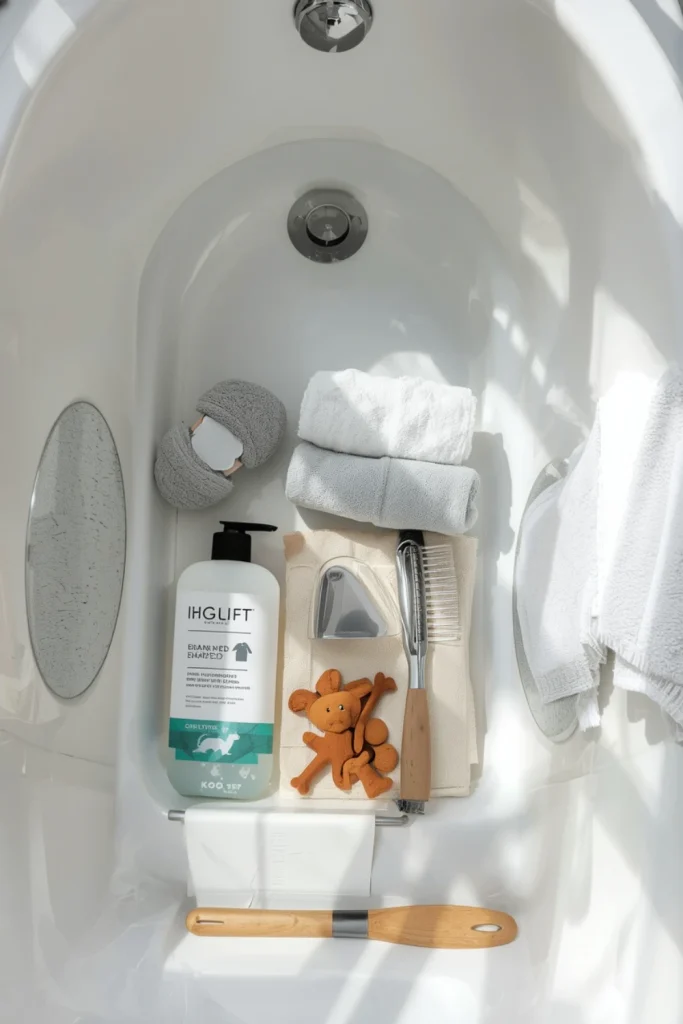
Preparation can save time and prevent unnecessary stress during bathing. One common mistake dog owners make is bringing their pets into the bathtub before collecting shampoo, towels, brushes, and other supplies. Leaving a wet dog unattended while searching for missing items can make the experience uncomfortable and potentially unsafe.
Before starting, organize everything within easy reach. Keep dog-friendly shampoo, a soft washcloth, grooming brush, absorbent towels, and treats nearby. You may also need a small water cup or handheld shower attachment. When everything is ready, you can concentrate on your dog’s comfort instead of moving around the bathroom. A well-organized bathing area makes the entire process smoother.
3. Use a Non-Slip Mat for Better Stability

Many dogs become frightened during bathing because they cannot maintain their balance on a slippery bathtub surface. When their paws slide around, they may struggle, panic, or attempt to escape. A non-slip rubber mat provides better traction and helps your dog feel more secure while standing in the bathing area.
Choose a mat designed for wet surfaces and make sure it stays firmly in place. Introduce the mat before turning on the water so your dog can explore it comfortably. You can reward your dog with treats for standing calmly on it. Better footing can reduce anxiety and make bathing safer for both small and large dogs.
4. Introduce Water Gradually
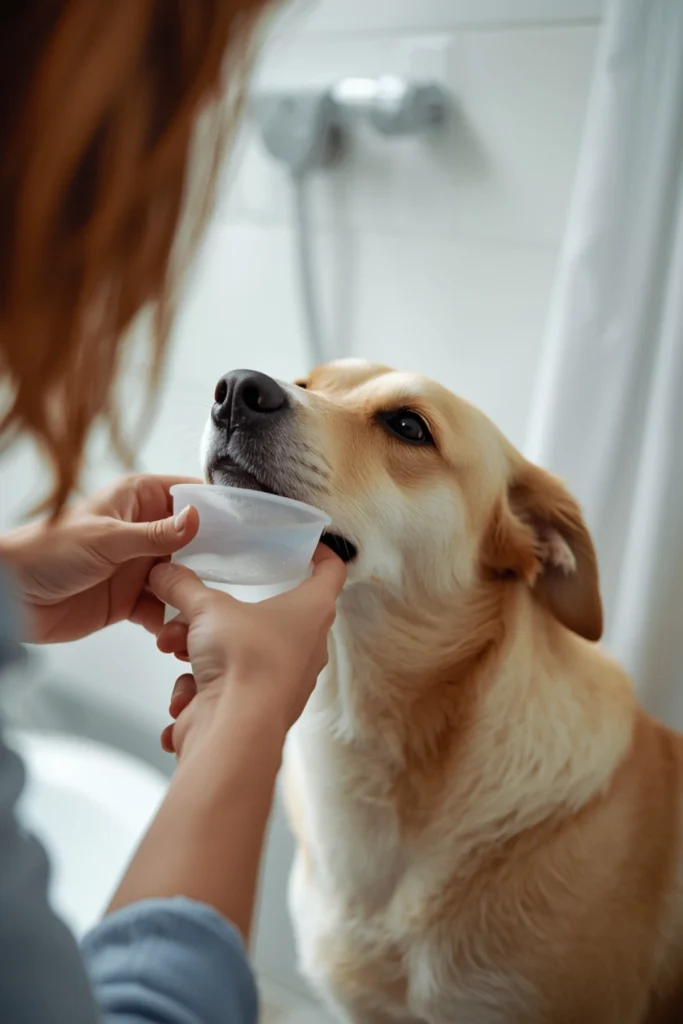
Suddenly spraying a dog with water can create fear, especially if they have never enjoyed bathing. Instead of turning on a strong shower immediately, introduce water gradually. Start by allowing your dog to become familiar with the sound of running water from a comfortable distance. Then gently wet the paws using a small amount of lukewarm water.
Once your dog becomes comfortable, slowly move toward the legs and body. Pay attention to their reactions and provide breaks when necessary. Avoid pouring water directly over the head or face. Gradual introduction helps your dog understand what is happening and reduces the chances of developing negative associations with bathing.
5. Choose a Gentle Dog-Friendly Shampoo
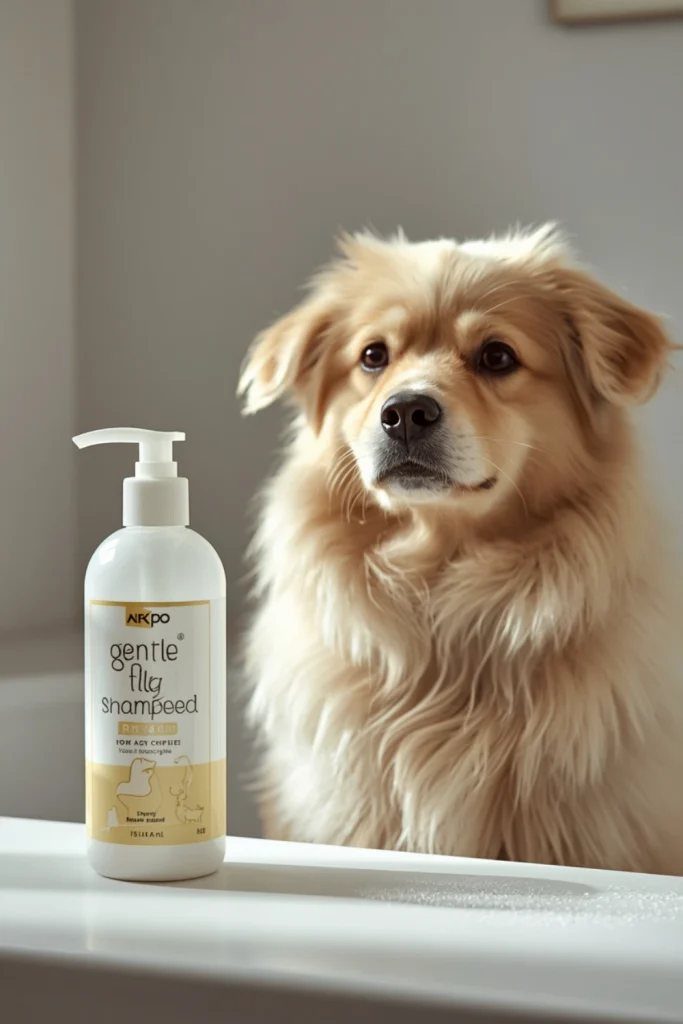
Choosing the right shampoo is essential for keeping your dog’s skin and coat comfortable. Human shampoos are not designed specifically for canine skin and may cause dryness, irritation, or itching. Using unsuitable products can make your dog uncomfortable and increase their resistance to future bathing sessions.
Select a gentle shampoo formulated specifically for dogs. If your pet has sensitive skin, allergies, or a skin condition, ask your veterinarian for recommendations. Read the product instructions and use the correct amount according to your dog’s coat and size. Avoid applying shampoo around the eyes, inside the ears, or directly onto irritated skin unless your veterinarian recommends a suitable treatment.
6. Keep the Water Temperature Comfortable
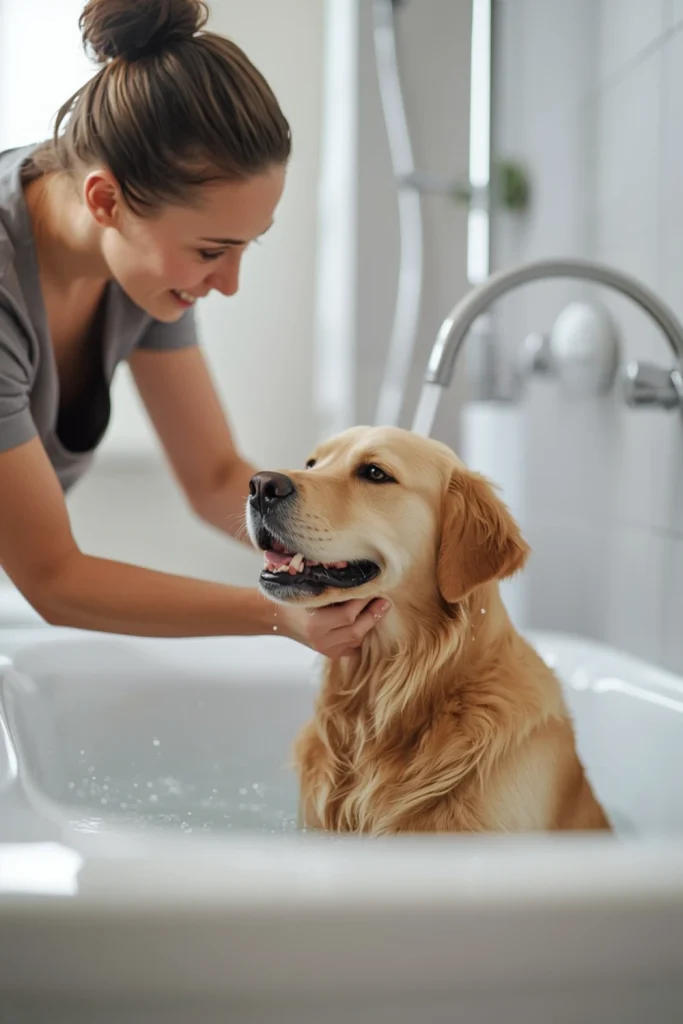
Water temperature can have a major effect on your dog’s bathing experience. Water that feels too hot or too cold may cause discomfort and make your dog nervous. Dogs have sensitive skin, so always use comfortably lukewarm water rather than extreme temperatures. Before starting the bath, test the water with your hand to make sure it feels pleasant.
Keep the temperature consistent throughout the bathing session. Avoid sudden changes that might surprise your pet. If your dog starts shivering, trembling, or trying to move away, pause and check the water and room temperature. Remember that puppies, senior dogs, and small breeds may become chilled more easily. Comfortable water helps create a calmer bathing environment.
7. Brush Your Dog Before Bathing

Brushing before bathing is an important grooming step, particularly for dogs with medium or long coats. Loose fur, dirt, and small tangles can become more difficult to remove once the coat gets wet. In some cases, water can tighten existing mats and make brushing uncomfortable for your dog. A few minutes of brushing can prevent these problems.
Choose a brush that matches your dog’s coat type and gently work through the fur before turning on the water. Pay attention to areas behind the ears, under the legs, around the tail, and near the collar. Avoid pulling aggressively on knots because this can hurt your dog. If the coat contains severe mats, ask a professional groomer for help before bathing.
8. Use Treats to Encourage Positive Behavior
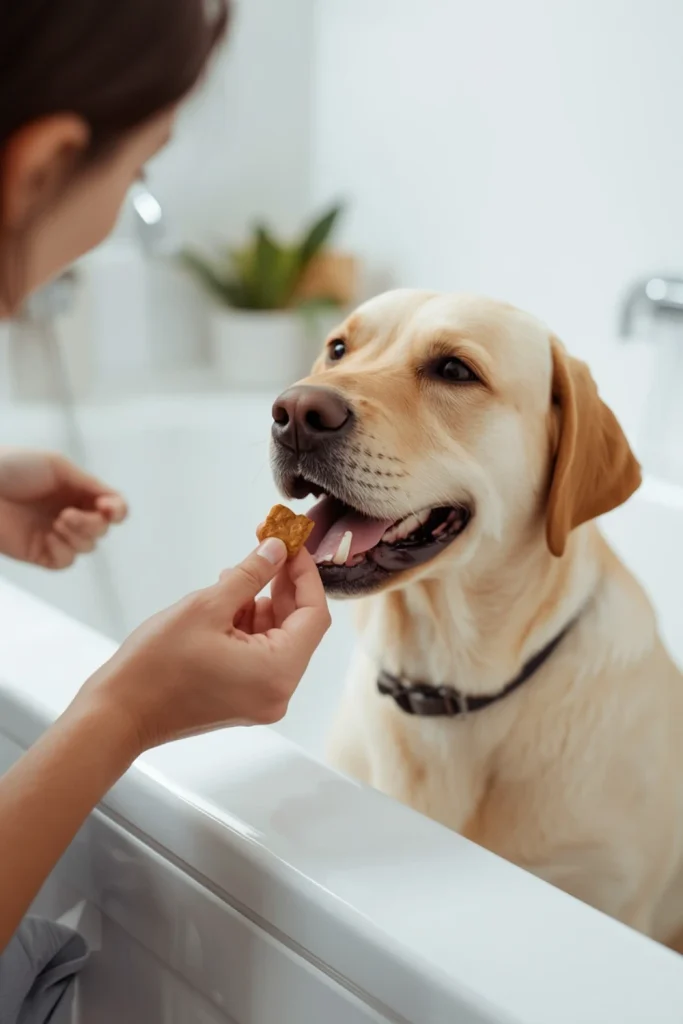
Treats are a simple and effective way to make bathing more enjoyable for many dogs. Instead of allowing your dog to associate the bathtub with fear, create positive experiences by rewarding calm behavior. Start by giving a small treat when your dog approaches the bathroom. You can also reward them for standing near the bathtub or stepping onto the non-slip mat.
Continue offering occasional rewards during the bathing process when it is safe and practical. Choose small, dog-friendly treats that your pet enjoys. Praise and gentle affection can also encourage cooperation. Do not wait until the bath is finished to reward your dog. Consistent positive reinforcement helps build confidence and teaches your dog that calm behavior leads to pleasant experiences.
9. Protect Your Dog’s Eyes and Ears
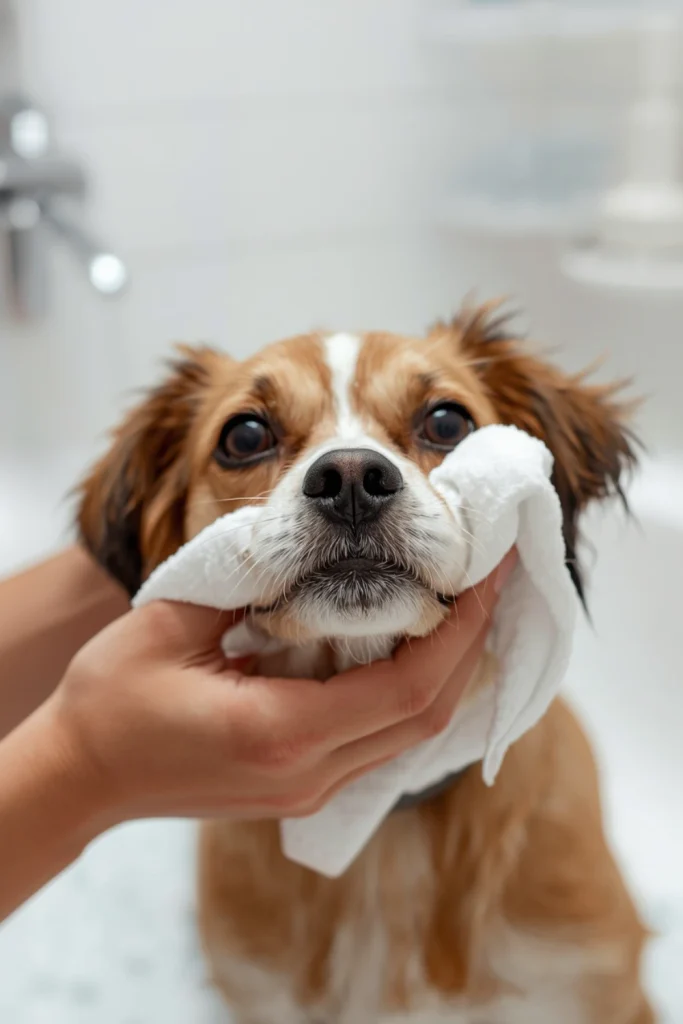
Water and shampoo entering your dog’s eyes or ears can make bathing uncomfortable. Some dogs become particularly nervous when water is poured over their heads. To prevent this problem, clean the face separately using a soft, damp washcloth instead of spraying it directly with a shower attachment. Use gentle movements and avoid rubbing sensitive areas.
Be especially careful around the ears. Never pour water into the ear canals or insert cotton swabs inside them. Gently clean the outer ear only when necessary. Use a clean part of the washcloth for the face and avoid getting shampoo near the eyes. If your dog has an existing ear infection, eye irritation, or other health concern, ask your veterinarian about safe bathing practices.
10. Use a Gentle Shower Attachment or Water Cup

The sound and pressure of running water can frighten dogs that are sensitive to unfamiliar noises. A handheld shower attachment with adjustable pressure can make rinsing easier because you can control the direction and amount of water. Start with a gentle setting and allow your dog to become comfortable with the sound before using it directly on the coat.
If your dog dislikes shower attachments, a small plastic cup or jug can be a better alternative. Pour lukewarm water slowly over the body while avoiding the face and ears. Keep the water stream gentle and predictable. Do not splash water suddenly or use high pressure. Choosing a method your dog tolerates can make washing and rinsing much less stressful.
11. Keep Bath Time Short and Organized
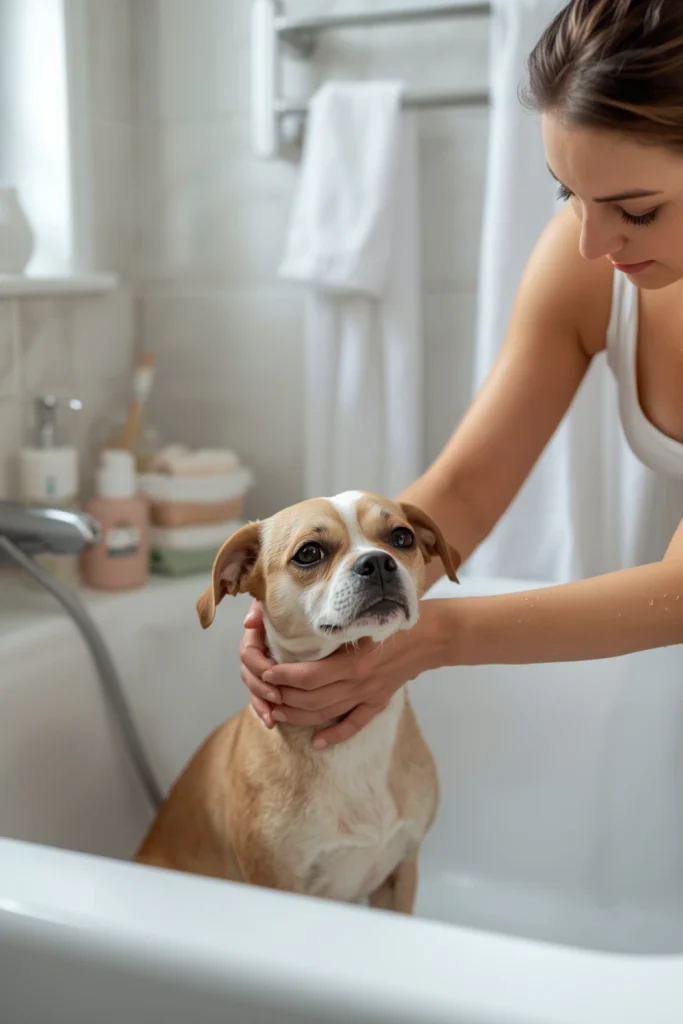
Long bathing sessions can become tiring and stressful, especially for puppies, senior dogs, and pets that dislike water. One useful trick is to organize the process so you can complete each step without unnecessary delays. Prepare your supplies, brush the coat, wet your dog gently, apply shampoo, rinse thoroughly, and move on to drying.
Avoid repeatedly washing the same areas or introducing unnecessary grooming activities during the bath. However, do not rush important steps such as rinsing because leftover shampoo can irritate the skin. If your dog becomes overwhelmed, pause when it is safe and give them a moment to relax. A short, organized bathing routine can help your dog remain more comfortable.
12. Speak to Your Dog in a Calm Voice

Your attitude can influence how your dog responds to bathing. If you become frustrated, shout, or make sudden movements, your dog may become more frightened. Instead, speak in a gentle and friendly voice throughout the process. Calm communication can help your dog feel more secure and understand that there is no immediate reason to panic.
Offer praise when your dog stands calmly, allows you to wash their coat, or cooperates during rinsing. Avoid punishing your dog for moving away or showing signs of fear. Remember that nervous behavior is not necessarily disobedience. Your goal is to build trust through patience and positive interactions. Over time, a calm approach can help make bathing a more familiar and predictable activity.
13. Choose a Comfortable Bathing Location
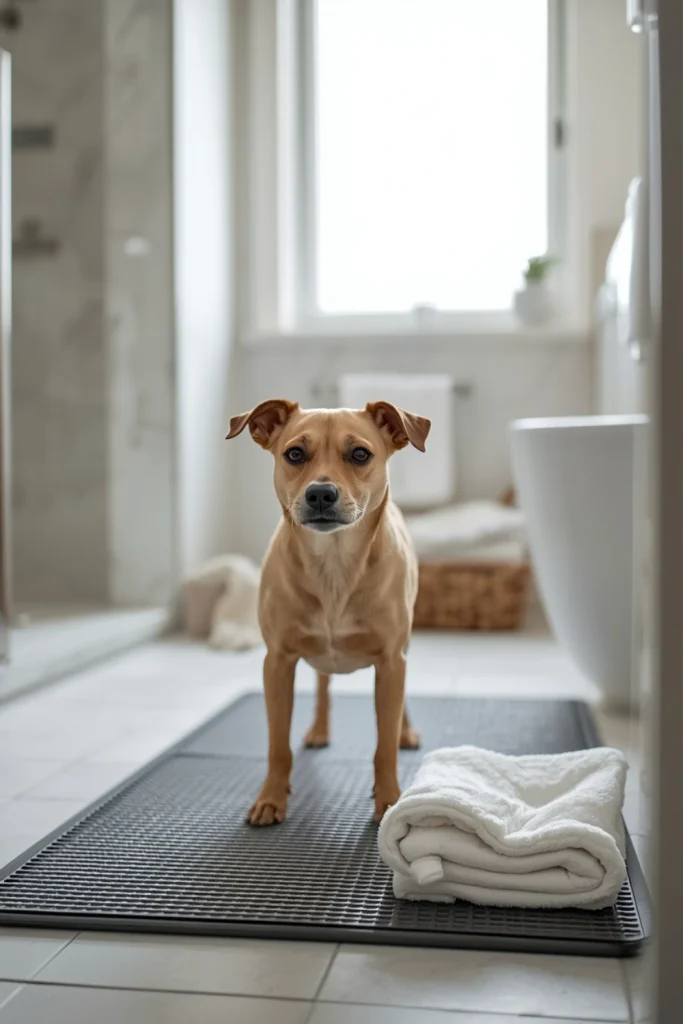
The location you choose can make a significant difference in your dog’s bathing experience. Some dogs feel comfortable in a regular bathtub, while smaller breeds may prefer a suitable washing basin or pet bathing station. Choose a location where your dog has enough room to stand naturally without feeling trapped or crowded.
Make sure the bathing area is warm, well-lit, and free from unnecessary distractions. Remove objects that could fall and create sudden noises. If you prefer bathing your dog outdoors during warm weather, select a shaded, secure location with comfortable water. Avoid cold conditions and unstable surfaces. A familiar and comfortable environment can reduce anxiety and help your dog cooperate more easily.
14. Rinse Your Dog’s Coat Thoroughly
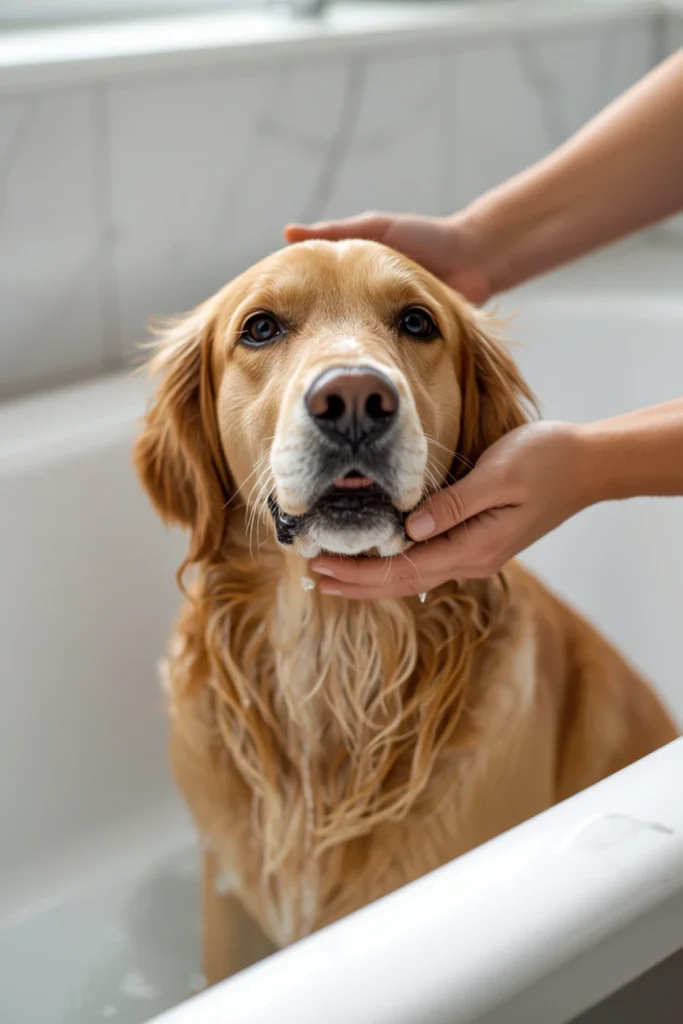
Rinsing is one of the most important parts of a successful dog bath. Shampoo residue left in the coat can cause itching, dryness, and skin irritation. Even when your dog looks clean, small amounts of shampoo may remain close to the skin, particularly in thick or long-haired coats. Taking enough time to rinse properly helps prevent unnecessary discomfort.
Use clean lukewarm water and work carefully from the neck toward the body and legs. Gently separate thick fur with your fingers so water can reach the underlying coat. Pay special attention to the belly, armpits, chest, and areas between the legs where shampoo can collect. Continue rinsing until the water runs clear and the coat no longer feels soapy.
15. Dry Your Dog Gently After Bathing

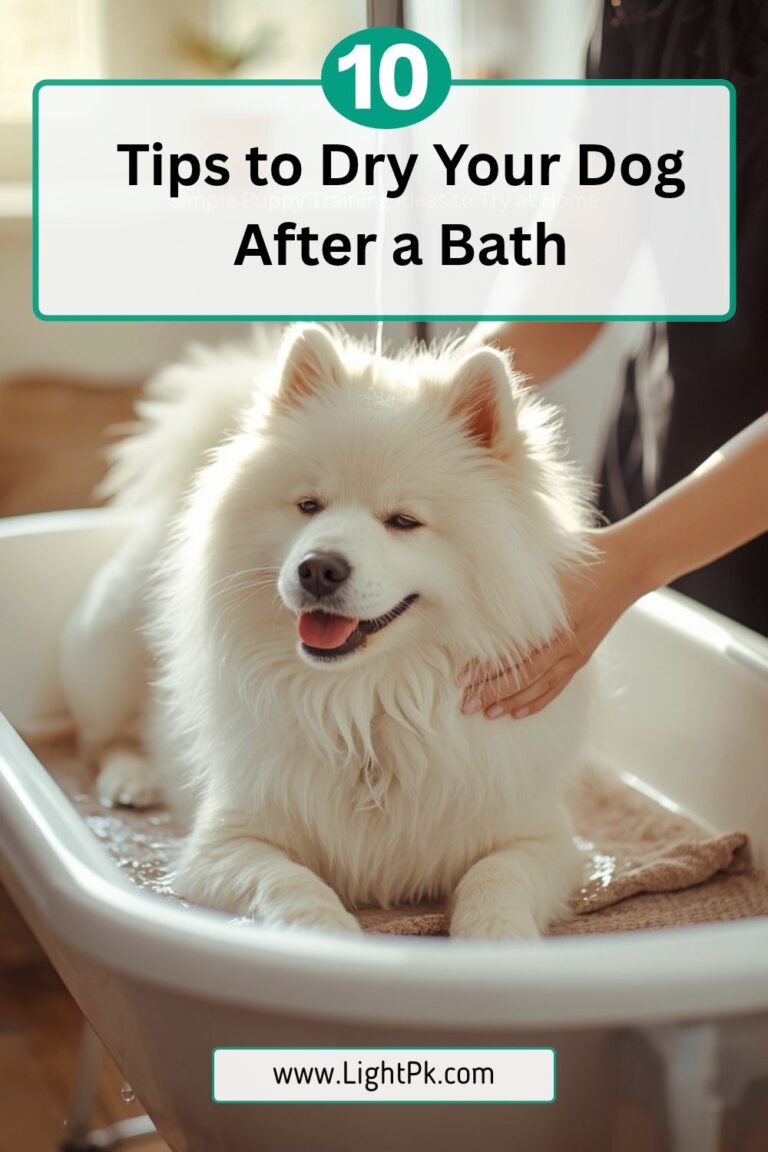
Drying your dog properly is just as important as washing. After the bath, gently remove excess water from the coat using your hands and wrap your dog in a soft, absorbent towel. Pat and press the fur instead of rubbing aggressively, as rough movements can create tangles and make your dog uncomfortable. Give special attention to areas where water collects.
If you use a pet dryer, select a low, comfortable setting and keep it at a safe distance. Never use excessive heat or direct hot air toward your dog’s face. Make sure thick coats are adequately dried, particularly near the skin. Once your dog is comfortable and dry, offer praise or a favorite treat. A pleasant ending can help your pet develop a more positive attitude toward future baths.
Final Thoughts
Making bath time easier does not require expensive grooming equipment or complicated techniques. Small changes, such as preparing supplies, using lukewarm water, choosing suitable shampoo, and rewarding calm behavior, can make a significant difference.
The most important thing is to understand your dog’s needs and respect their comfort level. Every dog learns at a different pace, so be patient and consistent. With these 15 tricks to make dog bath time easier, you can build a better bathing routine, reduce unnecessary stress, and help your furry friend feel more confident during grooming.
Remember that a successful bath is not simply about getting your dog clean. It is about creating a safe, gentle, and positive experience that strengthens the bond between you and your pet.