The Busy Dog Owner’s Daily and Weekly Care Checklist
Life can get busy with work, family responsibilities, household chores, and everyday commitments. But when you have a dog, your furry companion still needs regular attention, exercise, grooming, healthy meals, and affection. Finding enough time for everything can sometimes feel challenging, especially when you want to give your dog the best possible care.
The good news is that responsible dog ownership does not require spending every minute of your day on complicated routines. With a practical schedule and a few consistent habits, you can keep your dog healthy, happy, and comfortable even with a busy lifestyle. This Busy Dog Owner’s Daily Care guide provides a simple daily and weekly checklist to help you organize your responsibilities and make more quality time for your furry friend.
1. Start Every Morning With a Quick Health Check
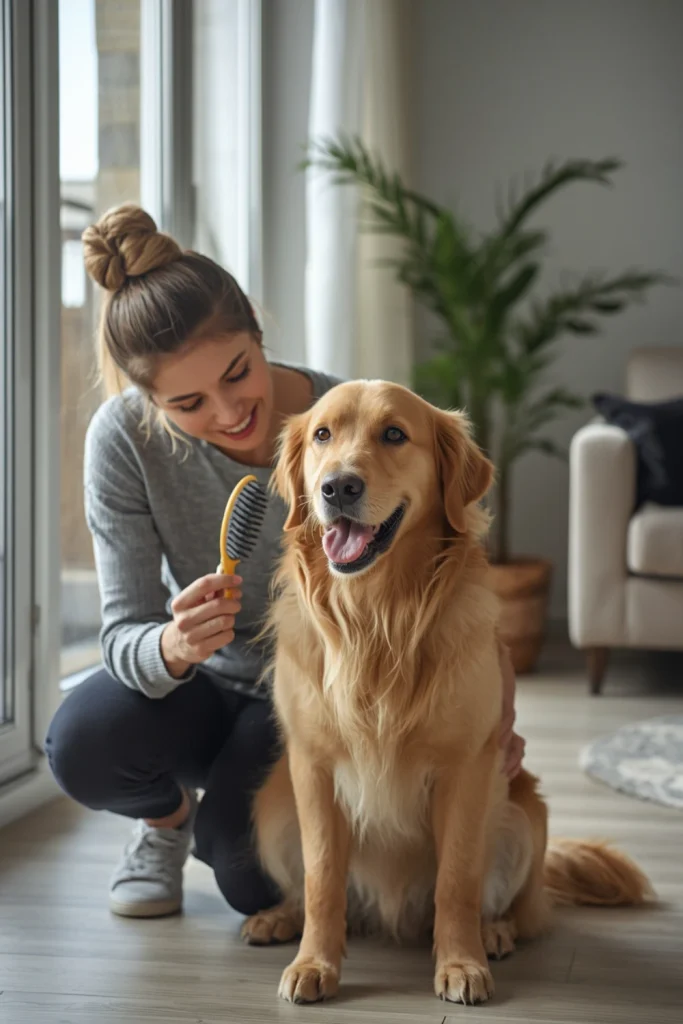
Starting your morning with a quick health check is one of the easiest ways to care for your dog when you have limited time. Spend a few minutes observing your pet’s behavior and appearance. Check whether your dog is moving normally, eating comfortably, and showing its usual level of energy. Look for visible dirt, unusual odors, redness, swelling, or signs of discomfort.
Pay attention to your dog’s eyes, ears, nose, coat, paws, and general behavior. You do not need to perform a complete grooming session every morning. A brief inspection helps you notice changes early and decide whether your dog needs additional attention. Making this a regular morning habit can prevent small hygiene concerns from being overlooked during a busy day.
2. Follow a Consistent Feeding Schedule
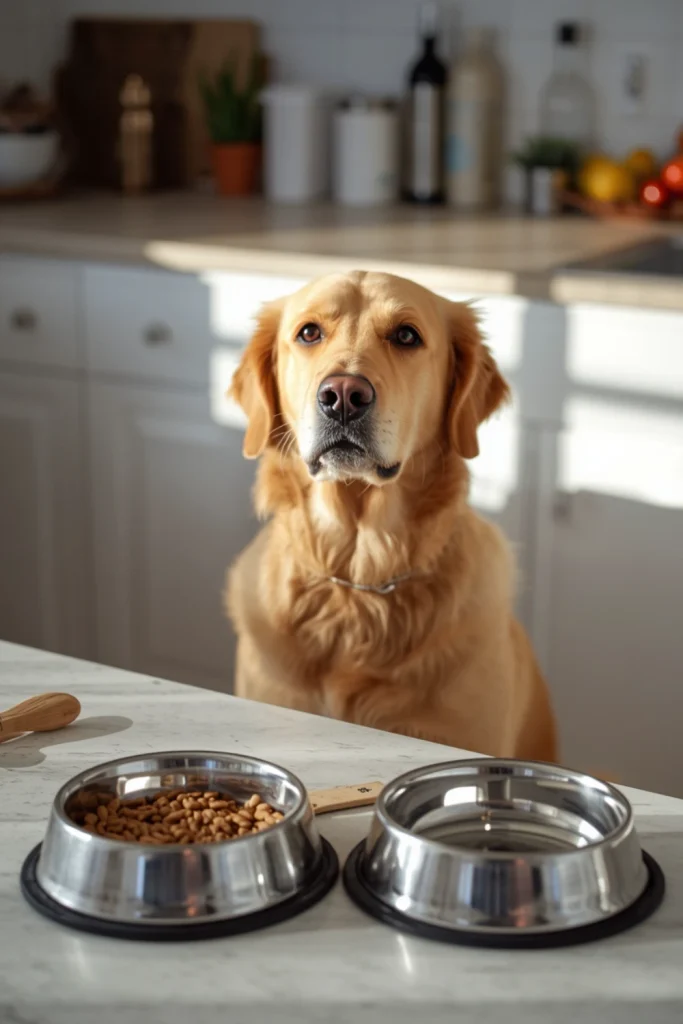
A consistent feeding schedule makes daily dog care easier to organize. Instead of feeding your pet at random times, establish a routine that fits your work and family commitments. Most adult dogs do well with one or two meals daily, depending on their individual needs and feeding recommendations. Puppies generally require more frequent meals because of their age and development.
Measure your dog’s food according to its nutritional requirements, age, weight, and activity level. Use appropriate dog food and avoid giving excessive treats throughout the day. Keep fresh drinking water available at all times. If your schedule is unpredictable, prepare measured meals in advance and use a reliable feeding arrangement without leaving perishable food sitting out for extended periods.
3. Give Your Dog Daily Exercise Before Work
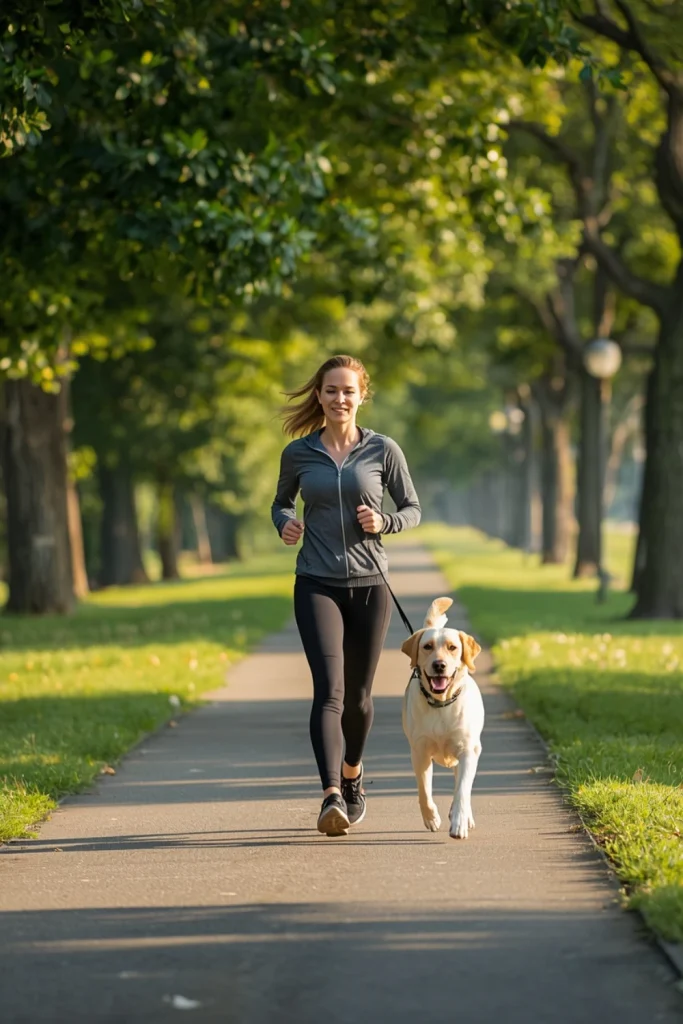
Exercise is essential for your dog’s physical health, mental stimulation, and overall happiness. A morning walk can help your dog release energy before you begin your workday. It also provides opportunities to explore new smells, experience different surroundings, and practice basic leash manners. Even a relatively short walk can become a valuable part of your dog’s daily routine.
The amount of exercise depends on your dog’s age, breed, health, and energy level. Some dogs need longer walks and additional activities, while others prefer gentle movement. Plan exercise according to your pet’s abilities rather than following a fixed duration for every breed. During hot weather, choose cooler morning hours and carry drinking water when necessary.
4. Provide Fresh Water Throughout the Day
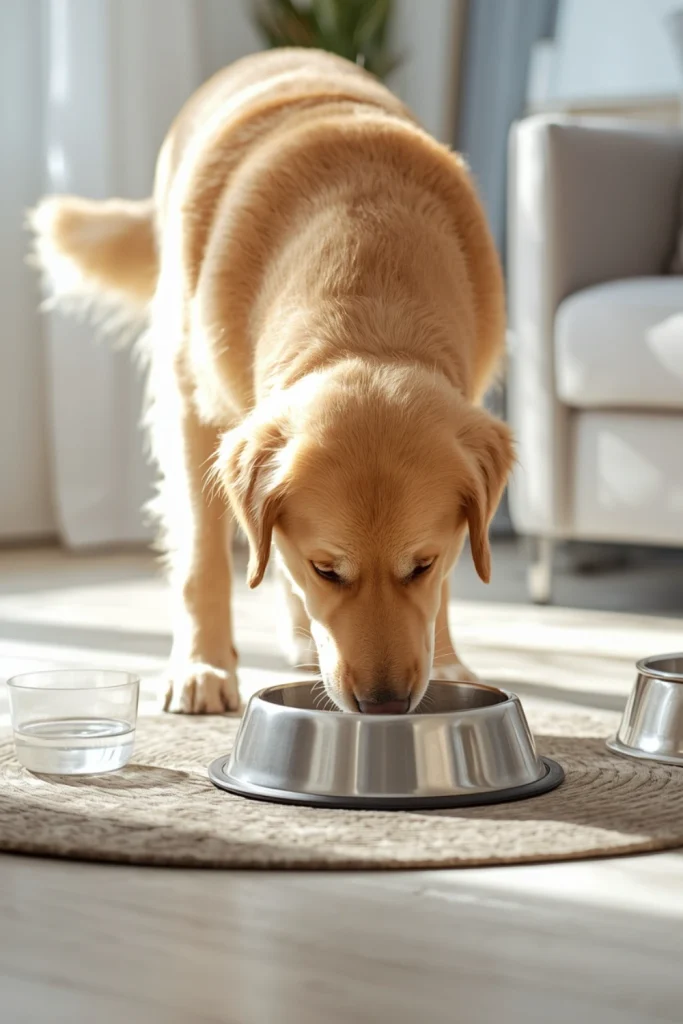
Fresh drinking water is one of the most important parts of your dog’s daily care. Dogs need regular access to clean water to support normal body functions, digestion, temperature regulation, and general health. Busy owners should make sure water bowls are filled before leaving home and that their pets can reach them easily throughout the day.
Place water bowls in convenient locations where your dog spends time. Wash the bowls regularly to remove saliva, dust, and food particles. If you have multiple floors or a large home, consider providing more than one water station. Never restrict your dog’s water simply because you will be away for several hours. Always make suitable arrangements for your pet’s hydration and comfort.
5. Create a Comfortable Environment Before Leaving Home
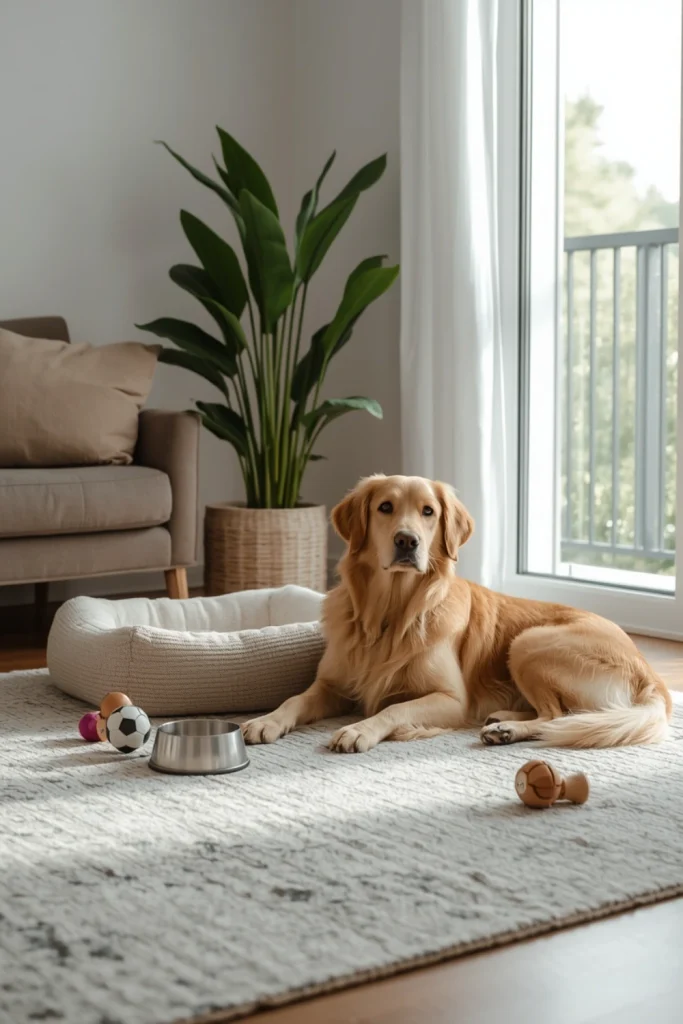
Before leaving home, make sure your dog has access to a safe and comfortable environment. Provide a clean resting area, fresh water, appropriate toys, and enough space to move around. Remove dangerous objects such as electrical cords, small household items, medications, and cleaning products that your dog could chew or swallow. A little preparation can prevent accidents and reduce unnecessary stress.
Think about your dog’s individual needs when arranging the space. Puppies may require additional supervision and a safe puppy-proofed area, while older dogs may need comfortable bedding and easy access to water. Avoid leaving dogs alone for longer than they can comfortably manage. Arrange a trusted pet sitter, family member, or dog walker when your schedule requires an extended absence.
6. Spend a Few Minutes on Daily Training
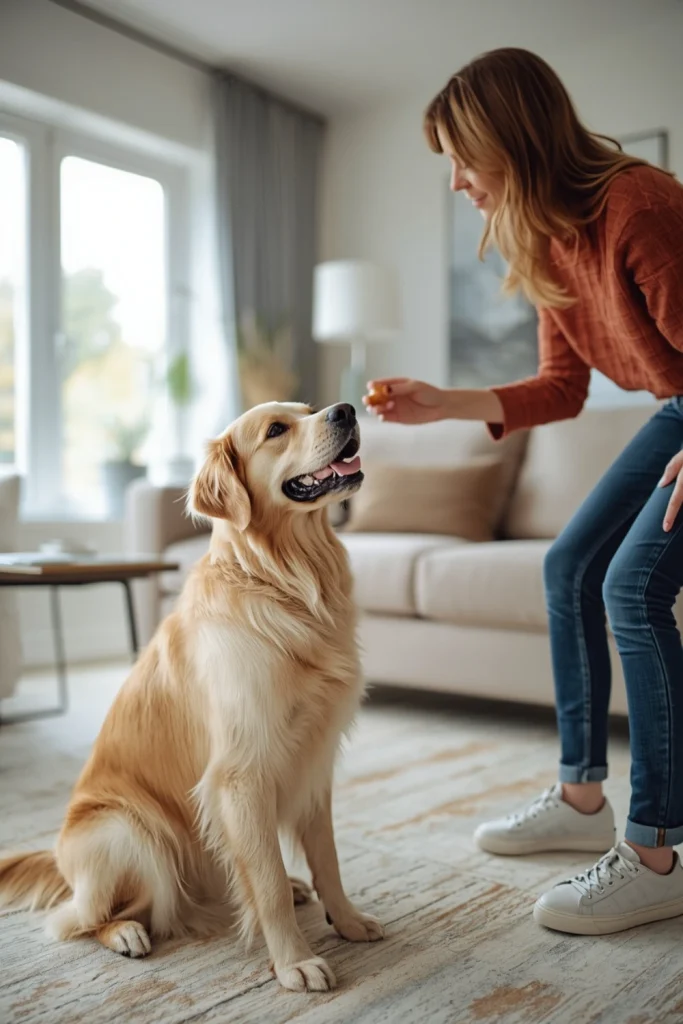
Training does not always require long sessions or complicated exercises. Even five to ten minutes of focused practice can help reinforce useful behaviors and improve communication between you and your dog. Basic commands such as sit, stay, come, leave it, and walking calmly on a leash are especially valuable for everyday situations.
Choose one or two skills to practice each day and reward your dog for appropriate behavior. Keep sessions positive, short, and suitable for your pet’s attention span. You can also include training in everyday activities, such as asking your dog to sit before meals or wait before going outside. Consistent practice helps busy owners maintain progress without needing to dedicate an entire hour to training.
7. Give Your Dog Mental Stimulation With Interactive Toys
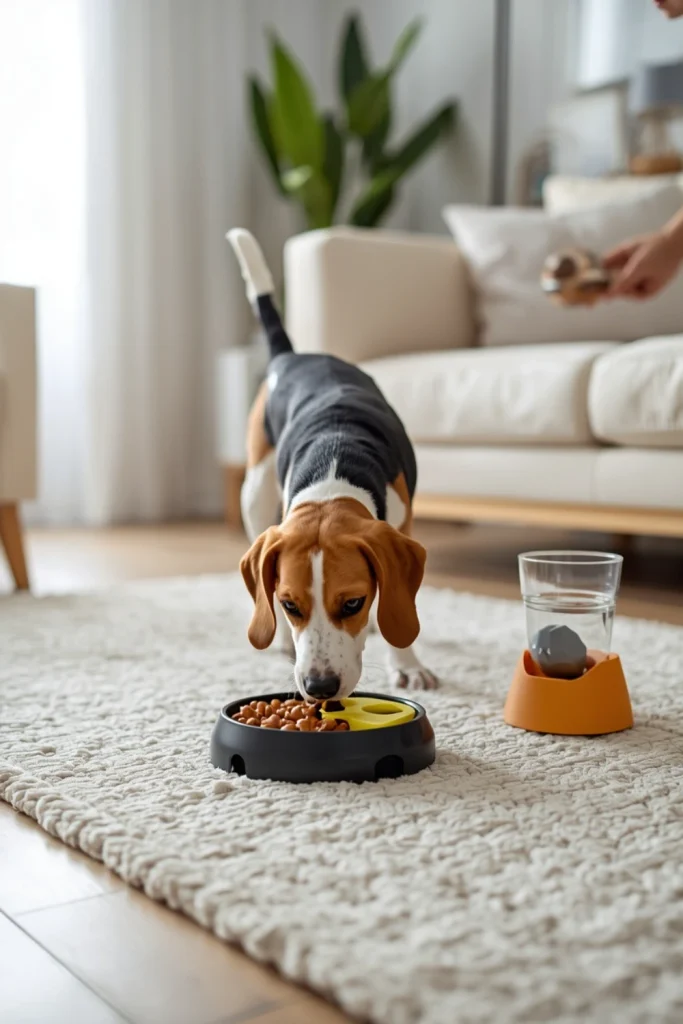
Physical exercise is important, but dogs also need mental activities to remain engaged and satisfied. Puzzle feeders, treat-dispensing toys, sniffing games, and simple problem-solving activities can provide useful stimulation when you are occupied with work or household responsibilities. These activities encourage dogs to explore, think, and use their natural abilities.
Choose toys appropriate for your dog’s size, chewing habits, and experience level. Introduce new puzzle toys while supervising your pet to ensure they are safe and used correctly. Rotate toys regularly to maintain interest instead of leaving every toy available all the time. Remember that enrichment toys are not a replacement for walks, social interaction, or necessary supervision.
8. Brush Your Dog’s Coat Regularly

Regular brushing is an important grooming habit that busy dog owners should include in their routine. It helps remove loose hair, dust, dirt, and small debris before they spread throughout your home. Brushing also distributes natural oils across the coat, helping maintain healthy-looking fur. Dogs with long or thick coats may need more frequent brushing than short-haired breeds.
You do not always need a long grooming session. Spend a few minutes brushing your dog’s coat when you have free time, such as after an evening walk or before bedtime. Keep a suitable brush somewhere convenient so you can use it easily. If your dog has a coat that tangles quickly, divide grooming into smaller sessions rather than waiting until severe mats develop.
9. Clean Your Dog’s Paws After Outdoor Walks
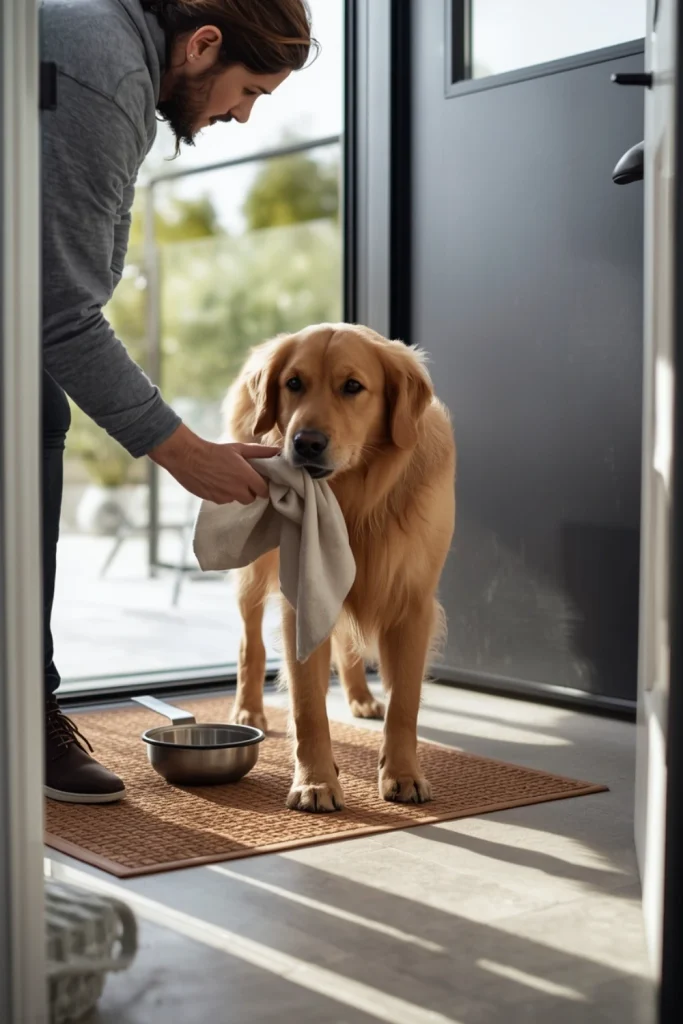
Dogs collect mud, dust, grass, sand, and outdoor debris on their paws during walks. Allowing your pet to walk directly onto carpets and furniture can make household cleaning more difficult. Cleaning the paws immediately after returning home is a simple habit that helps maintain a fresh and hygienic living environment without requiring a full bath.
Keep a towel or pet-safe paw wipes near your entrance. Gently clean each paw, including the spaces between the toes, and check for small stones, cuts, or irritation. Use clean water when paws are heavily soiled and dry them properly afterward. This routine is particularly helpful during rainy weather, muddy seasons, and after visiting parks or hiking trails.
10. Maintain Your Dog’s Dental Hygiene
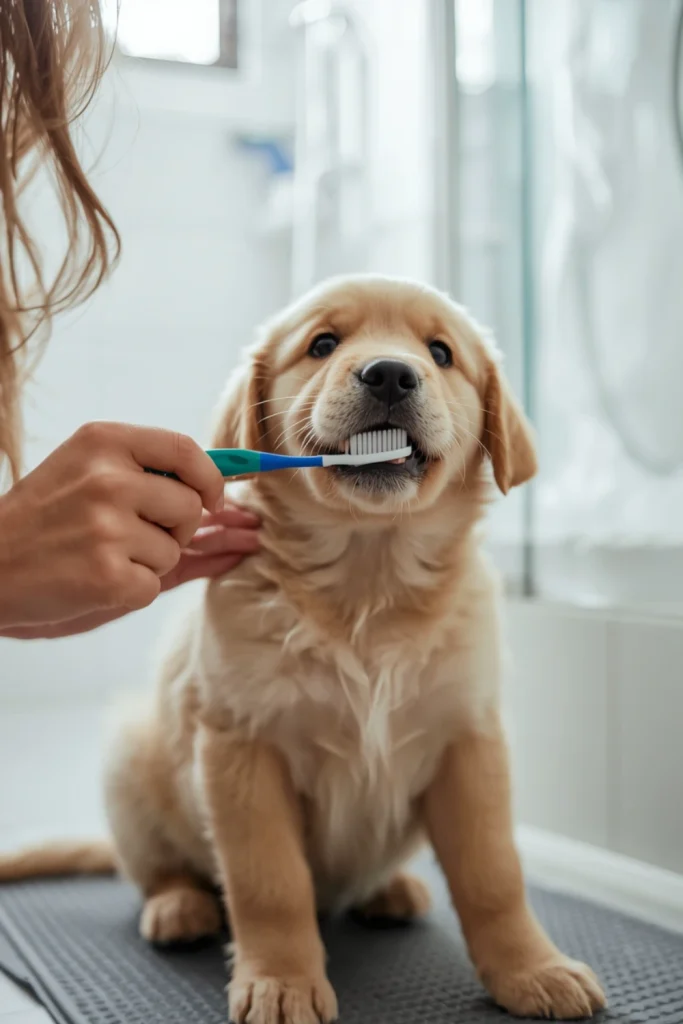
Dental care is an important responsibility that should not be ignored when your schedule becomes busy. Food particles and bacteria can accumulate on your dog’s teeth, leading to plaque, tartar, bad breath, and gum problems. Regular brushing helps maintain oral hygiene and supports your dog’s overall comfort. Establishing this habit early can also make dental care easier as your puppy grows.
Ideally, brush your dog’s teeth daily using a toothbrush and toothpaste specifically designed for dogs. Start slowly if your pet is unfamiliar with brushing and reward calm behavior. Never use ordinary human toothpaste because some ingredients, including xylitol in certain products, can be dangerous to dogs. Arrange regular veterinary dental examinations to identify problems that home brushing cannot address.
11. Check Your Dog’s Ears and Eyes
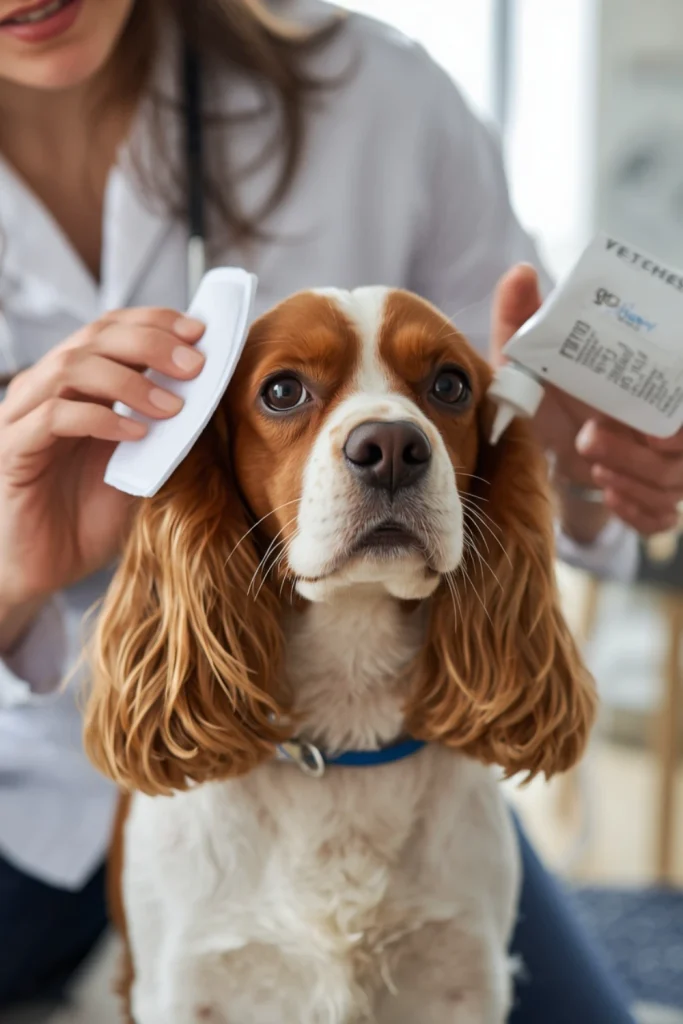
Busy owners sometimes forget to inspect their dog’s ears and eyes because these areas do not always show obvious signs of dirt. However, regular checks can help identify redness, excessive tearing, unusual discharge, unpleasant smells, and irritation. Dogs with floppy ears or facial folds may need more frequent inspections depending on their individual needs.
Include a quick ear and eye check in your evening or morning routine. Wipe visible dirt around the eyes with a clean damp cloth, using a separate clean section for each eye. Clean the outer ears only when necessary with a veterinarian-approved product. Never insert cotton swabs into the ear canal. If you notice swelling, pain, persistent discharge, or unusual odors, contact your veterinarian.
12. Keep Your Dog’s Bedding and Sleeping Area Clean
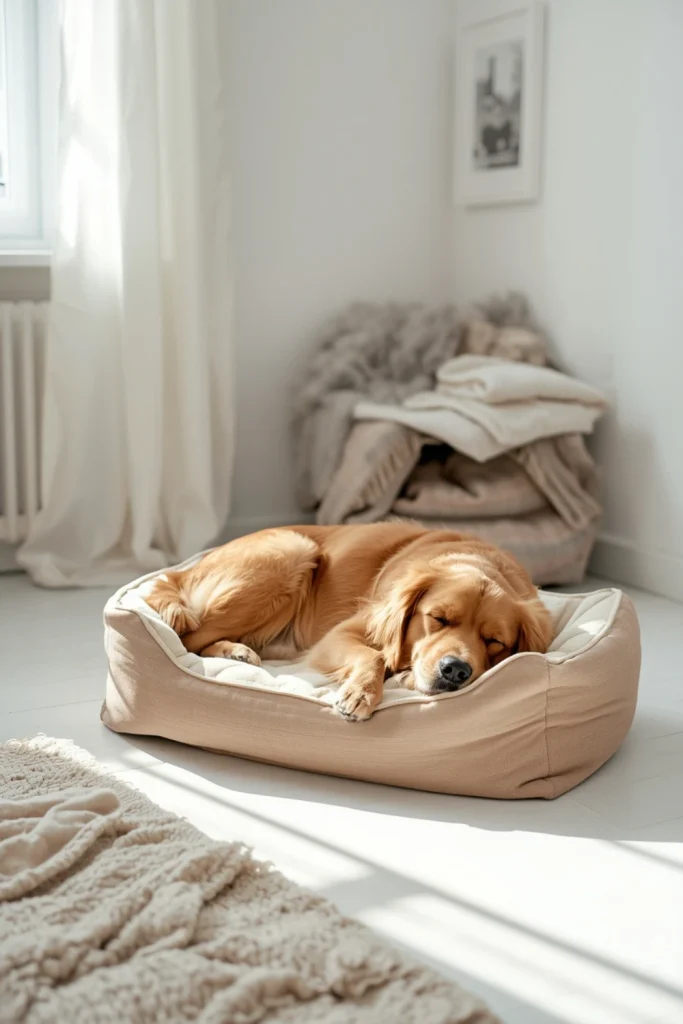
Your dog’s sleeping area should remain clean and comfortable even when you have a demanding schedule. Dog beds and blankets collect loose fur, dust, saliva, and outdoor dirt over time. If they are neglected, they may develop unpleasant odors and make your home feel untidy. A clean resting space also gives your dog a comfortable place to relax after exercise and play.
Wash removable bedding covers and blankets regularly according to their care instructions. Weekly washing is a useful starting point for many households, although heavily soiled items should be cleaned sooner. Vacuum around the bed to remove loose hair and dust. Choose a comfortable sleeping area away from household hazards and make sure your dog can access it whenever needed.
13. Make Time for Evening Walks and Bathroom Breaks
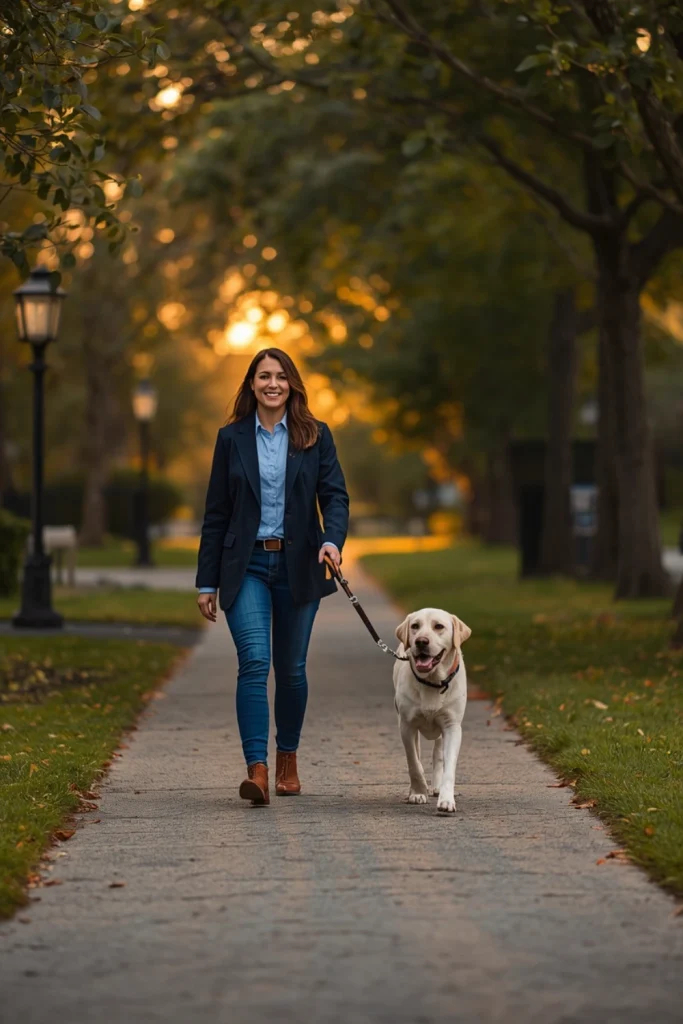
Evening walks provide another opportunity for exercise, exploration, and bonding after a busy workday. They also allow your dog to take bathroom breaks and release some remaining energy. A consistent evening routine can help your pet understand when it is time to go outside, making everyday care more predictable and manageable.
Choose a walking route that is safe and comfortable for your dog. Allow time for sniffing and exploration rather than treating every walk as a race. Adjust the distance and intensity according to your dog’s age, breed, and physical condition. Puppies, senior dogs, and pets with medical conditions may need more frequent or shorter bathroom breaks throughout the day.
14. Spend Quality Time With Your Dog Every Day
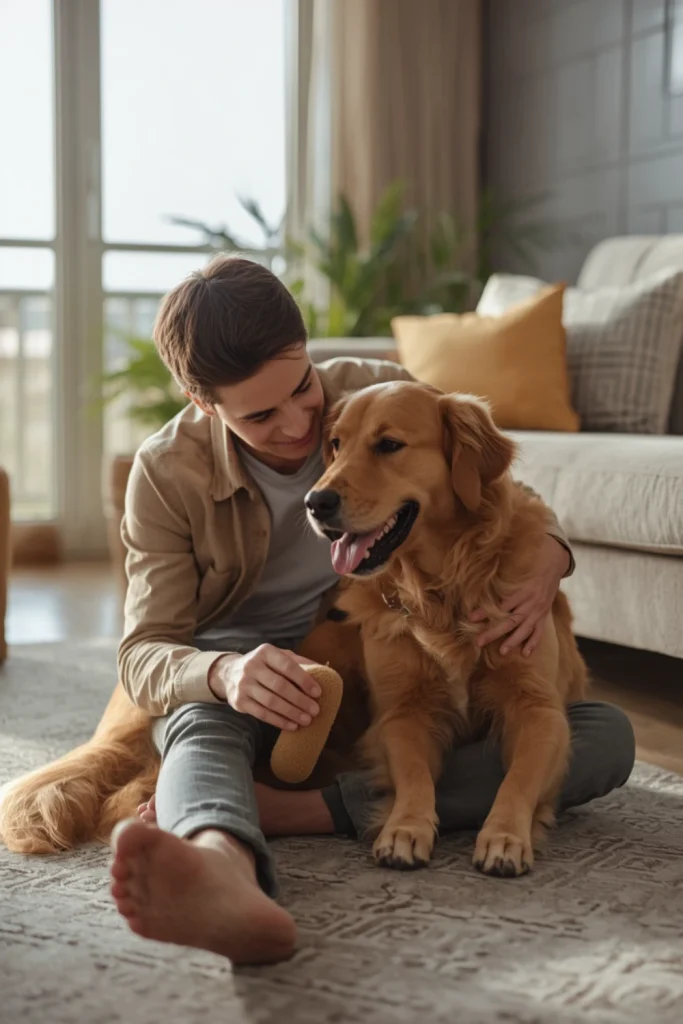
Dogs need more than food, water, and exercise. They also need companionship, attention, and positive interaction with their owners. When you are busy with work or household responsibilities, it can be tempting to spend most of your free time completing chores. However, even a few minutes of meaningful interaction can strengthen your relationship and help your dog feel included.
Set aside a little time each day for activities your dog enjoys. You can play fetch, practice simple commands, offer gentle brushing, or simply sit together and relax. Keep your phone away during these moments when possible so you can focus on your pet. Consistent attention helps build trust and makes your dog feel secure even when your daily schedule is demanding.
Final Thoughts
Being a busy dog owner does not mean you have to compromise your furry companion’s health, happiness, or comfort. The secret is creating a realistic daily and weekly routine that fits your lifestyle while meeting your dog’s individual needs.
This Busy Dog Owner’s Daily Care checklist gives you a practical way to organize feeding, exercise, grooming, training, dental hygiene, and quality time. Small daily activities, combined with regular weekly maintenance, can make responsible dog ownership much easier.
Remember that dogs need more than food and a comfortable place to sleep. They also need exercise, mental stimulation, companionship, proper grooming, and regular health care. If your work schedule keeps you away from home for long periods, consider arranging help from a trusted dog walker or pet sitter.
Start with a few manageable habits, use a weekly checklist, and adjust your schedule as your dog grows and its needs change. With consistency, preparation, and plenty of affection, you can provide excellent care even when life gets busy.