
15 Easy Habits for a Healthy-Looking Dog Coat
A shiny, soft, and healthy-looking dog coat is more than just a sign of beauty. It can also reflect your dog’s everyday care, grooming routine, diet, and overall well-being. Whether your dog has short, long, curly, or double-layered fur, a few simple habits can help keep the coat looking clean, smooth, and well-maintained.
The good news is that you do not need expensive grooming treatments to care for your dog’s coat. Small daily and weekly habits can make a noticeable difference over time. From regular brushing and proper bathing to balanced nutrition and seasonal care, these 15 easy habits for a healthy-looking dog coat can help you build a simple routine your dog enjoys.
1. Brush Your Dog’s Coat Regularly
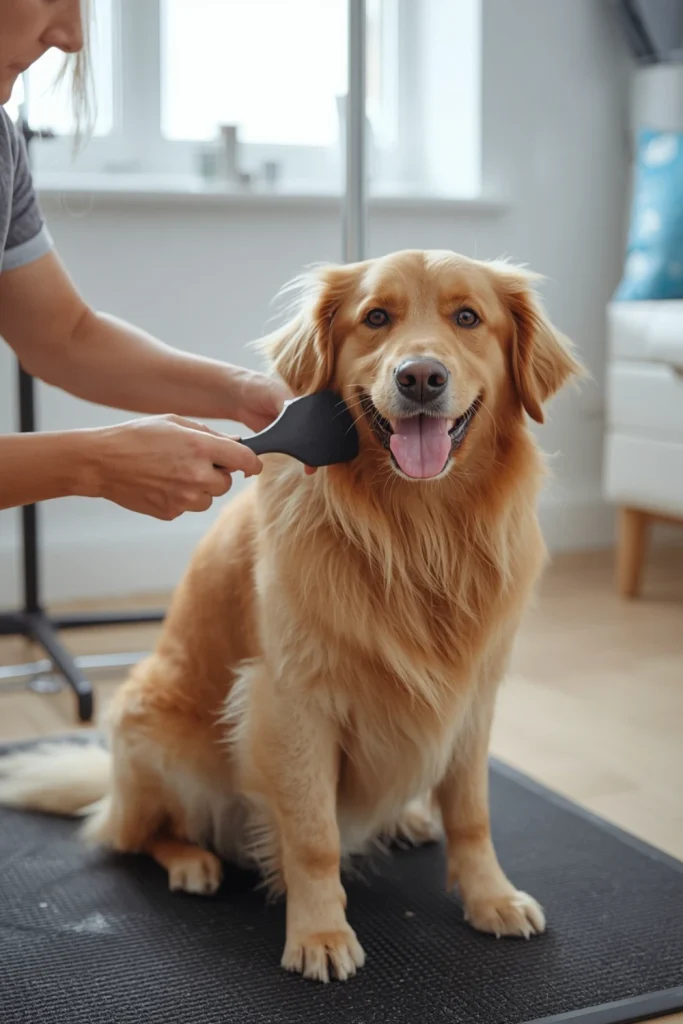
Regular brushing is one of the easiest ways to maintain a healthy-looking dog coat. It helps remove loose fur, dust, dirt, and small debris before they become trapped in the coat. Brushing also helps prevent tangles and mats, especially in dogs with long, curly, or thick fur. Even short-haired dogs can benefit from brushing because it removes loose hair and helps keep their coat looking neat. Choose a brush that suits your dog’s coat type, and begin with gentle strokes so grooming feels comfortable.
Make brushing a positive part of your dog’s routine rather than something you do only when the fur looks messy. Some dogs need daily brushing, while others may only need it a few times each week. Pay attention to areas where knots often develop, such as behind the ears, under the legs, around the neck, and near the tail. If you find a tight mat, do not pull it forcefully. Work gently with an appropriate detangling tool or ask a professional groomer for help.
2. Feed a Balanced and Nutritious Diet

A balanced diet is an important part of maintaining your dog’s overall health and coat condition. Your dog’s food should provide appropriate amounts of protein, fats, vitamins, minerals, and other essential nutrients. Protein supports normal hair growth because hair is primarily made of protein. Healthy fats, including omega-3 and omega-6 fatty acids, help support normal skin function and can contribute to a soft, well-maintained coat. Choose a complete and balanced dog food that is suitable for your pet’s age, size, and activity level.
Avoid changing your dog’s diet frequently just because you want its coat to look shinier. Sudden food changes may upset digestion, and unnecessary supplements can create nutritional imbalances. If your dog has a dull coat, excessive shedding, or persistent skin irritation, discuss its diet with a veterinarian. A professional can help determine whether the food is suitable and whether any nutritional issue needs attention. Good nutrition supports coat care from the inside, but it should always be part of a complete health routine.
3. Keep Fresh Drinking Water Available
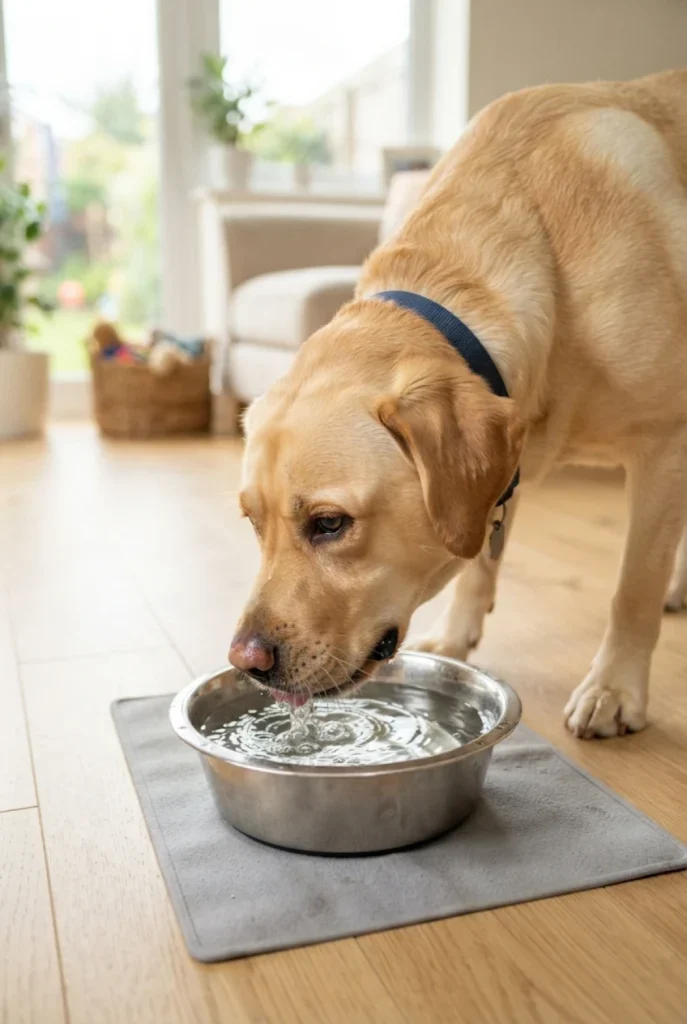
Water is essential for your dog’s normal body functions, including maintaining healthy skin. Proper hydration supports the body’s ability to regulate temperature, transport nutrients, and maintain normal tissue function. When your dog has regular access to clean drinking water, you are supporting its general health as well as its skin and coat. Although drinking more water will not instantly make fur shiny, good hydration is an important foundation for everyday care.
Place a clean water bowl somewhere your dog can easily reach throughout the day. Wash the bowl regularly and refill it with fresh water. Dogs may need more water during hot weather, after exercise, or when eating dry food, although individual needs vary. Keep an eye on changes in drinking habits. If your dog suddenly drinks much more or much less than usual, contact a veterinarian. A simple hydration habit can support your dog’s well-being throughout the year.
4. Bathe Your Dog at the Right Time

Bathing helps remove dirt, unpleasant odors, and buildup from your dog’s coat. However, bathing too frequently can strip away natural skin oils and may leave some dogs with dry or irritated skin. The ideal bathing schedule depends on your dog’s coat type, lifestyle, skin condition, and how dirty it becomes. Dogs that spend a lot of time outdoors may need baths more often than indoor pets, while some coat types require special bathing routines.
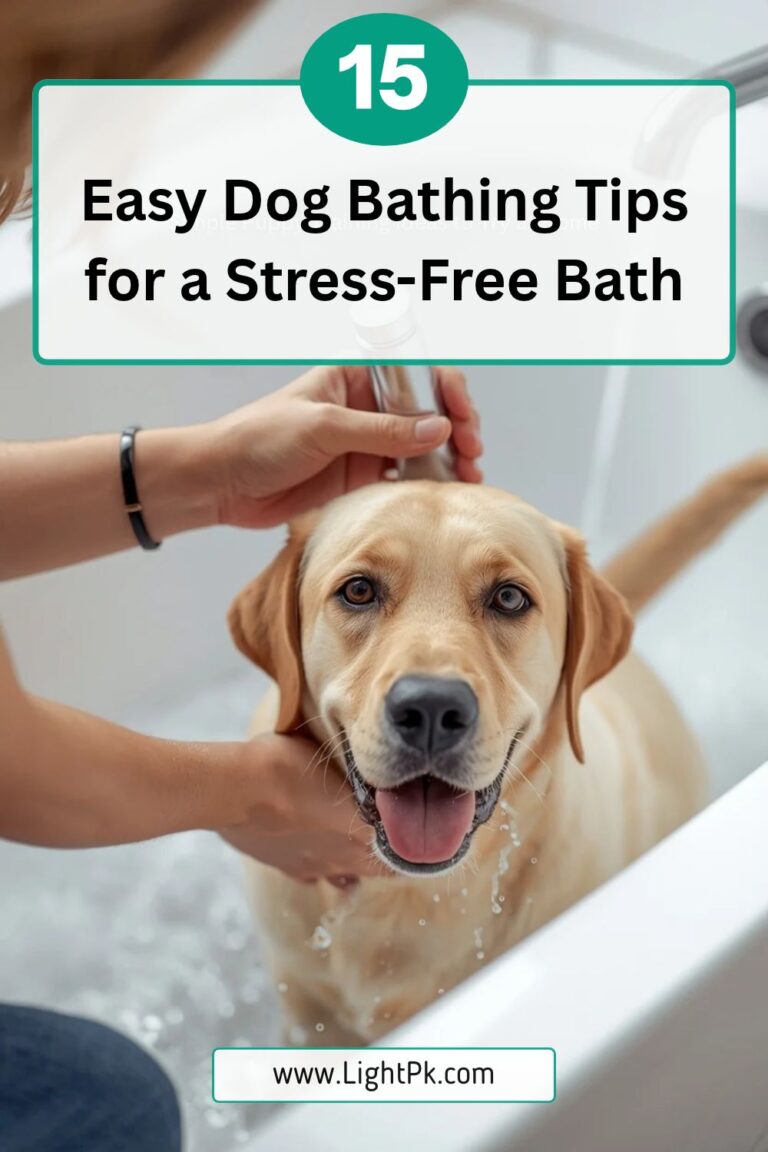
Use a gentle shampoo made specifically for dogs. Human shampoos and strongly scented household products may not be suitable for canine skin. Before bathing, brush your dog to remove loose fur and tangles. Use lukewarm water, rinse thoroughly, and make sure no shampoo remains in the coat. After the bath, dry your dog carefully, especially if it has a thick or double coat. If your pet has ongoing skin problems, ask your veterinarian how often it should be bathed and which products are appropriate.
5. Choose Grooming Tools for Your Dog’s Coat Type
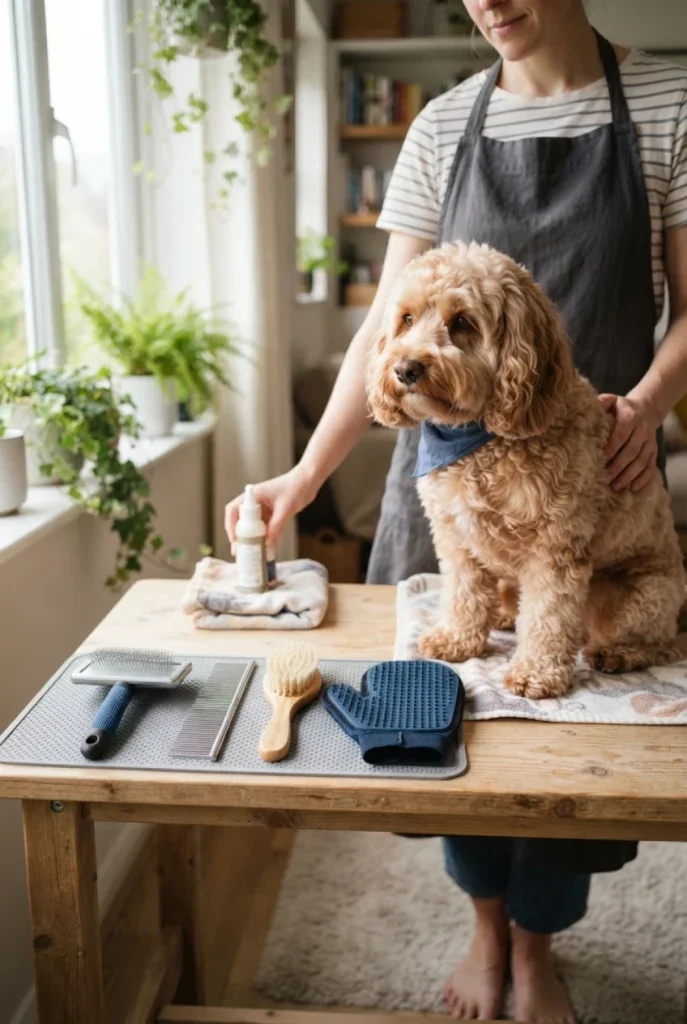
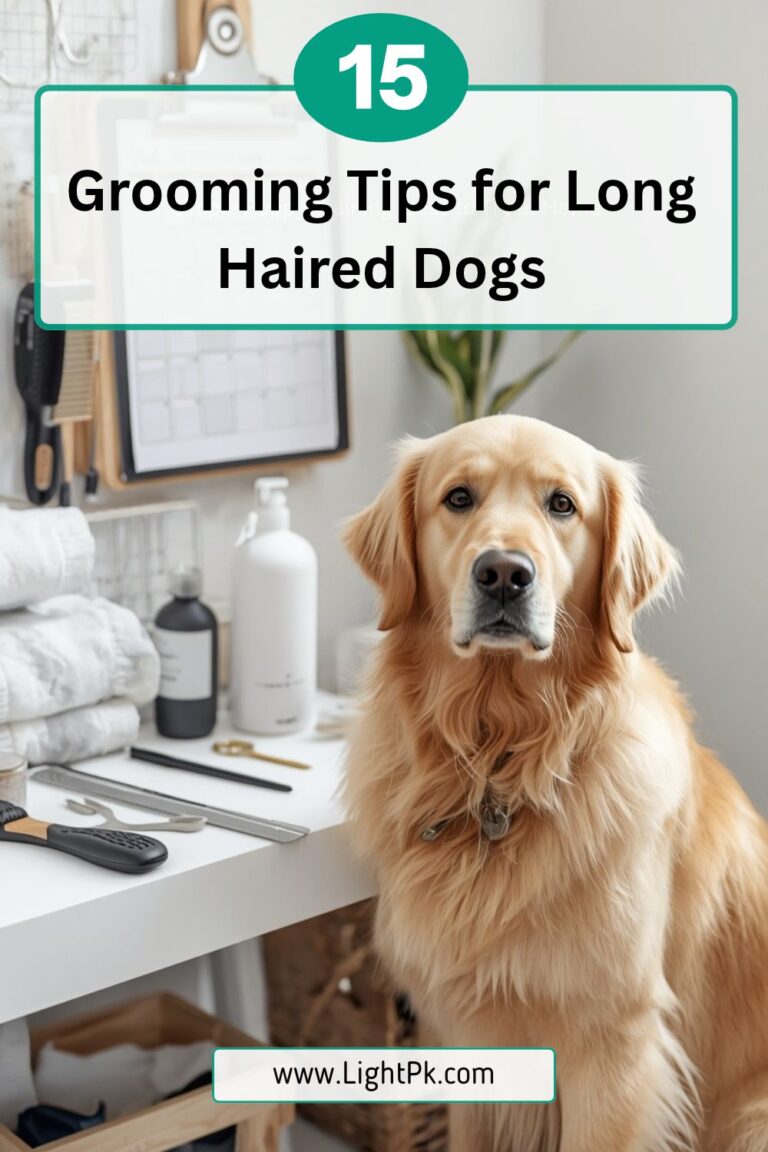
Using the right grooming tools makes coat care easier and more comfortable. A slicker brush may work well for many long-haired or curly-coated dogs, while a soft bristle brush can be useful for some short-haired breeds. A grooming comb helps check for tangles and reach areas that a larger brush may miss. Dogs with thick double coats may need tools designed to remove loose undercoat without damaging the outer coat.
Do not assume that one brush is suitable for every dog. A tool that works well for a long-haired breed may scratch or irritate another dog’s skin. Introduce new brushes slowly and watch your pet’s reaction. Use gentle pressure and avoid repeatedly brushing the same area. Replace damaged tools, clean brushes after use, and keep grooming equipment in a dry place. If you are unsure which tools your dog needs, ask a professional groomer to demonstrate a suitable brushing technique.
6. Make a Daily Coat-Checking Habit
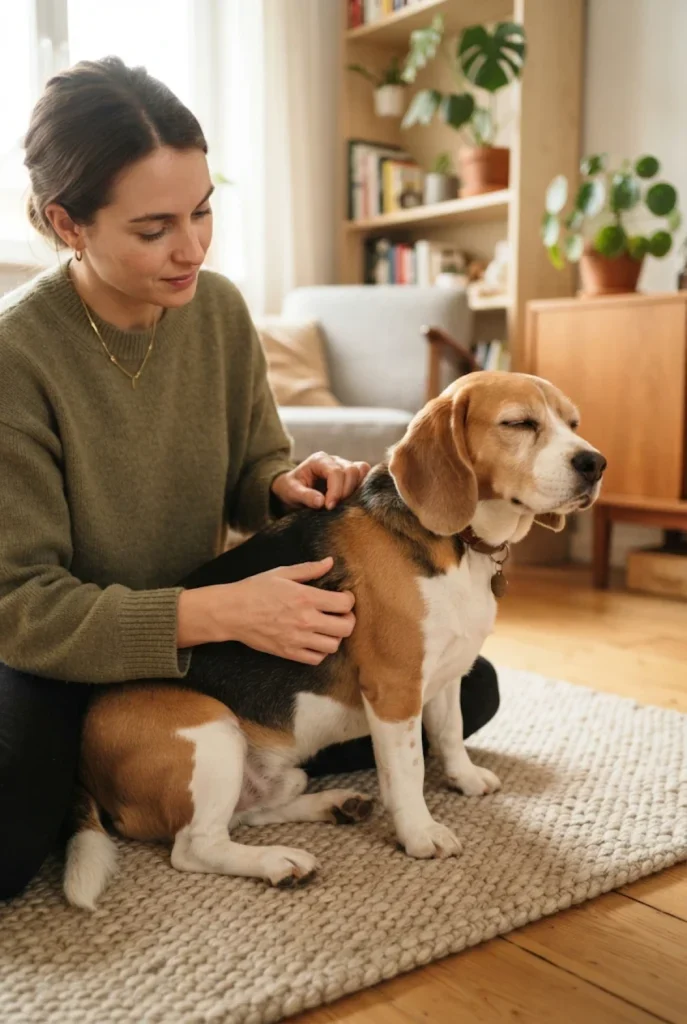
A quick daily coat check can help you notice small problems before they become difficult to manage. Run your hands gently over your dog’s body and look for dirt, loose objects, tangles, unusual hair loss, redness, or areas of irritation. Check the neck, belly, legs, tail, and areas behind the ears. These simple checks are especially useful for dogs that enjoy outdoor walks, playing in gardens, or exploring grassy areas.
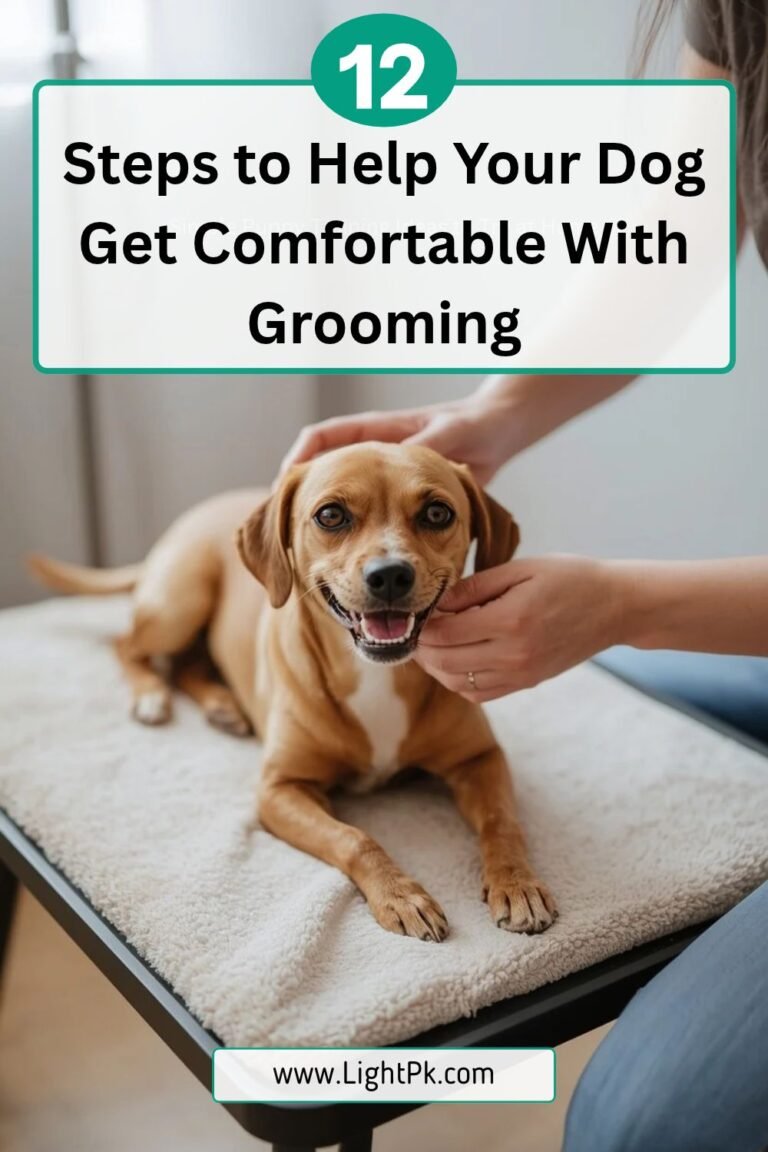
Keep the inspection calm and comfortable. Reward your dog with praise so it becomes familiar with being handled. If you notice a small piece of debris, remove it gently when safe to do so. Avoid digging into the skin or pulling anything that appears embedded. Pay attention to persistent itching, sores, unpleasant smells, bald patches, or sudden changes in coat texture. These signs may need veterinary attention rather than additional brushing or bathing.
7. Remove Loose Fur Before It Builds Up
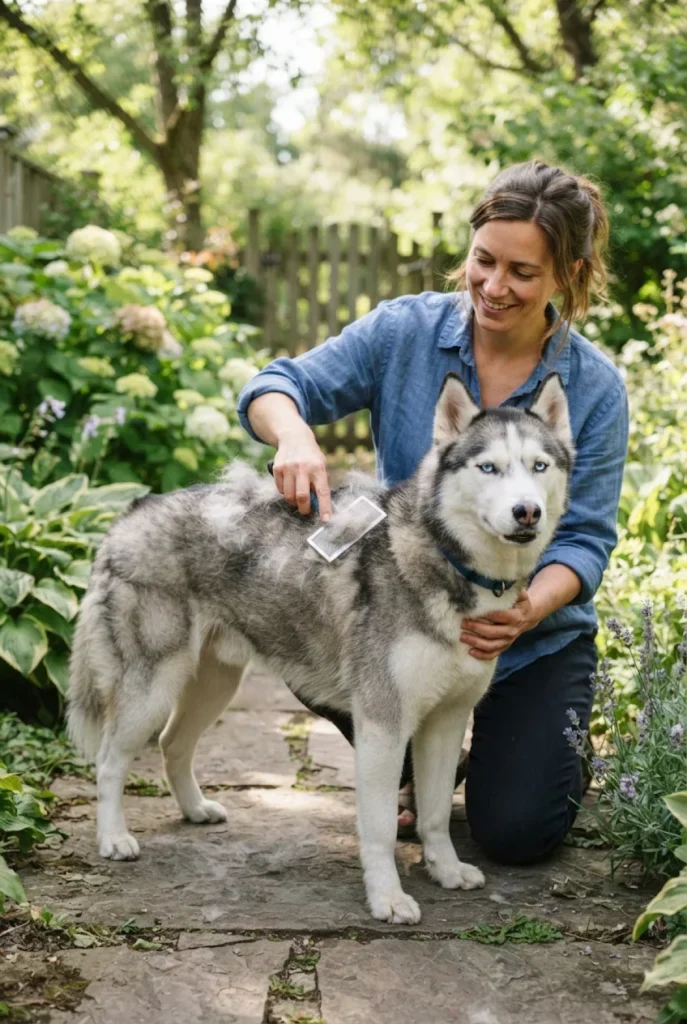
Loose fur is a normal part of a dog’s coat cycle, and many dogs shed throughout the year. Some breeds shed more heavily during seasonal changes. Removing loose hair through suitable brushing helps keep the coat tidy and reduces the amount of fur left on furniture, carpets, and clothing. It can also make it easier to spot tangles, dirt, and skin changes during grooming.
Choose a shedding tool only if it is appropriate for your dog’s coat. Some de-shedding tools are designed for double-coated breeds, while others may be unsuitable for short or delicate coats. Use the tool gently and follow the manufacturer’s instructions. Avoid excessive brushing, which can irritate the skin or damage the coat. If shedding becomes unusually heavy or creates visible bald patches, consult your veterinarian to check for possible health or skin problems.
8. Dry Your Dog’s Coat Properly After Bathing

Drying is an important step in maintaining a clean and comfortable coat. Leaving thick or long fur damp for extended periods can create an uncomfortable environment for the skin. Dogs with dense undercoats may take longer to dry than short-haired breeds, so they need extra attention after bathing. Gently remove excess water with a clean towel before allowing the coat to dry.
If you use a pet dryer, select a suitable low-heat or cool setting and keep the airflow at a comfortable distance. Never direct very hot air toward your dog’s skin. Watch your pet’s body language and stop if it becomes frightened or uncomfortable. Pay particular attention to areas where moisture can remain trapped, such as under the legs, around the neck, and between skin folds. For dogs with very thick coats, a professional groomer can help with safe drying techniques.
9. Keep Your Dog’s Bedding Clean
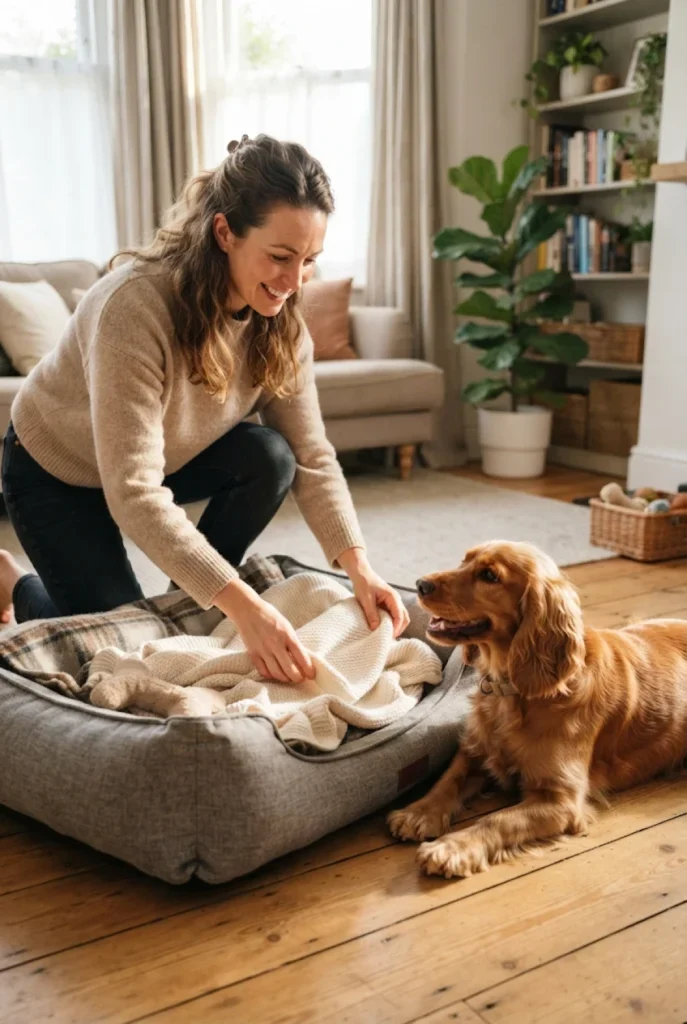
Your dog’s coat regularly comes into contact with its bed, blankets, cushions, and favorite resting areas. These surfaces can collect loose fur, dust, dirt, and outdoor debris. If they are not cleaned regularly, your dog may pick up dirt again soon after grooming. Clean bedding helps maintain a fresher resting environment and supports a simple overall hygiene routine.
Wash your dog’s bedding according to the care instructions and use a mild, pet-safe laundry product. Make sure blankets and cushions are completely dry before putting them back in your dog’s sleeping area. Vacuum the surrounding floor and remove loose fur from favorite resting spots. If your dog has sensitive skin, avoid strongly scented detergents or fabric products that may cause irritation. Clean bedding is a small habit that makes everyday coat care easier.
10. Protect Your Dog’s Coat During Outdoor Activities
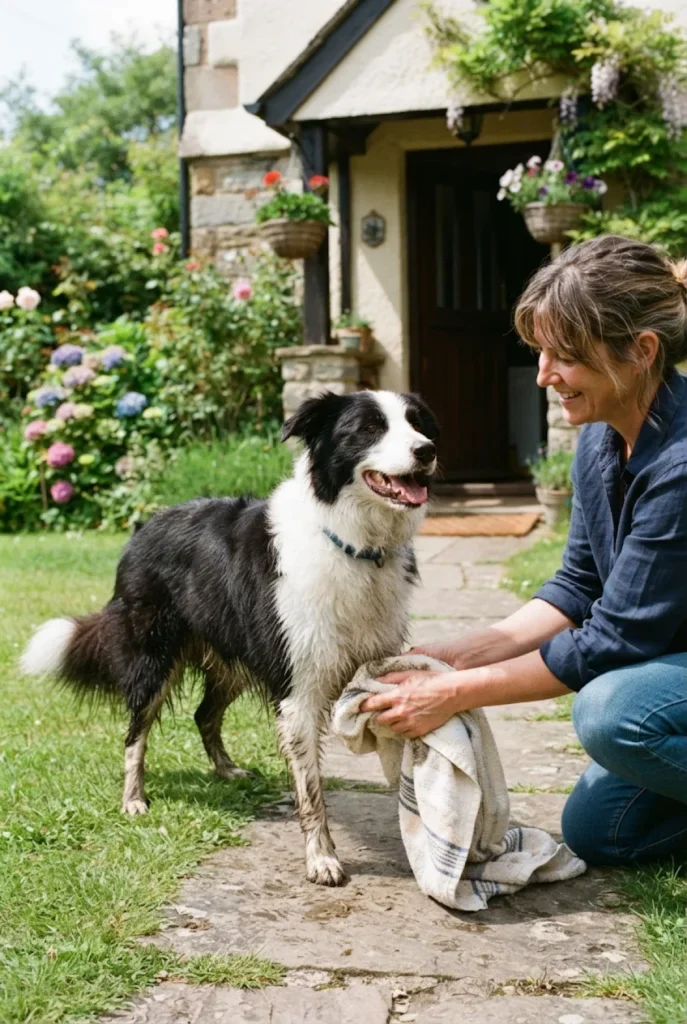
Outdoor adventures are great for dogs, but grass, mud, dust, pollen, and small plant materials can become trapped in their fur. Long-haired dogs may collect more debris around their legs, belly, tail, and ears. After walks or playtime, take a few minutes to inspect your dog’s coat. Removing dirt before it dries can make brushing and cleaning much easier.
Keep a clean towel and a suitable grooming comb near the entrance of your home. Wipe muddy paws and dirty areas gently, and check for burrs, seeds, or other objects caught in the fur. Avoid using harsh household cleaners or scented wipes that are not designed for dogs. If your pet has been exposed to chemicals, irritating plants, or an unknown substance, contact a veterinarian for guidance rather than trying random cleaning products.
11. Keep Your Dog’s Coat Free From Mats and Tangles
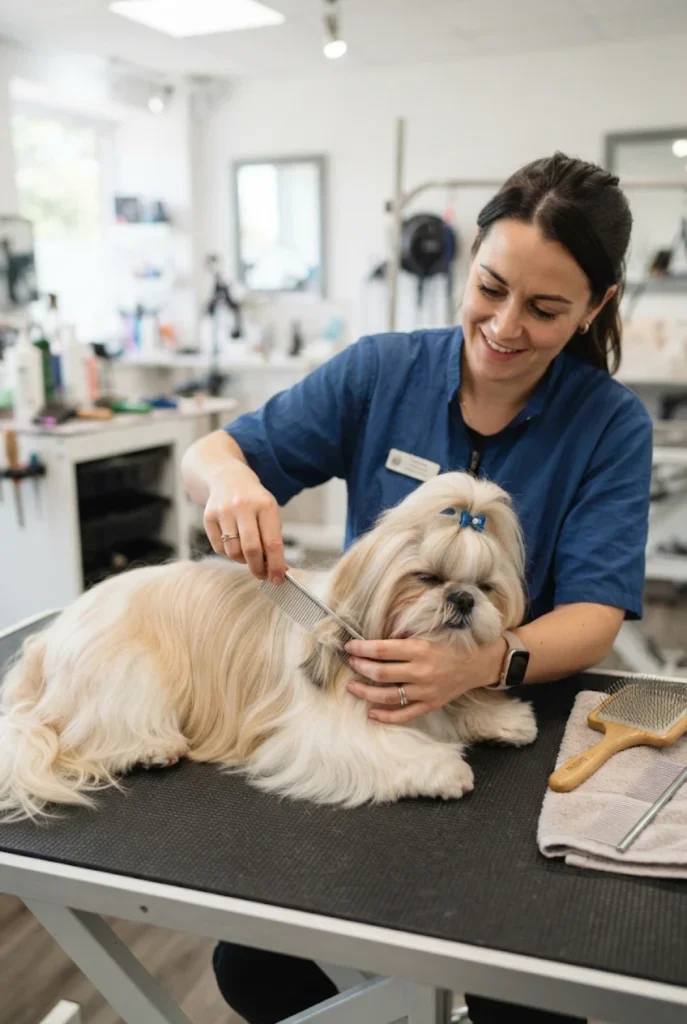
Mats develop when loose hair becomes tangled and tightly packed. They are common in long-haired, curly-coated, and thick-coated dogs, especially when brushing is irregular. Small tangles can quickly become larger knots if they are ignored. Mats may pull on the skin, cause discomfort, and make routine grooming more difficult. Regular brushing and checking the coat with a comb can help prevent these problems.
Pay special attention to areas that experience friction, including behind the ears, under the collar, around the legs, beneath the tail, and under the belly. If you find a small loose tangle, use a suitable detangling tool and work carefully without pulling the skin. Never cut a tight mat with ordinary scissors because the skin may be trapped inside it. Severe or close-to-the-skin mats should be handled by an experienced groomer or veterinarian.
12. Support Healthy Skin With Gentle Grooming
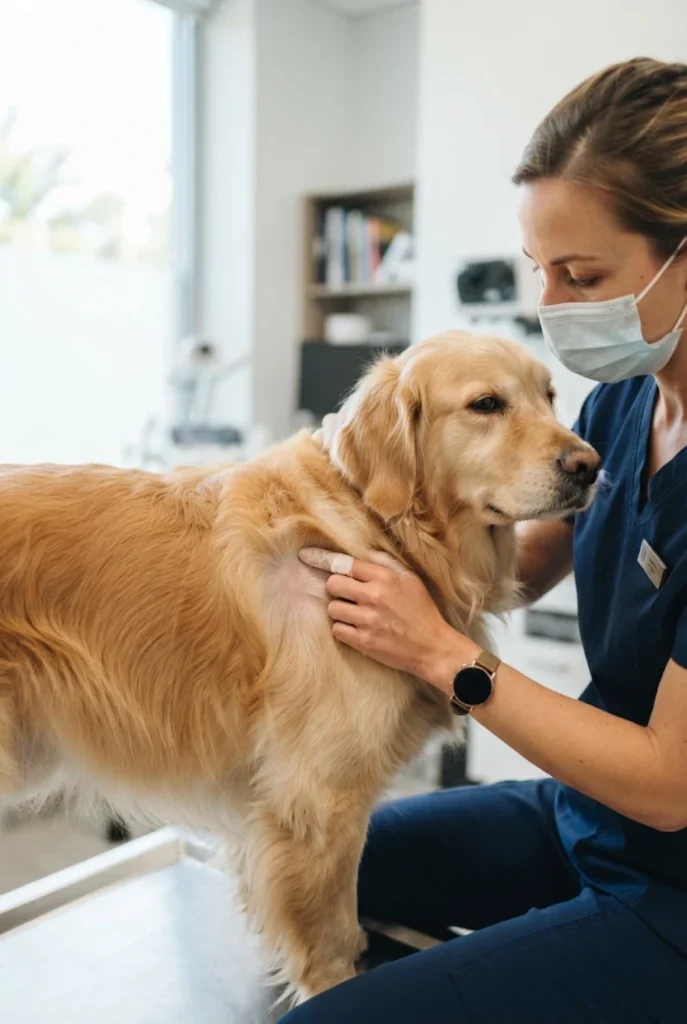
A healthy-looking coat begins with healthy skin. Harsh grooming, rough brushing, unsuitable shampoos, and excessive bathing can irritate the skin and make coat care uncomfortable. Use gentle techniques and products made for dogs. When brushing, avoid pressing too hard or repeatedly scraping one area. During bathing, rinse the coat thoroughly so shampoo residue does not remain on the skin.
Pay attention to signs such as persistent scratching, redness, flakes, unusual odor, sores, or frequent licking. These problems may have several causes, including allergies, parasites, infections, or other medical conditions. Changing shampoo alone may not solve the issue. If irritation continues or becomes worse, arrange a veterinary check. A gentle routine combined with professional advice when needed is a better approach than trying multiple grooming products without knowing the cause.
13. Adjust Grooming for Seasonal Changes
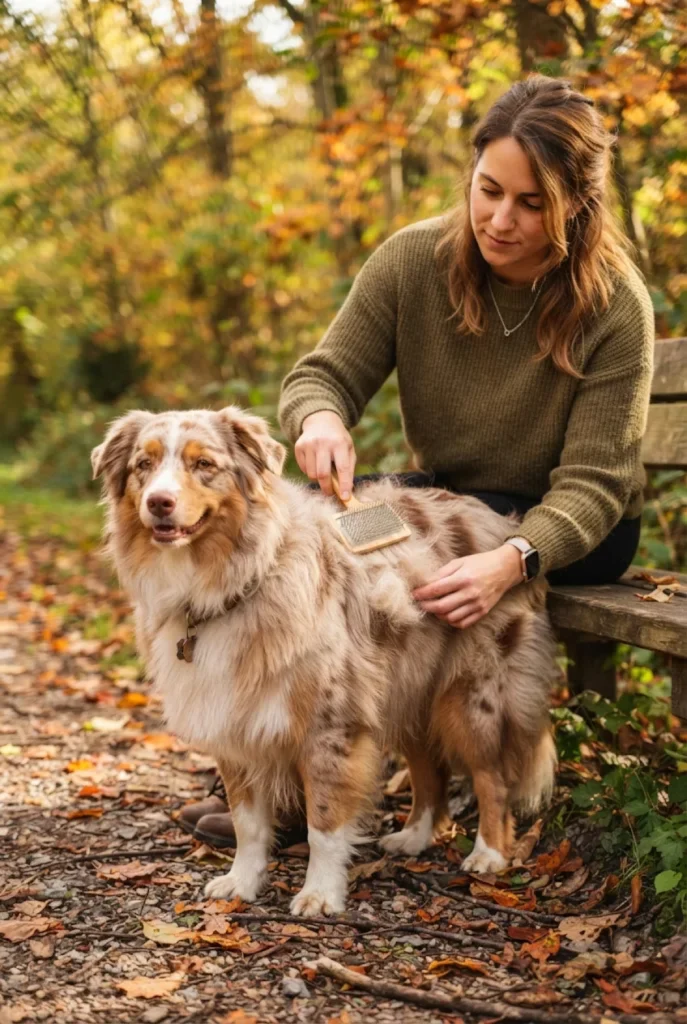
Your dog’s coat-care needs may change with the weather. Some dogs shed more during seasonal transitions, while others may need extra cleaning after rainy walks or outdoor activities. In warmer months, regular brushing can help remove loose fur and debris. During colder weather, keep the coat clean and dry, especially after rain or snow. Remember that coat needs differ by breed, age, and environment.
Do not shave a double-coated dog simply because the weather is warm. The coat can help provide insulation and protection, and shaving may interfere with its normal function. Instead, follow a suitable brushing schedule and ask a professional groomer about breed-specific care. During wet or muddy seasons, dry your dog thoroughly and check for debris trapped in the fur. Seasonal adjustments help you maintain a comfortable routine without unnecessary grooming.
14. Schedule Professional Grooming When Needed
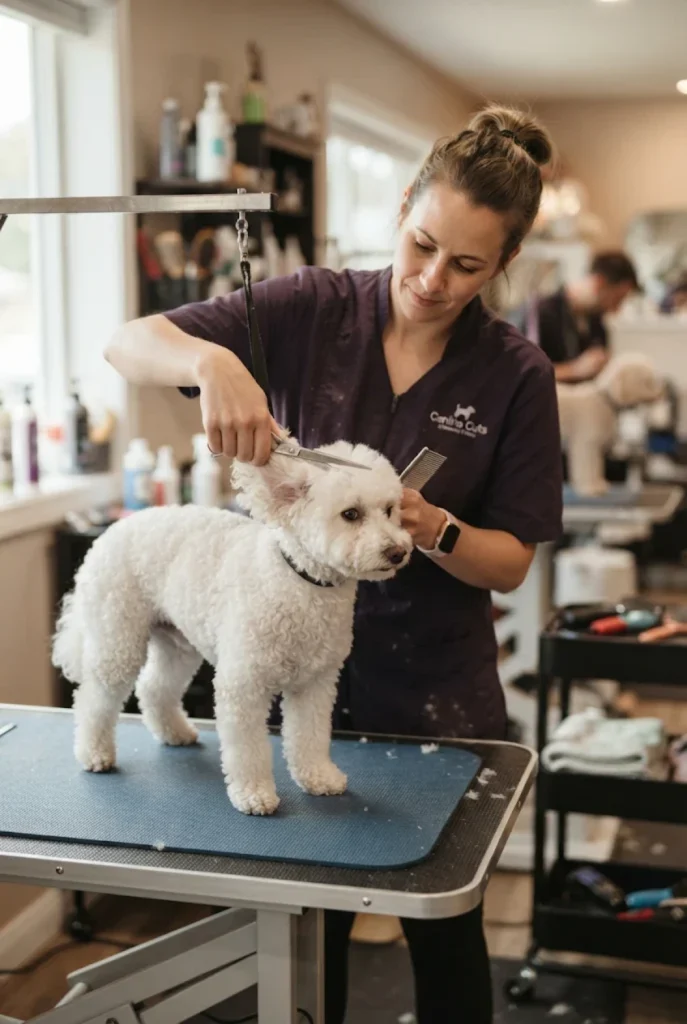
Home grooming is important, but some dogs benefit from professional grooming sessions. Long-haired, curly-coated, and continuously growing coats may need specialist trimming, shaping, or careful detangling. A professional groomer can also help with difficult coat areas and demonstrate techniques that make home maintenance easier. The right grooming schedule depends on your dog’s breed, coat condition, and lifestyle.
Before booking an appointment, explain your dog’s grooming history, skin sensitivities, and any areas where it dislikes being handled. Choose a groomer who uses safe equipment and handles pets calmly. You can ask which services are necessary and which are optional. Professional grooming should support your regular home-care routine, not replace it. If your dog has painful skin problems, severe mats, or unusual hair loss, consult a veterinarian before arranging cosmetic grooming.
15. Create a Consistent Grooming Routine
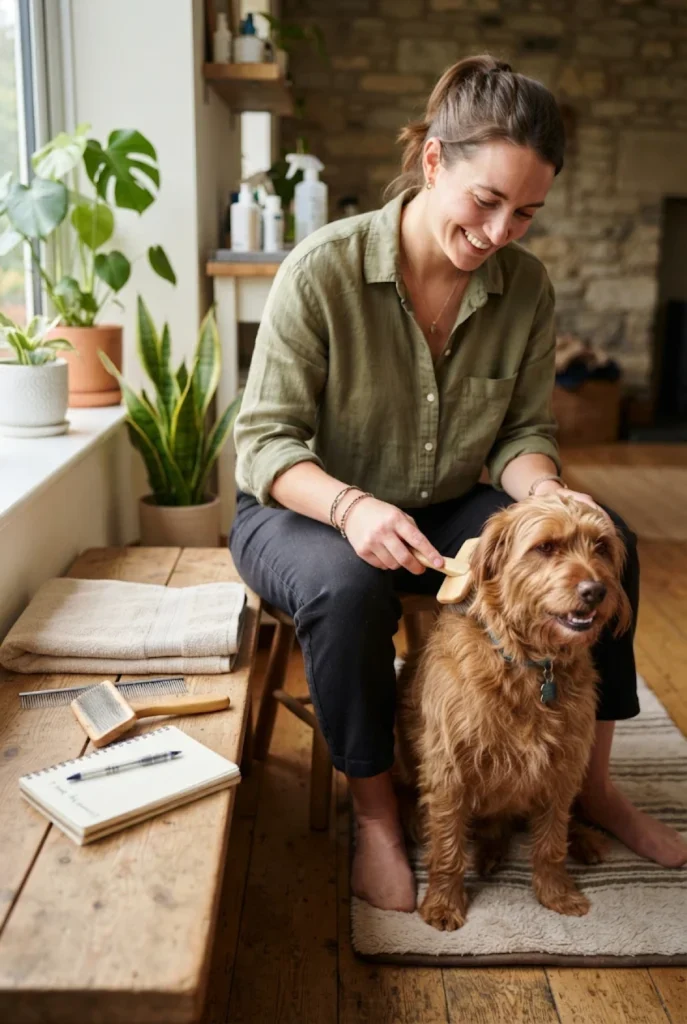
Consistency is one of the most useful habits for maintaining a healthy-looking dog coat. Instead of waiting until your dog’s fur becomes tangled or dirty, create a simple schedule that includes brushing, coat checks, bathing when needed, and cleaning grooming tools. A regular routine helps you notice changes early and makes grooming more familiar to your pet. It also prevents small tasks from becoming large grooming jobs.
Your schedule should match your dog’s coat type and individual needs. A long-haired dog may need daily brushing, while a short-haired dog may need only a few sessions each week. Keep grooming sessions short at first, especially if your dog is young or nervous. Use praise and rewards to make the experience positive. Review the routine as your dog ages or as the seasons change. A realistic schedule that you can maintain is more useful than an overly complicated plan.
Final Thoughts
Maintaining a healthy-looking dog coat does not have to be difficult or expensive. Regular brushing, balanced nutrition, fresh drinking water, gentle bathing, and clean bedding are simple habits that can make everyday coat care easier. Choosing the right grooming tools and checking your dog’s skin regularly can also help you notice small problems before they become more serious.
The most important thing is to create a routine that matches your dog’s coat type and individual needs. Some dogs require daily brushing, while others need only occasional grooming. Be patient, use gentle techniques, and make grooming a positive experience. With these 15 easy habits for a healthy-looking dog coat, you can help your furry companion stay clean, comfortable, and well cared for throughout the year.