12 Dog Nail Trimming Tips Every Beginner Should Know
Taking care of your dog’s nails is an important part of keeping your furry friend healthy, comfortable, and happy. However, nail trimming can feel challenging for first-time dog owners. Some dogs become nervous when they see nail clippers, while others pull their paws away or refuse to sit still. Without the right approach, even a simple grooming session can become stressful.
The good news is that learning a few simple Dog Nail Trimming Tips can make the process much easier. Whether you have a playful puppy or an adult dog, understanding the right tools, trimming techniques, and safety precautions will help you maintain healthy nails at home. With patience, practice, and positive reinforcement, you can make nail care a comfortable part of your dog’s regular grooming routine.
1. Choose the Right Nail Clippers for Your Dog
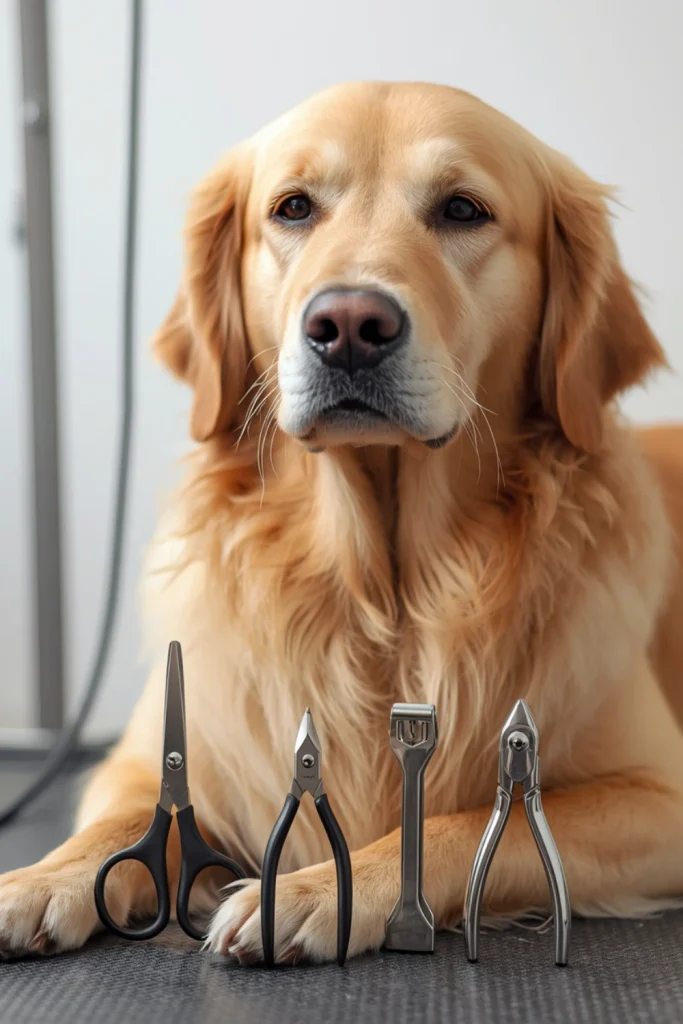
Choosing the right nail clippers is one of the most important dog nail trimming tips for beginners. Different dogs have different nail sizes and thicknesses, so using unsuitable tools can make trimming difficult. Small dogs generally need smaller clippers, while large breeds may require stronger tools designed for thicker nails. Good-quality clippers should feel comfortable in your hand and provide a controlled, clean cut.
There are several options available, including scissor-style clippers, guillotine-style clippers, and electric nail grinders. Choose a tool that matches your dog’s size and your experience level. Make sure the blades are sharp and clean before every grooming session. Avoid using ordinary household scissors because they are not designed for safely trimming dog nails.
2. Understand Your Dog’s Nail Anatomy
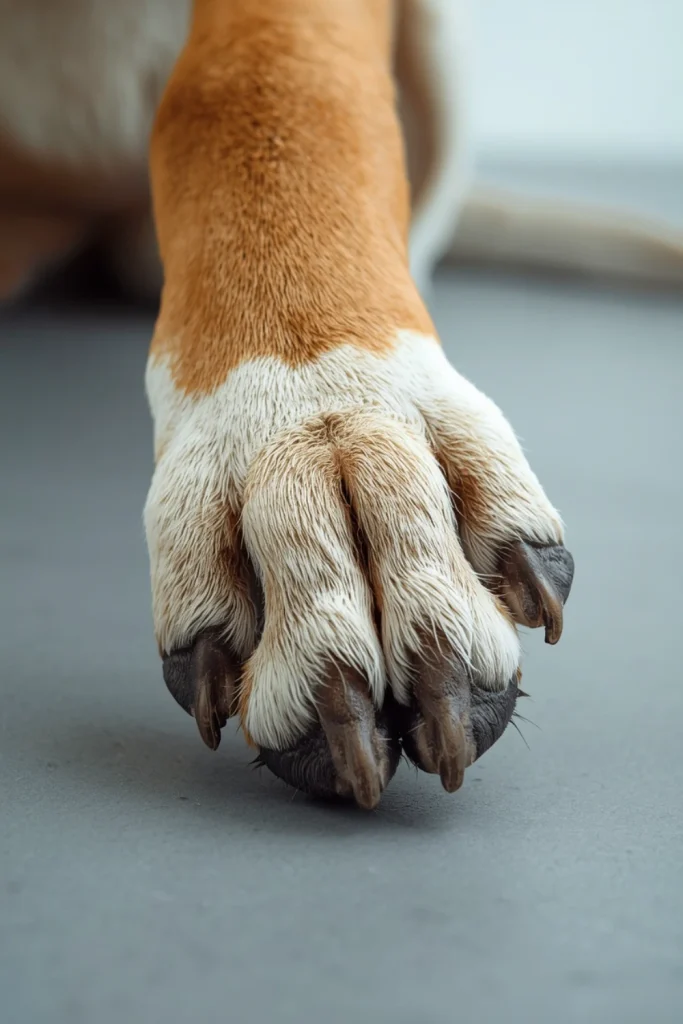
Before trimming your dog’s nails, learn the basic structure of a dog’s nail. Each nail contains a sensitive inner area called the quick, which contains blood vessels and nerves. Cutting into the quick can cause bleeding and pain. Understanding where this area is located helps you avoid trimming too much and makes grooming safer.
In dogs with light-colored nails, the quick may appear as a pink area inside the nail. Dark nails are more difficult because the quick is not easily visible. Beginners should remove only small portions at a time when working with dark nails. If you cannot confidently identify the safe trimming area, ask a professional groomer or veterinarian to demonstrate the technique.
3. Get Your Dog Comfortable With Paw Handling

Many dogs dislike having their paws touched, especially when they are not accustomed to grooming. Before introducing nail clippers, spend a few minutes gently handling your dog’s paws every day. Touch the shoulders, legs, and paws softly, then reward your dog for remaining relaxed. This gradual introduction helps build trust and reduces resistance during future trimming sessions.
Start with very short practice sessions and avoid forcing your dog to remain still. If your pet pulls a paw away, give them a moment to relax before trying again. Gradually increase the amount of handling as your dog becomes comfortable. Positive experiences can make nail trimming less frightening and help your dog cooperate during regular grooming.
4. Choose a Calm and Comfortable Location

The environment you choose can influence how your dog behaves during nail trimming. A noisy room, slippery floor, or unfamiliar location may make your pet nervous. Select a quiet, well-lit area where your dog feels comfortable. A familiar room can help reduce distractions and make it easier to concentrate on each nail.
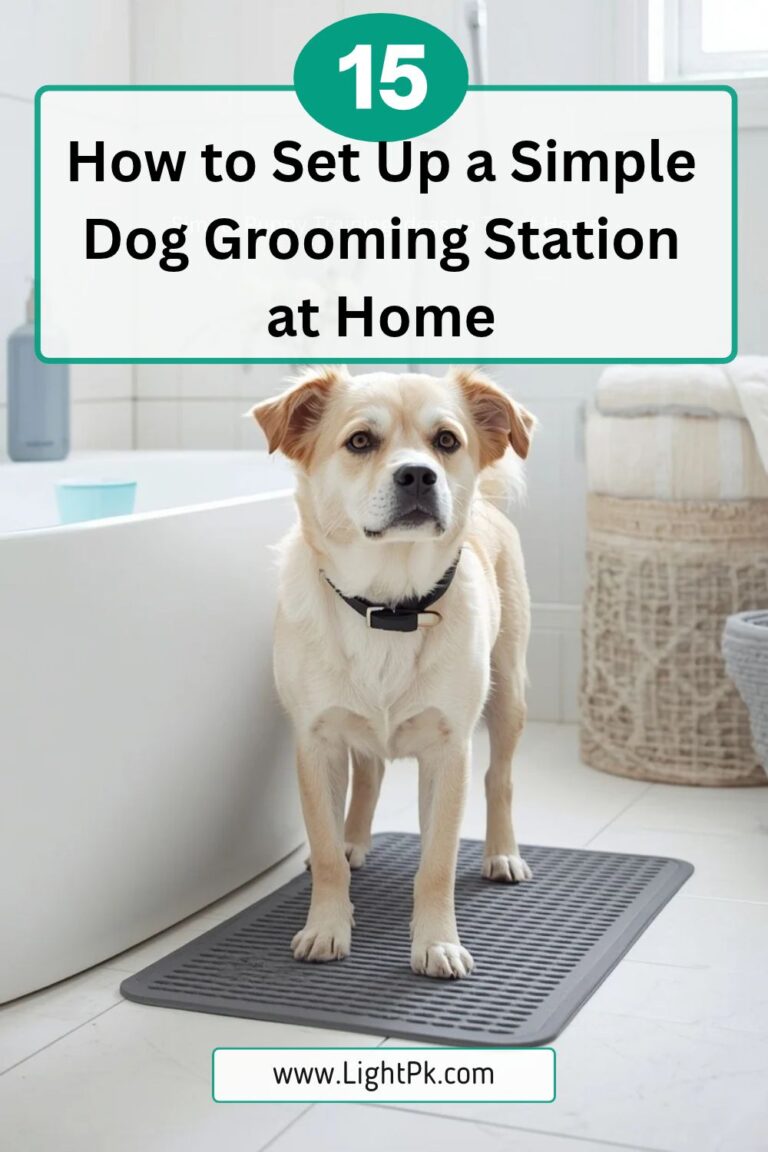
Place a non-slip mat or comfortable towel on the floor to give your dog better stability. Keep your grooming tools, treats, and other supplies within reach before beginning. Avoid trimming nails near loud appliances or areas where other pets may interrupt. A calm and organized location can make grooming safer and more manageable for beginners.
5. Introduce Nail Clippers Slowly

Some dogs become frightened as soon as they see nail clippers. Instead of immediately trying to trim their nails, allow your dog to become familiar with the grooming tool. Place the clippers nearby and let your pet investigate them naturally. Reward calm behavior with praise or a small treat so the tool becomes associated with positive experiences.
Once your dog is comfortable seeing and smelling the clippers, gently touch the closed tool against one paw without cutting anything. Repeat this activity over several short sessions. You can also let your dog hear the sound of the clippers opening and closing away from their paws. Gradual introductions help reduce fear and make actual trimming easier.
6. Trim Only Small Portions of Each Nail
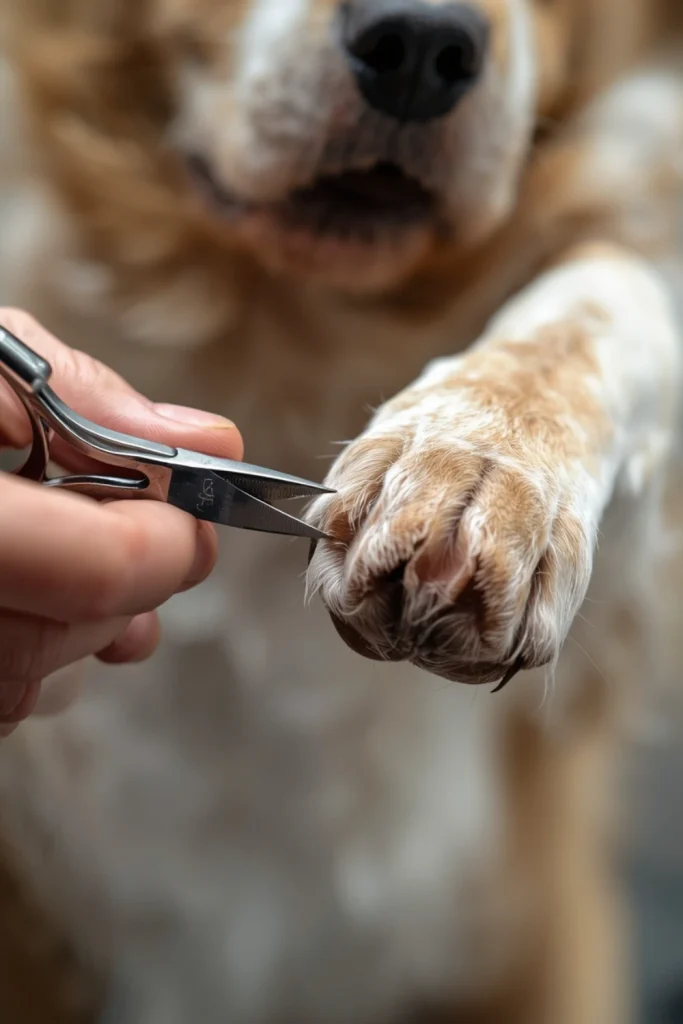
One of the most important dog nail trimming tips for beginners is to remove only a small portion of the nail at a time. Cutting too much can damage the quick and cause pain or bleeding. If you are unsure how much to remove, begin with a very small amount and inspect the nail before making another cut.
For light-colored nails, look for the pink quick and avoid cutting into it. Dark nails require extra caution because the quick is harder to see. Trim tiny sections and check the exposed nail surface after each cut. If your dog becomes uncomfortable or you are uncertain about the correct length, stop and seek guidance from a veterinarian or professional groomer.
7. Keep Styptic Powder Nearby
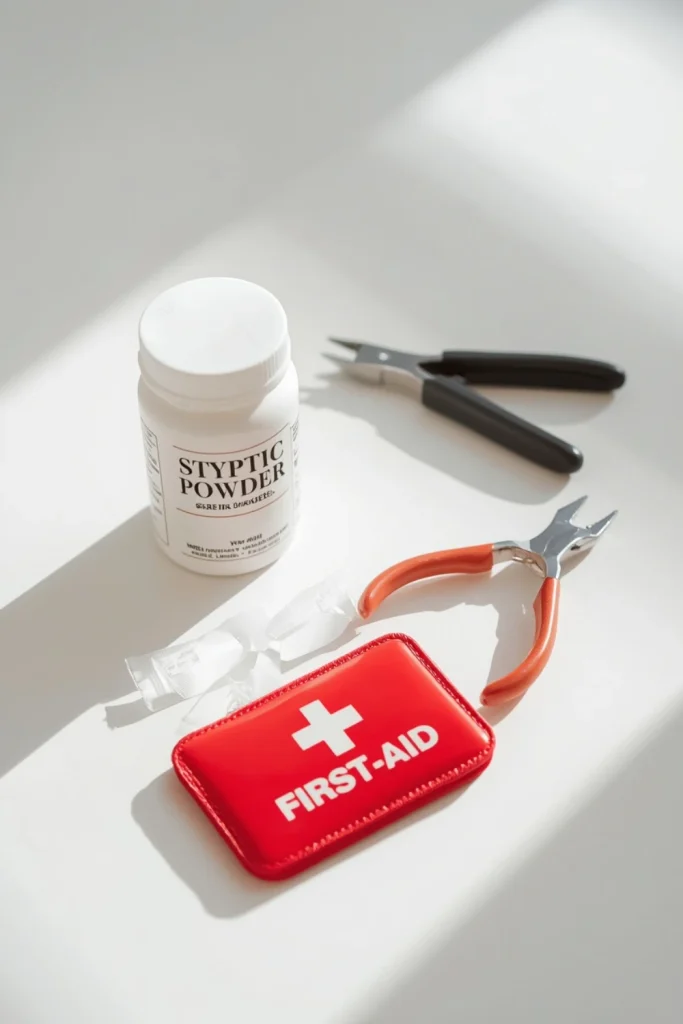
Even when you are careful, accidents can happen during nail trimming. Styptic powder is a useful grooming first-aid product that can help control minor bleeding if you accidentally cut the quick. Keeping it nearby before starting is a sensible safety precaution, especially for beginners who are still learning how to trim their dog’s nails.
If a nail starts bleeding, stop trimming immediately and apply styptic powder according to the product instructions using gentle pressure. Keep your dog calm and avoid allowing them to lick the affected area. If bleeding does not stop, the injury looks serious, or your dog appears to be in significant pain, contact your veterinarian. Never begin trimming without knowing how to respond to a small accident.
8. Use Positive Reinforcement During Trimming

Positive reinforcement can make nail trimming more enjoyable for dogs that feel nervous about grooming. Reward your dog whenever they allow you to touch their paws, hold a nail, or bring the clippers close. Small treats and gentle praise help create positive associations with the grooming process. This approach is especially helpful for puppies and dogs experiencing nail trimming for the first time.
Do not wait until the entire grooming session is finished before rewarding your dog. Offer appropriate treats throughout the process when it is safe to do so. If your dog remains calm while you trim one nail, reward that behavior before moving to the next. Gradually, your dog may become more cooperative because they learn that nail care is followed by positive experiences.
9. Trim Your Dog’s Nails in a Well-Lit Area
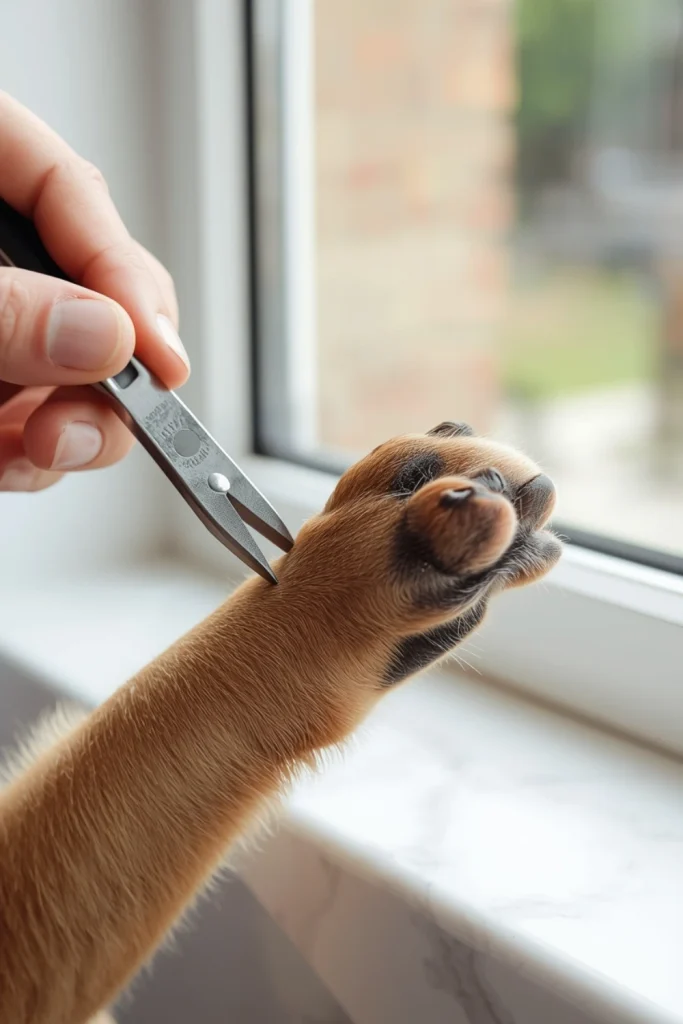
Good lighting is essential when trimming your dog’s nails because it helps you see the nail structure more clearly. Poor lighting can make it difficult to identify where the quick begins, particularly when working with dark nails. Choose a bright room with natural daylight or use a suitable grooming lamp so you can carefully inspect each nail before trimming.
Position your dog comfortably and make sure you can see the nail from an appropriate angle. Avoid rushing simply because the lighting is not ideal. If you cannot clearly see what you are doing, postpone the trimming session until you have better visibility. Proper lighting improves accuracy and helps reduce the risk of accidentally cutting the sensitive quick.
10. Do Not Forget the Dewclaws
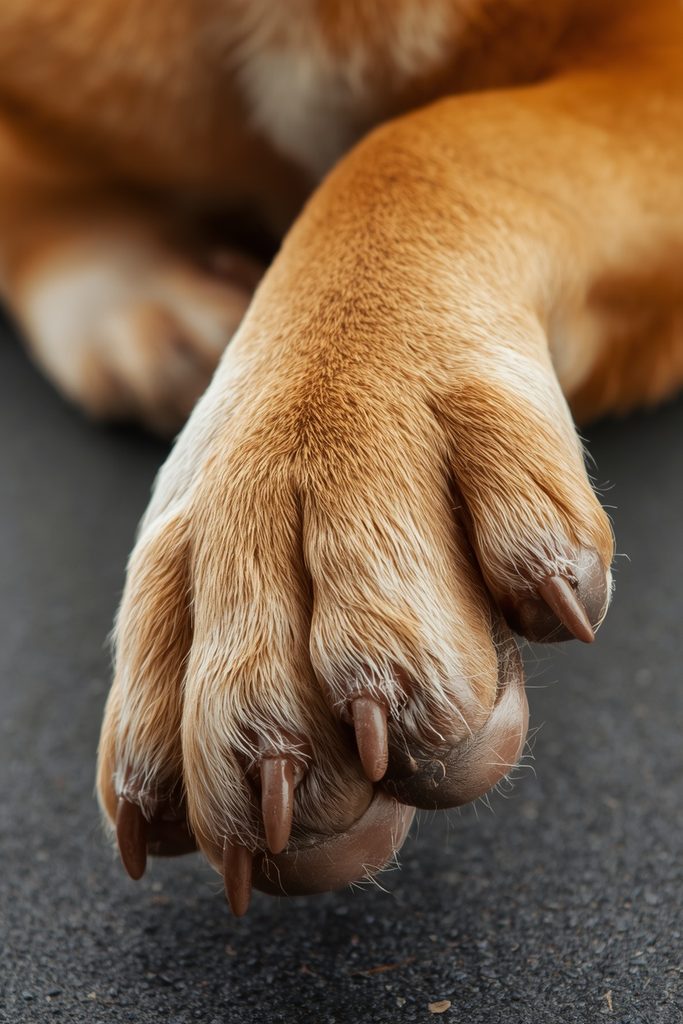
Many dog owners focus on the main nails and forget about the dewclaws. Dewclaws are the additional nails located higher on the inner side of the front paws, and some dogs also have them on their back legs. Unlike the other nails, dewclaws may not touch the ground regularly, which means they may not wear down naturally through walking.
Check your dog’s dewclaws during every grooming session. If they become too long, they can curl around and potentially grow into the skin, causing pain or infection. Trim them carefully using suitable clippers, following the same safety precautions as other nails. If a dewclaw is unusually positioned, damaged, or difficult to handle, ask a veterinarian or professional groomer for assistance.
11. Use a Nail Grinder if Your Dog Prefers It
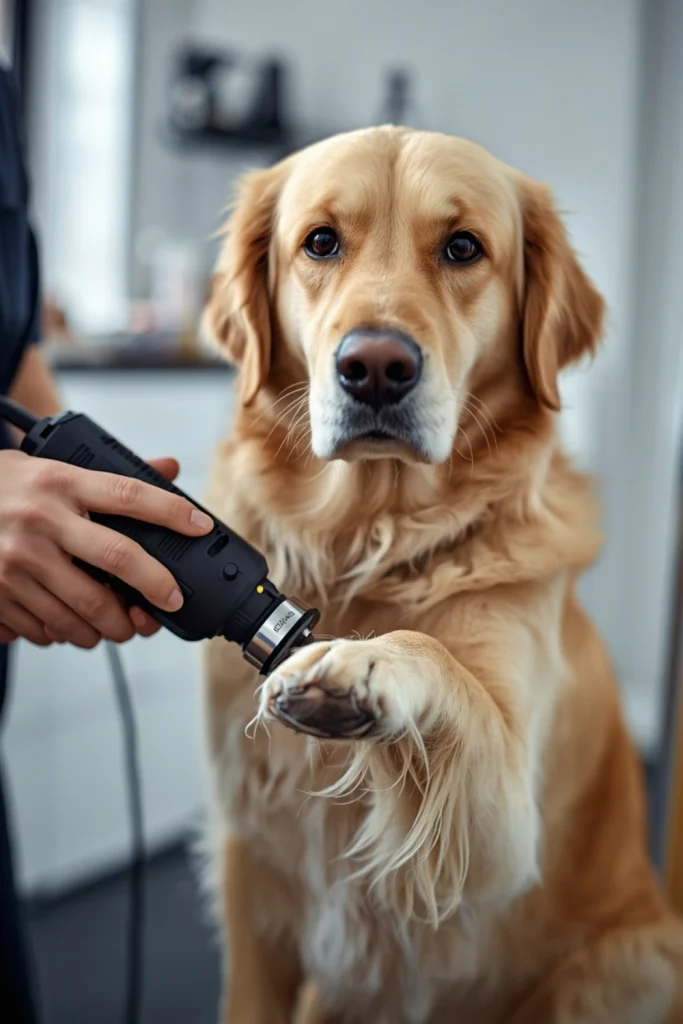
A nail grinder can be an alternative to traditional clippers for some dogs. It uses a rotating abrasive surface to gradually shorten the nail rather than cutting through it in one movement. Some owners find grinders easier to control, particularly when smoothing rough edges or working with thick nails. However, the vibration and sound may make certain dogs uncomfortable.
Before using a grinder, introduce the sound and vibration gradually. Let your dog inspect the turned-off tool, then operate it briefly at a distance while offering treats. When your dog is comfortable, touch the grinder to the nail for short periods. Avoid applying too much pressure or holding it against one spot for too long, as friction can create heat. Always follow the manufacturer’s instructions.
12. Create a Regular Nail Trimming Schedule

Creating a regular nail care schedule helps prevent your dog’s nails from becoming excessively long. Instead of waiting until the nails become uncomfortable, check them regularly and trim them when needed. Many dogs need nail trimming every three to four weeks, although the ideal frequency depends on their activity level, breed, nail growth, and walking surfaces.
Make paw inspections part of your regular grooming routine. Check for overgrown nails, cracks, rough edges, and signs of discomfort. Some dogs naturally wear down their nails through walking, while others need more frequent maintenance. A consistent schedule also helps your dog become familiar with the grooming process. Short, regular sessions are often easier than waiting until a large amount of nail growth needs to be removed.
Final Thoughts
Dog nail care is an important part of keeping your furry friend healthy and comfortable. Although trimming nails may seem difficult for beginners, learning the correct techniques can make the process much easier. Choosing suitable clippers, understanding the quick, introducing paw handling gradually, and using positive reinforcement are all helpful ways to improve your grooming routine.
Remember that every dog is different. Some pets become comfortable with nail trimming quickly, while others need more patience and practice. Start with short sessions, reward good behavior, and never rush the process. If you feel uncertain, ask a professional groomer or veterinarian to demonstrate safe nail trimming.
By following these 12 Dog Nail Trimming Tips Every Beginner Should Know, you can build a consistent paw care routine and help your dog enjoy healthier, more comfortable movement.