12 Easy Ways to Keep Your Dog Clean Between Baths
Keeping your dog clean does not always mean giving them a full bath. Dogs naturally collect dirt, dust, loose hair, and outdoor debris while playing, walking, and exploring their surroundings. Even after a refreshing bath, your furry friend can become dirty again within a few days. Fortunately, there are simple ways to maintain cleanliness without constantly washing your dog’s entire coat.
Learning how to keep your dog clean between baths can save time, reduce mess around your home, and help maintain a healthy-looking coat. From regular brushing and paw cleaning to fresh bedding and gentle grooming, small daily habits can make a big difference. In this guide, you will discover 12 easy and practical ways to keep your dog fresh, comfortable, and well-groomed between bathing sessions.
1. Brush Your Dog’s Coat Regularly
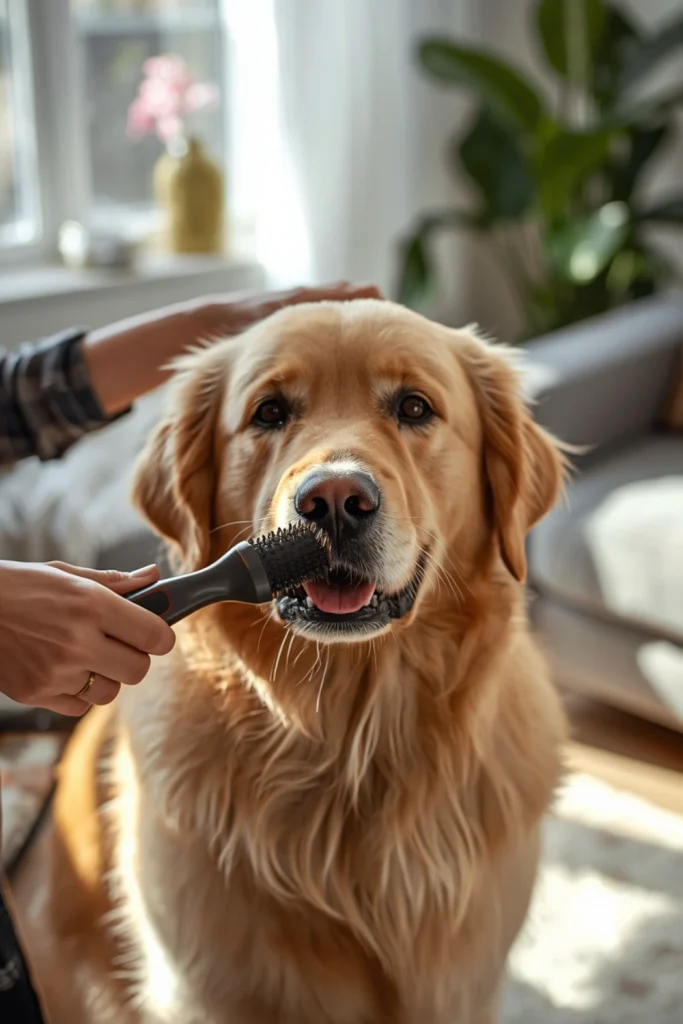
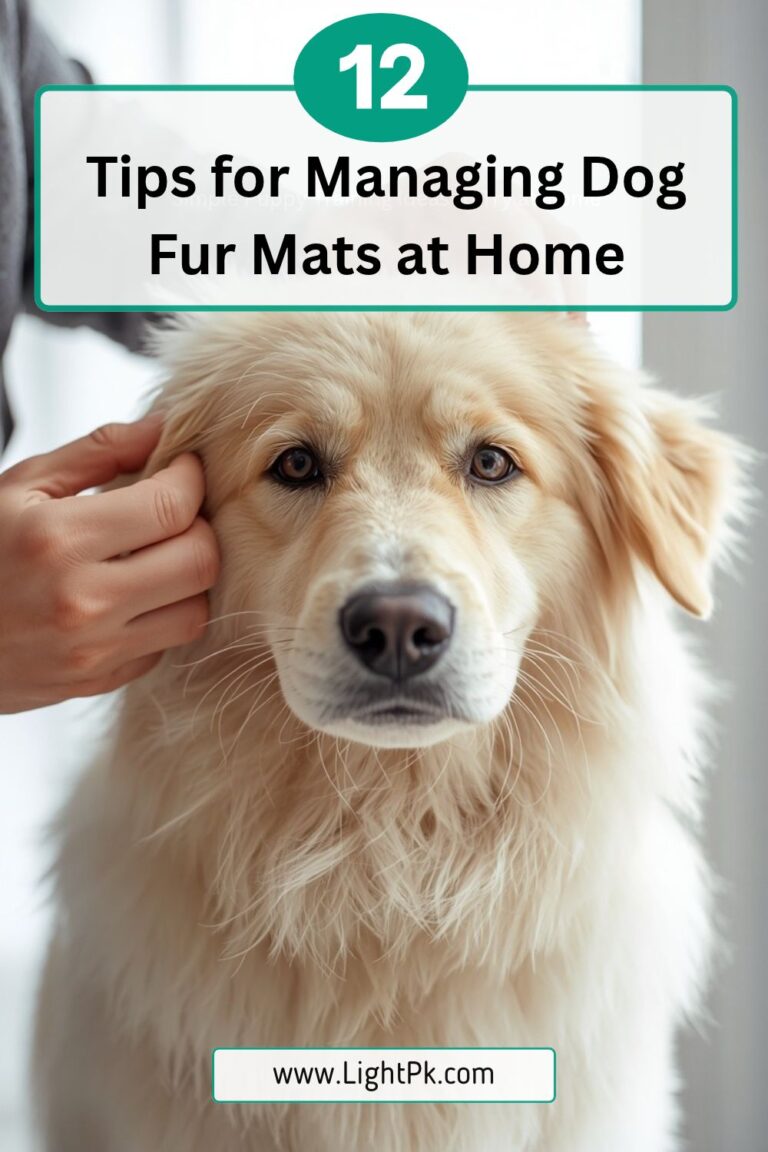
Regular brushing is one of the easiest ways to keep your dog clean between baths. Your dog’s coat naturally collects loose hair, dust, dirt, and small outdoor particles. Brushing helps remove these materials before they become trapped in the fur. It also distributes natural skin oils throughout the coat, helping maintain a healthy-looking appearance.
Choose a brush that suits your dog’s coat type and length. Short-haired dogs may benefit from soft bristle brushes, while long-haired breeds often need slicker brushes or suitable combs. Brush gently and pay attention to areas where tangles commonly develop, such as behind the ears, around the legs, and near the tail. Regular brushing can make your dog’s coat look cleaner without requiring frequent baths.
2. Clean Your Dog’s Paws After Outdoor Walks
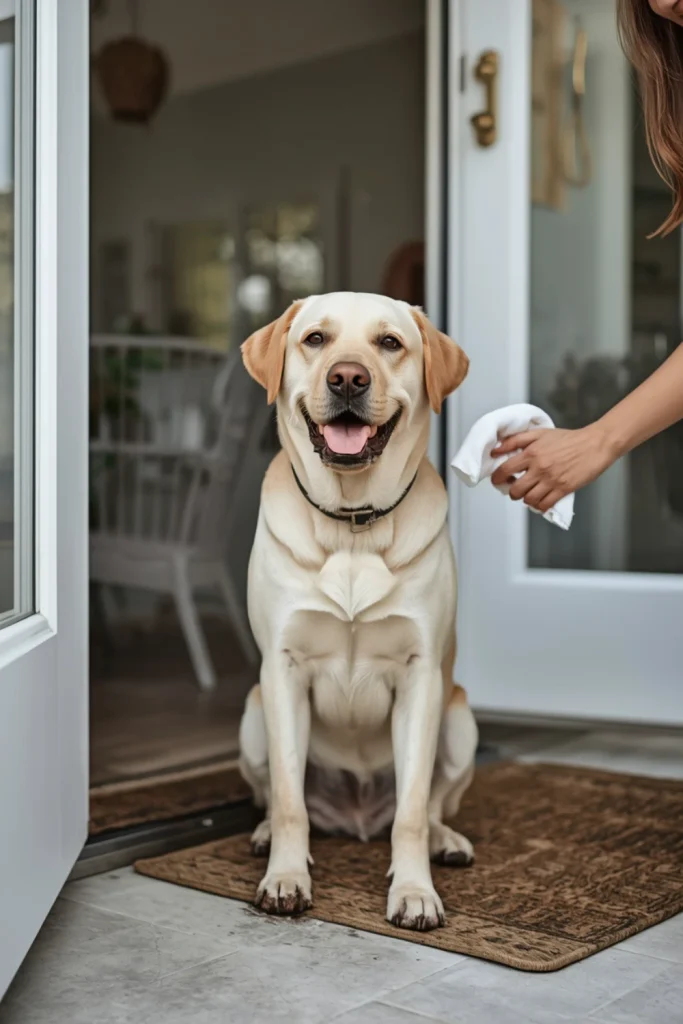
Your dog’s paws collect mud, dust, grass, sand, and other outdoor debris during everyday walks. If this dirt is not removed, your pet may spread it throughout the house, including on carpets, furniture, and bedding. Cleaning the paws after outdoor activities is a simple habit that supports better hygiene.
Use a soft damp cloth, pet-safe paw wipes, or lukewarm water to remove visible dirt. Gently clean around the paw pads and between the toes without scrubbing too hard. After cleaning, dry the paws thoroughly with a clean towel. Regular paw care is especially useful during rainy weather, after visits to parks, or when your dog enjoys playing in muddy areas.
3. Use Dog-Safe Grooming Wipes
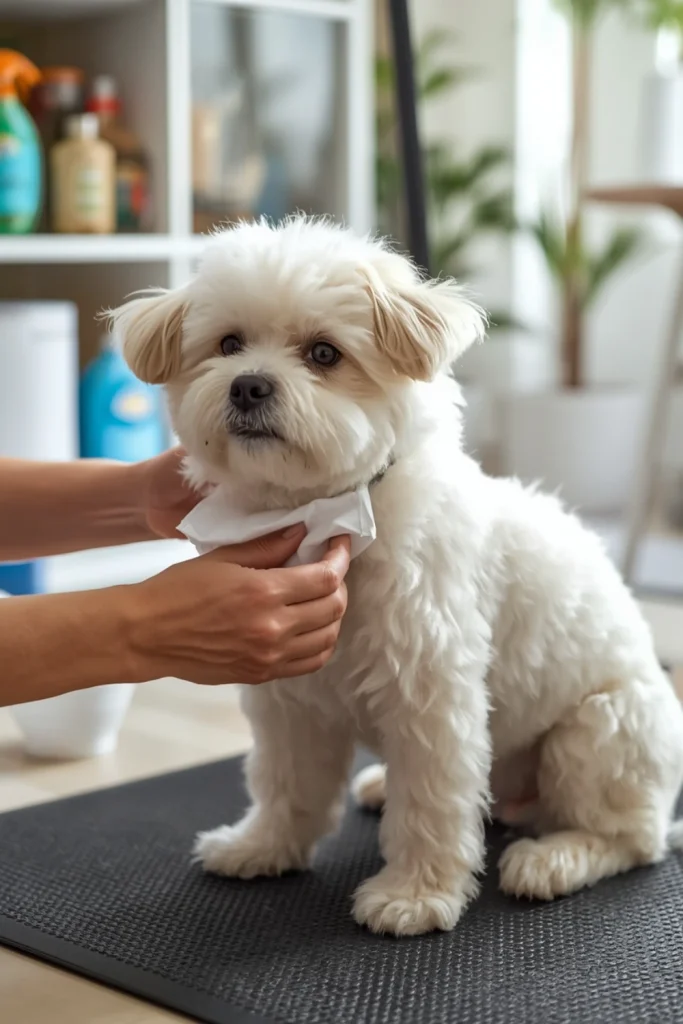
Dog-safe grooming wipes are convenient for cleaning small dirty areas between full baths. They can help remove surface dirt, dust, and minor messes from your dog’s coat after outdoor activities. Keeping a pack of suitable wipes at home makes quick grooming easier, especially when your dog gets dirty unexpectedly.
Always choose wipes specifically designed for dogs and check their ingredients before use. Avoid ordinary household cleaning wipes, disinfectant wipes, and products containing ingredients that may irritate canine skin. Gently wipe the paws, legs, belly, and other visibly dirty areas. Avoid the eyes, nose, and inside of the ears unless the product is specifically designed for those areas.
4. Keep Your Dog’s Bedding Clean
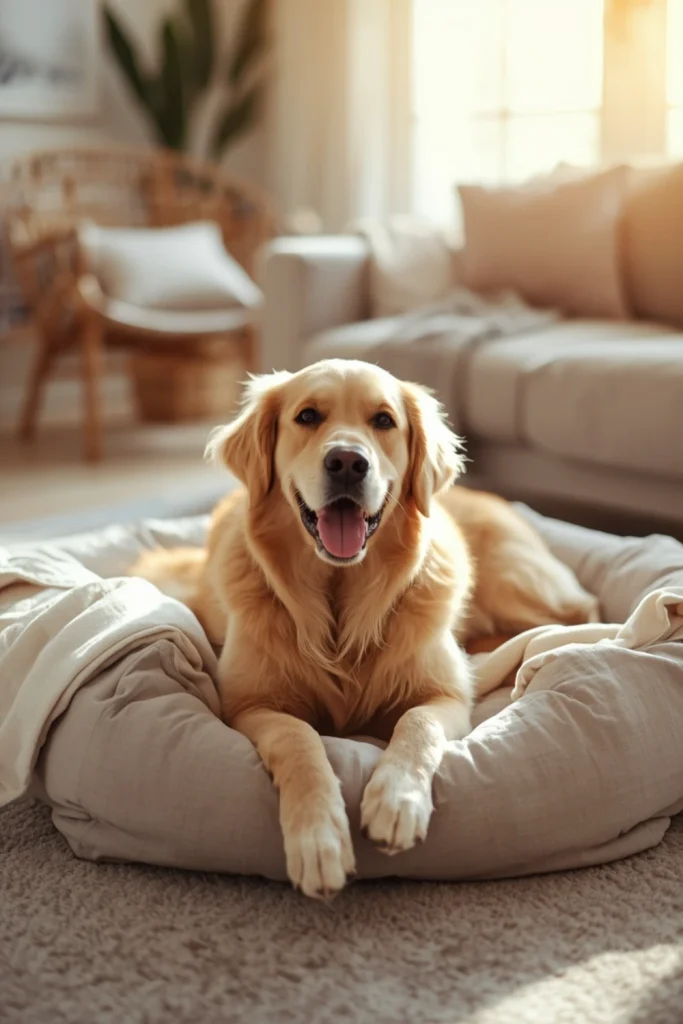
Your dog’s bed, blankets, and sleeping area can collect loose hair, dirt, dust, and unpleasant odors over time. Even if your dog looks clean, sleeping on dirty bedding can transfer debris back onto the coat. Keeping your pet’s resting area clean is an important part of maintaining overall hygiene.
Wash removable bedding covers and blankets according to their care instructions. Remove loose hair regularly and allow everything to dry completely before putting it back. If your dog spends considerable time outdoors, consider checking the bedding more frequently. A clean sleeping area helps your dog stay comfortable and reduces the amount of dirt circulating around your home.
5. Wipe Your Dog’s Coat After Outdoor Activities
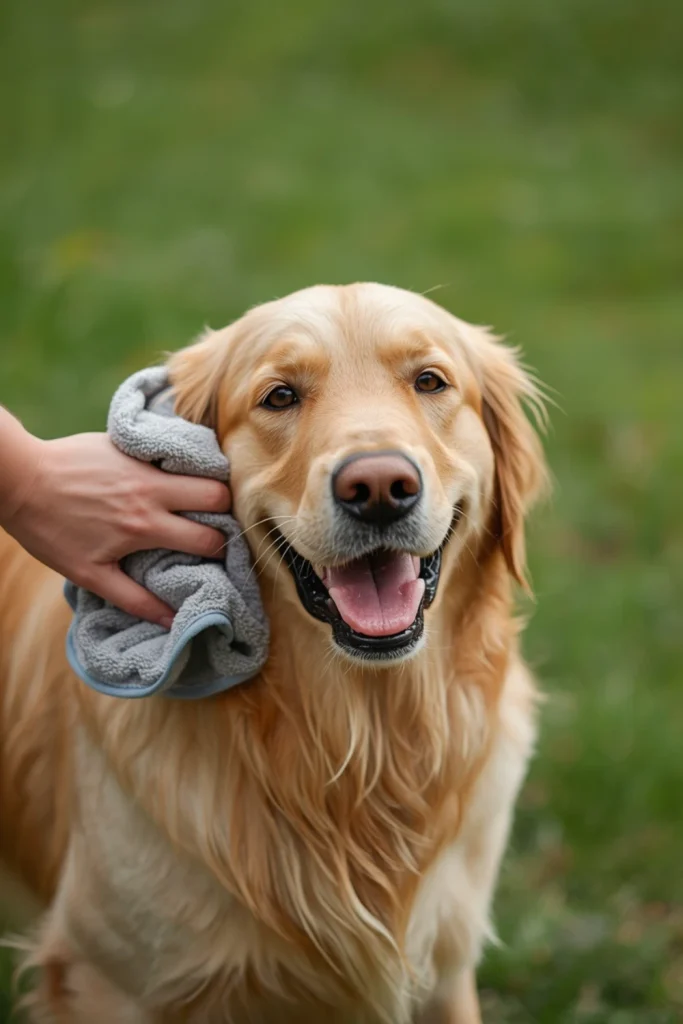
Outdoor adventures are fun for dogs, but they often leave dirt, grass, dust, and small debris on the coat. A quick wipe after walks or playtime can prevent this dirt from spreading around your home. This simple habit is particularly useful for dogs that enjoy running through gardens, parks, or grassy areas.
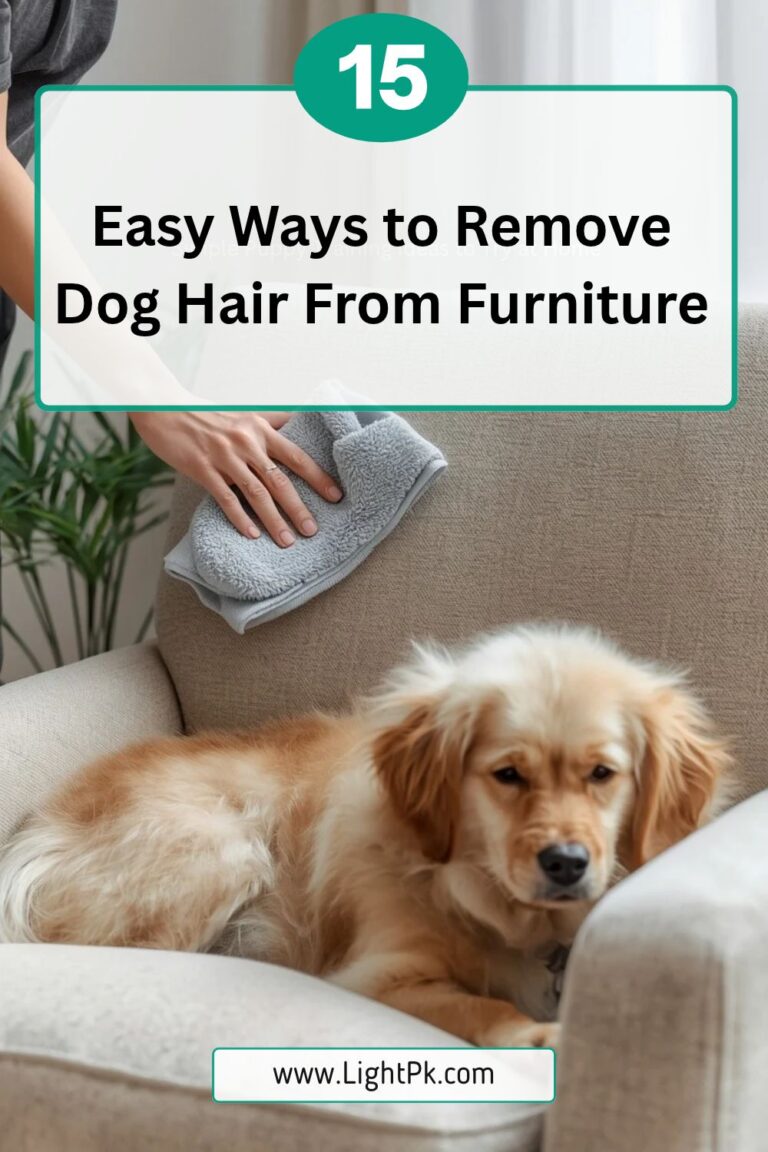
Use a clean, slightly damp microfiber cloth to gently wipe the back, legs, belly, and sides of your dog. Pay attention to areas where dirt commonly collects, but avoid rubbing sensitive skin. For dogs with longer coats, check for small leaves, seeds, or other debris caught in the fur. This quick cleaning routine can help your pet stay fresh between scheduled baths.
6. Maintain a Clean and Dry Coat
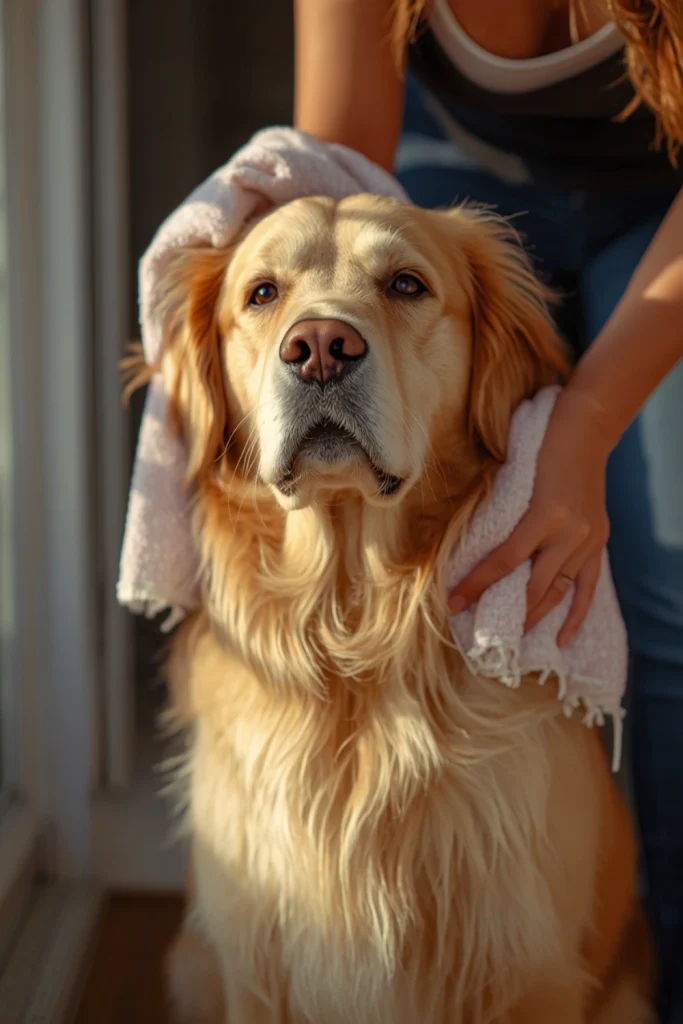
Moisture trapped in your dog’s coat can create an uncomfortable environment and contribute to unpleasant odors. This is especially important for long-haired and thick-coated breeds, where dampness may remain close to the skin. Drying your dog properly after rain, swimming, or outdoor play helps maintain coat cleanliness.
Use a clean absorbent towel to remove excess moisture from the body, legs, belly, and paws. Gently separate thicker sections of fur to check whether they are dry underneath. If necessary, use a pet-safe dryer on a cool or low-heat setting while keeping it at a safe distance. Never leave your dog wet for extended periods, particularly in cold weather.
7. Keep Your Dog’s Ears Clean and Dry
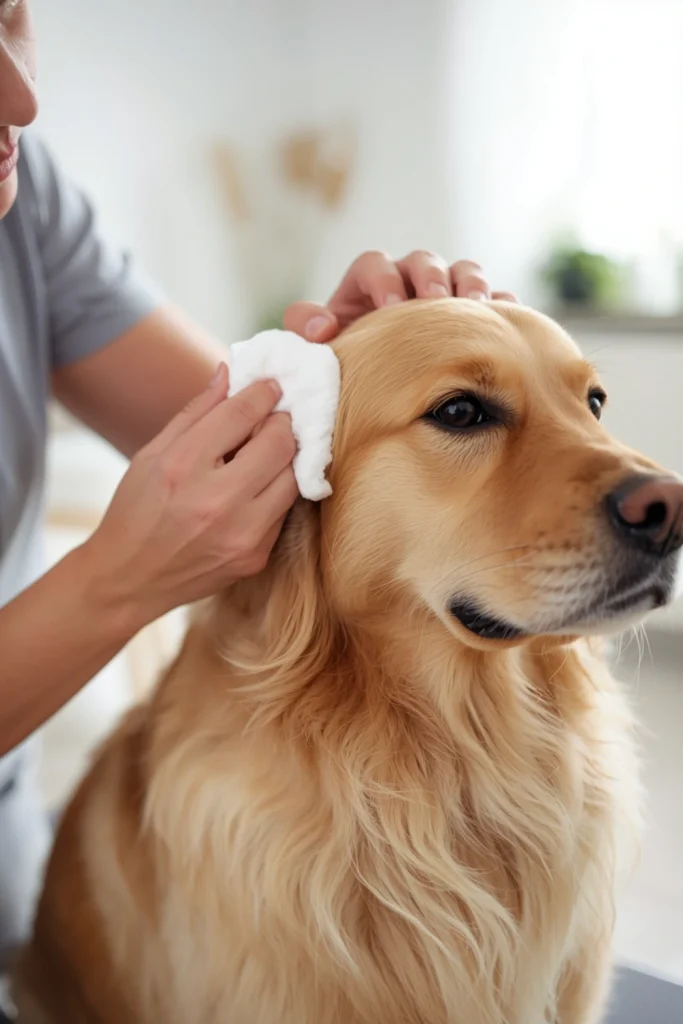
Your dog’s ears can collect dirt, moisture, and natural wax, especially if your pet has floppy ears or spends time outdoors. Checking the ears regularly is a useful part of keeping your dog clean between baths. Clean ears also help you notice unusual redness, unpleasant odors, discharge, or excessive scratching before a problem becomes more serious.
However, avoid cleaning deep inside the ear canal or inserting cotton swabs into your dog’s ears. If the outer ear looks dirty, use a soft cloth or a veterinarian-approved ear cleaner according to its instructions. Keep the ears dry after outdoor activities and bathing. If you notice persistent odor, redness, swelling, or discharge, consult your veterinarian instead of attempting repeated home cleaning.
8. Keep Your Dog’s Face Clean
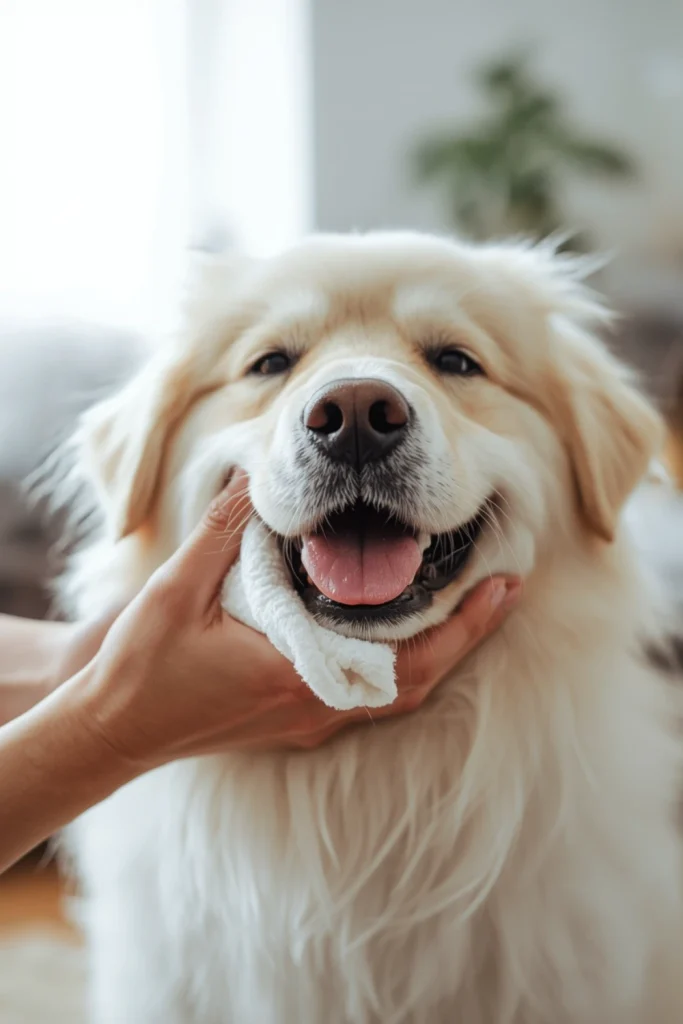
Your dog’s face can collect food particles, saliva, dust, and dirt throughout the day. Some breeds, particularly those with facial folds or longer facial hair, may need additional attention to keep these areas clean. Regularly wiping the face can help your pet look fresh and prevent debris from accumulating around the muzzle and eyes.
Use a clean, soft, slightly damp washcloth to gently wipe around the mouth and other visibly dirty areas. Be especially careful around the eyes and avoid getting water or cleaning products into them. Dogs with facial wrinkles need gentle attention to the skin folds, which should be cleaned and dried carefully. If you notice irritation, discharge, or persistent staining, ask your veterinarian for advice.
9. Trim Hair Around Your Dog’s Paws When Needed
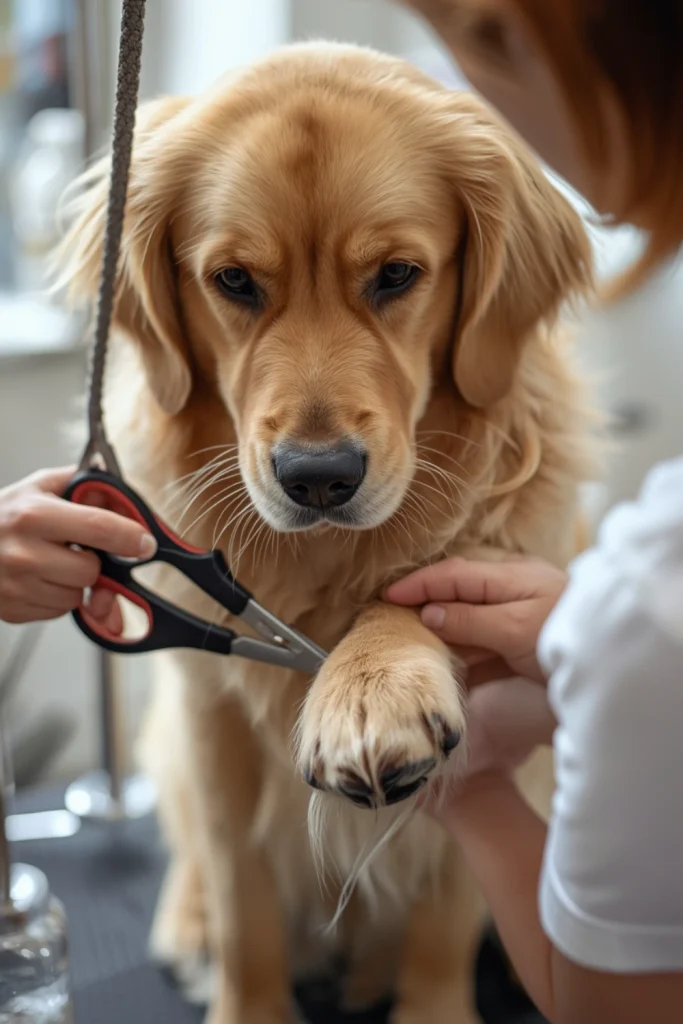
Long hair around your dog’s paws can collect mud, grass, dust, and small outdoor particles. This can make the feet look dirty even when the rest of the coat is clean. Keeping excessive paw hair neatly maintained can make it easier to remove debris after walks and help your dog’s feet stay more comfortable.
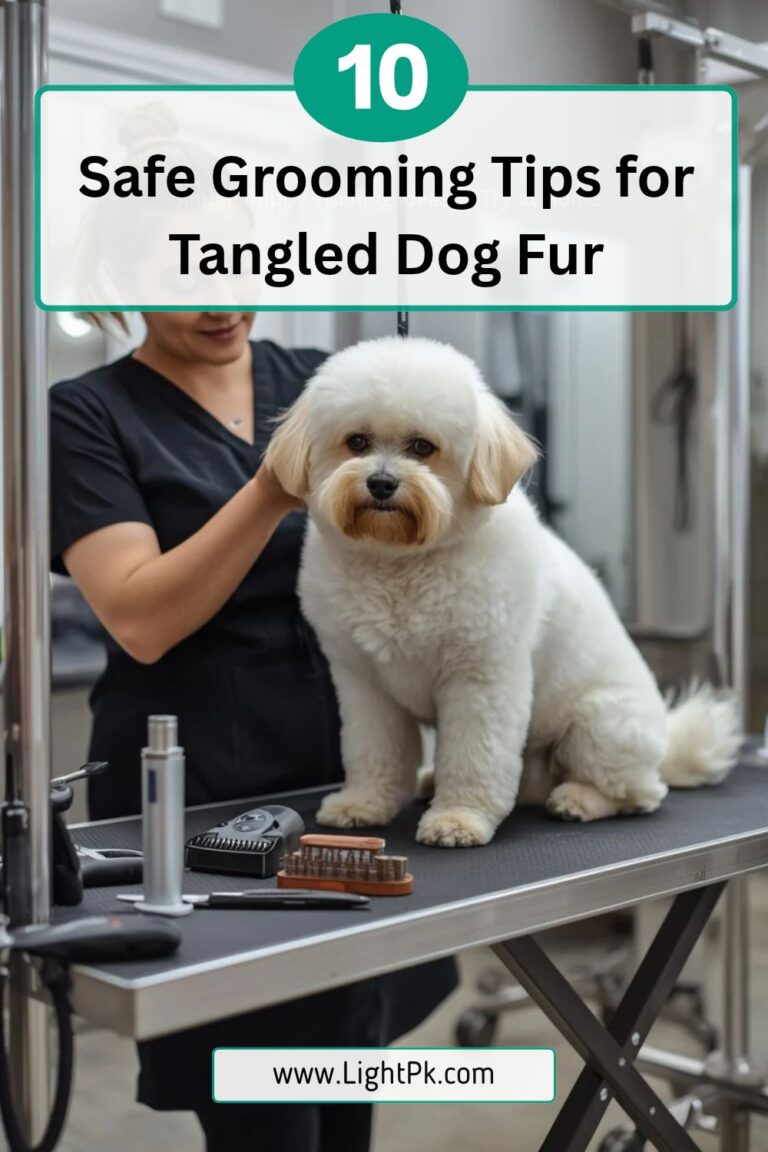
Inspect the hair around the paw pads and between the toes regularly. If trimming is needed, use appropriate grooming tools and avoid cutting close to the skin. Dogs that move frequently may not stay still during paw grooming, so work slowly and reward calm behavior. If you are inexperienced or your dog has tangled hair between the toes, a professional groomer can safely handle the trimming.
10. Clean Your Dog’s Collar, Harness, and Leash
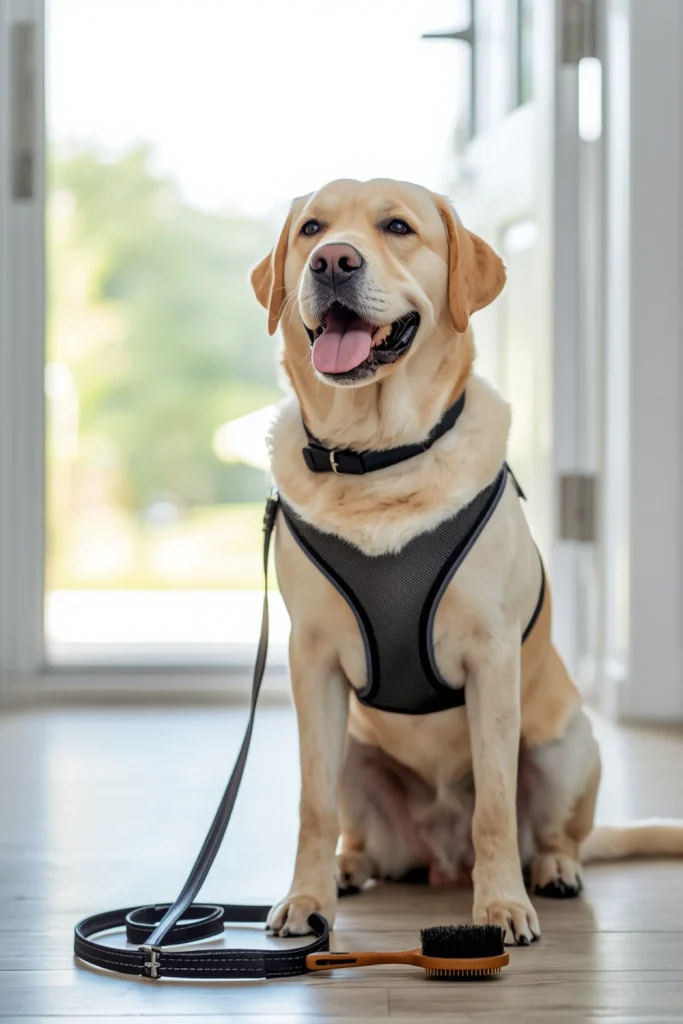
Your dog’s collar, harness, and leash come into contact with the coat and skin every day. Over time, these accessories can collect sweat, dust, outdoor dirt, loose hair, and unpleasant odors. Even if you regularly groom your dog, dirty accessories can make the coat look less fresh and may cause irritation if they remain unclean.
Check collars and harnesses regularly for dirt, moisture, and signs of wear. Clean them according to the manufacturer’s care instructions, especially after muddy walks or outdoor adventures. Make sure fabric accessories are completely dry before putting them back on your dog. Also check that collars and harnesses fit comfortably without rubbing or putting unnecessary pressure on the skin.
11. Keep Your Dog’s Sleeping and Playing Areas Clean
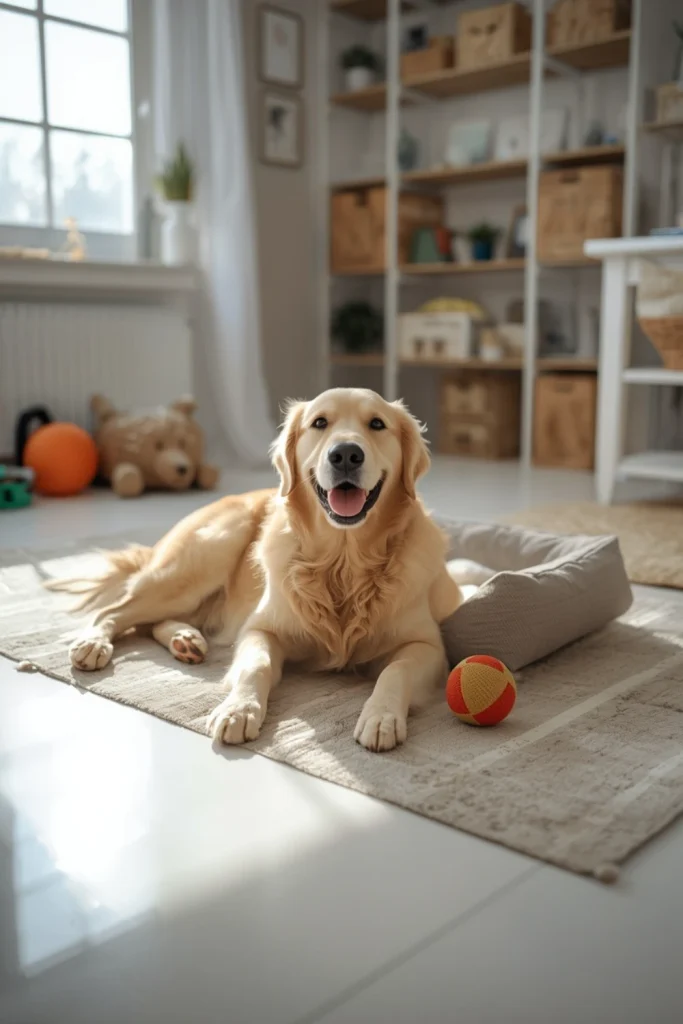
Dogs spend a considerable amount of time resting, playing, and relaxing around the home. Their favorite areas can collect loose fur, dirt, dust, and outdoor debris. Keeping these spaces clean helps prevent dirt from transferring back onto your dog’s coat and reduces mess around the house.
Vacuum carpets, clean floors, and wash removable covers regularly. Pay special attention to the areas where your dog sleeps, eats, and plays. Remove loose hair from favorite furniture spots and clean washable toys according to their care instructions. A clean environment supports your dog’s overall hygiene and makes everyday grooming easier. It also helps reduce the buildup of dirt and unpleasant odors inside your home.
12. Check and Clean Your Dog After Every Outdoor Adventure
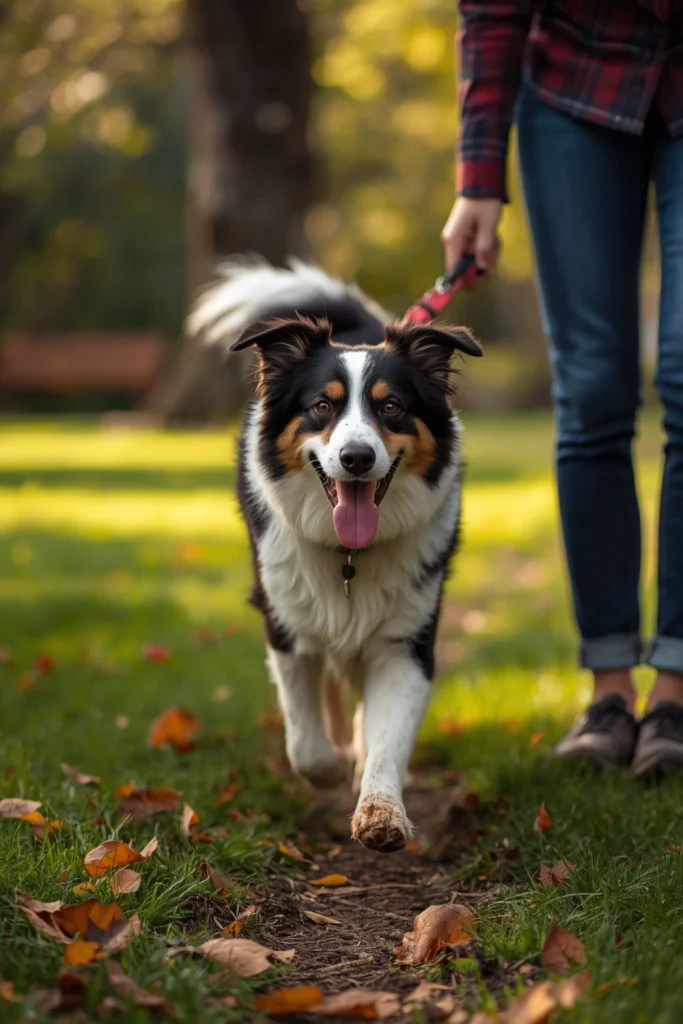
Outdoor activities expose dogs to different types of dirt, including mud, grass, sand, leaves, and small plant materials. After returning from a walk, park visit, or garden play session, take a few minutes to inspect your dog’s body. This simple habit helps prevent outdoor debris from remaining trapped in the coat.
Check the paws, legs, belly, ears, and tail for visible dirt, seeds, or tangled materials. Remove loose debris gently using your fingers or a suitable grooming comb. If your dog has walked through muddy areas, clean the affected parts with lukewarm water and dry them properly. Regular post-outdoor checks help maintain cleanliness and allow you to notice minor skin or coat problems early.
Final Thoughts
Learning how to keep your dog clean between baths is an important part of responsible pet ownership. You do not need to give your furry friend a full bath every time they collect a little dirt. Simple habits such as regular brushing, cleaning paws, wiping the coat, maintaining fresh bedding, and keeping grooming supplies clean can make a big difference.
Remember that every dog has different grooming needs. Long-haired breeds may require more frequent brushing, while active outdoor dogs may need extra paw cleaning. Choose gentle, dog-safe products and avoid excessive cleaning that could irritate your pet’s skin.
By following these 12 easy methods and creating a consistent daily grooming routine, you can help your dog stay fresh, comfortable, and healthy between bathing sessions. Most importantly, make grooming a positive experience with patience, gentle handling, and plenty of encouragement.