
12 Dog Training Mistakes New Owners Should Avoid
Training a dog is one of the most rewarding parts of becoming a pet owner, but it can also feel challenging when you are just getting started. Every dog has a different personality, learning speed, and set of needs. Some dogs understand basic commands quickly, while others need more time, repetition, and encouragement. Without the right approach, even a loving and responsible owner can develop habits that make training confusing.
The good news is that most beginner training problems can be improved with patience, consistency, and a better understanding of how dogs learn. By recognizing common Dog Training Mistakes, you can build healthier communication, encourage positive behavior, and create a stronger relationship with your furry companion. Whether you have a new puppy or an adult rescue dog, avoiding these mistakes can make your training journey easier and more enjoyable.
1. Expecting Results Too Quickly
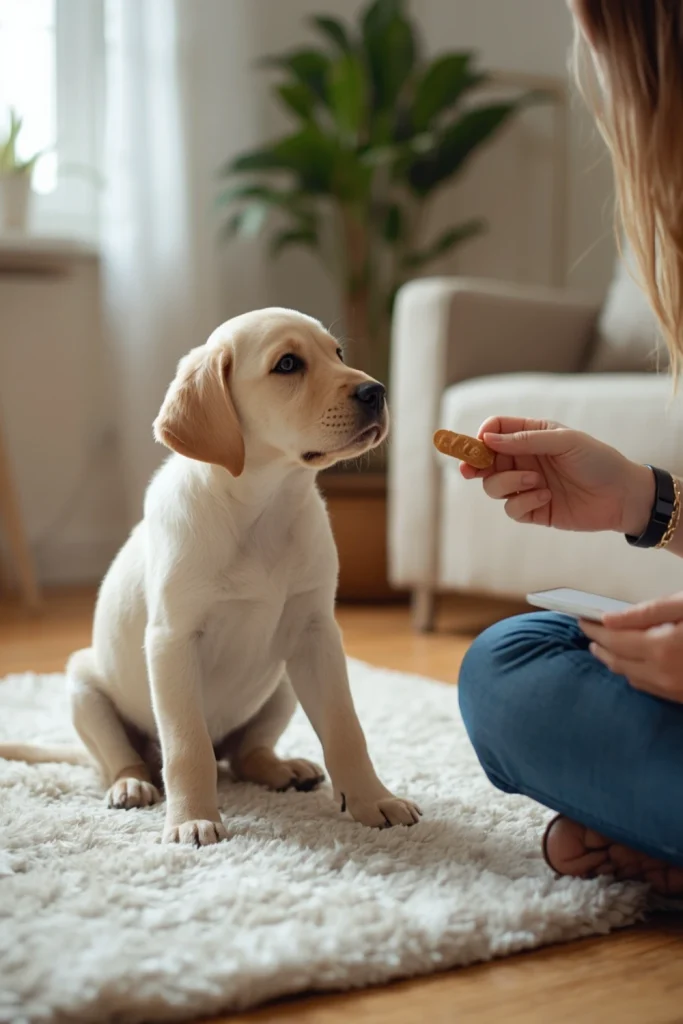
One of the most common Dog Training Mistakes new owners make is expecting their dogs to learn everything immediately. When a puppy arrives home, owners may expect it to understand commands, follow house rules, walk politely on a leash, and respond to its name within a few days. However, learning takes time. Dogs need opportunities to understand instructions, practice behaviors, and become comfortable in their environment. A new dog may also be adjusting to unfamiliar people, sounds, smells, and routines.
Instead of expecting instant results, divide each training goal into small steps. If you are teaching your dog to sit, reward the first attempts to follow your hand or lower its body rather than waiting for a perfect performance. Repeat the exercise in short sessions and gradually improve the behavior. Some dogs learn faster than others, so avoid comparing your pet with another dog. Progress may be gradual, but consistent practice can help your dog develop reliable skills.
Why This Mistake Causes Problems
When owners expect immediate improvement, they may become impatient or change their instructions too frequently. A dog that is still learning may receive mixed signals because the owner keeps introducing new commands or expects a difficult behavior before the basics are established. This can make training frustrating for both sides.
It is more useful to measure progress through small improvements. Your dog might first look toward you when you say its name, then take a step closer, and eventually come when called. Each improvement is part of the learning process. Celebrate these small achievements and give your dog enough time to understand what you are teaching.
How to Avoid It:
- Set realistic training goals.
- Teach one new skill at a time.
- Break difficult behaviors into smaller steps.
- Practice regularly without making sessions too long.
- Reward progress instead of expecting perfection.
- Avoid comparing your dog with other pets.
- Give your dog time to adjust to its new home.
2. Using Inconsistent Commands and Rules
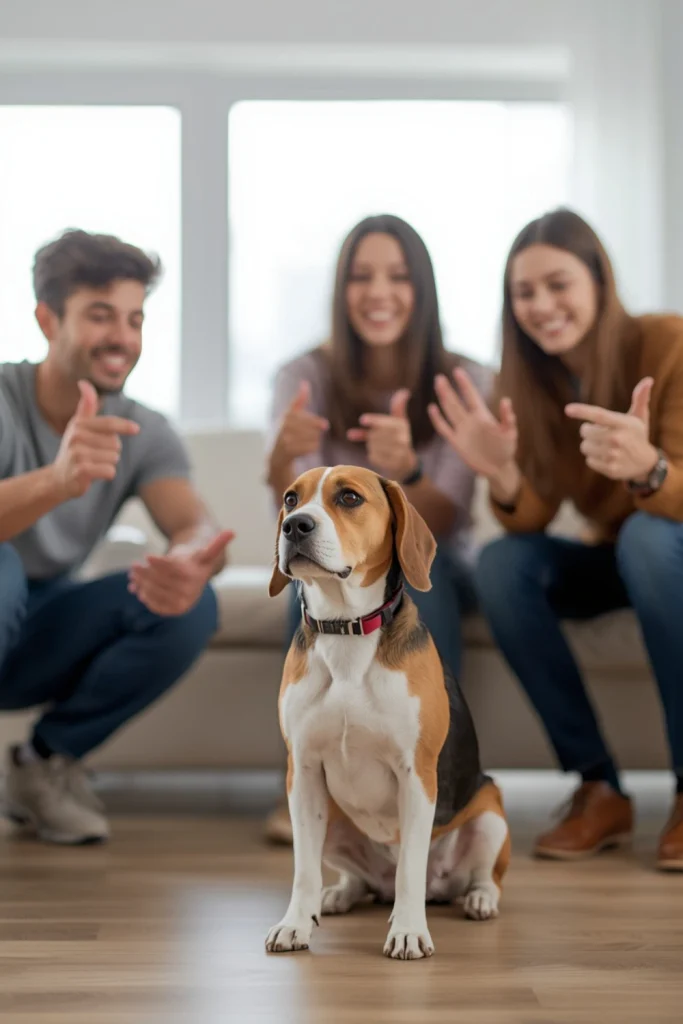
Another major mistake is using different words or rules for the same behavior. For example, one family member may say “come,” another may say “here,” and someone else may whistle when calling the dog. Although dogs can eventually learn multiple cues, changing instructions without a clear training plan can create confusion for beginners. The same problem occurs when household rules change from one day to another. If your dog is allowed to jump on the sofa sometimes but gets corrected for doing it on other occasions, it may struggle to understand what is expected.
Create a simple list of the commands and household rules you want everyone to follow. Use the same word for each behavior and agree on which areas of the home are allowed for your dog. If you want your dog to stay off certain furniture, make that rule consistent. Every family member should use similar cues and reward the same desired behavior. Consistency gives your dog a clearer learning environment and makes everyday communication easier.
Why This Mistake Causes Problems
Dogs learn through repeated experiences. When a cue means one thing in the morning and something different in the evening, your dog may not understand which response will earn a reward. Inconsistent rules can also accidentally reinforce behaviors that owners are trying to prevent.
For example, if jumping up receives attention from one person but is discouraged by another, the dog may continue trying because the behavior sometimes works. This does not mean the dog is deliberately ignoring the household rules. It means the dog has received different feedback. Clear and consistent expectations help prevent this problem.
How to Avoid It:
- Choose one main word for each command.
- Make a shared list of basic training cues.
- Ask all family members to follow the same rules.
- Decide whether furniture is allowed or off-limits.
- Use the same approach to reward good behavior.
- Avoid changing instructions unnecessarily.
- Review household rules as your dog grows.
3. Relying Only on Punishment
Some new owners believe that correcting unwanted behavior through shouting or punishment is the fastest way to train a dog. However, punishment does not necessarily teach a dog what it should do instead. A dog that is shouted at for chewing furniture may stop temporarily when the owner is present, but it may still chew when left alone. Harsh reactions can also make a dog frightened or uncertain around its owner. Training should focus on teaching appropriate alternatives rather than simply trying to stop every unwanted action.
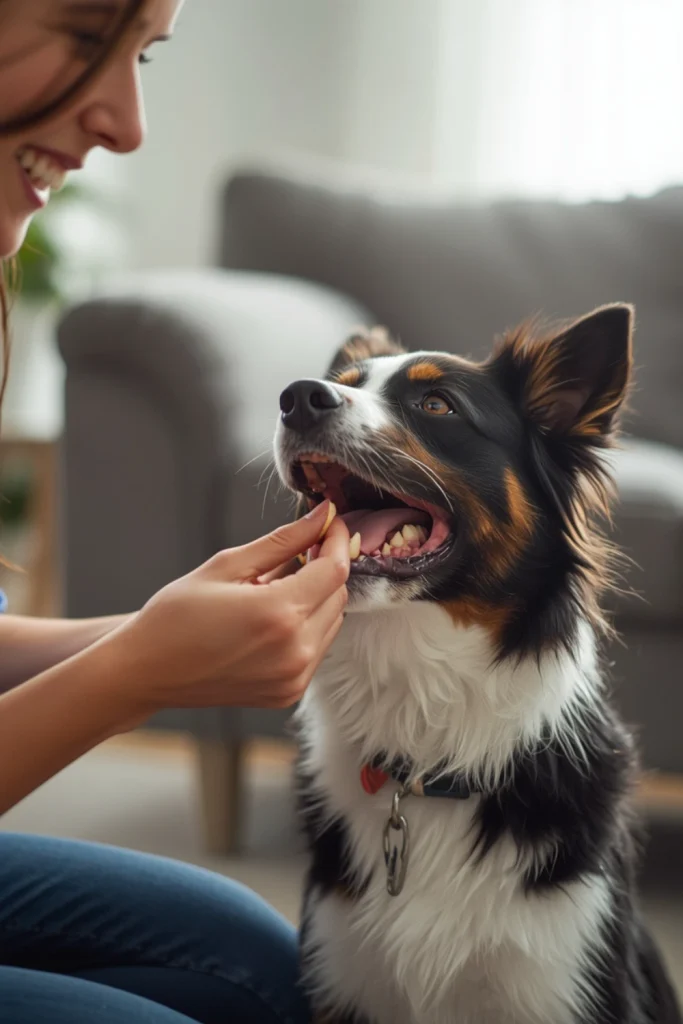
Positive reinforcement offers a more constructive approach. When your dog performs a behavior you want to encourage, reward it with a suitable treat, praise, a toy, or another enjoyable reward. If your dog starts chewing an inappropriate object, calmly redirect it toward a suitable chew toy. Reward the dog when it chooses the correct item. This teaches a useful alternative and helps create a more positive learning experience.
Understanding Positive Reinforcement
Positive reinforcement means adding something the dog enjoys after a desired behavior so that the behavior is more likely to happen again. For example, when your dog sits after hearing the cue, you provide a small treat. Over repeated practice, your dog can learn that sitting when asked leads to a rewarding result.
The reward does not always need to be food. Some dogs enjoy playing with a ball, receiving gentle praise, or getting attention from their owners. Choose rewards that motivate your individual dog. Avoid using fear, intimidation, or physical punishment as training tools. If a behavior is difficult to manage, a qualified reward-based trainer or veterinary professional can help you find a suitable approach.
How to Avoid It:
- Reward behaviors you want to see again.
- Redirect unwanted chewing toward safe toys.
- Avoid shouting or physically intimidating your dog.
- Teach an alternative behavior instead of only saying no.
- Use rewards that your dog genuinely enjoys.
- Stay calm when mistakes happen.
- Seek qualified help for persistent or dangerous behavior.
4. Training for Too Long Without Breaks
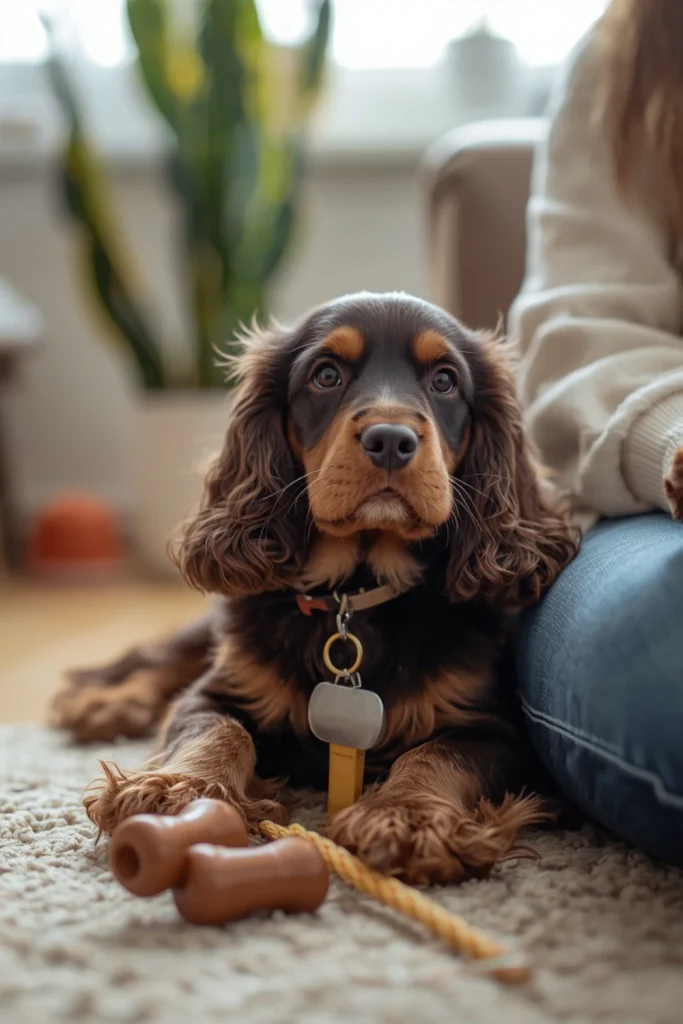
New owners often become excited about teaching their dogs and may try to practice several commands in one long session. Although enthusiasm is helpful, extended training can become tiring or frustrating. Puppies, in particular, have developing attention spans and need plenty of sleep and rest. Adult dogs can also lose interest when an activity becomes repetitive or difficult. When a dog becomes distracted, restless, or less responsive, continuing to repeat the same exercise may not produce better results.
Short, focused sessions are usually easier to manage. Choose one or two training goals and practice them for a few minutes, depending on your dog’s age, health, and attention. End the session on a simple successful activity whenever possible. You can return to the same skill later rather than trying to teach everything at once. Frequent breaks give your dog time to rest and can help maintain a positive attitude toward training.
Signs Your Training Session Is Too Long
Your dog may show several signs that it needs a break. It might begin looking away, walking off, sniffing the floor, lying down, or losing interest in treats. Some dogs become overly excited when they are tired, while others may appear frustrated or confused. These signals are worth noticing rather than interpreting as deliberate disobedience.
If your dog stops responding, pause and make the next attempt easier. Offer water when appropriate, allow a rest period, and return to training later. A short session that ends positively can be more useful than a long session in which both owner and dog become frustrated.
How to Avoid It:
- Keep beginner sessions short and focused.
- Practice one main skill at a time.
- Give puppies frequent opportunities to rest.
- Watch for signs of tiredness or frustration.
- Take breaks between activities.
- Avoid repeating commands continuously.
- Finish with an easy behavior your dog knows.
5. Ignoring the Importance of Timing
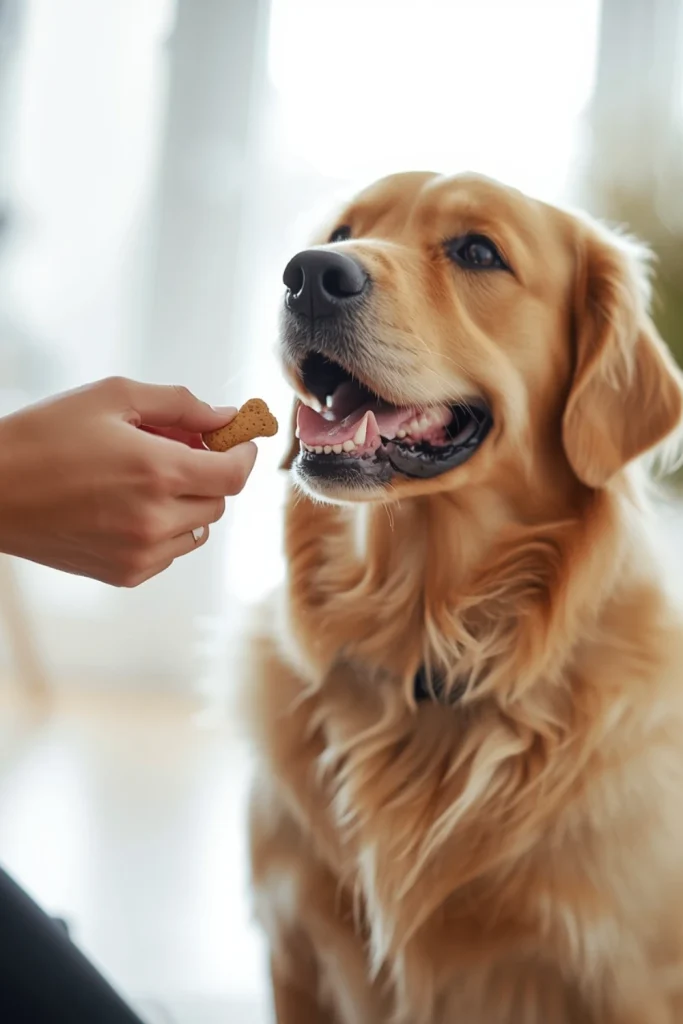
Timing is an important part of dog training, but new owners sometimes reward or correct behavior too late. If your dog sits and receives a treat several seconds afterward, it may not understand exactly which action earned the reward. Similarly, if you react to something your dog did earlier, the dog may not connect your response with that past behavior. Clear timing helps your dog understand which action you are encouraging.
Try to reward the desired behavior immediately after it happens. If you are teaching your dog to come, provide the reward as soon as it reaches you. If you are practicing calm behavior, reward the dog while it is relaxed rather than waiting until it becomes excited again. A consistent marker word such as “yes” can help identify the correct moment. With practice, good timing makes your instructions easier for your dog to understand.
Why Immediate Rewards Matter
Dogs learn from the relationship between an action and what happens afterward. When a reward follows a behavior quickly, the connection is easier to understand. If too much time passes, your dog may associate the reward with another action, such as walking toward you, looking away, or jumping.
A marker word can be especially useful when you cannot deliver a treat immediately. Say “yes” at the exact moment your dog performs the desired behavior, then provide the reward. Use the marker consistently and avoid saying it randomly. It becomes a clear signal that tells your dog which action was successful.
How to Avoid It:
- Reward your dog immediately after the desired action.
- Keep treats within easy reach during practice.
- Use one consistent marker word if helpful.
- Avoid rewarding a different behavior by mistake.
- Watch your dog carefully during training.
- Practice simple exercises to improve your timing.
- Be consistent with praise and rewards.
6. Skipping Socialization and New Experiences
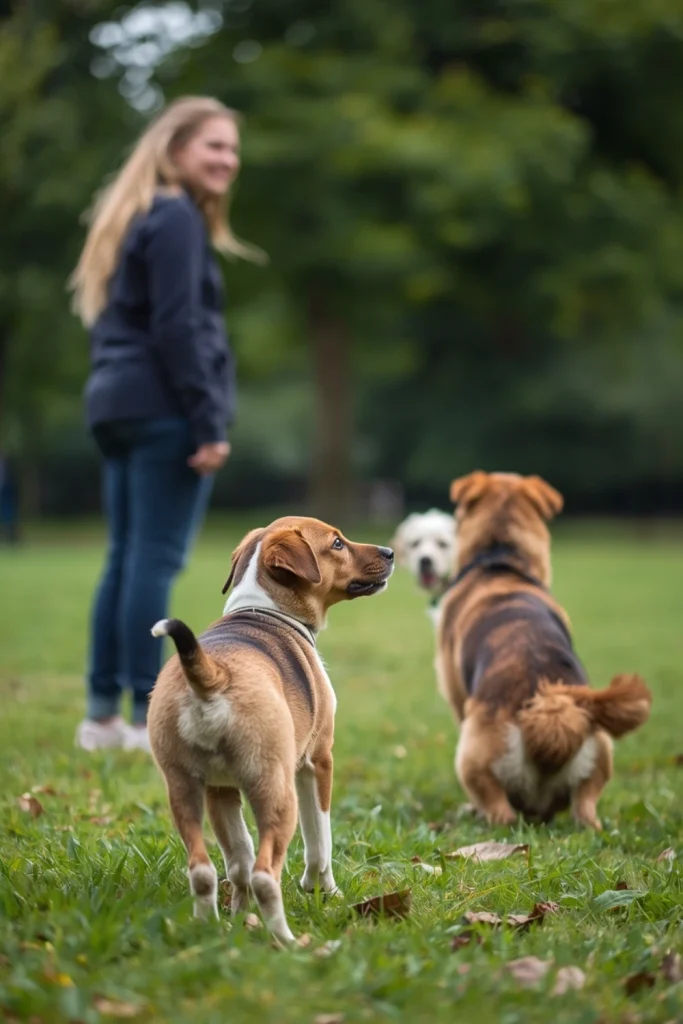
Some new owners focus only on obedience commands and forget that dogs also need positive experiences with different environments, people, sounds, surfaces, and everyday situations. Socialization is especially important during puppy development, but adult dogs can also benefit from carefully managed introductions to unfamiliar experiences. A dog that rarely encounters new situations may find ordinary events confusing or frightening, such as hearing traffic, meeting visitors, or walking on a different surface.
Socialization does not mean forcing your dog to greet every person or interact with every animal. It means helping your dog experience the world safely and at a comfortable pace. Allow your pet to observe unfamiliar situations from a suitable distance and reward calm behavior. Follow your veterinarian’s advice about vaccination and safe exposure for puppies. If your dog shows fear, give it space rather than forcing an interaction.
Making New Experiences Positive
Introduce new experiences gradually. For example, if your dog is uncomfortable around traffic, begin at a quiet location where it can observe vehicles from a comfortable distance. Reward calm observation and allow your dog to move away if needed. Over time, you can adjust the distance according to its comfort.
You can also introduce household sounds, visitors, different walking surfaces, and appropriate interactions with friendly, well-managed dogs. Pay attention to body language, including a tucked tail, repeated attempts to move away, freezing, or excessive panting. These signs may indicate discomfort. A positive socialization experience should allow the dog to feel safe rather than overwhelmed.
How to Avoid It:
- Introduce new experiences gradually.
- Follow veterinary advice about puppy vaccinations.
- Allow your dog to observe unfamiliar situations.
- Never force greetings or physical contact.
- Reward calm behavior around new experiences.
- Watch for signs of fear or stress.
- Choose safe and controlled introductions.
7. Forgetting to Reward Good Behavior
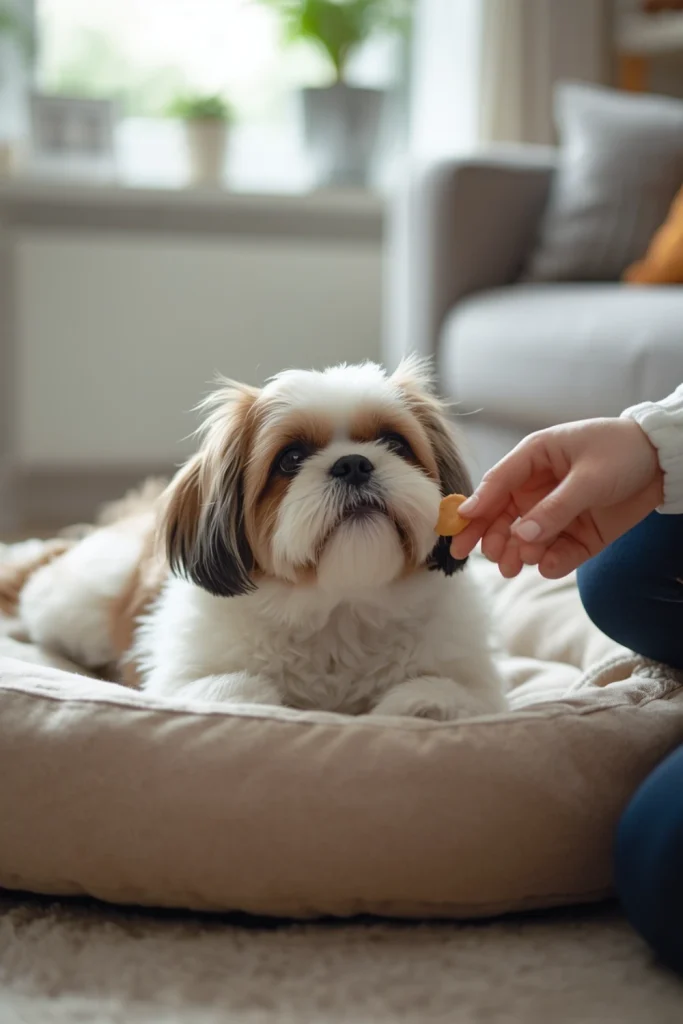
Many owners notice their dogs mainly when something goes wrong. They respond when the dog barks, jumps, pulls the leash, or chews an object, but they may overlook quiet and desirable behavior. For example, a dog may spend several minutes relaxing calmly while its owner is working. If the owner never acknowledges this behavior, the dog may receive less feedback about what is appreciated. Rewarding good behavior is an important way to help your dog understand which actions are welcome.
Look for everyday opportunities to reinforce the habits you want. If your dog lies calmly on its bed, offer gentle praise or a small reward. If it waits patiently before going through a doorway, reward that behavior. You do not need to give treats every time forever, but rewarding desirable behavior during the learning stage can help establish useful habits.
Rewarding Calm and Everyday Behavior
Training does not need to happen only during planned sessions. Everyday moments can become opportunities for learning. When your dog sits quietly while you prepare its food, you can reward the calm waiting. When it greets a visitor without jumping, praise the polite greeting. These small moments help reinforce household manners.
Be thoughtful about what you reward. If you give attention every time your dog barks at you, barking may become a way to request attention. Instead, wait for a brief moment of calm when appropriate and reward that behavior. If barking is related to fear, distress, or a safety concern, address the underlying cause rather than simply ignoring it.
How to Avoid It:
- Notice and reward calm behavior.
- Praise polite greetings.
- Reward waiting and settling.
- Reinforce good leash behavior during walks.
- Use everyday routines as learning opportunities.
- Avoid giving attention to unwanted behavior accidentally.
- Be consistent when teaching household manners.
8. Neglecting Leash Training
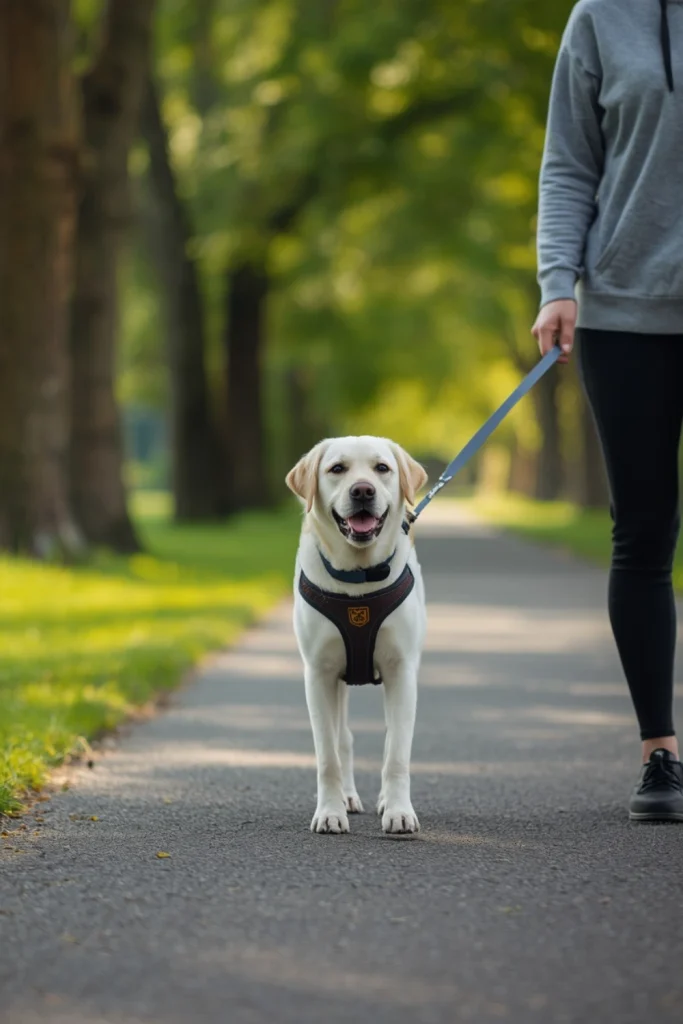
Leash training is an important skill, but many new owners assume that dogs automatically know how to walk politely beside a person. Puppies and newly adopted dogs may pull, stop frequently, become distracted, or react to unfamiliar sights and sounds. If pulling consistently allows the dog to move toward something interesting, the behavior may become more rewarding. Without patient practice, walks can become difficult for both the owner and the dog.
Start leash training in a quiet and familiar environment. Allow your dog to become comfortable wearing a suitable collar or harness and walking beside you. Reward the dog when the leash is loose and it checks in with you. Begin with short practice sessions before gradually introducing more distractions. Choose equipment that fits correctly and does not cause discomfort. If your dog lunges or reacts strongly to people or animals, seek help from a qualified reward-based trainer.
Building Better Walking Habits
A successful walk is not necessarily one in which your dog stays perfectly beside you every second. Dogs need opportunities to sniff and explore appropriate surroundings. You can create a balance between walking together and allowing relaxed sniffing time. Use a consistent cue when you want your dog to walk with you, and reward attention when it returns to your side.
If your dog pulls, avoid turning the walk into a battle. Pause or change direction calmly when it is safe to do so, then reward the dog when it reconnects with you and the leash becomes loose. Practice in quiet places first. Gradually increase the difficulty as your dog becomes more comfortable with the skill.
How to Avoid It:
- Introduce the leash gradually.
- Use a comfortable, properly fitted harness or collar.
- Begin practice in a quiet area.
- Reward loose-leash walking.
- Allow appropriate sniffing breaks.
- Increase distractions gradually.
- Get professional guidance for serious leash reactivity.
9. Not Understanding Your Dog’s Body Language
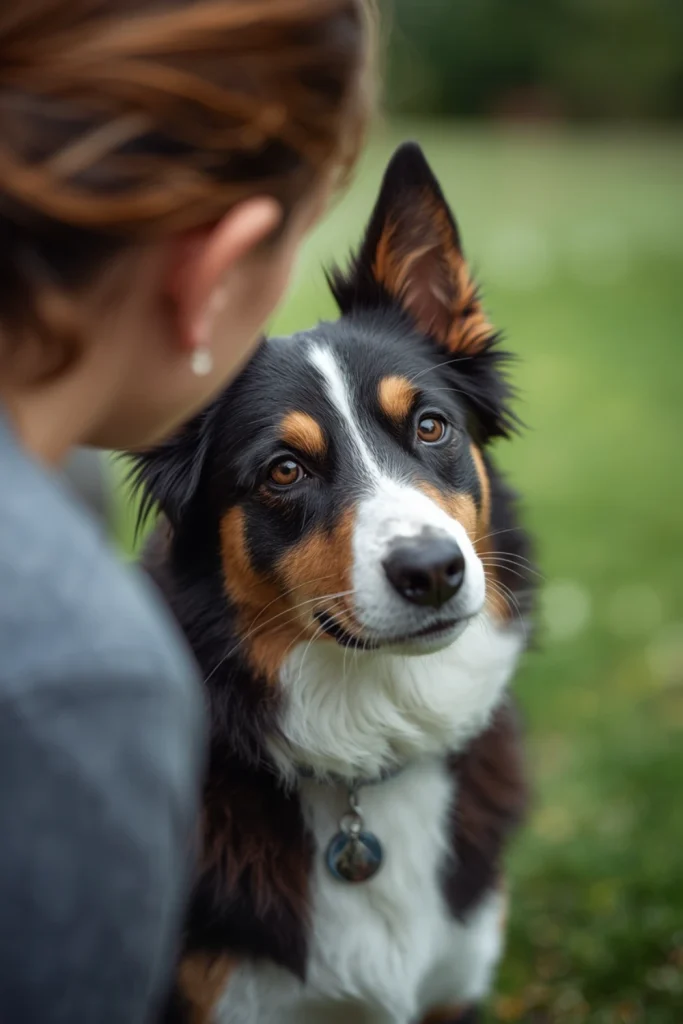
Dogs communicate through more than barking and tail wagging. Their ears, eyes, posture, facial expressions, movement, and distance from people can all provide information about how they are feeling. New owners sometimes misunderstand these signals. For example, a wagging tail does not always mean a dog is happy and comfortable. A dog may wag its tail while feeling excited, uncertain, or stressed. Ignoring these signals can lead to uncomfortable interactions and make training more difficult.
Spend time observing your dog’s normal behavior in different situations. Notice when it appears relaxed, excited, worried, or uncomfortable. Signs such as turning the head away, licking the lips, yawning, moving away, freezing, or showing a tense body may indicate stress depending on the context. Give your dog space when it needs it. Understanding body language helps you choose suitable training activities and recognize when your pet needs a break.
Why Body Language Matters During Training
A dog that feels frightened or overwhelmed may find it difficult to concentrate. If you continue asking for commands while the dog is uncomfortable, it may become more anxious or stop participating. This can make the training experience less effective and may damage trust.
For example, if your dog repeatedly turns away when you approach with a brush, it may be showing discomfort with grooming. Rather than forcing the process, introduce the brush gradually and reward calm interactions. If your dog growls, do not punish the warning. Create distance and seek qualified professional advice to understand the cause and manage the situation safely.
How to Avoid It:
- Learn common signs of canine stress and comfort.
- Watch the whole body, not only the tail.
- Respect your dog’s need for space.
- Pause training when your dog appears overwhelmed.
- Avoid forcing greetings or handling.
- Never punish growling or other warning signals.
- Consult a qualified professional about concerning behavior.
10. Failing to Practice in Different Environments
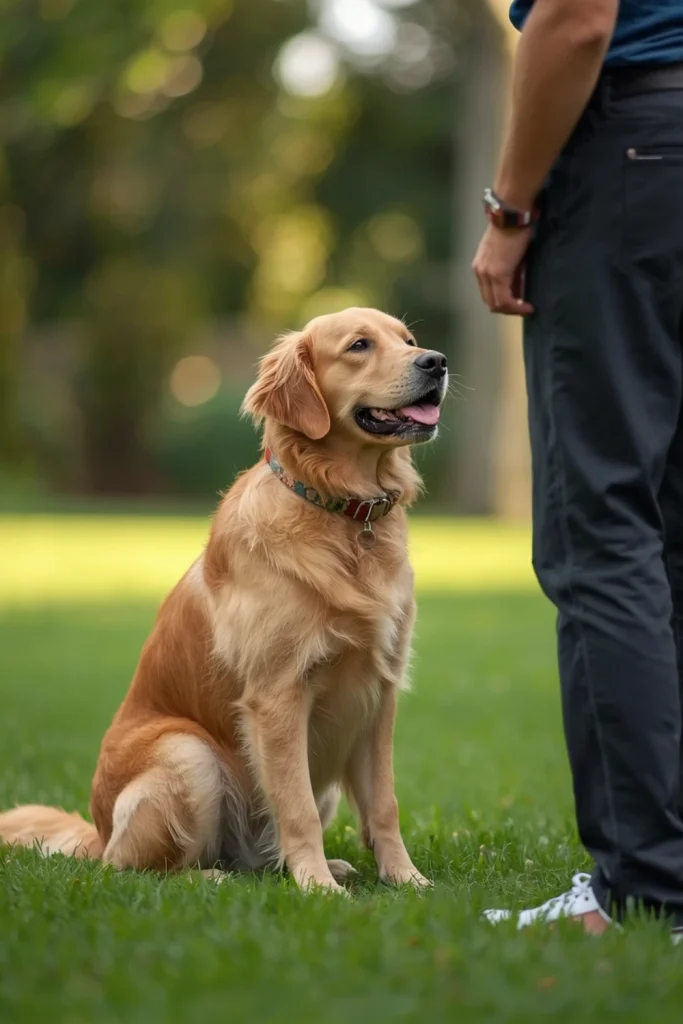
A dog may perform a command perfectly in the living room but struggle to respond at the park. This is a common experience for beginners. Dogs do not automatically understand that a behavior learned in one location should work everywhere. A familiar room may have few distractions, while an outdoor area contains unfamiliar smells, sounds, people, and animals. Expecting the same response in every environment without practice can create frustration.
Once your dog understands a command in a quiet place, gradually practice it in other suitable locations. Begin in another room, then try a quiet garden or peaceful outdoor area. Keep the difficulty manageable and reward successful responses. If your dog struggles, return to an easier environment and build up again. This gradual process helps your dog learn that familiar cues apply in different situations.
How to Generalize Training Skills
Generalizing means helping your dog understand a behavior in different locations and situations. For example, if your dog knows “sit” in the kitchen, practice the same cue in the hallway, garden, and another quiet location. Change only one part of the exercise at a time when possible.
You can gradually introduce distractions, such as another person walking nearby or a toy resting on the floor. Do not begin with the busiest environment. A dog that is still learning recall should not be tested off-leash in an unsecured public area. Use a safe enclosed space or an appropriate long line where permitted, and prioritize your dog’s safety.
How to Avoid It:
- Teach new commands in a quiet environment first.
- Practice familiar cues in different rooms.
- Introduce outdoor environments gradually.
- Increase distractions step by step.
- Reward successful responses in each new location.
- Do not assume a dog knows a cue everywhere.
- Keep recall practice in safe, controlled areas.
11. Ignoring Mental Stimulation and Enrichment
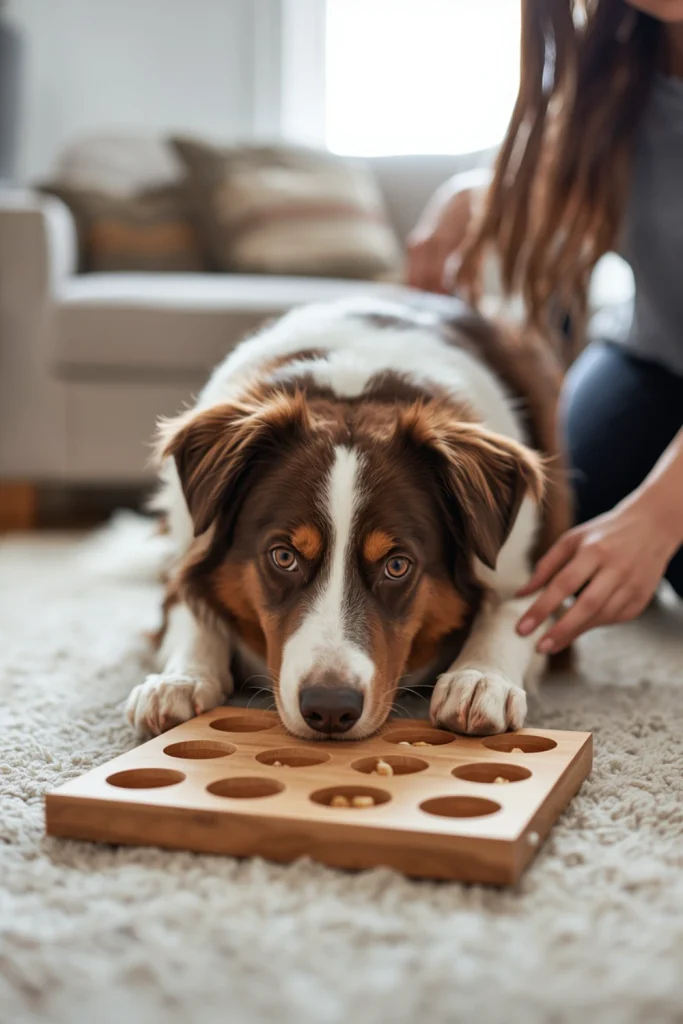
Some owners believe that dog training is limited to obedience commands and physical exercise. However, dogs also need opportunities to use their senses, solve simple problems, explore, and engage with their surroundings. Without suitable mental activities, some dogs may become bored or develop unwanted habits such as excessive barking, chewing, or searching through household items. These behaviors can have different causes, so enrichment is not a guaranteed solution, but it can be a useful part of a balanced routine.
Include simple enrichment activities alongside basic training. You can hide a few suitable treats for your dog to find, introduce a safe food puzzle, rotate toys, or practice scent games. Teach your dog to identify a favorite toy or settle on a mat. Choose activities that match your dog’s age, health, and experience. Supervise puzzle toys and household materials to make sure your dog cannot swallow unsafe pieces.
Easy Mental Stimulation Ideas
Scent games are a simple starting point because they encourage dogs to use their natural ability to investigate smells. Place a treat in an easy-to-find location and encourage your dog to search. As your dog understands the game, you can introduce additional safe hiding places. Puzzle feeders can also make mealtimes more engaging when used according to the manufacturer’s instructions.
You can combine enrichment with everyday training. Ask your dog to sit before receiving a toy, practice a hand target during play, or reward calm behavior after a short search game. Rotate activities to keep things interesting. Remember that mental enrichment should be enjoyable, not frustrating. If your dog cannot solve a puzzle, make it easier and reward small steps.
How to Avoid It:
- Include scent games in your dog’s routine.
- Offer safe and suitable puzzle toys.
- Rotate toys to maintain interest.
- Teach simple tricks and interactive games.
- Supervise activities involving household objects.
- Choose enrichment suitable for your dog’s age.
- Balance mental activities with rest and exercise.
12. Giving Up Too Soon or Avoiding Professional Help
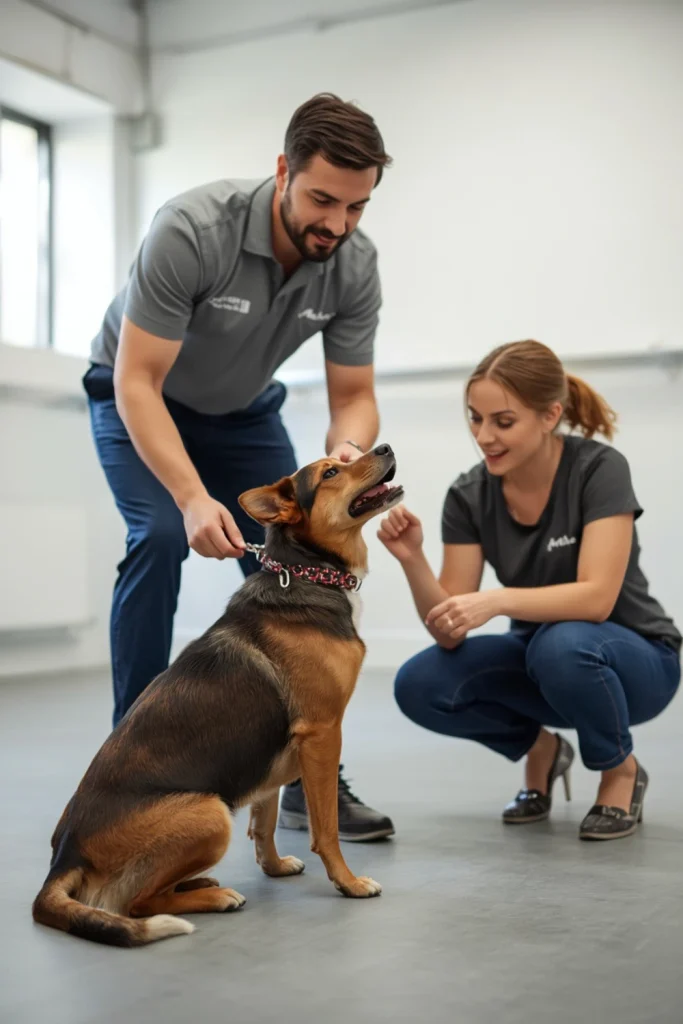
The final mistake is giving up when training becomes challenging. Some dogs need more repetition than their owners expect, especially when learning new skills or adjusting to a different home. Owners may try a command for a few days, see limited progress, and decide that their dog cannot learn it. Others may jump between different training methods without giving one clear approach enough time. Frequent changes can make the learning process confusing.
Be patient, review your training approach, and make difficult exercises easier. However, there are times when professional help is important. Persistent fear, aggressive behavior, severe separation-related distress, resource guarding, or dangerous leash reactions deserve careful attention. A qualified reward-based dog trainer or veterinary behavior professional can help identify the underlying issue and develop a suitable plan. Asking for help is a responsible part of caring for your dog.
When to Seek Professional Support
Basic skills can often be practiced at home, but some behavior problems require more than beginner training. If your dog repeatedly growls, snaps, bites, panics when left alone, or becomes highly distressed around certain triggers, avoid trying to solve the issue through punishment or force. These behaviors may be linked to fear, pain, stress, or other factors that need professional assessment.
A veterinarian can help rule out medical causes, while a qualified trainer or veterinary behavior professional can guide behavior management. Look for someone who explains their methods clearly, prioritizes safety, and uses humane, reward-based techniques. Early guidance can help prevent a difficult situation from becoming more complicated.
How to Avoid It:
- Give your dog time to learn.
- Review your methods before changing the entire routine.
- Break challenging skills into easier steps.
- Track small improvements.
- Avoid comparing your progress with other owners.
- Seek professional support for persistent or dangerous behaviors.
- Discuss sudden behavior changes with your veterinarian.
Final Thoughts
Learning how to train a dog takes time, patience, and a willingness to understand your pet’s needs. Many beginner problems happen because owners expect quick results, change commands too often, overlook good behavior, or try to correct unwanted actions without teaching an appropriate alternative. Recognizing these 12 Dog Training Mistakes can help you create a clearer and more positive learning experience.
Remember that every dog is an individual. Your puppy may need short sessions and frequent rest, while an adult rescue dog may need time to feel secure in a new home. Use consistent cues, reward progress, introduce new experiences gradually, and pay attention to your dog’s body language. Training should support communication and trust rather than become a daily struggle.
You do not need to be a professional trainer to begin teaching useful everyday skills. Start with simple commands, build a predictable routine, and celebrate small improvements. If a behavior is persistent, frightening, or potentially dangerous, seek advice from your veterinarian or a qualified reward-based dog training professional.
With patience and consistent practice, you can avoid common training mistakes and help your dog become more comfortable with everyday routines. The goal is not to have a perfect dog. It is to build a strong relationship based on clear communication, safety, and positive experiences.