

Dog Care for Beginners: Complete Guide for New Owners
Bringing a dog home is an exciting experience, but becoming a responsible dog owner involves much more than providing food and a comfortable place to sleep. Your new dog needs proper nutrition, exercise, grooming, training, veterinary care, socialization, safety, and plenty of patience. Learning the basics early can help you build a strong and trusting relationship with your pet.
If you are searching for dog care for beginners, this complete guide will walk you through the most important things every new dog owner should know. From preparing your home and choosing the right food to understanding behavior, preventing health problems, and creating a daily routine, you will find practical information to help your dog live a healthy, happy, and comfortable life.
1. Understanding the Basics of Dog Care
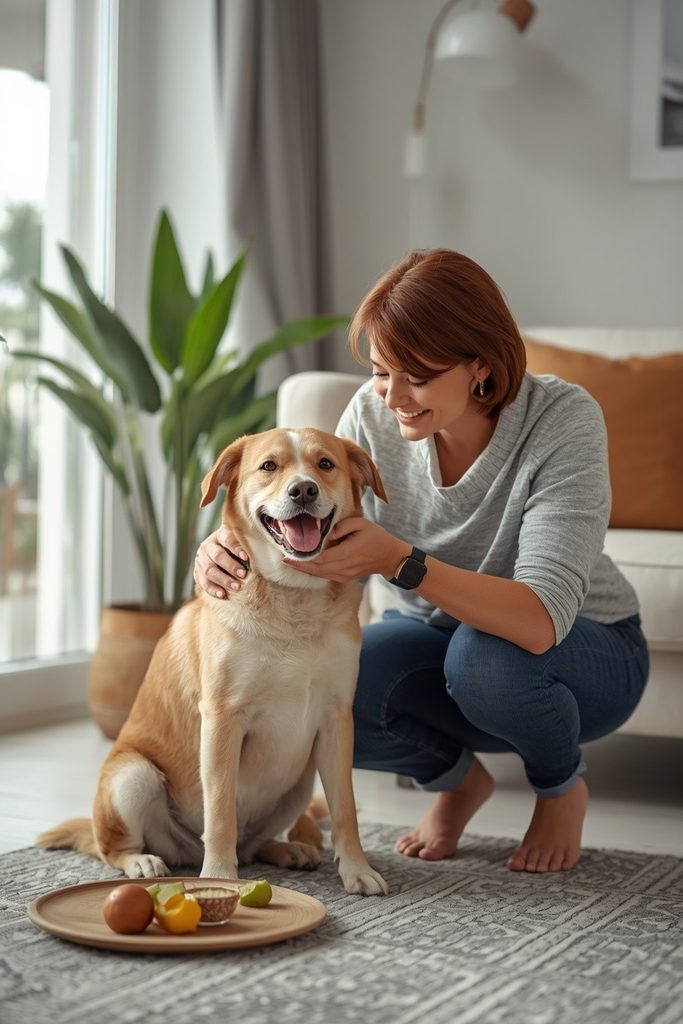
Dog care begins with understanding that owning a dog is a long-term responsibility. Dogs depend on their owners for food, clean water, shelter, exercise, healthcare, training, emotional support, and protection. Their needs can vary depending on age, breed, size, personality, activity level, and existing health conditions. A puppy will usually require different care from an adult or senior dog, while an active working breed may need considerably more exercise than a small companion breed.
For beginners, the best approach is to create a simple daily routine and remain consistent. Feed your dog at appropriate times, provide fresh water, schedule regular exercise, keep sleeping areas clean, and spend time interacting with your pet. Paying attention to changes in appetite, energy, behavior, bathroom habits, or appearance can also help you notice potential problems early.
2. Preparing Your Home Before Bringing a Dog Home
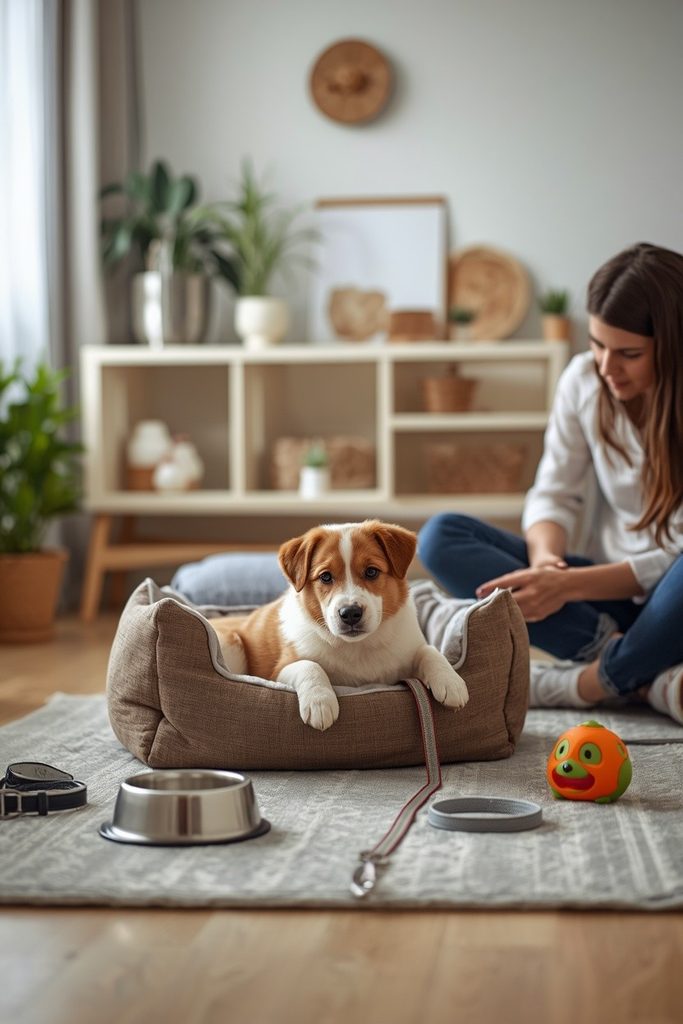
Before your dog arrives, prepare a safe and comfortable space where it can eat, sleep, play, and relax. Remove objects that could be dangerous, including electrical cables, toxic plants, medications, cleaning chemicals, small objects, and foods that are unsafe for dogs. Secure trash cans and keep potentially harmful household products out of reach. If you have stairs, balconies, or other risky areas, consider whether additional barriers or supervision are needed.
You should also purchase basic supplies before bringing your dog home. These may include food and water bowls, appropriate dog food, a collar or harness, identification tag, leash, comfortable bed, grooming supplies, waste bags, safe toys, and cleaning products for accidents. Creating a designated area for your dog’s belongings can make the transition easier and help establish a predictable routine from the beginning.
3. Choosing the Right Dog for Your Lifestyle
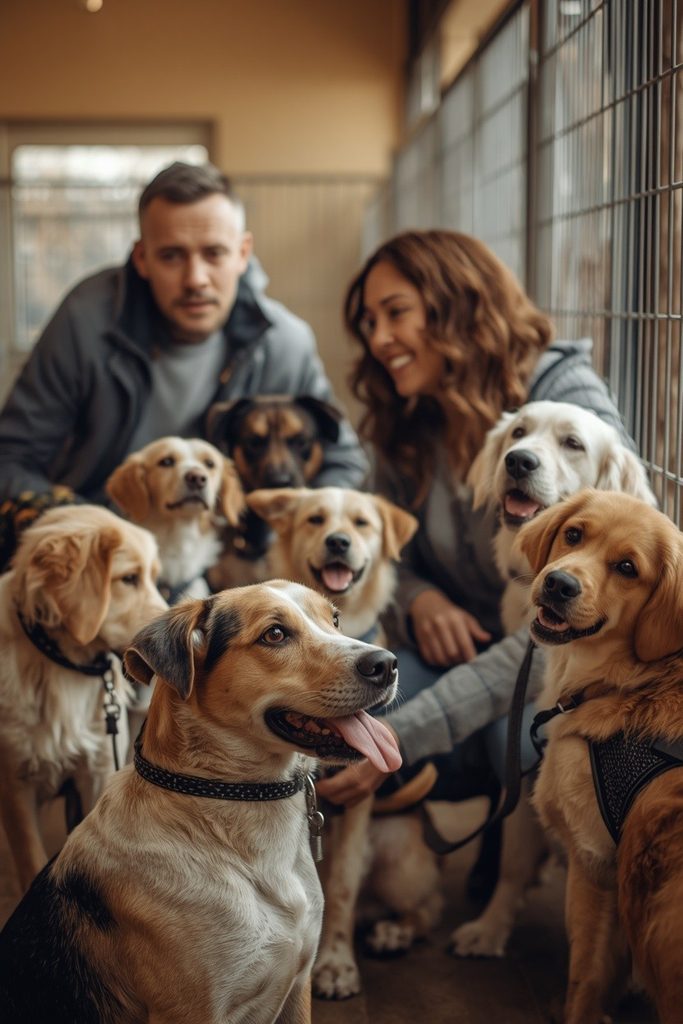
One of the most important parts of responsible dog ownership is choosing a dog that fits your lifestyle. Consider your available time, living space, activity level, budget, family situation, and experience with animals. Some dogs need extensive daily exercise and mental stimulation, while others are more comfortable with moderate activity. Size alone should not determine your choice because temperament, energy level, grooming requirements, and training needs are also important.
Think honestly about your daily schedule before choosing a dog. If you work long hours, you may need to arrange dog walking, daycare, or another form of care. Families with young children should consider a dog’s temperament and supervise interactions. If you live in an apartment, choose a lifestyle-compatible dog and focus on its exercise and behavioral needs rather than assuming that a small dog automatically requires little care.
4. Creating a Comfortable Sleeping Area
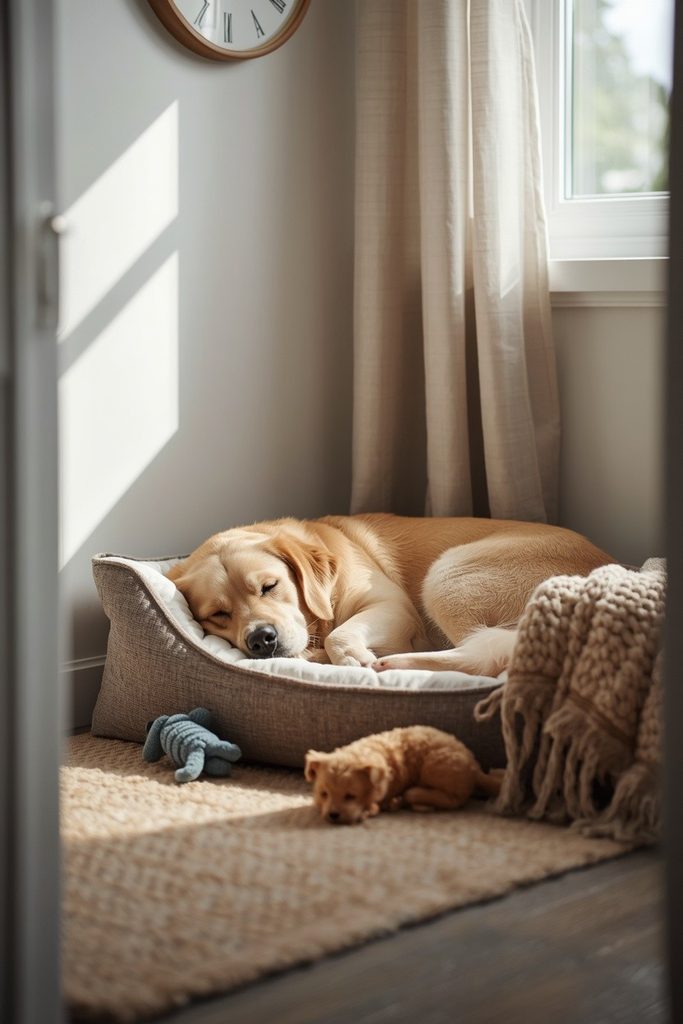
Every dog needs a quiet and comfortable place where it can rest without being constantly disturbed. Choose a bed appropriate for your dog’s size and provide enough room for it to stretch and change positions. Puppies may benefit from a secure sleeping area that is easy to clean, while older dogs may appreciate supportive bedding. The sleeping area should be away from excessive noise, extreme temperatures, and household hazards.
Allow your dog to become comfortable with its sleeping area gradually. Avoid using the bed or crate as punishment because the dog should associate that space with safety and relaxation. Dogs sleep for many hours throughout the day, although the amount varies with age and individual needs. Puppies and senior dogs generally require more rest than healthy adult dogs.
5. Feeding Your Dog the Right Food
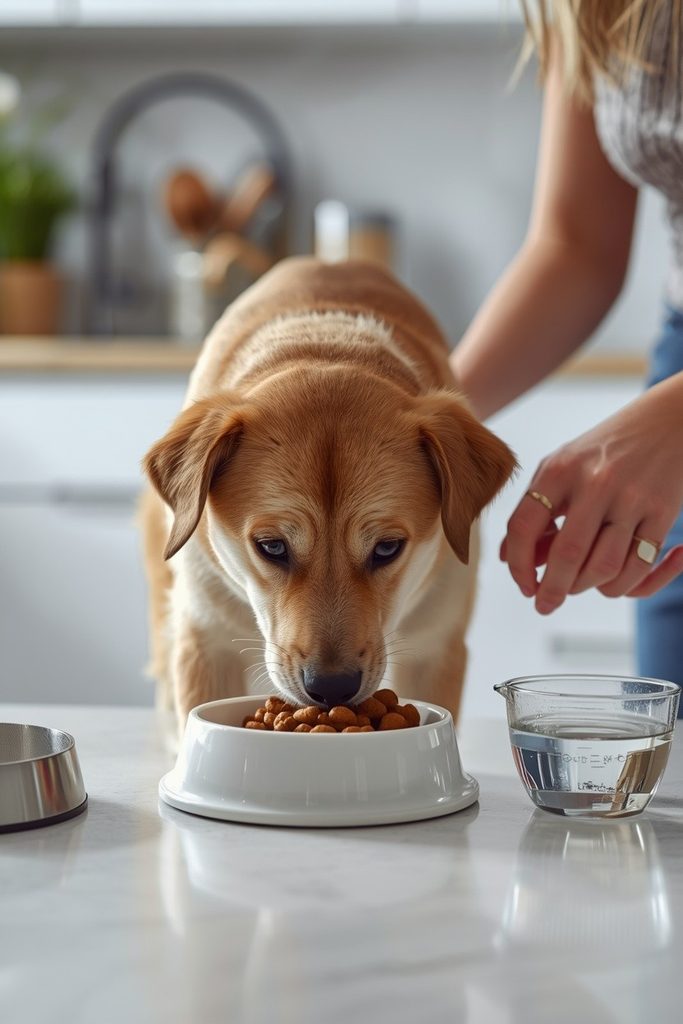
Proper nutrition is one of the foundations of good dog care. Dogs need a balanced diet that provides appropriate levels of protein, fats, carbohydrates, vitamins, minerals, and other nutrients. The correct food depends on your dog’s age, size, activity level, reproductive status, and health needs. Puppy food, adult maintenance food, and senior diets are not necessarily interchangeable, so read the feeding guidance carefully and consult your veterinarian when you are uncertain.
Avoid changing your dog’s food suddenly unless there is a specific reason. A gradual transition can help reduce digestive upset. Measure portions rather than continually filling the bowl because overfeeding can contribute to unhealthy weight gain. Treats should also be given thoughtfully and should not replace a balanced diet. Always provide clean drinking water and monitor whether your dog is eating and drinking normally.
6. Understanding Portion Sizes and Feeding Schedules
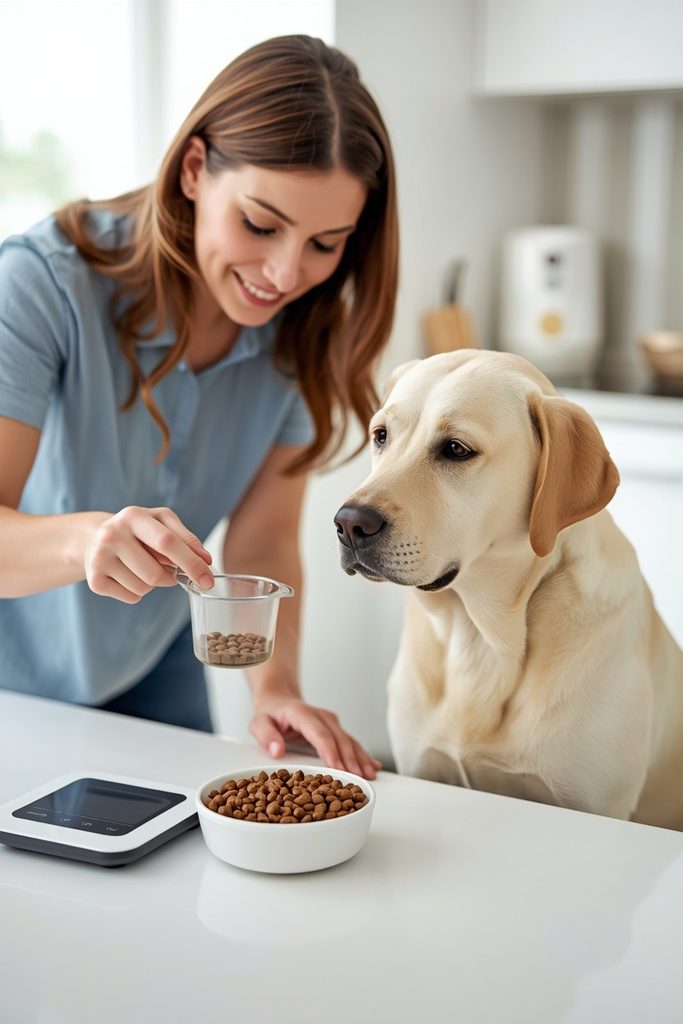
Feeding schedules help dogs develop predictable daily routines. Puppies often need more frequent meals than adult dogs, while many healthy adult dogs can be fed on a regular schedule determined by their nutritional needs and veterinarian’s advice. The feeding instructions printed on commercial dog food can provide a starting point, but individual dogs may need adjustments based on body condition, activity, metabolism, and health.
Do not assume that a dog is hungry simply because it asks for food. Some dogs are naturally enthusiastic eaters and may continue eating beyond their nutritional needs. Regularly monitor body condition rather than relying only on the number on a scale. If your dog gains or loses weight unexpectedly, discuss the change with a veterinarian. Proper portion control is an important part of long-term dog health.
7. Providing Fresh Water Every Day
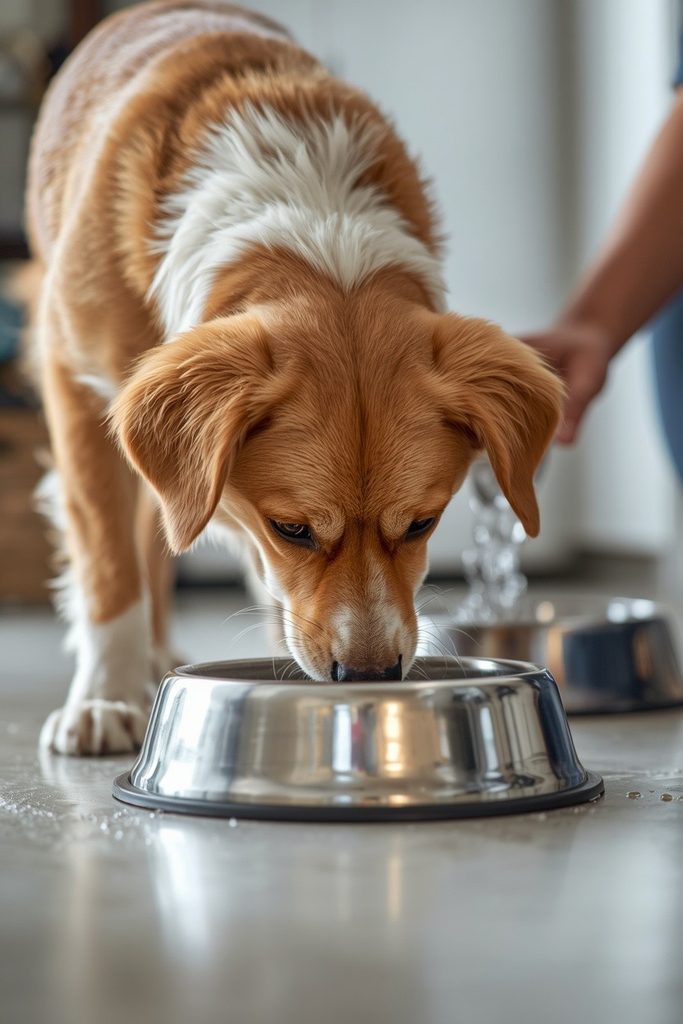
Fresh water is essential for every dog. Your pet should have access to clean drinking water throughout the day, especially after exercise, during warm weather, and when eating dry food. Use a stable bowl that is easy to clean and place it somewhere your dog can reach comfortably. Wash the bowl regularly because bacteria, food particles, and saliva can accumulate on its surface.
Pay attention to significant changes in drinking habits. Drinking substantially more or less water than usual can sometimes be associated with health problems, although normal water consumption can also vary with temperature, diet, activity, and individual needs. If you notice a persistent or unusual change, particularly when it occurs with changes in urination, appetite, weight, or energy, contact your veterinarian.
8. Establishing a Daily Dog Care Routine
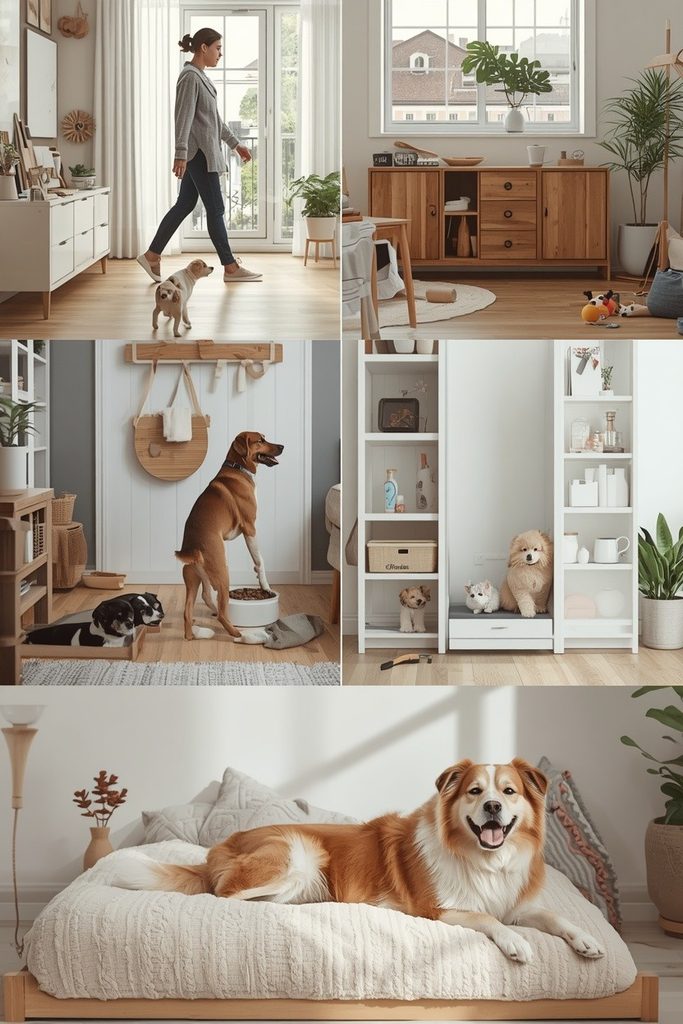
A predictable routine can make everyday life easier for both dogs and owners. Try to maintain consistent times for meals, bathroom breaks, exercise, training, play, grooming, and rest. The exact schedule will depend on your dog’s age and individual needs. Puppies generally require more frequent bathroom opportunities, while senior dogs may need additional breaks or slower activities.
A routine does not have to be rigid. Unexpected events happen, and dogs can adapt when their owners make gradual adjustments. What matters most is providing dependable care and meeting your dog’s physical and emotional needs. A simple written schedule can be useful for first-time owners, especially when several family members share responsibility for feeding, walking, cleaning, and training.
9. Exercise Requirements for Dogs
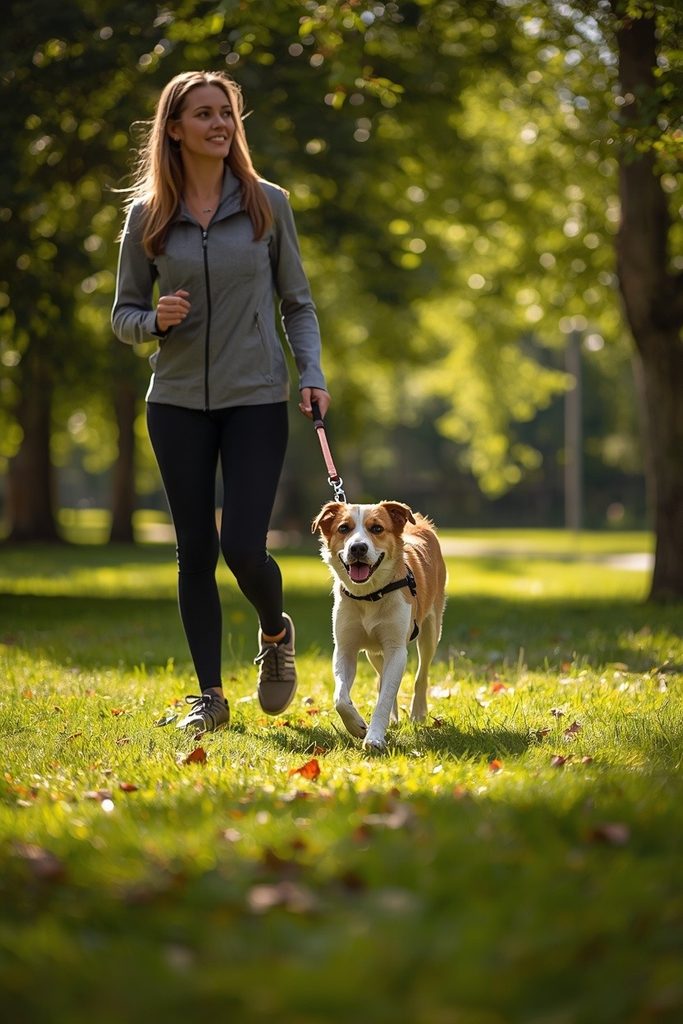
Regular exercise supports healthy muscles, cardiovascular fitness, mobility, and mental well-being. However, exercise requirements vary greatly between dogs. Age, breed, physical condition, weather, and individual temperament all matter. A young energetic dog may need substantial activity, while a senior dog may benefit from several short gentle walks instead of one long session.
Walking is one of the simplest ways to provide exercise, but it is not the only option. Safe play, controlled fetch, scent activities, training games, and supervised outdoor exploration can provide additional stimulation. Avoid pushing a dog beyond its physical ability, particularly during hot weather or if it has a medical condition. Watch for excessive panting, weakness, reluctance to continue, or other signs that your dog needs a break.
10. Walking Your Dog Safely
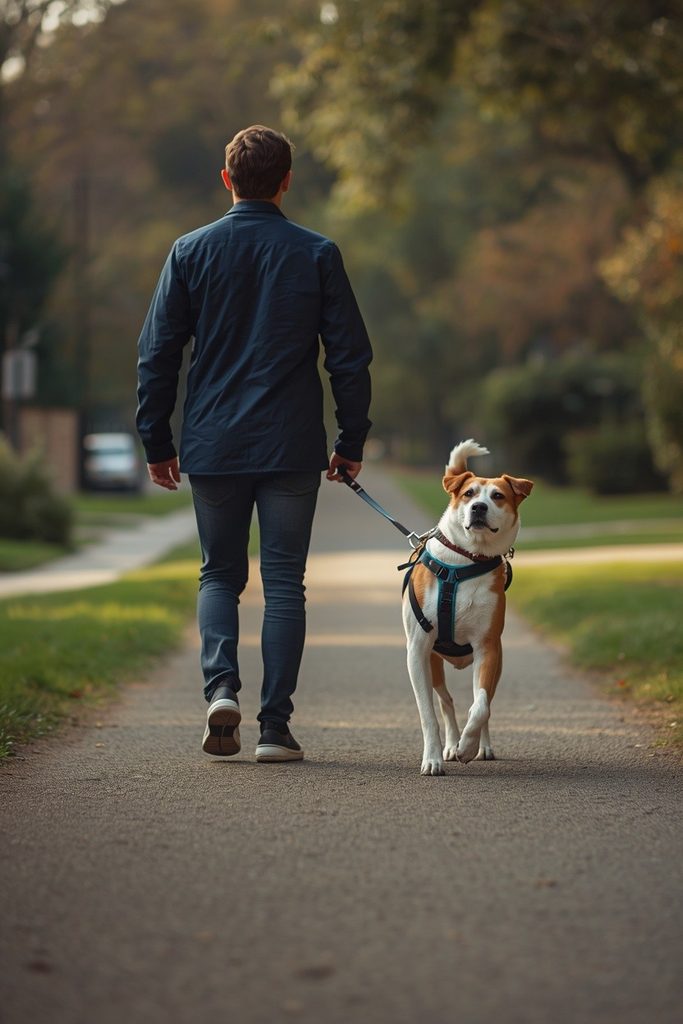
Daily walks provide much more than physical exercise. Dogs use walks to explore smells, observe their surroundings, and experience new environments. Use a properly fitted collar or harness and a secure leash. Check the equipment regularly for damage. Choose walking areas that are appropriate for your dog’s training level and avoid unsafe traffic situations.
Teach your dog basic walking manners gradually. Reward calm behavior and attention rather than relying on constant pulling or punishment. If your dog becomes overwhelmed around traffic, unfamiliar dogs, or crowds, increase distance and work on controlled exposure. During hot weather, check whether pavement is too warm for your dog’s paws and choose cooler walking times whenever possible.
11. Training Your Dog as a Beginner
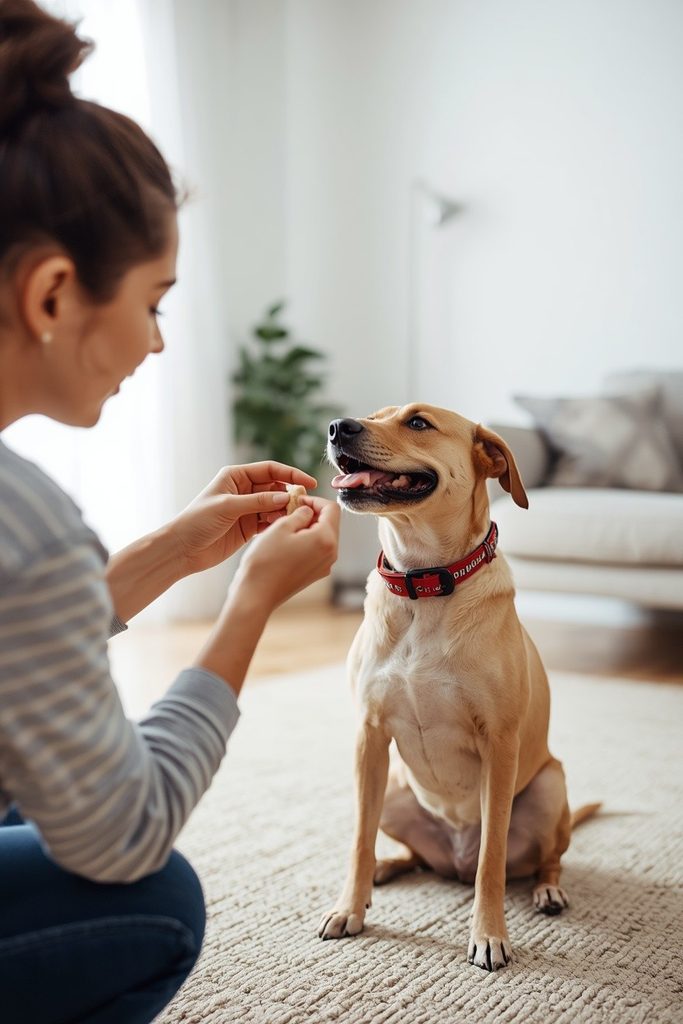
Dog training is an important part of responsible ownership because it helps dogs understand what behavior is expected. Begin with simple skills such as responding to its name, coming when called, sitting, waiting, and walking calmly. Keep training sessions short and positive, particularly for puppies. Dogs learn through repetition, consistency, motivation, and clear communication.
Reward-based training can make learning enjoyable and help strengthen the relationship between you and your dog. Rewards can include small treats, praise, toys, or access to something the dog enjoys. Avoid confusing your dog by allowing a behavior one day and punishing it the next. Everyone in the household should follow the same basic rules so the dog receives consistent guidance.
12. House Training for Puppies
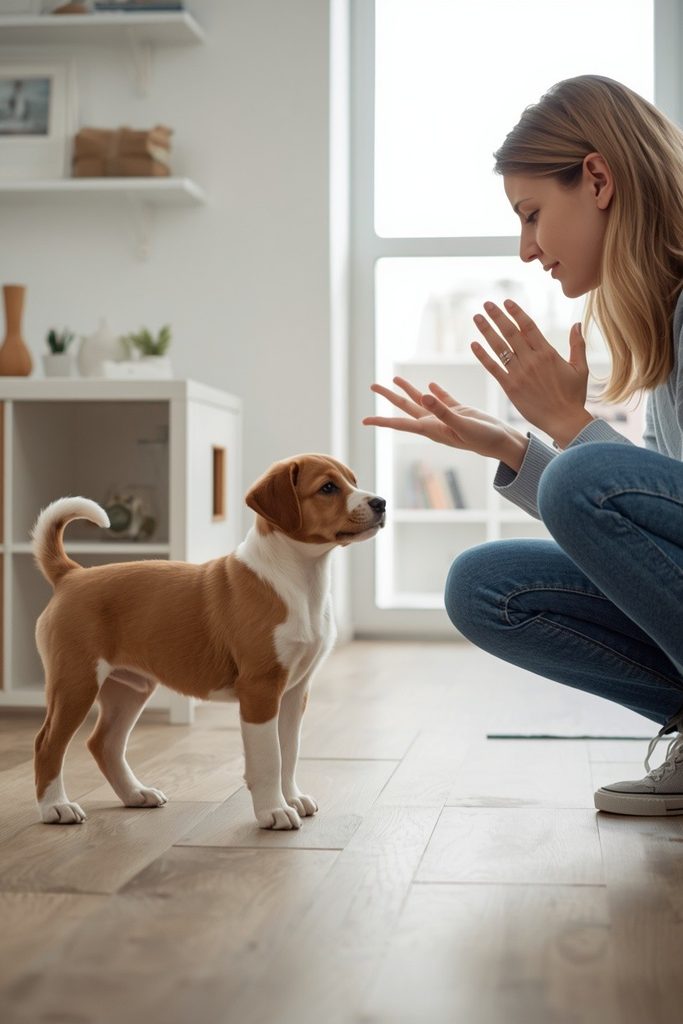
House training is one of the first major challenges for new puppy owners. Puppies have smaller bladders and less control than adult dogs, so accidents are normal during the learning process. Take your puppy outside or to the designated bathroom area regularly, particularly after sleeping, eating, drinking, playing, and waking up. Watch for signs such as sniffing, circling, or suddenly leaving the room.
When your puppy eliminates in the correct place, provide immediate positive reinforcement. If an accident happens indoors, clean the area thoroughly to remove odors that could encourage repeated accidents. Avoid shouting at or physically punishing the puppy because this can create fear without teaching the desired behavior. Consistency, supervision, and patience are the keys to successful house training.
13. Socializing Your Dog Properly
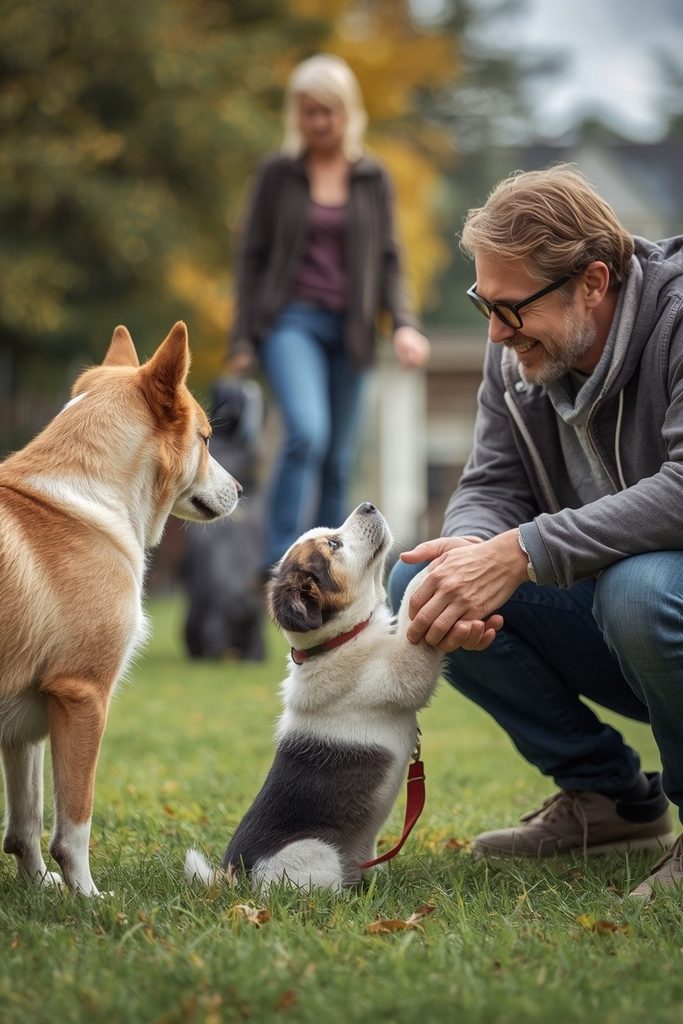
Socialization helps dogs become comfortable with different people, animals, sounds, surfaces, environments, and everyday experiences. Early positive experiences can be especially valuable for puppies, but adult dogs can also learn new social skills. Introduce new experiences gradually and keep them positive. Never force a frightened dog into a situation that causes significant distress.
A well-socialized dog does not need to greet every person or dog it encounters. The goal is confidence and appropriate behavior, not constant interaction. Watch your dog’s body language for signs of fear or stress, such as hiding, freezing, excessive avoidance, or attempts to escape. If your dog has significant behavioral concerns, working with a qualified professional can provide safer and more effective guidance.
14. Grooming Your Dog at Home
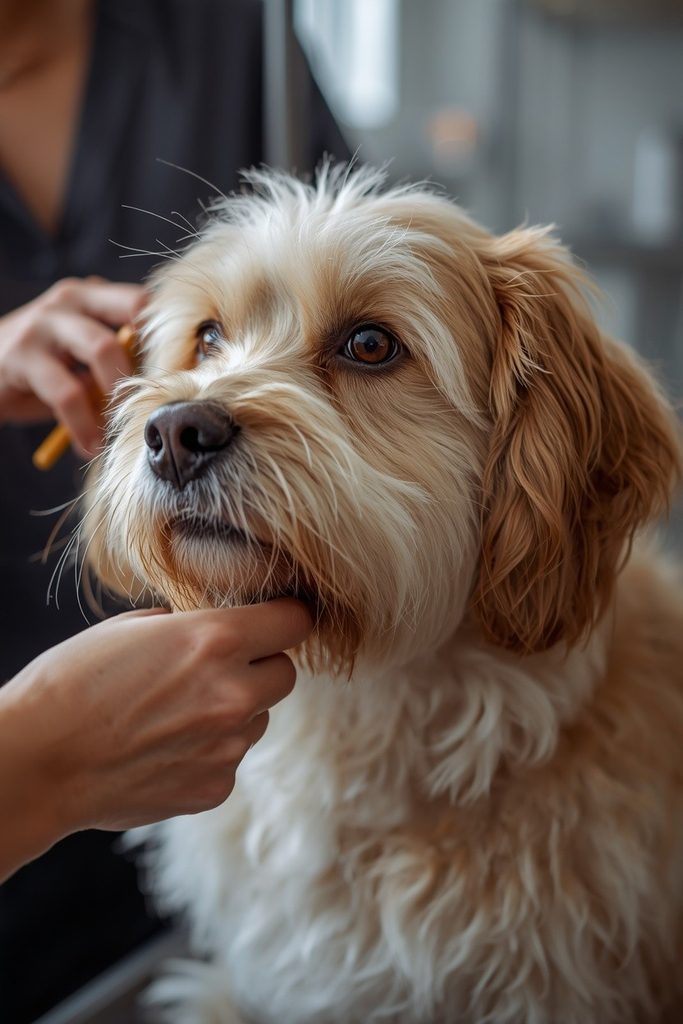
Regular grooming helps keep your dog clean and allows you to notice changes in the skin, coat, ears, paws, and body. Grooming requirements differ depending on coat type. Some dogs need frequent brushing to prevent mats, while short-haired dogs may require less brushing. Introduce grooming gradually so your dog learns that brushing, handling, and nail care are normal parts of life.
Use equipment designed for dogs and avoid human grooming products unless your veterinarian specifically recommends them. Brush gently and check the skin for unusual lumps, redness, parasites, wounds, or irritation. If your dog has a complicated coat or becomes extremely stressed during grooming, professional grooming may be appropriate.
15. Taking Care of Your Dog’s Teeth
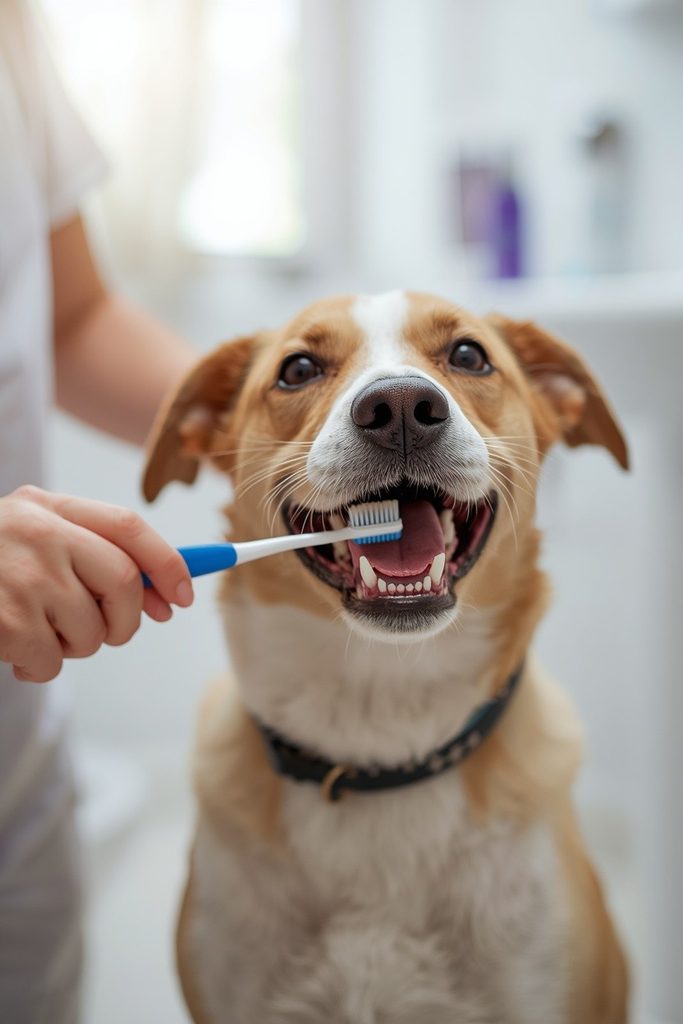
Dental care is often overlooked by new dog owners, but oral health is an important part of overall pet care. Plaque and tartar can accumulate on teeth and contribute to unpleasant breath and dental disease. Introduce tooth brushing gradually using products specifically designed for dogs. Never assume that human toothpaste is safe for pets because some ingredients can be harmful.
Your veterinarian can examine your dog’s mouth during routine appointments and recommend an appropriate dental care plan. Watch for signs such as persistent bad breath, difficulty chewing, excessive drooling, swollen gums, loose teeth, or reluctance to eat. Starting dental care early can make routine mouth handling easier and help establish healthier habits.
16. Nail Trimming and Paw Care
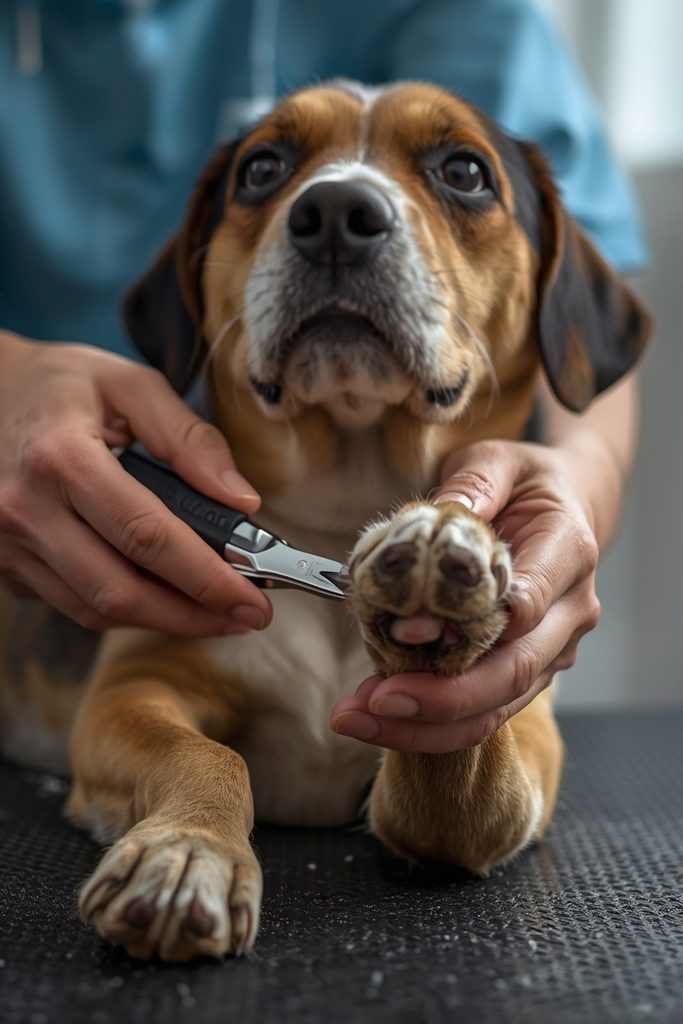
Long nails can become uncomfortable and may affect how a dog walks. Regularly check your dog’s nails and trim them appropriately using equipment designed for dogs. If you are nervous about cutting too far, ask a veterinarian or professional groomer to demonstrate safe nail trimming. Dogs that walk regularly on suitable surfaces may naturally wear their nails to some degree, but this varies.
Paw care is also important. Check between the toes and paw pads for stones, dirt, cuts, swelling, or irritation, especially after outdoor activities. During extreme temperatures, dogs may experience paw discomfort from very hot or cold surfaces. If your dog repeatedly licks its paws or appears uncomfortable when walking, investigate the cause and seek veterinary advice if the problem continues.
17. Bathing Your Dog
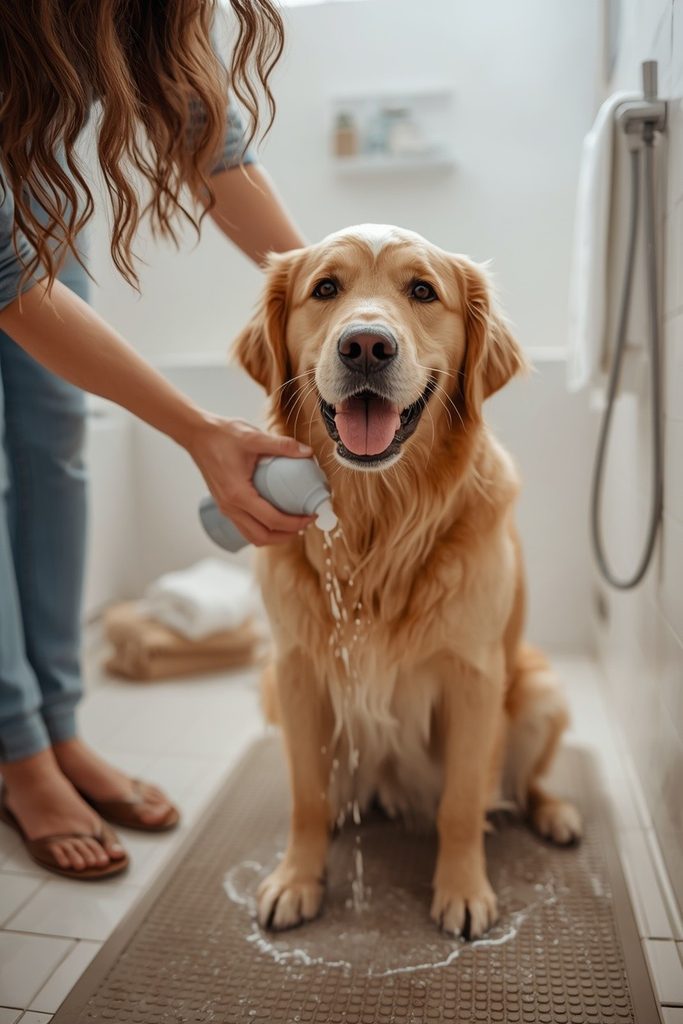
Dogs do not necessarily need frequent baths unless they become dirty or have a specific medical or grooming requirement. Bathing too often can sometimes dry or irritate the skin. Use a dog-appropriate shampoo and rinse thoroughly. Keep water at a comfortable temperature and prevent shampoo from getting into the eyes and ears.
Introduce bathing slowly if your dog is nervous. Place a non-slip mat in the bathing area and keep everything within reach before starting. Reward calm behavior throughout the process. After bathing, dry your dog thoroughly, especially if it has a dense coat. If your dog develops persistent itching, odor, redness, or skin irritation, contact a veterinarian rather than repeatedly bathing to hide the symptoms.
18. Understanding Veterinary Care
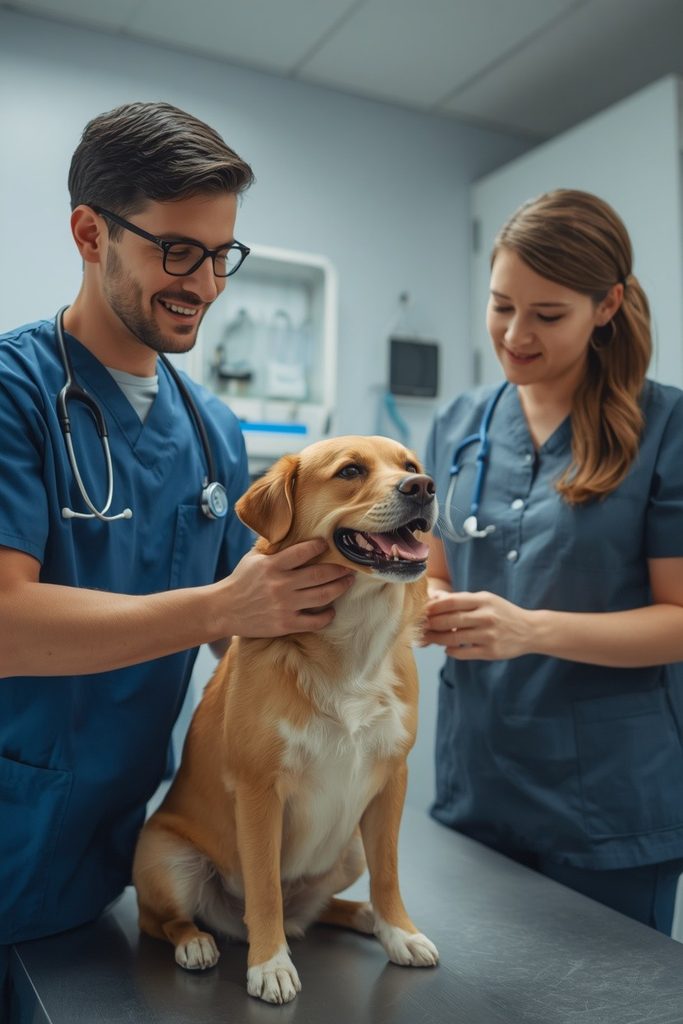
Routine veterinary care is one of the most important responsibilities of a dog owner. Veterinary visits allow professionals to monitor growth, weight, teeth, skin, mobility, and general health while discussing preventive care. Puppies usually require several veterinary visits during their early development, while adult dogs benefit from regular wellness checks according to their individual needs.
Do not wait until your dog appears seriously ill before contacting a veterinarian. Keep a record of vaccinations, medications, previous health problems, and questions you want to discuss. If you move or change veterinary practices, keep important medical records available. Preventive care can help identify potential problems earlier and gives owners a reliable source of professional advice.
19. Vaccinations and Preventive Healthcare
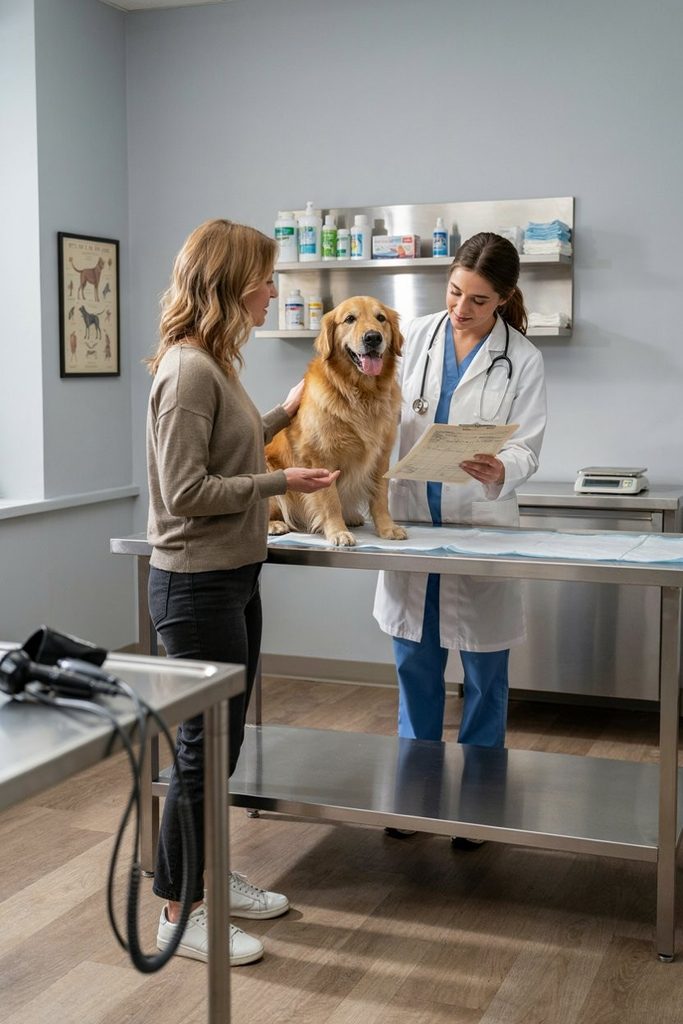
Vaccination schedules depend on factors such as age, location, lifestyle, exposure risk, and local veterinary recommendations. Puppies generally require a series of vaccinations because their developing immune systems need appropriate protection. Adult dogs may require booster vaccinations according to veterinary guidance. Your veterinarian can determine which vaccines are appropriate for your individual dog.
Preventive healthcare may also include parasite control and other measures based on your dog’s lifestyle and geographic area. Fleas, ticks, intestinal parasites, and other health threats can affect dogs. Never give your dog medication intended for another animal or use a product without checking whether it is suitable for your dog’s species, age, size, and health status.
20. Flea and Tick Prevention
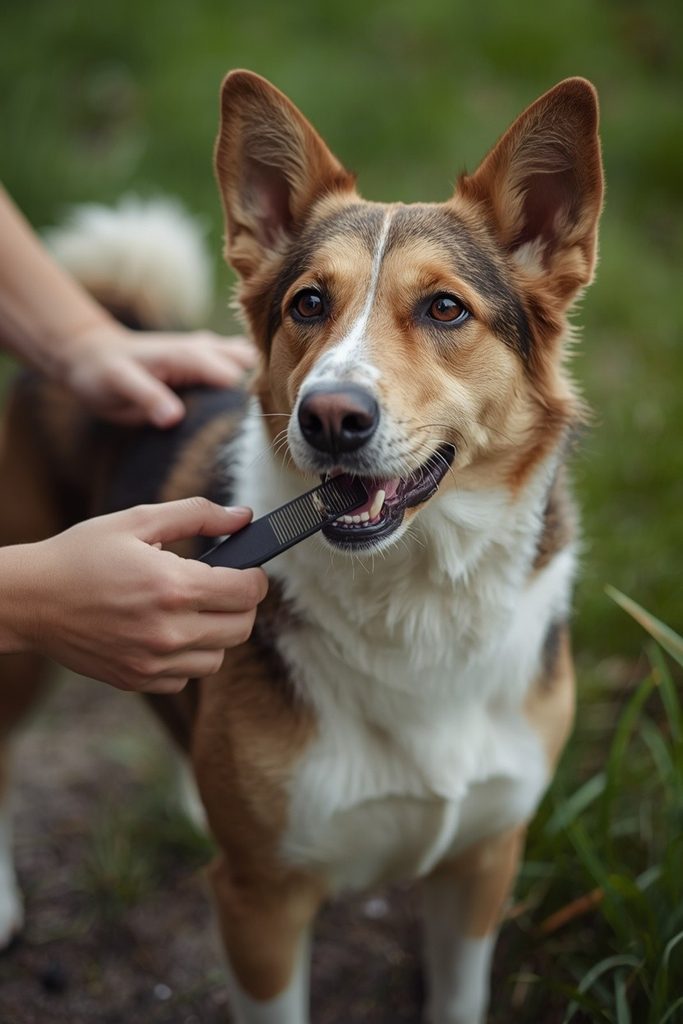
Fleas and ticks can cause discomfort and may transmit diseases or contribute to skin problems. Prevention should be selected according to your dog’s age, weight, lifestyle, and local risks. Your veterinarian can recommend an appropriate product and explain how often it should be used. Follow product instructions carefully and never combine treatments without professional advice.
Check your dog regularly, particularly after outdoor activities in areas where ticks are common. Pay attention around the ears, neck, legs, and other areas where parasites may hide. If you find a tick or notice intense scratching, hair loss, skin irritation, or unusual behavior, contact a veterinary professional for appropriate advice.
21. Recognizing Signs That Your Dog May Be Sick
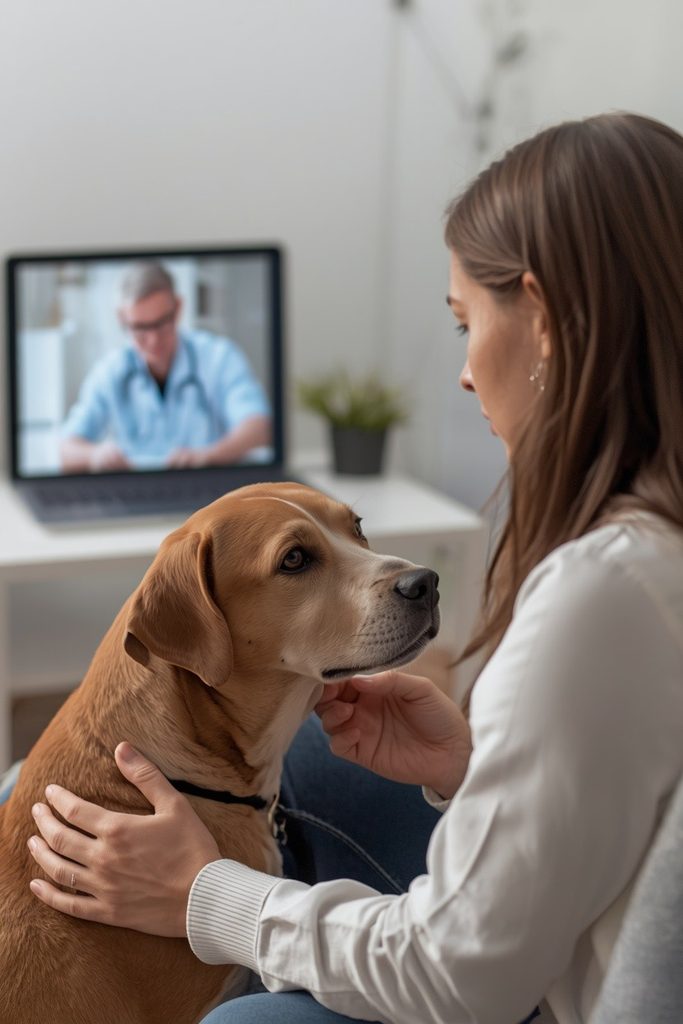
New dog owners should learn what is normal for their pet so they can recognize changes. Warning signs can include significant changes in appetite, repeated vomiting, persistent diarrhea, unusual weakness, difficulty breathing, collapse, severe pain, abnormal bleeding, or major changes in behavior. A single minor change may not always indicate an emergency, but persistent or severe symptoms deserve professional attention.
Trust your observations and keep notes when something seems unusual. Record when symptoms started, how frequently they occur, and whether your dog is eating, drinking, urinating, and defecating normally. This information can help a veterinarian understand the situation. When in doubt, especially if symptoms are severe or rapidly worsening, contact a veterinary professional promptly.
22. Emergency Situations Every Owner Should Understand
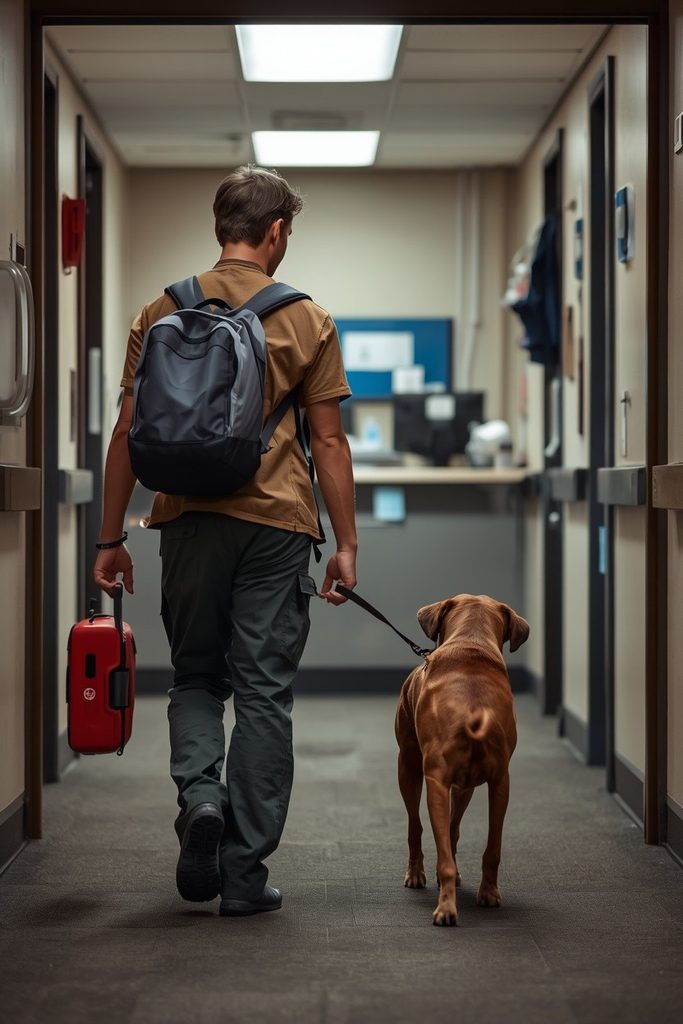
Some situations require urgent veterinary attention. Severe difficulty breathing, collapse, uncontrolled bleeding, poisoning, serious injury, seizures, heat-related illness, or sudden extreme weakness can be emergencies. In such situations, contacting a veterinarian or emergency veterinary service quickly is more important than attempting unproven home remedies.
Every dog owner should know where the nearest veterinary clinic or emergency service is located and keep important contact information accessible. A basic pet first-aid kit can also be useful, although it should never replace professional veterinary treatment. If poisoning is suspected, do not induce vomiting unless a veterinary professional specifically instructs you to do so.
23. Safe Toys for Dogs
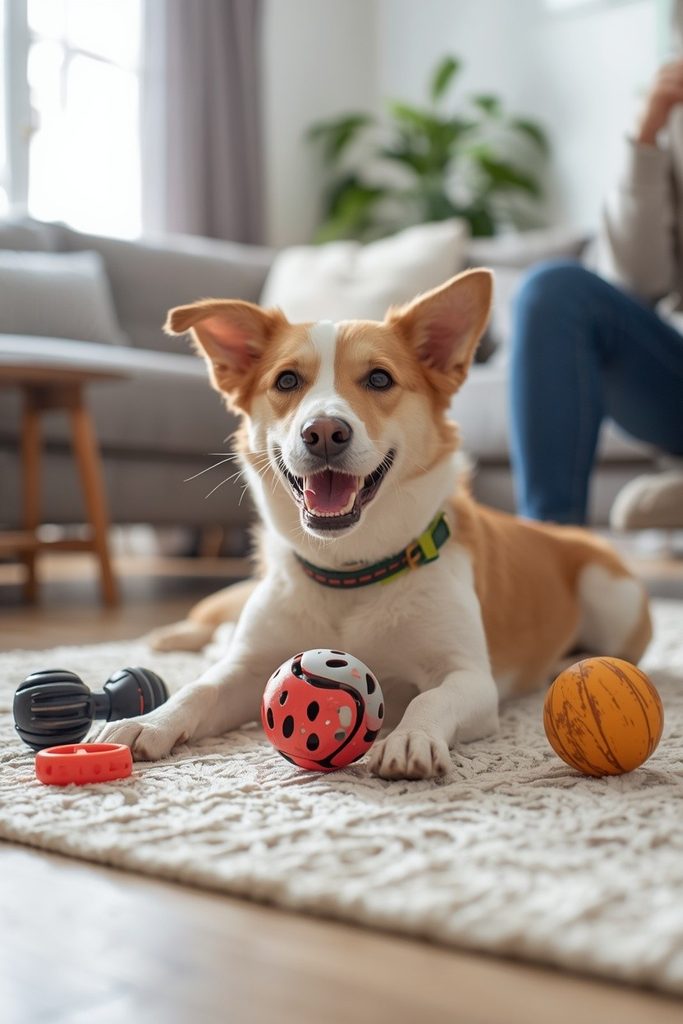
Toys can provide exercise, entertainment, chewing opportunities, and mental stimulation. Choose toys appropriate for your dog’s size, chewing strength, and play style. No toy is completely indestructible, and dogs should be supervised when using toys that can break apart or become choking hazards. Inspect toys regularly and replace damaged ones.
Different types of toys can serve different purposes. Puzzle toys can encourage problem-solving, while fetch toys can support interactive play. Chew toys may provide an appropriate outlet for natural chewing behavior. Rotate toys rather than leaving every toy available all the time, which can help maintain interest and provide variety.
24. Mental Stimulation for Dogs
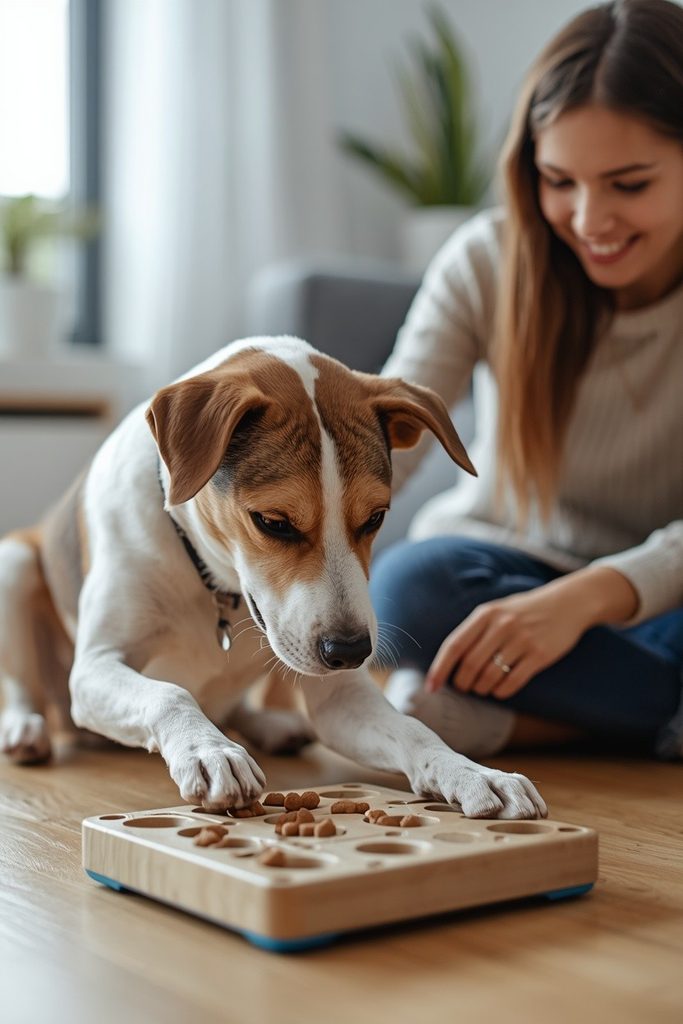
Physical exercise is only one part of good dog care. Dogs also need opportunities to use their brains. Training sessions, scent games, food puzzles, hide-and-seek games, and safe exploration can provide mental stimulation. These activities can be especially helpful for dogs that become bored easily or have high energy levels.
Mental activities do not need to be complicated or expensive. You can practice basic obedience commands, hide treats around a safe room, teach a new trick, or allow your dog to sniff during a controlled walk. The goal is to provide appropriate challenges without creating frustration. Start with simple tasks and gradually increase difficulty as your dog learns.
25. Preventing Separation Problems
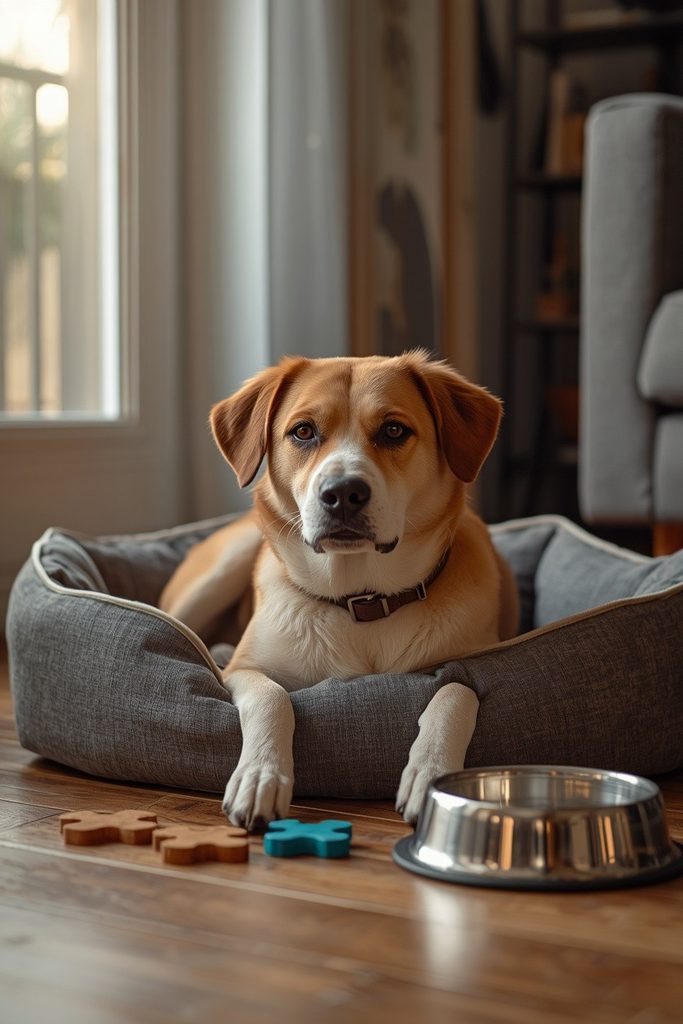
Dogs are social animals, and some may become distressed when left alone. Signs can include excessive barking, destructive behavior, pacing, house-soiling, or attempts to escape. Preventing separation-related problems starts with teaching your dog that short periods alone are safe. Gradually increase alone time while keeping departures and arrivals calm.
Avoid suddenly leaving a newly adopted dog alone for long periods without preparation. Provide a safe resting area, appropriate enrichment, and a predictable routine. If your dog shows severe distress when alone, consider speaking with a veterinarian or qualified behavior professional. Punishing destructive behavior after you return generally does not address the underlying cause.
26. Dog-Proofing Your Home
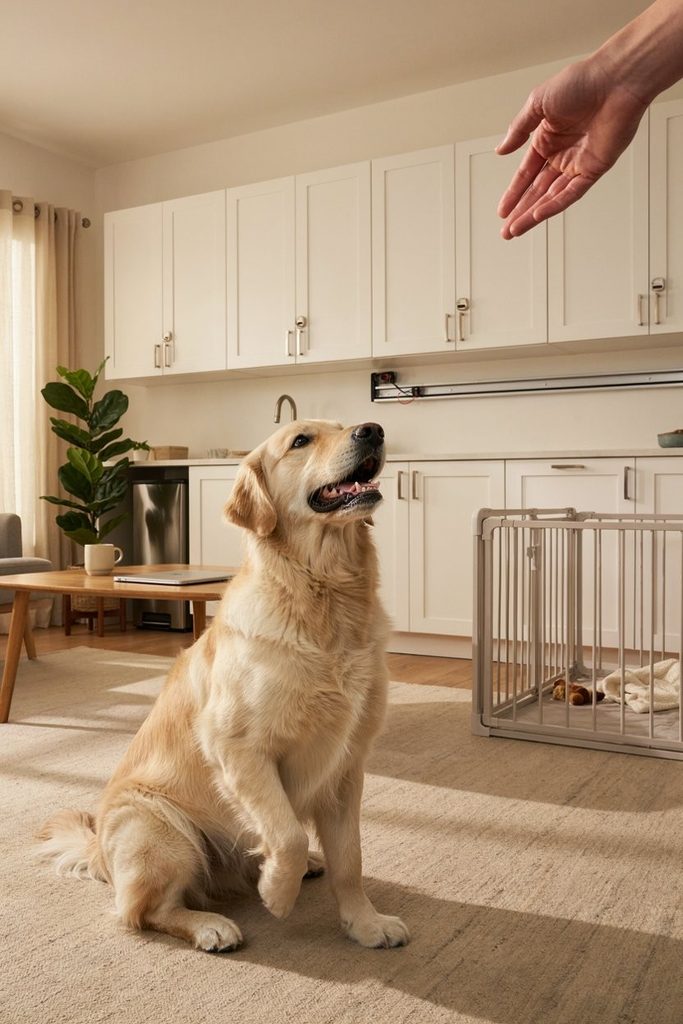
Dogs explore the world with their mouths, noses, and paws, which can create household risks. Keep medications, cleaning chemicals, pesticides, small objects, electrical cables, and unsafe foods out of reach. Secure windows, balconies, gates, and doors as necessary. Check your home from a dog’s perspective and identify objects that could be swallowed, chewed, knocked over, or accessed accidentally.
Remember that puppies are especially curious and may investigate almost everything. As your dog grows, its abilities may change, so continue checking your home for new risks. Store household chemicals in closed cabinets, secure food waste, and keep potentially dangerous items away from areas where your dog spends time.
27. Foods That Dogs Should Avoid
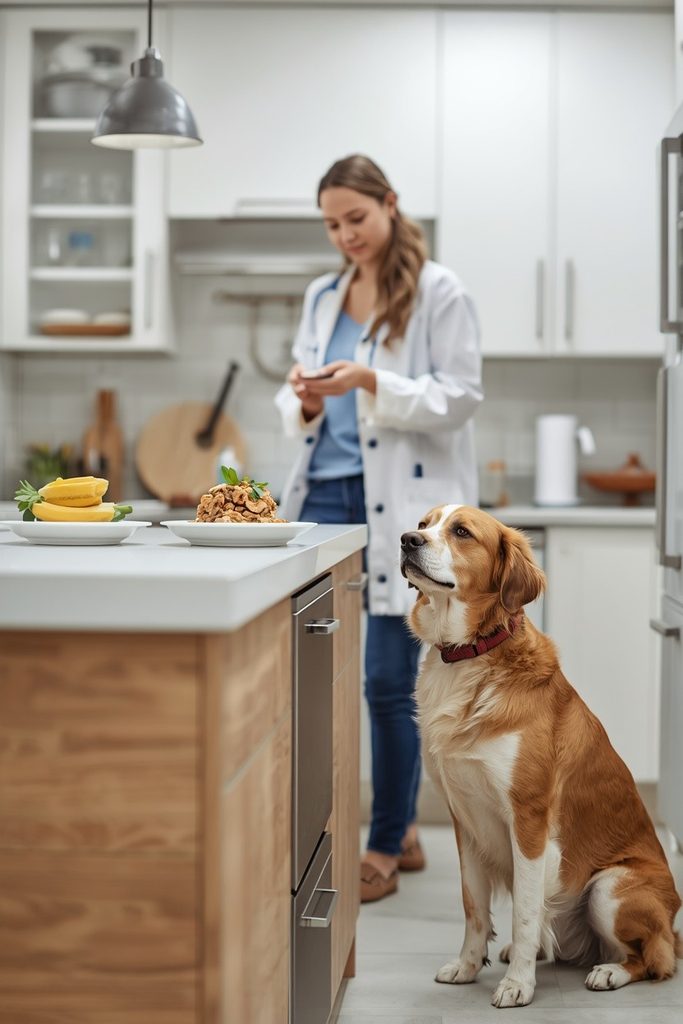
Not every human food is safe for dogs. Certain foods can cause serious health problems, including chocolate, grapes and raisins, onions, garlic, alcohol, and products containing xylitol. Fatty foods, bones, and heavily seasoned foods can also create risks depending on the circumstances. Keep unsafe foods stored securely and educate everyone in your household about what the dog should not eat.
If your dog accidentally consumes a potentially toxic substance, contact a veterinarian or appropriate animal poison service promptly. Do not assume that a small amount is automatically safe because the risk can depend on the food, quantity, dog’s size, and individual circumstances. Keep food packaging available so professionals can identify ingredients if necessary.
28. Safe Outdoor Activities
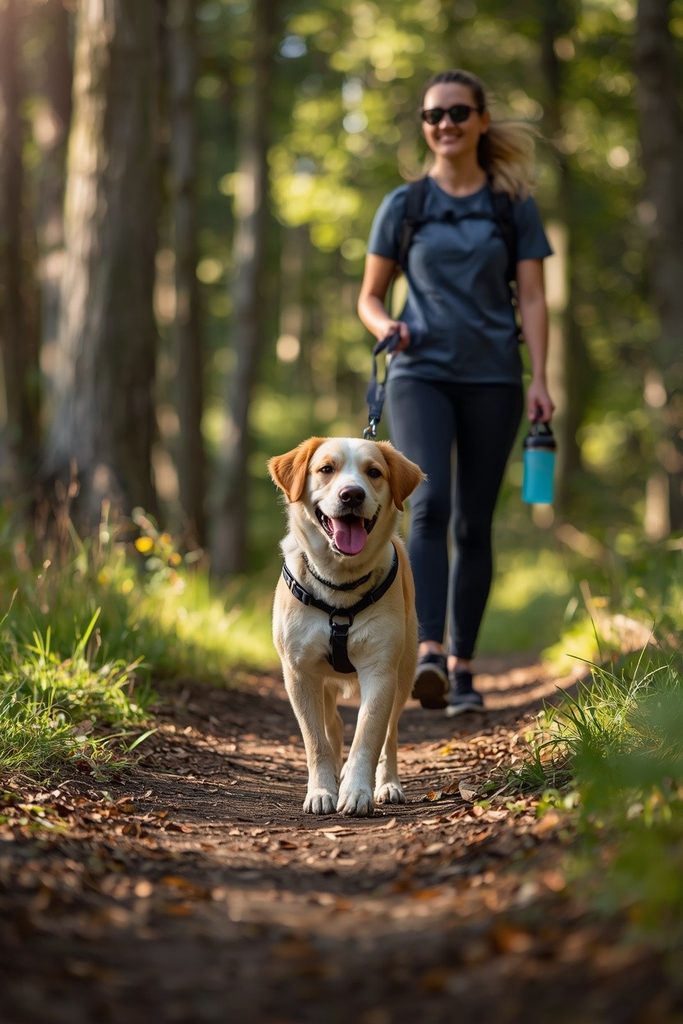
Outdoor activities can enrich a dog’s life, but safety should always come first. Choose secure environments where your dog can exercise according to its training level. Use a leash unless you are in a genuinely safe, permitted off-leash area and your dog has reliable recall. Keep identification information current and consider appropriate identification methods recommended by your veterinarian.
Weather also affects outdoor safety. Dogs can overheat during hot conditions and may struggle in extreme cold. Provide shade, water, and suitable rest periods. Avoid intense exercise during the hottest part of the day. After outdoor adventures, check your dog’s paws and coat for injuries, parasites, burrs, or other foreign material.
29. Caring for Dogs in Hot Weather
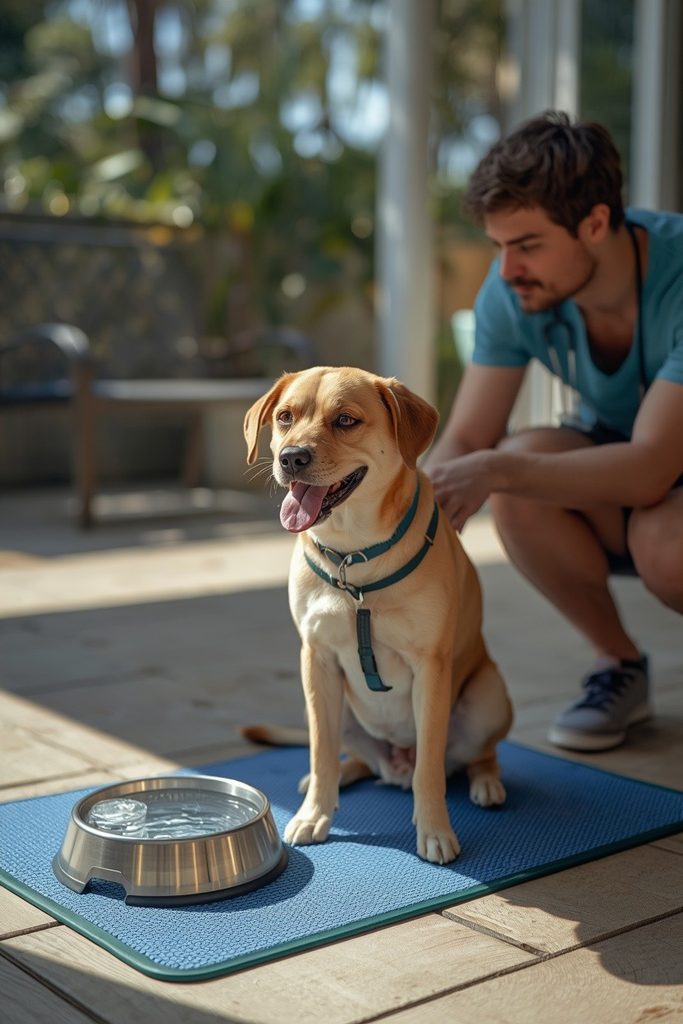
Hot weather requires additional attention because dogs cannot regulate body temperature exactly like humans. Provide access to shade, fresh water, and a cool resting area. Avoid strenuous exercise during the hottest part of the day and never leave a dog unattended in a parked vehicle. Hot pavement can also become uncomfortable or damaging to paws.
Heavy panting, excessive drooling, weakness, confusion, vomiting, collapse, or other concerning signs can indicate a serious heat-related problem. If you suspect overheating, contact a veterinarian immediately and follow professional instructions. Prevention is much safer than trying to manage severe heat illness after it develops.
30. Caring for Dogs During Cold Weather
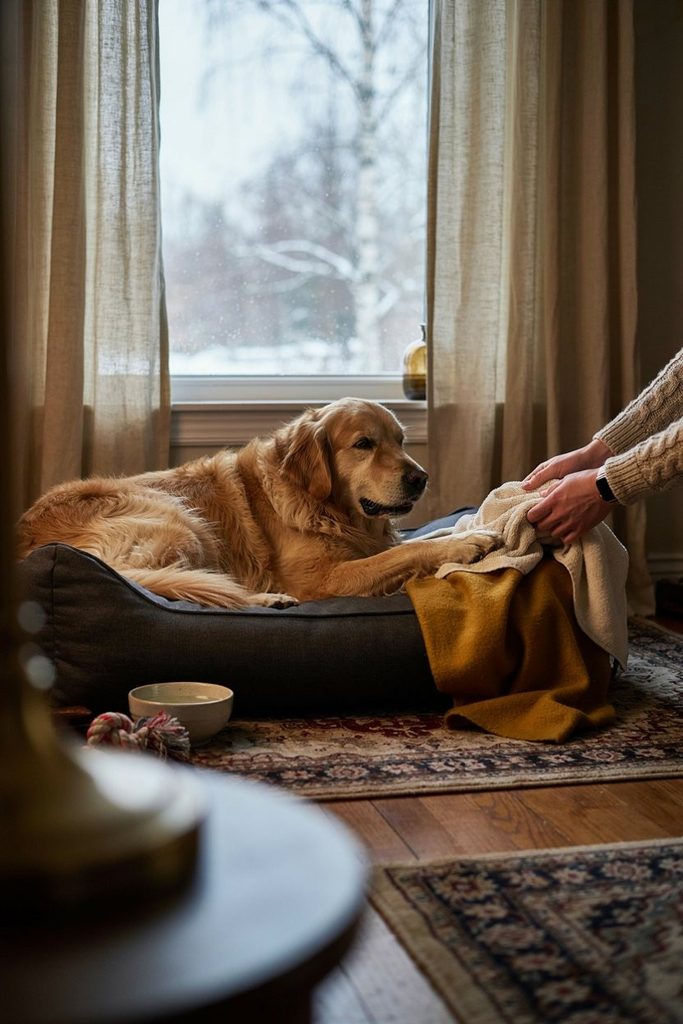
Cold weather also requires responsible planning. Some dogs tolerate low temperatures better than others depending on coat, size, age, health, and environmental conditions. Provide a warm, dry sleeping area and avoid leaving dogs exposed to severe weather for extended periods. Puppies, senior dogs, and dogs with health problems may need additional protection.
After outdoor walks during cold or wet weather, dry your dog and inspect its paws. In areas where de-icing products are used, clean paws after walks when appropriate to reduce the chance of irritation or ingestion. Ask your veterinarian for advice if you are unsure how your dog’s breed, coat, age, or health affects cold-weather tolerance.
31. Understanding Dog Body Language
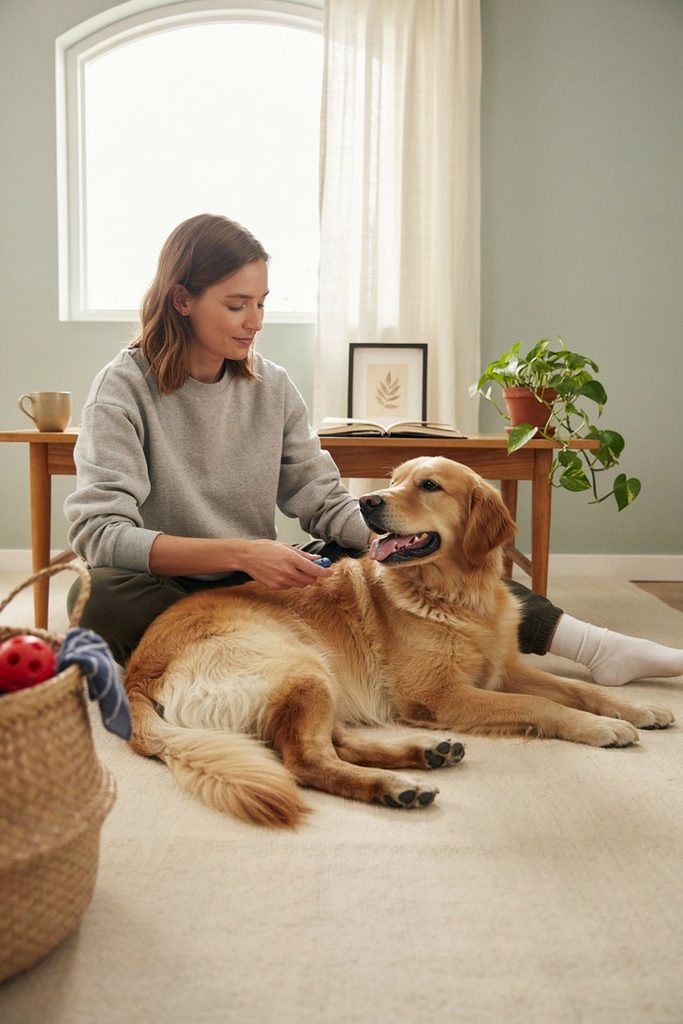
Learning dog body language can help beginners communicate more effectively with their pets. A relaxed dog may display loose body movements, while a frightened or uncomfortable dog may become tense, avoid eye contact, lower its body, hide, or attempt to move away. Tail movement alone does not always tell the complete story because context and overall body posture matter.
Do not force interactions when a dog shows clear signs of discomfort. Give the dog space and identify what triggered the reaction. Understanding these signals can help prevent stressful encounters and improve trust. If your dog displays repeated fear, aggression, or anxiety, professional behavioral guidance can help you create a safer plan.
32. Building Trust With Your New Dog

Trust develops through consistent, respectful interactions. Give your dog time to learn your voice, routine, expectations, and environment. Avoid forcing physical contact if your dog is nervous. Instead, allow the dog to approach you and reward calm, positive interactions. Meals, walks, play, training, and quiet companionship can all contribute to a strong relationship.
Remember that every dog has a different personality and history. A newly adopted dog may need more time to adjust, especially if its previous experiences are unknown. Patience is essential. Instead of expecting immediate obedience or affection, focus on creating predictable experiences where your dog feels safe and understands what to expect.
33. Managing Barking and Other Noises
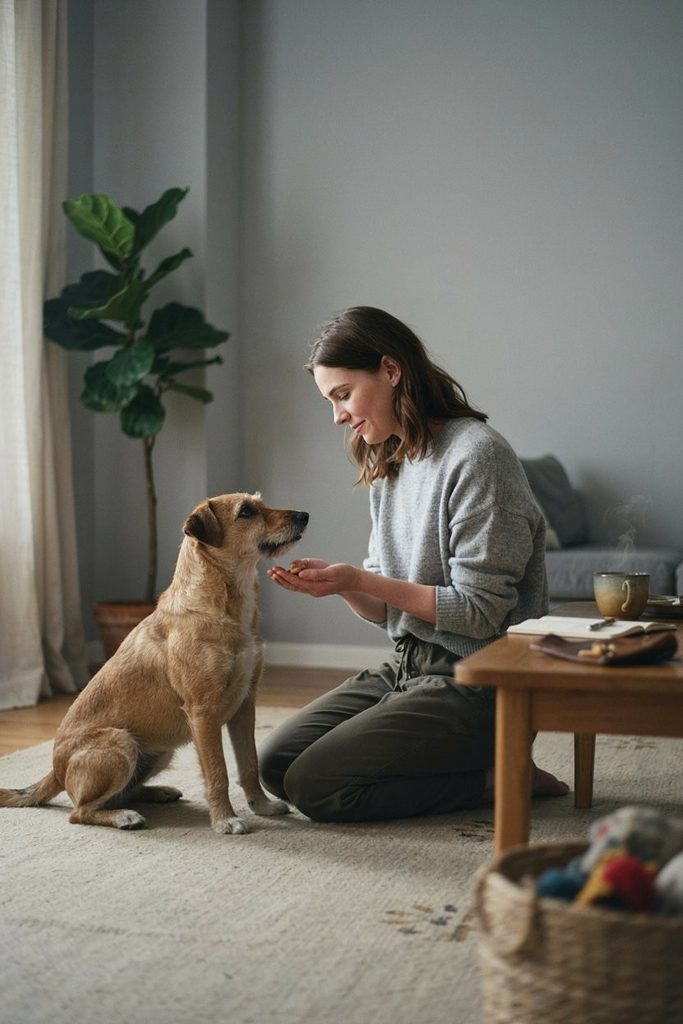
Barking is normal dog communication, but excessive barking can become difficult for families and neighbors. First determine why your dog is barking. Possible triggers include excitement, fear, boredom, attention-seeking, unfamiliar people, other animals, or environmental sounds. Addressing the underlying reason is generally more useful than simply trying to stop the noise.
Provide sufficient exercise, mental stimulation, and appropriate training. Reward calm behavior and reduce unnecessary exposure to triggers where possible. Avoid shouting because your dog may interpret shouting as participation in the barking. If barking is sudden, extreme, or associated with fear or other behavioral changes, discuss it with a veterinarian or qualified behavior professional.
34. Teaching Basic Commands
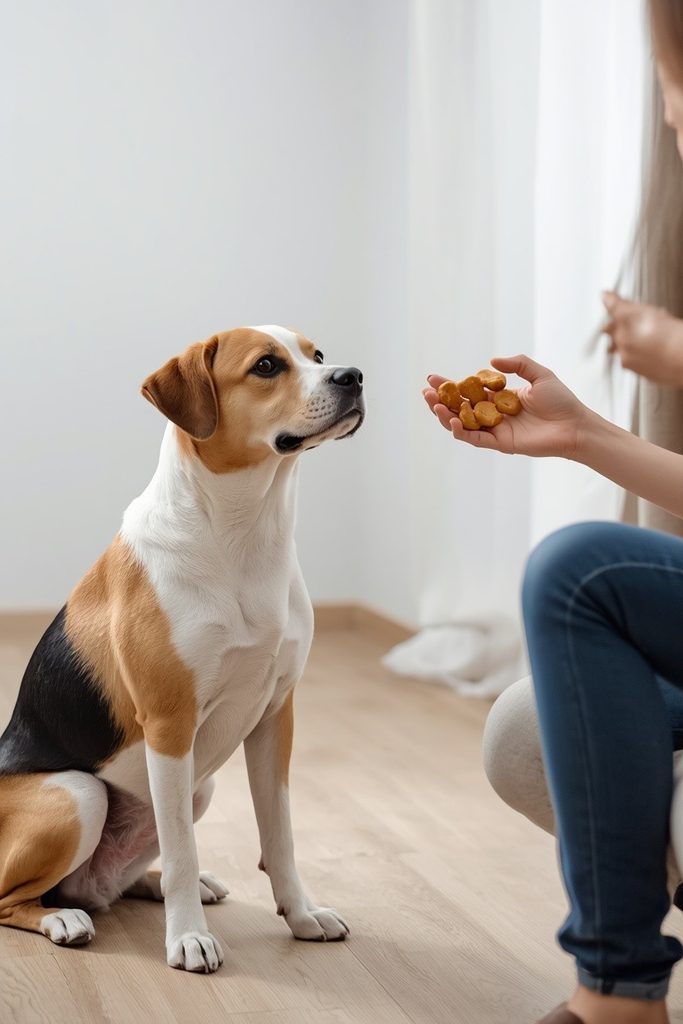
Basic commands can improve communication and everyday safety. Start with simple behaviors such as sit, down, stay, come, leave it, and responding to the dog’s name. Teach one skill at a time and use clear cues. Reward the behavior immediately so the dog can understand what earned the reward.
Practice in quiet environments before gradually adding distractions. A dog that can respond reliably to a recall cue may be easier to manage during unexpected situations. Keep sessions short and enjoyable. If your dog struggles, reduce the difficulty rather than repeatedly giving the same command without success.
35. Traveling With Your Dog
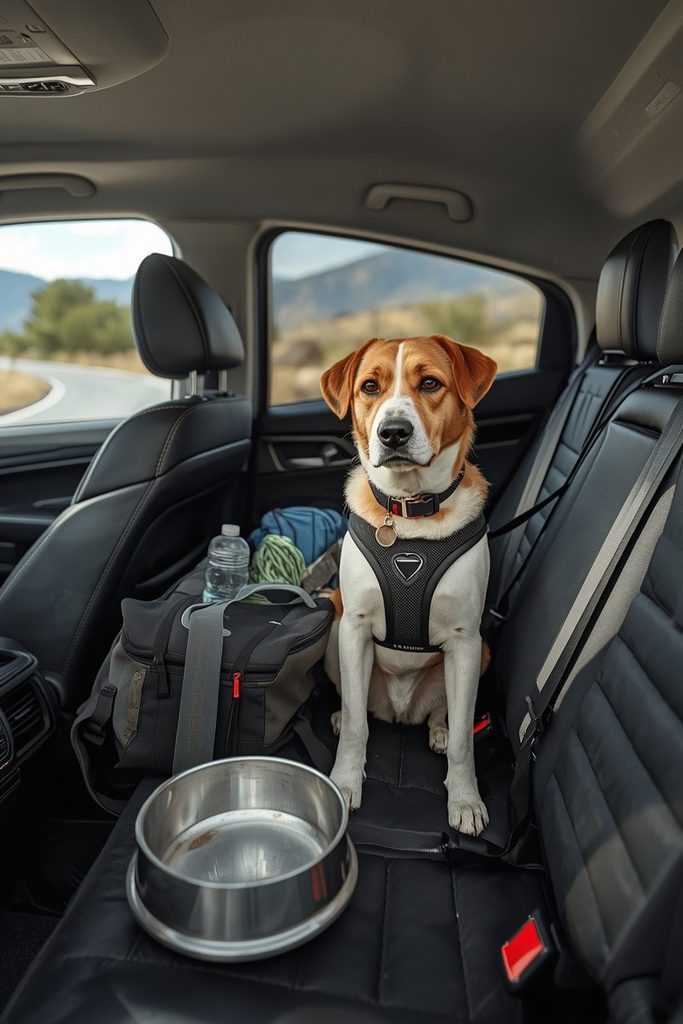
Traveling with a dog requires planning. Before a trip, consider transportation safety, accommodation rules, identification, food, water, medication, vaccination records, waste supplies, bedding, and familiar toys. Dogs should be safely restrained during car journeys using an appropriate travel system rather than being allowed to move freely around the vehicle.
Long journeys may require regular breaks for bathroom needs, water, movement, and rest. Never leave a dog unattended in a parked vehicle, particularly during warm weather. For flights or international travel, requirements can be more complicated and may include veterinary documentation, health certificates, vaccinations, microchip requirements, and carrier rules.
36. Introducing Your Dog to Children
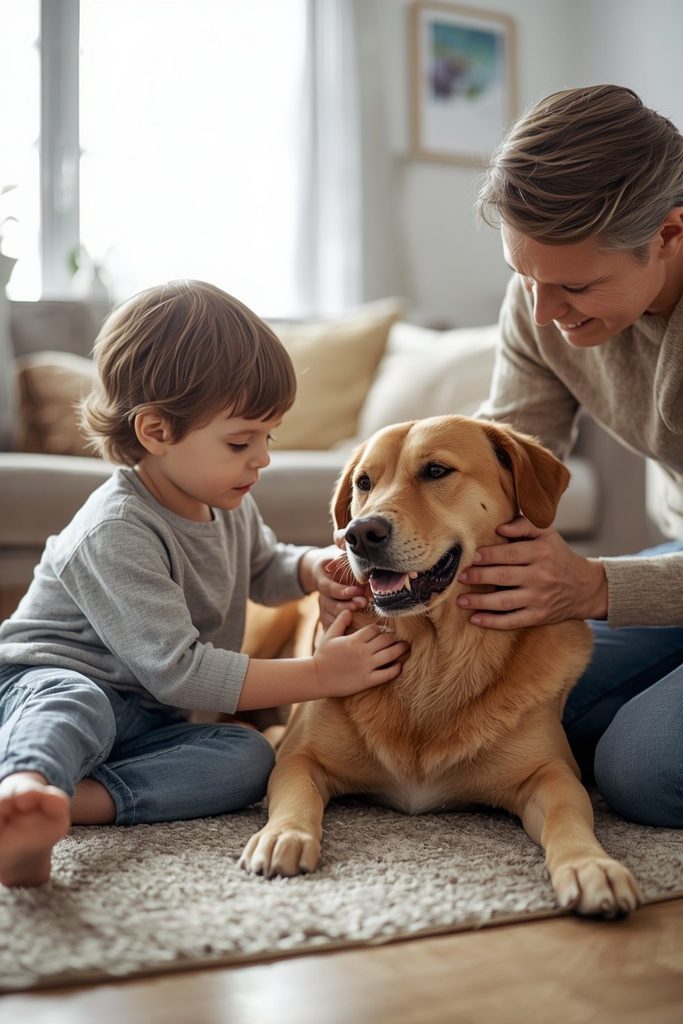
Dogs and children can develop wonderful relationships when interactions are supervised and respectful. Teach children how to approach dogs calmly and avoid pulling ears, tails, fur, or disturbing the dog while it eats or sleeps. Young children should not be left unsupervised with a dog, regardless of the dog’s size or previous behavior.
Dogs also need opportunities to move away when they want space. Create a safe resting area where children understand they should not disturb the dog. Watch both the child’s and dog’s behavior rather than assuming that either one will automatically understand appropriate boundaries. Good supervision and education are important parts of safe family pet ownership.
37. Introducing Dogs to Other Pets
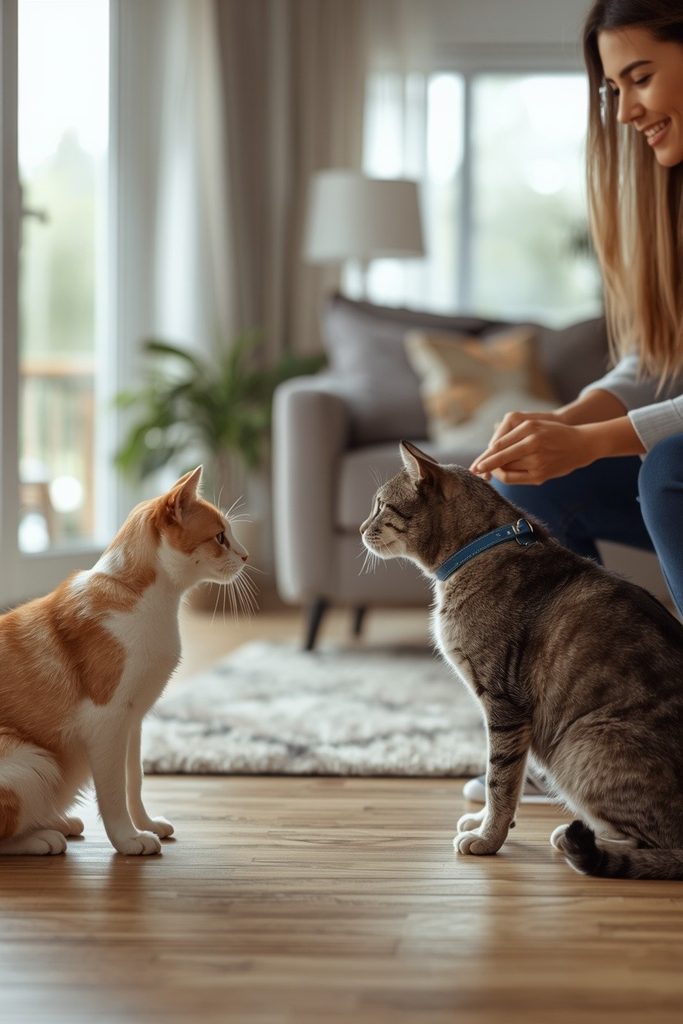
Introducing a new dog to another pet should be done gradually and carefully. Do not assume that two animals will immediately become friends. Start with controlled introductions and provide separate spaces for eating, sleeping, and relaxing. Supervise interactions and give each animal the ability to move away.
If the animals show signs of fear, tension, or aggression, separate them calmly and seek professional guidance. Slow introductions are usually easier than forcing prolonged contact. With patience and appropriate management, many dogs can learn to coexist comfortably with other animals, but every individual situation is different.
38. Caring for Puppies
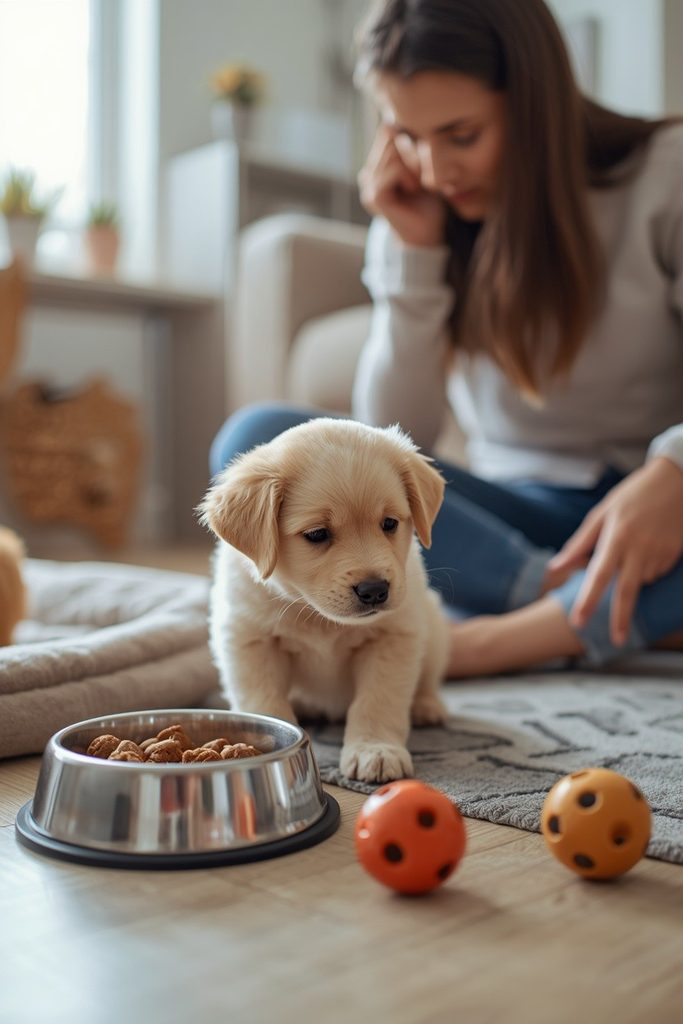
Puppies require considerable time, supervision, training, and patience. They need age-appropriate nutrition, veterinary care, socialization, safe exercise, house training, sleep, and appropriate chewing outlets. Puppies also explore their environment constantly, so puppy-proofing your home is especially important.
Do not expect a young puppy to behave like an adult dog. Accidents, chewing, whining, and short attention spans can be part of normal development. Establish routines early and reinforce desirable behaviors consistently. Provide plenty of sleep and avoid overwhelming the puppy with too many new experiences at once.
39. Caring for Adult Dogs
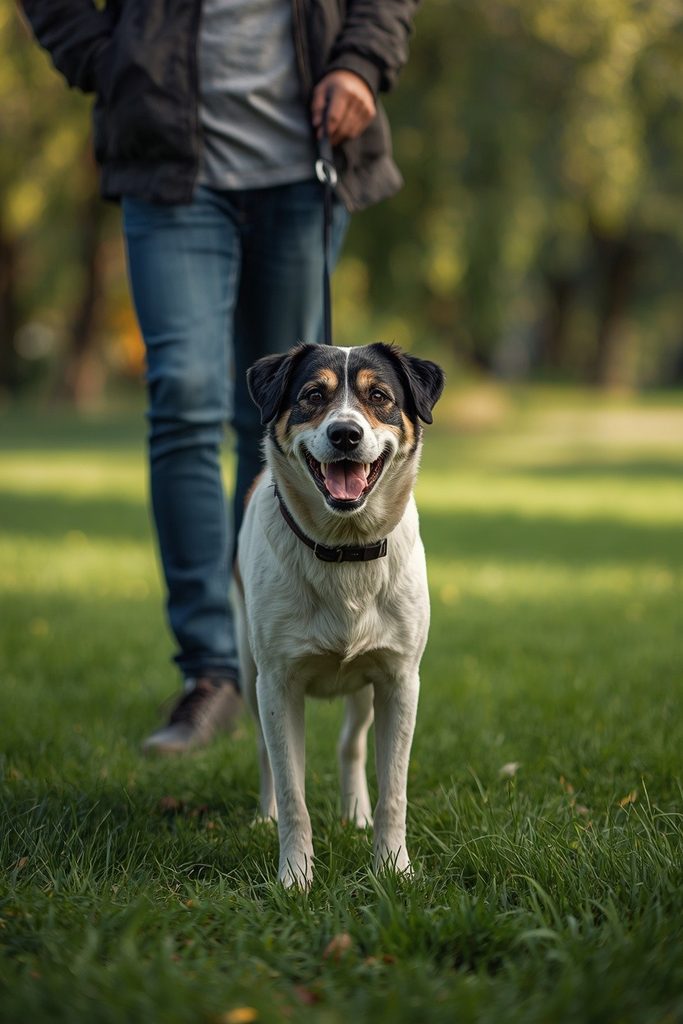
Adult dogs still need regular exercise, balanced nutrition, preventive veterinary care, grooming, dental care, training, mental stimulation, and social interaction. Their needs may be more predictable than those of puppies, but adult dogs should not be ignored simply because they are more independent.
Continue reinforcing good behavior and provide opportunities for play and exploration. Monitor weight and body condition because activity levels can change as dogs age. Regular veterinary checkups remain important even when your dog appears healthy. Consistent preventive care can support a better quality of life over the long term.
40. Caring for Senior Dogs
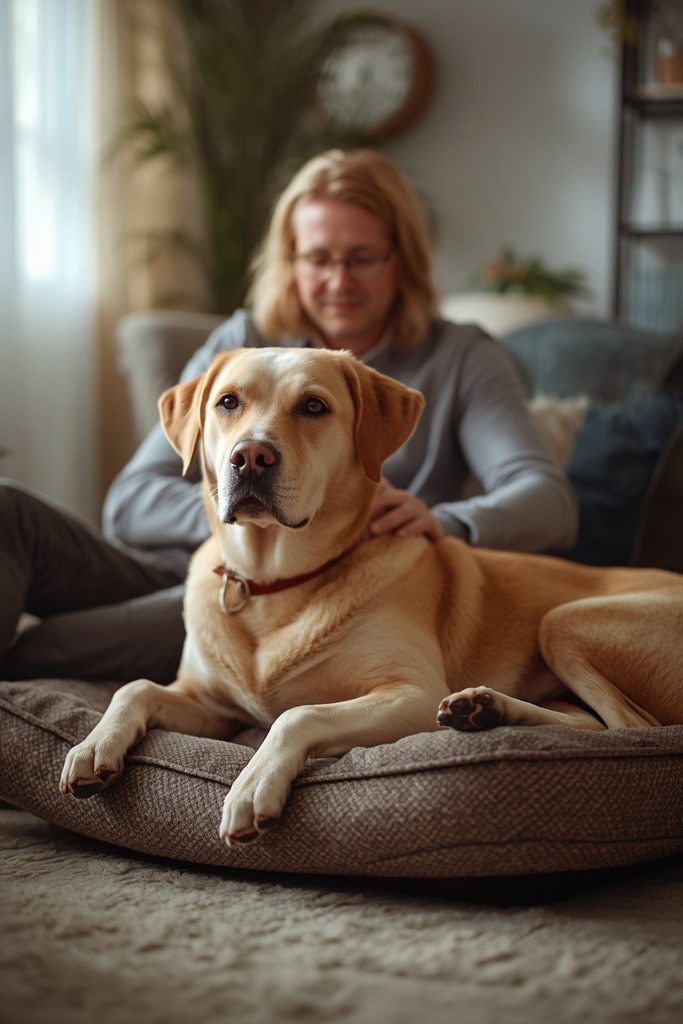
Senior dogs may gradually experience changes in mobility, vision, hearing, sleep, appetite, or behavior. These changes should not automatically be dismissed as simply “old age.” Regular veterinary examinations can help identify conditions that may benefit from treatment or management. Older dogs may need adjustments to exercise, diet, bedding, and household accessibility.
Provide a comfortable environment where your senior dog can move safely. Supportive bedding, easier access to food and water, non-slip surfaces, and gentle exercise may be useful depending on the dog’s individual condition. Most importantly, pay attention to changes in behavior and discuss persistent concerns with a veterinarian.
41. Managing Dog Weight
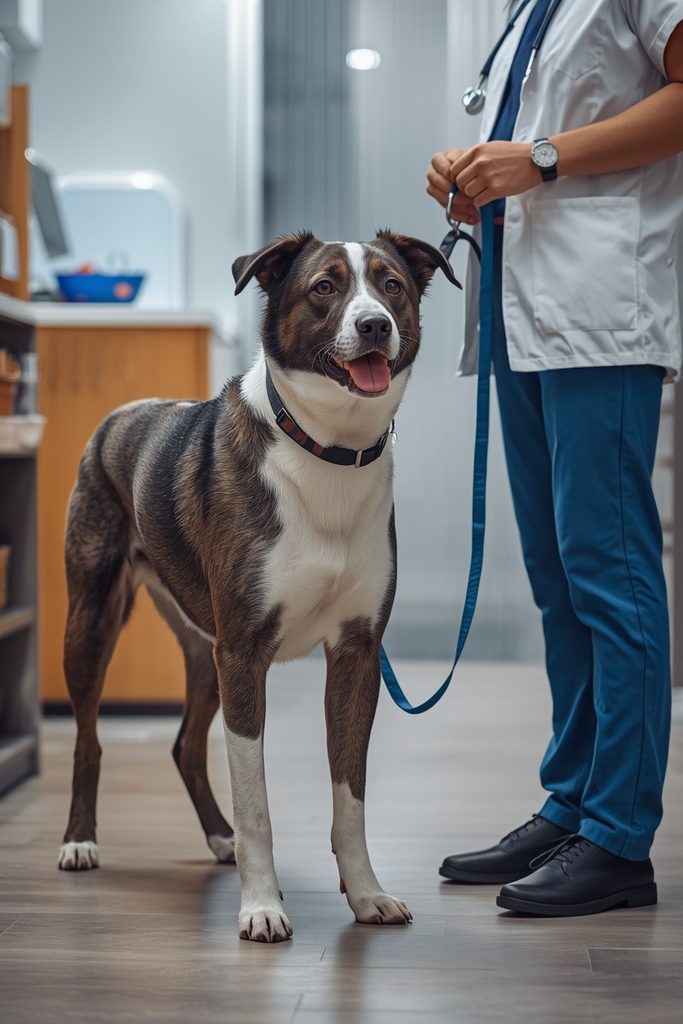
Maintaining a healthy body condition is an important part of long-term dog care. Excess weight can place additional stress on joints and may contribute to health problems. Weight management involves appropriate food portions, suitable treats, regular exercise, and monitoring body condition rather than focusing only on appearance.
Check your dog’s weight regularly and discuss significant changes with your veterinarian. Treats can add substantial calories, so account for them as part of the overall daily intake. Never place a dog on a restrictive diet without professional guidance, particularly if the dog is young, elderly, pregnant, or has an existing medical condition.
42. Choosing a Responsible Veterinarian
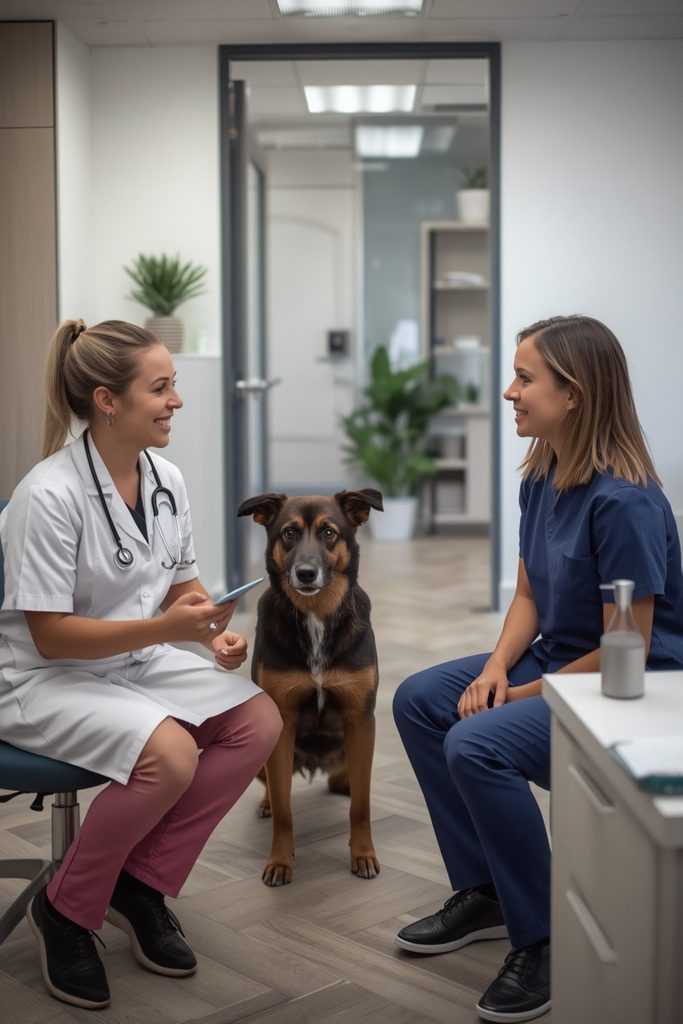
Finding a veterinarian you trust is an important step for every new dog owner. Look for a veterinary practice that provides routine wellness care, preventive services, diagnostics, and emergency guidance appropriate for your area. Consider practical factors such as location, appointment availability, communication, and whether the clinic is comfortable caring for your dog’s individual needs.
During appointments, ask questions if you do not understand something. A good veterinary relationship involves communication between the owner and medical professional. Keep a record of medications, vaccination dates, health conditions, and questions. If your dog develops a problem, having an established veterinary relationship can make it easier to seek appropriate care.
43. Understanding the Cost of Dog Ownership

Before bringing a dog home, consider the long-term financial commitment. Expenses can include food, veterinary examinations, vaccinations, parasite prevention, grooming, training, toys, bedding, identification, travel supplies, and emergency medical care. Costs vary considerably depending on the dog’s size, age, health, location, and individual needs.
Creating a pet budget can help you prepare for routine expenses and unexpected situations. Set aside money for veterinary emergencies if possible. Avoid choosing a dog solely because its initial adoption or purchase cost is low; responsible ownership involves years of ongoing care. Planning ahead can reduce financial stress and help you provide consistent care.
44. Identification and Microchipping
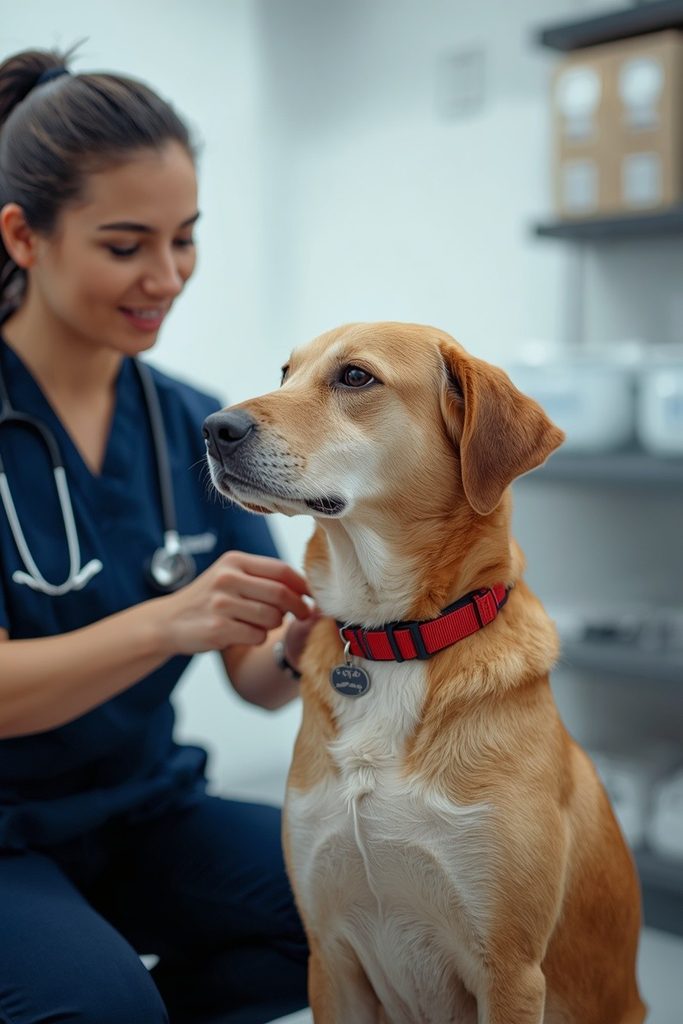
Dogs can sometimes escape through open doors, damaged fences, or unexpected situations. Identification can improve the chances of being reunited with a lost pet. Keep an identification tag attached to a secure collar and make sure contact details remain current. Microchipping may provide another form of identification, depending on local veterinary services and regulations.
Ask your veterinarian about microchip registration and how to keep the associated contact information updated. Identification is especially important when moving to a new home or changing phone numbers. A secure fence, reliable recall training, and careful supervision should also be part of your overall lost-dog prevention strategy.
45. Keeping Your Dog’s Records Organized

Keeping organized pet records makes dog care easier. Maintain information about vaccinations, veterinary visits, medications, allergies, previous illnesses, identification details, grooming appointments, and important contact numbers. A digital or paper record can both work as long as the information is easy to access when needed.
Records become particularly valuable during emergencies, travel, boarding, or changes in veterinary care. If someone else looks after your dog, provide clear information about feeding schedules, medication, emergency contacts, and behavioral needs. Organized records help ensure that important details are not forgotten.
46. Finding a Reliable Dog Sitter or Walker
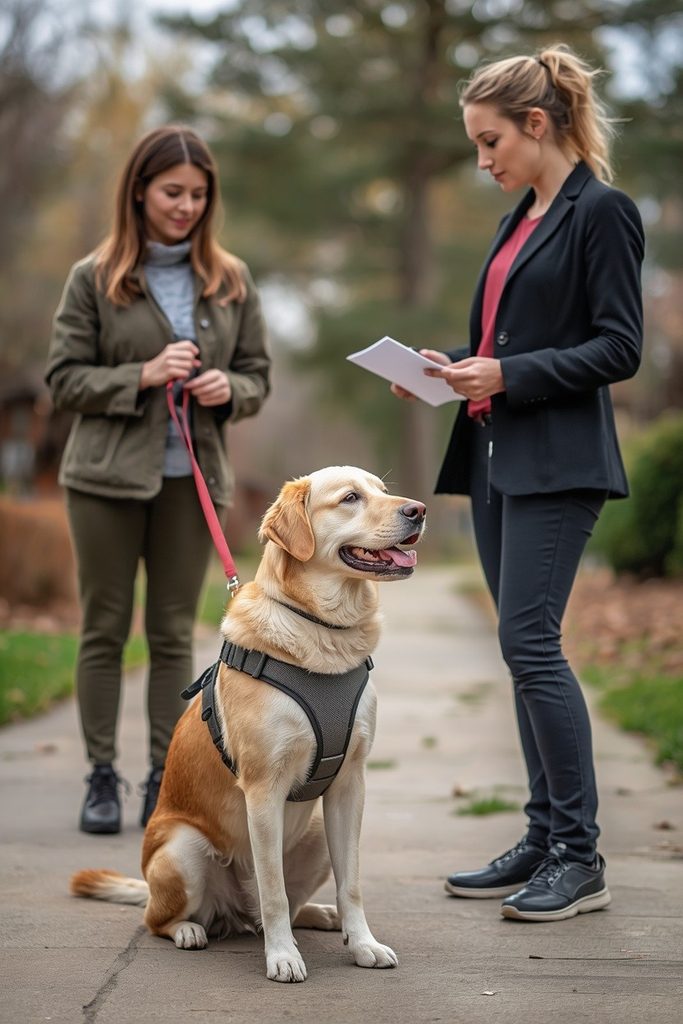
There may be times when you cannot personally provide every walk or feeding. A reliable dog sitter or walker can help maintain your dog’s routine. Before trusting someone with your pet, discuss feeding instructions, walking requirements, behavior, emergency procedures, veterinary contact information, and household access.
Introduce the caregiver to your dog before leaving for an extended period. Observe how they interact and make sure they understand your instructions. Written information is helpful, particularly for medication or special routines. If your dog has behavioral or medical needs, choose someone with appropriate experience rather than simply selecting the cheapest option.
47. Responsible Dog Ownership
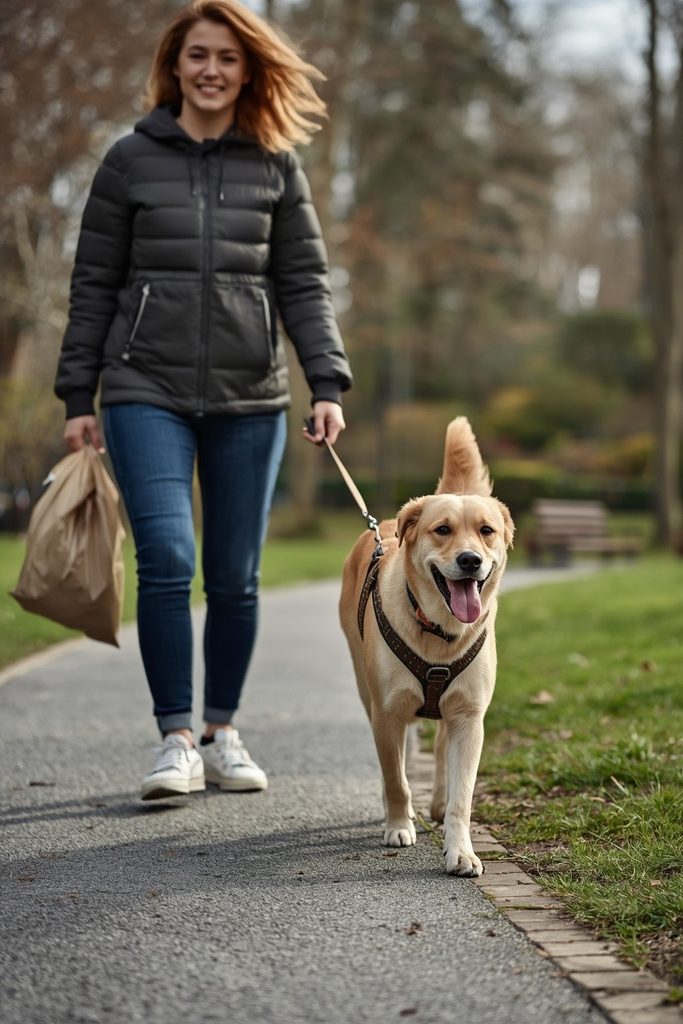
Responsible dog ownership means meeting your dog’s physical, emotional, behavioral, and medical needs throughout its life. It also means respecting other people, animals, public spaces, and local rules. Clean up after your dog, prevent unwanted roaming, use appropriate leashes where required, and make sure your pet does not become a nuisance to neighbors.
Responsibility also means making decisions based on the dog’s welfare rather than convenience alone. Training, veterinary care, grooming, exercise, and social interaction require time and commitment. Before adopting or purchasing a dog, make sure you are prepared for a long-term relationship that can involve both rewarding experiences and challenging periods.
48. Common Dog Care Mistakes Beginners Make
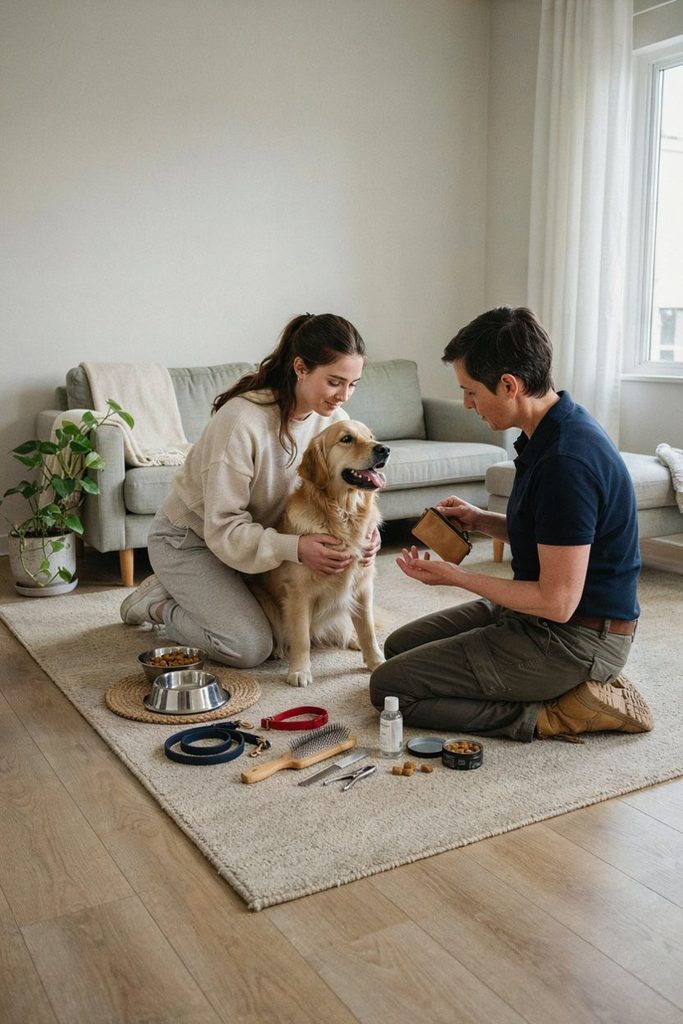
New owners can make mistakes simply because they do not yet understand their dog’s needs. Common problems include overfeeding, insufficient exercise, inconsistent training, ignoring dental care, using inappropriate human medications, leaving dogs unattended in dangerous conditions, and failing to provide enough mental stimulation. Many mistakes can be prevented through basic education and regular veterinary advice.
Another common mistake is expecting immediate results. Dogs need time to learn new routines and behaviors. Avoid comparing your dog with other dogs because individual personalities and histories differ. Focus on consistency and gradual progress. When a problem persists, asking a veterinarian or qualified behavior professional for help is often better than relying on random advice online.
49. Building a Strong Bond With Your Dog
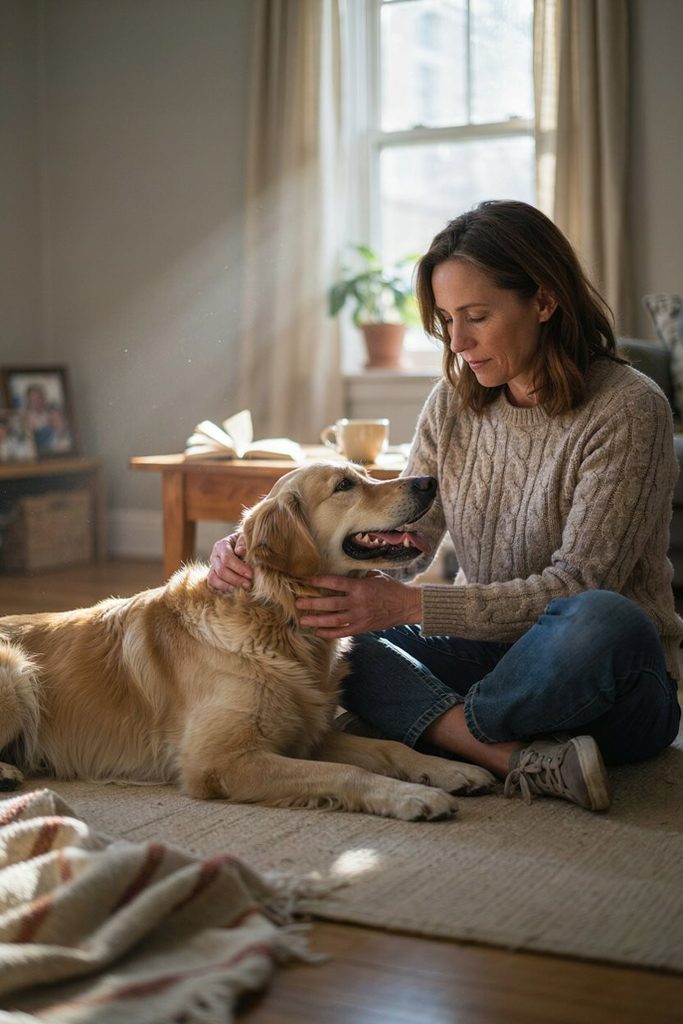
A strong relationship is built through everyday experiences rather than one special moment. Spend time with your dog through walks, training, play, grooming, quiet companionship, and exploration. Learn what your dog enjoys and what makes it uncomfortable. Respect its boundaries while continuing to provide appropriate guidance.
Consistency creates predictability, and predictability can help dogs feel secure. When you respond calmly and provide appropriate rewards for good behavior, your dog can learn that interacting with you is safe and rewarding. Over time, these small daily interactions can develop into a strong relationship based on trust and mutual understanding.
50. A Simple Daily Dog Care Checklist for Beginners
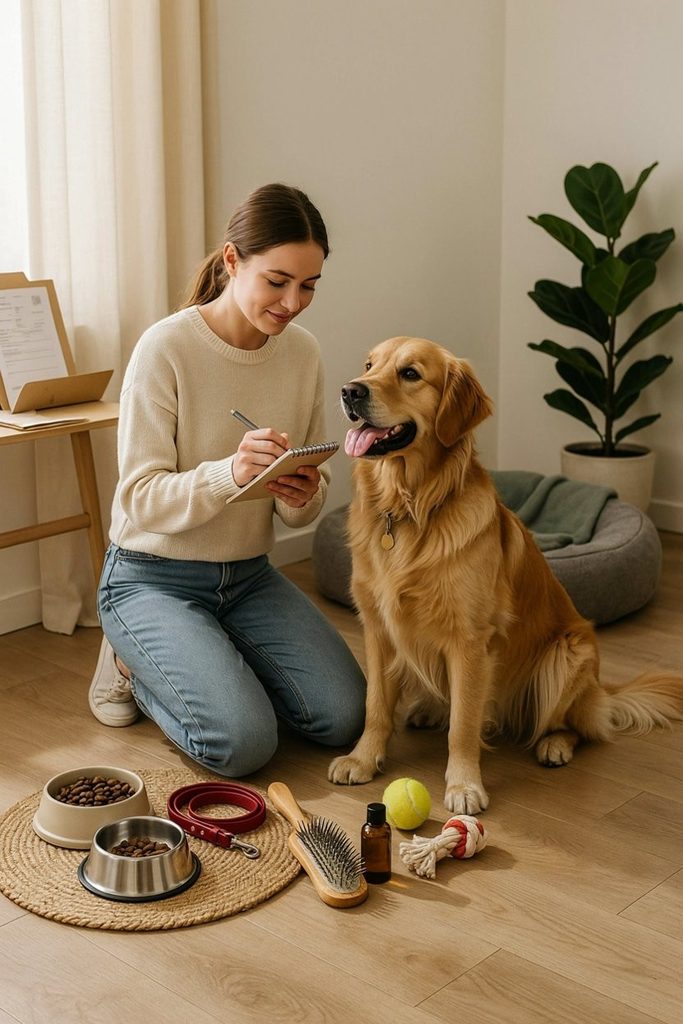
A daily checklist can help new owners remember the basics. Make sure your dog has fresh water, appropriate food, bathroom opportunities, exercise, mental stimulation, attention, and a clean resting area. Check the dog’s general condition and notice anything unusual in appetite, energy, movement, or behavior. Grooming and dental care should be included according to your dog’s individual schedule rather than necessarily being performed every day.
A weekly or monthly checklist can include nail checks, deeper grooming, toy inspections, bedding cleaning, weight monitoring, and reviewing preventive care schedules. Keep veterinary contact information accessible and update identification details whenever they change. The purpose of a checklist is not to make dog ownership complicated; it is to make important care tasks easier to remember.
51. How to Make Dog Care Easier for Beginners
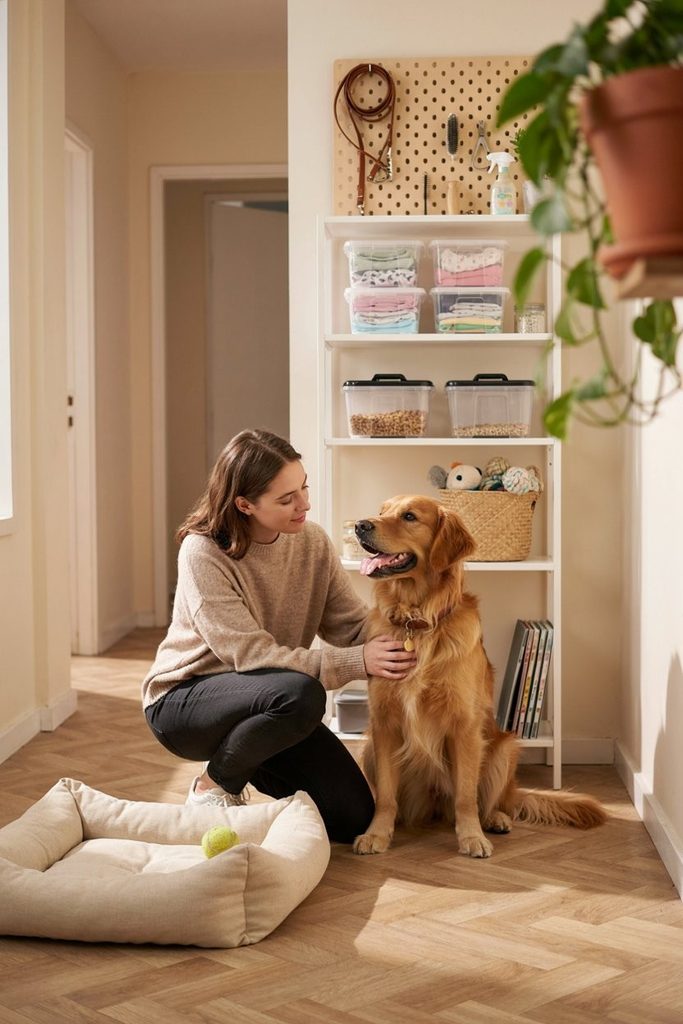
Dog care becomes much easier when you organize supplies and establish routines from the beginning. Keep food, treats, grooming equipment, waste bags, medications, cleaning supplies, and important records in clearly designated places. Set reminders for veterinary appointments and preventive care. A consistent routine also helps family members understand who is responsible for each task.
Do not feel that you have to learn everything at once. Start with the essentials: safe housing, nutrition, water, bathroom routines, exercise, training, veterinary care, grooming, and socialization. As you gain experience, you will become better at understanding your dog’s individual personality and needs. When something concerns you, reliable veterinary and professional behavior advice is more valuable than guessing.
52. Final Thoughts on Dog Care for Beginners
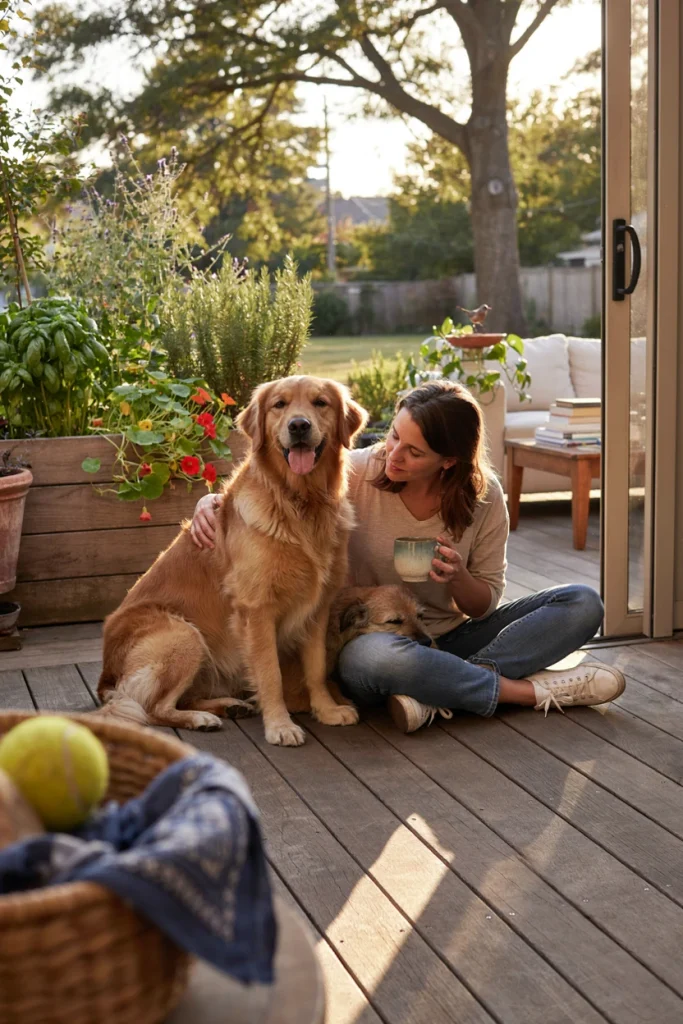
Learning dog care for beginners is an ongoing process rather than something you complete in one day. Your dog’s needs will change as it grows from puppy to adult and eventually into its senior years. The most important principles are consistency, preventive healthcare, appropriate nutrition, safe exercise, positive training, grooming, socialization, and careful observation.
Every dog is an individual. Breed information can provide useful general guidance, but your veterinarian and qualified animal professionals can help you understand your particular dog’s needs. With patience and responsible care, you can create a safe and rewarding life for your companion. The time and attention you invest in your dog can become one of the most meaningful parts of responsible pet ownership.
Conclusion
Being a new dog owner can feel overwhelming at first, but good dog care becomes much more manageable when you break it into simple daily habits. Provide nutritious food, fresh water, safe shelter, regular exercise, positive training, grooming, preventive healthcare, mental stimulation, and plenty of patience. Pay attention to your dog’s behavior and body language, and remember that every dog has individual needs.
The goal of dog care for beginners is not perfection. It is creating a safe, healthy, predictable, and loving environment in which your dog can thrive. As your experience grows, you will become more familiar with your dog’s personality, preferences, routines, and warning signs. When professional advice is needed, your veterinarian and qualified animal-care professionals should be your trusted sources.