
15 Gentle Grooming Tips for Nervous Dogs
Does your dog become frightened when you bring out the grooming brush, nail clippers, or shampoo? Does your furry friend hide, shake, or try to escape whenever grooming time begins? You are not alone. Many dogs feel nervous during grooming because of unfamiliar sounds, strange tools, water, or uncomfortable handling.
The good news is that nervous dogs can learn to feel safer and more comfortable during grooming. With patience, gentle techniques, positive reinforcement, and a predictable routine, you can turn grooming into a more enjoyable experience. These 15 gentle grooming tips for nervous dogs will help you care for your pet’s coat, paws, nails, and ears while building trust and confidence.
1. Introduce Grooming Tools Gradually
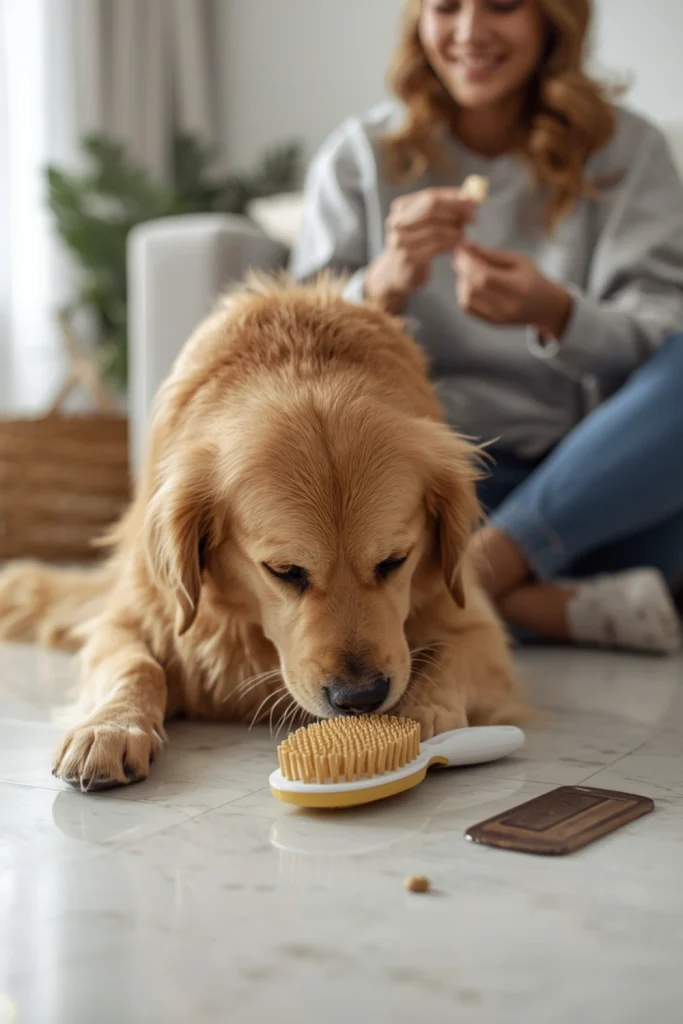
Introducing grooming tools slowly is one of the best ways to help nervous dogs become comfortable with grooming. Brushes, combs, nail clippers, and electric trimmers may look unfamiliar or frightening to pets that have never experienced them. Instead of immediately using these tools, place them near your dog and allow your pet to investigate them naturally. Avoid moving the equipment suddenly toward your dog’s face or paws.
Begin with one tool at a time. Let your dog smell the brush, look at the comb, or approach the grooming supplies voluntarily. Reward calm curiosity with a small treat and gentle praise. Once your dog feels comfortable seeing the equipment, gradually introduce gentle contact with the body. Short introductions repeated over several days can help reduce fear and create positive associations.
2. Create a Quiet Grooming Environment
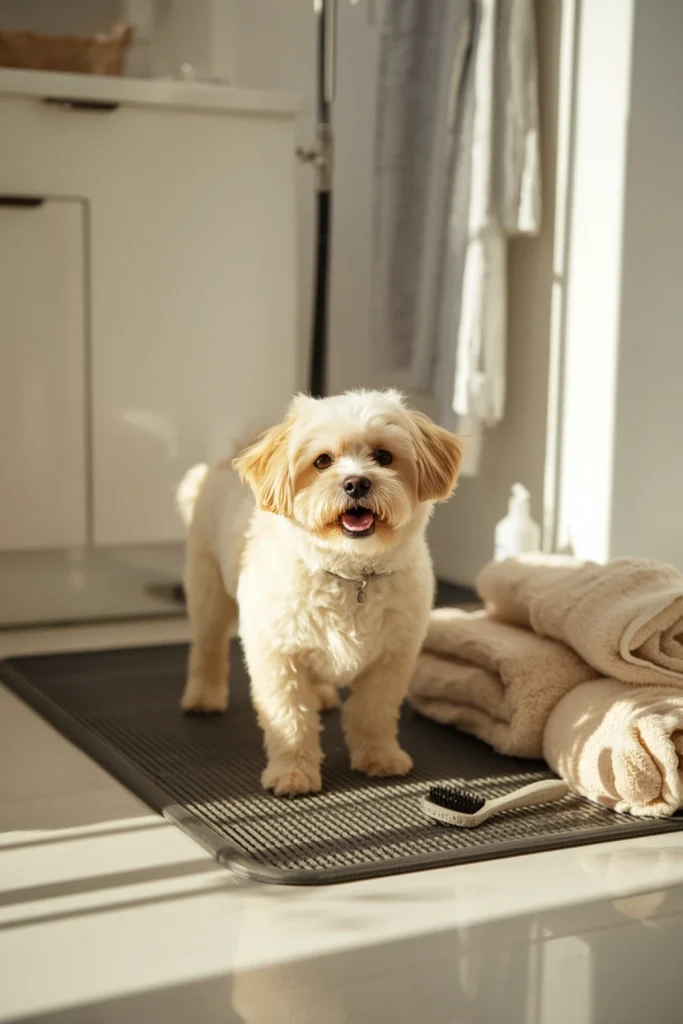
A peaceful grooming environment can make a significant difference for an anxious dog. Loud noises, unfamiliar people, children running around, and other household distractions may increase nervousness. Choose a quiet room where your dog usually feels safe. A familiar living room, peaceful bathroom, or comfortable grooming corner can work well for basic home grooming activities.
Prepare the area before bringing your dog into the room. Place a nonslip mat on the floor and arrange your grooming supplies within easy reach. Keep the lighting comfortable and avoid sudden movements. If your dog is sensitive to household sounds, close the door to reduce distractions. A familiar and predictable environment helps your pet feel more secure and allows you to focus on gentle grooming.
3. Use Positive Reinforcement During Grooming
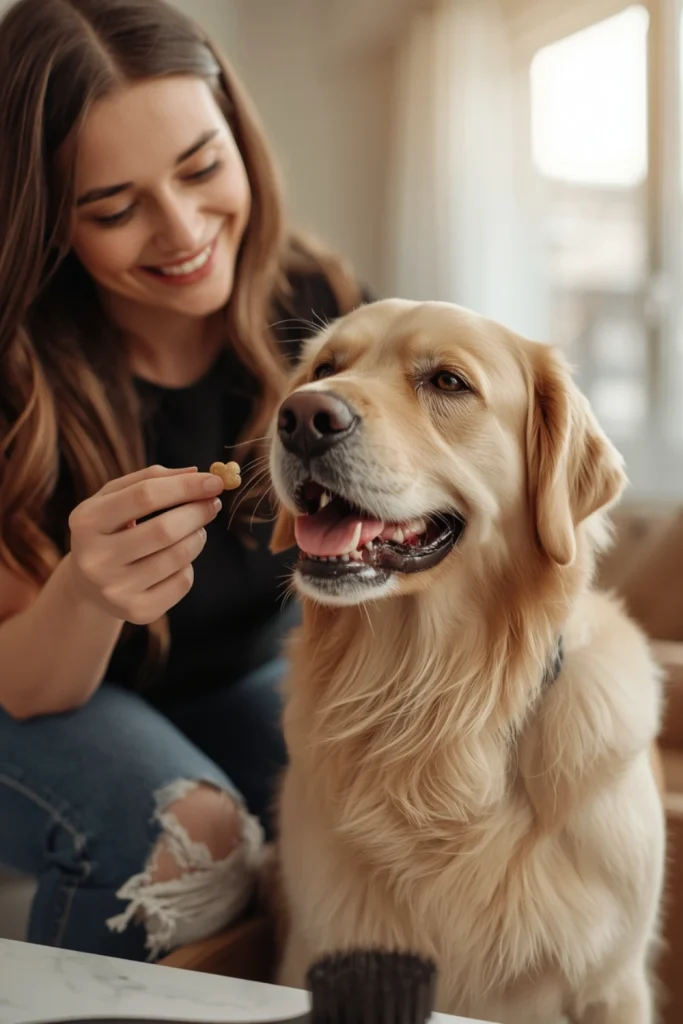
Positive reinforcement can help nervous dogs develop a better attitude toward grooming. Rather than expecting your pet to accept everything immediately, reward small steps of progress. For example, offer a treat when your dog approaches the brush, allows gentle touching, or calmly stands on the grooming mat. These small rewards help your pet understand that cooperating with grooming can lead to pleasant experiences.
Use gentle praise, affection, and small dog-friendly treats throughout the process. Make sure the rewards are given when your dog is relaxed or voluntarily participating. Avoid punishment, shouting, or forcing your pet to remain still. If your dog becomes uncomfortable, pause and make the next session easier. Consistent positive experiences can gradually build trust and confidence.
4. Start With Very Short Grooming Sessions
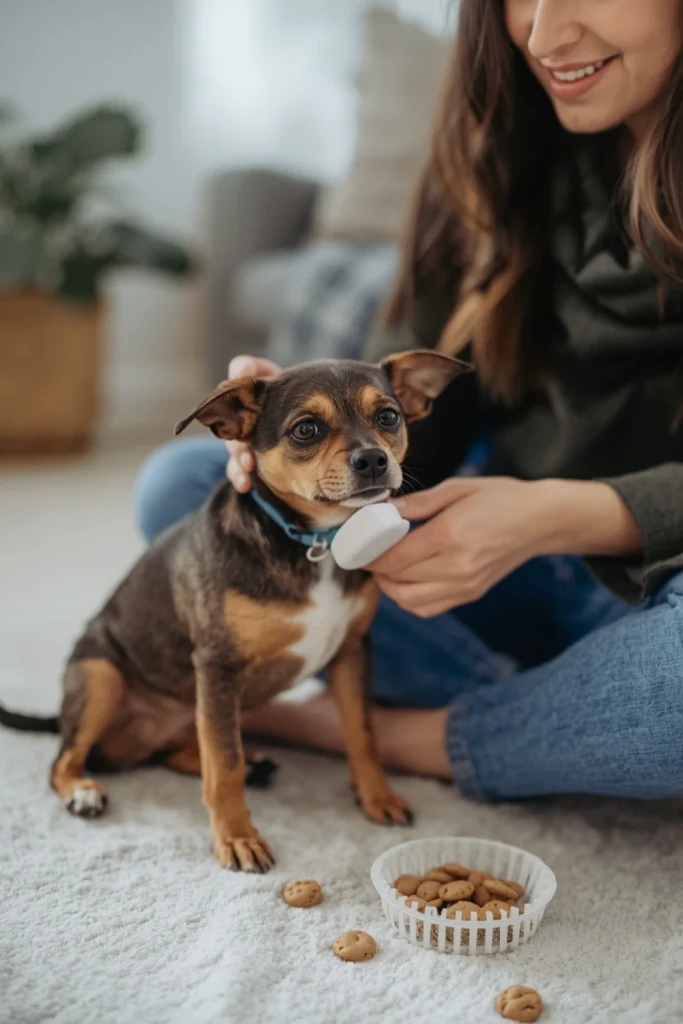
Long grooming sessions can overwhelm nervous dogs, especially when they are unfamiliar with brushing or bathing. Trying to complete several activities at once may increase stress and make future grooming more difficult. Instead, start with just a few minutes of gentle handling. Your first session might involve allowing your dog to investigate the brush or gently touching the shoulders with a grooming mitt.
Gradually increase the duration as your dog becomes more comfortable. Stop while your pet is still relaxed rather than waiting until it becomes frightened. You can divide brushing, nail care, and bathing into separate sessions when necessary. Remember that every dog learns at a different speed. Short and successful grooming experiences are more valuable than long sessions that create negative associations.
5. Choose the Right Brush for Your Dog’s Coat
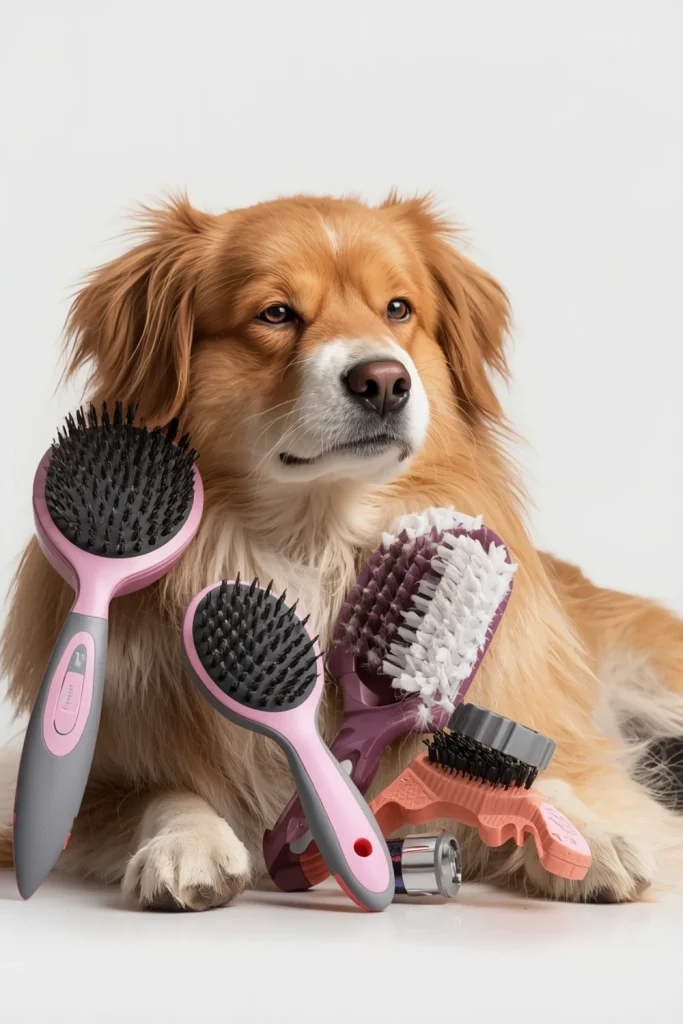
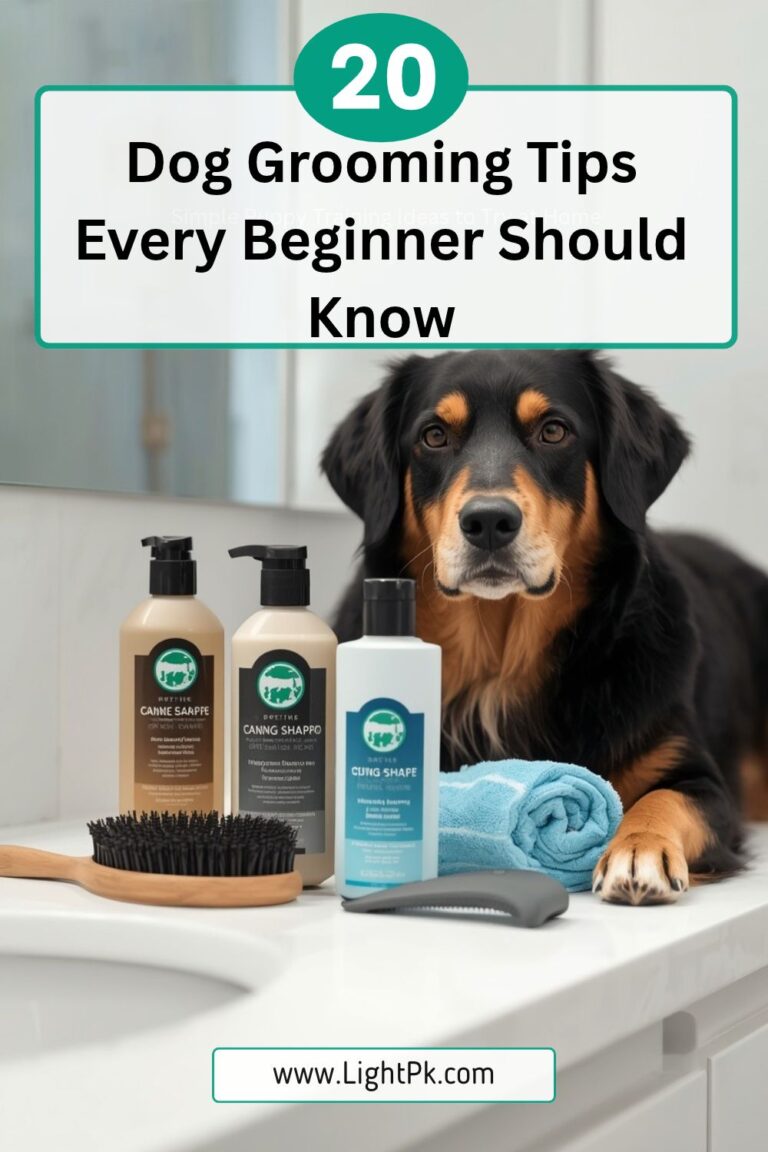
Using an unsuitable brush can make grooming painful and uncomfortable. Dogs have different coat types, including short, long, curly, wiry, and double coats. A brush that works well for one breed may pull or irritate another dog’s fur. Choosing appropriate grooming equipment helps reduce discomfort and makes brushing easier for nervous pets.
For example, some short-haired dogs respond well to rubber grooming mitts, while long-haired breeds may need a suitable slicker brush or wide-tooth comb. Use gentle strokes and begin with areas your dog enjoys having touched. Avoid pulling through tangles or repeatedly brushing sensitive skin. If you are unsure which brush to choose, ask a professional groomer or veterinarian for advice.
6. Help Your Dog Become Comfortable With Paw Handling
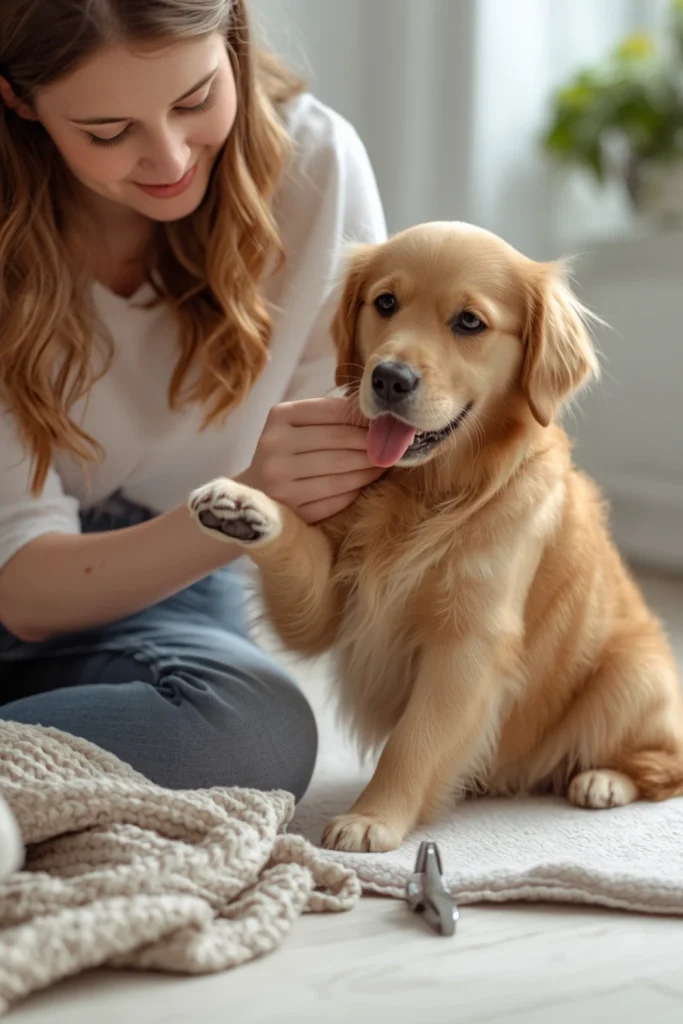
Many nervous dogs dislike having their paws touched. This can make nail trimming, paw cleaning, and hair trimming around the feet challenging. Begin by gently touching your dog’s shoulder or leg before moving toward the paws. Reward calm behavior and avoid holding the feet tightly. Your goal is to help your pet understand that gentle paw handling is safe.
Once your dog accepts light touching, gradually hold one paw for a second before releasing it. Increase the duration slowly and introduce grooming tools only after your pet becomes comfortable. Never force the paw into an uncomfortable position. If your dog suddenly becomes sensitive about a particular foot, check for injuries or swelling and contact your veterinarian if needed.
7. Make Bath Time Gentle and Comfortable
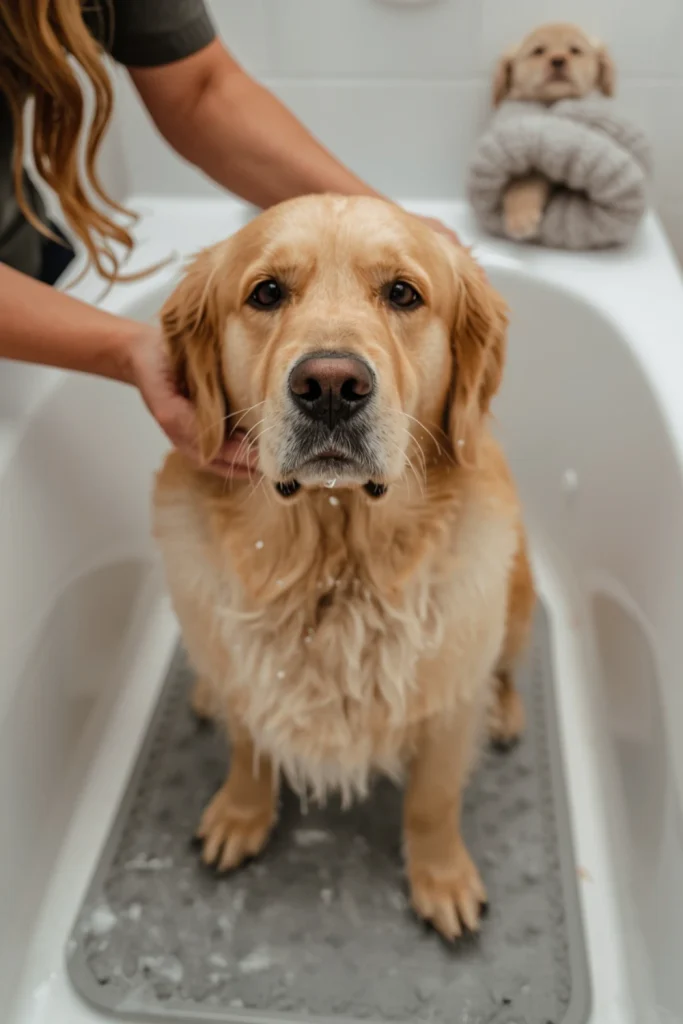
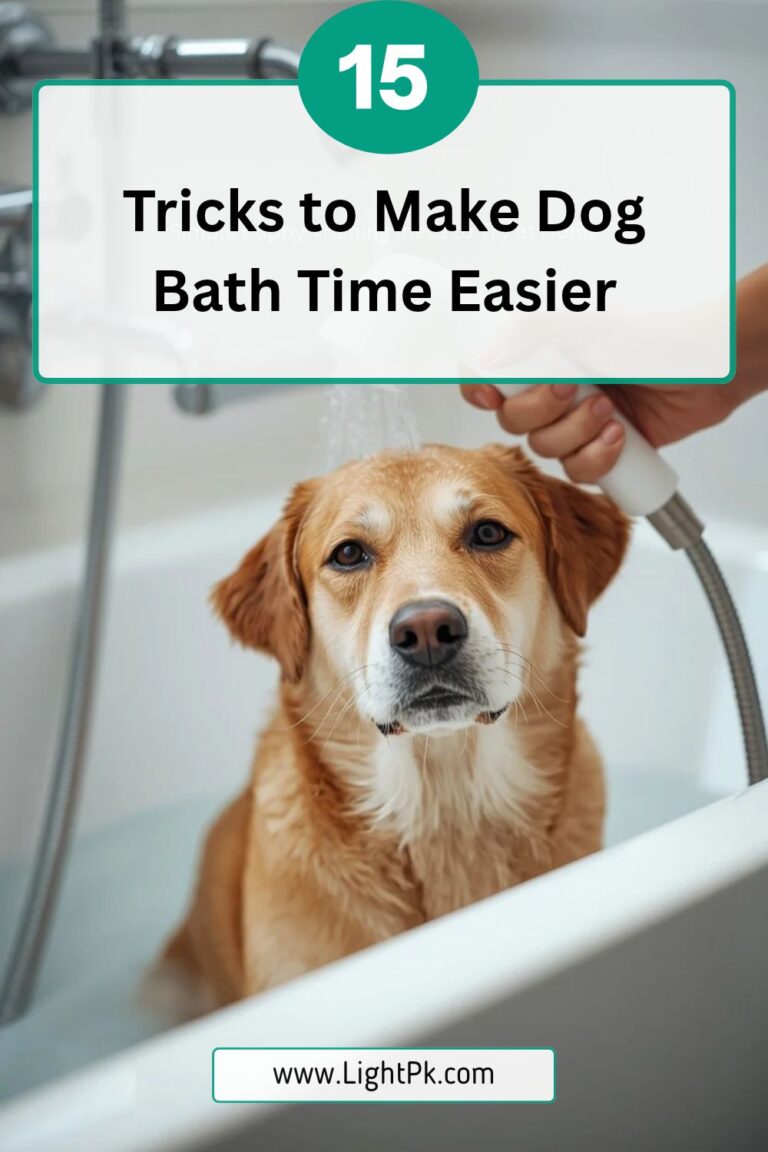
Bathing can be frightening for dogs that dislike water, slippery floors, or unfamiliar bathroom sounds. To make bath time easier, introduce your dog to the bathing area before starting the water. Allow your pet to explore the space and reward calm behavior. Place a nonslip mat in the bathtub to provide better stability and help your dog feel secure.
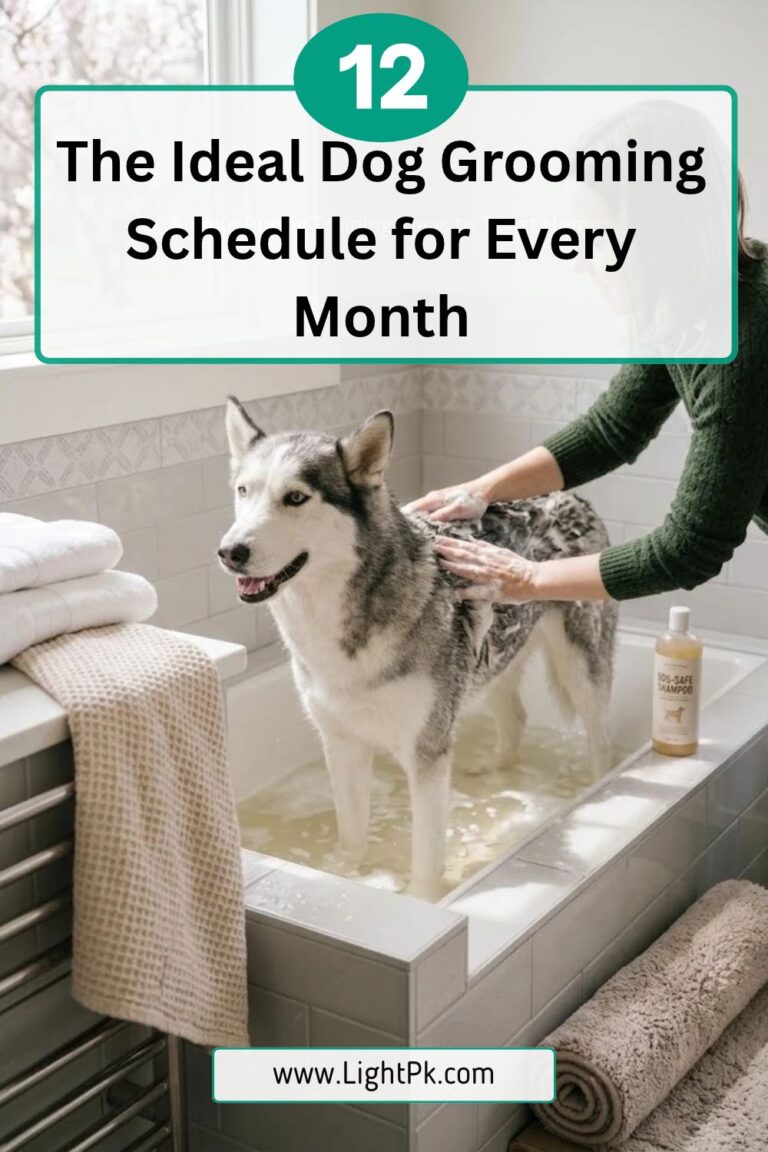
Use lukewarm water and a gentle shampoo formulated specifically for dogs. Begin by wetting the body slowly rather than spraying water directly toward the face. Keep the water pressure comfortable and speak calmly throughout the bath. Rinse thoroughly and use a soft towel for drying. If your dog becomes overwhelmed, stop and return to gradual water introduction during future sessions.
8. Introduce Clippers and Hair Dryers Slowly
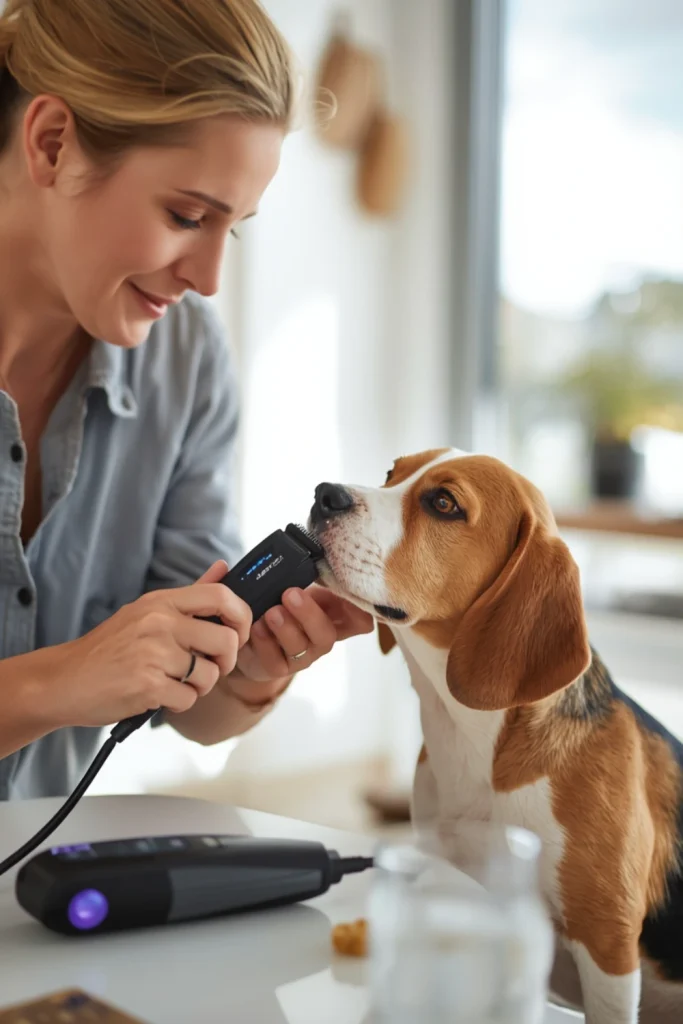
Electric clippers and hair dryers can be frightening because of their unfamiliar sounds and vibrations. Some dogs become nervous as soon as they hear a grooming machine switch on. To help your pet become comfortable, introduce noisy tools while they are switched off. Place the equipment at a comfortable distance and reward your dog for remaining relaxed.
After your dog accepts the switched-off tool, briefly turn it on from a distance. Keep the exposure short and gradually reduce the distance only if your pet remains comfortable. Never hold a running clipper or hair dryer close to a frightened dog. When drying, use a suitable low setting and avoid hot air directed at the skin, eyes, or ears. If your dog remains distressed, use gentle towel drying and seek professional advice.
9. Pay Special Attention to Sensitive Areas
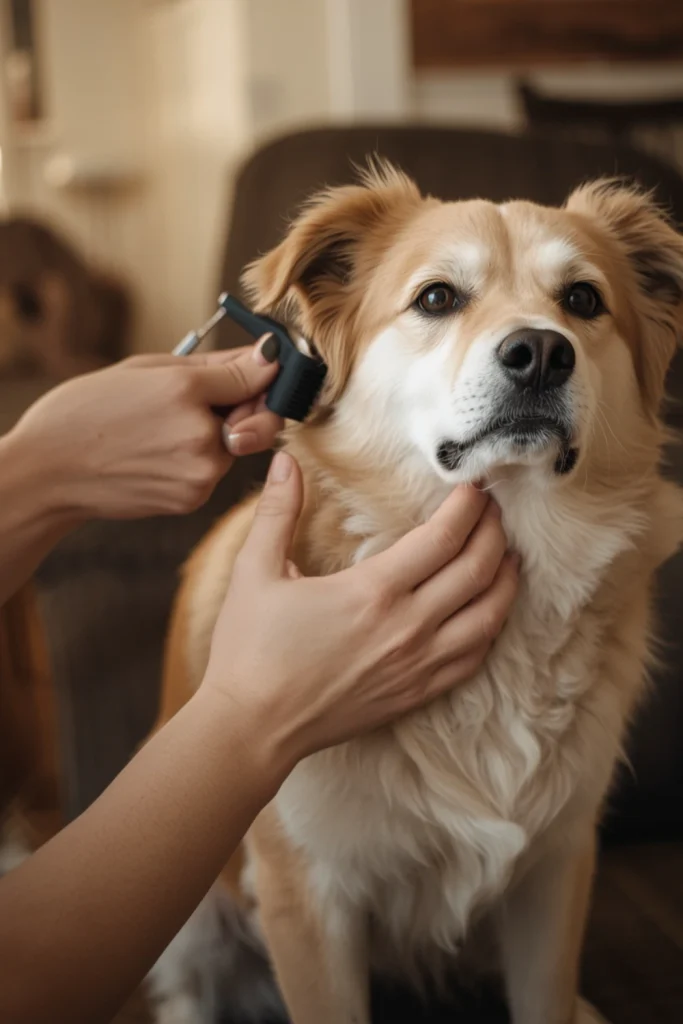
Some areas of a dog’s body are more sensitive than others. The ears, paws, belly, tail, face, and area around the eyes may be uncomfortable for nervous pets. If your dog already dislikes grooming, immediately touching these areas may increase anxiety. Start with gentle brushing on the shoulders or back, where your pet may feel more comfortable.
Gradually introduce handling around sensitive areas as your dog develops confidence. Use slow movements and avoid pulling the ears, lifting legs forcefully, or brushing irritated skin. Watch your dog’s reactions and stop if your pet becomes tense or tries to move away. If your dog reacts strongly to touching a particular area, consider the possibility of pain, an injury, or skin irritation. A veterinary examination may be necessary.
10. Keep Your Grooming Routine Predictable
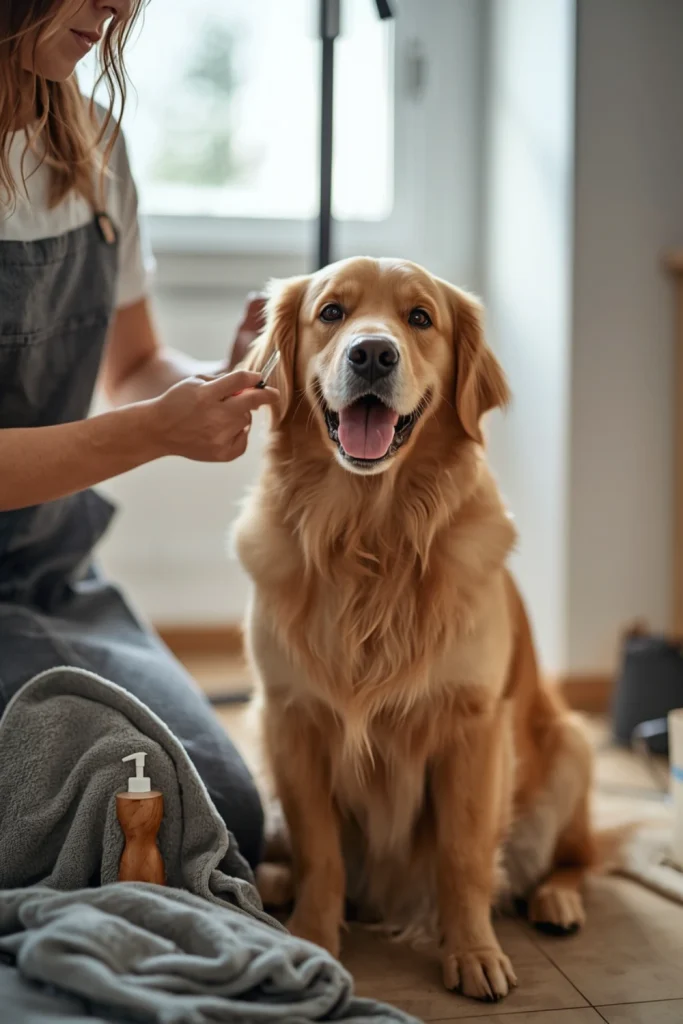
A predictable grooming routine can help nervous dogs understand what will happen next. When grooming activities occur in a familiar order, your pet may become less worried about unexpected handling. Choose a convenient time when your dog is naturally relaxed and use the same comfortable grooming area whenever possible.
For example, you can begin with gentle brushing, followed by a coat inspection and paw check. Bathing and nail trimming can be introduced separately according to your dog’s comfort level. Avoid changing several parts of the routine at once. If your dog becomes nervous during a particular activity, make that step easier instead of forcing it. Consistency, patience, and positive rewards can make grooming more manageable over time.
11. Offer Breaks and Allow Your Dog to Relax
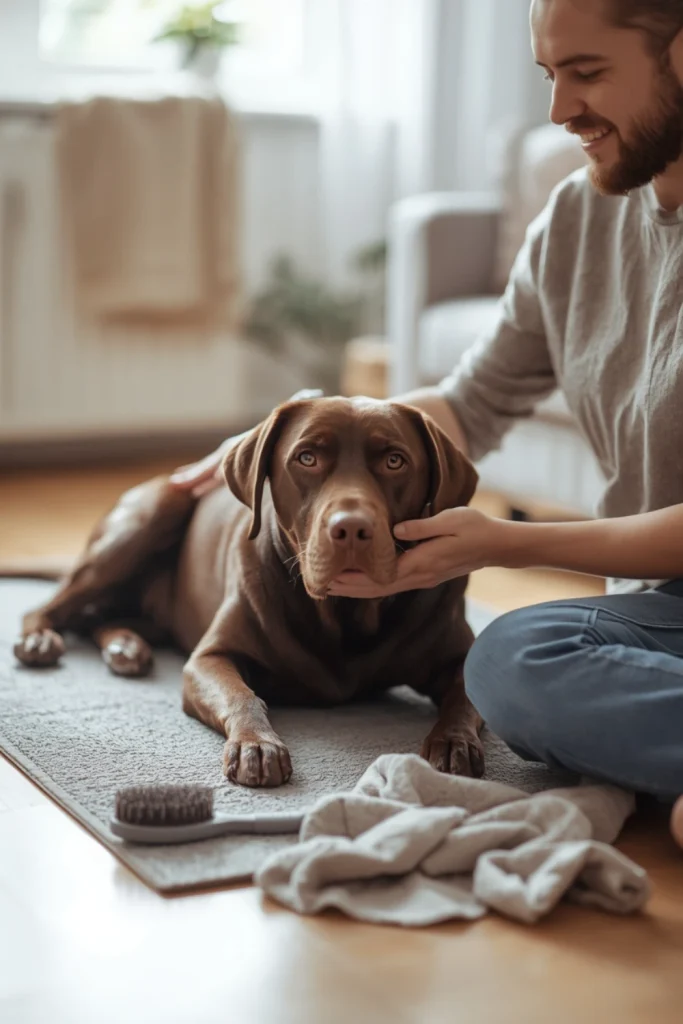
Nervous dogs may become overwhelmed when they are handled for too long. Repeated brushing, nail trimming, and bathing can make pets tired or uncomfortable. Giving your dog regular breaks helps reduce pressure and allows your pet to relax between activities. Allow your dog to stand, stretch, drink water, or move to a familiar resting place.
Pay attention to body language throughout the session. If your dog begins trembling, panting excessively, repeatedly turning away, or trying to escape, stop the activity. Do not wait until your pet becomes highly distressed. You can complete the remaining grooming tasks another day. Breaks are particularly helpful for puppies, senior dogs, and pets that have experienced negative grooming sessions.
12. Use Gentle Dog-Specific Grooming Products
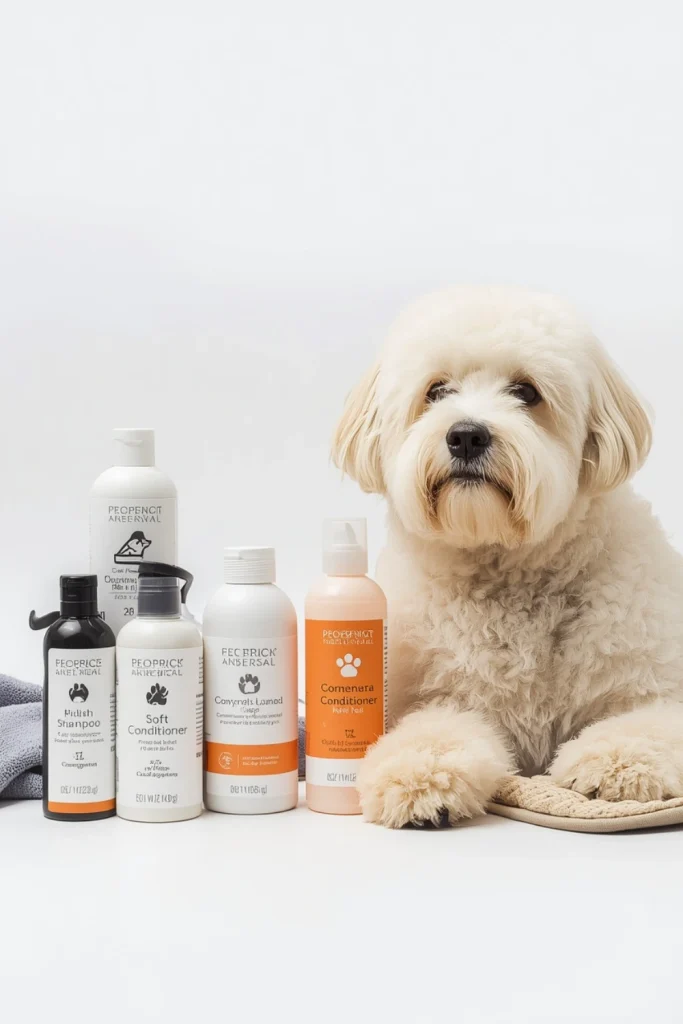
The products you use can influence how comfortable your dog feels during grooming. Strong fragrances, unsuitable shampoos, rough brushes, and harsh cleaning products may irritate sensitive skin. Human shampoo is generally not recommended for dogs because it is not formulated for canine skin. Always choose products designed specifically for pets.
Look for mild dog shampoo, suitable conditioners, soft brushes, and pet-safe cleaning products. If your dog has allergies, itching, or recurring skin irritation, ask your veterinarian to recommend appropriate products. Avoid trying multiple new products during the same grooming session. Introduce one product at a time and observe your dog’s skin for any signs of irritation. Suitable grooming supplies can make regular care more comfortable.
13. Reward Calm Behavior Before and After Grooming
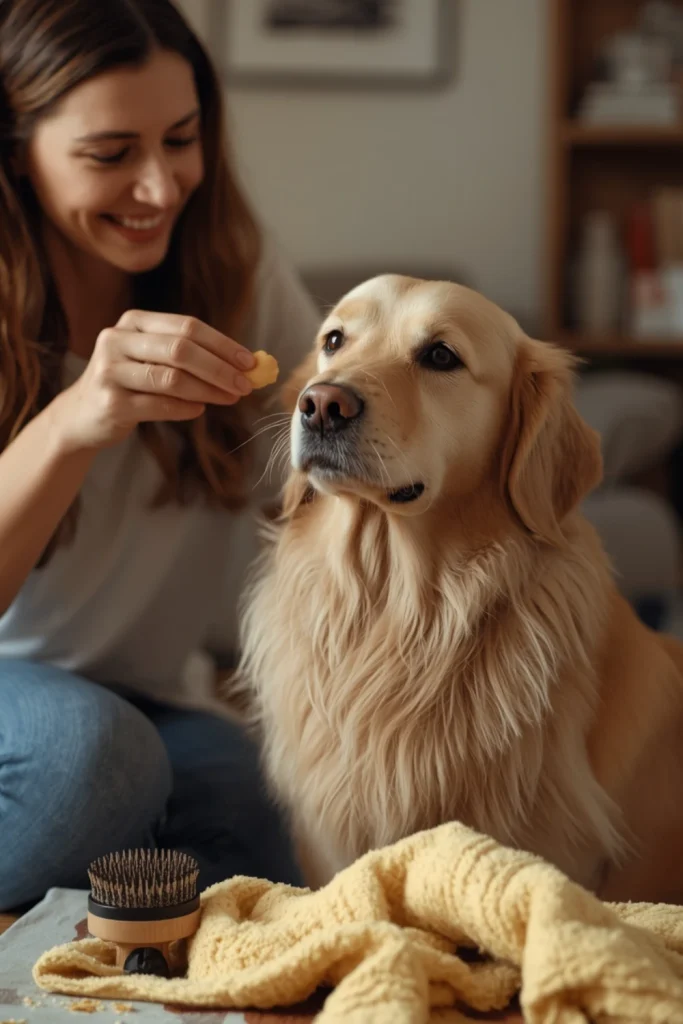
Rewards should not be limited to the middle of a grooming session. Offering positive attention before and after grooming can help your dog develop a more comfortable association with the entire routine. Begin by giving your pet a small treat when approaching the grooming area. Allow your dog to investigate the equipment and reward calm behavior before starting.
After completing a short activity, offer gentle praise, affection, or another small reward. You can also allow your dog to enjoy a favorite resting spot after grooming. Avoid making rewards dependent on tolerating fear or pain. Instead, encourage voluntary participation and celebrate small improvements. Over time, these positive experiences can help your dog approach grooming with greater confidence.
14. Avoid Forcing Your Dog to Complete Every Grooming Task
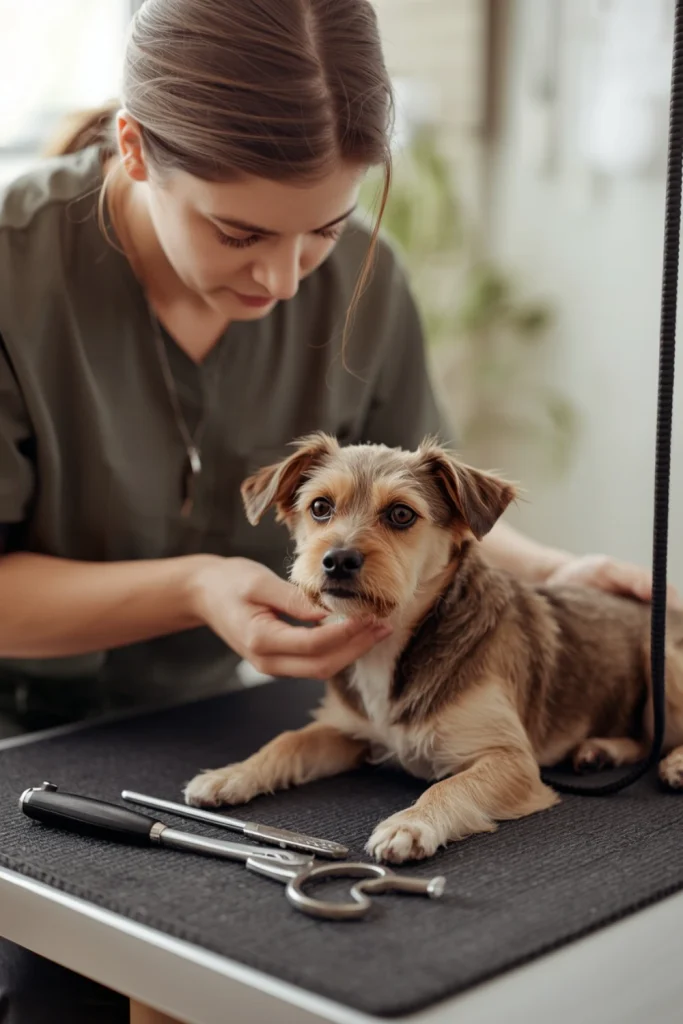
Forcing a nervous dog to remain still can increase fear and may create unsafe situations. Some pets respond to physical restraint by struggling, growling, or snapping. Instead of trying to complete every task in one session, focus on what your dog can comfortably accept. Divide grooming into manageable activities and stop before stress becomes overwhelming.
If your dog refuses nail trimming, for example, return to gentle paw handling and reward calm behavior. If brushing becomes uncomfortable, work on a smaller section of the coat. Never punish growling or other warning signals because they communicate discomfort. If grooming cannot be completed safely, contact a qualified professional. Your dog’s emotional and physical safety should always come before finishing a grooming checklist.
15. Choose a Patient Professional Groomer When Needed
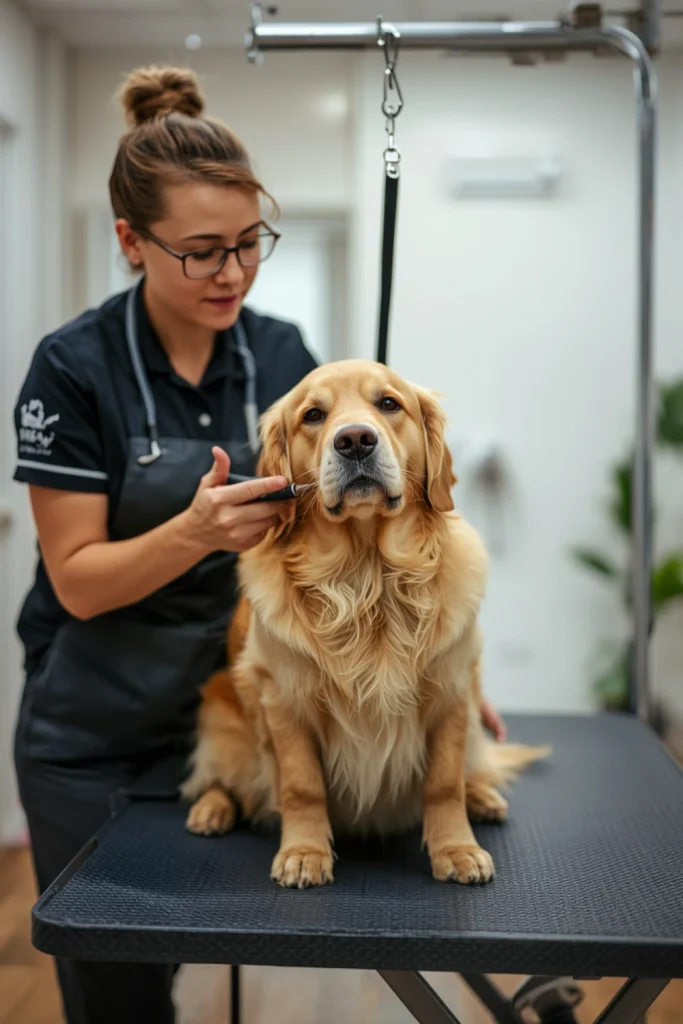
Some nervous dogs need more support than ordinary home grooming can provide. Professional groomers have experience with different breeds, coat types, and grooming equipment. They can help with difficult tangles, haircuts, bathing, and nail care. However, it is important to choose someone who understands nervous dogs and uses gentle, appropriate handling techniques.
Before booking an appointment, explain your dog’s fears, sensitivities, and previous grooming experiences. Ask about the groomer’s approach to anxious pets and whether shorter or introductory sessions are possible. If your dog experiences severe fear, pain, or defensive behavior, consult a veterinarian before arranging grooming. Medical conditions, skin problems, and joint discomfort can make handling difficult. Professional guidance can help you create a safer and more comfortable grooming plan.
Final Thoughts
Grooming a nervous dog does not have to be a stressful experience for you or your furry friend. With patience, gentle handling, and positive reinforcement, you can gradually help your dog feel safer during brushing, bathing, nail trimming, and other grooming activities.
Remember these 15 gentle grooming tips for nervous dogs: introduce tools slowly, create a peaceful environment, use rewards, keep sessions short, choose suitable brushes, and respect your dog’s boundaries. Regular breaks and a predictable routine can also make a significant difference.
Every dog has a different personality and comfort level. Avoid comparing your pet’s progress with other dogs. Celebrate small improvements, remain consistent, and seek professional guidance when necessary. Your goal should always be to build trust while keeping your dog clean, healthy, and comfortable.