
10 Ways to Protect Your Dog’s Paws in Hot Weather
Summer is a wonderful time to enjoy outdoor adventures with your dog. Long walks, sunny mornings, and playful afternoons in the park can keep your furry friend active and happy. However, hot weather also brings hidden dangers for sensitive dog paws. Heated sidewalks, asphalt, sand, and other outdoor surfaces can become extremely hot under direct sunlight, increasing the risk of painful paw burns.
Learning how to Protect Your Dog’s Paws in Hot Weather is an important part of responsible summer pet care. Fortunately, keeping your dog’s feet safe does not require complicated equipment or expensive products. Simple habits such as choosing shaded walking routes, checking pavement temperatures, using protective dog boots, and inspecting paw pads regularly can make a big difference. In this guide, you will discover 10 practical ways to protect your dog’s paws and make summer walks safer and more comfortable.
1. Check Pavement Temperature Before Every Walk
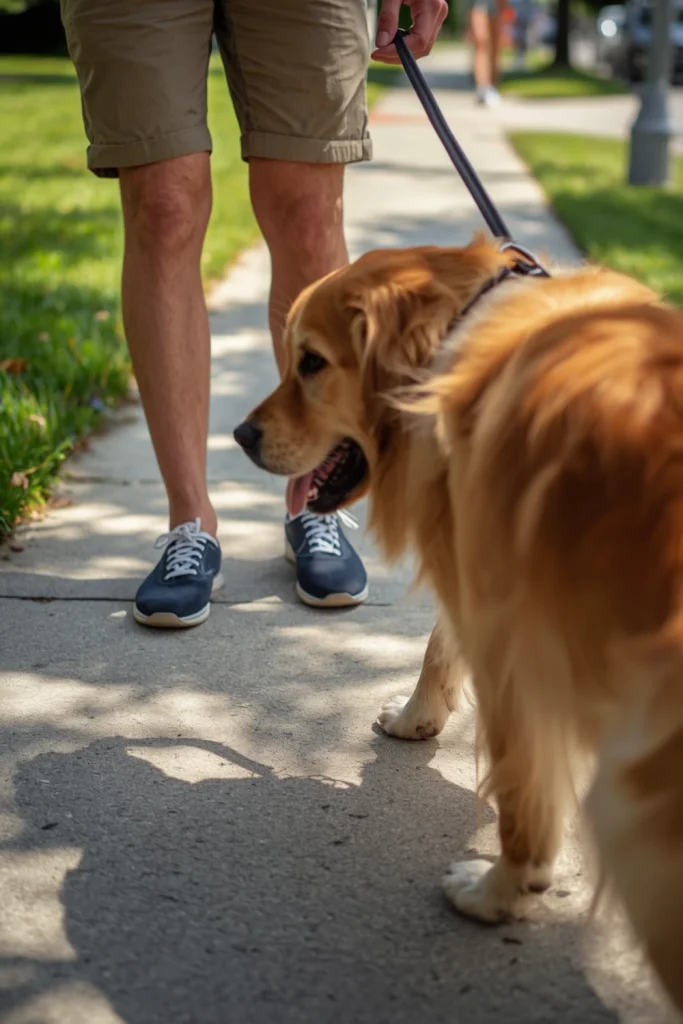
One of the most important ways to protect your dog’s paws in hot weather is to check the walking surface before heading outside. Asphalt and concrete can become extremely hot even when the air temperature feels comfortable. Direct sunlight can increase surface temperatures significantly, making ordinary sidewalks uncomfortable or dangerous for sensitive paw pads. Never assume a surface is safe simply because your dog seems eager to go outside.
You can use an infrared thermometer to measure the actual surface temperature when available. Some people use the back-of-the-hand test by placing their hand against the pavement for several seconds, but this is only a rough screening method and should not replace proper temperature checks. If the surface feels too hot for your hand, choose a cooler route or wait until conditions improve. Your dog’s comfort should always come before completing a planned walk.
2. Walk Your Dog During Cooler Morning and Evening Hours
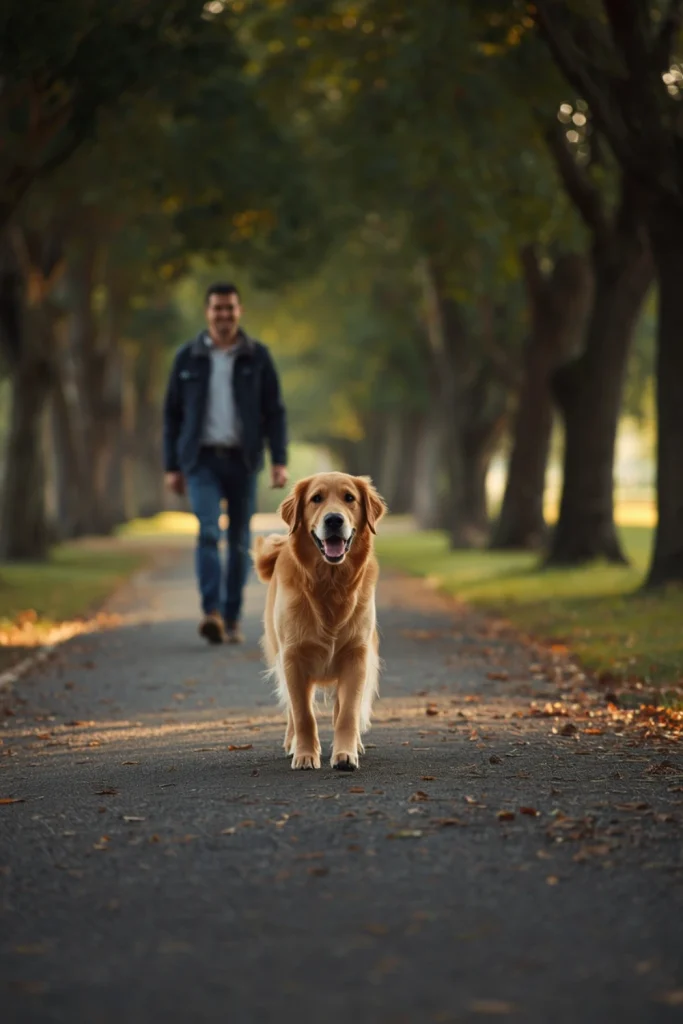
Walking at the right time can greatly reduce your dog’s exposure to hot surfaces. During summer, early morning and later evening are often more comfortable than midday because the sun is less intense. Pavement may also have more time to cool after sunset or before temperatures rise. Adjusting your walking schedule is a simple way to protect sensitive paw pads without giving up outdoor exercise.
Avoid assuming that every evening is automatically safe. Some surfaces remain hot long after sunset, especially asphalt and concrete that have absorbed heat throughout the day. Check the ground before leaving home and choose shaded routes whenever possible. If temperatures remain high, shorten the walk or replace outdoor exercise with indoor activities until conditions become safer.
3. Choose Grass and Shaded Walking Paths
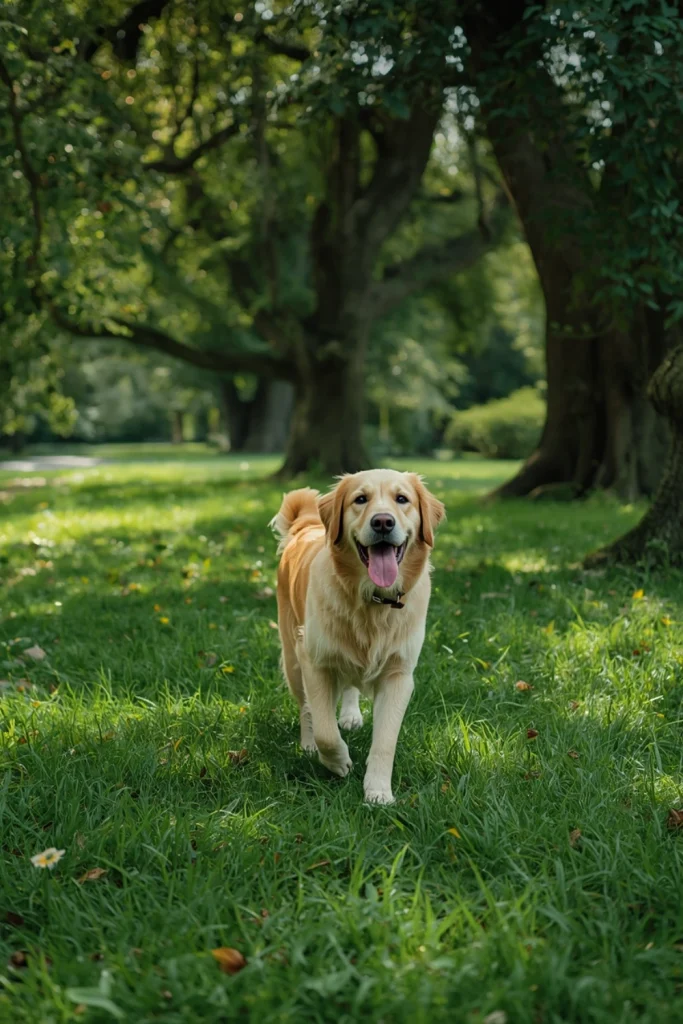
Choosing the right walking surface is another effective way to protect your dog’s paws during hot weather. Grass and shaded natural trails are often more comfortable than exposed asphalt, concrete, or dark pavement. Green areas usually receive less direct heat from the sun, making them a better option for summer adventures. Whenever possible, plan walks through parks, gardens, and tree-covered paths instead of busy roads and open sidewalks.
However, grass is not automatically safe in every situation. Dry soil, hidden stones, sharp objects, insects, and treated lawns can also create problems. Inspect unfamiliar areas before allowing your dog to explore freely. Avoid grass that may have recently been treated with fertilizers or pesticides unless it is confirmed safe for pets. A clean, shaded path is often the best choice for comfortable summer walking.
4. Use Protective Dog Boots During Extremely Hot Weather
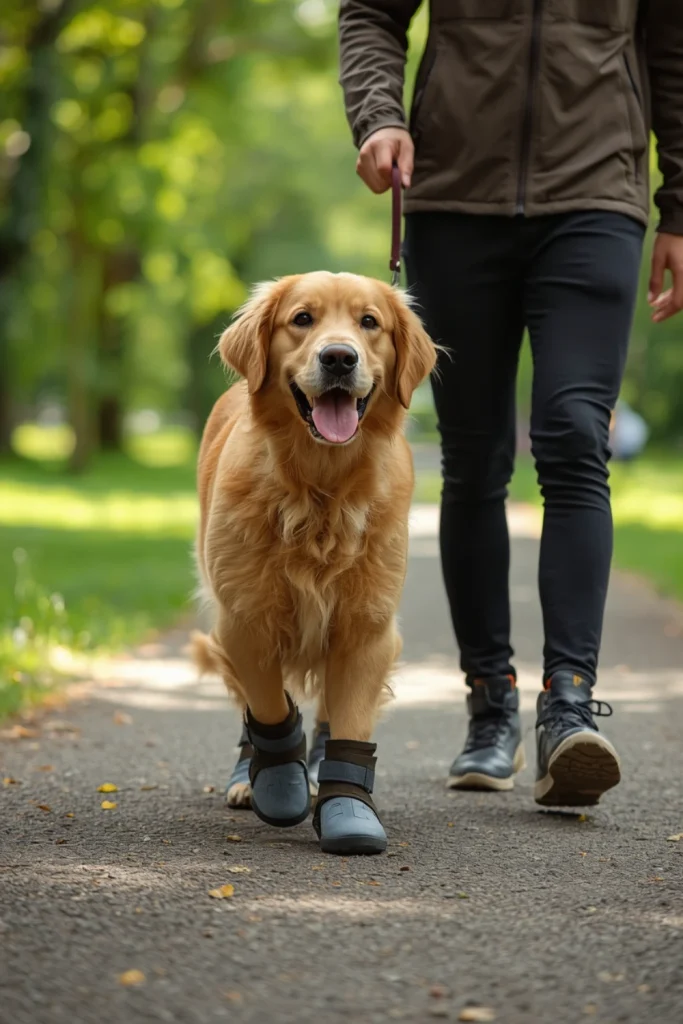
Protective dog boots can provide an additional barrier between your dog’s paw pads and heated outdoor surfaces. They may be especially useful when walking in areas where shaded grass is unavailable or when your dog needs to cross hot pavement briefly. Choose lightweight, breathable boots that fit comfortably and are specifically designed for outdoor dog activities. Proper sizing is important because boots that are too tight can cause rubbing, while loose boots may slip during walking.
Introduce boots gradually at home before using them outdoors. Allow your dog to wear them for short periods and reward calm behavior with praise or small treats. Check the paws after each walk for redness, moisture, or signs of discomfort. Remember that boots are not a reason to walk your dog during dangerously hot conditions. They provide extra protection but do not eliminate the risks of summer heat.
5. Keep Your Dog’s Paw Pads Moisturized With Dog-Safe Balm
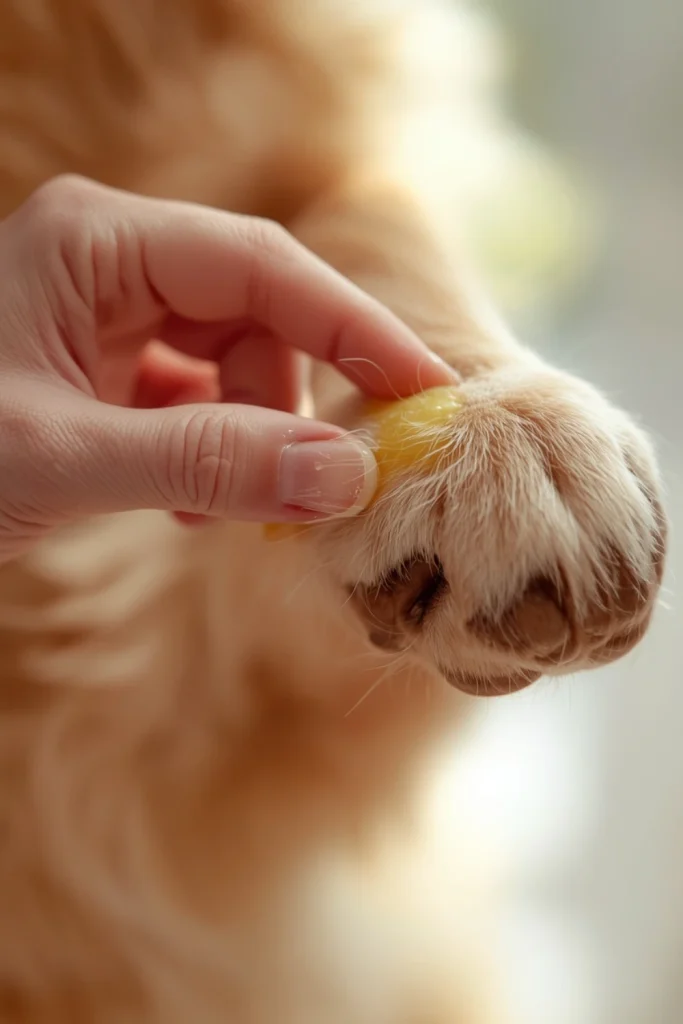
Hot weather, dry conditions, and rough outdoor surfaces can contribute to uncomfortable paw pads. A dog-specific paw balm may help maintain skin moisture and support the natural protective barrier of the feet. Before applying a balm, inspect your dog’s paws and make sure they are clean and dry. Use a small amount of a suitable product and gently spread it across the paw pads according to the manufacturer’s instructions.
Always select a balm formulated specifically for dogs. Avoid ordinary human lotions, scented creams, and products containing ingredients that may be harmful if licked. Paw balm is intended to support routine paw care, not treat burns, deep cracks, or infections. If your dog’s paw pads are painful, blistered, bleeding, or unusually swollen, contact your veterinarian instead of relying on moisturizing products.
6. Keep Your Dog’s Nails Properly Trimmed
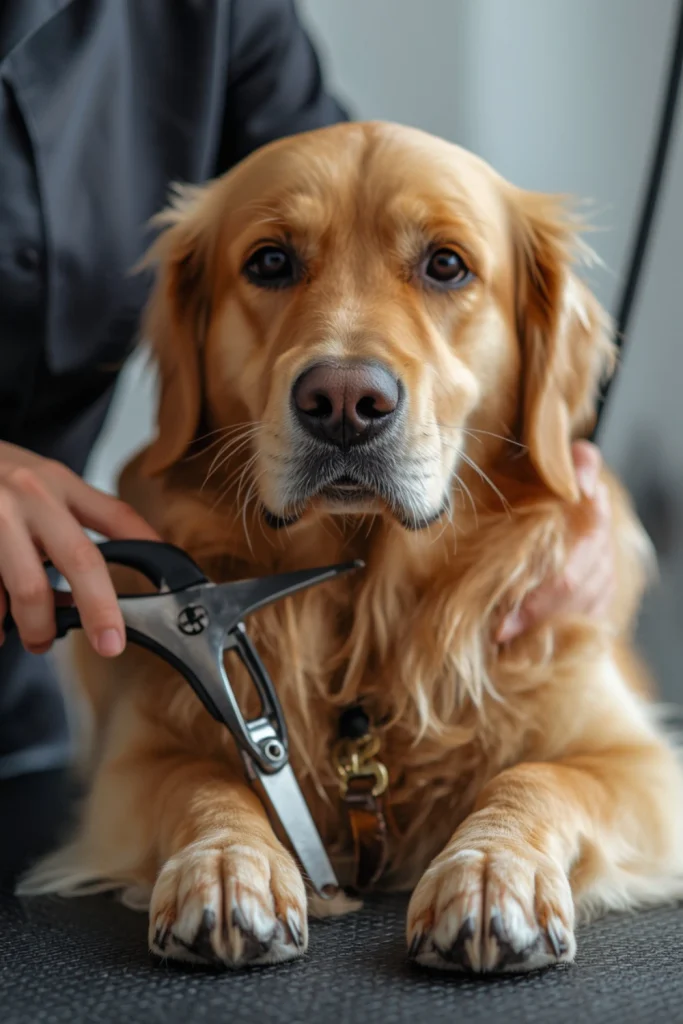
Long nails can affect the way your dog walks and places its feet on different surfaces. When nails become excessively long, they may change the natural position of the toes and put additional pressure on the paw pads. This can make walking uncomfortable, particularly when your dog is already dealing with hot pavement or rough outdoor surfaces. Regular nail maintenance is therefore an important part of keeping your dog’s feet healthy throughout summer.
Use appropriate dog nail clippers or a pet nail grinder and work carefully. Avoid cutting too close to the quick, which contains blood vessels and nerves. If your dog has dark nails or becomes nervous during trimming, ask a professional groomer or veterinarian for assistance. Check the nails regularly instead of waiting until they become excessively long. Comfortable nail length supports natural movement and makes everyday summer walks easier.
7. Inspect Your Dog’s Paw Pads After Outdoor Activities
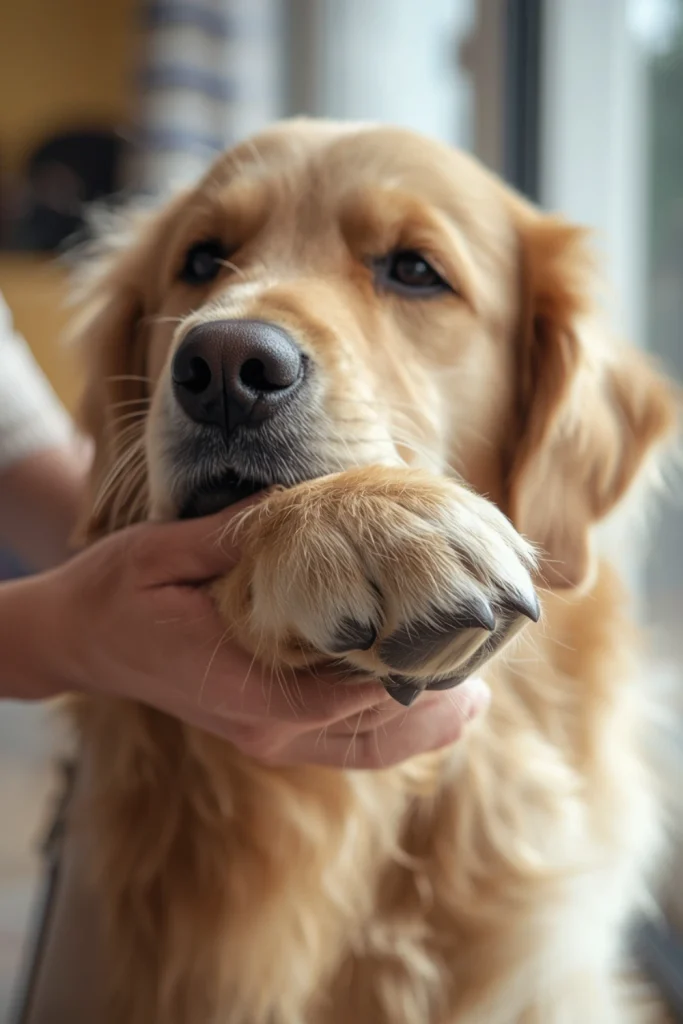
Checking your dog’s paw pads after every outdoor activity can help you identify potential problems before they become serious. Hot surfaces may cause redness, tenderness, peeling skin, or blisters. After returning home, allow your dog to settle down and gently examine all four paws. Look at the bottom of the pads, the spaces between the toes, and the surrounding fur. Notice whether your dog reacts painfully when a particular area is touched.
Pay attention to behavioral changes as well. Repeated paw licking, limping, reluctance to walk, or frequently lifting one foot may indicate discomfort. If you notice unusual redness or irritation, avoid further exposure to hot surfaces and contact your veterinarian when appropriate. Never pop blisters or remove damaged skin yourself. Regular inspections are a simple but valuable habit that helps you protect your dog’s feet during the hottest months.
8. Keep Your Dog’s Paws Clean and Dry
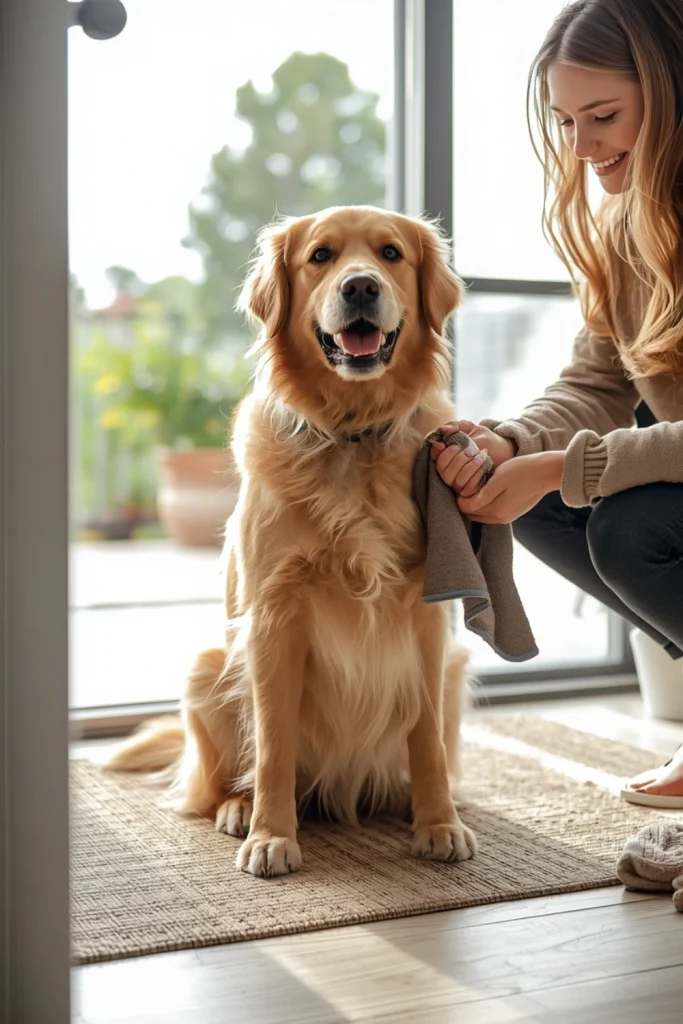
Summer walks can expose your dog’s paws to dust, dry soil, grass, sand, and other outdoor particles. Cleaning the feet after returning home helps remove unwanted dirt and gives you another opportunity to inspect the paw pads. Use a soft microfiber towel or a clean damp cloth to gently wipe each paw. If your dog has walked through dusty or dirty areas, rinse the feet with clean lukewarm water and remove any visible debris.
Drying is equally important, particularly around the spaces between the toes. Avoid leaving the paws unnecessarily wet or rubbing sensitive areas aggressively. If you notice cuts, blisters, or irritated skin, do not scrub those areas. Clean gently and seek veterinary advice if necessary. Keeping your dog’s feet clean makes your regular grooming routine easier and helps you notice changes in paw condition after outdoor adventures.
9. Avoid Walking on Hot Sand and Metal Surfaces
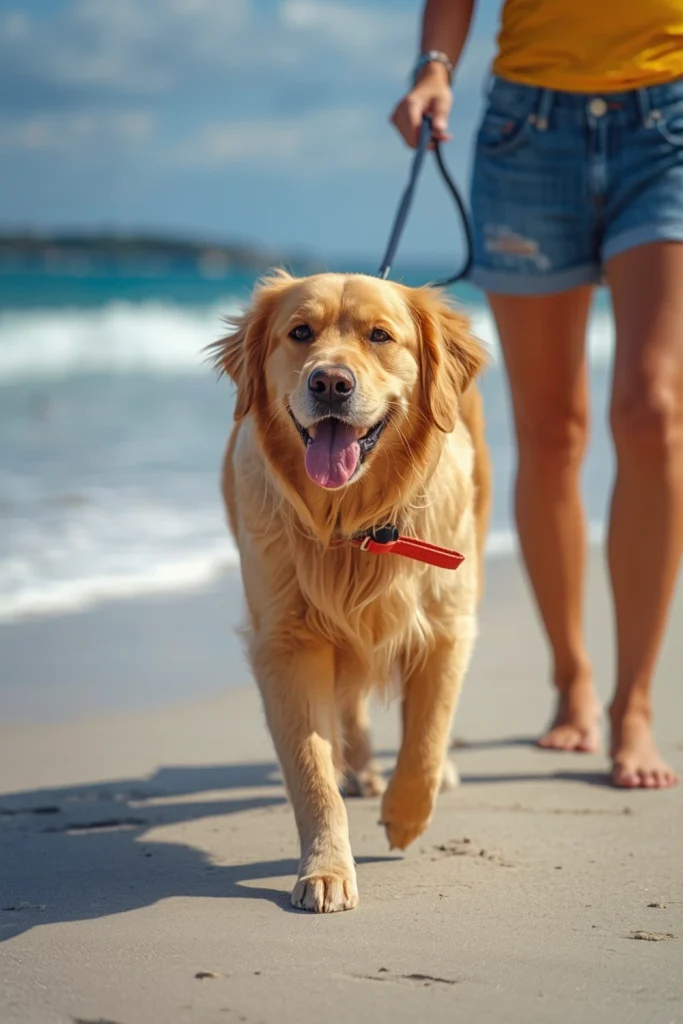
Hot pavement is not the only surface that can cause discomfort during summer. Sand at beaches, metal platforms, outdoor stairs, and other materials exposed to direct sunlight can also become extremely hot. Dogs walking across these surfaces may experience paw irritation or burns, particularly during the hottest part of the day. Before allowing your dog to explore a beach, playground, or outdoor area, check the surface conditions carefully.
Choose cooler routes and shaded areas whenever possible. At the beach, look for cooler sand away from direct sunlight and avoid hot boardwalks or metal walkways. If your dog needs to cross a hot surface, consider whether a safer alternative route is available. Protective boots may provide an additional barrier, but they do not make dangerously hot conditions safe. When in doubt, move your walk to a cooler time or location.
10. Provide Plenty of Rest and Indoor Exercise During Heatwaves
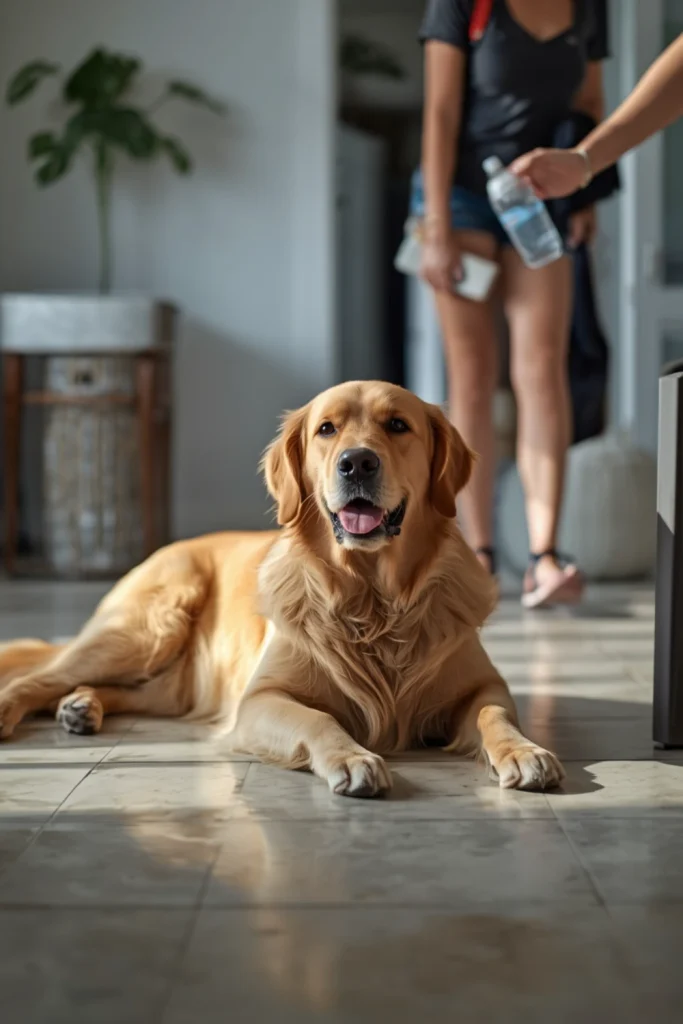
Sometimes the safest way to protect your dog’s paws in hot weather is to avoid outdoor walking altogether. During heatwaves, even shaded pavement may remain uncomfortably warm, while outdoor temperatures can create additional risks for your dog’s overall health. If the weather is extremely hot, keep outdoor bathroom breaks short and choose the coolest available surfaces. Allow your dog to rest in a comfortable indoor environment with access to fresh drinking water.
You can maintain your dog’s activity level through indoor games, simple obedience training, puzzle toys, and gentle play. These activities provide mental stimulation without exposing sensitive paw pads to heated surfaces. Adjust exercise according to your dog’s age, breed, and health. Remember that excessive panting, weakness, vomiting, confusion, or collapse may indicate heatstroke and require immediate veterinary attention. Never force your dog to exercise in dangerous heat.
Final Thoughts
Protecting your dog’s paws during summer is an important part of responsible pet care. Hot pavement, asphalt, sand, and other heated surfaces can cause painful injuries if your dog is not properly protected. Fortunately, simple habits can make a big difference.
Follow these 10 ways to protect your dog’s paws in hot weather by checking pavement temperatures, choosing cooler walking times, using shaded routes, maintaining healthy paw pads, and inspecting your dog’s feet after every walk. Keep your dog hydrated, provide plenty of rest, and use suitable protective products when necessary.
Remember that every dog has different needs. Pay attention to your pet’s behavior and never force a walk when outdoor conditions are uncomfortable. With a little preparation and consistent care, you can help your furry friend enjoy safer, happier, and more comfortable summer adventures.