
10 Tips to Build a Healthy Dog Sleeping Routine
A good night’s sleep is just as important for your dog as it is for you. Whether you have a playful puppy, an energetic adult dog, or a gentle senior companion, healthy sleep habits can support learning, mood, physical recovery, and overall well-being. When your dog sleeps comfortably, everyday activities such as walking, training, and playing can become easier to manage.
However, some dogs struggle to settle at night, wake up frequently, or become restless when their daily routine changes. The good news is that a few simple habits can make bedtime calmer and more predictable. If you want to build a healthy dog sleeping routine, this beginner-friendly guide will explain how to create a comfortable sleeping space, establish consistent bedtime habits, manage daytime activity, and recognize when sleep problems may need veterinary attention.
1. Set a Consistent Bedtime and Wake-Up Time
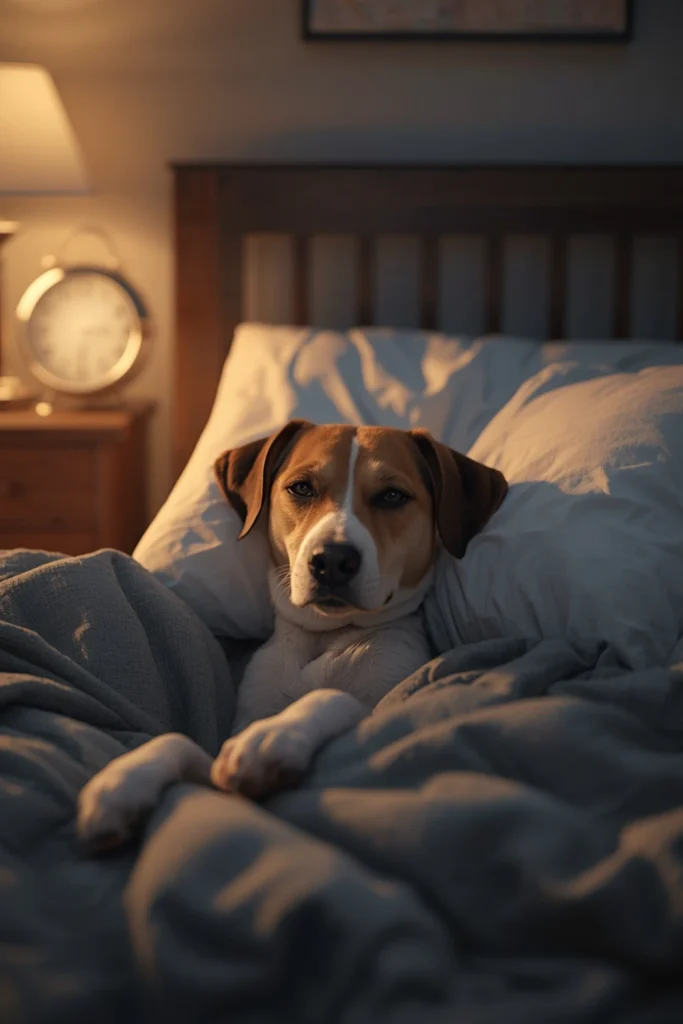
One of the best ways to build a healthy dog sleeping routine is to keep bedtime and wake-up time reasonably consistent. Dogs often feel more secure when their day follows a predictable pattern. Choose a bedtime that fits your household and allows your dog enough time for an evening toilet break, a little relaxation, and comfortable sleep. Try to follow a similar schedule on weekdays and weekends so your dog does not have to adjust to a completely different routine every few days.
Consistency does not mean forcing your dog to sleep at an exact minute. Some dogs settle quickly, while others need extra time to relax. Pay attention to your pet’s natural sleep patterns and adjust the schedule when necessary. Puppies may need nighttime toilet breaks, and older dogs may need more frequent opportunities to go outside. The goal is to create a dependable routine that supports your dog’s needs rather than expecting every dog to follow the same timetable.
2. Create a Comfortable and Dedicated Sleeping Space

Your dog needs a sleeping area where it can relax without constant interruptions. Choose a quiet, comfortable location away from heavy foot traffic, loud televisions, and frequently opening doors. A supportive dog bed that suits your pet’s size and sleeping style can make resting more comfortable. Some dogs prefer a soft, cushioned bed, while others enjoy a firmer surface or a blanket. Observe where your dog naturally chooses to rest and use that preference as a starting point.
Keep the sleeping area clean, dry, and free from hazards such as loose cords, small objects, or anything your dog might chew and swallow. Make sure the space has suitable ventilation and does not become too hot or cold. Senior dogs and pets with joint discomfort may benefit from an easily accessible bed with supportive cushioning. If your dog sleeps in a crate, the crate should be appropriately sized, comfortable, and introduced positively. A sleeping area should feel safe and inviting, never like a place where your dog is sent as punishment.
3. Provide Enough Exercise During the Day
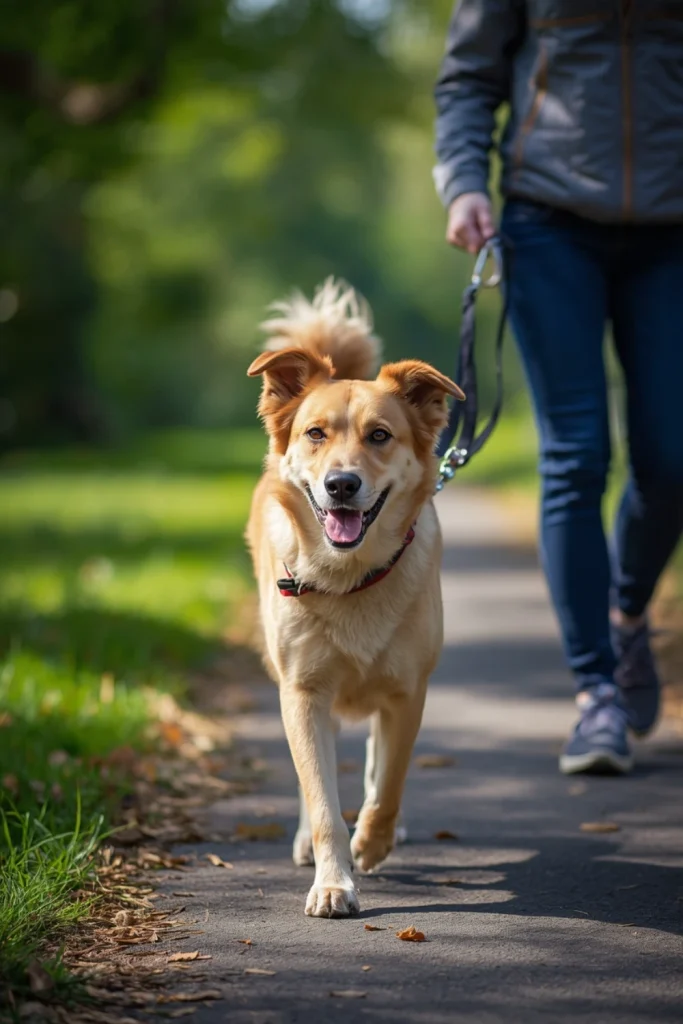
Physical activity helps many dogs feel more settled when bedtime arrives. Walks, appropriate play, sniffing activities, and age-suitable exercise can provide an outlet for energy and support general health. The right amount depends on your dog’s breed, age, fitness, and medical condition. A young, energetic dog may need more activity than a senior companion, while a puppy may benefit from several short play sessions instead of one demanding workout.
Avoid assuming that exhausting your dog is the best way to improve sleep. Excessive exercise, especially late at night or in hot weather, can leave some dogs overstimulated or uncomfortable. Instead, spread suitable activity throughout the day and include time for rest. If your dog has a health condition, breathing difficulty, mobility problem, or other limitation, ask your veterinarian what level of exercise is appropriate. A balanced day of movement, exploration, training, and relaxation can help your dog settle more naturally in the evening.
4. Establish a Calm Evening Routine
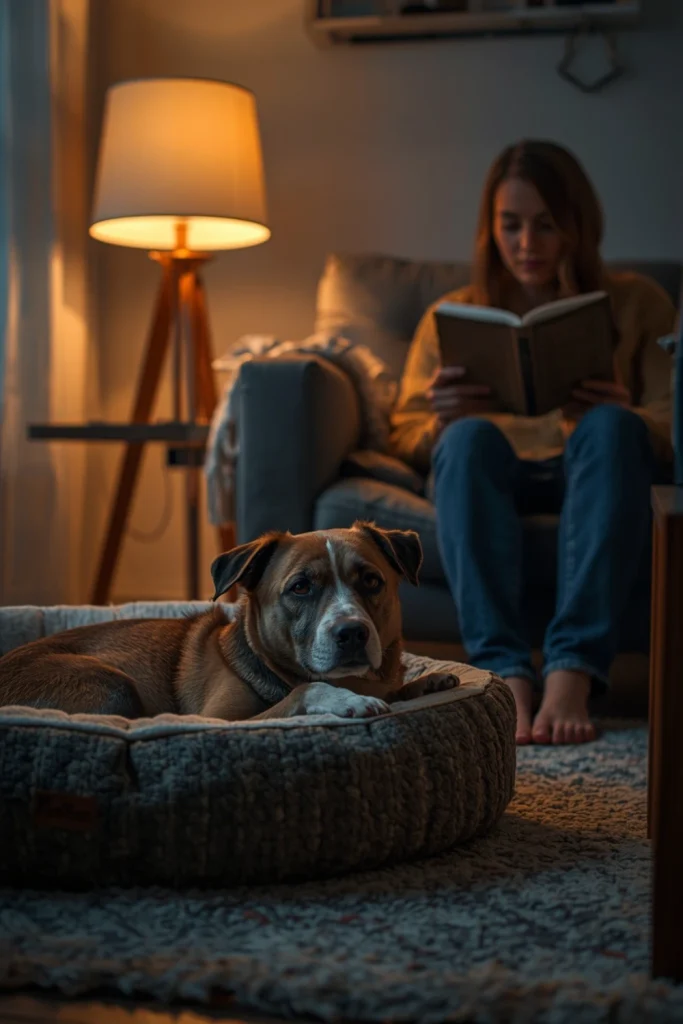
A predictable evening routine helps your dog transition from daytime activity to nighttime rest. About an hour before bedtime, begin reducing exciting activities and creating a calmer atmosphere. You might offer a gentle indoor activity, a short training review using positive reinforcement, or quiet time beside you. Lowering household noise and avoiding overly energetic games immediately before bed can help some dogs settle more comfortably.
Follow this calm period with the activities your dog needs before sleeping, such as a final toilet break and a chance to drink water. Keep the sequence simple and repeat it most evenings. For example, your routine might include a short walk, a few minutes of quiet interaction, a toilet break, and then settling into the sleeping area. Adapt the sequence to your household rather than copying another dog’s schedule. The important part is consistency and helping your dog associate the evening with comfort and relaxation.
5. Give Your Dog a Toilet Break Before Bed
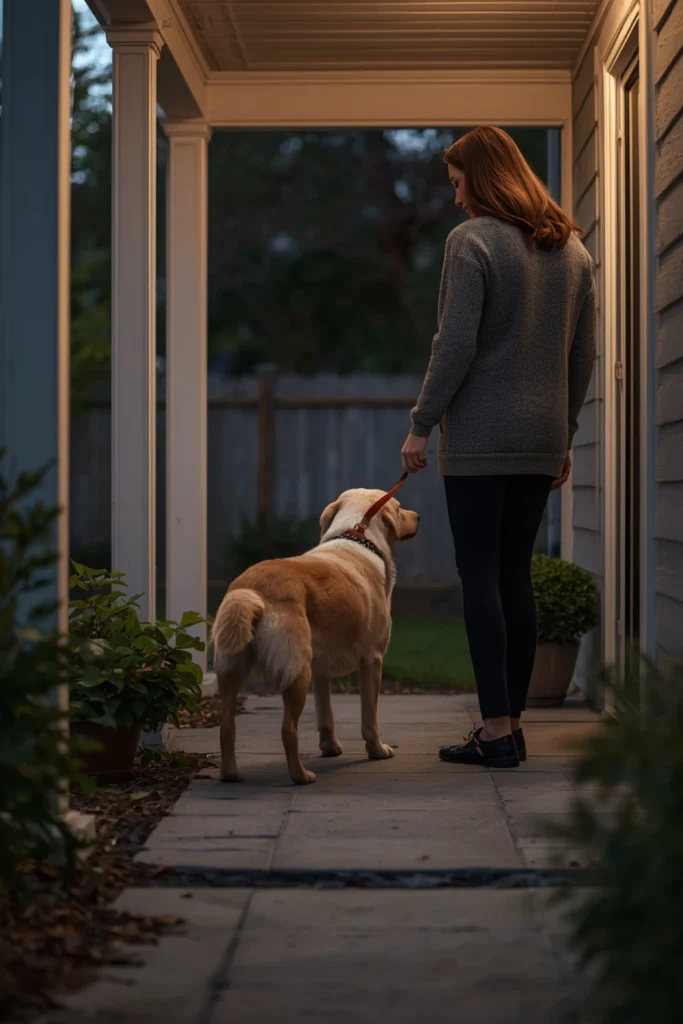
A final toilet break is an important part of a comfortable nighttime routine. Dogs that need to urinate or defecate may become restless, whine, pace, or wake their owners during the night. Take your dog outside shortly before bedtime and allow enough time to finish without rushing. Choose a familiar, safe toilet area and reward appropriate outdoor toileting with calm praise when suitable. A predictable routine can help puppies and newly adopted dogs understand what is expected.
The right timing depends on age, health, meals, water intake, and individual habits. Puppies usually need more frequent toilet opportunities than adult dogs, while some senior dogs may need additional breaks because of changes in bladder control or medical conditions. Do not punish your dog for nighttime accidents. Clean the area thoroughly and consider whether the routine needs adjusting. If a previously house-trained dog suddenly begins urinating frequently, having accidents, or struggling to pass urine, contact your veterinarian because a medical issue may be responsible.
6. Keep Your Dog’s Sleeping Area at a Comfortable Temperature

Temperature can have a noticeable effect on sleep quality. A room that is too warm may make your dog restless, while a cold or draughty area may prevent it from settling comfortably. Choose a sleeping location with suitable ventilation and protection from extreme temperatures. During warm weather, provide access to a cooler indoor area, fresh water, and a bed that does not trap excessive heat. In colder conditions, use comfortable bedding and keep the sleeping area away from cold draughts.
Observe your dog’s behavior instead of relying only on the room temperature. A dog that repeatedly moves away from its bed, stretches out on a cool floor, or seems unusually uncomfortable may be trying to find a better temperature. Some dogs have thicker coats and different comfort needs from short-haired breeds. Never use unsafe heating devices or place a dog’s bed near a hot appliance. If your dog pants heavily while resting, seems overheated, or struggles to breathe, seek veterinary advice rather than assuming the problem is simply a warm sleeping area.
7. Make Bedtime Positive and Rewarding

Your dog is more likely to settle comfortably when bedtime is associated with safety and positive experiences. Use a calm voice, offer gentle praise for settling, and allow your dog to become familiar with its sleeping area at its own pace. You can occasionally reward calm behavior on the bed with a small, appropriate treat, provided treats fit into the dog’s daily food allowance. The goal is to make the sleeping space appealing without creating excitement that keeps your dog awake.
Avoid shouting at your dog, forcing it onto the bed, or using the sleeping area as punishment. These approaches can make bedtime stressful and may weaken your dog’s trust. If you are teaching a puppy to sleep independently, introduce the new arrangement gradually and reward calm moments. Some dogs need reassurance when they first arrive in a new home. Patience and predictable responses can help them adjust. If nighttime distress is severe or continues despite a consistent routine, investigate possible anxiety, discomfort, or other underlying causes.
8. Manage Naps and Mental Stimulation During the Day
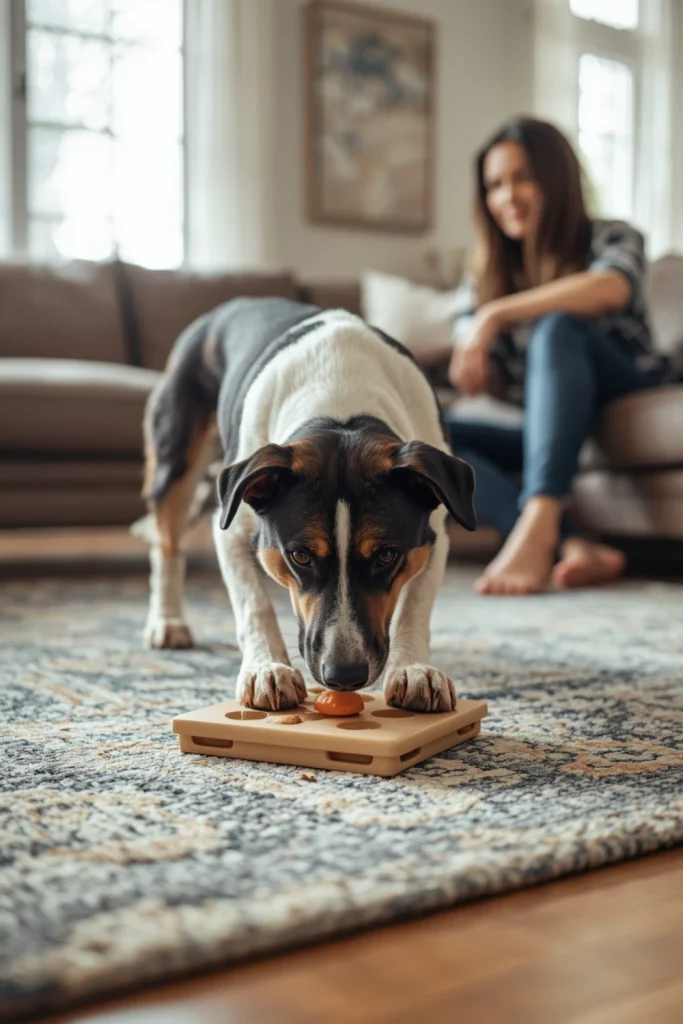
Dogs need a balance of activity and rest throughout the day. If your dog spends long periods without suitable stimulation, it may become restless or seek attention at bedtime. Age-appropriate enrichment, short training sessions, sniffing games, and interactive toys can help provide mental activity. These activities can be especially useful for dogs that cannot manage long walks or need indoor alternatives because of weather or health limitations.
At the same time, do not prevent your dog from napping just to make it sleep better at night. Puppies and senior dogs often need substantial rest, and sleep requirements vary widely. Watch for a pattern rather than focusing on a single nap. If your dog sleeps all day and remains energetic overnight, gradually review its daytime activity and evening schedule. Introduce changes in a balanced way and preserve opportunities for rest. Sudden changes in sleep duration or a dog that seems difficult to wake may require veterinary assessment.
9. Help Puppies Adjust to Sleeping Through the Night

Puppies are still learning how to feel safe in a new environment and may need time to develop a predictable sleep pattern. During the first days at home, keep the sleeping area comfortable and familiar, and establish a gentle routine involving meals, play, toilet breaks, and rest. A young puppy may need nighttime toilet trips because its bladder control is still developing. Plan for these needs instead of expecting the puppy to remain asleep for an entire night immediately.
If your puppy whines, first consider whether it needs to toilet, feels unwell, or is frightened by the unfamiliar surroundings. Respond calmly and avoid turning every nighttime wake-up into a long play session. You can gradually build independence as the puppy becomes more comfortable. Never punish a puppy for crying or having an accident. If distress is intense, persistent, or accompanied by vomiting, diarrhea, poor appetite, or unusual tiredness, seek veterinary advice. A gentle approach supports both emotional comfort and healthy sleep habits.
10. Monitor Sleep Changes and Seek Veterinary Advice When Needed

Occasional changes in sleep are normal. A busy day, unfamiliar visitors, travel, or a change in household routine can make a dog sleep more or less than usual. However, persistent restlessness, frequent waking, nighttime pacing, unusual vocalizing, or excessive daytime sleepiness may indicate a problem. Pain, digestive discomfort, anxiety, age-related changes, and certain medical conditions can affect sleep, so do not assume that every disruption is a behavior issue.
Keep track of noticeable changes in your dog’s sleep, appetite, activity, drinking, and toileting habits. Contact your veterinarian if a change continues, becomes more severe, or affects your dog’s quality of life. Seek urgent help for breathing difficulty, collapse, severe distress, or other emergency symptoms. Senior dogs that seem confused at night or have a major change in their sleep-wake pattern may need a health assessment. A routine is useful, but it should never replace investigating a possible medical cause.
Conclusion
Learning how to build a healthy dog sleeping routine can make everyday life more comfortable for both you and your pet. Start with a consistent bedtime, a quiet and comfortable sleeping space, suitable daytime exercise, and a calm evening routine. Remember to provide a final toilet break, maintain a comfortable room temperature, and allow your dog enough time to adjust to new habits.
Every dog has different sleep needs. Puppies may need nighttime toilet breaks, energetic dogs may benefit from more structured daytime activity, and senior dogs may need extra comfort or veterinary support. Be patient, observe your dog’s behavior, and make gradual changes instead of expecting instant results. If your dog develops persistent restlessness, unusual sleepiness, or sudden changes in nighttime behavior, consult your veterinarian. With consistency, positive reinforcement, and attention to your dog’s individual needs, you can create a bedtime routine that supports healthier rest and overall well-being.