
A Simple Daily Dog Feeding Routine for Beginners
Feeding your dog may seem like one of the easiest parts of pet ownership, but choosing the right food, serving suitable portions, and following a consistent schedule can make a big difference to your dog’s health. Whether you have welcomed a playful puppy into your home or adopted an adult dog, a well-planned feeding routine helps you provide reliable nutrition while making everyday care less stressful. The good news is that you do not need a complicated plan to get started.
A successful Daily Dog Feeding Routine is built around your dog’s age, size, activity level, health, and individual needs. It includes more than putting food in a bowl: fresh water, appropriate meal portions, safe food storage, and regular observation are all important. In this beginner-friendly guide, you will learn how to create a practical feeding schedule, avoid common mistakes, recognize when your dog needs veterinary advice, and establish healthy eating habits that fit your daily life.
1. Understand Your Dog’s Nutritional Needs
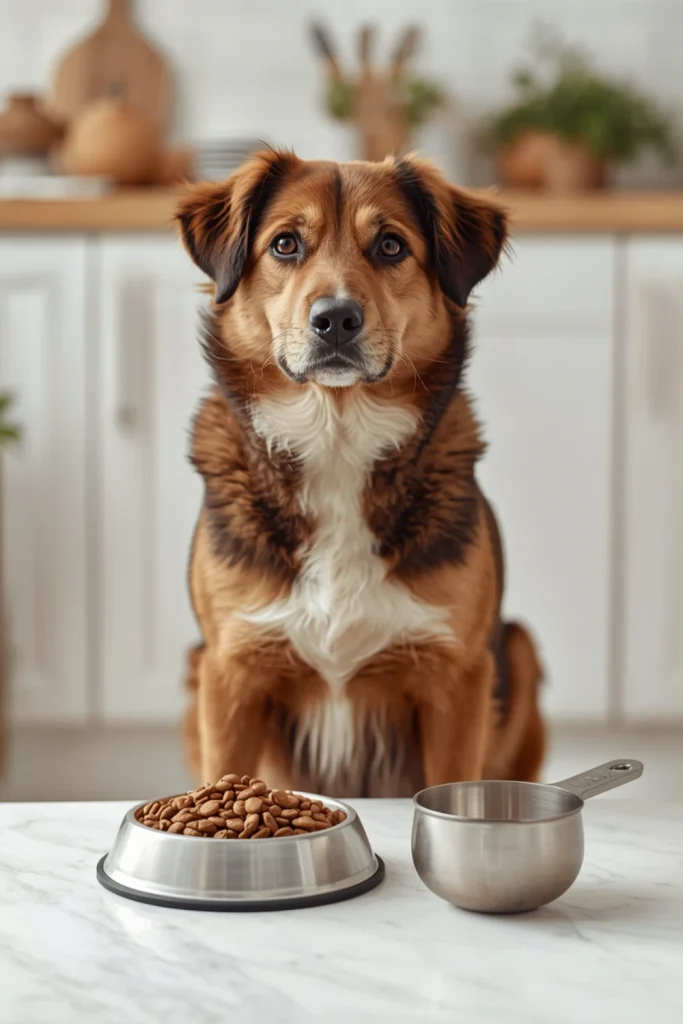
Before setting a feeding schedule, understand what kind of nutrition your dog needs. Dogs require a complete and balanced diet that provides appropriate amounts of protein, fat, carbohydrates, vitamins, minerals, and other essential nutrients. Their nutritional needs can change as they grow, become more or less active, or develop health conditions. Puppies generally need food formulated for growth, while adult dogs need a diet suitable for maintaining health. Senior dogs may also benefit from a different feeding plan, depending on their condition and activity level.
Choose a food labeled as complete and balanced for your dog’s appropriate life stage, and consult your veterinarian if you are uncertain about the best option. Avoid choosing food based only on advertising, packaging, or price. Some dogs have allergies, digestive sensitivities, or medical conditions that require individualized dietary advice. If you plan to change your dog’s food, introduce the new diet gradually unless your veterinarian advises otherwise. A suitable diet provides the foundation for a consistent feeding routine and supports healthy body condition over time.
2. Choose the Right Feeding Times
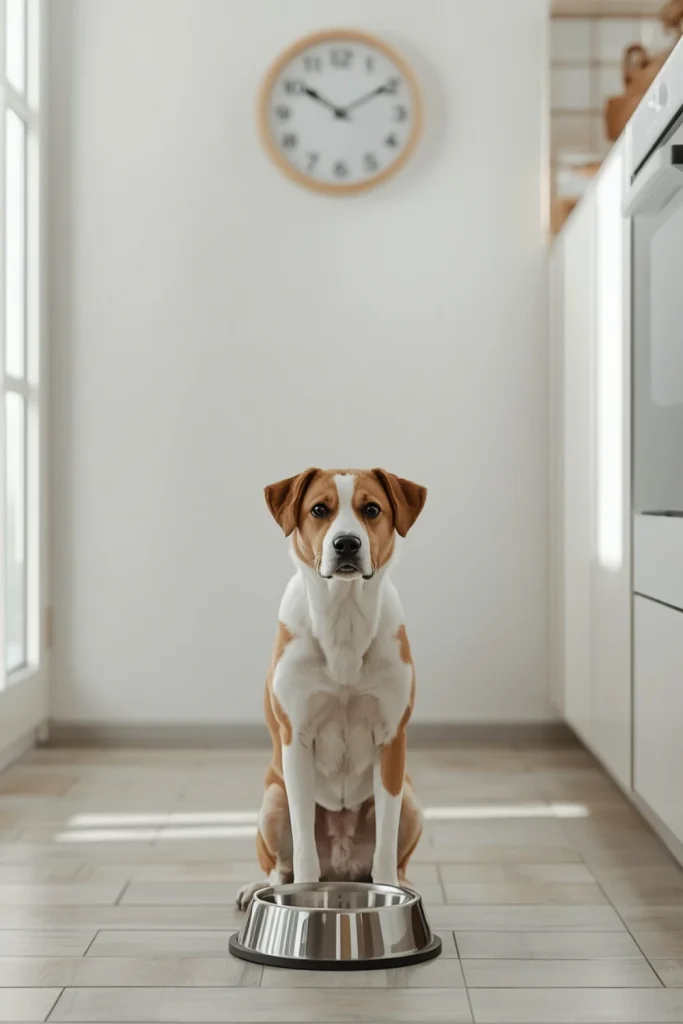
Consistent meal times help make your dog’s daily routine predictable. Many healthy adult dogs do well with two meals a day, often one in the morning and another in the evening. However, the best schedule depends on your dog’s age, health, food requirements, and household routine. Puppies commonly need more frequent meals, while dogs with particular medical conditions may need a feeding schedule recommended by a veterinarian. Try to choose times you can maintain on weekdays, weekends, and during ordinary changes to your schedule.
A feeding timetable does not have to follow an exact minute every day, but keeping meals reasonably consistent makes planning easier. For example, you might feed your adult dog after the morning toilet break and again in the evening after returning home. Avoid making sudden, frequent changes without a reason. If you work full-time, prepare measured portions in advance or arrange help when your dog’s schedule requires it. Remember that a routine should suit your dog’s needs rather than simply fit the most convenient time for you.
3. Determine the Correct Portion Size
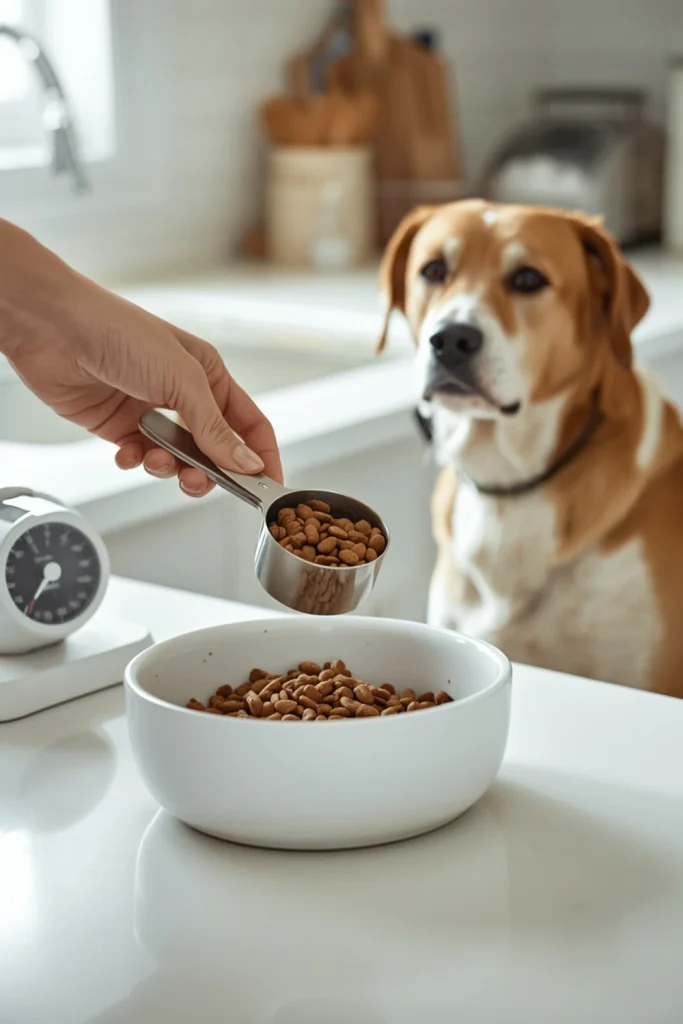
Providing the right amount of food is one of the most important parts of a Daily Dog Feeding Routine. The correct portion depends on your dog’s weight, age, activity level, body condition, and the calorie content of its food. Feeding guides printed on packaging can be useful starting points, but they are not exact instructions for every dog. Some pets need more energy, while others gain weight easily and require carefully measured portions. Your veterinarian can help you determine a suitable daily amount and adjust it as your dog’s needs change.
Use a measuring cup or kitchen scale rather than estimating portions by eye. Divide the recommended daily amount between meals according to your feeding plan, and remember to include treats when considering total calorie intake. Monitor your dog’s body condition by looking at its waist, feeling its ribs gently, and checking whether its weight changes over time. Avoid reducing food dramatically or increasing portions without a clear reason. If your dog is underweight, overweight, or gaining or losing weight unexpectedly, seek veterinary guidance rather than relying on guesswork.
4. Select Food Suitable for Your Dog’s Age

Your dog’s age is an important factor when choosing food and setting meal frequency. Growing puppies need nutrition that supports healthy development, and many require several smaller meals each day. Adult dogs usually need a maintenance diet appropriate for their size and activity level. Older dogs may need adjustments based on their appetite, mobility, dental health, or medical conditions. Age alone does not determine every dietary requirement, so consider your dog’s overall health and seek professional advice when needed.
Check the food label to make sure it is appropriate for your dog’s life stage. Large-breed puppies, for example, may need specially formulated growth diets to support appropriate development. Avoid feeding a puppy adult maintenance food unless your veterinarian specifically recommends it. Similarly, do not automatically switch a senior dog to a different diet simply because it has reached a certain age. If your dog has trouble chewing, loses interest in food, or experiences a persistent change in appetite, arrange a veterinary assessment. The best feeding plan changes as your dog grows and its needs evolve.
5. Create a Calm Feeding Environment
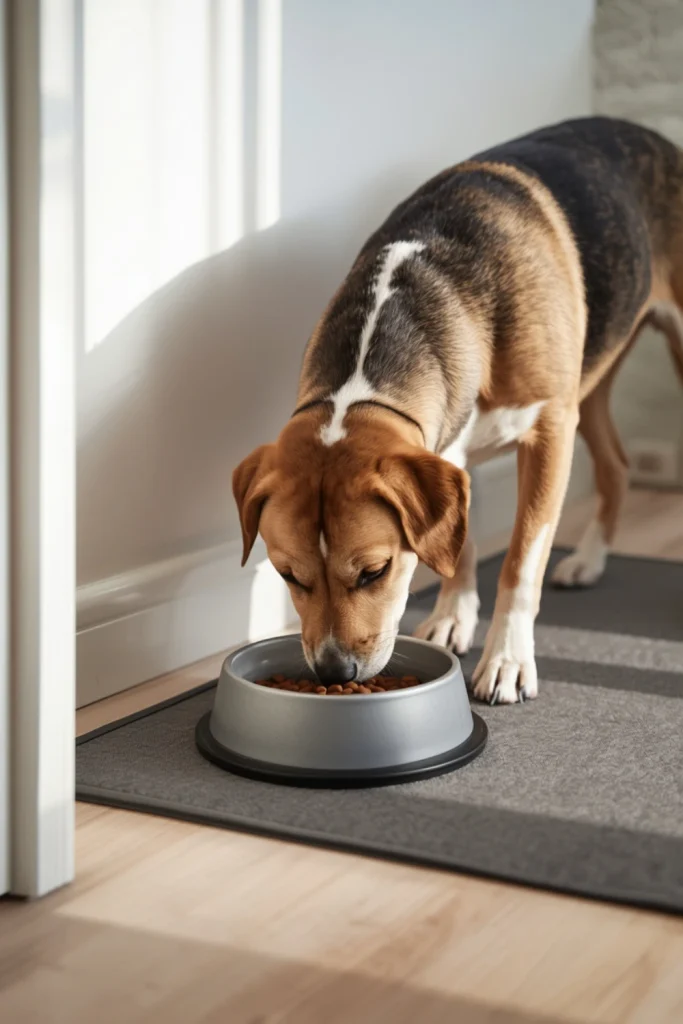
Dogs often eat more comfortably when their feeding area is quiet, predictable, and free from unnecessary interruptions. Choose a clean location where your dog can reach its food and water without being pushed aside by household traffic. Keep the bowls away from cleaning products, litter areas, and places where food could become contaminated. If you have children, teach them not to disturb the dog while it is eating. A calm feeding environment can help prevent avoidable stress and make mealtimes easier to manage.
In homes with multiple dogs, consider feeding pets separately if there is competition, guarding, or tension around food. Give each dog its own bowl and enough space to eat without feeling threatened. Do not take food away suddenly to test whether a dog will tolerate it; this can increase anxiety around meals. Instead, teach safe handling gradually and seek help from a qualified professional if food guarding occurs. After meals, remove uneaten food according to the product instructions and clean the bowls. A peaceful eating space supports a more comfortable and consistent routine.
6. Keep Fresh Drinking Water Available
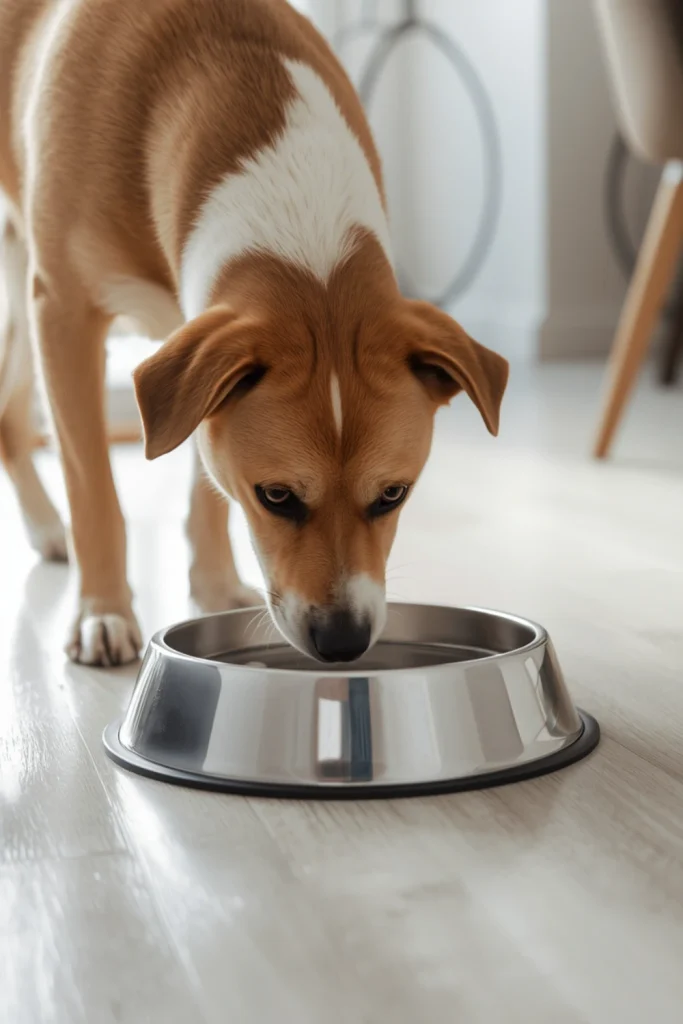
Fresh water is essential to your dog’s health and should be available throughout the day. Water needs vary depending on body size, diet, activity, temperature, and medical conditions. Dogs eating dry food may obtain less moisture from meals than dogs eating wet food, but every dog needs access to suitable drinking water. Fill the bowl before feeding, check it regularly, and refresh it when it becomes dirty or contains food particles. On warm days or after exercise, pay particular attention to whether your dog can drink comfortably.
Choose a stable bowl that is easy for your dog to reach and difficult to tip over. Wash the bowl regularly to remove residue and slime, and provide more than one water station if your home layout makes that useful. If you use an automatic water dispenser or pet fountain, clean it according to the manufacturer’s instructions and make sure it continues to work properly. Do not restrict water to prevent accidents without veterinary guidance. If your dog suddenly drinks much more or less than usual, contact your veterinarian because changes in thirst can sometimes indicate a health problem.
7. Measure Treats and Include Them in the Daily Plan
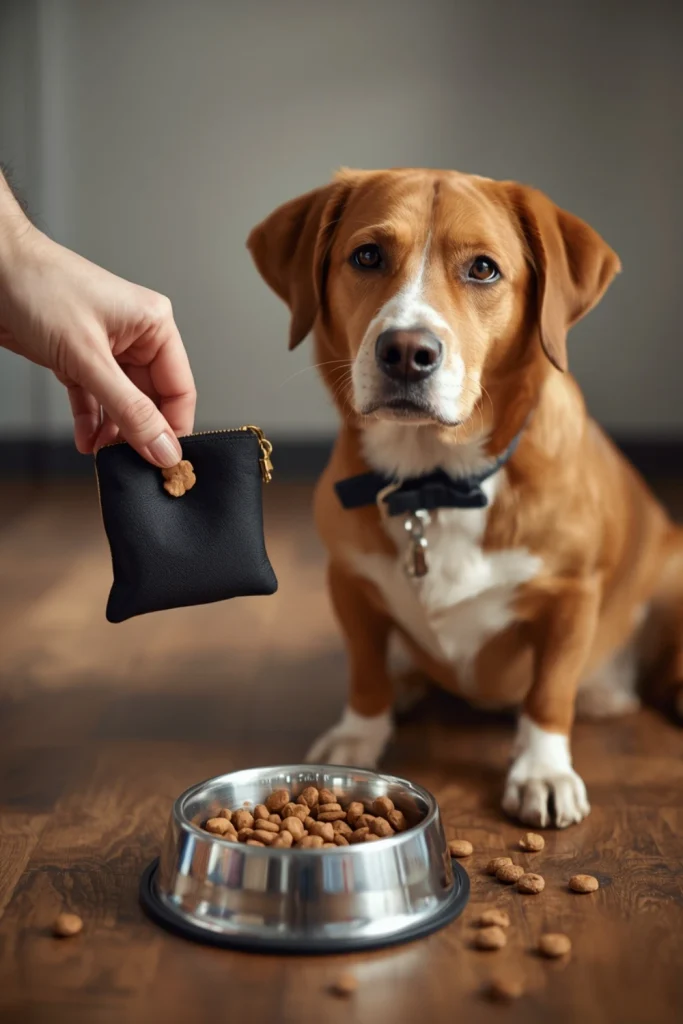
Treats can make training enjoyable and help reinforce desirable behavior, but they should not replace balanced meals. Small rewards can be useful when teaching your dog to respond to its name, settle calmly, walk on a leash, or follow basic cues. Choose treats that are suitable for your dog’s size, age, and dietary needs. For some training sessions, you may be able to use a portion of your dog’s regular food instead of adding extra calories. This can be especially helpful for dogs that need weight management.
Keep track of treats throughout the day, including rewards given by family members, dog walkers, or visitors. Treats and extras should generally make up only a small proportion of daily calories; a commonly used guideline is no more than about 10%, unless your veterinarian advises otherwise. Avoid giving your dog unsafe human foods, and check ingredient labels before offering new products. If your dog has allergies, digestive problems, or a prescription diet, ask your veterinarian which treats are appropriate. Measuring rewards helps you maintain a balanced feeding routine without removing the benefits of positive training.
8. Introduce New Food Gradually
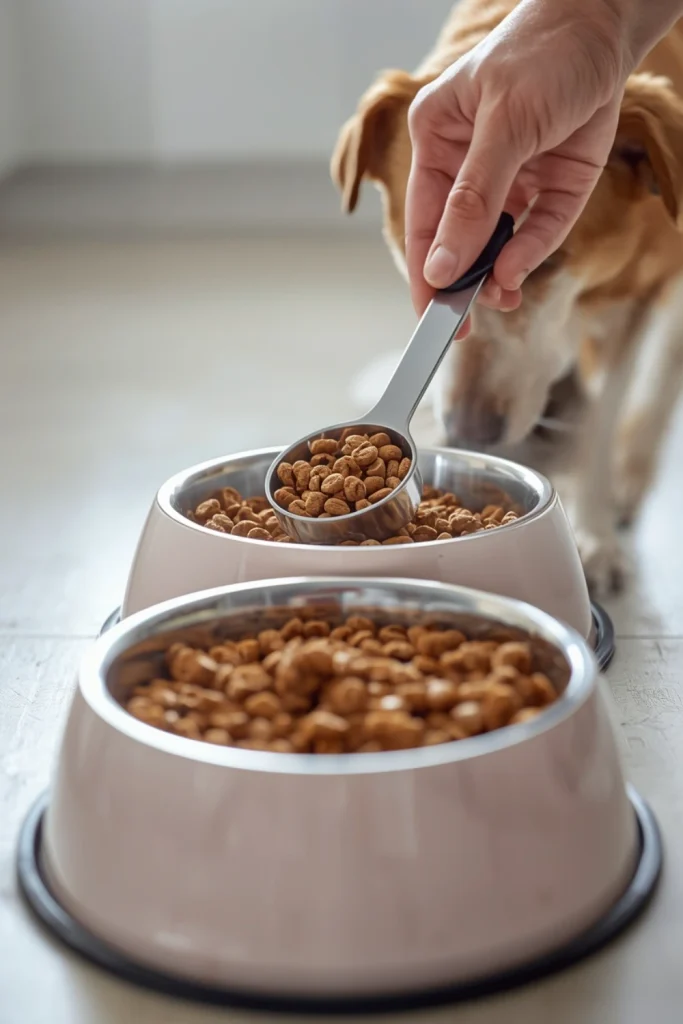
Changing your dog’s food too quickly can upset its digestive system. If you are moving to a new brand or formula, a gradual transition is often helpful. Many dogs can transition over roughly seven days by slowly increasing the proportion of new food while decreasing the old food. Some dogs need a slower change, particularly if they have a sensitive stomach. Follow your veterinarian’s instructions if the diet is changing because of a medical condition or if a faster switch is recommended for a specific reason.
During the transition, observe your dog’s appetite, stool consistency, energy, and general behavior. Mild changes may occur, but repeated vomiting, persistent diarrhea, blood in the stool, severe lethargy, or refusal to eat warrants veterinary advice. Do not continue a food that appears to cause a significant reaction without discussing the problem with a professional. Keep the new food sealed and stored according to its packaging instructions, and avoid adding several new ingredients at the same time. A careful transition makes it easier to identify what suits your dog and helps maintain a stable feeding routine.
9. Choose Safe and Appropriate Food Bowls
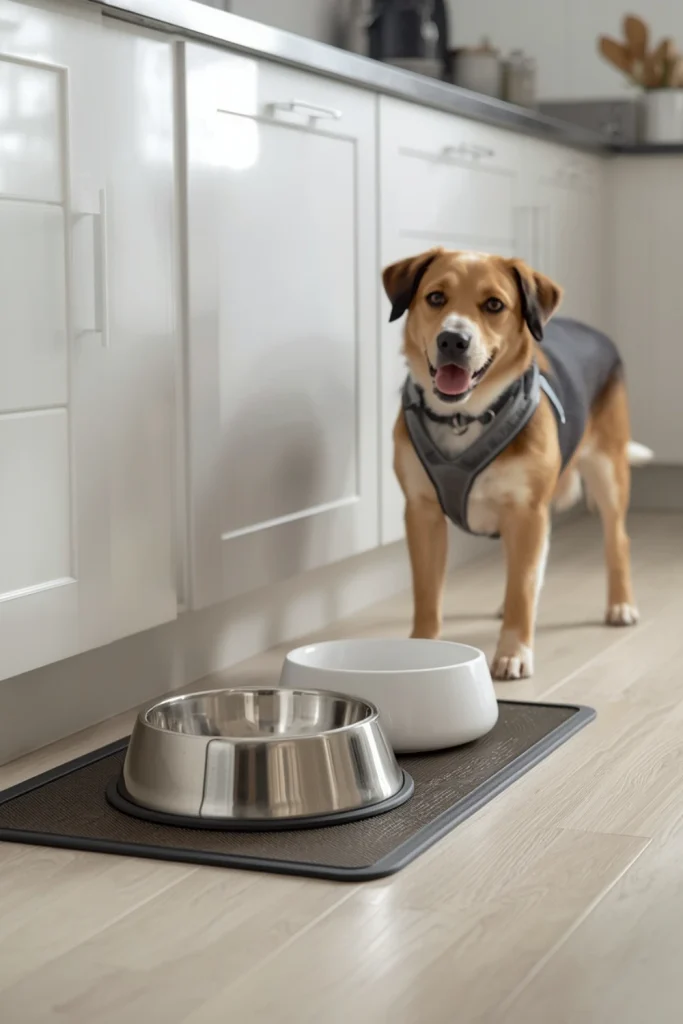
The bowl you use can make feeding easier, cleaner, and more comfortable. Stainless-steel bowls are popular because they are durable, easy to wash, and generally resistant to odors. Ceramic bowls can also be suitable when made from food-safe materials and kept free of cracks or chips. Plastic bowls may be inexpensive, but scratches can collect residue and make thorough cleaning more difficult. Choose a size that lets your dog eat comfortably, and consider a nonslip base if the bowl moves around during meals.
Wash food bowls after meals and clean water bowls daily or whenever they become dirty. Avoid allowing old wet food to sit in a bowl for extended periods, particularly in warm conditions. If your dog eats very quickly, a suitable slow-feeder bowl may help encourage a slower pace, but introduce it gradually and supervise your dog. Special elevated bowls are not necessary for every pet, so ask your veterinarian before choosing one for a dog with a medical concern. The most useful bowl is safe, easy to clean, and suited to your dog’s eating habits.
10. Avoid Unsafe Human Foods
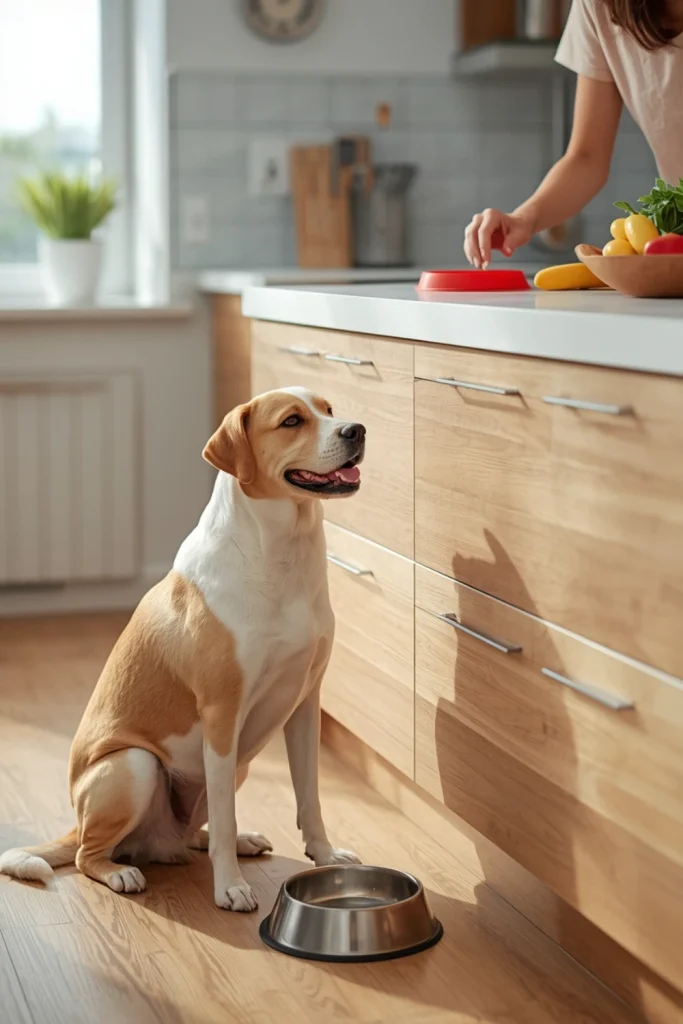
Many owners enjoy sharing food with their dogs, but not all human foods are safe for pets. Chocolate, grapes, raisins, onions, garlic, alcohol, and products containing xylitol can be dangerous to dogs. Cooked bones may splinter, while very fatty or heavily seasoned foods can cause digestive problems. Foods that are safe for people may still be unsuitable for a dog because of ingredients, preparation methods, portion size, or the pet’s medical history. Keeping potentially harmful foods out of reach is an important part of feeding safely.
If you want to offer an occasional human-food treat, check with a reliable veterinary source first and serve only a suitable amount. Plain foods such as certain cooked vegetables may be appropriate for some dogs, but they should not replace a complete and balanced diet. Avoid giving scraps simply because your dog begs, and teach family members to follow the same rules. If your dog eats a potentially toxic food, contact a veterinarian or animal poison service promptly. Do not wait for symptoms to appear or try to induce vomiting unless a veterinary professional specifically instructs you to do so.
11. Follow a Feeding Routine That Fits Your Workday
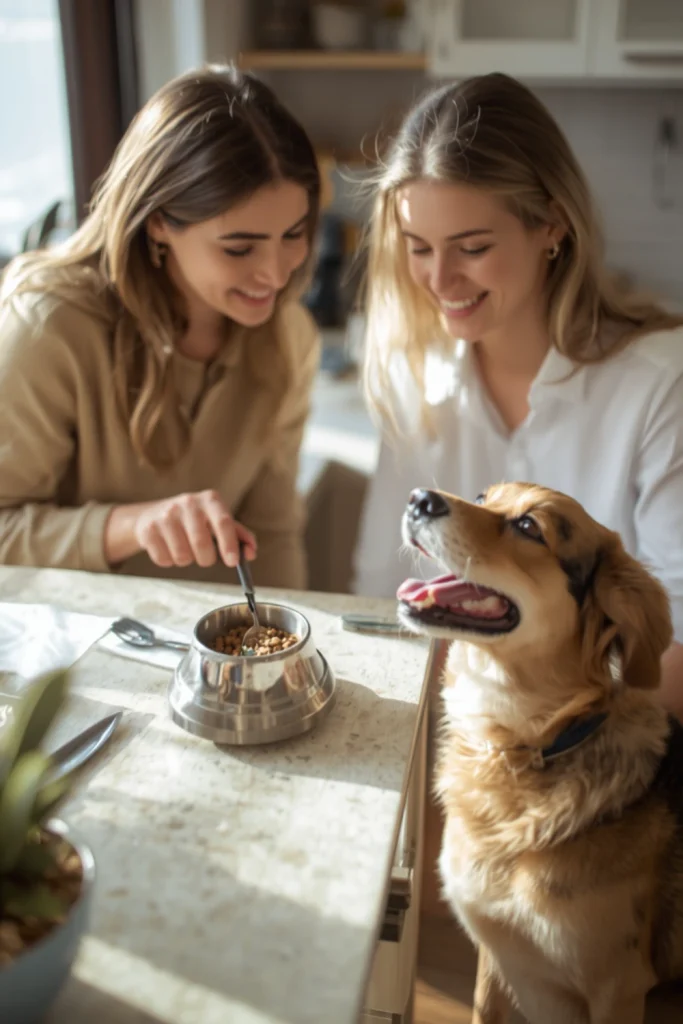
A feeding plan should work with your dog’s needs and your household schedule. If you work full-time, you might serve breakfast before leaving and dinner after returning home, provided this suits your dog’s age, health, and recommended meal frequency. Prepare measured portions in advance to reduce rushed decisions in the morning. If your dog requires a midday meal, arrange a reliable caregiver or ask your veterinarian whether a suitable automatic feeder could meet that specific need.
Automatic feeders can be helpful, but they should not be treated as a complete care solution. Test the device while you are home, clean it regularly, and make sure it dispenses the correct amount. Some dogs may knock over equipment or become anxious around mechanical sounds. Keep fresh water available and arrange suitable toilet breaks regardless of how feeding is managed. If a caregiver feeds your dog, provide clear instructions about portion sizes and treats. A practical routine should be reliable enough to maintain but flexible enough to accommodate work changes, travel delays, and your dog’s changing needs.
12. Monitor Your Dog’s Weight and Body Condition
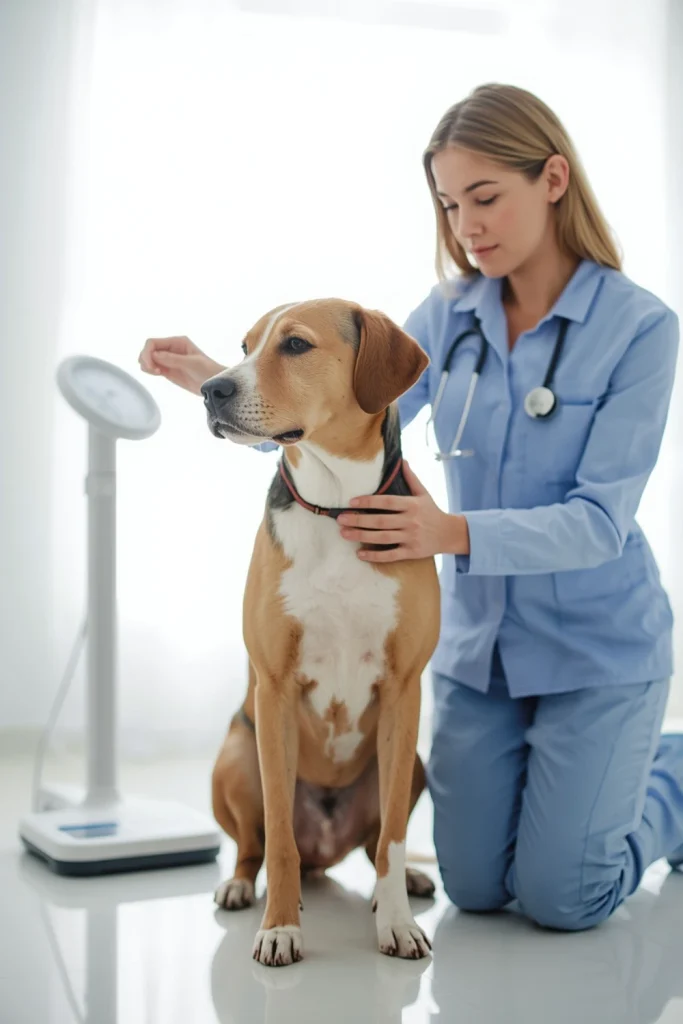
Your dog’s body condition can help you understand whether the current feeding plan is suitable. A healthy weight depends on breed, size, age, and individual build, so there is no single ideal number for every dog. In general, you should be able to feel the ribs without pressing hard, and many dogs have a visible waist when viewed from above. However, body shape varies, and your veterinarian can assess whether your dog is at a healthy weight and help set a realistic target if adjustment is needed.
Weigh your dog periodically when practical and keep notes about changes in appetite, activity, and body condition. Avoid reducing food sharply just because your dog looks a little heavier, and do not add large portions to a thin dog without identifying the cause. Unexpected weight loss or gain can sometimes signal a medical problem. Ask your veterinarian to review the feeding plan if your dog gains weight, loses muscle, or has a persistent appetite change. Monitoring helps you make informed adjustments rather than relying on guesswork, online portion charts, or comparisons with other dogs.
13. Keep Food Fresh and Store It Safely
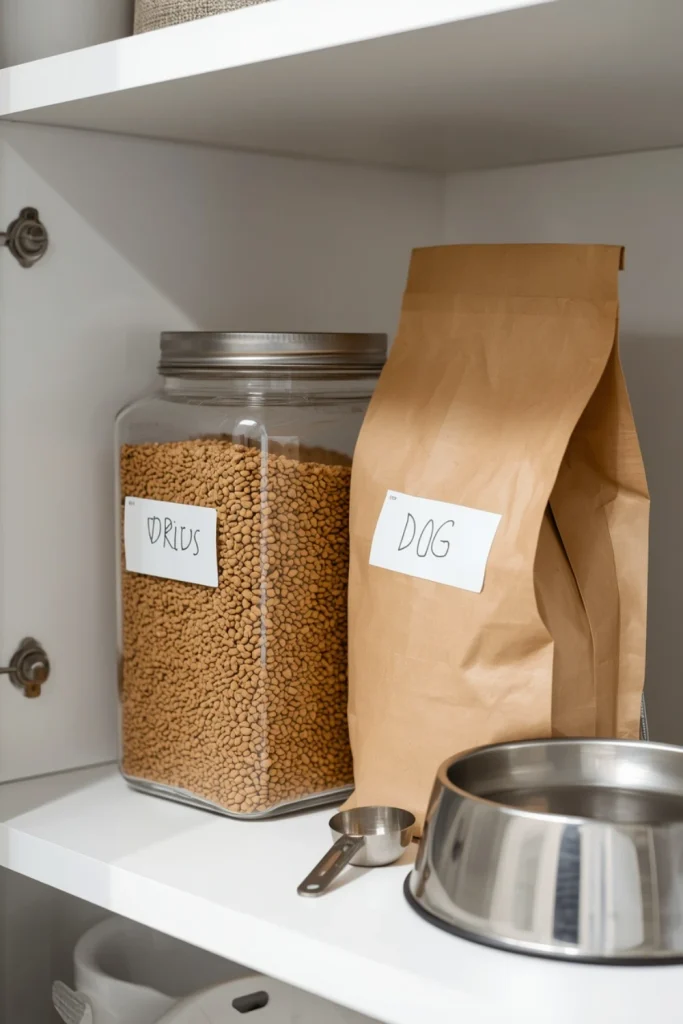
Proper food storage helps maintain quality and reduces the chance of contamination. Keep dry dog food in a cool, dry location away from direct sunlight, moisture, pests, and household chemicals. Follow the packaging instructions, and consider keeping the food in its original bag inside a clean, sealed container so the product information and expiration date remain available. Wash and dry the storage container between bags when appropriate, and do not mix fresh food into a container that still has old crumbs or residue.
Wet food and fresh diets require particular attention to refrigeration and safe handling. Follow the label instructions for refrigeration after opening and for how long food can remain at room temperature. Wash your hands and clean utensils after handling pet food, especially raw products. Avoid using food that smells unusual, has visible mold, or has been stored incorrectly. Check expiration dates before serving meals, and discard spoiled food safely. If you feed a raw or home-prepared diet, ask a veterinary nutrition professional about nutritional balance and food-safety risks instead of assuming that homemade ingredients automatically provide everything your dog needs.
14. Understand Slow Eating and Fast Eating
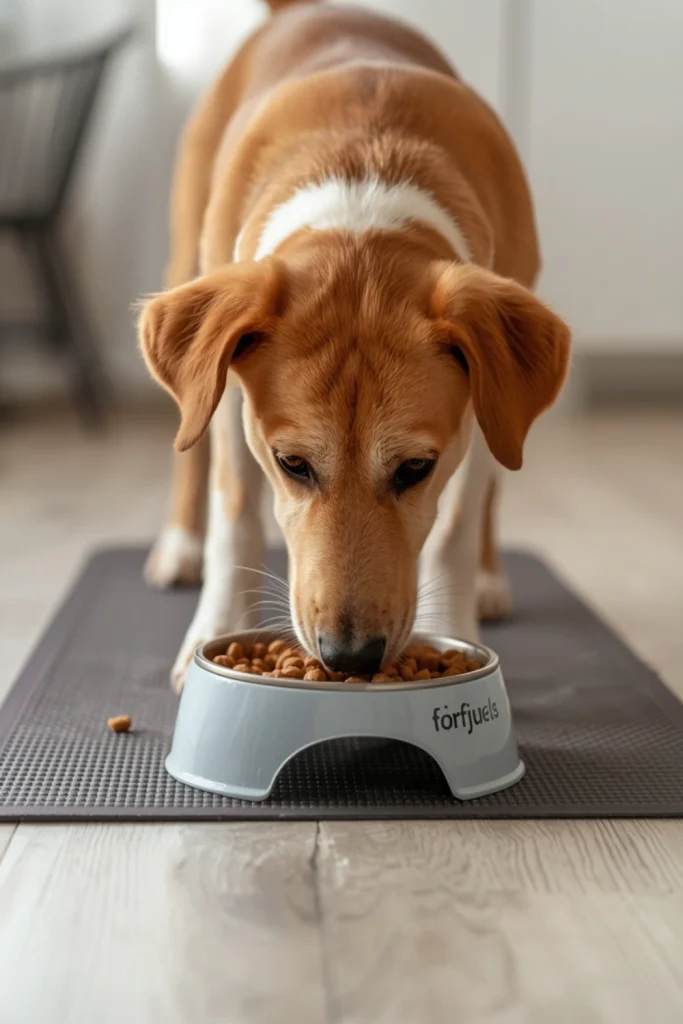
Dogs have different eating habits. Some take their time, while others gulp down food in seconds. Very rapid eating can increase the risk of choking or regurgitation in some dogs and may make meals more stressful to manage. If your dog consistently eats too quickly, consider a suitable slow-feeder bowl or food puzzle designed for its size and eating style. Supervise the first few uses and make sure the design does not cause frustration or encourage your dog to chew and swallow pieces of the feeder.
If your dog suddenly changes from eating slowly to gulping food, or if eating is accompanied by coughing, gagging, repeated regurgitation, or discomfort, consult your veterinarian. Rapid eating is not always just a behavioral habit; it may reflect competition with other pets, an irregular feeding schedule, or another issue. Feed dogs separately when necessary to reduce pressure and prevent food guarding. Avoid scattering food in unsafe locations or using objects that may break apart. The aim is to make meals calm and safe, not to force every dog to eat at the same speed.
15. Recognize When Your Dog Needs Veterinary Advice
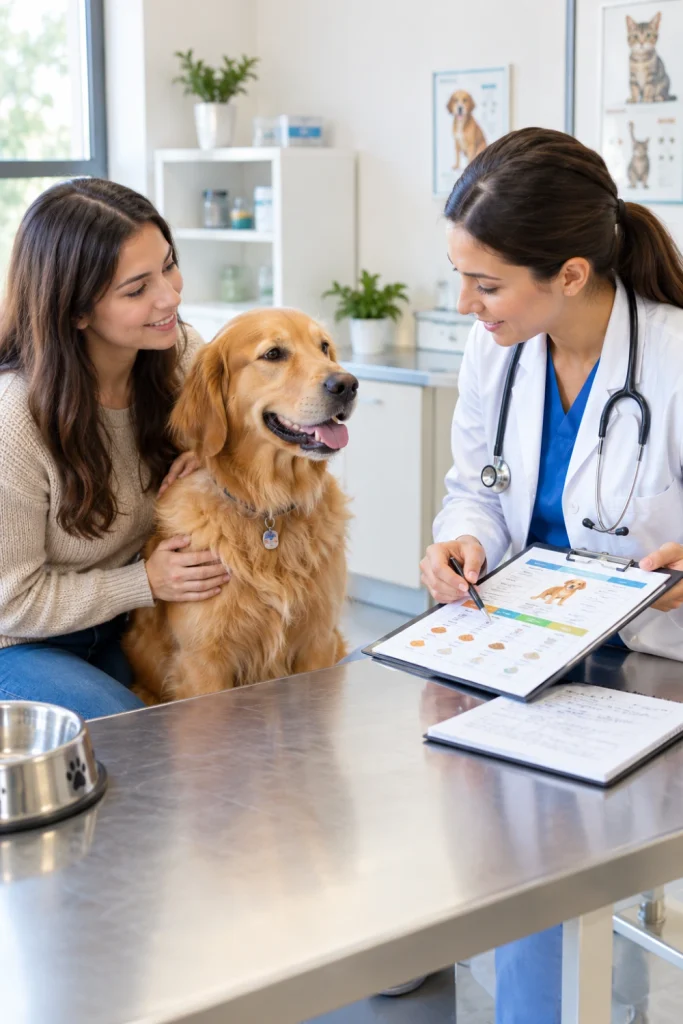
Even a well-planned feeding routine cannot prevent every health problem. Changes in appetite, drinking habits, body weight, or digestion may indicate that your dog needs veterinary attention. A dog that refuses food, vomits repeatedly, has persistent diarrhea, appears unusually tired, or shows discomfort while eating should be assessed according to the severity and duration of symptoms. Puppies, small dogs, senior pets, and dogs with existing medical conditions may need prompt attention when they stop eating or develop digestive problems.
Seek urgent veterinary care if your dog has difficulty breathing, collapses, has a swollen abdomen with unproductive retching, experiences severe weakness, or may have swallowed a toxic substance. Do not give human medicines or make major dietary changes to treat unexplained symptoms without professional advice. Keep a record of meals, treats, medications, and symptoms to help your veterinarian understand what is happening. Regular checkups can also help review your dog’s diet, body condition, dental health, and feeding schedule. Knowing when to seek help is an important part of responsible feeding.
Final Thoughts
Building a healthy Daily Dog Feeding Routine does not have to be complicated. Start by choosing a complete and balanced food, establishing appropriate meal times, measuring portions, and keeping fresh water available. Use treats thoughtfully, store food safely, and observe your dog’s weight, appetite, and digestion. These everyday habits can help you provide more consistent care and make feeding easier to manage.
Remember that every dog is different. Puppies, adult dogs, senior pets, and dogs with medical conditions may require different food, portions, and feeding schedules. Ask your veterinarian for personalized guidance whenever you are unsure about nutrition or notice a concerning change. With a realistic routine and a little preparation, you can make mealtimes safer, more enjoyable, and better suited to your dog’s long-term well-being.