
12 DIY Dog Puzzle Games for Indoor Fun
Is your dog getting bored indoors and looking for something exciting to do? Dogs need more than physical exercise to stay happy. They also need mental challenges that encourage curiosity, problem-solving, sniffing, and exploration. DIY dog puzzle games are an excellent way to keep your furry friend entertained while giving their brain a fun workout.
You don’t need expensive pet store toys to create exciting indoor activities. With a few everyday household items, some healthy dog treats, and a little creativity, you can make simple puzzles your dog will love. These 12 DIY Dog Puzzle Games are easy to prepare, budget-friendly, and suitable for different skill levels. Whether you have a curious puppy or an energetic adult dog, these homemade activities can make indoor playtime more rewarding.
1. DIY Muffin Tin Treat Puzzle
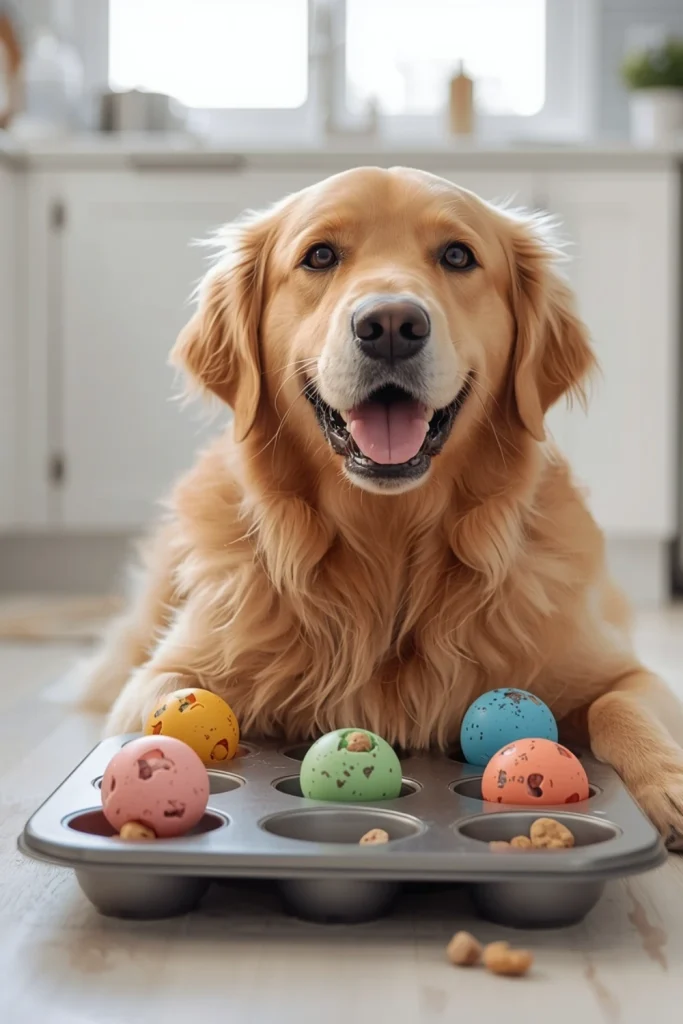
A muffin tin treat puzzle is one of the easiest DIY dog puzzle games you can create at home. Take a clean muffin tin and place small pieces of your dog’s favorite treats inside a few compartments. Cover the treat-filled sections with large, dog-safe balls that are too big to swallow. Place the tin on a nonslip floor and let your dog investigate. Your furry friend will need to move the balls to discover the hidden rewards, making snack time more interesting.
Start with only two or three covered compartments so your dog can understand the activity. Once your dog becomes comfortable, gradually add more compartments and rewards. Choose balls that cannot become choking hazards and supervise the entire game. Remove the puzzle if your dog starts chewing the balls or biting the metal tray. This activity is ideal for introducing beginners to simple problem-solving games.
2. Homemade Towel Roll Puzzle
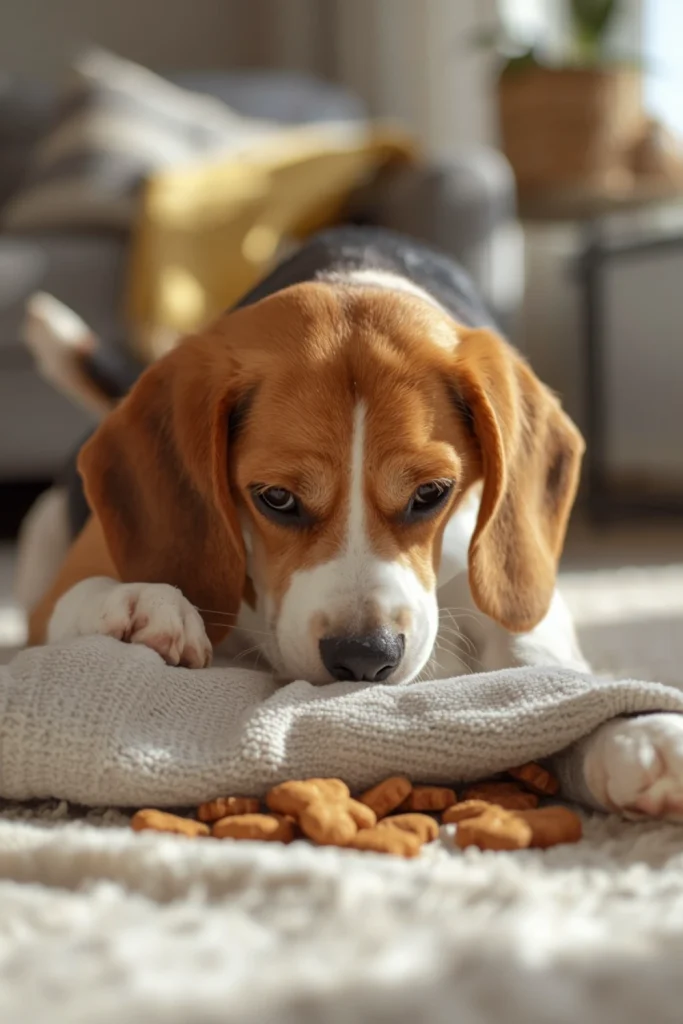
A homemade towel roll puzzle transforms an ordinary towel into an entertaining food-searching activity. Start with a clean towel and spread it across the floor. Place several small treats along one edge and loosely roll the towel so the rewards become hidden between its layers. Allow your dog to sniff the towel and discover how to reach the treats. This simple puzzle encourages natural foraging behavior while giving your dog an opportunity to use its nose and paws.
For beginners, keep the towel loosely rolled so the rewards are easy to access. As your dog learns the game, you can distribute treats throughout several sections of the towel. Avoid tight knots because they may frustrate your dog or encourage excessive pulling. Always supervise the activity and remove the towel if your dog begins chewing or swallowing fabric. Wash the towel after each session to keep the puzzle clean.
3. DIY Cardboard Box Treat Puzzle
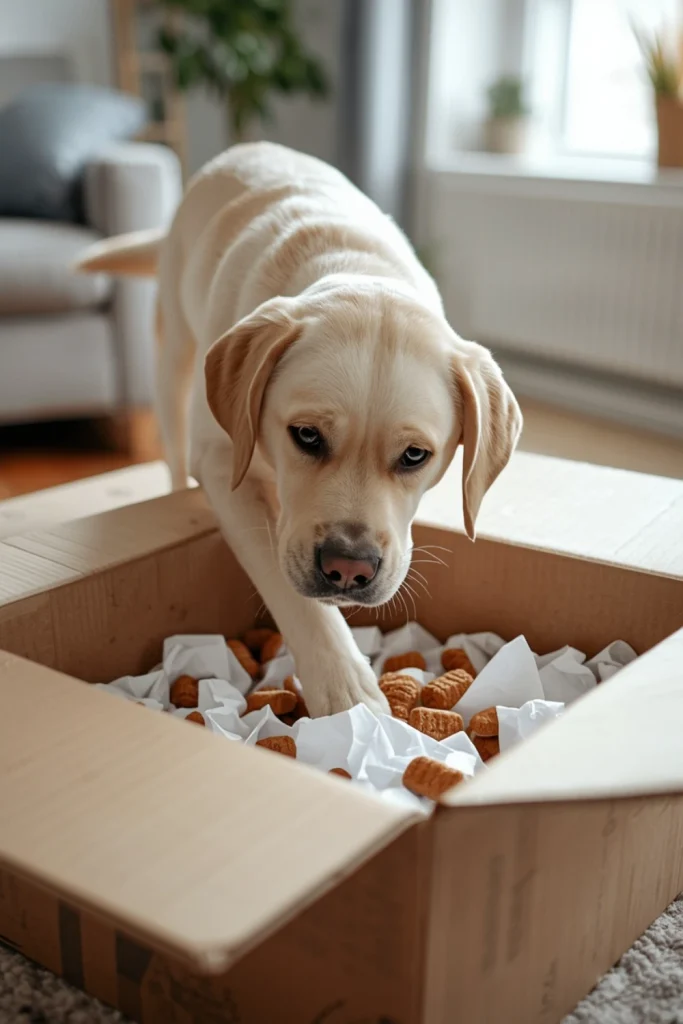
A cardboard box treat puzzle is a budget-friendly activity that turns ordinary packaging into an exciting challenge. Choose a clean cardboard box without staples, tape, plastic, or sharp edges. Place a few dry dog treats inside and add some loosely crumpled plain paper around them. Let your dog investigate the box and discover the hidden rewards. The different smells and textures make this activity interesting for dogs that enjoy exploring unfamiliar objects.
You can make the puzzle slightly more challenging by adding another layer of loose paper or using a larger box. However, avoid making the activity too difficult, especially for beginners. Some dogs may prefer tearing cardboard rather than searching for treats, so close supervision is important. Remove the box if your dog begins swallowing paper or cardboard pieces. This is a short supervised activity, not an unattended chew toy.
4. Paper Cup Hidden Treat Game
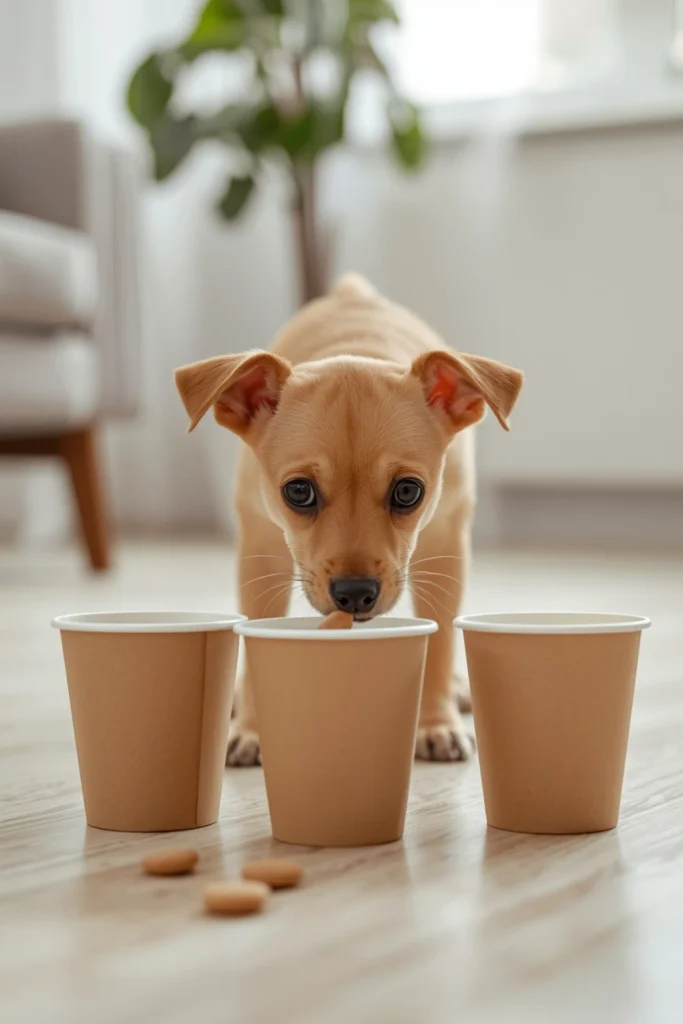
A paper cup hidden treat game is a simple puzzle that encourages your dog to use its nose and investigate different objects. Take two or three clean, plain, uncoated paper cups and place a small treat underneath one of them. Arrange the cups upside down on a flat surface and allow your dog to sniff around. Your dog will need to discover which cup hides the reward. This game is easy to prepare and works well for dogs that are new to puzzle activities.
Once your dog understands the idea, you can change the location of the treat between rounds. You can also add another cup to make the challenge slightly more interesting. Use only plain cups without plastic coatings, staples, or sharp edges. Supervise your dog closely and remove the cups if they start tearing or eating the paper. Keep the experience positive and reward your dog whenever it successfully finds the hidden treat.
5. DIY Snuffle Mat Puzzle
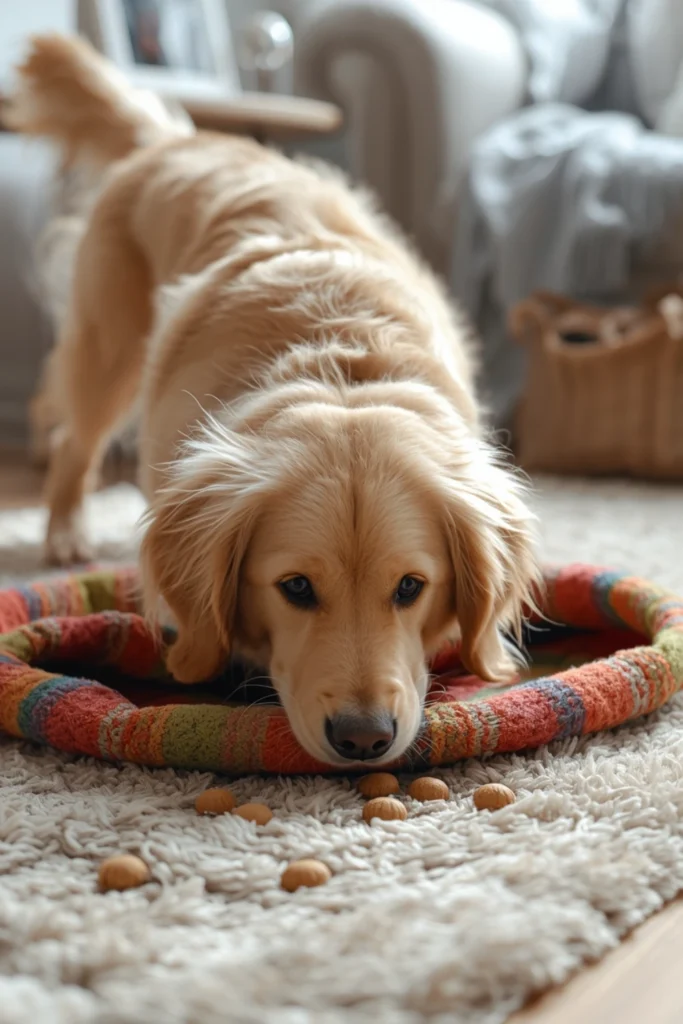
A homemade snuffle mat is a wonderful puzzle for dogs that enjoy using their noses. You can create one using a washable, sturdy base and securely attached strips of clean fleece fabric. Make sure the fabric strips are firmly secured and cannot easily come loose. Hide small dry treats between the fabric layers and allow your dog to search for them. The different hiding spots encourage natural sniffing and make finding food more challenging than eating from an ordinary bowl.
Begin by placing treats near the surface so your dog can quickly understand the game. As your dog becomes more experienced, hide rewards deeper between the fabric strips. You can change the number and position of treats to keep the activity interesting. Supervise your dog throughout the game, especially if it enjoys chewing fabric. Wash the mat regularly and inspect it for loose or damaged pieces before every session.
6. DIY Treat-Searching Cardboard Roll
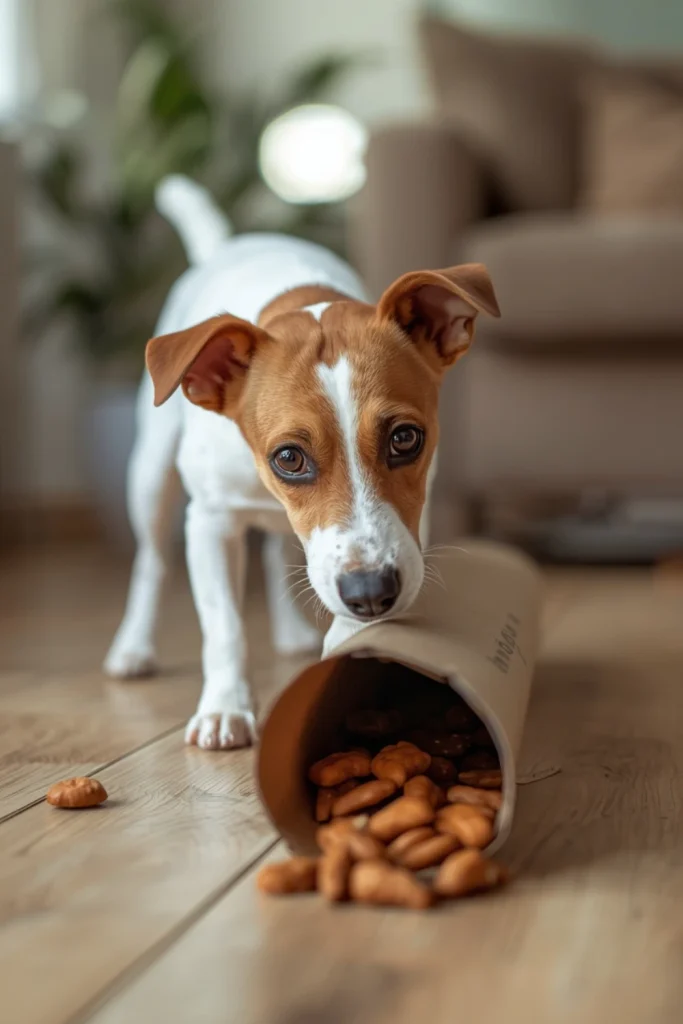
An empty cardboard paper roll can become a simple treat puzzle that encourages dogs to investigate and discover hidden rewards. Take a clean toilet paper or paper towel roll and place a few small dry treats inside. Leave both ends open initially so your dog can easily smell and reach the food. Place the roll on a clean floor and encourage your dog to explore it. This activity introduces a basic problem-solving challenge while making ordinary household packaging more interesting.
When your dog understands the game, you can loosely fold the ends to make the treats slightly harder to reach. Avoid making tight folds that could frustrate your dog or create sharp edges. Use only clean cardboard without staples, tape, or plastic. Some dogs may chew the cardboard instead of retrieving the treats, so supervise closely. Remove the roll immediately if your dog starts swallowing pieces. This inexpensive puzzle is best used for short, supervised play sessions.
7. DIY Treat Treasure Hunt Puzzle
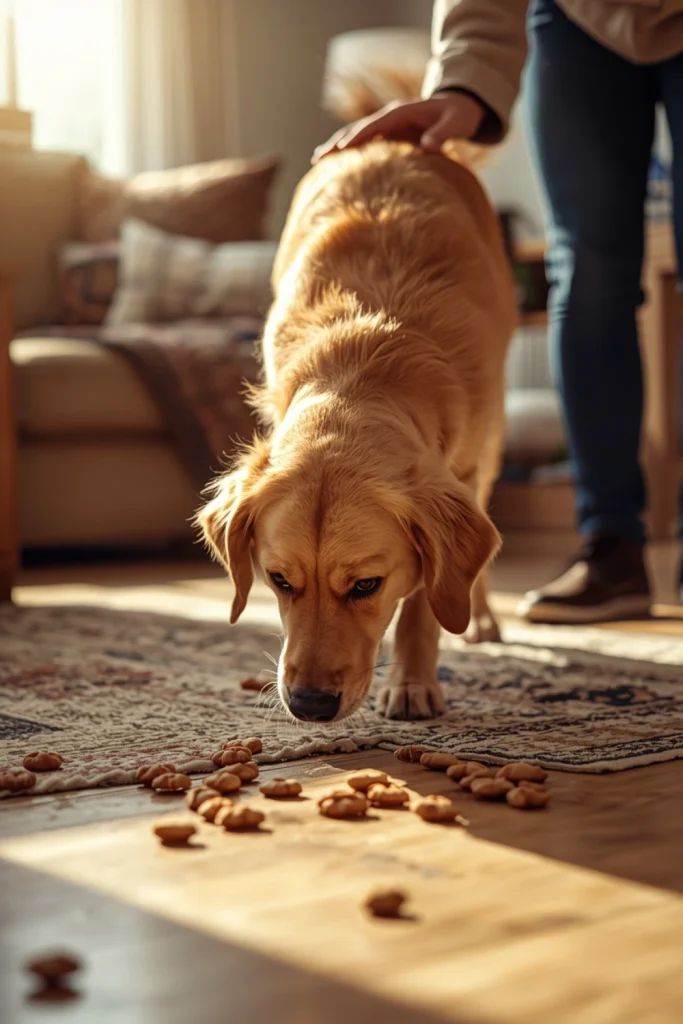
A treat treasure hunt is a fantastic indoor puzzle for dogs that love following interesting smells. Start by asking your dog to wait in another room or have someone gently hold its attention. Hide a few small treats in easy-to-find locations around the living room. You can place rewards beside a chair, near a dog bed, or behind a large dog-safe object. Bring your dog into the room and use the command “Find it” to encourage searching. This activity allows your dog to use its natural sense of smell.
As your dog becomes better at finding hidden rewards, gradually choose more challenging locations. You can hide treats underneath accessible containers or behind suitable toys. Avoid places near electrical wires, cleaning products, fragile objects, or dangerous household equipment. Keep the hiding locations appropriate for your dog’s size and physical ability. Use small treats to avoid excessive calories and supervise the activity throughout. A treasure hunt is an easy way to make an ordinary indoor afternoon more exciting.
8. Homemade Sliding Treat Puzzle
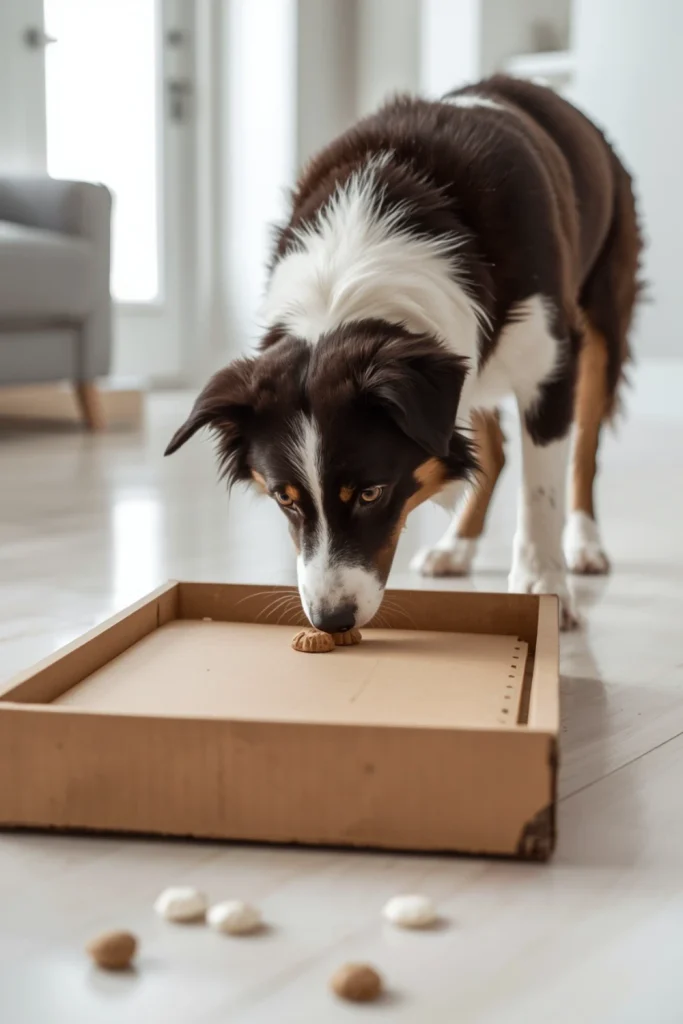
A homemade sliding treat puzzle can introduce your dog to a slightly more challenging problem-solving activity. Use a sturdy, shallow cardboard tray with several wide compartments. Place a small treat in one compartment and create a simple loose cardboard cover that your dog can move with its nose or paw. Make sure the cover is large enough that it cannot be swallowed and moves easily without trapping your dog’s paws. Show your dog where the reward is before encouraging it to investigate the puzzle.
Begin with one covered compartment and let your dog discover how to move the cardboard. Once it understands the activity, you can add another compartment with an easy-to-move cover. The objective is to encourage curiosity rather than create a difficult mechanical puzzle. Use clean cardboard without staples, tape, or sharp edges. Stay nearby and remove all materials if your dog starts tearing or eating them. This activity is best for supervised indoor enrichment.
9. DIY Frozen Treat Puzzle
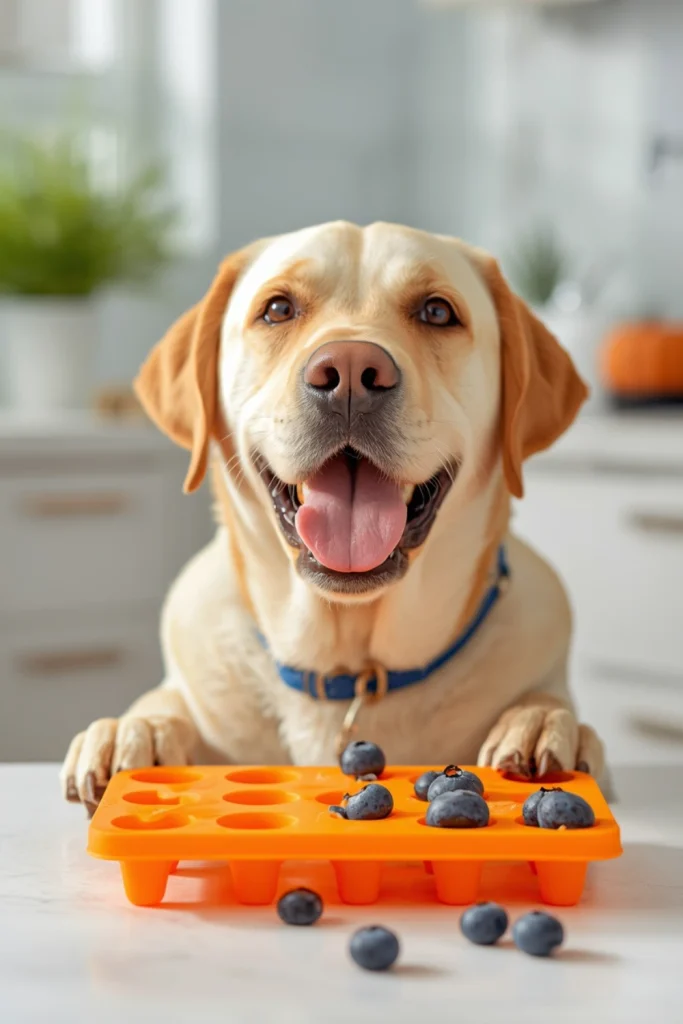
A frozen treat puzzle offers a refreshing way to make snack time more interesting. You can prepare a simple mixture using dog-safe ingredients such as plain pumpkin puree, water, or a small amount of unsweetened plain yogurt if your dog tolerates dairy. Add a few pieces of suitable fruit, such as blueberries, and pour the mixture into a food-safe silicone mold. Freeze it until firm, then offer an appropriately sized portion in a suitable bowl or on a washable surface.
Your dog can investigate the different textures and enjoy licking the frozen reward as it gradually melts. This activity can be particularly enjoyable during warm weather when dogs may appreciate a cool snack. Avoid adding sugar, salt, chocolate, grapes, raisins, or artificial sweeteners such as xylitol. Do not offer frozen pieces that are excessively hard or large. Keep portions small, account for treats in your dog’s daily food allowance, and supervise the activity from beginning to end.
10. DIY Sniff-and-Find Blanket Puzzle
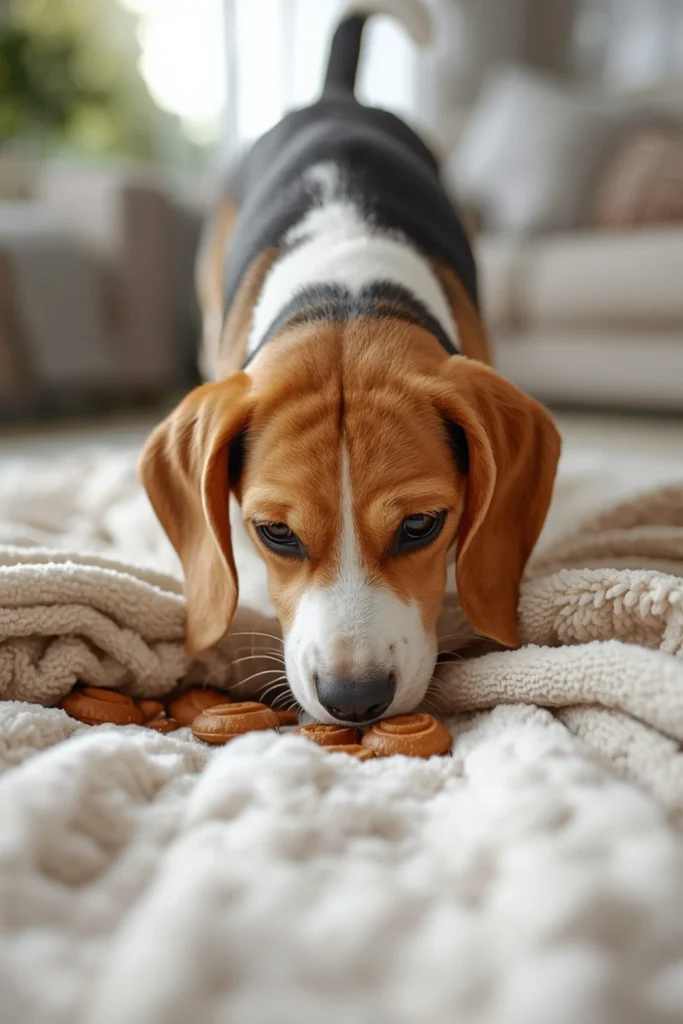
A sniff-and-find blanket puzzle is an easy activity for dogs that enjoy exploring smells and searching for food. Choose a clean, washable blanket without loose threads or damaged sections. Spread it across a nonslip surface and create several loose folds. Place a few small treats between the folds and encourage your dog to investigate. Your dog will need to use its nose to locate the hidden rewards. This simple puzzle can provide a relaxing indoor activity without requiring expensive equipment.
You can increase the challenge by changing the position of the treats and creating additional folds. However, make sure the rewards remain accessible and your dog does not become frustrated. Avoid using blankets with small decorations, buttons, or easily detachable parts. Dogs that chew or swallow fabric should not use this type of puzzle. Always supervise the activity, wash the blanket regularly, and remove it if it becomes damaged. A few minutes of sniffing can turn an ordinary blanket into an interesting enrichment experience.
11. DIY Food Container Discovery Puzzle
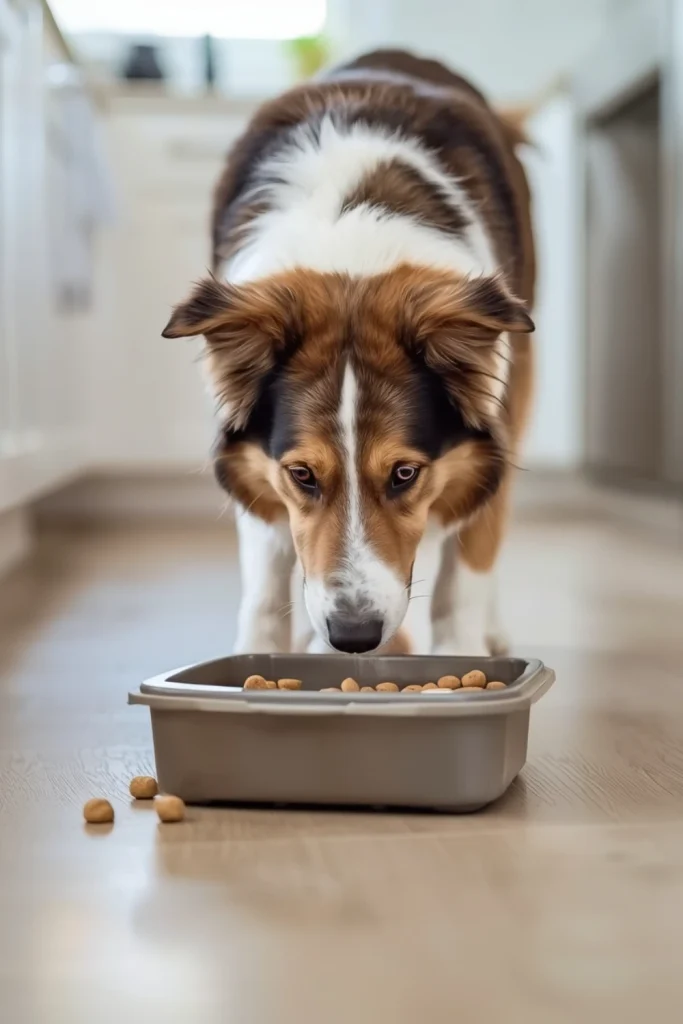
A food container discovery puzzle can make your dog’s regular meal more interesting. Choose a sturdy, food-safe container with smooth edges and no small detachable parts. Place a small portion of your dog’s regular kibble inside and allow your dog to investigate. You can use a simple open container or a shallow tray with a large, loose divider that can be moved safely. Your dog will need to explore the container and discover how to access the food.
Start with an easy arrangement so your dog understands the activity. As your dog becomes more comfortable, you can introduce different safe layouts and use the puzzle during part of its regular feeding routine. Make sure the container cannot tip over, break, or become trapped around your dog’s muzzle or paws. Avoid narrow openings and tight-fitting covers. Supervise the activity and clean the equipment after each use. Using regular kibble helps provide enrichment without adding unnecessary extra calories.
12. DIY Find-the-Toy Puzzle
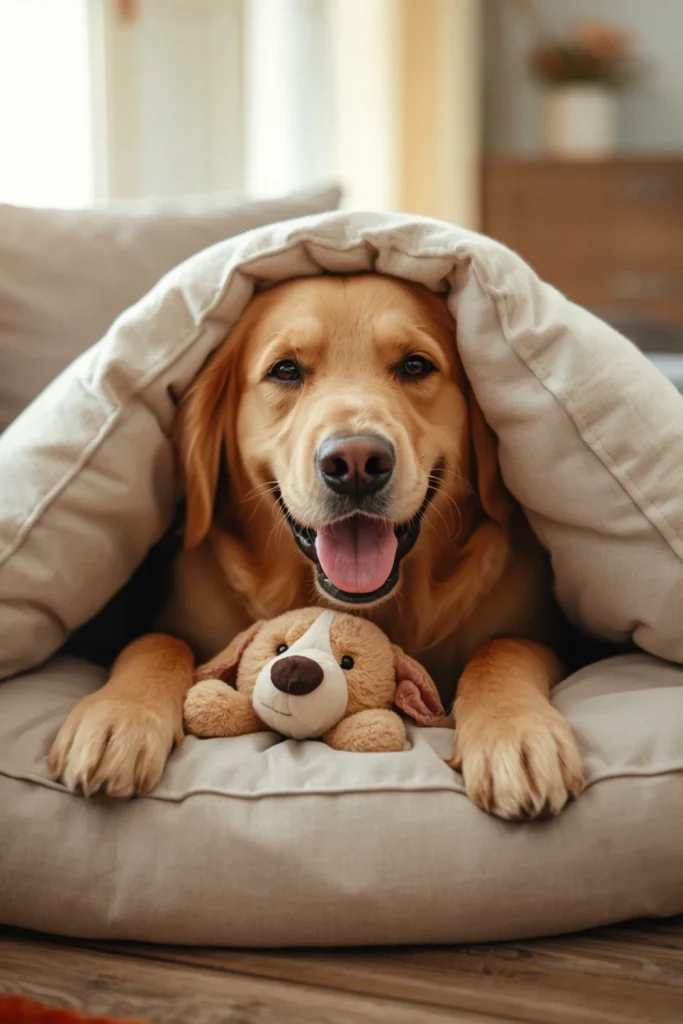
The find-the-toy puzzle is a fun way to combine mental stimulation, training, and interactive play. Choose a familiar, durable dog toy and let your dog see it before hiding it somewhere easy to find. You can place the toy beside a cushion, behind a chair, or near its sleeping area. Use a simple command such as “Find your toy” and encourage your dog to investigate. When your dog discovers the object, reward it with praise or a short play session.
Once your dog understands the game, gradually choose different hiding locations around the home. You can also introduce two familiar toys and teach your dog to recognize their names. Start with simple choices and increase the challenge slowly. Avoid hiding toys in places that require climbing, jumping, or moving unstable furniture. Choose toys that are appropriate for your dog’s size and chewing habits. This activity is especially enjoyable for dogs that love carrying, retrieving, and discovering their favorite toys.
Final Thoughts
Keeping your dog entertained indoors doesn’t have to be expensive or complicated. With simple household materials and a little creativity, you can create exciting activities that encourage curiosity, problem-solving, and natural searching behaviors.
These 12 DIY Dog Puzzle Games offer easy ways to turn ordinary objects into enjoyable challenges. Start with simple activities such as a muffin tin puzzle, towel roll game, or cardboard treasure hunt. As your dog becomes more confident, introduce different puzzles and gradually increase the difficulty.
Remember that every dog has different interests and abilities. Choose safe materials, supervise playtime, and give your furry friend plenty of encouragement. Most importantly, make every activity enjoyable rather than turning puzzle time into a stressful challenge.
A few minutes of creative indoor play can make your dog’s everyday routine more interesting while giving you another wonderful opportunity to strengthen your bond. Keep experimenting, discover your dog’s favorite puzzles, and enjoy making playtime more rewarding.