

25 Fun Things to Do With Your Dog This Weekend
Weekends are the perfect opportunity to slow down, enjoy some quality time, and make wonderful memories with your furry best friend. Whether you have an energetic puppy, a playful adult dog, or a relaxed senior companion, there are plenty of exciting ways to make your days together more enjoyable. You do not need an expensive vacation or special equipment to give your dog a memorable weekend.
From exploring new walking trails and playing outdoor games to enjoying homemade treats and relaxing at home, small activities can make a big difference in your dog’s happiness. If you are searching for fun things to do with your dog this weekend, these 25 ideas will help you plan an enjoyable experience filled with exercise, mental stimulation, bonding, and plenty of tail-wagging moments.
1. Explore a New Walking Trail
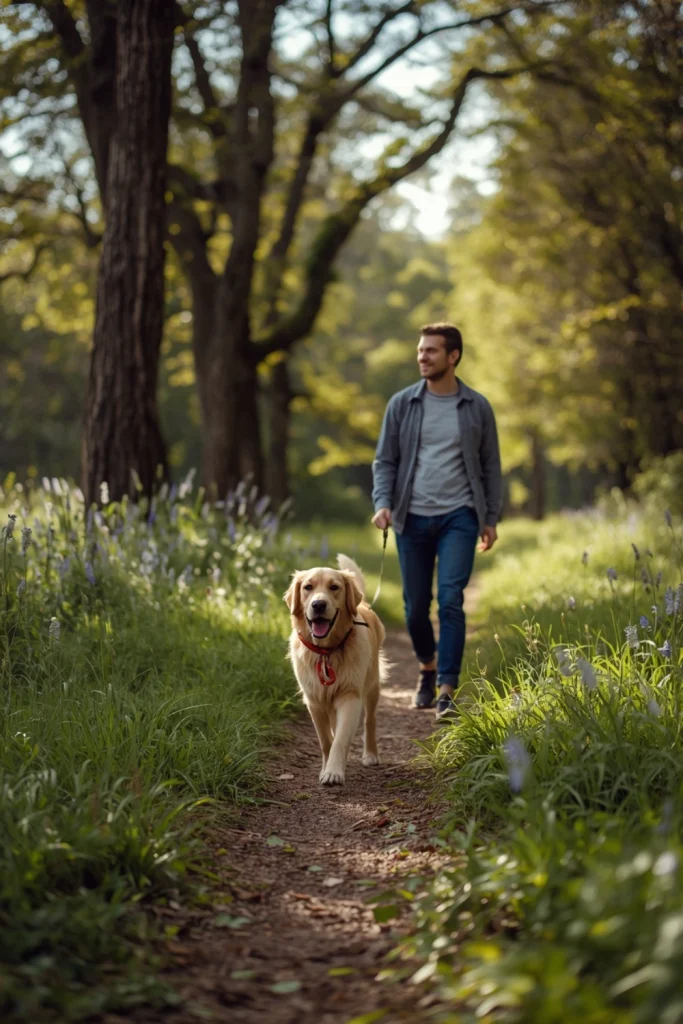
Exploring a new walking trail is a wonderful way to enjoy the weekend with your dog. Instead of following the same route around your neighborhood, choose a dog-friendly path with interesting scenery, trees, and natural smells. Your dog will enjoy discovering unfamiliar scents while you get an opportunity to enjoy some fresh air and outdoor exercise. Let your dog walk at a comfortable pace and allow time for sniffing along the way.
Before leaving home, check whether dogs are allowed on the trail and whether they must remain on a leash. Bring fresh drinking water, waste bags, and a suitable leash or harness. Choose a route that matches your dog’s fitness level, and avoid difficult terrain if your companion is very young, elderly, or has mobility limitations. Take breaks whenever your dog needs them.
2. Enjoy a Picnic With Your Dog
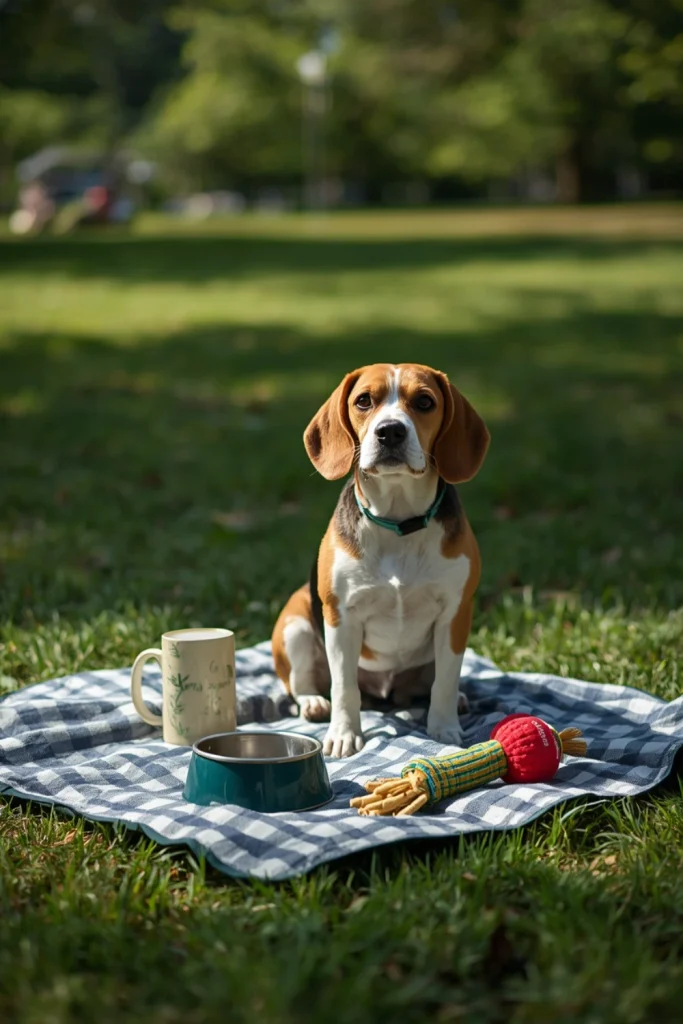
A picnic can turn an ordinary weekend afternoon into a special experience for you and your dog. Find a quiet, dog-friendly park or outdoor area where your companion can relax beside you. Bring a comfortable blanket, drinking water, your dog’s regular food or suitable treats, and a favorite toy. You can enjoy your meal while your dog explores the nearby grass on a leash or rests comfortably beside you.
Remember that not every human picnic food is safe for dogs. Avoid sharing foods containing chocolate, grapes, raisins, onions, garlic, or artificial sweeteners such as xylitol. Pack your dog’s own food and keep it separate from your meal. Choose a shaded location during warm weather, watch for insects, and clean up before leaving. The goal is to enjoy a peaceful outdoor experience together.
3. Play a Fun Game of Fetch
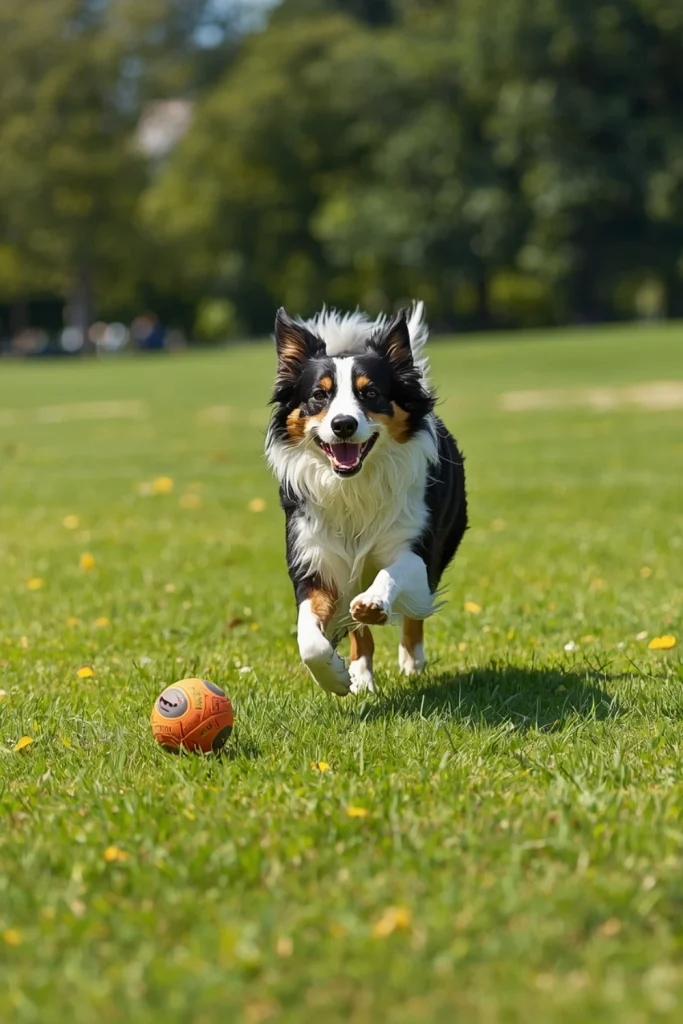
Fetch is a classic activity that many dogs enjoy because it combines running, chasing, and interaction with their owners. Find a secure, open area where your dog can safely play without running into traffic or disturbing other visitors. Use a suitable dog ball or soft fetch toy, throw it a comfortable distance, and encourage your dog to bring it back. Keep the first few rounds short, especially if your dog is not used to vigorous exercise.
You can make fetch more interesting by changing the direction of the throw or using different safe toys. Always watch your dog’s energy level and give regular water breaks. Avoid repeatedly throwing balls on slippery surfaces or asking your dog to make sudden high-speed turns. Puppies and senior dogs may need gentler games with shorter distances. Finish the activity before your dog becomes exhausted.
4. Visit a Dog-Friendly Beach
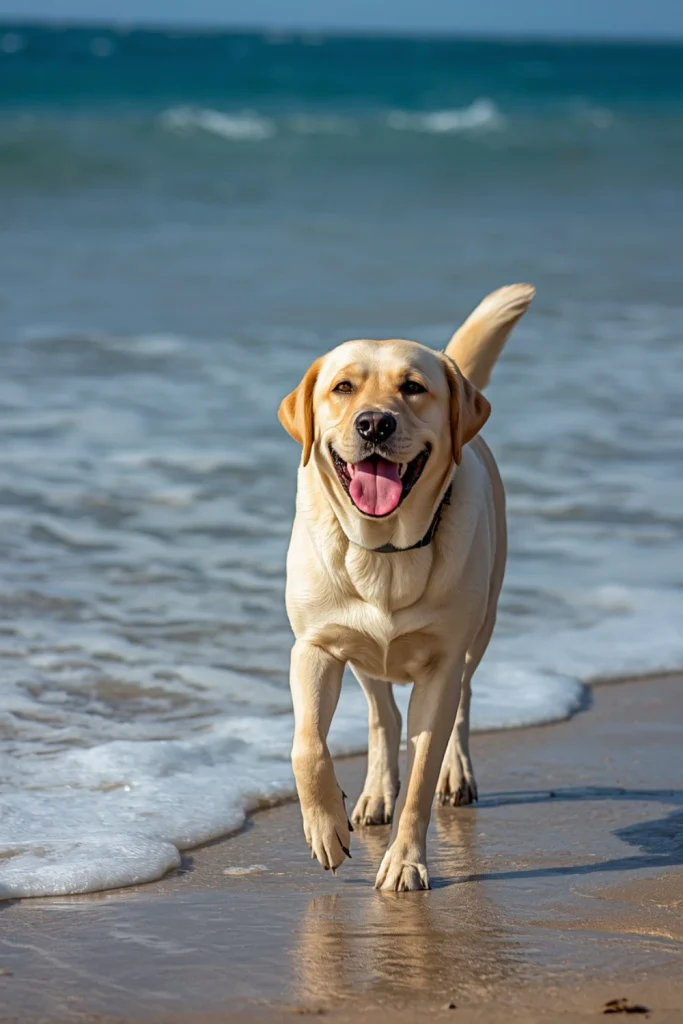
If you live near a dog-friendly beach, spending part of the weekend beside the water can be an exciting experience. Many dogs enjoy walking on soft sand, exploring new smells, and watching gentle waves. Some dogs also enjoy splashing in shallow water, provided they are comfortable around it. Choose a beach where dogs are permitted and check local rules about leash requirements and designated areas.
Safety should always come first. Bring fresh drinking water and prevent your dog from drinking seawater, which can cause illness. Avoid very hot sand, strong currents, and rough waves. Never assume that every dog can swim naturally, and use a properly fitted dog life jacket when appropriate. Rinse salt and sand from your dog’s coat and paws after the visit, then dry them comfortably.
5. Teach Your Dog a New Trick
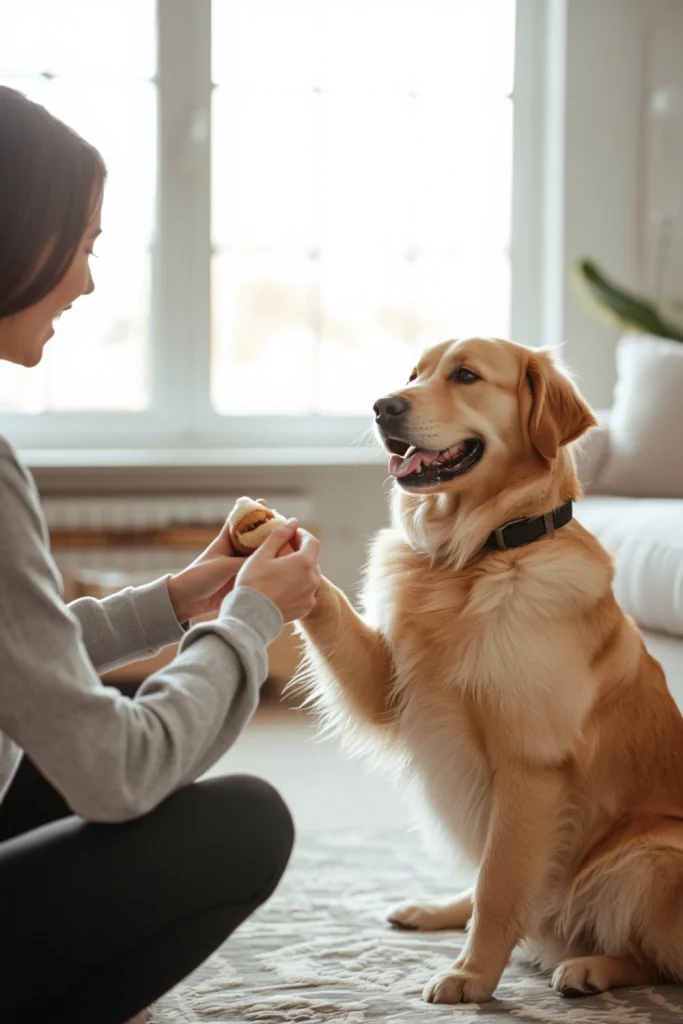
Weekend time is perfect for teaching your dog a new trick. Choose something simple, such as giving a paw, spinning slowly, touching your hand with the nose, or lying down on a mat. Use small rewards and positive reinforcement to help your dog understand what you are asking. Break the trick into easy steps, reward progress, and keep your voice calm and encouraging throughout the session.
Do not expect your dog to learn everything immediately. Some dogs understand new behaviors quickly, while others need several short practice sessions. Keep training sessions brief and finish with an activity your dog already knows. Avoid forcing your dog into a position or using punishment when mistakes happen. Learning together can provide mental stimulation while strengthening your communication and relationship.
6. Organize a Dog Playdate
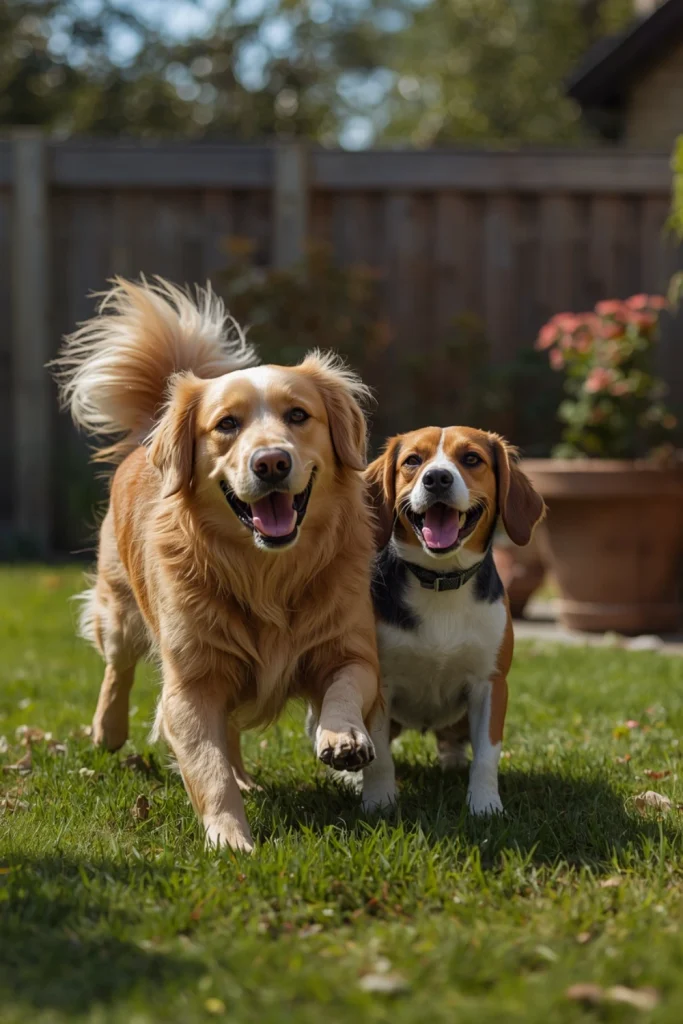
A playdate with a familiar, friendly dog can make the weekend more exciting. Arrange a meeting with a friend or family member whose dog is comfortable around yours. Choose a secure, spacious area where both dogs have room to move freely without being crowded. Allow them to approach each other gradually and observe their body language. Some dogs enjoy energetic chasing games, while others prefer gentle interaction.
Always supervise the dogs and provide breaks when either animal becomes tired or overwhelmed. Do not force interaction if one dog seems uncomfortable, repeatedly tries to move away, or shows signs of stress. Provide separate water bowls and enough toys to reduce competition. A successful playdate should be relaxed and positive for both dogs, not simply an opportunity for nonstop running.
7. Try a Fun Scent Game at Home
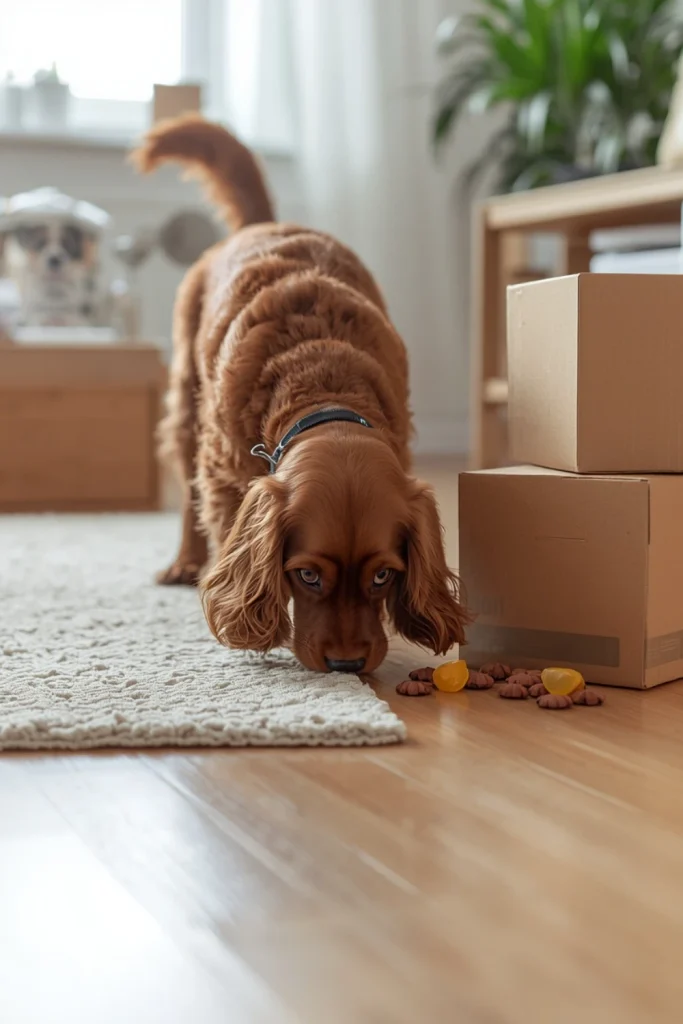
Dogs experience much of the world through their sense of smell, making scent games an excellent weekend activity. Start by showing your dog a small treat and placing it somewhere easy to find, such as beside a toy or near a chair. Give a simple cue such as “Find it” and let your dog investigate. Once your dog understands the game, hide rewards in a few safe locations around the room.
You can gradually make the search more interesting by using a snuffle mat, a loosely folded towel, or several cardboard boxes. Keep the hiding places accessible and avoid locations where your dog could become trapped or reach dangerous items. Use small portions of suitable treats, supervise the activity, and make sure your dog can succeed. Scent games offer mental enrichment without requiring a large space.
8. Go for a Scenic Car Ride
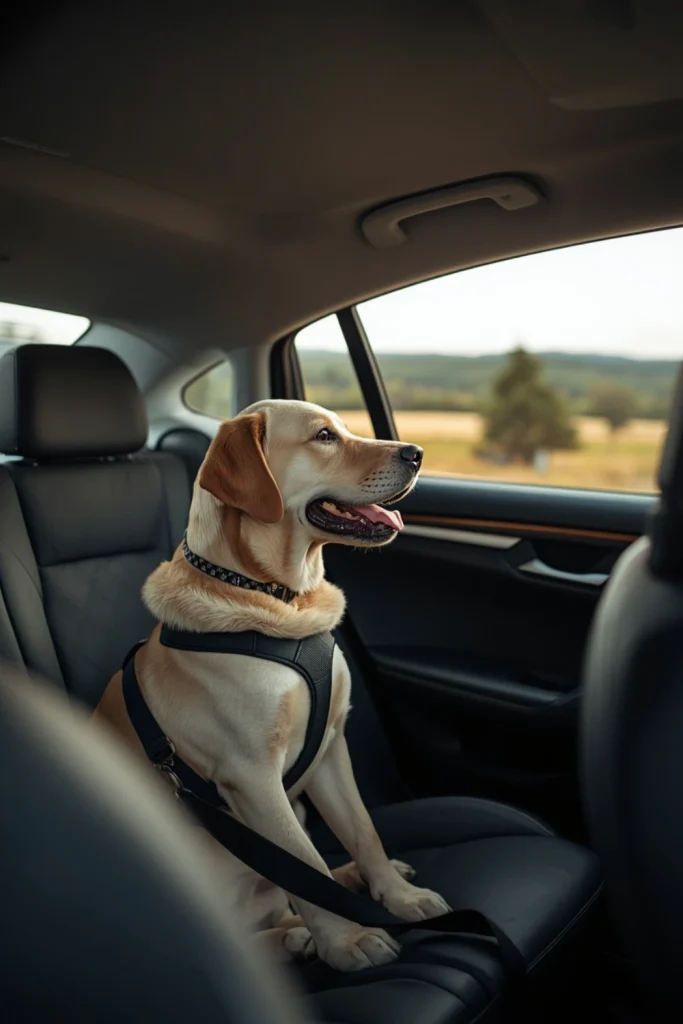
A short scenic car ride can be a fun weekend adventure for a dog that is comfortable traveling. Choose a quiet route with pleasant scenery, such as countryside roads or a peaceful area outside the city. Your dog can enjoy new sights and sounds while spending time with you. You might also combine the ride with a visit to a dog-friendly park or another suitable destination.
Always secure your dog using a crash-tested travel harness or an appropriate travel crate. Never allow your dog to sit on your lap while driving or move freely around the vehicle. Keep the windows safely positioned and never leave your dog alone in a parked car, especially in warm weather. If your dog experiences travel anxiety or motion sickness, ask your veterinarian for advice before planning longer trips.
9. Visit a Dog-Friendly Café
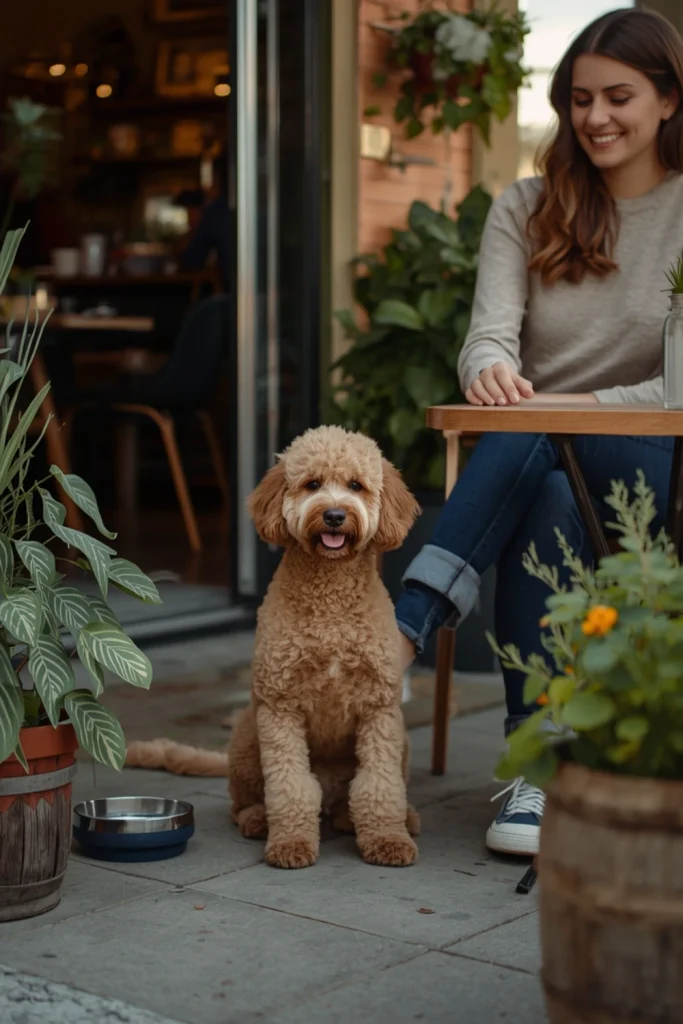
Visiting a dog-friendly café can be a relaxing way to spend part of your weekend. Choose a café with an outdoor seating area or a clearly stated pet-friendly policy. Bring your dog’s leash, water, and a familiar mat if needed. Encourage your companion to settle beside your chair while you enjoy a drink or snack. The new environment can also provide gentle exposure to everyday sights and sounds.
Start with a quiet café during a less busy time, especially if your dog is not used to crowded places. Keep your dog away from hot drinks, food scraps, and busy walkways. Do not allow your dog to approach other customers or dogs without permission. If your companion becomes restless or uncomfortable, take a short walk or return home. The experience should be pleasant for everyone.
10. Create a DIY Dog Obstacle Course
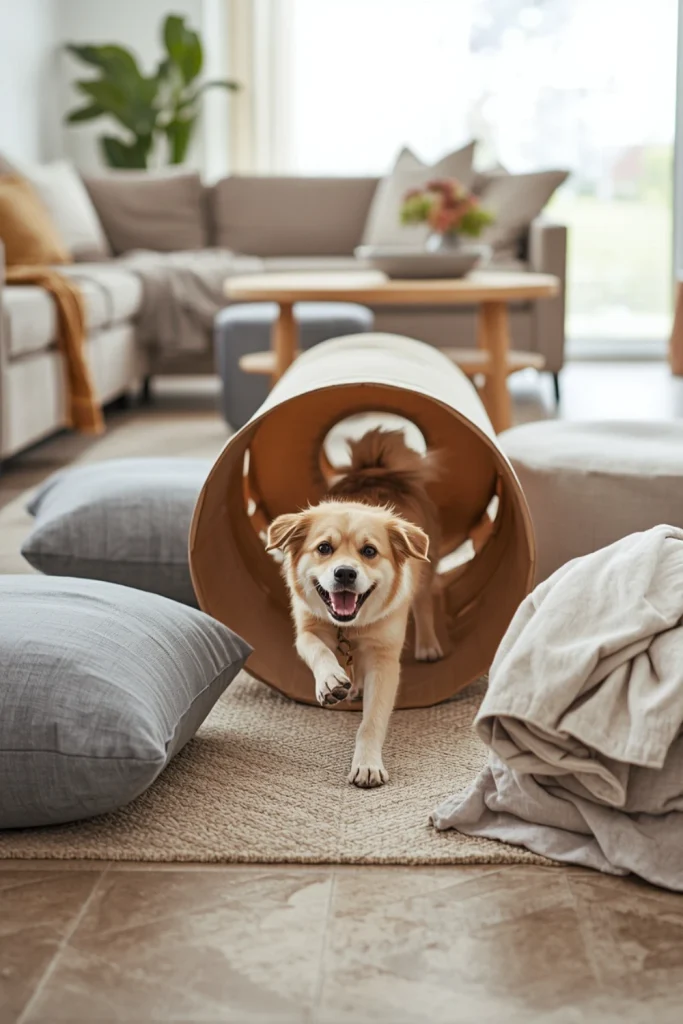
A homemade obstacle course can turn an ordinary room or garden into an exciting playground. Use soft cushions, a low open cardboard tunnel, and stable objects to create simple routes for your dog to explore. Encourage your dog to walk around a cushion, pass through a tunnel, or follow you between objects. Keep the challenges low-impact and suitable for your dog’s age and physical abilities.
Start with one obstacle at a time so your dog can understand what to do. Avoid high jumps, slippery surfaces, unstable furniture, or anything that could cause a fall. Puppies and senior dogs especially need gentle activities that do not put unnecessary pressure on their joints. Use treats and praise to reward calm exploration. The course should be about confidence and fun rather than speed or competition.
11. Have a Backyard Water Play Session
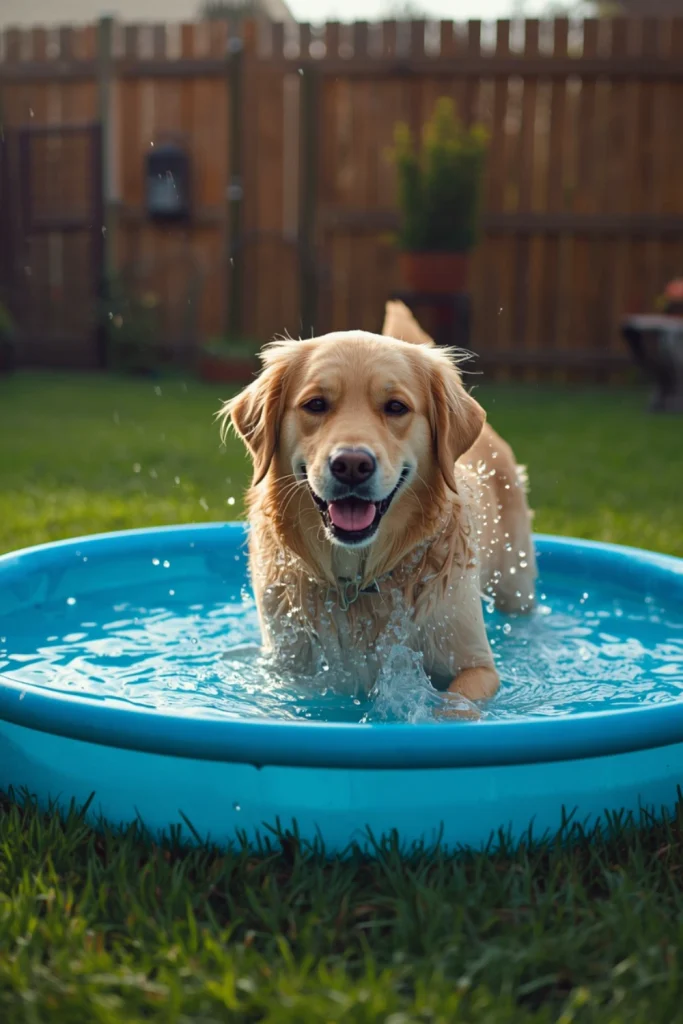
If your dog enjoys water, a supervised backyard water session can be a refreshing weekend activity. Set up a shallow paddling pool designed for pets or use a gentle sprinkler in a secure outdoor area. Allow your dog to investigate the water at its own pace. Some dogs enjoy walking through shallow water, while others prefer chasing gentle water movements or simply cooling their paws.
Use clean water and provide constant supervision. Never force a nervous dog into the pool, and avoid deep water or slippery surfaces. Make sure your dog has access to shade and fresh drinking water. After the activity, dry your dog’s coat and paws as needed, especially if the weather is cool. Stop if your dog appears uncomfortable, tired, or overheated.
12. Make Homemade Dog Treats
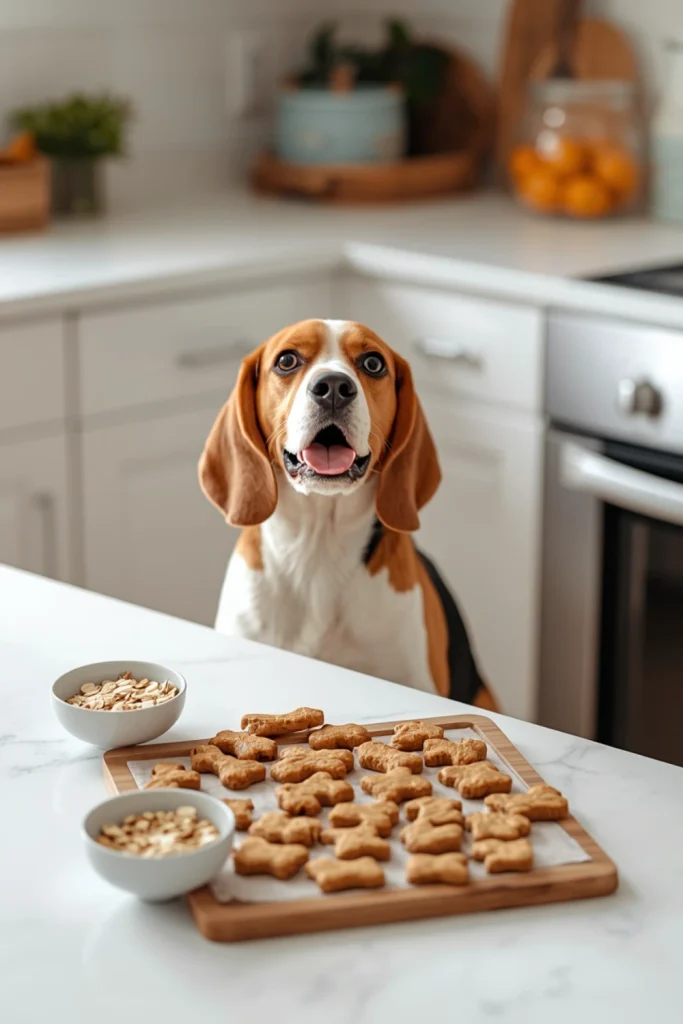
Making homemade dog treats is a fun way to spend a quiet weekend at home. You can prepare simple recipes using dog-safe ingredients such as plain pumpkin, oats, or small amounts of unsweetened peanut butter that does not contain xylitol. Choose a recipe suitable for your dog’s age and dietary needs, and measure ingredients carefully. Your dog can keep you company from a safe spot while you prepare the treats.
Before offering a homemade snack, check that every ingredient is safe for dogs. Avoid chocolate, grapes, raisins, onions, garlic, macadamia nuts, and products containing xylitol. Introduce new ingredients in small amounts and consider your dog’s daily calorie needs. Homemade treats should be occasional rewards rather than a replacement for a balanced diet. If your dog has allergies or a medical dietary plan, consult your veterinarian first.
13. Take Your Dog on a Nature Photography Walk
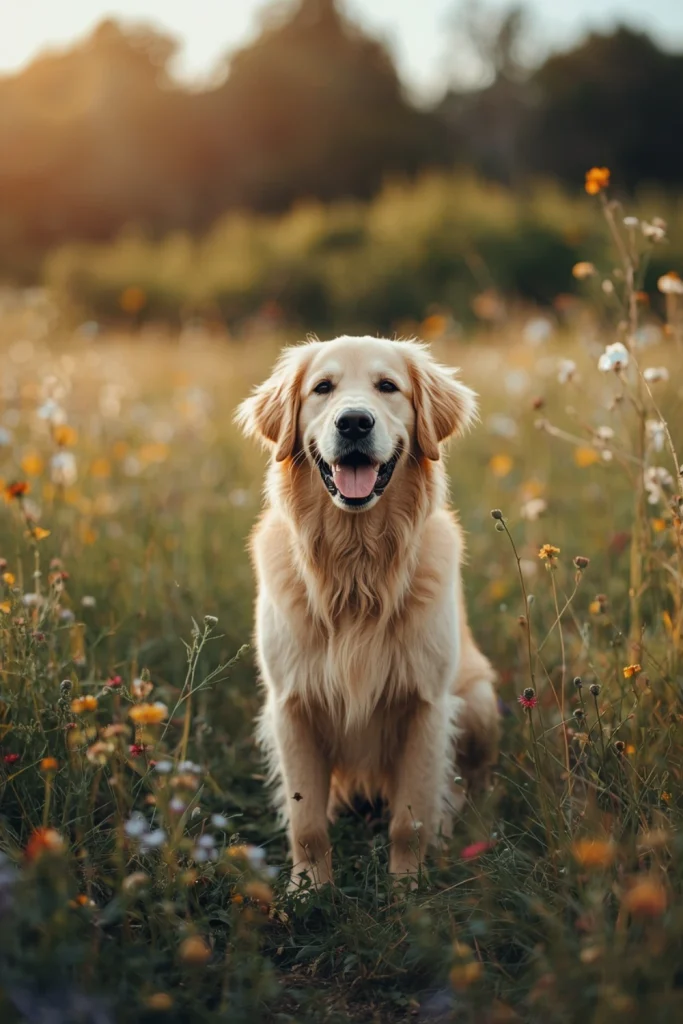
A nature photography walk is a lovely way to enjoy the weekend while capturing memories of your dog. Visit a dog-friendly garden, quiet park, or scenic trail and take photographs of your companion exploring the surroundings. You can capture pictures of your dog walking through grass, sitting beside a tree, or looking toward the camera. Let your dog enjoy the environment rather than expecting perfect poses throughout the outing.
Choose a safe location and keep your dog under control around wildlife, other visitors, and unfamiliar animals. Avoid disturbing plants or entering restricted areas for photographs. Bring water and take breaks whenever necessary. You do not need an expensive camera; a smartphone can capture wonderful moments. Focus on natural expressions and relaxed activities that show your dog’s personality.
14. Play Hide-and-Seek With Your Dog
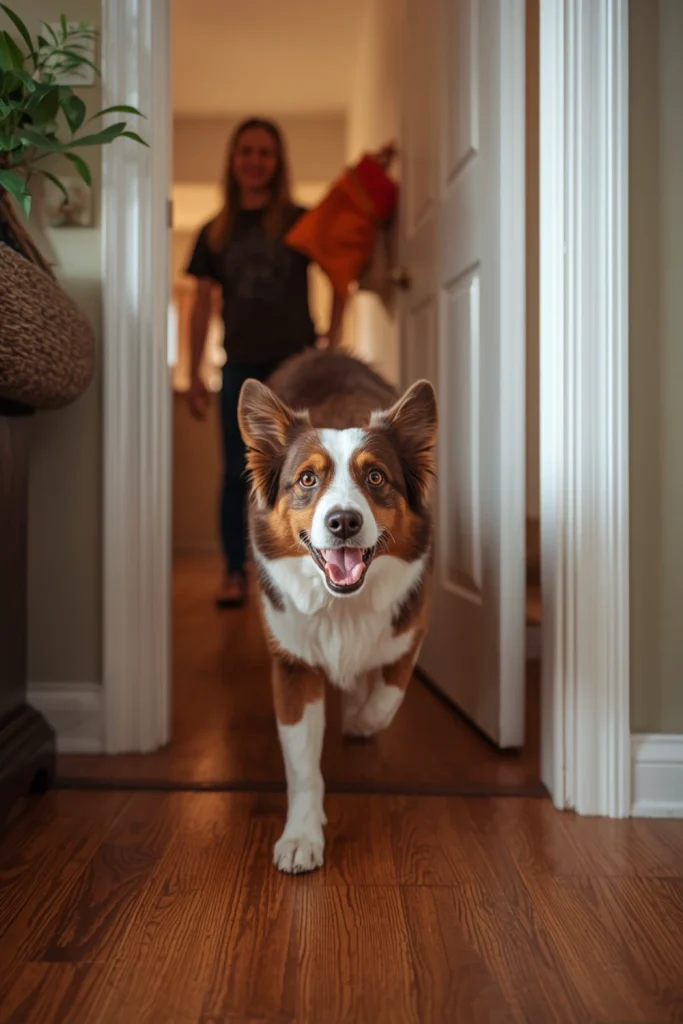
Hide-and-seek is an entertaining game that can encourage your dog to use its senses and pay attention to your voice. Ask your dog to wait with another family member or use a familiar stay cue if your dog already understands it. Move to an easy hiding place, call your dog’s name, and reward them when they find you. Start with simple locations where your dog can locate you quickly.
As your dog becomes familiar with the game, you can choose slightly different hiding places around a safe room or garden. Avoid hiding in small spaces, behind unstable furniture, or anywhere your dog might become stuck. If your dog does not understand the activity, make it easier and offer encouragement. Hide-and-seek can provide mental stimulation while making time together more playful and interactive.
15. Visit a Dog-Friendly Garden or Park
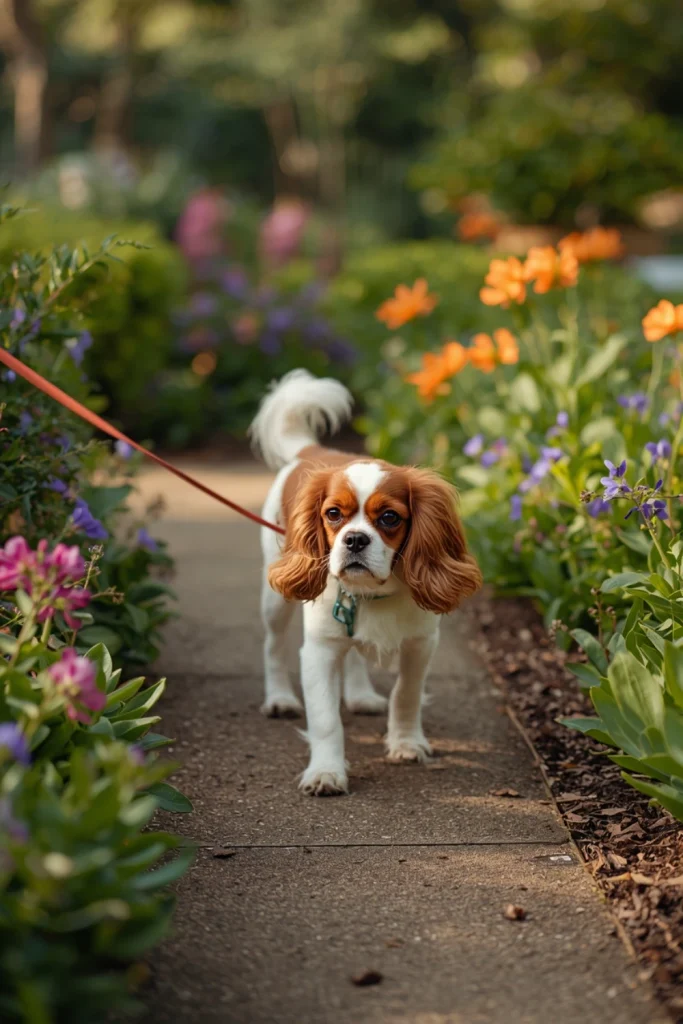
A visit to a dog-friendly garden or park gives your dog an opportunity to explore a different environment. New scents, textures, sounds, and sights can provide interesting mental stimulation. Choose a public space that allows dogs and has suitable walking paths. Let your dog explore at a comfortable pace while you enjoy the scenery and spend time outdoors together.
Keep your dog on a leash where required and prevent them from eating plants, flowers, mushrooms, or fallen objects. Some ornamental plants can be toxic to dogs, so discourage chewing on vegetation. Respect garden rules and other visitors by cleaning up after your pet. If the area is crowded or your dog becomes overwhelmed, choose a quieter path or return at a less busy time.
16. Enjoy a Gentle Swimming Session
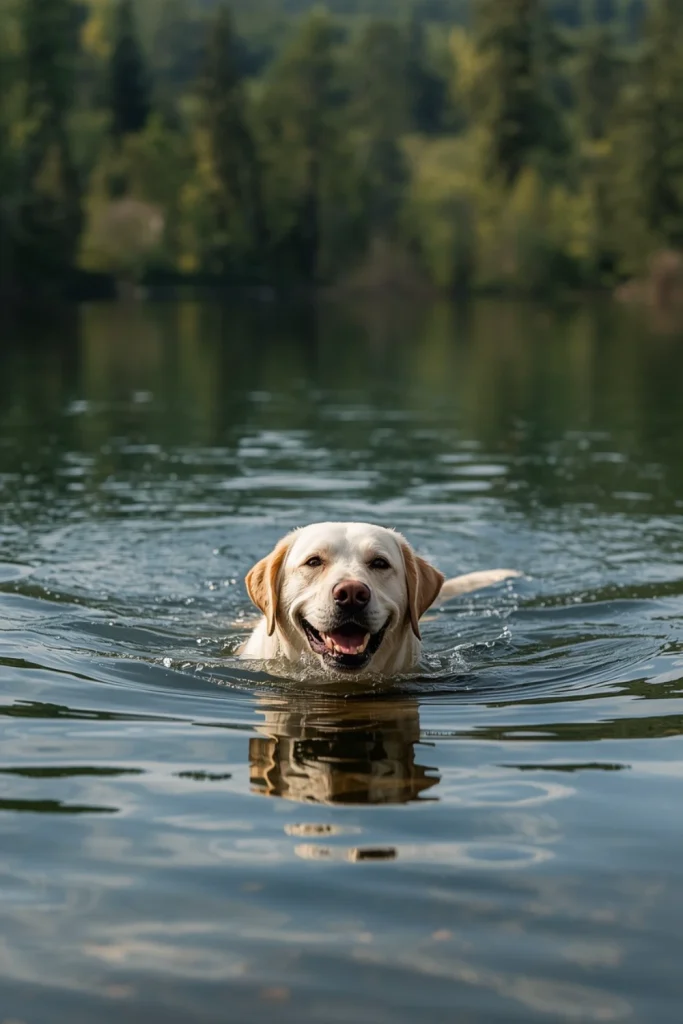
For dogs that enjoy swimming, a carefully planned water session can be a refreshing weekend activity. Choose a clean, calm, dog-friendly swimming location with safe entry and exit points. Let your dog enter the water gradually and stay close enough to supervise. Some dogs love swimming, while others prefer paddling in shallow water or watching from the shore. Respect your dog’s comfort level at all times.
Never assume that every breed or individual dog is a natural swimmer. Use a properly fitted canine life jacket when appropriate, especially in unfamiliar water. Avoid strong currents, deep water, dangerous boat areas, and locations with harmful algae warnings. Offer fresh drinking water and rinse your dog after swimming. If your dog seems tired, anxious, or uncomfortable, end the session and allow them to rest.
17. Have a Relaxing Grooming Day
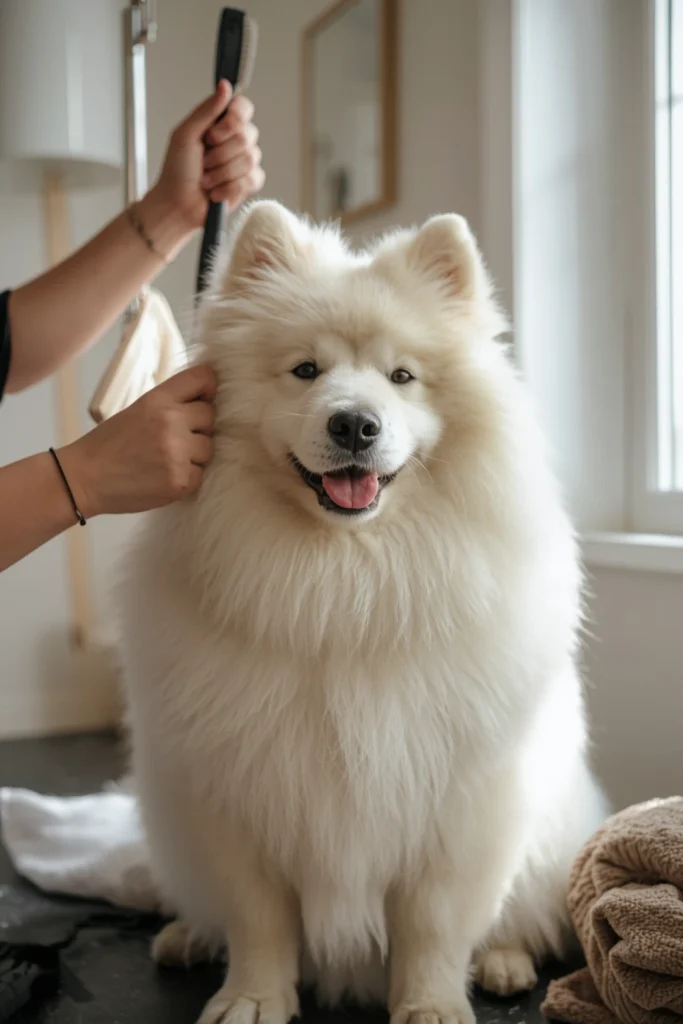
A weekend grooming session can be a useful way to care for your dog’s coat while spending quality time together. Choose a comfortable, quiet area and prepare a suitable brush, comb, dog-safe shampoo if bathing is needed, and a soft towel. Begin with gentle brushing, checking for loose hair, dirt, or small tangles. Speak calmly and offer praise so your dog associates grooming with a positive experience.
The grooming routine should match your dog’s coat type and individual needs. Some dogs require frequent brushing, while others need less maintenance. Check the ears, paws, and nails without forcing your dog to tolerate uncomfortable handling. Use products specifically made for dogs, and avoid cutting mats close to the skin yourself. If you find painful tangles, skin problems, or nail concerns, contact a professional groomer or veterinarian.
18. Set Up an Indoor Puzzle Toy Challenge
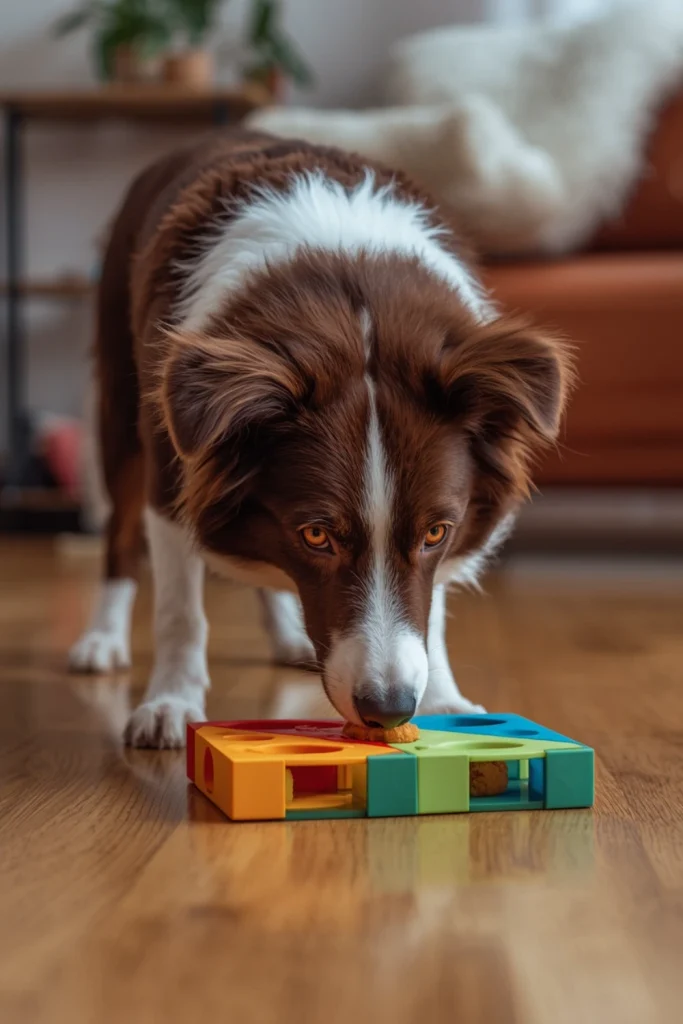
Interactive puzzle toys are a great way to keep your dog mentally engaged during a weekend at home. Choose a puzzle that matches your dog’s experience level and size. Place a few pieces of kibble or suitable treats inside the compartments, then show your dog how to explore the toy. Your dog may need to slide, lift, or move simple parts to discover the reward.
Start with an easy puzzle so your dog can understand how it works. Increase the challenge gradually only when your dog seems comfortable and interested. Supervise the activity to prevent chewing or swallowing puzzle pieces. Choose durable toys without small detachable parts and clean them after use. Puzzle toys can be especially useful when outdoor activities are limited, but they should be part of a varied routine.
19. Take a Weekend Trip to the Countryside
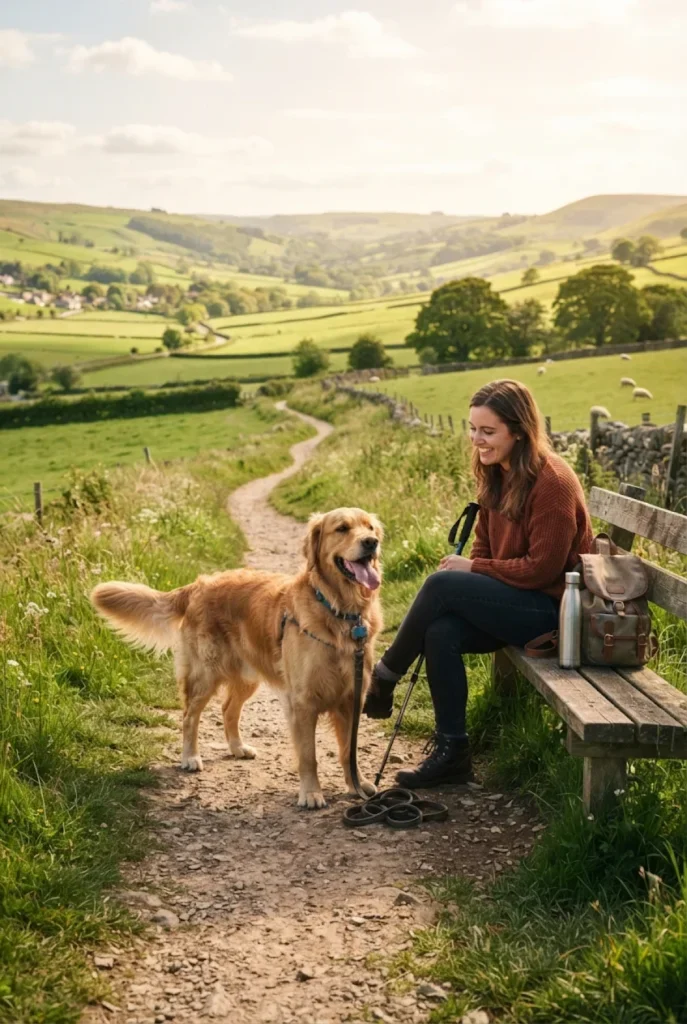
A short countryside trip can provide a refreshing change of scenery for both you and your dog. Choose a pet-friendly destination with open walking areas, safe paths, and suitable accommodation if you plan to stay overnight. Your dog can enjoy new smells, outdoor exploration, and time with you away from the usual routine. Plan a relaxed itinerary instead of trying to visit too many places in one day.
Prepare for the journey by packing your dog’s food, water, leash, harness, identification details, waste bags, familiar bedding, and any necessary medication. Check local pet rules before traveling and make sure your dog is comfortable with car journeys. Avoid leaving your dog alone in a parked vehicle. Keep the trip flexible and allow plenty of time for breaks, rest, and toilet stops.
20. Spend Time Training Basic Commands
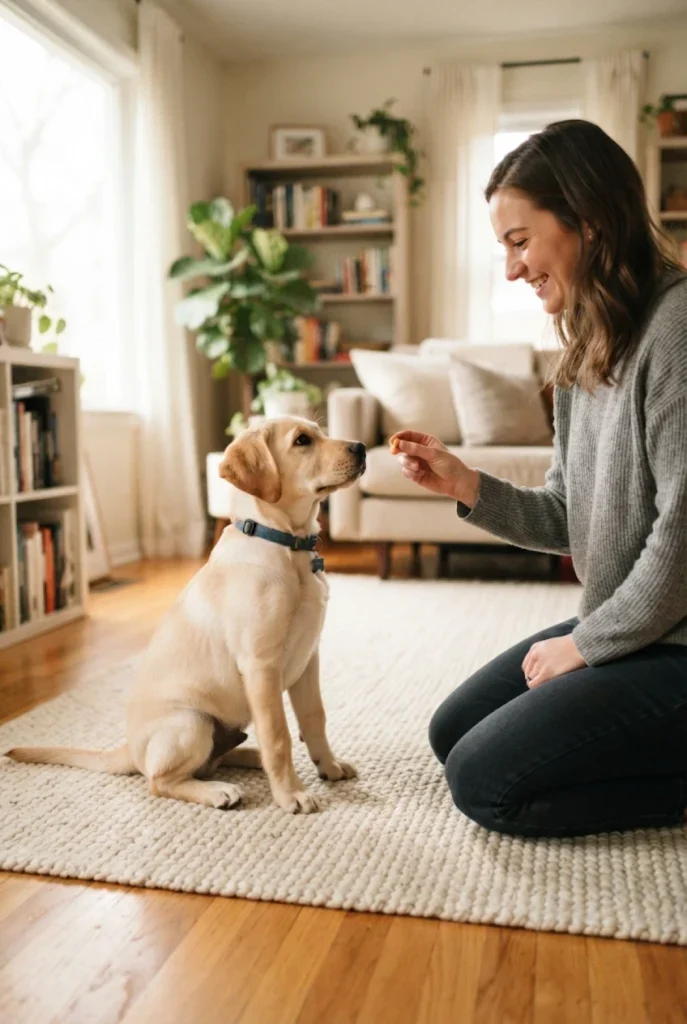
Use some of your weekend to practise important basic commands with your dog. Cues such as sit, stay, come, leave it, and walking politely on a leash can make everyday life easier. Choose a quiet location with minimal distractions and work on one command at a time. Reward your dog for successful responses using small treats, praise, or a favorite toy.
Keep each session short and positive. If your dog struggles, make the exercise easier instead of repeating the command louder or becoming frustrated. Practise in different safe environments as your dog’s understanding improves. Remember that reliable training takes consistency and patience. Weekend sessions can be a useful addition to everyday practice, helping your dog develop good habits while enjoying time with you.
21. Visit a Pet-Friendly Store
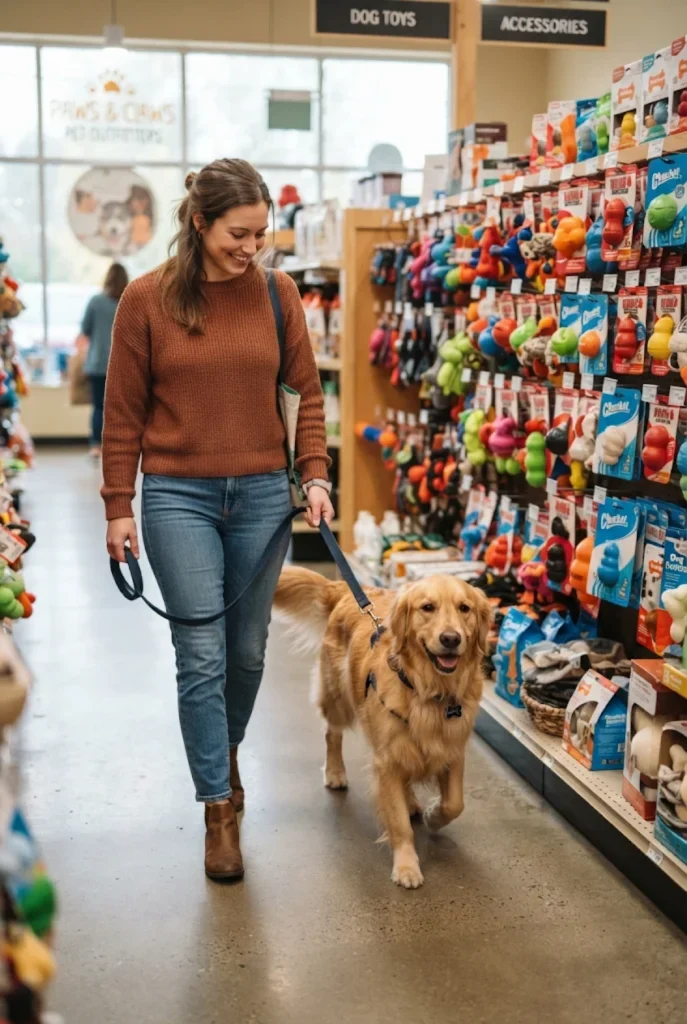
A visit to a pet-friendly store can be a different kind of weekend outing. Your dog may enjoy exploring new smells, seeing different toys, and experiencing a new indoor environment. Choose a store that clearly allows dogs and visit during a quieter time if your companion is not used to busy places. Keep your dog on a short, comfortable leash and allow them to explore without pulling toward every item.
Make sure your dog does not chew products, approach other animals without permission, or disturb shoppers. Some dogs may find busy stores overwhelming, so watch their body language and leave if they become uncomfortable. You can use the visit to select a suitable toy, grooming brush, or enrichment item. Always prioritize your dog’s comfort rather than trying to complete a long shopping trip.
22. Make a DIY Snuffle Box
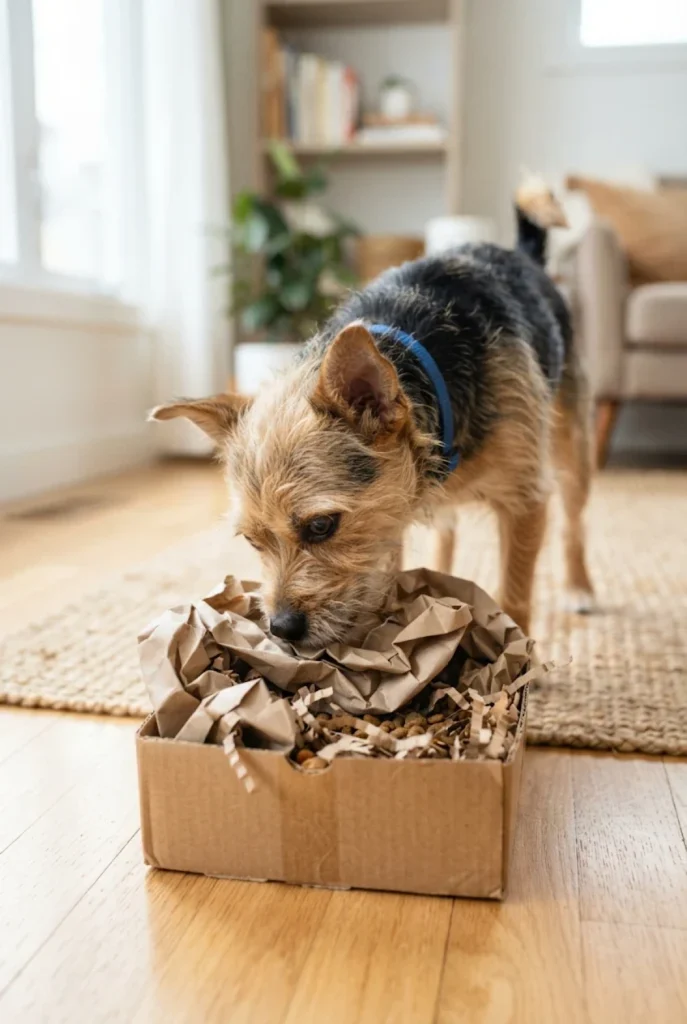
A DIY snuffle box is an easy indoor activity that encourages your dog to search for food. Take a clean, sturdy cardboard box and add loosely crumpled plain paper. Hide a few pieces of your dog’s regular kibble between the paper sections. Place the box on a non-slip surface and allow your dog to investigate. The activity encourages sniffing and searching while giving your companion something different to do.
Start with only a small amount of paper and make the treats easy to locate. Never use shredded material that could be swallowed or contain staples, tape, plastic, or sharp edges. Supervise closely throughout the game, especially if your dog enjoys chewing cardboard. Remove the box as soon as it becomes damaged. This activity should be short, safe, and enjoyable rather than an unsupervised toy.
23. Enjoy a Calm Evening Movie Together
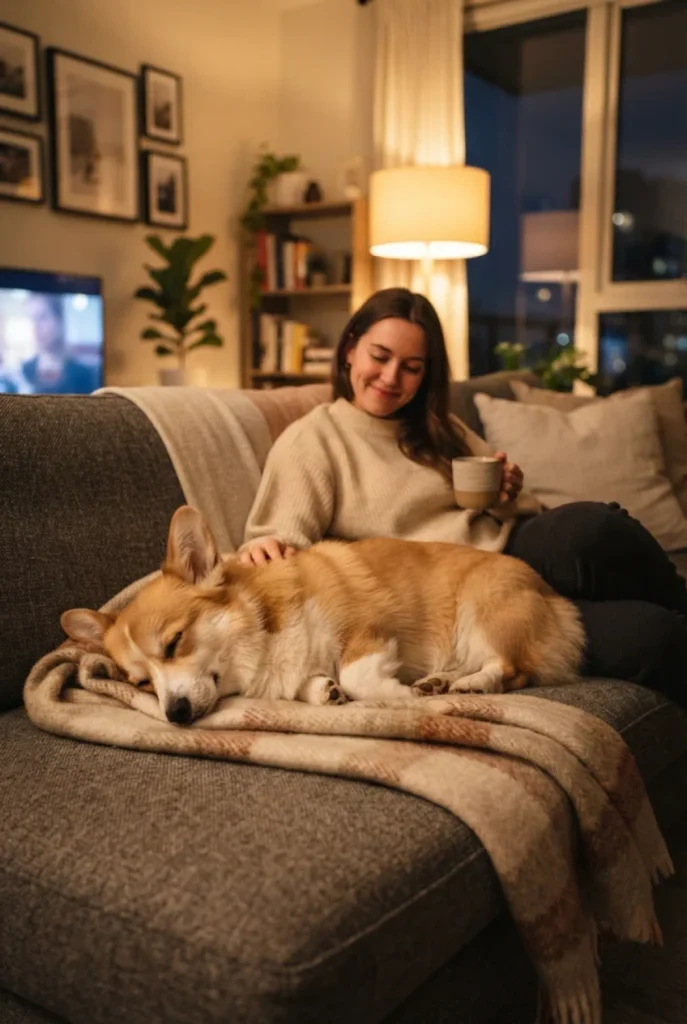
Not every weekend activity needs to be energetic. A calm movie evening can be a lovely way to spend time with your dog after a day of walking and playing. Prepare a comfortable place on the sofa or a familiar dog bed, keep some water nearby, and choose a quiet environment. Your dog may enjoy resting beside you while you relax and watch a movie.
Some dogs settle comfortably around television sounds, while others may become excited by loud music or sudden noises. Keep the volume moderate and allow your dog to move away whenever they want. Offer a suitable chew toy or a small treat if appropriate, but do not encourage constant snacking. A peaceful evening gives your dog time to relax and helps balance a weekend filled with new experiences.
24. Create a Dog-Friendly Garden Exploration Area
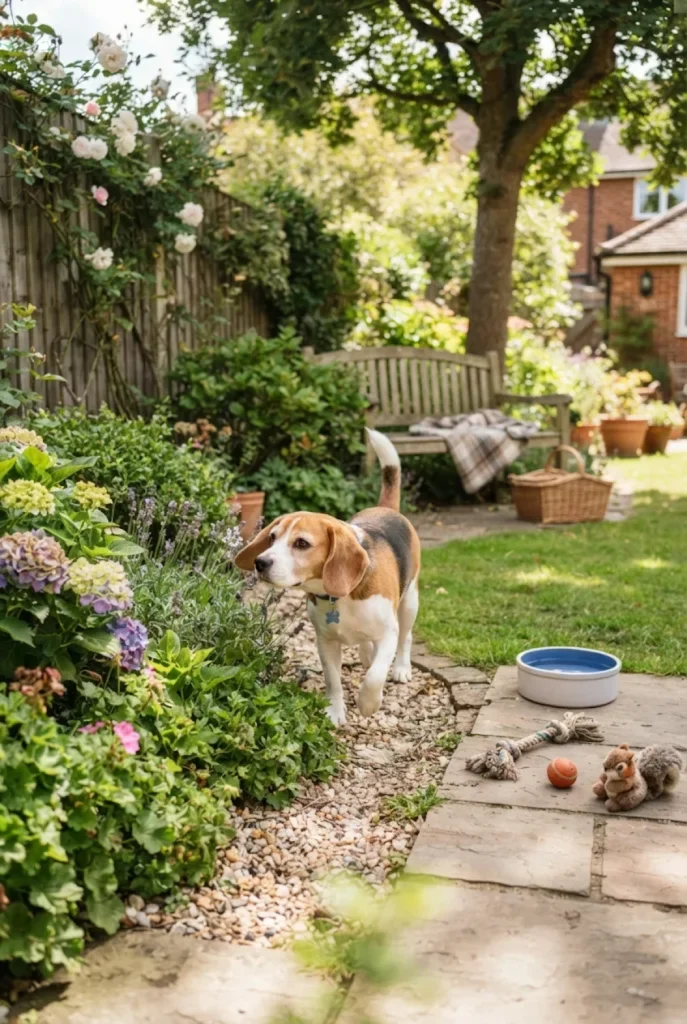
If you have access to a secure garden, use part of your weekend to create a small exploration area for your dog. Arrange a few safe toys, a comfortable resting spot, and an appropriate water bowl. You can introduce a simple scent-search activity or encourage your dog to investigate different textures under supervision. A garden can offer variety without requiring a long trip.
Before letting your dog explore, check the area for toxic plants, garden chemicals, sharp objects, broken fencing, and holes. Keep tools and fertilizers out of reach, and make sure your dog cannot escape through gaps. Provide shade and avoid hot surfaces during warm weather. A dog-friendly garden should be secure, comfortable, and suitable for relaxed exploration rather than filled with unnecessary obstacles.
25. End the Weekend With a Long Sniffing Walk
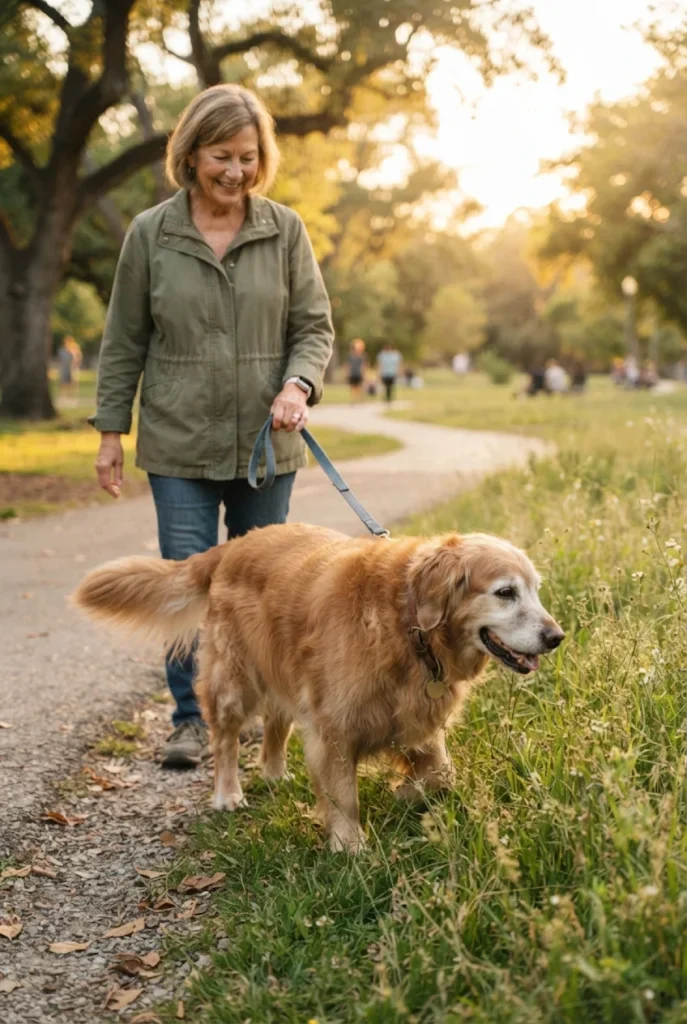
A relaxed sniffing walk is a wonderful way to finish the weekend. Instead of focusing on distance or speed, allow your dog to explore interesting smells along a safe route. Sniffing is a natural behavior that provides mental stimulation and helps dogs gather information about their surroundings. Choose a peaceful neighborhood path or a quiet park where your dog can walk comfortably without too many distractions.
Use a suitable leash and allow extra time for sniffing in safe areas. Avoid letting your dog investigate rubbish, unknown food, animal waste, or potentially dangerous objects. Bring water and choose a route that suits your dog’s fitness and mobility. A calm walk can be especially enjoyable after a busy weekend, giving both of you an opportunity to slow down and enjoy each other’s company.
Final Thoughts
Spending quality time with your dog this weekend does not have to involve expensive trips or complicated plans. Simple activities such as exploring a new trail, playing fetch, enjoying a picnic, learning a trick, or trying an indoor puzzle can create wonderful memories. The most important part is choosing experiences that suit your dog’s personality, age, health, and energy level.
Try a few of these 25 ideas and discover which activities your dog enjoys most. Remember to bring water, supervise outdoor adventures, use safe toys, and allow plenty of time for rest. Whether you spend the weekend exploring new places or relaxing together at home, your attention and companionship can make the experience special. A happy weekend is one where both you and your furry friend enjoy every moment together.


