

12 Fun Games to Play With Your Dog Without Toys
You don’t need expensive toys or special equipment to make your dog happy. Sometimes, the most exciting games happen with nothing more than your time, attention, and a little creativity. Your dog doesn’t care how much money you spend on entertainment. What matters most is enjoying fun moments and building a stronger connection with you.
Whether you have a playful puppy, an energetic adult dog, or a relaxed senior companion, there are plenty of ways to keep your furry friend entertained without toys. From hide-and-seek and follow-the-leader to exciting scent games and simple training challenges, these activities can make everyday life more interesting. In this guide, you’ll discover 12 fun games to play with your dog without toys while encouraging mental stimulation, confidence, and a stronger bond.
1. Hide-and-Seek With Your Dog
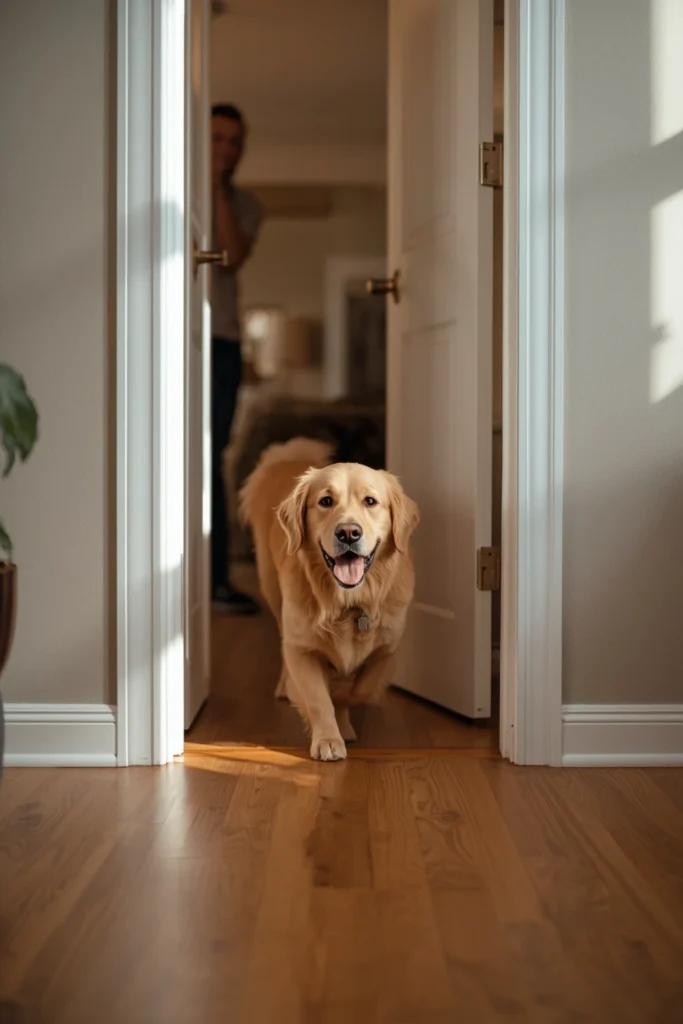
Hide-and-seek is one of the most entertaining games you can play with your dog without toys. Start by asking your dog to stay in a familiar room while you move behind a doorway, sofa, or another safe hiding place. Once you are ready, call your dog’s name using a cheerful voice. Encourage your pet to search for you, and reward it with affection, praise, and attention when it discovers your hiding spot.
Begin with easy hiding places so your dog can understand the game. As your pet becomes more confident, gradually choose slightly more challenging locations around your home. You can also ask another family member to help supervise your dog while you hide. This activity encourages sniffing, problem-solving, and recall skills while making your dog feel rewarded for finding its favorite person.
2. Play the Follow-Me Game
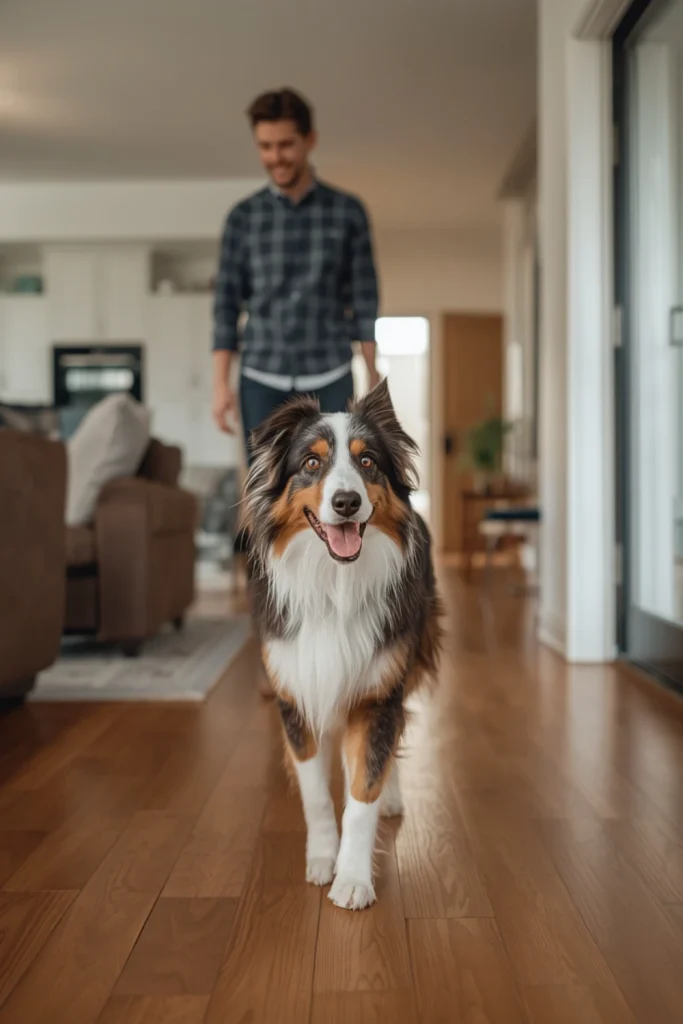
The follow-me game is a simple activity that encourages your dog to pay attention to your movements. Begin in a familiar room and walk a few steps in one direction. Use a friendly voice to encourage your dog to follow you. When your pet stays close or responds to your movement, reward it with verbal praise and affection. You can make the game more interesting by gently changing directions or walking between different rooms.
Once your dog understands the activity, introduce short pauses and simple changes in movement. Avoid running around furniture or encouraging sudden turns that could make your dog slip. This game is especially useful for dogs that enjoy following their owners throughout the house. It can also support attention and loose-leash walking skills when practiced consistently in appropriate environments.
3. Play the Which-Hand Game
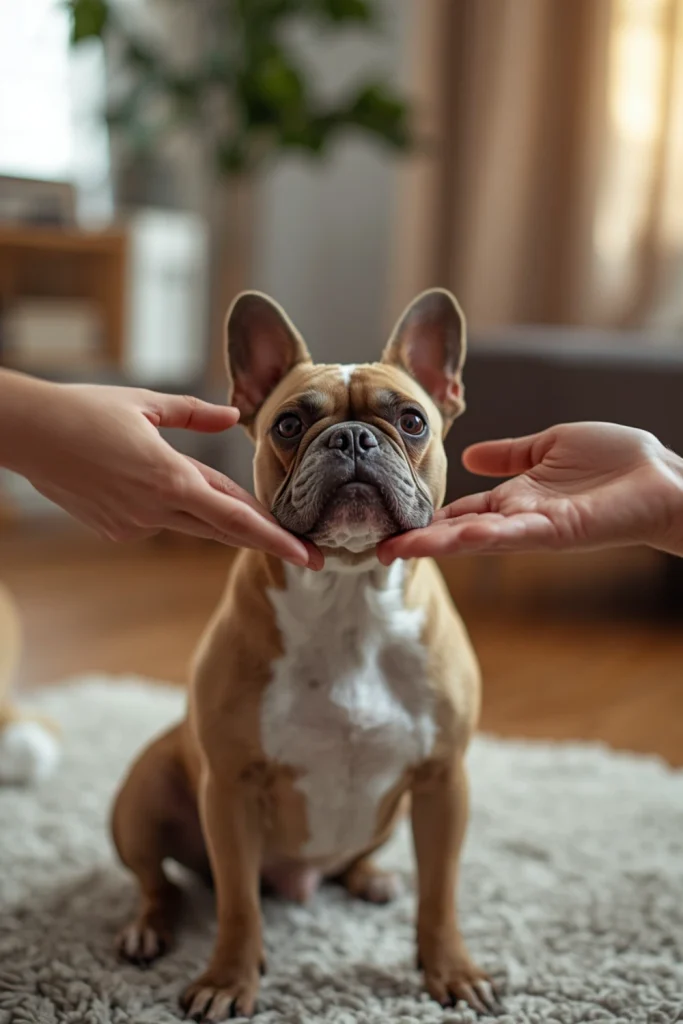
The which-hand game is an easy way to challenge your dog’s sense of smell and observation skills. Place a small dog-safe treat in one hand and close both hands into gentle fists. Hold your hands near your dog’s nose and encourage it to discover which hand contains the reward. Allow your dog to sniff both hands and investigate naturally without rushing its decision. When it chooses correctly, open your hand and offer the treat with praise.
Repeat the activity several times, changing which hand contains the treat. Keep the game simple and use small portions so your dog does not receive too many snacks. If your pet chooses the empty hand, simply try again without punishment. This game encourages concentration, patience, and scent-based problem-solving while giving you an enjoyable opportunity to interact directly with your dog.
4. Play the Name Recognition Game
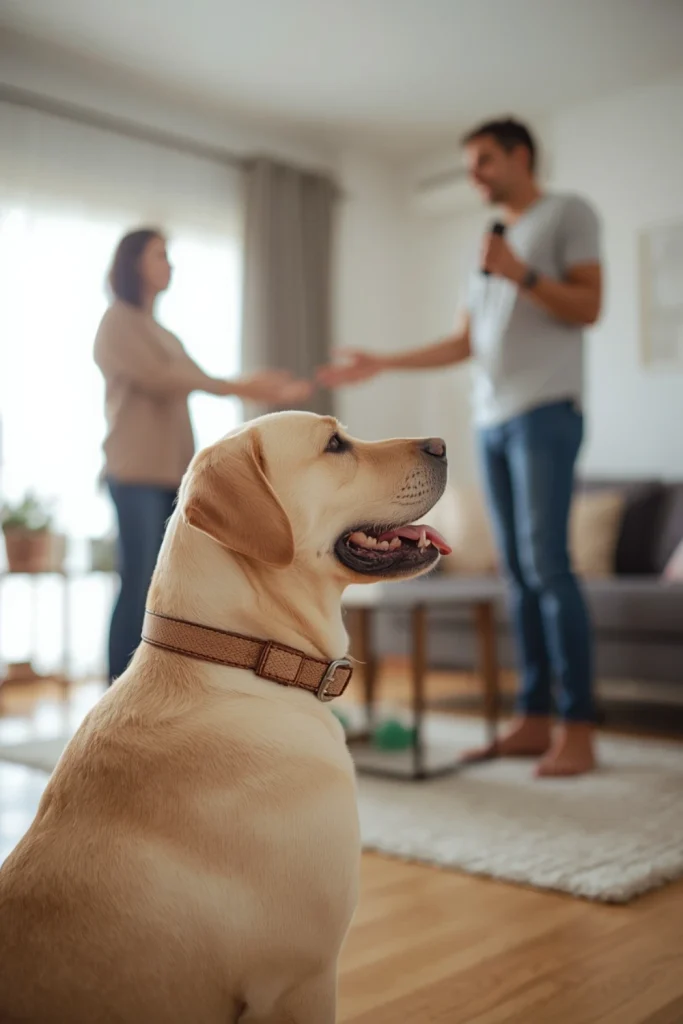
The name recognition game helps your dog learn to recognize the names of family members. Begin with someone your dog knows well. Ask that person to stand a short distance away while you say their name in a friendly voice. Encourage your dog to look toward or approach that person. When your dog responds correctly, the family member can reward it with affection and praise.
Once your dog becomes familiar with the activity, introduce other household members one at a time. Keep the distance short at first and avoid using too many new names during one session. You can also practice with familiar people in different rooms. This game provides mental stimulation and encourages communication between your dog and family members. It is a wonderful activity for households where several people enjoy spending time with the same pet.
5. Follow the Treat Trail
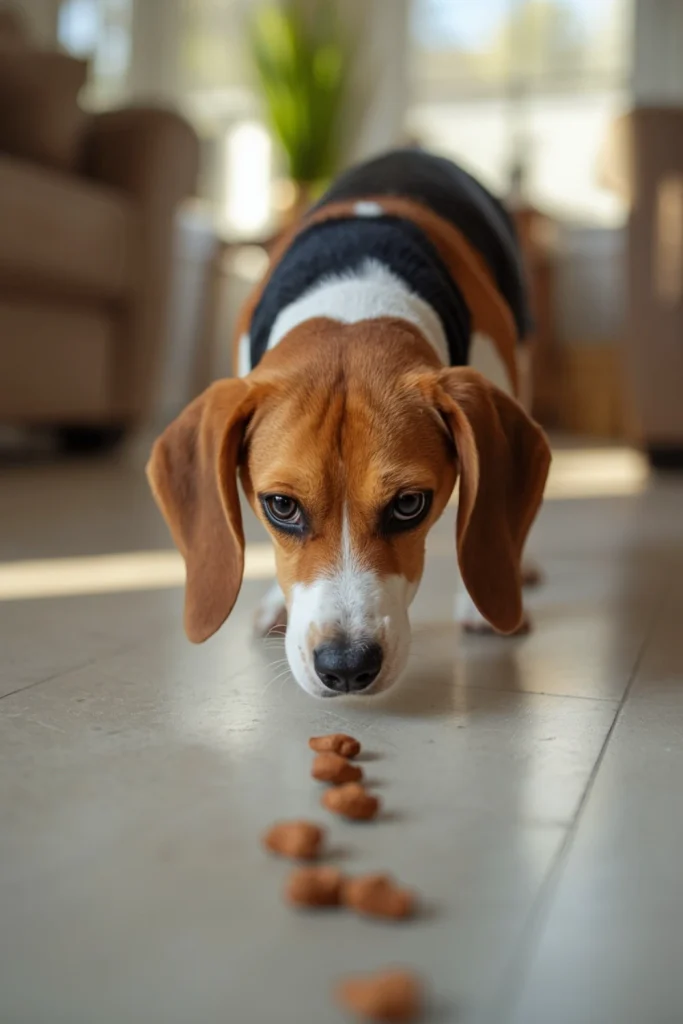
A treat trail is a simple scent game that allows your dog to follow a path using its powerful sense of smell. Although this game uses small food rewards, it does not require any toys or special equipment. Begin by placing a few tiny dog-safe treats in a short line across a clean floor. Encourage your dog to investigate the trail and follow the scent from one reward to the next.
As your dog becomes familiar with the activity, you can create gentle turns and slightly longer trails around safe areas of your home. Place a final reward at the end to make the experience especially enjoyable. Avoid hiding treats near cleaning products, electrical equipment, or dangerous household objects. Use small portions and account for treats in your dog’s daily food intake. This game provides natural mental enrichment and encourages independent exploration.
6. Play the Follow-the-Leader Game
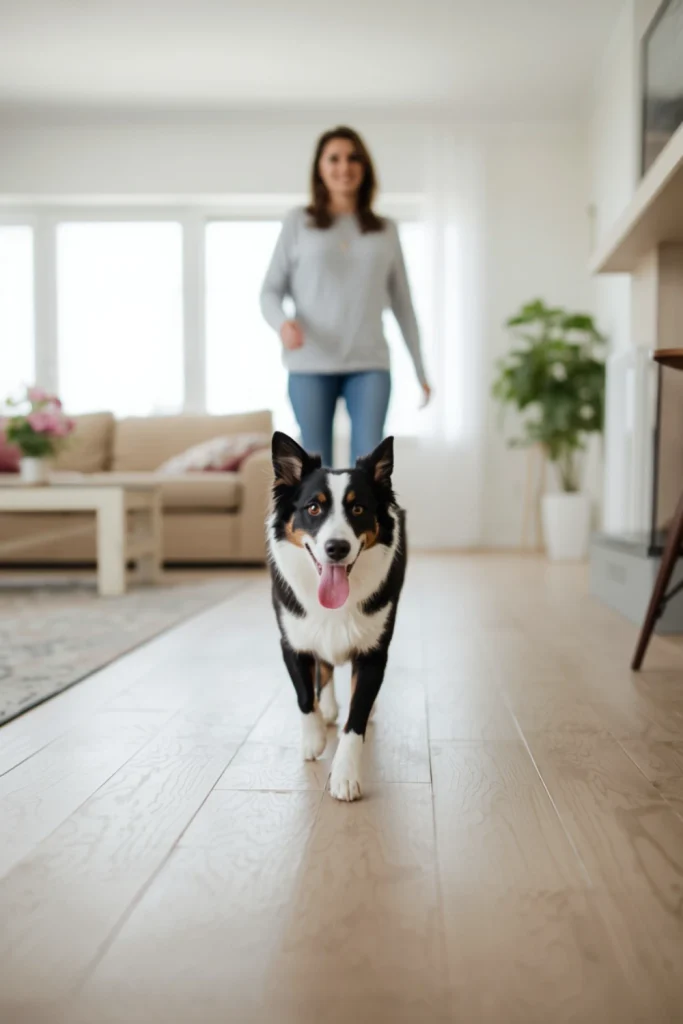
Follow-the-leader is an entertaining way to encourage your dog to observe and respond to your movements. Begin by walking slowly around a clear room while your dog follows you. Change your direction gently, pause for a moment, or move toward another safe area. Use your dog’s name and friendly encouragement to keep its attention. Reward your pet whenever it responds and stays engaged.
As your dog understands the activity, you can introduce simple movement patterns, such as walking in a small circle or moving between two rooms. Keep the pace comfortable and avoid sudden movements, slippery surfaces, or tight spaces. The purpose is to encourage attention rather than make your dog run continuously. This game provides light physical activity and improves communication while helping your dog enjoy interactive time without needing toys.
7. Play the Hand Target Game
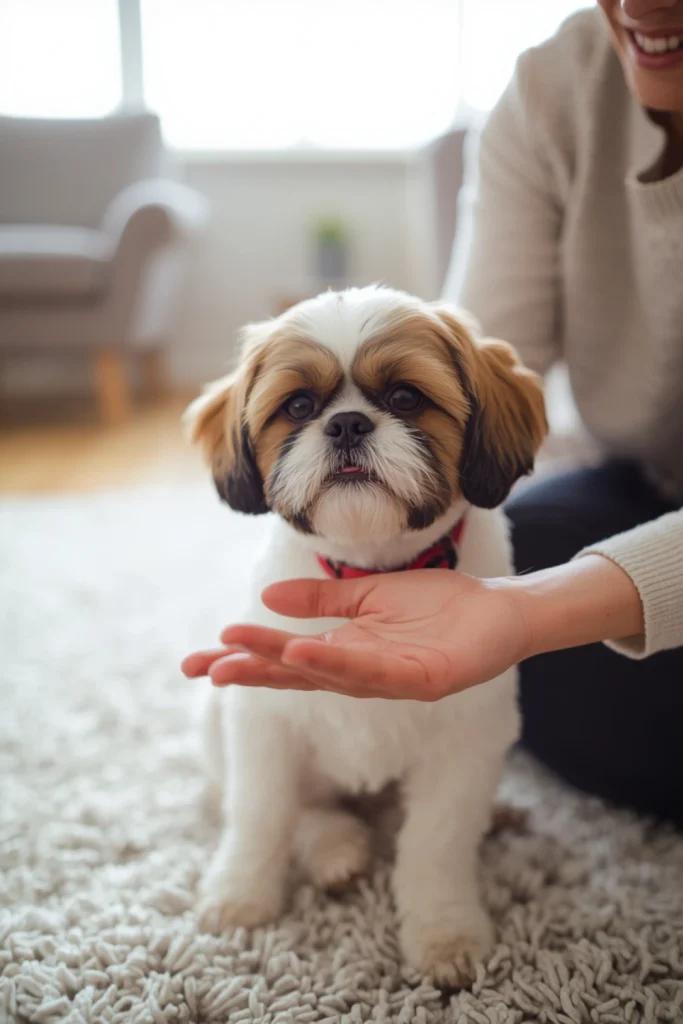
The hand target game is a useful and enjoyable training activity that requires no equipment. Hold your open palm a short distance from your dog’s nose. Allow your pet to investigate, and when it gently touches your hand with its nose, immediately reward the behavior with praise and a small treat. Repeat the action until your dog begins understanding that touching your hand is part of the game.
Once your dog becomes comfortable, gradually move your hand to different positions, such as slightly to the left, right, or lower. Encourage your pet to follow the target without pushing your hand toward its face. Keep sessions short and positive. This activity improves attention, builds communication, and can become a foundation for more advanced training. It is also useful for redirecting your dog’s attention during everyday situations.
8. Play the Spin and Turn Game
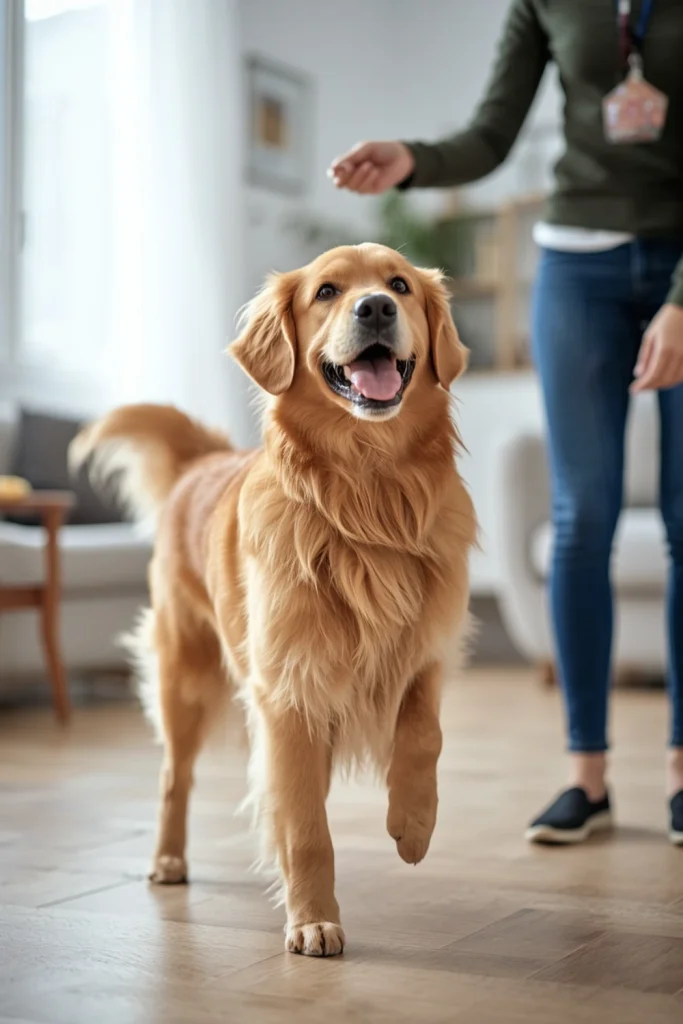
The spin and turn game is a fun way to teach your dog a simple movement using positive reinforcement. Start by standing in front of your dog and holding a small treat near its nose. Slowly guide the treat in a gentle circular direction so your dog follows it and turns around. Once your dog completes the movement, reward it with the treat and enthusiastic praise.
Begin with one direction and practice until your dog understands the movement. Later, you can introduce turning in the opposite direction using a separate verbal cue. Keep the circles gentle and avoid excessive repetition, particularly for puppies, senior dogs, or pets with mobility problems. This activity encourages concentration and coordination while adding variety to basic training. If your dog seems uncomfortable, stop and choose a simpler game.
9. Play the Find-the-Person Game
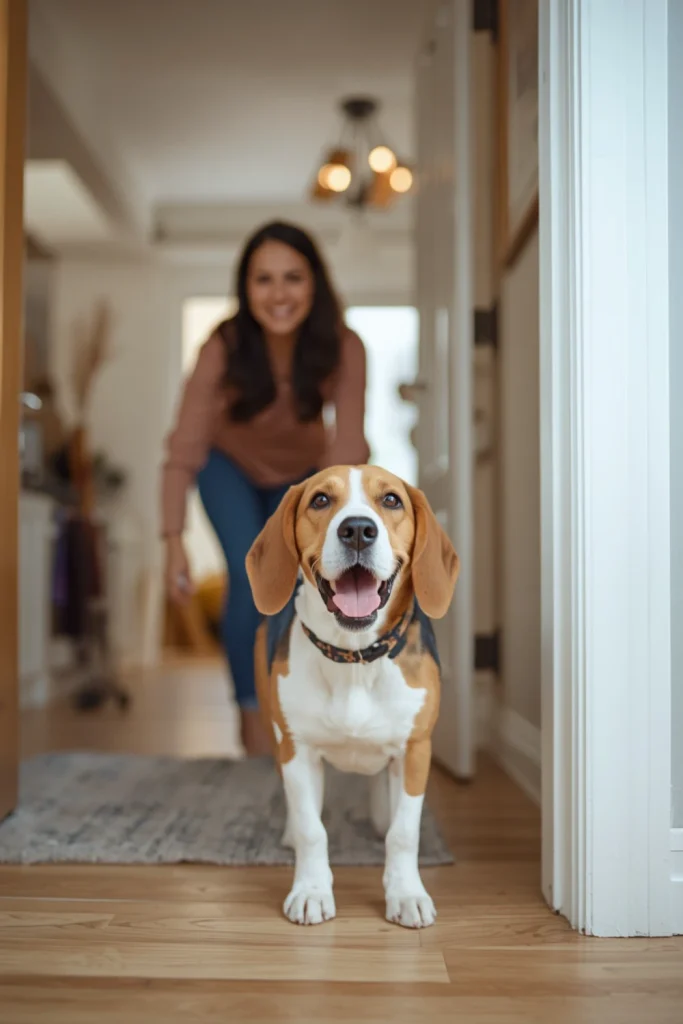
Dogs often enjoy searching for familiar people, making this activity a wonderful family game. Ask one family member to stand in another safe room while you stay with your dog. Say the person’s name and encourage your pet to find them. When your dog reaches the correct person, reward it with affection, praise, and friendly attention.
Start with short distances and use people your dog already knows. Gradually introduce different family members once your dog understands the activity. Avoid making the search confusing or hiding people in inaccessible places. Make sure every participant interacts positively with your pet and respects its comfort level. This game encourages scent exploration, recall, and social interaction. It can also become a fun way for children and adults to participate in positive activities with the family dog.
10. Play the Wait and Come Game
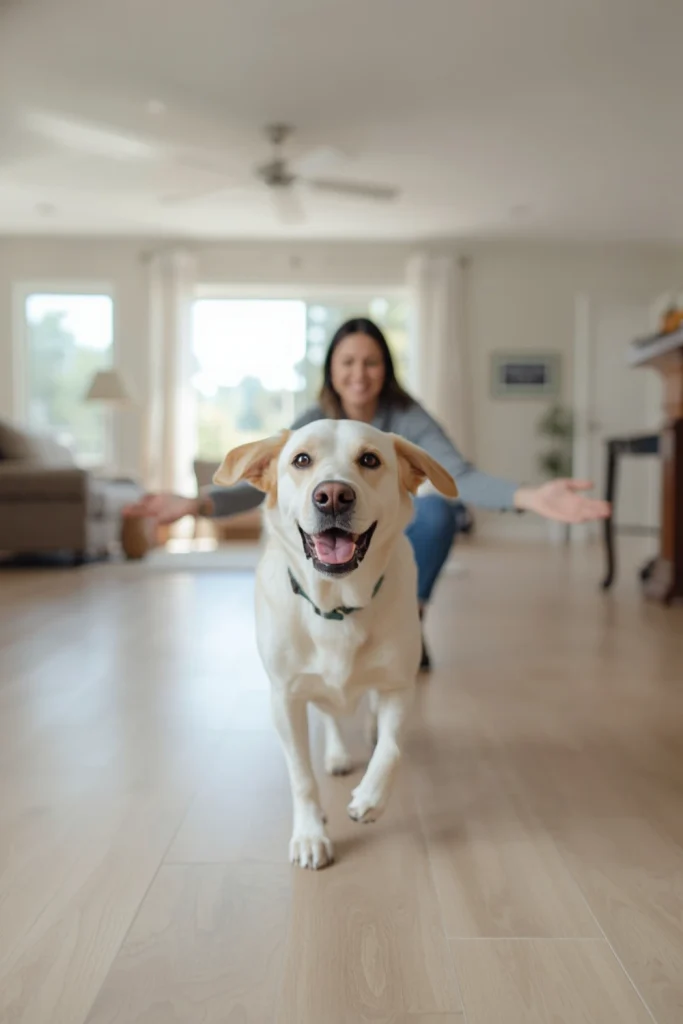
The wait and come game is a useful combination of play and basic obedience training. Ask your dog to sit or stand calmly in a familiar room. Take a few steps backward and use a friendly cue such as “wait.” Pause briefly, then call your dog using its name and the word “come.” When your pet approaches, reward it with praise, affection, or a small treat.
Begin with very short distances and gradually increase the space as your dog becomes more confident. Practice in a quiet area with minimal distractions before trying the activity in other environments. Never use the recall command to punish your dog or end every enjoyable activity. Keeping the game positive helps your pet associate coming to you with rewarding experiences. It also provides valuable practice for everyday safety and communication.
11. Play the Copy My Movement Game
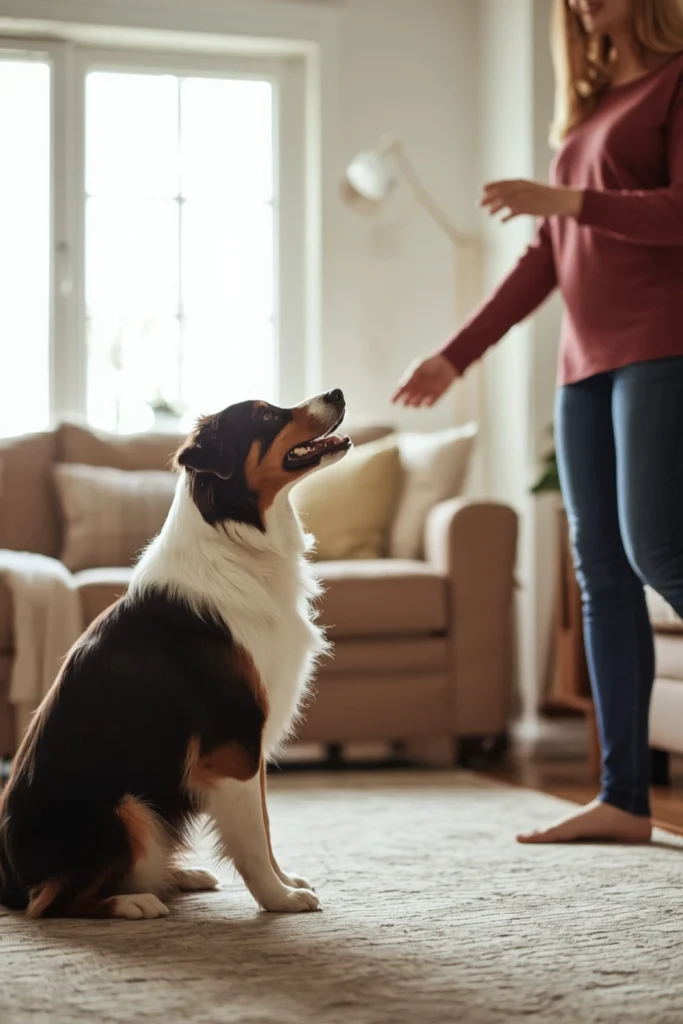
The copy my movement game encourages your dog to observe and respond to simple body movements. Begin with easy actions such as taking one step backward, raising your hand, or turning your body slightly. Reward your dog when it follows your movement or offers the behavior you are teaching. Keep the activity relaxed and use consistent cues to help your pet understand what is expected.
You can gradually introduce simple patterns, such as stepping to one side or walking around a chair. Avoid movements that require your dog to jump, twist sharply, or balance on unstable surfaces. Some dogs may need extra time to understand the activity, so patience is important. This game improves attention and creates an opportunity for creative interaction. It can also help you discover how your dog responds to different gestures and body language.
12. Enjoy a Calm Massage and Bonding Game
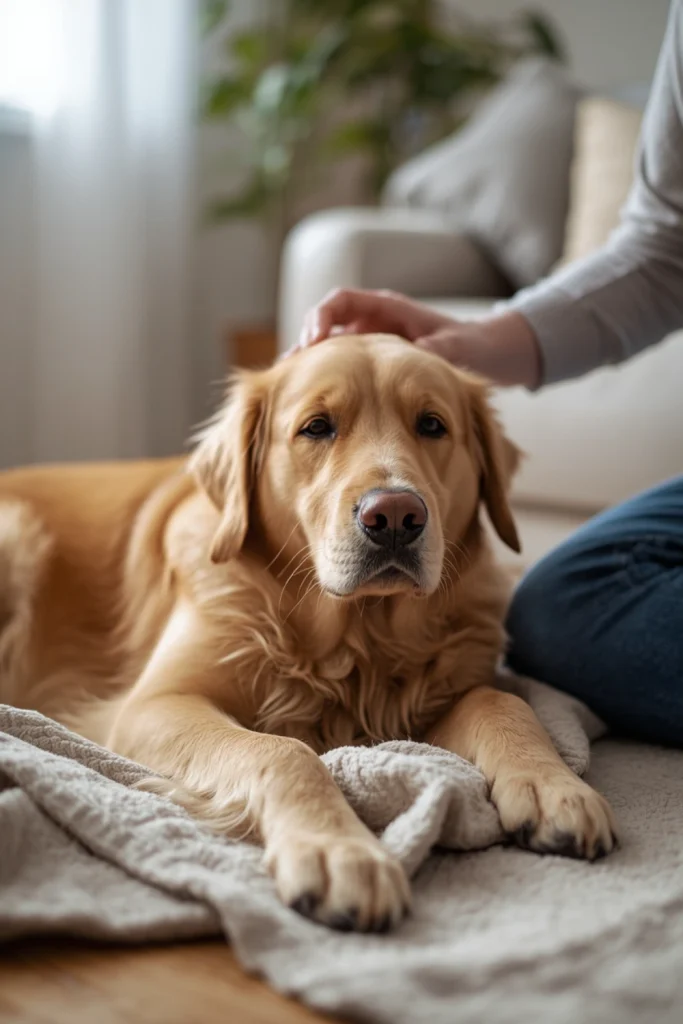
Not every enjoyable game needs movement or searching. A calm massage and bonding session can be a wonderful way to finish your dog’s playtime. Choose a peaceful location where your pet feels comfortable and allow it to settle on a soft blanket. Gently stroke areas your dog enjoys, such as the shoulders, chest, or back. Use a calm voice and give your pet time to relax.
Pay attention to your dog’s body language throughout the activity. If your pet moves away, becomes tense, or shows signs of discomfort, stop and give it space. Avoid pressing on sensitive areas or joints. This activity is particularly suitable for dogs that enjoy quiet companionship and may be adapted for senior pets with gentle handling. Spending peaceful time together helps build trust and reinforces the special relationship you share.
Final Thoughts
You don’t need expensive toys or complicated equipment to make your dog happy. Sometimes, the most enjoyable moments come from simple activities that allow you to interact, communicate, and spend quality time together.
These 12 fun games to play with your dog without toys offer plenty of ways to keep your furry friend entertained. From hide-and-seek and follow-the-leader to scent trails and simple training challenges, every activity provides an opportunity to learn something new and strengthen your relationship.
Start with one or two games that match your dog’s personality and gradually introduce more activities. Keep play sessions positive, provide plenty of encouragement, and always respect your pet’s comfort level. Remember that some dogs enjoy active games, while others prefer quiet interaction.
Most importantly, make time for your dog every day. Even a few minutes of focused attention can create meaningful memories and help your furry companion feel loved, secure, and appreciated.


