

12 Easy Dog Brain Games to Try at Home
Does your dog sometimes look bored even after a walk or playtime? Dogs are intelligent and curious animals that need more than physical exercise to stay happy and healthy. They enjoy discovering new things, following interesting smells, solving simple problems, and learning new skills. Without enough mental stimulation, dogs may become restless, develop destructive habits, or constantly look for attention. The good news is that you can keep your furry friend mentally active without leaving your home or purchasing expensive equipment.
Dog brain games are an excellent way to challenge your pup’s thinking abilities while making everyday life more exciting. From hidden treat searches and interactive puzzles to simple training challenges, these activities encourage dogs to use their natural instincts and problem-solving skills. Whether you have a playful puppy, an energetic adult dog, or a senior companion, these 12 easy dog brain games can help keep your pup entertained, mentally stimulated, and engaged.
1. The Classic Hide-and-Seek Treat Game
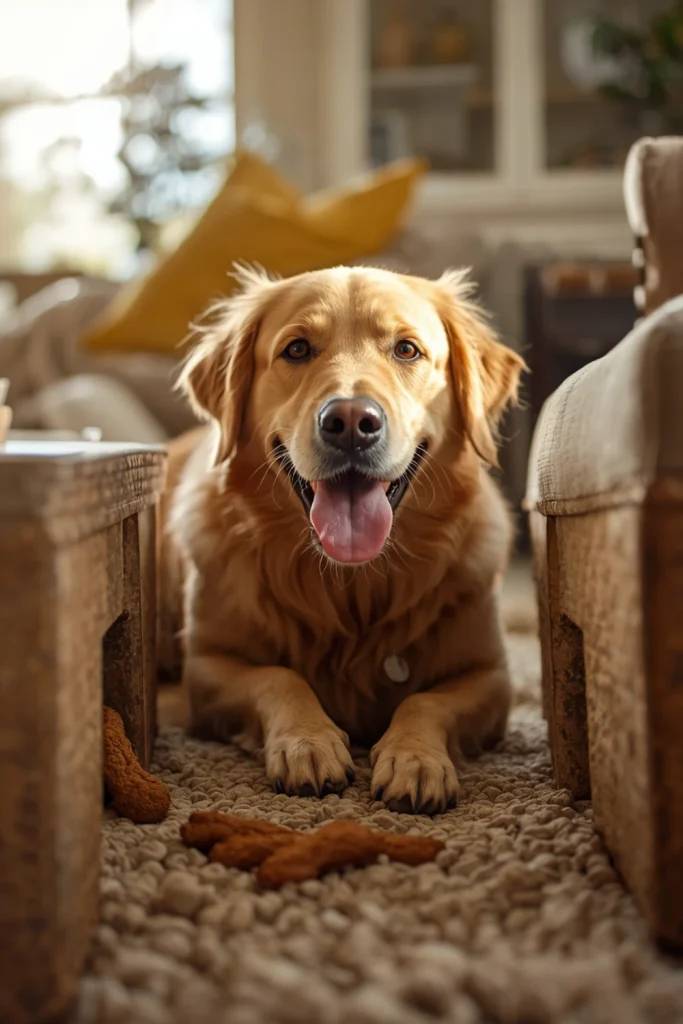
Hide-and-seek is one of the easiest dog brain games you can introduce at home. Start by asking your dog to wait in another room or have someone gently hold them while you hide a few small treats around the living room. Choose easy locations, such as beside a chair, near their bed, or behind a safe piece of furniture. Release your pup and encourage them to search for the rewards. Your dog will use their nose and observation skills to discover each hidden treat.
As your dog becomes more confident, gradually make the game more challenging by hiding treats in different rooms or behind accessible objects. Avoid placing food near electrical wires, cleaning products, or dangerous household items. Use small treats to manage calorie intake and supervise the entire activity. Start with simple hiding places so your dog experiences success and remains interested in playing again.
2. Play the Shell Game With Dog Treats
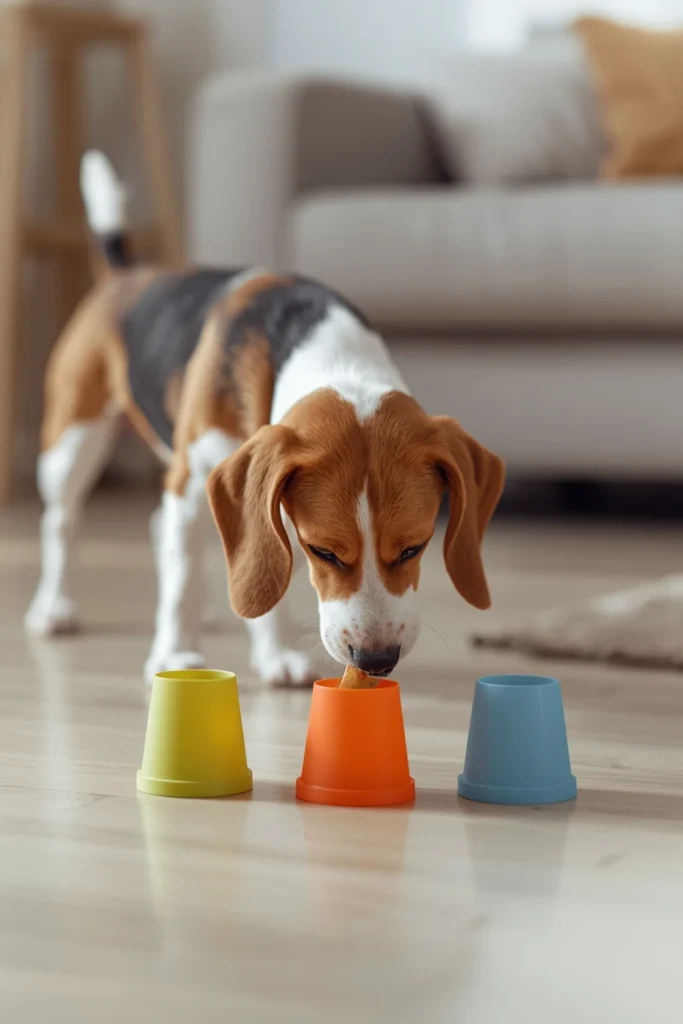
The shell game is a simple brain challenge that encourages dogs to observe, remember, and make choices. Take two or three identical cups that are safe for your dog and place a small treat underneath one of them. Let your dog watch where you hide the reward. Encourage them to investigate the cups and discover which one contains the treat. When they choose correctly, lift the cup and reward them with the food.
Once your dog understands the activity, you can slowly increase the challenge by adding another cup or changing their positions. Keep the cups lightweight and large enough that your dog cannot swallow them. Avoid glass or breakable containers. If your pup becomes frustrated, simplify the game and demonstrate the hiding process again. This activity provides an interesting indoor challenge while encouraging attention and observation.
3. DIY Snuffle Mat Brain Game
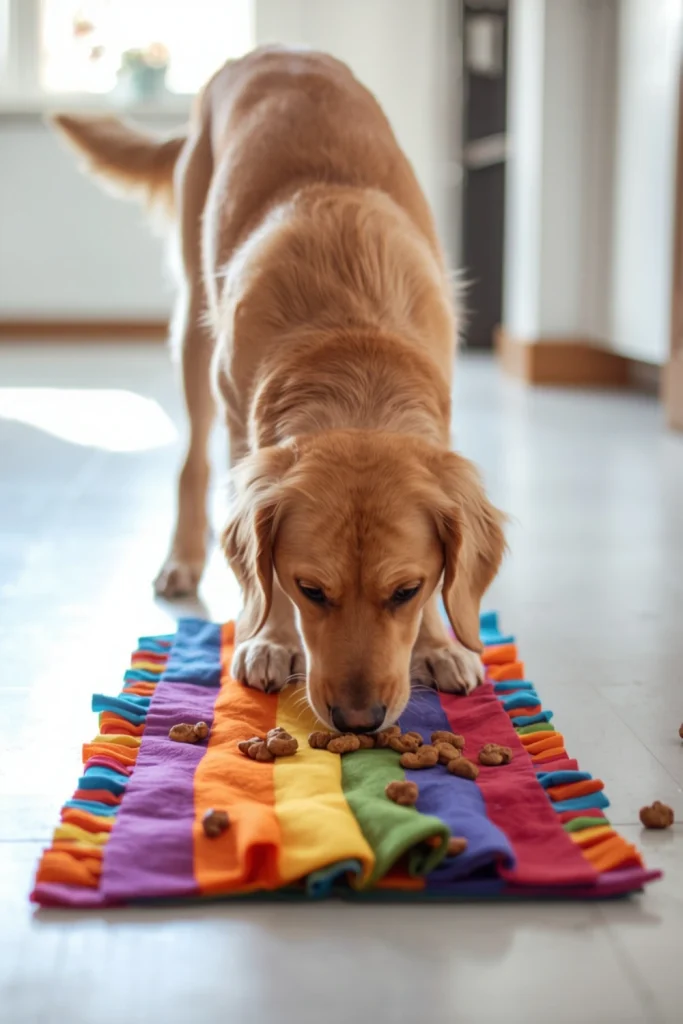
A snuffle mat is a fantastic way to turn ordinary feeding time into an interesting brain game. It contains soft fabric strips or pockets where you can hide small pieces of kibble and dog treats. Place the mat on a flat surface and encourage your dog to explore the different sections using their nose. Your pup must carefully investigate the fabric to discover the hidden food, creating an enjoyable scent-based challenge.
You can purchase a snuffle mat or create a homemade version using pet-safe fleece and a suitable base. Start by placing food near the surface so your dog understands how the activity works. Gradually hide some pieces deeper within the fabric to make the challenge more interesting. Always supervise your dog to prevent chewing or swallowing the mat. Wash it regularly to keep the activity clean and hygienic.
4. Find Your Favorite Toy
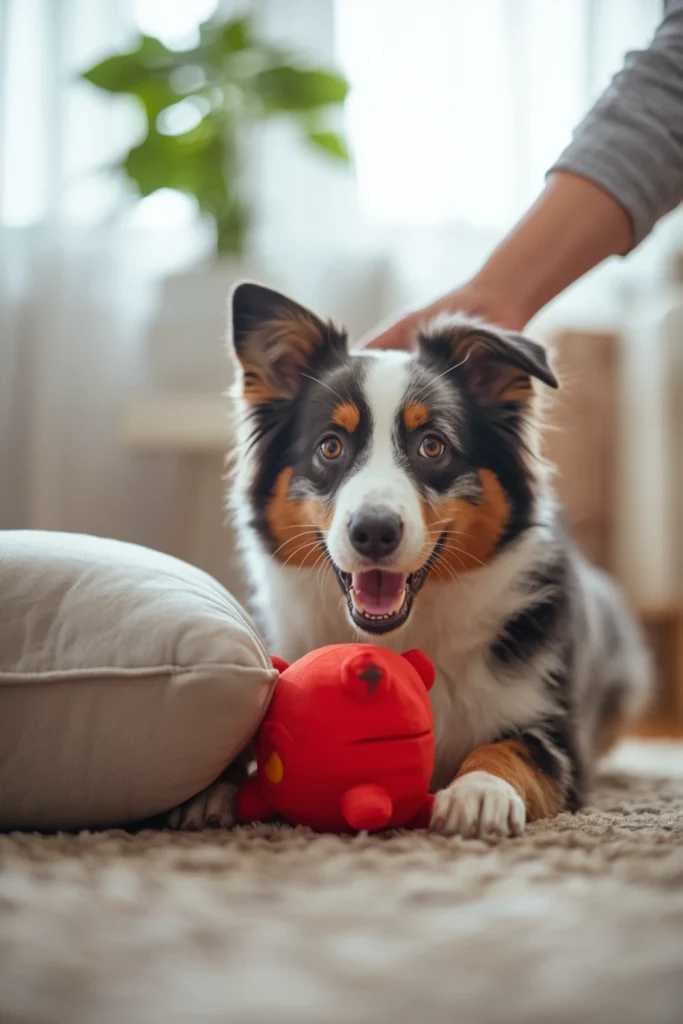
The find-your-toy game encourages dogs to use their sense of smell, memory, and problem-solving abilities. Begin by selecting a familiar toy that your dog loves. Let your pup investigate it before asking them to wait. Hide the toy in an easy location, such as beside a cushion or near their bed. Give a simple instruction such as “find your toy” and encourage your dog to search until they discover it.
As your dog becomes more experienced, introduce new hiding locations and different toys. You can also teach your dog to recognize the names of specific objects by repeating their names during playtime. For example, ask them to find their ball or bring their plush toy. Keep hiding locations safe and accessible. This simple game provides an enjoyable mental challenge without requiring expensive equipment or a large play area.
5. Interactive Puzzle Feeder Challenge
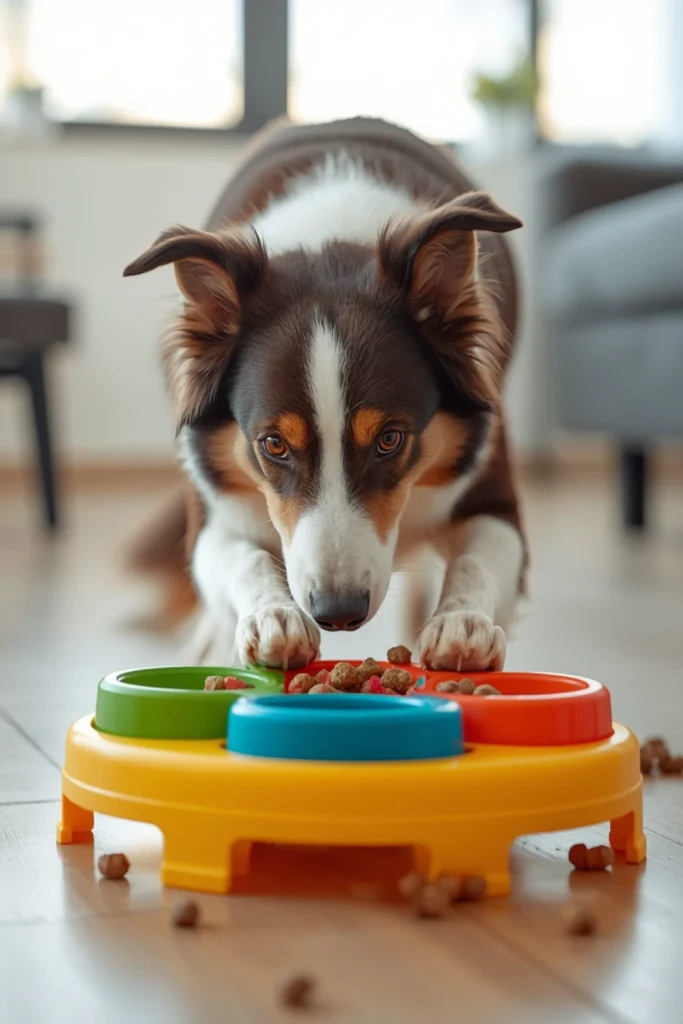
Interactive puzzle feeders are excellent tools for dogs that enjoy working for their food. These toys contain compartments, sliding sections, or movable pieces that hide small portions of kibble and treats. Instead of eating from an ordinary bowl, your dog must explore the puzzle and figure out how to reach the rewards. This encourages concentration, curiosity, and independent problem-solving.
Choose a puzzle feeder according to your dog’s size, age, and experience. Beginners should start with simple designs that allow food to be discovered easily. Show your pup how the toy works and provide encouragement when they make progress. As their skills improve, introduce more challenging puzzles. Always select durable, non-toxic products and supervise your dog during playtime, especially if they prefer chewing the toy instead of solving it.
6. The Cardboard Box Treasure Hunt
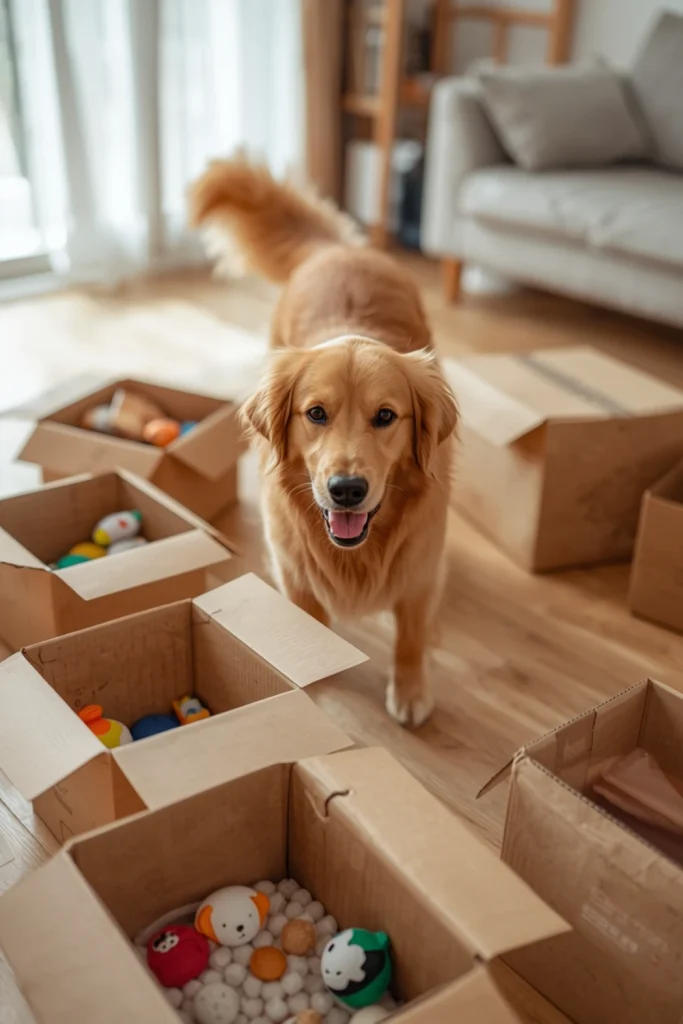
A cardboard box treasure hunt is an affordable way to encourage your dog’s curiosity and problem-solving abilities. Collect a few clean cardboard boxes of different sizes and arrange them on the floor. Hide a favorite toy or a few dog treats inside selected boxes. Leave some boxes empty to make the game more interesting. Encourage your dog to investigate the containers and discover which ones hold something exciting.
Start with open boxes that are easy for your pup to explore. As your dog becomes more comfortable, introduce different arrangements and hiding locations. Avoid boxes with staples, sharp edges, plastic decorations, or excessive tape. Some dogs enjoy tearing cardboard, but always supervise closely and remove pieces if your dog starts swallowing them. This game is particularly useful for indoor entertainment when outdoor activities are limited.
7. Teach Your Dog a New Trick
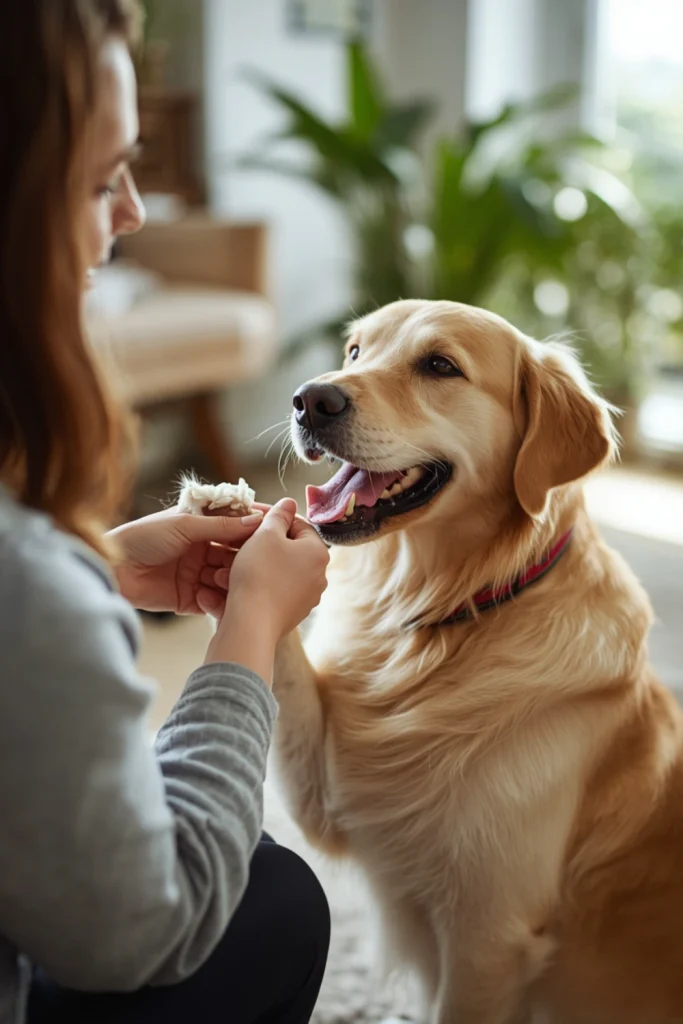
Teaching a new trick is an excellent way to exercise your dog’s brain while building a stronger relationship. Choose a simple behavior such as giving a paw, spinning, touching your hand, waving, or lying down. Break the trick into small steps and reward your dog whenever they perform the desired movement. Use small treats, verbal praise, or a favorite toy to make each training session positive.
Keep lessons short and enjoyable so your dog does not become tired or frustrated. Five to ten minutes of focused training can provide a useful mental challenge. Once your pup understands one trick, gradually introduce another or practice the same skill in a different room. Avoid punishment and allow your dog time to learn. Regular trick training can improve communication, build confidence, and provide an enjoyable way to spend quality time together.
8. Create a Simple Indoor Obstacle Course
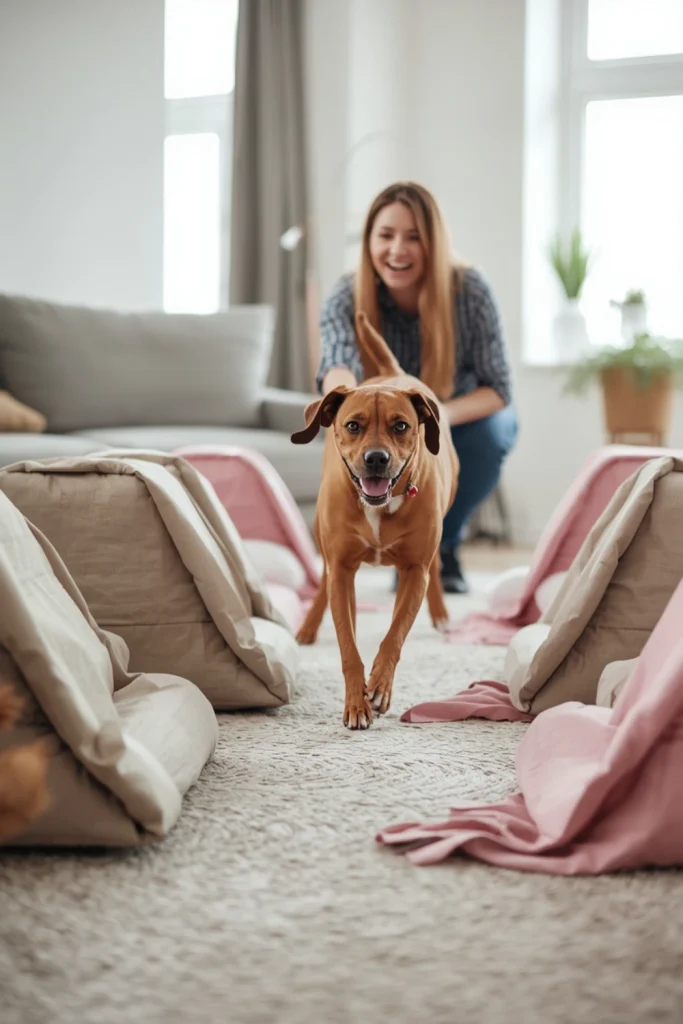
An indoor obstacle course is a creative way to challenge your dog’s thinking and coordination. Use household items such as soft cushions, low cardboard tunnels, blankets, and stable objects to create a simple path. Encourage your dog to move around obstacles, walk through safe openings, and follow your instructions. You can place a small reward at the end to make completing the course more exciting.
The goal is to introduce gentle problem-solving rather than demanding athletic performance. Keep obstacles low and stable, and avoid slippery surfaces, high jumps, and unstable furniture. Adjust the course to your dog’s age, size, and physical condition. Puppies and senior dogs should enjoy gentle movements without unnecessary strain. Changing the arrangement occasionally can introduce new challenges and help prevent the activity from becoming predictable.
9. Play the Which Hand Game
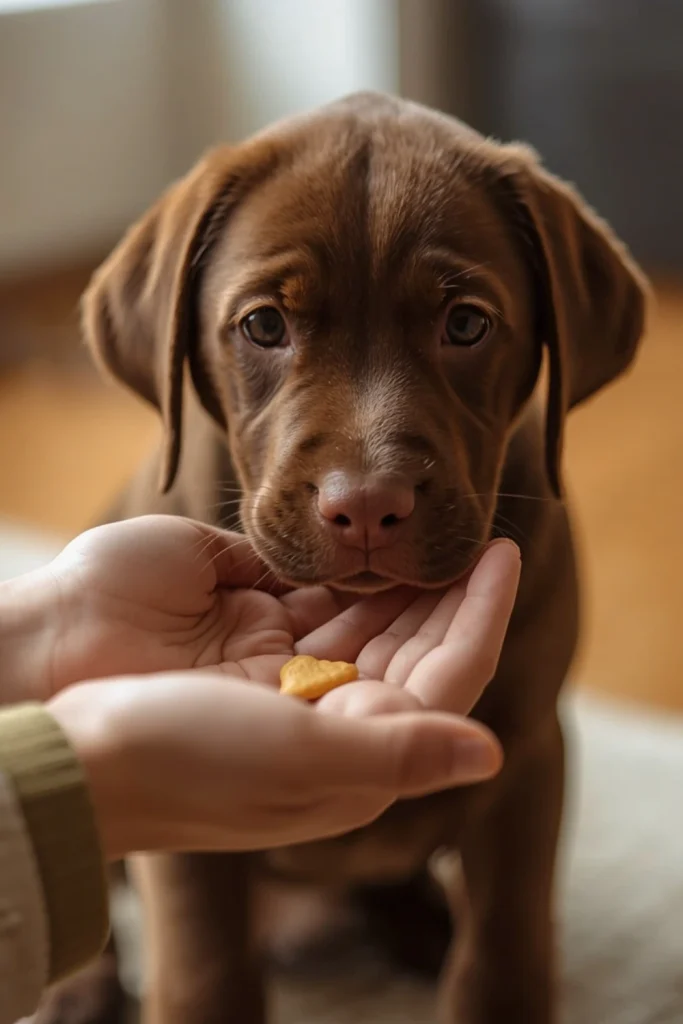
The which hand game is a simple activity that encourages dogs to use their noses and make decisions. Place a small dog treat inside one of your closed hands while keeping the other hand empty. Present both hands to your dog and allow them to sniff each one. Encourage your pup to choose the hand containing the treat. When they make the correct choice, open your hand and reward them.
Repeat the activity several times, occasionally switching the hand that contains the food. Keep your movements natural so your dog has to depend on their sense of smell rather than watching your hands. Use small treats and avoid making the game too difficult. If your dog chooses incorrectly, simply try again without scolding them. This quick activity is ideal for short breaks and can be played almost anywhere at home.
10. Teach Your Dog to Identify Different Toys
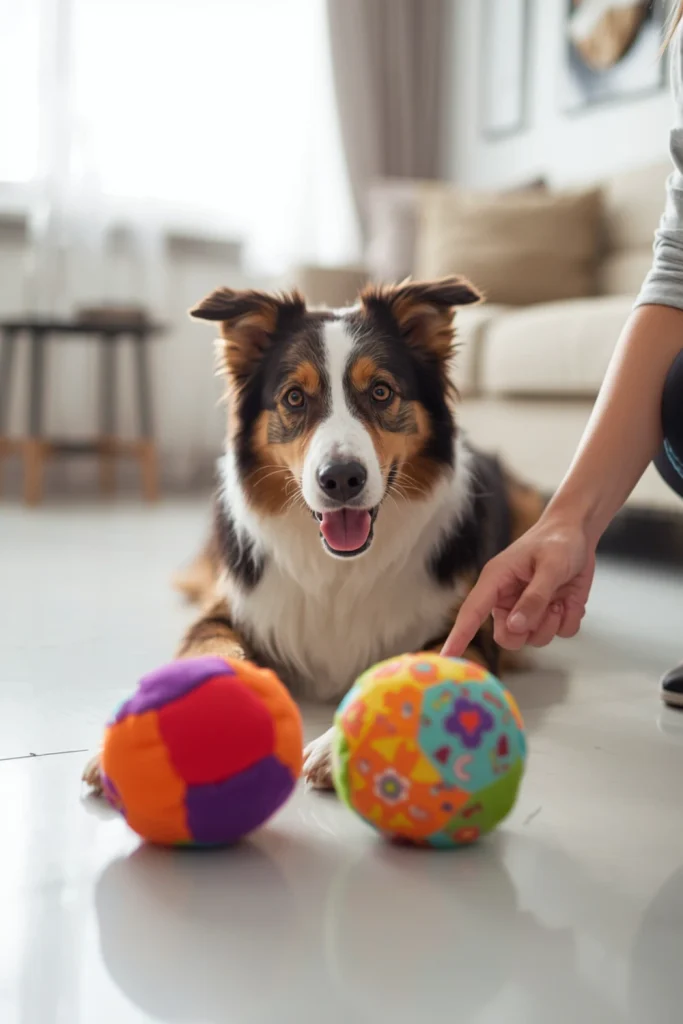
Teaching your dog to recognize different toys is an interesting way to encourage memory and learning. Begin with two familiar objects, such as a ball and a plush bone. Give each toy a simple name and repeat that name whenever your dog interacts with the correct object. Reward your pup with praise or a small treat when they select the requested toy. Keep the first lessons simple so your dog can understand the activity.
After your dog becomes familiar with two toy names, gradually introduce another object. Place the toys on the floor and ask your pup to touch or bring a specific one. Remember that dogs learn at different speeds, so do not expect immediate results. Use positive reinforcement and short practice sessions. This activity provides a fun mental challenge and can become a rewarding part of your dog’s everyday routine.
11. Create a Treat Trail Around the House
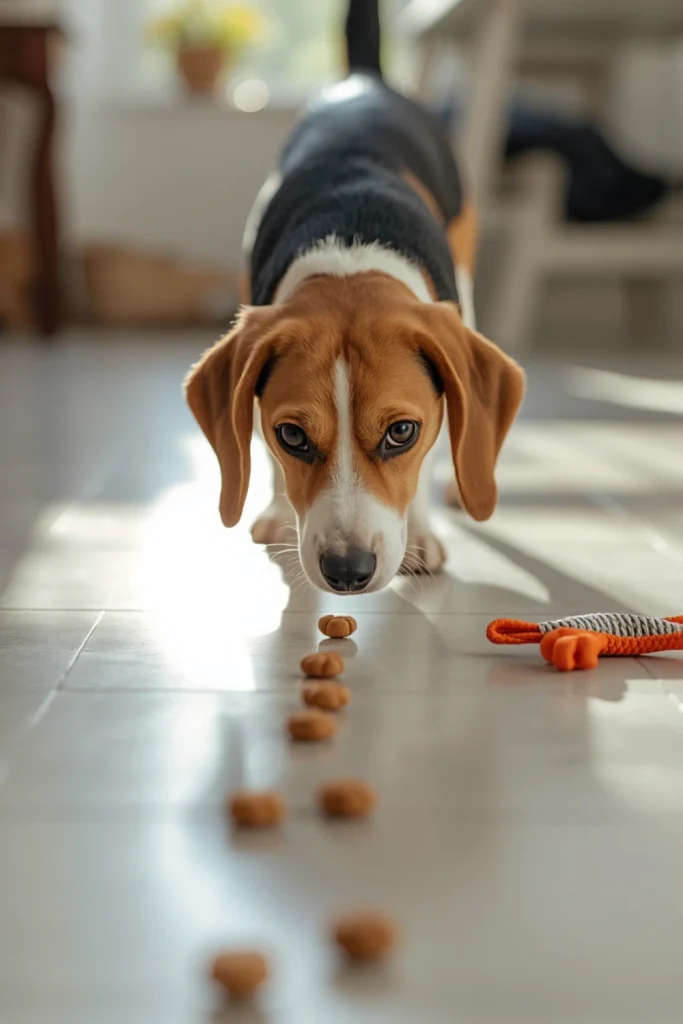
A treat trail is an enjoyable scent-based brain game that encourages dogs to follow a series of rewards. Start by placing a few tiny pieces of kibble in a simple line across a safe room. Let your dog discover the first piece and follow the trail toward the remaining rewards. You can finish the activity by hiding a slightly larger reward or favorite toy at the end of the trail.
As your dog becomes more confident, create longer trails with gentle turns and different hiding locations. You can also move the game to another safe room to introduce new smells and surroundings. Keep the trail away from cleaning products, electrical equipment, and other hazards. Use a portion of your dog’s regular food allowance to avoid providing too many extra calories. Allow your pup to investigate at their own pace.
12. Practice the Wait and Release Game
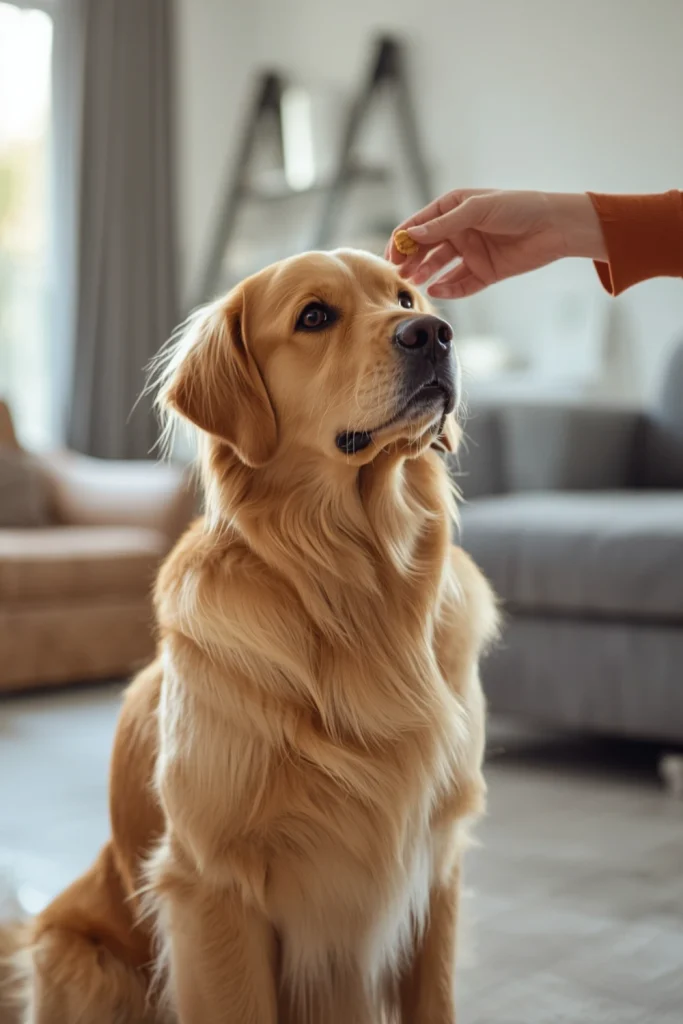
The wait and release game is a useful mental challenge that encourages patience, attention, and self-control. Begin by asking your dog to sit in front of you. Hold a favorite toy or treat at a comfortable distance and ask your pup to wait. Start with only a few seconds, then use a release word such as “okay” to allow your dog to move toward the reward. Praise your dog for responding calmly.
Gradually increase the waiting time as your dog becomes more comfortable with the exercise. You can practice with toys, treats, or access to a favorite activity. Keep the challenge appropriate for your dog’s experience and avoid making them wait for too long. Reward successful attempts and make the activity enjoyable rather than frustrating. This game provides mental engagement while helping your dog develop useful everyday manners.
Final Thoughts
Keeping your dog’s mind active is an important part of responsible pet care. Dog brain games provide enjoyable opportunities for learning, problem-solving, exploration, and interaction. Activities such as hide-and-seek treats, interactive puzzles, scent trails, toy searches, and trick training can make everyday life more interesting while encouraging your pup to use their natural abilities.
You do not need expensive equipment or complicated games to keep your dog engaged. Start with simple activities that match your dog’s personality and gradually introduce new challenges. Rotate different games throughout the week, use positive reinforcement, and always prioritize safety.
Remember that every dog learns differently. Some pups enjoy searching for treats, while others prefer interactive toys or learning new tricks. Pay attention to your dog’s interests and provide enough time for physical exercise and relaxation. With a little creativity and consistency, you can turn ordinary moments at home into exciting brain games that help your furry friend stay curious, confident, and happy.


