
20 DIY Dog Enrichment Ideas You Can Make at Home
Keeping your dog happy and healthy involves more than daily walks, regular meals, and occasional playtime. Dogs also need mental stimulation, problem-solving opportunities, and activities that allow them to use their natural instincts. Without enough enrichment, dogs may become bored, restless, or develop unwanted behaviors such as excessive barking, chewing furniture, and digging.
The good news is that you don’t need to spend a lot of money on expensive dog toys or complicated equipment. With a few everyday household items, you can create exciting activities that keep your furry friend entertained. These 20 DIY Dog Enrichment Ideas are simple, affordable, and enjoyable ways to challenge your dog’s mind, encourage natural behaviors, and make everyday life more interesting.
1. DIY Snuffle Mat Using an Old Towel
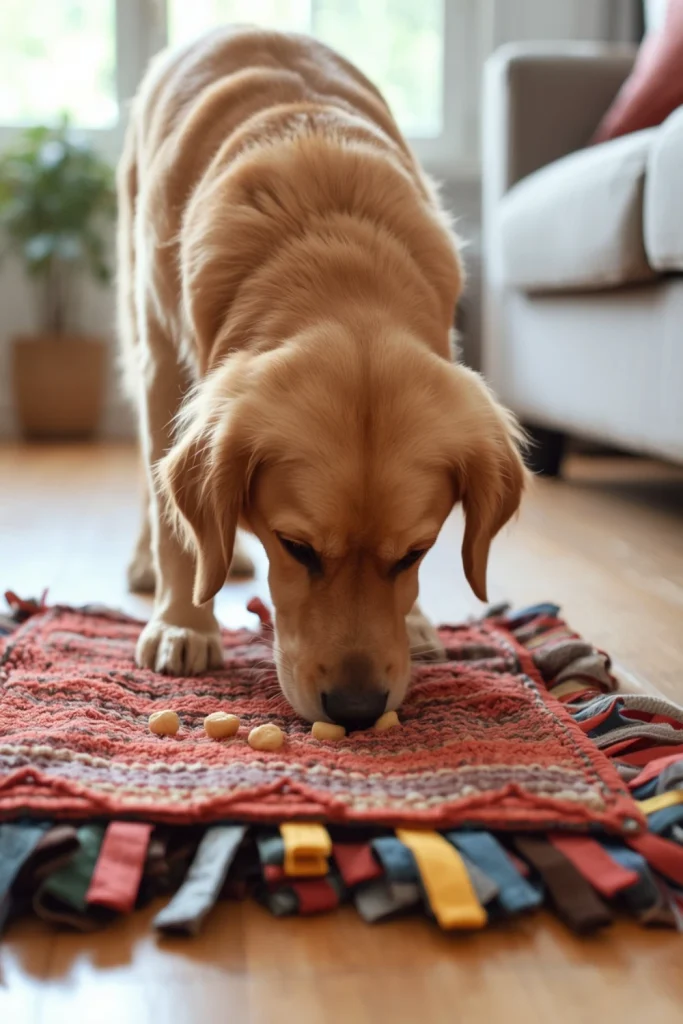
A homemade snuffle mat is one of the easiest DIY dog enrichment ideas for encouraging natural sniffing behavior. Dogs love using their noses to discover hidden treats, and you can create a simple version using an old towel. Lay the towel flat and fold or loosely roll sections to create small spaces where treats can be hidden. You can also use several clean fabric strips secured to a suitable washable base to make a more traditional snuffle mat.
Sprinkle a few small dog treats between the fabric folds and encourage your dog to search for them. Start with treats that are easy to find before making the activity more challenging. This game provides mental stimulation and can make snack time more interesting. Always supervise your dog and remove the towel if they begin chewing or swallowing fabric.
2. Cardboard Box Treasure Hunt
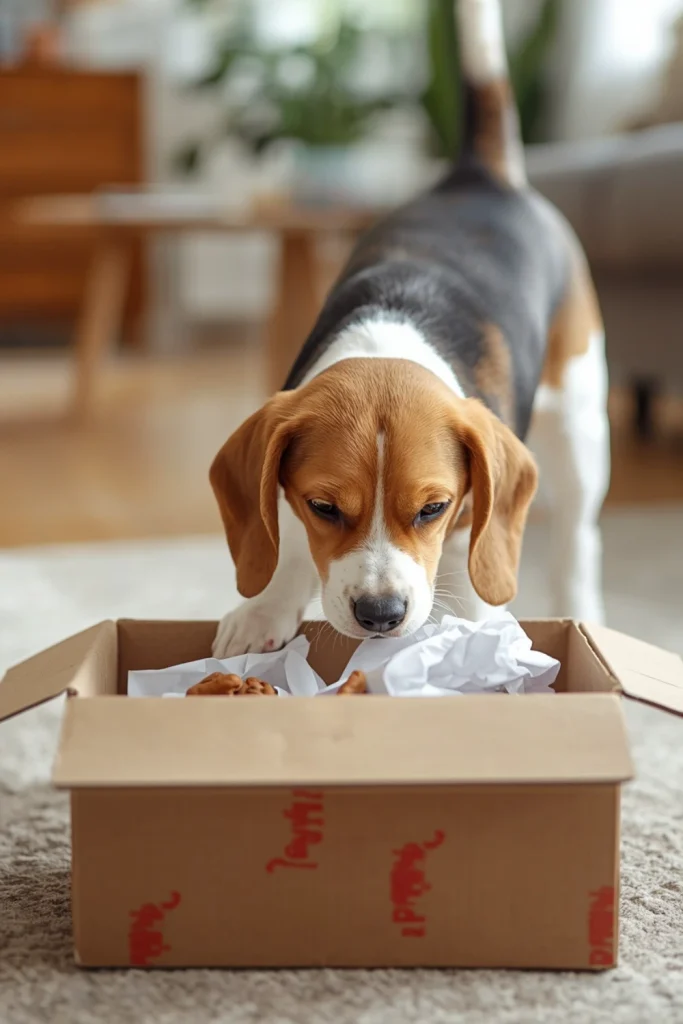
A cardboard box treasure hunt is a simple activity that transforms ordinary packaging into an exciting discovery game. Find a clean, empty cardboard box without staples, tape, or sharp edges. Place a few of your dog’s favorite treats inside and let your dog investigate. You can start with the treats clearly visible before gradually making the search more interesting by placing them underneath loosely crumpled paper.
This activity encourages your dog to sniff, explore, and use problem-solving skills. It is particularly useful for dogs that enjoy investigating new objects. Choose a box that is appropriate for your dog’s size and supervise the entire activity. Some dogs may prefer tearing cardboard rather than searching for food, so remove the box if your dog starts swallowing pieces.
3. Muffin Tin Treat Puzzle
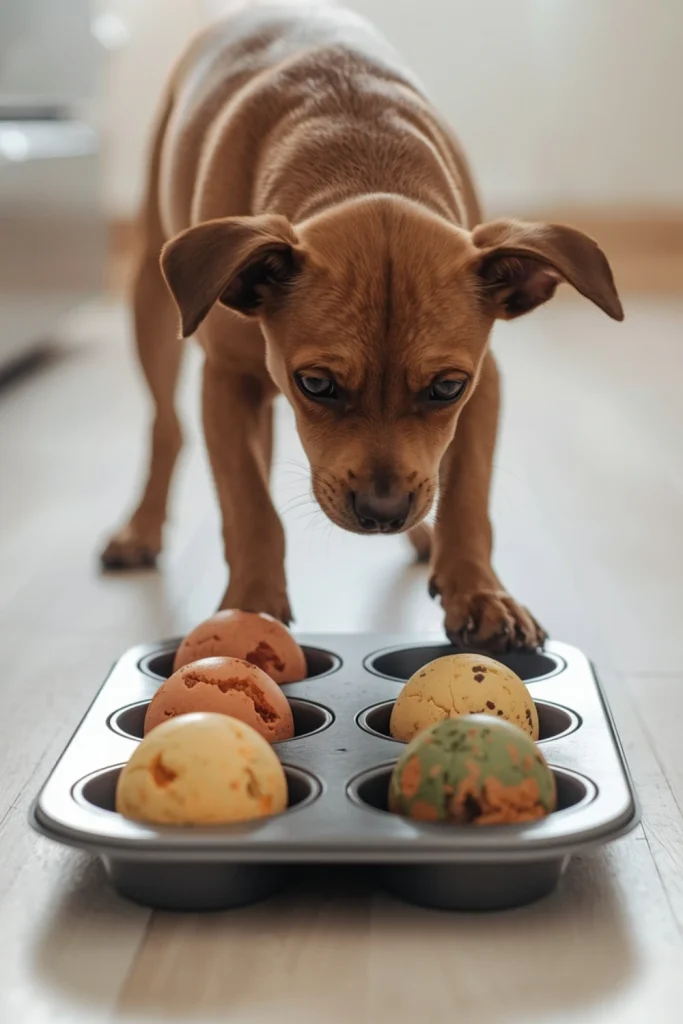
A muffin tin can become an entertaining homemade puzzle for dogs. Take a clean muffin tin and place a small treat inside a few of its compartments. Cover the treat-filled sections with appropriately sized, dog-safe balls that cannot be swallowed. Your dog will need to investigate the tray and move the balls to discover the rewards underneath.
This activity introduces basic problem-solving without requiring expensive equipment. Begin by covering only two or three compartments so your dog can understand how the game works. As your dog becomes more confident, you can add additional treats and compartments. Always choose balls that are too large to swallow and supervise closely. Remove the puzzle if your dog starts chewing the balls or metal tray.
4. DIY Frozen Treat Cubes
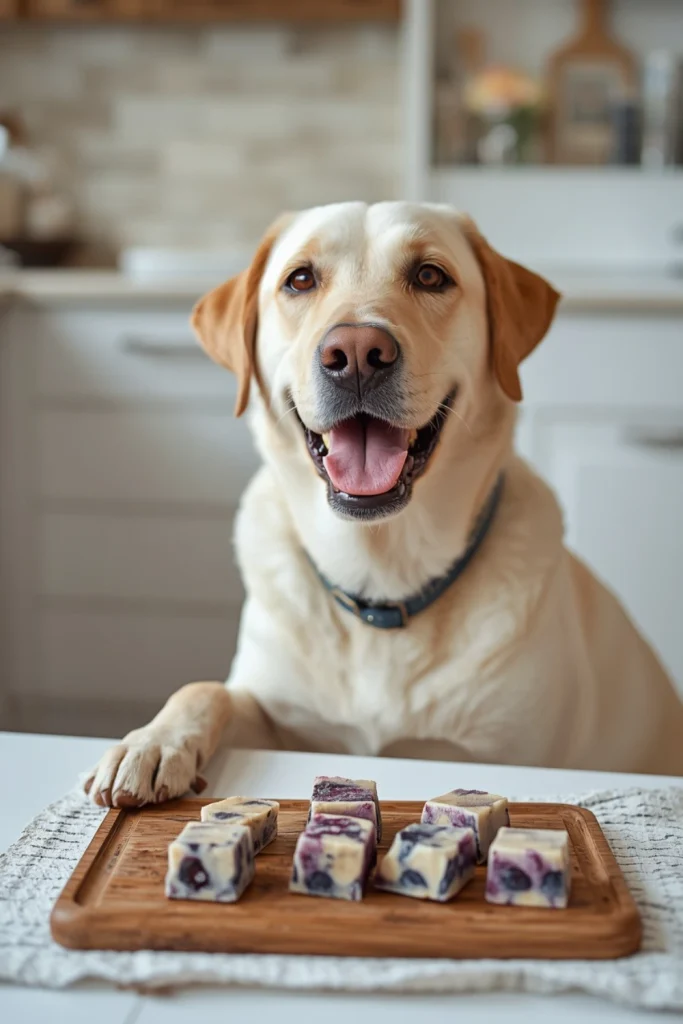
Frozen treat cubes are a refreshing enrichment activity, especially during warm weather. You can make them using plain water, dog-safe fruits, or a little unsweetened plain yogurt if your dog tolerates dairy. Mix your chosen ingredients, pour them into an ice cube tray, and freeze until solid. You can also use small pieces of banana, blueberries, or seedless watermelon.
Once frozen, offer an appropriately sized cube on a washable surface or inside a suitable feeding bowl. Your dog can investigate the new texture and enjoy licking the frozen treat as it gradually melts. These homemade treats provide a different way to enjoy familiar ingredients. Avoid grapes, raisins, chocolate, xylitol, and other unsafe ingredients. Introduce new foods in small quantities and consider your dog’s dietary needs.
5. Homemade Treat-Searching Paper Roll
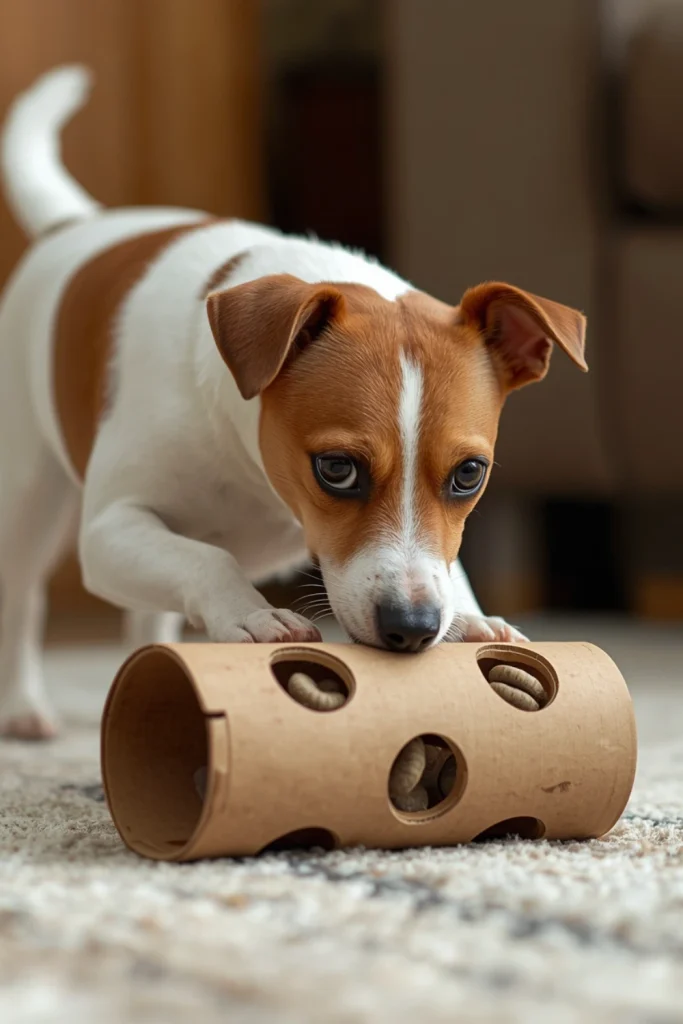
Empty cardboard paper rolls can be used to create a simple treat-searching activity. Take a clean toilet paper or paper towel roll and place a few dry dog treats inside. You can leave the ends open initially so your dog can easily discover the rewards. Once your dog understands the activity, you can loosely fold the ends to make the treats slightly harder to reach.
The activity encourages curiosity and gives dogs an opportunity to investigate an everyday object. It can also be useful for short indoor enrichment sessions when outdoor activities are limited. Use only clean cardboard without glue, plastic, or staples. Supervise your dog throughout the game and remove the roll immediately if they begin eating the cardboard instead of searching for treats.
6. DIY Hide-and-Seek Treat Game
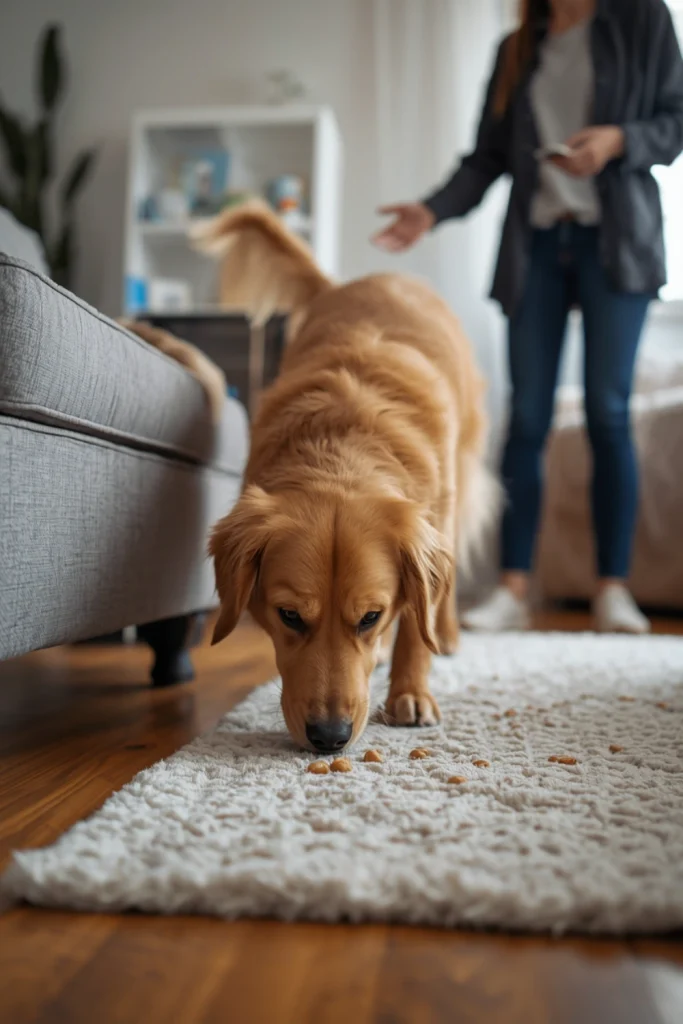
Hide-and-seek is an excellent way to encourage your dog to use its natural sense of smell. Begin by asking your dog to stay in one room or have another person gently hold their attention. Hide a few small treats in easy-to-find locations around the room. Start with visible hiding places, such as beside a chair or near a dog bed.
Release your dog and use a cheerful command such as “Find it!” to encourage exploration. Once your dog understands the game, gradually choose more challenging but accessible hiding places. Avoid locations near electrical wires, cleaning products, or fragile objects. This activity combines mental stimulation with a positive interaction between you and your dog. You can also hide yourself and encourage your dog to find you.
7. DIY Sniffing Blanket
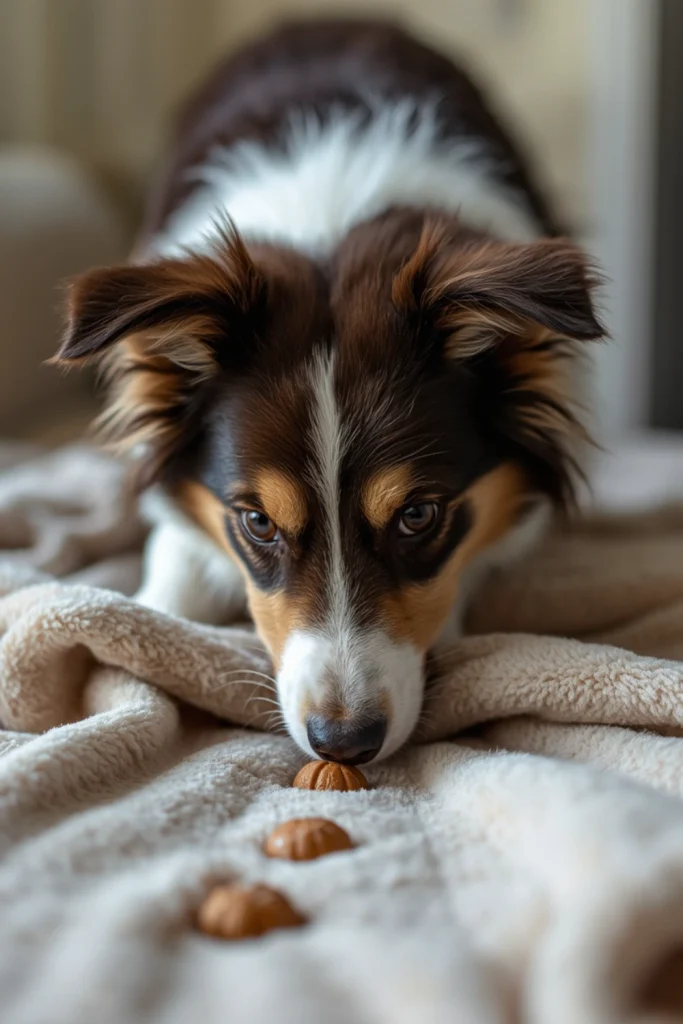
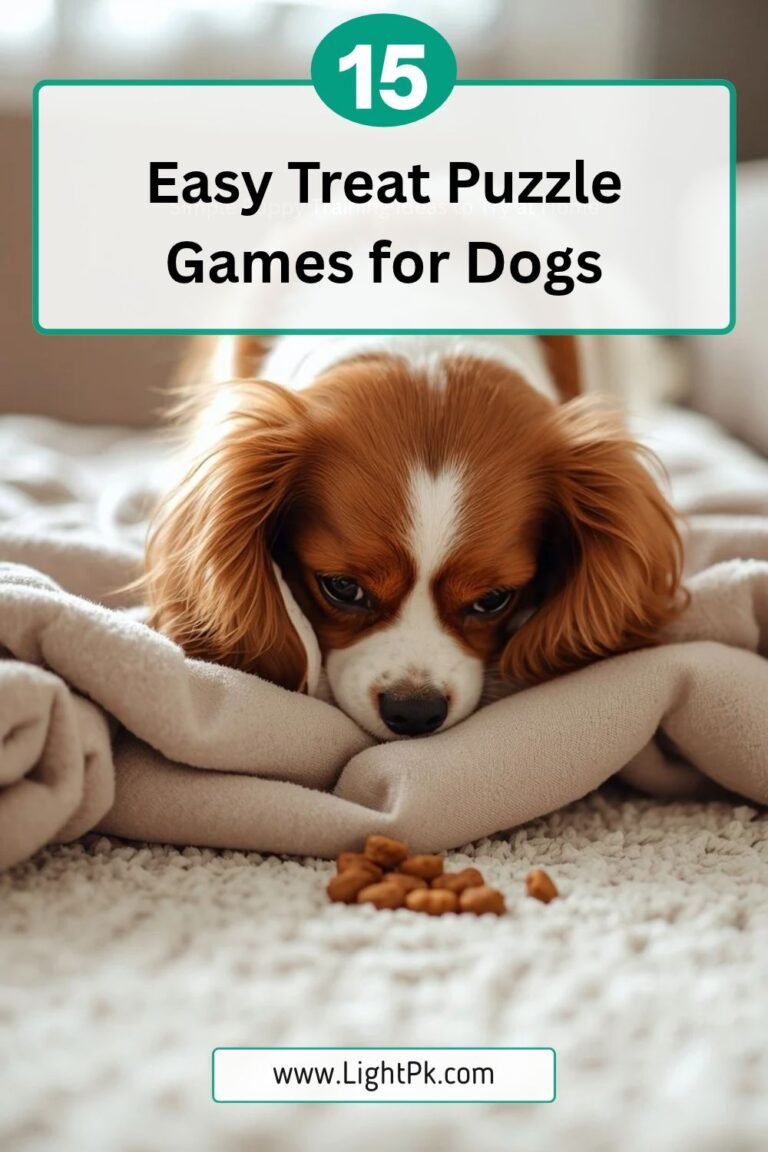
A sniffing blanket is another easy way to create a mentally stimulating activity using materials already available at home. Choose a clean, washable blanket and spread it across the floor. Place a few small treats between loose folds and underneath accessible sections. Allow your dog to investigate the blanket using its nose to discover each reward.
You can make the activity more interesting by changing the blanket’s folds and hiding locations each time you play. This gives your dog a new searching experience without requiring expensive toys. Start with simple hiding places so your dog remains interested rather than frustrated. Use a blanket that does not contain loose threads or damaged fabric. Supervise your dog and remove it if chewing or fabric ingestion becomes a concern.
8. DIY Water Play Station
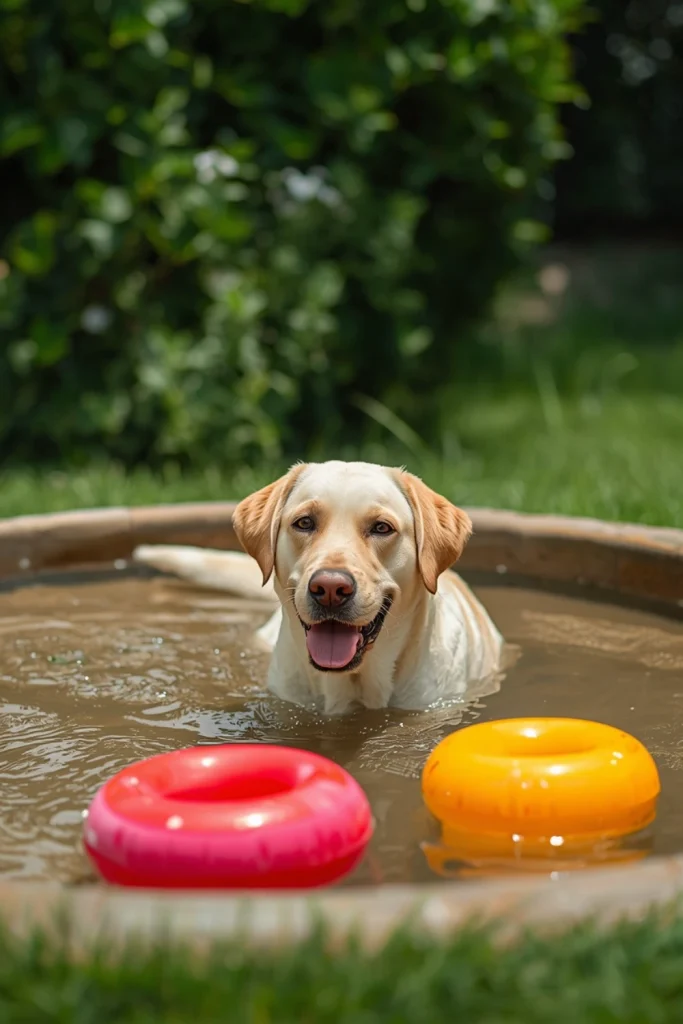
A shallow water play station can provide an interesting sensory experience for dogs that enjoy water. Use a stable, shallow container or a small paddling pool and fill it with a little clean water. Place a few large, dog-safe floating toys inside to encourage your dog to investigate, paw, and move the objects around.
Allow your dog to approach the water at its own pace. Some dogs enjoy splashing, while others prefer simply touching the water with their paws. Never force a nervous dog into the activity. Keep the water shallow enough for comfortable standing and supervise continuously. Avoid small floating objects that could become choking hazards. After the game, dry your dog if necessary and empty the container to prevent stagnant water.
9. Homemade Scent Trail Game
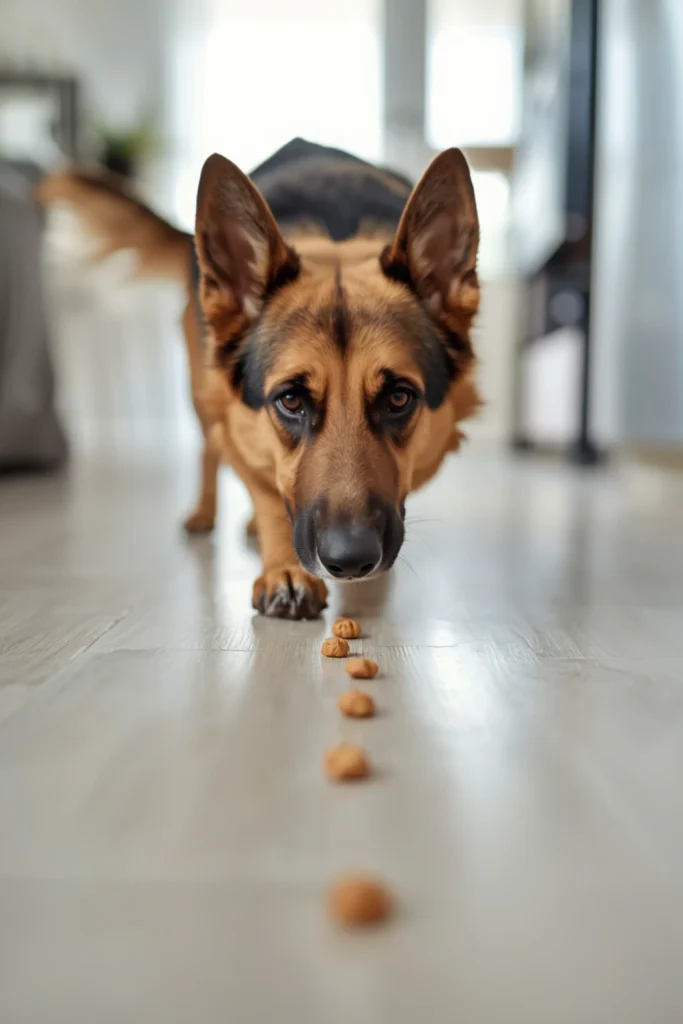
Dogs have an incredible sense of smell, making scent trail games a wonderful way to provide mental enrichment. To create this activity, choose a safe, dog-friendly treat with a noticeable smell. Place a few small pieces along a short, clear path on the floor, ending with a slightly larger reward. Encourage your dog to follow the trail using a simple command such as “Find it.”
Start with a short and easy trail before gradually increasing the distance. You can create different routes around a room or in a secure outdoor area. Keep the trail away from chemicals, dirty surfaces, and places where other animals may have left waste. This activity encourages natural searching behavior while giving your dog a rewarding challenge.
10. DIY Towel Roll Treat Puzzle
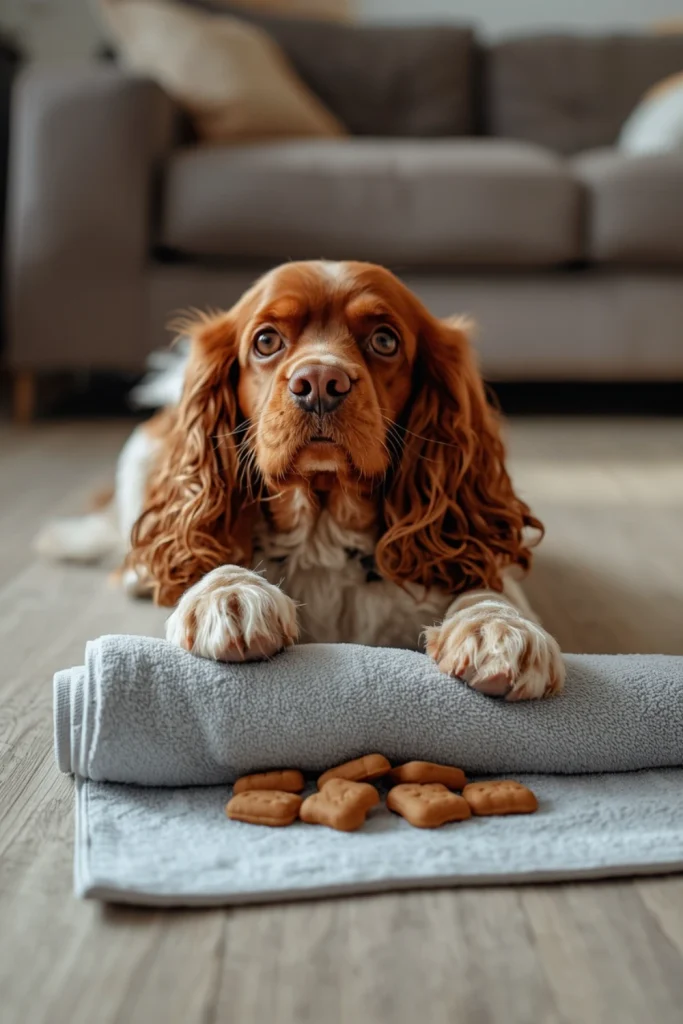
A towel roll puzzle is an affordable activity that can make ordinary treat time more exciting. Take a clean towel and spread it across a flat surface. Place several small treats along one edge, then loosely roll the towel so the rewards are hidden between its layers. Your dog can use its nose and paws to investigate the towel and discover the treats.
For beginners, keep the towel loosely rolled to make the rewards easy to reach. As your dog learns the activity, you can create a slightly longer roll with treats distributed throughout. Avoid tying tight knots because they can frustrate dogs or encourage excessive pulling. Always supervise your dog and stop the activity if they begin chewing or swallowing the towel.
11. DIY Frozen Lick Mat Alternative
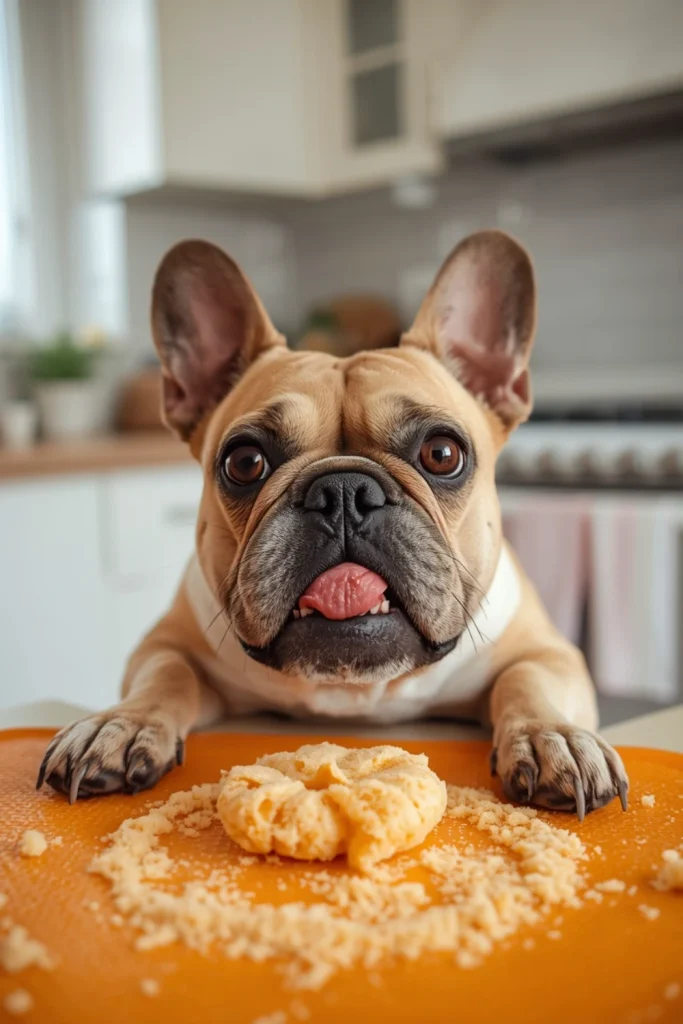
If you don’t have a commercial lick mat, you can create a simple alternative using a shallow, food-safe silicone surface with a textured design. Spread a thin layer of dog-safe ingredients such as plain pumpkin puree or unsweetened plain yogurt over the surface. You can freeze it briefly to create a longer-lasting licking activity.
Licking provides an engaging sensory experience and encourages your dog to focus on one enjoyable task. It can be a useful addition to a calm indoor routine. Choose ingredients suitable for your dog’s diet and avoid seasonings, added sugar, and artificial sweeteners. Always supervise your dog, particularly if using a homemade surface. Make sure it cannot be torn apart or swallowed, and clean it thoroughly after use.
12. DIY Treat-Dispensing Cardboard Puzzle
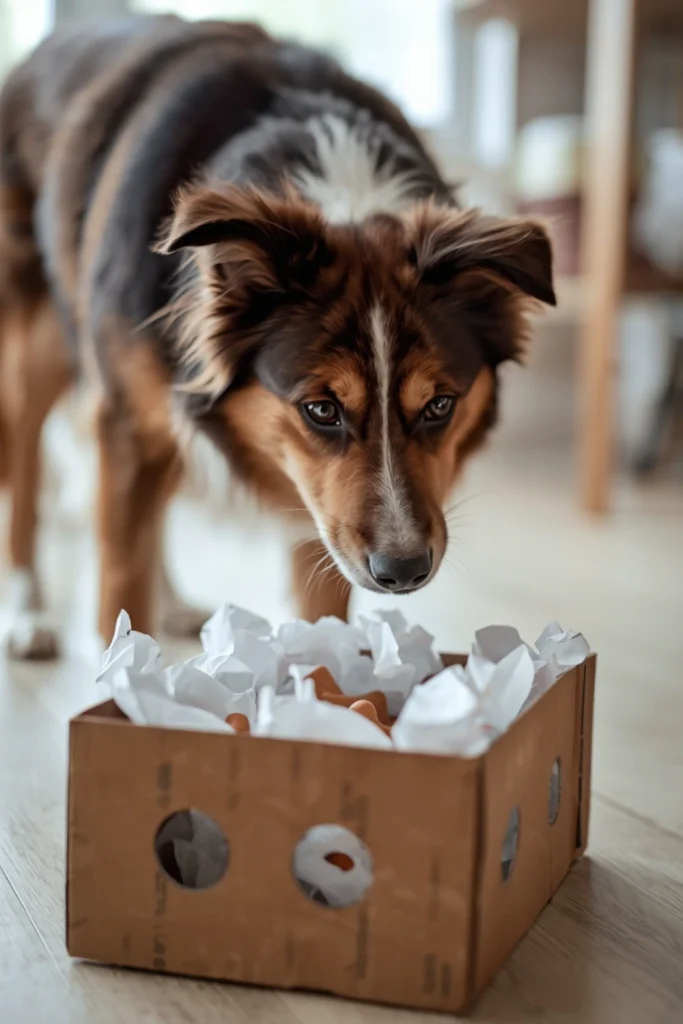
A cardboard treat-dispensing puzzle can turn an ordinary box into an interesting problem-solving activity. Choose a small, clean cardboard box and place a few dry treats inside. Add loosely crumpled plain paper around the treats so your dog must investigate and move the paper to reach the rewards. Leave enough space for your dog to access the treats without struggling.
This game is particularly useful for dogs that enjoy exploring and discovering hidden objects. You can change the difficulty by using different box sizes and adjusting how much paper you add. Keep the puzzle simple at first so your dog remains motivated. Avoid boxes containing staples, tape, plastic, or printed materials with questionable coatings. Supervise closely and discard the box after the activity.
13. DIY Dog-Friendly Digging Box
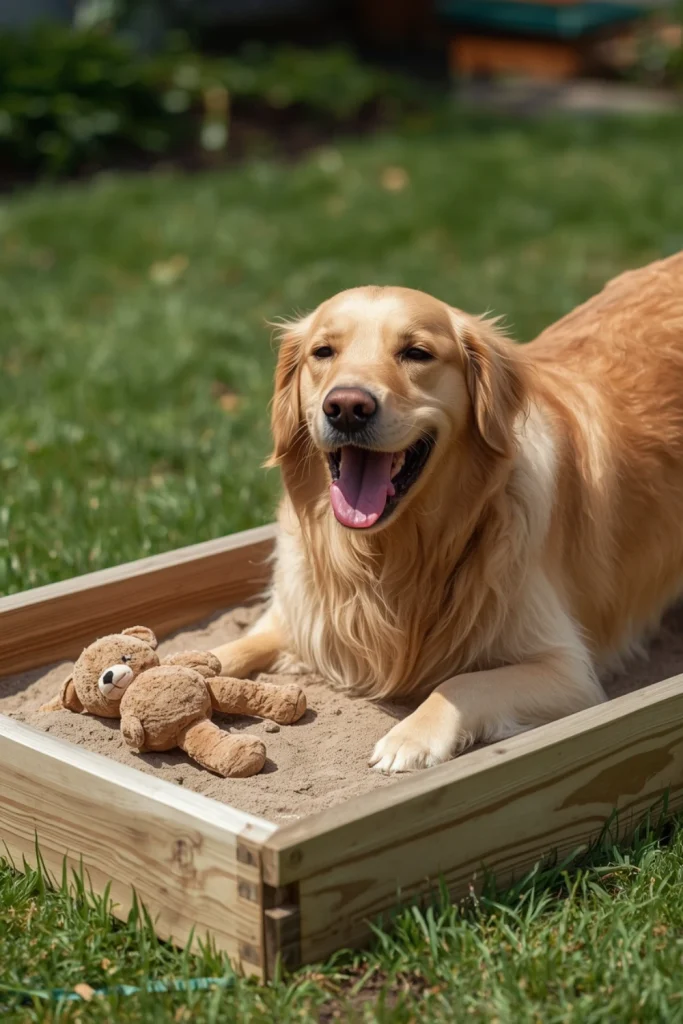
Many dogs enjoy digging because it is a natural behavior. Instead of allowing your dog to dig in flower beds or garden areas, you can create a designated digging box. Use a sturdy, shallow container or a small sandbox filled with clean, dog-safe play sand. Hide a few large, safe toys or treats just beneath the surface to encourage your dog to investigate.
Introduce the box slowly and demonstrate how to find the hidden rewards. Praise your dog when they dig in the designated area. Keep the sand clean, dry when possible, and free from sharp objects or animal waste. Avoid very fine or dusty materials. Supervise the activity, especially with dogs that may eat sand, and stop if they attempt to swallow the filling.
14. Homemade Interactive Toy Basket
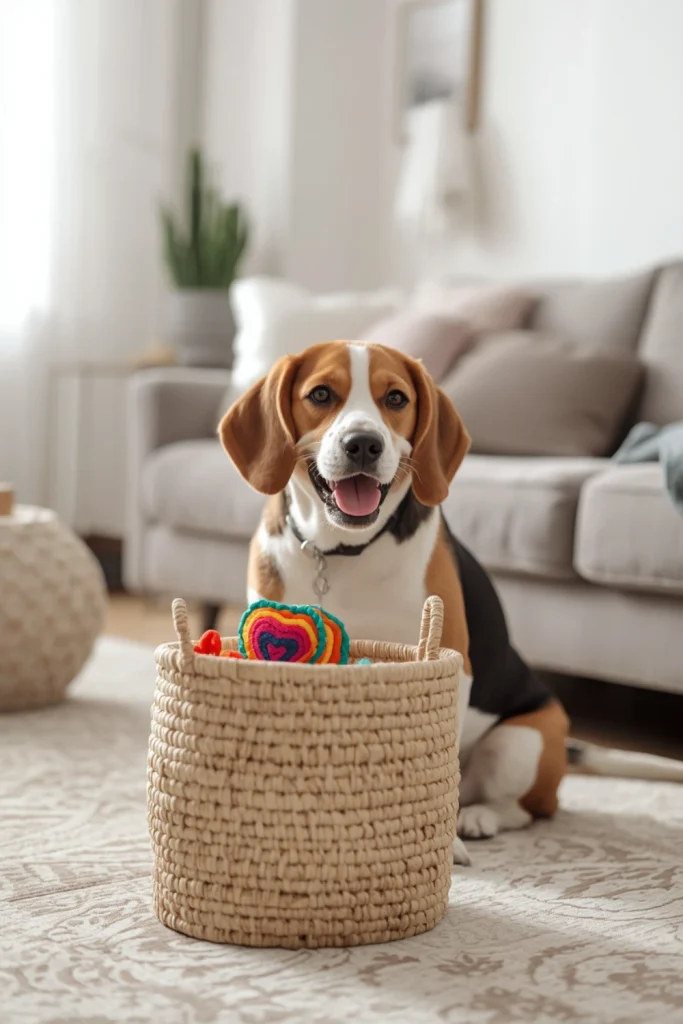
An interactive toy basket is an easy way to make your dog’s everyday environment more interesting. Find a clean, sturdy basket and fill it with a small selection of dog-safe toys, such as durable rubber toys, large soft toys, and suitable chew toys. You can rotate the selection every few days to give your dog something different to explore.
Encourage your dog to investigate the basket and choose an item. You can also use the basket as part of a simple cleanup game by teaching your dog to place toys back inside. This activity supports curiosity, independent play, and positive interaction. Avoid household objects with small detachable parts, sharp edges, or materials that can easily be swallowed. Check toys regularly for damage.
15. DIY Paper Bag Discovery Game
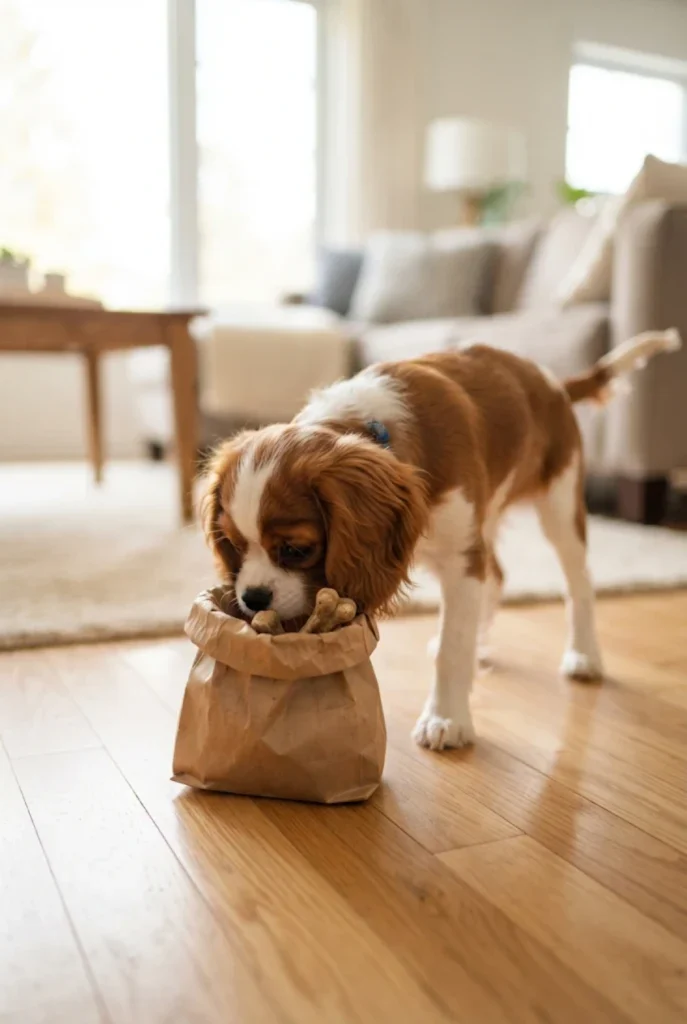
A plain paper bag can provide a simple discovery activity for curious dogs. Choose a clean, uncoated paper bag without handles, staples, labels, or plastic parts. Place a few dog treats inside and leave the opening wide enough for your dog to investigate. Put the bag on the floor and allow your dog to sniff and discover the rewards.
This activity is especially suitable for dogs that enjoy investigating unfamiliar textures and smells. You can place a small amount of crumpled paper inside to make the discovery slightly more interesting. Always supervise the activity because some dogs may tear and swallow paper. Remove the bag if it becomes damaged or your dog starts chewing it. Keep the experience positive and avoid making the puzzle too difficult.
16. DIY Name-the-Toy Game
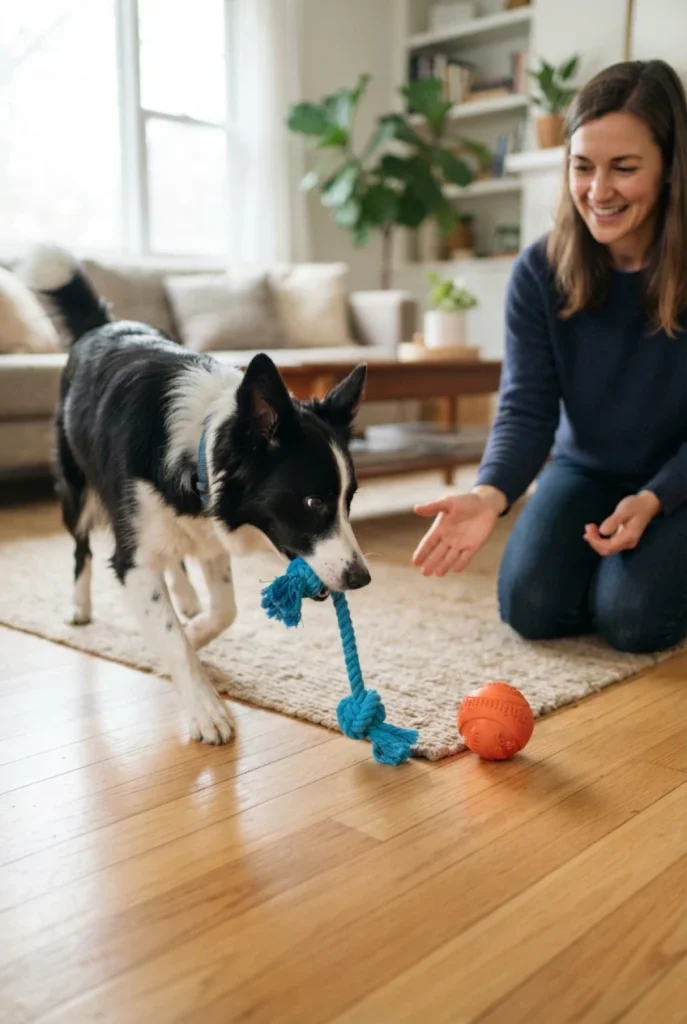
Teaching your dog to recognize the names of different toys is a fun mental enrichment activity that combines learning and play. Start with one familiar toy and repeatedly say its name while presenting it to your dog. For example, use the word “ball” whenever you offer a particular ball. Reward your dog with praise or a small treat when they interact with the correct toy.
Once your dog understands one name, introduce another toy with a different name. Place both toys on the floor and ask your dog to find one. Begin with simple choices and avoid adding too many objects at once. Every successful attempt should receive positive reinforcement. This activity builds communication, encourages focus, and gives your dog a meaningful mental challenge.
17. DIY Obstacle Course Using Household Items
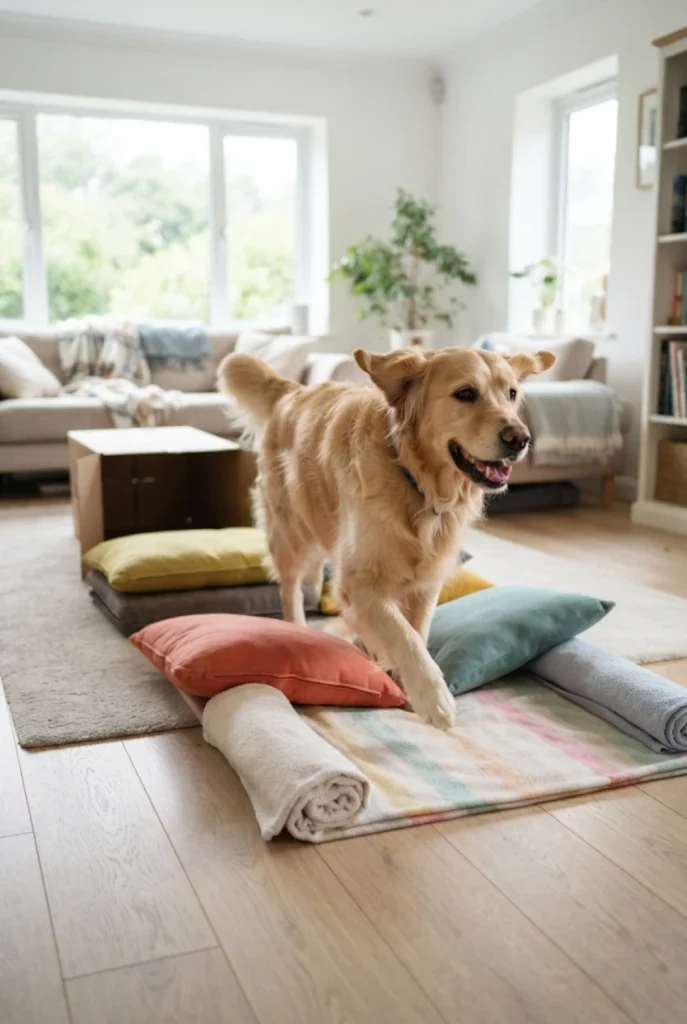
You can create a simple obstacle course using safe household items to encourage movement, exploration, and problem-solving. Arrange cushions, sturdy low boxes, and other stable objects to create a short route. Encourage your dog to walk around obstacles, move through a wide space, or step over a low, soft barrier. Use treats and praise to guide your dog through the course.
Keep the activities suitable for your dog’s age, size, fitness, and mobility. Avoid slippery surfaces, unstable furniture, high jumps, and narrow spaces that could cause injury. Puppies and senior dogs should have especially gentle obstacles. Change the layout occasionally to introduce new experiences. This homemade game combines light physical activity with mental engagement while giving you an enjoyable opportunity to train together.
18. DIY Vegetable and Fruit Search Game
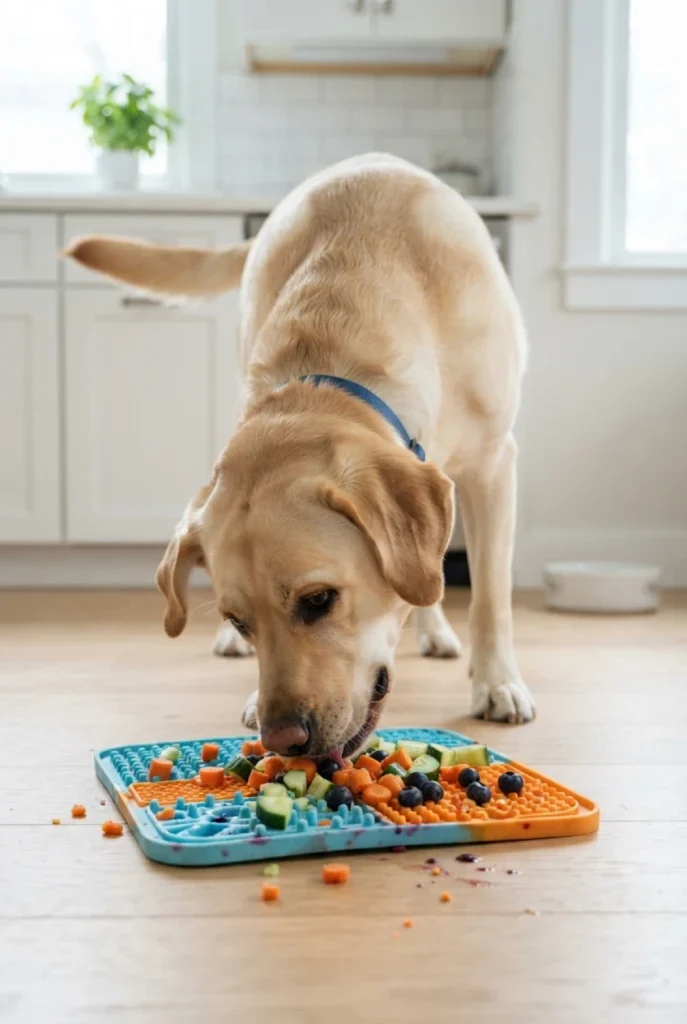
Food-based enrichment does not always need to involve commercial treats. You can use small portions of dog-safe fruits and vegetables to create an interesting searching activity. Suitable options may include carrot pieces, cucumber, blueberries, and small pieces of apple without seeds or core. Place a few pieces in different accessible locations and encourage your dog to find them.
This activity introduces different smells, textures, and flavors while encouraging natural exploration. Always prepare ingredients appropriately for your dog’s size and chewing ability. Avoid grapes, raisins, onions, garlic, avocado, and other foods that can be harmful to dogs. Keep portions small and account for these snacks in your dog’s daily food intake. If your dog has dietary restrictions, check with your veterinarian before introducing new ingredients.
19. DIY Cardboard Egg Carton Puzzle
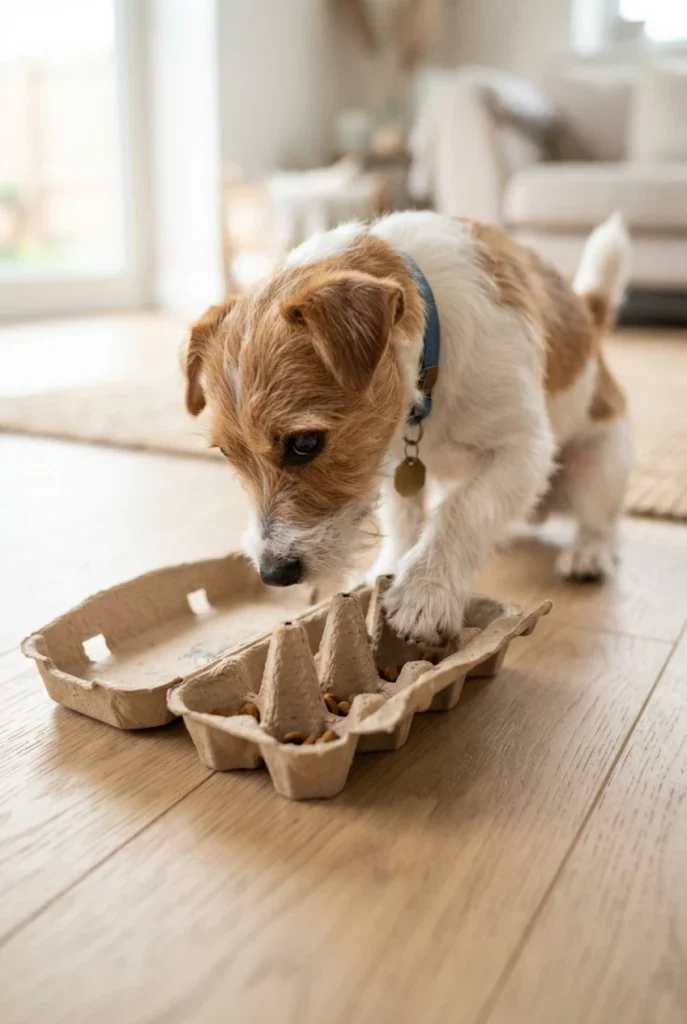
An empty cardboard egg carton can be transformed into a simple treat puzzle for dogs that enjoy searching for hidden rewards. Make sure the carton is clean, dry, and free from staples or plastic. Place a few small treats inside separate compartments and leave some compartments empty. Allow your dog to sniff the carton and discover the treats.
This activity encourages your dog to investigate different compartments and use its nose to locate food. Start by leaving the carton completely open so the game remains easy. You can make it slightly more challenging by loosely closing the lid, provided your dog can access the treats safely. Never use a damaged carton or allow your dog to eat cardboard. Supervise the entire game and discard the carton afterward.
20. DIY Rotating Enrichment Activity Box
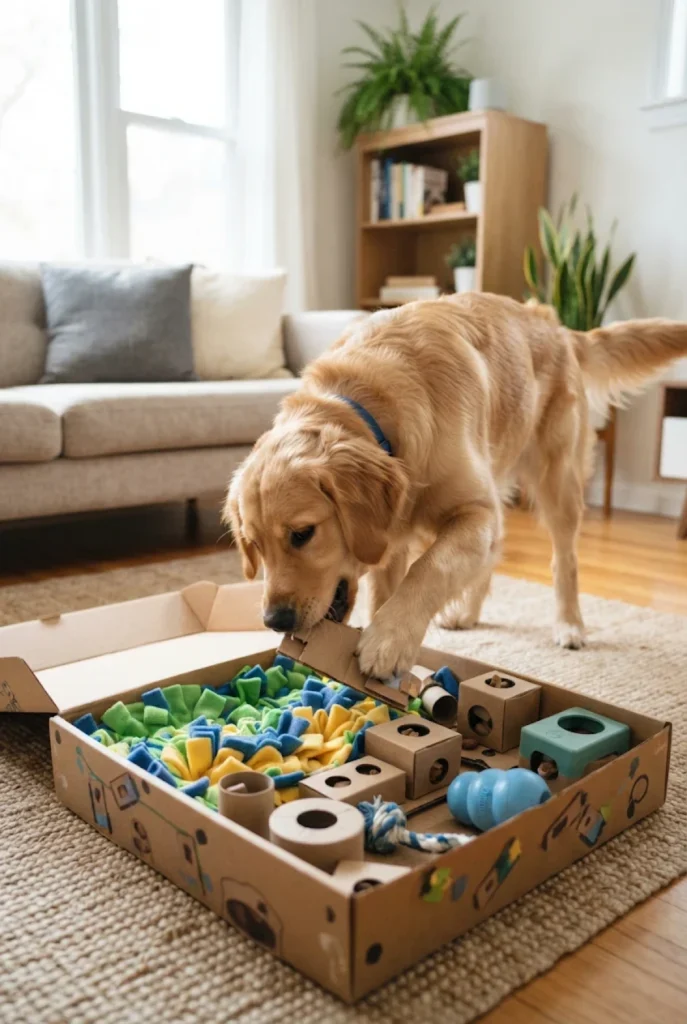
A rotating enrichment box is a practical way to organize different homemade activities for your dog. Choose a clean storage container and prepare a selection of safe enrichment items, such as a snuffle mat, durable toys, suitable puzzle feeders, and simple scent games. You don’t need to provide everything at once. Instead, choose one or two activities and rotate them throughout the week.
Changing the available activities helps keep your dog’s routine interesting without constantly purchasing new toys. You can also observe which games your dog enjoys most and adjust the selection accordingly. Keep food-based activities separate from ordinary toys and clean reusable items after each use. Store everything safely when not in use, especially if your dog tends to chew household objects.
Final Thoughts
Keeping your dog mentally active doesn’t have to be expensive or complicated. With a little creativity, everyday household materials can become exciting opportunities for sniffing, searching, exploring, and learning. These 20 DIY Dog Enrichment Ideas offer simple ways to make your dog’s daily routine more interesting while encouraging natural instincts and problem-solving skills.
Start with activities your dog enjoys most, such as a homemade snuffle mat, cardboard treasure hunt, or towel roll puzzle. Introduce new games gradually, use positive reinforcement, and always prioritize safety. Remember that every dog is different, so experiment with different activities to discover what makes your furry friend happiest.
A few minutes of thoughtful enrichment each day can make a meaningful difference in your dog’s everyday experience. Most importantly, enjoy the process and make every activity an opportunity to strengthen the special bond you share with your dog.