
15 Homemade Enrichment Games to Keep Dogs Busy
Does your dog get bored easily, even after playing with toys and going for walks? Dogs need more than physical exercise to stay happy and healthy. They also need activities that challenge their minds, encourage natural instincts, and give them exciting opportunities to explore. Homemade enrichment games are an excellent way to provide this stimulation without spending money on expensive toys.
The best part is that you can create entertaining games using simple household materials, everyday objects, and a few favorite dog treats. From exciting scent trails to creative food puzzles, these activities can turn an ordinary day into an enjoyable adventure. Whether you have a playful puppy, an energetic adult dog, or a senior companion, these 15 Homemade Enrichment Games can help keep your furry friend mentally active, entertained, and engaged.
1. Homemade Treat Treasure Hunt
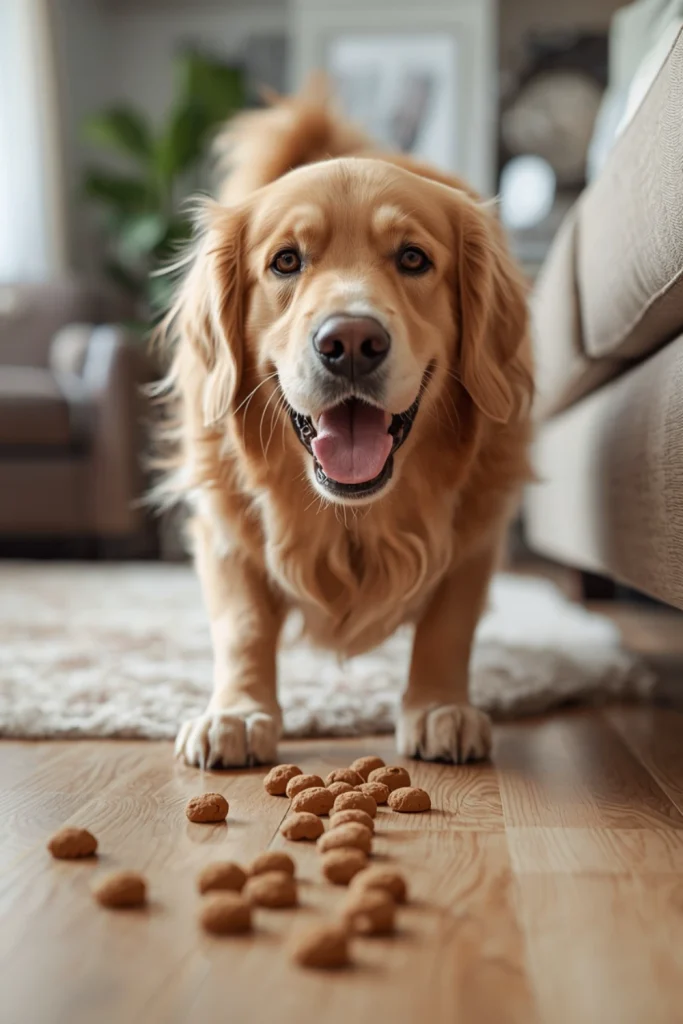
A homemade treat treasure hunt is one of the easiest enrichment games you can introduce at home. Start by selecting a few small, healthy dog treats and hiding them in easy-to-find places around a room. You can place treats beside furniture, near your dog’s bed, or behind a safe household object. Encourage your dog to search using a simple command such as “Find it.” This activity encourages natural sniffing behavior and gives your dog an enjoyable reason to investigate its surroundings.
As your dog becomes familiar with the game, gradually make the hiding places more challenging. You can hide treats underneath an overturned, stable container or behind a large dog-safe toy. Keep all hiding spots accessible and away from dangerous objects. This game is particularly useful for rainy days when outdoor activities are limited. Use small treats to avoid adding too many extra calories to your dog’s diet.
2. DIY Towel Roll Treat Challenge
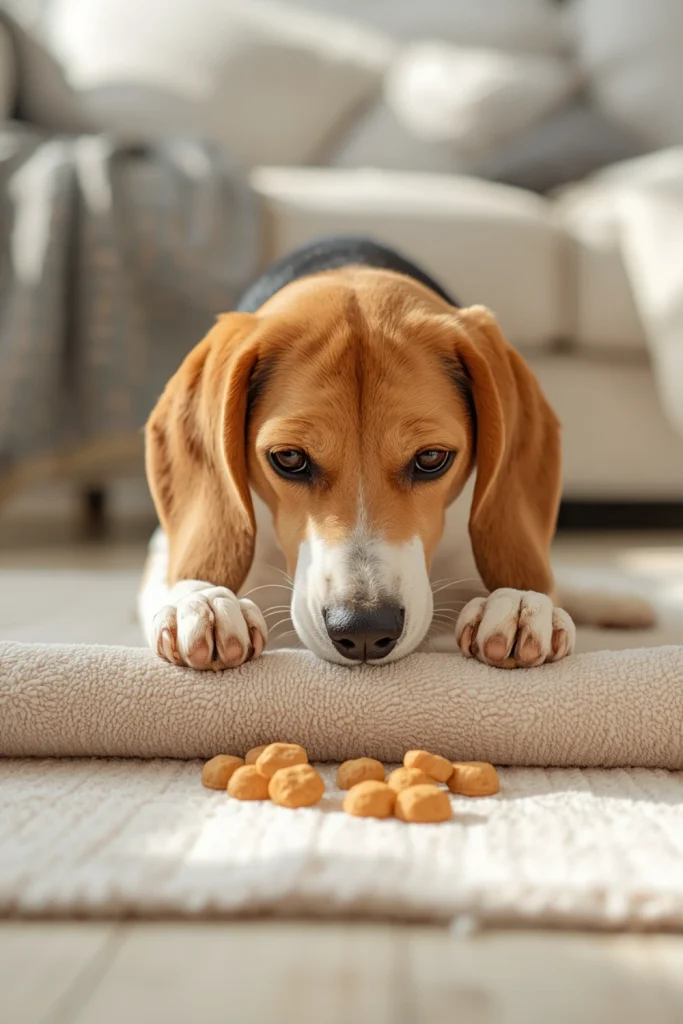
A towel roll treat challenge transforms an ordinary household towel into an entertaining food puzzle. Choose a clean towel and spread it across the floor. Place a few small dog treats along one edge and loosely roll the towel so the rewards become hidden between its layers. Allow your dog to sniff the towel and discover how to reach the treats. This simple activity encourages problem-solving and provides a different way to enjoy snack time without purchasing a specialized puzzle toy.
For beginners, keep the towel loosely rolled so treats are easy to find. You can gradually increase the difficulty by spreading treats across several sections of the towel. Avoid tying tight knots because they may frustrate your dog or encourage excessive pulling. Always supervise the game and remove the towel if your dog starts chewing or swallowing fabric. After each session, wash the towel before using it again.
3. Muffin Tin Treat Discovery Game
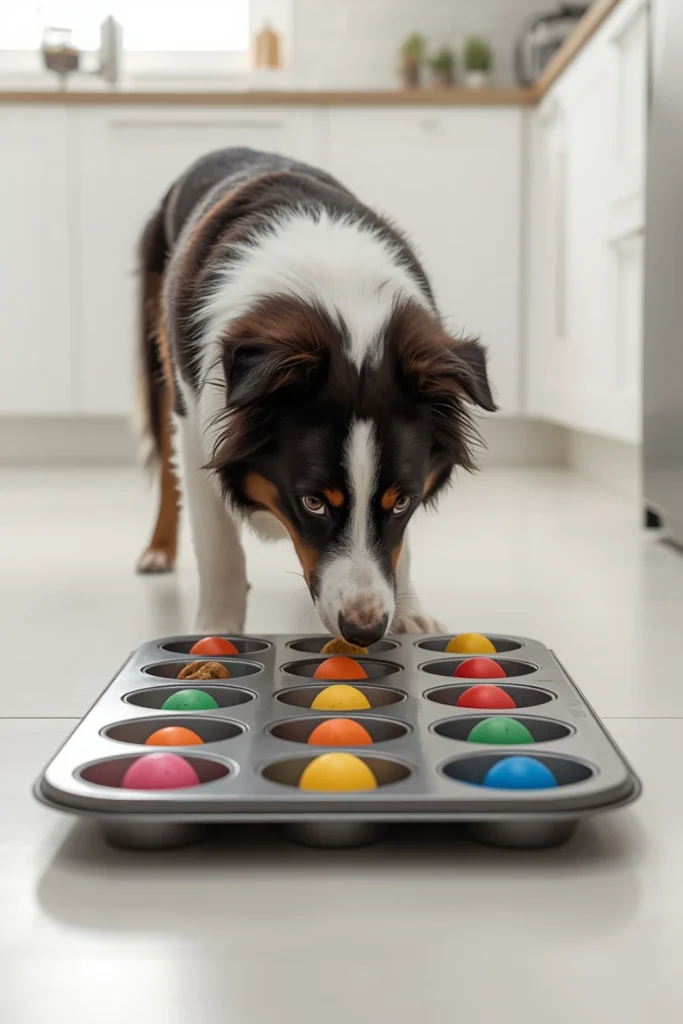
A muffin tin can become a simple homemade puzzle that encourages your dog to investigate and discover hidden rewards. Take a clean muffin tray and place small treats inside a few compartments. Cover the treat-filled sections with large, appropriately sized dog-safe balls that cannot be swallowed. Place the tray on a nonslip surface and let your dog explore. Your dog will need to investigate the different compartments and move the balls to uncover the rewards.
Start with only two or three covered compartments so your dog can understand how the activity works. Once your dog becomes comfortable, you can add more treats and gradually increase the number of covered sections. Choose balls that are durable and too large to become choking hazards. Supervise the activity closely and remove the tray if your dog begins biting or chewing the equipment. This game provides an enjoyable combination of curiosity and problem-solving.
4. Cardboard Box Surprise Game
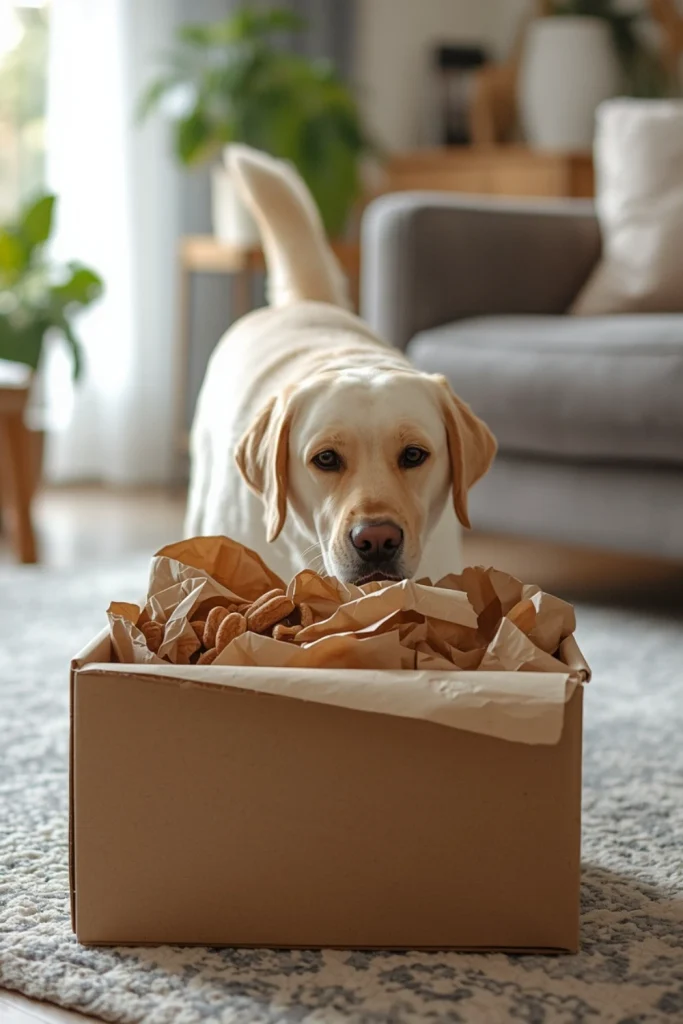
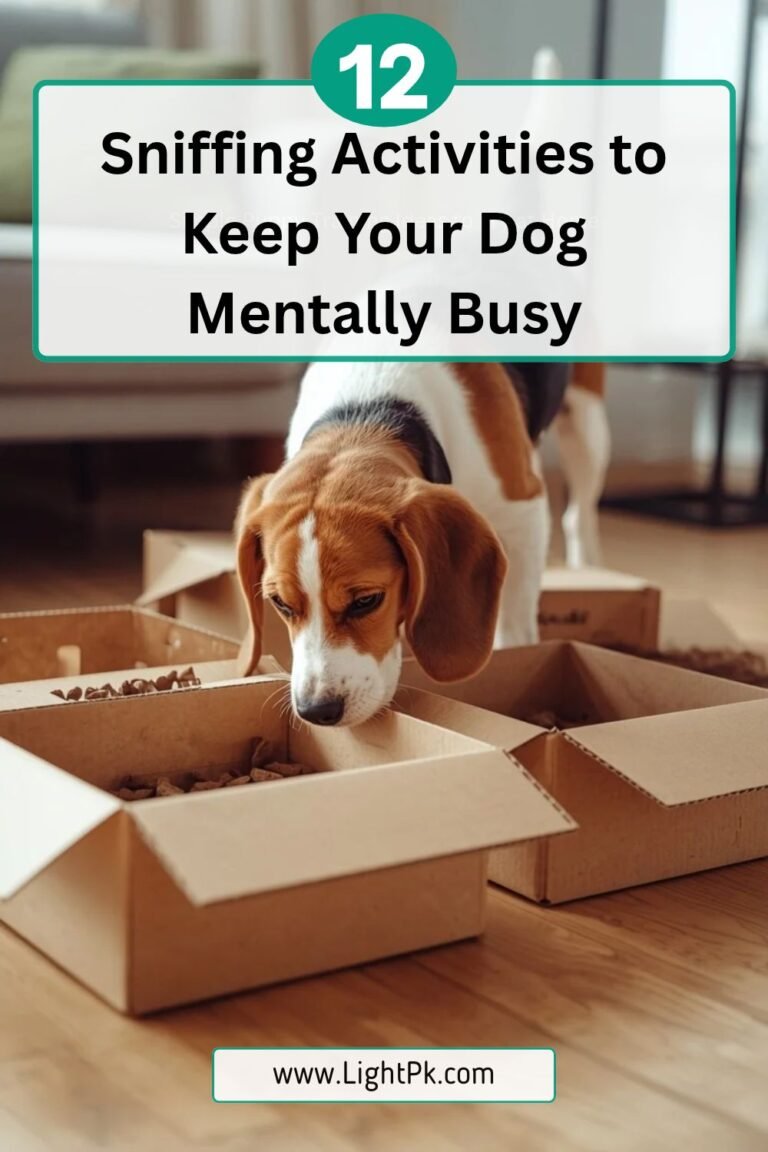
The cardboard box surprise game is a budget-friendly way to turn ordinary packaging into an exciting enrichment activity. Find a clean cardboard box without staples, tape, plastic, or sharp edges. Place a few dog treats inside and add some loosely crumpled plain paper around them. Let your dog investigate the box and discover the hidden rewards. The different smells and textures can make this activity interesting for curious dogs that enjoy exploring new objects.
You can make the game slightly more challenging by using a larger box or adding a few extra layers of paper. However, avoid making it too difficult for beginners. Some dogs may prefer tearing cardboard rather than searching for food, so supervision is essential. Remove the box if your dog begins swallowing paper or cardboard pieces. This activity is best treated as a short supervised game rather than an unattended toy.
5. Homemade Scent Trail Challenge
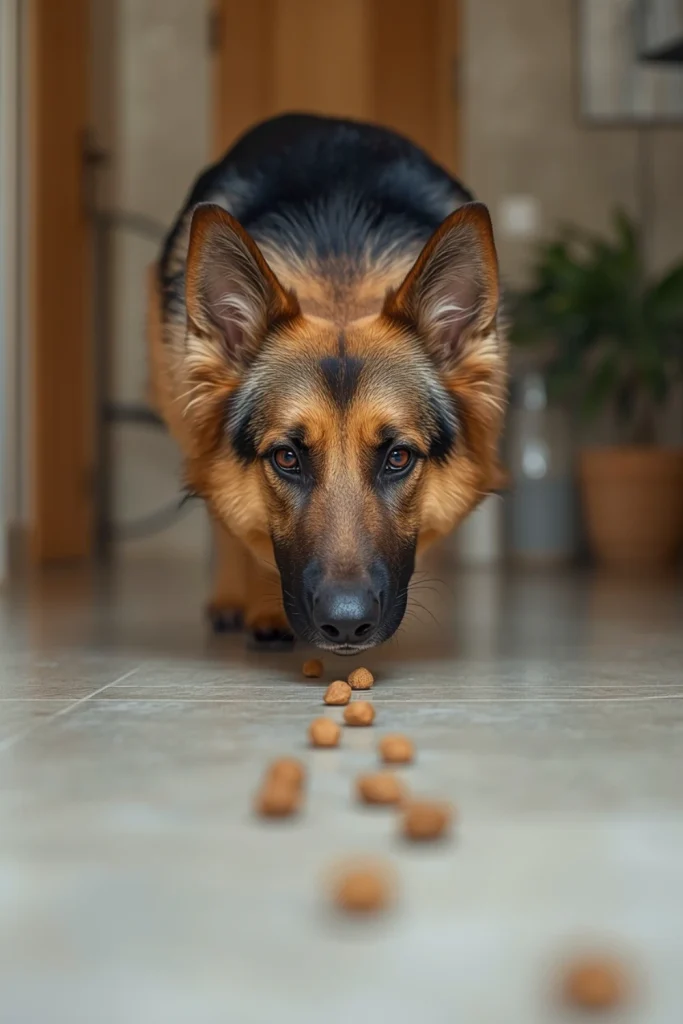
Dogs have an excellent sense of smell, and a homemade scent trail challenge gives them an opportunity to use this natural ability. Choose a dog-safe treat with a noticeable smell and place a few small pieces along a short path on the floor. Leave a slightly larger reward at the end of the trail. Encourage your dog to follow the scent using a simple phrase such as “Find the treats.” This activity is easy to organize and requires very little equipment.
As your dog becomes familiar with the challenge, you can create longer trails with gentle turns around safe furniture. You can also move the activity to a secure outdoor area where there are fewer distractions. Keep treats away from cleaning products, electrical equipment, and dirty surfaces. Avoid placing food in locations that require your dog to jump or climb. The goal is to encourage calm sniffing and exploration rather than speed.
6. DIY Snuffle Blanket Search Game
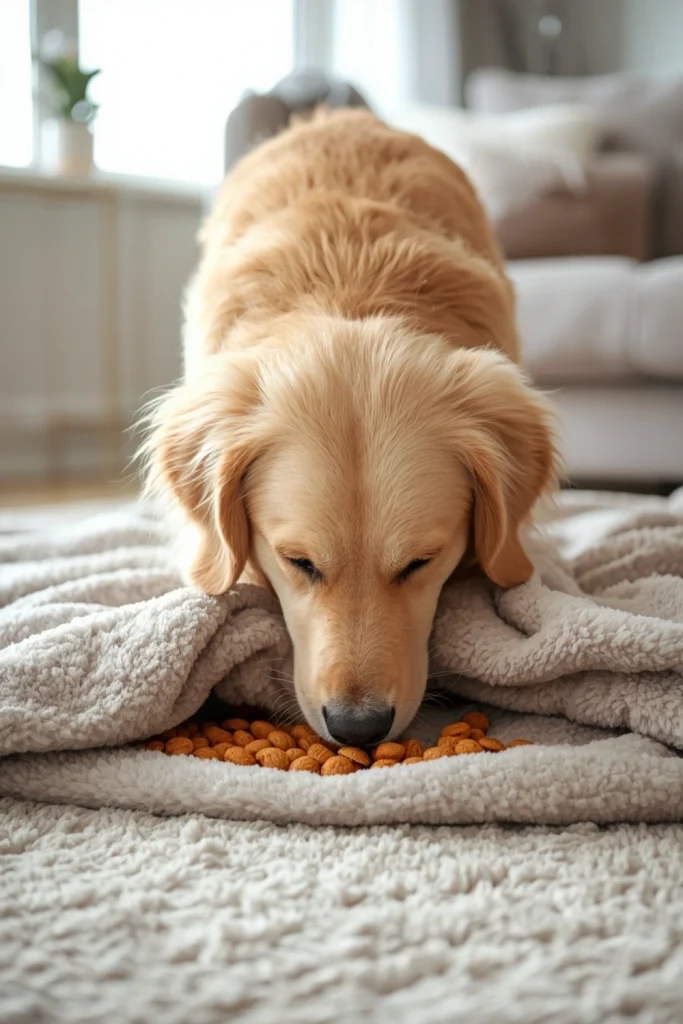
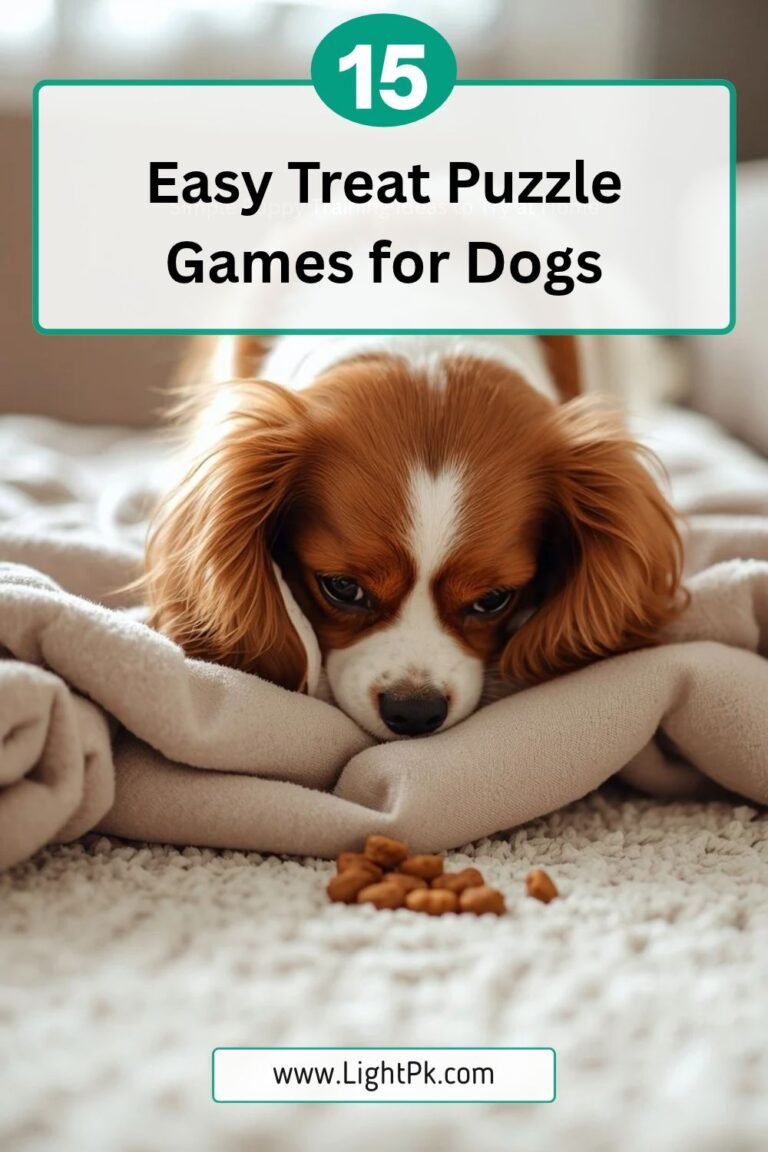
A snuffle blanket is a wonderful homemade enrichment activity for dogs that enjoy searching for food. You can create this game using a clean, washable fleece blanket. Spread the blanket across the floor and arrange several loose folds where small dog treats can be hidden. Allow your dog to sniff different sections and discover the rewards. The activity encourages natural foraging behavior and gives your dog something interesting to focus on during quiet indoor time.
You can make the game more exciting by changing the location of the treats each time you play. Start with visible rewards and gradually hide them deeper inside the folds. Avoid blankets with loose threads, holes, or damaged fabric that your dog could swallow. Stay nearby throughout the activity, particularly if your dog enjoys chewing soft materials. Wash the blanket regularly to keep it clean and hygienic.
7. DIY Paper Cup Treat Puzzle
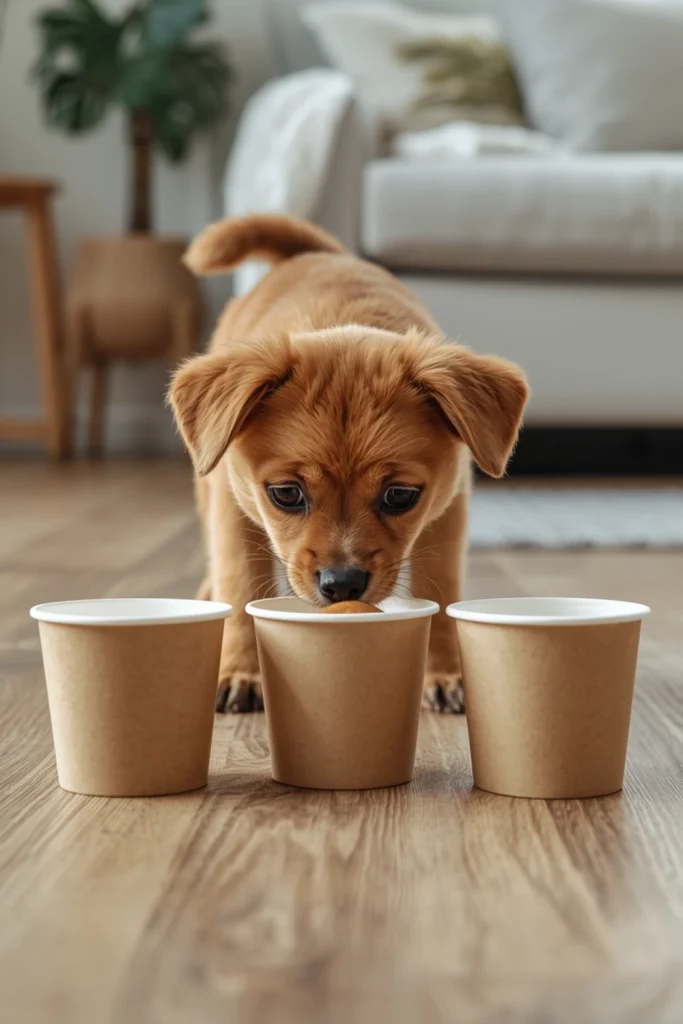
A paper cup treat puzzle is an easy game that encourages dogs to use their noses and investigate simple objects. Take several clean, plain, uncoated paper cups and place a small treat underneath one of them. Arrange the cups upside down on a flat surface, leaving enough space between them for your dog to investigate. Encourage your dog to sniff around and discover which cup contains the reward. This activity introduces a simple searching challenge without requiring complicated equipment.
Once your dog understands the game, you can use two or three cups and change the location of the treat between rounds. Allow your dog to find the reward naturally instead of making the activity unnecessarily difficult. Use only cups without plastic coatings, staples, or sharp edges. Supervise your dog closely and remove the cups if they start tearing or eating the paper. This is a short interactive game that can make ordinary treat time more exciting.
8. Homemade Find-the-Toy Game
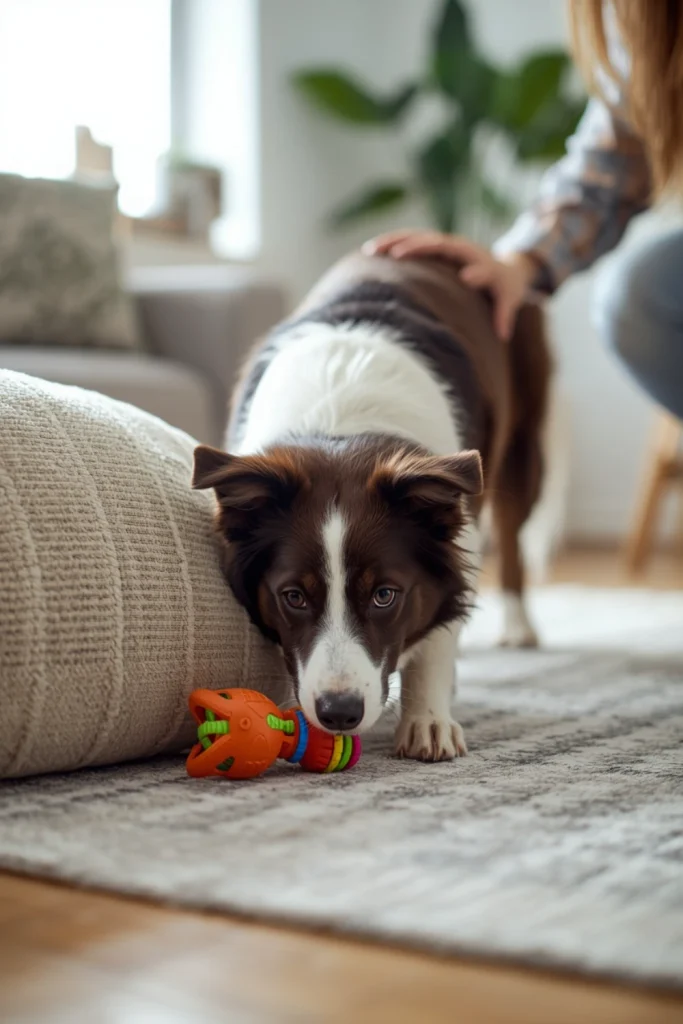
The find-the-toy game is a great way to combine mental stimulation with your dog’s love of playing. Choose a familiar, durable dog toy and let your dog see it before hiding it somewhere easy to find. You can place the toy beside a chair, behind a cushion, or near its regular sleeping area. Use a simple command such as “Find your toy” and encourage your dog to begin searching. Praise your dog whenever it discovers the hidden object.
As your dog becomes more confident, gradually choose different hiding places around the home. You can also introduce two familiar toys and teach your dog to recognize them by name. Keep the hiding locations accessible and avoid places where your dog might become trapped or knock over furniture. This game is particularly enjoyable for dogs that love retrieving and carrying toys. It also creates an opportunity to practice listening skills and positive reinforcement.
9. DIY Frozen Food Discovery Game
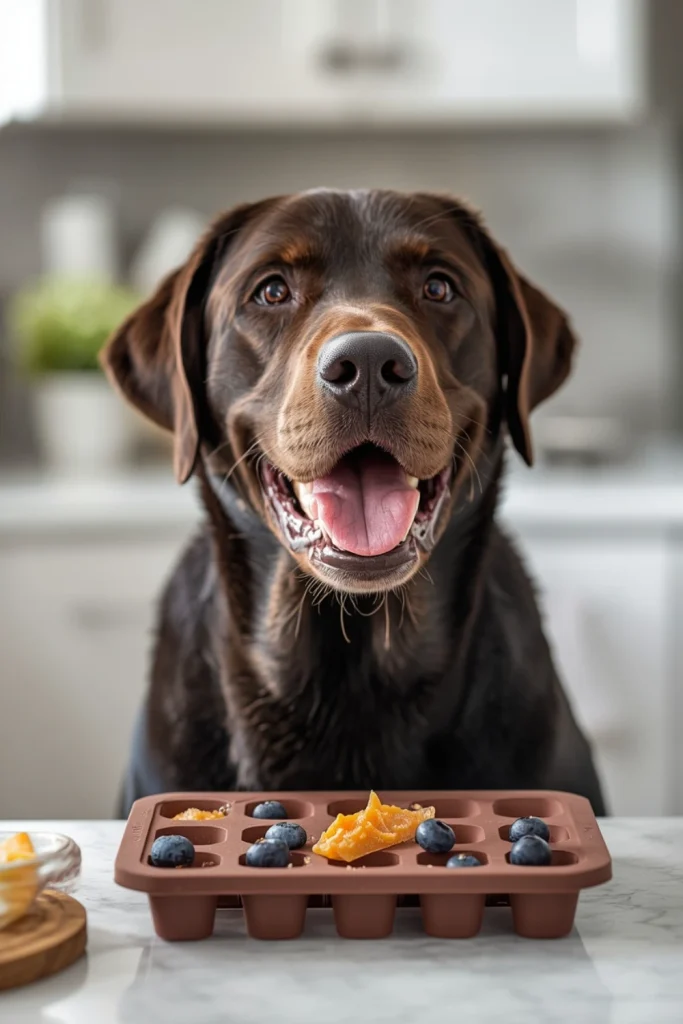
A frozen food discovery game is a refreshing activity that can keep your dog interested in a tasty reward. You can prepare a simple mixture using dog-safe ingredients such as plain pumpkin puree, a little water, or small pieces of blueberries. Place the mixture in a food-safe silicone mold and freeze until solid. Once ready, offer an appropriately sized frozen portion in a suitable feeding bowl or on a washable surface. Your dog can investigate the different textures and enjoy the treat as it gradually melts.
This activity can be especially enjoyable during warmer months when dogs may appreciate a cool snack. You can experiment with different dog-safe ingredients while keeping portions small. Avoid adding sugar, salt, chocolate, grapes, raisins, or artificial sweeteners such as xylitol. Make sure frozen pieces are not so hard or large that they create a dental or choking risk. Consider your dog’s dietary needs and supervise the activity from beginning to end.
10. Homemade Digging Box Adventure
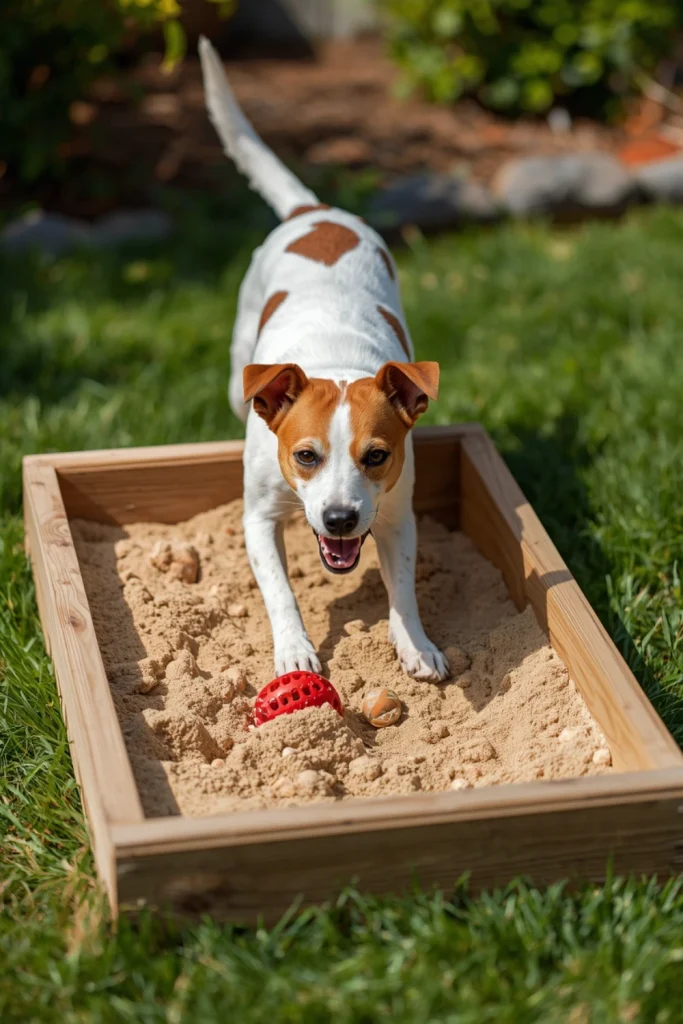
Some dogs naturally enjoy digging, and a homemade digging box can provide a suitable place to explore this behavior. Choose a sturdy, shallow container or small sandbox and fill it with clean, dog-safe play sand. Hide a large durable toy just beneath the surface and encourage your dog to discover it. You can also place a few suitable rewards in accessible locations to make the experience more interesting. This activity gives dogs an opportunity to use their paws and noses in a designated area.
Introduce the digging box gradually and allow your dog to explore without pressure. If your dog enjoys the activity, you can occasionally change the location of the hidden toy. Keep the sand clean and check regularly for sharp objects, animal waste, or other contamination. Never leave a dog unattended with a container of loose material, particularly if it has a habit of eating non-food objects. Stop the activity if your dog begins swallowing sand.
11. DIY Obstacle Course With Cushions
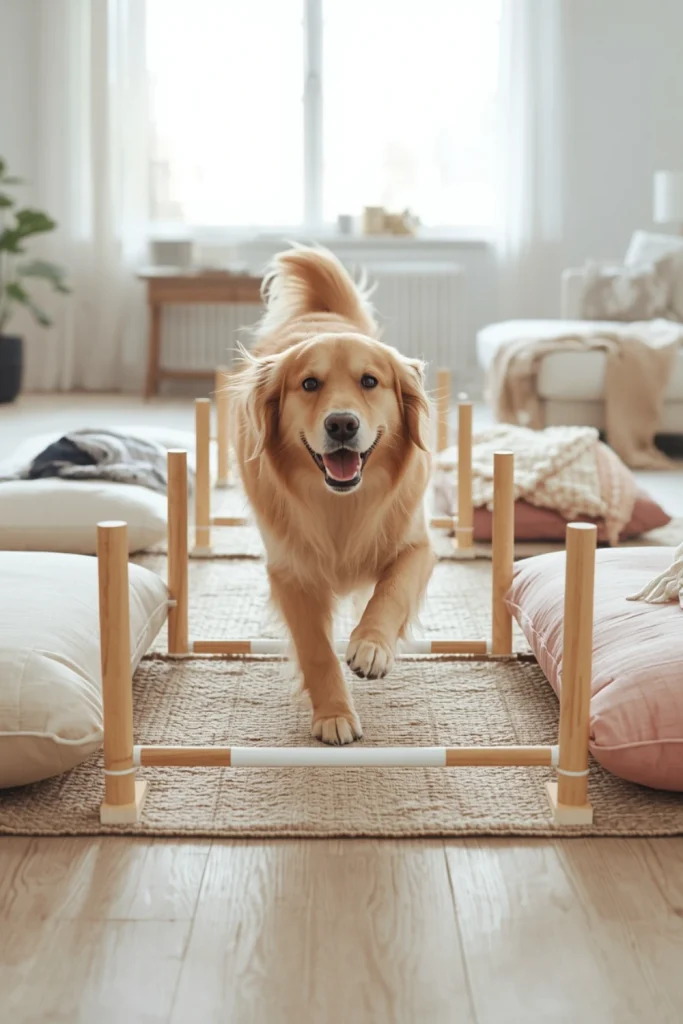
A homemade obstacle course is a creative way to combine light physical activity with mental enrichment. You can use cushions, soft blankets, and stable low household objects to create a simple route inside your home. Encourage your dog to walk around a cushion, move through a wide opening, or step over a low soft obstacle. Use treats and positive reinforcement to guide your dog through the course. Keep the arrangement simple so your dog can understand what to do.
Once your dog becomes comfortable, change the layout to introduce a new experience. You can also include basic training commands such as “Come,” “Wait,” and “Through” during the activity. Avoid slippery floors, unstable furniture, high jumps, and narrow passages. The course should be suitable for your dog’s age, size, and physical ability. Puppies, senior dogs, and dogs with mobility problems need especially gentle activities. Always supervise your dog and stop if it shows signs of discomfort.
12. Homemade Toy Basket Discovery Game
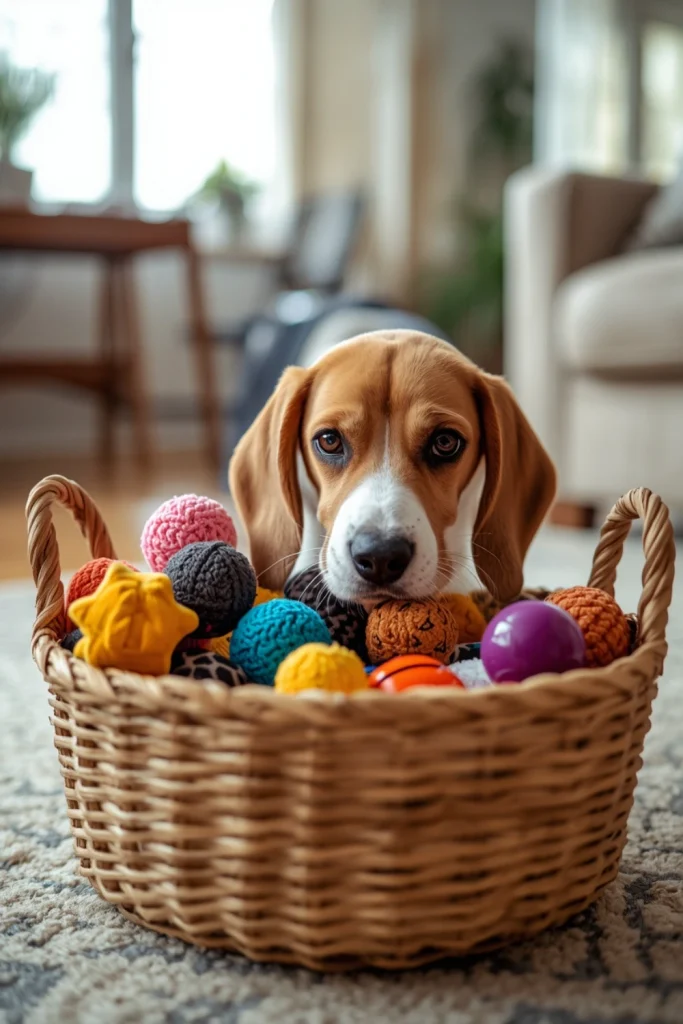
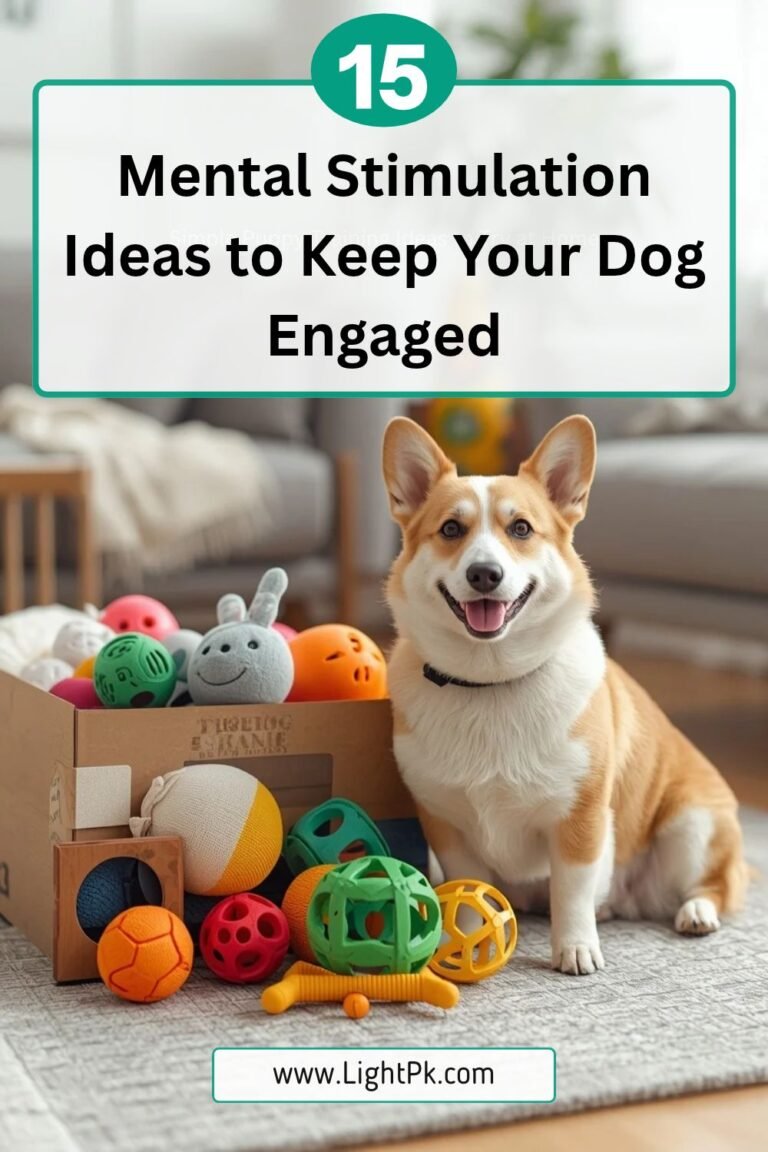
A toy basket discovery game gives your dog an opportunity to explore different toys and make simple choices. Find a clean, sturdy basket and place a few familiar dog-safe toys inside. Include different shapes and textures, such as a durable rubber toy, a large soft toy, and a suitable chew toy. Put the basket on the floor and encourage your dog to investigate. You can make the activity interactive by asking your dog to choose a particular toy.
To add more mental stimulation, teach your dog the names of two or three favorite toys. Start by introducing one toy at a time and rewarding your dog when it interacts with the correct object. Gradually place multiple toys in the basket and ask your dog to find a specific one. Avoid toys with small detachable parts, damaged stitching, or materials that can be swallowed. Check the basket and toys regularly for damage and remove unsafe items.
13. DIY Vegetable Treasure Hunt
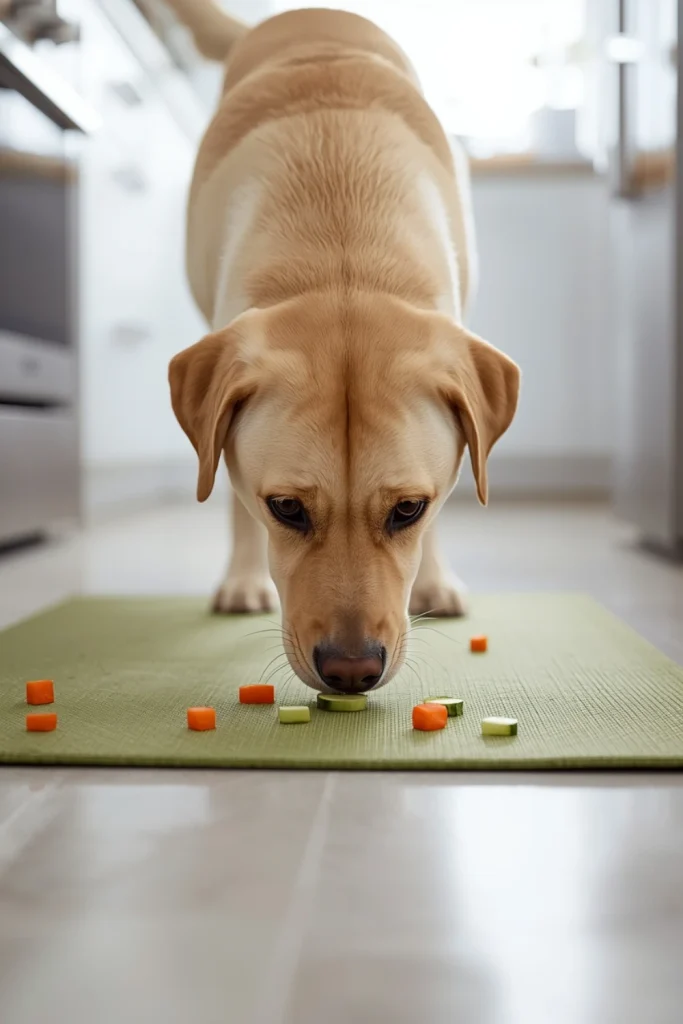
A vegetable treasure hunt is an interesting way to introduce dog-safe food rewards into your enrichment routine. Choose suitable vegetables such as small pieces of carrot or cucumber and prepare them according to your dog’s chewing ability. Place a few pieces in easy-to-find locations around a clean room or on a suitable food-safe surface. Encourage your dog to search for the rewards using its nose. Different smells and textures can make this simple activity more interesting.
You can gradually change the arrangement to give your dog a new searching experience. Make sure every food item is safe for dogs and served in an appropriate size. Avoid onions, garlic, grapes, raisins, and other potentially harmful ingredients. If you introduce a new food, begin with a small amount and monitor your dog’s response. Remember that treats and vegetables should be included in your dog’s overall daily food allowance. This activity is best kept short, simple, and enjoyable.
14. DIY Cardboard Tunnel Exploration
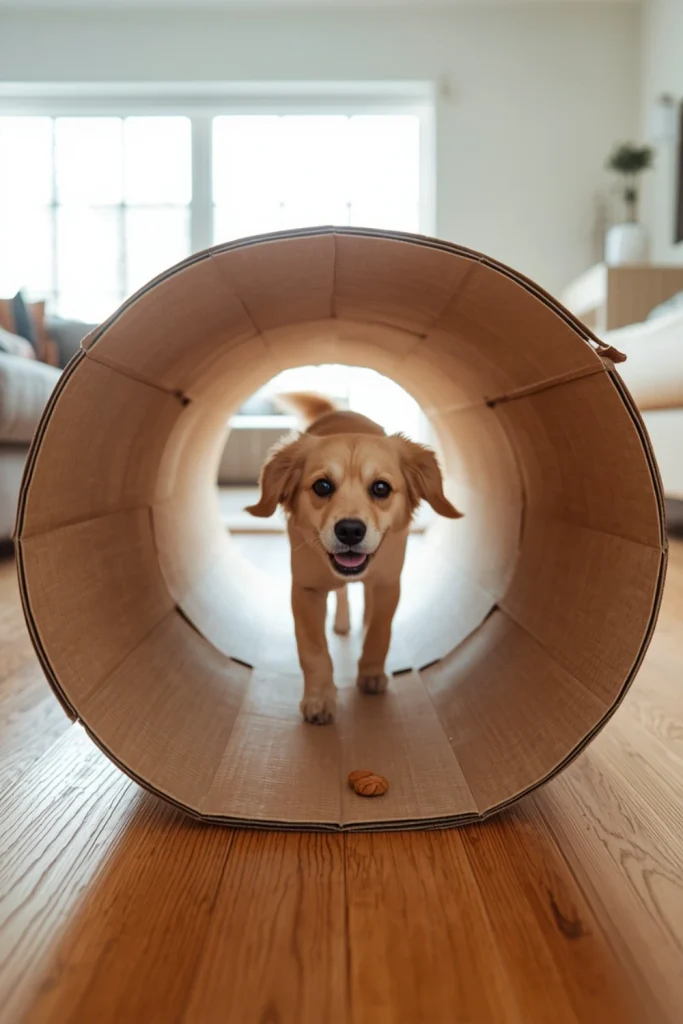
A cardboard tunnel can create a fun exploration activity for dogs that enjoy investigating new spaces. Use a large, sturdy cardboard box with both ends open to create a simple tunnel. Make sure the opening is wide enough for your dog to walk through comfortably. Remove staples, tape, sharp edges, and loose pieces before introducing the tunnel. Place a familiar toy or treat on the other side and encourage your dog to walk through at its own pace.
Start by allowing your dog to inspect the tunnel from the outside. Some dogs may feel uncertain about entering an unfamiliar space, so never push or pull them inside. Reward small steps, such as approaching the opening or looking through it. Once your dog becomes confident, you can place the tunnel in a different safe location. Supervise the activity and remove the cardboard if your dog starts chewing or swallowing pieces.
15. Homemade Interactive Food Puzzle
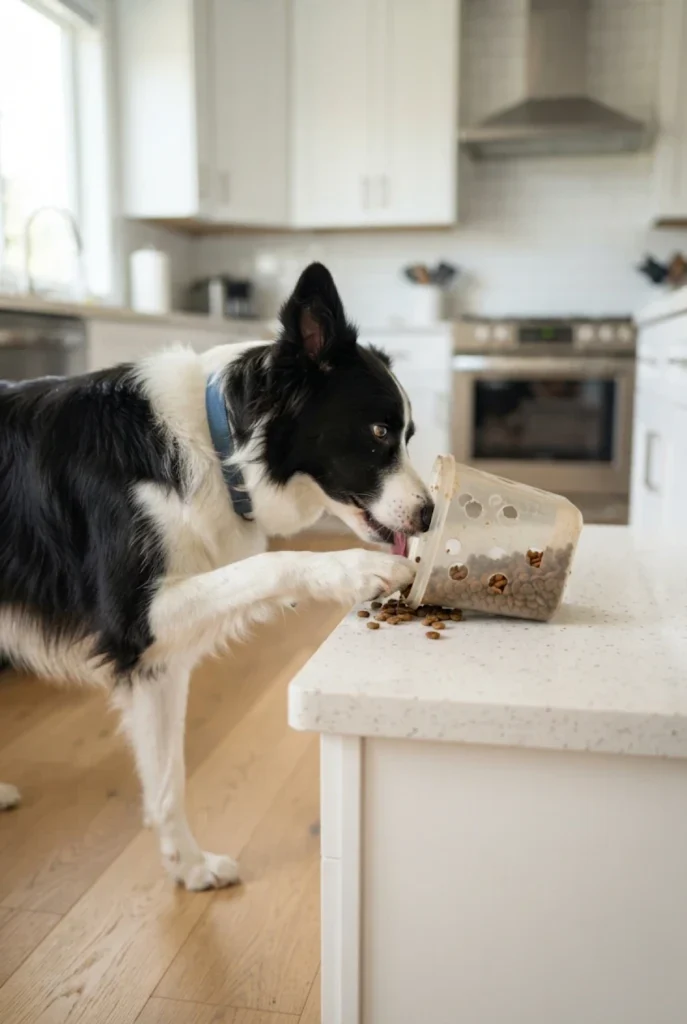
A homemade interactive food puzzle is a versatile way to encourage problem-solving during everyday feeding routines. Choose a sturdy, food-safe container with no sharp edges or detachable parts. Place a small amount of your dog’s regular kibble inside and let your dog investigate how to reach the food. You can begin with a simple open container and gradually introduce a suitable obstacle, such as a loose, easy-to-move divider. The objective is to encourage exploration rather than make feeding unnecessarily difficult.
You can adjust the puzzle according to your dog’s experience and preferences. Some dogs enjoy moving objects with their noses, while others prefer sniffing and searching. Use your dog’s regular meal portion instead of adding too many extra treats. Make sure the container cannot tip over, break, or be swallowed. Avoid tight openings where your dog’s muzzle or paws could become trapped. Supervise the entire activity and wash the equipment after each use.
Final Thoughts
Keeping your dog entertained doesn’t require expensive toys or complicated equipment. With a little creativity, ordinary household materials can become exciting opportunities for learning, exploration, and mental stimulation. These 15 Homemade Enrichment Games offer affordable ways to encourage natural behaviors while making your dog’s everyday routine more enjoyable.
Start with simple activities such as a treat treasure hunt, towel roll puzzle, or homemade scent trail. Observe which games your dog enjoys most and gradually introduce new challenges. Always supervise playtime, choose safe materials, and adjust activities according to your dog’s individual needs.
Remember that a happy dog needs more than physical exercise. Mental stimulation, positive interaction, exploration, and adequate rest are also important parts of a healthy lifestyle. Spend a few minutes each day creating fun experiences for your furry friend, and enjoy the opportunity to strengthen your special bond.