

15 Mental Stimulation Ideas to Keep Your Dog Engaged
A happy dog needs more than daily walks, delicious meals, and a comfortable place to sleep. Dogs are intelligent, curious animals that love discovering new things, solving problems, following interesting scents, and learning new skills. When dogs do not receive enough mental stimulation, they may become bored, restless, anxious, or develop unwanted habits such as excessive barking, chewing, and digging. Keeping your dog’s mind active is just as important as providing regular physical exercise.
The good news is that you do not need expensive equipment or hours of free time to keep your furry friend mentally engaged. There are plenty of simple mental stimulation ideas that you can introduce into your dog’s daily routine using ordinary household items, interactive toys, and positive training techniques. Whether you have a playful puppy, an energetic adult dog, or a senior companion, these activities can help make everyday life more interesting, rewarding, and enjoyable.
1. Play Hide-and-Seek With Treats
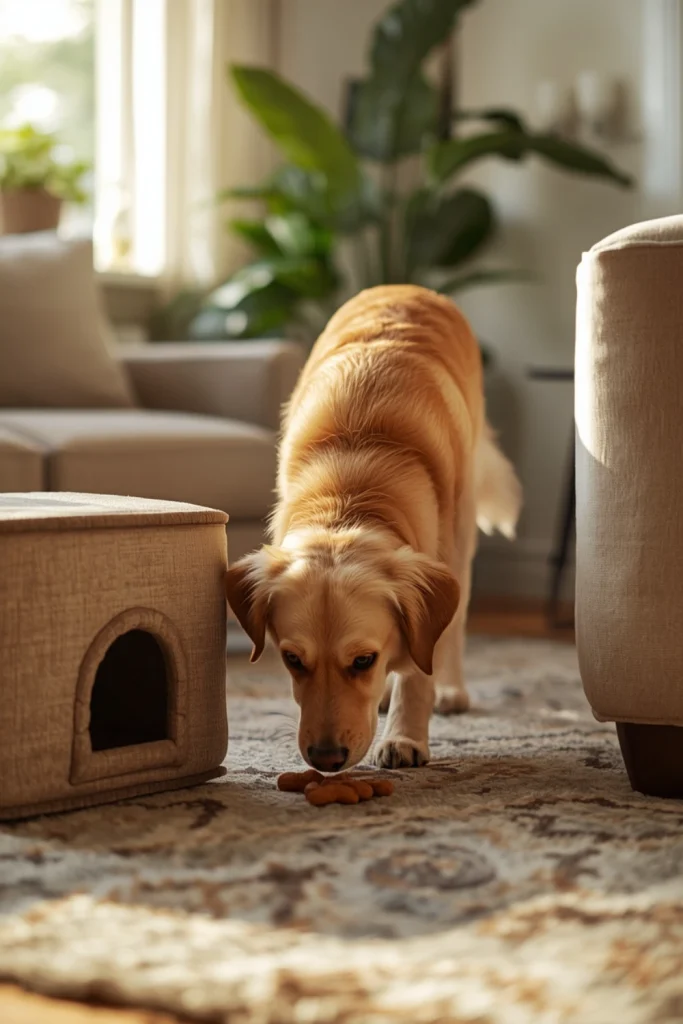
Hide-and-seek with treats is one of the easiest mental stimulation ideas you can try at home. Start by asking your dog to stay in another room or have someone gently hold them while you place a few small treats around an accessible area. Choose simple hiding locations, such as beside a chair, near a dog bed, or behind a safe piece of furniture. Release your dog and encourage them to find the rewards using their nose. This activity gives your pup an enjoyable challenge while encouraging natural searching instincts.
As your dog becomes more familiar with the game, gradually increase the difficulty by hiding treats in different rooms or inside open cardboard boxes. Avoid placing food near electrical wires, cleaning products, or other dangerous objects. Use small treats to prevent excessive calorie intake, and supervise your dog throughout the activity. Keep the first few sessions easy so your pup stays motivated and enjoys discovering every hidden reward.
2. Introduce Interactive Puzzle Toys
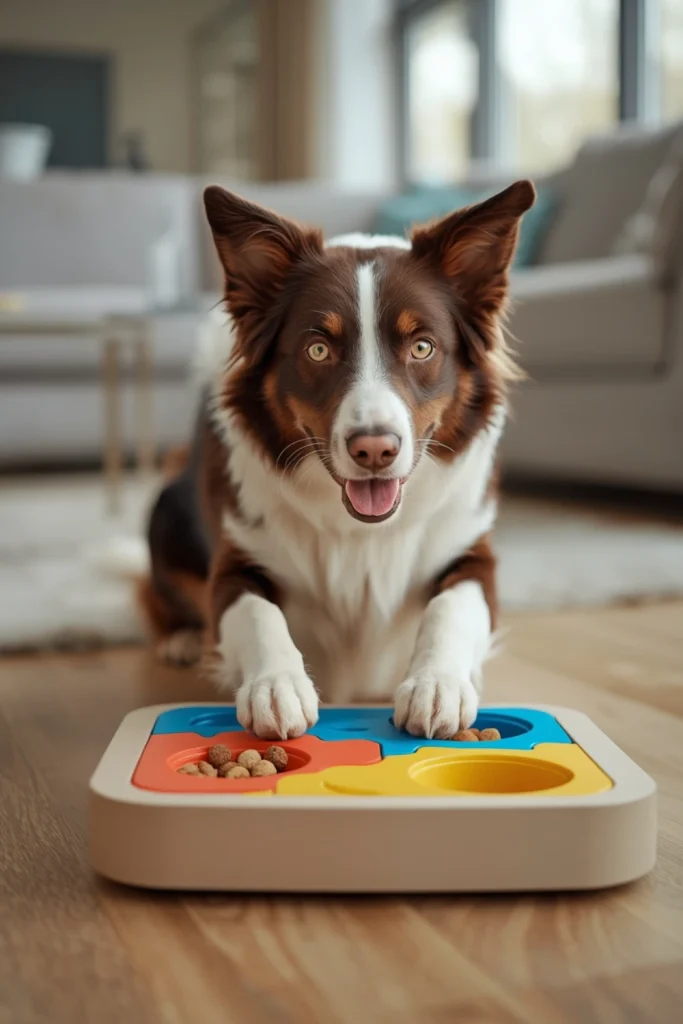
Interactive puzzle toys are excellent tools for challenging your dog’s thinking abilities. These toys usually contain hidden food compartments, sliding pieces, removable covers, or other simple mechanisms that dogs must explore to reach their rewards. Instead of eating directly from a regular bowl, your dog gets an opportunity to solve a small problem. This encourages curiosity, concentration, and independent thinking while making mealtime more exciting.
Choose a puzzle toy according to your dog’s age, size, and experience level. Beginners should start with simple designs that release food easily. Demonstrate how the toy works and encourage your pup whenever they make progress. Once your dog understands the basic concept, introduce more challenging puzzles. Always select durable, pet-safe materials and supervise playtime, particularly if your dog likes chewing toys rather than solving them.
3. Use a Snuffle Mat for Daily Brain Games
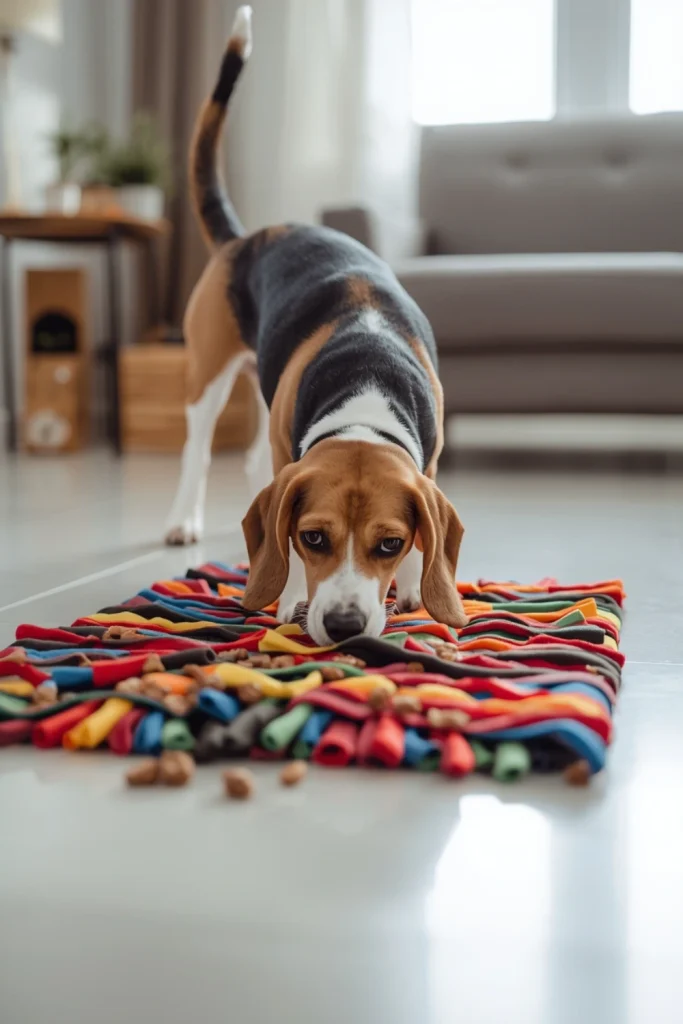
A snuffle mat is a simple enrichment tool that encourages dogs to use their powerful sense of smell. It consists of soft fabric strips or pockets where you can hide small pieces of kibble and treats. Spread the mat on a flat surface and allow your dog to investigate the different sections. Your pup must carefully sniff through the fabric to discover the food, turning an ordinary snack into an enjoyable searching activity.
Snuffle mats are especially useful for dogs that enjoy exploring scents and working for their food. You can introduce one during breakfast or use it as a short afternoon activity. Begin by placing treats near the surface so your dog understands the game. Gradually hide food deeper within the fabric as their confidence improves. Always supervise the activity and remove the mat if your dog starts chewing or swallowing its material. Clean it regularly to prevent food residue from building up.
4. Teach Your Dog a New Trick
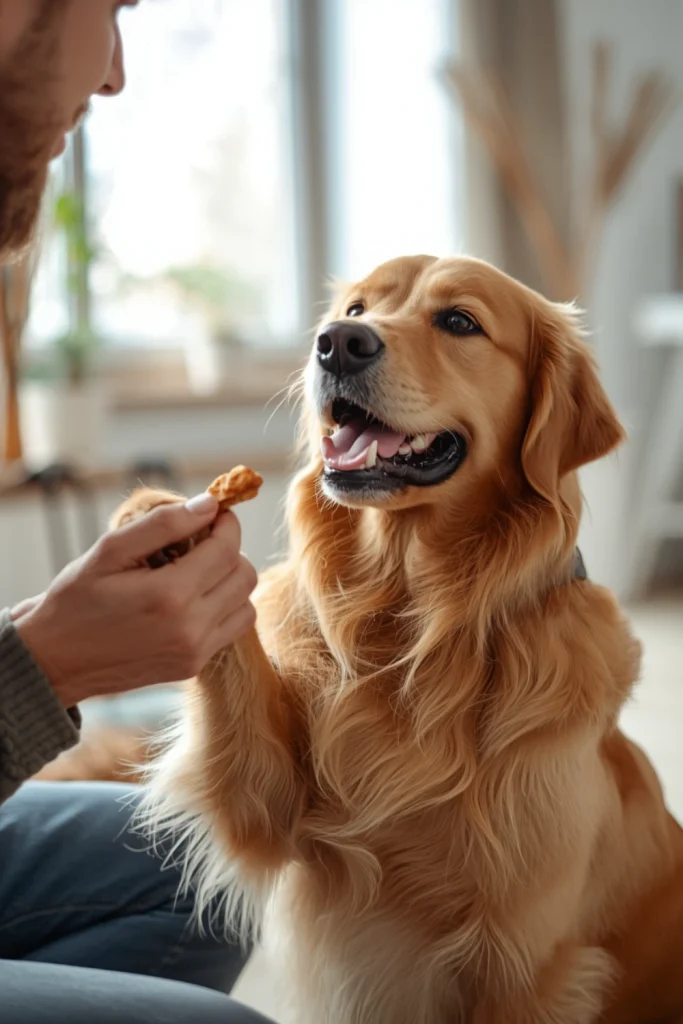
Teaching new tricks is one of the most rewarding mental stimulation ideas because it combines learning, concentration, and positive interaction. Start with simple tricks such as giving a paw, spinning, touching your hand, or lying down. Break each trick into small steps and reward your dog whenever they perform the desired behavior. You can use tiny treats, verbal praise, or a favorite toy to make learning enjoyable.
Keep training sessions short, particularly when working with puppies or dogs that become distracted easily. Five to ten minutes of focused practice can provide a valuable mental challenge without overwhelming your pup. Once your dog learns one trick, introduce another or practice the same skill in a different room. Always use positive reinforcement and avoid punishment. Learning new behaviors gives dogs an opportunity to build confidence while strengthening their relationship with their owners.
5. Create a DIY Cardboard Box Challenge
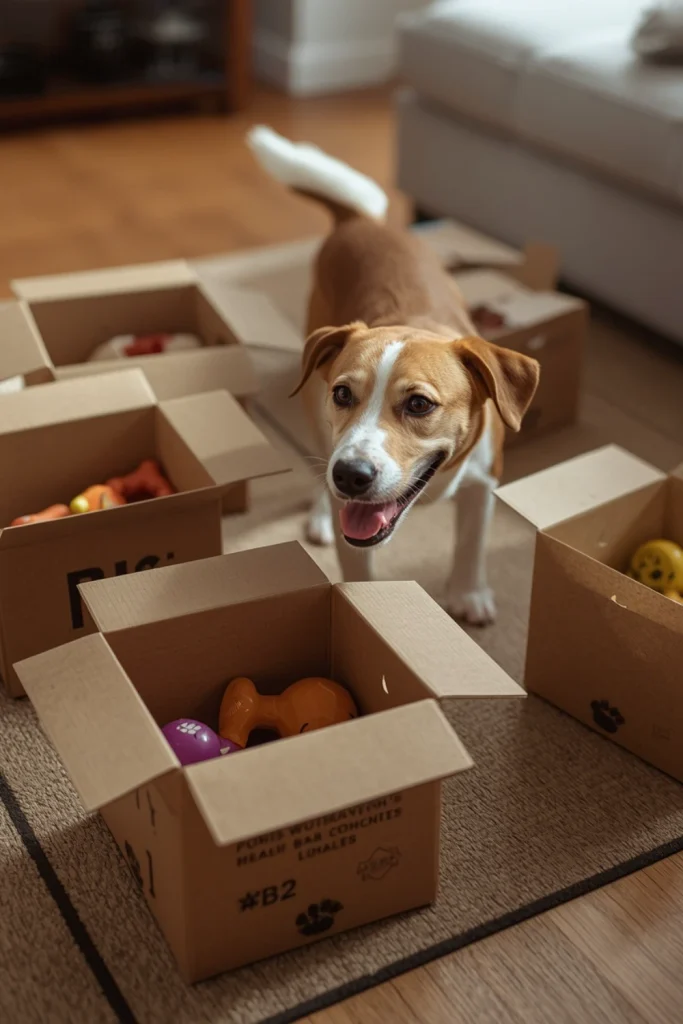
A cardboard box challenge is an inexpensive way to introduce problem-solving into your dog’s daily routine. Collect a few clean cardboard boxes and place them on the floor in a safe area. Hide a favorite toy or a few dog treats inside selected boxes. Leave some boxes empty so your dog has to investigate different options. Encourage your pup to sniff around and discover which containers hold something interesting.
This activity can be adjusted according to your dog’s personality and confidence. Begin with open boxes that are easy to explore, then introduce slightly more challenging arrangements. Use only plain cardboard without staples, sharp edges, plastic decorations, or excessive tape. Supervise your dog closely because swallowing cardboard can be dangerous. Remove small pieces immediately if your pup starts tearing them apart. This simple game is particularly useful for rainy days when outdoor activities are limited.
6. Play the Find-the-Toy Game
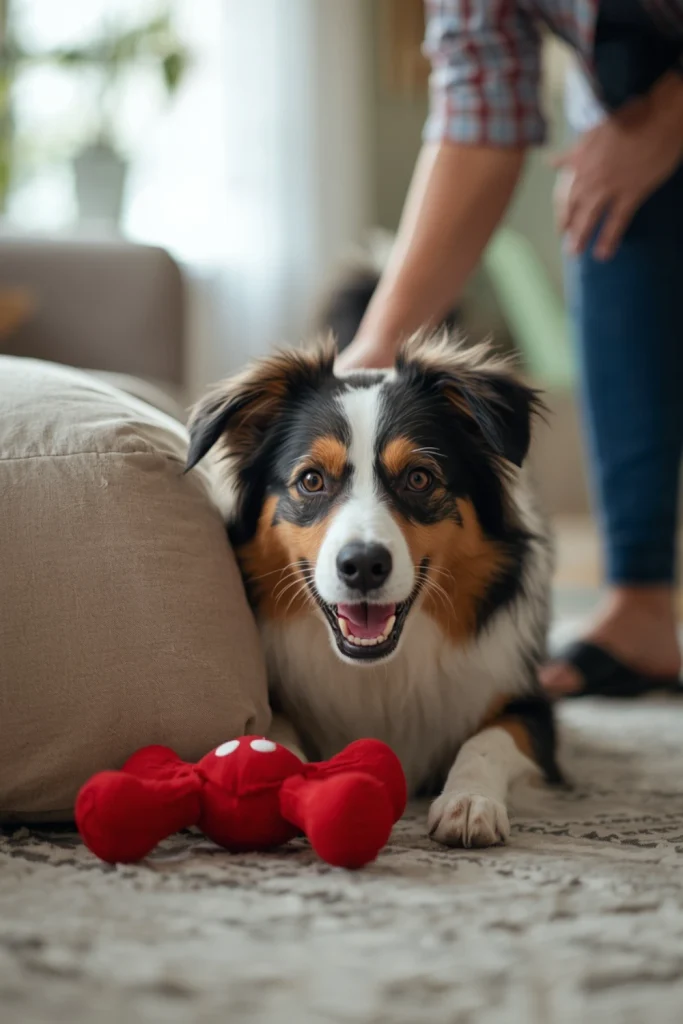
The find-the-toy game encourages your dog to use memory, scent detection, and problem-solving skills. Begin by showing your dog a familiar toy and allowing them to investigate it. Ask your pup to wait while you hide the toy in an easy-to-find location, such as behind a cushion or beside a dog bed. Give a simple cue such as “find your toy” and encourage your dog to search until they discover it.
When your dog understands the game, gradually introduce different hiding places and toys. You can even teach your dog to recognize specific toy names by rewarding them when they select the correct object. Keep hiding locations safe and avoid placing toys somewhere your pup could become trapped or knock over heavy objects. This activity provides mental engagement without requiring much space, making it an excellent indoor game for dogs of different sizes and energy levels.
7. Practice Scent Detection Games
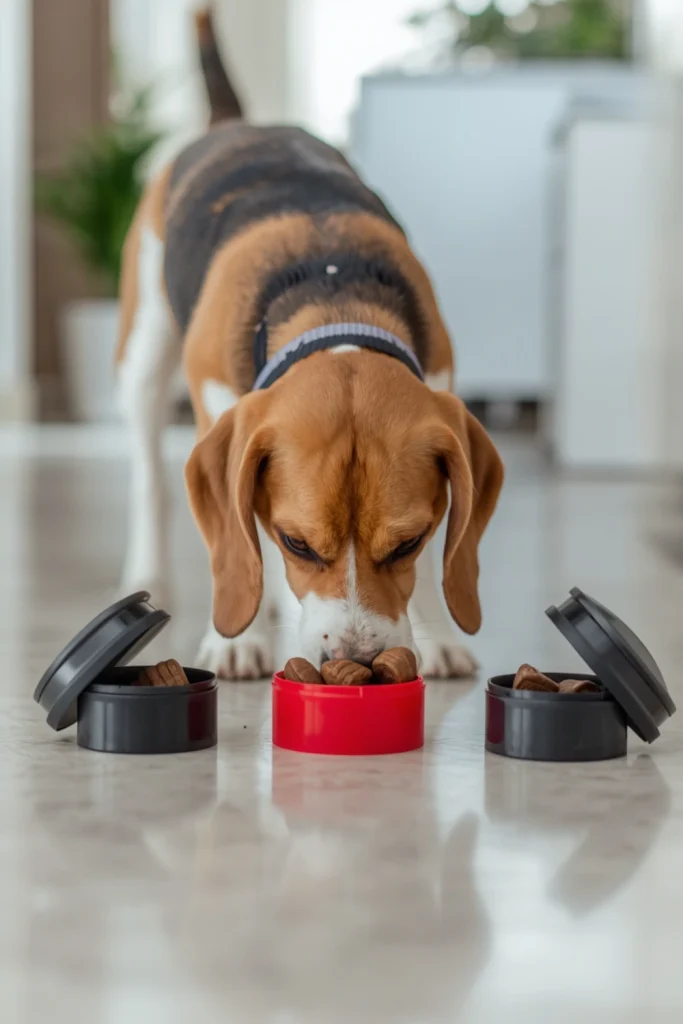
Scent detection games are particularly enjoyable because dogs naturally depend on their noses to understand the world. You can introduce a simple scent activity by placing a few small treats inside several open containers. Allow your dog to investigate each container and discover where the rewards are hidden. As your pup becomes more experienced, use additional containers or create a small scent trail around a safe room.
These activities encourage concentration and natural searching behavior. You can also hide a familiar toy instead of using food, giving your dog a different type of scent challenge. Make sure all containers are safe, clean, and large enough to prevent accidental swallowing. Never use harmful chemicals or essential oils to create scent challenges. Allow your dog to investigate at their own pace, and reward successful discoveries with praise and encouragement.
8. Rotate Your Dog’s Toys
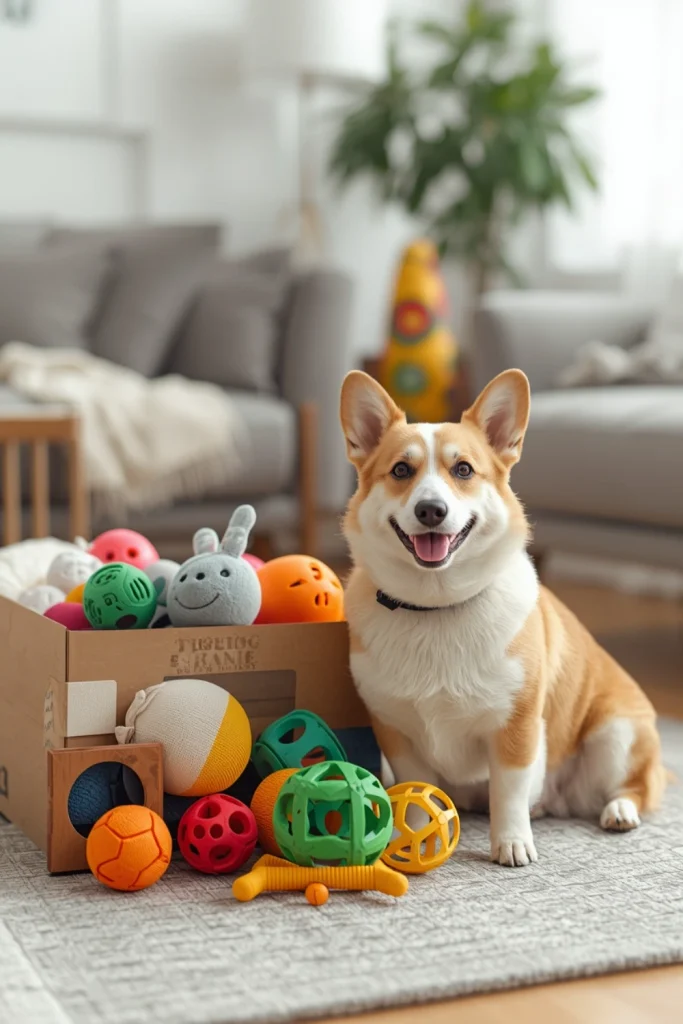
Keeping every toy available all the time can make playtime predictable for some dogs. Toy rotation introduces variety by allowing your pup to enjoy a smaller selection of toys before switching to different ones. Gather your dog’s safe toys and divide them into a few groups. Keep two or three available at a time, then replace some of them after several days. Familiar toys may become interesting again when they return after a short break.
Observe your dog’s preferences to understand which toys provide the most engagement. Some dogs enjoy soft plush toys, while others prefer rubber chew toys, interactive balls, or food-dispensing products. Toy rotation does not require buying new items regularly. Simply changing the available selection can make everyday play feel different. Inspect all toys before returning them to your dog and discard damaged products that contain loose parts or sharp edges.
9. Practice Basic Obedience With Fun Challenges
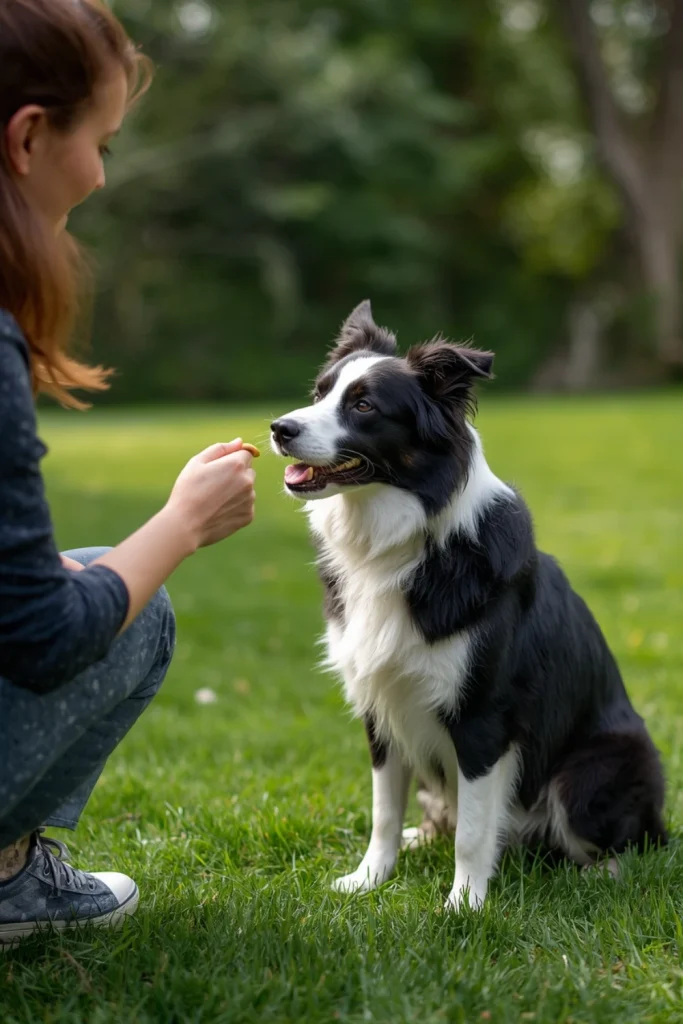
Basic obedience training can become an enjoyable brain game when you introduce it through short and rewarding challenges. Practice commands such as sit, stay, come, down, and touch using treats or favorite toys. Instead of repeating the same instruction continuously, change the order of commands and encourage your dog to pay attention. You can also practice simple combinations, such as asking your pup to sit before receiving a toy.
Start in a quiet environment with very few distractions. Once your dog understands the commands, gradually practice in different safe locations. This helps improve attention and communication while making familiar training exercises more interesting. Always reward effort and successful responses instead of punishing mistakes. Keep sessions positive and allow your dog to take breaks when needed. Consistent obedience games can improve everyday manners while providing valuable mental exercise.
10. Try a Frozen Food Puzzle
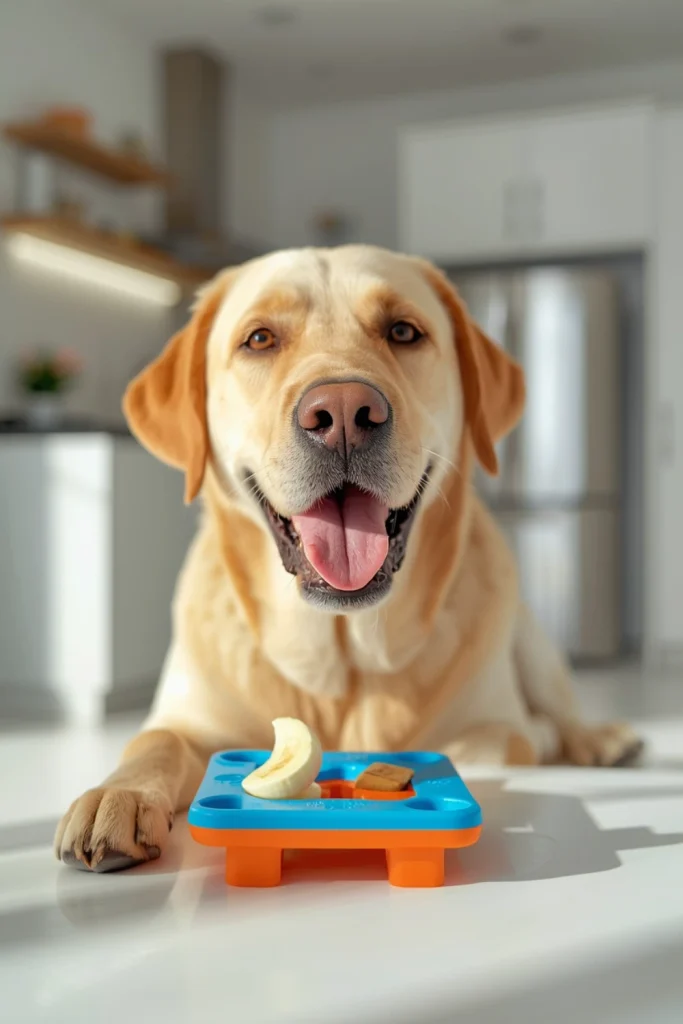
Frozen food puzzles provide dogs with a different way to explore food and solve simple challenges. You can use a suitable food-dispensing toy designed for freezing and fill it with dog-safe ingredients such as plain unsweetened yogurt, mashed banana, or a portion of your dog’s regular wet food. Freeze according to the product instructions and offer it when your pup needs an interesting activity. Your dog can investigate the different textures while working to reach the food.
This activity is particularly useful during warm weather or when your dog needs a quiet indoor challenge. Always check ingredient safety and avoid chocolate, grapes, raisins, artificial sweeteners such as xylitol, and other foods that are harmful to dogs. Use small portions that fit your dog’s diet and supervise the activity. Choose a suitable toy that cannot break into dangerous pieces, and wash it thoroughly after use.
11. Introduce a Simple Indoor Obstacle Course
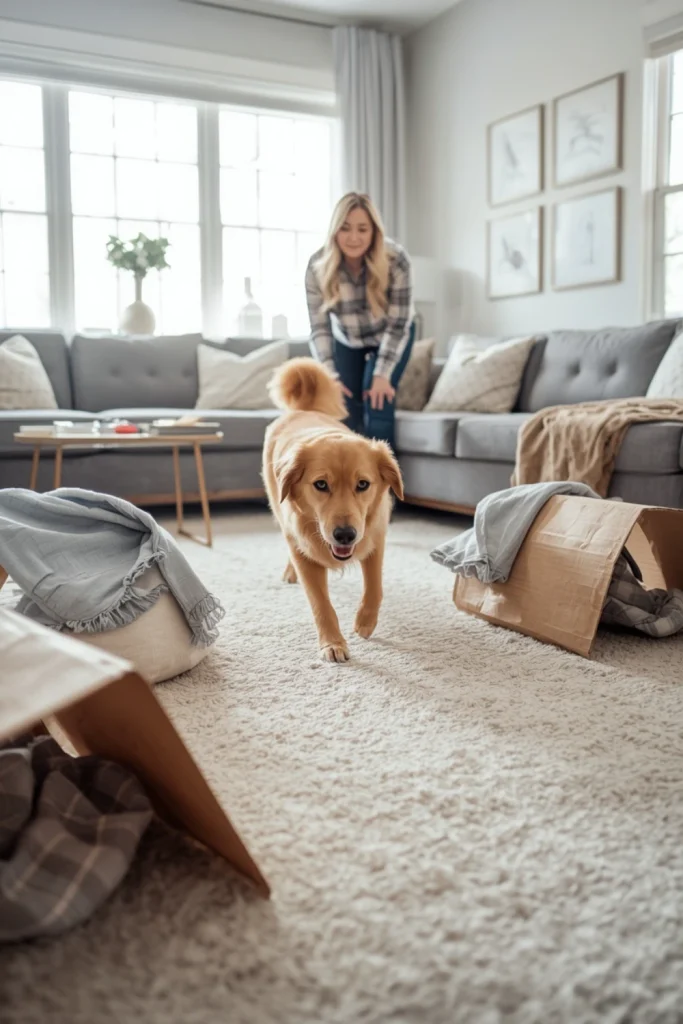
An indoor obstacle course gives dogs an opportunity to think, explore, and follow instructions while moving through a new environment. You can create a simple course using soft cushions, low cardboard tunnels, blankets, and stable household objects. Encourage your dog to walk around obstacles, move through safe openings, and follow your hand signals from one point to another. Add a few rewards along the way to make the activity more interesting.
The purpose is to encourage problem-solving and coordination rather than demanding athletic performance. Keep every obstacle low and stable, and avoid slippery surfaces, high jumps, and unstable furniture. Adjust the course according to your dog’s size, age, and mobility. Puppies and senior dogs should have gentle activities without unnecessary jumping or strain. Change the arrangement occasionally to give your pup a fresh experience and maintain interest.
12. Explore a New Dog-Friendly Walking Route
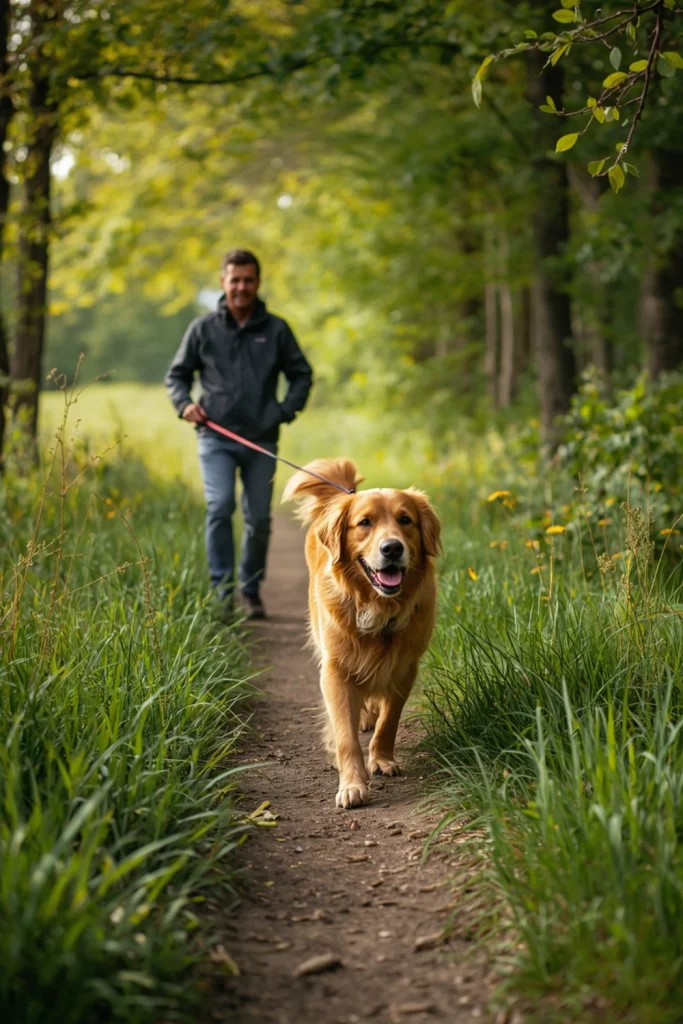
Exploring a new walking route is a wonderful way to provide mental stimulation outside the home. Dogs experience unfamiliar environments through different smells, sounds, sights, and textures. Instead of following exactly the same path every day, occasionally choose a quiet dog-friendly park, nature trail, or peaceful walking area. Allow your dog to investigate interesting smells while maintaining appropriate leash control.
New environments can encourage curiosity and help dogs become more comfortable with different surroundings. However, introduce unfamiliar places gradually, especially if your dog is nervous around traffic, strangers, or other animals. Choose safe locations and avoid overcrowded areas that may cause stress. Carry fresh water, use a secure leash and harness, and check local pet rules before visiting. Let your dog explore at a comfortable pace rather than rushing through the walk.
13. Teach Your Dog to Identify Different Objects
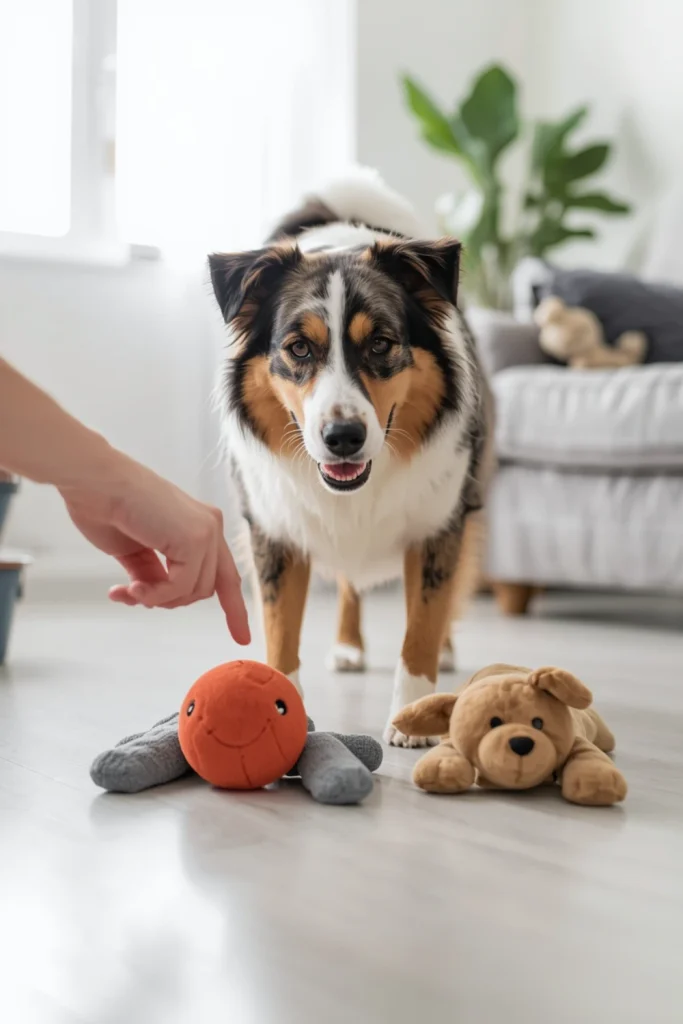
Teaching your dog to recognize different objects is an interesting way to improve learning and memory skills. Start with two familiar toys that look different, such as a ball and a plush bone. Give each toy a simple name and repeat it while encouraging your dog to interact with the correct object. Reward your pup whenever they make the right choice. Keep the first lessons short and easy to understand.
Once your dog recognizes two objects, introduce another familiar toy and gradually expand the collection. You can practice by placing toys on the floor and asking your dog to bring or touch a specific one. Do not expect immediate results because learning object names takes patience and repetition. Use positive reinforcement and avoid creating frustration. This activity can become an enjoyable daily game that encourages attention, memory, and communication between you and your dog.
14. Play a Gentle Tug-and-Release Game
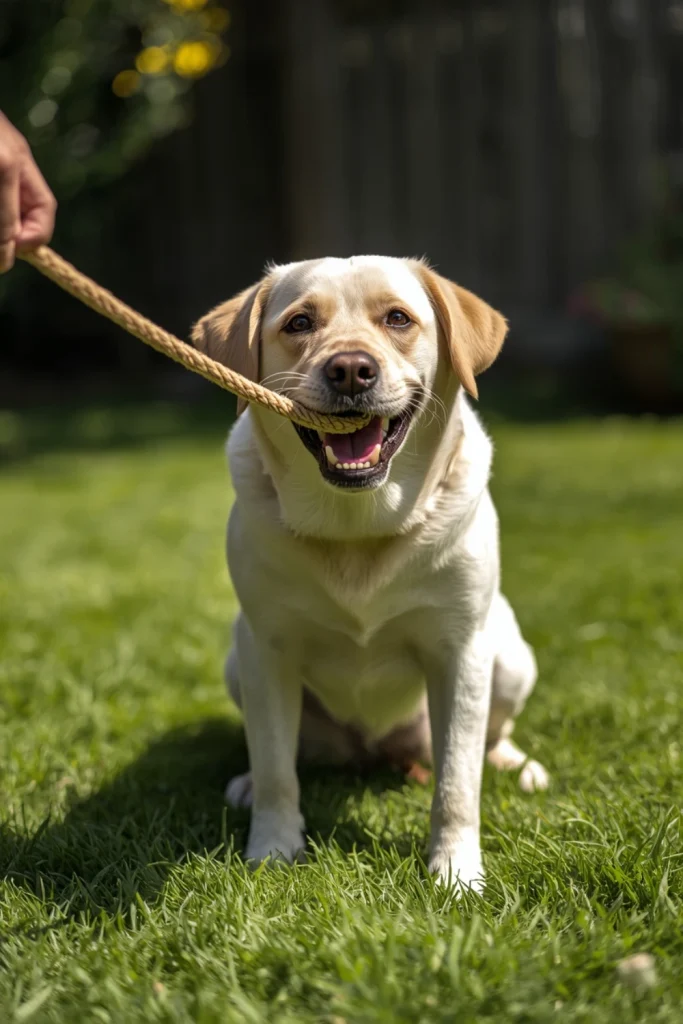
A tug-and-release game combines interactive play with learning and self-control. Use a durable dog tug toy and allow your pup to hold one end while you gently hold the other. Encourage short rounds of tugging, then introduce a release cue such as “drop it.” When your dog releases the toy, reward them with praise or briefly restart the game. This creates a fun opportunity to practice listening and responding during exciting play.
Keep the movements gentle and avoid pulling upward, twisting the neck, or making sudden jerks. Choose a toy appropriate for your dog’s size and chewing strength. If your dog becomes overly excited, pause the game and allow them to settle before continuing. This activity is not suitable for every dog, so adjust the game to your pup’s temperament and physical condition. Always keep playtime safe, controlled, and enjoyable.
15. Enjoy Calm Bonding and Gentle Massage Time
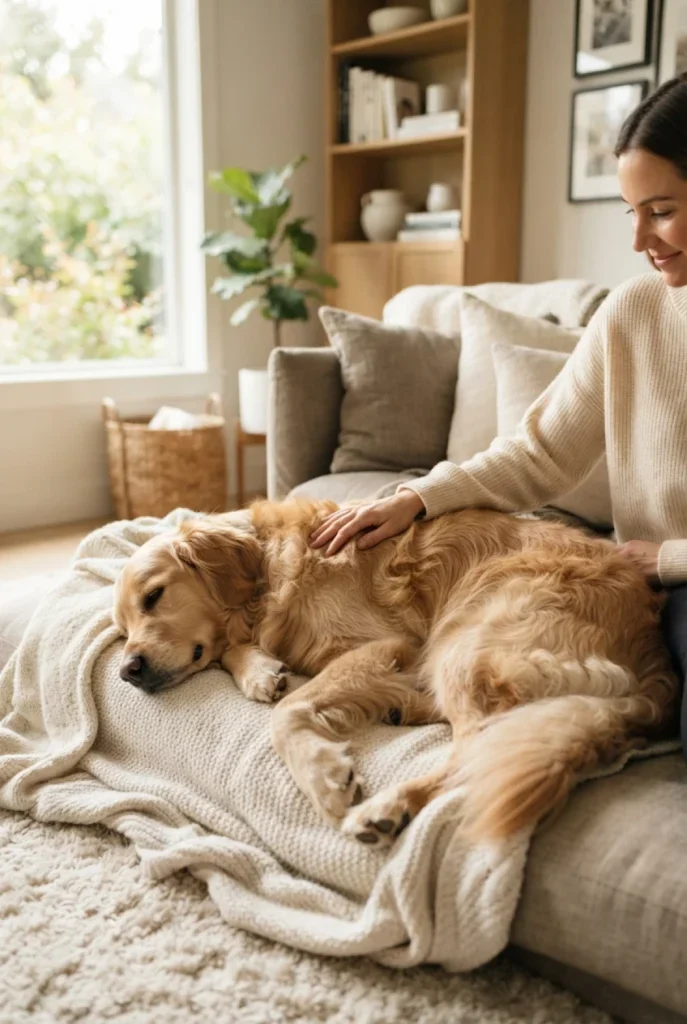
Mental stimulation does not always need to involve complicated games or active movement. Calm bonding activities are also valuable because they provide positive interaction and opportunities for dogs to feel comfortable with their owners. Choose a quiet place and spend a few minutes gently petting your dog or brushing them if they enjoy it. Allow your pup to decide how much physical contact they want and respect their personal space.
You can combine gentle bonding with simple handling exercises, such as calmly touching your dog’s paws or ears for a moment before offering a reward. This can help make everyday grooming experiences more familiar when introduced gradually and positively. Watch your dog’s body language and stop if they move away, become tense, or show discomfort. Avoid pressing on painful areas. These peaceful moments can strengthen trust and provide a relaxing way to finish a day filled with activities.
Final Thoughts
Keeping your dog’s mind active is an important part of providing a happy and healthy lifestyle. Mental stimulation ideas such as scent games, interactive puzzles, trick training, toy searches, and outdoor exploration can make everyday life more exciting while encouraging natural behaviors and problem-solving skills.
You do not need expensive toys or complicated training equipment to help your dog stay mentally engaged. Start with a few simple activities and observe which ones your pup enjoys most. Gradually introduce new challenges, rotate familiar games, and adjust the difficulty according to your dog’s age, personality, and abilities.
Remember that every dog learns differently. Some enjoy searching for treats, while others prefer interactive play or learning new tricks. Keep activities positive, prioritize safety, and provide plenty of time for rest. With a little creativity and consistency, you can build a rewarding daily routine that keeps your furry friend curious, confident, and happily engaged.


