12 Ways to Make Grooming Less Stressful for Your Dog
Does your dog run away, hide, or become nervous whenever you bring out the grooming brush? You are not alone! Many dogs feel uncomfortable during grooming, especially when they are unfamiliar with brushing, bathing, nail trimming, or ear cleaning. Even simple grooming activities can become stressful without the right approach.
The good news is that grooming does not have to be a frightening experience. With patience, gentle handling, positive rewards, and a comfortable environment, you can make grooming less stressful for your dog. Whether you have a playful puppy or an adult dog that dislikes grooming, these 12 practical tips will help you build a relaxing grooming routine while keeping your furry friend clean, healthy, and comfortable.
1. Introduce Grooming Tools Slowly
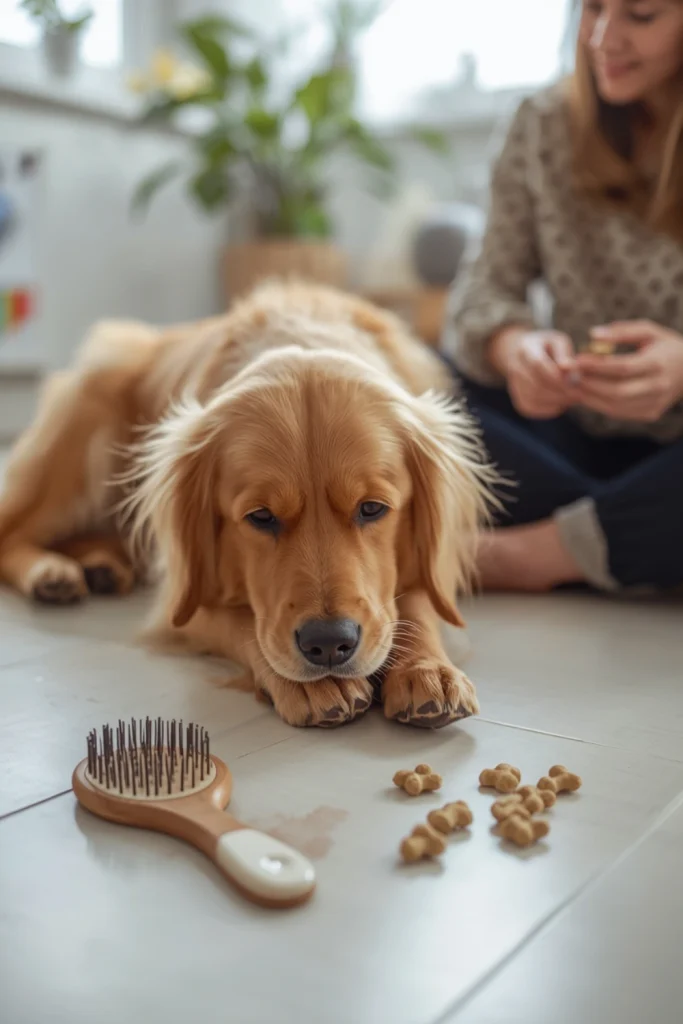
One of the easiest ways to make grooming less stressful for your dog is to introduce grooming tools gradually. Brushes, combs, nail clippers, and grooming scissors may look unusual or frightening to a dog that has never seen them before. Instead of immediately starting a grooming session, place the tools near your pet and allow your dog to investigate them naturally.
Start with one tool at a time. Let your dog smell the brush and reward calm behavior with praise or a small treat. Once your pet becomes comfortable seeing the tool, gently touch it to the body without actually grooming. Repeat this process over several short sessions. Gradual introduction helps your dog understand that grooming equipment is not something to fear.
2. Choose a Quiet and Comfortable Grooming Area
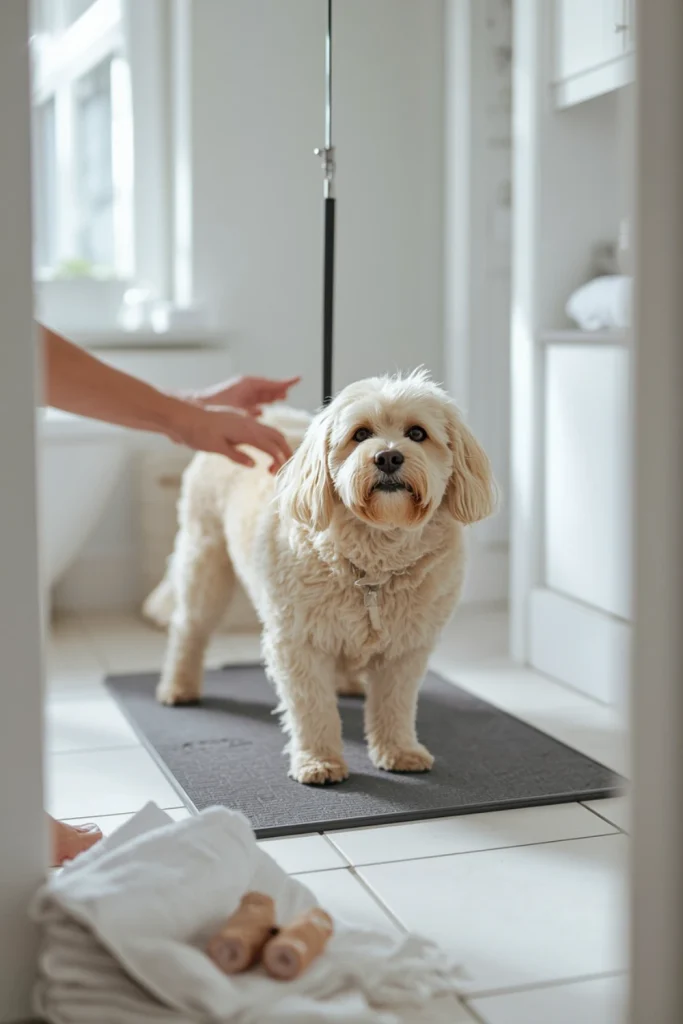
Your dog’s surroundings can make a big difference during grooming. A noisy or crowded environment may increase nervousness, especially for pets that are already sensitive to unfamiliar sounds. Choose a quiet room where your dog feels safe and comfortable. A familiar bathroom, laundry room, or peaceful corner of the living room can be a suitable grooming location.
Make sure the area has enough space for your dog to stand or sit comfortably. Keep grooming supplies within reach so you do not need to leave your pet unattended. Use a nonslip mat to provide better stability, especially during bathing or nail trimming. Avoid sudden movements, loud music, and unnecessary distractions. A calm environment helps your dog focus and makes grooming sessions easier to manage.
3. Use Positive Reinforcement and Rewards
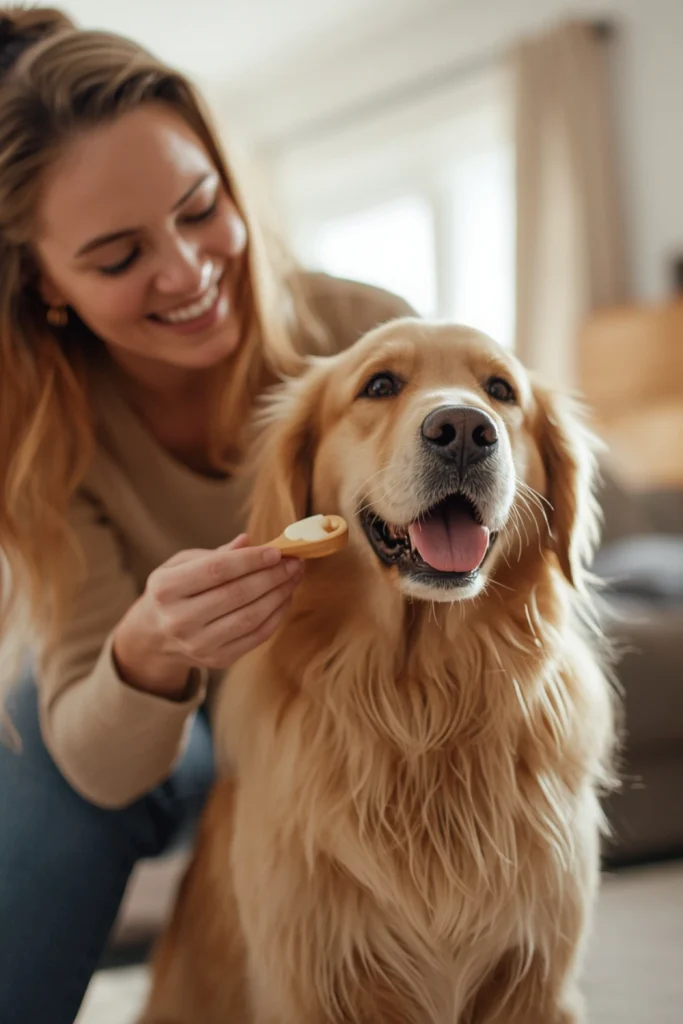
Positive reinforcement is an effective way to help your dog develop a better attitude toward grooming. Instead of expecting your pet to cooperate immediately, reward small steps of progress. For example, give a treat when your dog calmly approaches the grooming brush, allows you to touch its paws, or remains relaxed while you brush a small section of fur.
Use gentle praise, affection, and small dog-friendly treats throughout the grooming process. Rewards help create a positive connection between grooming activities and enjoyable experiences. Avoid shouting, punishment, or forcing your dog to remain still when frightened. If your pet becomes uncomfortable, pause and return to an easier activity. Consistent rewards can gradually build confidence and make grooming a more enjoyable experience.
4. Start With Short Grooming Sessions
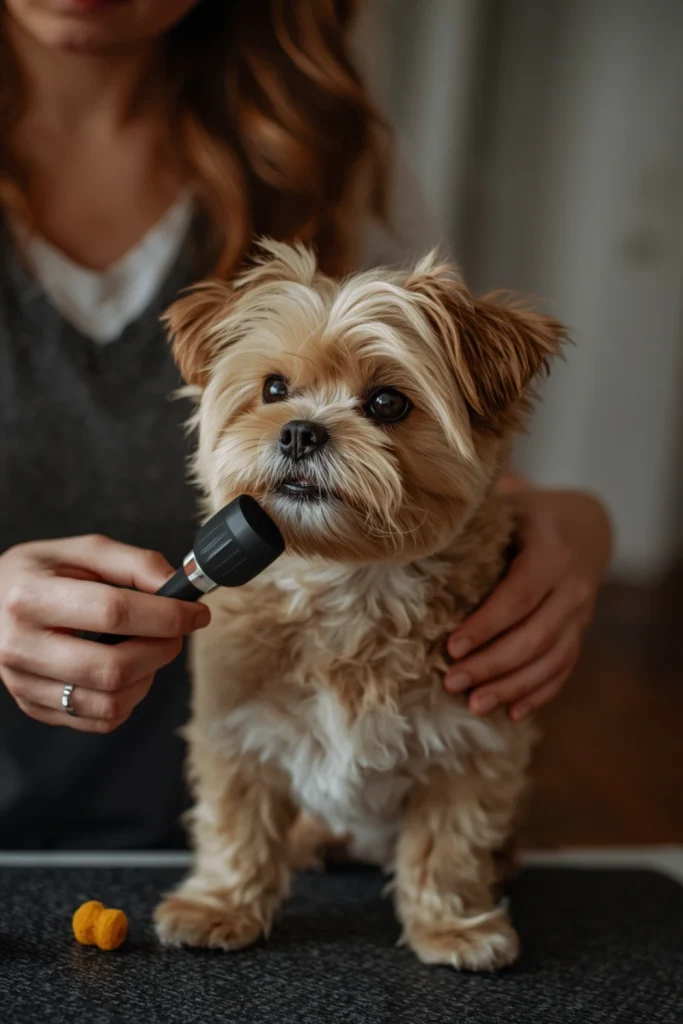
Long grooming sessions can overwhelm dogs that are unfamiliar with the process. Trying to brush the entire coat, trim every nail, and clean the ears in one sitting may create unnecessary stress. Instead, divide grooming into smaller activities and allow your dog to become comfortable with each one gradually.
Start with just a few minutes of brushing or gentle handling. If your dog remains relaxed, reward the behavior and finish the session on a positive note. Increase the duration slowly as your pet becomes more confident. Some dogs may need several short sessions to complete a full grooming routine. Remember that a calm five-minute session is more beneficial than a long experience that makes your dog fearful of future grooming.
5. Brush Your Dog’s Coat Gently
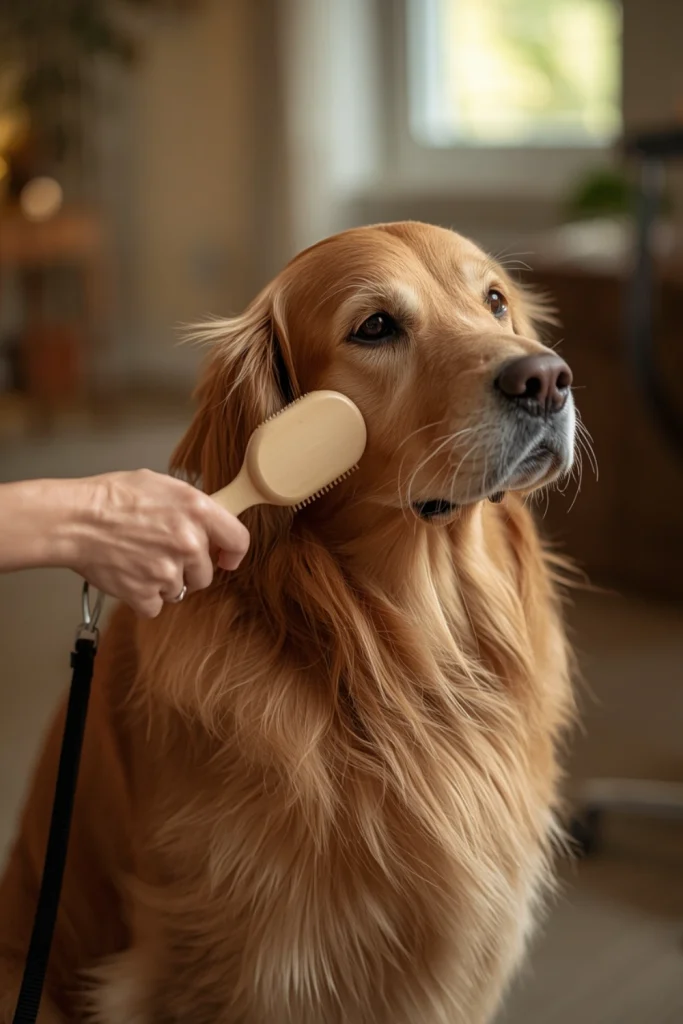
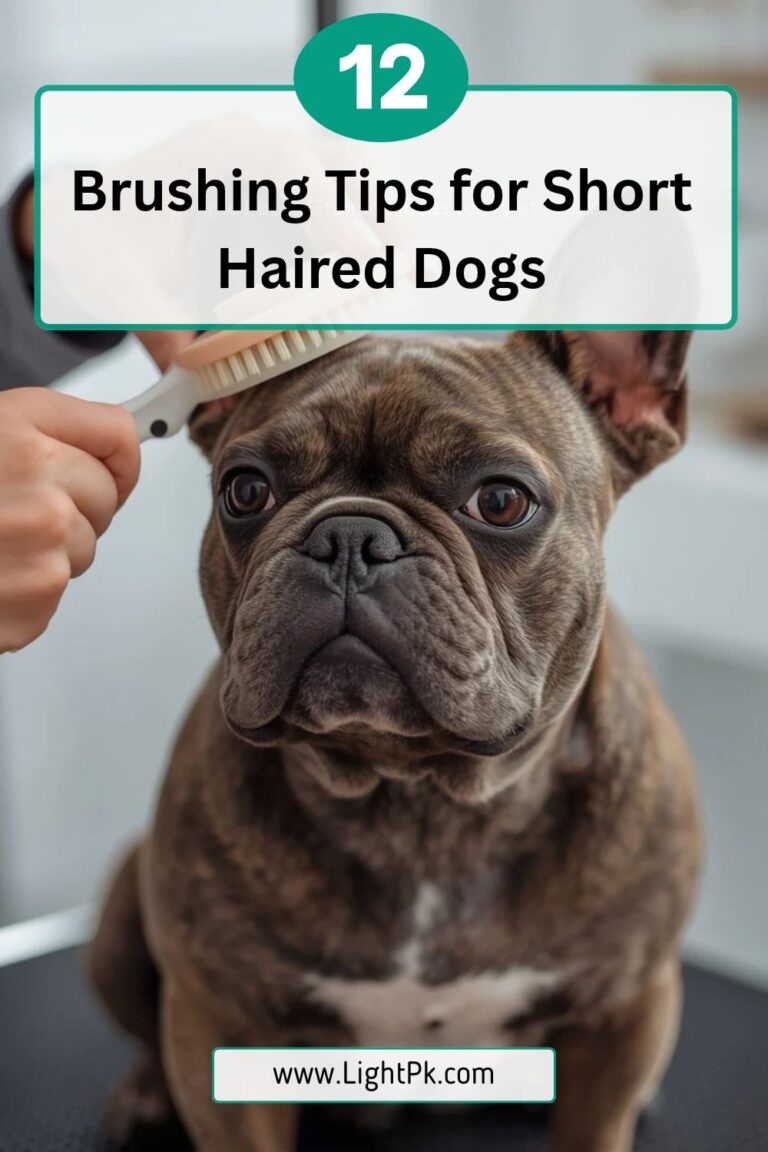
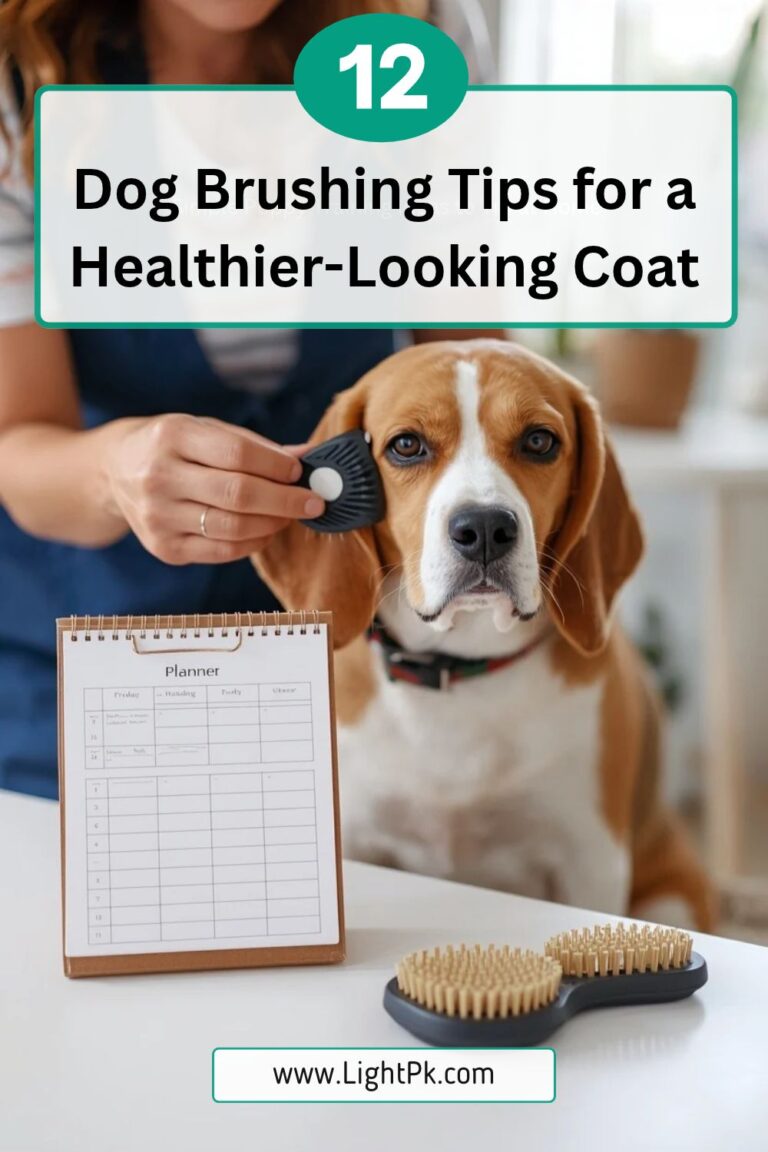
Brushing is an important part of grooming, but rough handling can make your dog dislike the experience. Pulling tangled fur or using a brush with uncomfortable bristles may cause pain and increase anxiety. Choose a brush that matches your dog’s coat type, length, and sensitivity. A soft-bristled brush may work well for some short-haired dogs, while long-haired breeds may need a suitable slicker brush or comb.
Begin by brushing small sections of the coat using gentle movements. Pay attention to areas that commonly develop tangles, such as behind the ears, under the legs, around the tail, and near the collar. Never pull aggressively through mats or knots. Severe matting may require professional help because attempting to remove it at home can injure the skin. Reward your dog for remaining relaxed during brushing.
6. Make Bath Time More Relaxing
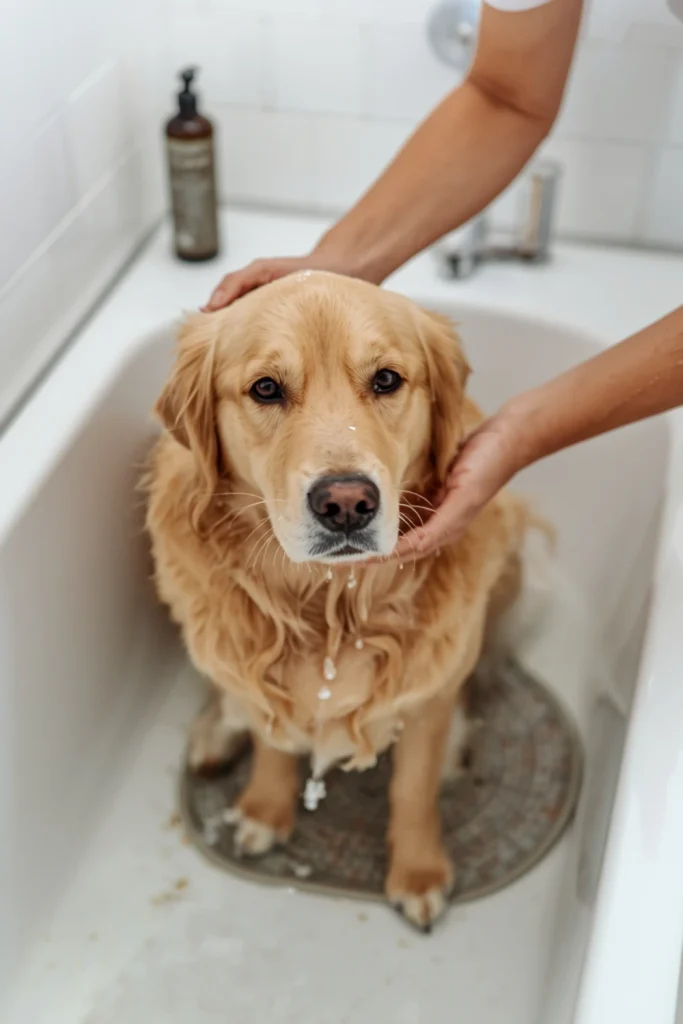
Bathing can be stressful for dogs that dislike water, slippery surfaces, or unfamiliar bathroom sounds. To make bath time more comfortable, introduce your dog to the bathing area before turning on the water. Allow your pet to explore the space and offer a few treats. A nonslip bath mat can help your dog feel more secure while standing.
Use lukewarm water and a gentle shampoo specifically formulated for dogs. Start by wetting the body slowly, avoiding direct spraying toward the face and ears. Keep the water pressure comfortable and speak calmly throughout the bath. Rinse thoroughly to remove shampoo residue, which can irritate the skin. Finish with a soft towel and praise. If your dog becomes very distressed, pause and work on gradual water introduction during future sessions.
7. Get Your Dog Comfortable With Nail Trimming
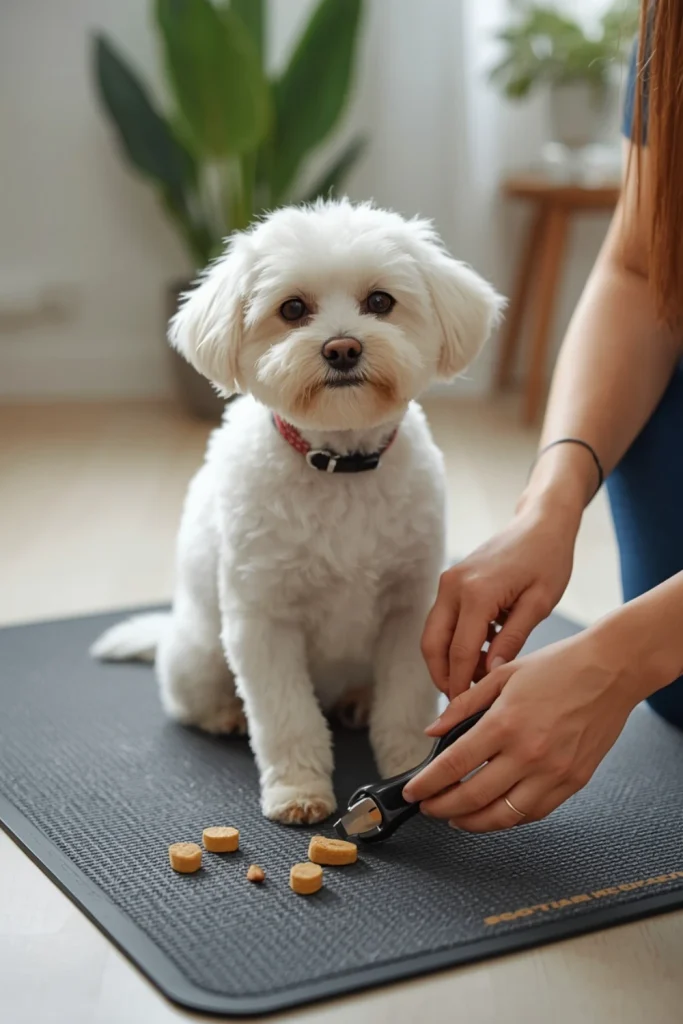
Nail trimming is one of the grooming activities many dogs dislike. Some pets become nervous when their paws are touched, while others react to the sound or pressure of nail clippers. Long nails can affect walking comfort and may cause problems if they are not maintained. However, rushing through nail trimming can make your dog more frightened. Begin by gently touching your dog’s paws during relaxed moments and rewarding calm behavior.
Once your dog accepts paw handling, introduce the nail clippers without using them immediately. Let your pet investigate the tool and become familiar with its appearance. Gradually touch the clippers near the nails before attempting a small trim. Use proper dog nail clippers and remove only tiny portions at a time. If you are unsure where the quick is or your dog strongly resists, ask a professional groomer or veterinarian for help.
8. Introduce Grooming Sounds Before Using Noisy Tools
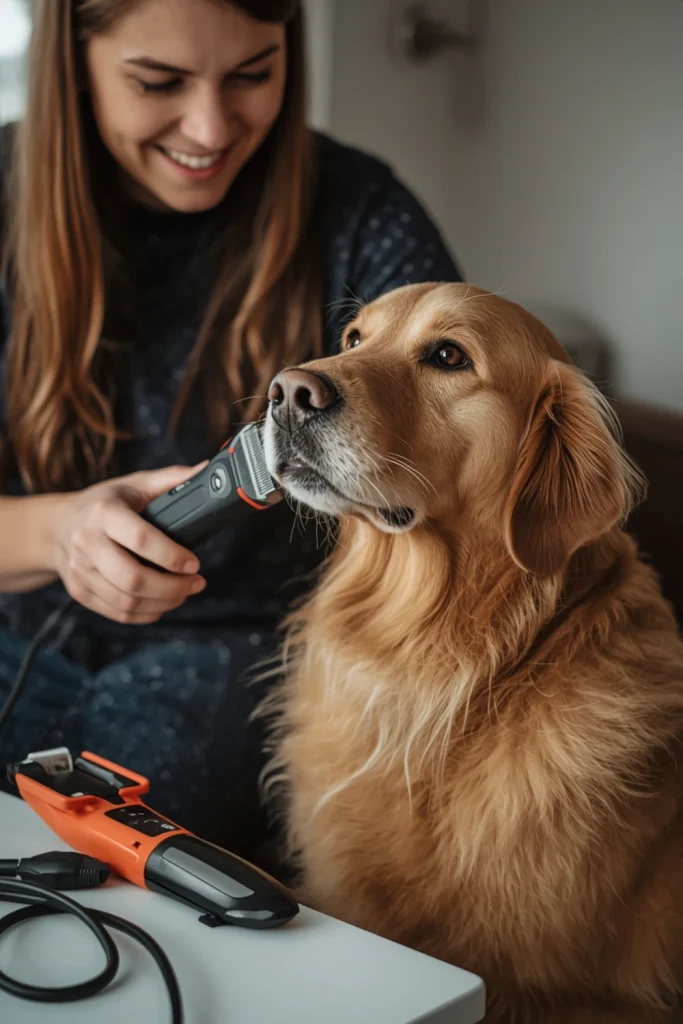
Electric clippers, hair dryers, and nail grinders can make sounds that frighten sensitive dogs. A sudden loud noise near your pet’s face or paws may create a negative grooming experience. Before using noisy equipment, allow your dog to hear it from a comfortable distance. Start with the tool switched off and reward your pet for remaining relaxed around it.
Next, briefly switch on the equipment while keeping it far enough away that your dog does not feel threatened. Gradually reduce the distance over several sessions if your pet remains comfortable. Never force a frightened dog to stay close to a noisy tool. If you use a hair dryer, select a low, comfortable setting and avoid directing hot air toward the skin, eyes, or ears. Slow introduction can help reduce noise-related grooming anxiety.
9. Pay Attention to Sensitive Areas
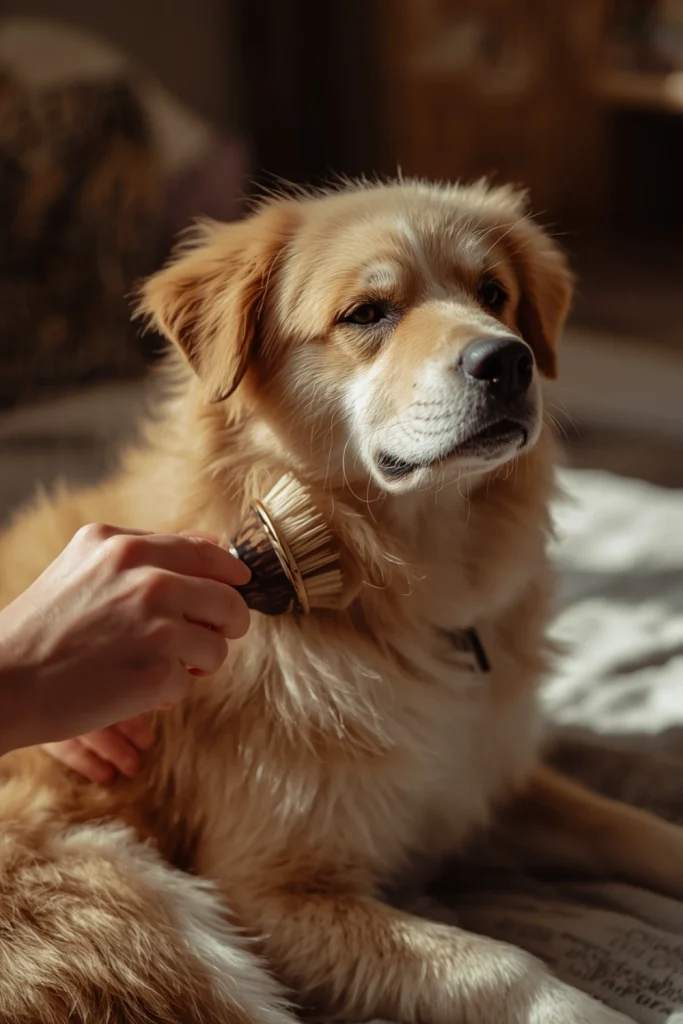
Some parts of a dog’s body are more sensitive than others. The paws, ears, tail, belly, face, and area around the eyes may be uncomfortable for dogs to have touched. If your pet already dislikes grooming, starting with these areas can increase stress. Begin by brushing or gently touching places your dog naturally enjoys, such as the shoulders or back.
Gradually introduce handling around sensitive areas when your dog is relaxed. Use gentle movements and stop if your pet pulls away, becomes tense, or shows other signs of discomfort. Avoid pulling the ears, forcing the legs into awkward positions, or brushing irritated skin. If your dog reacts strongly when a particular area is touched, consider whether pain, an injury, or a skin condition may be involved. A veterinary examination can help identify the cause.
10. Use the Right Grooming Products for Your Dog’s Coat
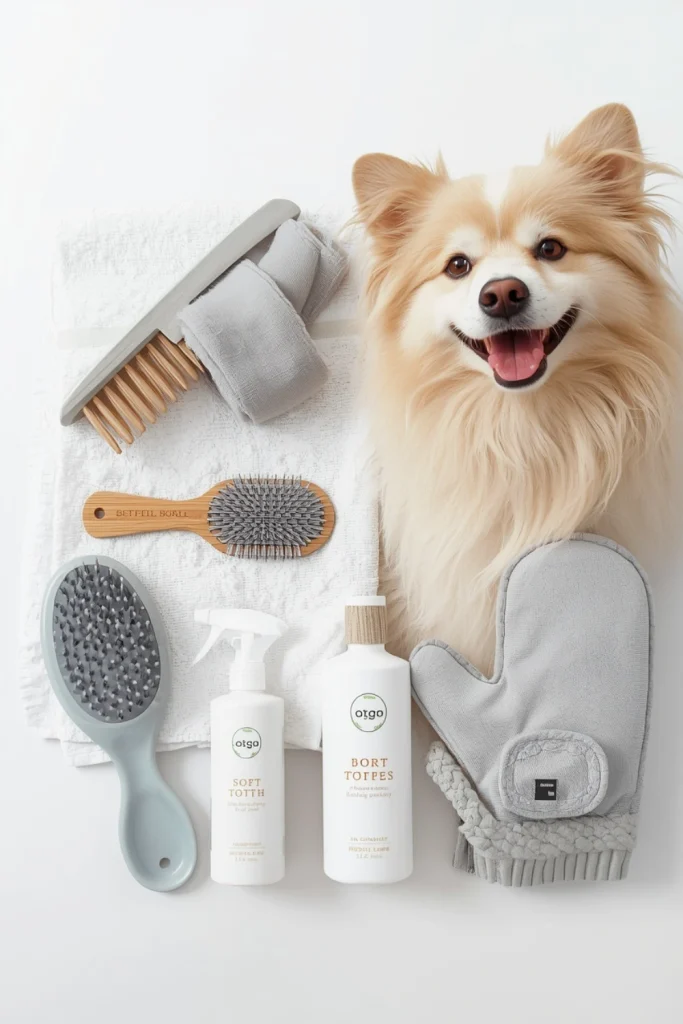
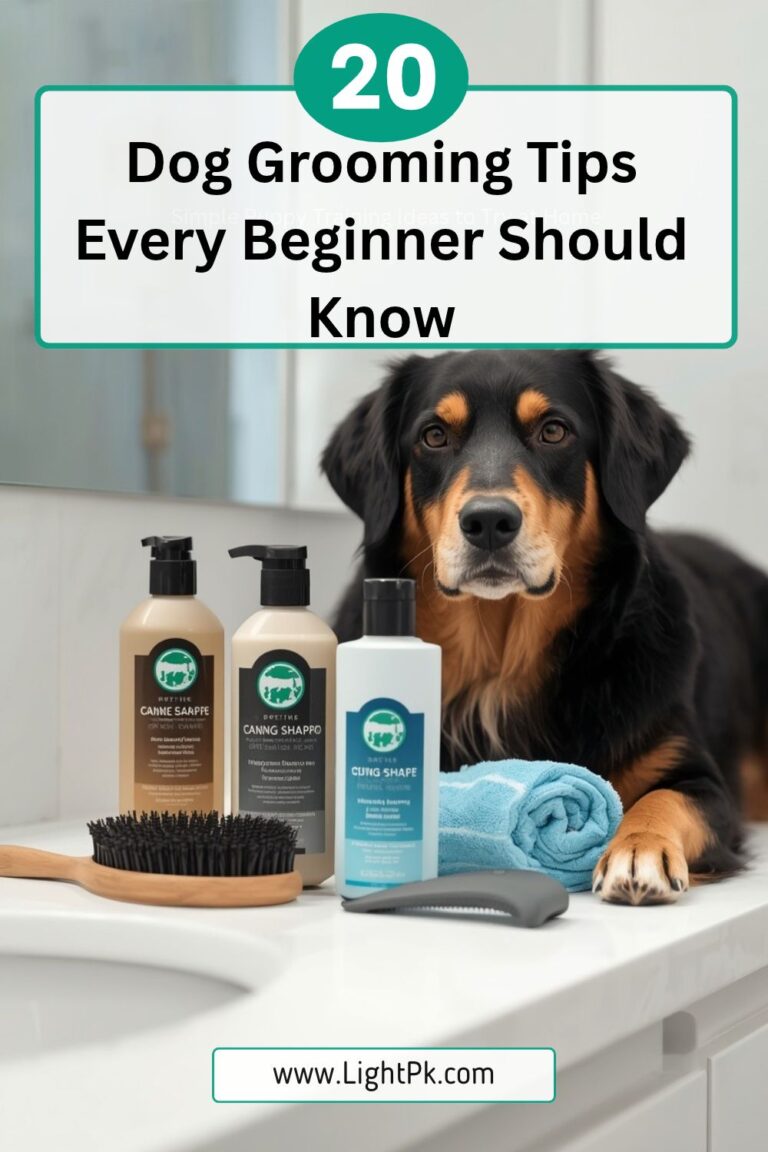
Using unsuitable grooming products can make brushing and bathing uncomfortable. Different dogs have different coat types, including short, long, curly, double, and wiry coats. A brush designed for a short-haired breed may not work well for a long-haired dog. Similarly, shampoos made for humans may disturb a dog’s skin and coat because their formulation is not designed for canine skin.
Choose grooming products according to your dog’s coat condition and individual needs. Use dog-specific shampoo, suitable brushes, gentle combs, and pet-safe cleaning products. Dogs with sensitive skin may need veterinarian-recommended formulas. Avoid strongly scented products if your dog reacts to fragrances. Before using a new product, read its instructions and check with your veterinarian if your pet has allergies or skin problems. The right equipment can make grooming more comfortable and effective.
11. Give Your Dog Breaks During Grooming
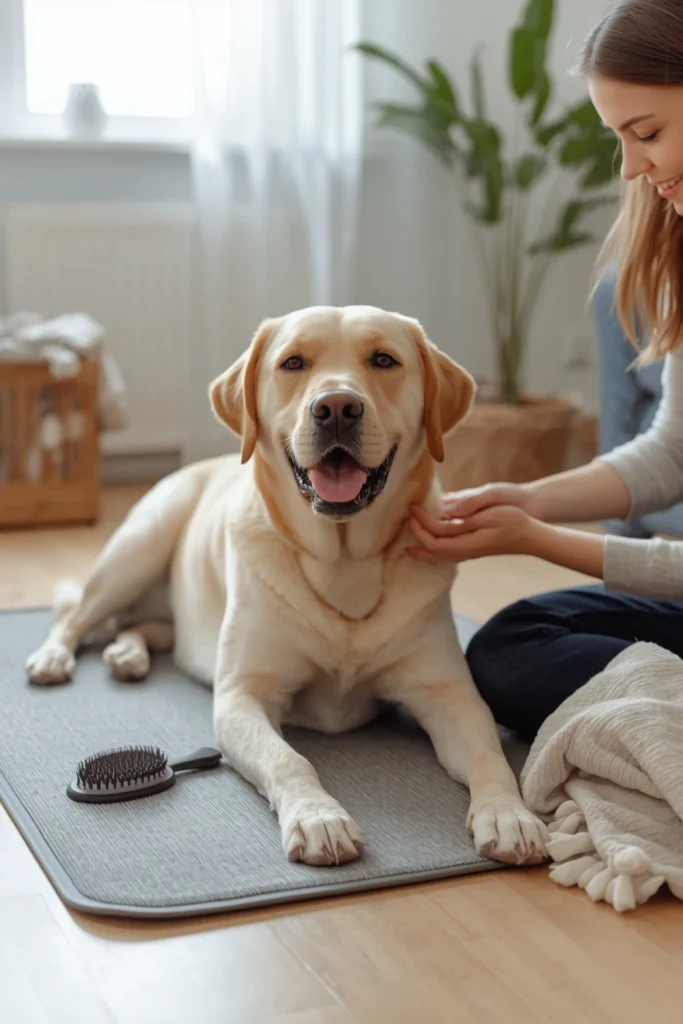
Even dogs that enjoy grooming can become tired or restless during longer sessions. Remaining in one position, hearing unfamiliar sounds, or being handled repeatedly may become uncomfortable. Instead of expecting your dog to complete every grooming activity without interruption, offer regular breaks. Allow your pet to stand, stretch, drink water, or relax in a familiar place.
Watch your dog’s body language throughout the session. If your pet begins panting excessively, turning away, trembling, or repeatedly trying to leave, stop and allow time to recover. You can complete the remaining grooming activities later. Breaks are especially helpful for puppies, senior dogs, and pets that are new to grooming. Respecting your dog’s comfort helps build trust and reduces the likelihood of negative grooming experiences.
12. Consider Professional Grooming When Necessary
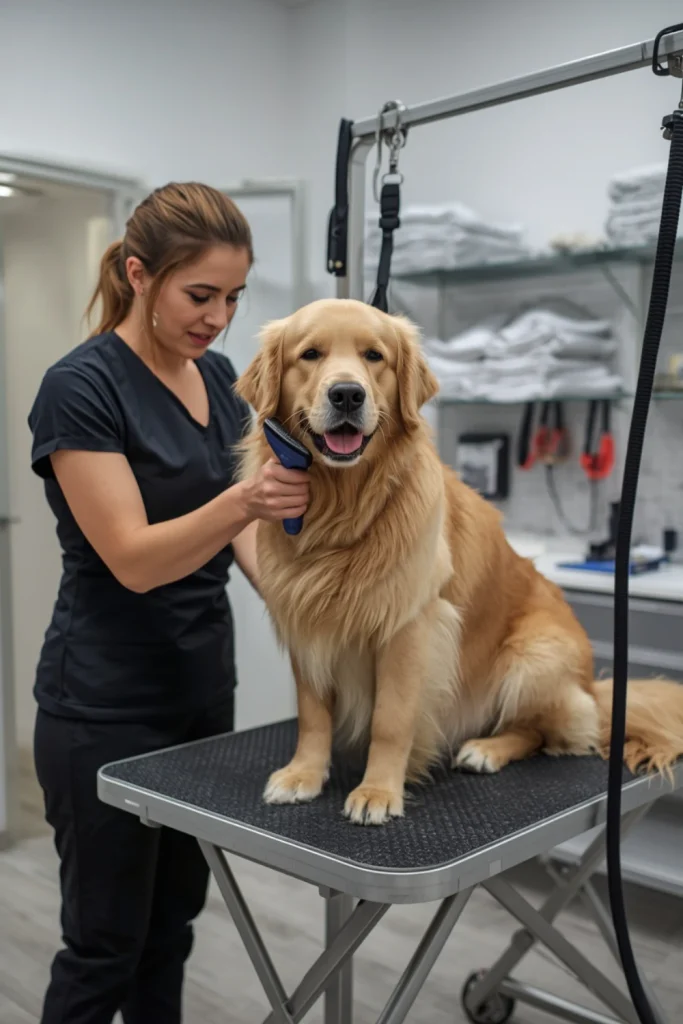
Some grooming activities are difficult to manage at home, particularly when your dog has a thick coat, severe tangles, difficult nails, or strong grooming anxiety. Professional groomers have experience handling different breeds and coat types. They also have specialized equipment that can make certain grooming tasks easier and more efficient. Choosing a suitable professional can help your dog receive the care it needs.
Look for a groomer who uses gentle handling techniques and understands canine body language. Explain your dog’s fears, previous experiences, skin sensitivities, and handling preferences before the appointment. Ask whether the groomer offers gradual introductions or shorter sessions for nervous pets. If your dog experiences severe fear or aggression during grooming, consult your veterinarian before arranging a session. A veterinary professional may recommend an appropriate behavior plan or additional support.
Final Thoughts
Making grooming less stressful for your dog requires patience, understanding, and a consistent approach. Every dog has a different personality, and some pets need more time than others to become comfortable with brushing, bathing, nail trimming, and other grooming activities.
Start by introducing grooming tools slowly, choosing a peaceful environment, and rewarding calm behavior. Keep sessions short, use suitable grooming products, and pay attention to sensitive areas. Remember to provide breaks and never force your dog to continue when it shows signs of fear or discomfort.
Most importantly, focus on building trust rather than completing every grooming task in one session. Whether you groom your dog at home or visit a professional groomer, a gentle approach can make a significant difference. With regular positive practice, you can help your furry friend enjoy a cleaner coat, healthier skin, and a more comfortable grooming experience.