
12 Everyday Dog Skin and Coat Care Tips
A healthy dog’s skin and coat deserve attention every day. Soft fur, comfortable skin, and a clean appearance are not just signs of good grooming; they are also important parts of your dog’s overall well-being. Whether you have a playful puppy, an active adult dog, or a senior companion, simple daily care habits can help keep your pet comfortable and looking its best.
The good news is that effective dog skin and coat care does not always require expensive products or complicated grooming routines. Regular brushing, balanced nutrition, fresh water, gentle bathing, and routine skin checks can make a meaningful difference. These 12 everyday dog skin and coat care tips will help you build a practical routine that supports your dog’s comfort and healthy appearance throughout the year.
1. Brush Your Dog’s Coat Regularly
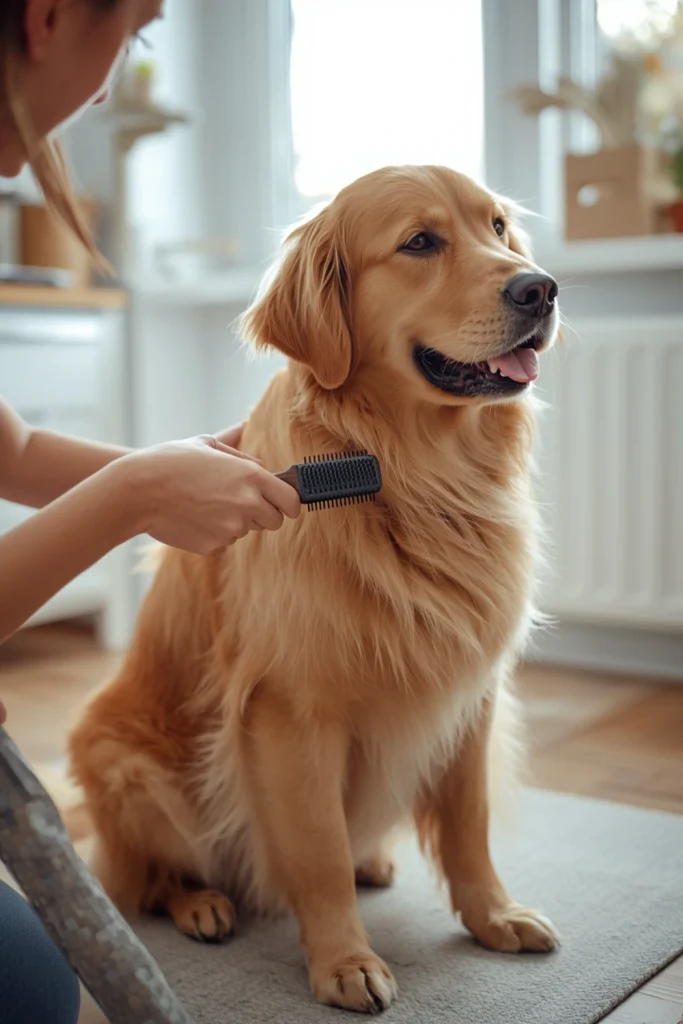
Regular brushing is one of the most important habits for maintaining your dog’s skin and coat. It helps remove loose hair, dust, dirt, and small pieces of debris that can become trapped in the fur. Brushing also helps prevent tangles and mats, particularly in dogs with long, curly, or thick coats. Even short-haired dogs benefit from occasional brushing because it removes loose hair and helps keep the coat neat. Choose a brush that matches your dog’s coat type and use gentle strokes rather than applying too much pressure.
Make brushing a comfortable part of your dog’s everyday routine. Some breeds need daily brushing, while others may only need attention two or three times a week. Check areas where tangles commonly develop, including behind the ears, under the legs, around the neck, and near the tail. If you discover a tight mat, avoid pulling or cutting it with ordinary scissors. Use an appropriate detangling tool for small loose knots, or contact a professional groomer when the mat is close to the skin.
2. Feed a Complete and Balanced Diet
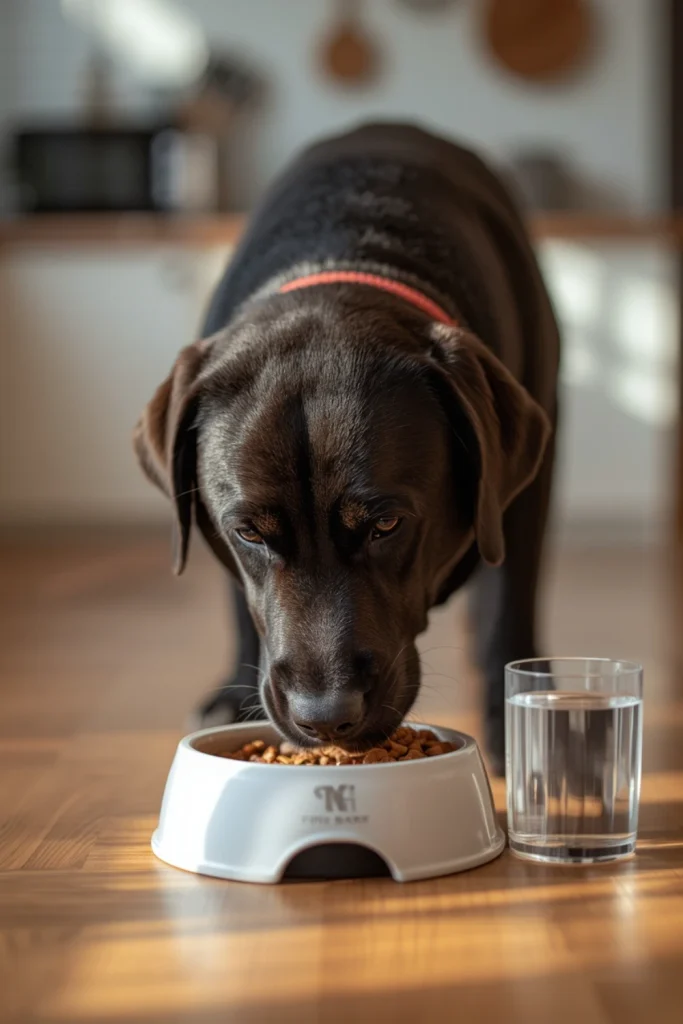
Good nutrition plays an important role in maintaining normal skin function and healthy hair growth. Your dog’s daily food should provide appropriate amounts of protein, fats, vitamins, minerals, and other essential nutrients. Protein supplies building blocks needed for normal hair growth, while essential fatty acids help support the skin’s natural protective barrier. A complete and balanced dog food that suits your pet’s age, size, and activity level is a sensible foundation for everyday skin and coat care.
Avoid changing your dog’s food repeatedly in the hope of making its coat shinier. Sudden dietary changes can upset digestion, and unnecessary supplements may create nutritional imbalances. If your dog’s coat becomes unusually dull, brittle, or patchy, discuss its diet with a veterinarian. The vet can help determine whether the food is appropriate and whether an underlying health problem needs attention. Remember that a healthy-looking coat comes from overall care, not from one special food or cosmetic product.
3. Keep Fresh Drinking Water Available
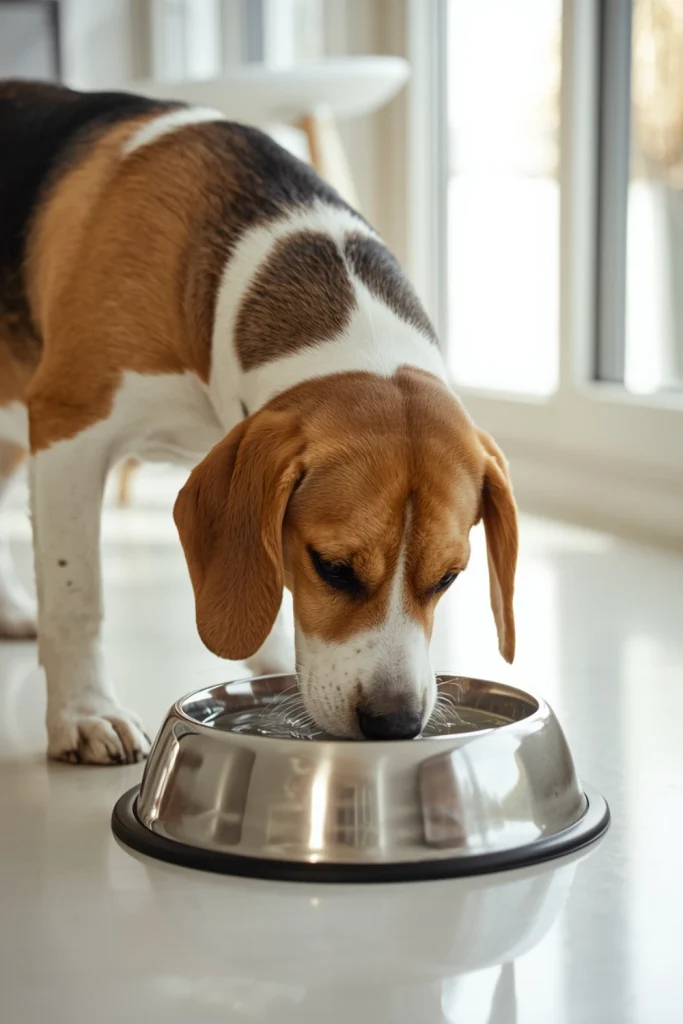
Fresh drinking water is essential for your dog’s overall health. Water supports normal body functions, including temperature regulation, digestion, circulation, and the delivery of nutrients throughout the body. Proper hydration also supports normal skin function. Although drinking extra water will not instantly make a dog’s coat shiny, providing constant access to clean water is an important part of a healthy daily care routine.
Place water bowls in convenient locations where your dog can reach them easily. Wash the bowls regularly to remove dirt, saliva, and residue, and refill them with fresh water throughout the day. Dogs may need more water after exercise, during hot weather, or when eating dry food, although individual needs vary. Pay attention to sudden changes in drinking habits. If your dog begins drinking much more or much less than usual, contact your veterinarian because changes in thirst can sometimes indicate a health concern.
4. Check Your Dog’s Skin and Coat Every Day

A quick daily skin and coat check can help you notice small changes before they become more serious. Gently run your hands over your dog’s body and look for unusual redness, flakes, swelling, bald patches, dirt, or tangles. Check behind the ears, under the collar, around the belly, between the legs, and near the tail. These areas can be easy to overlook during normal playtime, but regular inspection helps you become familiar with your dog’s usual skin and coat condition.
Keep the process calm and gentle so your dog becomes comfortable with being handled. Use praise and rewards if your pet is nervous about having certain areas checked. Look for signs such as frequent scratching, repeated licking, unpleasant smells, or sensitivity when you touch a particular spot. These changes may be related to irritation, parasites, allergies, or another health issue. If you notice persistent or worsening symptoms, arrange a veterinary examination instead of relying only on grooming products.
5. Bathe Your Dog With Gentle, Dog-Safe Shampoo

Bathing helps remove dirt, unpleasant odors, and buildup from your dog’s coat. However, bathing too frequently can remove natural oils and leave some dogs with dry or irritated skin. The right bathing schedule depends on your dog’s breed, coat type, lifestyle, and skin condition. A dog that regularly plays outdoors may need more frequent cleaning than one that spends most of its time indoors. Follow your veterinarian’s advice if your pet has sensitive skin or a diagnosed skin condition.
Always choose a shampoo formulated specifically for dogs. Human shampoos and strongly scented household products may not be suitable for canine skin. Before bathing, brush your dog to remove loose fur and tangles. Use lukewarm water, massage the shampoo gently into the coat, and rinse thoroughly. Leftover shampoo can irritate the skin, so take extra care when rinsing thick fur. Dry your dog properly after bathing, especially if it has a dense or double coat.
6. Protect Your Dog From Fleas, Ticks, and Other Parasites
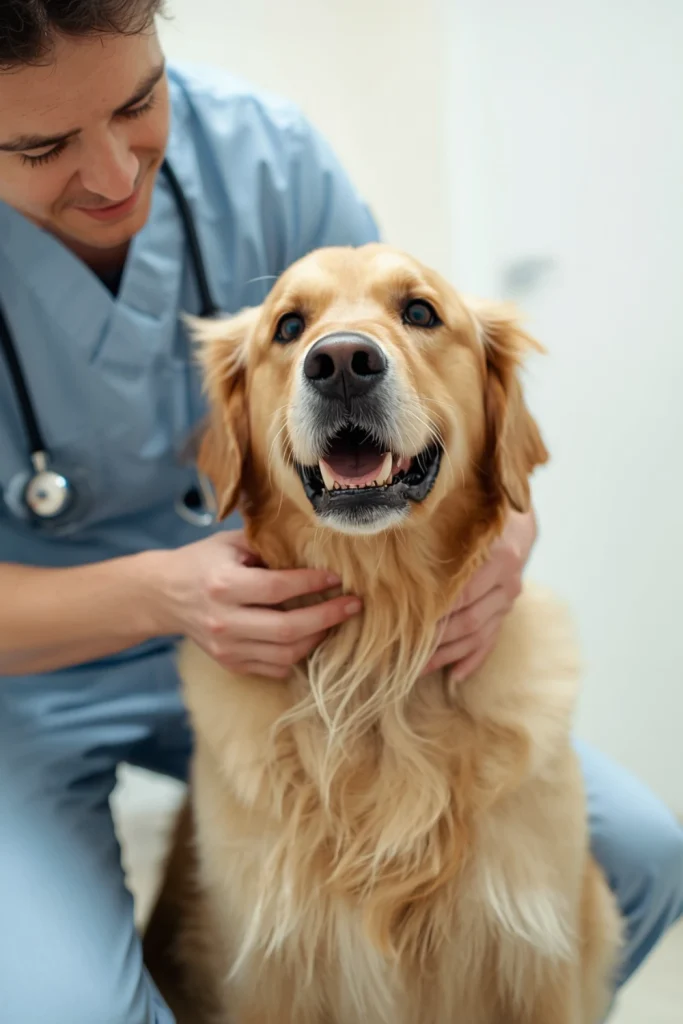
Fleas and ticks can irritate your dog’s skin and make it scratch, bite, or lick its coat repeatedly. In some dogs, flea bites can trigger significant allergic reactions. Ticks may also carry diseases, so checking your pet after outdoor activities is an important part of everyday care. Look carefully around the ears, neck, armpits, belly, and between the toes, as parasites can be difficult to spot in thick fur.
Ask your veterinarian to recommend an appropriate parasite-prevention plan based on your dog’s age, weight, health, and local risks. Use veterinary-approved products exactly as directed, and never apply a treatment intended for another animal or species. Keep your dog’s bedding and resting areas clean, and vacuum places where your pet spends time. If you find a tick and are unsure how to remove it safely, ask your veterinarian for guidance. Avoid applying household chemicals, oils, or unapproved remedies to your dog’s skin.
7. Keep Your Dog’s Bedding and Living Area Clean
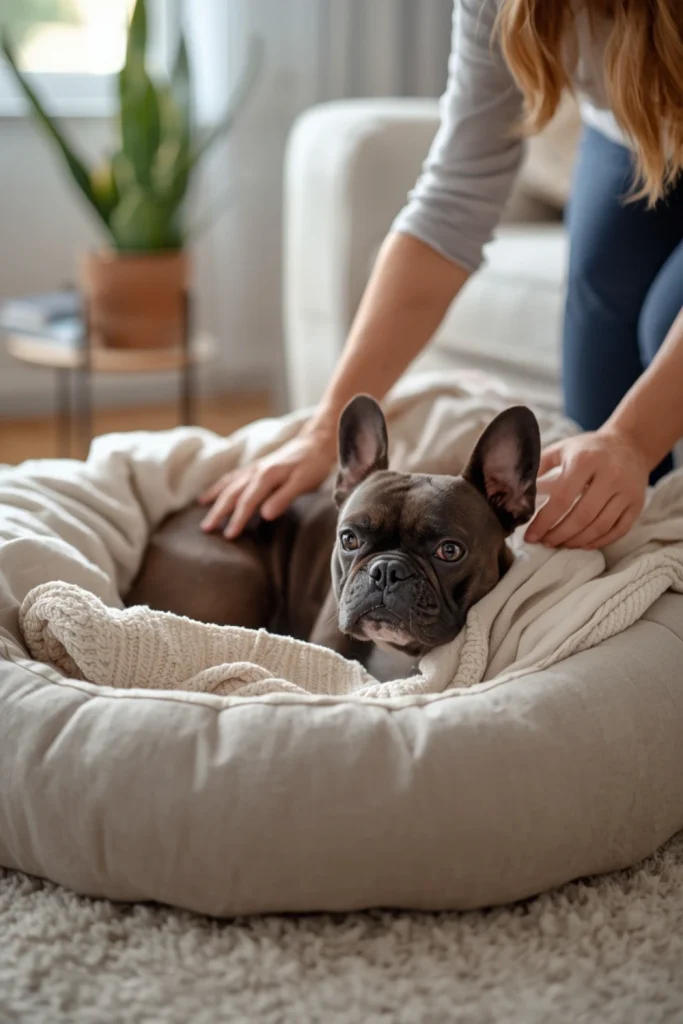
Your dog’s skin and coat come into contact with its bed, blankets, cushions, carpets, and favorite resting places every day. These surfaces can collect loose hair, dust, dirt, outdoor debris, and other particles. If bedding is not cleaned regularly, your dog may pick up dirt again soon after grooming. Maintaining a clean resting area supports everyday hygiene and makes it easier to keep your pet’s coat looking fresh.
Wash bedding and blankets according to their care instructions, using a mild laundry product that does not leave strong fragrances or residue. Make sure everything is completely dry before returning it to your dog’s sleeping area. Vacuum nearby floors and furniture to remove loose hair and dust. If your dog has sensitive skin, ask your veterinarian whether a fragrance-free laundry product would be suitable. Cleaning your dog’s surroundings is a simple habit that complements brushing and bathing.
8. Dry Your Dog Properly After Baths and Rainy Walks
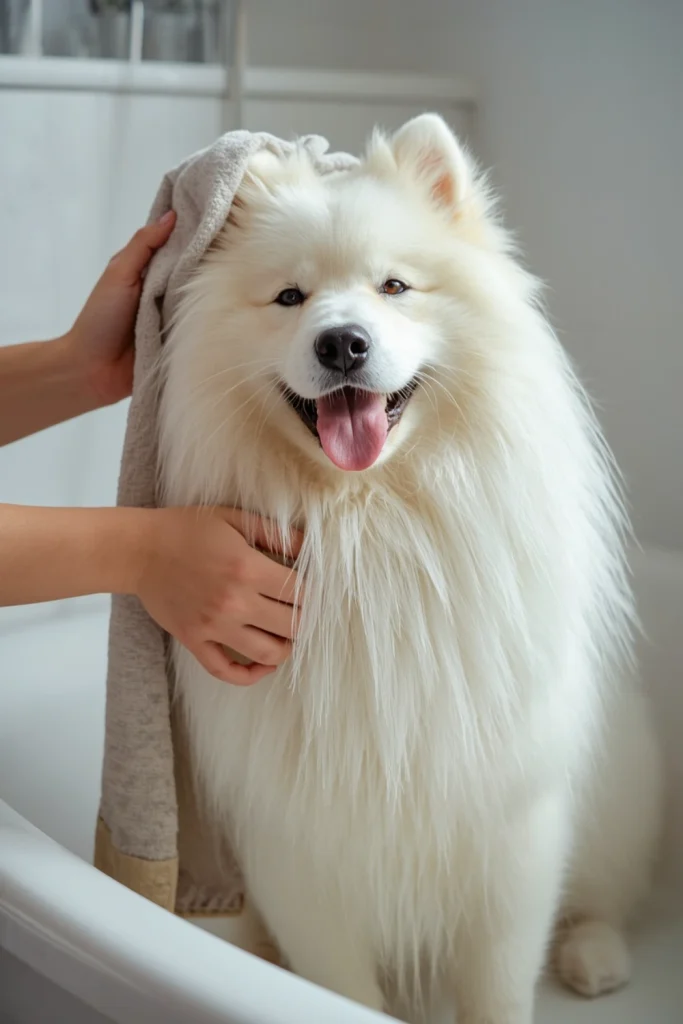
Keeping your dog’s coat clean is important, but drying it properly is equally useful. Thick, long, and double-coated breeds may hold moisture close to the skin long after the surface fur appears dry. Leaving the coat damp for extended periods can make your dog uncomfortable and may contribute to skin problems in some circumstances. After bathing or returning from a rainy walk, gently remove excess moisture with a clean, absorbent towel.
If you use a pet dryer, choose a suitable cool or low-heat setting and keep it at a comfortable distance from your dog’s body. Avoid directing hot air toward the skin, and stop if your dog becomes frightened or distressed. Pay attention to areas where moisture may remain trapped, such as under the legs, around the neck, and between skin folds. For very thick coats, ask a professional groomer to demonstrate a safe drying method.
9. Protect Your Dog’s Skin During Outdoor Activities

Outdoor walks and playtime are important for a dog’s physical and mental well-being, but grass, mud, dust, pollen, and small plant materials can become trapped in the coat. Long-haired dogs may collect debris around their legs, belly, tail, and ears. Some outdoor surfaces can also expose dogs to irritants. Taking a few minutes to inspect your pet after walks helps you identify dirt, small tangles, and unwanted objects before they become harder to remove.
Keep a clean towel and a suitable comb near the entrance of your home. Wipe muddy paws, check the belly and legs, and gently remove loose debris when it is safe to do so. Avoid using household cleaning chemicals or products not designed for dogs. If your dog has walked through an unknown chemical substance or an irritating plant, contact a veterinarian for advice. A quick after-walk check can make a big difference to your dog’s comfort and cleanliness.
10. Adjust Grooming to Your Dog’s Coat Type and the Season
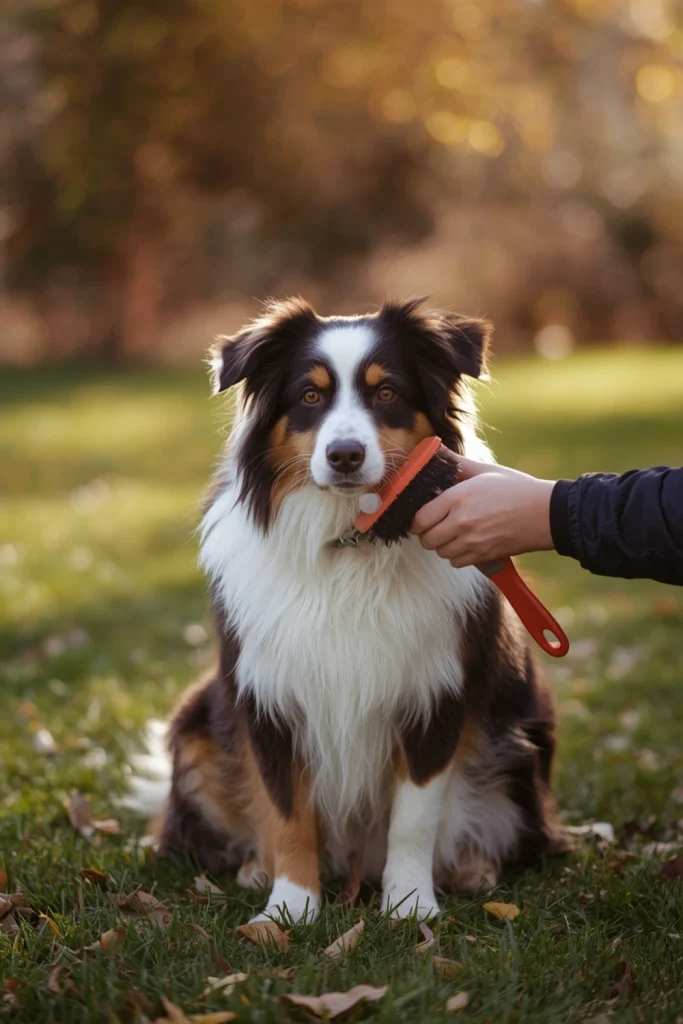
Every dog has different grooming needs. Short-haired dogs may need less frequent brushing than long-haired breeds, while curly coats often require regular maintenance to prevent tangles. Double-coated dogs may shed heavily during seasonal changes and benefit from suitable brushing techniques. Understanding your dog’s coat type helps you choose the right tools, schedule, and bathing routine instead of following a one-size-fits-all approach.
Weather can also affect your grooming routine. During warmer months, you may need to remove loose fur more regularly and check for outdoor debris. In rainy or cold weather, make sure your dog is dried properly after walks. Avoid shaving a double-coated dog simply to keep it cool, because its coat provides insulation and protection. If you are uncertain about trimming or seasonal grooming, consult a professional groomer who understands your dog’s breed and coat structure.
11. Trim Nails and Maintain Paw Hygiene

Paw care is an important part of your dog’s everyday grooming routine. Long nails can affect how a dog walks and may cause discomfort, while dirt trapped around the paws can make your pet uncomfortable. After walks, check the paw pads and the spaces between the toes for mud, small stones, grass seeds, or other debris. Long-haired dogs may also need careful trimming of excess hair around the paws by someone familiar with safe grooming techniques.
Trim your dog’s nails when needed using suitable dog nail clippers or a pet nail grinder. If you are new to nail trimming, ask a veterinarian or professional groomer to show you how to do it safely. Avoid cutting too close to the quick, which contains blood vessels and nerves. Use a damp cloth to clean dirty paws and dry them gently. If you notice swelling, cuts, persistent licking, or limping, contact your veterinarian rather than treating the problem as a grooming issue.
12. Make Grooming a Calm and Consistent Daily Habit
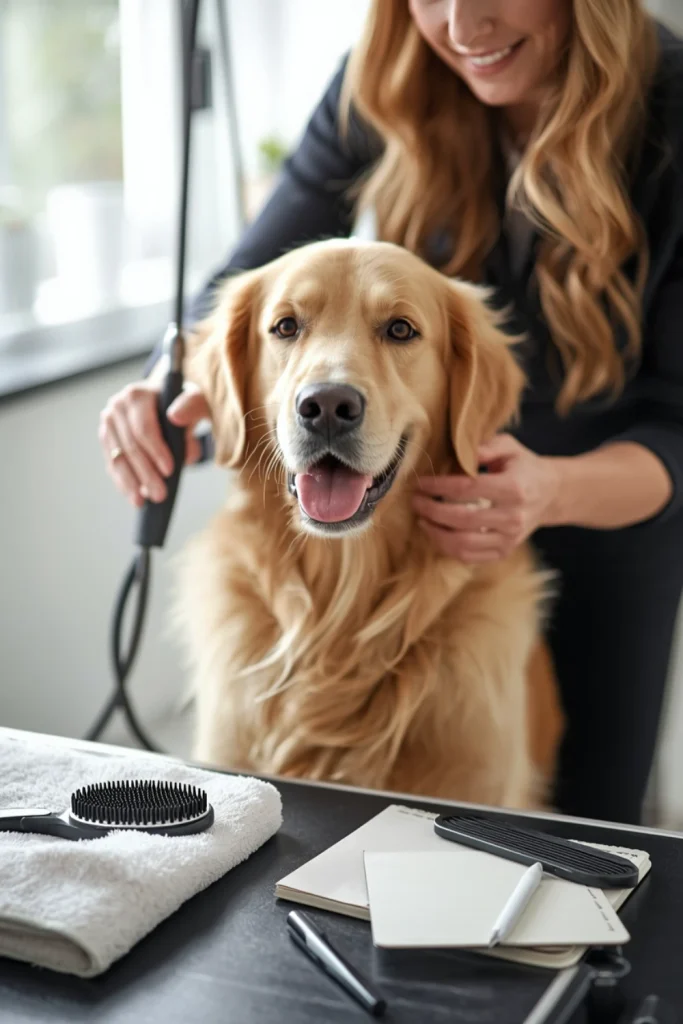
Consistency is one of the most effective ways to maintain good skin and coat care. Rather than waiting until your dog’s fur becomes tangled or dirty, include short grooming activities in your regular routine. A few minutes of brushing, a quick skin check, and cleaning the paws after outdoor walks can help prevent small problems from becoming larger tasks. Regular handling also helps you become familiar with your dog’s normal skin and coat condition.
Make grooming a positive experience by choosing a quiet place and using gentle movements. Start with short sessions if your dog is nervous, and reward calm behavior with praise or small treats. Do not force your pet to continue if it becomes distressed or appears uncomfortable. As your dog becomes familiar with the routine, you can gradually introduce other tasks, such as checking the ears or inspecting the paws. A simple schedule that suits your dog’s needs is easier to maintain than an overly complicated routine.
Final Thoughts
Taking care of your dog’s skin and coat does not have to be complicated. Regular brushing, balanced nutrition, fresh drinking water, gentle bathing, clean bedding, and routine skin checks are simple habits that can support your pet’s comfort and appearance. Paying attention to your dog’s coat type and adjusting grooming with the seasons can also make everyday care easier.
The most important thing is consistency. Build a routine that suits your dog’s individual needs, use products designed for pets, and make grooming a calm and positive experience. Remember that persistent itching, unusual hair loss, sores, or skin irritation may require veterinary attention. With these 12 everyday dog skin and coat care tips, you can help your furry companion stay clean, comfortable, and well cared for throughout the year.