
12 Cold Weather Dog Care Tips for Beginners
Winter can be a beautiful season, but cold temperatures can create challenges for your furry friend. While some dogs enjoy playing in chilly weather, others may struggle with low temperatures, icy surfaces, dry air, and changes in their daily routines. As a responsible dog owner, understanding how to protect your pet during winter is essential for keeping them healthy, comfortable, and happy.
Good Cold Weather Dog Care does not have to be complicated or expensive. A few simple changes to your dog’s daily routine can make a big difference. From providing a warm sleeping area to adjusting outdoor walks, choosing suitable clothing, and protecting your dog’s paws, these practical tips will help beginners care for their pets throughout the colder months.
1. Provide a Warm and Comfortable Sleeping Area
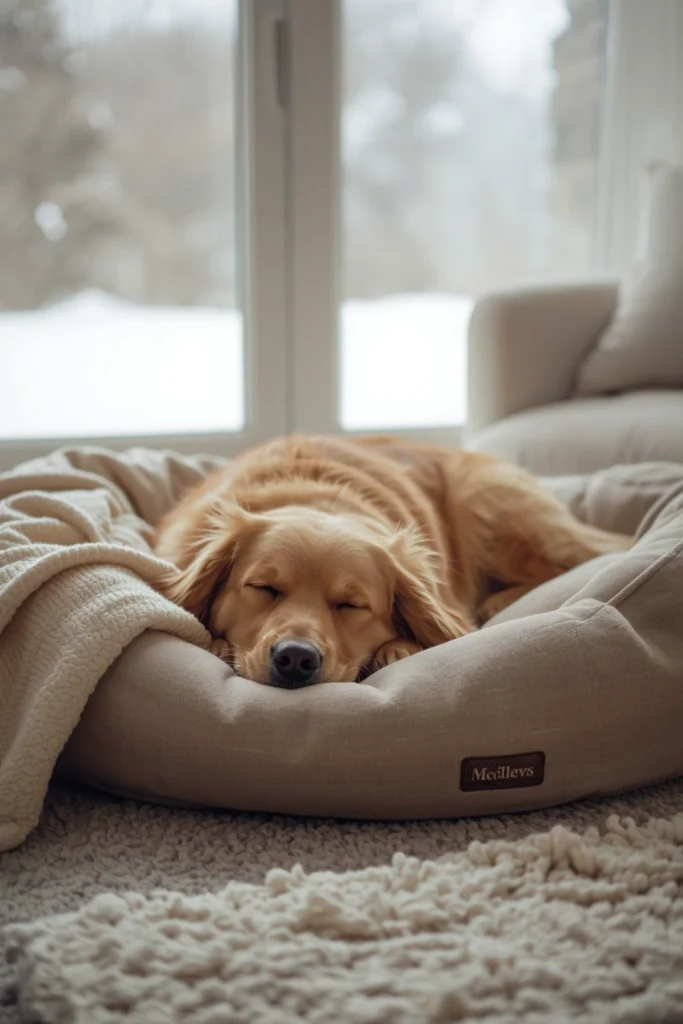
Your dog’s sleeping area should be warm, dry, and protected from cold drafts during winter. If your dog normally sleeps on the floor, consider providing a comfortable bed with enough cushioning to separate their body from cold surfaces. Place the bed away from open windows, exterior doors, and areas where cold air enters the house. A supportive dog bed can also help older pets rest more comfortably.
Choose washable blankets and bedding that are suitable for your dog’s size. Check the sleeping area regularly to make sure it stays dry and clean. If your dog likes to burrow under blankets, provide a lightweight option that allows them to move freely. Avoid electric heating pads or heated blankets unless they are specifically designed for pets and used according to safety instructions.
2. Choose Appropriate Winter Clothing for Your Dog
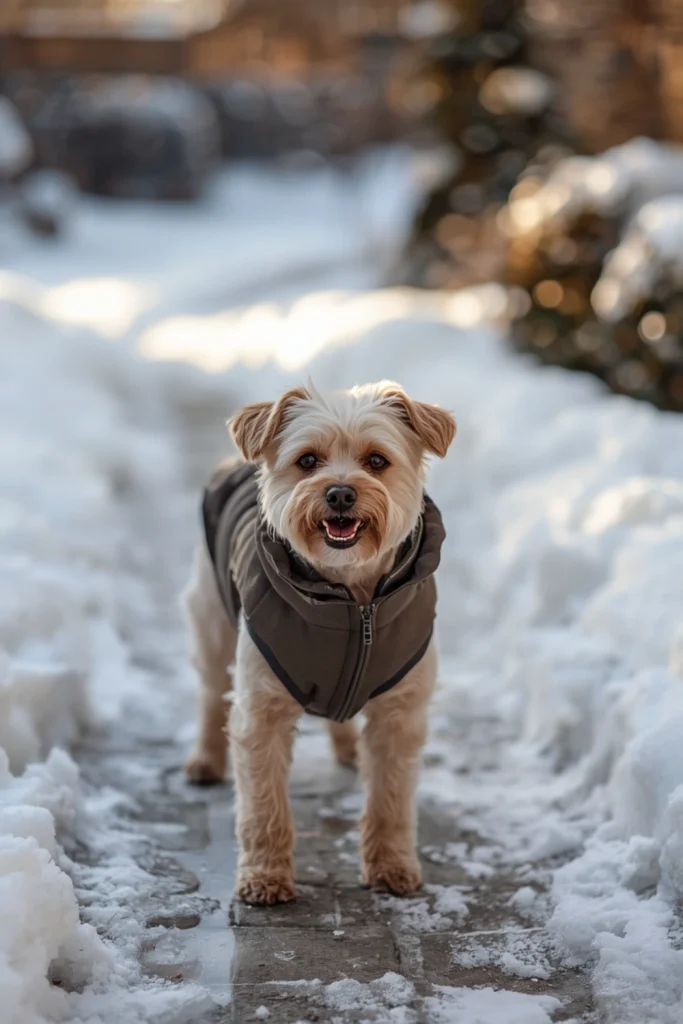
Not every dog needs a winter coat, but some pets benefit from extra protection when temperatures drop. Small breeds, short-haired dogs, puppies, senior dogs, and dogs with little body fat may feel cold more quickly. A properly fitted sweater or winter jacket can help keep these dogs comfortable during outdoor walks. Look for clothing that covers the chest and back without restricting movement.
Before purchasing winter clothing, measure your dog’s body and check the manufacturer’s sizing guide. The garment should not be too tight around the neck, chest, or legs. Choose materials that are comfortable, breathable, and easy to clean. Remove wet clothing after walks and allow your dog’s coat to dry completely. Never force a dog to wear clothing if it causes distress or limits natural movement.
3. Protect Your Dog’s Paws from Cold Surfaces
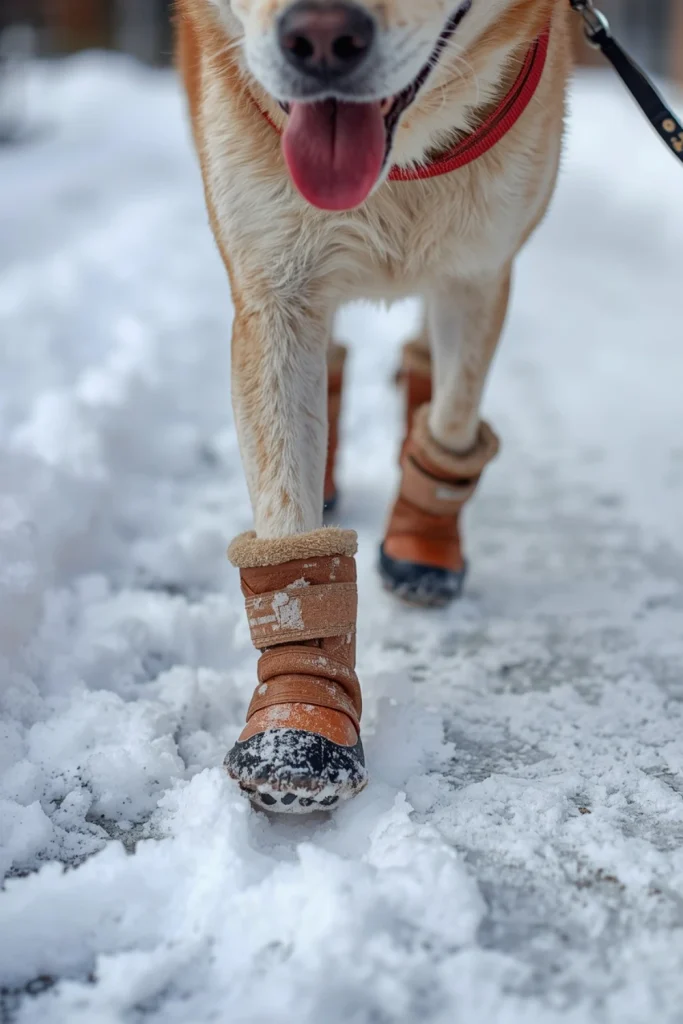
Your dog’s paws can be affected by snow, ice, freezing pavement, and road salt. These conditions may cause irritation, dryness, cracking, or discomfort. During winter walks, pay attention to how your dog moves. If your pet repeatedly lifts their paws, slows down, or tries to stop walking, the ground may be too cold or uncomfortable.
Dog boots can provide an additional layer of protection, especially when walking on icy or salted surfaces. Introduce boots gradually at home so your dog has time to become comfortable wearing them. If your dog does not tolerate boots, consider using a veterinarian-approved paw balm. After every outdoor walk, gently clean your dog’s paws with lukewarm water and dry them carefully, including between the toes. Check for small cuts, redness, or trapped ice.
4. Adjust Outdoor Walks During Cold Weather
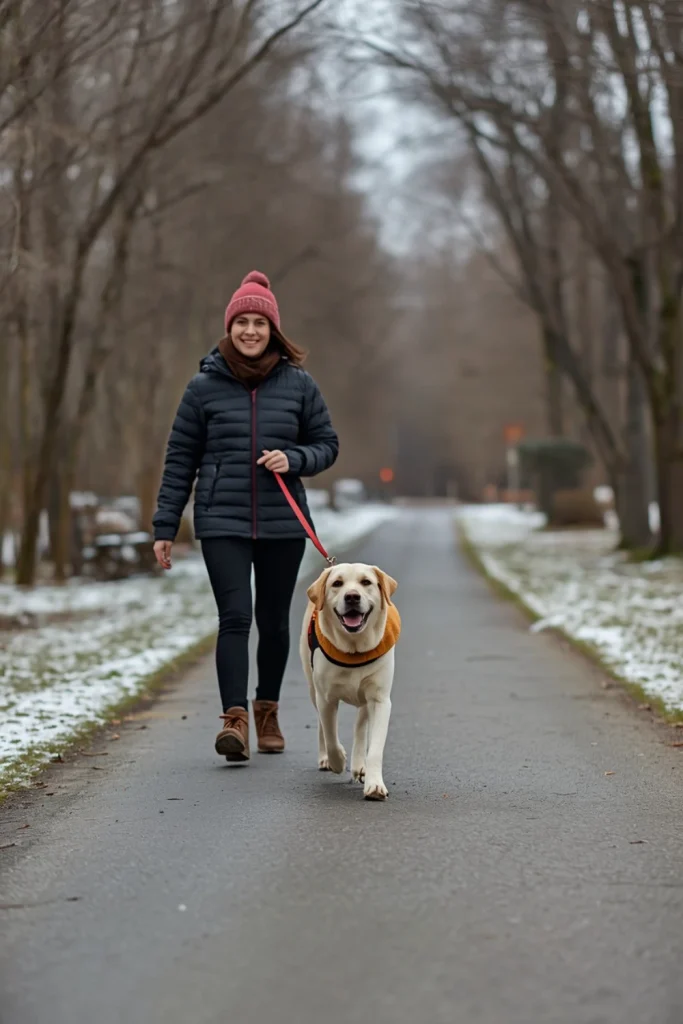
Daily walks remain important during winter because they provide exercise, mental stimulation, and opportunities for bathroom breaks. However, extremely cold weather may require shorter and more frequent walks. Instead of taking one long walk, divide your dog’s outdoor activity into several shorter sessions. This can help reduce prolonged exposure to cold temperatures while maintaining a healthy routine.
Pay attention to your dog’s behavior during every walk. Shivering, whining, slowing down, lifting paws, or repeatedly trying to return home may indicate that your pet is uncomfortable. Choose safer walking routes that are free from heavy ice and slippery surfaces. Avoid walking during severe weather conditions, and keep your dog on a secure leash near roads or snow-covered areas where visibility may be poor.
5. Keep Your Dog’s Coat Clean and Dry
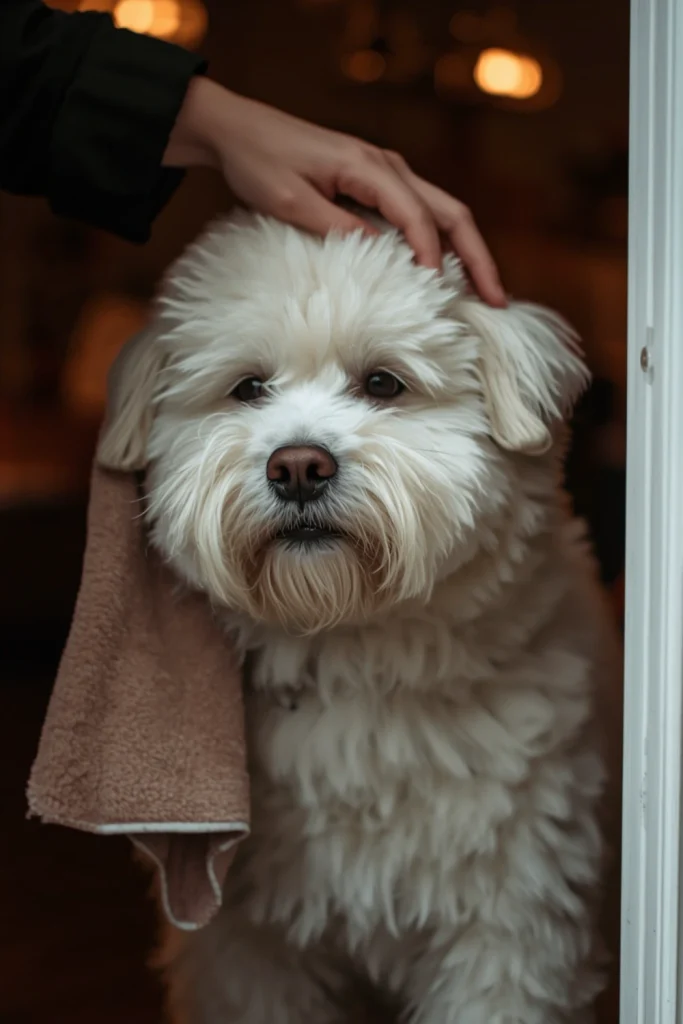
A healthy coat helps protect your dog from environmental conditions, but wet fur can make your pet uncomfortable in cold weather. Rain, snow, and damp outdoor conditions may leave your dog’s coat wet after a walk or play session. If your dog remains wet for too long, they may lose body heat more quickly. Make it a habit to dry your pet thoroughly whenever they return indoors.
Use a soft, absorbent towel to remove moisture from the coat, belly, legs, and paws. If you use a pet-safe hair dryer, select a low, comfortable heat setting and keep it at a safe distance. Regular brushing can also help remove loose hair, dirt, and tangles while keeping the coat in good condition. Avoid shaving double-coated breeds during winter unless your veterinarian recommends a specific grooming approach.
6. Maintain a Healthy Winter Diet
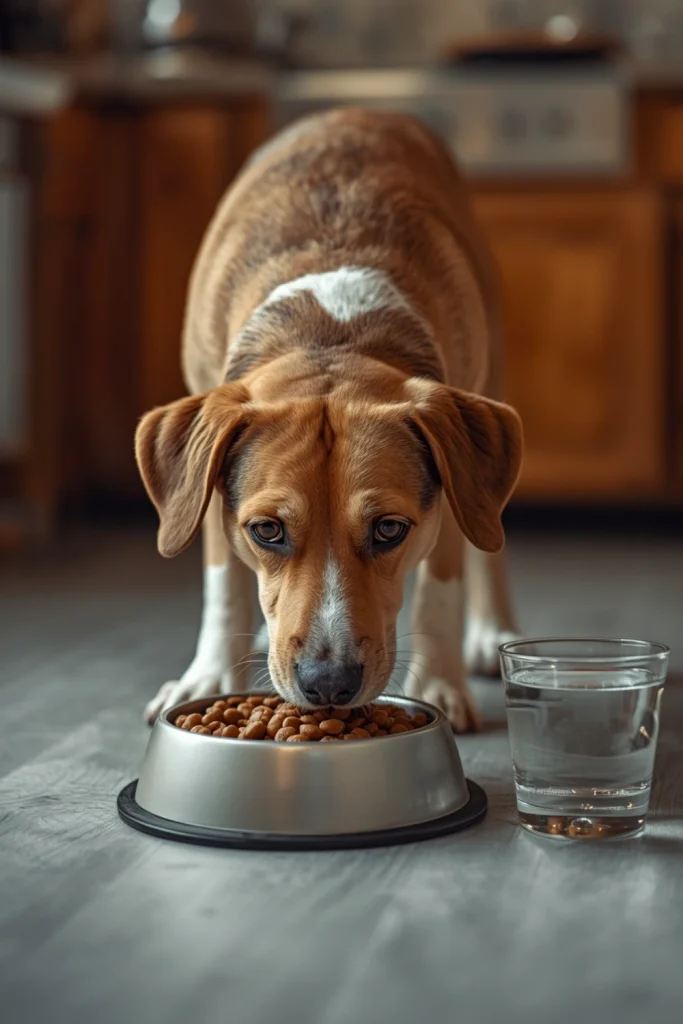
Your dog’s nutritional needs may change depending on activity levels, age, size, and the amount of time spent outdoors. Some dogs remain just as active during winter, while others exercise less because of shorter walks and colder weather. Feeding the same amount without considering activity changes may contribute to unwanted weight gain. A balanced diet helps support your dog’s energy, immune system, and overall health.
Choose complete and balanced dog food appropriate for your pet’s life stage. Avoid increasing food portions simply because the weather is cold. Instead, monitor your dog’s body condition and adjust meals with veterinary guidance when necessary. Always provide fresh drinking water because dogs need proper hydration throughout the year. Avoid giving extra fatty human foods or excessive treats during winter, as these can upset digestion and contribute to weight problems.
7. Make Sure Your Dog Always Has Fresh Water
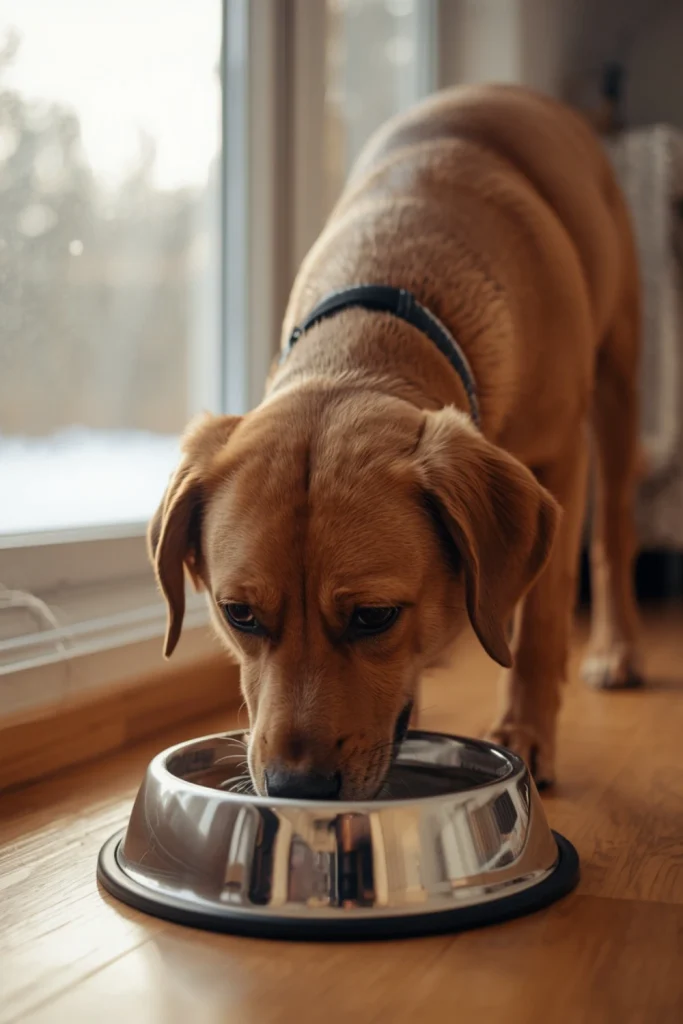
Hydration is just as important during winter as it is during summer. Some dogs may drink less water when the weather becomes colder, but their bodies still need enough fluids for normal digestion, circulation, temperature regulation, and other essential functions. Indoor heating can also make the air dry, which may contribute to increased water loss.
Keep a clean water bowl in an easily accessible location inside your home. Check it several times a day and refill it whenever necessary. If your dog spends time outdoors, make sure the water does not freeze. Use a suitable outdoor water container and check it regularly during freezing conditions. Avoid giving your pet extremely cold or hot water. Fresh, clean water should always be available, regardless of the season.
8. Create Indoor Exercise and Play Activities
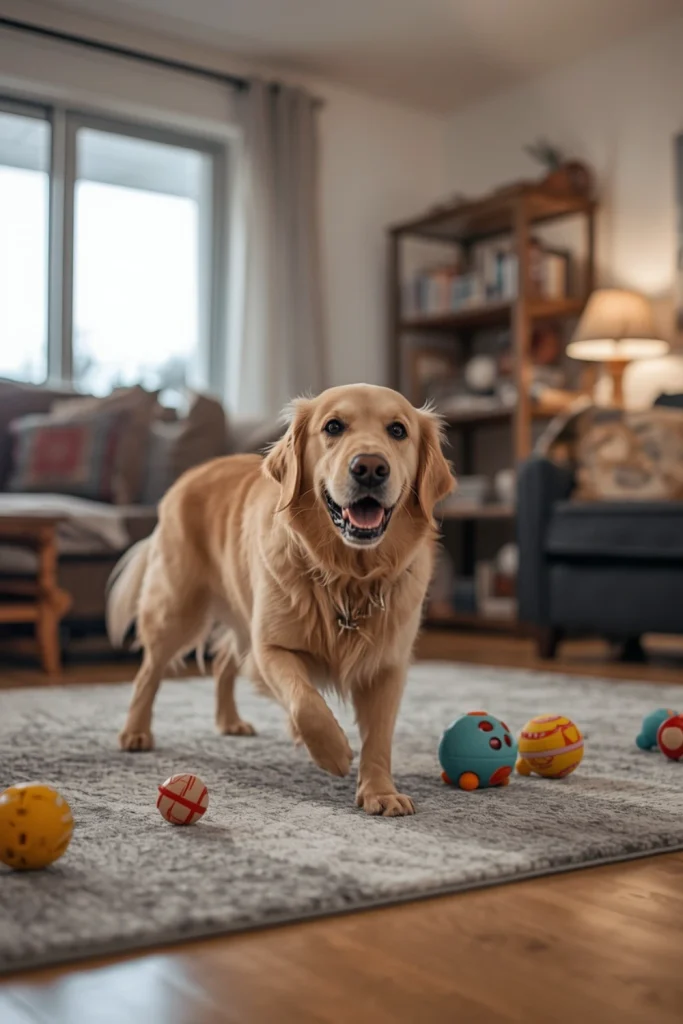
Cold weather may reduce the time your dog can safely spend outdoors, but that does not mean exercise should stop. Dogs still need physical activity and mental stimulation to remain healthy and relaxed. Indoor games can help burn energy, reduce boredom, and strengthen your relationship with your pet. They are especially useful for small dogs, senior pets, and dogs that dislike freezing temperatures.
Try simple activities such as hide-and-seek, gentle fetch in a safe open area, or basic obedience practice. You can also use puzzle feeders and treat-dispensing toys to encourage problem-solving. Make sure the play area has enough space and a non-slip floor to prevent injuries. Avoid games that involve jumping onto furniture or running across slippery surfaces. Adjust the intensity of activities to your dog’s age, fitness, and physical abilities.
9. Watch for Signs That Your Dog Is Too Cold
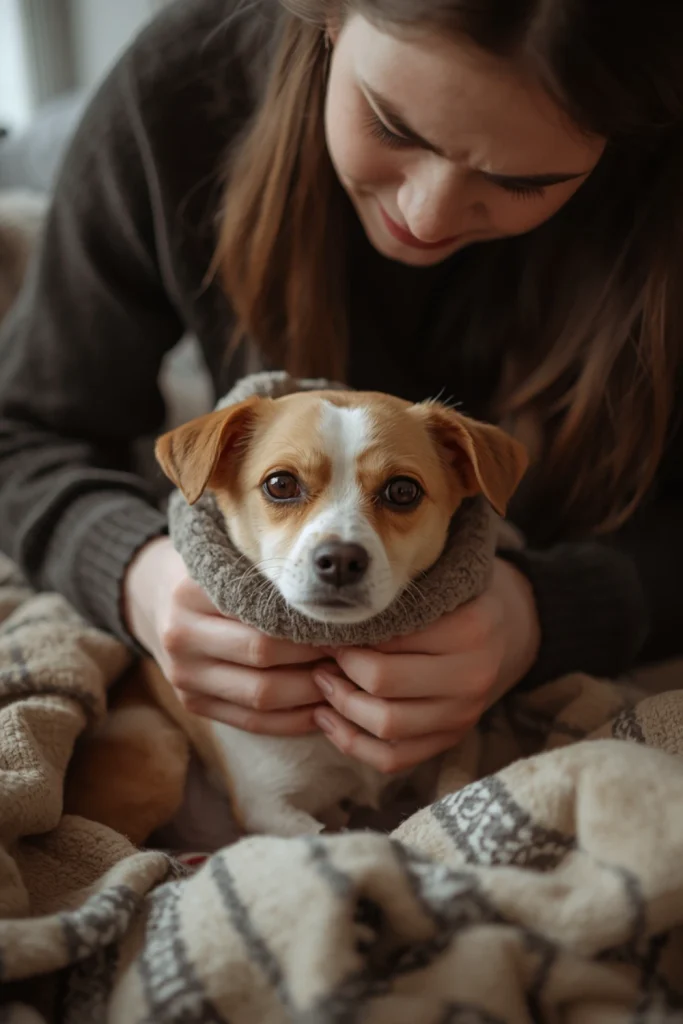
Recognizing the warning signs of cold exposure is one of the most important parts of winter pet care. Dogs cannot tell you directly when they are becoming too cold, so you need to observe their behavior carefully. Common warning signs include shivering, whining, unusual tiredness, lifting paws, seeking warmth, and refusing to continue walking. Smaller dogs and pets with short coats may show discomfort sooner than dogs naturally adapted to cold conditions.
More serious symptoms can include weakness, confusion, slow movement, and difficulty breathing. These signs may indicate a medical emergency. If you suspect hypothermia or frostbite, move your dog to a warm, dry place and contact a veterinarian immediately. Warm your pet gradually with dry blankets, but avoid direct high heat or rubbing potentially frostbitten areas. Never wait for severe symptoms to disappear on their own.
10. Keep Your Dog Away from Winter Chemicals
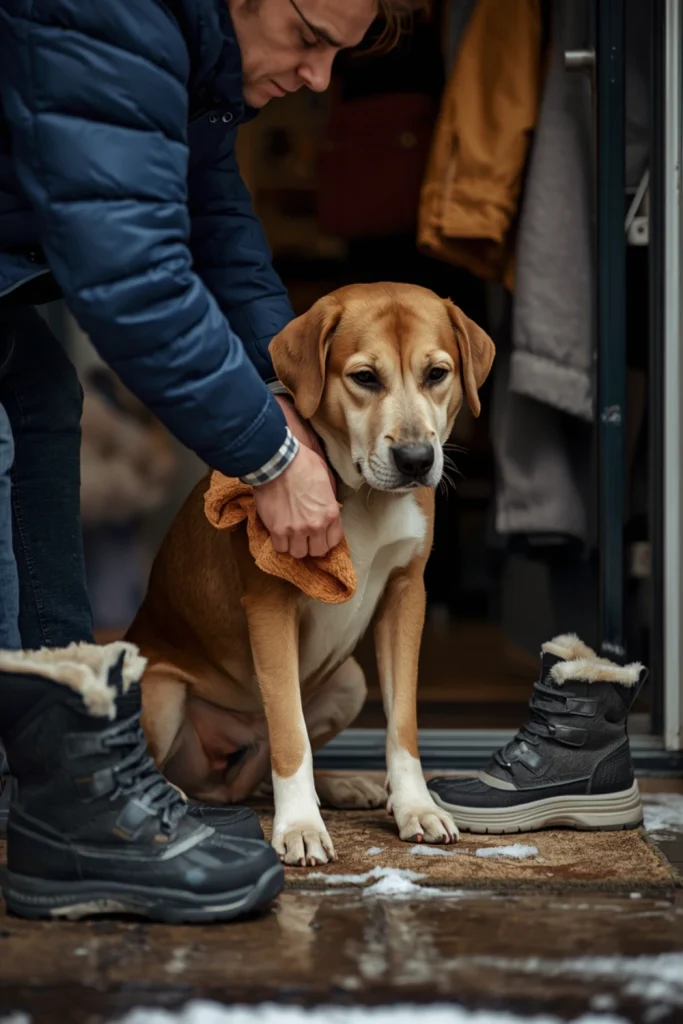
Winter roads, driveways, and sidewalks may contain chemicals used to melt ice. Road salt, de-icing products, and certain cleaning chemicals can irritate your dog’s paws. Some substances can also be dangerous if swallowed while your dog licks their feet after a walk. Antifreeze is particularly hazardous because even a small amount can cause severe poisoning.
Keep your dog away from spills, puddles, and containers holding automotive or de-icing products. Store chemicals securely in closed containers that pets cannot reach. After outdoor walks, clean your dog’s paws and lower legs to remove possible chemical residue. If you suspect your dog has swallowed antifreeze or another harmful substance, seek emergency veterinary help immediately. Do not wait for symptoms to appear or attempt home treatment without professional instructions.
11. Keep Your Dog’s Grooming Routine Consistent
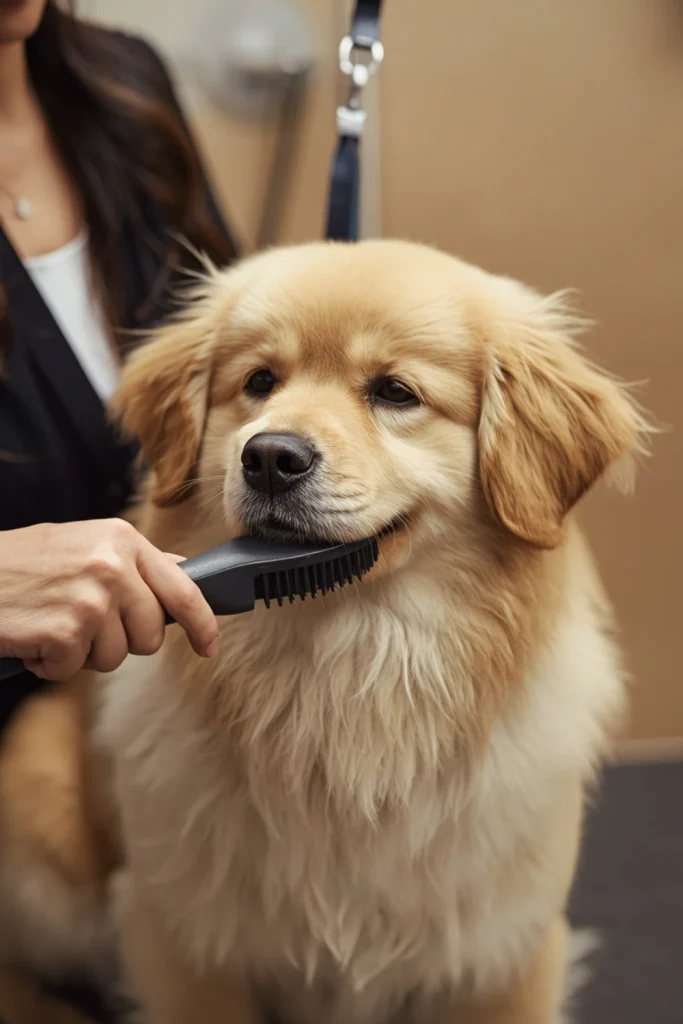
Winter does not mean you should stop grooming your dog. Regular grooming helps keep the coat clean, reduces tangles, and allows you to check for dry skin, irritation, and other problems. Dogs with long or thick coats may need frequent brushing to prevent mats. Matted fur can trap moisture and dirt, making it harder to keep your pet comfortable during cold weather.
Bathing should be based on your dog’s individual needs rather than a fixed winter schedule. Use a gentle shampoo made specifically for dogs and avoid bathing your pet outdoors in cold conditions. Make sure the coat is completely dry before your dog returns to a chilly environment. Check the ears, nails, skin, and paw pads during grooming sessions. If you notice persistent itching, redness, unusual hair loss, or skin irritation, ask your veterinarian for advice.
12. Schedule Regular Veterinary Checkups During Winter
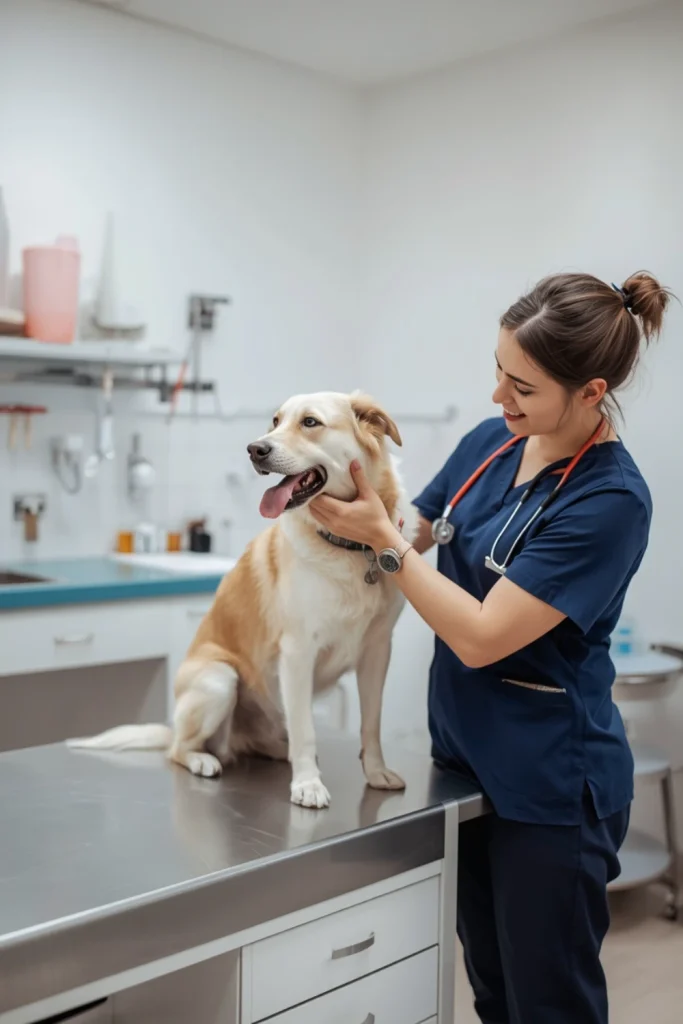
Regular veterinary care helps you identify health problems before they become serious. Cold weather can be more challenging for puppies, senior dogs, and pets with existing health conditions. Older dogs may experience increased joint discomfort, while some pets may become less active and gain weight. A veterinary checkup can help you understand your dog’s individual winter care needs.
Ask your veterinarian whether your dog’s weight, diet, exercise routine, and grooming schedule need adjustments during colder months. Keep vaccinations and parasite prevention up to date according to professional recommendations. If your dog develops a persistent cough, unusual tiredness, skin problems, changes in appetite, or difficulty moving, arrange a veterinary examination. Never assume that every winter-related health issue will disappear when the weather becomes warmer.
Conclusion
Providing proper Cold Weather Dog Care is an important responsibility for every dog owner. Winter brings changes in temperature, outdoor conditions, and daily routines, but a few practical habits can help keep your pet safe and comfortable. A warm sleeping area, suitable clothing when needed, clean paws, fresh water, balanced nutrition, and appropriate exercise all contribute to better winter care.
Remember that every dog has different needs. Pay attention to your pet’s behavior, adjust outdoor activities according to the weather, and seek veterinary advice whenever you notice unusual symptoms. By following these 12 simple cold weather dog care tips, beginners can create a comfortable winter routine and help their dogs enjoy the colder months safely.