10 Dog Feeding Tips Every New Owner Should Know
Bringing a new dog home is exciting, but learning how to feed your furry companion correctly can feel overwhelming. From choosing the right food to understanding portion sizes and setting a healthy feeding schedule, small daily decisions can make a big difference to your dog’s health, energy, digestion, and overall happiness.
The good news is that feeding your dog does not have to be complicated. With these practical dog feeding tips, you can build a simple routine that supports healthy growth, maintains an appropriate weight, and helps your dog feel comfortable at mealtimes. Whether you have a playful puppy or an adult dog, these beginner-friendly suggestions will help you make more informed feeding decisions.
1. Choose High-Quality, Complete and Balanced Dog Food
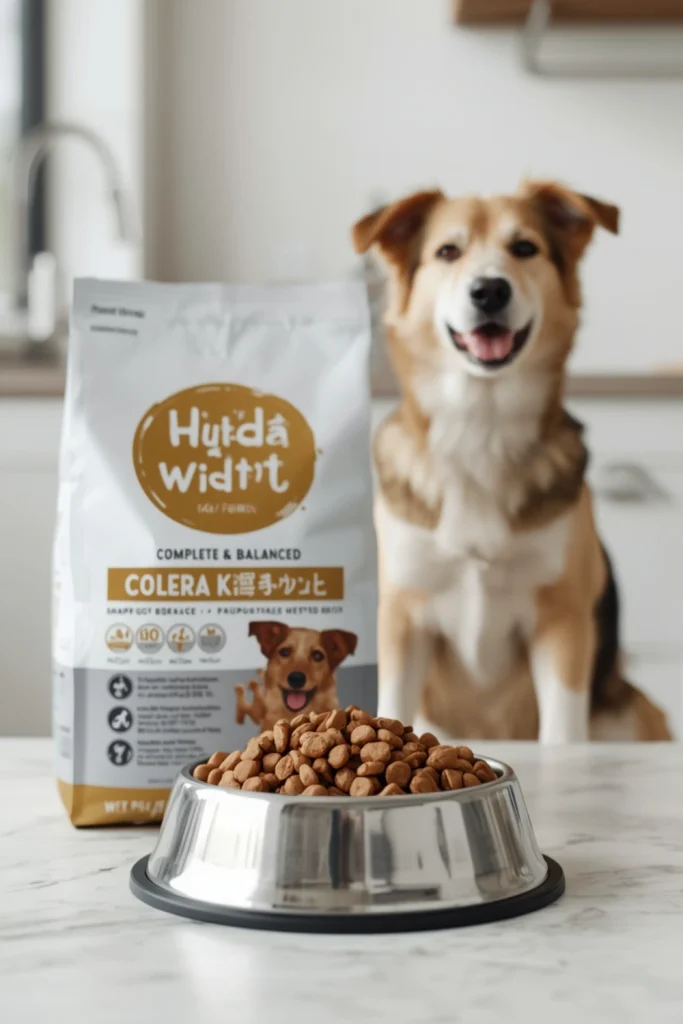
One of the most important dog feeding tips for beginners is to choose food that provides complete and balanced nutrition for your dog’s life stage. Look for commercial dog food labeled as complete and balanced for puppies, adult dogs, or all life stages, as appropriate. These foods are formulated to provide essential nutrients in suitable proportions when fed as directed. Read the packaging carefully instead of choosing a product based only on its price, flavor, or attractive advertising.
Your dog’s individual needs also matter. A growing puppy may require a different nutritional balance from a mature dog, while a dog with allergies or a medical condition may need a veterinarian-recommended diet. If you are uncertain about a food label or ingredient list, ask your veterinarian for guidance. Avoid assuming that homemade meals or meat alone provide everything your dog needs. Home-prepared diets often require careful formulation by a veterinary nutrition professional to prevent nutritional imbalances.
2. Measure Your Dog’s Food Portions Carefully
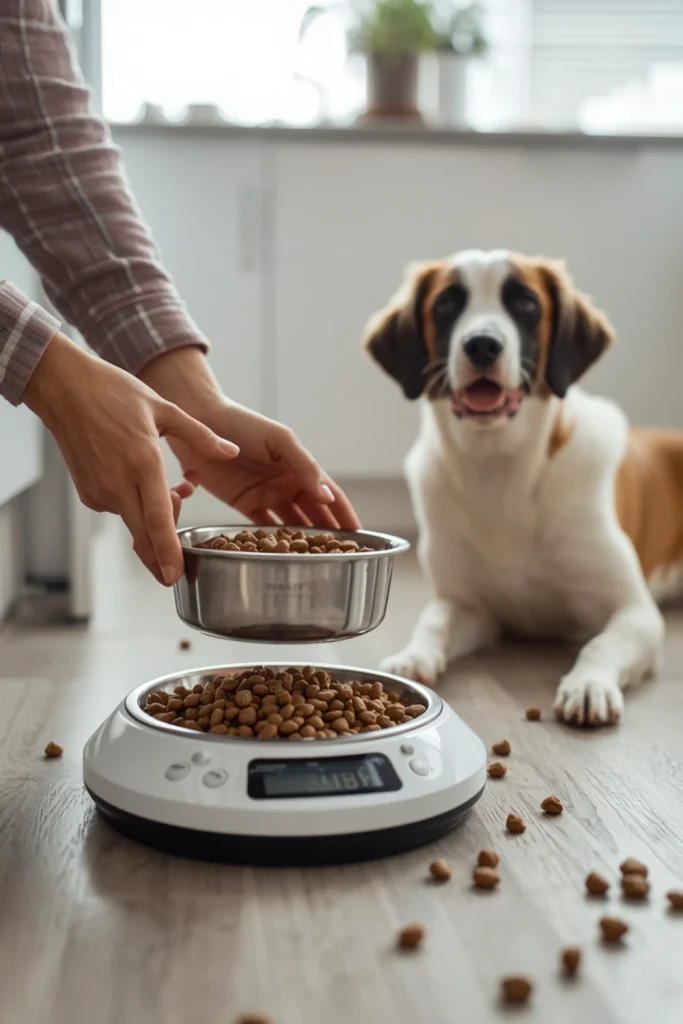
Serving the correct amount of food is essential for maintaining your dog’s healthy weight. Feeding too much can gradually lead to excess body fat, while consistently feeding too little can leave your dog short of the energy and nutrients needed for daily activities. Begin with the feeding guide on the food package, using your dog’s current weight and life stage as a starting point. Remember that these guides are estimates rather than exact requirements for every individual dog.
For more consistent portions, use a measuring cup or, ideally, a kitchen scale to weigh the food in grams. Avoid estimating quantities by eye, because even small differences can add up when repeated every day. Adjust portions according to your dog’s body condition, activity level, weight changes, and veterinary advice. If your dog gains or loses weight unexpectedly, do not make dramatic changes without considering the underlying cause. Your veterinarian can help determine a suitable daily calorie intake.
3. Establish a Consistent Daily Feeding Schedule
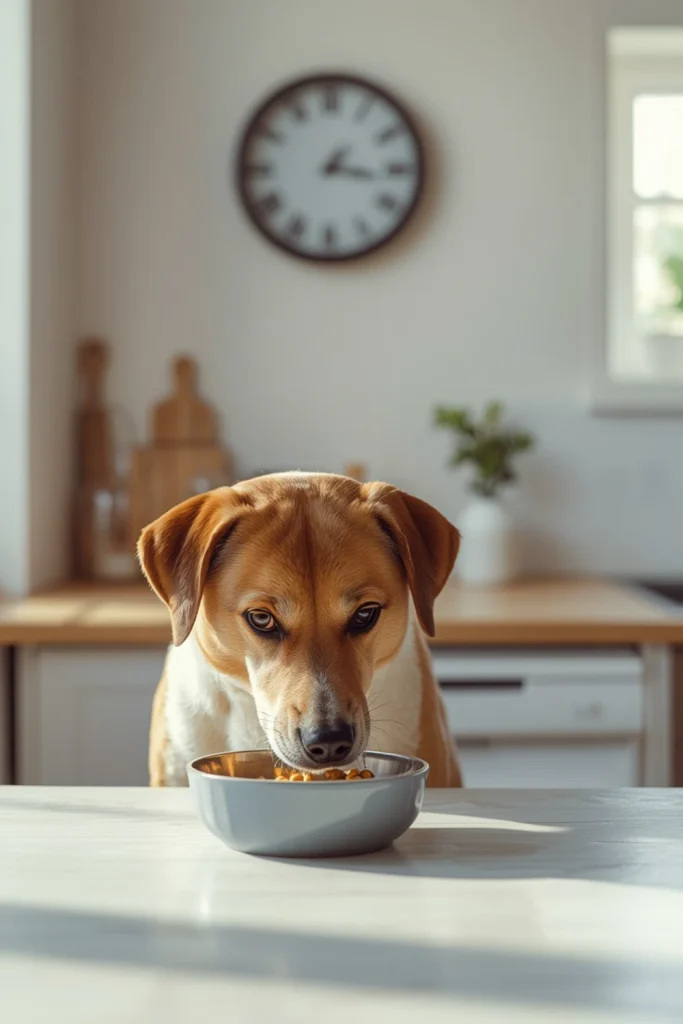
Dogs often feel more comfortable when meals arrive at predictable times. A regular feeding schedule helps you monitor how much your dog eats and makes it easier to notice changes in appetite. Many healthy adult dogs do well with two meals per day, often divided between morning and evening. However, the ideal schedule depends on your dog’s age, health, size, activity, and any veterinary instructions. Choose times that fit your household and keep them reasonably consistent.
Puppies generally need more frequent meals than adult dogs because they are growing and have smaller stomachs. Follow age-appropriate feeding recommendations from your veterinarian or the food manufacturer. Try to avoid constantly leaving food available if doing so makes it difficult to measure intake or notice appetite changes. Some dogs may need a different approach, so adapt the routine to their circumstances. Consistency should make feeding easier, not become a rigid rule that ignores your dog’s individual needs.
4. Feed Food That Matches Your Dog’s Age and Life Stage

A dog’s nutritional needs change throughout life, making age-appropriate food an important part of a healthy feeding routine. Puppies need diets designed to support growth and development, while adult dogs need food that maintains their body condition and daily energy requirements. Large-breed puppies may require specially formulated food to support controlled growth and healthy skeletal development. Feeding an unsuitable diet during this stage can create nutritional problems, so choose carefully with veterinary guidance.
Senior dogs may also benefit from a diet adjusted to their changing activity level, body condition, dental comfort, or medical needs. However, age alone does not mean every older dog requires a special senior formula. Some remain active and healthy on a suitable adult diet, while others need individualized nutrition. When changing life-stage foods, check the product’s intended use and discuss the transition with your veterinarian. The goal is to provide the right balance of nutrients for your dog’s current needs rather than simply choosing food based on age labels.
5. Always Provide Fresh, Clean Drinking Water
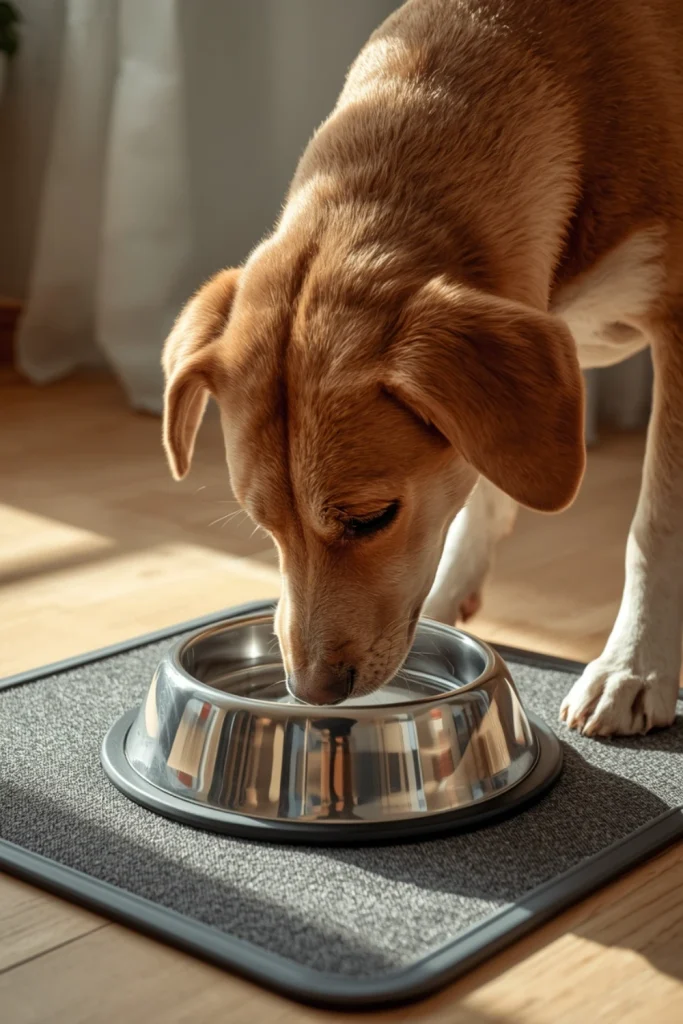
Fresh water is just as important as nutritious food. Dogs need water to regulate body temperature, support digestion, transport nutrients, and maintain normal bodily functions. Keep a clean water bowl available throughout the day and refill it whenever the water becomes low or dirty. Wash the bowl regularly to remove saliva, food residue, and buildup. Choose a bowl that is stable, easy to clean, and suitable for your dog’s size and eating habits.
Your dog’s water needs may increase during hot weather, after exercise, while eating dry food, or when recovering from certain illnesses. Keep an eye on how much your dog usually drinks, but remember that individual requirements vary. A sudden increase or decrease in drinking can sometimes signal a health problem, particularly when accompanied by changes in urination, appetite, or energy. Contact your veterinarian if you notice a persistent or unexplained change. Do not restrict water unless a veterinarian specifically instructs you to do so for a medical reason.
6. Introduce New Food Gradually
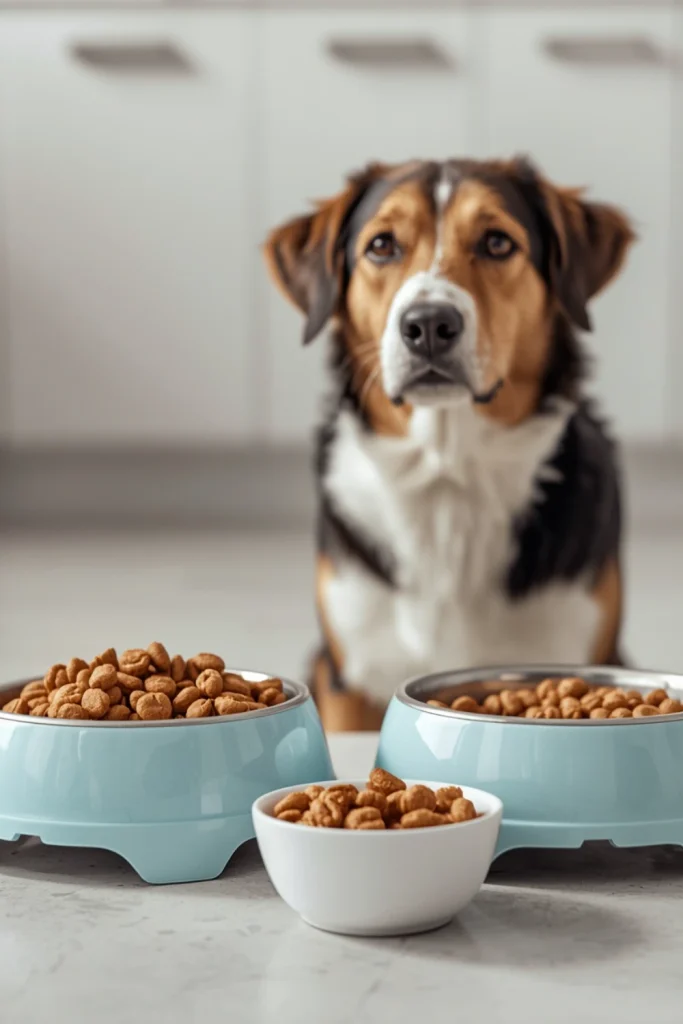
Changing your dog’s food too quickly can upset the digestive system and lead to loose stools, vomiting, gas, or reduced appetite. Unless your veterinarian recommends an immediate change for medical reasons, transition to a new food gradually over several days. A common approach is to mix a small amount of the new food with the current food at first, then slowly increase the new food while reducing the old food. Some dogs need a longer transition than others.
During the transition, monitor your dog’s stool, appetite, comfort, and energy level. If digestive problems develop, slow the transition and consult your veterinarian if symptoms persist or become severe. Dogs with sensitive stomachs or certain health conditions may need a more individualized plan. Avoid introducing several new foods, treats, and supplements at the same time, because this makes it difficult to identify what caused a reaction. A gradual, organized approach can make dietary changes easier for both you and your dog.
7. Keep Treats Small and Avoid Dangerous Human Foods
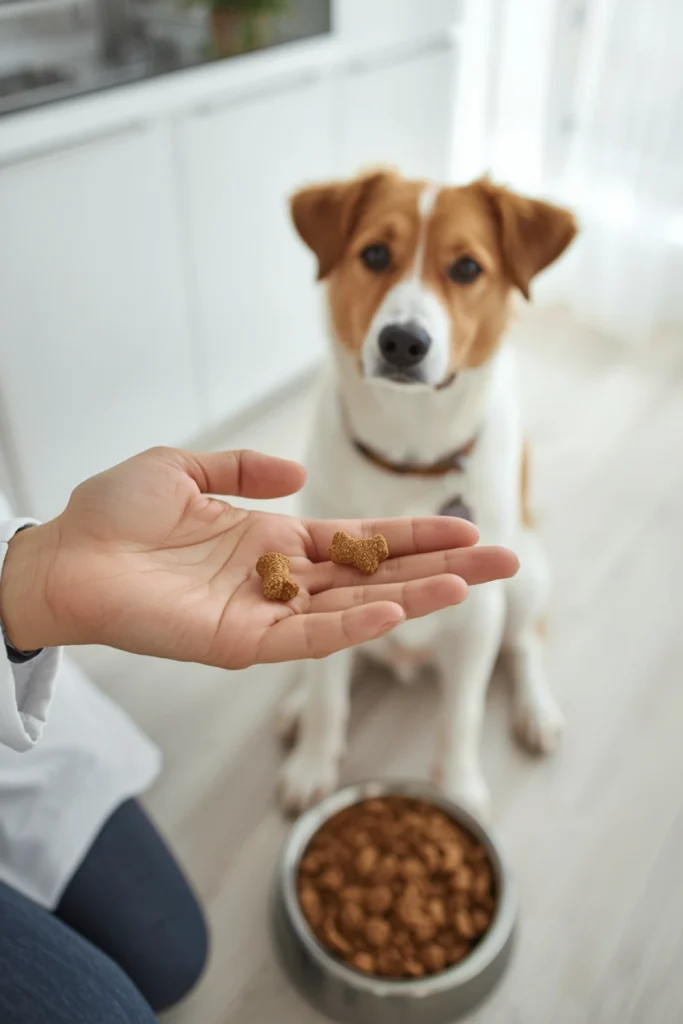
Treats can be useful for training, rewarding good behavior, and strengthening your relationship with your dog. However, treats should not replace balanced meals or contribute too many extra calories. A commonly recommended guideline is to keep treats and other extras to around 10% or less of daily calories, with the majority of calories coming from complete and balanced food. Choose appropriately sized treats and account for them when planning your dog’s daily food allowance. For small dogs, even a few large treats can make a noticeable difference.
Not all human foods are safe for dogs. Chocolate, grapes, raisins, onions, garlic, xylitol-containing products, and alcoholic drinks can be dangerous, and some may cause serious poisoning. Cooked bones can splinter, while fatty scraps may upset the digestive system or contribute to pancreatitis in susceptible dogs. Avoid sharing food unless you know it is safe and suitable for your pet. If your dog eats a potentially toxic substance, contact a veterinarian or animal poison service promptly rather than waiting for symptoms to appear.
8. Monitor Your Dog’s Weight and Body Condition
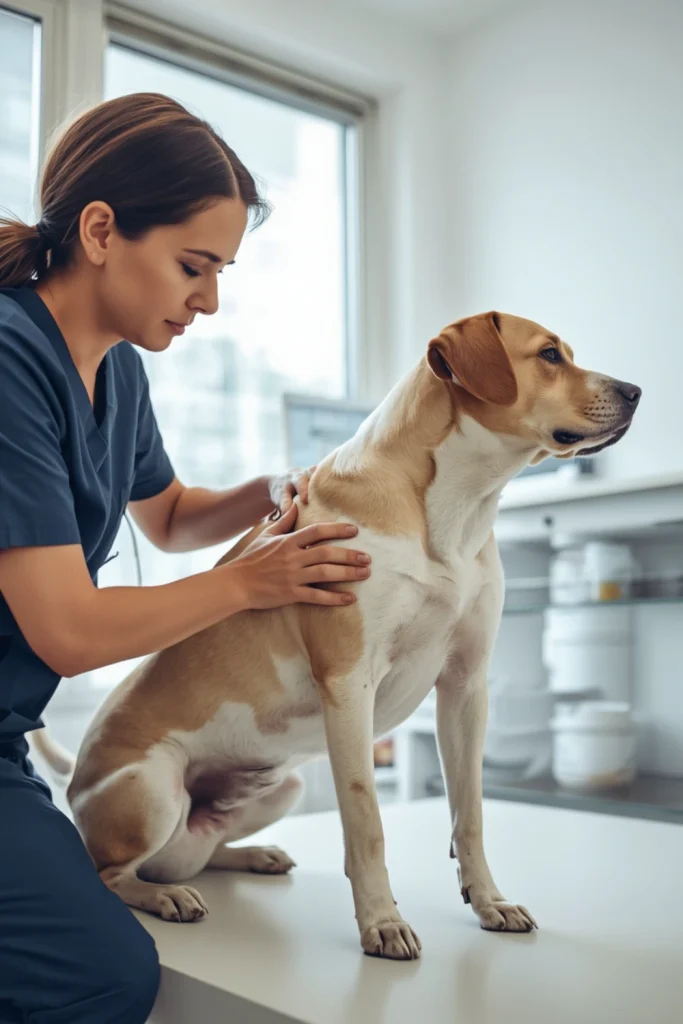
Your dog’s weight can provide useful information about whether the current feeding routine is working. Regularly checking body weight and observing body shape can help you identify gradual changes before they become bigger problems. In a dog at a healthy body condition, the ribs are generally easy to feel under a thin layer of fat, a waist is visible when viewed from above, and the abdomen usually slopes upward behind the ribs when viewed from the side. Breed and body shape influence appearance, so use these signs as general guidance rather than a universal measurement.
Weigh your dog periodically, especially after changing food, portion sizes, activity levels, or daily routines. Keep a simple record so you can recognize trends instead of relying on memory. If your dog is gaining excess weight, discuss a safe calorie adjustment and exercise plan with your veterinarian. If your dog is losing weight without explanation, do not automatically increase food and assume that will solve the problem. Unintentional weight changes may be linked to medical conditions and deserve professional assessment.
9. Create a Calm and Safe Feeding Environment

A comfortable feeding space can help your dog eat without unnecessary stress. Choose a quiet area where your dog can reach the bowl easily and where family members are unlikely to interrupt. Keep the food and water bowls clean and place them on a stable, washable surface. If your dog eats too quickly, ask your veterinarian whether a slow-feeder bowl or a suitable food puzzle could help. These tools may encourage slower eating and provide mental stimulation, but they should be introduced safely and supervised as needed.
If you have more than one pet, feeding them separately can reduce competition, food stealing, and tension around meals. This is particularly important when one dog guards food or when pets require different diets. Teach children to leave dogs alone while they are eating, resting, or chewing. Never punish a dog for showing discomfort around food; instead, manage the environment and seek guidance from a qualified, reward-based trainer or veterinary behavior professional if guarding occurs. Safe feeding habits protect both your dog and the people around it.
10. Watch for Changes in Appetite and Digestion
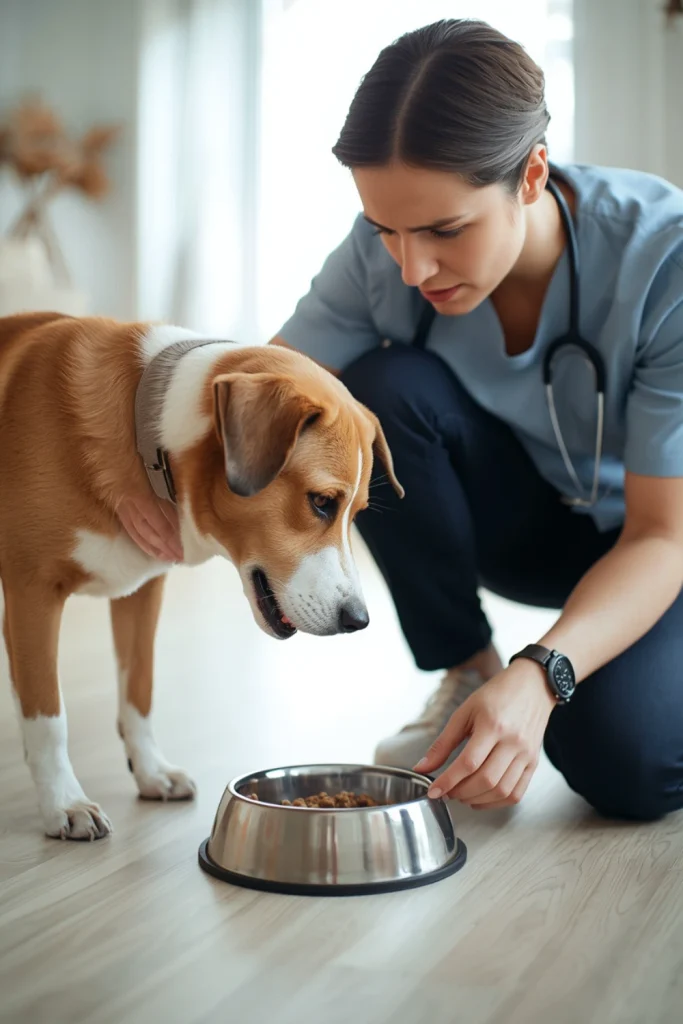
Knowing your dog’s normal eating habits makes it easier to identify possible health concerns. Some dogs eat enthusiastically, while others are naturally slower or less interested in food. Pay attention to what is normal for your pet, including usual meal portions, drinking habits, stool consistency, and energy levels. A sudden change may be related to stress, a new environment, a food change, dental discomfort, digestive upset, or an underlying medical condition. Avoid assuming that every change is simply picky eating.
Contact your veterinarian if your dog repeatedly refuses food, loses weight unexpectedly, vomits, has persistent diarrhea, or shows other unusual symptoms. Seek prompt veterinary advice if a puppy stops eating, if your dog appears weak or painful, or if appetite loss occurs alongside repeated vomiting, a swollen abdomen, or other signs of serious illness. A dog that repeatedly tries to vomit without producing anything, particularly with abdominal swelling, needs emergency veterinary care. Do not force-feed your dog or give human medicines unless your veterinarian specifically directs you to do so.
Conclusion
Learning the right dog feeding tips is one of the most useful steps you can take as a new dog owner. Choosing complete and balanced food, measuring portions, following a consistent schedule, providing fresh water, and monitoring your dog’s weight can help establish a healthy foundation. Small habits, such as storing food correctly and limiting treats, also contribute to a more reliable feeding routine.
Remember that every dog is different. Puppies, senior dogs, active breeds, and pets with medical conditions may have different nutritional requirements. Pay attention to your dog’s appetite, digestion, body condition, and energy levels, and speak with your veterinarian whenever you have concerns. With a suitable diet, thoughtful daily habits, and regular professional guidance, you can make mealtimes easier and support your dog’s long-term well-being.