12 Easy Ways to Build Your Dog’s Daily Exercise Routine
A healthy and happy dog needs more than food, fresh water, and a comfortable place to sleep. Daily physical activity is also an important part of your dog’s overall well-being. Regular exercise helps dogs maintain a healthy weight, develop stronger muscles, release extra energy, and enjoy a more balanced lifestyle. However, creating an exercise routine can feel challenging, especially when you have a busy schedule or a dog with changing activity needs.
The good news is that building a daily exercise routine does not have to be complicated or expensive. A few simple activities, short walks, interactive games, and consistent playtime can make a meaningful difference. Whether you have a playful puppy, an energetic adult dog, or a senior companion, these 12 easy ways will help you Build Your Dog’s Daily Exercise routine and make movement an enjoyable part of everyday life.
1. Start With a Consistent Daily Walking Schedule

Walking is one of the easiest ways to build your dog’s daily exercise routine. It provides gentle physical activity and gives your dog opportunities to explore different surroundings. A regular walking schedule also helps your dog understand when it is time to go outside. Try choosing convenient times, such as early morning and evening, so exercise becomes a natural part of your everyday routine.
You do not need to begin with long walks. Start with a comfortable duration based on your dog’s age, fitness, and health. If your dog is not used to regular activity, gradually increase walking time as their stamina improves. Pay attention to breathing, energy levels, and walking behavior. If your dog appears uncomfortable or unusually tired, shorten the walk and allow them to rest.
2. Divide Exercise Into Short Sessions
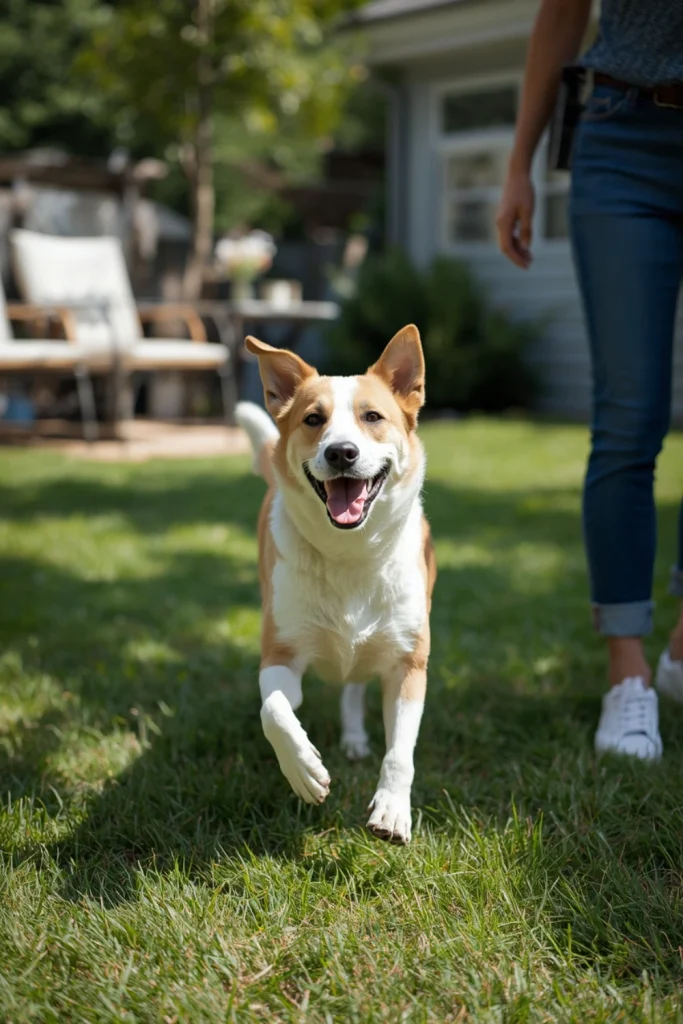
Some dogs enjoy one longer exercise session, but others do better with several shorter activities throughout the day. Dividing exercise into manageable sessions can be especially helpful for puppies, senior dogs, and pets that become tired quickly. For example, you could schedule a short morning walk, a play session during the afternoon, and another gentle walk in the evening.
Short sessions can also fit more easily into a busy lifestyle. Instead of trying to find an entire hour for exercise, you can include movement in different parts of your daily schedule. Remember that your dog’s exercise needs should determine the total activity time. Several short sessions should provide appropriate movement without pushing your dog beyond their limits.
3. Include Interactive Fetch Games
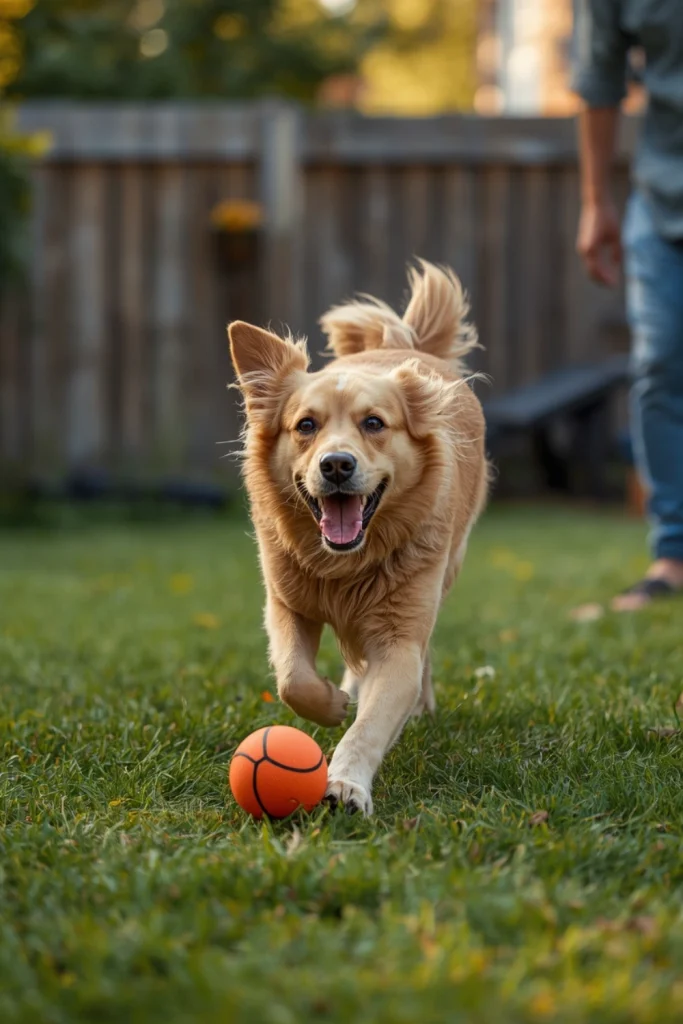
Fetch is a simple and enjoyable activity that encourages many dogs to run, chase, and retrieve. It can be played in a secure garden, fenced yard, or another safe open space. Choose a suitable ball or soft toy that is large enough to avoid accidental swallowing. Start by throwing it a short distance and encourage your dog to bring it back using a happy voice and positive rewards.
Keep fetch sessions controlled rather than encouraging nonstop running. Repeated sudden stops, sharp turns, and jumping can place extra stress on a dog’s joints, particularly if the dog is unfit or has an existing health problem. Give your pet regular breaks and stop when they begin showing signs of fatigue. If your dog does not enjoy retrieving, try a different toy-based game instead.
4. Use Tug-of-War for Indoor Exercise
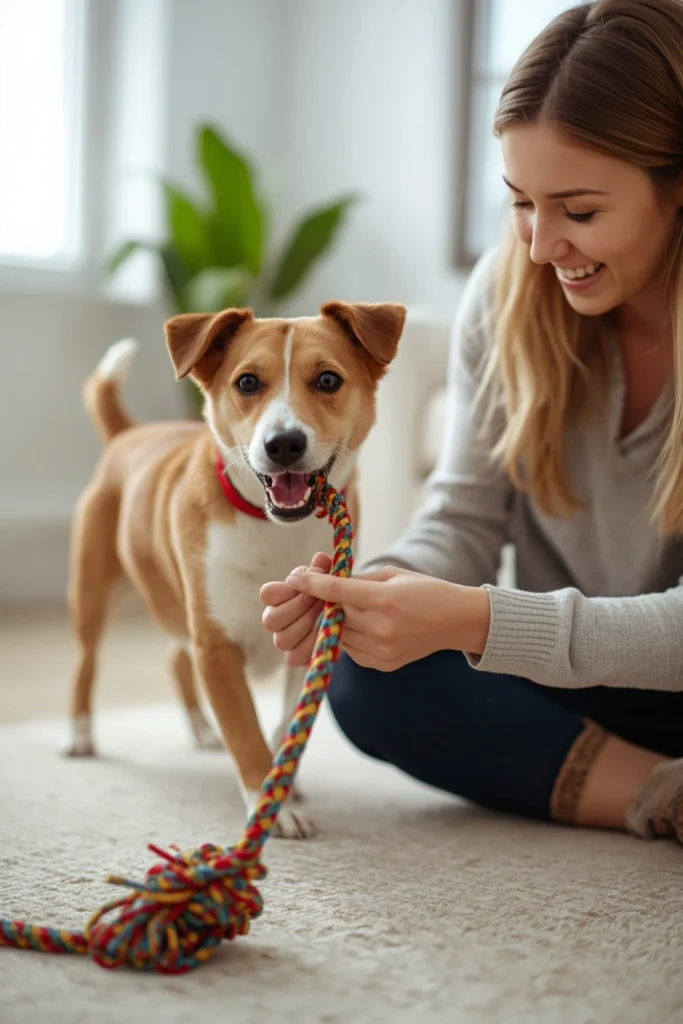
Tug-of-war can be a useful indoor activity when outdoor conditions are unsuitable. It encourages movement, coordination, and interaction between you and your dog. Choose a strong dog-safe tug toy and invite your pet to grab one end while you gently hold the other. Keep the game controlled and allow your dog to win occasionally so the experience stays enjoyable.
Teach simple rules before making tug-of-war part of your routine. Your dog should learn a release cue, such as “drop it,” and should be able to pause when asked. Avoid pulling the toy sharply upward or twisting your dog’s neck. Keep the toy at a comfortable height and use gentle movements. If your dog has dental, neck, or joint problems, ask your veterinarian whether this activity is suitable.
5. Add Daily Mental Enrichment Activities

Exercise is not only about running, jumping, or walking. Dogs also benefit from activities that make them think, explore, and use their natural problem-solving abilities. Mental enrichment can include food puzzles, treat-finding games, snuffle mats, and simple training challenges. These activities provide engagement and can make your dog’s daily routine more interesting.
Try hiding a few small treats in an easy-to-find location and encouraging your dog to search for them. You can gradually make the game more challenging as your pet understands what to do. Always use dog-safe treats and supervise toys or puzzles that could break apart. Mental enrichment does not replace physical exercise, but it works well alongside walks and play sessions to create a balanced daily routine.
6. Take Your Dog on Sniffing Walks
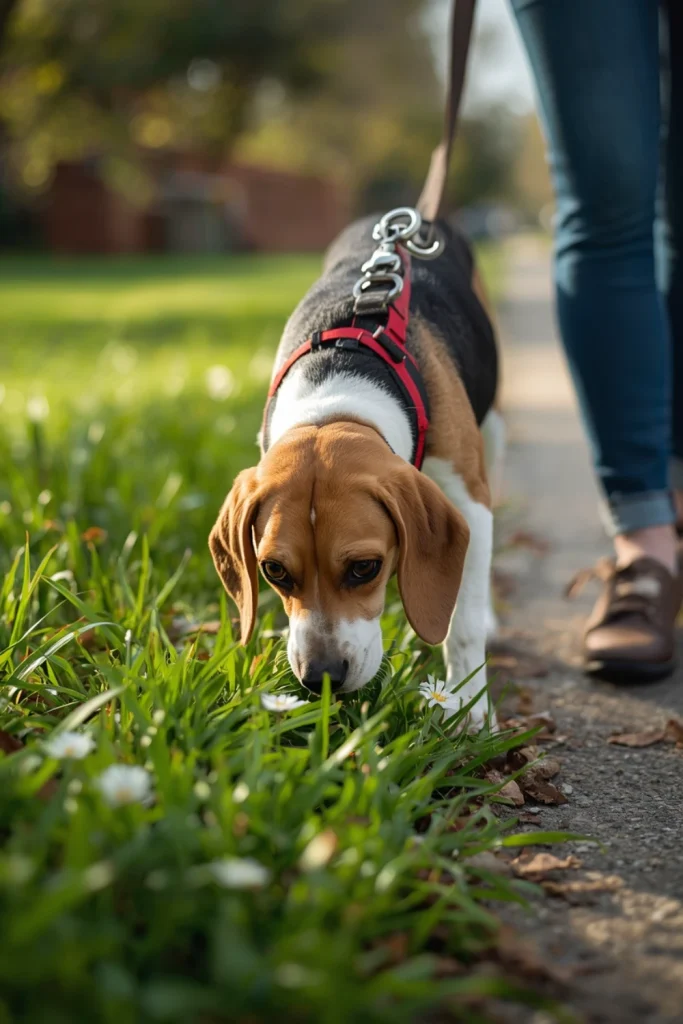
A sniffing walk gives your dog time to explore the environment through smell instead of focusing only on distance or speed. Dogs experience the world largely through their noses, and allowing them to investigate interesting scents can make an ordinary walk more engaging. Choose a safe walking route with grassy areas, quiet paths, or dog-friendly outdoor spaces where your pet can explore without disturbing others.
During these walks, avoid constantly pulling your dog forward whenever they stop to sniff. Give them reasonable opportunities to investigate while maintaining control of the leash. Make sure they do not eat unknown objects, spoiled food, or potentially harmful plants. A relaxed sniffing walk may cover less distance than a brisk walk, but it can provide valuable mental stimulation and variety.
7. Create a Safe Backyard Exercise Area
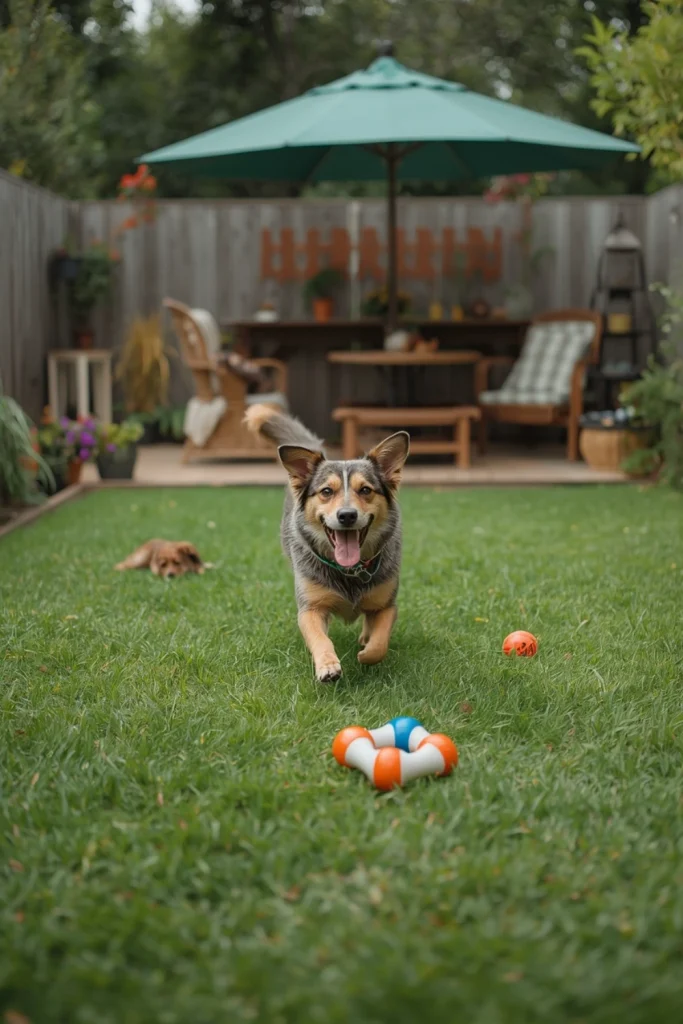
A secure backyard can make daily exercise easier because your dog has a convenient place to move and play. You can use the space for gentle fetch, supervised free movement, recall practice, and short training sessions. Before allowing your dog to play, inspect the area for sharp objects, holes, broken fencing, toxic plants, and other possible hazards.
Make sure the fencing is appropriate for your dog’s size and jumping ability. Keep fresh drinking water available, provide shade during warm weather, and never leave your pet outside for long periods without supervision. A backyard should support your exercise routine rather than replace all walks and outdoor experiences. Dogs still benefit from exploring different environments and enjoying new smells beyond their home.
8. Practice Simple Training Exercises Every Day
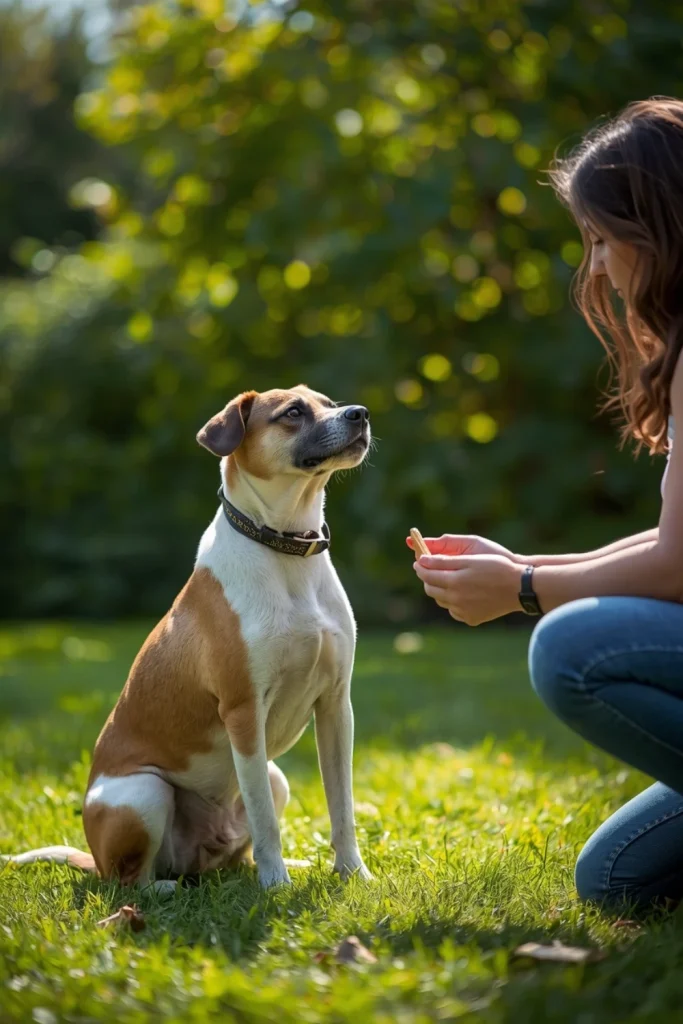
Training can become a valuable part of your dog’s daily exercise routine. Basic commands such as sit, stay, come, touch, and down encourage your dog to move, focus, and respond to instructions. You can practice these exercises indoors, in the backyard, or in a quiet outdoor area. Short sessions are often more effective than long training periods that leave your dog frustrated or distracted.
Try combining simple movements to make training more active. Ask your dog to sit, stand, walk a few steps, and return to you. Reward successful responses with praise or small treats. Keep the experience positive and avoid forcing your dog into uncomfortable positions. Training sessions provide mental engagement and light physical activity, helping you build a consistent routine without needing special equipment.
9. Explore New Walking Routes
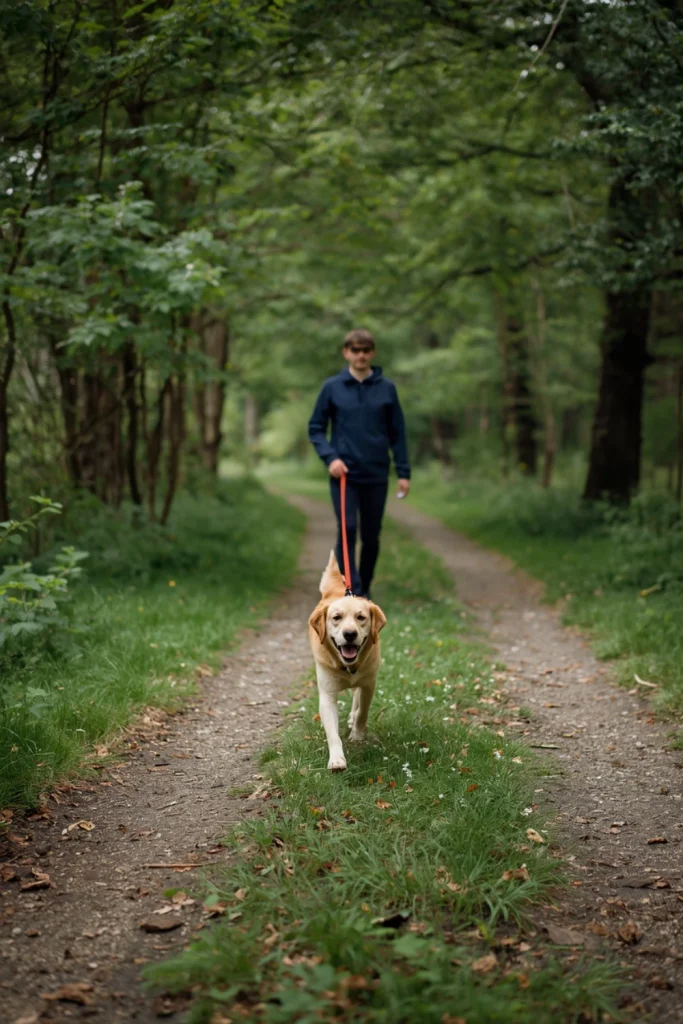
Walking the same route every day can become repetitive for both you and your dog. Exploring new dog-friendly paths introduces different smells, sights, and sounds that make exercise more interesting. You could visit a quiet park, a nature trail, a peaceful neighborhood street, or another safe outdoor location where dogs are welcome.
Introduce unfamiliar environments gradually, especially if your dog is nervous around traffic, strangers, or other animals. Keep your dog on a suitable leash and maintain a comfortable distance from anything that causes fear or excitement. Check the route for dangerous surfaces, extreme temperatures, and areas where dogs are not permitted. New walking experiences can add variety to your dog’s routine while encouraging healthy movement and exploration.
10. Adjust Exercise According to Your Dog’s Age

Age is an important factor when planning a dog’s exercise routine. Puppies are curious and energetic, but their developing bodies need appropriate, controlled activity. Instead of long forced walks or repetitive high-impact games, provide short play sessions, gentle exploration, and age-appropriate training. Allow puppies plenty of rest between activities and follow your veterinarian’s advice about exercise as they grow.
Adult dogs may be able to enjoy a wider range of activities, depending on their breed and fitness. Senior dogs often benefit from gentle walks, slow exploration, and comfortable movement that supports mobility. However, age alone does not determine exercise needs. Some older dogs remain active, while some younger dogs have health limitations. Observe your pet and adapt the routine as their needs change.
11. Make Exercise Fun With Dog-Friendly Playdates

Some dogs enjoy playing with other friendly dogs, making supervised playdates a useful addition to their exercise routine. Playing together can encourage running, chasing, and social interaction. Choose a familiar dog with a compatible size, temperament, and play style. Start in a safe, neutral location and give both dogs enough space to approach each other comfortably.
Always supervise the interaction instead of assuming that dogs will automatically get along. Watch their body language and interrupt play if either dog becomes frightened, overwhelmed, or too rough. Provide breaks and fresh water, particularly during energetic sessions. If your dog prefers people or does not enjoy other dogs, do not force social play. Individual walks, toys, and training games can provide plenty of enjoyable exercise too.
12. Follow a Flexible Exercise Plan
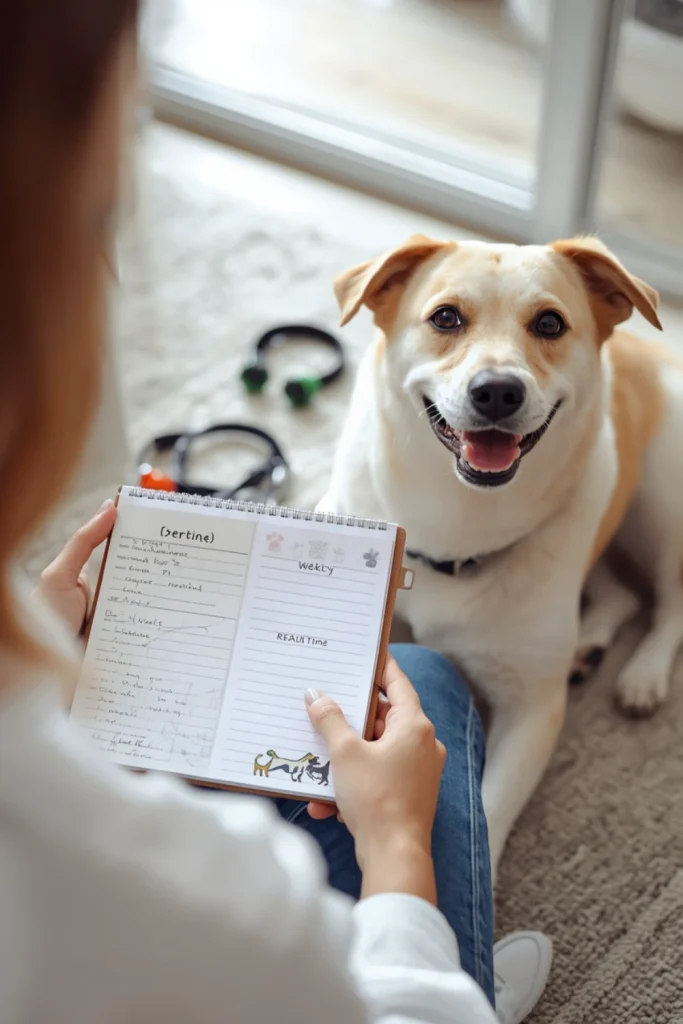
A flexible exercise plan helps you stay consistent while responding to your dog’s changing needs. You can create a simple weekly schedule that includes walking, interactive games, training, sniffing activities, and rest. Having a plan makes it easier to remember daily activities and prevents your dog’s routine from becoming repetitive. It also helps you identify which activities your pet enjoys most.
Avoid treating the schedule as a strict target that must be completed regardless of your dog’s condition. Weather, age, energy, health, and unexpected changes can affect how much exercise is appropriate on a particular day. If your dog seems tired, uncomfortable, or uninterested, adjust the activity. Consistency matters, but flexibility is equally important. A successful routine is one your dog can enjoy safely over the long term.
Conclusion
Building a healthy exercise routine does not require expensive equipment, complicated training plans, or hours of free time. Simple daily walks, interactive games, sniffing activities, training sessions, and indoor enrichment can help your dog stay active and mentally engaged. The most important thing is to choose activities that suit your dog’s age, fitness, health, and personality.
Start with manageable sessions, follow a consistent schedule, and make adjustments as your dog grows or their needs change. Pay attention to signs of tiredness and always provide enough rest, water, and comfortable recovery time. With patience and consistency, you can Build Your Dog’s Daily Exercise routine in a way that supports a happier, healthier, and more enjoyable life together.