The First Week With a New Dog: 15 Things to Expect
Bringing a new dog home is an exciting experience, but the first few days can come with surprises. Your new companion may be playful and curious, or they may seem shy, nervous, and unsure of their surroundings. New smells, unfamiliar people, different sleeping arrangements, and changes in routine can affect how a dog behaves during this important transition.
The First Week With a New Dog is a time to build trust, establish routines, and learn your pet’s unique personality. Rather than expecting everything to go perfectly, focus on making your dog feel safe and comfortable. In this guide, you’ll learn 15 things to expect during the first week, practical ways to handle common challenges, and how to help your new family member settle into a happy, healthy life.
1. Your New Dog May Feel Nervous or Shy
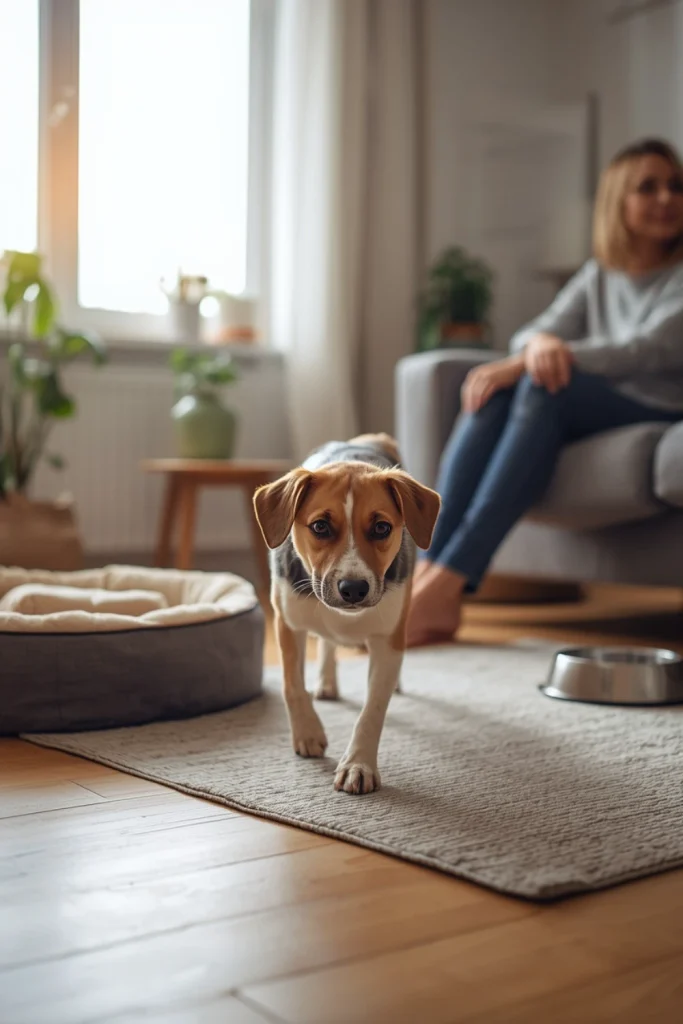
One of the first things to expect during the first week with a new dog is nervousness. Your dog has entered an unfamiliar environment filled with new sounds, smells, people, and routines. Even a friendly dog may feel uncertain at first. You might notice your pet hiding behind furniture, walking cautiously around the house, following you from room to room, or watching family members from a distance. These reactions can be especially common in rescue dogs and puppies experiencing a major change for the first time.
Give your dog time to adjust without forcing interactions. Prepare a quiet resting area where your pet can retreat whenever they feel overwhelmed. Speak gently, move calmly, and allow your dog to approach you voluntarily. Avoid inviting too many visitors during the first few days. As your dog begins to feel safe, they may explore more confidently and show greater interest in family activities. If fear is severe, persistent, or accompanied by signs of illness, consult a veterinarian or qualified behavior professional.
2. Your Dog May Sleep More Than Usual

A new environment can be mentally exhausting for a dog. During the first week, your pet may sleep more than expected after exploring the home, meeting family members, or experiencing unfamiliar sounds. Puppies generally need substantial sleep for healthy growth, while adult and senior dogs also require adequate rest. Your dog may take frequent naps, appear less playful than expected, or choose a quiet corner rather than joining every family activity. Rest can help your dog recover from the excitement of moving into a new home.
Create a comfortable sleeping area away from loud appliances, busy walkways, and constant disturbances. Allow your dog to rest without repeatedly waking them for play or attention. However, learn what is normal for your individual pet. Unusual lethargy, difficulty waking, weakness, breathing problems, or other concerning symptoms should not automatically be blamed on tiredness. If your dog seems physically unwell or their energy changes significantly, contact a veterinarian. A balanced first-week routine should include gentle interaction, appropriate activity, and plenty of uninterrupted rest.
3. Your Dog May Eat Less During the First Few Days

Changes in appetite are another experience some owners notice during the first week with a new dog. Moving, traveling, meeting unfamiliar people, and adjusting to a new feeding location can temporarily affect a dog’s interest in food. Your pet might sniff the bowl and walk away, eat only when the room is quiet, or take longer than usual to finish a meal. Other dogs may eat normally from the beginning, so appetite changes are not inevitable for every new pet.
Offer the food your dog is already accustomed to, provided it is appropriate for their needs, and serve it in a calm location. Keep fresh water available and avoid changing food repeatedly or offering too many treats to encourage eating. Ask the previous caregiver about the normal feeding routine. Contact a veterinarian if your dog refuses food for a concerning period, shows vomiting or diarrhea, or seems unwell. Young puppies, very small dogs, and pets with known medical conditions may need more prompt advice because reduced intake can become serious more quickly.
4. Toilet Accidents May Happen Indoors
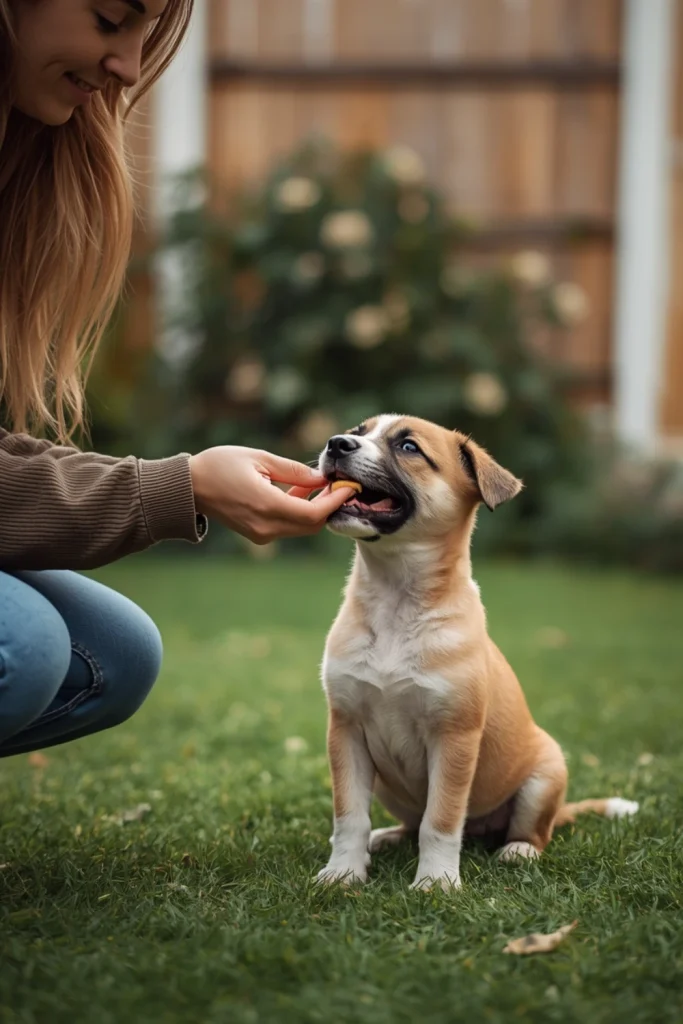
Even a dog that was previously toilet-trained may have accidents during the first week in a new home. Your dog may not yet know how to signal that they need to go outside, where the designated toilet area is, or how often you plan to take them out. Puppies usually need frequent opportunities, while adult dogs may also struggle when their usual schedule changes. Excitement, stress, unfamiliar surroundings, and too much unsupervised freedom can contribute to indoor accidents.
Start toilet training immediately by taking your dog to the appropriate place after waking, eating, drinking, playing, and before bedtime. Reward successful toileting promptly with praise or a small treat. If an accident occurs, clean the area thoroughly with a pet-safe enzymatic cleaner and continue your routine without scolding. Punishment can make a dog afraid to toilet in front of you without teaching them where they should go. If a previously reliable dog begins urinating unusually often, strains, or seems uncomfortable, contact a veterinarian to rule out a medical problem.
5. Your Dog Will Need Time to Learn Your Daily Routine
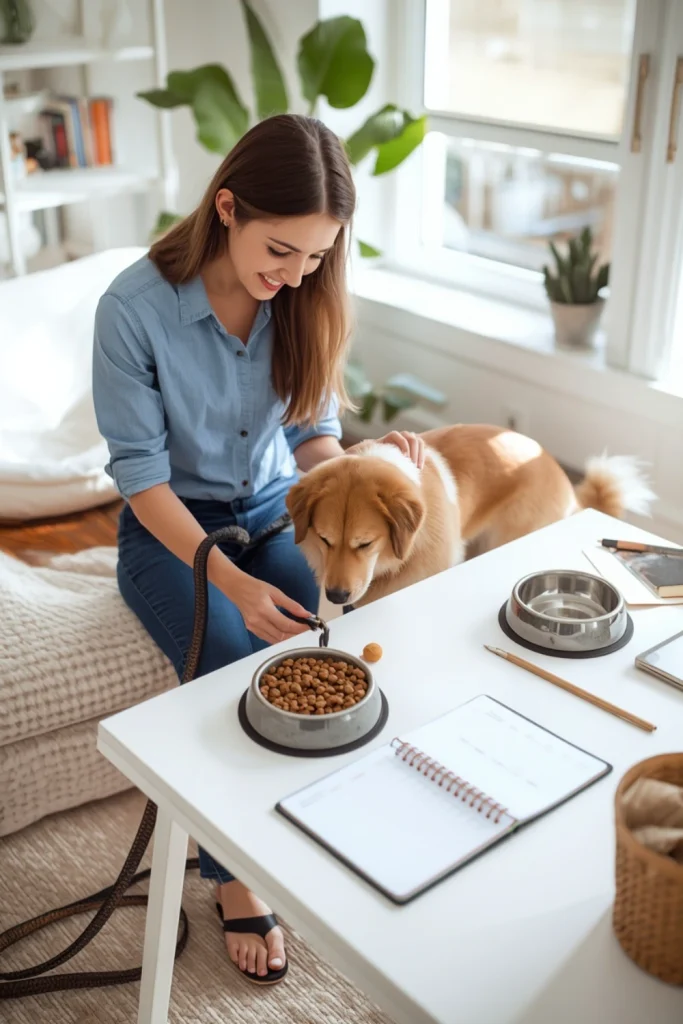
Your household has its own schedule for waking up, eating, exercising, relaxing, and going to bed. During the first week, your dog will begin learning these patterns, but they may not understand them immediately. Your pet might become excited when someone enters the room, expect food at unfamiliar times, or struggle to settle while the family is busy. These behaviors are part of learning how life works in a new household and do not necessarily mean that your dog is difficult.
Create a simple daily schedule with regular meals, toilet breaks, suitable exercise, short training sessions, and quiet rest. Try to keep important activities at roughly consistent times. Everyone in the household should follow similar rules and use the same cues for common behaviors. Predictability helps dogs understand what happens next and can reduce uncertainty. Adjust the routine to suit your dog’s age, health, energy level, and individual needs. A young puppy, an older dog, and a newly adopted adult dog may all require different schedules.
6. Your Dog May Follow You Everywhere
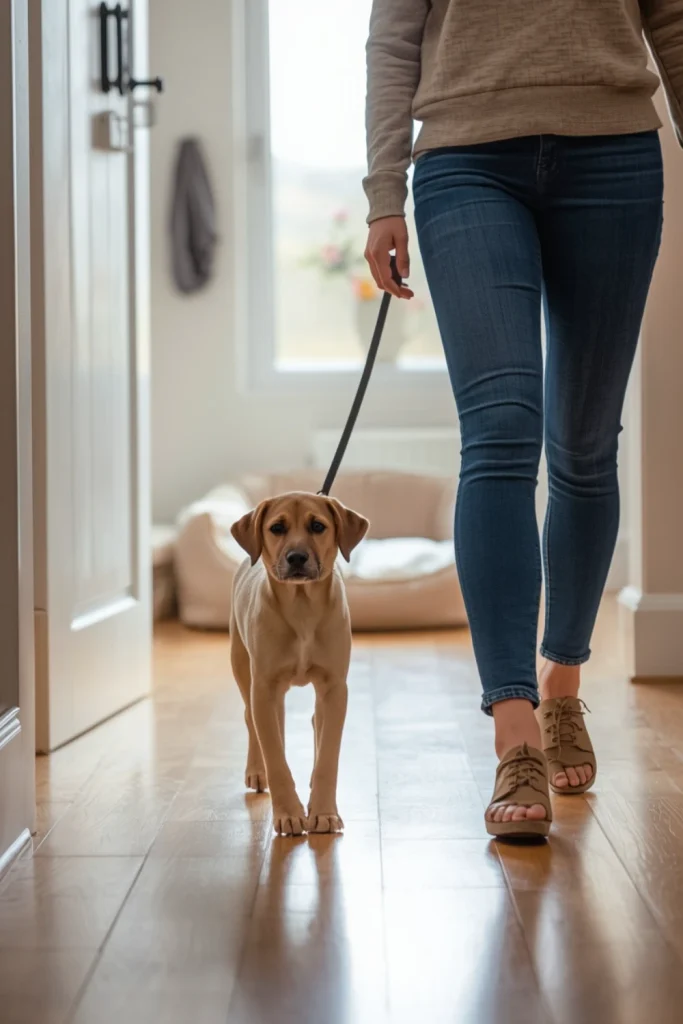
Some new dogs follow their owners from room to room during the first few days. Your dog may sit beside your chair, wait outside the bathroom, or become restless when you leave their sight. This behavior may occur because you are becoming a source of security in an unfamiliar environment. Dogs with uncertain backgrounds may be especially eager to remain close while they learn who you are and what to expect in their new home.
Offer affection while also helping your dog become comfortable resting independently. Encourage them to relax on a nearby bed while you complete everyday activities. Reward calm behavior when your dog settles without needing constant attention. Begin practicing very short periods of separation only when your dog seems comfortable, and increase the time gradually. Avoid leaving a newly arrived dog alone for a long period immediately. If your pet shows intense panic, persistent barking, destructive escape attempts, or extreme distress whenever you leave, consult a veterinarian or qualified behavior professional.
7. Your Dog May Be Quiet or Less Playful Than Expected
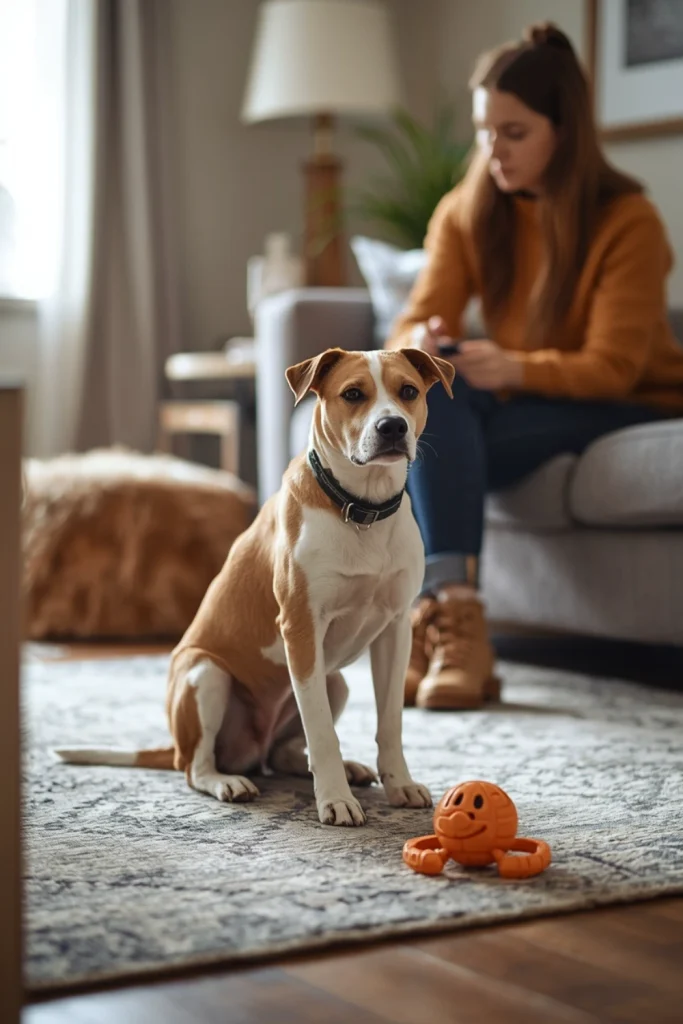
Many owners imagine that their new dog will immediately play with toys, run around the garden, and greet everyone enthusiastically. However, some dogs become unusually quiet during the first week. They may watch family members from a distance, show little interest in toys, or spend much of the day resting. This does not necessarily mean your dog dislikes you or is unhappy. Your pet may simply be processing unfamiliar experiences and needs more time to feel comfortable.
Offer gentle opportunities for interaction without demanding a response. Sit nearby, speak softly, and make a suitable toy or simple sniffing activity available. Allow your dog to decide whether they want to approach or play. Gradually introduce enjoyable activities as their confidence grows, while still providing appropriate exercise and attention. If your dog remains withdrawn, stops eating or drinking, appears painful, or develops other signs of illness, arrange a veterinary assessment rather than assuming the behavior is only stress.
8. Your Dog May Test Household Boundaries
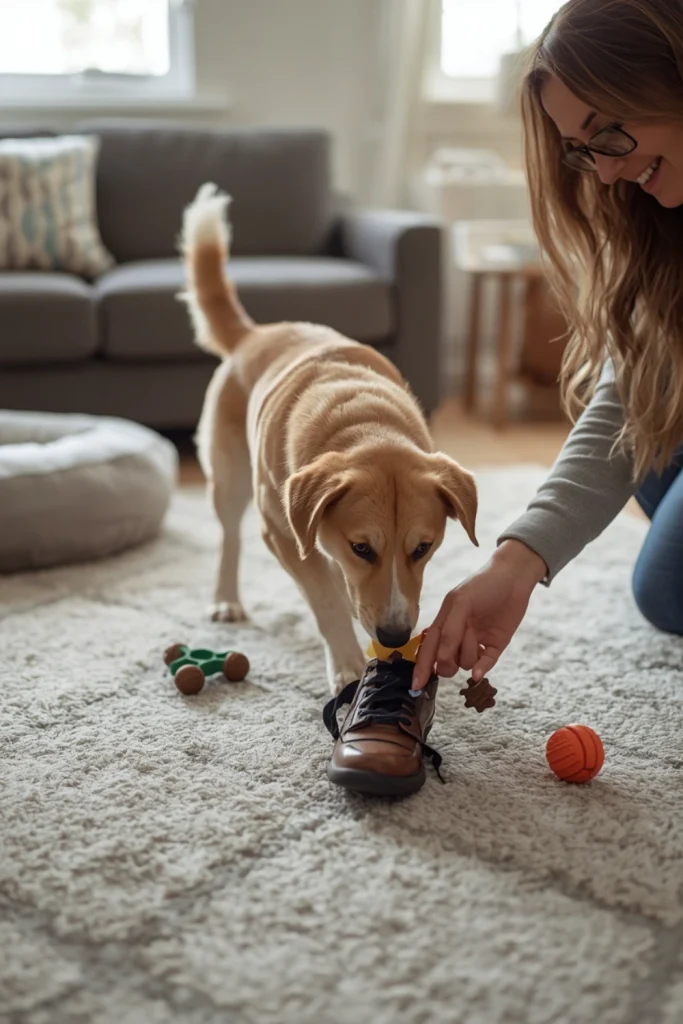
During the first week, you may discover behaviors that were not obvious before adoption. Your dog might jump on furniture, chew shoes, investigate rubbish bins, bark at windows, or enter rooms where they are not allowed. These actions are not necessarily deliberate misbehavior. Your dog is exploring the environment, responding to natural instincts, and learning which behaviors work in your household. Puppies may need extra guidance, while adult dogs may need time to understand unfamiliar house rules.
Make appropriate behavior easier by managing the environment. Store tempting objects safely, use gates where necessary, provide suitable chew toys, and supervise exploration. Teach alternatives using rewards. For example, reward your dog for relaxing on their own bed instead of repeatedly pushing them away from furniture. Ensure everyone follows the same household rules. Avoid yelling or physical punishment, which can create fear and confusion. Consistent management and positive training help your dog learn expectations while maintaining a trusting relationship with you.
9. Your Dog May Be More Active or Restless at Night

A change in sleeping environment can temporarily disrupt your dog’s nighttime routine. During the first week, your dog might wake frequently, move around the room, whine, or bark. Puppies may need nighttime toilet breaks, while adult dogs may feel unsettled by unfamiliar sounds or separation from people and animals they previously knew. A dog that slept quietly in another home may need several nights to become comfortable with the new sleeping arrangement.
Prepare a comfortable sleeping area and establish a calm bedtime routine. Offer a final toilet opportunity before bed, keep evening activities relaxed, and avoid exciting games immediately before sleep. If you have a puppy, plan for age-appropriate toilet breaks rather than expecting them to sleep through the entire night. Check whether your dog needs something practical when they become restless, and respond calmly. Persistent nighttime distress, signs of pain, or sudden changes in sleep should be discussed with a veterinarian when appropriate.
10. Your Dog May Chew or Investigate Everything
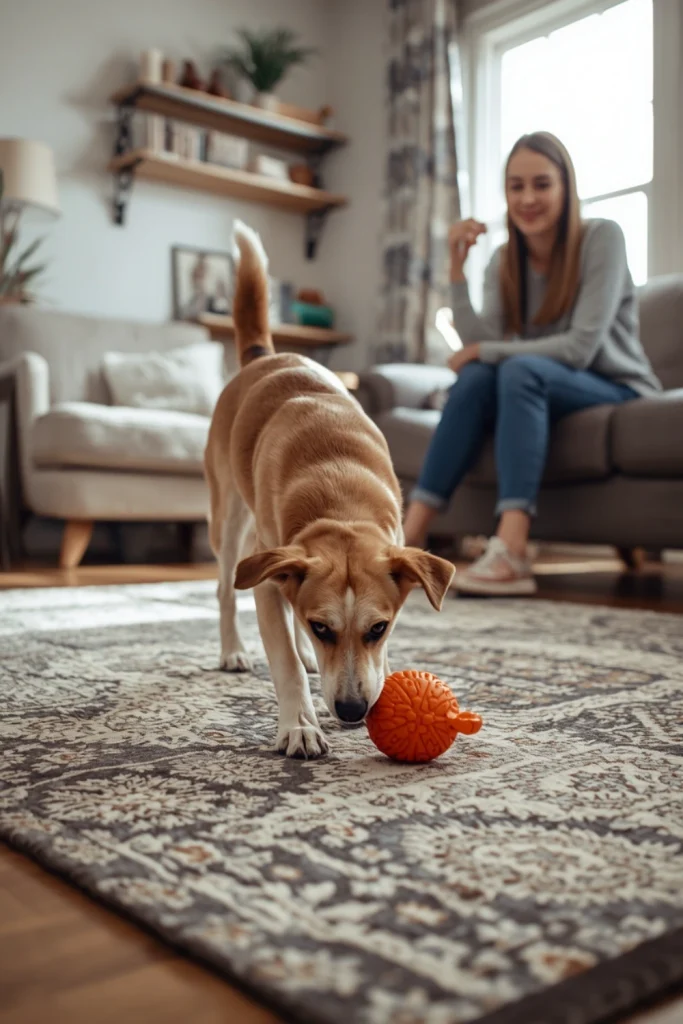
Dogs explore their surroundings through their noses and mouths. During the first week, your new companion may sniff cupboards, investigate bags, chew furniture, or pick up objects that smell interesting. Puppies are particularly likely to chew while exploring and experiencing teething, but adult dogs may also chew because of boredom, anxiety, or habit. Everyday household items can become dangerous if swallowed, so supervision and preparation are especially important during this period.
Keep shoes, electrical cables, medicines, rubbish, and small objects out of reach. Provide safe chew toys suited to your dog’s size and chewing style, and supervise them when introducing unfamiliar items. If your dog begins chewing something inappropriate, calmly redirect them to an acceptable alternative and reward the desired behavior. Avoid giving items that may splinter, cause choking, or be swallowed. If you suspect your dog has swallowed a dangerous object or substance, contact a veterinarian promptly rather than waiting for symptoms to appear.
11. Your Dog May Be Unsure Around New People
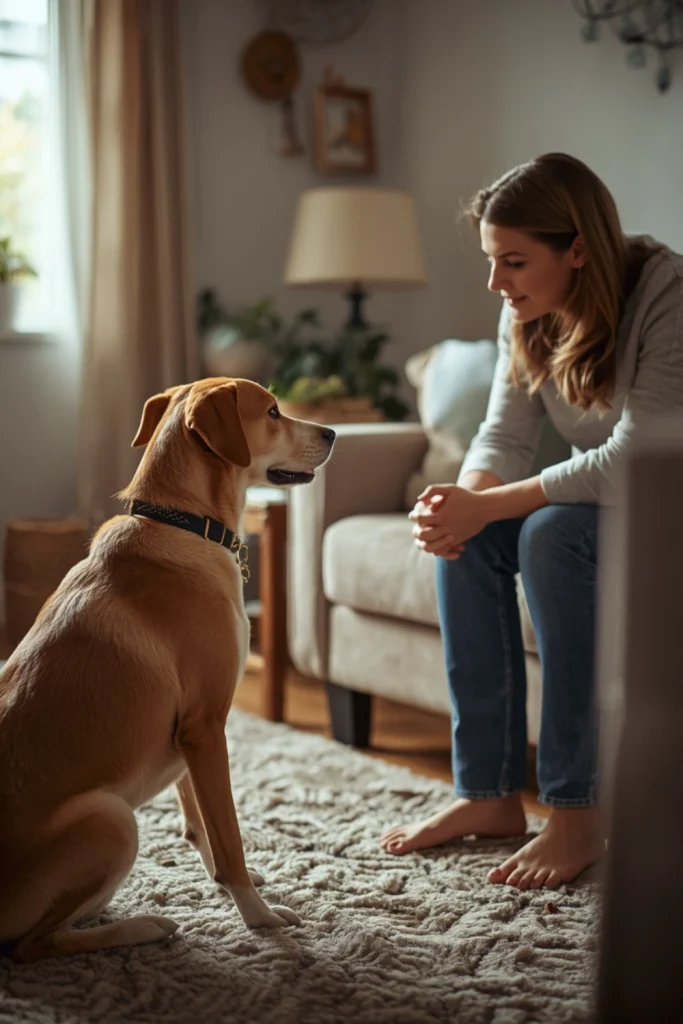
The first week often brings introductions to family members, neighbors, and friends. Some dogs greet everyone happily, while others hide, bark, avoid eye contact, or remain close to their owners. A dog that feels comfortable with one person may be nervous around someone who moves quickly, speaks loudly, or wears unfamiliar clothing. These reactions may reflect uncertainty rather than aggression, so it is important to observe your dog’s body language instead of assuming every dog enjoys meeting strangers.
Keep introductions calm and allow your dog to choose whether to approach. Ask visitors not to lean over the dog, stare directly at them, reach suddenly, or insist on petting. Children should be supervised closely and taught to respect the dog’s space, especially around food and sleeping areas. Reward relaxed behavior and increase the distance if your dog looks uncomfortable. You do not need to introduce everyone during the first week. A few calm, positive interactions can be more helpful than a busy schedule full of unfamiliar people.
12. Your Dog May React to Other Animals
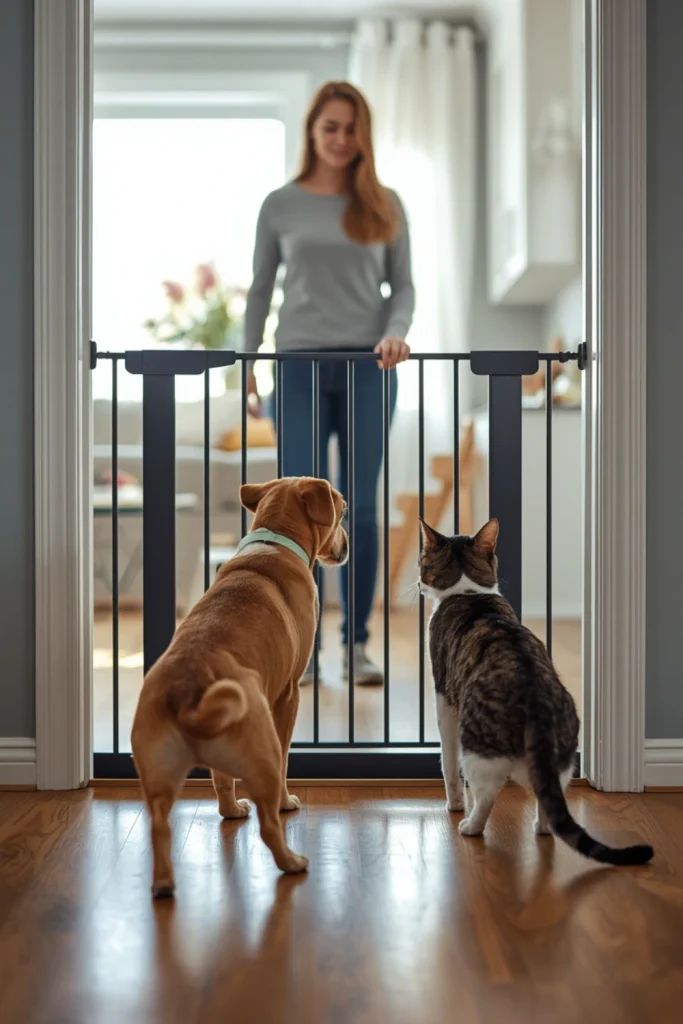
If your home or neighborhood includes other dogs, cats, or small pets, you may notice curiosity, excitement, fear, or barking. Your new dog might stare at a cat, pull toward another dog on a walk, or become nervous after hearing animals nearby. Previous experiences, temperament, socialization, and natural instincts can all influence these reactions. Do not assume that an animal-friendly dog will immediately accept every pet or that showing interest means your dog is ready for direct contact.
Use barriers, distance, secure equipment, and careful supervision to keep every animal safe. Introduce household pets gradually and provide separate resting spaces, food bowls, and water. Avoid forcing face-to-face greetings or allowing chasing to become a habit. Reward calm observation and end interactions before any animal becomes overwhelmed. Never leave a new dog alone with another household animal until you are confident the arrangement is safe. If you notice persistent aggression, intense fear, or strong chasing behavior, seek guidance from a qualified behavior professional who can help plan safe introductions.
13. Your Dog’s Personality Will Begin to Emerge
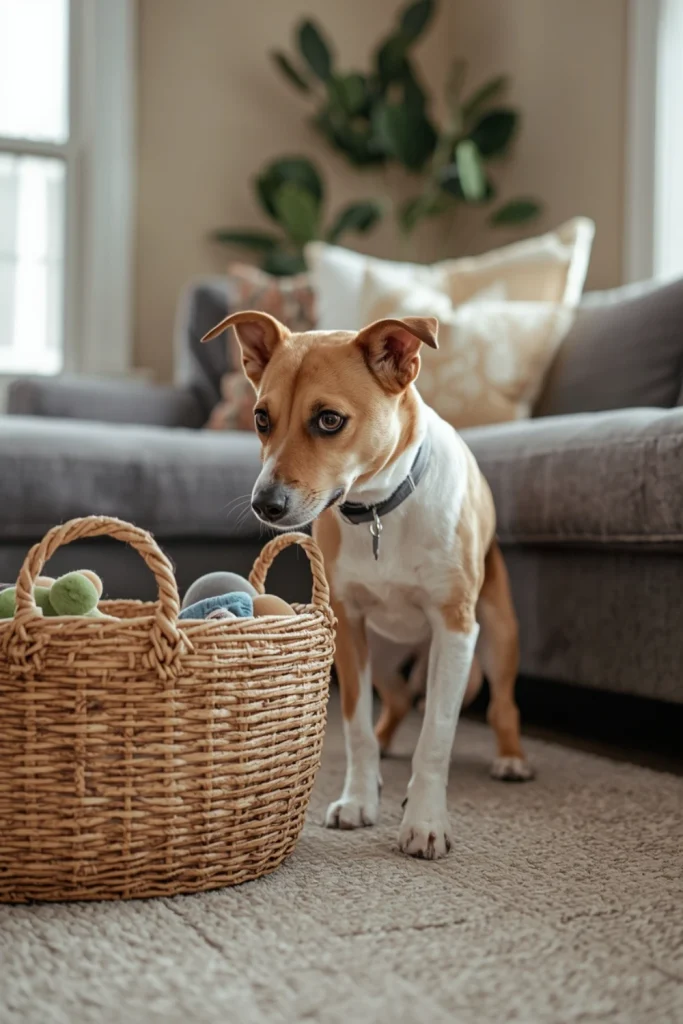
During the first few days, you may see only part of your dog’s personality. A quiet dog might become playful once comfortable, while an energetic dog may become more relaxed after learning the household routine. You may discover favorite toys, preferred sleeping spots, sensitivity to certain sounds, or a strong interest in sniffing outdoors. Some dogs become affectionate quickly, while others show trust through small actions, such as resting nearby or approaching you voluntarily.
Observe your dog without expecting them to behave like a previous pet or a particular breed stereotype. Make brief notes about appetite, sleep, energy, preferences, and reactions to everyday situations. This information can help you choose suitable activities and communicate with your veterinarian or trainer. Give your dog opportunities to make safe choices, and reward positive behavior. Remember that personality may continue to emerge over several weeks. Avoid making quick judgments about your dog’s long-term temperament based only on the first few days in a new environment.
14. Training Should Start Gently, Not Intensively
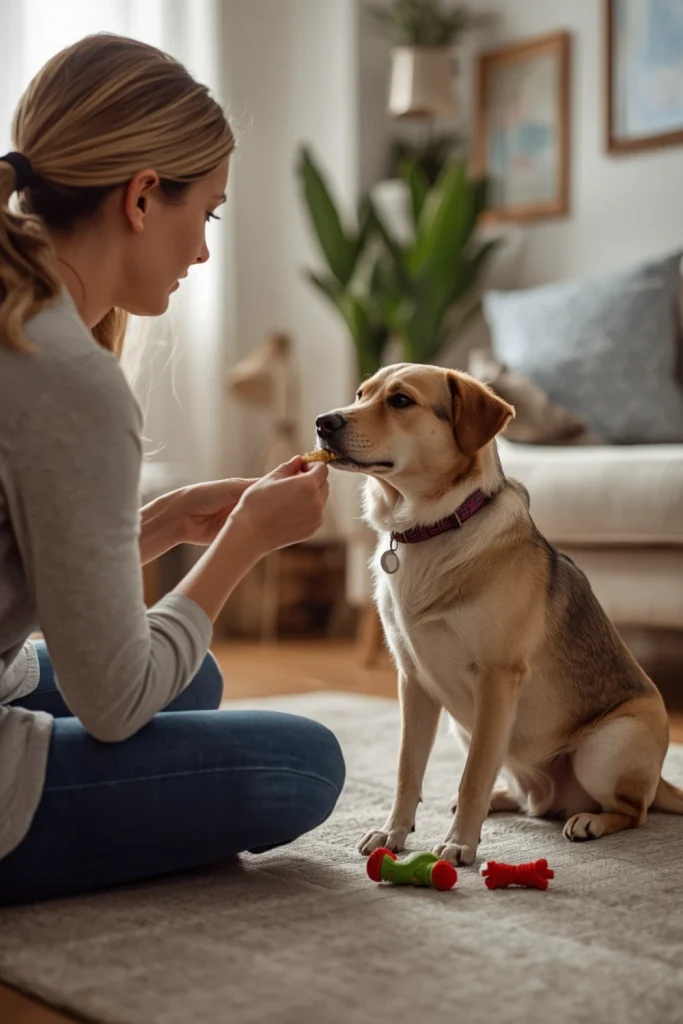
It is helpful to begin teaching household basics during the first week, but training should remain simple and rewarding. Start by helping your dog recognize their name, rewarding calm behavior, and introducing easy skills such as sitting or coming when called in a quiet environment. You can also begin teaching where to rest, how to approach the door calmly, and how to walk comfortably on a leash when outdoor conditions and your dog’s health make it appropriate.
Keep training sessions brief and finish while your dog is still engaged. Use small treats, praise, toys, or other positive experiences your dog enjoys. Avoid expecting perfect obedience or repeatedly testing the dog in distracting environments. If your dog appears tired, confused, or worried, make the exercise easier or take a break. Consistency matters more than long sessions. During the first week, the main objective is to build communication and trust while helping your dog understand that learning with you is safe and worthwhile.
15. You Will Begin Building a Stronger Bond
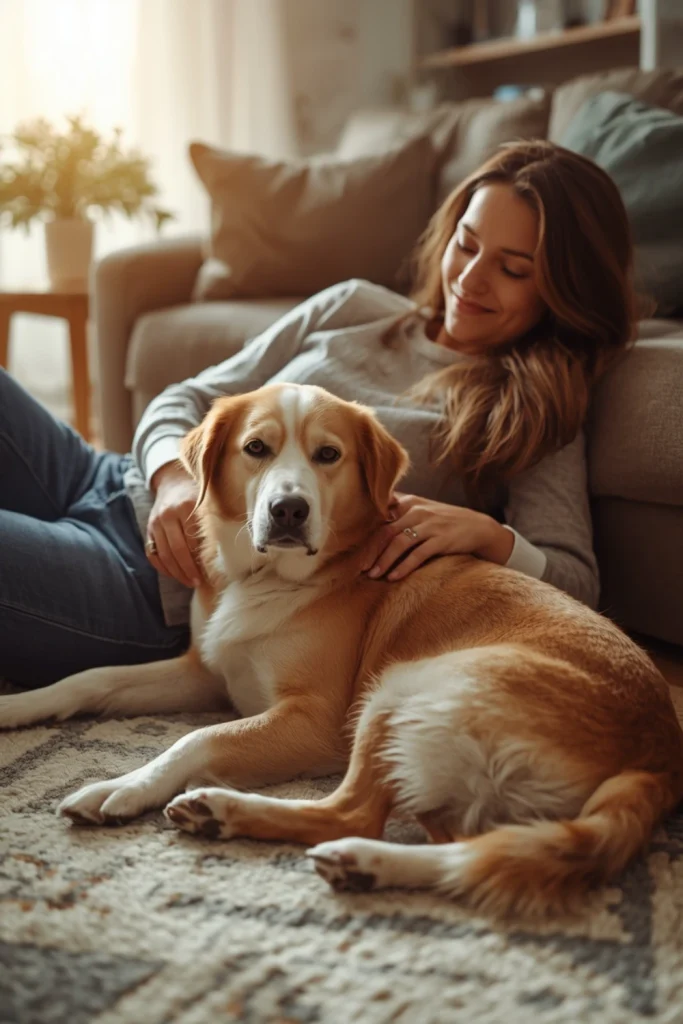
The first week is the beginning of a relationship that develops through everyday care. Filling the water bowl, serving meals, providing toilet breaks, offering gentle play, and allowing quiet companionship all help your dog learn that you are dependable. Bonding does not always happen through cuddling or constant physical contact. For a cautious dog, feeling safe enough to sleep nearby or approach you voluntarily may be an important early sign of trust.
Focus on being patient, consistent, and attentive to your dog’s needs. Celebrate small improvements, such as eating comfortably, exploring a new room, responding to their name, or settling on their bed. Avoid rushing affection or interpreting every uncertain behavior as a problem. Your relationship will grow as you learn to understand each other. If difficulties arise, seek appropriate veterinary or behavior support instead of feeling that you have failed. A secure bond develops over time through positive experiences, clear communication, and dependable care.
Final Thoughts
The First Week With a New Dog is an important period for learning, adjustment, and building trust. Your dog may feel nervous, sleep more, eat less, have toilet accidents, or need extra reassurance while getting used to the new environment. These experiences can be part of the transition, but it is equally important to recognize when a behavior or symptom may require professional attention.
Focus on simple routines, a safe home, gentle training, appropriate veterinary care, and plenty of rest. Allow your dog to build confidence gradually instead of expecting immediate affection or perfect behavior. With patience and consistency, you will learn your dog’s needs, discover their personality, and begin developing a strong relationship that can last a lifetime.