20 Simple Ways to Keep Your Dog Comfortable in Summer
Summer is a wonderful time to enjoy outdoor activities, sunny days, and special moments with your furry friend. However, rising temperatures can make the season uncomfortable and sometimes dangerous for dogs. Hot pavement, strong sunlight, dehydration, and excessive heat can affect your dog’s health. Even dogs that love playing outdoors need extra attention when the weather becomes warm.
The good news is that keeping your dog cool and comfortable does not have to be difficult. Small changes in your daily routine can make a big difference in your pet’s well-being. Whether you have a playful puppy, an adult dog, or a senior companion, these 20 Simple Ways to Keep Your Dog Comfortable in Summer will help you provide better care, prevent overheating, and make the warmer months safer and more enjoyable.
1. Always Provide Fresh and Clean Drinking Water
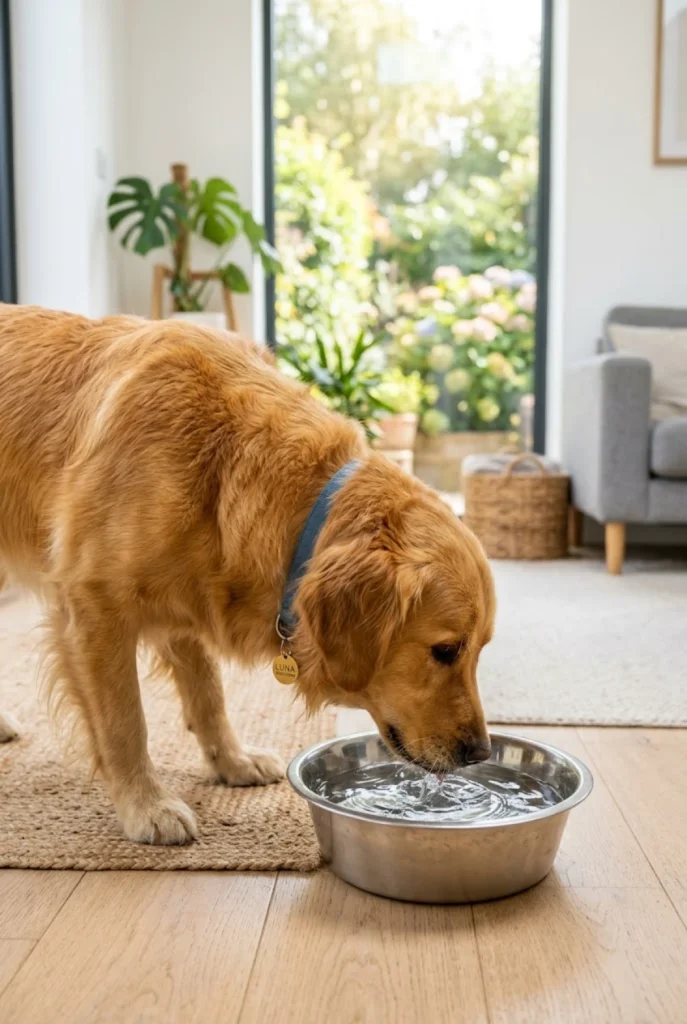
Fresh drinking water is one of the most important things your dog needs during summer. Hot weather and increased panting can cause your pet to lose additional moisture, making regular hydration essential. Keep a clean water bowl somewhere your dog can easily reach throughout the day. If your dog spends time in different rooms or outdoor areas, consider placing additional water bowls in convenient locations.
Change the water regularly to keep it fresh and clean. Wash the bowl daily to prevent dirt, bacteria, and slime from building up. If you take your dog outside, carry a portable water bottle and collapsible bowl. Offer drinking breaks during walks and outdoor activities rather than waiting until your pet becomes extremely thirsty.
2. Create a Cool and Comfortable Resting Area
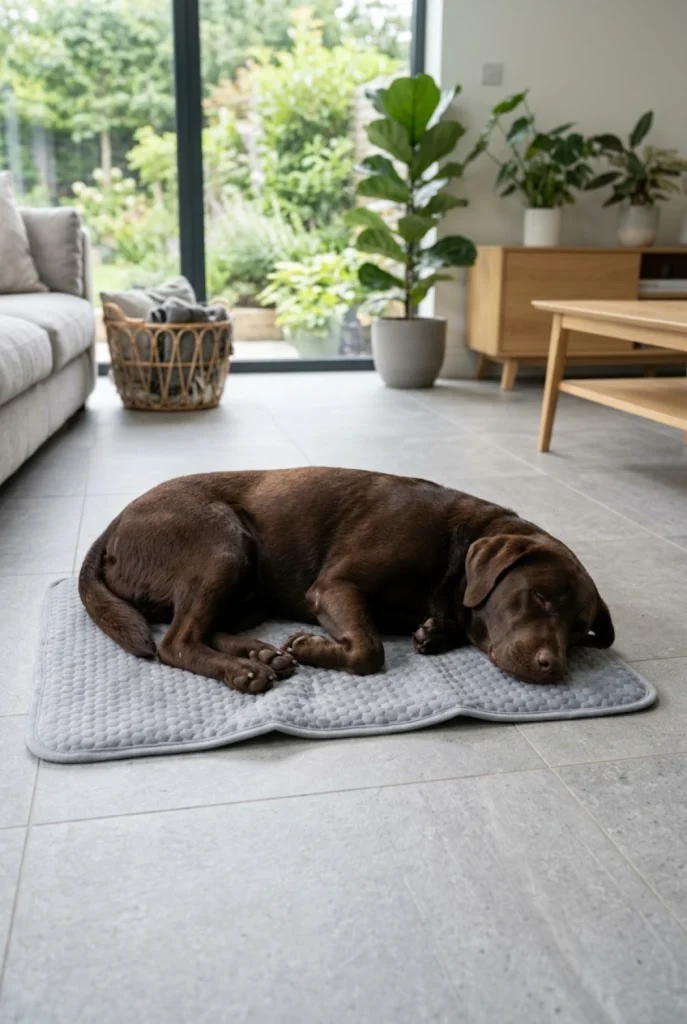
Every dog needs a comfortable place to relax, especially when outdoor temperatures become high. Choose a cool indoor area away from direct sunlight, hot windows, and heat-producing appliances. A room with good ventilation and comfortable flooring can provide a peaceful resting environment. You can also introduce a breathable dog bed or cooling mat to make the space more inviting.
Pay attention to where your dog prefers to rest during warm afternoons. Some dogs naturally choose tiled or stone floors because these surfaces feel cooler than traditional bedding. Allow your pet to choose a comfortable resting location as long as it is safe and clean. Keep the resting area quiet and provide easy access to fresh drinking water throughout the day.
3. Walk Your Dog During Cooler Hours
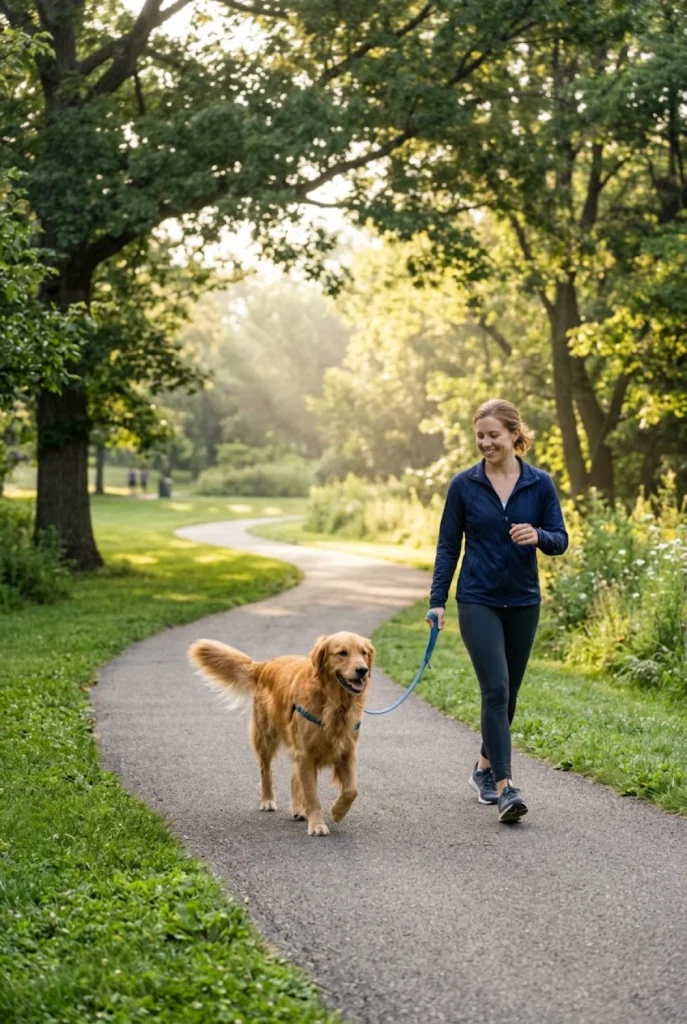
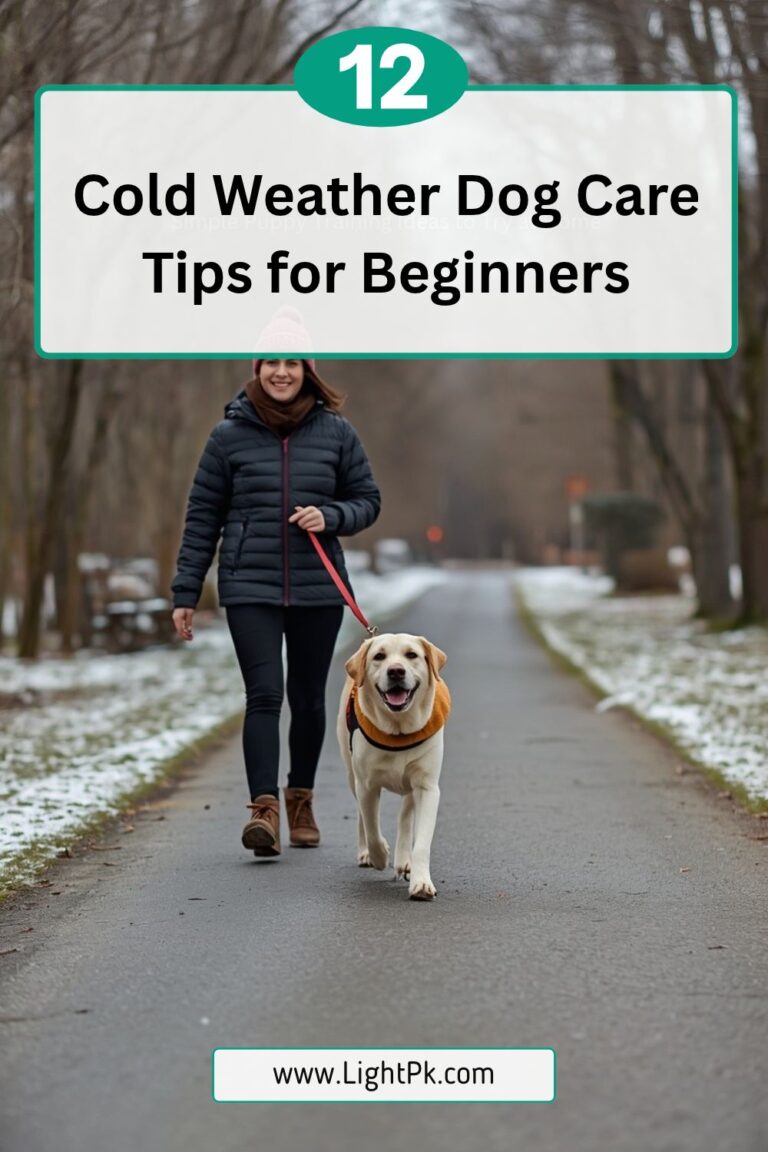
Daily walks provide important physical exercise and mental stimulation, but walking during extreme summer heat can put your dog at risk. Instead of following your usual schedule, plan walks early in the morning or later in the evening when outdoor temperatures are generally lower. Cooler walking hours make it easier for your dog to enjoy outdoor activities without becoming excessively hot.
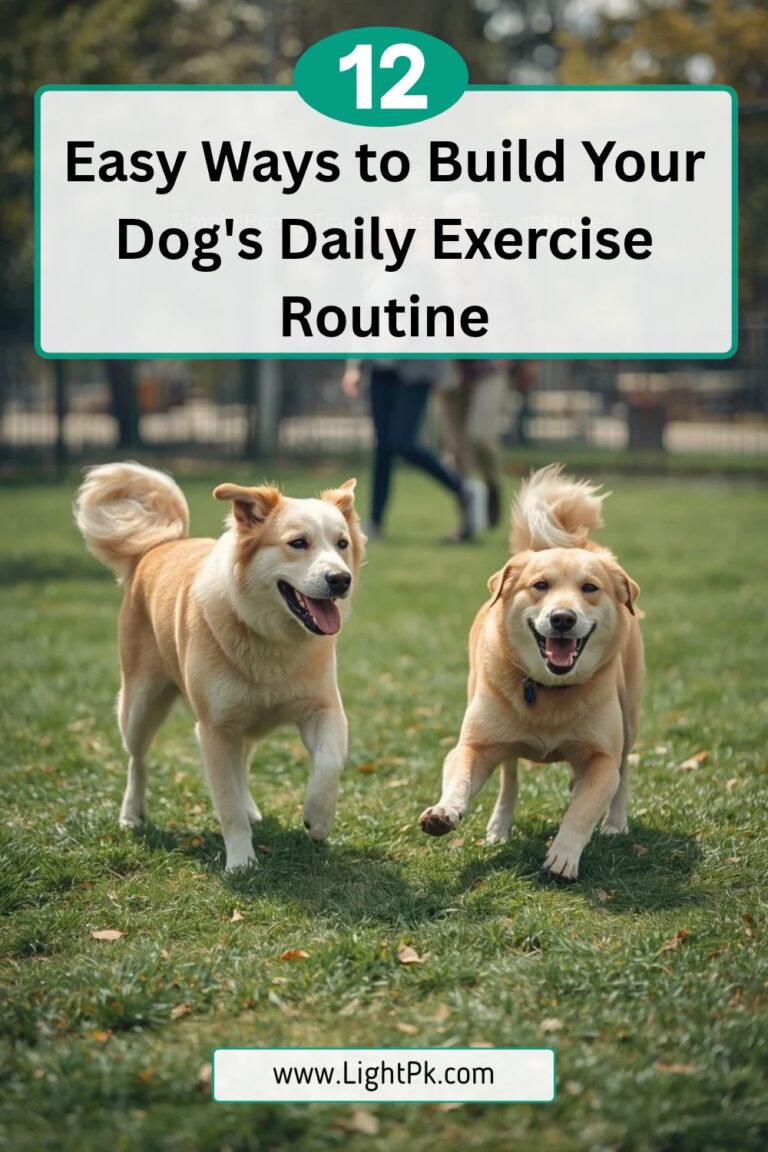
Before leaving home, check the weather and ground temperature. Remember that pavement can remain hot even after sunset. Choose shaded walking routes, avoid unnecessary long distances, and allow your dog to take breaks. If you notice heavy panting, unusual tiredness, or reluctance to continue walking, stop the activity and move your dog to a cooler location.
4. Protect Your Dog’s Paws From Hot Pavement
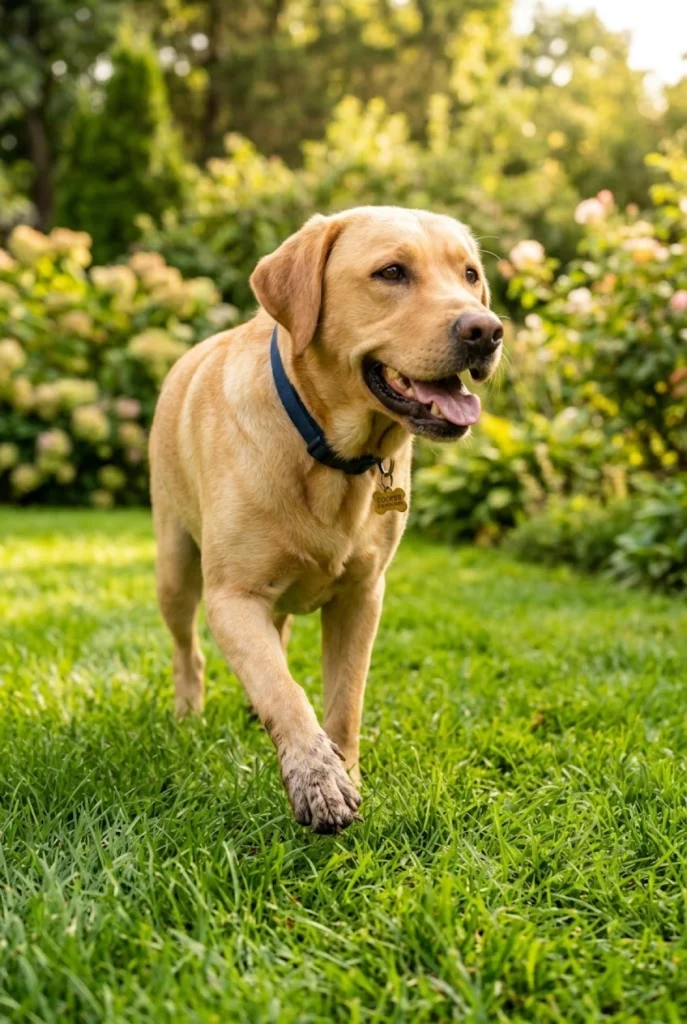
Hot pavement is a hidden summer danger that many dog owners overlook. Asphalt, concrete, sidewalks, and sand can absorb sunlight and become hot enough to injure your dog’s paw pads. Because dogs walk directly on these surfaces, their paws may develop painful burns, blisters, or irritation. Always check the ground temperature before taking your pet outside.
Choose grassy areas, shaded pathways, or other cooler walking surfaces whenever possible. You can also consider properly fitted dog booties designed to protect paws from hot ground. However, footwear should never be used as an excuse to walk in extreme heat. After outdoor activities, examine your dog’s paws for redness, swelling, tenderness, or damaged skin.
5. Use a Cooling Mat for Extra Comfort
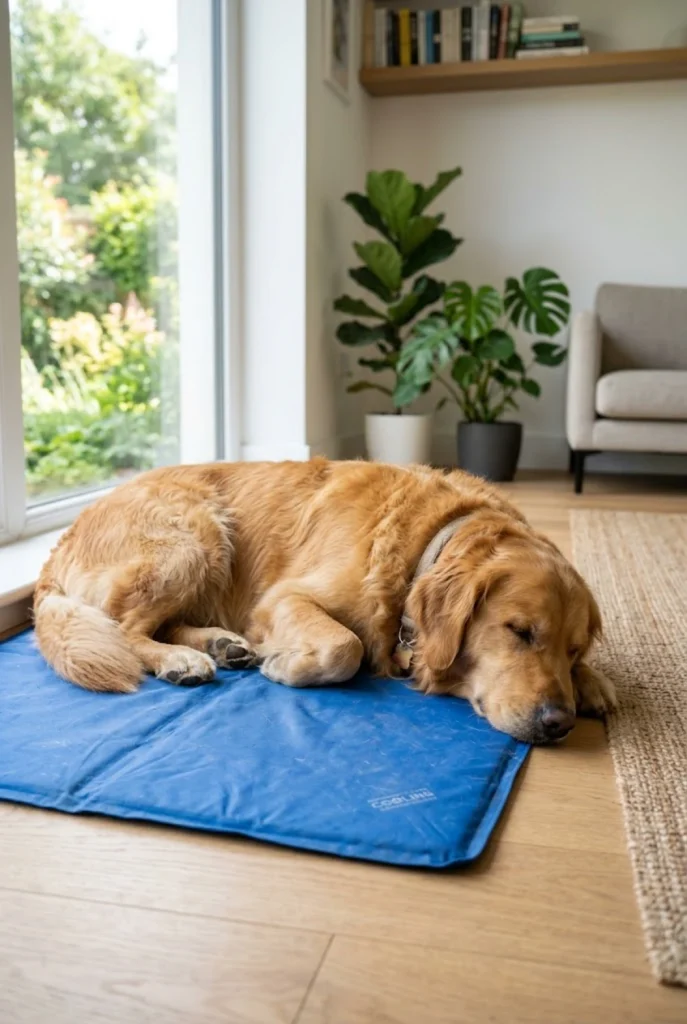
A cooling mat can be a useful accessory for keeping your dog comfortable during warmer months. These mats are designed to provide a cooler surface where pets can rest when indoor temperatures rise. Some products use pressure-activated gel, while others require water or refrigeration. Choose a suitable size so your dog has enough room to stretch out comfortably.
Place the cooling mat in a shaded area where your dog normally likes to sleep or relax. Introduce it gradually and allow your pet to explore it without pressure. Inspect the mat regularly for damage, especially if your dog enjoys chewing household items. A cooling mat is a helpful addition to summer care, but it cannot replace fresh water, proper ventilation, and protection from extreme temperatures.
6. Never Leave Your Dog Inside a Parked Car
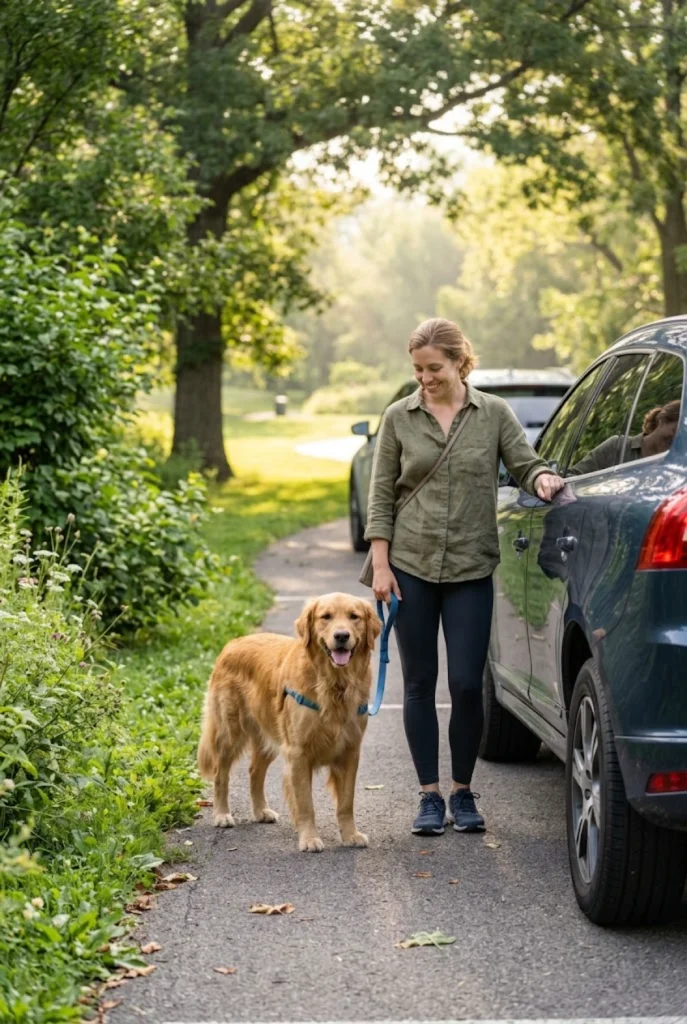
Leaving your dog inside a parked vehicle during summer can be extremely dangerous. Temperatures inside a car can increase rapidly, even when the windows are slightly open or the vehicle is parked in a shaded area. Dogs cannot escape the rising temperature, and overheating can quickly become a medical emergency. Even a short shopping trip can create a serious risk for your pet.
The safest approach is to never leave your dog unattended inside a parked car. If your pet cannot accompany you to your destination, arrange for someone to stay with them in a safe, cool environment or leave them comfortably at home. During road trips, use suitable vehicle ventilation and air conditioning, and schedule regular breaks for drinking water and supervised movement.
7. Give Your Dog Access to Shade Outdoors
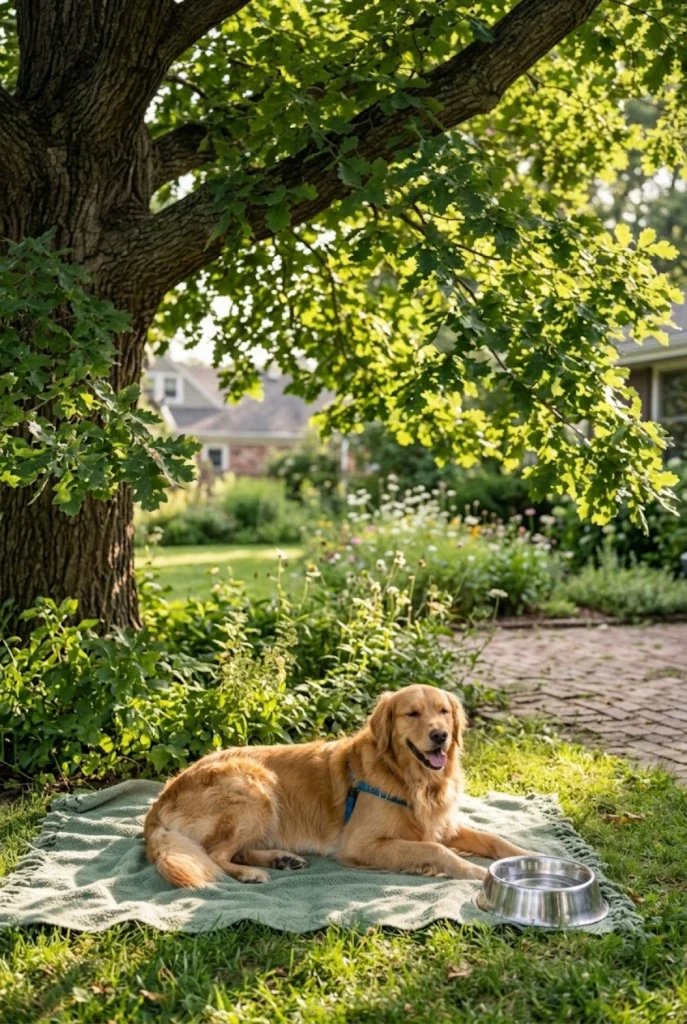
If your dog enjoys spending time in the garden, backyard, or outdoor patio, always provide access to a shaded resting area. Direct sunlight can increase your pet’s body temperature and make outdoor activities uncomfortable. Large trees, covered patios, outdoor canopies, and properly ventilated shelters can offer useful protection from the sun.
Make sure the shaded area remains available throughout the day because sunlight moves as the hours pass. Avoid small enclosed shelters that trap hot air. Keep fresh drinking water nearby and allow your dog to return indoors whenever they want. Even with plenty of shade, limit outdoor exposure during extreme heat and supervise your pet regularly.
8. Groom Your Dog Regularly During Summer
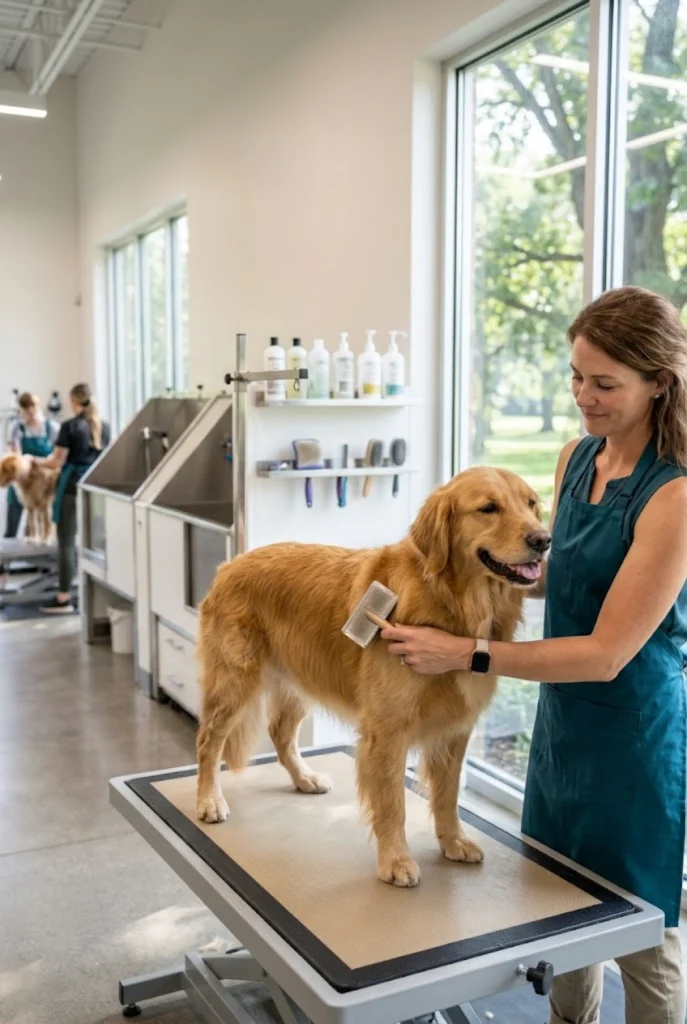
Regular grooming is important for maintaining your dog’s comfort during summer. Brushing removes loose fur, dirt, and tangles that can make a coat uncomfortable. It is especially useful for long-haired breeds and dogs with thick coats that are more likely to develop mats. Choose a suitable brush and establish a gentle grooming routine that your dog can enjoy.
However, shaving your dog’s coat very short is not always recommended. Fur can provide protection against sunlight and support normal temperature regulation. Double-coated breeds may be particularly affected by unnecessary shaving. Instead of making major changes to your dog’s coat, ask a qualified groomer or veterinarian about the most suitable summer grooming approach for your pet.
9. Give Your Dog a Cool Water Bath When Needed
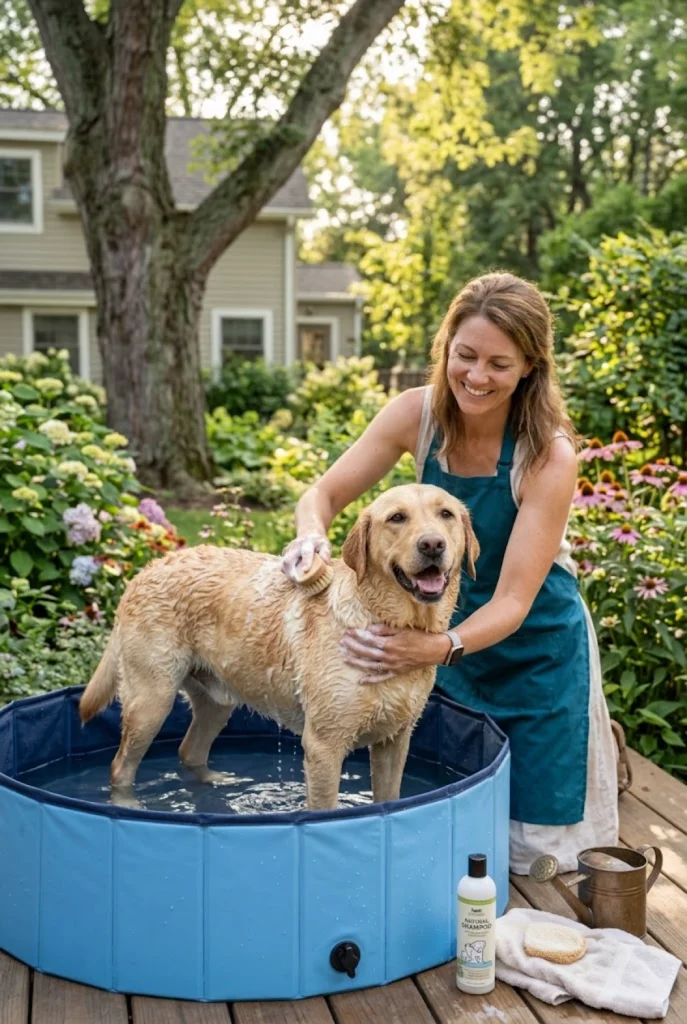
A gentle bath can help your dog feel refreshed, especially after getting dirty during outdoor activities. Use comfortably cool or lukewarm water and a shampoo specifically formulated for dogs. Avoid extremely cold water because sudden temperature changes may cause discomfort. Make the bathing experience positive by speaking gently, using a nonslip surface, and allowing your pet to become comfortable with the process.
Avoid bathing your dog too frequently because excessive shampooing can remove natural skin oils and cause dryness. Follow a bathing schedule based on your dog’s breed, coat, and skin condition. Rinse thoroughly to remove shampoo residue and dry the coat appropriately. Pay attention to areas where moisture can become trapped, particularly in dogs with thick or long fur.
10. Offer Frozen Dog-Friendly Treats
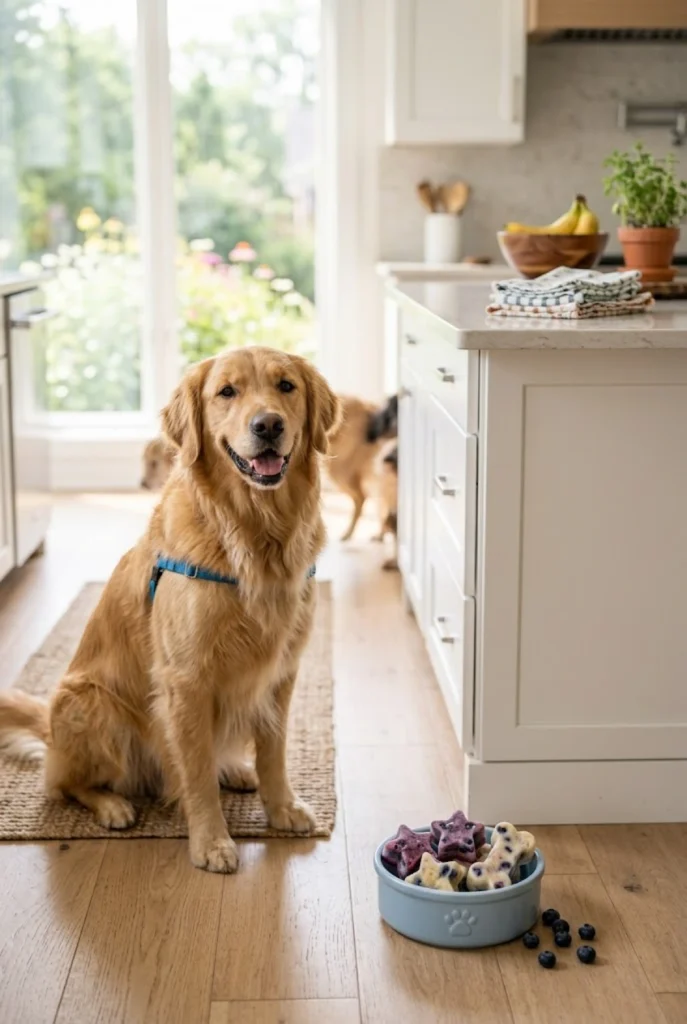
Frozen dog-friendly treats can make summer snack time more enjoyable. You can prepare simple homemade snacks using suitable ingredients such as blueberries, banana, and small amounts of plain unsweetened yogurt. Freeze them in small portions and offer them occasionally as a refreshing reward. Another option is freezing a little of your dog’s regular wet food in a suitable enrichment toy.
Always check the ingredients before preparing homemade treats. Avoid chocolate, grapes, raisins, xylitol, and other foods that can be toxic to dogs. Introduce unfamiliar ingredients gradually and monitor your pet for digestive problems. Treats should remain an occasional addition to a balanced diet, not a replacement for regular meals. If your dog has dietary restrictions, consult your veterinarian first.
11. Keep Your Dog’s Exercise Routine Flexible
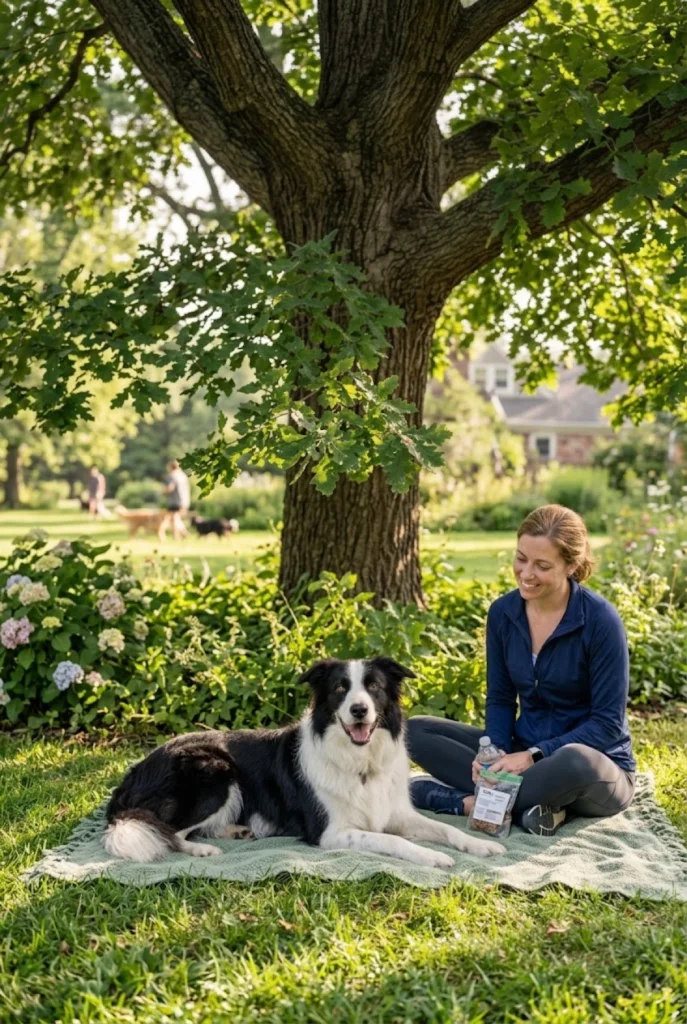
Exercise helps maintain your dog’s physical fitness, but summer is a good time to adjust your regular activity schedule. Instead of long running sessions or intense outdoor games, choose shorter and gentler activities. Light walks, indoor games, and simple obedience training can provide useful physical and mental stimulation without unnecessary exposure to high temperatures.
Consider your dog’s age, breed, fitness level, and health when planning activities. Some dogs need additional rest during warm weather, while others may remain energetic but still be vulnerable to overheating. Watch your pet’s behavior and stop exercising if they seem uncomfortable. Provide regular breaks and fresh water. A flexible exercise routine is more beneficial than forcing your dog to follow a fixed schedule.
12. Keep Your Home Well Ventilated
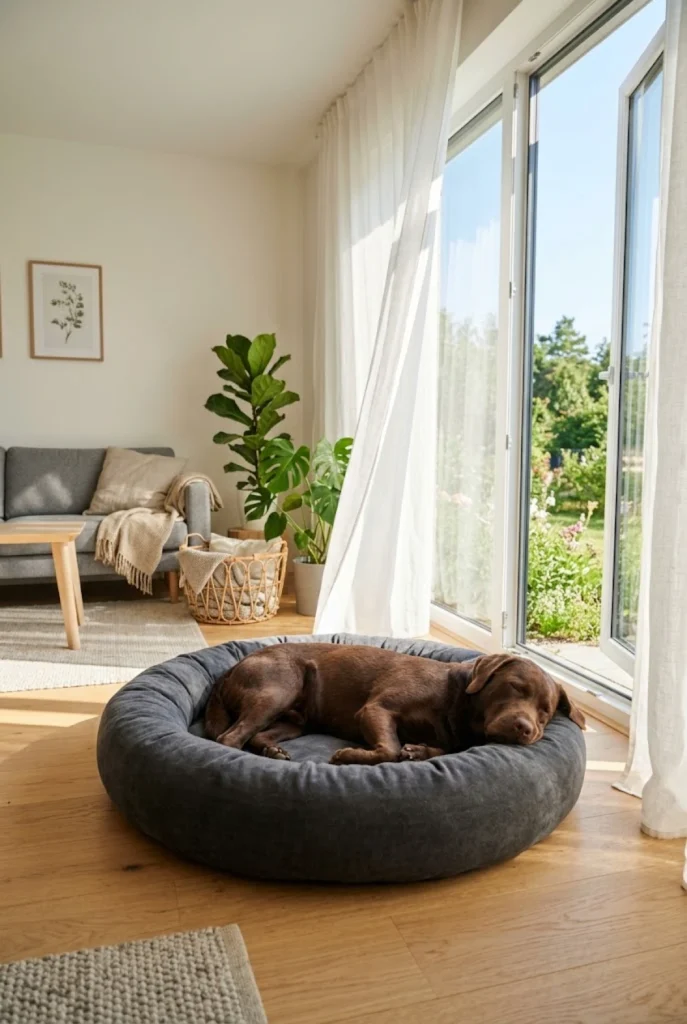
Good ventilation can make your home more comfortable for your dog during summer. Open windows when outdoor conditions are suitable and use fans or air conditioning to improve indoor airflow. Choose a resting area where your dog can escape direct sunlight and avoid rooms that become excessively warm during the afternoon. A cool indoor environment is especially important during heatwaves.
If you use electric fans, position them securely and keep electrical cords away from chewing pets. Air conditioning can be particularly helpful for dogs that are sensitive to heat. However, fans alone may not provide sufficient cooling in extremely hot or humid conditions. Monitor your indoor environment and make sure your dog can move freely to a cooler resting area.
13. Avoid Excessive Outdoor Play During Peak Heat
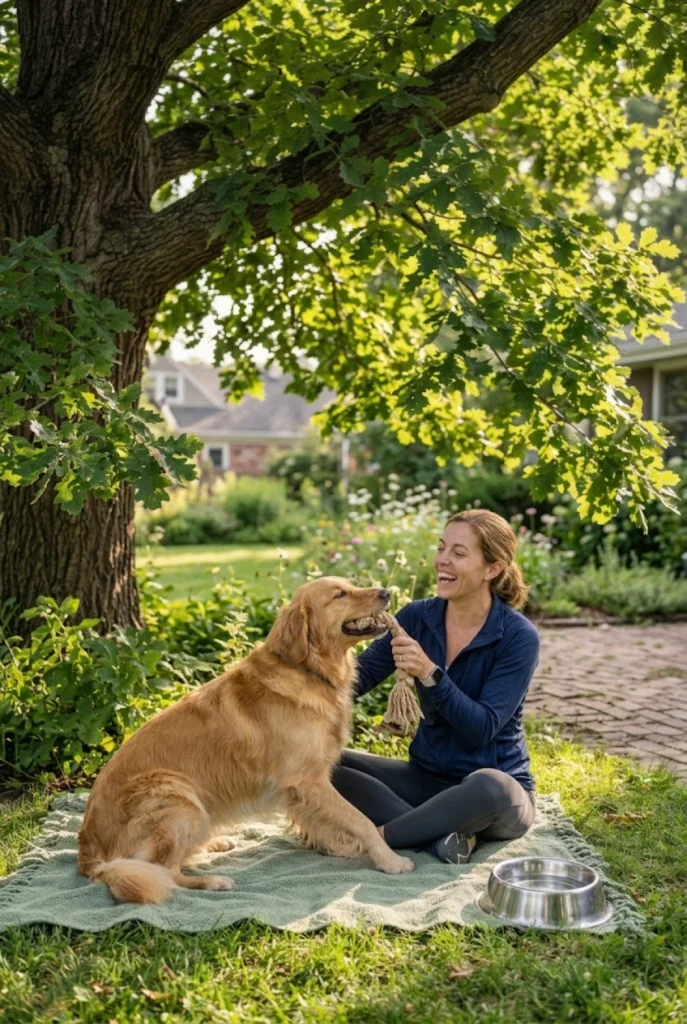
Dogs love playing fetch, chasing toys, and running around with their owners. However, energetic outdoor games can increase body temperature quickly when the weather is hot. Avoid intense play during the hottest part of the day, particularly when humidity is high. Even healthy and active dogs can experience overheating when they exercise too much in warm conditions.
Choose shaded areas and cooler hours for outdoor games. Keep activities short, offer water breaks, and watch for excessive panting or unusual tiredness. If temperatures become particularly high, move playtime indoors. You can replace outdoor running with gentle indoor games, puzzle toys, and basic training exercises. These activities keep your dog entertained while reducing exposure to dangerous summer conditions.
14. Use a Pet-Safe Swimming Area
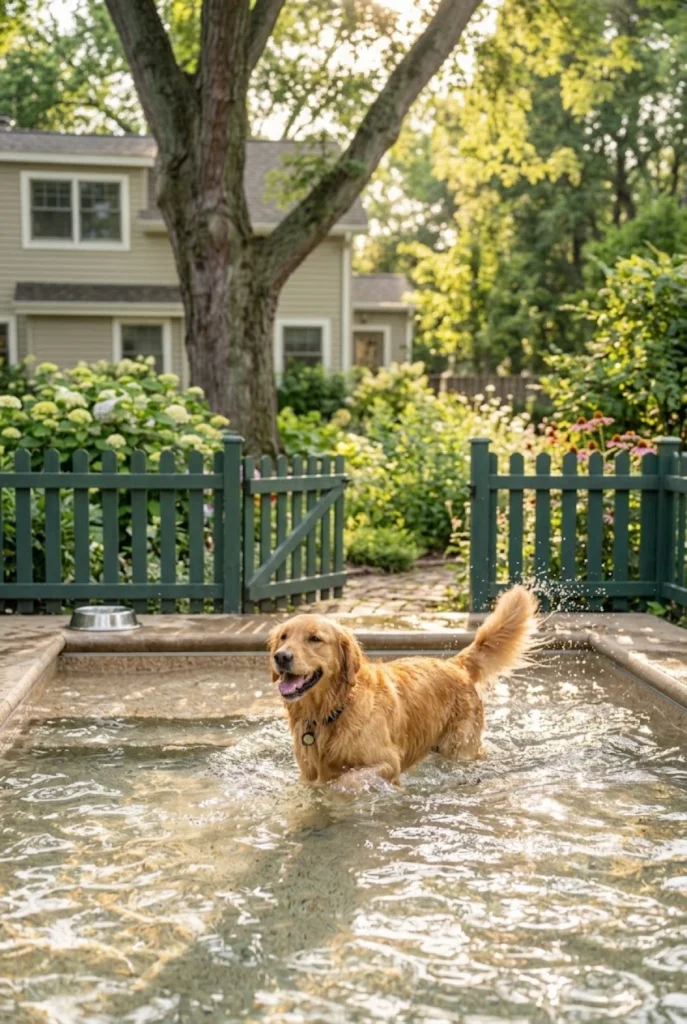
Swimming can be an enjoyable summer activity for dogs that like water and are physically comfortable swimming. A clean, shallow dog-friendly pool provides an opportunity to cool down while enjoying gentle activity. Introduce water gradually, especially if your pet has never swum before. Never assume that every dog can swim naturally or will feel comfortable in a pool.
Supervise your dog closely and consider using a properly fitted canine life jacket when appropriate. Avoid deep water, strong currents, and unsafe swimming locations. After swimming, rinse off chlorine, salt, and other substances that may irritate the skin. Dry your dog appropriately, including around the ears and paws. Always provide fresh drinking water and never allow your pet to drink pool or seawater.
15. Feed Your Dog at Appropriate Times
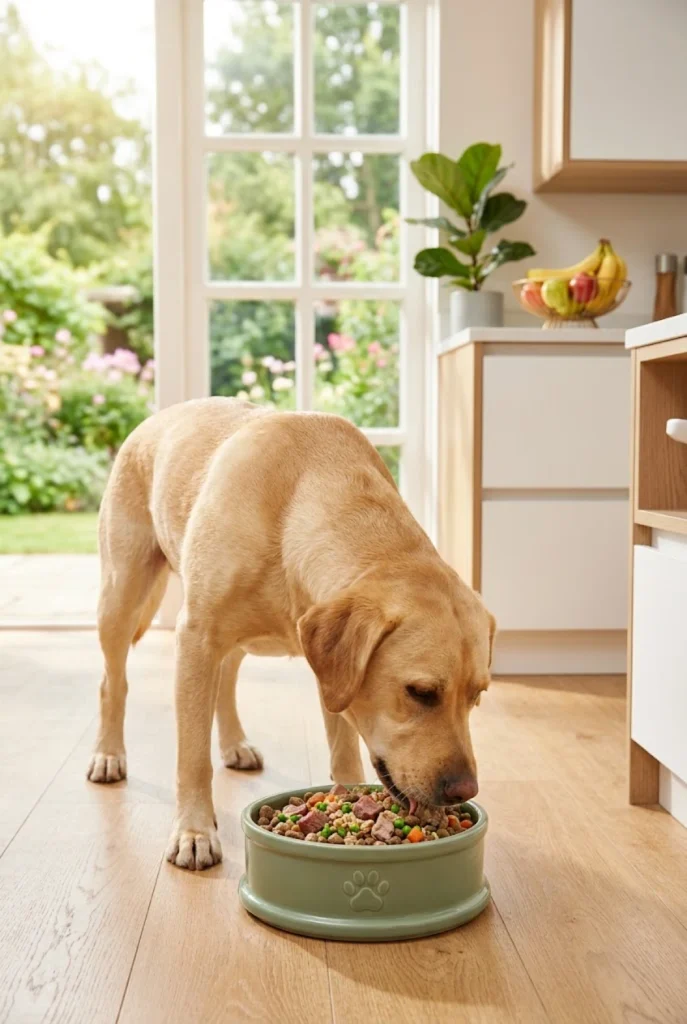
Maintaining a consistent feeding routine is important during summer. Some dogs may feel less interested in eating during particularly hot afternoons. Offering meals during cooler parts of the day, such as early morning or evening, may make mealtimes more comfortable. Maintain appropriate portions and avoid making sudden dietary changes simply because the temperature has increased.
Keep food bowls clean and avoid leaving wet food outside for extended periods. High temperatures can encourage bacterial growth and cause food to spoil more quickly. Refrigerate leftovers according to the manufacturer’s storage instructions and wash bowls regularly. If your dog suddenly refuses food, appears weak, or shows other unusual symptoms, contact your veterinarian instead of assuming the weather is responsible.
16. Watch for Signs of Dehydration
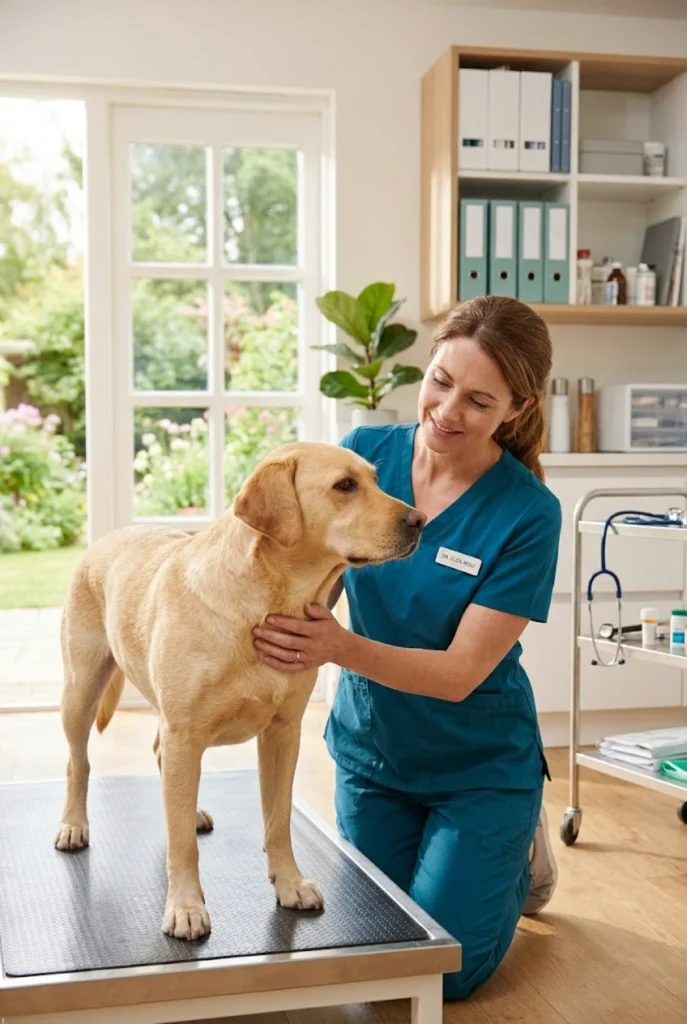
Dehydration is an important health concern during hot weather. Dogs can lose additional moisture through panting, especially after exercise or outdoor activities. Warning signs may include unusual tiredness, dry or sticky gums, reduced urination, and changes in normal behavior. Providing fresh drinking water and monitoring your pet’s daily habits can help you identify potential problems early.
Encourage regular drinking by keeping water bowls accessible throughout your home. Offer water after walks and outdoor play, but never force large amounts into your dog’s mouth. If you suspect dehydration, contact a veterinarian for advice. Severe dehydration may require professional treatment. Dogs that are vomiting, weak, or unable to drink normally should receive prompt veterinary attention.
17. Protect Your Dog From Sunburn
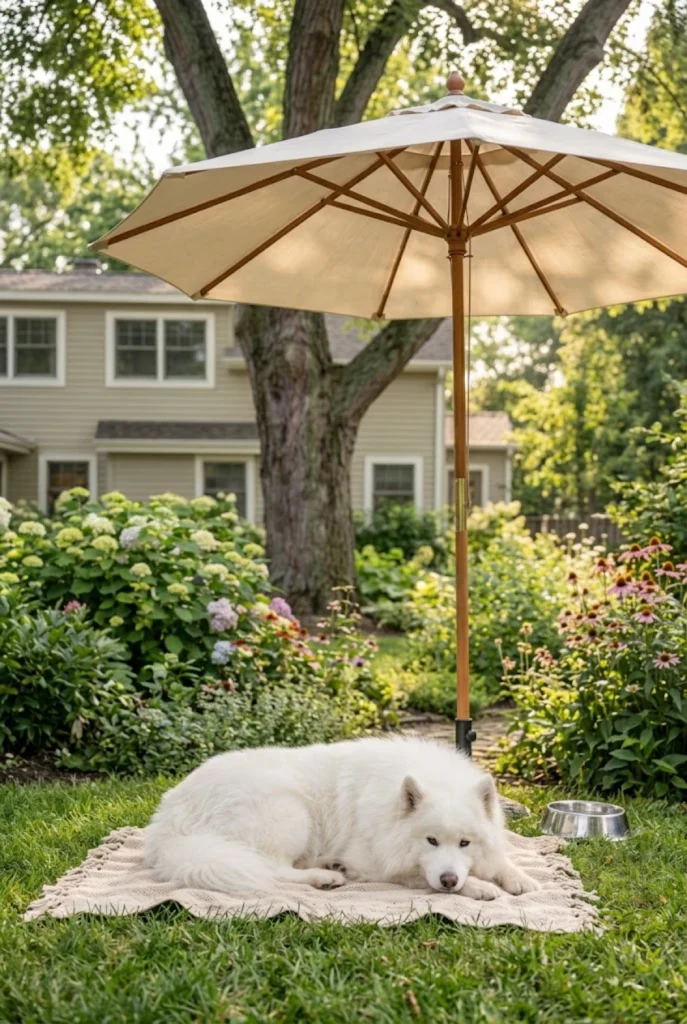
Dogs can experience sunburn, particularly those with short, thin, white, or lightly pigmented coats. Areas with less fur, including the nose, ears, and belly, may be especially sensitive to direct sunlight. Limit unnecessary sun exposure during peak hours and provide shaded resting areas whenever your dog spends time outdoors.
Ask your veterinarian about sunscreen specifically formulated for dogs if additional protection is needed. Human sunscreen may contain ingredients that are unsuitable or harmful if licked. Never apply a product without checking that it is pet-safe. Look for signs of skin irritation, redness, peeling, or unusual sensitivity after outdoor activities. Seek veterinary advice if you suspect your dog has suffered sunburn.
18. Give Your Dog Indoor Mental Stimulation
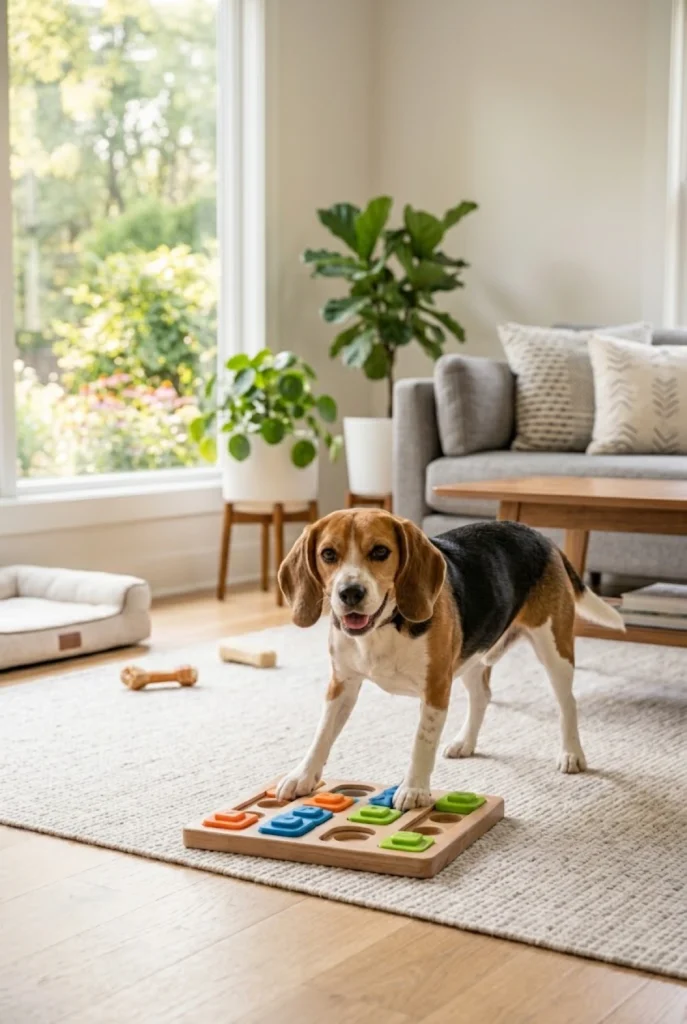
When outdoor temperatures become uncomfortable, indoor activities are an excellent way to keep your dog mentally active. Puzzle feeders, treat-dispensing toys, scent games, and simple obedience exercises can provide valuable enrichment. You can hide a few dog-safe treats around a room and encourage your pet to find them using their natural sense of smell.
Mental stimulation is especially useful when outdoor exercise needs to be reduced. Rotate your dog’s toys occasionally to maintain interest and choose products that match their size and chewing habits. Supervise activities involving small or easily damaged toys to prevent choking hazards. Short indoor training sessions can also strengthen your relationship and provide a rewarding alternative to outdoor play.
19. Check Your Dog for Fleas and Ticks
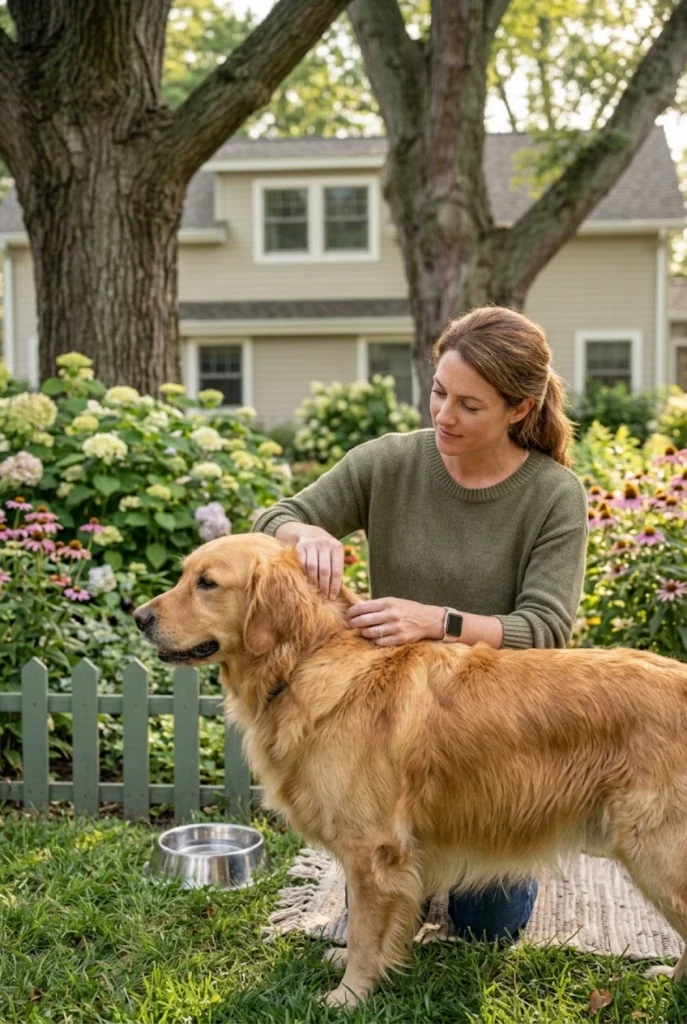
Summer outdoor activities can increase your dog’s exposure to fleas, ticks, and other parasites. These pests may cause itching, skin irritation, allergic reactions, and other health problems. After walks or outdoor play, gently examine your dog’s coat, especially around the ears, neck, armpits, belly, and between the toes. Regular brushing can also help you notice unusual skin changes.
Ask your veterinarian to recommend an appropriate flea and tick prevention product based on your dog’s age, weight, and health. Follow the product instructions carefully and never combine treatments without professional advice. Keep bedding, blankets, and resting areas clean. A regular parasite prevention routine can help your dog enjoy summer activities with fewer health problems.
20. Know the Warning Signs of Heatstroke
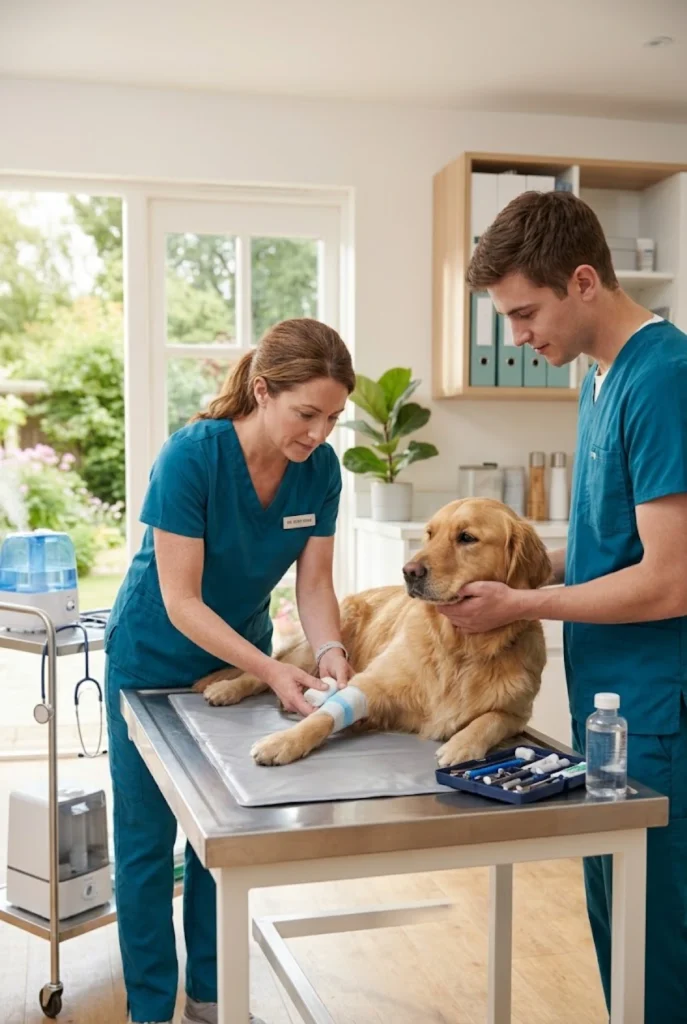
Heatstroke is one of the most serious health risks dogs face during summer. Warning signs may include excessive panting, difficulty breathing, heavy drooling, weakness, vomiting, confusion, collapse, and seizures. Some dogs may also develop unusually red or pale gums. These symptoms should never be dismissed as normal tiredness after outdoor activities.
If you suspect heatstroke, move your dog to a cooler, shaded or air-conditioned location immediately and contact an emergency veterinarian. Begin gentle cooling with cool or room-temperature water, particularly over the body, while arranging urgent veterinary care. Avoid ice baths and do not cover your dog with wet towels because they can interfere with heat loss. Never delay professional treatment, even if your dog appears to improve.
Conclusion
Keeping your dog comfortable during summer does not have to be difficult. With a little planning and consistent care, you can help your furry friend enjoy the warmer months while reducing the risks associated with high temperatures. Providing fresh water, creating cool resting spaces, choosing appropriate walking times, maintaining regular grooming, and offering safe indoor activities are simple steps that can make a meaningful difference.
Always remember that every dog has different needs. Puppies, senior dogs, thick-coated breeds, and dogs with existing health conditions may require additional attention during hot weather. Watch your pet’s behavior, recognize the warning signs of overheating, and seek veterinary assistance whenever necessary. By following these 20 simple ways to Keep Your Dog Comfortable in Summer, you can help your beloved companion stay happier, healthier, and safer throughout the season.