20 Dog Care Essentials Every Beginner Should Have
Bringing a dog into your home is an exciting experience filled with companionship, affection, and unforgettable moments. However, being a responsible dog owner involves more than providing food and a place to sleep. Your dog needs proper nutrition, regular grooming, daily exercise, safe equipment, and plenty of attention to stay happy and healthy. Having the right supplies from the beginning can make everyday dog care much easier, especially if you are a first-time pet owner.
The good news is that you do not need to purchase every product available in pet stores. You simply need a collection of practical, reliable items that support your dog’s health, comfort, safety, and training. In this guide, you will discover 20 essential dog care items every beginner should consider, why each one matters, and how to choose the right option for your furry companion.
1. High-Quality Dog Food
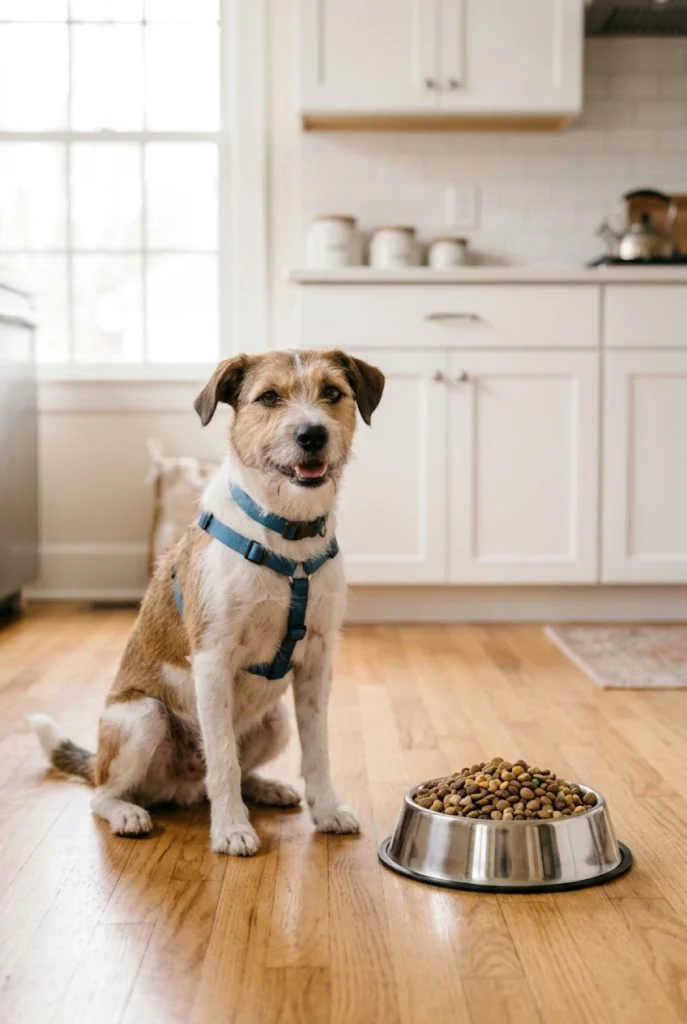
Choosing nutritious dog food is one of the most important decisions you will make as a new dog owner. Dogs need a complete and balanced diet that supplies protein, fats, carbohydrates, vitamins, minerals, and other essential nutrients. The best food depends on your dog’s age, breed size, activity level, and individual health needs. Puppies generally need food formulated for growth, while adult dogs usually require a maintenance diet. Senior dogs may benefit from a diet designed for their changing nutritional requirements. Always check the product label and select food appropriate for your dog’s life stage.
Avoid choosing dog food based only on packaging, advertising, or price. Instead, look for a nutritionally complete product from a reputable manufacturer and consult your veterinarian if you are unsure which formula is suitable. Introduce a new food gradually over several days to reduce the chance of digestive upset. Follow feeding recommendations as a starting point, then adjust portions according to your dog’s body condition and activity level. Treats should not replace balanced meals, and fresh drinking water should always be available alongside your dog’s daily food.
2. Food and Water Bowls
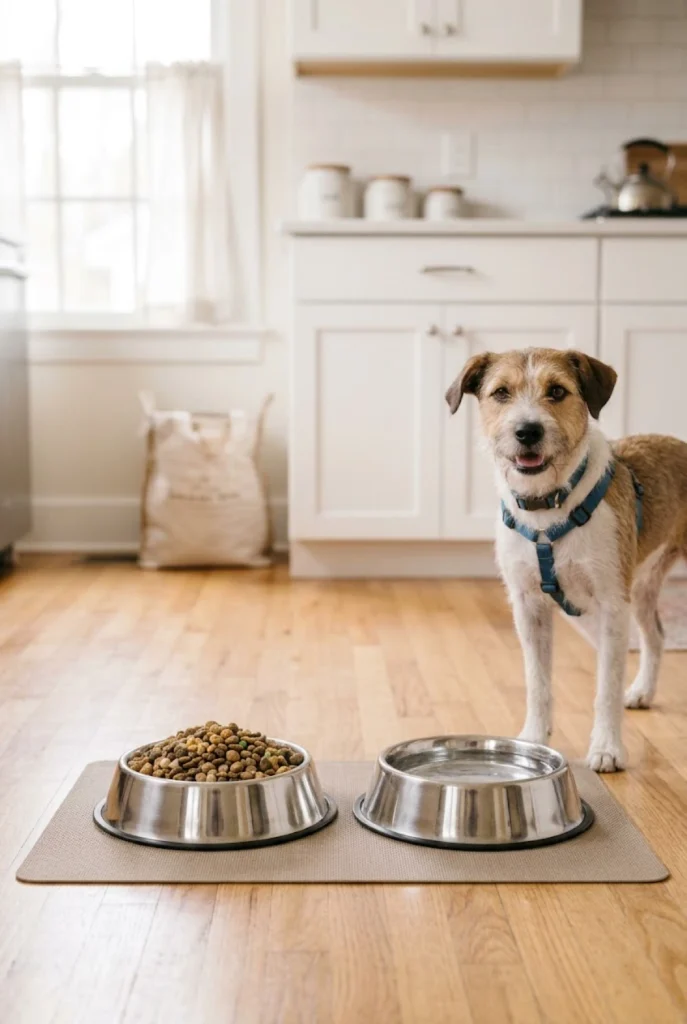
Separate food and water bowls are everyday dog care essentials that help keep feeding simple, hygienic, and organized. Stainless steel is a popular choice because it is durable, easy to clean, and generally resistant to odors and scratches. Ceramic bowls can also work well when they are made with food-safe materials and are not chipped or cracked. Lightweight plastic bowls are affordable, but scratches can harbor dirt and bacteria, so they may need replacing more frequently. Choose a bowl size that allows your dog to eat and drink comfortably without struggling to reach the bottom.
Place your dog’s bowls in a quiet area where meals can happen without unnecessary interruptions. Wash food bowls after meals and clean water bowls daily, or more often when they become dirty. Refill the water bowl regularly, especially after walks, playtime, or warm weather. If your dog eats too quickly, a suitable slow-feeder bowl may encourage slower eating, although it should be introduced gradually and monitored. Elevated bowls are not necessary for every dog, so ask your veterinarian whether a special feeding arrangement would benefit your pet.
3. A Comfortable Dog Bed
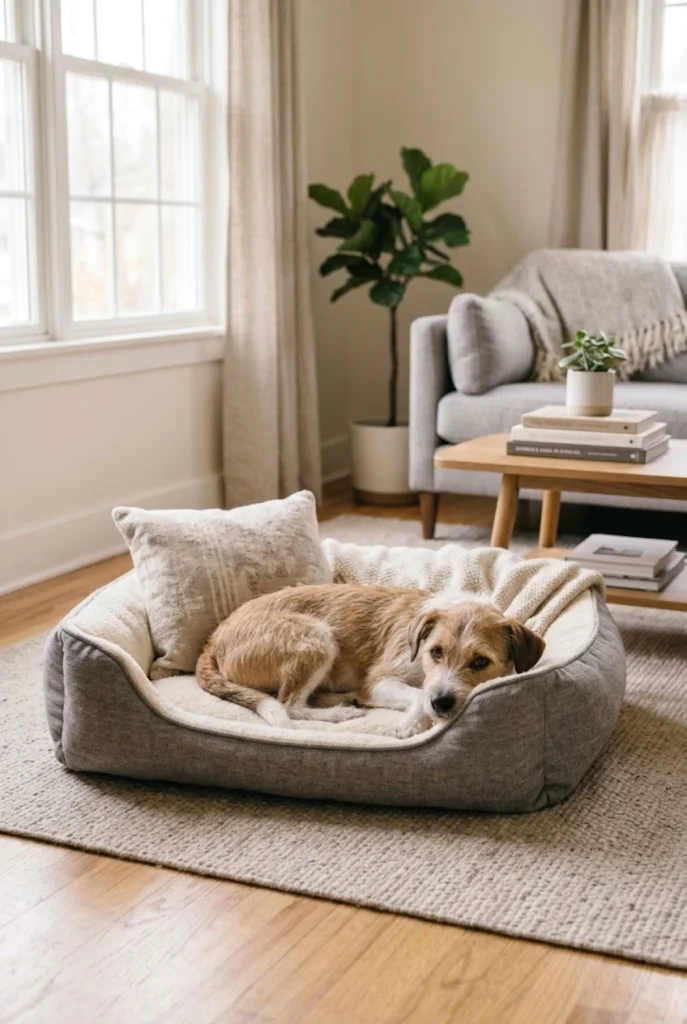
Every dog needs a comfortable place to rest, relax, and sleep. A suitable dog bed provides a familiar resting area and helps your pet feel secure in a new home. When choosing a bed, consider your dog’s size, sleeping position, age, and chewing habits. Your dog should be able to stretch out comfortably without hanging over the edges. Some dogs prefer beds with raised sides where they can curl up, while others enjoy flat cushions with plenty of space. Older dogs or dogs with joint problems may benefit from supportive orthopedic-style bedding recommended by a veterinarian.
Place the bed in a quiet, draft-free location where your dog can rest without being disturbed constantly. Some dogs prefer sleeping near family members, while others appreciate a calmer corner away from household activity. Look for removable, washable covers that make cleaning easier and help control odors. Check the bed regularly for loose threads, damaged zippers, or filling that your dog could swallow. If your puppy is still learning household rules, choose a durable bed that is easy to clean and supervise chewing until you understand your dog’s habits.
4. A Collar and Identification Tag
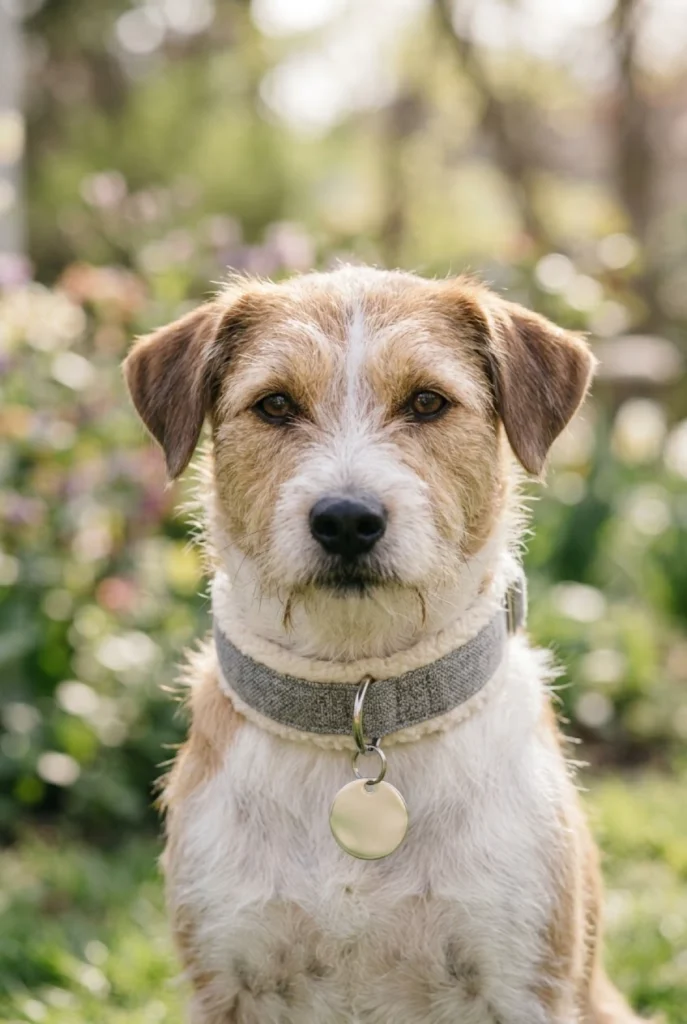
A properly fitted collar and identification tag can help your dog return home if they accidentally get lost. The tag should include your current phone number and any other contact details you are comfortable sharing. Check that the information remains readable and update it whenever your number changes. Choose a collar made from comfortable, durable material with a secure fastening system. It should fit correctly without pressing into your dog’s neck or slipping over the head. A common fitting guideline is to leave room for approximately two fingers between the collar and your dog’s neck, while checking the fit according to the manufacturer’s guidance.
Inspect the collar regularly, especially if your dog is growing or has gained or lost weight. Puppies may outgrow collars quickly, so frequent adjustments are important. Remove the collar if it becomes damaged or fits too tightly. For dogs who pull heavily on walks or have particular neck or breathing concerns, discuss suitable equipment with a veterinarian or qualified trainer. Identification tags are useful, but they should not be your only safety measure. A registered microchip with current contact information provides an additional way to identify your dog if the collar or tag becomes lost.
5. A Strong Leash and Suitable Harness
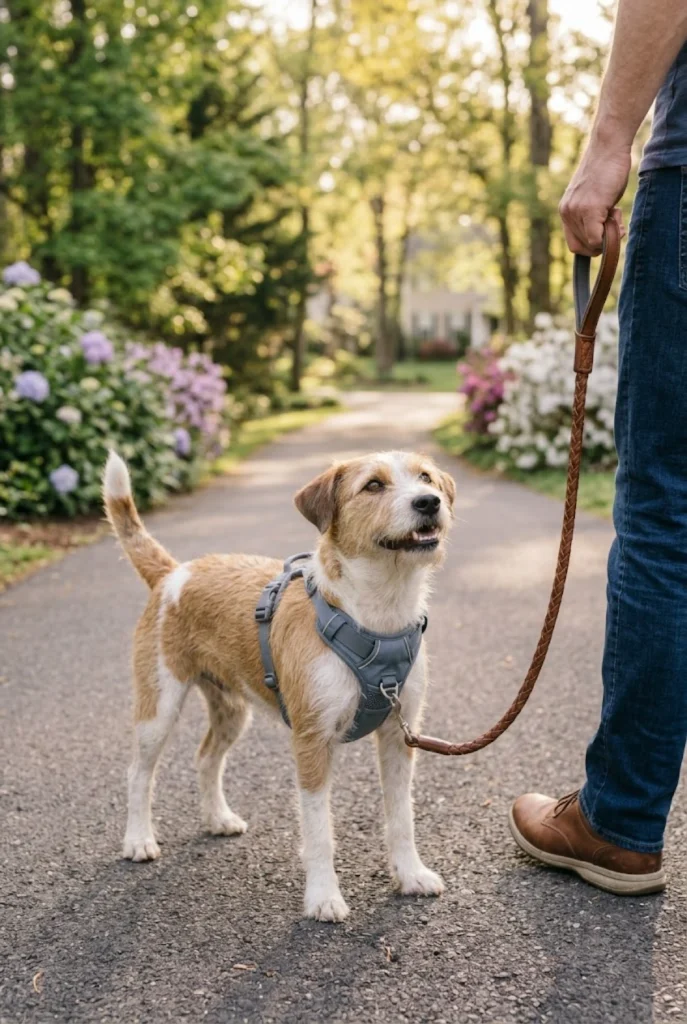
A sturdy leash and properly fitted harness make daily walks safer and more manageable. A standard fixed-length leash is often a practical starting point because it offers consistent control while allowing your dog to explore within a reasonable distance. Choose a durable material, comfortable handle, and secure clip that matches your dog’s size and strength. A well-fitted harness can distribute pressure across the body rather than concentrating it around the neck. This may be especially useful for dogs that pull or have neck sensitivities, although the best equipment depends on the individual dog.
Introduce the harness gradually so your dog does not associate it with fear or discomfort. Let your pet sniff it, reward calm investigation, and practice putting it on for short periods indoors before going outside. Check for rubbing around the shoulders, chest, and armpits after walks. The harness should be secure without restricting normal movement or breathing. Avoid leaving walking equipment on an unsupervised dog if it could catch on furniture or fencing. For safe outings, inspect the leash clip and stitching regularly and replace worn or damaged equipment promptly.
6. A Grooming Brush and Comb
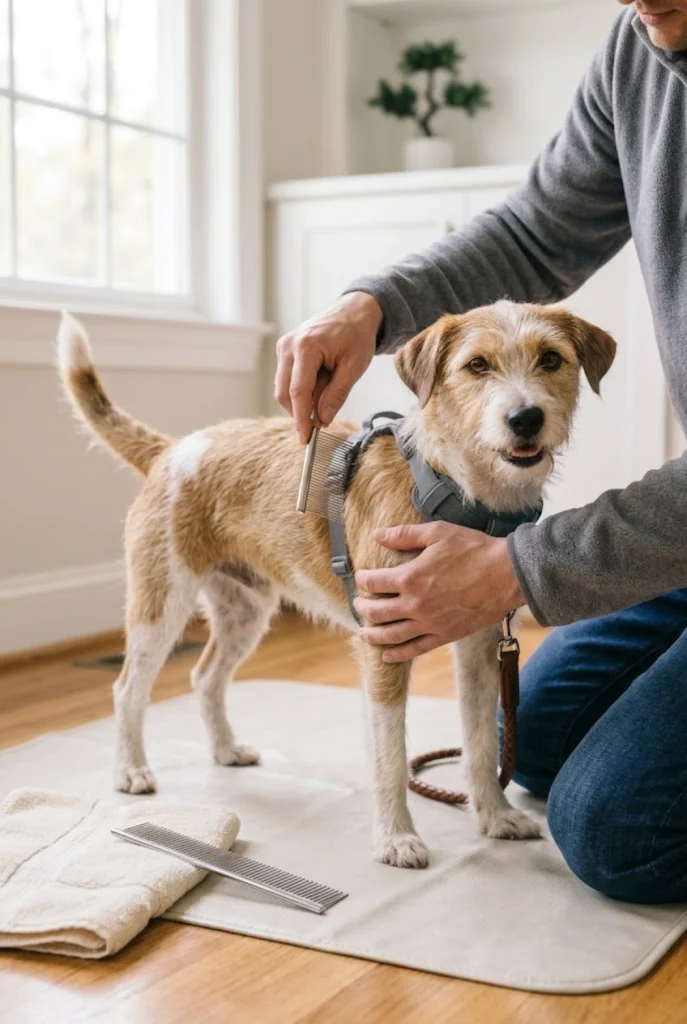
Regular brushing helps remove loose hair, reduce tangles, and keep your dog’s coat looking healthy. It also gives you an opportunity to check for skin irritation, unusual lumps, fleas, ticks, or small injuries. The right grooming tool depends on your dog’s coat type. Short-haired dogs may need a soft brush or grooming mitt, while long-haired dogs often benefit from a suitable slicker brush and comb. Dogs with thick double coats may require specialized tools, but harsh or excessive brushing can damage the coat and irritate the skin.
Start grooming sessions slowly, particularly if your dog is not used to being handled. Brush gently in the direction appropriate for the coat, and reward your pet for remaining calm. Pay attention to areas where tangles commonly develop, such as behind the ears, under the legs, and around the tail. Never pull forcefully at a tight mat because this can hurt your dog. Severe matting is best handled by a professional groomer or veterinarian when necessary. Clean brushes after use and establish a grooming routine suited to your dog’s coat and comfort.
7. Dog Shampoo and Bathing Supplies

A dog-safe shampoo is useful for keeping your pet clean when bathing is necessary. Human shampoos may be unsuitable because dogs have different skin needs, and certain fragrances or ingredients can cause irritation. Choose a product specifically formulated for dogs and appropriate for your pet’s coat and skin condition. If your dog has allergies, persistent itching, dandruff, or another skin problem, ask your veterinarian before choosing a medicated or specialty shampoo. A few basic supplies, such as absorbent towels and a nonslip bathing mat, can make bath time more comfortable.
Dogs do not all need the same bathing schedule. Some get dirty frequently, while others need baths less often. Follow your veterinarian’s advice and the shampoo instructions instead of bathing excessively, which can dry out or irritate the skin. Use lukewarm water, keep shampoo away from the eyes and inside the ears, and rinse thoroughly to remove residue. Dry your dog carefully, especially around skin folds and areas that remain damp. Introduce bathing gradually with treats and gentle handling. If your dog becomes extremely frightened or difficult to manage, seek advice from a qualified groomer or veterinarian.
8. Nail Clippers or a Pet Nail Grinder
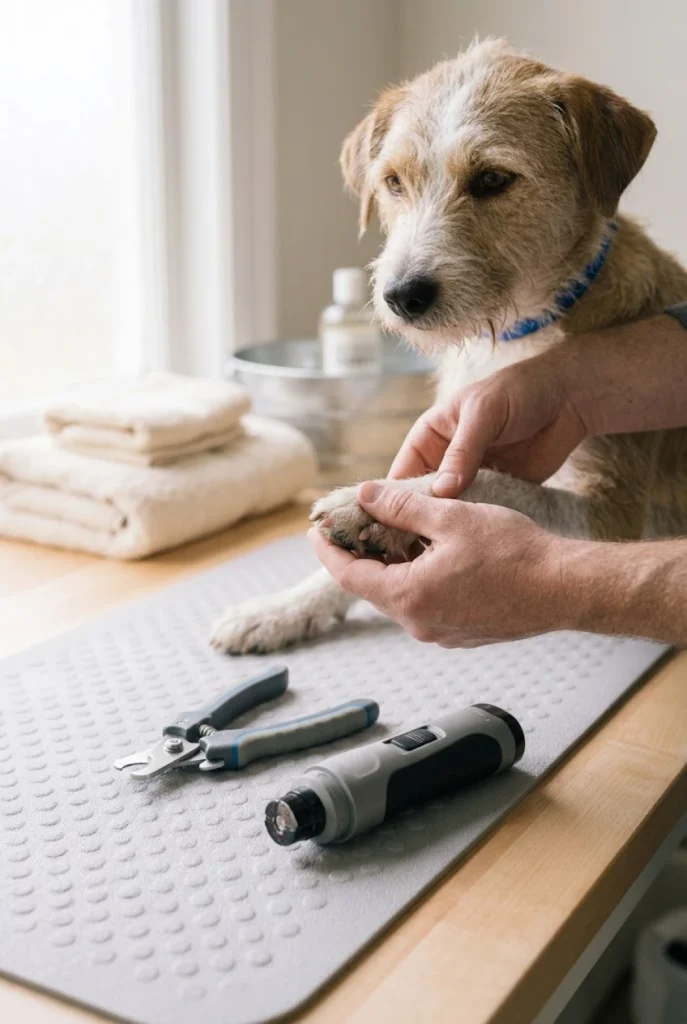
Keeping your dog’s nails at a suitable length supports comfortable movement and helps prevent nails from catching on carpets or splitting. Pet nail clippers and nail grinders are two common tools for home nail care. Clippers remove small sections of nail, while grinders gradually smooth the nail surface. The right option depends on your dog’s size, nail thickness, temperament, and your own confidence. Choose a tool designed for pets and learn how to use it correctly before attempting a full trimming session.
Dog nails contain a sensitive area called the quick, which includes blood vessels and nerves. Cutting into it can cause pain and bleeding, so trim only small amounts at a time, especially if your dog has dark nails that make the quick difficult to see. Introduce the tool gradually and reward calm behavior. If your dog struggles, becomes frightened, or has very overgrown nails, ask a veterinarian or professional groomer for help. Check nails regularly, including dewclaws, which may not wear down naturally. Do not force a trimming session if your dog is distressed.
9. A Dog Toothbrush and Dog-Safe Toothpaste
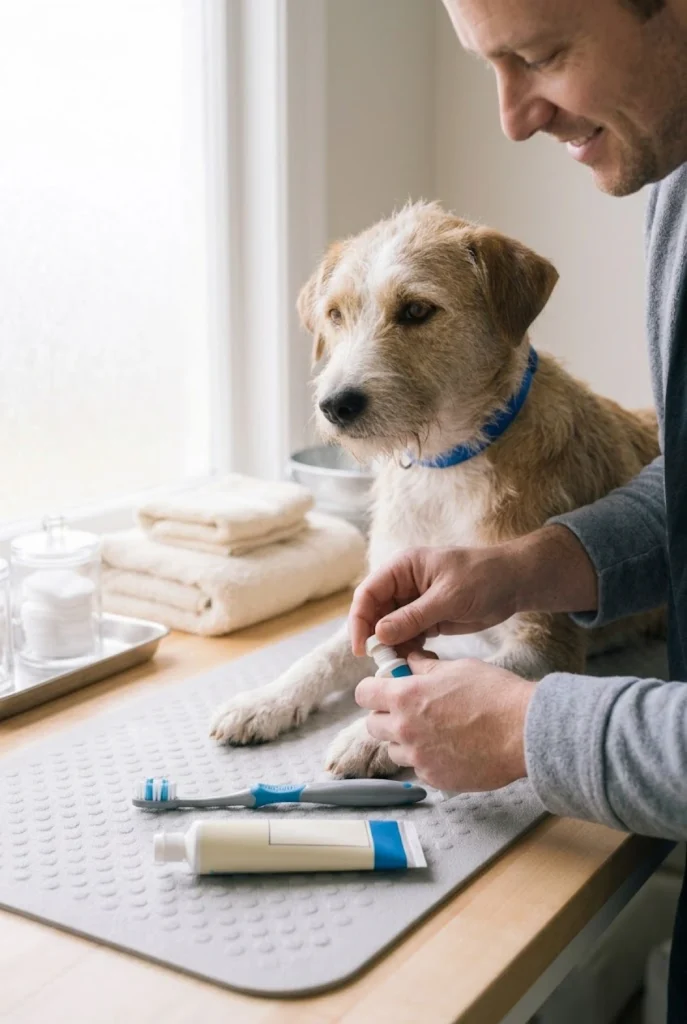
Dental care is an important part of keeping your dog healthy, yet it is often overlooked by beginners. Plaque can build up on teeth and contribute to gum inflammation, unpleasant breath, and dental disease. A dog-specific toothbrush and toothpaste help make brushing a practical part of your routine. Choose a brush size that fits your dog’s mouth and a toothpaste formulated for pets. Never use human toothpaste unless a veterinarian specifically directs you to a suitable product, because some ingredients, including xylitol in certain products, can be dangerous to dogs.
Start slowly by allowing your dog to sniff the toothbrush and taste a small amount of pet toothpaste. Gradually introduce gentle brushing along the outer surfaces of the teeth, focusing on the gumline without forcing the mouth open. Short, positive sessions can help your dog become comfortable over time. Daily brushing is often ideal, but consistency matters more than attempting a long session that frightens your pet. Dental chews and veterinary dental diets may provide additional support, but they do not replace brushing or professional examinations. Ask your veterinarian to assess bad breath, bleeding gums, loose teeth, or difficulty eating.
10. Waste Bags and a Dispenser
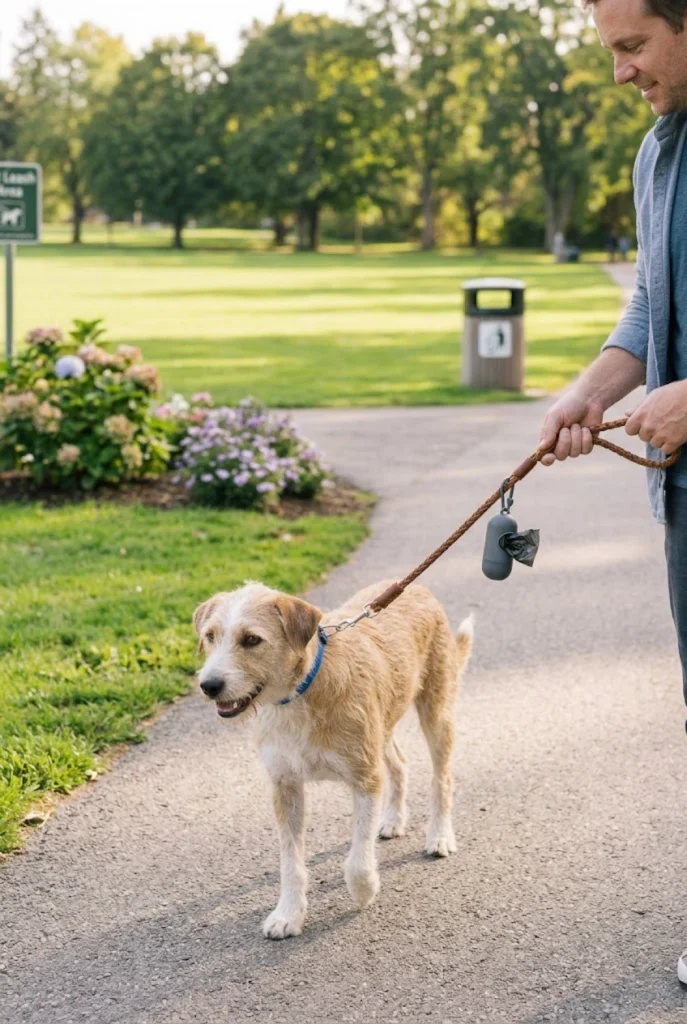
Waste bags are simple but essential supplies for responsible dog ownership. They allow you to clean up after your dog during walks, visits to public parks, and outdoor trips. Choose bags that are strong enough to reduce the chance of tearing and large enough for your dog’s waste. A small dispenser that attaches to a leash, harness, or walking bag makes it easier to carry bags wherever you go. Keep extra rolls near the door, in your car, or in your walking kit so you are less likely to run out unexpectedly.
Always collect your dog’s waste promptly and dispose of it according to local rules. Leaving waste behind can create unpleasant conditions and spread parasites or other contaminants. Even when walking in a natural area, do not assume that waste will disappear harmlessly. If you use compostable or biodegradable bags, check what the product actually means by those terms and follow local disposal requirements. Carry a spare bag or two on longer outings. Keeping this small supply ready helps build a consistent habit and shows consideration for neighbors, other dog owners, and the wider community.
11. Safe Chew Toys
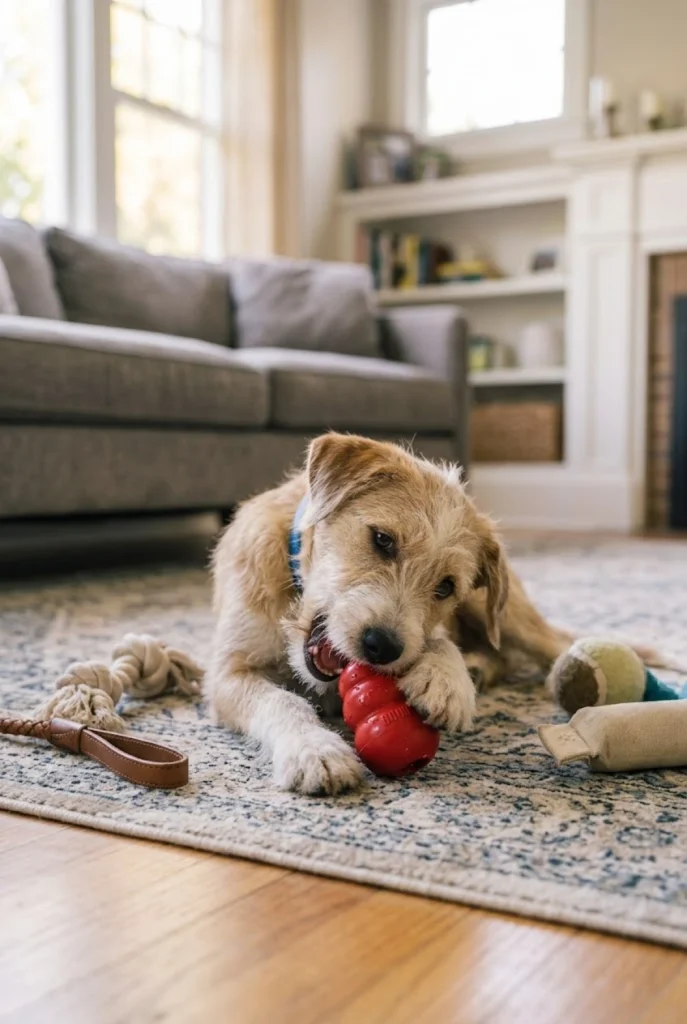
Chewing is a normal behavior for many dogs, especially puppies exploring the world or experiencing teething. Suitable chew toys provide an appropriate outlet for this behavior and can help redirect attention away from shoes, furniture, and household objects. Select toys designed for your dog’s size, age, and chewing strength. A toy should be durable enough for the dog but not so hard that it risks damaging teeth. Very small toys may become choking hazards, while toys that break into sharp pieces should be avoided.
Supervise your dog when introducing any new chew toy. Inspect it frequently and remove it when it becomes cracked, torn, or small enough to swallow. No toy is completely indestructible, and strong chewers may need specially designed products selected with professional advice. Avoid giving cooked bones or random household objects as substitutes for proper chew toys because they may splinter or cause digestive injuries. Rotate several safe toys to keep your dog interested without overwhelming them with too many options. If chewing suddenly increases or appears connected to pain, anxiety, or destructive behavior, discuss the pattern with your veterinarian or a qualified trainer.
12. Interactive Toys and Puzzle Feeders

Interactive toys and puzzle feeders give dogs opportunities to use their noses, solve simple problems, and engage their minds. These activities can be especially helpful on rainy days, during quiet periods indoors, or when you want to provide enrichment beyond a regular walk. Examples include treat-dispensing toys, snuffle mats, food puzzles, and toys that encourage gentle searching. Choose a design suited to your dog’s experience level. A beginner-friendly puzzle that offers small, achievable challenges is usually more useful than a complicated one that causes frustration.
Introduce puzzle toys while you can supervise your dog and show them how the activity works. Use part of the dog’s normal food allowance when appropriate so extra treats do not unintentionally increase daily calories. Check the toy for loose parts, cracks, or sections that might be swallowed, and follow the manufacturer’s cleaning instructions. Some dogs need encouragement to engage with puzzles, while others quickly learn to solve them. Rotate enrichment activities to maintain interest, and remember that mental stimulation complements rather than replaces exercise, social interaction, rest, and training. If a toy causes repeated frustration, select a simpler option.
13. A Crate or Exercise Pen
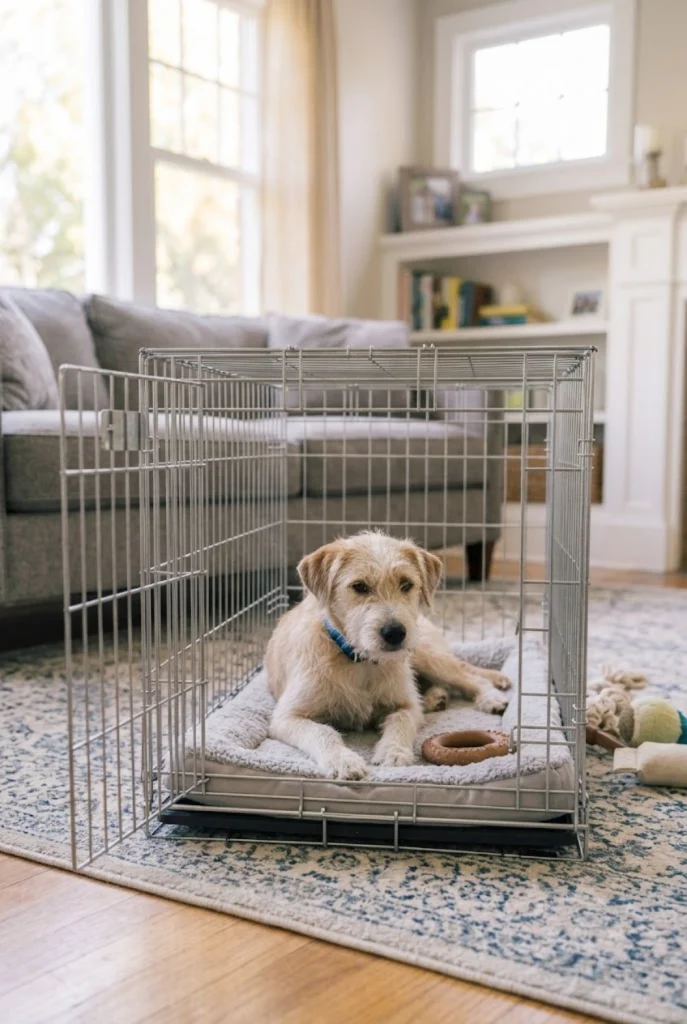
A properly introduced crate or exercise pen can provide a safe resting space and help manage a puppy’s environment. A crate may be useful for travel, rest periods, and gradual house-training routines, while an exercise pen offers more room for supervised play. Choose a size that allows your dog to stand, turn around, and lie down comfortably. Puppies may need an adjustable arrangement as they grow. The space should be well ventilated and free from sharp edges or items that could cause injury.
Make the crate or pen inviting by adding suitable bedding and safe toys, provided your dog will not chew and swallow them. Feed treats near the entrance and let your dog explore at their own pace before gradually closing the door for short periods. Never use a crate as punishment or leave a dog confined for excessive periods. Puppies, senior dogs, and dogs with medical needs may require more frequent toilet breaks and attention. If your dog panics, repeatedly attempts to escape, or shows signs of severe distress, stop and seek guidance from a qualified, humane trainer or veterinarian.
14. A Pet First-Aid Kit
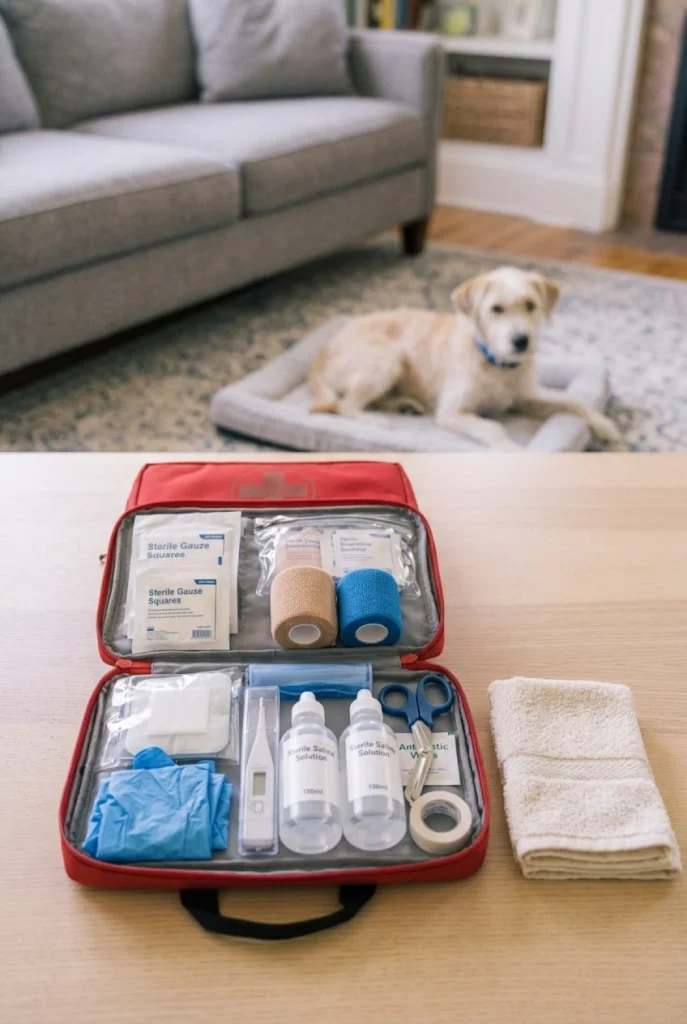
A basic pet first-aid kit helps you prepare for minor emergencies and respond more calmly while arranging veterinary care. Useful items may include sterile gauze, nonstick dressings, disposable gloves, saline for appropriate external rinsing, blunt-ended scissors, a digital thermometer suitable for pets, and a copy of your veterinarian’s contact details. You can also include a secure leash and a clean towel for handling or transport. Store everything in a clearly labeled container that is easy for adults to access but safely out of reach of children and pets.
A first-aid kit is not a substitute for professional veterinary treatment. Learn basic pet first aid from a qualified provider and understand which situations require urgent care. Do not give human painkillers, leftover prescription drugs, or home remedies unless your veterinarian specifically instructs you to do so. If your dog has trouble breathing, collapses, experiences uncontrolled bleeding, has a seizure, or may have swallowed a toxic substance, seek emergency veterinary help immediately. Keep the nearest emergency clinic’s details available and check the kit periodically for expired or depleted supplies. Preparation is most valuable when it supports quick, informed action.
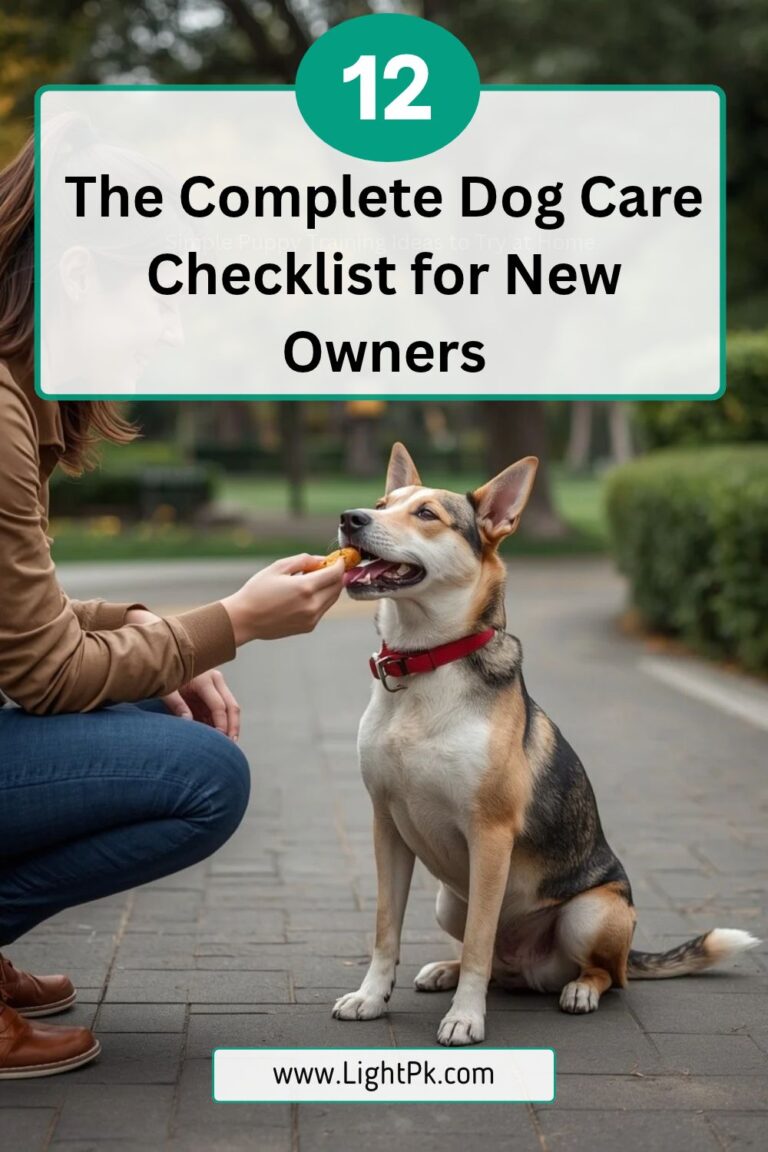
15. Training Treats and a Treat Pouch
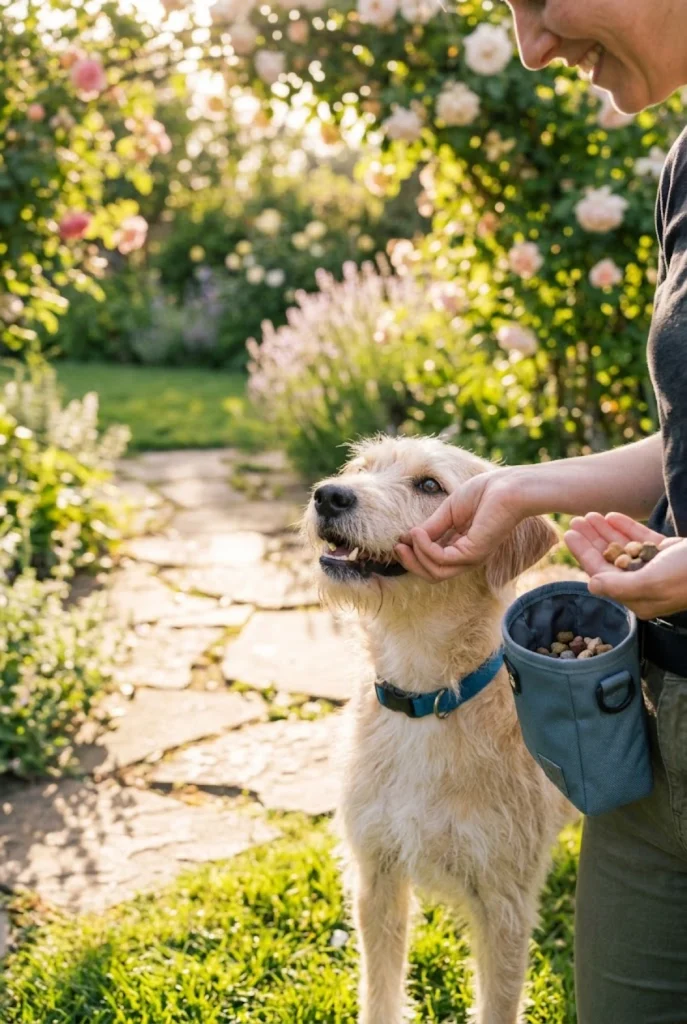
Small training treats are useful for rewarding desirable behavior and helping your dog learn household rules, basic cues, and walking skills. Choose treats that are appropriate for your dog’s age, size, and dietary needs. Small, soft pieces are often convenient because dogs can eat them quickly and return to training without a long interruption. You can also use a portion of your dog’s regular food as rewards when it is suitable. Keep in mind that treats contribute to daily calorie intake, so adjust meals if necessary and follow veterinary advice about weight management.
A treat pouch makes rewards easier to access during training sessions, particularly when teaching recall, loose-leash walking, or calm greetings. Reward the behavior you want to encourage as soon as practical, using a consistent cue and calm praise. Keep sessions short and positive so your dog stays engaged. Avoid shouting, physical punishment, or frightening corrections, which can undermine trust and make learning more difficult. As a behavior becomes reliable, you can vary rewards while continuing to reinforce it. For persistent fear, reactivity, or aggression, consult a qualified reward-based trainer or veterinary behavior professional rather than relying on treats alone.
16. An Enzymatic Cleaner and Cleaning Supplies
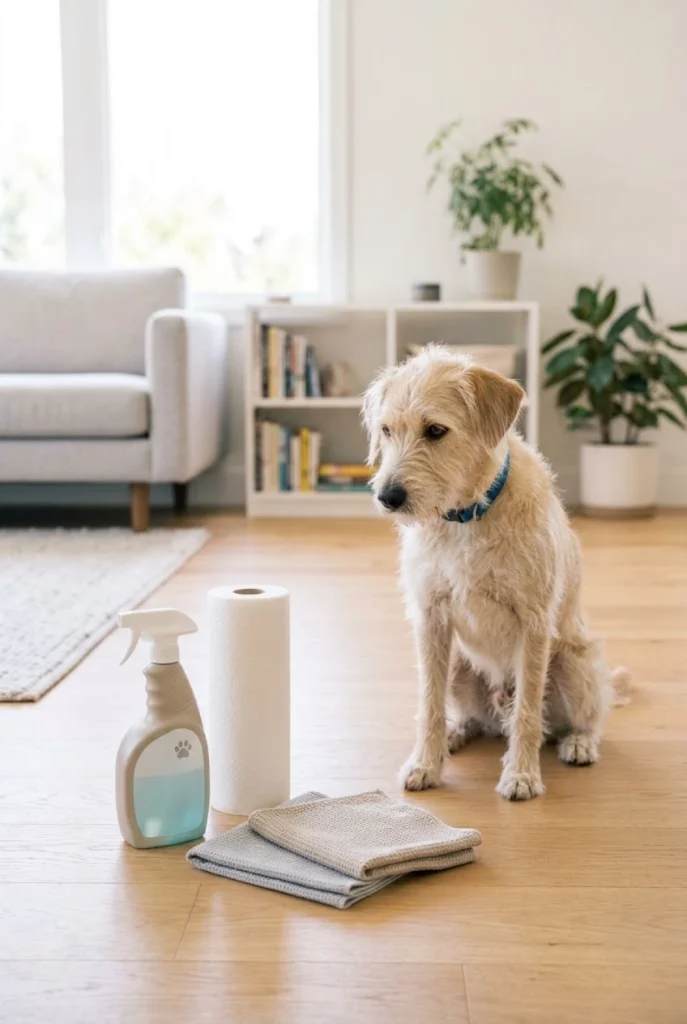
Accidents can happen during puppy house-training, periods of illness, or changes in routine. An enzymatic cleaner formulated for pet messes can help break down organic residues that ordinary cleaning products may leave behind. This matters because lingering odors may encourage a dog to revisit the same spot. Choose a cleaner that is suitable for the surface you need to treat and follow the label carefully. Keep a supply of paper towels or washable cloths, disposable gloves, and a separate cleaning container ready for quick cleanup.
When an accident occurs, remove solid waste and gently blot excess liquid before applying the cleaner as directed. Avoid mixing cleaning products, especially bleach with ammonia-containing products, because dangerous fumes may result. Keep your dog away from wet surfaces until they are safe and dry according to the product instructions. Cleaning is only one part of house-training; a predictable toilet schedule, supervision, and rewards for outdoor toileting are equally important. If a previously house-trained dog suddenly begins having frequent accidents, consult your veterinarian to rule out urinary, digestive, or other health problems before assuming it is a behavior issue.
17. A Microchip and Updated Pet Records
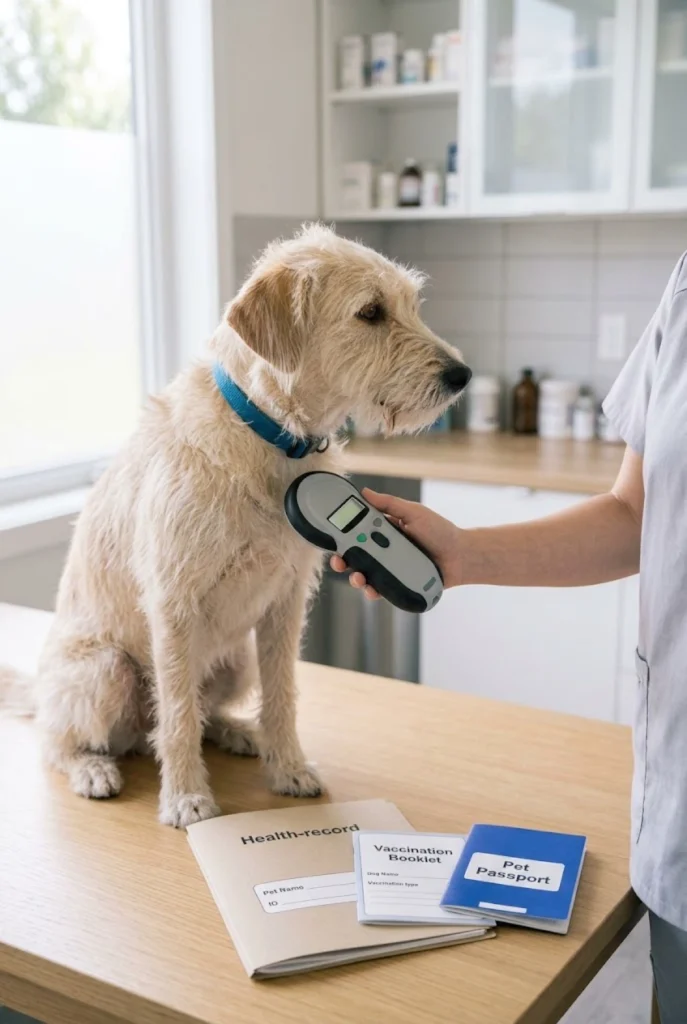
Identification is an essential part of responsible dog ownership. A microchip is a small identification device placed under the skin by an authorized veterinary professional. It contains a unique number that can be read with a scanner, helping shelters and veterinary clinics identify a lost pet. The chip itself does not function as a GPS tracker, and it does not automatically reveal your contact details. You must register it with the relevant database and keep your phone number and address details current. Ask your veterinarian about microchipping if your dog does not already have one.
Keep a folder containing vaccination records, veterinary visit summaries, medication information, microchip details, and any relevant health history. Digital copies can be useful when traveling or changing clinics, but protect personal information appropriately. Updated records help your veterinarian make informed decisions and may be required by boarding facilities, trainers, or travel authorities. Store emergency contact details where a trusted caregiver can find them if needed. Check vaccination and parasite-prevention schedules with your veterinarian rather than relying on memory alone. Combining a collar tag, registered microchip, and organized health records provides a stronger safety plan than depending on a single form of identification.
18. A Pet Carrier or Vehicle Safety Harness
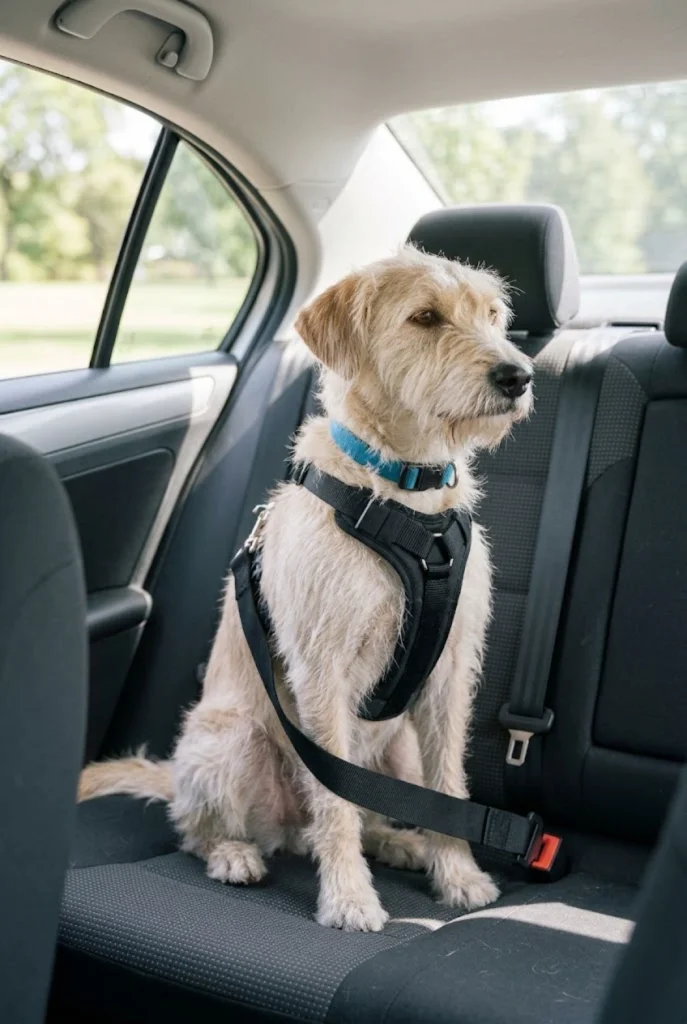
Safe transportation is another important part of dog care, whether you are visiting a veterinarian, traveling to a new home, or taking a family trip. Small dogs may travel comfortably in a well-ventilated carrier that is the correct size, while larger dogs may need a crash-tested vehicle restraint system or an appropriately secured travel crate. Select equipment designed for your dog’s weight and body size. A regular walking harness should not automatically be assumed to provide vehicle crash protection unless the manufacturer specifically states and substantiates that use.
Introduce the carrier or vehicle restraint before an important journey. Allow your dog to investigate it, reward calm behavior, and practice short trips if appropriate. Secure the equipment according to the manufacturer’s instructions and local road-safety requirements. Never allow a dog to sit on the driver’s lap, roam freely around the vehicle, or ride with its head outside an open window. Avoid leaving your dog unattended in a parked vehicle when temperatures could become unsafe. If your dog experiences severe travel anxiety or motion sickness, ask your veterinarian for a safe travel plan instead of using unapproved sedatives.
19. Appropriate Ear-Care Supplies

Ear care depends on your dog’s breed, ear shape, coat, swimming habits, and individual health. Some dogs need occasional cleaning, while others rarely require it unless a veterinarian identifies a problem. A dog-specific ear-cleaning solution recommended by your veterinary professional may be useful when cleaning is appropriate. Cotton pads or soft gauze can help wipe the visible outer ear. Avoid using alcohol, hydrogen peroxide, essential oils, or unapproved home mixtures inside the ear, as these may irritate sensitive tissues or cause harm if the eardrum is damaged.
Check your dog’s ears gently for redness, unusual discharge, swelling, unpleasant odor, or repeated head shaking. These signs may indicate an infection, allergy, foreign object, or another condition that needs veterinary attention. Never insert cotton swabs or other objects deep into the ear canal. If your dog appears painful when you touch an ear, stop the examination and arrange professional advice. Cleaning too frequently or unnecessarily can also irritate the ear, so follow individualized guidance. For dogs prone to recurring ear problems, ask your veterinarian about preventive care and whether the ears should be cleaned after swimming or bathing.
20. Veterinarian-Approved Flea, Tick, and Parasite Prevention
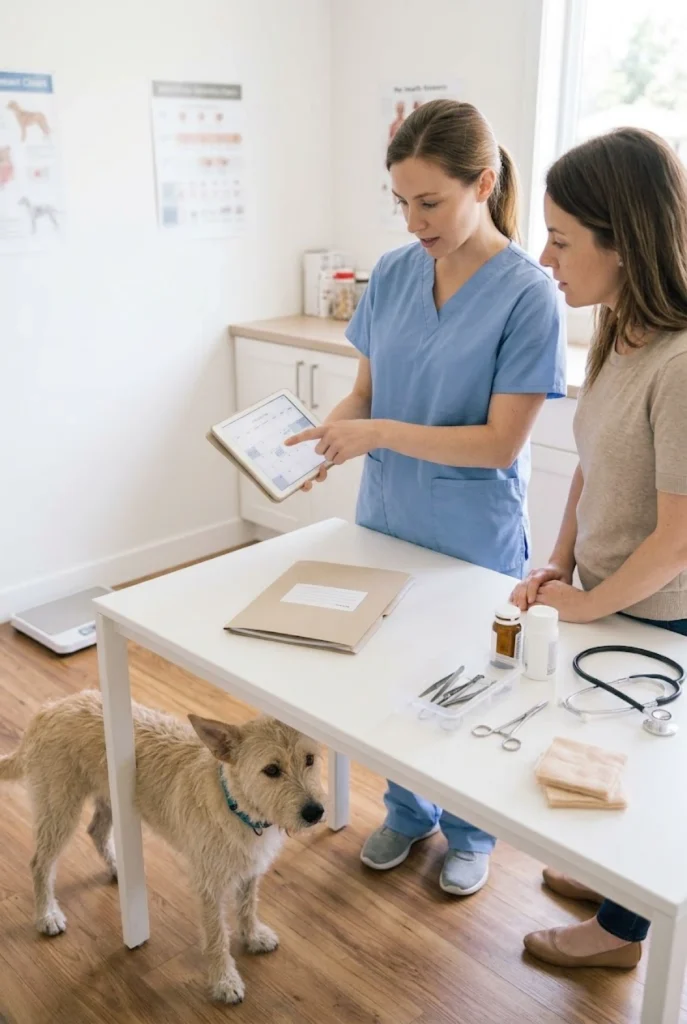
Fleas, ticks, and intestinal parasites can affect a dog’s comfort and health, making parasite prevention an important consideration for new owners. The appropriate product and schedule depend on your dog’s age, weight, health, lifestyle, and local parasite risks. Some dogs need year-round prevention, while the best approach for others depends on veterinary guidance and regional conditions. Ask your veterinarian which products are appropriate and how often they should be used. Keep a record of treatment dates so you can follow the schedule accurately and avoid accidental double dosing.
Never use a parasite product intended for another animal species unless your veterinarian confirms it is safe for your dog. Certain products can be toxic when used incorrectly, and combining treatments without professional advice may create unnecessary risks. Read the label carefully, measure the correct dose, and store products securely away from children and pets. After walks, especially in areas with ticks, check your dog’s coat and skin. If you find parasites or notice persistent scratching, hair loss, pale gums, vomiting, or other concerning symptoms, contact your veterinarian. Prevention works best when combined with regular health checks, a clean living environment, and timely professional care.
Final Thoughts
Preparing the right Dog Care Essentials makes becoming a first-time dog owner more manageable. From nutritious food and comfortable bedding to grooming tools, safe toys, identification, and veterinary-approved preventive care, each item serves a practical purpose in your dog’s daily life. You do not need to purchase everything immediately; begin with the basics and add supplies that match your dog’s needs as you learn more about their personality and routine.
Remember that products alone cannot replace attention, training, exercise, preventive veterinary care, and a loving environment. Build a consistent routine, monitor your dog’s health, and seek professional advice when something seems unusual. With thoughtful preparation and responsible care, you can help your dog feel safe, comfortable, and loved while building a strong bond that lasts for years.