12 Treat-Based Training Games Your Dog Will Love
Treat-Based Training Games Your dog will love can transform everyday training into an exciting experience filled with rewards, learning, and fun. Dogs enjoy discovering new things, using their noses, and spending quality time with their owners. By introducing tasty treats as rewards, you can encourage positive behavior, teach essential commands, and make training sessions something your dog looks forward to every day.
Whether you have a playful puppy, an energetic adult dog, or an older companion, treat-based training games offer a simple way to strengthen your bond. You do not need expensive equipment or professional training experience to get started. With small, healthy treats, patience, and a few minutes of daily practice, you can improve your dog’s focus, confidence, and obedience while providing valuable mental stimulation.
1. The Name Recognition Treat Game
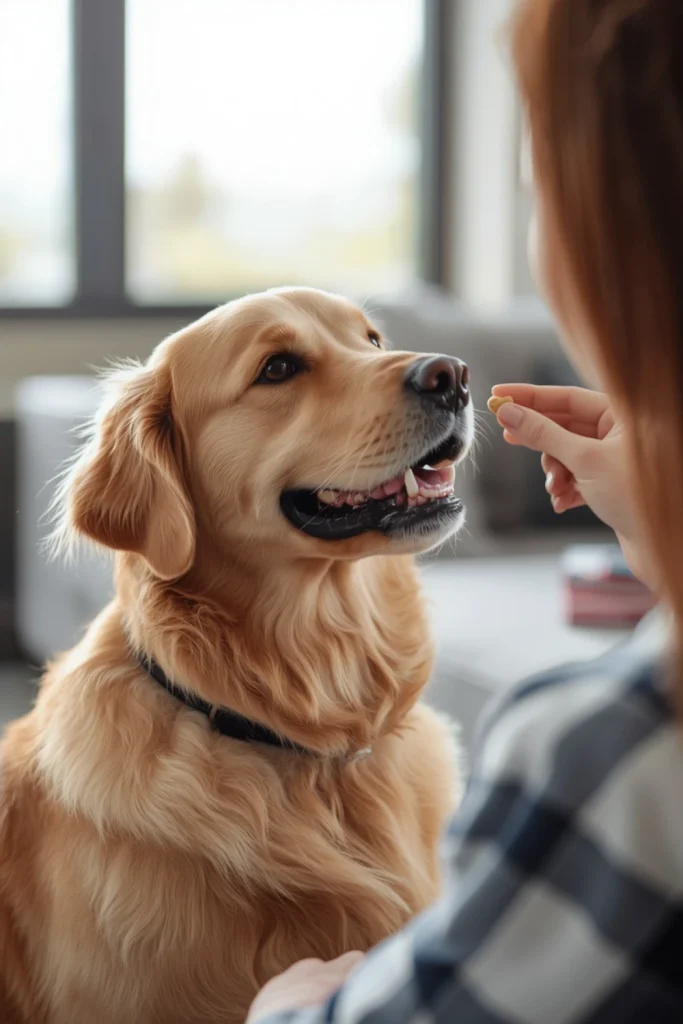
Teaching your dog to recognize their name is one of the most important foundations of effective training. Begin in a quiet room where your dog can concentrate without distractions. Hold a small treat in your hand and say your dog’s name once in a cheerful voice. When your dog turns toward you or makes eye contact, immediately say “yes” and offer the treat. Repeat this process several times, giving your dog short breaks between repetitions. Avoid saying the name repeatedly because you want your dog to learn to respond to the first cue.
As your dog improves, practice in different rooms, the garden, or another safe environment. Gradually introduce mild distractions, such as a toy nearby or another person sitting across the room. Reward your dog for looking toward you, even if they only turn their head at first. Keep sessions short and positive, finishing while your dog is still interested. This simple treat-based training game builds attention and creates a foundation for recall, loose-leash walking, and other important obedience skills.
2. The Sit and Reward Challenge
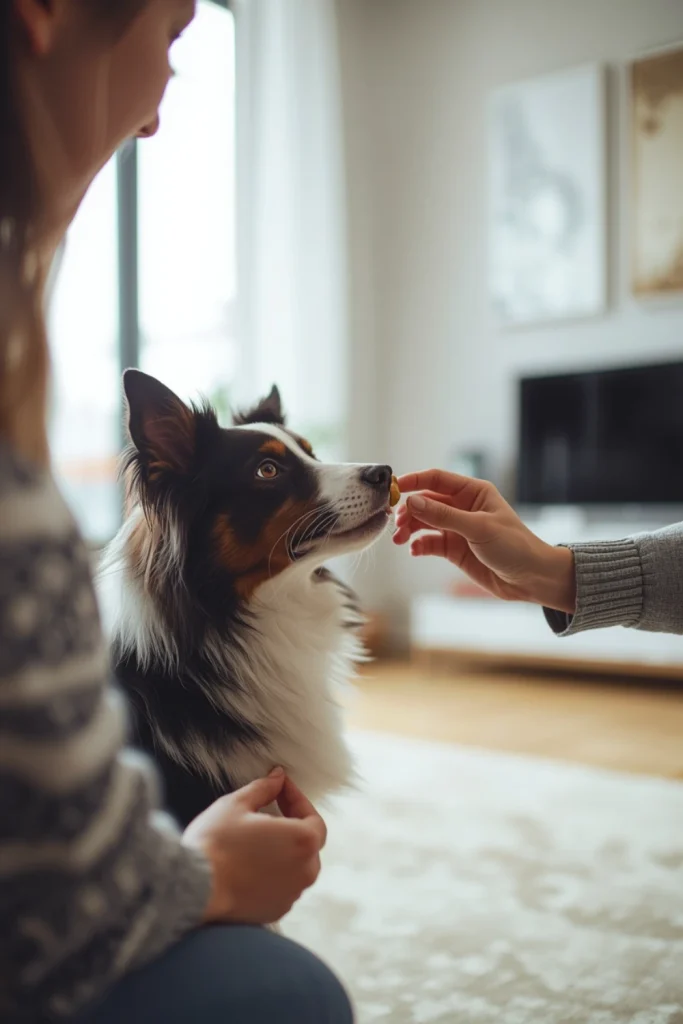
The sit and reward challenge is a beginner-friendly activity that teaches your dog to respond to a basic command. Start by holding a small treat close to your dog’s nose. Slowly move your hand upward and slightly backward over their head. As your dog follows the treat, they may naturally lower their hindquarters into a sitting position. The moment your dog sits, mark the behavior with a word such as “yes” and immediately offer the reward. Once your dog understands the movement, introduce the verbal cue “sit” just before guiding them into position.
To make this game more interesting, practice before meals, during quiet playtime, or when preparing for a walk. Gradually reward your dog for sitting calmly for a few seconds before receiving the treat. Avoid pushing your dog’s body into position, as this may cause discomfort or confusion. If your dog struggles, return to an easier step and reward small improvements. With consistent practice, your dog can learn that sitting calmly is a rewarding choice. This game also creates a useful foundation for polite greetings and better self-control in everyday situations.
3. The Treat Hide-and-Seek Game
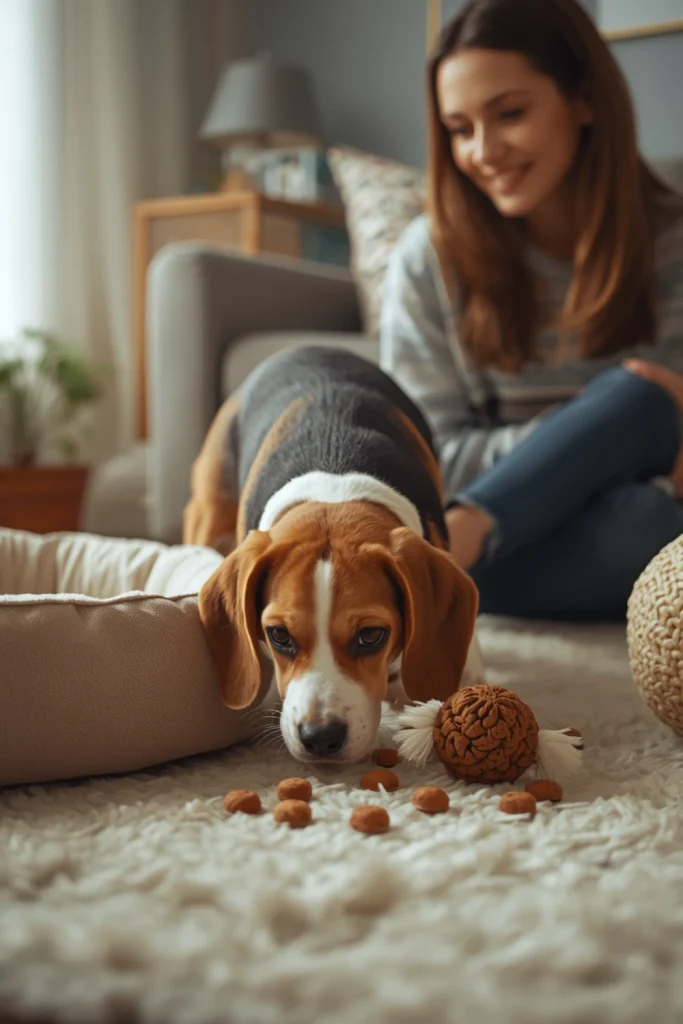
Treat hide-and-seek is a fantastic game for dogs that enjoy sniffing and exploring their surroundings. Begin by asking your dog to wait in a familiar place or having another person gently keep them occupied. Hide a few small treats in easy-to-find locations, such as beside a dog bed, near a safe toy, or behind a sturdy piece of furniture. Release your dog with a cue such as “find it” and encourage them to explore. Let your dog use their nose to locate each reward, offering praise when they discover a hidden treat.
As your dog becomes more confident, increase the difficulty by choosing additional hiding places around the room. You can hide treats beside a folded towel or behind a safe object, provided your dog cannot swallow or damage anything dangerous. Supervise the entire activity and avoid locations near electrical cords, cleaning products, or fragile objects. This game provides mental enrichment while encouraging independent problem-solving. It is especially useful on rainy days when outdoor exercise is limited. Start with easy hiding places, gradually increase the challenge, and finish each session with a successful discovery.
4. The Come When Called Treat Game
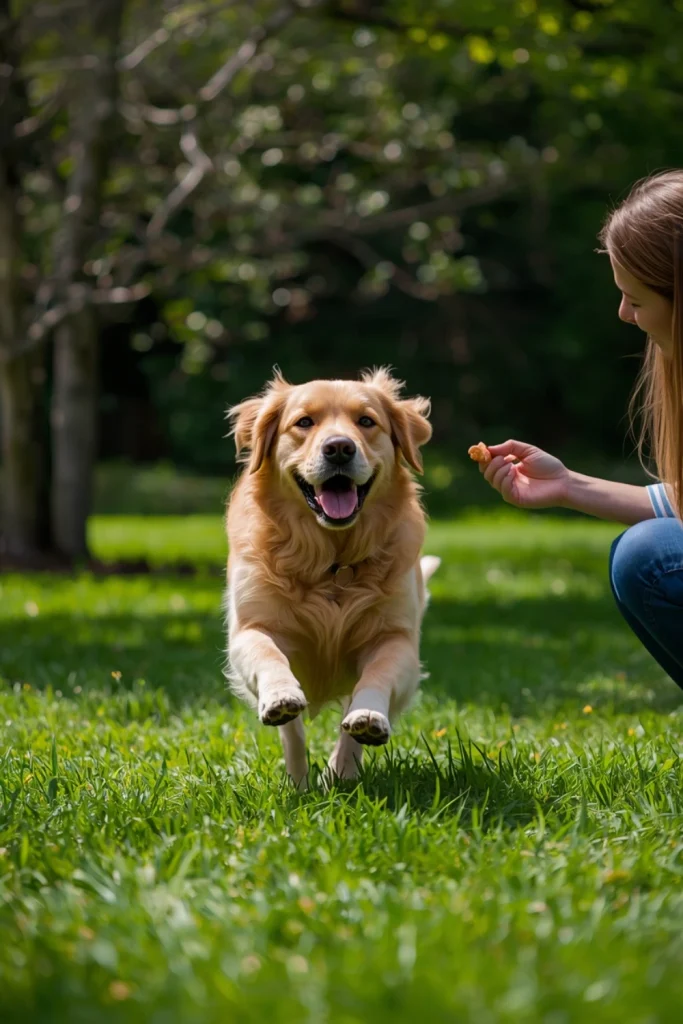
Teaching your dog to come when called is an essential skill that improves communication and supports safety. Begin indoors when your dog is nearby and distractions are minimal. Say your dog’s name followed by a cheerful cue such as “come,” then take a small step backward to encourage them to move toward you. When your dog reaches you, immediately offer a tasty treat and praise them warmly. Repeat the exercise over short distances until your dog begins responding reliably. Make every successful return rewarding so your dog develops a positive association with coming to you.
Once your dog understands the game indoors, practice in a secure, fenced garden with slightly greater distance. Gradually introduce mild distractions while continuing to reward successful responses. Avoid calling your dog only when playtime is ending or something unpleasant is about to happen. Occasionally reward your dog and then allow them to return to playing. In open spaces, use a long training line when appropriate and never assume recall is reliable enough to replace a leash near traffic or other hazards. Regular practice teaches your dog that returning to you is worthwhile.
5. The Paw Targeting Treat Game
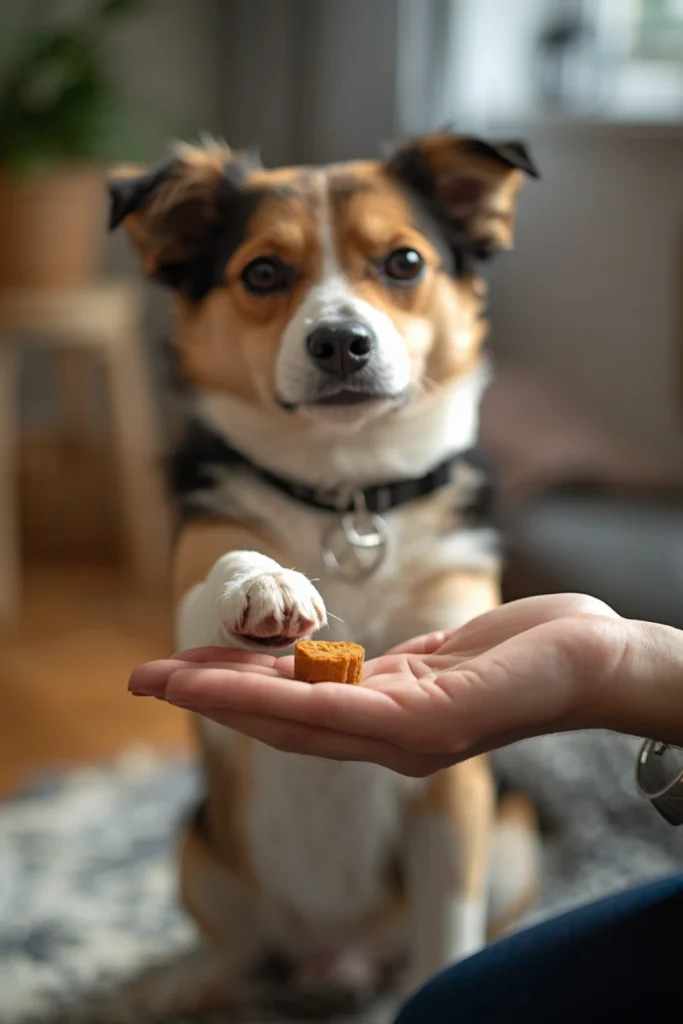
Paw targeting is a playful activity that encourages your dog to interact with you in a controlled and rewarding way. Sit comfortably in front of your dog and present an open palm near one of their paws. Some dogs will naturally lift a paw to investigate your hand. When your dog touches your palm or places a paw on it, mark the action with “yes” and immediately provide a treat. If your dog does not respond, remain patient and reward small steps toward the desired behavior. Never grab or force your dog’s paw into your hand.
When your dog begins offering the behavior consistently, introduce a verbal cue such as “paw” or “shake.” Keep your hand low and make sure your dog remains comfortable throughout the activity. You can gradually practice in different rooms to help your dog understand the cue in different settings. This game can support communication, confidence, and cooperative handling when practiced gently. However, avoid the exercise if your dog shows discomfort or has a painful paw. Keep repetitions brief, reward voluntary participation, and finish with a familiar behavior your dog already enjoys.
6. The Leave It and Earn It Game
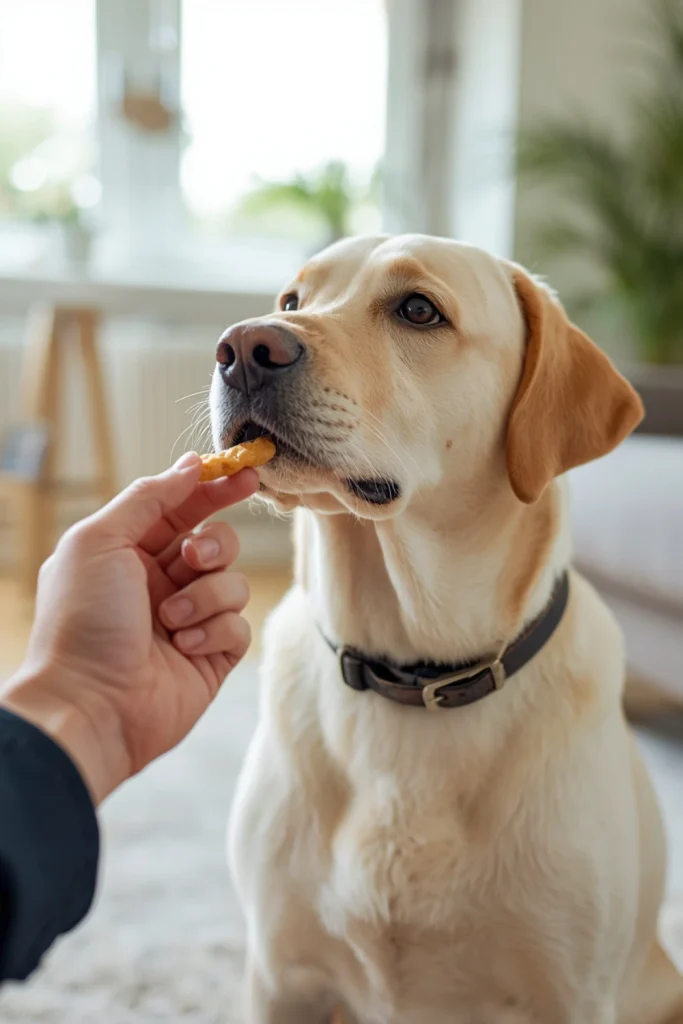
The leave it game helps your dog learn to turn away from tempting objects and focus on you instead. Start by placing a treat inside your closed fist and allowing your dog to investigate. Wait for a moment when your dog stops sniffing, moves their nose away, or looks toward you. Mark that choice with “yes” and reward your dog with a different treat from your other hand. The important lesson is that ignoring the treat in your fist can lead to a reward. Avoid scolding your dog or allowing them to become frustrated during the exercise.
As your dog improves, introduce the cue “leave it” before presenting your closed fist. Gradually progress to a treat placed on the floor while you cover it or remain ready to prevent access. Reward your dog for looking away or turning their attention toward you. Always provide a separate reward rather than letting them take the item they were asked to leave. This game encourages impulse control and can support better behavior around dropped food, toys, and other distractions. However, it does not replace supervision or careful management around dangerous items.
7. The Follow the Treat Walking Game
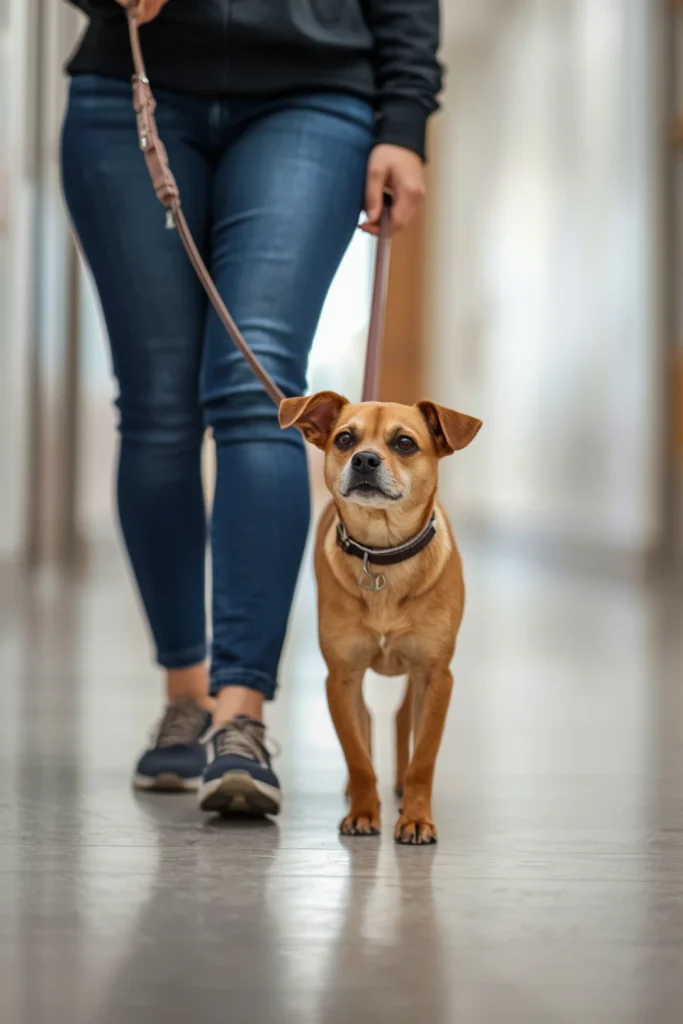
The follow the treat game can help your dog learn to walk beside you without constantly pulling ahead. Begin indoors or in a quiet area where your dog can concentrate. Hold a small treat close to the side of your leg and encourage your dog to follow as you take one or two steps. Reward them when they move alongside you with a loose leash and remain close without jumping toward your hand. You can introduce a cue such as “with me” to help your dog recognize the desired walking position.
As your dog becomes comfortable, gradually increase the number of steps before offering a reward. Change direction gently and reward your dog for noticing and following your movement. When the exercise becomes easier indoors, practice in a quiet outdoor area before moving to busier surroundings. Keep treats close to your body so your dog learns to walk beside you rather than jumping toward your fingers. Use a properly fitted harness or suitable collar and a standard leash. This game improves attention, encourages better walking manners, and makes daily outings more enjoyable for both of you.
8. The Spin for a Treat Game
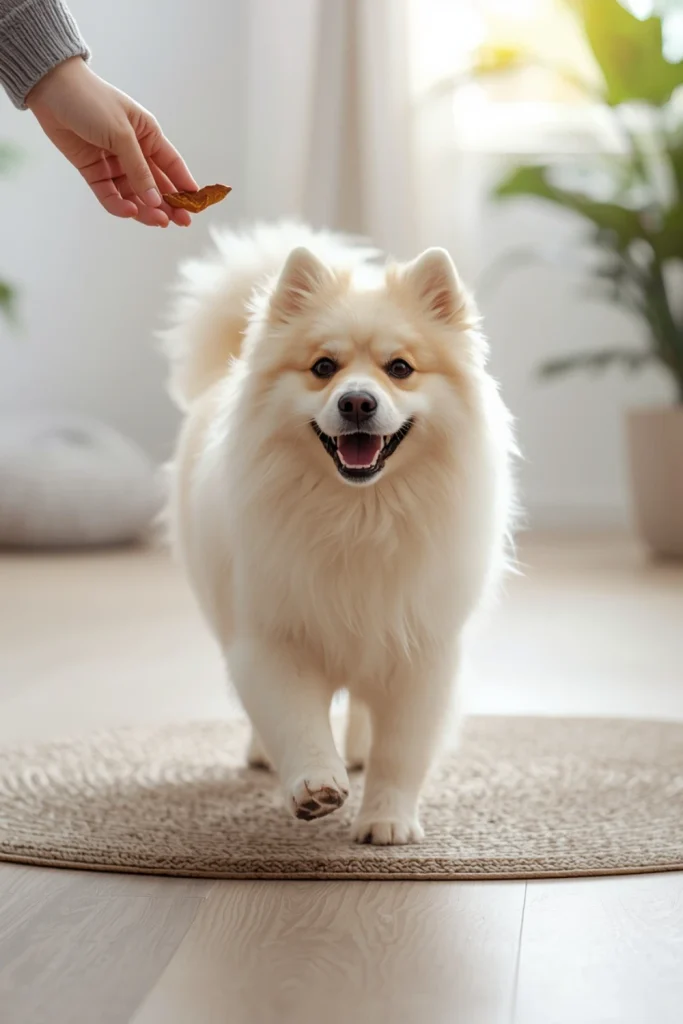
Spin is an entertaining trick that encourages your dog to follow a hand movement and learn a new cue. Begin with your dog standing comfortably on a nonslip surface. Hold a small treat near their nose and slowly guide it in a wide circle. Allow your dog to follow the movement at a comfortable pace. When they complete a full turn, mark the behavior with “yes” and give them the treat. If your dog only turns partway, reward that progress and gradually work toward a complete circle over several short sessions.
Once your dog can spin consistently, introduce a verbal cue such as “spin” just before guiding them with your hand. Over time, you can reduce the size of the hand signal as your dog becomes more familiar with the command. Avoid repeated spinning on slippery floors or asking your dog to perform movements that may cause discomfort. Dogs with balance problems, mobility limitations, or other health concerns may need a different activity. A few controlled repetitions are enough to keep the game enjoyable. This simple trick adds variety to your routine and encourages your dog to remain engaged in training.
9. The Touch My Hand Game
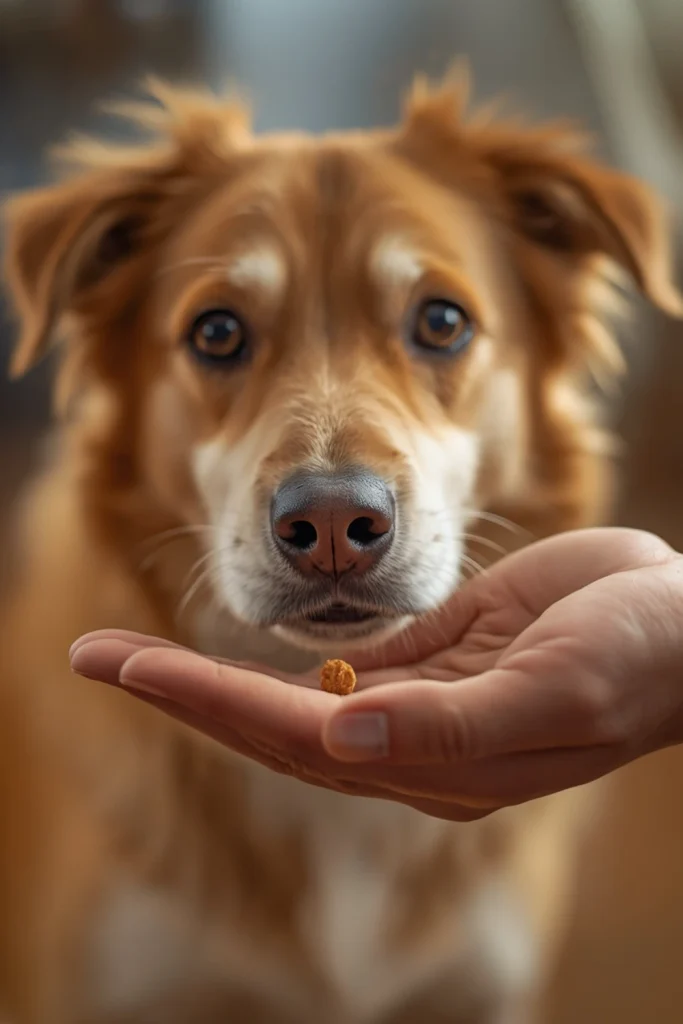
Hand targeting teaches your dog to touch your open palm with their nose when invited. It is a useful skill because you can use it to encourage your dog to approach you or move toward a particular location without pulling or pushing them. Start by holding your open hand a few inches from your dog’s nose. Many dogs will naturally investigate it. The moment their nose touches your palm, mark the behavior with “yes” and offer a treat from your other hand. If your dog does not approach, move your hand slightly closer and wait patiently.
Once your dog understands the action, introduce a cue such as “touch.” Gradually present your hand in slightly different positions, such as to the left or right, while keeping the exercise easy enough for your dog to succeed. You can eventually use hand targeting to encourage your dog to come closer, follow you through a doorway, or move toward a mat. Avoid pushing your hand into your dog’s face or grabbing their muzzle. This treat-based game builds focus, confidence, and cooperation, making it suitable for many puppies and adult dogs.
10. The Find the Right Cup Game
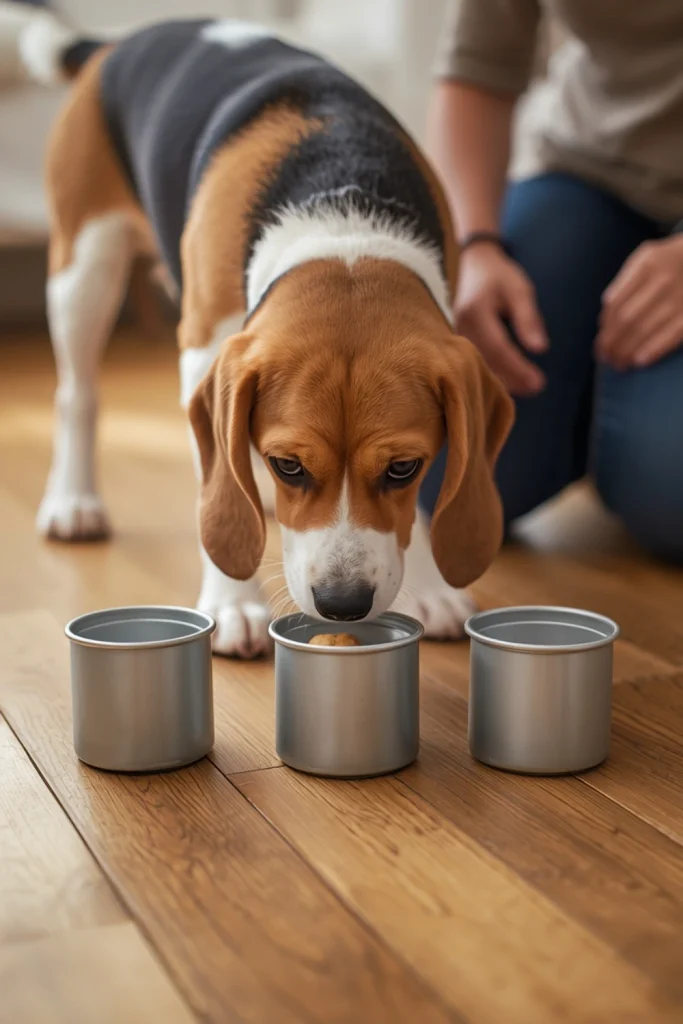
The find the right cup game gives your dog a simple problem-solving challenge that encourages them to use their nose. Begin with one lightweight, dog-safe cup placed upside down over a small treat. Encourage your dog to investigate the cup and discover how to reach the reward. Many dogs will learn to nudge the cup aside with their nose. Reward their success and allow them to enjoy the treat before starting another round. Stay nearby throughout the activity to make sure your dog does not chew or swallow the cup.
When your dog understands the game, introduce a second empty cup and let them investigate both options. Keep the cups stationary at first so your dog can learn the basic idea without unnecessary confusion. Gradually add a third cup if your dog remains interested and successful. Choose sturdy objects that cannot easily break, and stop the game if your dog begins chewing the equipment. This activity encourages scent exploration and independent thinking while providing an enjoyable indoor challenge. Keep the difficulty appropriate to your dog’s experience and return to an easier version whenever they seem frustrated.
11. The Wait for Your Treat Game
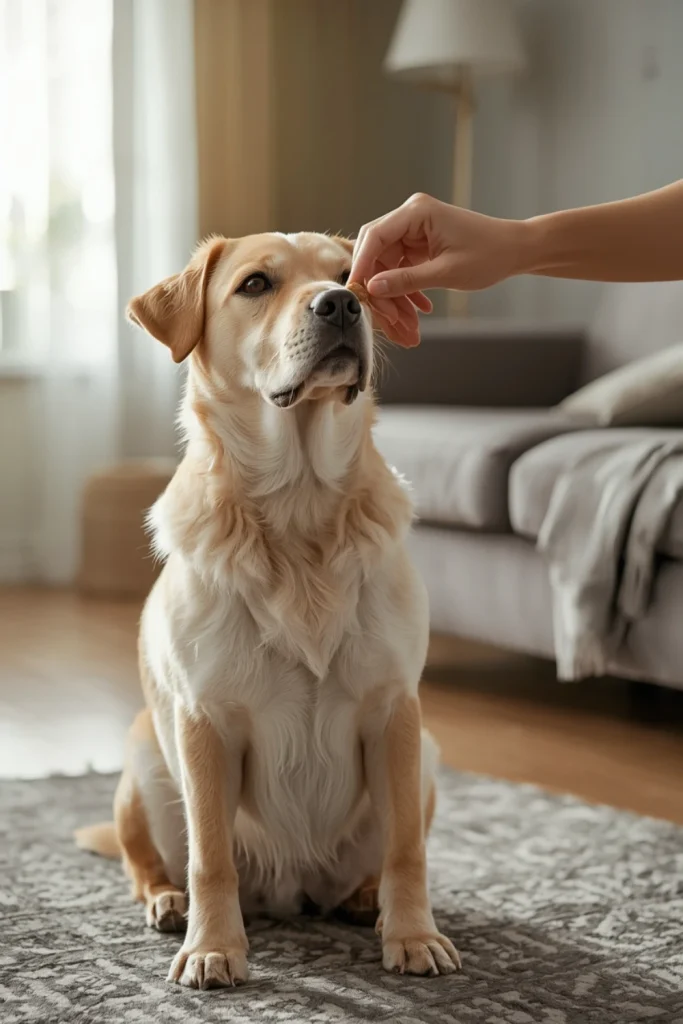
The wait for your treat game teaches your dog that calm behavior and patience can earn rewards. Begin by asking your dog to sit or stand comfortably. Hold a treat in your closed hand and wait for a brief moment when your dog remains calm instead of pawing at your hand or jumping. Mark the desired behavior with “yes” and provide the reward. Start with only one or two seconds of waiting, allowing your dog to succeed easily. If they become frustrated or overly excited, shorten the waiting time and try again.
As your dog improves, gradually increase the duration and introduce a cue such as “wait.” You can practice before meals, when preparing a favorite toy, or before opening a door when it is safe to do so. Reward your dog for remaining calm, then use a release cue such as “okay” to signal the end of the wait. Avoid teasing your dog with a treat or making them wait so long that they become frustrated. This game develops self-control and encourages calmer behavior during everyday routines, especially when your dog is excited about something they enjoy.
12. The Reward Puzzle and Toy Game
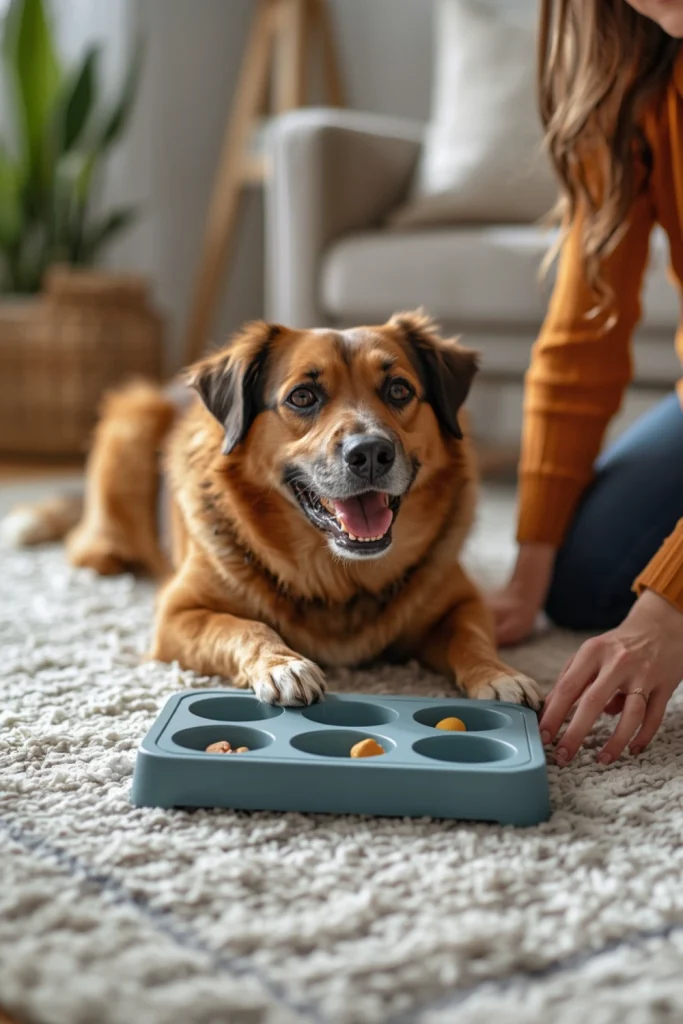
Reward puzzles and treat-dispensing toys combine food motivation with simple problem-solving. Choose a beginner-friendly puzzle feeder or a sturdy toy specifically designed for dogs. Place a few small treats inside the compartments according to the manufacturer’s instructions, then allow your dog to explore the toy at their own pace. When they discover how to reach a treat, offer calm praise. Begin with an easy puzzle that allows your dog to succeed without becoming frustrated. The aim is to encourage curiosity and independent exploration rather than make the activity unnecessarily difficult.
As your dog becomes more experienced, introduce slightly more challenging puzzles while changing only one difficulty level at a time. Supervise every session and remove toys that crack, break, or develop loose parts. Choose an appropriate size for your dog’s body and chewing style, and avoid small objects that could be swallowed. You can use a portion of your dog’s daily food allowance in suitable puzzle toys to help manage calorie intake. This activity provides mental stimulation and encourages relaxed indoor engagement, making it a helpful option for days when outdoor exercise is limited.
Final Thoughts
Treat-based training games are a simple and enjoyable way to help your dog learn new skills while strengthening the bond you share. From name recognition and recall to scent games, hand targeting, and food puzzles, each activity provides an opportunity to reward good decisions and build confidence.
Start with one or two games that suit your dog’s abilities, keep sessions short, and reward progress consistently. Use appropriate treats, supervise activities, and adjust the difficulty whenever your dog needs an easier challenge. With patience and regular practice, these games can become a rewarding part of your daily routine.
Most importantly, remember that training is about more than teaching commands. It is also about building communication, trust, and positive experiences. When learning feels like play, your dog has more reasons to stay engaged, explore new skills, and enjoy spending time with you.