
The Puppy Potty Training Schedule Every New Owner Needs
Bringing a new puppy home is an exciting experience, but teaching your little companion where and when to go potty can sometimes feel challenging. Accidents on the carpet, unexpected puddles, and interrupted sleep are all common parts of raising a young dog. The good news is that a consistent routine can make this process much easier for both you and your puppy.
A well-planned Puppy Potty Training Schedule helps your puppy understand when it is time to go outside, builds healthy bathroom habits, and reduces accidents around the house. Whether you have just welcomed an eight-week-old puppy or adopted an older puppy that still needs training, this guide will help you create a simple daily routine and follow it with confidence.
What Is a Puppy Potty Training Schedule?
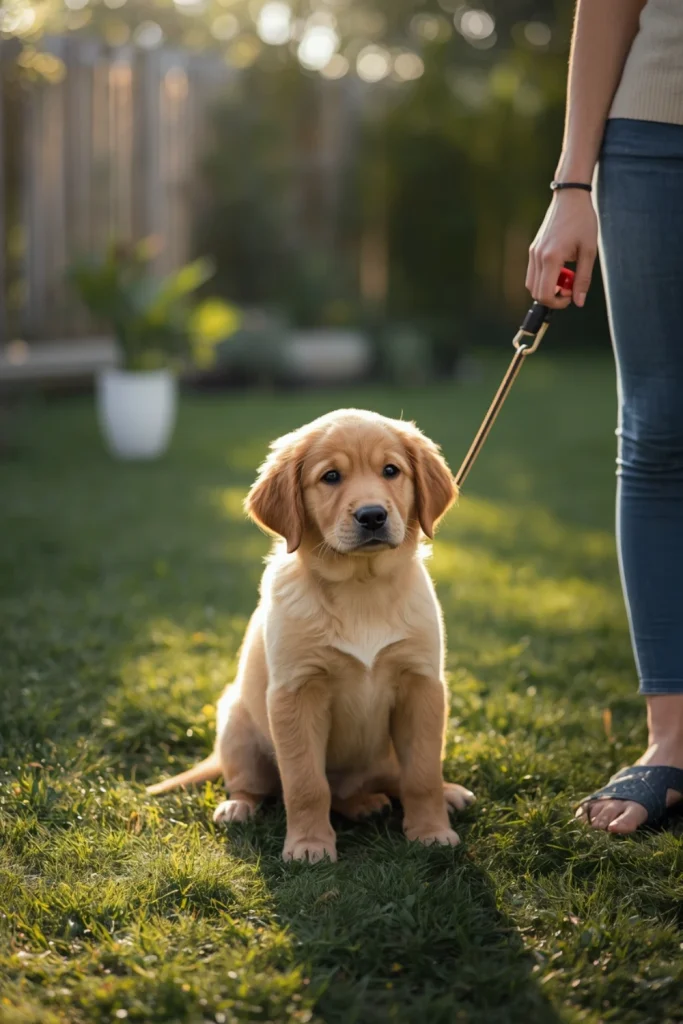
A Puppy Potty Training Schedule is a daily routine that helps your puppy learn when and where to use the bathroom. It includes planned potty breaks after waking up, eating, drinking, playing, and before bedtime. Instead of waiting for your puppy to have an accident, you take them to their designated potty area at predictable times. This makes it easier for your puppy to understand what you expect and gradually develop better bathroom habits.
A good schedule should match your puppy’s age, size, activity level, and individual needs. Very young puppies have small bladders and need frequent bathroom breaks, while older puppies can usually wait longer. The goal is not to force your puppy to follow a strict clock but to create a dependable routine that supports their natural bathroom needs. Consistency, patience, and positive reinforcement are the foundations of successful potty training.
Why Every New Puppy Needs a Consistent Potty Training Routine
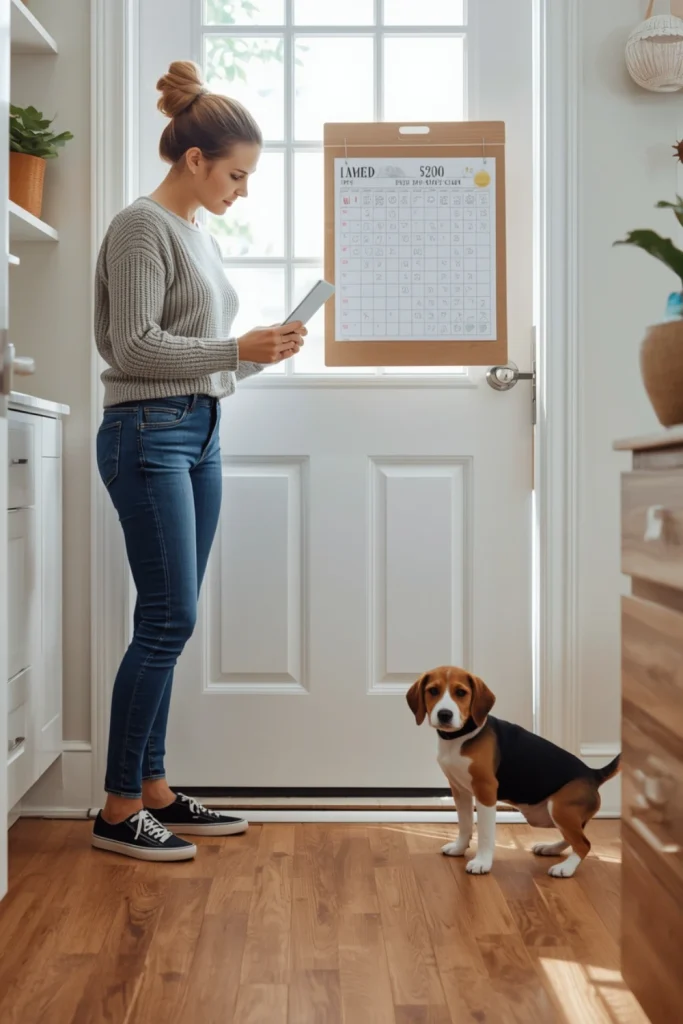
A consistent potty training routine helps puppies understand what happens throughout the day. When bathroom breaks happen at similar times, puppies begin to recognize patterns and become more comfortable with their daily activities. They learn that waking up, eating breakfast, playing, and taking naps are usually followed by a potty opportunity. This predictability reduces confusion and gives owners more control over preventing indoor accidents.
Without a routine, bathroom breaks may happen too late or be forgotten during busy moments. A puppy might become uncomfortable or choose an indoor corner because they have not been taken outside in time. A schedule also helps family members follow the same training approach. When everyone uses the same potty area, commands, and rewards, the puppy receives clear instructions and can learn more efficiently.
Understanding Your Puppy’s Bathroom Needs
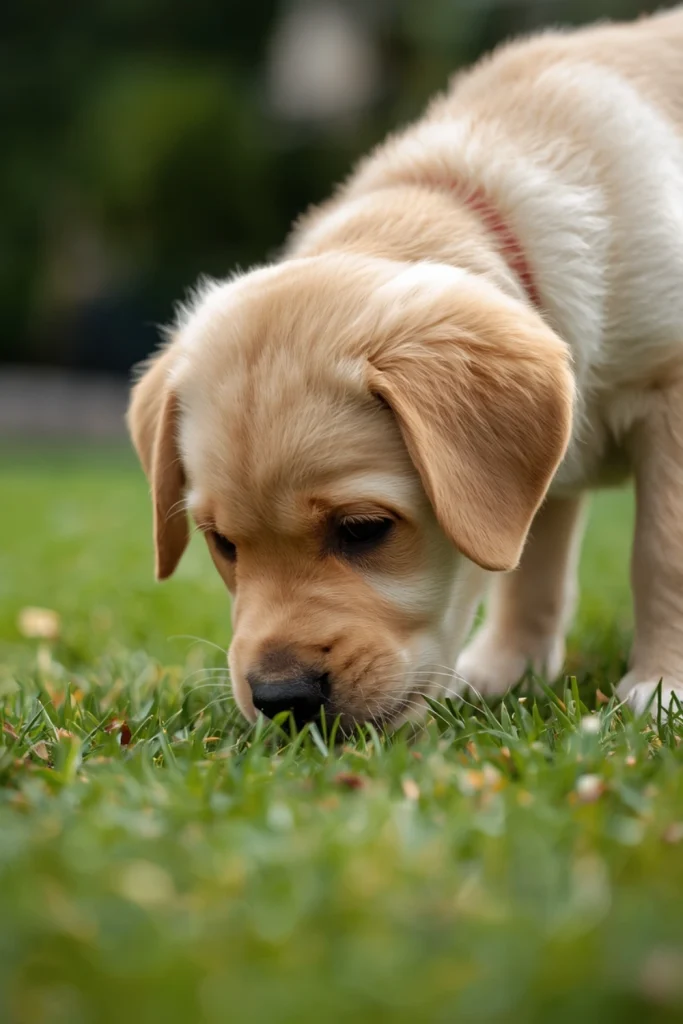
Before creating a schedule, it is important to understand how a puppy’s body works. Young puppies have developing bladder and bowel control, so they cannot wait as long as adult dogs. They may need to urinate shortly after drinking water, eating food, waking from sleep, or becoming excited during playtime. Some puppies also need to poop shortly after meals, although the timing can vary from one dog to another.
Pay attention to your puppy’s individual habits rather than relying only on general age guidelines. Notice how long your puppy usually stays dry, when bowel movements happen, and whether certain activities trigger the need to go. Keep a simple record for the first few days. These observations will help you adjust bathroom breaks to your puppy’s real needs and create a more practical routine.
Puppy Potty Training Schedule by Age

A puppy’s bathroom needs change as they grow. An eight-week-old puppy generally needs much more frequent potty breaks than a four- or five-month-old puppy. Younger puppies often need to go immediately after waking, eating, drinking, and playing. As their bladder control develops, they may gradually become comfortable with longer intervals between bathroom trips. However, development varies, so two puppies of the same age may not follow exactly the same schedule.
Use age-based guidelines as a starting point, not a strict rule. If your puppy has frequent accidents, increase the number of potty breaks instead of expecting them to wait longer. A schedule should become gradually more flexible as your puppy demonstrates reliable habits. Always consider overnight needs separately because sleeping puppies may need a different routine from active puppies during the day.
Sample Puppy Potty Training Schedule for an Eight-Week-Old Puppy
An eight-week-old puppy needs frequent bathroom opportunities because bladder control is still developing. Start the day by taking your puppy outside immediately after waking. Offer another potty break after breakfast, drinking water, and a short play session. During the morning, provide frequent opportunities rather than waiting for the puppy to show obvious signs. If your puppy wakes from a nap, take them outside before starting another activity.
A sample routine might include potty breaks around 6:30 a.m., 7:00 a.m. after breakfast, 8:00 a.m., 9:00 a.m., and then frequent opportunities throughout the afternoon. Take your puppy out again before bedtime and be prepared for an overnight break. These times are examples only. If your puppy needs to go sooner, take them out immediately. At this age, preventing accidents is more important than following an exact timetable.
Sample Puppy Potty Training Schedule for a Three-Month-Old Puppy
At around three months, many puppies begin developing slightly better bladder control, but they still need regular bathroom breaks. Take your puppy outside immediately after waking, after meals, after drinking, and following energetic play. You can begin observing whether your puppy can comfortably stay dry for a little longer between breaks. If accidents occur, shorten the intervals and offer more opportunities throughout the day.
A sample three-month-old puppy routine might include bathroom breaks at 6:30 a.m., 7:00 a.m., 8:30 a.m., 10:00 a.m., 11:30 a.m., and after lunch. Continue with afternoon breaks, an evening potty trip, and a final visit before bed. Your puppy may still need an overnight bathroom trip. Reward successful outdoor potty behavior every time so your puppy learns that using the correct place brings positive attention.
Sample Puppy Potty Training Schedule for a Four-Month-Old Puppy
A four-month-old puppy may be able to manage longer intervals between potty breaks than a younger puppy, but regular opportunities are still essential. Continue taking your puppy outside after waking, eating, drinking, playing, and napping. If your puppy has been staying dry consistently, you can gradually test slightly longer intervals while carefully monitoring their behavior. Avoid suddenly extending the time between bathroom trips.
A practical routine might include an early morning potty break, breakfast followed by another trip, midmorning and lunchtime breaks, afternoon opportunities, and several evening visits. The exact timing depends on your puppy’s size, diet, health, and activity level. Keep rewarding outdoor bathroom behavior, even when your puppy seems to understand the routine. Continued encouragement helps make the habit reliable in different situations.
Sample Puppy Potty Training Schedule for a Five- to Six-Month-Old Puppy
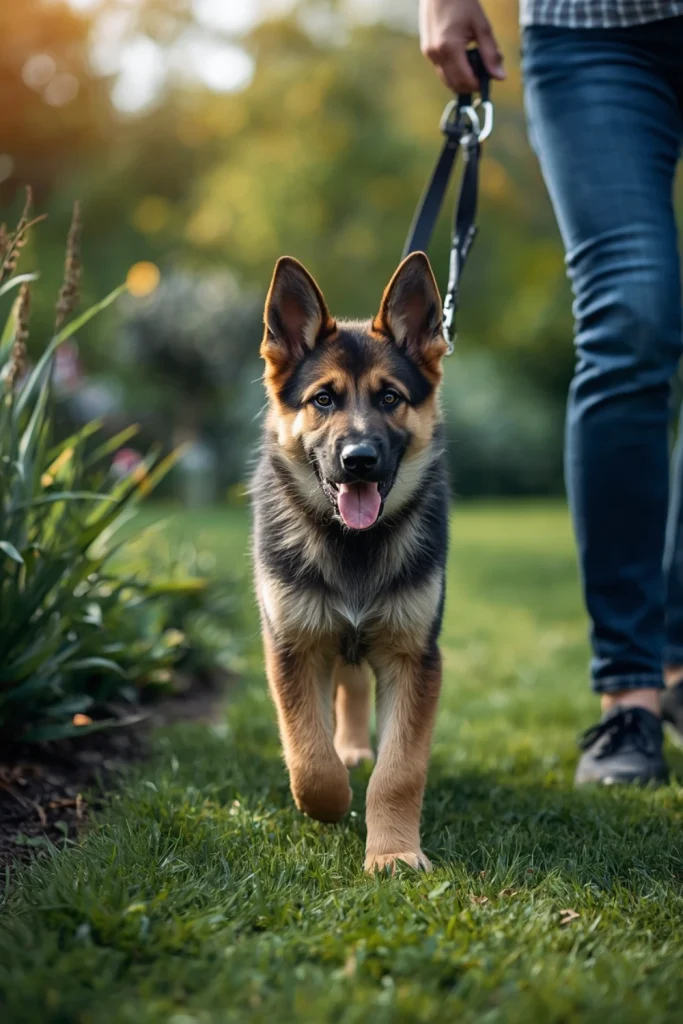
By five or six months, many puppies have improved bladder control and can follow a more predictable bathroom routine. However, they may still need frequent breaks after meals, drinking, naps, and exercise. Continue watching for signals such as sniffing the floor, circling, walking toward the door, or suddenly leaving a play area. These behaviors can indicate that your puppy needs to go outside.
Your daily routine might include potty trips first thing in the morning, after breakfast, before and after longer play sessions, around lunchtime, during the afternoon, after dinner, and before bedtime. Some puppies may need fewer trips, while others need more. Do not assume that reaching six months means your puppy can hold their bladder for an entire workday. Continue providing appropriate bathroom opportunities and adjust the schedule according to your puppy’s progress.
The Ideal Morning Puppy Potty Training Schedule
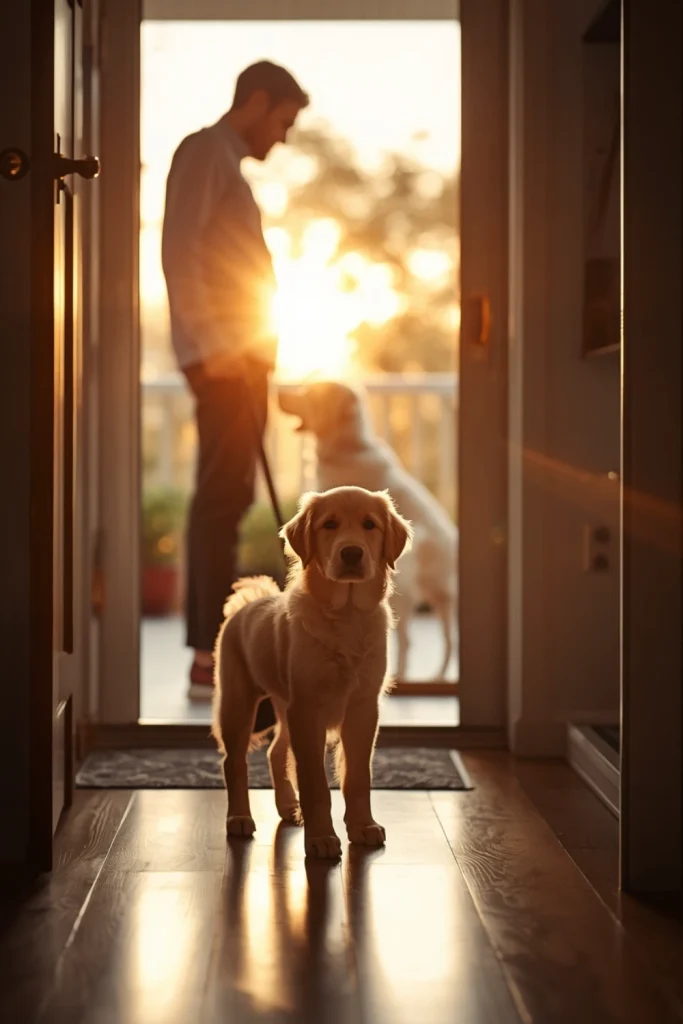
Morning is one of the most important times in your puppy’s daily routine. Most puppies need to go outside immediately after waking because they have spent several hours sleeping. Keep the leash and other supplies close to the door so you can take your puppy outside without unnecessary delays. Avoid starting breakfast, playing, or allowing your puppy to explore the house before the first bathroom trip.
After your puppy successfully goes potty, offer praise and a small training reward. Then return indoors and serve breakfast according to your puppy’s feeding plan. Take another bathroom trip after the meal because eating can stimulate bowel activity. Give your puppy a little supervised playtime, followed by another potty opportunity if needed. A predictable morning routine helps establish a positive start to the day.
The Afternoon Puppy Potty Training Schedule
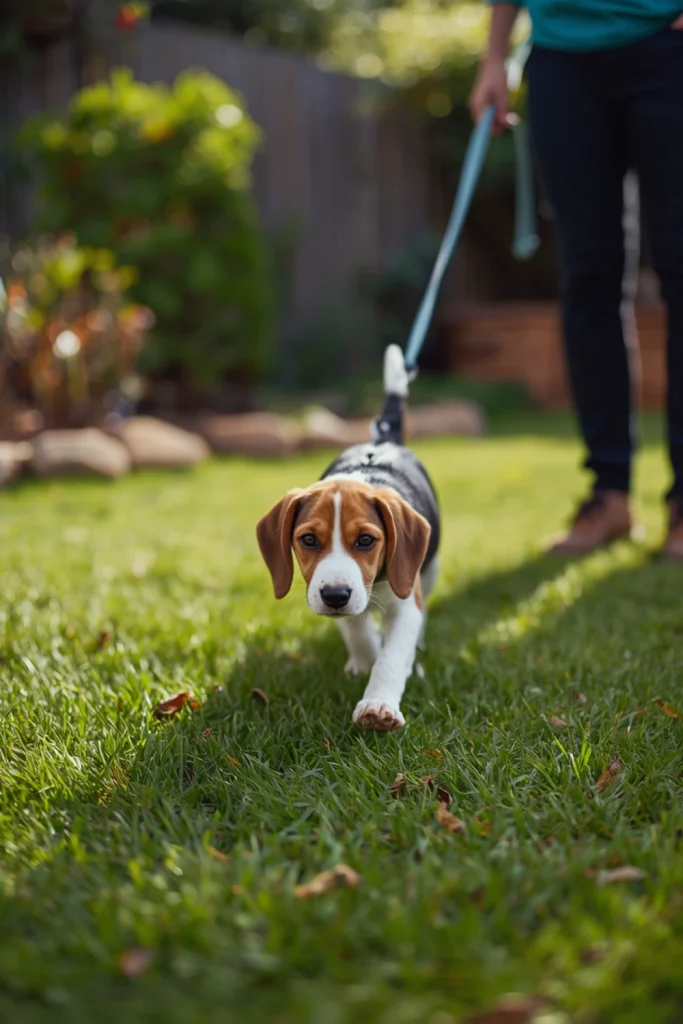
Afternoons can become challenging because owners are often busy with work, household tasks, or other responsibilities. However, puppies still need regular bathroom opportunities throughout this period. After lunch, take your puppy outside and give them enough time to sniff and explore the designated potty area. Continue offering breaks after naps, drinking water, and active play. A young puppy should never be expected to wait several hours simply because the household is busy.
Plan the afternoon around your puppy’s normal activities. For example, offer a potty break after lunch, another after a nap, and another after a play session. If you need to leave home, arrange a suitable caregiver or safe bathroom setup appropriate for your puppy’s training situation. Consistent afternoon care prevents unnecessary accidents and reinforces the same habits your puppy practices in the morning.
The Evening Puppy Potty Training Schedule
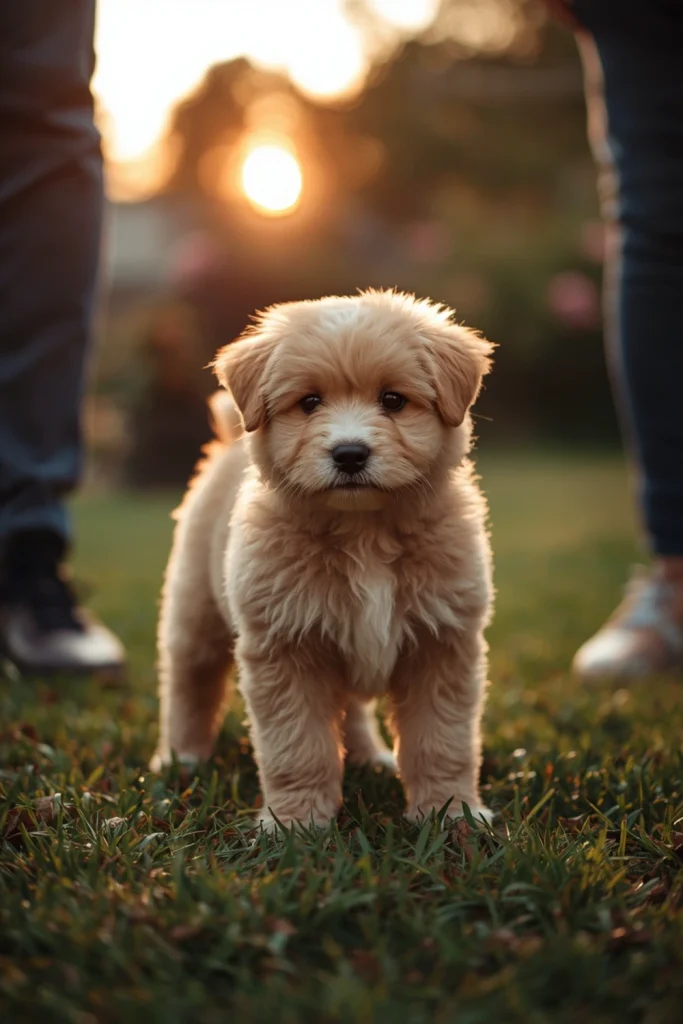
Evenings are an important opportunity to reinforce your puppy’s bathroom routine before bedtime. After dinner, take your puppy outside when appropriate for their individual digestion pattern. Give them time to find their preferred spot without rushing. Some puppies need to poop shortly after eating, while others may take longer. Avoid turning the potty trip into a long play session because your puppy should learn that this particular outing is mainly for bathroom needs.
Continue offering a bathroom break after evening playtime and before settling down for the night. If your puppy becomes excited during family activities, watch for signs that they need to go. A final trip immediately before bedtime can reduce the likelihood of overnight accidents. Keep the evening calm and predictable so your puppy begins associating the bedtime routine with rest and comfort.
Creating a Nighttime Puppy Potty Training Schedule
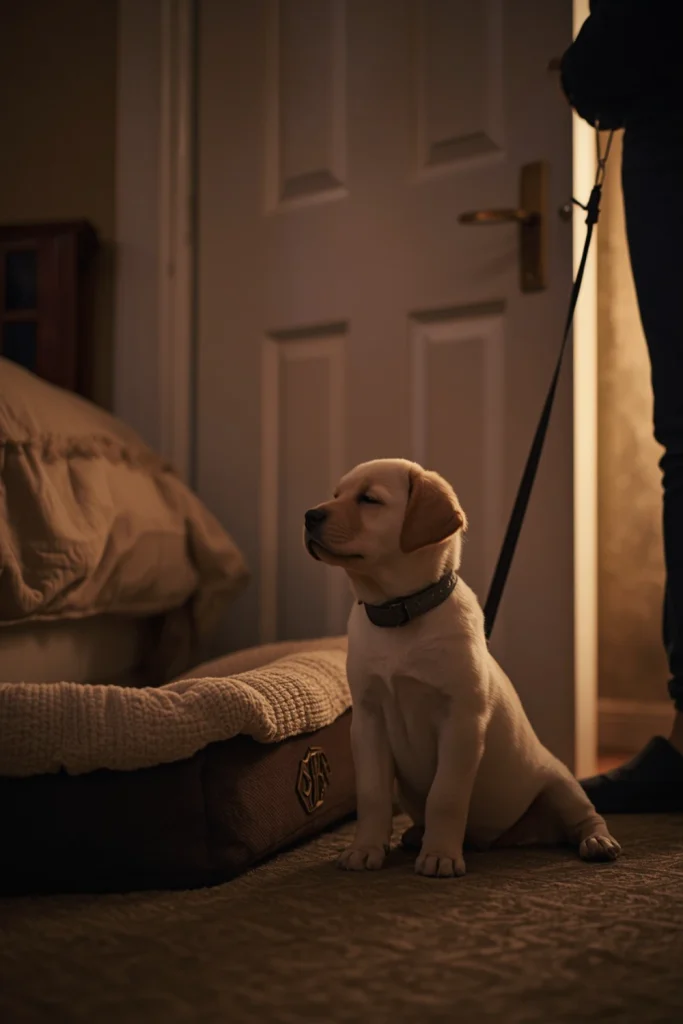
Nighttime potty training can be challenging, especially during the first few weeks after bringing a puppy home. Young puppies may not be able to stay dry throughout the night, so an overnight bathroom break may be necessary. Take your puppy outside immediately before bedtime. If they wake, become restless, whine, or show signs of needing the bathroom, calmly take them to their designated potty area.
Keep nighttime trips quiet and boring. Use gentle lighting, avoid exciting games, and offer a calm reward when your puppy goes potty. Once finished, return your puppy to their sleeping area. Over time, many puppies begin sleeping for longer periods as their bladder control improves. Do not punish nighttime accidents. Instead, adjust the routine and consult a veterinarian if unusual changes in urination or discomfort occur.
How Often Should You Take a Puppy Outside to Potty?
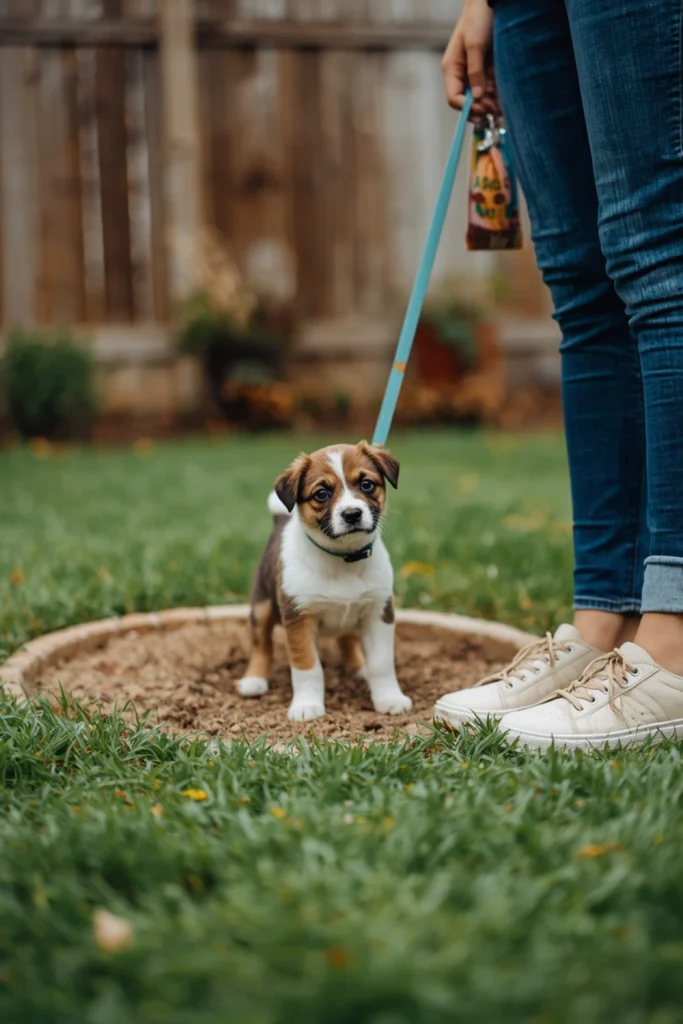
The number of daily potty breaks depends on your puppy’s age, size, health, feeding routine, and activity level. Very young puppies may need bathroom opportunities every 30 to 60 minutes while awake, as well as after important activities. Older puppies may gradually manage longer intervals, but they still need regular breaks. These are general starting points rather than strict medical or training rules.
A useful approach is to take your puppy outside after every nap, meal, drink, and energetic play session. Also provide a bathroom opportunity before leaving home and immediately after returning. If your puppy repeatedly has accidents before the next scheduled break, increase the frequency. The best schedule is one that matches your puppy’s needs and prevents them from becoming uncomfortable or overwhelmed.
Recognizing Signs That Your Puppy Needs to Go Potty
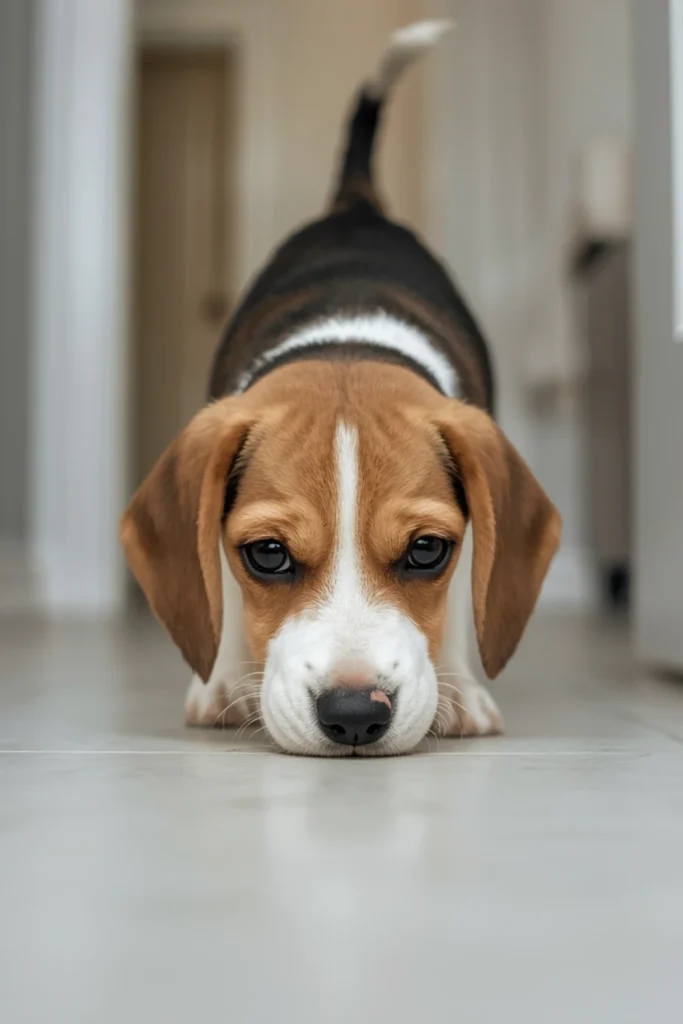
Learning your puppy’s bathroom signals can make potty training much easier. Common signs include sniffing the floor, circling, suddenly stopping play, walking toward the door, whining, or becoming restless. Some puppies may move away from the family and search for a quiet corner. These behaviors are not always obvious at first, so spend time observing your puppy and noticing patterns before accidents happen.
Whenever you notice a possible potty signal, calmly take your puppy to the designated area. Do not wait to see whether the behavior continues because a young puppy may have very little time to communicate the need. Reward your puppy after successful bathroom behavior. As you become familiar with your puppy’s body language, you will be able to respond more quickly and prevent many indoor accidents.
Choosing the Right Potty Spot for Your Puppy
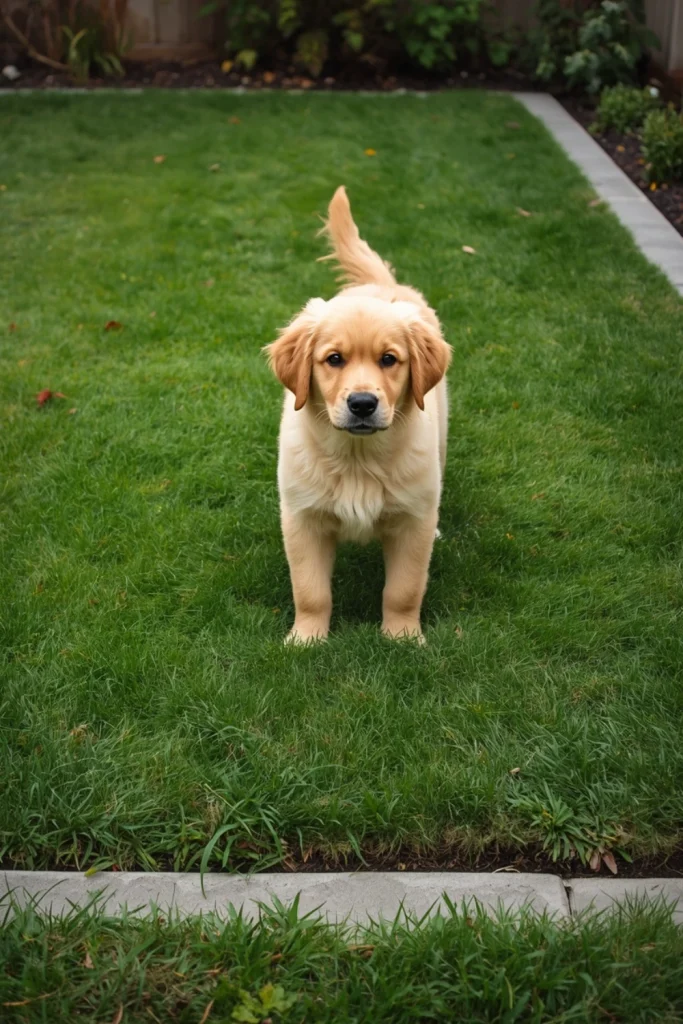
Choosing a consistent potty location helps your puppy understand where bathroom activities should happen. Select a quiet, accessible area with a suitable surface, such as grass or another safe outdoor space. Try to use the same location during each trip, especially during the early stages of training. Familiar smells can help your puppy recognize the area and feel more comfortable using it.
Avoid frequently changing the potty location unless necessary. Make sure the area is clean, safe, and free from hazards such as sharp objects, harmful chemicals, or dangerous plants. If you live in an apartment, choose a suitable outdoor location or a designated indoor potty station. Always supervise your puppy and follow local rules for cleaning up after pets. A consistent location makes bathroom training easier to understand.
Using a Consistent Potty Command
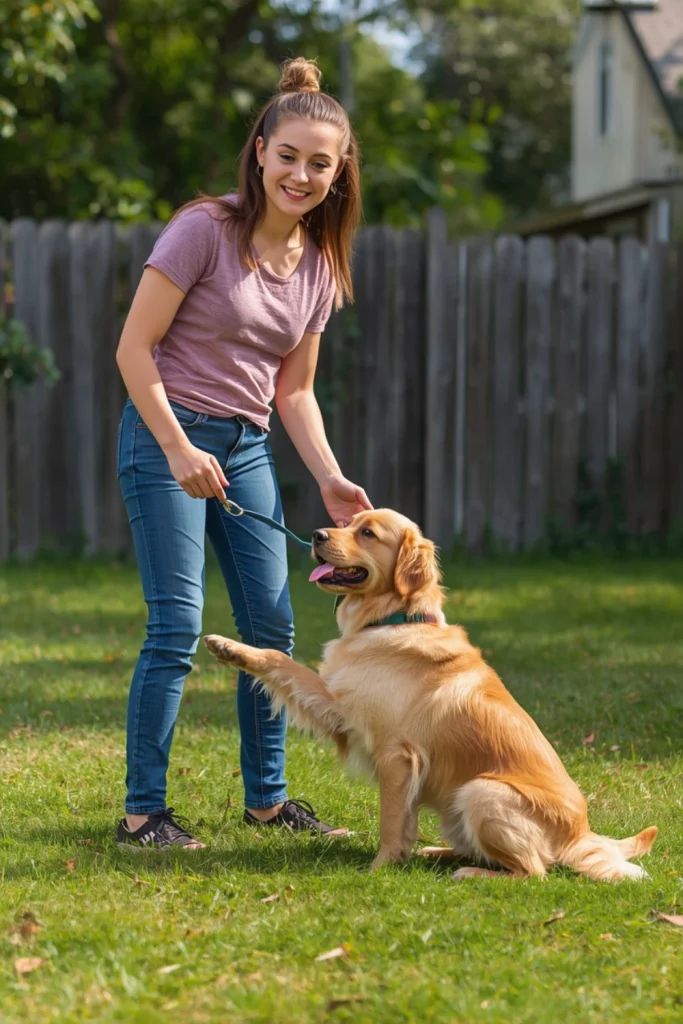
A simple verbal command can help your puppy connect a particular phrase with bathroom time. Choose a short expression such as “Go potty” or “Do your business.” Say it calmly when you arrive at the designated area. Avoid repeating the phrase constantly or shouting because the purpose is to create a clear and positive association rather than make your puppy feel pressured.
When your puppy finishes, immediately offer praise and a small reward. Over time, the puppy may begin connecting the command with the action. Use the same phrase consistently so family members do not confuse the puppy with several different instructions. Remember that the command is a helpful training tool, not a guarantee that your puppy will go immediately every time.
Positive Reinforcement for Successful Potty Training
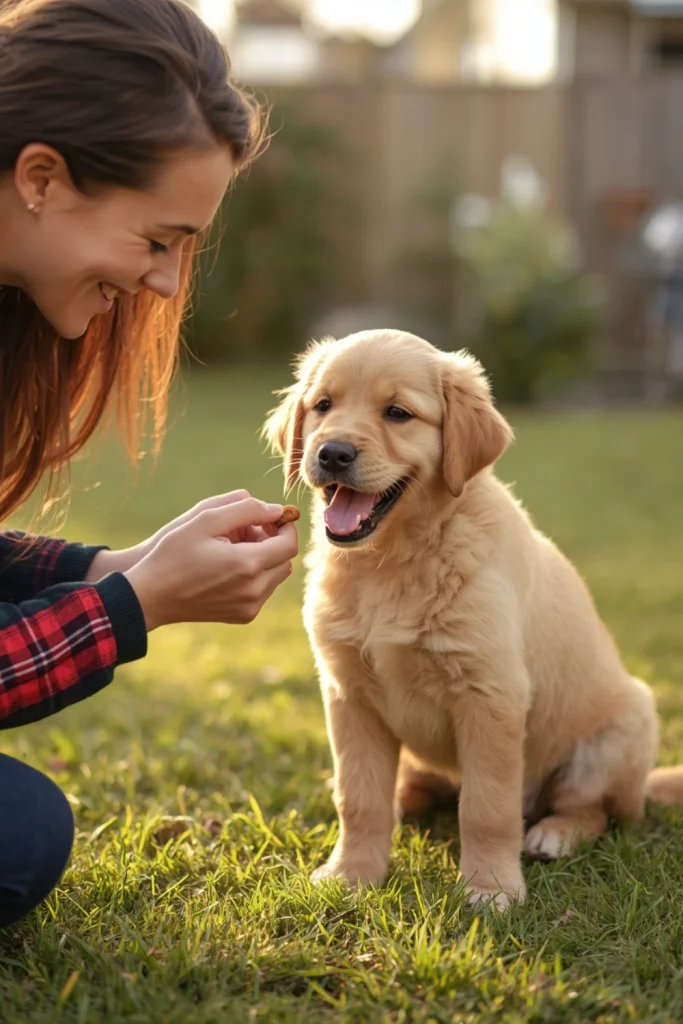
Positive reinforcement means rewarding your puppy for performing the behavior you want to encourage. When your puppy uses the correct potty area, immediately offer gentle praise, a cheerful voice, or a small suitable treat. The reward should come soon after the bathroom behavior so your puppy can connect the positive experience with the correct action.
Avoid punishing your puppy for accidents. Punishment can create fear and may teach a puppy to hide when they need to go. Instead, focus on rewarding successful outdoor trips and preventing accidents through supervision and regular bathroom breaks. Keep rewards small and appropriate for your puppy’s age and diet. A calm, encouraging approach builds trust and makes learning more enjoyable for both you and your dog.
Crate Training and Your Puppy Potty Training Schedule
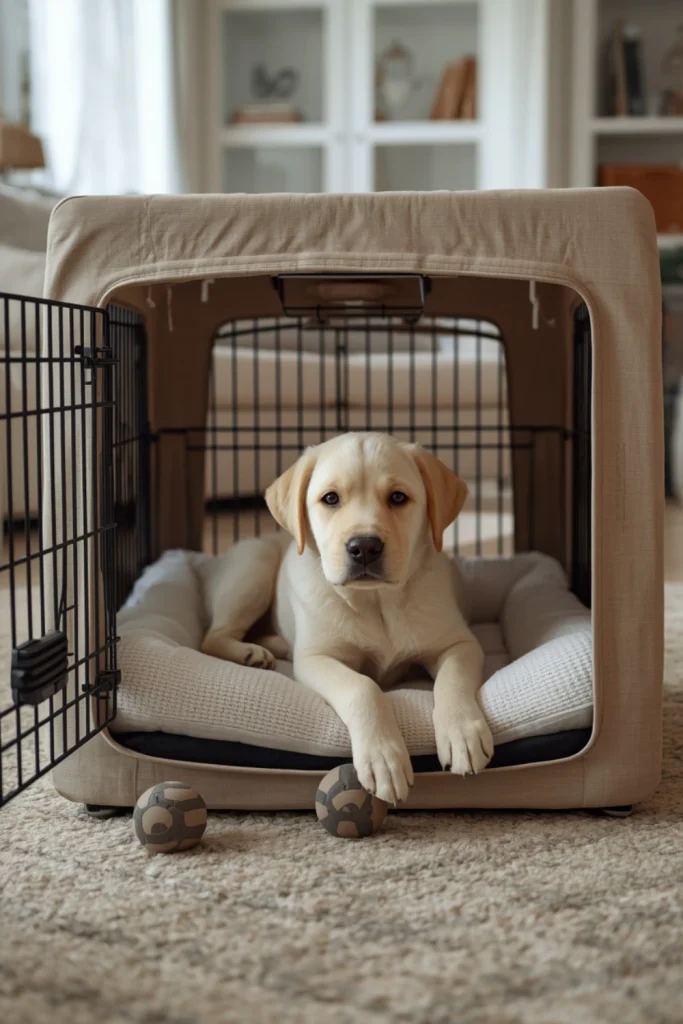
A properly introduced crate can support a potty training routine by giving your puppy a comfortable, safe resting space. Many puppies prefer not to soil their sleeping area, but this instinct is not a substitute for regular bathroom breaks. Choose a crate that allows your puppy to stand, turn around, and lie down comfortably. Make the crate a positive place with suitable bedding and calm introductions.
Take your puppy outside immediately after letting them out of the crate, especially after sleeping. Never use a crate as punishment or leave a young puppy confined longer than they can comfortably manage. If your puppy repeatedly has accidents inside the crate, review the crate size, schedule, and time spent inside. Crate training should support your puppy’s wellbeing rather than become a way to make them hold their bladder too long.
Puppy Potty Training With Puppy Pads
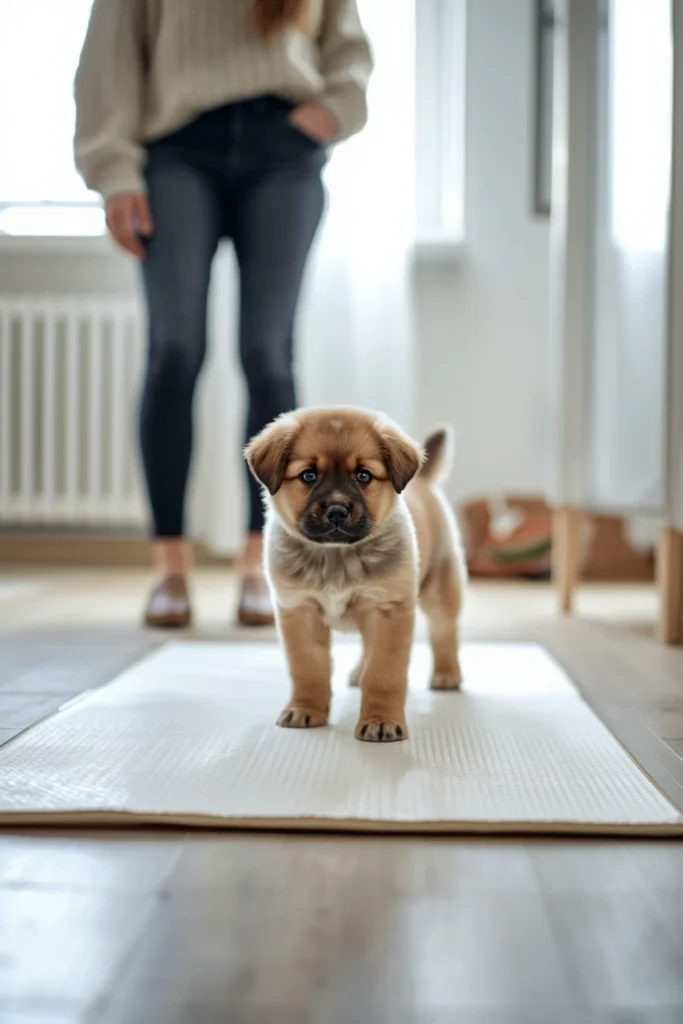
Puppy training pads can be useful in certain situations, especially for apartment residents, owners with limited outdoor access, or puppies that are too young to manage frequent outdoor trips. Place the pad in a consistent, easy-to-reach location away from food and sleeping areas. Take your puppy to the pad after waking, eating, drinking, and playing, and reward them for using it correctly.
If your long-term goal is outdoor potty training, plan how you will transition from pads to an outdoor location. You can gradually move the pad closer to the door or follow another consistent transition method that suits your home. Avoid placing pads in many different rooms because this can make the bathroom rules confusing. Keep the area clean and replace used pads promptly to maintain hygiene.
How Feeding Times Affect Your Puppy’s Potty Schedule
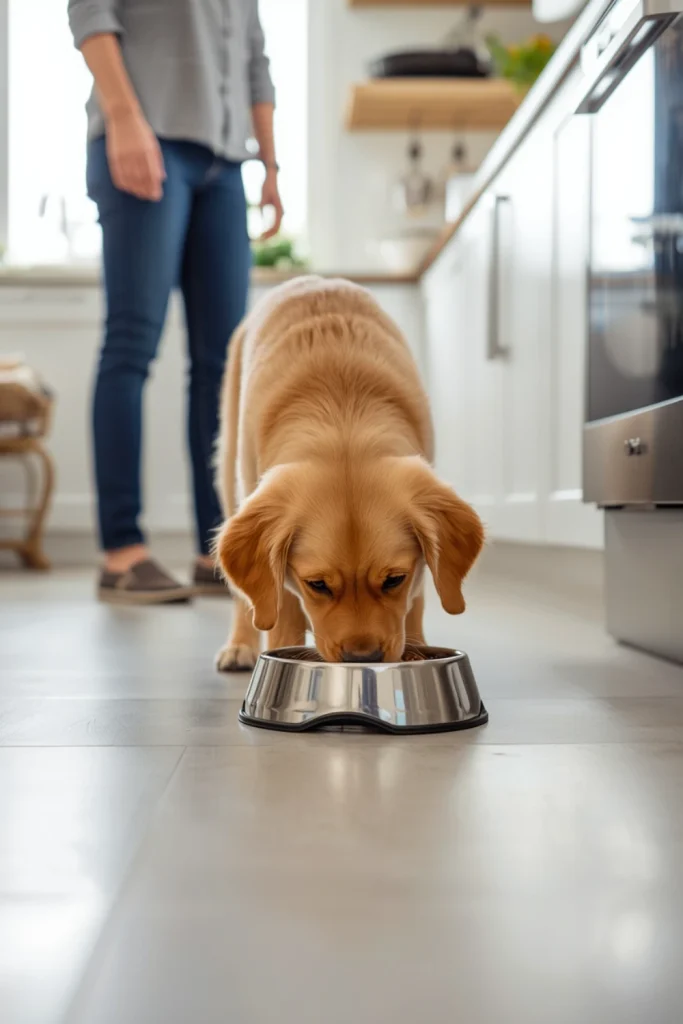
Feeding times can help you predict when your puppy may need to poop. Many puppies develop fairly regular bowel habits when meals are served at consistent times each day. Rather than leaving food available without a routine, follow an age-appropriate feeding plan recommended by your veterinarian or the food manufacturer. Predictable meals can make it easier to observe your puppy’s digestion and plan bathroom breaks.
Take your puppy outside after meals because eating may stimulate bowel activity. The timing is not identical for every dog, so observe how long your puppy usually takes to need the bathroom. Avoid changing food suddenly without a suitable transition, as dietary changes can affect digestion. Provide fresh drinking water throughout the day, and never restrict water simply to reduce accidents without veterinary guidance.
Keeping a Puppy Potty Training Log
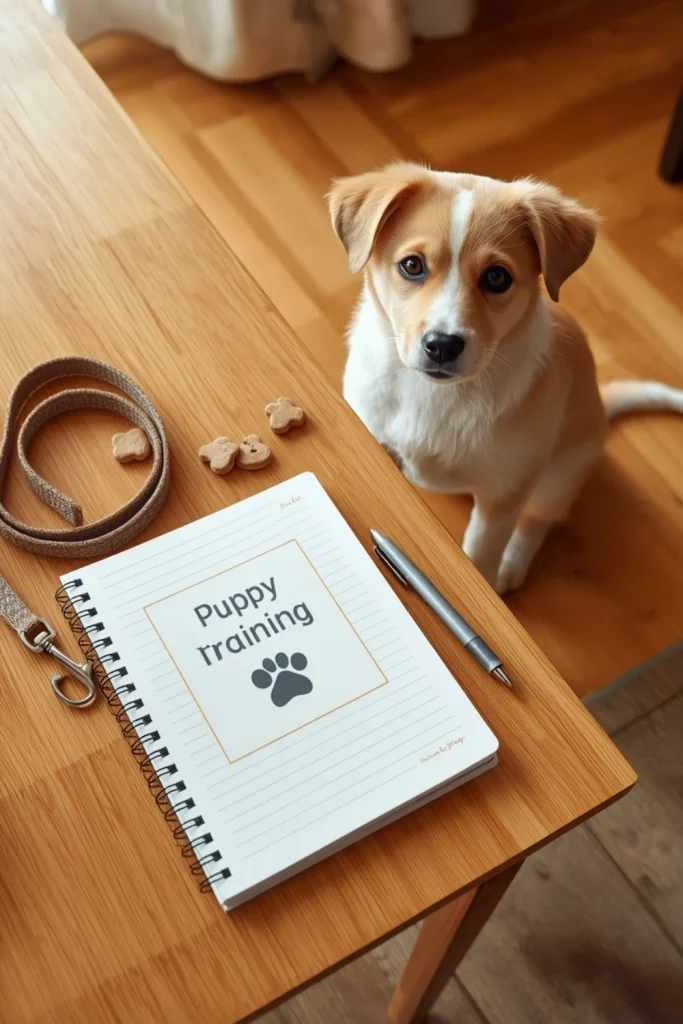
A potty training log is a simple way to understand your puppy’s daily bathroom patterns. Record the time your puppy wakes up, eats, drinks, plays, naps, and successfully goes potty. Also note accidents, including where they happened and what occurred shortly beforehand. After several days, you may notice patterns that help you predict when your puppy needs another bathroom break.
You do not need complicated software or a detailed spreadsheet. A notebook, phone note, or printed chart is enough. Review your notes regularly and adjust the schedule when your puppy’s habits change. A log is particularly useful when several family members share puppy care because everyone can see when the last bathroom trip happened. It also provides helpful information if you need to discuss unusual bathroom habits with a veterinarian.
What to Do When Your Puppy Has an Indoor Accident
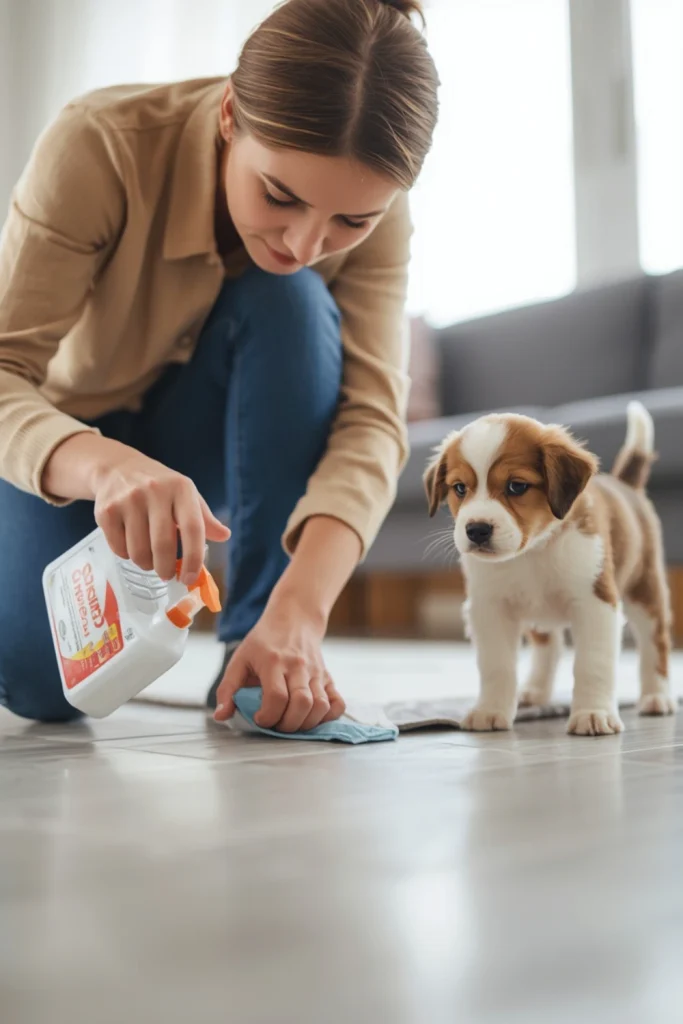
Indoor accidents are a normal part of puppy potty training, especially during the first few weeks. If you catch your puppy starting to go, calmly interrupt with a gentle sound and immediately guide them to the correct potty area. If they finish there, offer praise. If you discover an accident after it has happened, simply clean it without shouting or punishing your puppy.
Use an enzymatic pet cleaner designed to remove urine odors from the affected surface. Ordinary cleaning products may leave behind smells that encourage a puppy to return to the same location. Review the schedule to identify why the accident happened. Perhaps the puppy had been left too long, recently finished playing, or woke from a nap. Adjusting the routine is usually more productive than blaming the puppy.
How to Handle Potty Training When You Work Full-Time
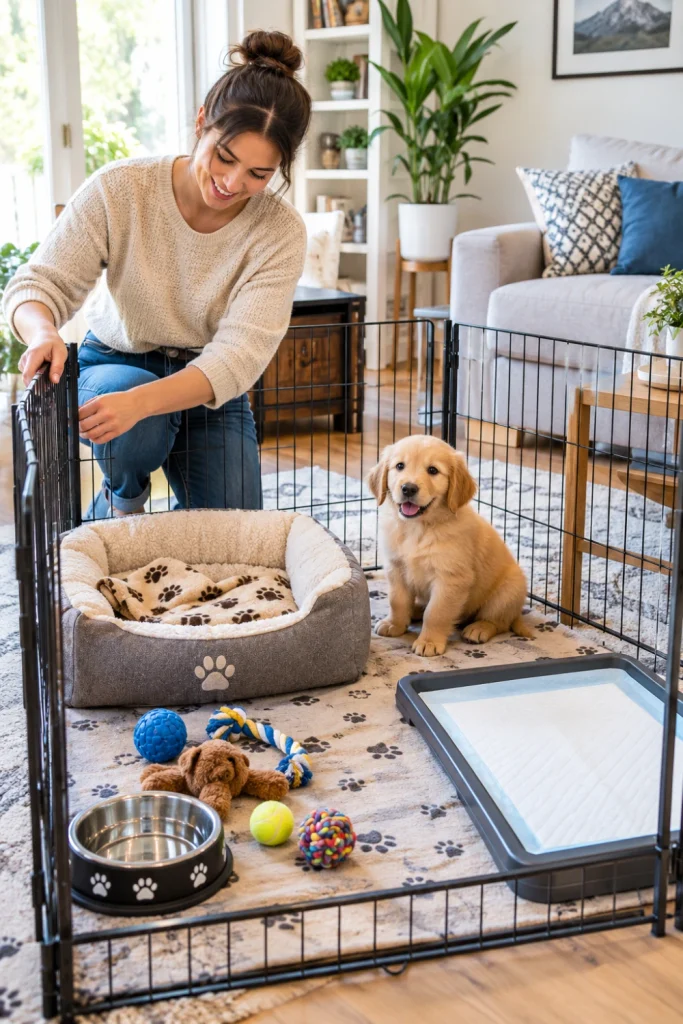
Working full-time does not mean you cannot raise a well-trained puppy, but it does require a realistic care plan. Young puppies need more frequent bathroom opportunities than most work schedules allow. Consider arranging help from a trusted family member, responsible pet sitter, or suitable dog care service. A midday visit can provide a bathroom break, fresh water, companionship, and a chance to check that your puppy is comfortable.
For longer absences, prepare a safe puppy area with enough room to rest, move, and access an appropriate bathroom location if necessary. A playpen may help separate the sleeping area from the designated potty area. Never expect a very young puppy to remain confined for an entire working day without care. Your schedule should meet your puppy’s physical and emotional needs, not simply fit around your work hours.
Adjusting the Schedule for Apartment Living
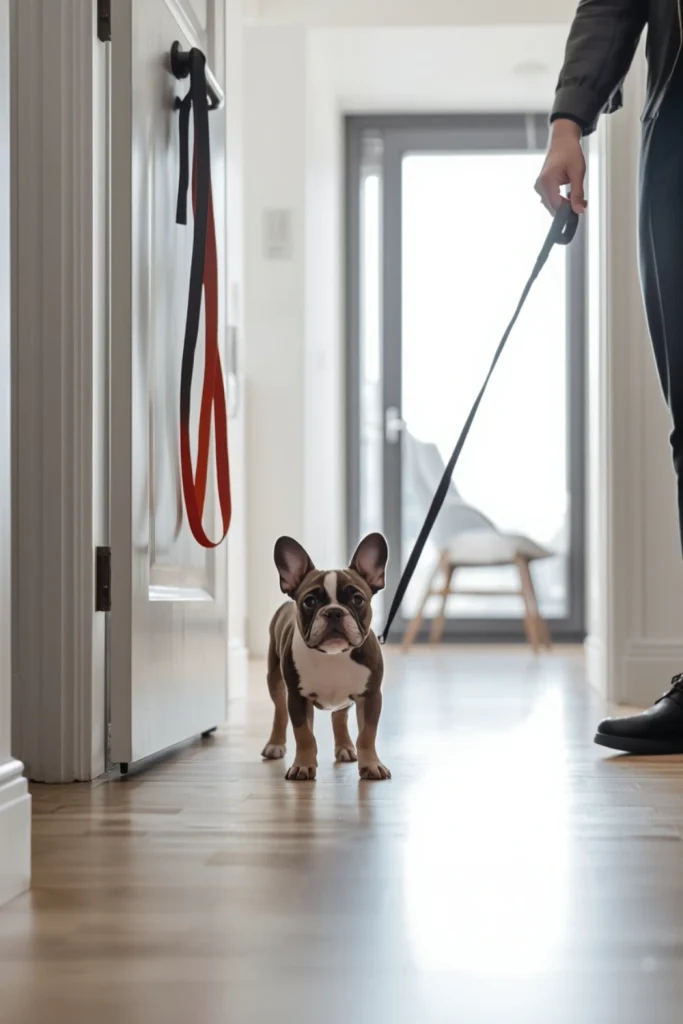
Apartment living can make potty training more complicated because the puppy may need to travel through hallways, use elevators, or go down several flights of stairs before reaching the outdoor bathroom area. Keep a leash near the door and prepare everything in advance so you can leave quickly when your puppy wakes or shows bathroom signals. Choose a nearby, safe, permitted potty location and use it consistently.
If your puppy is very young or outdoor access is difficult, a temporary indoor potty station may be helpful. Keep it in one predictable location and maintain good hygiene. As your puppy becomes more comfortable with outdoor trips, gradually adjust the routine if outdoor potty training is your goal. Be patient when weather, elevator delays, or apartment access make trips take longer than expected.
Potty Training During Bad Weather
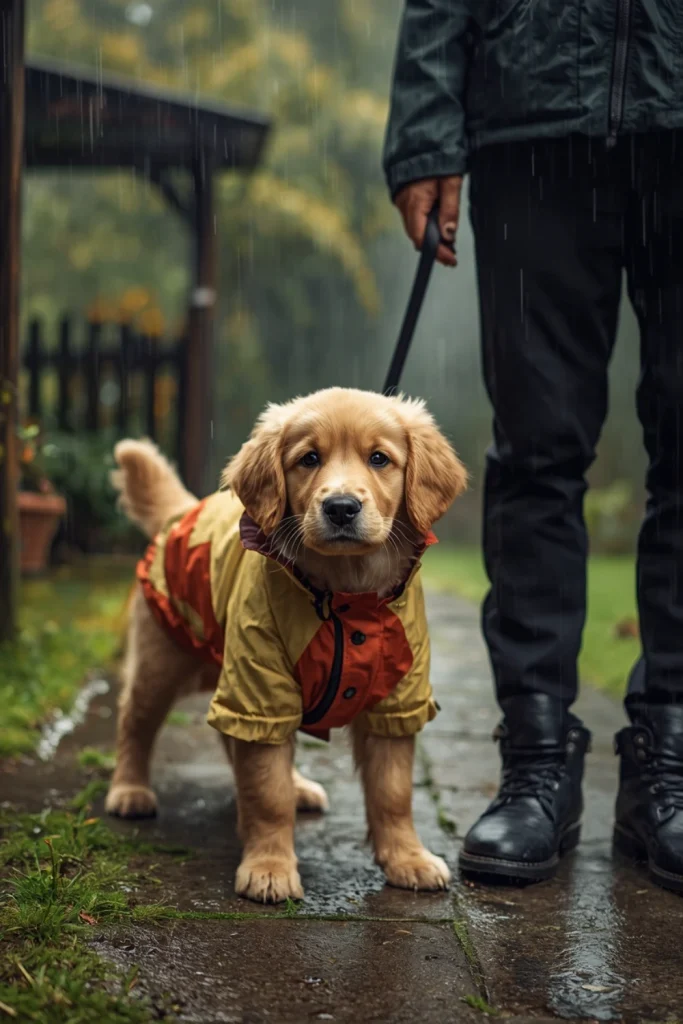
Rain, snow, strong winds, and extreme temperatures can make outdoor potty training more challenging. Some puppies dislike wet grass or cold surfaces and may refuse to go outside. Choose a sheltered, safe potty location when possible and keep outdoor trips short but calm. A suitable puppy coat may help certain dogs in cold weather, but make sure your puppy is comfortable and supervised.
If your puppy refuses to go, return indoors while keeping them closely supervised, then try again after a short interval. Avoid allowing a long play session to replace the bathroom trip. Reward your puppy when they successfully use the outdoor area despite the weather. For dangerous weather conditions, follow a safe indoor potty plan rather than exposing your puppy to uncomfortable or hazardous conditions.
Common Puppy Potty Training Schedule Mistakes to Avoid
One common mistake is waiting too long between bathroom breaks. Puppies cannot always communicate their needs clearly, so owners should offer regular opportunities instead of expecting them to ask every time. Another mistake is changing potty locations or commands too frequently. This can make it harder for a puppy to understand where to go and what behavior is expected.
Punishing accidents, forgetting post-meal breaks, and allowing too much unsupervised freedom can also slow progress. Some owners expect immediate results and become frustrated when their puppy has setbacks. Remember that learning takes time, and every puppy develops at a different pace. Focus on a consistent routine, close supervision, appropriate rewards, and calm cleaning. Avoiding these mistakes creates a clearer learning environment.
How to Know Your Puppy Is Making Potty Training Progress
Progress is not always measured by having zero accidents. A puppy may first begin using the correct potty area more often, then start showing signals before needing to go. You may notice that your puppy follows you toward the door, waits near the usual potty location, or becomes more predictable after meals and naps. These small improvements show that your routine is becoming familiar.
Keep observing your puppy over several weeks rather than judging success by a single day. If accidents become less frequent and your puppy responds well to the routine, you can carefully adjust bathroom intervals. Continue rewarding correct behavior even after improvement. Reliable habits develop through repetition, and occasional accidents do not mean that all previous training has been lost.
When Can You Reduce the Number of Potty Breaks?
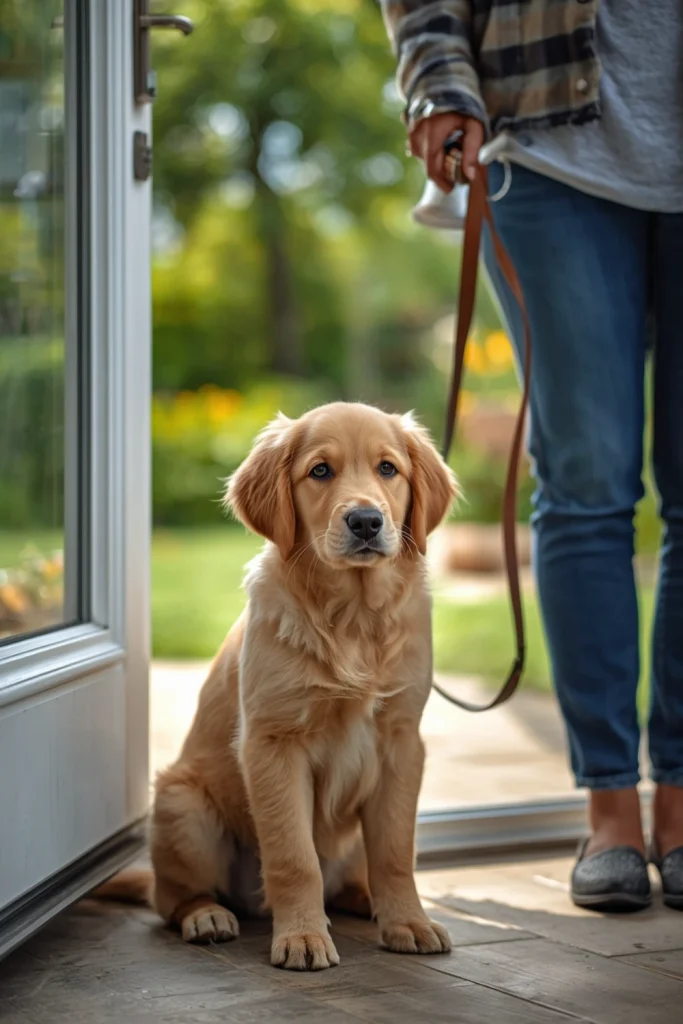
You can gradually reduce potty breaks when your puppy consistently stays dry between scheduled trips and begins showing reliable bathroom habits. Look for patterns over several days rather than making changes after one successful afternoon. If your puppy is comfortable with the current schedule, try extending one interval slightly while continuing to monitor for signals. Do not extend several intervals at once.
If an accident occurs, return to the previous routine and give your puppy more time to develop control. Puppies grow at different rates, and some need more frequent bathroom opportunities than others. The purpose of reducing breaks is to create a practical routine without causing discomfort or setbacks. Even a well-trained young dog should have access to regular bathroom opportunities throughout the day.
What to Do If Your Puppy Suddenly Starts Having Accidents Again
A puppy that was previously doing well may suddenly begin having indoor accidents. Changes in household routines, moving to a new home, visitors, stress, or a change in bathroom access can affect training. In some cases, the puppy may simply need more frequent breaks because their schedule has changed. Review recent events and consider whether something in the daily routine has become different.
However, sudden or repeated changes in urination or bowel habits can also indicate a medical issue. Frequent urination, straining, blood in the urine, diarrhea, pain, excessive thirst, or unusual accidents should be discussed with a veterinarian. Do not assume every setback is a behavioral problem. A veterinary check can help identify health concerns and ensure that your puppy receives appropriate care.
How Family Members Can Follow the Same Potty Training Routine
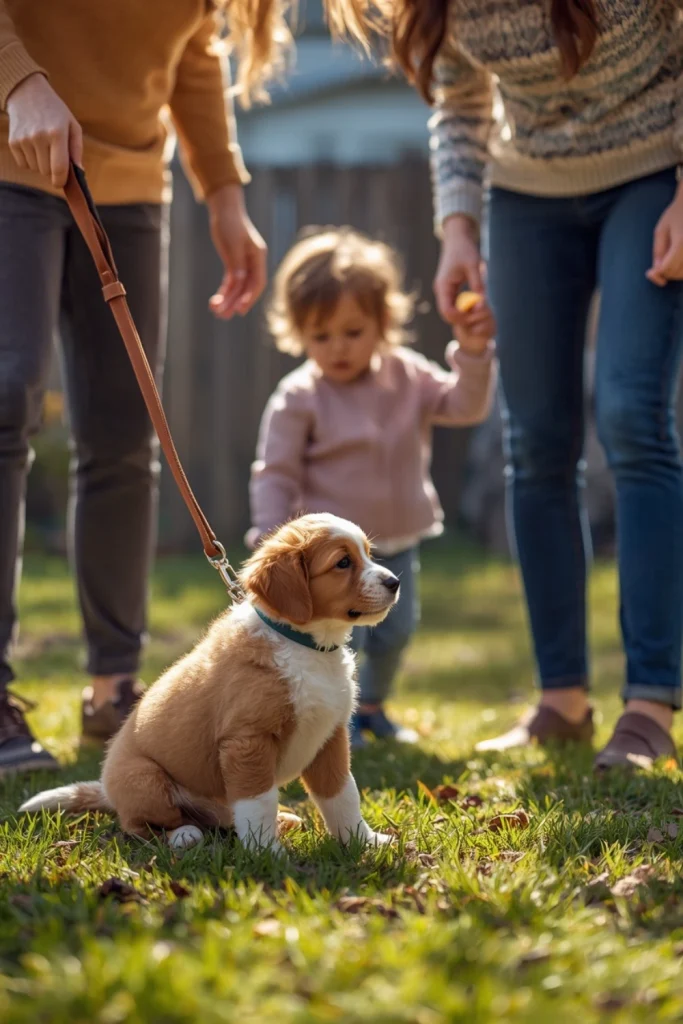
When several people care for a puppy, everyone should follow the same basic potty training plan. Agree on the designated bathroom area, the verbal command, and the reward method. Keep a shared schedule or simple note showing when the puppy last went outside. This prevents two people from assuming someone else has already taken the puppy for a bathroom break.
Children can help with suitable parts of the routine under adult supervision, such as bringing the leash or offering a small reward after a successful trip. Adults should remain responsible for supervision, timing, and cleaning. Avoid giving the puppy different instructions or allowing one family member to punish accidents while another uses positive reinforcement. A consistent approach helps the puppy understand the household rules.
A Complete Sample Daily Puppy Potty Training Schedule
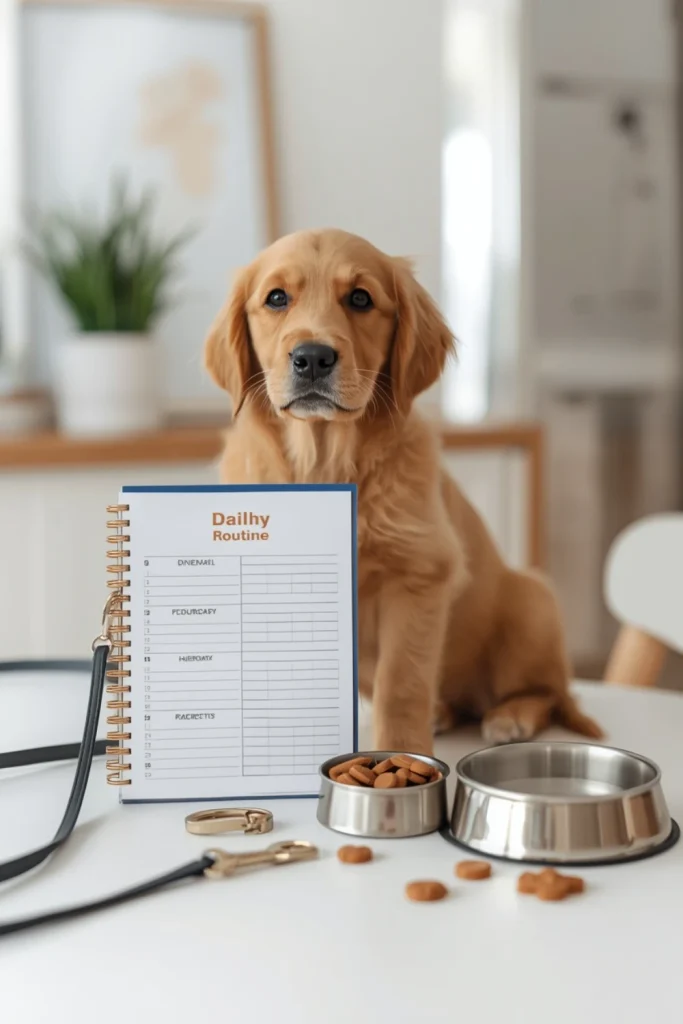
A sample schedule can help new owners organize the day, but remember that your puppy’s age and individual needs should determine the actual timing. The following example is a starting point for a puppy that is ready for a somewhat structured routine. Younger puppies may need additional breaks, including more frequent trips between the listed times. Adjust meals and bedtime according to your veterinarian’s guidance and your household routine.
| Time | Activity |
|---|---|
| 6:30 a.m. | Wake up and immediate potty trip |
| 7:00 a.m. | Breakfast |
| 7:15 a.m. | Potty break after breakfast |
| 8:00 a.m. | Short playtime and another potty opportunity |
| 9:00 a.m. | Potty break |
| 10:00 a.m. | Nap, followed by a potty trip after waking |
| 11:30 a.m. | Potty break and supervised activity |
| 12:00 p.m. | Lunch, if included in the puppy’s feeding plan |
| 12:15 p.m. | Potty break after eating |
| 1:30 p.m. | Nap and potty trip after waking |
| 3:00 p.m. | Potty break and playtime |
| 4:30 p.m. | Another bathroom opportunity |
| 6:00 p.m. | Dinner, according to the feeding plan |
| 6:15 p.m. | Potty break after dinner |
| 7:30 p.m. | Evening play and bathroom trip |
| 9:00 p.m. | Calm activity and potty break |
| 10:00 p.m. | Final potty trip before bedtime |
| Overnight | Additional break if the puppy needs one |
The schedule is flexible, not a strict rule. A very young puppy may need to go outside much more often, while an older puppy may be comfortable with longer intervals. Take your puppy out whenever they wake, finish a meal, drink, or show signs of needing the bathroom. If your puppy is having accidents, increase the number of opportunities instead of expecting them to wait until the next listed time.
Essential Puppy Potty Training Supplies for New Owners
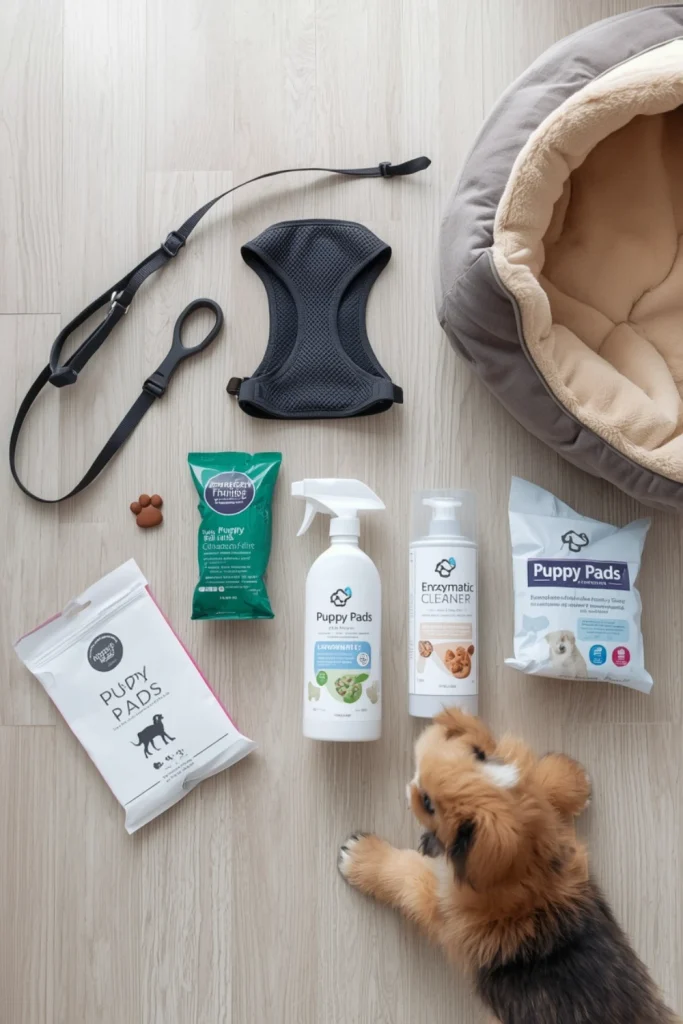
Having the right supplies ready can make daily training easier. A comfortable leash and well-fitted harness help you guide your puppy safely to the designated potty area. Small training treats provide convenient rewards, while an enzymatic cleaner helps remove odors after indoor accidents. You may also find a training log, washable towels, waste bags, and a suitable crate or playpen useful.
You do not need to purchase every available puppy training product. Start with basic items that support your routine and keep your puppy safe and comfortable. Choose cleaning products specifically designed for pet messes, and make sure any toys or accessories are appropriate for your puppy’s size. Store cleaning products and small objects out of reach. A simple, organized setup is usually more useful than a large collection of unnecessary equipment.
Final Thoughts: Build a Potty Training Routine That Works for Your Puppy
A successful Puppy Potty Training Schedule is built through patience, consistency, and understanding your puppy’s individual needs. The first few weeks may involve frequent bathroom trips, cleaning accidents, and adjusting your daily routine. These experiences are a normal part of helping a young dog learn how to live comfortably in a home. Focus on creating positive experiences rather than expecting perfect results immediately.
Start with frequent potty breaks, especially after waking, eating, drinking, playing, and napping. Choose a consistent bathroom location, use a simple verbal command, and reward your puppy when they go in the right place. Keep a record of bathroom habits and make small schedule changes as your puppy grows. If accidents suddenly increase or your puppy shows signs of discomfort, seek veterinary advice.
Most importantly, remember that every puppy learns at a different pace. A calm and predictable routine gives your puppy the opportunity to succeed while building trust between you and your new companion. Stay consistent, celebrate small improvements, and keep making adjustments as your puppy develops. With time and positive training, your puppy can build reliable bathroom habits and become a more confident member of your family.