

15 Common Puppy Training Mistakes and How to Avoid Them
Bringing a new puppy home is an exciting experience filled with adorable moments, playful energy, and plenty of opportunities to create lasting memories. However, training a puppy is not always easy. From toilet training and basic commands to leash walking and socialization, new puppy owners often face challenges while teaching their little companions good habits.
Many of these challenges happen because of simple training mistakes that can easily be avoided. Understanding the Common Puppy Training Mistakes new owners make can help you build a better training routine, prevent unwanted behaviors, and develop a stronger relationship with your puppy. Whether you have just welcomed a young puppy or are preparing to adopt one, these practical tips will help you make the training journey more enjoyable and successful.
1. Starting Puppy Training Too Late
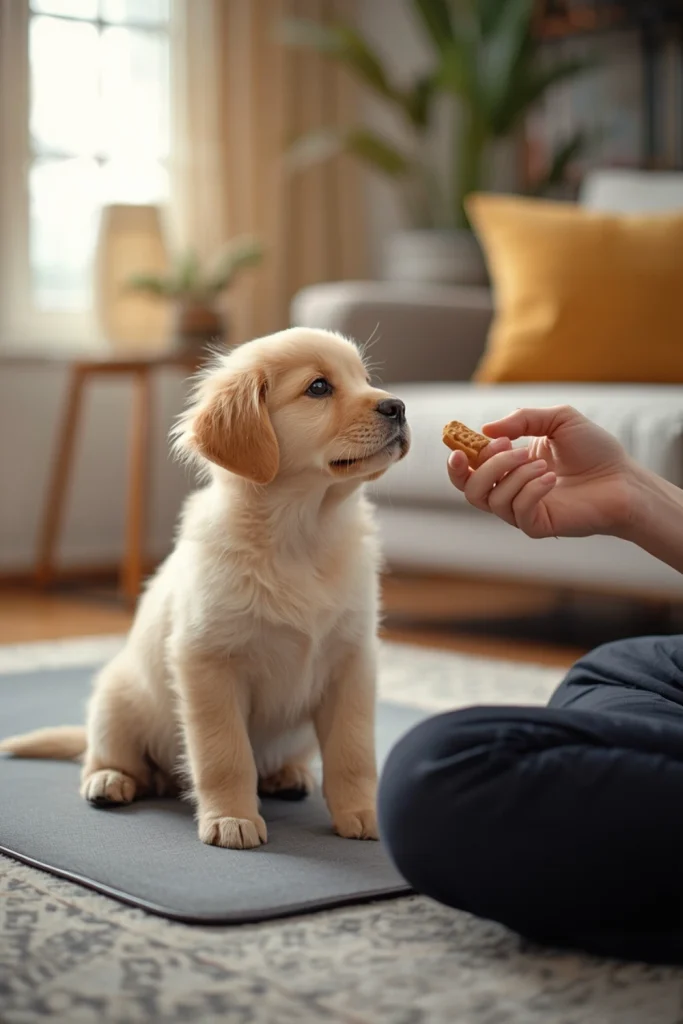
One of the most common puppy training mistakes is waiting too long before introducing basic training. Some owners believe puppies should only start learning when they are several months old. However, puppies can begin learning simple routines and household expectations as soon as they arrive in their new home, provided the activities are suitable for their age and development. Delaying training may allow unwanted habits to become established, making them harder to change later. Simple activities such as responding to their name, following a treat, and becoming comfortable with a sleeping area can be introduced early.
The best way to avoid this mistake is to begin with short, enjoyable training sessions. Start by teaching your puppy its name, rewarding calm behavior, and introducing simple cues such as sit and come. Keep the environment quiet and remove unnecessary distractions while your puppy learns. Do not expect perfect results immediately because young puppies have limited attention spans. Focus on small improvements and repeat lessons regularly. Early training should feel like a fun activity rather than a strict classroom experience. Consistent early guidance helps establish positive habits that can support your puppy throughout its life.
2. Using Inconsistent Commands
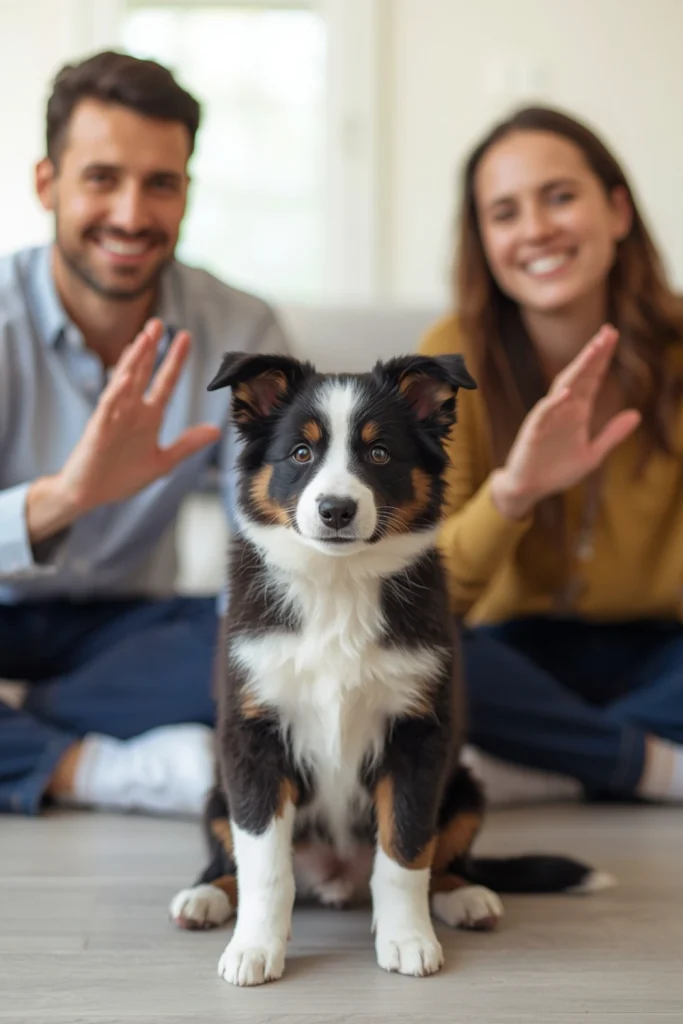
Using different words for the same instruction can make puppy training confusing. For example, one family member might say “come here,” another might say “come on,” and someone else might use the puppy’s name without a clear command. Although these phrases may seem similar to humans, a puppy may not understand that they all mean the same thing. Inconsistent signals can slow down learning and make it difficult for your puppy to recognize what you want. The same problem happens when owners use different hand gestures or body movements for a single command.
To avoid this mistake, choose simple commands and make sure everyone in your household uses the same words and signals. For example, use “sit” whenever you want your puppy to sit and “down” when you want it to lie down. Keep your instructions short and avoid repeating several different phrases at once. You can also write down the commands your family will use and share them with everyone involved in training. Consistency makes communication clearer and helps your puppy understand what each instruction means. Over time, regular practice will make responding to familiar commands easier.
3. Expecting Results Too Quickly
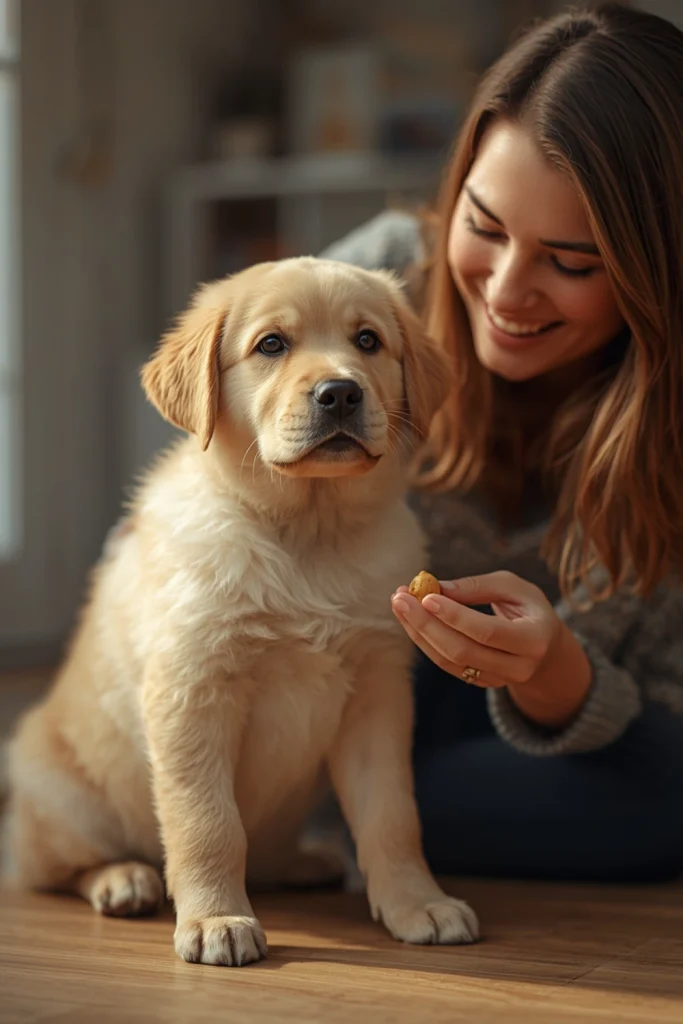
Many new owners expect their puppies to learn commands, toilet habits, and good manners within a few days. When progress is slower than expected, they may become frustrated or assume their puppy is stubborn. In reality, puppies are still developing their ability to focus, understand instructions, and control their behavior. Some puppies learn quickly, while others need more repetition and time. Learning can also vary depending on the environment, distractions, age, and previous experiences. Expecting adult-level behavior from a young puppy is an unrealistic training goal.
The solution is to set small, achievable goals and celebrate gradual improvement. If your puppy is learning to sit, begin by rewarding even a short successful response before expecting it to remain seated for longer. Practice one skill at a time and gradually increase difficulty when your puppy is ready. Avoid comparing your puppy with other dogs because every animal has its own learning pace. Keep a simple record of progress so you can notice improvements that might otherwise go unnoticed. Patience is essential in puppy training, and steady practice is more useful than expecting instant perfection.
4. Using Punishment Instead of Positive Reinforcement
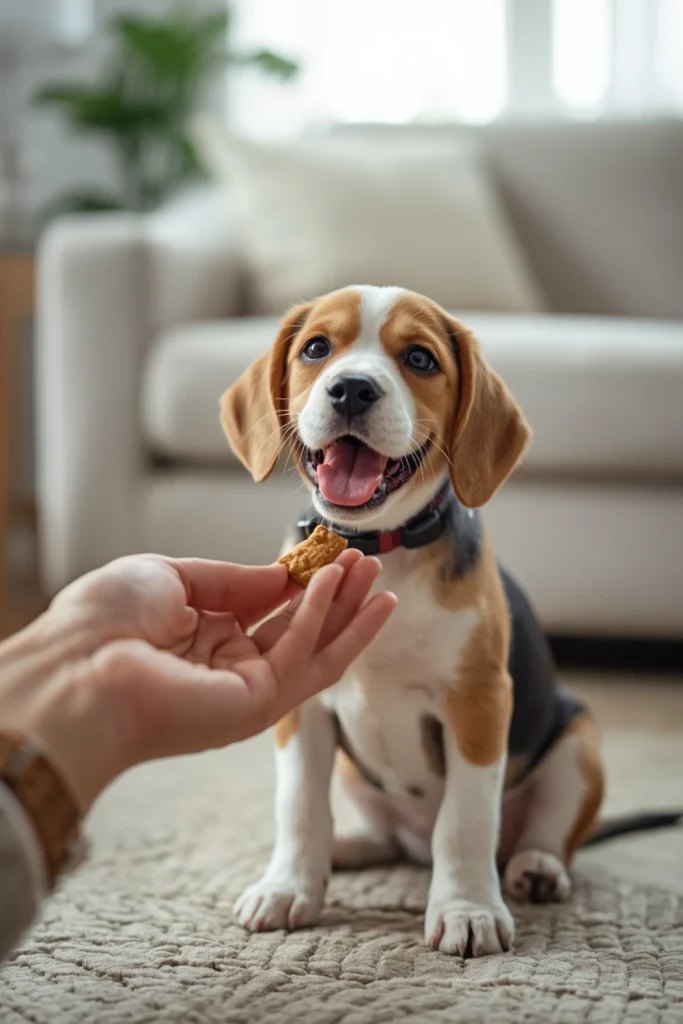
Punishing a puppy for making mistakes is one of the most damaging approaches to early training. Shouting, hitting, frightening, or physically intimidating a puppy can create fear and confusion instead of teaching the behavior you want. A puppy may not understand why its owner is angry, especially if the correction happens after the behavior. Harsh punishment can also damage trust and make a puppy reluctant to approach or interact with people. Training should teach your puppy what to do, not simply make it afraid of doing something wrong.
Positive reinforcement offers a more constructive approach. Reward your puppy with small treats, praise, toys, or affection when it performs a desired behavior. For example, if your puppy sits calmly instead of jumping on a visitor, reward that calm response. If it chews an appropriate toy rather than furniture, praise the choice. Rewards should be given promptly so your puppy can connect the good behavior with the positive result. If a mistake happens, calmly redirect your puppy toward an appropriate activity. This approach encourages learning while helping maintain a trusting relationship.
5. Making Training Sessions Too Long
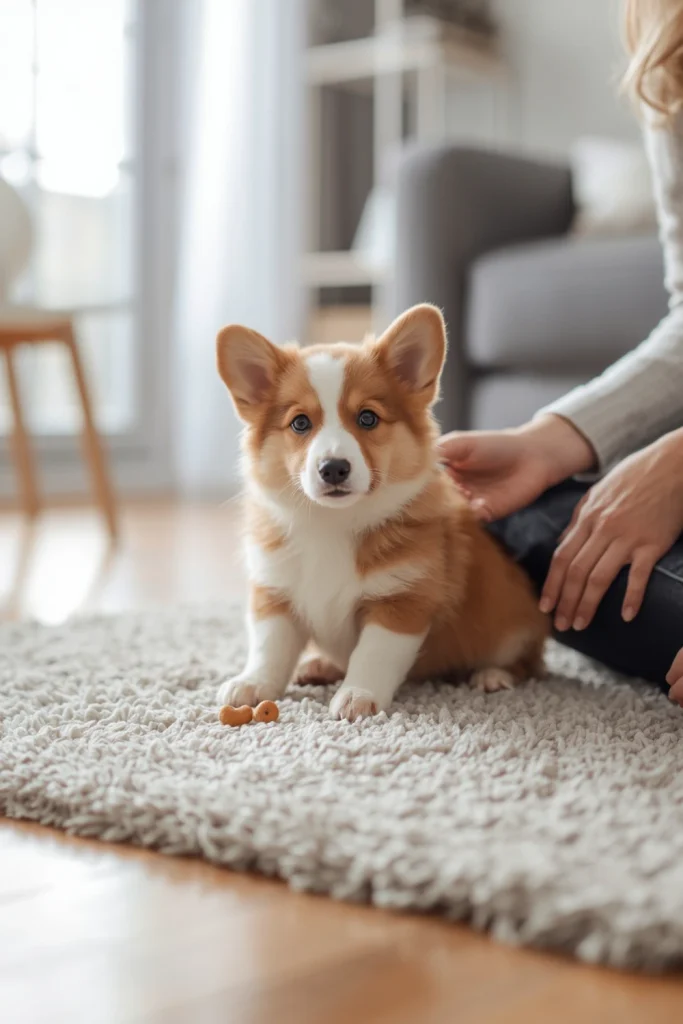
Young puppies have short attention spans, and long training sessions can quickly become tiring or frustrating. Some owners spend too much time repeating commands because they want their puppy to master a skill immediately. However, a puppy that becomes bored or distracted may stop responding, wander away, or begin playing with nearby objects. Long sessions can make training feel like an unpleasant activity instead of an enjoyable experience. They may also make it harder for a puppy to remember what it has learned.
Keep training sessions short, simple, and suitable for your puppy’s age and energy level. A few minutes of focused practice can be more useful than one long session. You can repeat short activities throughout the day, such as practicing a name response before mealtime or working on sit before going outside. Finish with an easy activity your puppy already understands so the session ends positively. If your puppy looks tired, distracted, or uncomfortable, take a break. Short and enjoyable training sessions help maintain interest and make it easier to build a consistent routine.
6. Ignoring Socialization
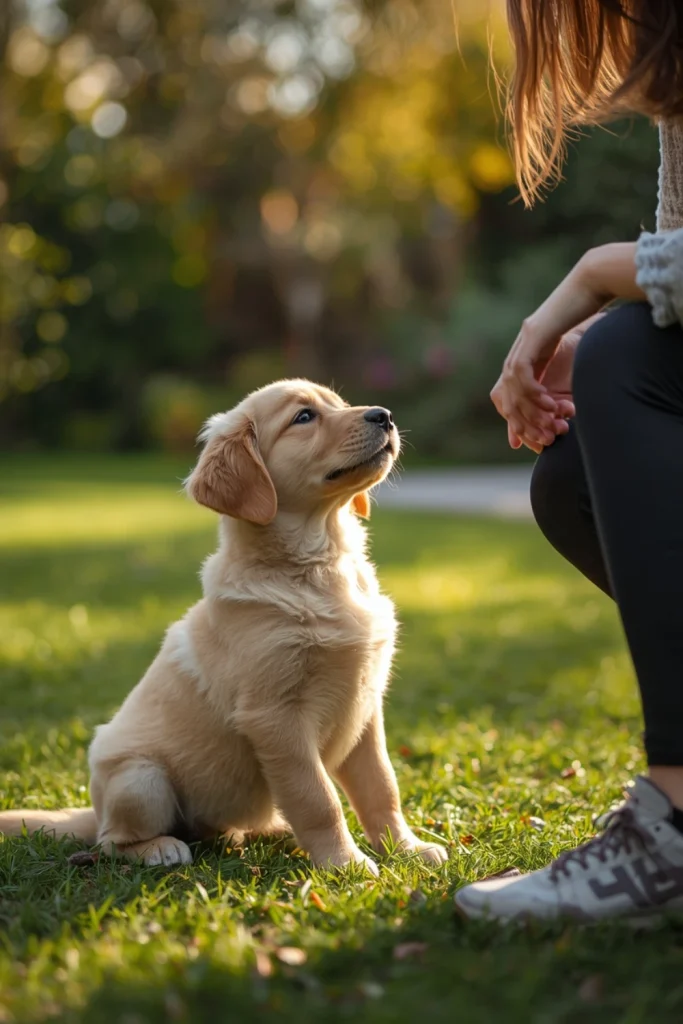
Socialization is an important part of puppy development, but some owners focus only on obedience commands and overlook introducing their puppies to the wider world. A puppy that has limited positive experiences with different people, sounds, surfaces, places, and everyday situations may become uncomfortable when encountering them later. New experiences can include meeting friendly visitors, hearing household noises, walking on different surfaces, or calmly observing traffic from a safe distance. Without thoughtful exposure, ordinary situations may feel unfamiliar or overwhelming.
To avoid this mistake, introduce new experiences gradually and make them positive. Let your puppy explore at its own pace instead of forcing it toward unfamiliar people, animals, or objects. Reward calm curiosity and allow your puppy to move away if it appears frightened. Choose safe, clean environments and follow your veterinarian’s advice about vaccinations and disease exposure before visiting public areas. Puppy socialization classes run by qualified professionals can also provide structured experiences. Remember that socialization is not about making your puppy meet everyone. It is about helping your puppy feel comfortable and confident in different everyday situations.
7. Being Inconsistent With Toilet Training
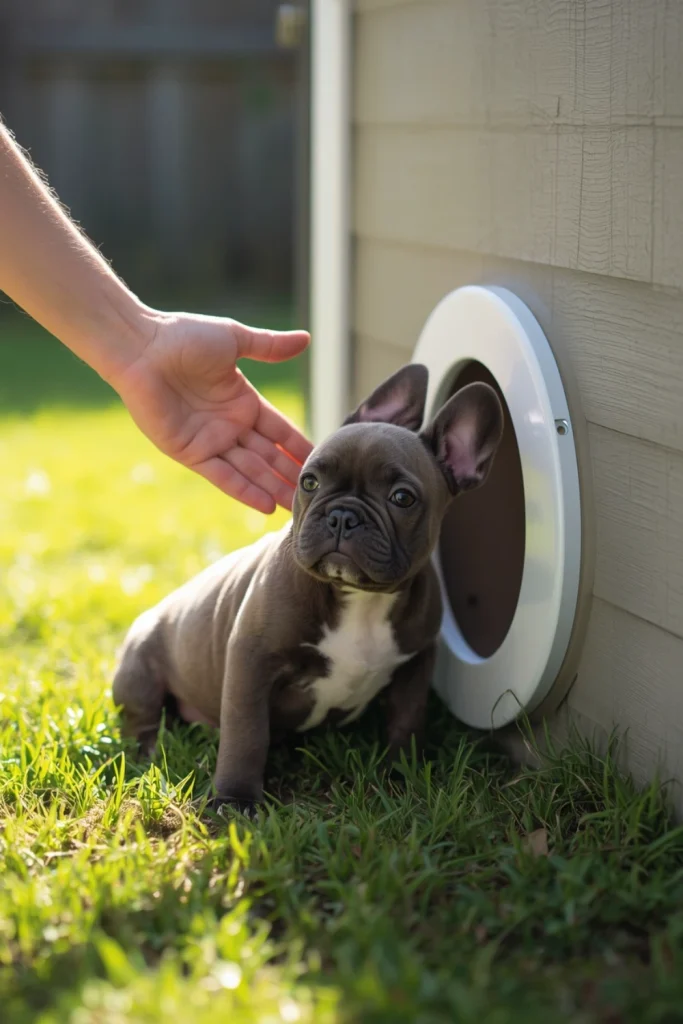
Toilet training can become confusing when owners follow different schedules or allow their puppies to use different indoor areas without clear guidance. For example, taking a puppy outside sometimes but allowing it to toilet on random indoor surfaces at other times can make the expected routine difficult to understand. Puppies also have limited bladder control, particularly when they are very young. If owners do not provide regular opportunities to go outside, accidents are likely to happen. Punishing a puppy for these accidents does not explain where it should go.
Create a predictable toilet routine based on your puppy’s age, meals, sleep, and activity. Take your puppy to the appropriate toilet area after waking up, eating, drinking, playing, and before bedtime. Reward it immediately when it toilets in the correct place. Supervise your puppy indoors and watch for signs such as sniffing, circling, or suddenly moving away from an activity. Clean accidents thoroughly with an appropriate enzymatic cleaner to remove lingering odors. If accidents are unusually frequent or your puppy appears uncomfortable, consult a veterinarian. Consistent supervision and timely outdoor breaks make toilet training easier to manage.
8. Allowing Unwanted Behaviors to Continue
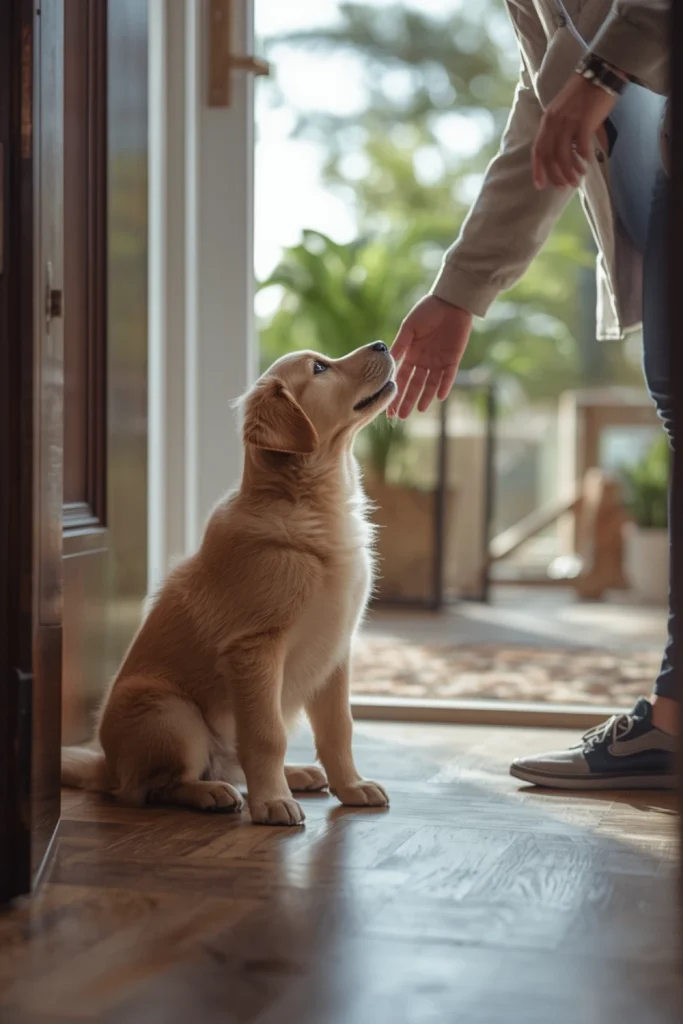
Some puppy owners find behaviors such as jumping, nipping, barking, and chewing adorable when their puppies are very small. However, allowing these behaviors without guidance can create difficulties as the puppy grows. A playful puppy jumping on guests may become a large dog that is difficult to manage. Similarly, allowing a puppy to chew shoes or furniture because it looks cute can make it harder to teach appropriate chewing habits later. Puppies do not automatically know which behaviors are acceptable in a household.
Set clear household rules from the beginning and respond consistently. If you do not want your adult dog jumping on people, encourage your puppy to greet visitors with all four paws on the floor. Provide suitable chew toys and calmly redirect your puppy when it chooses an inappropriate object. Reward calm greetings, quiet behavior, and gentle play. Make sure every family member follows the same rules so your puppy receives consistent guidance. Avoid treating unwanted behavior as a joke one day and correcting it the next. Teaching good habits early helps prevent confusion and creates a more manageable adult dog.
9. Not Providing Enough Mental Stimulation
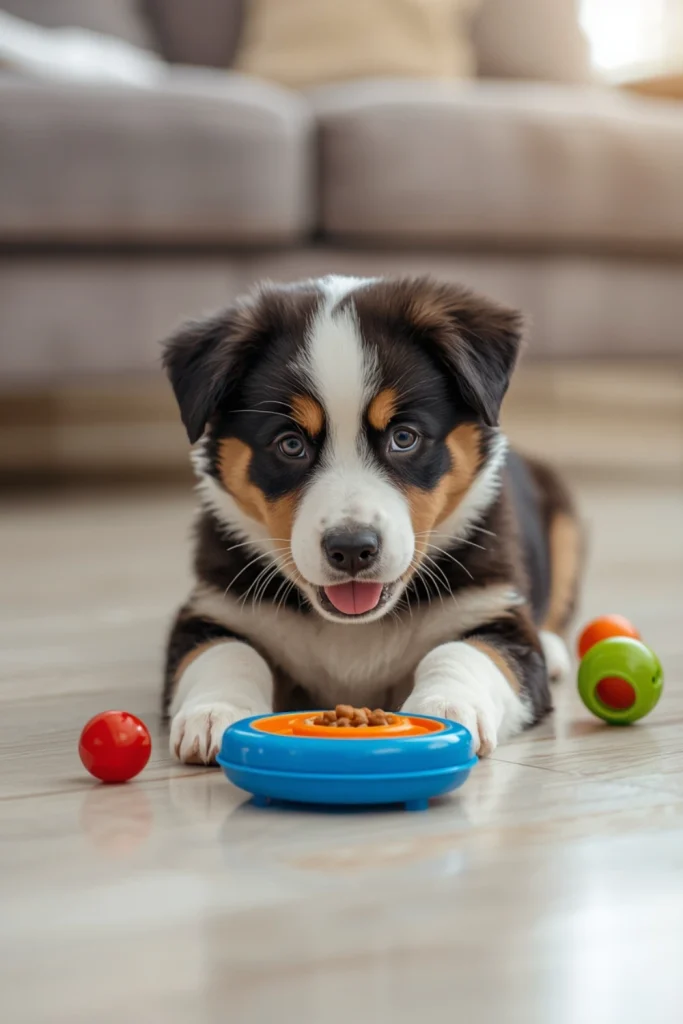
Puppies need more than food, water, sleep, and physical exercise. Their developing minds also need opportunities to explore, solve simple problems, and interact with their surroundings. When puppies become bored, they may look for their own entertainment by chewing furniture, digging, barking, or stealing household objects. Some owners assume that a tired puppy only needs a longer walk, but mental activities can also help provide healthy stimulation. Without suitable enrichment, a puppy may struggle to settle or remain interested in everyday activities.
Include simple mental enrichment in your puppy’s daily routine. Use supervised food puzzles, treat-search games, short training exercises, and safe interactive toys suitable for your puppy’s age and chewing habits. You can hide a few pieces of kibble in an easy-to-find location and encourage your puppy to search for them. Teaching simple tricks also provides mental engagement while strengthening communication. Introduce activities gradually and supervise your puppy to prevent swallowing small parts. Balance mental stimulation with enough rest because puppies need plenty of sleep. A combination of play, learning, rest, and exploration supports healthy development.
10. Neglecting Leash Training
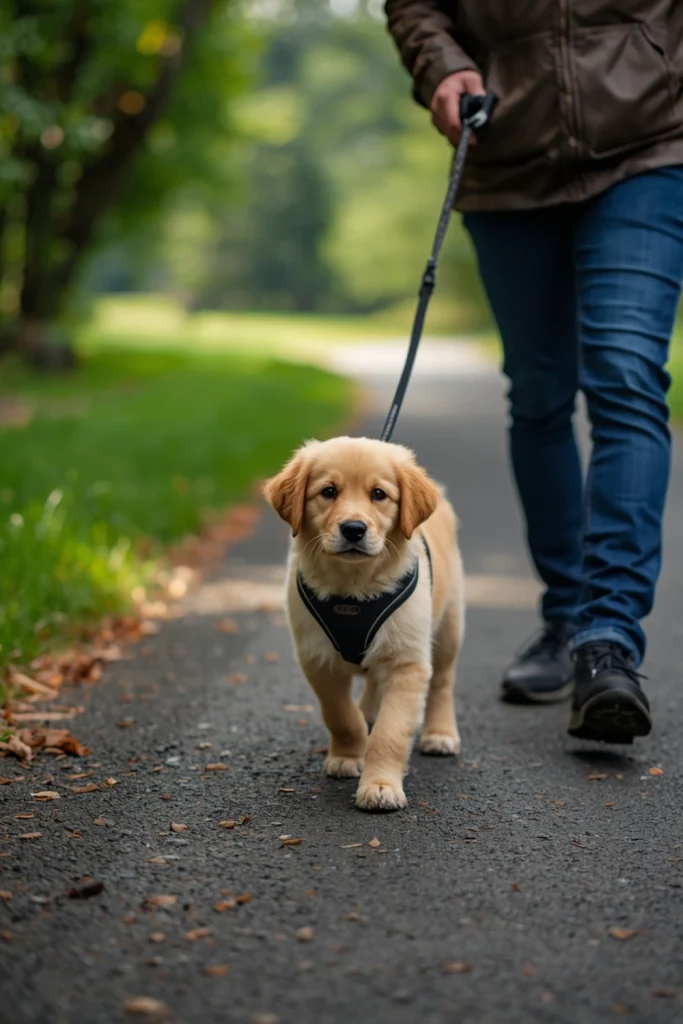
Many puppies become excited when they first wear a collar or harness and walk outside. They may pull toward interesting smells, jump at moving objects, or stop frequently to explore. Some owners allow pulling because the puppy is small and easy to control. However, as the dog grows, pulling can become more difficult to manage and may make walks stressful. Other owners may drag their puppies forward when they refuse to move, which can make the experience frightening. Leash training requires gradual practice rather than expecting a puppy to walk perfectly from the beginning.
Start by allowing your puppy to become comfortable wearing a properly fitted collar or harness indoors. Reward calm behavior and practice walking a few steps in a quiet area. When your puppy walks beside you with a loose leash, offer praise and an appropriate reward. If the leash becomes tight, pause and encourage your puppy to return your way rather than pulling it along. Keep early walks short and choose quiet environments with fewer distractions. Make sure the equipment fits correctly and never use leash pressure that causes pain or fear. Gradual practice helps create more relaxed walks as your puppy grows.
11. Forgetting to Reward Good Behavior
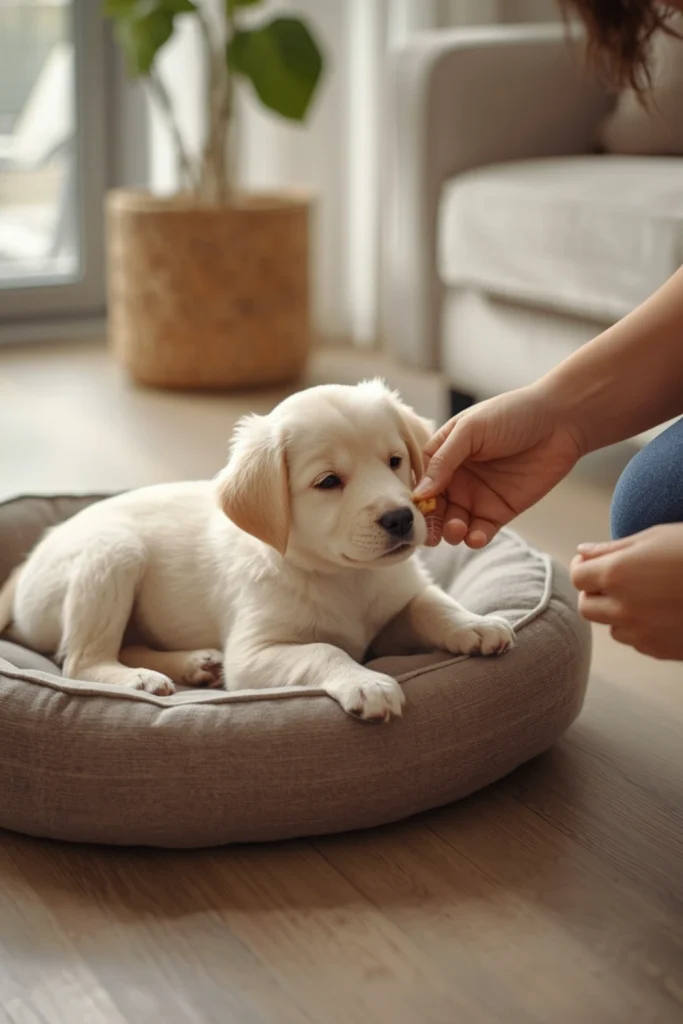
Many owners pay attention to their puppies mainly when they do something wrong. They may quickly react to barking, jumping, or chewing but overlook moments when the puppy is behaving calmly. This can unintentionally reduce opportunities for the puppy to learn which behaviors are desirable. Puppies benefit from clear feedback, and rewards help them understand which actions are worth repeating. If good behavior is ignored every time, the puppy may receive less guidance about how to behave appropriately around people and inside the home.
Make a habit of noticing and rewarding positive behavior throughout the day. Praise your puppy when it settles quietly, waits patiently, approaches you when called, or chooses a toy instead of a shoe. Rewards do not always need to be food. Gentle praise, play, attention, or access to a favorite activity can also be meaningful. Give the reward as soon as possible after the desired behavior so your puppy can make the connection. You can also reward calm moments when nothing exciting is happening. Recognizing good behavior helps make training a natural part of everyday life rather than something that only happens during formal sessions.
12. Giving Too Much Freedom Too Soon
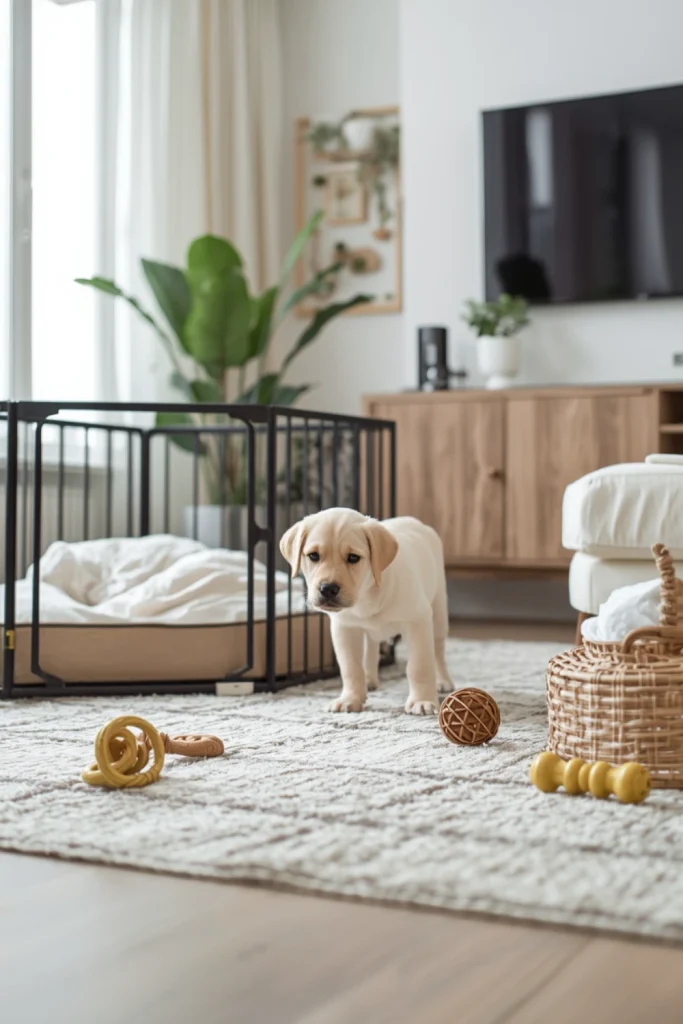
Puppies are naturally curious and enjoy exploring their surroundings. However, giving a young puppy unrestricted access to the entire house before it understands household rules can lead to accidents and unwanted behavior. It may chew electrical cables, explore rubbish bins, damage furniture, or have toilet accidents in hidden corners. Some owners assume that their puppy will behave responsibly without enough supervision. Unfortunately, puppies are still learning how to interact safely with their environment and need appropriate boundaries.
Begin by creating a comfortable, puppy-safe area where your dog can relax and play under suitable supervision. Use pet gates, a playpen, or a properly introduced crate to manage access when appropriate. Remove dangerous objects, secure cables, and keep household chemicals and small items out of reach. Gradually allow access to additional rooms as your puppy demonstrates reliable habits. A crate should never be used as punishment, and your puppy should not be left confined for excessive periods. Supervision and safe boundaries help prevent accidents while giving your puppy opportunities to learn household expectations.
13. Ignoring Your Puppy’s Body Language

Puppies communicate through more than barking and whining. Their body language can reveal when they feel relaxed, excited, uncomfortable, frightened, or overwhelmed. Some owners ignore signs such as turning away, hiding, freezing, lip licking, yawning, or trying to move away from a situation. They may continue training or encourage interaction even when their puppy needs a break. Ignoring these signals can make unfamiliar experiences more stressful and may reduce the puppy’s confidence. Understanding body language helps owners recognize when a puppy is ready to learn and when it needs space.
Observe your puppy during training, play, grooming, and social interactions. A relaxed puppy may have a loose body, natural movements, and an interest in its surroundings. A puppy that repeatedly avoids contact, hides, freezes, or appears tense may need more distance or a quieter environment. Do not force interaction with unfamiliar people or animals. Pause the activity and give your puppy a chance to settle. If concerning behavior continues or suddenly changes, seek advice from a veterinarian or qualified positive-reinforcement trainer. Respecting body language helps create safer interactions and makes training more comfortable.
14. Neglecting Basic Handling and Grooming Practice
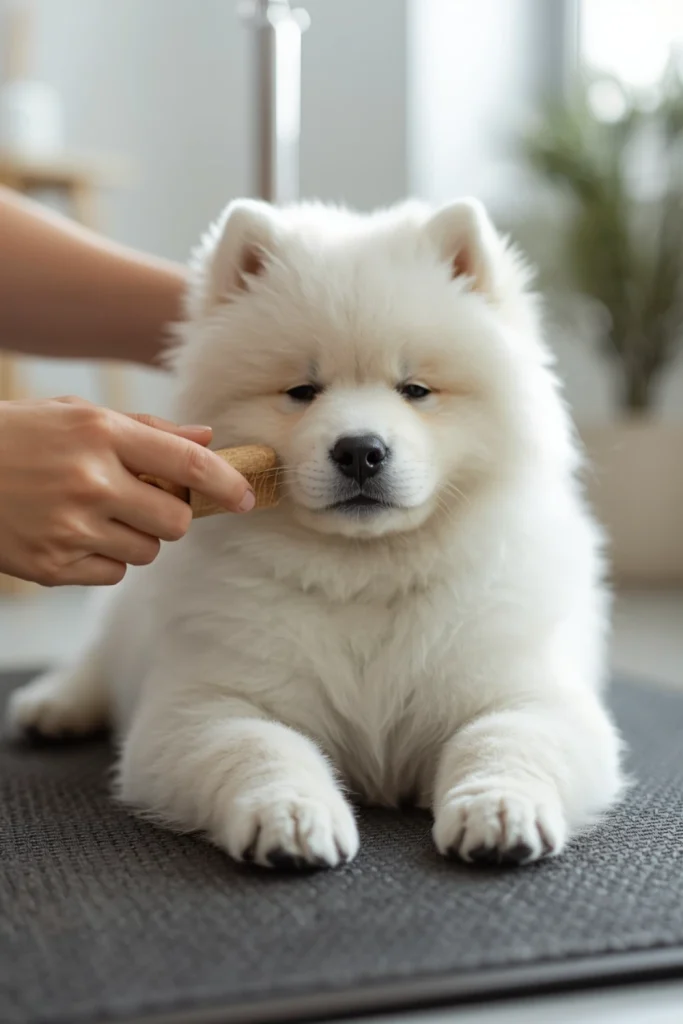
Some owners concentrate on commands and toilet training but forget to help their puppies become comfortable with everyday handling. Activities such as checking paws, brushing fur, looking at ears, cleaning around the eyes, and examining teeth are part of regular care. If a puppy is not gradually introduced to these experiences, grooming and veterinary visits may become stressful. A puppy that pulls away whenever someone touches its paws may make nail care more challenging later. Forcing handling can also create negative associations.
Introduce handling slowly and pair each small step with rewards. Begin by briefly touching your puppy’s shoulder or paw, then offer praise or a treat. Gradually build up to gentle brushing, looking at ears, and other necessary care activities. Keep sessions short and stop if your puppy appears uncomfortable. Use suitable grooming tools and ask a veterinarian or professional groomer to demonstrate safe techniques when needed. Regular positive handling practice can help your puppy become more comfortable with everyday care. The goal is not to force your puppy to tolerate everything immediately, but to build confidence through gentle and predictable experiences.
15. Not Being Consistent With the Whole Family
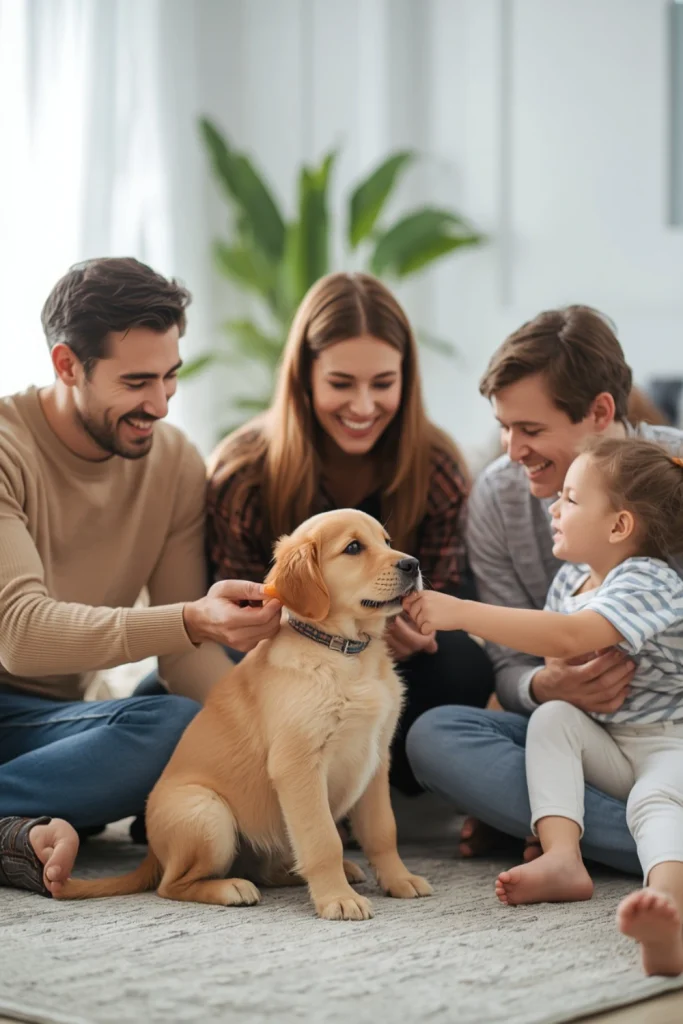
A puppy can become confused when different family members follow different training rules. One person may allow the puppy on the sofa, while another tells it to stay on the floor. A child may encourage playful biting, while an adult tries to teach gentle behavior. Some family members may reward barking for attention, while others expect the puppy to remain quiet. These mixed messages can slow down learning because the puppy receives different responses to the same behavior. Consistent training is especially important in households where several people interact with the dog every day.
Create a simple family training plan that everyone can follow. Agree on command words, household boundaries, toilet routines, feeding rules, and suitable play activities. Teach children how to interact safely with the puppy, and always supervise their interactions. Each family member should reward the same positive behaviors and respond calmly to unwanted ones. Keep treats and appropriate toys available so everyone can reinforce good habits. If possible, have one adult coordinate the main training routine and share progress with the household. When everyone follows the same approach, your puppy receives clearer guidance and has a better chance of developing reliable habits.
Final Thoughts
Avoiding Common Puppy Training Mistakes can make a major difference in your puppy’s learning experience. Starting early, using consistent commands, rewarding good behavior, and providing regular opportunities to practice can help establish healthy habits. Remember that puppies are still discovering the world, so they need patient guidance rather than unrealistic expectations or harsh corrections.
The most successful training routine is one that fits your puppy’s individual needs and develops gradually over time. Keep sessions short, provide plenty of rest, introduce new experiences carefully, and involve everyone in the household. Most importantly, enjoy the process of learning together. With consistency, kindness, and positive reinforcement, you can help your puppy become a confident and well-mannered companion.