

20 Dog Enrichment Activities for a Happier Pup
Every dog needs more than food, water, and daily walks to live a happy and healthy life. Dogs are naturally curious animals who love exploring, sniffing, learning, playing, and solving problems. Without enough mental and physical stimulation, they may become bored, restless, anxious, or develop unwanted behaviors. The good news is that you don’t need expensive toys or complicated training equipment to keep your furry friend entertained.
Dog enrichment activities are simple and enjoyable ways to challenge your dog’s mind, encourage natural instincts, and make everyday life more exciting. From interactive puzzle games and scent activities to homemade toys and outdoor adventures, there are plenty of creative ways to keep your pup busy. In this guide, you’ll discover 20 easy dog enrichment activities that can help your dog stay mentally stimulated, physically active, and emotionally satisfied.
1. Hide-and-Seek Treat Game
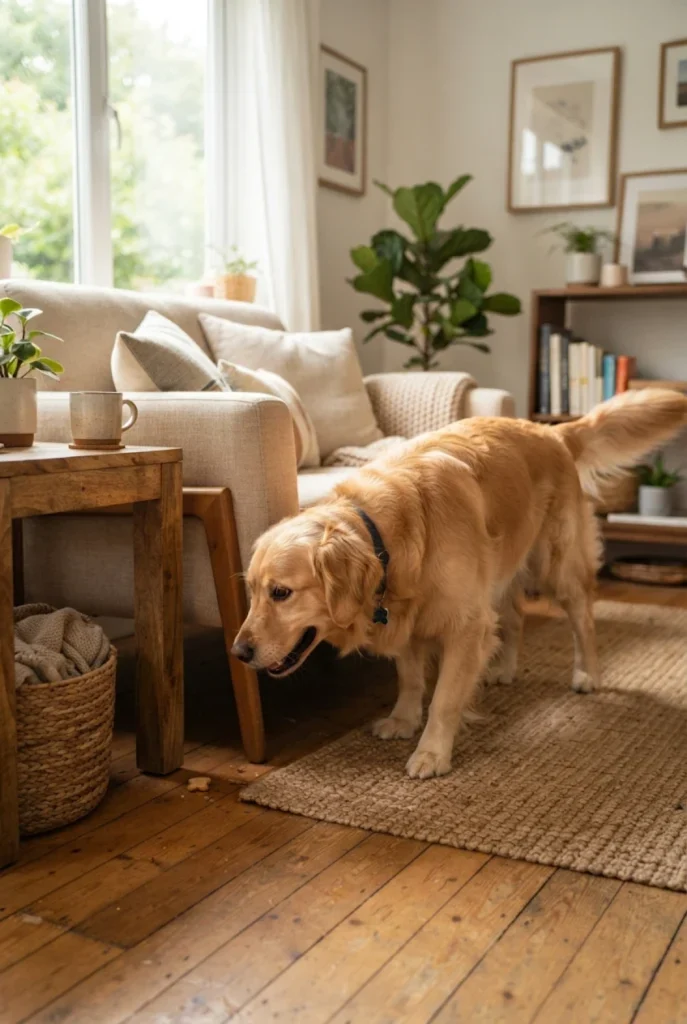
Hide-and-seek with treats is one of the easiest dog enrichment activities you can introduce at home. Start by asking your dog to wait in another room or have someone gently hold them. Place a few small, dog-safe treats in easy-to-find locations around the room. Release your dog and encourage them to search using their nose. As they become more confident, you can hide treats behind furniture, under accessible objects, or inside open cardboard boxes.
This activity encourages natural sniffing and searching behaviors while giving your dog an enjoyable mental challenge. Begin with simple hiding places so your pup can experience success and gradually increase the difficulty. Keep the treats away from dangerous objects, electrical cables, and places your dog cannot safely reach. Always supervise the game and reward your dog with praise when they discover each hidden treat.
2. DIY Snuffle Mat Activity
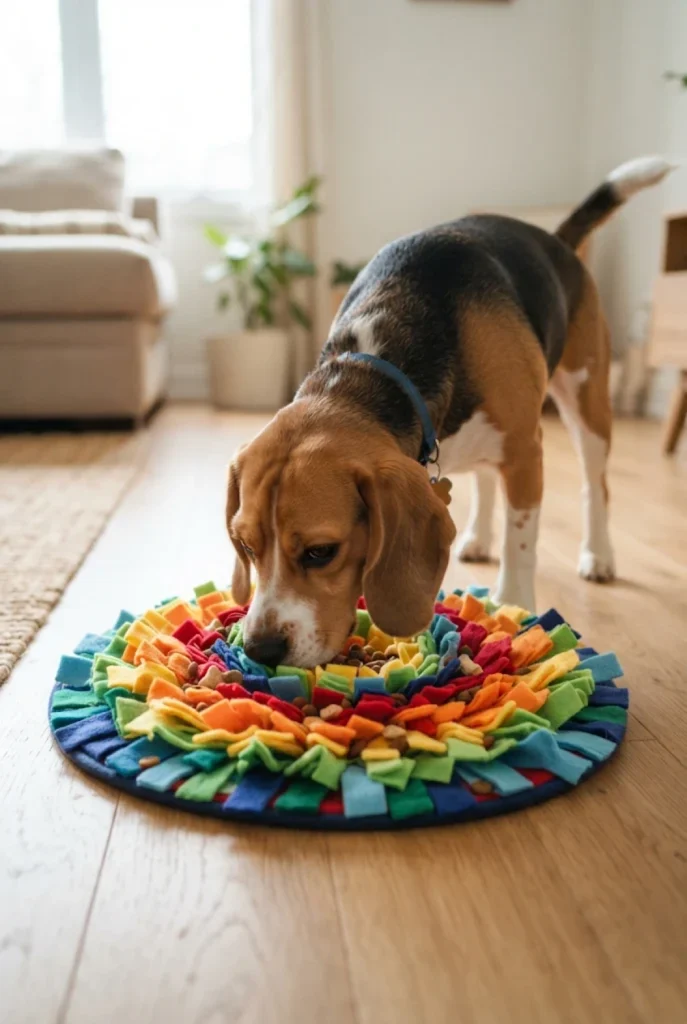
A snuffle mat is a wonderful enrichment tool that allows dogs to use their powerful sense of smell. It usually contains multiple fabric strips or pockets where you can hide small pieces of dry dog food or treats. Spread the mat on the floor and encourage your dog to sniff through the fabric to discover the hidden rewards. This simple activity turns ordinary mealtime into an interesting searching game.
You can purchase a snuffle mat or make a homemade version using pet-safe fleece and a suitable base. Start by placing treats near the surface so your dog understands how the game works. Gradually hide food deeper within the fabric to increase the challenge. Always supervise your dog to prevent chewing or swallowing pieces of the mat. Wash the mat regularly to maintain cleanliness and prevent food buildup.
3. Interactive Puzzle Feeder Games
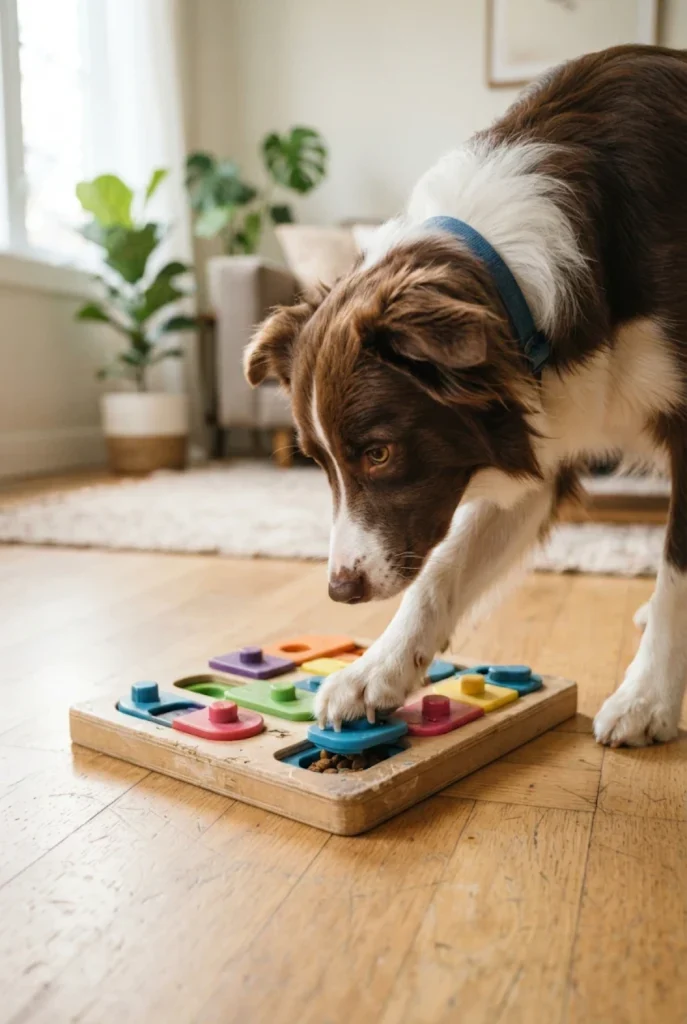
Puzzle feeders are excellent tools for keeping dogs mentally engaged during mealtime. Instead of eating directly from a regular bowl, your dog must move sliding pieces, lift compartments, or solve simple challenges to reach the food. These toys encourage problem-solving and help turn an ordinary feeding routine into an exciting experience. They are available in different difficulty levels for puppies, adult dogs, and experienced puzzle lovers.
Start with a beginner-friendly puzzle that allows your dog to discover food without becoming frustrated. Demonstrate how the toy works and offer encouragement when your pup makes progress. As your dog learns, introduce slightly more challenging designs. Choose durable, non-toxic products that are appropriate for your dog’s size and chewing habits. Supervise playtime and clean the feeder regularly to prevent food residue from accumulating.
4. Cardboard Box Exploration Game
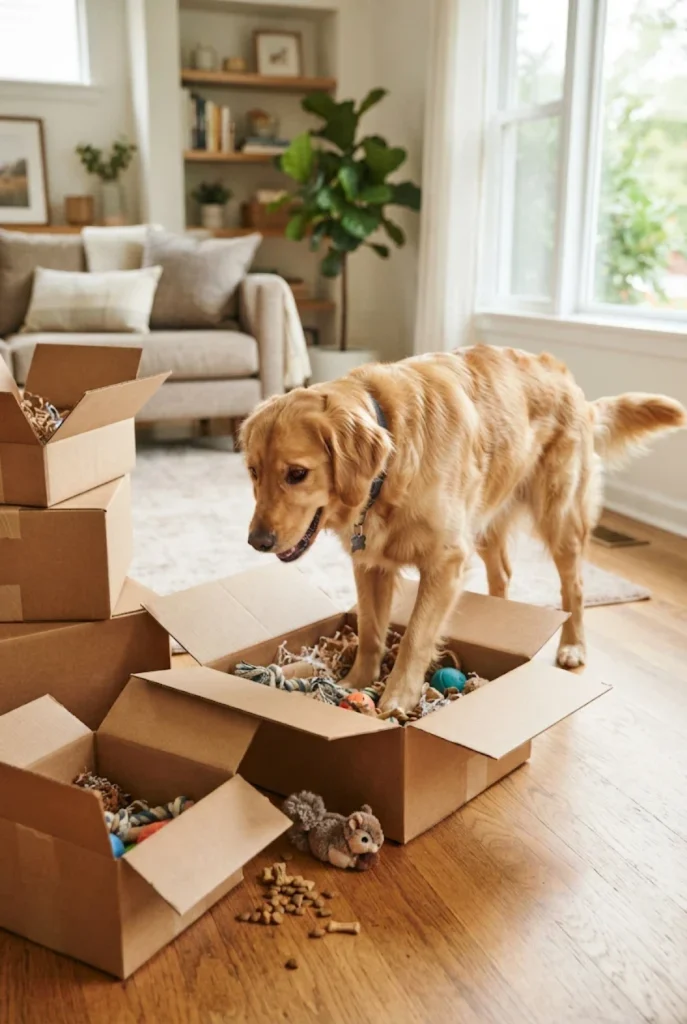
Cardboard box exploration is an affordable way to introduce new enrichment experiences without purchasing expensive toys. Collect a few clean cardboard boxes of different sizes and place them on the floor. Put some dog treats or toys inside selected boxes and allow your pup to investigate. Your dog can sniff, explore, and discover the rewards while becoming familiar with different textures and shapes.
Choose plain cardboard boxes without staples, sharp edges, tape, or plastic decorations. Start with open boxes so your dog can easily access the rewards. Some dogs enjoy gently tearing cardboard apart, but you should supervise closely and remove pieces if your pup starts swallowing them. Avoid using boxes that have contained chemicals or unsafe materials. This activity is particularly useful for rainy days when outdoor adventures are limited.
5. Frozen Dog Treats
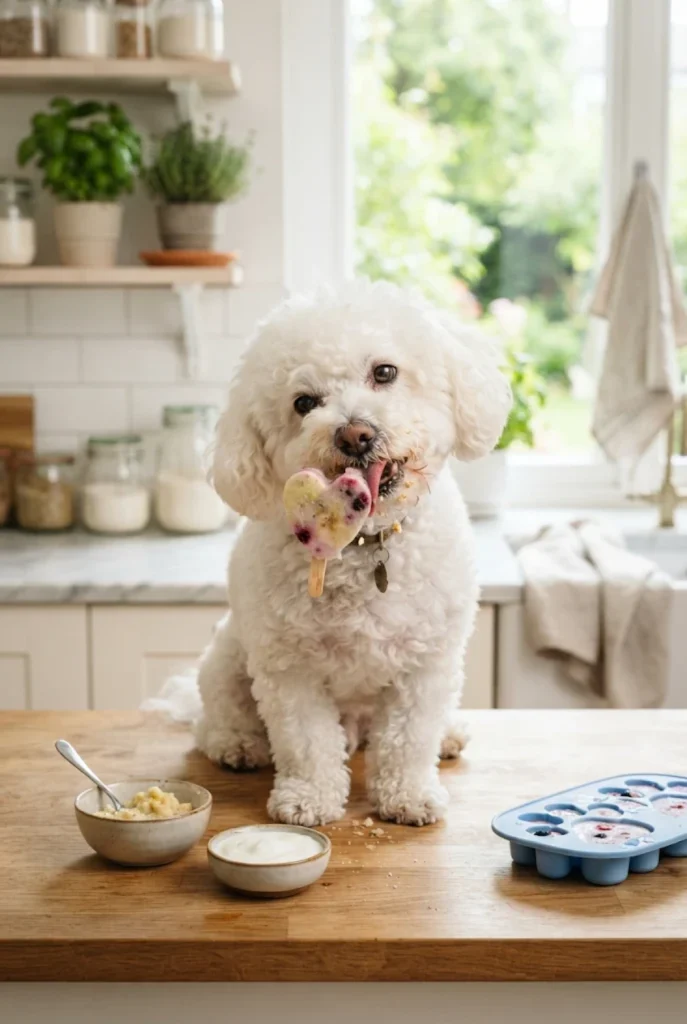
Frozen dog treats provide an enjoyable sensory experience, especially during warm weather. You can prepare simple frozen snacks using dog-safe ingredients such as plain unsweetened yogurt, mashed banana, or small pieces of dog-friendly fruit. Mix the ingredients, place them into suitable silicone molds, and freeze until solid. Offer one treat at a time to give your dog a refreshing activity that encourages licking and exploration.
Frozen treats can also be placed inside suitable food-dispensing toys to create a longer-lasting enrichment challenge. Always check that every ingredient is safe for dogs and avoid added sugar, artificial sweeteners, chocolate, grapes, raisins, and other harmful foods. Introduce new ingredients in small amounts and consider your dog’s dietary needs. Supervise your pup while enjoying frozen snacks, particularly if they tend to bite off large pieces.
6. Teach Your Dog New Tricks
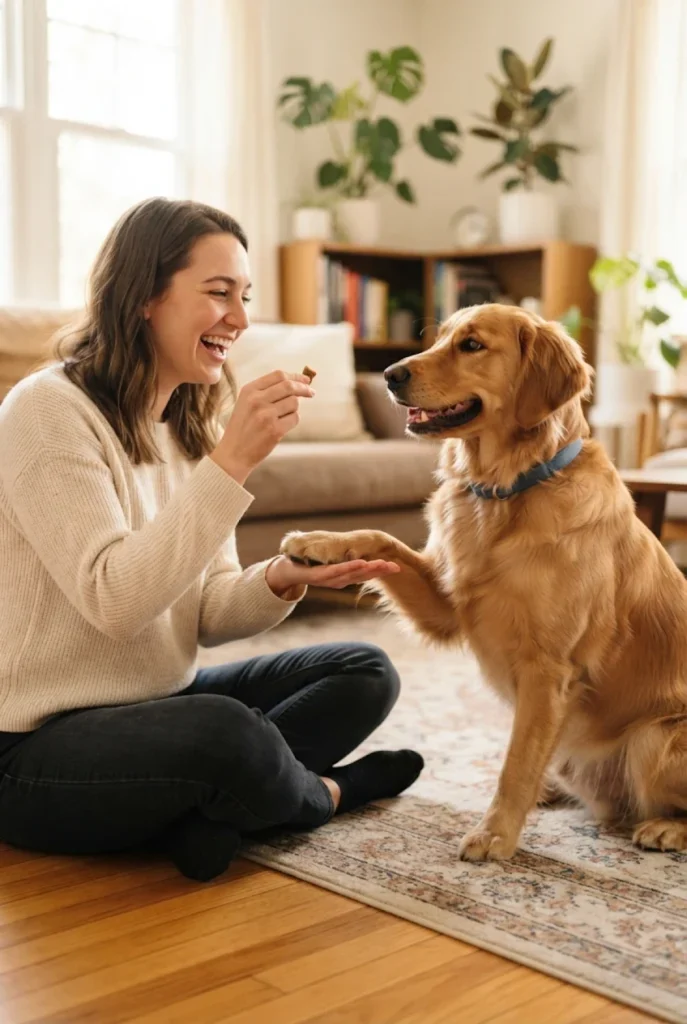
Learning new tricks is one of the most rewarding dog enrichment activities because it combines mental stimulation, communication, and positive interaction. You can teach simple behaviors such as spin, touch, wave, bow, or picking up a toy. Start with one easy trick and break it into small steps. Reward your dog with treats, praise, or a favorite toy whenever they perform the desired behavior.
Keep training sessions short and enjoyable, especially for puppies and older dogs. Five to ten minutes of focused practice can be more effective than a long session that causes frustration. Use positive reinforcement rather than punishment, and give your dog time to understand each instruction. As your pup becomes more confident, gradually introduce new tricks. This activity strengthens your bond and gives your dog an opportunity to learn something exciting every day.
7. Indoor Obstacle Course
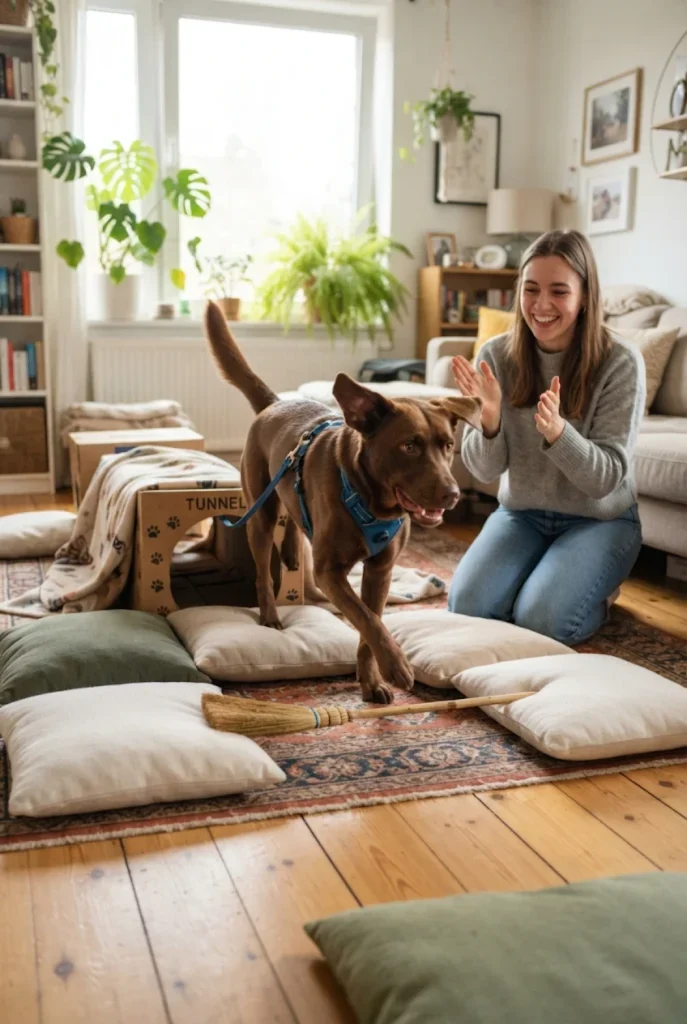
An indoor obstacle course is a creative way to keep your dog physically active and mentally engaged when outdoor exercise is not possible. Use household items such as cushions, low cardboard boxes, tunnels made from blankets, and safe objects to create a simple course. Encourage your dog to walk around obstacles, move through open spaces, and follow your guidance from one point to another.
Make sure every obstacle is stable, low, and suitable for your dog’s size and physical condition. Avoid slippery floors, high jumps, unstable furniture, and activities that could strain your dog’s joints. Use treats and cheerful encouragement to help your pup complete each section. Keep the course simple at first, then introduce small changes to maintain interest. Puppies and senior dogs should enjoy gentle obstacle activities without jumping or excessive physical effort.
8. Scent Trail Adventure
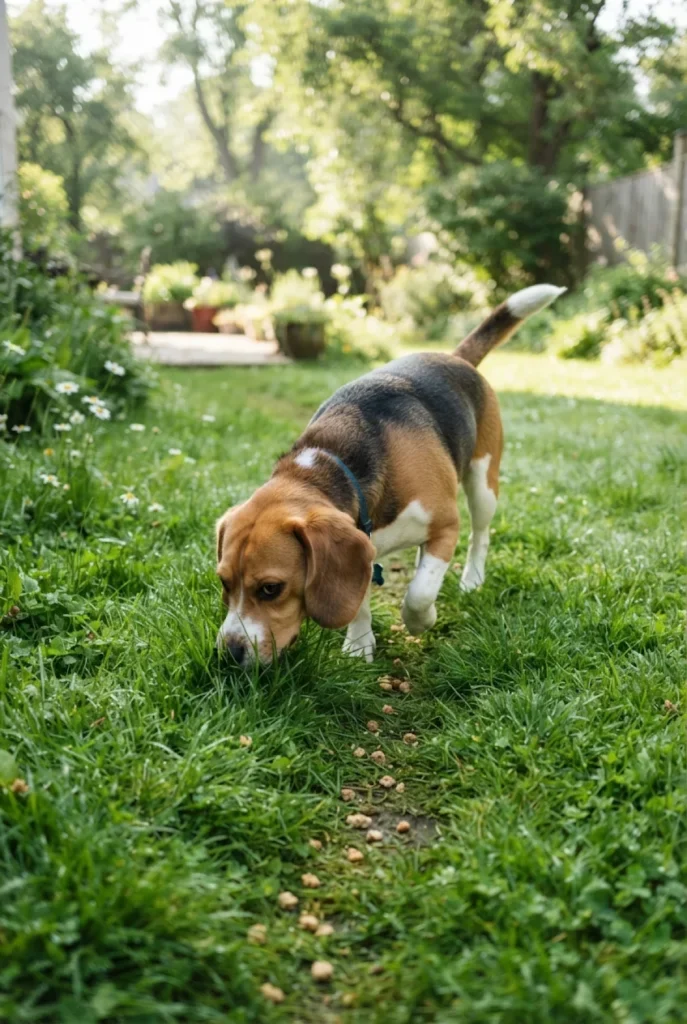
Dogs experience the world primarily through their noses, making scent trail games an excellent enrichment activity. Begin by placing a few small treats in a straight line across a safe room or enclosed outdoor area. Encourage your dog to follow the scent until they reach the final reward. As your pup becomes familiar with the game, create longer trails with gentle turns and different hiding locations.
Scent trail activities encourage concentration, natural searching instincts, and independent problem-solving. You can use your dog’s favorite treats or a familiar toy as the final reward. Keep trails away from dangerous substances, busy roads, and areas where your dog might eat something harmful. Allow your pup to work at their own pace instead of rushing them. Even a short scent adventure can provide a satisfying mental workout.
9. Tug-of-War With a Safe Dog Toy
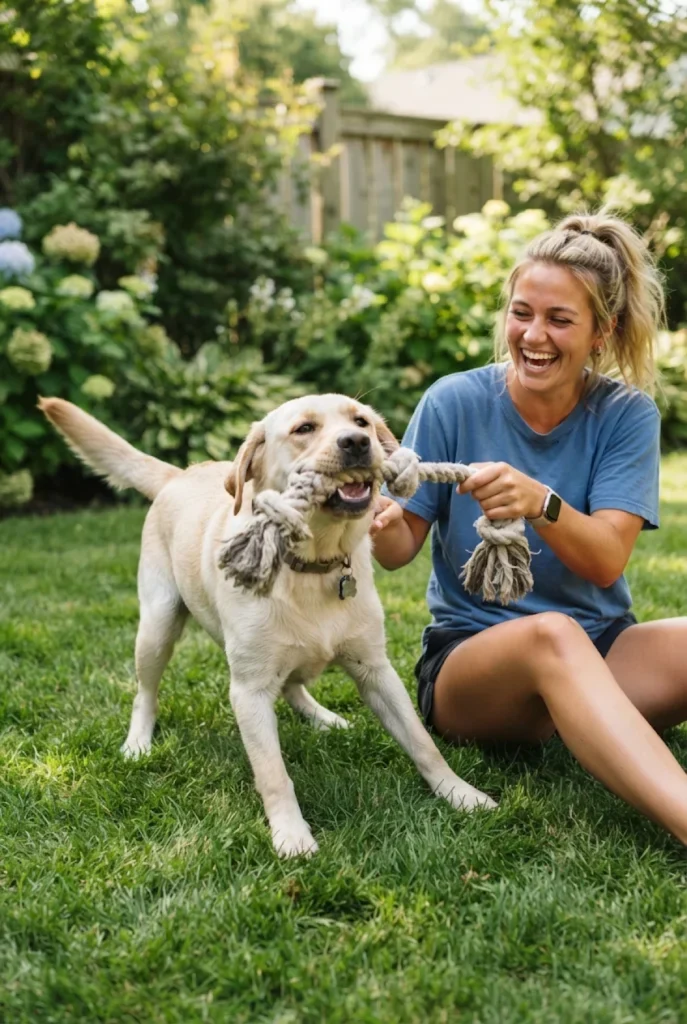
Tug-of-war is a fun interactive game that gives dogs an opportunity to use their natural pulling instincts while spending quality time with their owners. Choose a durable tug toy designed specifically for dogs and encourage your pup to grab one end while you gently hold the other. Allow short rounds of play with breaks between them to keep the activity enjoyable and controlled.
Teach a simple release cue such as “drop it” so your dog learns to stop when requested. Keep movements gentle and avoid pulling upward, twisting your dog’s neck, or making sudden jerks. Use a toy that is large enough to reduce the risk of accidental swallowing. This activity can provide physical exercise, improve communication, and strengthen your relationship when played with appropriate boundaries.
10. Find-the-Toy Game
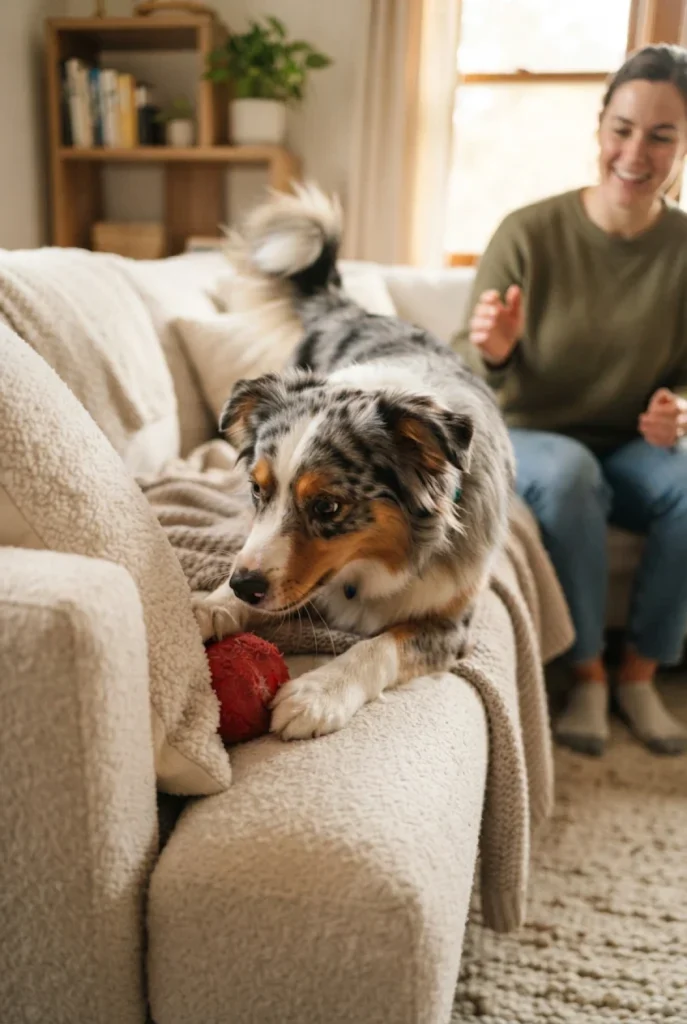
The find-the-toy game is a simple way to combine playtime with mental stimulation. Choose one of your dog’s favorite toys and let your pup see it before hiding it in an easy-to-find location. Ask your dog to find the toy and encourage them to search. When they discover it, celebrate with praise and allow them to enjoy a short play session as a reward.
As your dog becomes more experienced, hide the toy behind furniture, inside an open basket, or beneath a light blanket. You can also introduce different toys to help your dog recognize specific objects by their names. Keep hiding places safe and accessible. Avoid locations where your dog might knock over heavy objects or become trapped. This game is especially useful for indoor enrichment because it requires very little equipment.
11. DIY Treat Dispenser Bottle
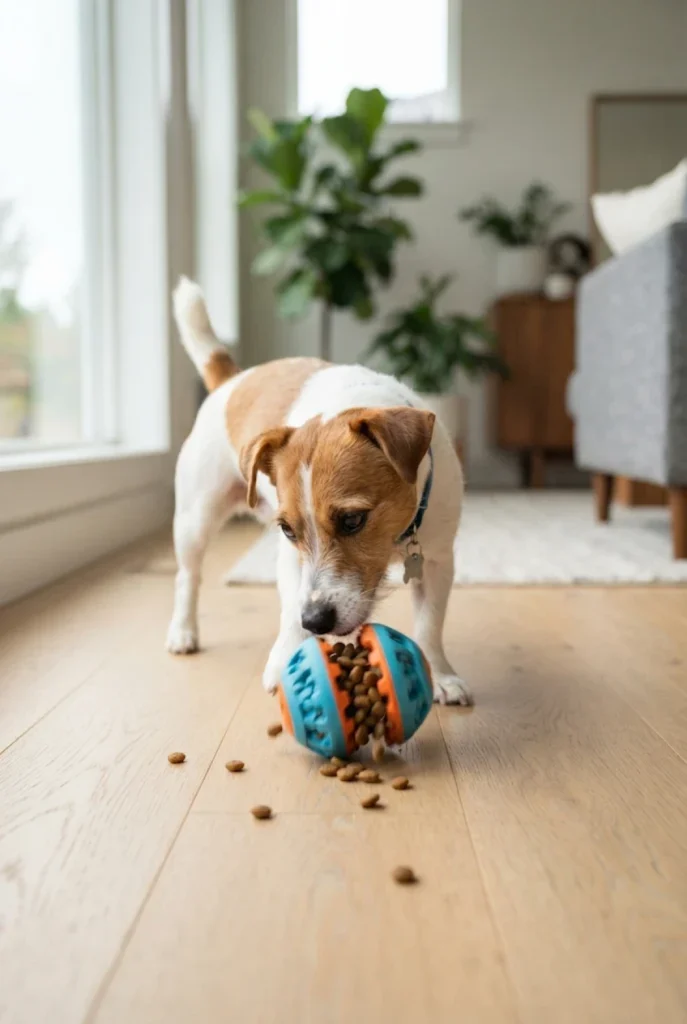
A homemade treat dispenser can provide an interesting problem-solving challenge for dogs that enjoy working for their food. Use an appropriate commercial food-dispensing toy or a purpose-designed, durable dog enrichment container. Fill it with a small amount of dry kibble and show your pup how gentle movement can release the food. Your dog can push and roll the toy to discover the hidden rewards.
Although homemade enrichment ideas can be useful, avoid ordinary plastic bottles that can crack into sharp pieces or create choking hazards. Choose a product designed for dogs, inspect it before use, and supervise the activity. Begin with an easy dispenser that releases food quickly. Once your dog understands the concept, you can introduce a slightly more challenging option. Remove the toy immediately if it becomes damaged.
12. Backyard Sniffing Walk
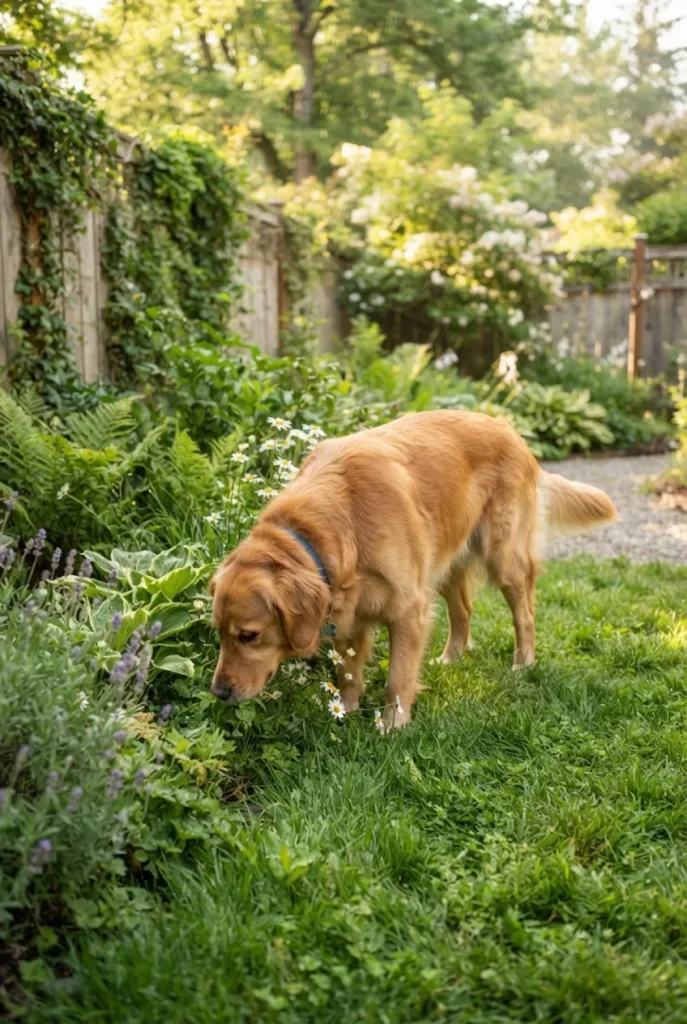
A backyard sniffing walk gives your dog an opportunity to explore the environment using its most important natural sense. Instead of asking your pup to walk quickly or follow a strict route, allow them to investigate safe plants, grass, leaves, and interesting outdoor scents. Move slowly and give your dog enough time to explore different areas while remaining under your supervision.
This activity can be especially enjoyable for dogs that love investigating their surroundings. You do not need a large garden to make it interesting. Even a small, secure outdoor space can provide new smells and textures. Check the area for toxic plants, pesticides, sharp objects, and insects before allowing your dog to explore. Keep your dog away from unsafe substances and provide fresh drinking water after outdoor play.
13. Rotate Your Dog’s Toys
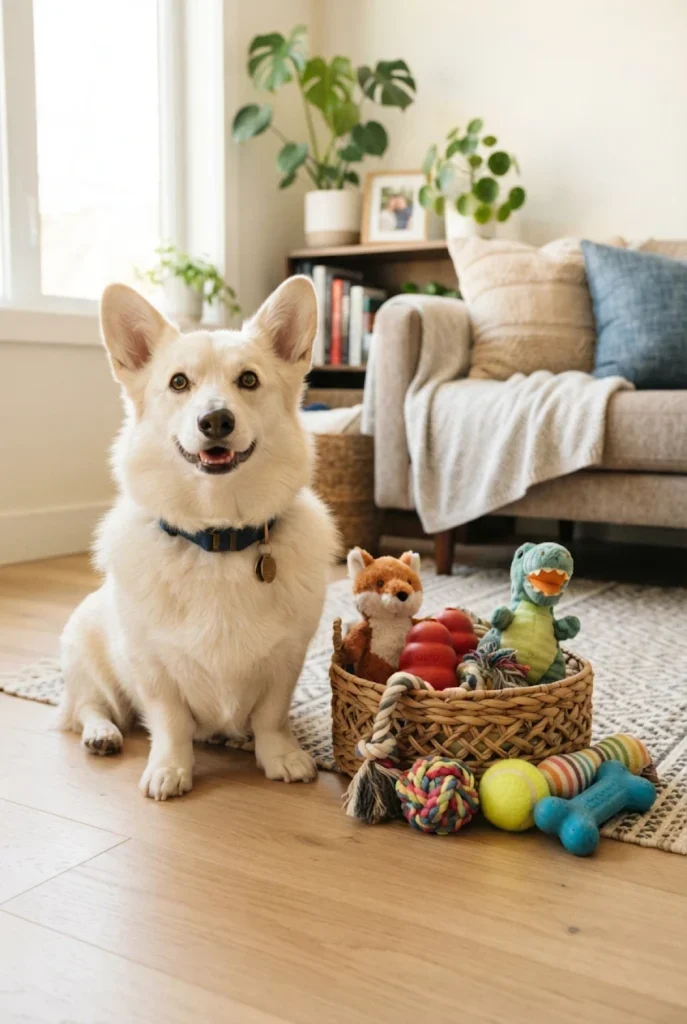
Toy rotation is a simple enrichment strategy that can make familiar toys feel exciting again. Instead of leaving every toy available throughout the day, select a few favorites and keep the others safely stored. After several days, replace some available toys with different ones. This introduces variety without requiring you to purchase new products every week.
Observe which toys your dog enjoys most and adjust the rotation according to their interests. Some dogs prefer soft toys, while others enjoy chew toys, balls, or interactive puzzles. Always inspect stored toys before giving them back to your pup. Remove damaged items, loose parts, and anything that could become a choking hazard. Toy rotation works particularly well when combined with training sessions and other enrichment games.
14. Water Play Activities
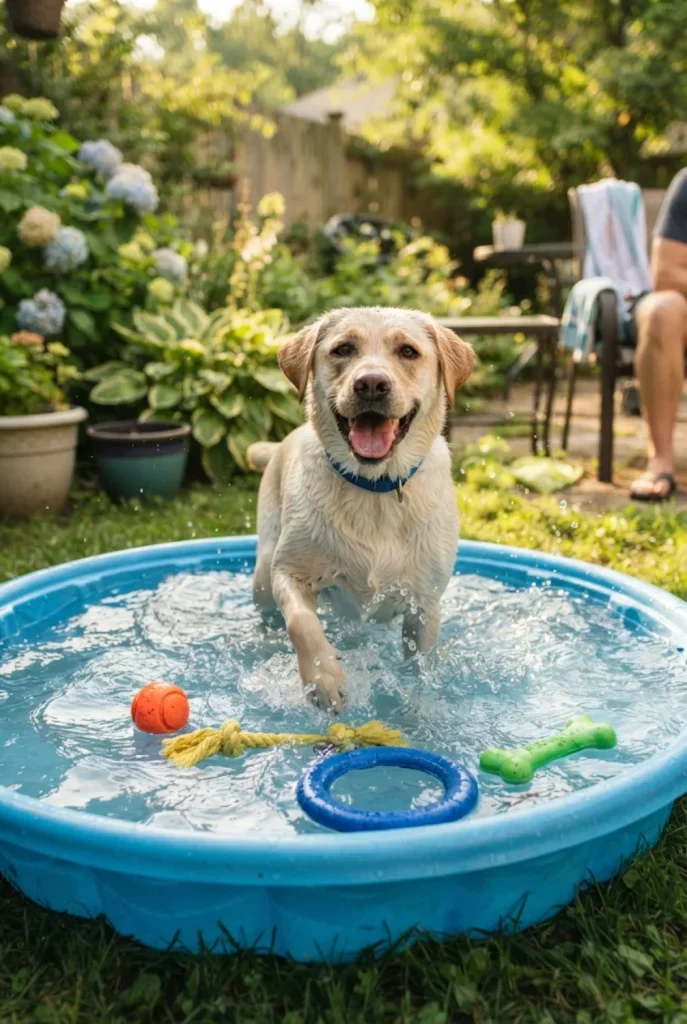
Water play can be an enjoyable enrichment experience for dogs that feel comfortable around water. During warm weather, set up a shallow dog-safe paddling pool in a secure outdoor area. Add a few floating dog toys and encourage your pup to investigate them. Some dogs enjoy gently splashing their paws, while others prefer simply exploring the water from the edge.
Always introduce water gradually and never force a dog to enter a pool. Use shallow water, provide constant supervision, and ensure your dog can easily exit. Avoid slippery surfaces and empty standing water after playtime to prevent accidents. If your dog shows signs of fear or discomfort, choose another enrichment activity. Water games should always be relaxed, positive, and suitable for your dog’s swimming ability and confidence.
15. Lick Mat Enrichment
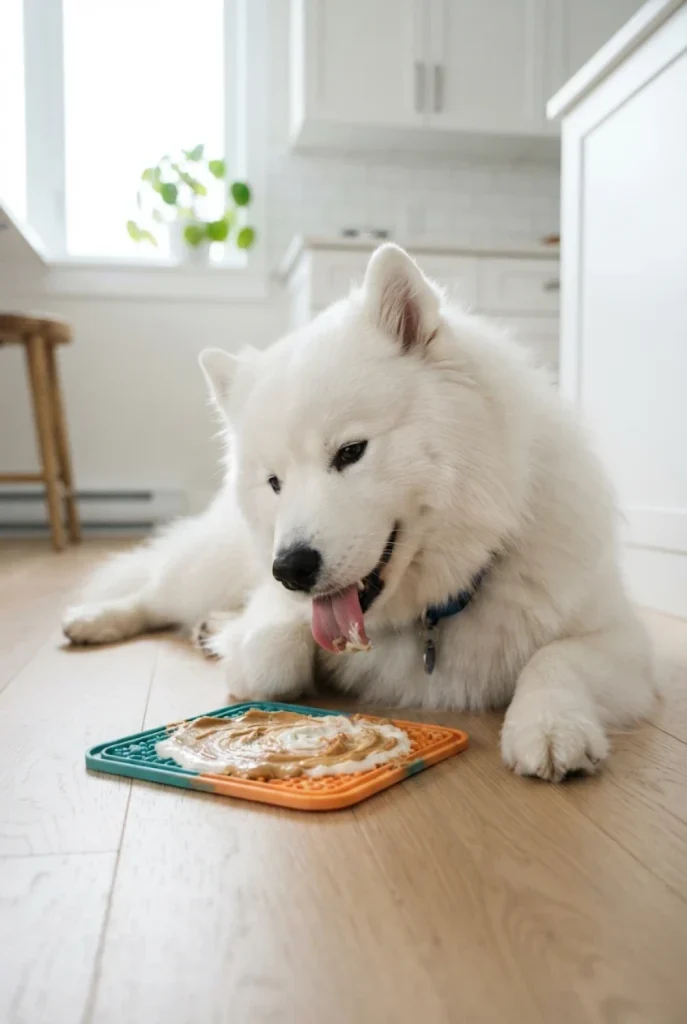
Lick mats are designed with textured surfaces that encourage dogs to lick soft food from small grooves and patterns. You can spread a thin layer of plain unsweetened yogurt, dog-safe wet food, or mashed banana across the mat. Place it on a suitable flat surface and allow your dog to enjoy the activity at a comfortable pace.
Licking provides a different type of sensory engagement and can make snack time more interesting. Some owners also use lick mats during calm grooming sessions or other positive routines, provided their dogs enjoy them. Choose a non-toxic mat that is appropriate for your dog’s size and chewing behavior. Supervise your pup to prevent chewing or swallowing the mat, and wash it thoroughly after each use.
16. Practice Basic Obedience Games
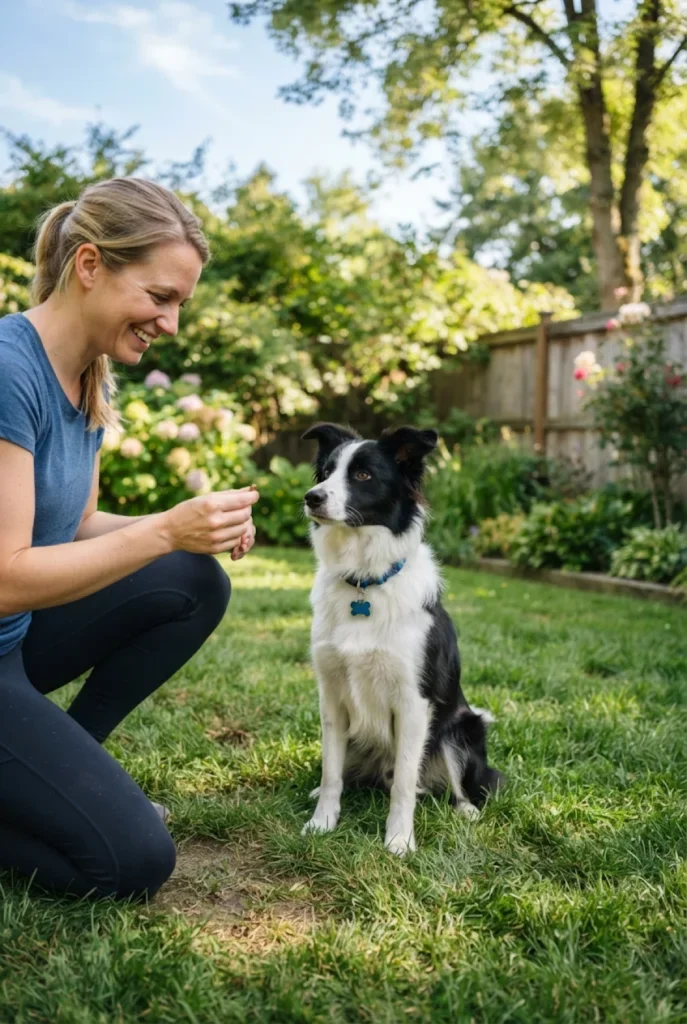
Basic obedience games are useful enrichment activities that teach your dog important everyday skills while keeping their mind active. Practice simple commands such as sit, stay, come, down, and touch in a fun and rewarding way. Rather than repeating the same instruction for a long time, turn each command into a short game with positive reinforcement.
For example, ask your dog to sit before receiving a toy or practice recall between two family members in a secure room. Reward successful responses with treats, toys, or praise. Keep distractions manageable and gradually introduce new environments when your dog is ready. Never use obedience practice as an opportunity for punishment. Short, consistent sessions help dogs understand expectations and build confidence in their abilities.
17. Explore a New Walking Route
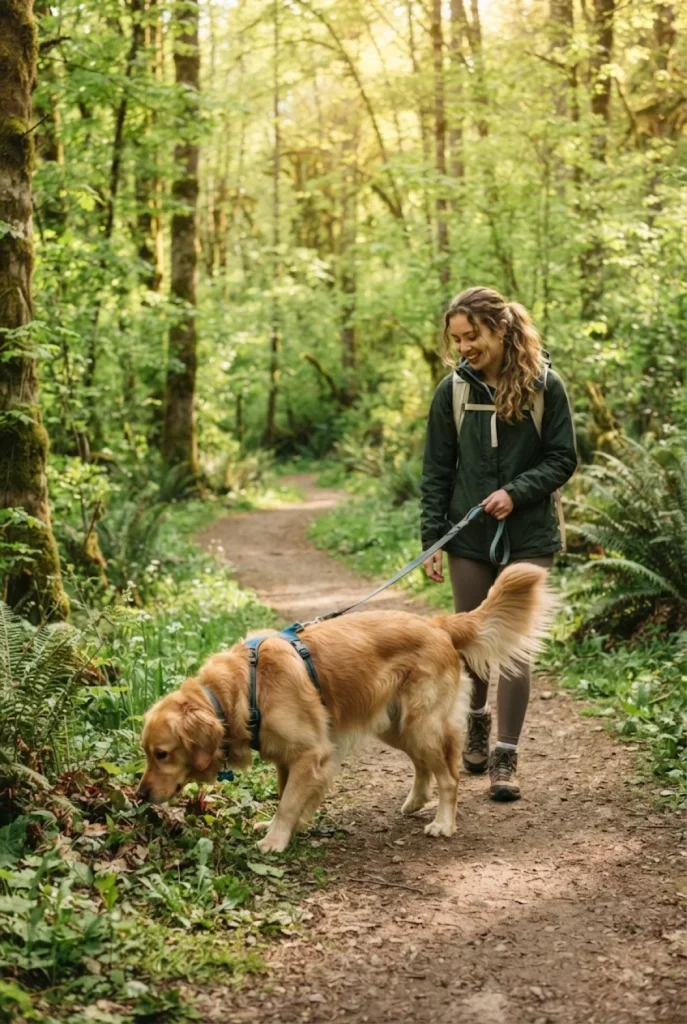
Walking the same route every day can become predictable for some dogs. Exploring a new dog-friendly walking route introduces fresh smells, sounds, textures, and sights. Choose a safe and quiet location such as a nature trail, peaceful park, or pet-friendly walking path. Let your dog investigate the surroundings while maintaining appropriate leash control.
New environments provide opportunities for mental stimulation and gentle physical exercise. However, introduce unfamiliar places gradually, particularly if your dog is nervous around strangers, traffic, or other animals. Carry water, use a secure leash and harness, and check local pet rules before visiting. Avoid extreme weather and busy areas that may overwhelm your pup. The goal is to make exploration enjoyable rather than turning every walk into a demanding exercise session.
18. Introduce a Safe Chewing Activity
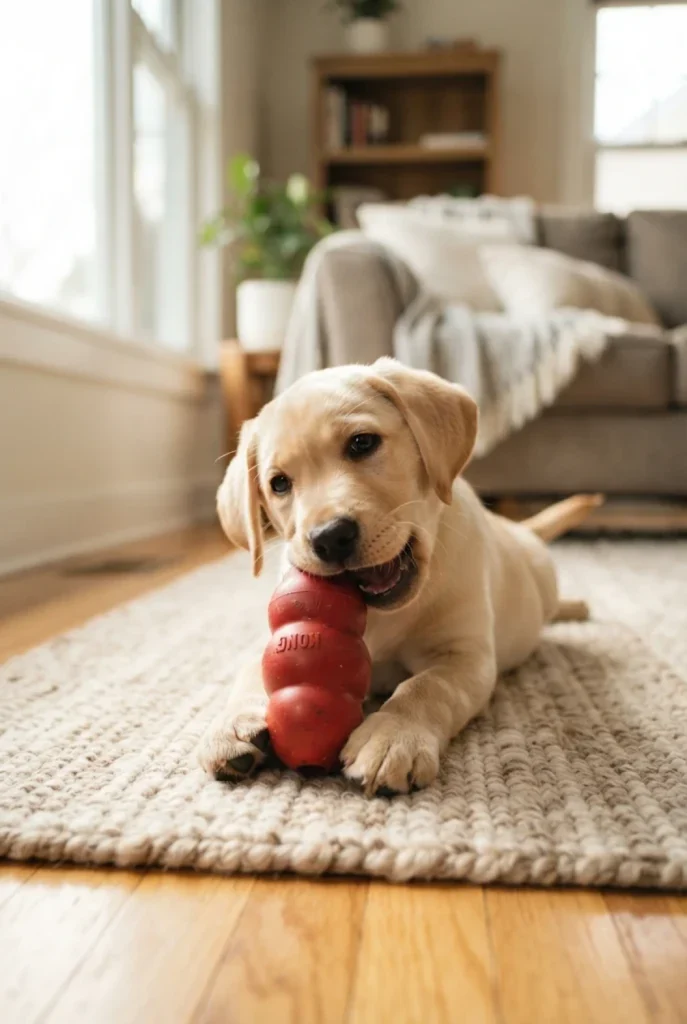
Chewing is a natural behavior that helps dogs explore objects and satisfy their instincts. Providing appropriate chew toys gives your pup a safe outlet for this behavior while offering an enjoyable independent activity. Choose veterinarian-recommended or appropriately tested dog chew products that match your dog’s age, size, chewing strength, and dental condition.
Always supervise chewing sessions and regularly inspect toys for cracks, sharp edges, or loose pieces. Avoid extremely hard objects that could damage your dog’s teeth, and do not give cooked bones or unsafe household items. Remove any chew that becomes small enough to swallow. For puppies experiencing teething discomfort, ask your veterinarian about suitable puppy-safe chew options. A good chewing routine can help redirect attention away from furniture and other inappropriate objects.
19. Play a Gentle Bubble-Chasing Game
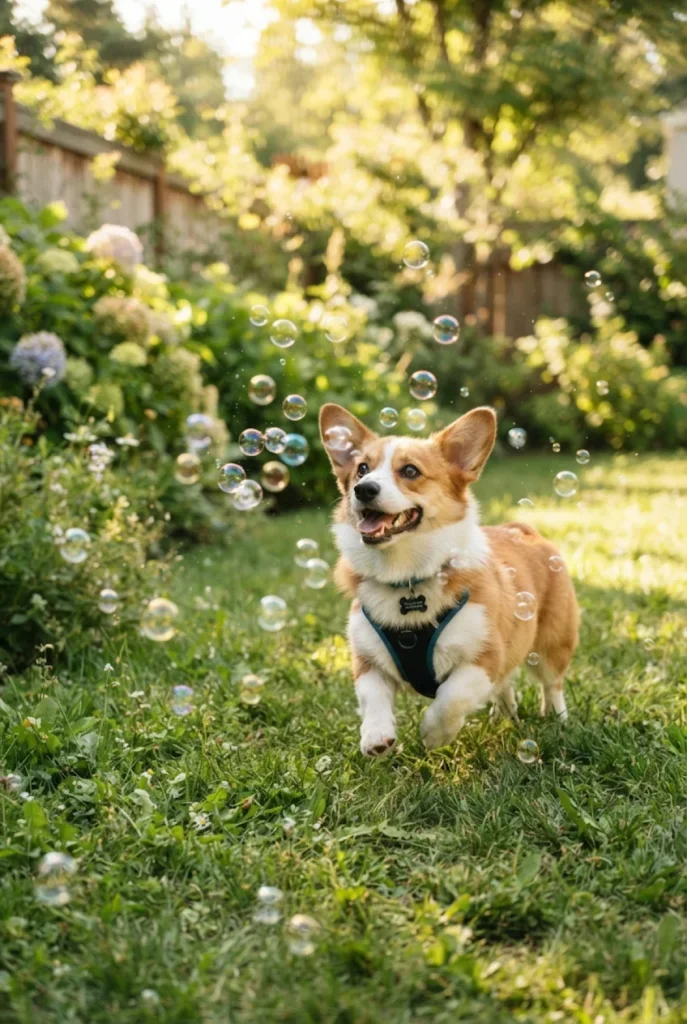
Bubble chasing can be a fun and unusual enrichment activity for dogs that enjoy moving objects. Use a pet-safe bubble solution specifically made for dogs, then blow a few bubbles into an open area and encourage your pup to follow them. Many dogs enjoy watching the bubbles float, moving toward them, and trying to catch them.
Keep the game gentle and avoid encouraging excessive jumping or sudden movements. Use a safe outdoor space or a room with non-slippery flooring. Make sure the bubble solution is intended for pets and prevent your dog from drinking large amounts of it. Some dogs may not enjoy bubbles, so allow your pup to decide whether to participate. A few minutes of supervised play can add variety to your dog’s normal routine.
20. Relaxing Massage and Bonding Time
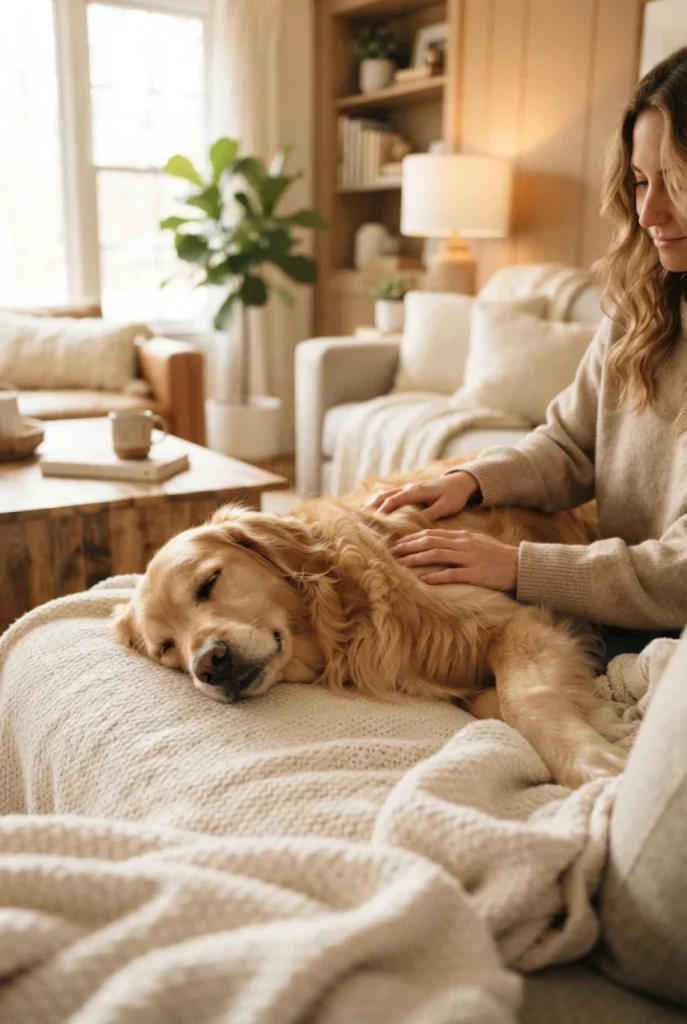
Not every enrichment activity needs to involve running, searching, or solving puzzles. Calm bonding activities are also important for a dog’s emotional well-being. Gentle petting and a relaxing massage can provide a peaceful experience for dogs that enjoy physical contact. Choose a quiet location, allow your dog to settle comfortably, and use slow, gentle strokes along areas where they naturally enjoy being touched.
Pay attention to your dog’s body language throughout the activity. Relaxed muscles, comfortable positioning, and voluntary interaction can indicate that your pup is enjoying the experience. Stop if your dog moves away, becomes tense, or shows signs of discomfort. Avoid pressing on painful areas or attempting therapeutic massage without professional guidance. This quiet activity is a lovely way to build trust and strengthen the emotional connection between you and your dog.
Final Thoughts
Keeping your dog happy and healthy involves more than daily walks and regular meals. Dogs need opportunities to explore, learn, play, sniff, chew, and use their natural instincts. These 20 dog enrichment activities offer simple and enjoyable ways to make everyday life more interesting while supporting your pup’s mental stimulation, physical well-being, and emotional happiness.
You don’t need expensive equipment or hours of free time to introduce enrichment into your dog’s routine. Start with easy activities such as hide-and-seek treats, puzzle feeders, sniffing games, or teaching new tricks. Observe what your dog enjoys most and gradually introduce different experiences. Remember to prioritize safety, provide enough rest, and keep every activity positive.
Most importantly, enjoy the process with your furry friend. Even a few minutes of meaningful play and interaction can make a difference. With consistency, creativity, and patience, you can build a fun enrichment routine that helps your dog enjoy a happier, healthier, and more fulfilling life.


