
15 Fun Dog Activities for Apartment Living
Living in an apartment does not mean your dog has to miss out on fun, exercise, and exciting daily adventures. Even without a large backyard, you can create an enjoyable environment where your furry friend can play, explore, learn, and stay mentally stimulated. With a little creativity, ordinary household spaces can become opportunities for rewarding activities.
The best Dog Activities for Apartment living are those that keep your dog entertained without disturbing neighbors or requiring lots of space. From indoor scent games and treat puzzles to simple training exercises and quiet playtime, there are plenty of ways to make apartment life enjoyable. Whether you have a playful puppy, an energetic adult dog, or a senior companion, these 15 activities can help your dog stay happy, healthy, and engaged.
1. Play Indoor Hide-and-Seek
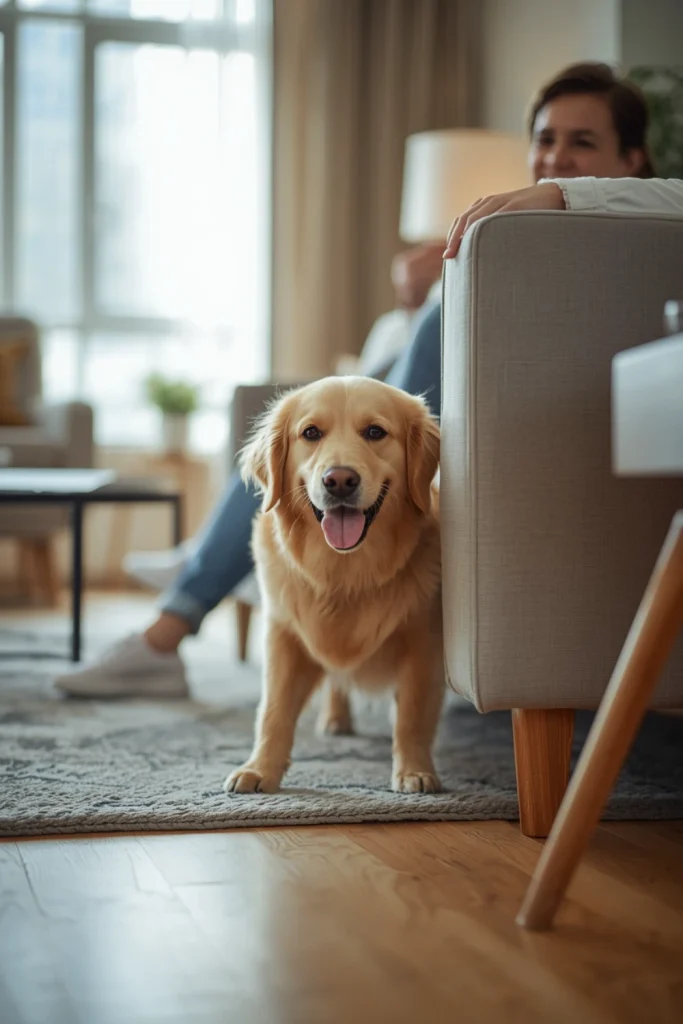
Indoor hide-and-seek is one of the easiest and most entertaining activities for dogs living in apartments. Ask your dog to stay in one room while you hide behind a sofa, doorway, or another safe location. Call your dog’s name and encourage it to find you. When your dog discovers your hiding place, reward it with praise, affection, or a small treat. This simple game combines movement, listening skills, and mental stimulation without requiring much space.
Start with easy hiding locations so your dog understands the game. Once your dog becomes familiar with the activity, try hiding in different rooms or behind larger pieces of furniture. Keep the floor clear of slippery rugs, sharp objects, and obstacles that could cause accidents. Five to ten minutes of hide-and-seek can provide an enjoyable break during the day and strengthen the relationship between you and your dog.
2. Create a DIY Treat Puzzle
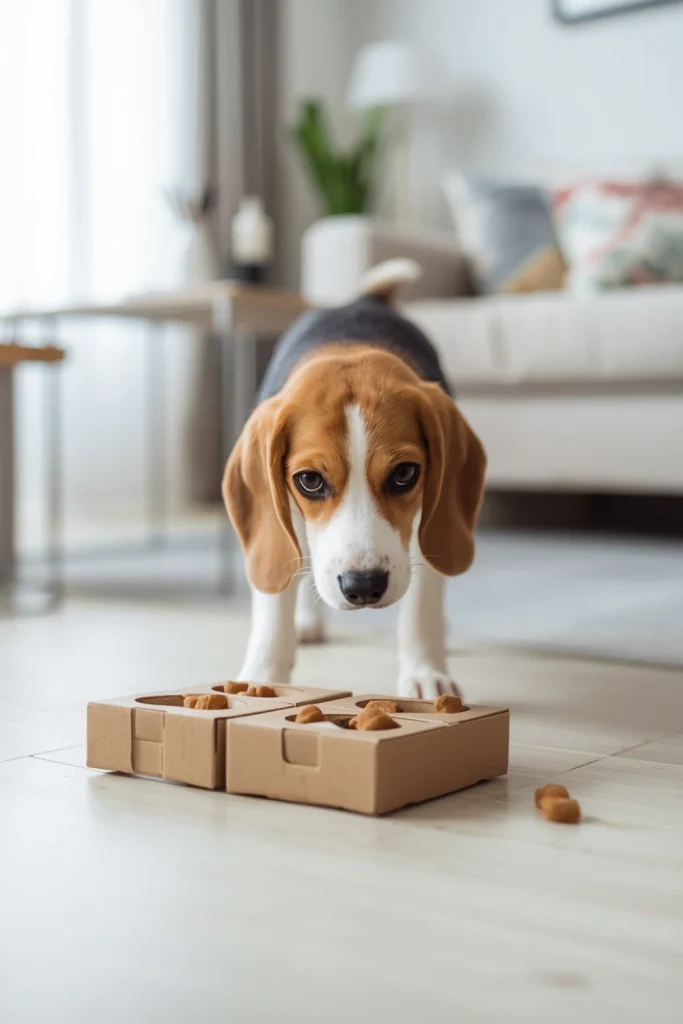
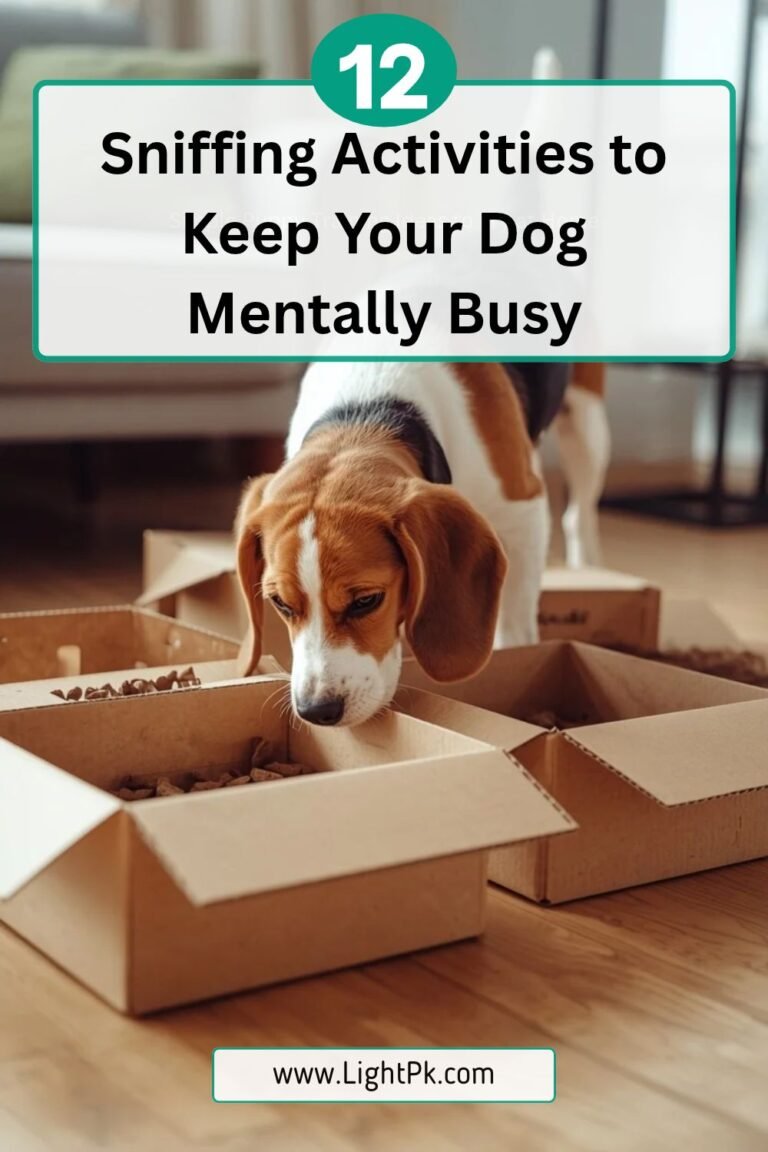
A homemade treat puzzle is a fantastic activity for dogs that enjoy searching for food and solving small challenges. Collect a few clean cardboard boxes or sturdy paper cups and hide small pieces of your dog’s regular kibble inside them. Place the containers on a non-slip floor and allow your dog to investigate. Your dog will use its nose and paws to discover the hidden rewards. This activity makes ordinary mealtime more interesting while encouraging natural foraging behavior.
You can make the puzzle easier or more challenging depending on your dog’s experience. Begin with open boxes and visible treats before introducing additional hiding places. This is particularly useful for apartment owners because the game requires very little space and inexpensive materials. Always supervise your dog, remove damaged cardboard, and avoid staples, tape, plastic, or small objects that could be swallowed. If your dog likes eating cardboard, choose a different puzzle.
3. Organize a Snuffle Mat Feeding Session
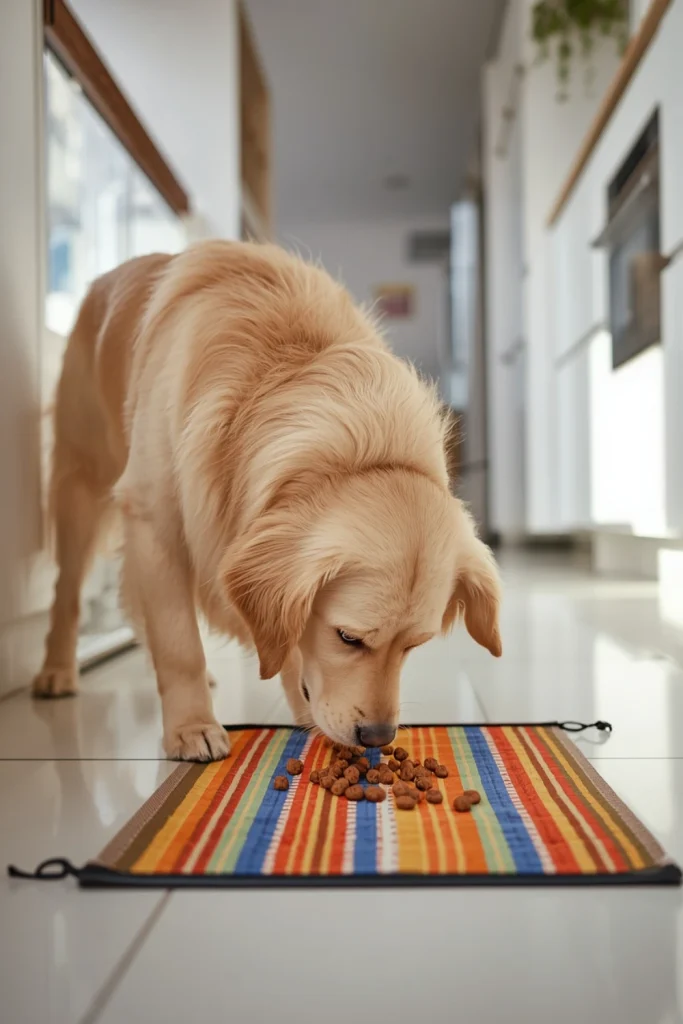
A snuffle mat is an excellent enrichment tool for dogs that spend most of their time indoors. It contains fabric strips and folds where you can hide pieces of dry food. Your dog must use its nose to search through the material and find each piece. This encourages natural sniffing behavior and provides mental stimulation during mealtime. Instead of eating everything quickly from a regular bowl, your dog gets an opportunity to explore and work for its food.
Place the snuffle mat in a quiet corner of your apartment and use a portion of your dog’s normal breakfast or dinner. Start with a small amount of food in easy-to-find locations. As your dog learns how the mat works, you can distribute the kibble more evenly throughout the fabric. Supervise your pet to prevent chewing or swallowing fabric, and wash the mat regularly to keep it clean and hygienic.
4. Teach Your Dog New Tricks
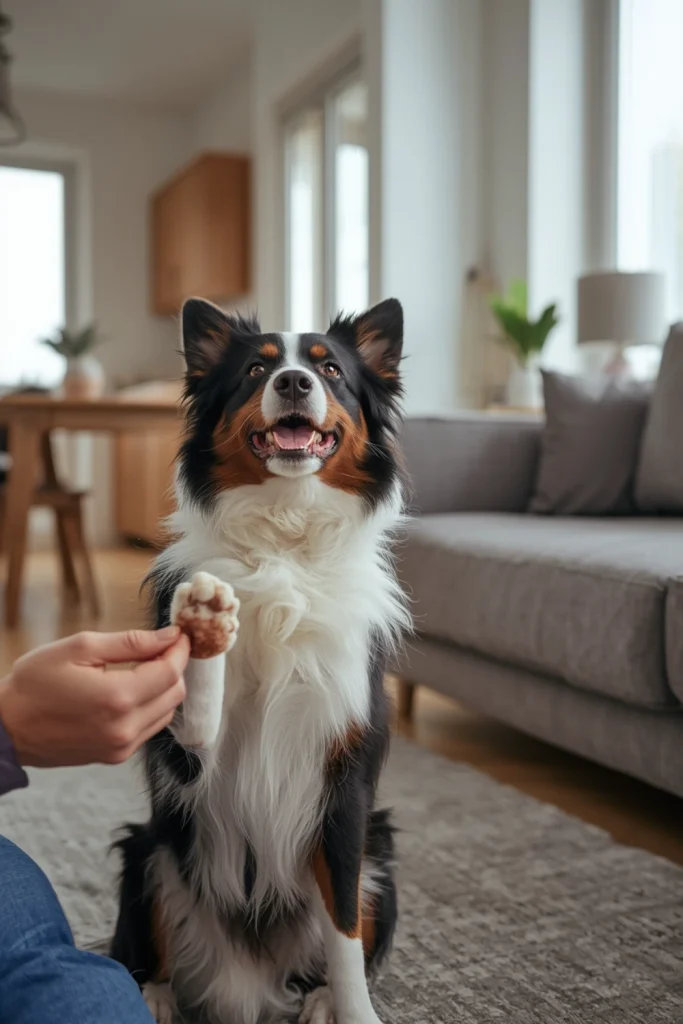
Teaching new tricks is a wonderful way to keep your dog mentally active without needing outdoor space. Simple tricks such as giving a paw, touching your hand with the nose, spinning, sitting on a mat, or lying down can provide enjoyable learning experiences. Use small treats and positive reinforcement to reward your dog’s progress. Short training sessions help your dog understand new instructions while creating opportunities for meaningful interaction with you.
Choose one trick at a time and practice for approximately five minutes. You can include training in your morning routine, during a work break, or after returning home. Avoid repeating commands excessively or becoming frustrated when your dog needs more time to learn. Break complicated tricks into smaller steps and celebrate small improvements. Training should remain enjoyable, and any physical movements should be suitable for your dog’s age and mobility.
5. Play an Indoor Scent Search Game
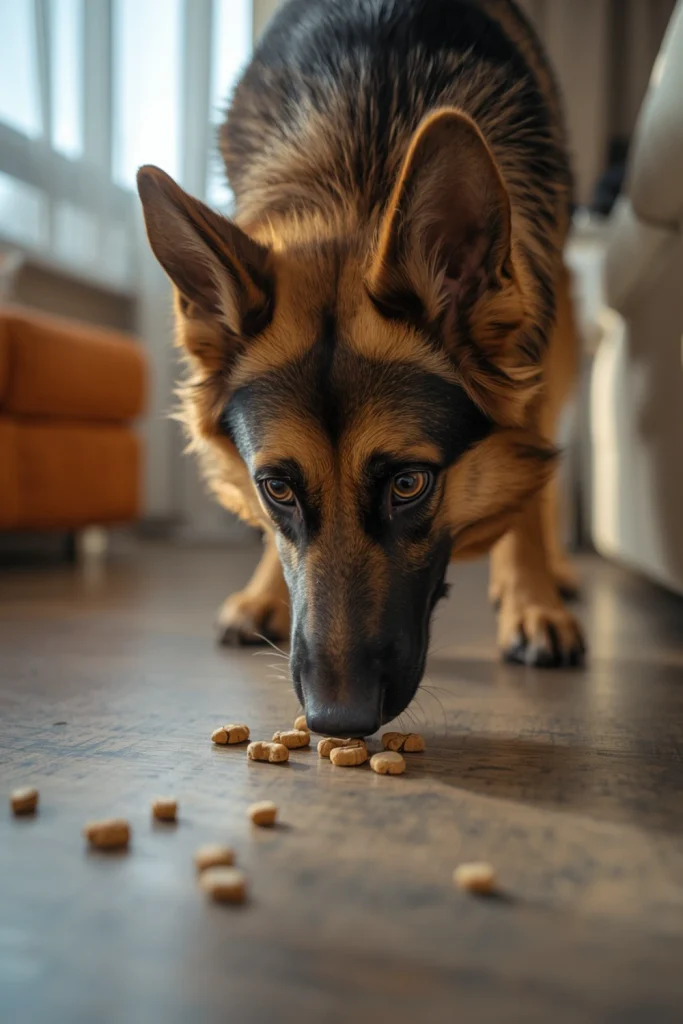
Dogs have an incredible sense of smell, making scent games particularly rewarding for apartment living. Begin by showing your dog a small treat and hiding it in an easy-to-find location. Give a cue such as “Find it” and allow your dog to investigate using its nose. When your dog discovers the reward, offer praise and repeat the activity with another hiding place. This game encourages natural instincts while providing an interesting mental challenge.
You can hide treats behind safe furniture, beside a dog bed, or under a loosely arranged towel. Start with a few simple hiding places and gradually increase the difficulty as your dog gains confidence. Make sure all locations are accessible and free from household hazards. Avoid hiding treats near electrical wires, cleaning products, or objects your dog might swallow. A short scent session can be an excellent alternative when outdoor conditions make walking difficult.
6. Build a Mini Indoor Obstacle Course
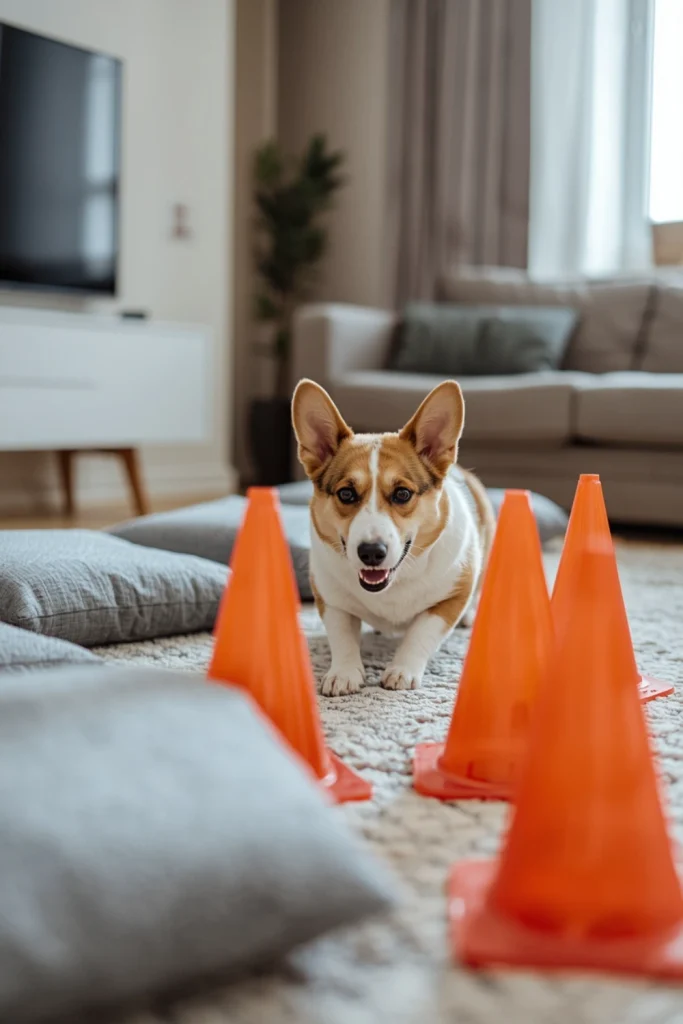
A mini obstacle course can turn an ordinary apartment living room into an interesting play area. Use soft cushions, lightweight cones, and large cardboard boxes to create a simple pathway. Encourage your dog to walk around objects, move between cushions, or follow you through the course. Reward your dog with praise and small treats whenever it completes a section. This activity combines movement, listening, and problem-solving in a familiar environment.
You do not need professional agility equipment to create a beginner-friendly course. Even a small open area can provide enough space for gentle activities. Make sure all objects are stable and the floor is not slippery. Avoid high jumps, narrow passages, and unstable furniture. Adjust the course to your dog’s size, physical condition, and confidence level. Puppies and senior dogs should participate only in gentle, low-impact activities.
7. Play Tug-of-War With a Soft Rope Toy
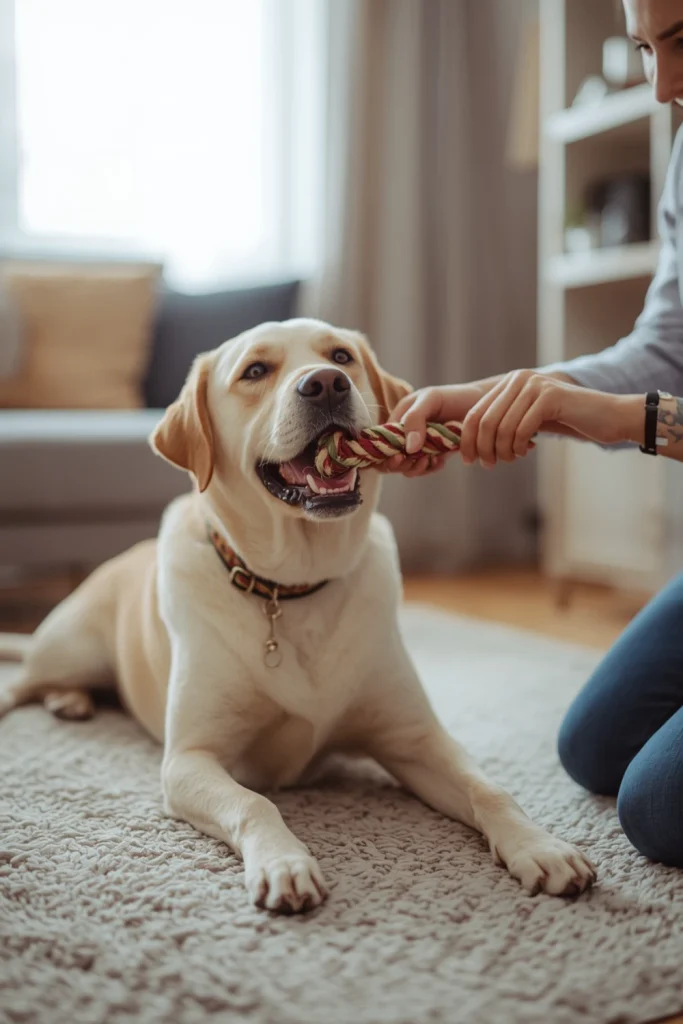
Tug-of-war is an enjoyable interactive game that allows dogs to use their energy while spending quality time with their owners. Choose a suitable rope or tug toy and invite your dog to hold one end while you gently hold the other. Allow your dog to pull without lifting its body off the floor or twisting its neck. You can introduce simple commands such as “Take it” and “Drop it” to make the activity more structured.
This game works well in apartments because it requires only a small amount of clear floor space. Keep movements controlled and avoid pulling too aggressively. Give your dog regular breaks and end the game positively by exchanging the toy for a small reward. Dogs with dental, neck, or joint problems may need an alternative activity, so consider their physical condition before playing.
8. Introduce a Dog-Safe Licking Mat
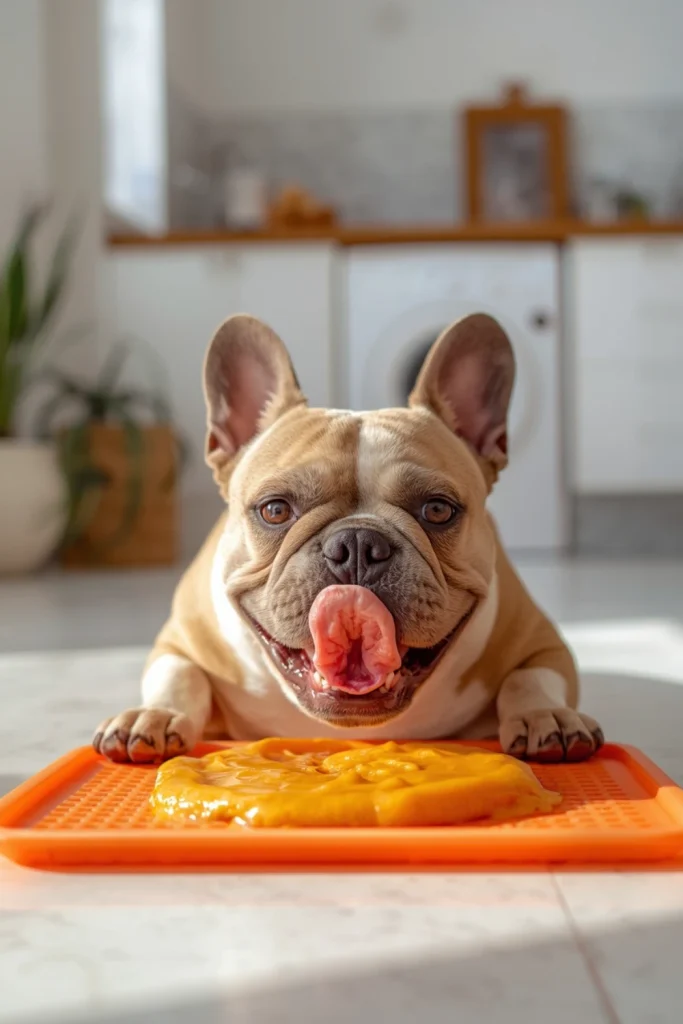
A licking mat provides a simple way to encourage mental engagement through food exploration. Spread a thin layer of suitable dog food across the textured surface. You can use soaked kibble, mashed pumpkin without added sugar, or a small amount of appropriate wet dog food. Your dog will use its tongue to collect the food from different grooves, turning an ordinary snack into an interesting enrichment activity.
Place the mat on an easy-to-clean surface in your apartment. You can prepare it ahead of time and refrigerate or freeze it when appropriate for the ingredients and product instructions. Some dogs find repetitive licking calming, although every dog responds differently. Always supervise your dog and remove the mat if it begins chewing or damaging it. Wash the mat thoroughly after every use to prevent food residue from accumulating.
9. Play the Toy Treasure Hunt Game
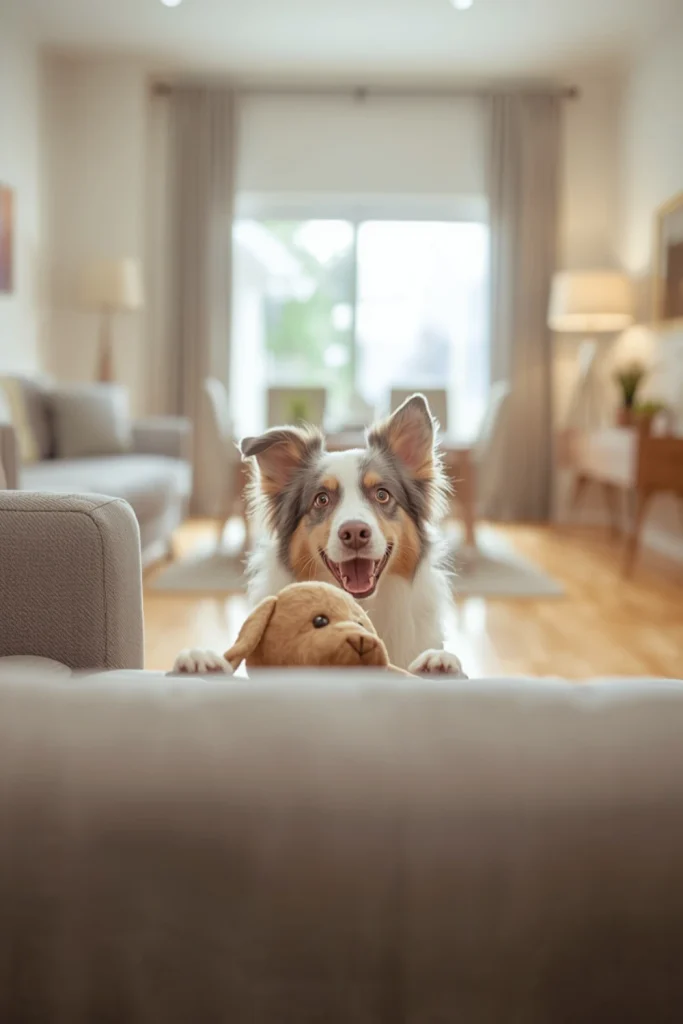
A toy treasure hunt is an entertaining indoor activity that encourages dogs to use their memory and sense of smell. Choose your dog’s favorite toy and place it somewhere easy to discover, such as beside a cushion or near its bed. Give your dog a cue such as “Find your toy” and encourage it to search. When the toy is discovered, reward your dog with praise or a short play session.
Once your dog understands the game, try hiding the toy in different safe locations around the apartment. You can place it behind a chair or beside a piece of furniture, making sure your dog can access it easily. Avoid hiding toys near stairs, electrical equipment, or unstable objects. Use durable toys that are appropriate for your dog’s chewing habits and inspect them regularly for damage.
10. Create a Dog-Friendly Window Watching Spot
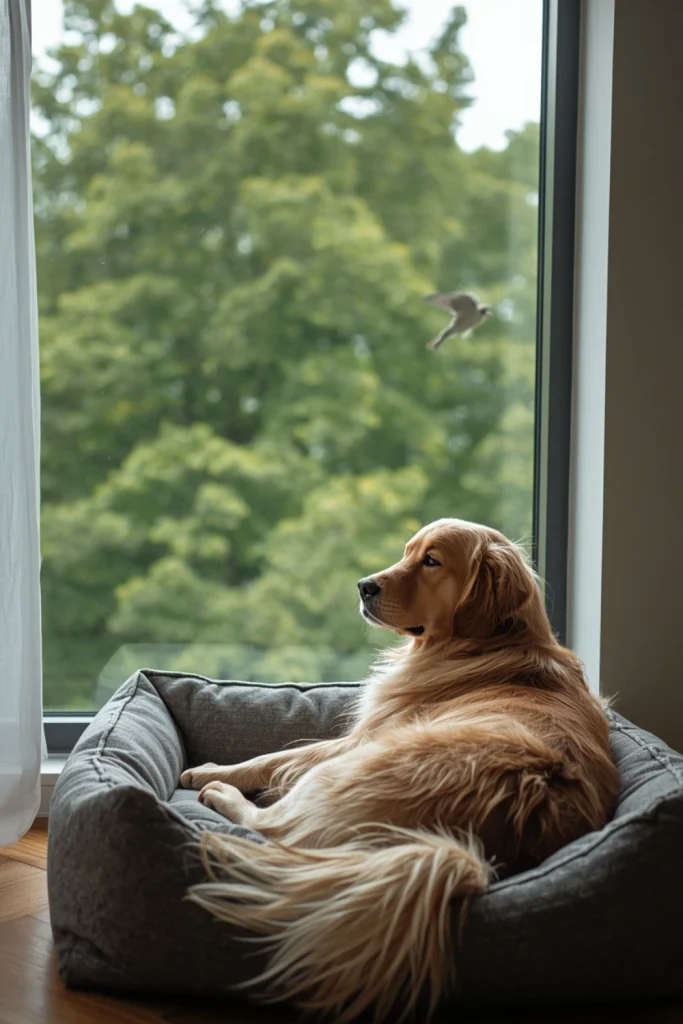
Many dogs enjoy watching the outside world, especially when they can observe birds, people, trees, and everyday activity. Create a comfortable viewing area by placing a suitable dog bed near a secure window. Make sure your dog can see outside without climbing onto unstable furniture. This simple arrangement can provide visual stimulation and make a quiet corner of your apartment more interesting.
Window watching can become part of your dog’s daily relaxation routine. However, pay attention to how your pet responds to outside movement. Some dogs become overly excited or bark at passing people and animals. If this happens, use curtains or move the resting area away from the window. Keep windows and balconies properly secured, and never allow your dog to access an unsafe ledge or open balcony.
11. Try a Short Indoor Fetch Game
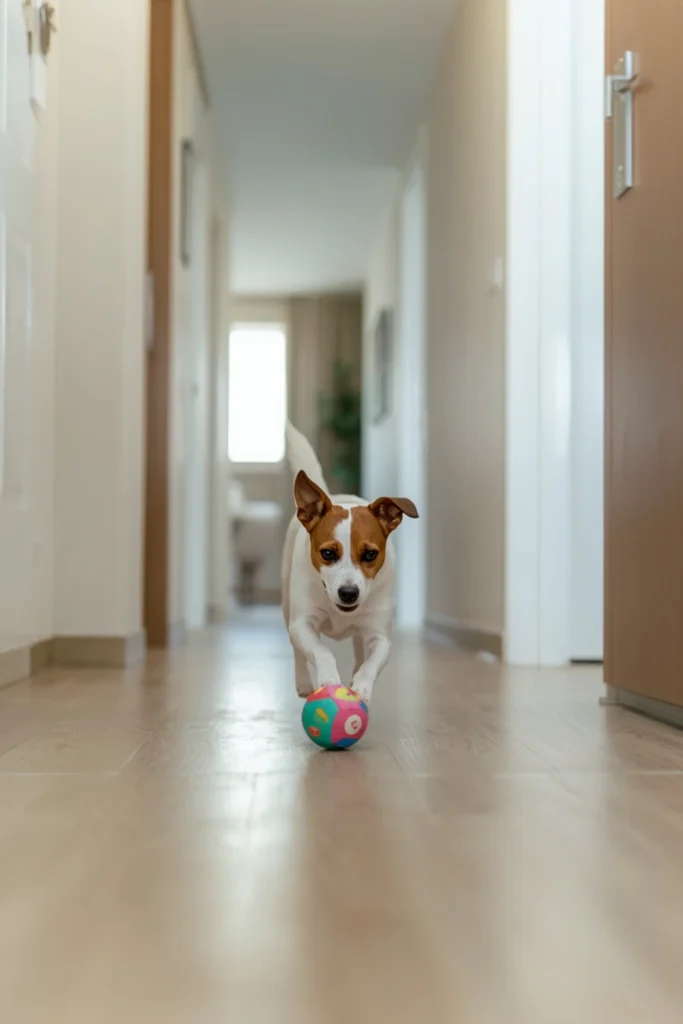
If your apartment has a clear hallway or open living area, a gentle indoor fetch game can provide a little physical activity. Choose a soft, lightweight ball or plush toy and roll it a short distance across a non-slip floor. Encourage your dog to retrieve the toy and bring it back. Reward successful attempts with praise or another short round of play. This is a simple way to introduce movement without needing a large outdoor area.
Keep the game controlled and avoid throwing the ball at high speed or toward furniture. Clear the playing area of fragile decorations, sharp objects, and slippery rugs. Use a soft toy that will not create excessive noise for neighbors living nearby. If your dog becomes overly excited, introduce short breaks and finish with a calm activity. Dogs with mobility issues may benefit more from gentle scent games.
12. Rotate Your Dog’s Toys Every Week
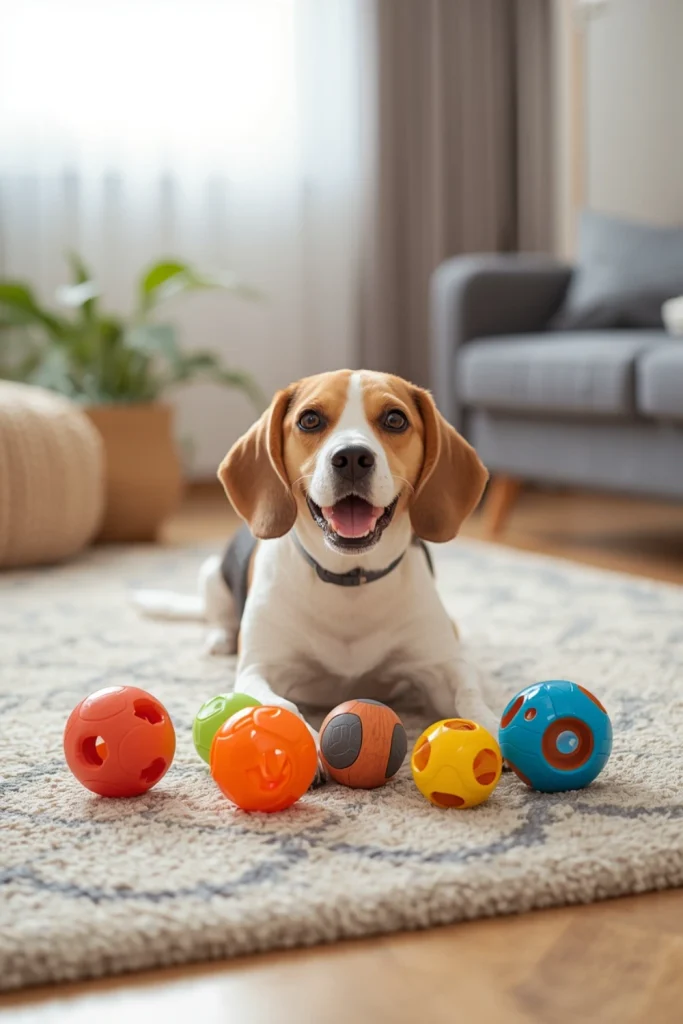
Dogs can sometimes lose interest in toys when the same items are available every day. Toy rotation is an easy way to introduce variety without buying new products. Keep a few suitable toys in your dog’s play area and store the remaining ones in a clean container. Every few days, replace some of the available toys with different options. Your dog may become interested in familiar toys again after they have been stored for a while.
This activity is particularly useful for apartment owners because it requires very little space and preparation. Try keeping a mixture of soft toys, durable chew toys, and interactive toys that match your dog’s interests. Inspect each item before returning it to your dog. Remove toys with loose stuffing, broken parts, sharp edges, or small pieces that could become choking hazards.
13. Practice Gentle Indoor Massage and Brushing
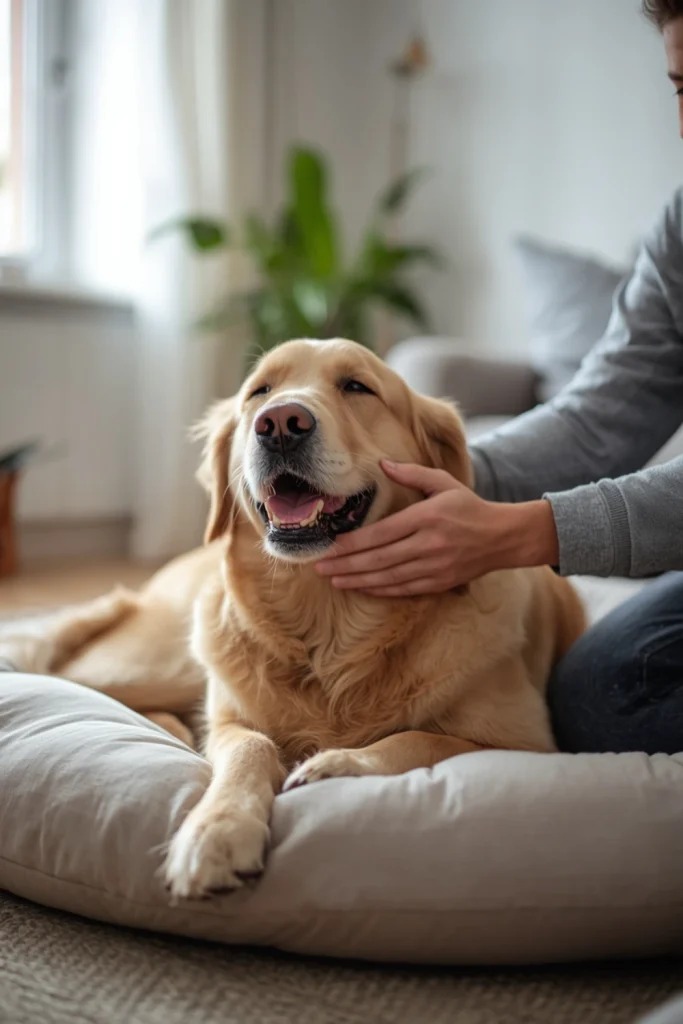
Gentle brushing and comfortable handling can provide a quiet enrichment opportunity while helping your dog become familiar with everyday grooming. Choose a suitable brush for your dog’s coat and gently work through small sections. Use calm movements and offer praise whenever your dog remains relaxed. You can also introduce gentle body handling, allowing your dog to become comfortable with having its paws, ears, and coat touched.
This activity can be especially useful when your dog needs a break from energetic games. Choose a quiet area of the apartment and keep the session short. Never force your dog to remain still if it shows signs of discomfort. Avoid applying pressure to sensitive areas, and stop if your dog becomes anxious. Regular grooming can also help you notice changes in the skin, coat, and overall appearance.
14. Explore a New Outdoor Walking Route
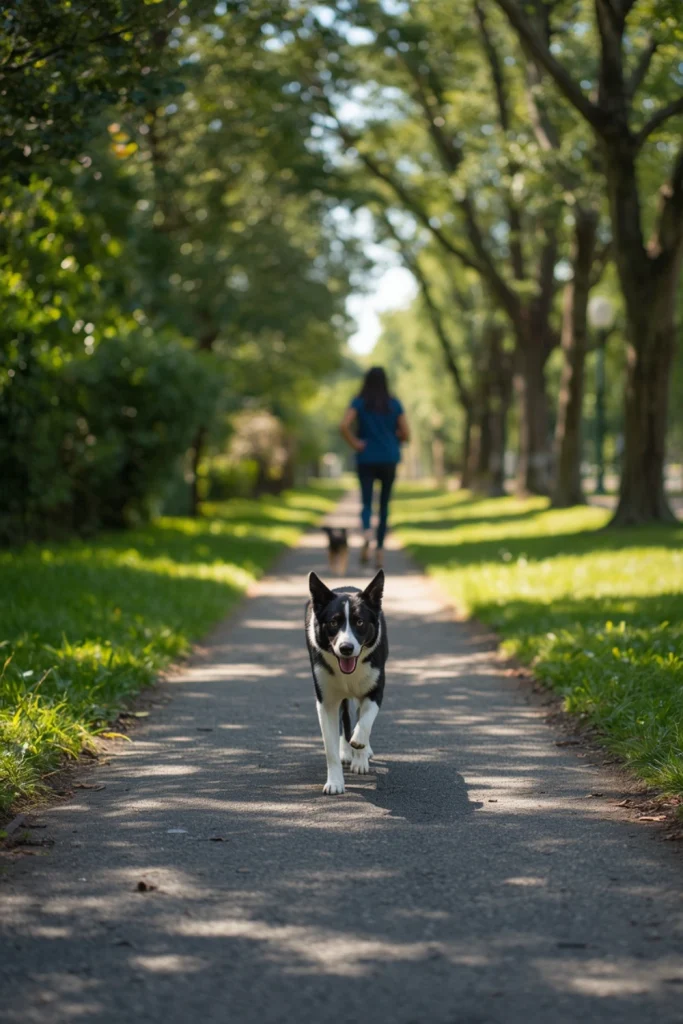
Apartment dogs need opportunities to explore outdoor environments, and changing walking routes can make everyday exercise more interesting. Instead of following the same path every day, visit a different dog-friendly street, quiet park, or safe walking trail when possible. Allow your dog to stop and investigate suitable smells along the way. New sights, sounds, and scents provide additional mental stimulation beyond ordinary physical movement.
You do not need to plan a long adventure every weekend. Even a small change in your regular walking route can introduce new experiences. Choose safe walking areas and follow local leash rules. Avoid crowded places if your dog feels uncomfortable around unfamiliar dogs or people. Consider the weather, your dog’s fitness, and access to drinking water when planning longer outdoor activities.
15. Create a Calm Evening Enrichment Routine
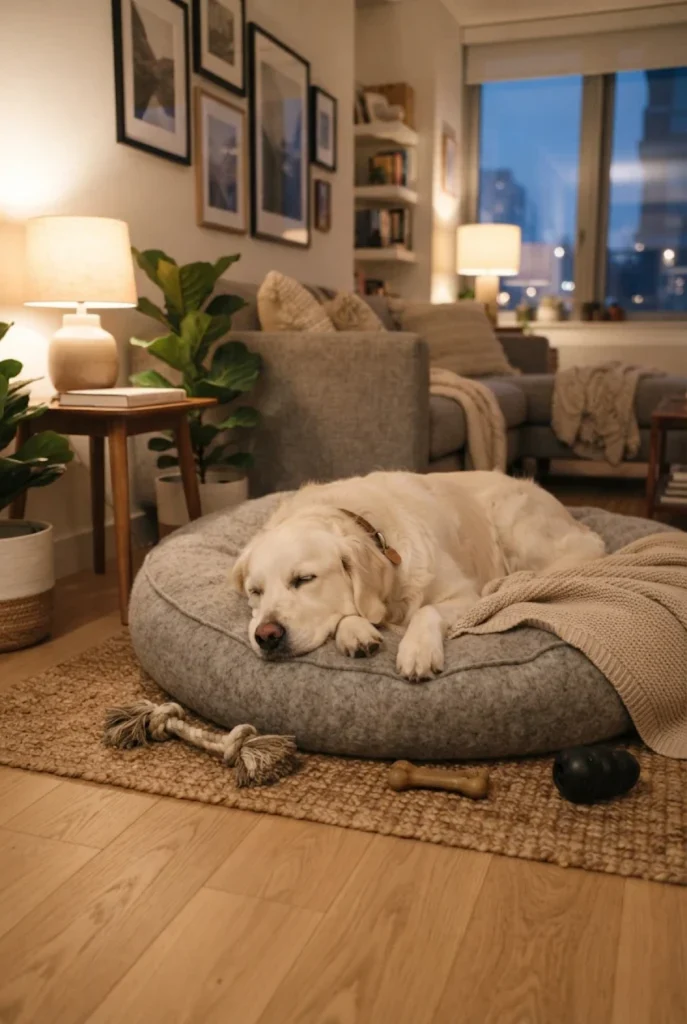
A calm evening routine can help your dog enjoy apartment life while creating a predictable end to the day. Set up a comfortable resting corner with a suitable bed, fresh water, and a few safe toys. You can include a short sniffing game, gentle brushing, quiet interaction, or an easy food puzzle before bedtime. These simple activities give your dog opportunities to engage with you without becoming overly excited.
Consistency is more important than the number of activities you provide. For example, you might take a short evening walk, spend five minutes practicing a familiar trick, and then encourage your dog to relax in its resting area. Pay attention to signs of tiredness and allow enough time for uninterrupted sleep. A comfortable routine can make apartment living more enjoyable for both you and your dog.
Final Thoughts
Living in an apartment does not mean your dog has to miss out on exciting activities, daily adventures, or opportunities to stay active. With a little creativity, you can turn ordinary household spaces into enjoyable places for play, learning, and mental stimulation.
These Dog Activities for Apartment living offer simple ways to keep your furry friend entertained without needing a backyard or expensive equipment. From indoor hide-and-seek and treat puzzles to scent games and gentle training, there are plenty of activities you can introduce into your everyday routine.
Remember that every dog has different needs. Choose activities according to your dog’s age, personality, energy level, and physical abilities. Combine indoor games with regular outdoor walks, social interaction, healthy meals, and plenty of rest.
Most importantly, enjoy spending time with your dog. Even a few minutes of meaningful play each day can strengthen your bond and make apartment living happier for both of you.