
15 Enrichment Ideas for Dogs When You’re Busy
Being a busy dog owner does not mean your furry friend has to spend the entire day feeling bored or unstimulated. Between work, household responsibilities, family time, and everyday commitments, finding hours for dog activities can be challenging. Fortunately, keeping your dog mentally active does not always require expensive toys, long training sessions, or complicated games. A few simple activities can make a meaningful difference in your dog’s daily routine.
The best Enrichment Ideas are those that fit naturally into your schedule while giving your dog opportunities to sniff, explore, chew, play, and solve problems. Whether you have a playful puppy, an energetic adult dog, or a senior companion, these 15 easy enrichment activities can help make everyday life more interesting, rewarding, and enjoyable.
1. Prepare a Homemade Treat Puzzle
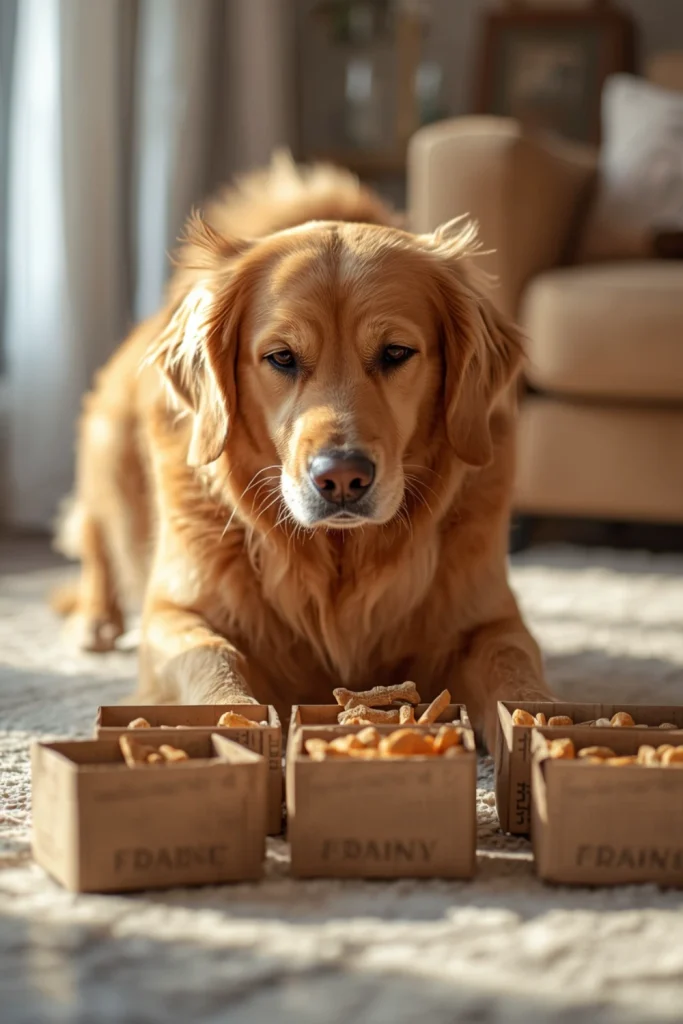
A homemade treat puzzle is one of the easiest enrichment activities for dogs when you have limited free time. Take a few clean cardboard boxes or paper cups and hide small pieces of your dog’s regular kibble inside them. Place the containers on the floor and let your dog investigate. Your dog will use its nose and paws to discover where the food is hiding. This simple activity encourages natural searching behavior while providing a little problem-solving challenge.
You can prepare this activity in just a few minutes before starting your workday. Begin with open containers so your dog can easily find the food. As your dog becomes more experienced, introduce additional hiding places. Always supervise the activity and remove cardboard or paper if your dog tries to swallow it. Avoid staples, tape, plastic pieces, and small objects that could create choking hazards.
2. Use a Snuffle Mat for Breakfast
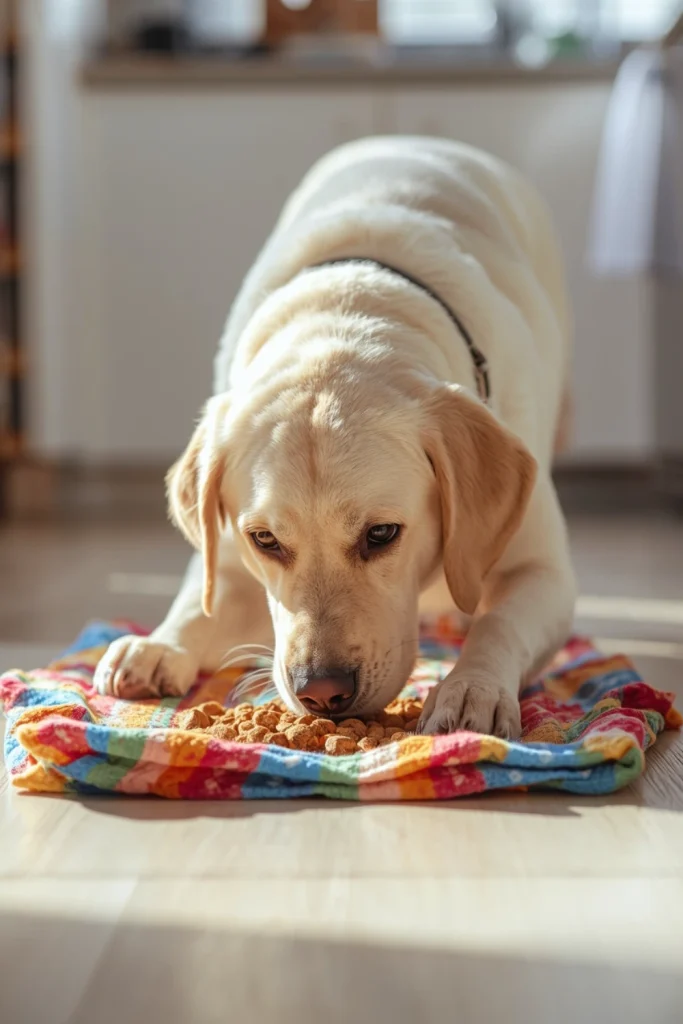
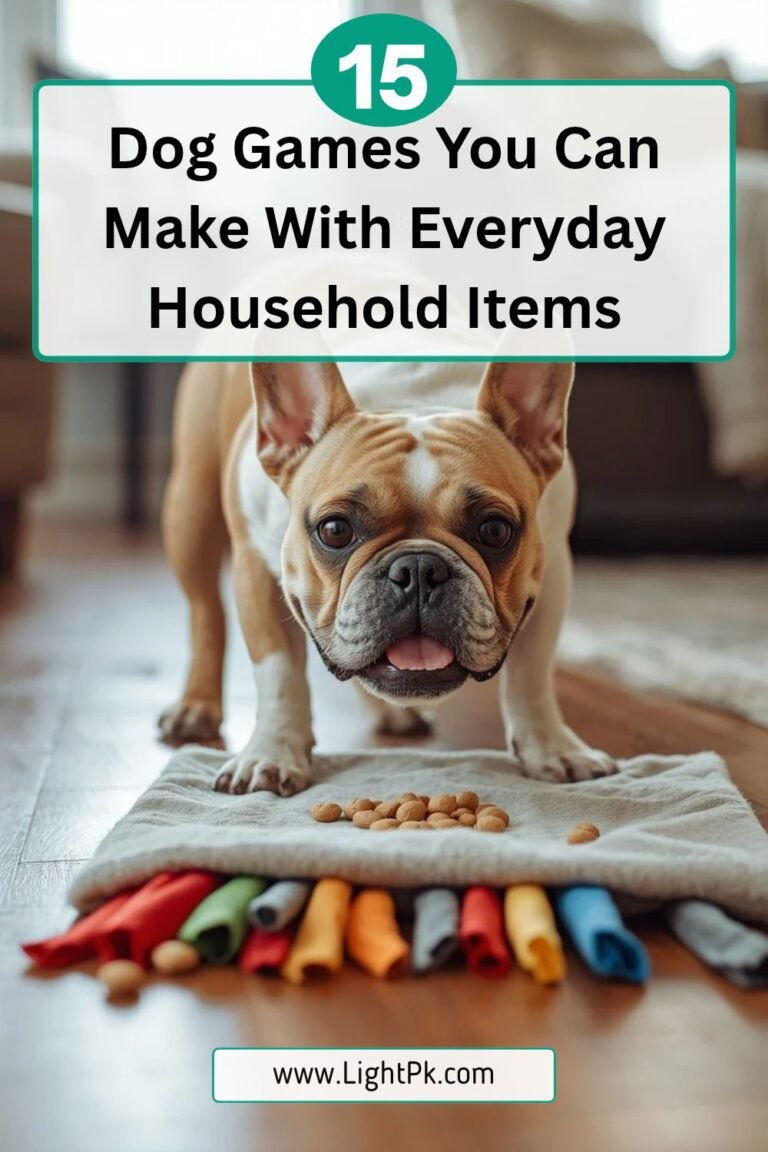
A snuffle mat can turn an ordinary breakfast into an enjoyable enrichment activity. These mats contain fabric strips and folds where small pieces of kibble can be hidden. Your dog must use its nose to search through the material and find each piece of food. This encourages natural foraging behavior and gives your dog an opportunity to work for its meal instead of eating everything from a regular bowl.
For busy owners, a snuffle mat is especially convenient because it requires very little preparation. Simply divide your dog’s normal breakfast portion across the mat and place it in a suitable area. Introduce the activity gradually and supervise your dog to prevent fabric chewing or swallowing. Clean the mat regularly, and make sure the material is suitable for your dog’s chewing habits.
3. Freeze a Stuffed Food Toy
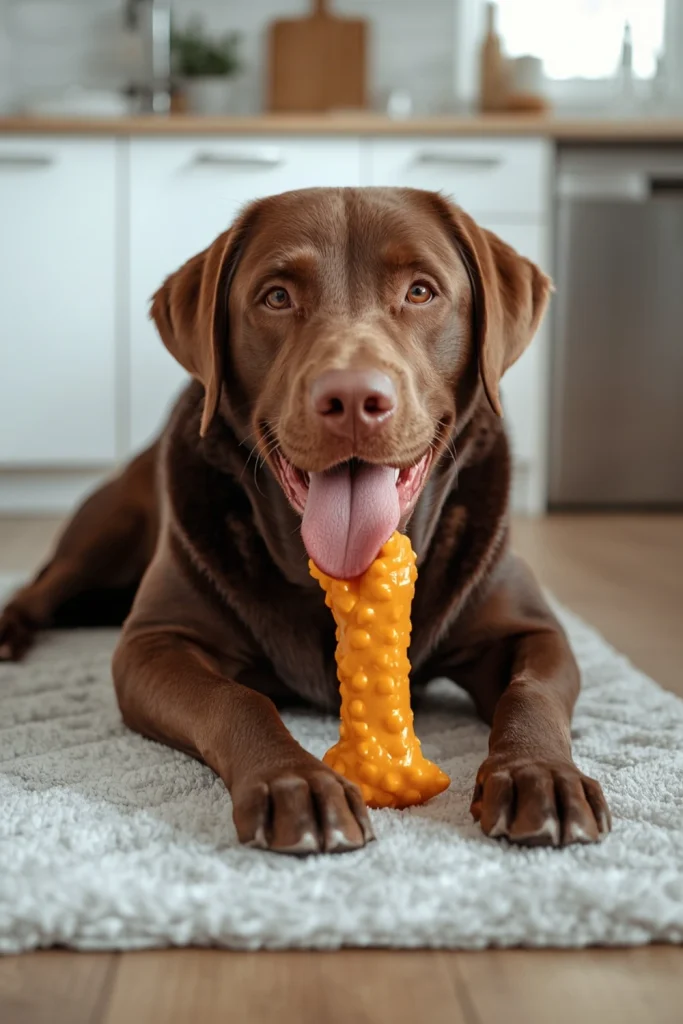
A stuffed rubber food toy is a useful option when you need a little uninterrupted time to complete household tasks. Fill an appropriately sized toy with soaked kibble, mashed pumpkin without added sugar, or a small amount of suitable wet dog food. You can freeze the toy to make the activity last longer. Your dog will need to lick and work around the food to enjoy the reward.
One useful strategy is to prepare several food toys in advance and store them in the freezer. This saves time on busy mornings and makes it easier to provide variety during the week. Always use ingredients that are safe for your dog, avoid toxic foods and artificial sweeteners such as xylitol, and account for the calories in your dog’s daily diet. Supervise your dog and remove the toy if it becomes damaged.
4. Play a Quick Indoor Hide-and-Seek Game
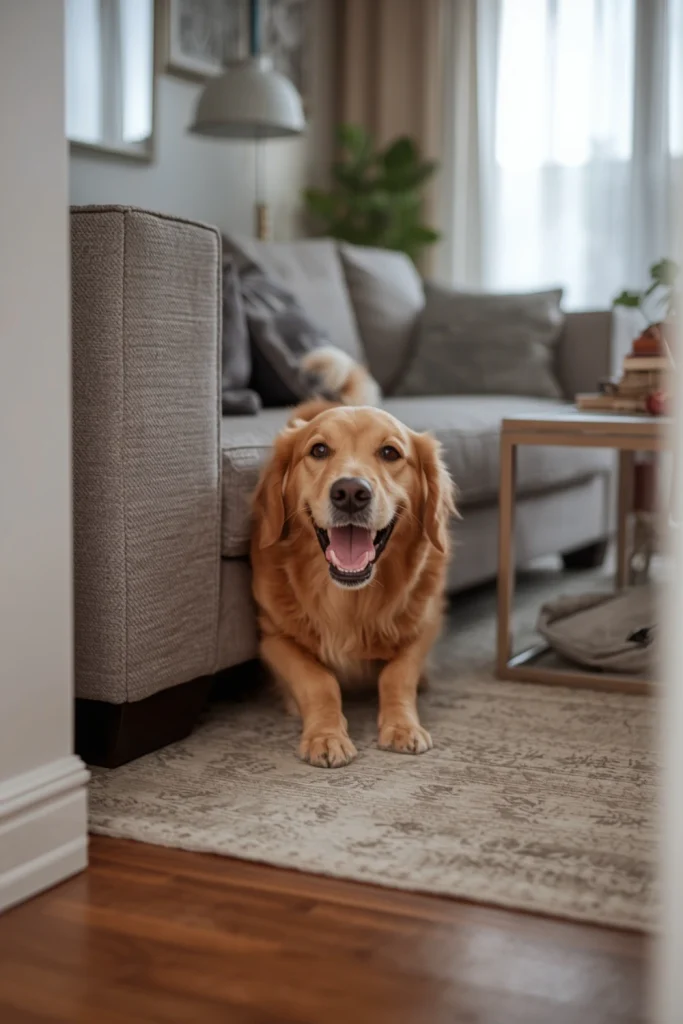
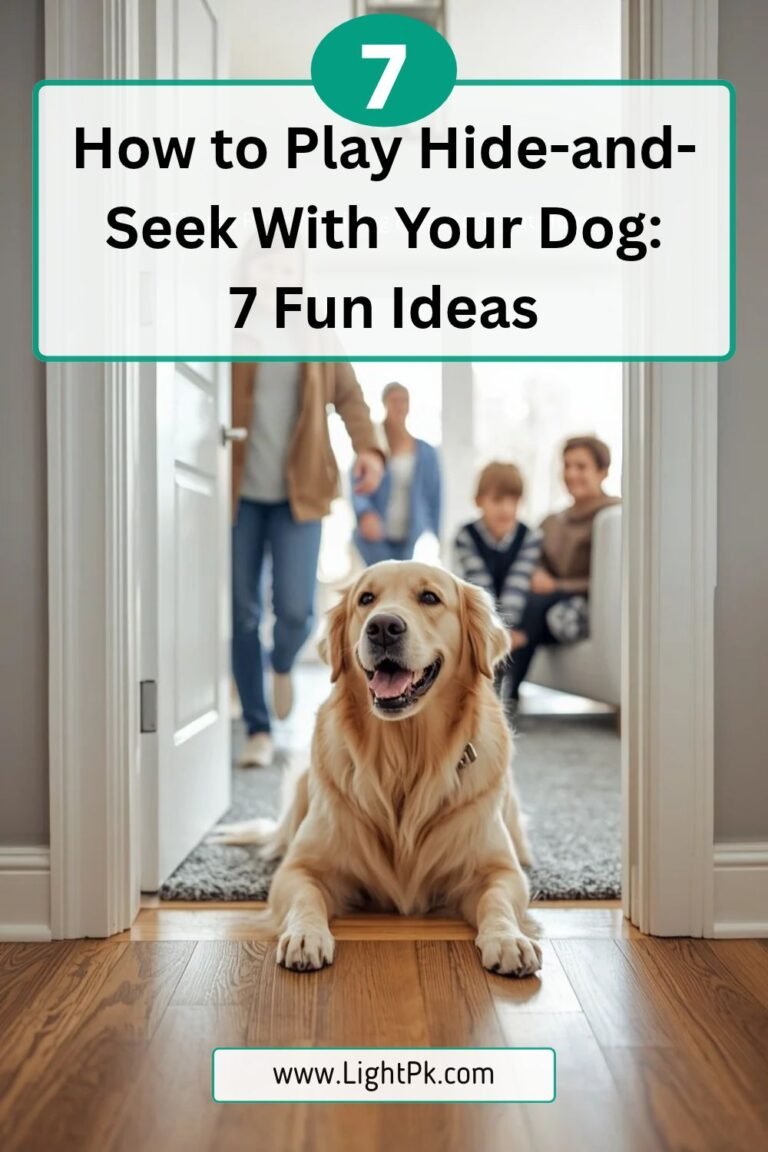
Hide-and-seek is a fun activity that combines mental stimulation, movement, and interaction with your dog. Ask your dog to wait in a safe room while you hide behind a door, sofa, or another accessible object. Call your dog’s name and encourage it to find you. When your dog discovers your hiding place, reward it with praise, affection, or a small treat. This makes the game exciting without requiring special equipment.
You can enjoy this activity even when you have only five minutes available. Start with easy hiding locations and gradually introduce more interesting ones as your dog understands the game. Avoid hiding in places that require your dog to jump over furniture or squeeze through narrow spaces. Keep the experience positive and allow your dog to take breaks if it becomes tired or overly excited.
5. Introduce a Daily Scent Search Game
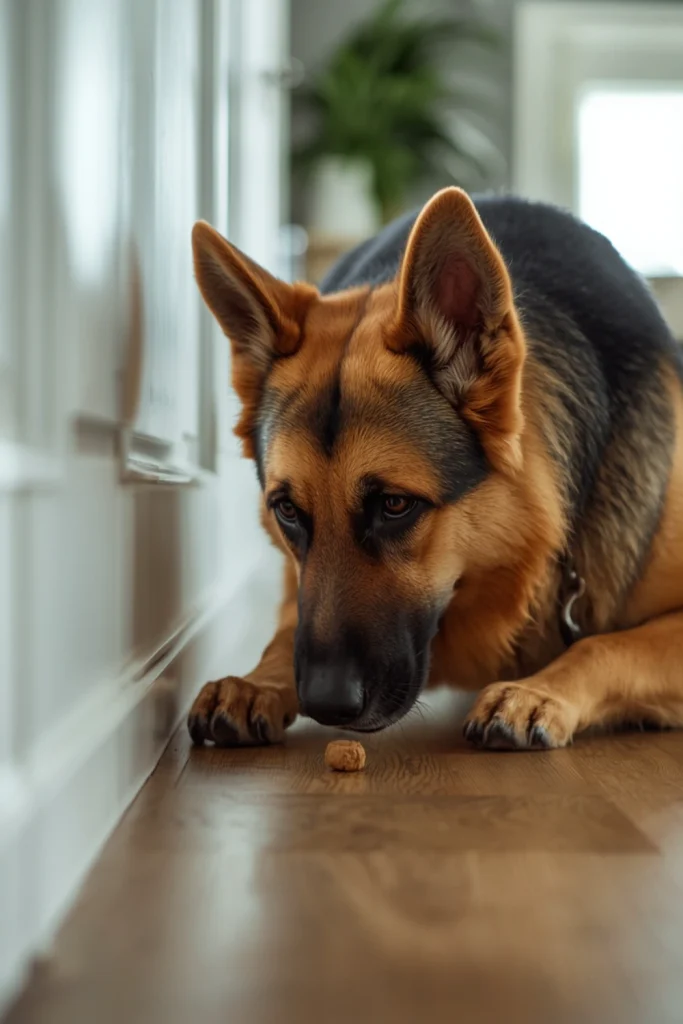
Scent search games are excellent for dogs because they encourage one of their strongest natural abilities. Start by showing your dog a small treat and hiding it somewhere easy to reach. Give a cue such as “Find it” and allow your dog to search using its nose. When your dog discovers the reward, offer praise and repeat the activity with another hiding place.
You can prepare several hiding spots around a single room before your dog begins searching. This makes the activity convenient when you have a busy schedule. Gradually make the game more challenging by placing treats behind safe objects or under loosely arranged towels. Avoid hiding food near cleaning products, electrical equipment, or dangerous household items. Use small treats or regular kibble to manage daily food portions.
6. Rotate Your Dog’s Toys
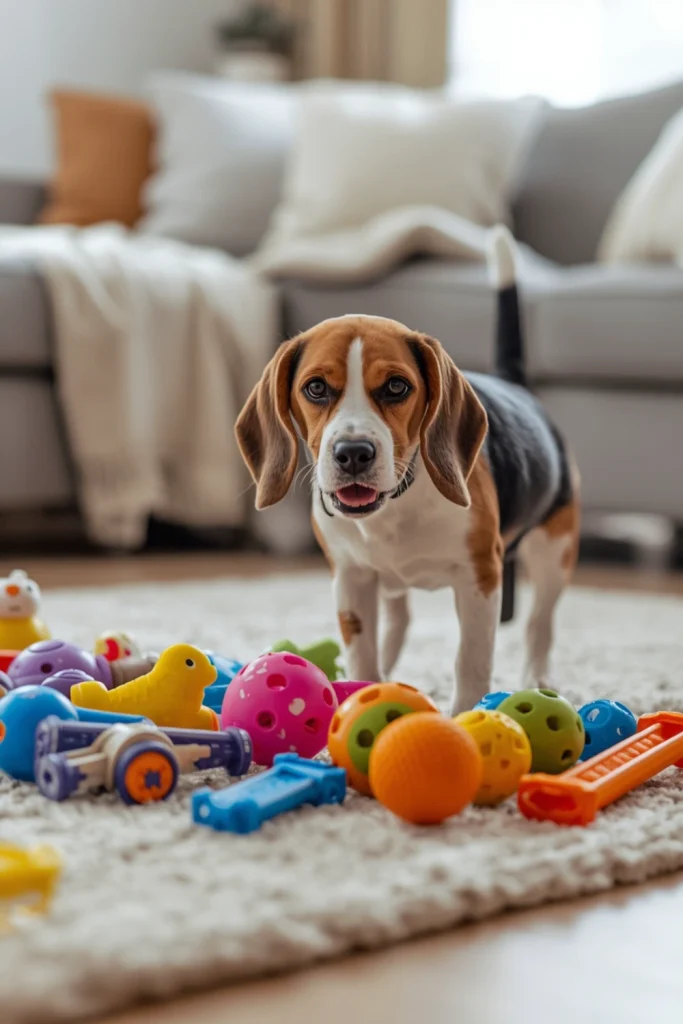
If your dog has several toys but rarely plays with them, toy rotation can make familiar objects more interesting. Instead of leaving every toy available all the time, keep a small selection in your dog’s play area and store the remaining toys in a safe container. Change a few toys every several days to introduce variety. This encourages your dog to investigate toys that may have become less interesting through constant availability.
The best part of toy rotation is that it does not require a large budget or additional preparation. You can use toys your dog already owns and organize them according to their type. Keep a mixture of appropriate chew toys, soft toys, and interactive toys. Inspect everything before returning it to your dog, and remove damaged toys with loose stuffing, sharp edges, or small detachable pieces.
7. Create a Simple Cardboard Box Exploration Game
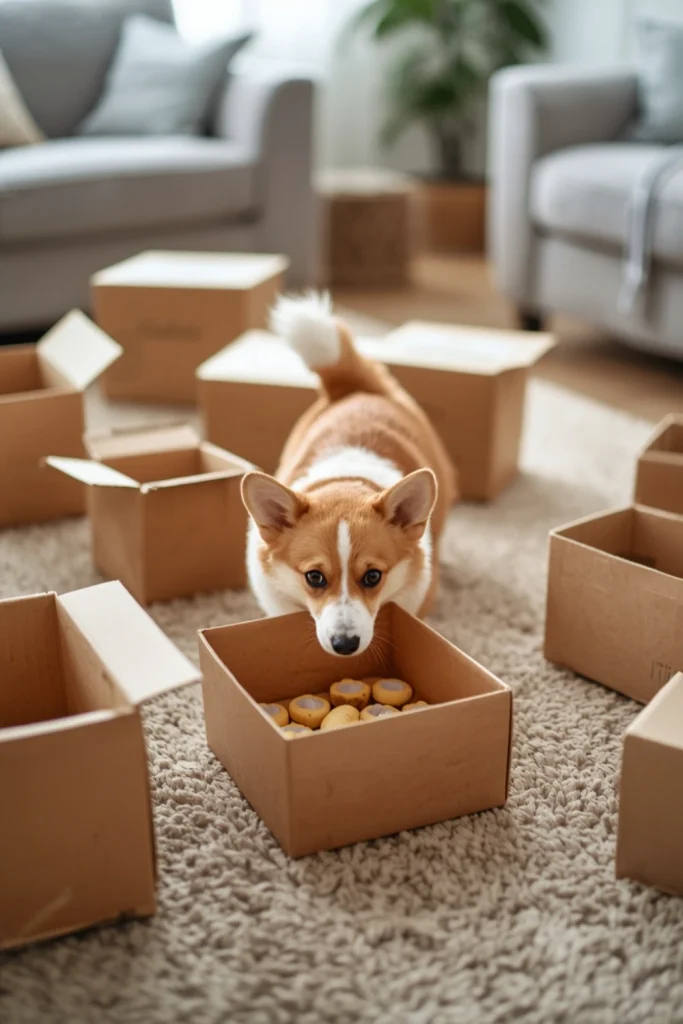
Cardboard boxes can provide an inexpensive opportunity for dogs to explore new objects and discover hidden rewards. Arrange two or three clean, empty boxes on the floor and place a few treats inside one of them. Let your dog investigate the different containers using its nose. You can also place crumpled paper inside a large open box to create a simple searching activity.
This is a useful enrichment option when you want to reuse safe household materials. Make sure all boxes are free from staples, sharp edges, plastic handles, and packaging materials. Keep the activity simple and supervise your dog throughout the game. Some dogs may prefer sniffing and exploring, while others immediately begin chewing cardboard. If your dog attempts to swallow the material, remove the boxes and choose another activity.
8. Offer a Dog-Safe Licking Mat
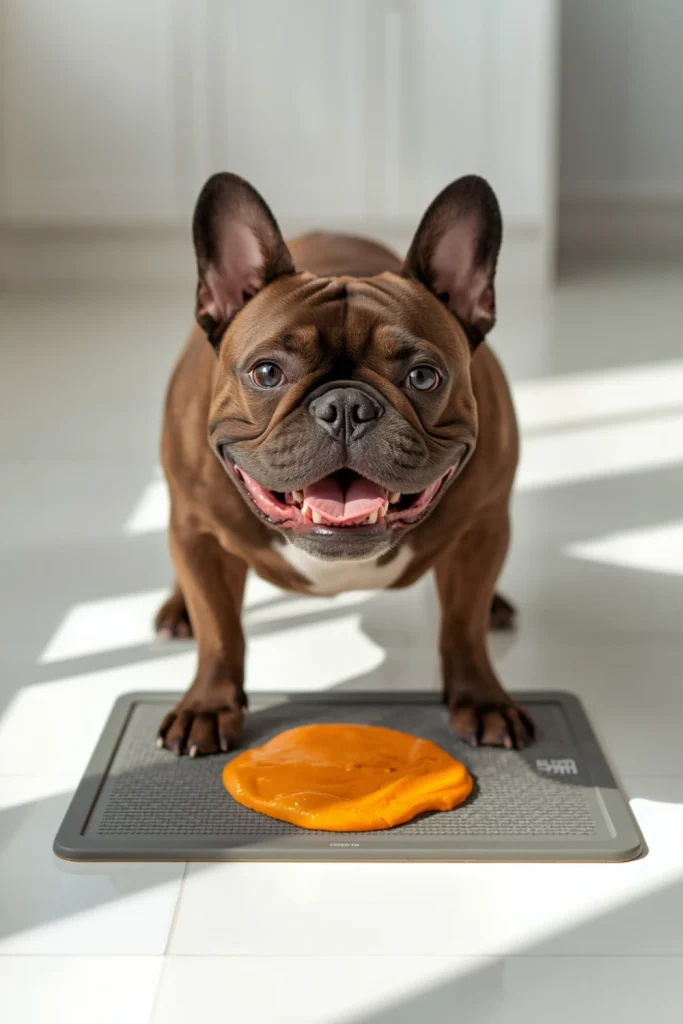
A licking mat is a simple tool that encourages dogs to spend time exploring food across a textured surface. Spread a thin layer of suitable dog food, mashed pumpkin, or soaked kibble over the mat. Your dog will use its tongue to collect the food from the different grooves. This creates a gentle enrichment experience that can fit into a busy morning or evening routine.
You can prepare a licking mat ahead of time and refrigerate or freeze it when appropriate for the ingredients and product instructions. Introduce the mat while your dog is calm and observe how it interacts with the surface. Some dogs enjoy licking activities, while others may prefer different types of enrichment. Choose a durable mat, supervise your dog, and wash it carefully after use.
9. Teach One New Trick in Five Minutes
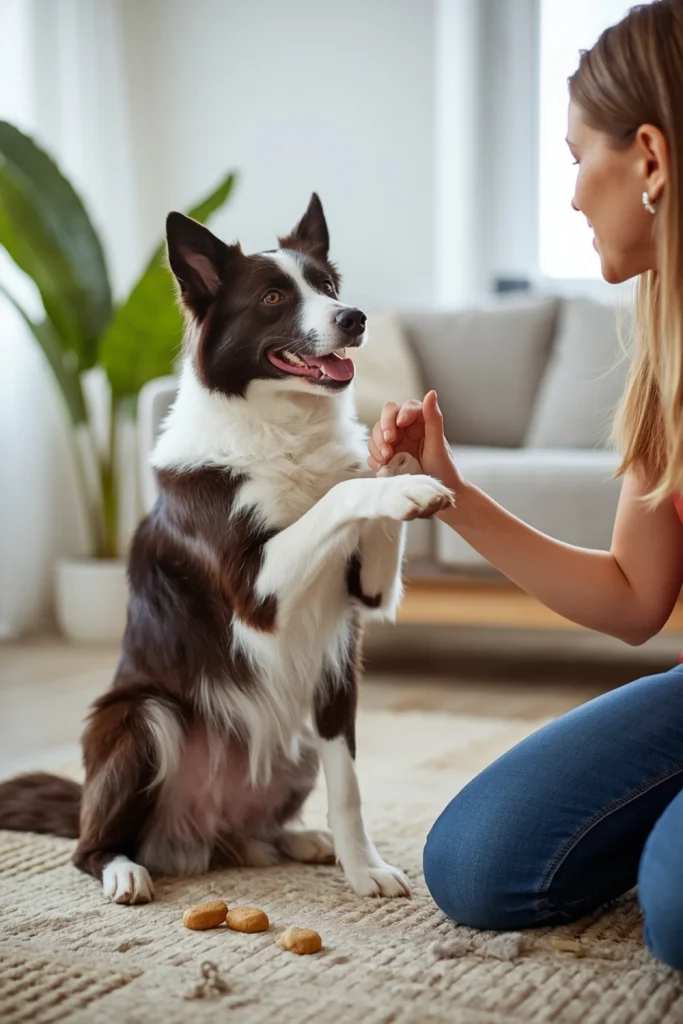
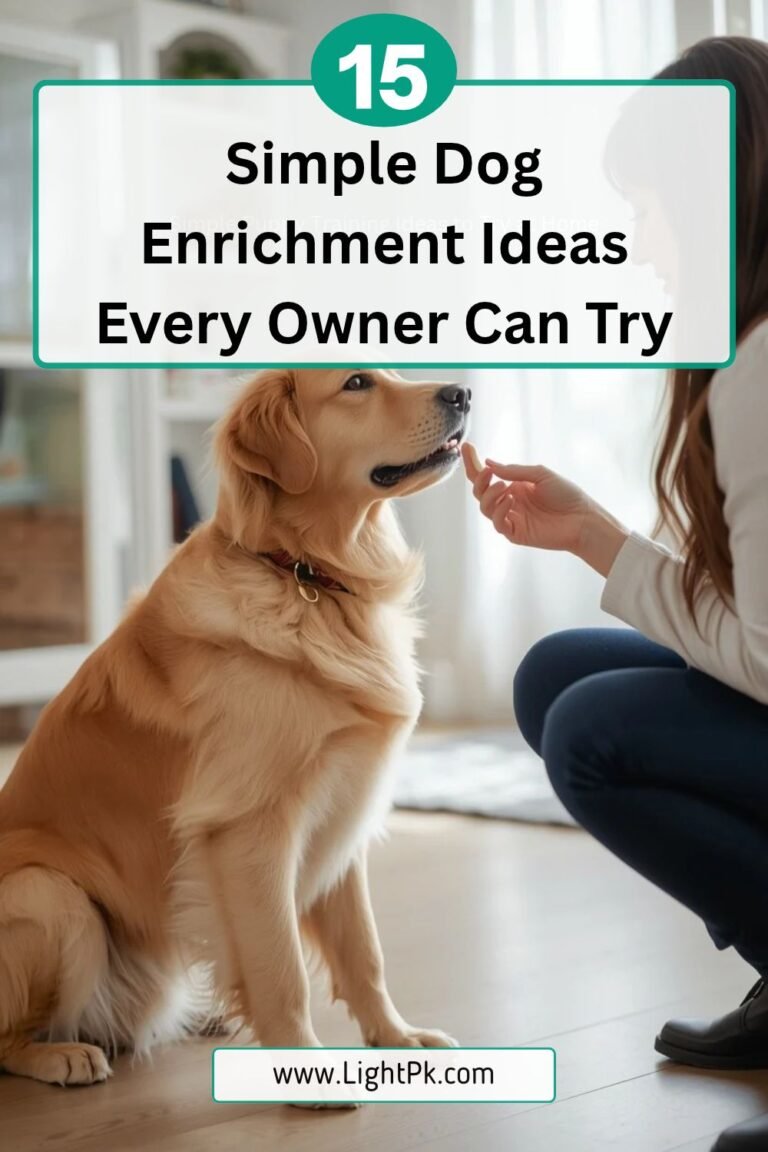
Training sessions are excellent enrichment opportunities because they encourage dogs to think, understand instructions, and interact with their owners. You do not need to teach complicated tricks. Start with simple skills such as giving a paw, touching your hand with the nose, spinning, sitting on a mat, or responding to their name. Reward small improvements with praise or tiny treats.
A five-minute session can easily become part of your daily routine. For example, practice one trick before breakfast or after returning from work. Keep instructions consistent and avoid repeating commands excessively when your dog does not understand. Break new skills into smaller steps and finish on a positive note. Training should be enjoyable rather than stressful, and physical tricks should always be adjusted to your dog’s age and mobility.
10. Set Up a Mini Indoor Obstacle Course
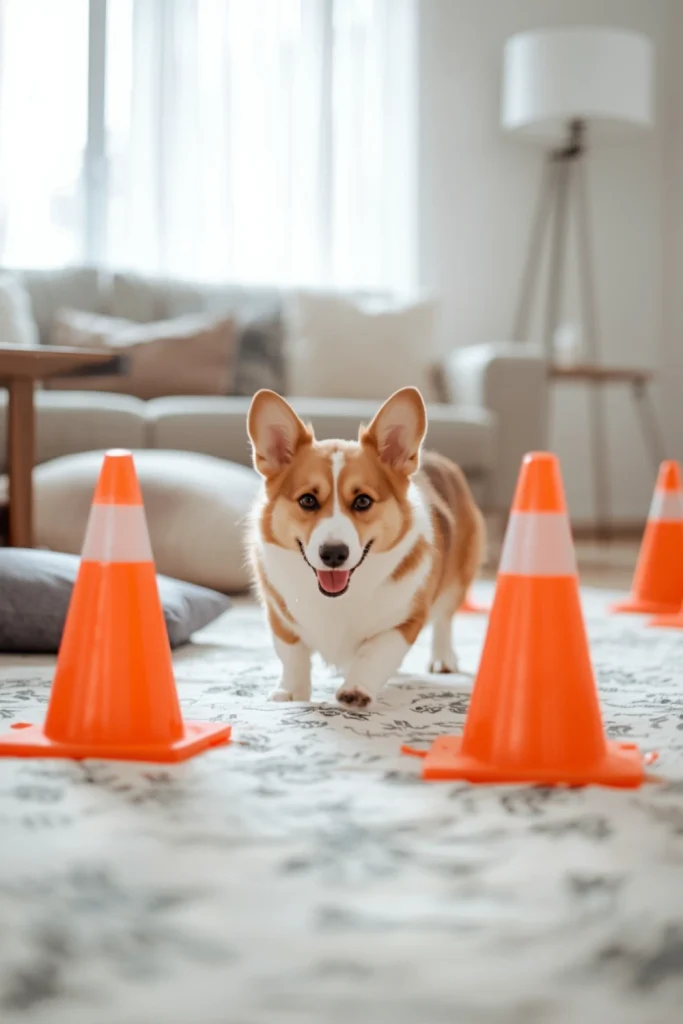
A mini obstacle course can make indoor time more interesting for dogs that enjoy exploring and moving around. Use soft cushions, lightweight cones, and large cardboard boxes to create a simple pathway. Encourage your dog to walk around the objects, move between cushions, or follow you through the course. Reward calm participation and give your dog enough time to understand each part.
This activity does not require expensive agility equipment. A small open area in your living room can be enough for a beginner-friendly course. Choose stable objects and non-slip flooring, and avoid high jumps, narrow passages, or unstable furniture. Keep the session short and adjust the difficulty to your dog’s physical abilities. Puppies and senior dogs should only participate in gentle, low-impact activities.
11. Give Your Dog a Window Watching Area
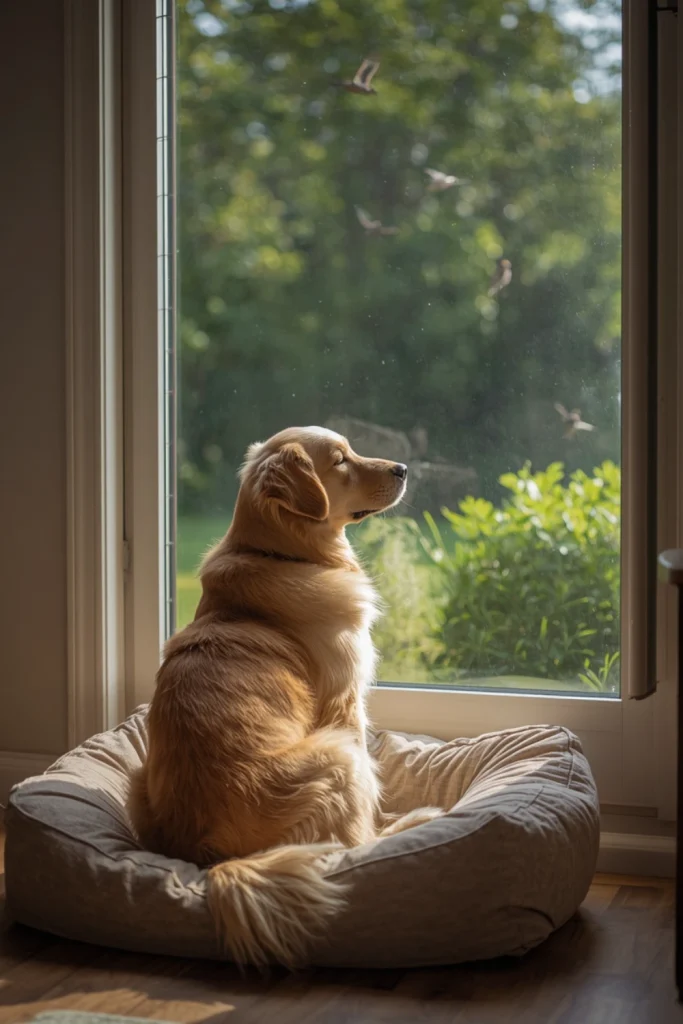
Many dogs enjoy watching the outside world from a comfortable indoor location. A secure window-viewing area can provide visual stimulation through passing people, moving vehicles, birds, and changing outdoor activity. Place a comfortable dog bed near a safe window where your pet can observe its surroundings. Make sure the window is properly secured and your dog cannot climb onto an unsafe surface.
This enrichment idea requires very little effort and can become part of your dog’s quiet daily routine. However, observe your dog’s reaction to outside activity. Some dogs become excited or bark repeatedly when they see unfamiliar people and animals. If window watching creates stress or excessive barking, close the curtains or move the resting area to a quieter location. The purpose is to provide enjoyable observation, not constant excitement.
12. Play a Treat Scattering Game
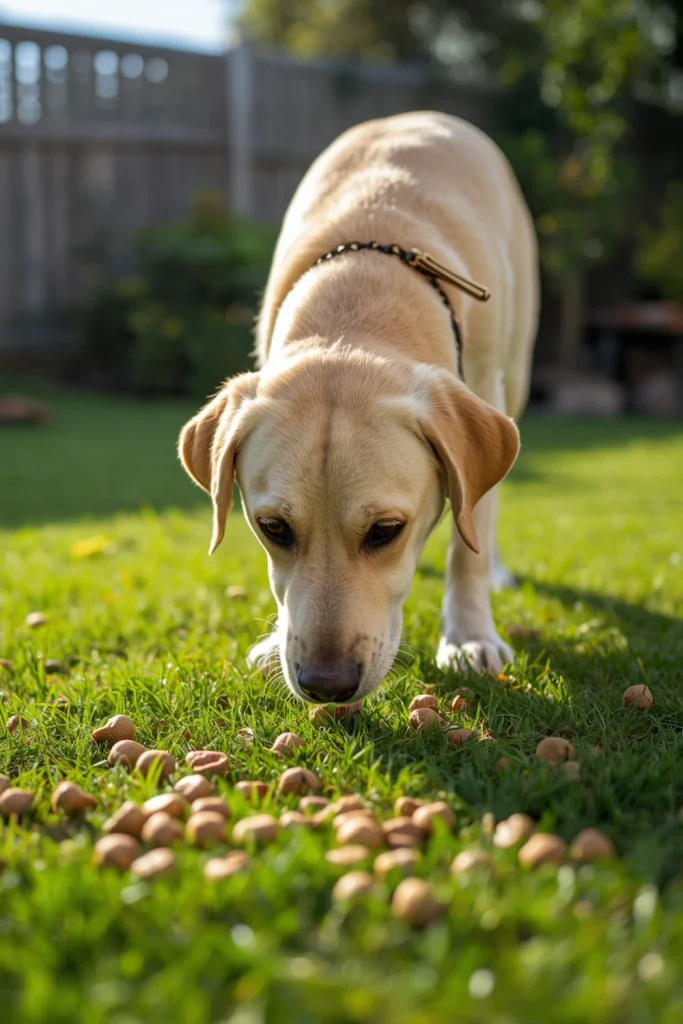
Treat scattering is one of the simplest enrichment activities for dogs when you’re short on time. Take a small portion of your dog’s regular kibble and scatter it across a clean, safe surface. Encourage your dog to find each piece using its nose. You can try this activity on a suitable indoor mat, a clean floor, or a secure grassy area.
Unlike complicated puzzles, this game requires almost no equipment or preparation. It encourages dogs to explore their surroundings and engage in natural foraging behavior. Start with a small area so your dog can easily find the food. Avoid locations where other animals, chemicals, insects, or dangerous objects may be present. Always supervise your dog, especially if it tends to eat grass, soil, or other non-food materials.
13. Teach Your Dog to Find Its Favorite Toy
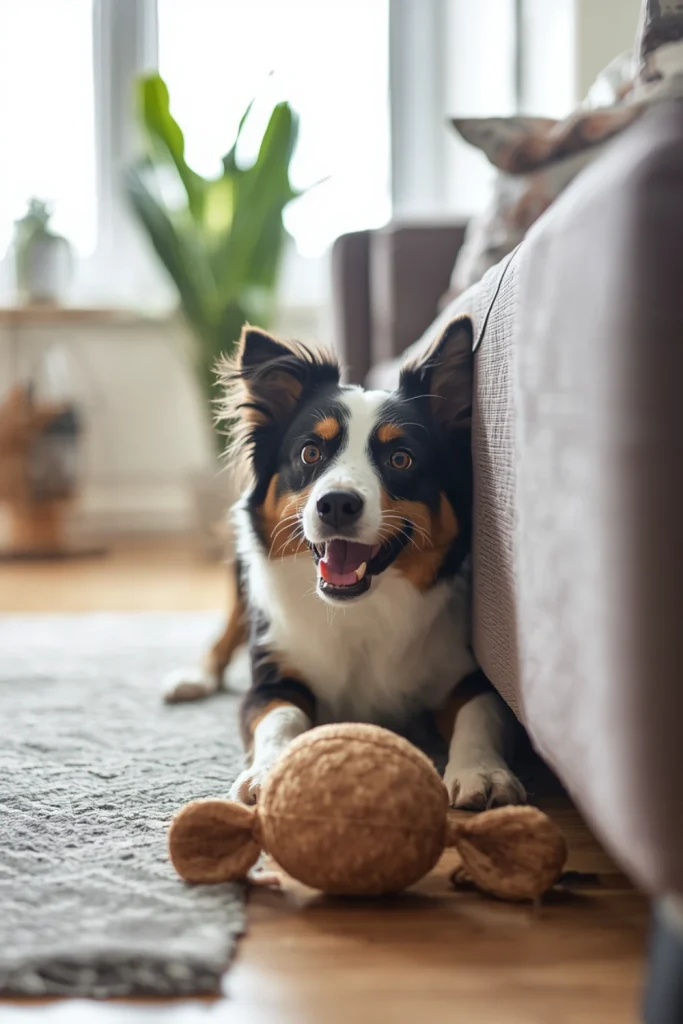
Teaching your dog to find its favorite toy is a fun way to combine memory, scent, and problem-solving. Begin by placing a familiar toy in an obvious location and encouraging your dog to retrieve it. Use a consistent cue such as “Find your toy.” When your dog successfully locates the toy, reward it with praise or a short play session.
Once your dog understands the activity, gradually hide the toy in different accessible locations. You can place it behind a cushion or beside a safe piece of furniture. Avoid hiding toys near stairs, electrical equipment, unstable objects, or areas where your dog could become trapped. This activity is especially convenient because you can use an existing favorite toy instead of buying new enrichment products.
14. Enjoy a Short Sniff-Focused Walk
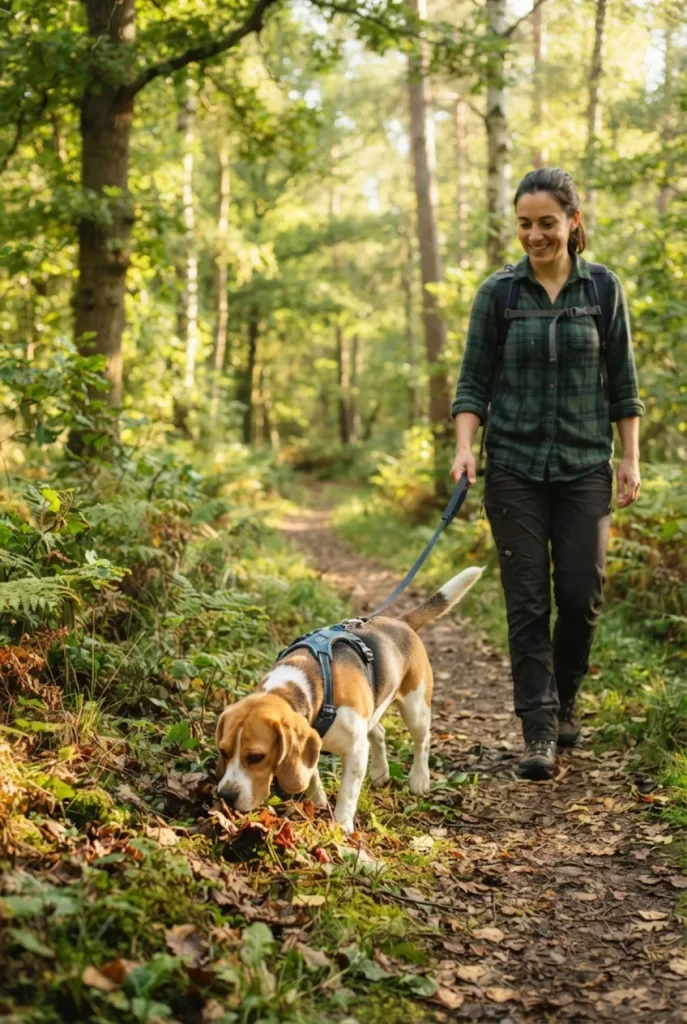
A walk does not always have to focus on distance or speed. Allowing your dog to stop and investigate interesting smells can provide valuable mental stimulation. Choose a quiet neighborhood route or a dog-friendly nature trail and let your dog explore suitable areas at a comfortable pace. Sniffing different plants, trees, and outdoor surfaces gives your dog opportunities to gather information about its surroundings.
Busy owners can introduce variety by changing the walking route occasionally or allowing a few extra sniffing breaks during their usual walk. You do not need to organize a complicated outdoor adventure. Even small changes can make a familiar route more interesting. Keep your dog on a suitable leash, avoid unsafe plants and waste, and adjust walking duration according to its age, health, and energy level.
15. Create a Calm Evening Enrichment Routine
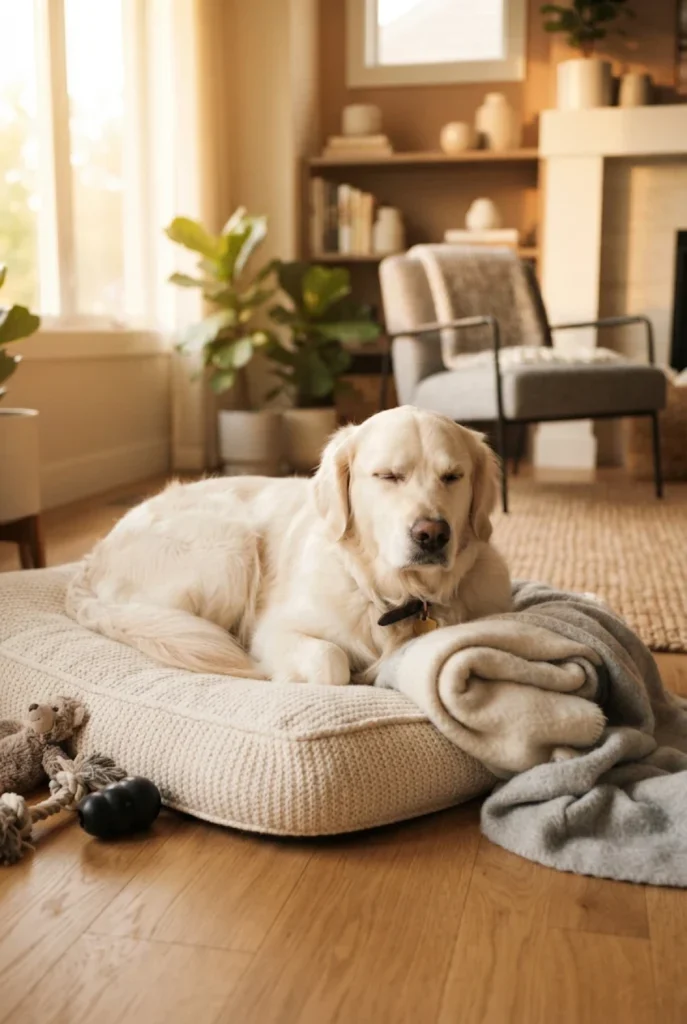
Enrichment does not always mean energetic games or exciting activities. Dogs also need opportunities to relax and enjoy a predictable environment. Create a comfortable resting corner with a suitable bed, fresh water, and a few safe toys. You can include calm activities such as gentle brushing, quiet interaction, a food puzzle, or a short sniffing game before bedtime.
A consistent evening routine can be particularly helpful for owners who spend most of the day working. For example, you might take a short walk after dinner, spend five minutes practicing an easy trick, and then offer a comfortable resting space. Pay attention to your dog’s signals and avoid overstimulation before sleep. Remember that adequate rest is just as important as play, exploration, and mental challenges.
Final Thoughts
Being busy does not mean you cannot provide your dog with an interesting and rewarding daily routine. Small activities such as treat puzzles, scent searches, toy rotation, indoor games, and short training sessions can create valuable opportunities for mental stimulation.
The best Enrichment Ideas are simple enough to fit into your everyday schedule and enjoyable enough to keep your dog interested. You do not need expensive equipment or hours of preparation. Start with one activity, discover what your dog enjoys, and gradually introduce more variety.
Most importantly, remember that enrichment is about improving your dog’s quality of life. Combine mental stimulation with appropriate exercise, affection, healthy nutrition, social interaction, and plenty of rest. Even a few thoughtful minutes each day can help make life happier and more fulfilling for your four-legged companion.