
20 Dog Enrichment Ideas for Busy Owners
Having a happy and healthy dog does not always require hours of outdoor activities, expensive toys, or complicated training sessions. Dogs need more than food, water, and daily walks. They also need mental stimulation, physical activity, and opportunities to explore their natural instincts. The good news is that even busy dog owners can provide these experiences through simple daily activities.
These Dog Enrichment Ideas are designed for people with demanding schedules who still want to give their dogs a fun, rewarding, and meaningful life. From food puzzles and scent games to short training sessions and homemade activities, these easy enrichment ideas can help reduce boredom, encourage positive behavior, and strengthen the bond between you and your furry companion.
1. Create a DIY Treat Puzzle
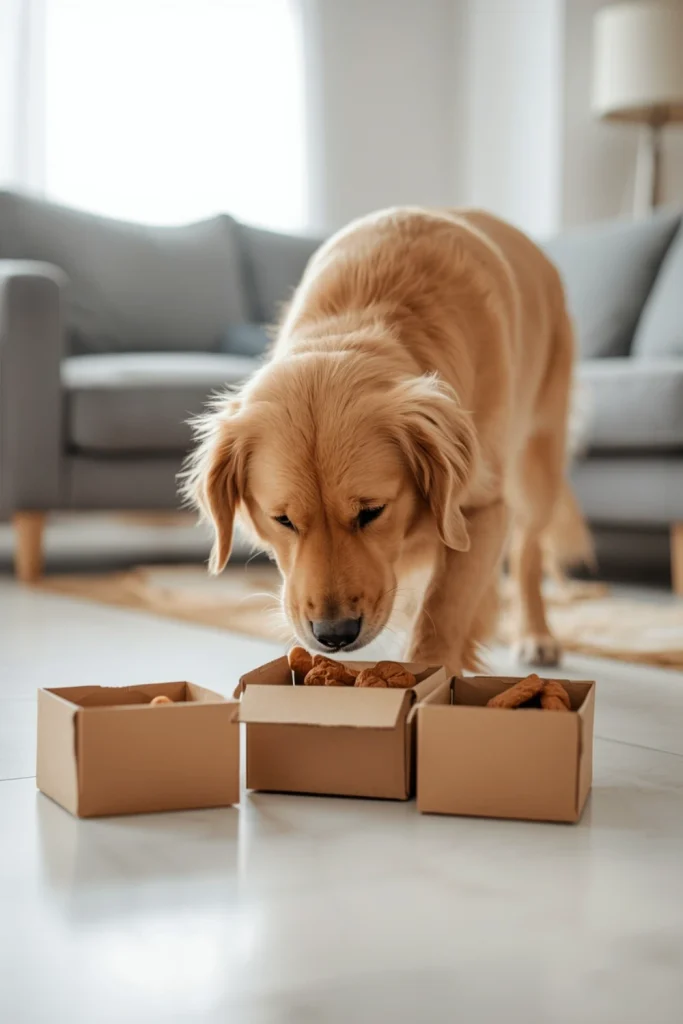
A homemade treat puzzle is one of the easiest Dog Enrichment Ideas for owners who have limited time. Take a few small cardboard boxes or empty toilet paper rolls and place some of your dog’s favorite treats inside. Arrange the boxes on the floor and allow your dog to investigate. Your dog will use its nose and paws to discover where the treats are hiding.
Start with simple puzzles that allow your dog to find rewards without becoming frustrated. You can gradually make the activity more challenging by using several boxes or loosely covering treats with paper. Always supervise your dog and remove cardboard pieces if your dog starts eating them. Avoid staples, tape, and sharp edges.
2. Try a Five-Minute Sniffing Game
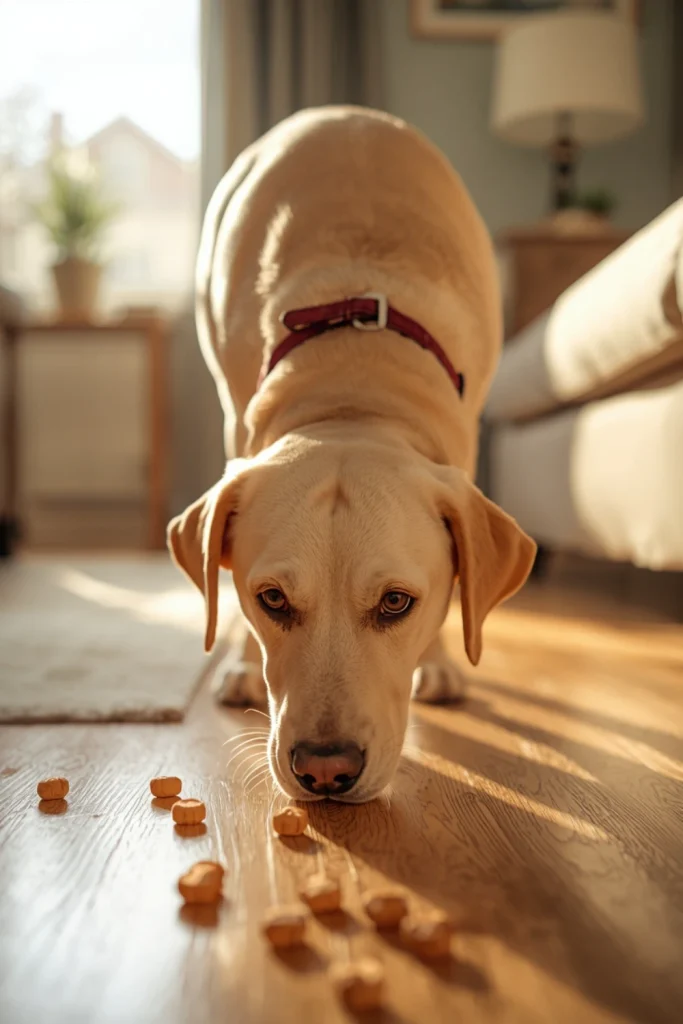
Dogs experience the world through their noses, making sniffing games an excellent way to provide mental stimulation. Instead of simply giving your dog treats from your hand, hide a few small pieces around an easy-to-access room. Encourage your dog to search for them using its nose. Start with visible hiding places before moving to slightly more difficult locations.
This activity is particularly useful for busy owners because it requires very little preparation. A short sniffing session can give your dog a rewarding mental challenge without requiring a long walk. Use small portions of your dog’s regular food to avoid adding too many calories. Keep hiding spots safe and make sure your dog cannot reach dangerous household objects.
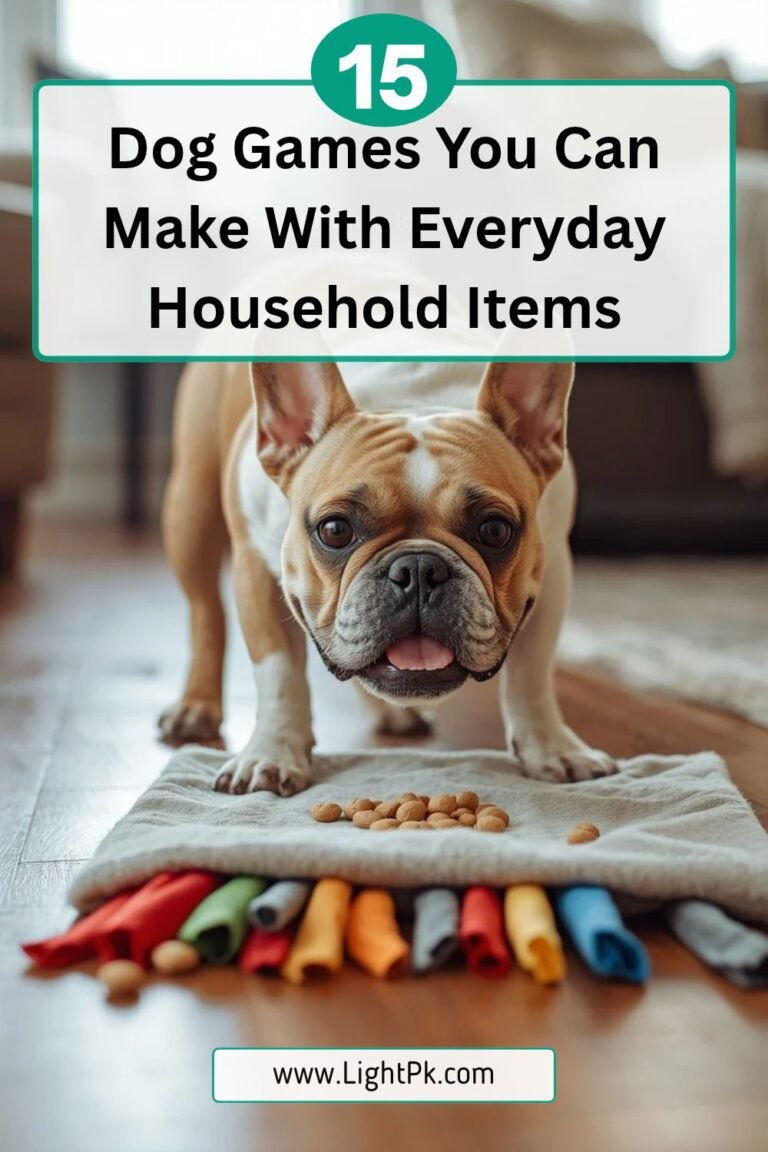
3. Use a Snuffle Mat for Mealtime
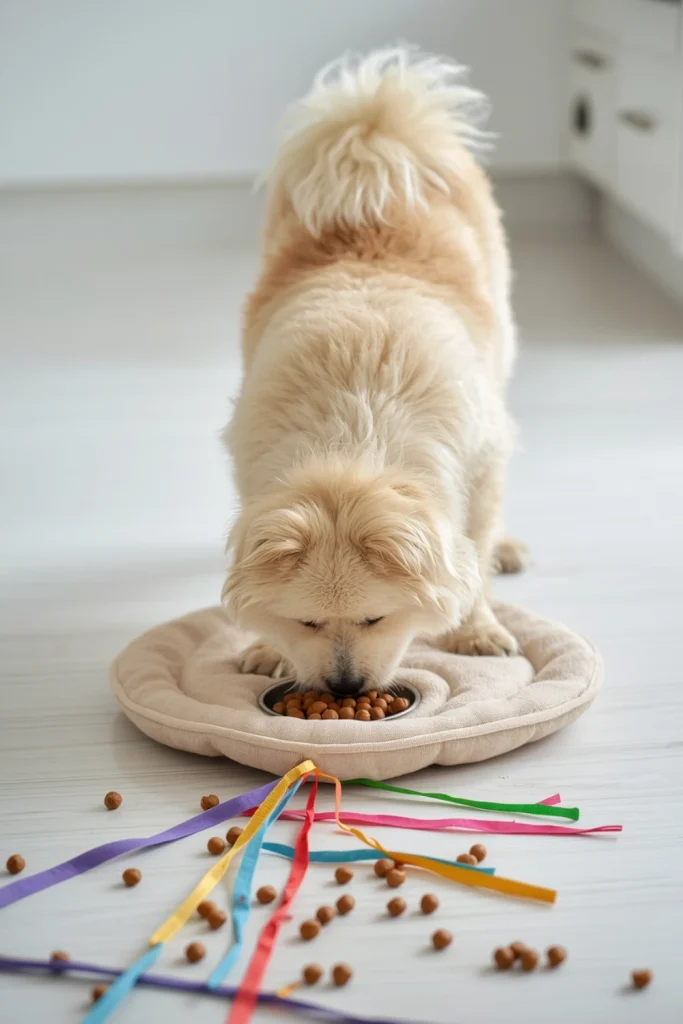
A snuffle mat is a useful enrichment tool for dogs that eat too quickly or enjoy searching for food. It contains multiple fabric folds where you can hide small pieces of dry food. Your dog must sniff through the fabric to locate each piece, turning an ordinary meal into an engaging activity. This encourages natural foraging behavior and makes feeding time more interesting.
Busy owners can prepare the snuffle mat in just a few minutes before starting work or completing household tasks. Use your dog’s normal meal rather than adding excessive treats. Introduce the mat gradually so your dog understands how it works. Always supervise your pet, especially if it tends to chew fabric. Wash the mat regularly to maintain cleanliness.
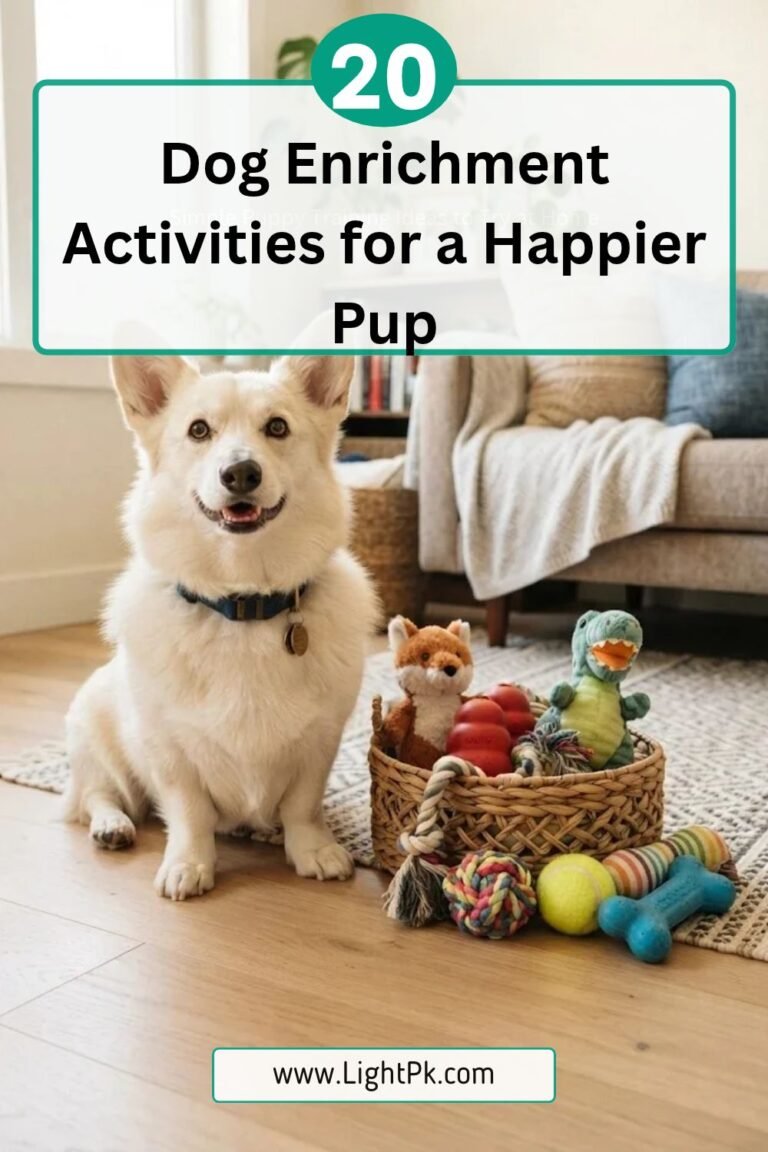
4. Freeze Healthy Treats in a Kong Toy
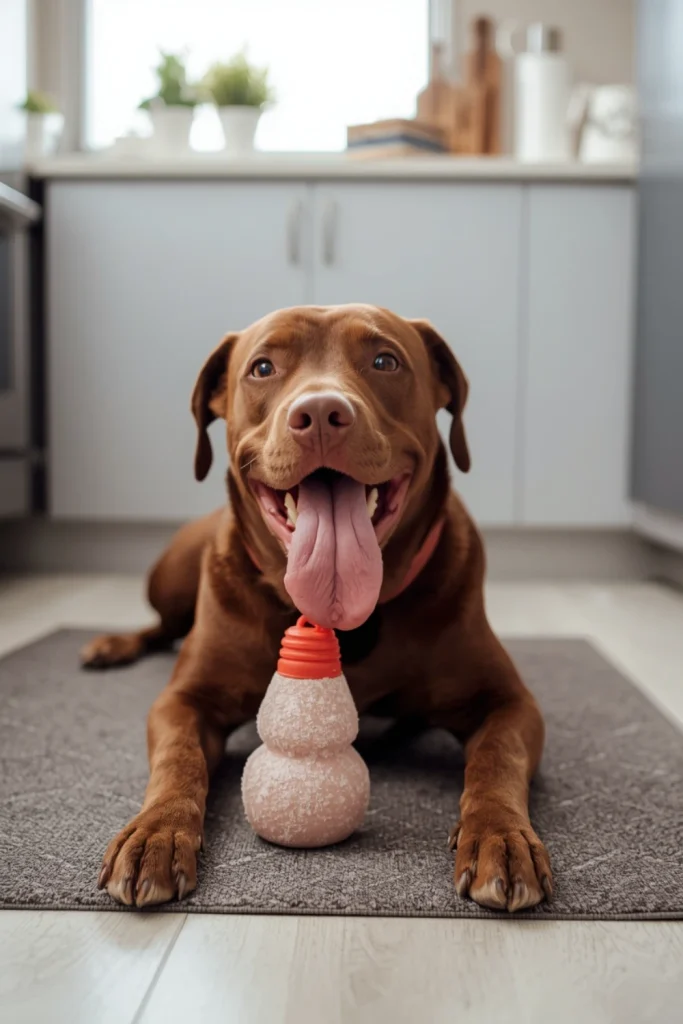
A stuffed rubber food toy can provide an enjoyable activity when you need to concentrate on work or complete household responsibilities. Fill an appropriately sized, durable food toy with dog-safe ingredients such as soaked kibble, mashed pumpkin without added sugar, or a small amount of plain unsweetened yogurt if your dog tolerates dairy. Freeze it to create a longer-lasting challenge.
Prepare several toys ahead of time and store them in the freezer for convenient use. This can make busy mornings easier because you will not need to prepare an activity from scratch. Choose ingredients that suit your dog’s dietary needs and avoid toxic foods such as chocolate, grapes, raisins, and products containing xylitol. Supervise your dog during the activity.
5. Play Hide-and-Seek Indoors
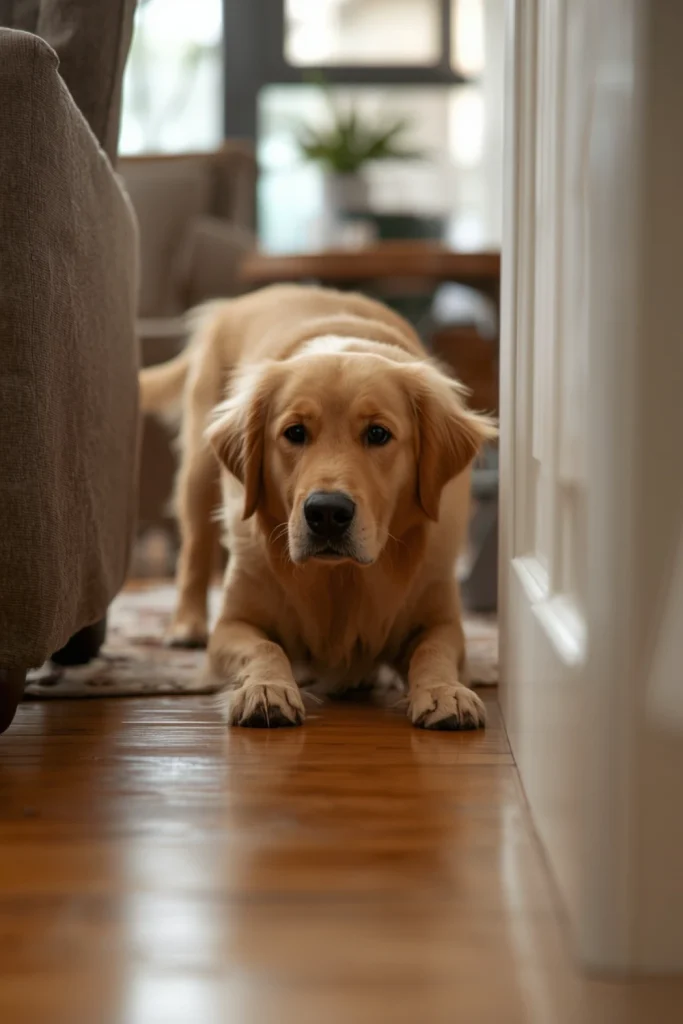
Hide-and-seek is a simple game that combines mental stimulation, movement, and bonding. Ask your dog to stay in one room while you move to a nearby hiding place. Call your dog’s name in an excited but friendly voice and encourage it to find you. When your dog discovers your location, reward it with praise, affection, or a small treat.
You do not need a large house to enjoy this activity. Start by hiding behind a door, chair, or sofa before trying more challenging locations. Keep the game short and make sure your dog does not jump over furniture or enter unsafe areas. This activity is especially useful when outdoor exercise is limited by bad weather or a busy schedule.
6. Teach One New Trick Every Week
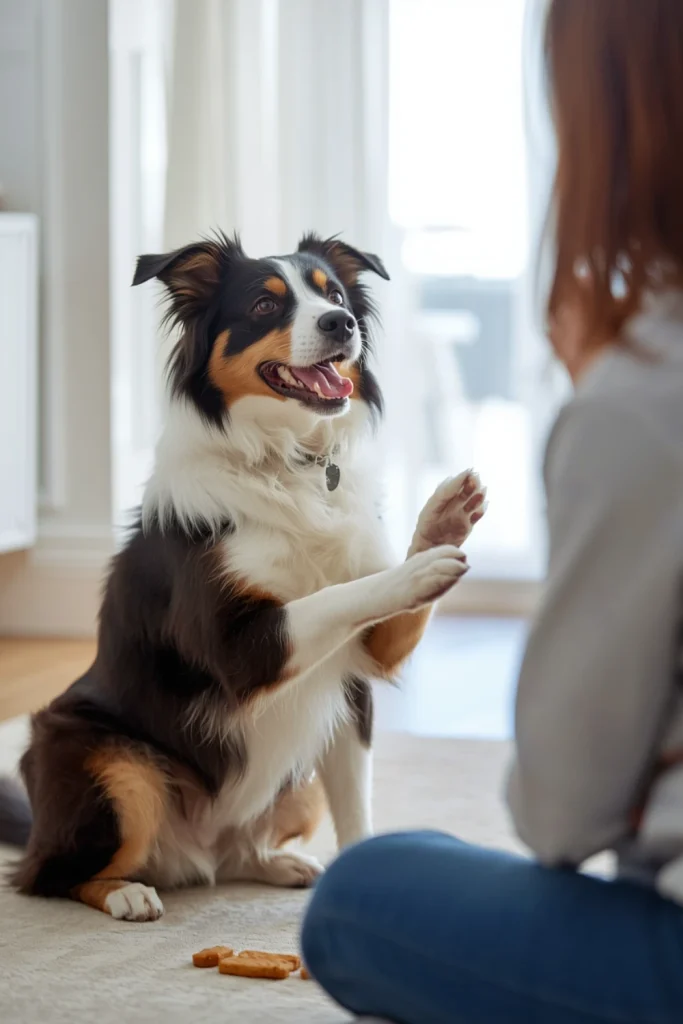
Training is not only about obedience. Teaching new tricks gives dogs an opportunity to think, learn, and interact positively with their owners. Choose simple tricks such as touching your hand with the nose, spinning, giving a paw, or going to a mat. Spend five minutes practicing one skill and reward your dog whenever it makes progress.
Busy owners can easily include training in their morning or evening routine. You do not need long sessions to make progress. Short, positive lessons are often easier for dogs to understand than extended training periods. Use small rewards, clear instructions, and patience. Avoid forcing your dog into unfamiliar movements, and adjust the difficulty according to its age and physical ability.
7. Make a Safe DIY Cardboard Box Maze
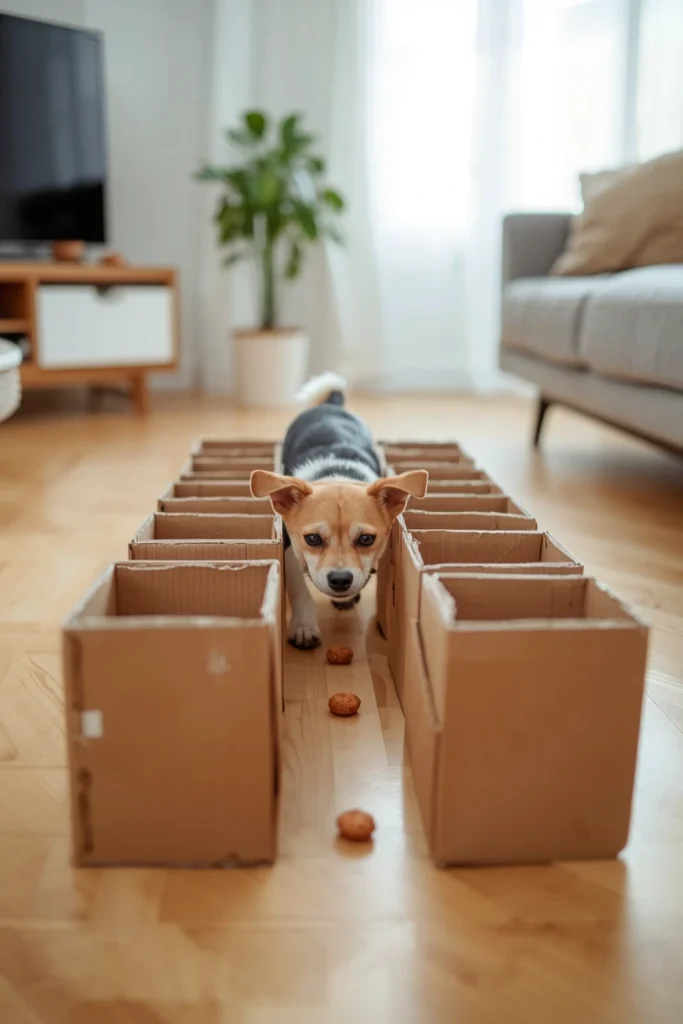
A cardboard box maze is an affordable enrichment activity that allows dogs to explore different spaces and search for rewards. Arrange several large, empty cardboard boxes in a safe room to create a simple pathway. Place a few treats along the route to encourage your dog to investigate. You can also place a favorite toy at the end to make the experience more exciting.
This activity is suitable for owners who want to reuse household materials instead of purchasing expensive enrichment equipment. Make sure the boxes are large enough for your dog to move around comfortably. Remove staples, plastic, tape, and sharp edges before setting up the maze. Supervise the activity and prevent your dog from chewing or swallowing cardboard.
8. Introduce a Dog-Safe Licking Mat
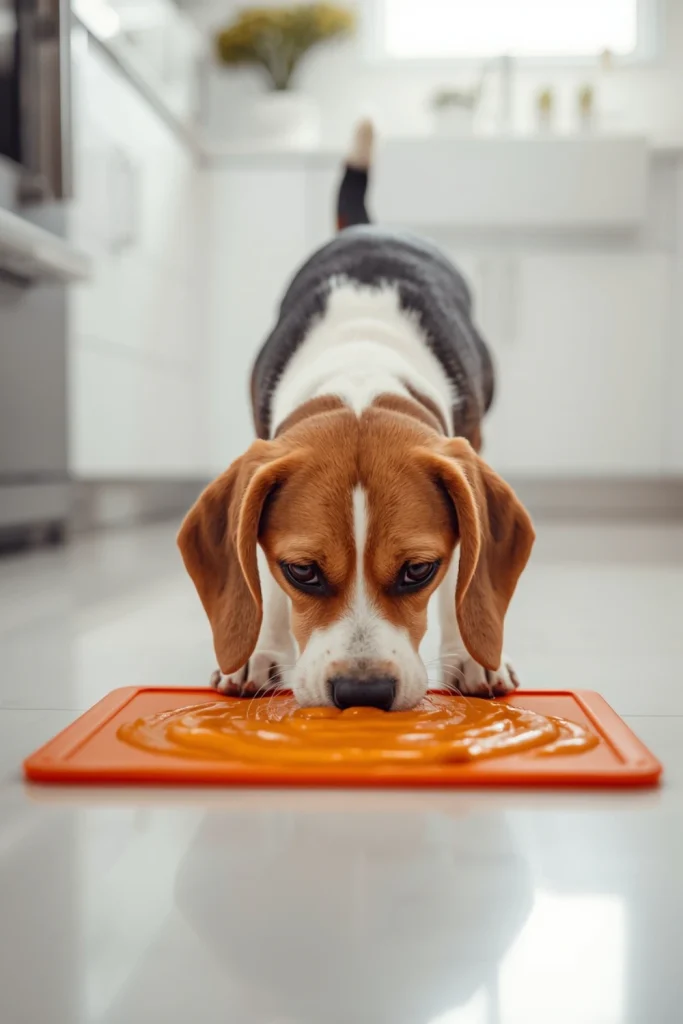
Licking mats provide an easy way to keep dogs engaged through a natural repetitive activity. Spread a thin layer of suitable food across the textured surface, such as mashed pumpkin, soaked kibble, or a small amount of dog-safe wet food. Your dog will use its tongue to collect the food from different sections of the mat.
This is a convenient option for busy owners because preparation takes only a few minutes. Some dogs find licking activities relaxing, although individual responses vary. Introduce the mat when your dog is calm and supervise the session. Choose a durable, appropriately sized mat and remove it if your dog attempts to chew or destroy it. Clean it thoroughly after every use.
9. Rotate Your Dog’s Toys Weekly
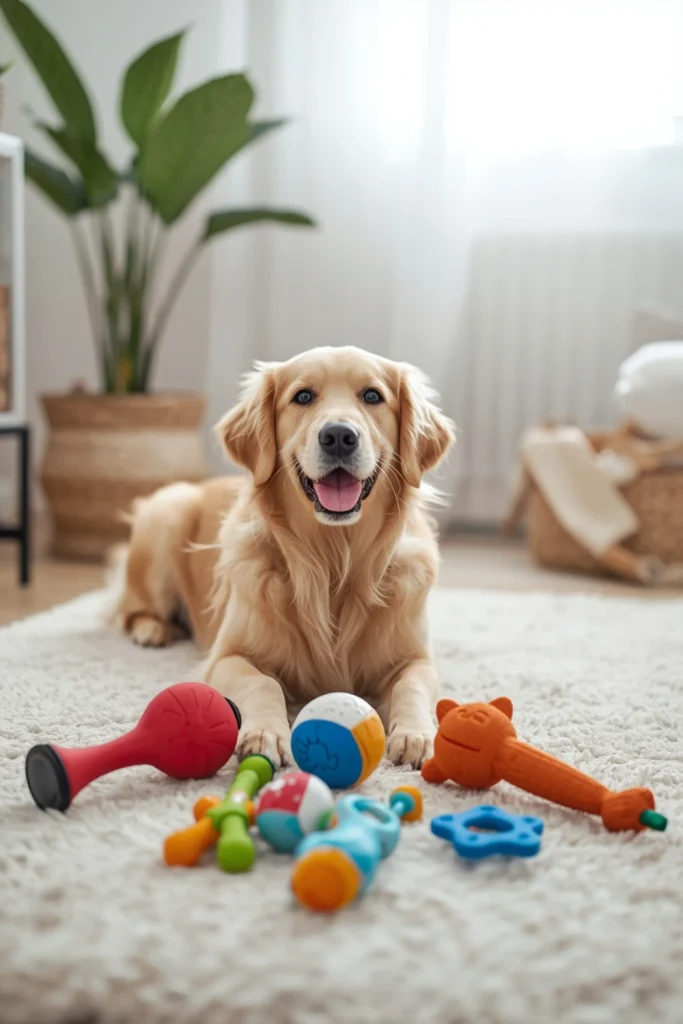
Dogs can sometimes lose interest in toys when the same items remain available every day. Toy rotation is a simple enrichment strategy that makes familiar toys feel interesting again. Keep a small selection available and store the remaining toys in a safe container. Every few days, replace one or two toys with different options to create variety.
You do not need to purchase new toys every week. Simply changing which toys are available can encourage your dog to explore and play. Include different types, such as soft toys, durable chew toys, and interactive toys suitable for your dog’s size. Inspect each toy regularly for damaged parts, loose stuffing, or pieces that could become choking hazards.
10. Create a DIY Treat Treasure Hunt
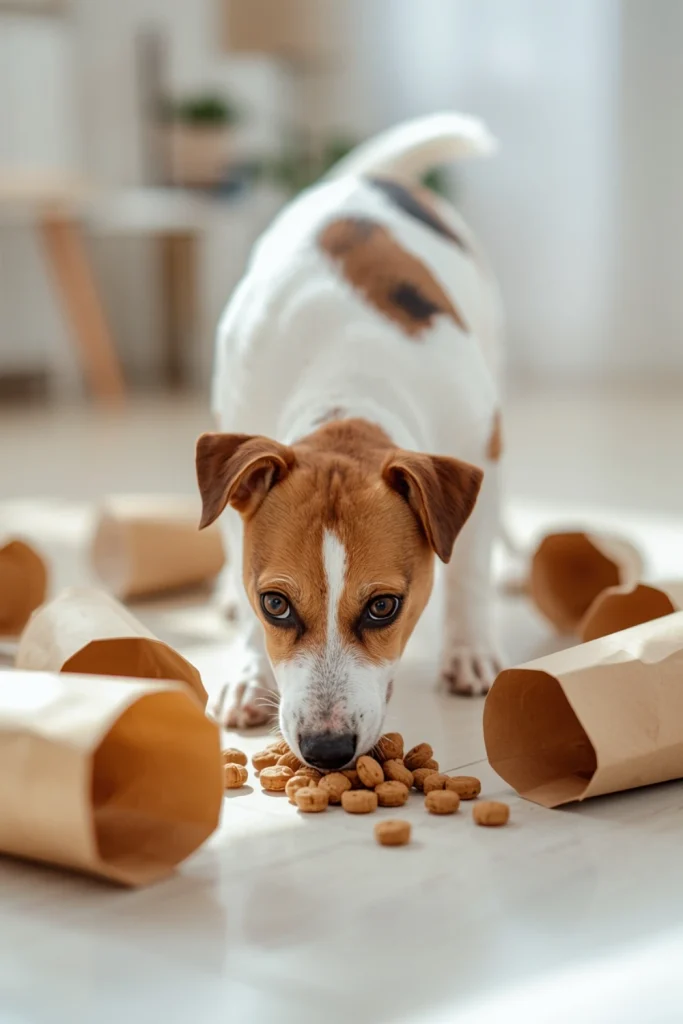
A treat treasure hunt is an excellent way to encourage problem-solving and natural searching behavior. Take a few lightweight, sturdy paper cups and place small treats underneath some of them. Arrange the cups upside down on a non-slip floor and allow your dog to investigate. Your dog can use its nose to discover which cups contain rewards.
Begin with only two or three cups so the game remains easy and enjoyable. As your dog understands the activity, you can add more cups or change their positions. Always supervise the game and remove cups that become damaged. Avoid plastic cups or small objects that your dog might swallow. Use tiny treats to keep the activity suitable for everyday play.
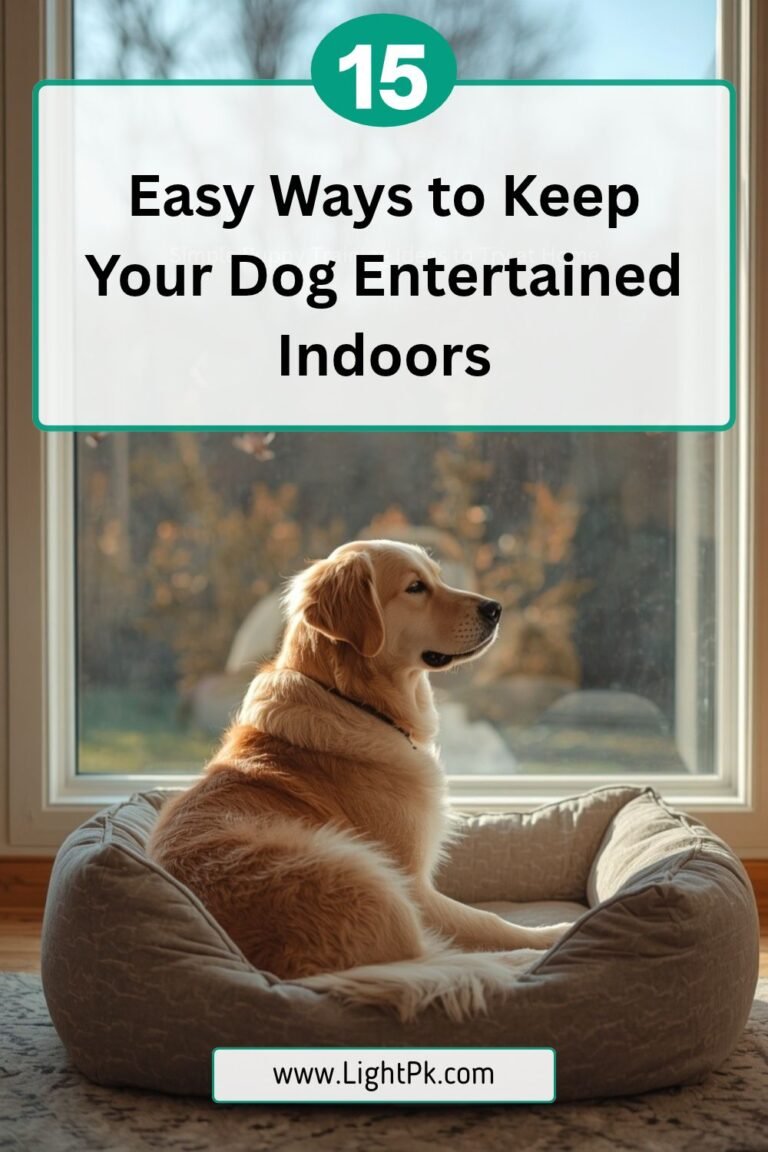
11. Give Your Dog a Window Watching Spot
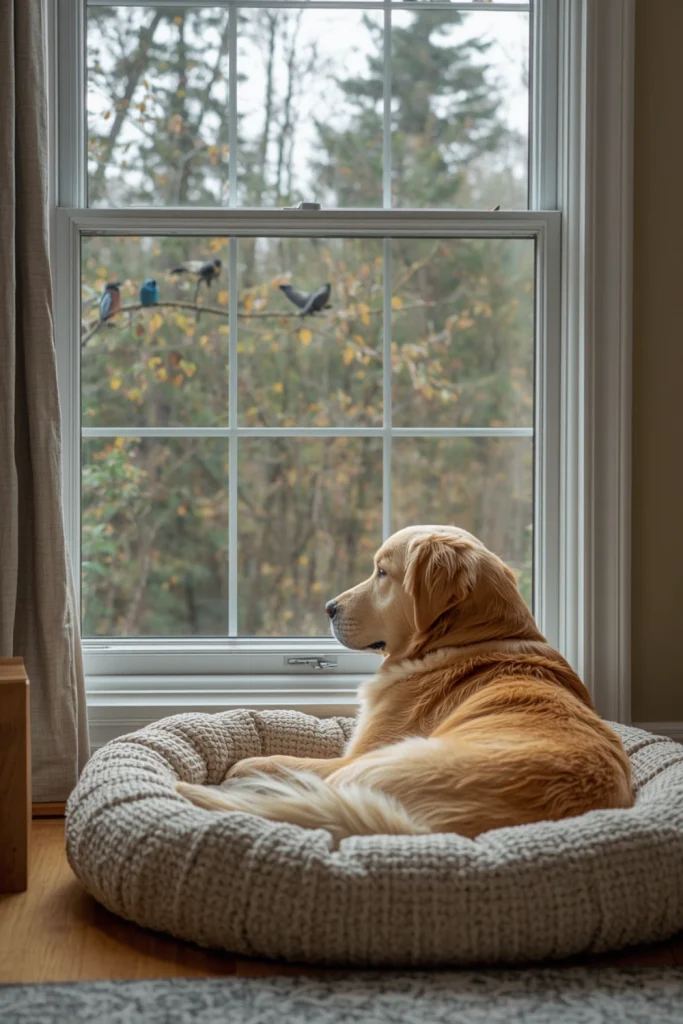
Many dogs enjoy observing the outside world. Providing a comfortable window-viewing area can offer visual stimulation during quiet moments at home. Place a secure dog bed near a safe window where your dog can watch trees, passing people, birds, and other outdoor activity. Make sure the window is properly secured and your dog cannot escape or fall.
This idea requires very little preparation and can become part of your dog’s daily routine. However, not every dog finds window watching relaxing. Some may become overly excited or bark repeatedly at passing people and animals. If this happens, use curtains or move the bed to a quieter location. The goal is to provide enjoyable observation without creating unnecessary stress.
12. Practice Basic Scent Work
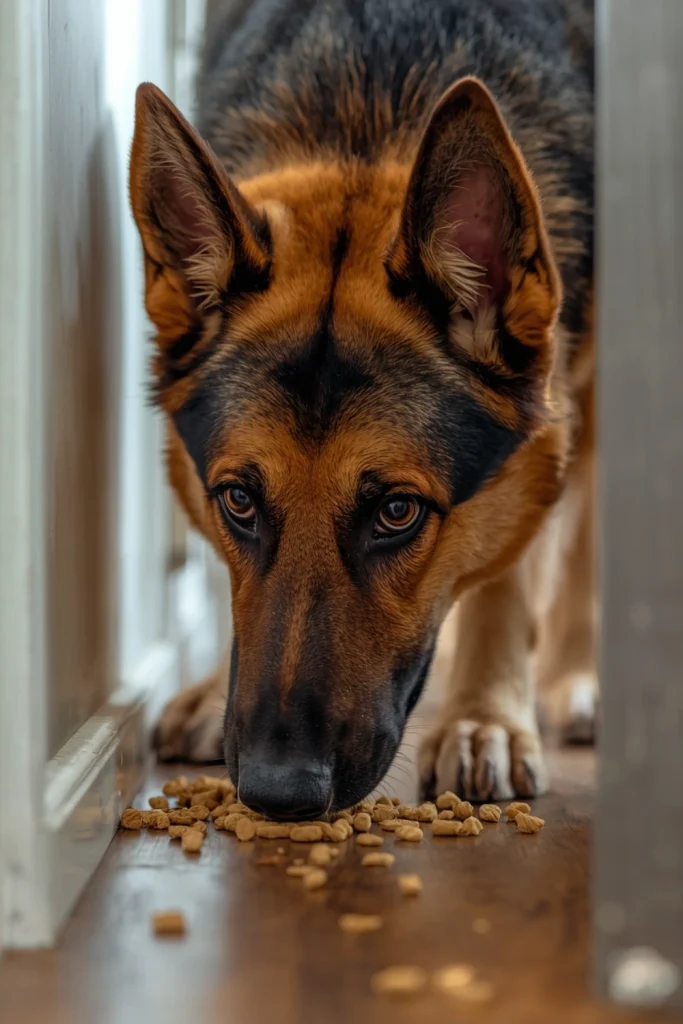
Scent work is a rewarding enrichment activity that encourages dogs to use their powerful sense of smell. Begin by showing your dog a treat and placing it somewhere easy to find. Give a consistent cue such as “Find it” and encourage your dog to search. When the dog discovers the reward, offer praise and repeat the activity using a different hiding location.
You can practice scent work in a hallway, living room, or enclosed outdoor space. Keep the first sessions simple and gradually increase the difficulty as your dog becomes more confident. This activity is particularly useful for rainy days when long outdoor walks are difficult. Always choose safe hiding locations and avoid placing food near cleaning products, electrical equipment, or other hazards.
13. Make a Simple Obstacle Course at Home
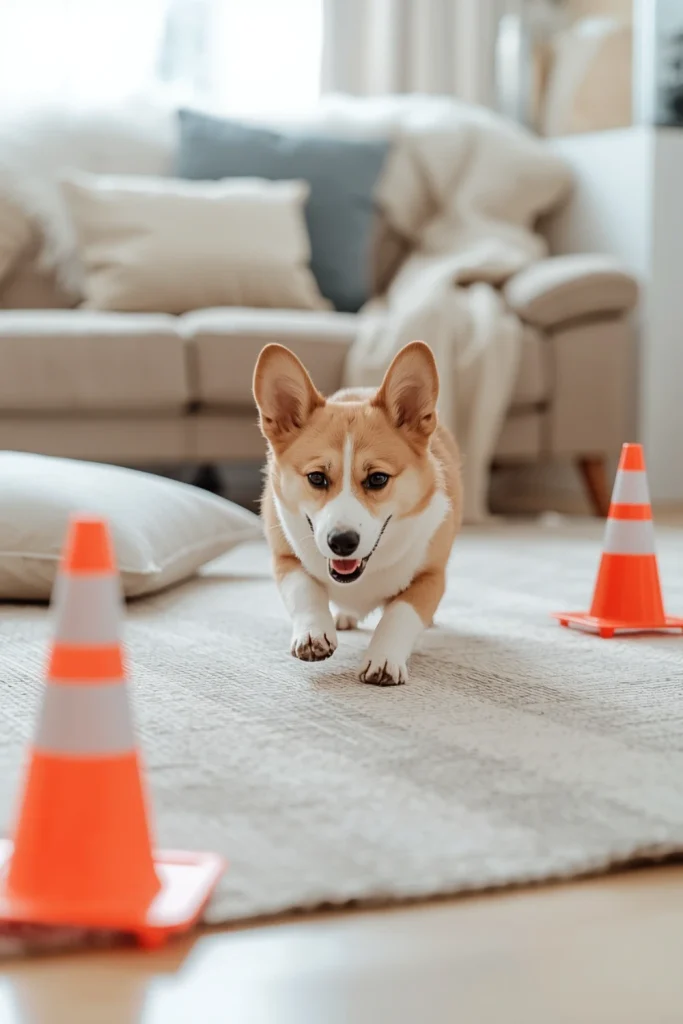
A homemade obstacle course gives your dog a chance to move, explore, and follow simple instructions. Use soft cushions, low cardboard barriers, and lightweight cones to create a small course in an open room. Encourage your dog to walk around objects, move between cushions, or step over very low obstacles. Reward calm participation and keep the activity enjoyable.
You do not need professional agility equipment to introduce basic movement challenges. The important thing is to choose obstacles that are appropriate for your dog’s size, age, and physical condition. Avoid high jumps, slippery surfaces, and unstable furniture. Keep sessions short, especially for puppies and senior dogs. If your dog seems uncomfortable, simplify the course or choose a different activity.
14. Offer Safe Chewing Activities
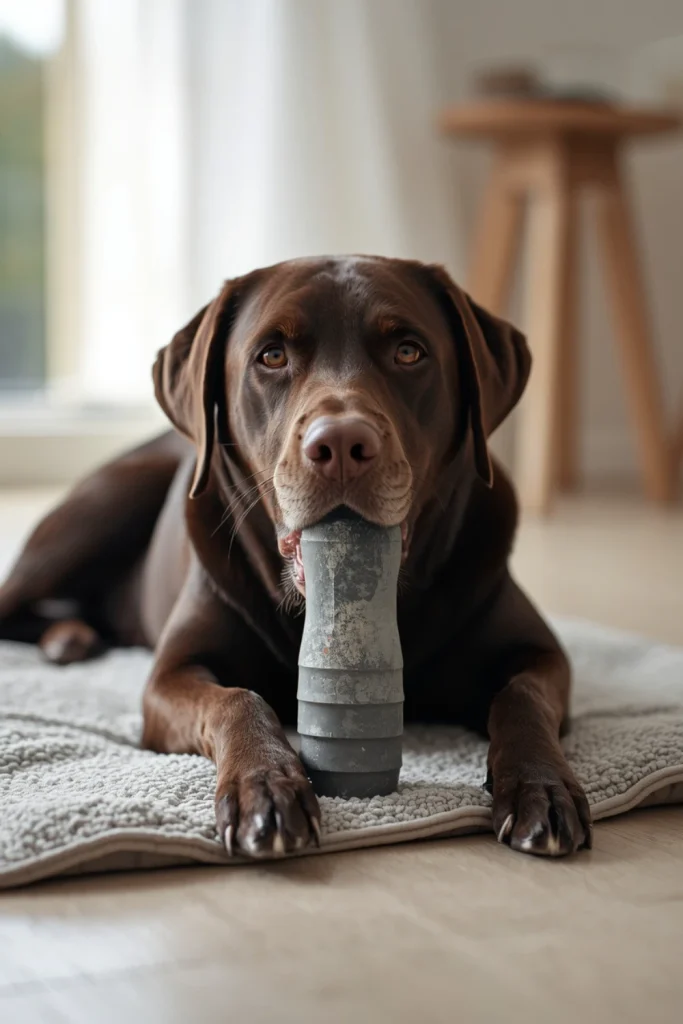
Chewing is a natural behavior that can provide dogs with mental stimulation and an appropriate way to use their energy. Offering suitable chew toys can help redirect attention away from furniture, shoes, and other household items. Choose durable products designed specifically for your dog’s size and chewing style. Some dogs prefer rubber toys, while others enjoy different veterinarian-approved chewing options.
Busy owners can include chewing activities in their dog’s daily routine, particularly during quiet periods. However, no chew is completely risk-free. Choose appropriately sized products, avoid extremely hard items that could damage teeth, and supervise your dog. Replace damaged toys immediately. If your dog regularly swallows pieces of toys or chews, speak with your veterinarian about safer alternatives.
15. Play a Short Tug-of-War Game
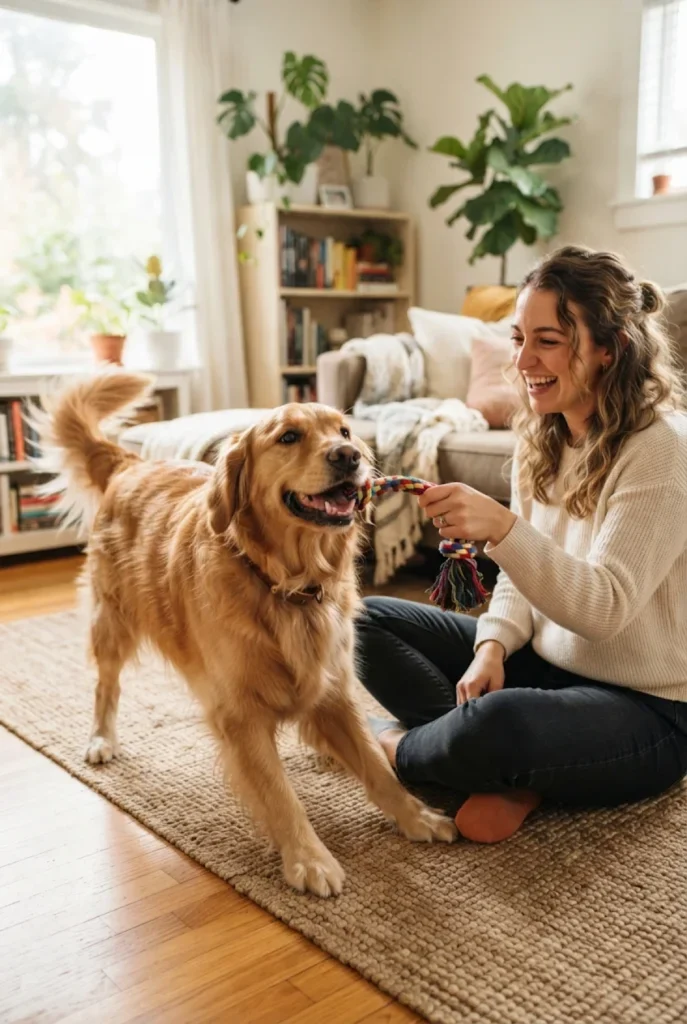
Tug-of-war is a fun interactive game that combines physical movement with positive social interaction. Use a suitable rope or tug toy and invite your dog to hold one end while you gently hold the other. Allow your dog to pull without lifting it off the ground or twisting its neck. You can introduce simple cues such as “Take it” and “Drop it” to make the activity more structured.
A short tug session can be useful when you have only a few minutes available for play. Keep the movements controlled and avoid rough pulling, especially with puppies or dogs that have dental, joint, or neck problems. Let your dog take breaks whenever necessary. End the game positively by exchanging the toy for a small reward rather than forcing it away.
16. Let Your Dog Explore New Walking Routes
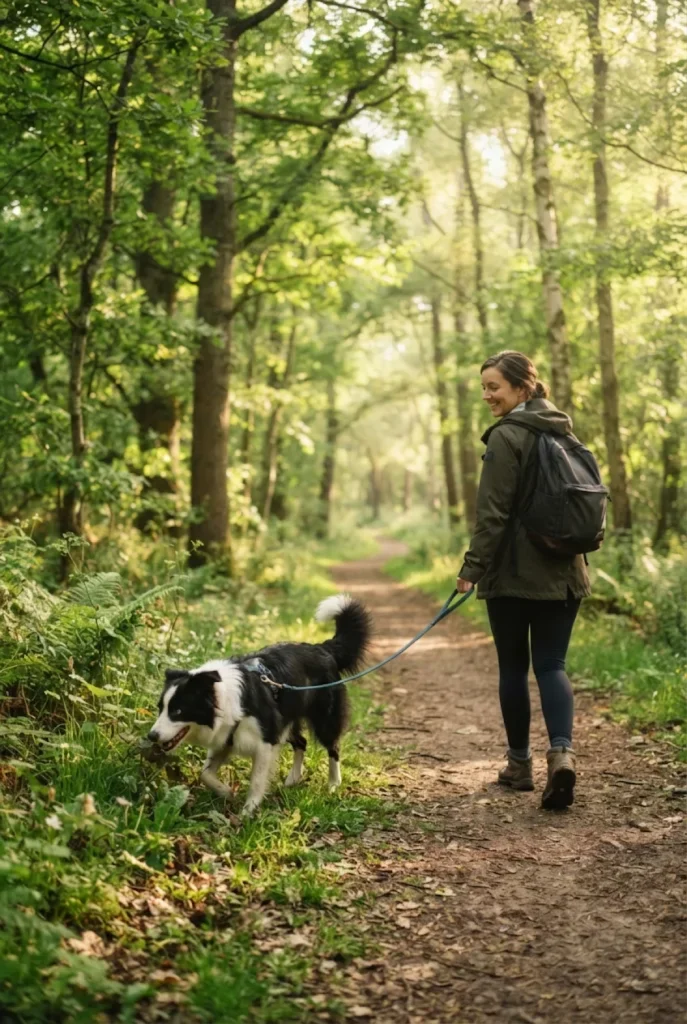
Walking does not always need to follow the same route. Exploring a new safe neighborhood street, quiet park, or nature trail can introduce different smells, sounds, and sights. Allow your dog some time to sniff interesting areas instead of focusing entirely on walking speed. These small changes can make ordinary exercise more mentally stimulating.
Busy owners can try changing the walking route once or twice a week rather than planning complicated outings every day. Choose dog-friendly areas with safe walking surfaces and manageable distractions. Keep your dog on an appropriate leash and follow local rules. Avoid extreme weather and crowded locations if your dog becomes uncomfortable around unfamiliar people or animals.
17. Teach Your Dog to Find Its Toys
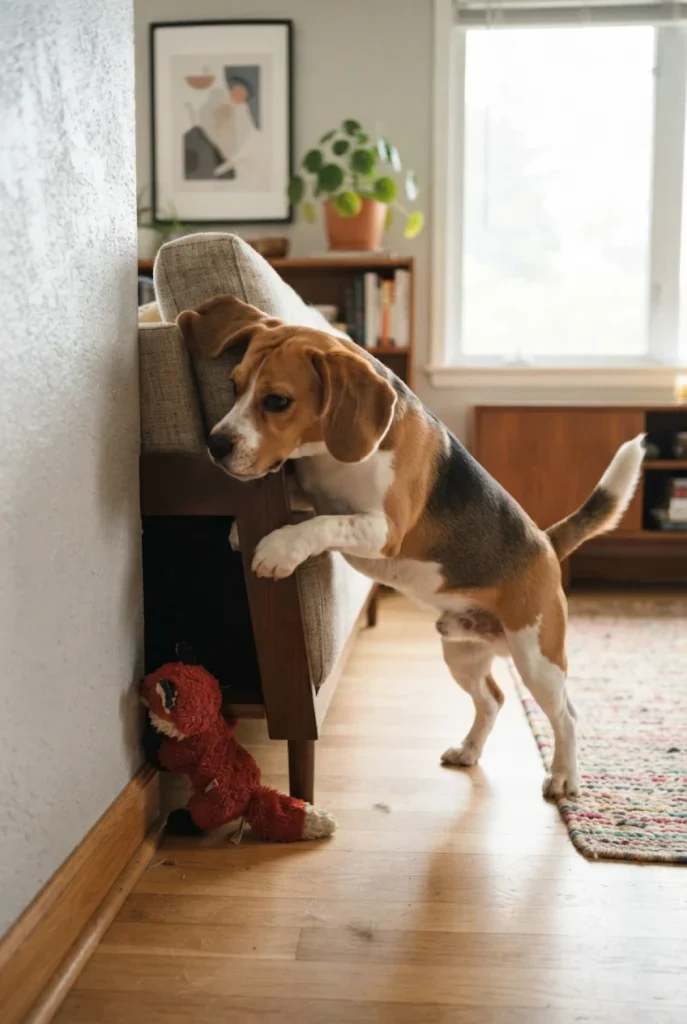
Teaching your dog to find its favorite toy is a simple game that combines memory, scent, and problem-solving. Start by placing a familiar toy in an obvious location and encouraging your dog to retrieve it. Use a cue such as “Find your toy.” Reward your dog with praise or a short play session when it successfully discovers the item.
As your dog learns the game, hide the toy in slightly more challenging but accessible places. This activity can become a useful part of your daily routine because it uses toys you already own. Make sure the hiding spots are safe and easy to reach. Avoid locations involving stairs, unstable furniture, electrical equipment, or objects that could fall.
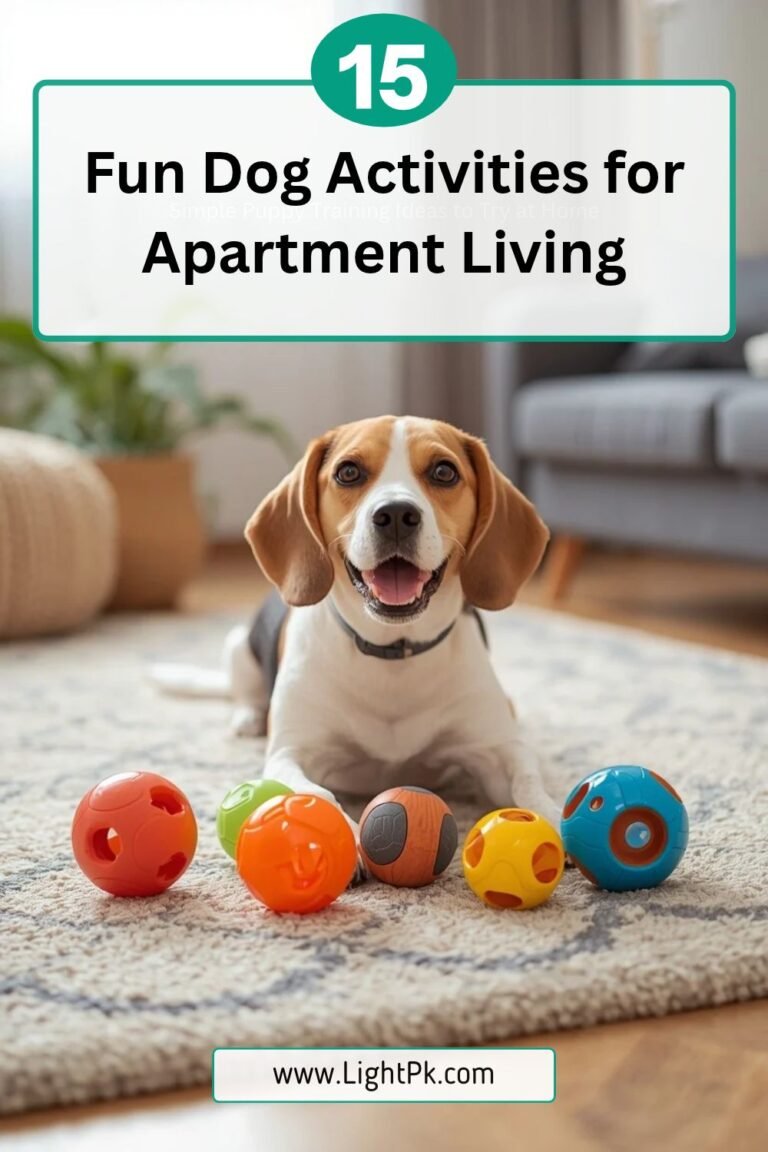
18. Use Interactive Feeding Toys
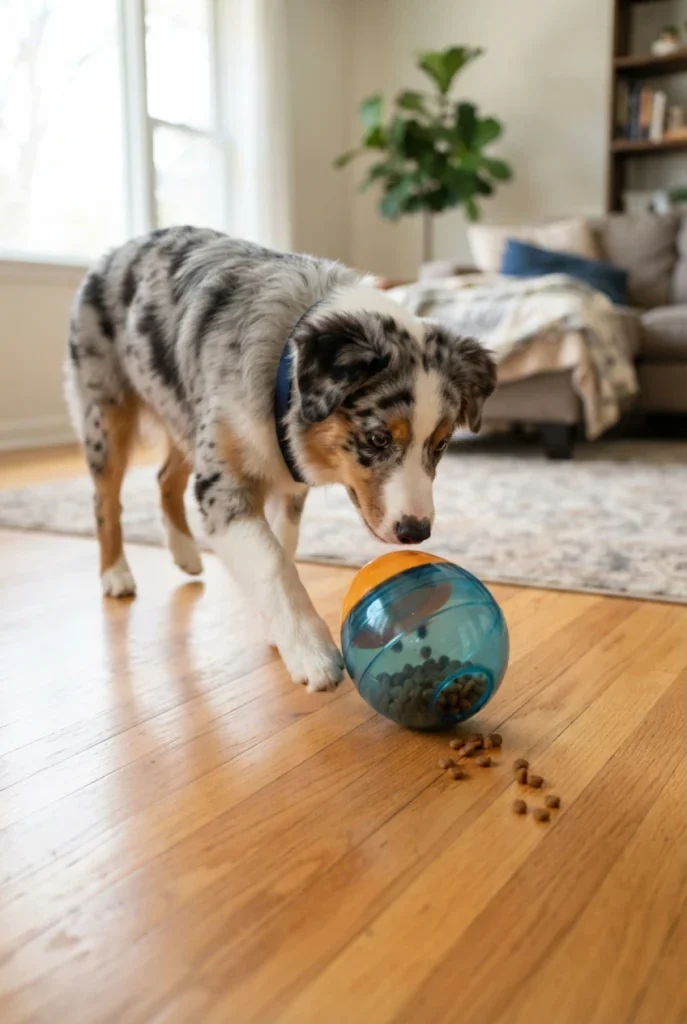
Interactive feeding toys make mealtime more engaging by encouraging dogs to work for their food. Some toys release kibble when rolled, pushed, or moved in a particular way. Others contain compartments that dogs must explore to access their meals. These toys are especially useful for dogs that enjoy problem-solving and need additional mental stimulation.
Choose an interactive feeder that matches your dog’s size and experience level. Start with an easy setting so your dog can understand how food is released. Gradually introduce more challenging options if your dog enjoys the activity. Clean the feeder regularly and inspect it for damage. Use part of your dog’s regular daily food allowance to avoid excessive feeding.
19. Introduce Gentle Food Scattering Games
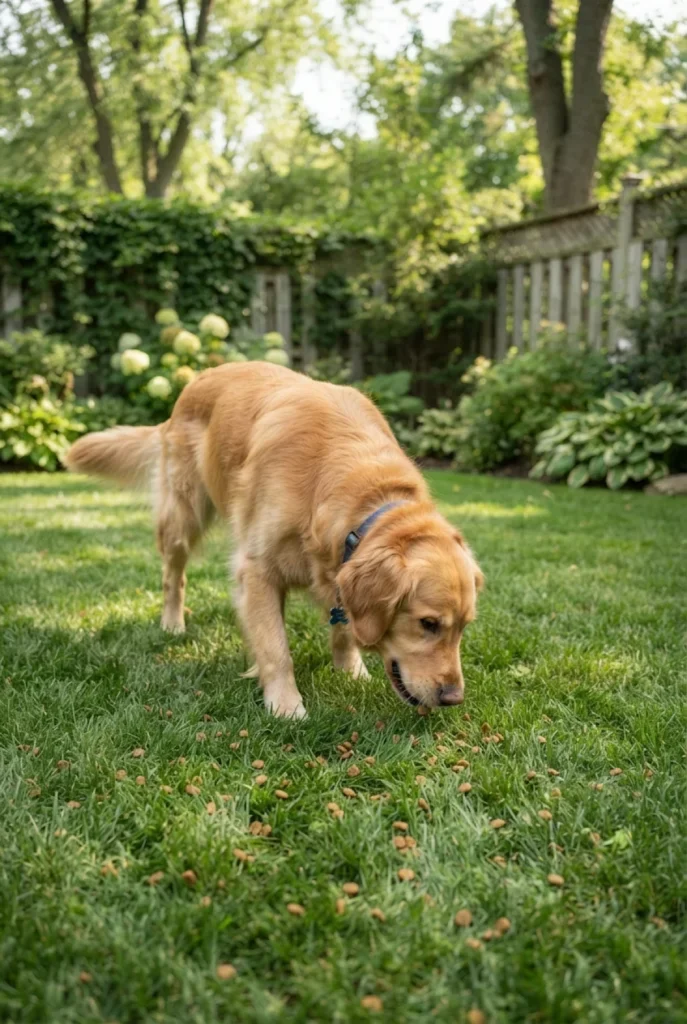
Food scattering is one of the simplest enrichment activities for busy dog owners. Instead of placing your dog’s entire meal in a bowl, scatter a small portion of dry kibble across a clean, safe surface. Your dog will move around and use its nose to locate each piece. You can try this activity on a clean indoor mat or in a secure grassy area.
This game encourages natural foraging behavior and can make feeding time more interesting. Begin with a small area so your dog can easily find the food. Avoid scattering food in places where other animals, insects, chemicals, or dangerous objects may be present. Make sure the surface is suitable for your dog and supervise the activity, especially if your pet tends to eat non-food items.
20. Create a Daily Relaxation and Enrichment Routine
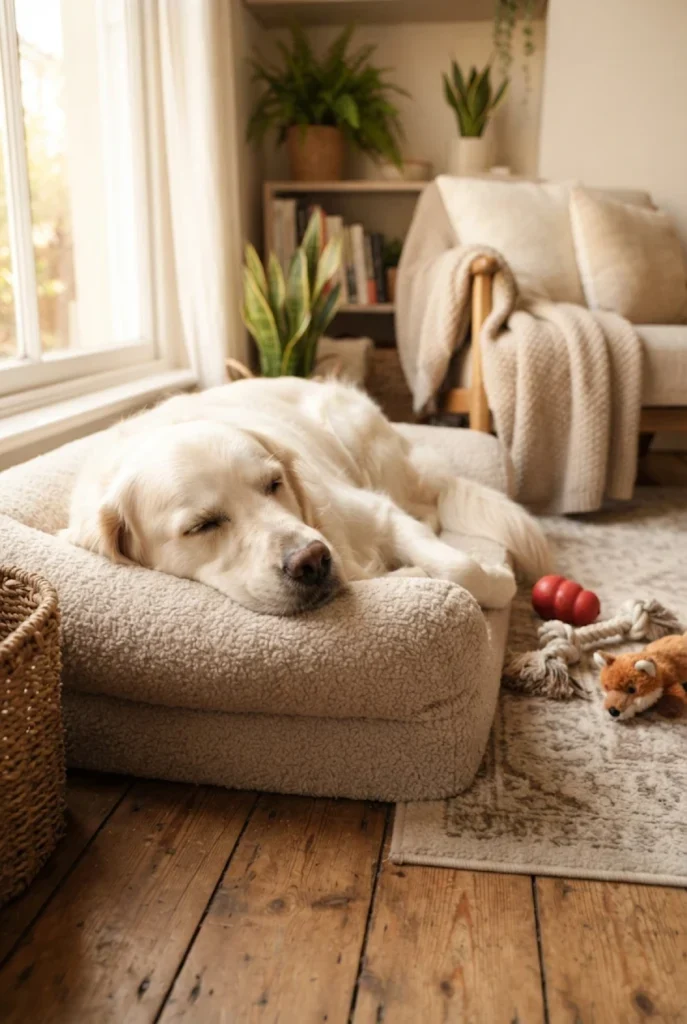
Enrichment is not always about energetic games and exciting challenges. Dogs also benefit from predictable routines, comfortable resting spaces, and opportunities to relax. Create a quiet corner with a comfortable bed, fresh water, and a few suitable toys. Include calm activities such as licking a food toy, gentle brushing, or relaxing together after a walk.
A consistent routine helps busy owners provide enrichment without spending hours planning activities. For example, you can offer a sniffing game in the morning, a food puzzle during the day, and a short training session in the evening. Remember that every dog needs adequate sleep and downtime. Avoid filling every free moment with stimulation, as rest is an essential part of a healthy lifestyle.
Final Thoughts
Keeping your dog happy and mentally stimulated does not have to be difficult, even when you have a busy lifestyle. Simple activities such as sniffing games, treat puzzles, toy searches, short training sessions, and interactive feeding can make everyday life more interesting for your furry friend.
The most effective Dog Enrichment Ideas are the ones that fit naturally into your routine and match your dog’s individual needs. You do not need expensive equipment or hours of free time to make a positive difference. Start with one or two activities, observe what your dog enjoys, and gradually introduce more variety.
Remember that a healthy dog needs a balance of mental stimulation, physical exercise, affection, proper nutrition, and restful sleep. With a little creativity and consistency, you can give your dog a happier, more rewarding life while managing your everyday responsibilities.