
12 Puppy Potty Training Tips That Make Life Easier
Potty training is one of the first and most important lessons your new puppy needs to learn. Those little accidents on the carpet, unexpected puddles near the door, and frequent trips outside can sometimes make life challenging for new dog owners. But don’t worry! With a consistent routine, patience, and the right approach, you can teach your puppy where and when to go potty.
The secret to successful potty training is understanding your puppy’s needs rather than expecting instant results. These Puppy Potty Training Tips will help you establish a predictable schedule, recognize your puppy’s signals, prevent indoor accidents, and build healthy bathroom habits. Whether you have a young puppy or a newly adopted dog, this beginner-friendly guide will make the training process easier for both of you.
1. Establish a Consistent Potty Schedule
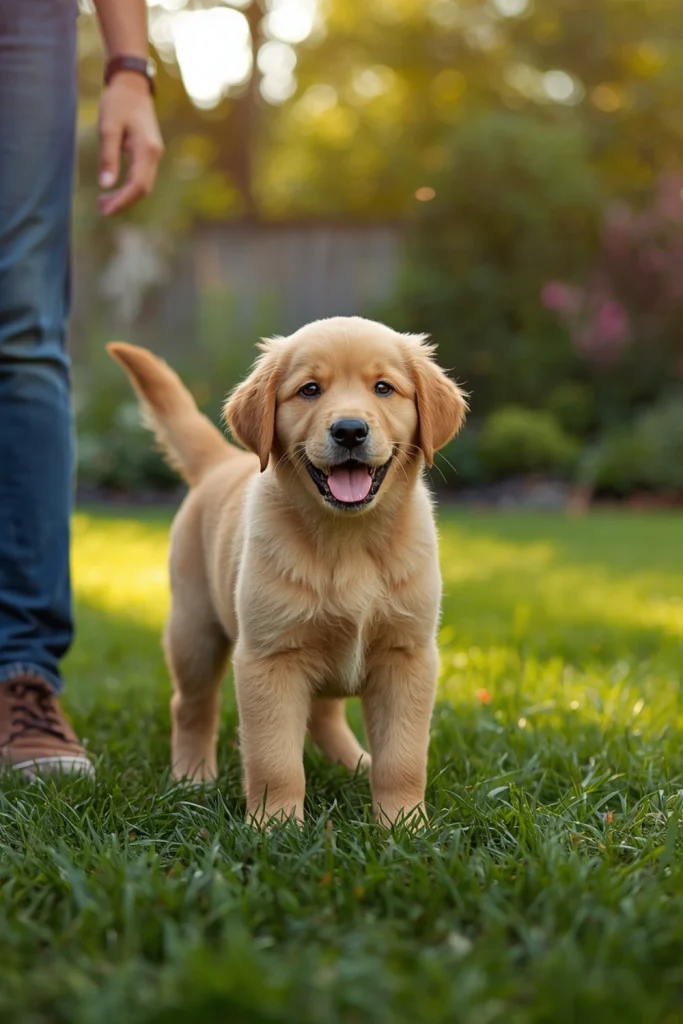
One of the most important Puppy Potty Training Tips is creating a consistent bathroom schedule. Puppies usually need to go potty after waking up, eating, drinking, playing, and taking a nap. If you wait until your puppy starts having an accident, you may already be too late. A predictable routine helps your puppy understand when bathroom opportunities are available and gives you more control over the training process. It also makes it easier to identify your puppy’s natural toilet habits.
Start by taking your puppy to the designated potty area at regular intervals throughout the day. Very young puppies generally need more frequent opportunities than older puppies. Keep a simple record of meal times, water intake, naps, and successful toilet breaks. Over time, you will notice patterns that help you adjust the schedule. Remember that every puppy is different, so use your dog’s behavior and age rather than following a rigid timetable.
2. Take Your Puppy Outside Immediately After Waking Up
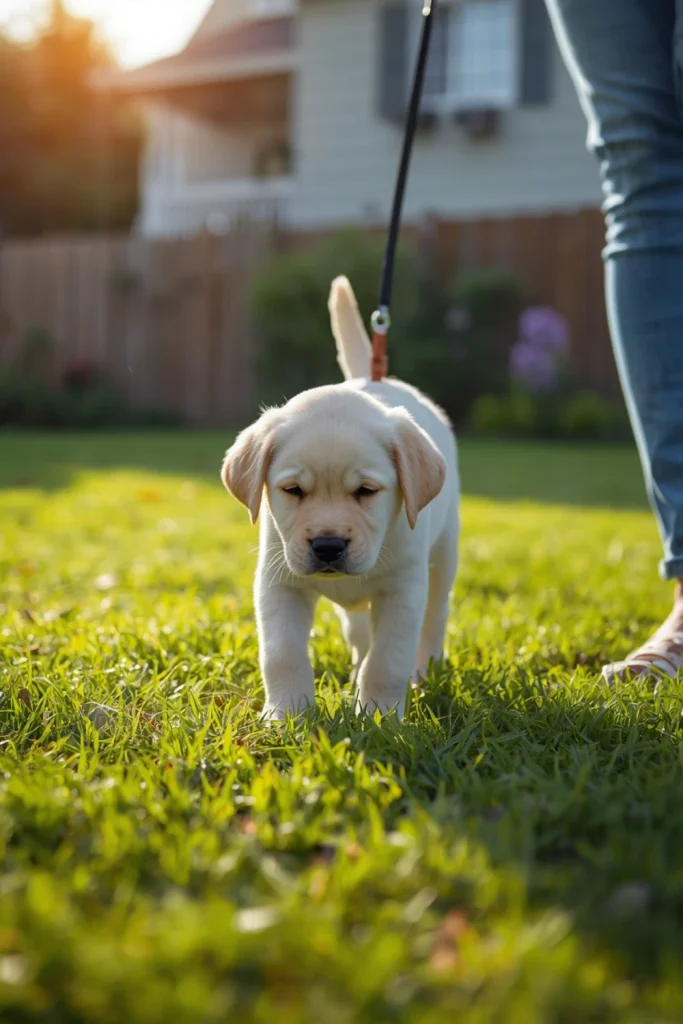
Puppies commonly need to eliminate shortly after waking up because their bladder and bowel activity may increase after a period of rest. One common mistake is allowing a puppy to wander around the house, play, or explore before taking it outside. Even a short delay can result in an indoor accident. Making the first activity after waking up a toilet break can prevent unnecessary mess and reinforce the correct routine from the beginning.
Keep your puppy’s leash and other necessary items near its sleeping area so you can take it to the designated toilet spot quickly. Carry a very young puppy if necessary and safe to do so. Once you reach the appropriate area, give it enough time to sniff and settle. When your puppy successfully goes potty, offer gentle praise and a small reward immediately. Repeat this routine after daytime naps and whenever your puppy wakes from a longer period of rest.
3. Choose One Designated Potty Area
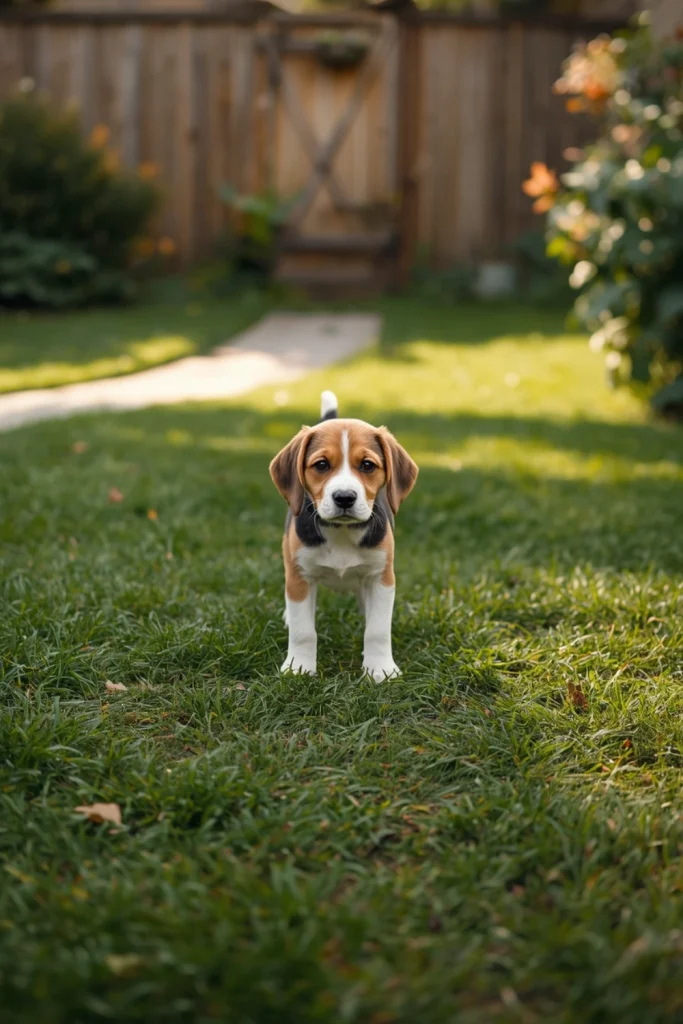
Having a specific potty location can make learning easier because your puppy begins associating that area with bathroom activities. If you constantly change locations, your puppy may struggle to understand where it should go. A designated outdoor spot could be a quiet section of your garden or another safe and accessible area. If outdoor access is not practical, you may choose an indoor puppy toilet or training pad location and maintain it consistently.
Take your puppy to the same area whenever possible, especially during the early stages of training. Allow a little time for sniffing and exploration because familiar scents may help your puppy recognize the location. Keep the area clean and safe, and remove objects that might distract your puppy. If you are using an indoor toilet station, place it somewhere easy to access and away from food, water, and sleeping areas. Consistency helps your puppy understand the purpose of that particular location.
4. Learn to Recognize Your Puppy’s Potty Signals
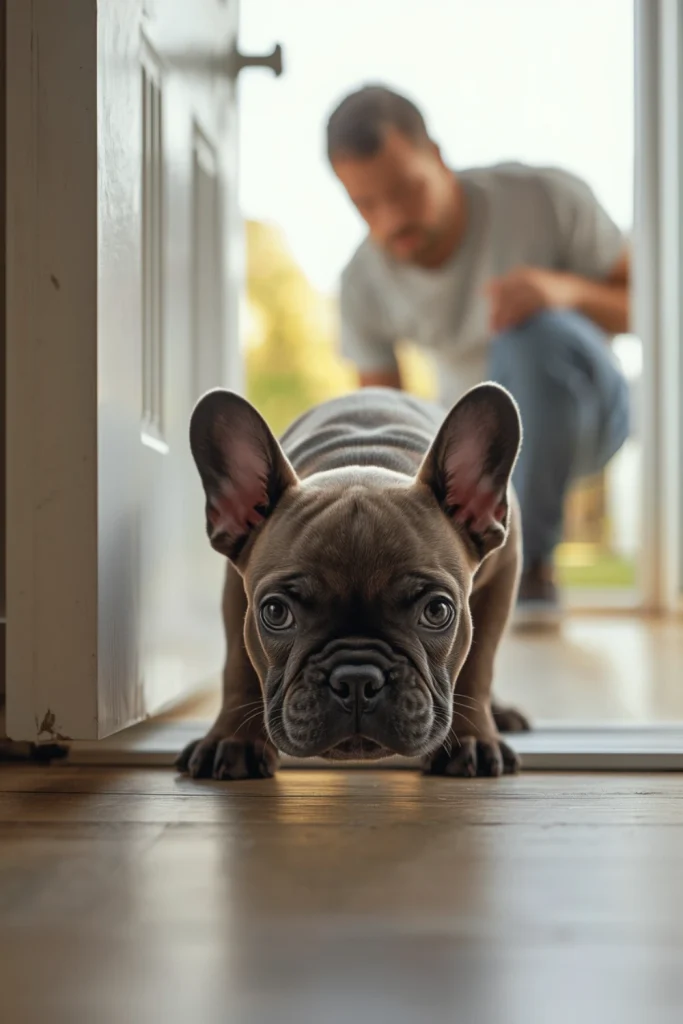
Puppies often show small behavioral changes when they need to use the bathroom. These signals may include sniffing the floor, circling, walking toward a corner, suddenly stopping play, whining, or becoming restless. Some puppies may move toward the door or repeatedly look at their owners. However, not every puppy communicates in the same way. Learning your dog’s individual signals can help you recognize when it needs a bathroom break before an accident happens.
Spend time observing your puppy, especially after meals, naps, drinking water, and active play. If you notice repeated sniffing, circling, or sudden restlessness, calmly guide your puppy to the designated toilet area. Avoid waiting to see whether the behavior continues because your puppy may already need to go. You can also keep a small notebook to record patterns and identify common warning signs. As you become familiar with your puppy’s behavior, responding to its needs will become easier and more natural.
5. Use Positive Reinforcement After Successful Potty Breaks
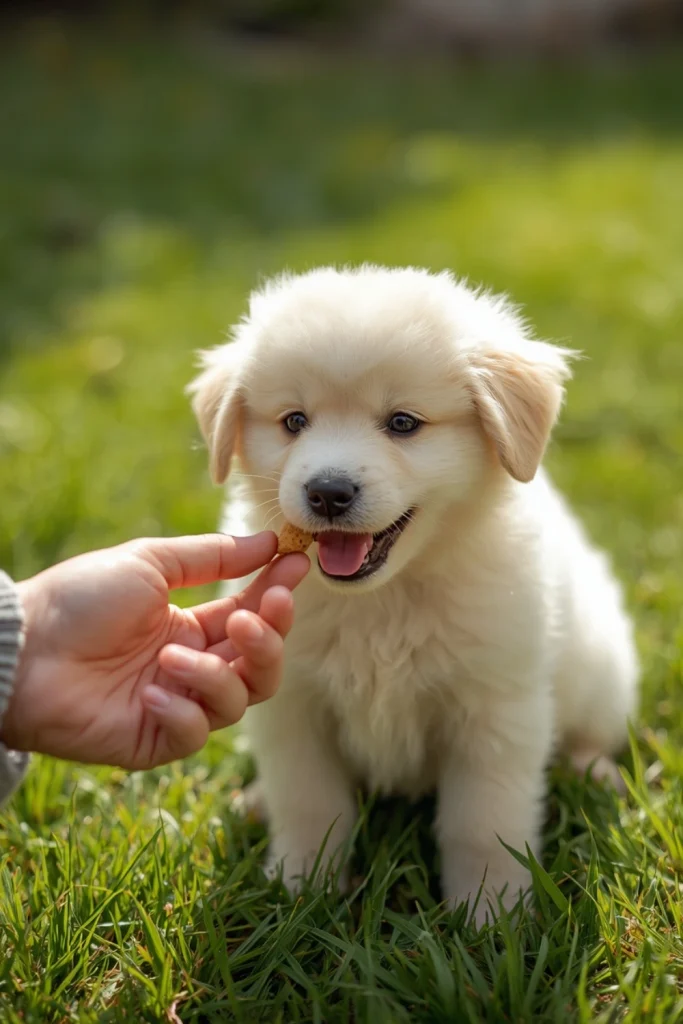
Positive reinforcement is one of the most effective ways to encourage desirable potty habits. When your puppy uses the correct toilet location, it needs to understand that this behavior is good. If you simply take it outside and immediately return indoors without any feedback, it may take longer to connect the correct location with the desired behavior. A small treat, gentle praise, or a little playtime can make successful potty breaks a positive experience.
Reward your puppy immediately after it finishes eliminating in the correct place. Keep a few suitable treats with you during toilet trips so you do not have to search for them afterward. Use a cheerful but calm voice and avoid becoming overly excited if that distracts your puppy. The reward should follow the successful bathroom activity, not happen before it. Consistent positive feedback helps your puppy understand which behavior you want it to repeat.
6. Supervise Your Puppy Inside the House
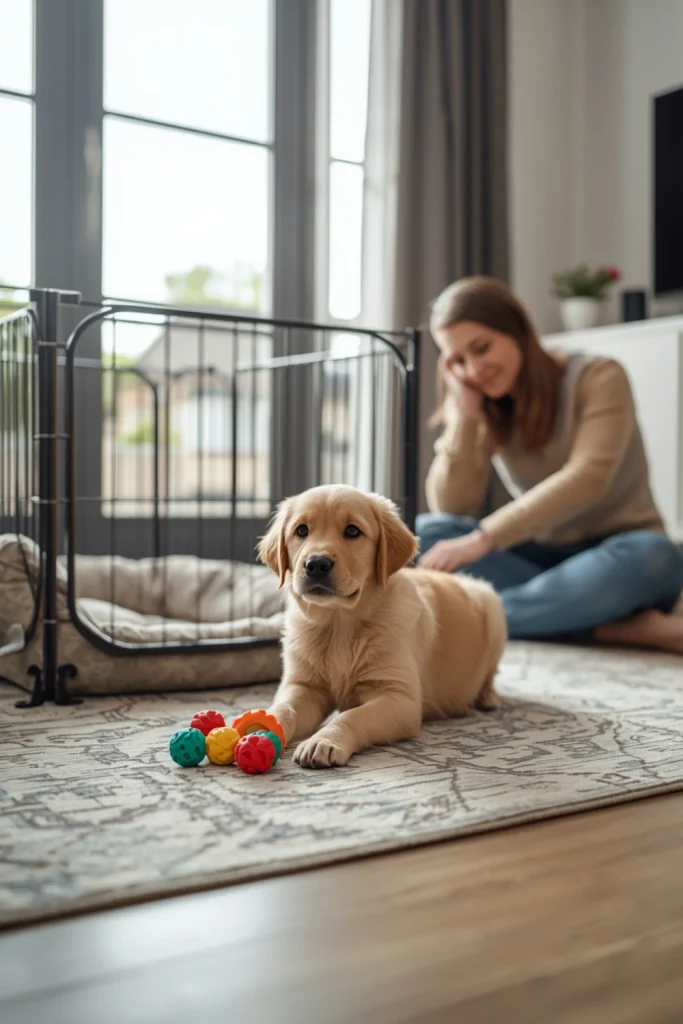
Supervision is essential during the early stages of potty training. When puppies have unrestricted access to the entire house, they can easily find hidden corners, carpets, or rooms where they may eliminate without being noticed. Some puppies may show very subtle warning signs, so leaving them alone for long periods can increase the chances of accidents. Supervision allows you to recognize these signals quickly and guide your puppy toward the correct location.
Keep your puppy in the same room whenever possible and use safe management tools such as puppy gates or a playpen to limit access to areas you cannot supervise. You can also keep your puppy near you with a lightweight leash when appropriate and under direct supervision. Make sure the space is comfortable and free from dangerous objects. If you need to leave the room, arrange a safe area with suitable toilet access rather than allowing your puppy to wander unsupervised. Good supervision helps prevent accidents and makes training more predictable.
7. Avoid Punishing Your Puppy for Indoor Accidents
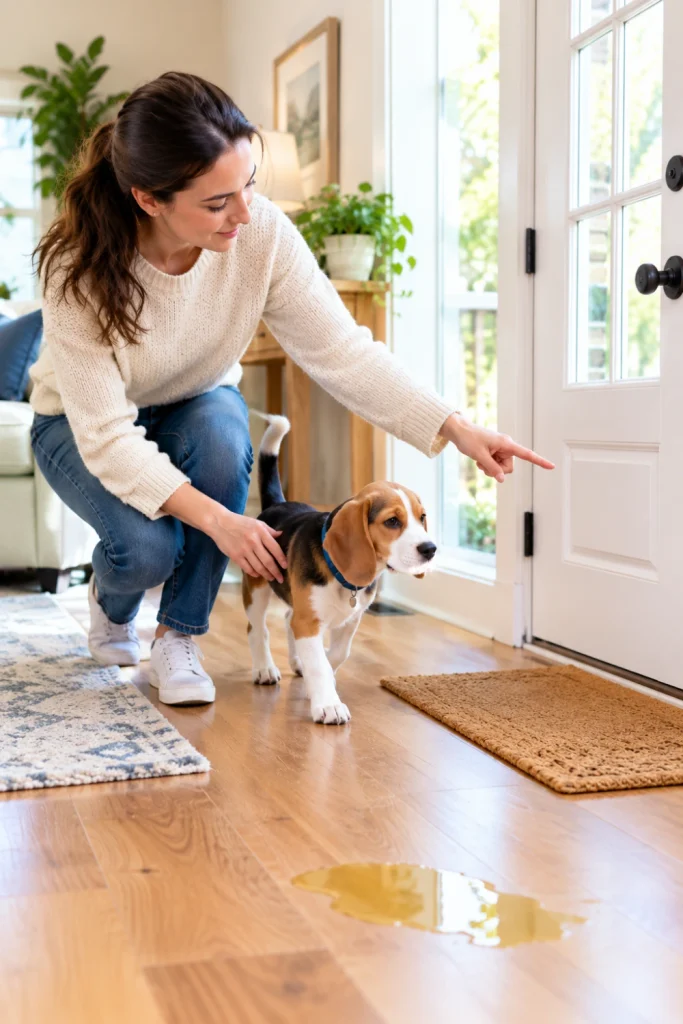
Indoor accidents are a normal part of puppy potty training, particularly when a puppy is very young or still learning its routine. Some owners become frustrated when they discover a puddle or mess and respond by shouting, scolding, or physically punishing the puppy. This approach does not teach the puppy where it should go. Instead, it can create fear, confusion, and anxiety around eliminating in front of people. A frightened puppy may even begin hiding when it needs to go potty.
If you catch your puppy beginning to eliminate indoors, calmly interrupt it without shouting and guide it to the designated toilet area if possible. If you discover an accident after it has happened, simply clean it thoroughly and review the routine to identify what went wrong. Avoid rubbing your puppy’s nose in the mess or using physical punishment. Focus on providing more frequent toilet opportunities and rewarding successful behavior. Calm responses make it easier for your puppy to learn without unnecessary stress.
8. Clean Indoor Accidents With an Enzymatic Cleaner
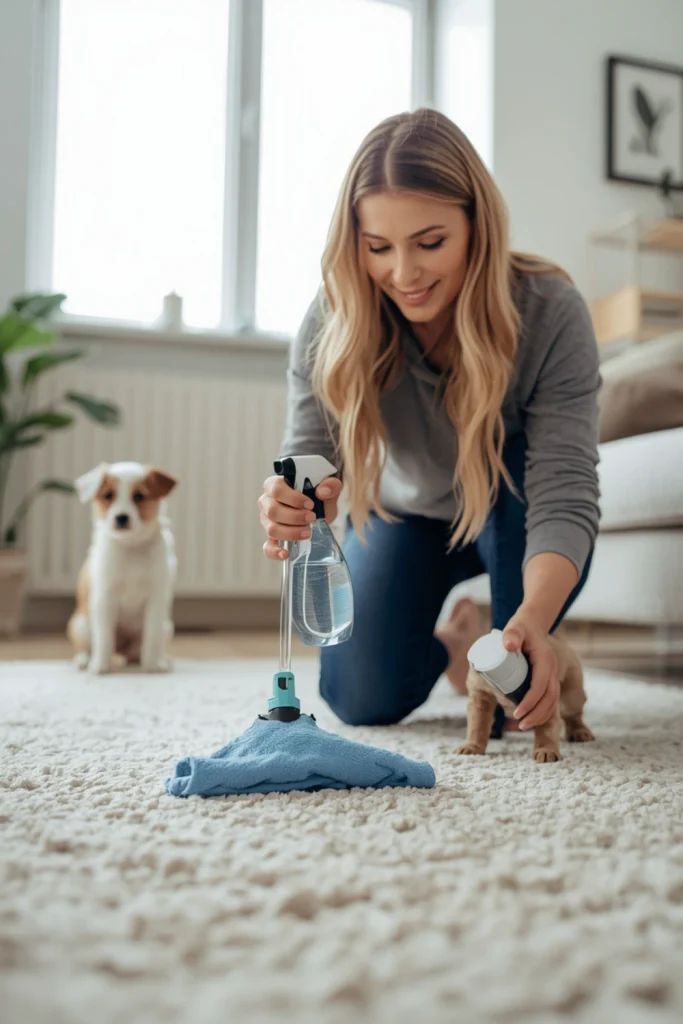
Cleaning accidents properly is an important part of successful potty training. Ordinary household cleaners may remove visible stains but leave behind odors that your puppy can still detect. Because dogs have a strong sense of smell, lingering scent can encourage them to return to the same location. This can create a repeated accident pattern, especially on carpets, rugs, upholstery, or other absorbent surfaces. Cleaning only the visible mess may not be enough to remove the odor completely.
Use a pet-safe enzymatic cleaner designed to break down organic waste odors. Follow the product instructions and test it on a small, hidden area before using it on delicate materials. Blot liquid accidents with absorbent paper towels before applying the cleaner, and avoid using products that may damage the surface. Keep your puppy away from the area until it is safe and dry. Thorough cleaning helps remove lingering smells and reduces the chance of your puppy repeatedly choosing the same indoor spot.
9. Create a Calm Potty Routine Without Distractions
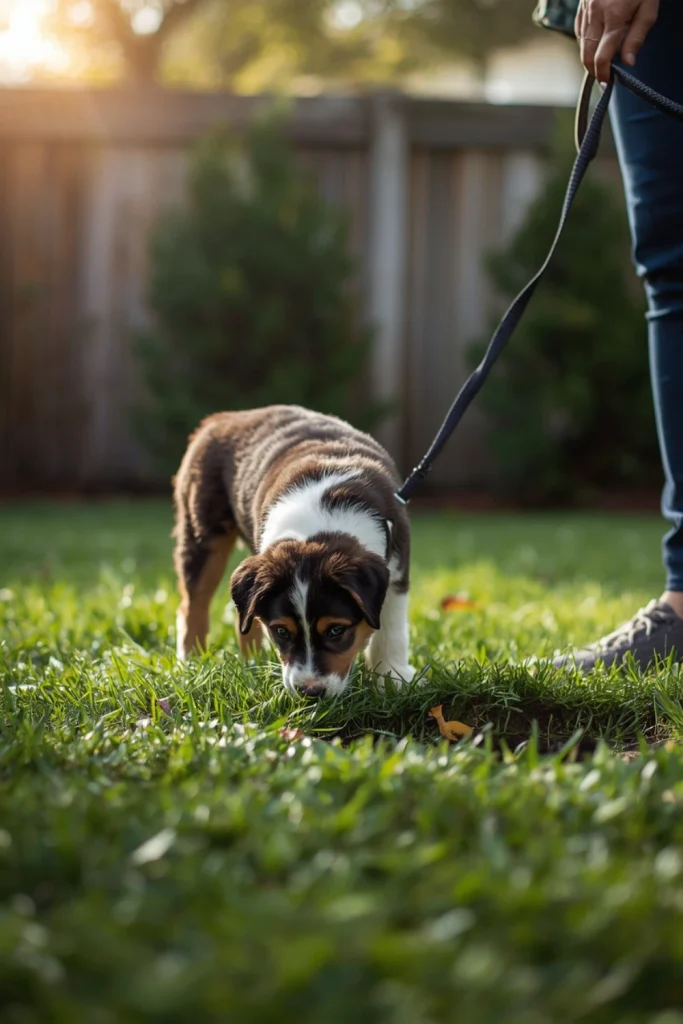
Some puppies become easily distracted when taken outside. They may want to chase leaves, sniff every corner, watch birds, or play instead of using the toilet. This is especially common when puppies are excited by new environments. If every potty break turns into an extended play session, your puppy may become confused about the purpose of going outside. A calm and predictable routine can help your puppy focus on eliminating before enjoying other activities.
Choose a relatively quiet toilet location and give your puppy enough time to sniff and settle. Use a consistent cue such as “go potty” in a calm voice if you want to introduce a verbal signal. Avoid repeatedly calling, playing, or distracting your puppy while it is trying to eliminate. Once it finishes, reward it and then allow a little supervised exploration or play. This creates a clear pattern: first use the toilet, then enjoy other activities. Over time, the routine may help your puppy understand what is expected.
10. Manage Food and Water Routines Carefully
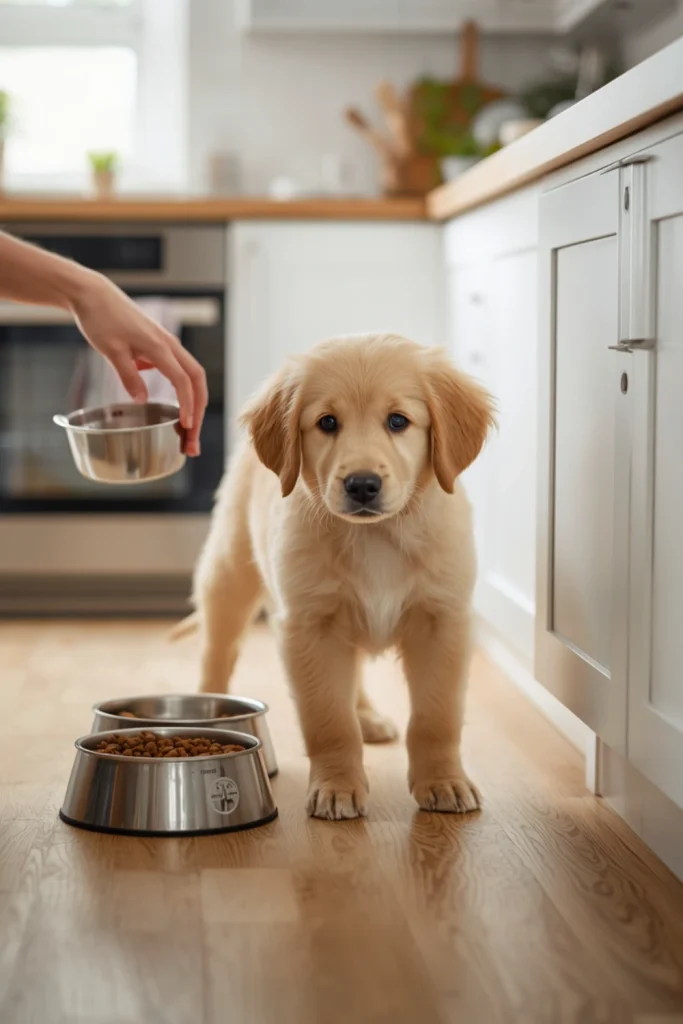
A predictable feeding routine can make potty training easier because meals often influence when puppies need to eliminate. Feeding your puppy at regular times allows you to notice patterns and plan toilet breaks afterward. However, every puppy has different digestive and bladder needs, so there is no single schedule that works for all dogs. Owners should avoid using food or water restriction as a way to prevent accidents because puppies need proper nutrition and access to fresh drinking water for healthy development.
Follow your veterinarian’s feeding recommendations and provide fresh water throughout the day. Take your puppy to its designated toilet area after meals and drinking, and observe how long it usually takes before it needs to go. If your puppy has accidents at a particular time, review its meal and activity schedule to identify possible patterns. Avoid making major changes to food or water routines without professional advice. A consistent feeding schedule combined with frequent toilet opportunities can make everyday management much easier.
11. Use Crate Training Correctly
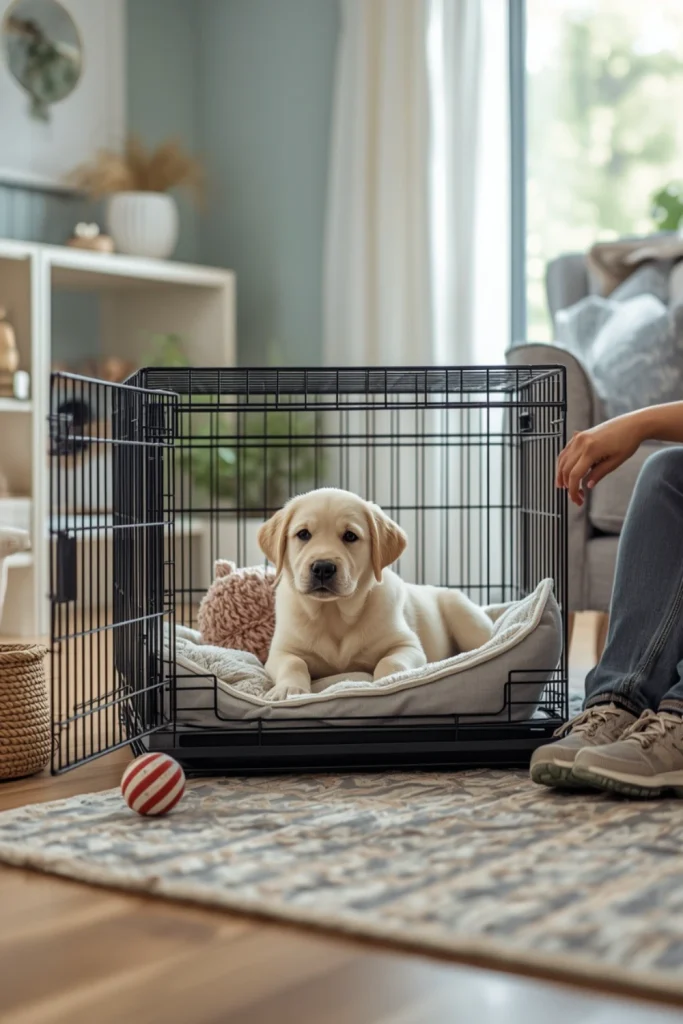
A properly introduced crate can be a useful part of puppy management and potty training. Many puppies naturally prefer not to eliminate in their sleeping area, so a comfortable crate may help support a regular toilet routine. However, a crate is not a substitute for frequent bathroom breaks or supervision. Leaving a puppy confined for too long can result in accidents, discomfort, and negative associations with the crate. It should always be a safe and comfortable resting space rather than a place for punishment.
Introduce the crate gradually by placing comfortable bedding inside and encouraging your puppy to explore it voluntarily. Use treats, meals, and positive experiences to create a pleasant association. Choose an appropriately sized crate that allows your puppy to stand, turn around, and lie down comfortably. Take your puppy to the toilet area immediately after it comes out of the crate. Avoid forcing it inside or using confinement for excessive periods. Your puppy’s age, health, and individual needs should guide how crate time is managed.
12. Stay Patient and Celebrate Small Improvements
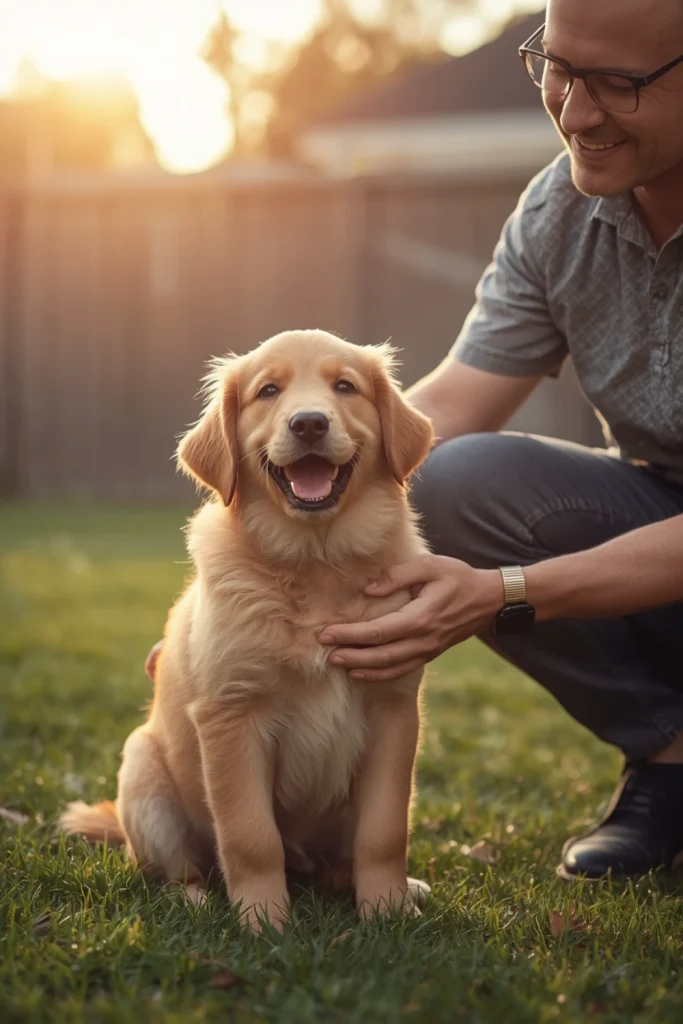
Potty training is a learning process, and puppies do not become perfectly trained overnight. Some puppies develop reliable bathroom habits relatively quickly, while others need more time and repetition. Accidents can happen even after several successful days, especially when routines change, the puppy becomes excited, or the environment is unfamiliar. Becoming frustrated can make the experience stressful for both you and your puppy. It is important to understand that occasional setbacks do not mean your training has failed.
Celebrate small improvements, such as going to the correct area, following the bathroom routine, or showing signs that your puppy needs to eliminate. Continue rewarding successful behavior and adjust the schedule when necessary. If accidents suddenly increase after your puppy has been reliably trained, consider whether there have been changes in routine, stress, or health. Consult your veterinarian if your puppy has frequent urination, straining, blood in the urine, diarrhea, or other concerning symptoms. Patience and consistency are essential for long-term success.
Final Thoughts
Successful potty training does not happen overnight, but it becomes much easier when you follow a predictable routine and understand your puppy’s needs. These Puppy Potty Training Tips can help you prevent indoor accidents, recognize bathroom signals, reward good habits, and create a comfortable learning environment. Remember to take your puppy out after waking, meals, drinks, naps, and playtime, while adjusting the schedule as it grows.
Most importantly, stay patient and positive. Accidents are a normal part of the process, and every puppy learns at its own pace. Avoid punishment, provide regular bathroom opportunities, supervise your puppy indoors, and celebrate small improvements. With consistency, kindness, and the right routine, you can help your puppy develop reliable potty habits and make everyday life easier for your entire family.