12 Steps to Build a Dog’s Confidence When Home Alone
Leaving your dog home alone should not have to be a stressful experience for you or your furry companion. With the right approach, patience, and consistent training, you can help your dog feel safer, more relaxed, and more independent when you step outside.
Learning how to build a dog’s confidence when home alone starts with small, positive experiences. Whether you have a young puppy, an adopted rescue dog, or an adult dog that struggles when you leave, these practical steps can help you create a calmer home environment and gradually teach your dog that being alone is safe.
1. Start With Short and Positive Separations
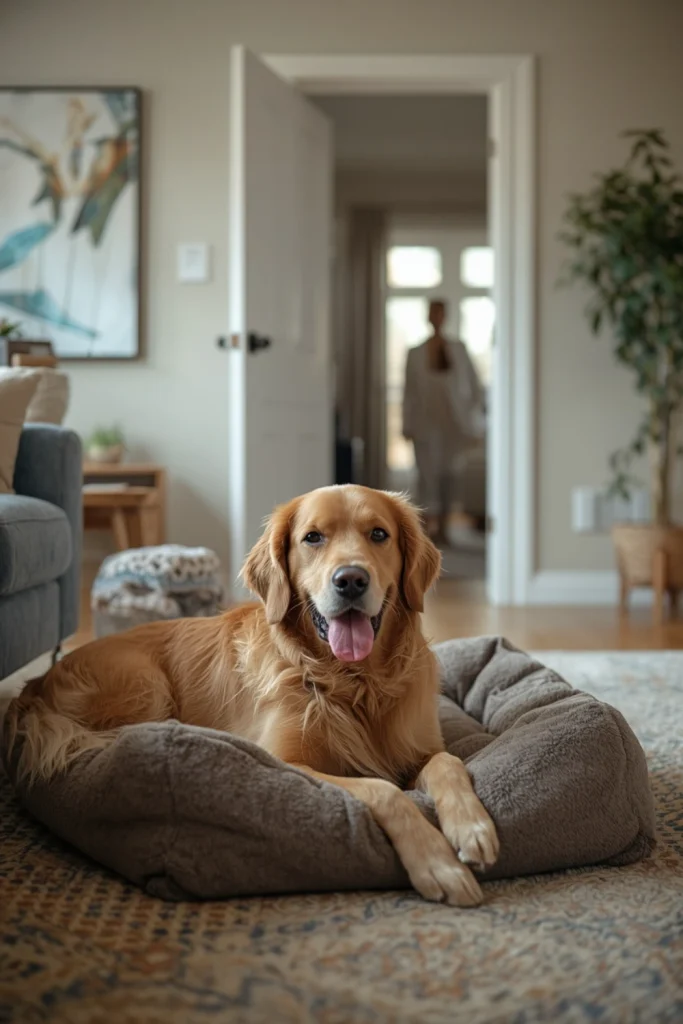
One of the most effective ways to build a dog’s confidence when home alone is to begin with very short separations. If your dog is used to following you everywhere, walking into another room and closing the door for a few seconds can be a useful starting point. Keep the experience calm and ordinary instead of turning it into a major event. Return before your dog becomes distressed, and repeat the exercise several times throughout the day.
Gradually increase the duration as your dog becomes comfortable. You might start with five or ten seconds, then progress to half a minute or a few minutes when your dog remains relaxed. Every dog learns at a different pace, so avoid rushing toward longer absences. If your dog begins whining, panting, pacing, or scratching at the door, shorten the next practice session. Success comes from building a history of manageable, positive experiences.
2. Create a Comfortable and Safe Resting Area
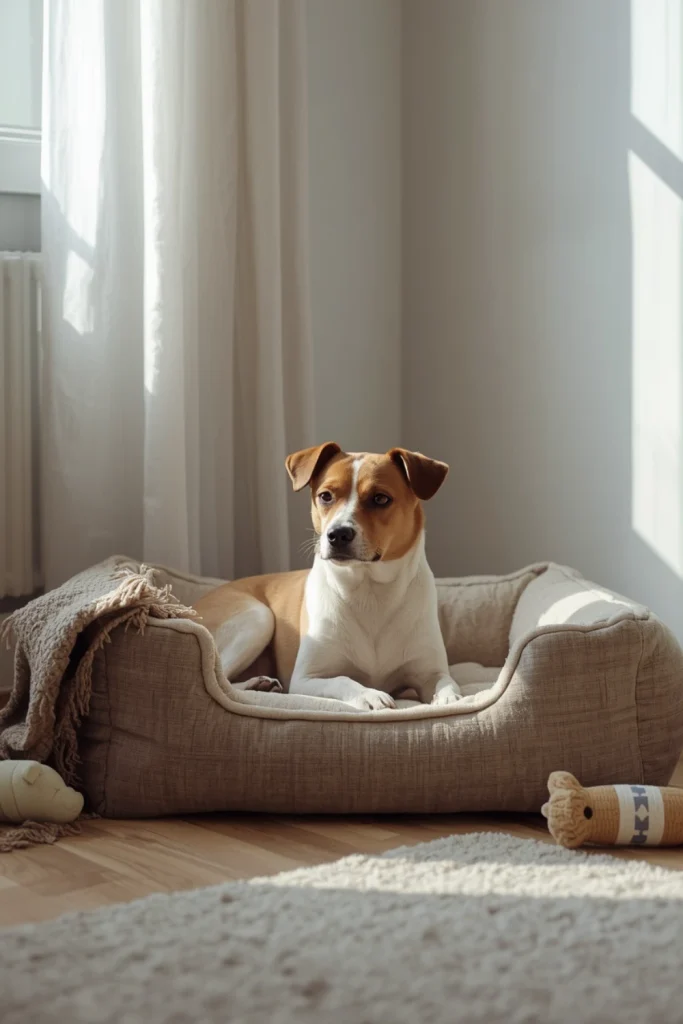
A familiar resting area can help your dog feel secure when you are not nearby. Choose a quiet spot with comfortable bedding, fresh water, and a suitable temperature. You can place a familiar blanket or a safe toy there so the area becomes associated with pleasant experiences. Allow your dog to explore and use the space voluntarily instead of forcing them to stay in it. The goal is to create a place where your dog can rest comfortably, not somewhere they feel trapped.
Introduce the resting area while you are still at home. Reward your dog for lying down, relaxing, or spending time there independently. You can read a book nearby or complete household tasks while your dog rests in their own space. If your dog is already comfortable in a crate, it may be part of the arrangement, but crate use should never be forced on a frightened dog. A safe room or gated area may be a better choice for some dogs.
3. Teach Your Dog to Enjoy Independent Time
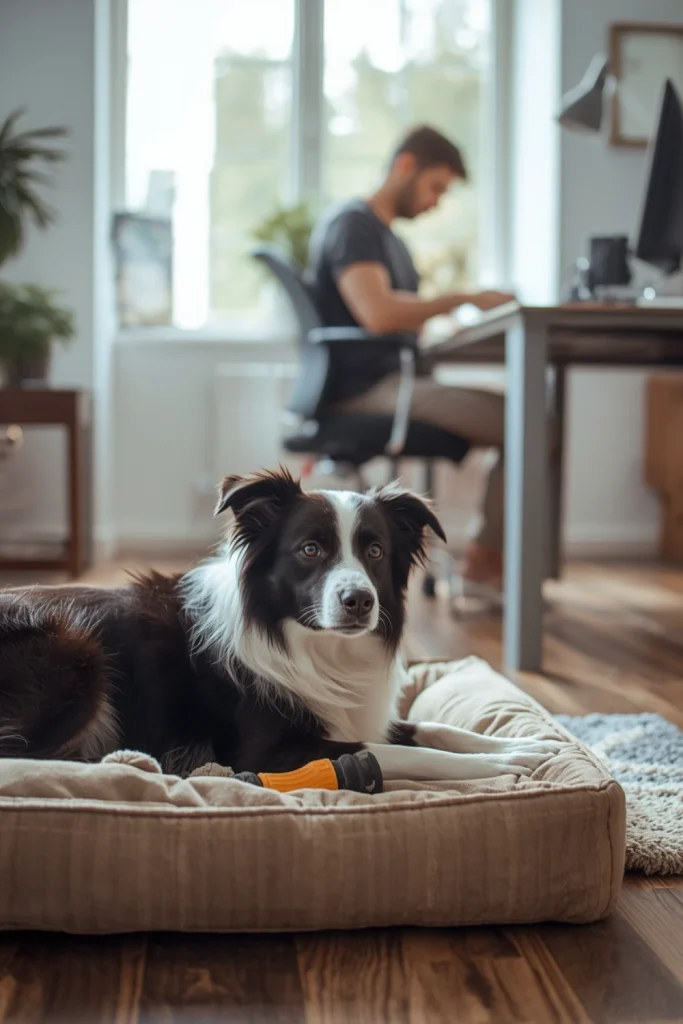
Dogs that constantly seek attention may need practice learning that being near their owners does not always mean interacting with them. Start by rewarding calm independent behavior while you are still in the same room. If your dog chooses to lie on a bed, chew a toy, or rest quietly without demanding attention, offer gentle praise or a small treat when appropriate. This teaches your dog that relaxing independently can be rewarding.
Gradually add a little distance between you and your dog. For example, encourage your dog to settle on a mat while you fold laundry or work at a table. Keep the activities low-pressure, and return attention when your dog remains relaxed rather than waiting until they become frustrated. Independent time should not mean ignoring your dog’s needs. It means giving them regular opportunities to discover that they can feel comfortable and occupied without constant contact.
4. Establish a Predictable Daily Routine
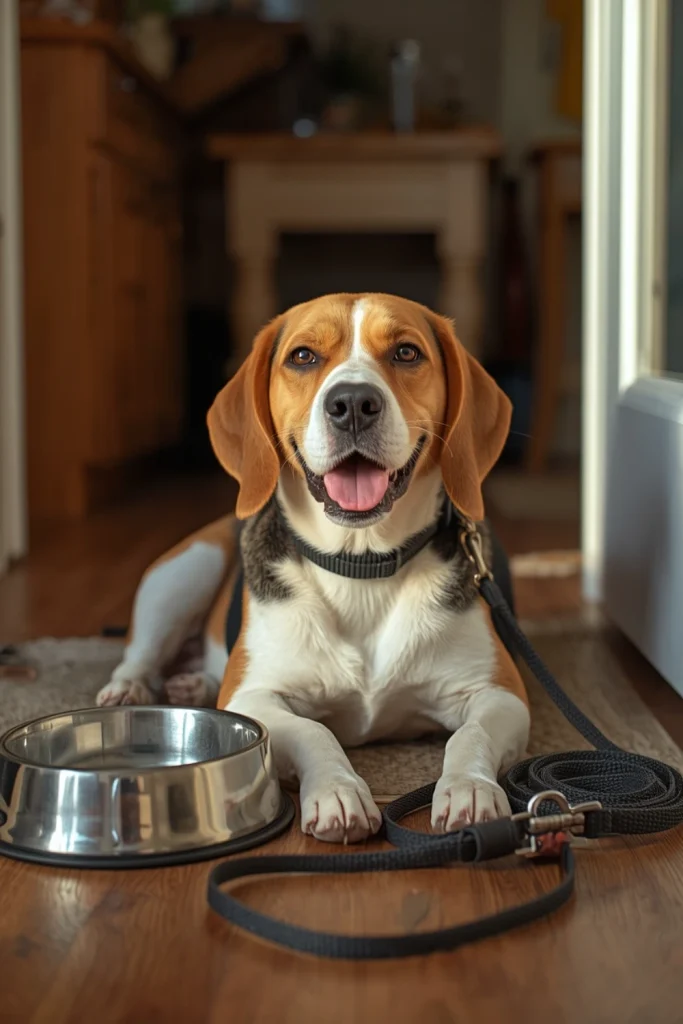
A predictable routine can make alone time easier because your dog learns what to expect throughout the day. Try to maintain reasonably consistent times for meals, walks, toilet breaks, play, and rest. When a dog’s basic needs are met regularly, they may find it easier to settle when the household becomes quiet. Routine is particularly helpful for puppies and newly adopted dogs that are still learning how life in their new home works.
However, a routine should not become so rigid that small changes cause panic. Build flexibility gradually by occasionally changing the order of low-stress activities or allowing rest times to vary slightly. The aim is to provide structure while helping your dog adapt to ordinary household changes. Before leaving, make sure your dog has had an appropriate toilet opportunity and that water is available. Avoid making departures unnecessarily exciting, and allow enough time for your dog to settle.
5. Use Positive Reinforcement to Reward Calm Behavior
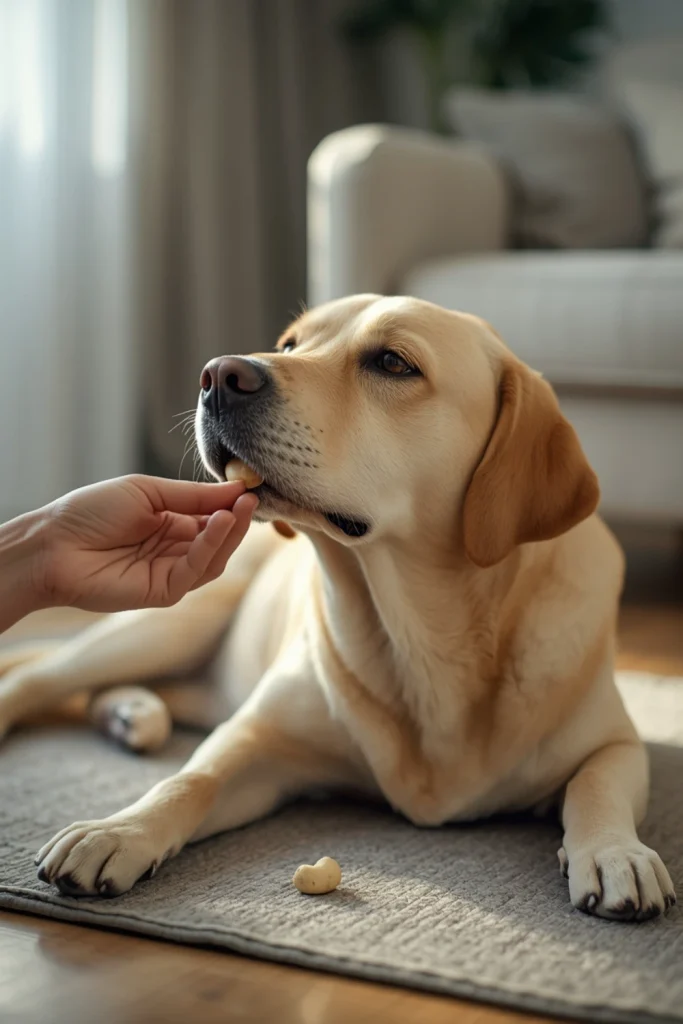
Positive reinforcement helps your dog learn which behaviors are worthwhile. When your dog settles on a bed, plays independently, or remains calm while you briefly step away, reward that behavior with a small treat, gentle praise, or another reward your dog enjoys. Keep your timing clear so your dog can connect the reward with the calm action. Over time, these repeated experiences can help your dog develop confidence in situations that previously felt unfamiliar.
Avoid punishing barking, whining, or accidents that happen while you are away. These behaviors may indicate fear or distress rather than deliberate disobedience. Punishment can make the experience of being alone more frightening and may damage trust. Instead, look at what happened before the behavior began and adjust the difficulty of your training. Rewarding small improvements is more useful than expecting immediate perfection. Calmness develops through repetition, patience, and realistic expectations.
6. Introduce Departure Cues Without Always Leaving
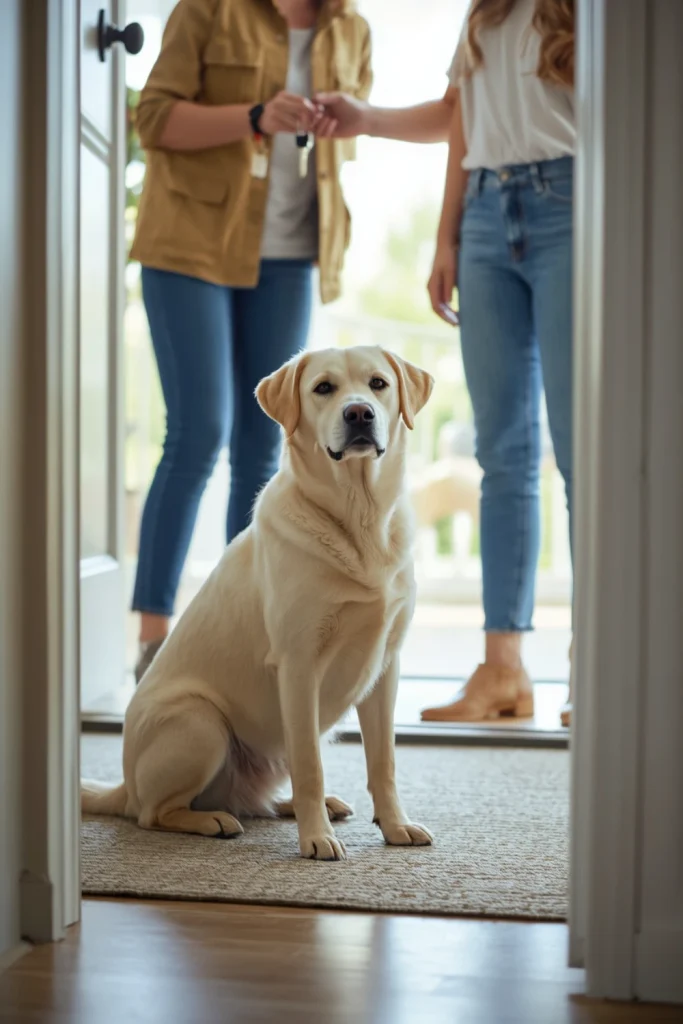
Some dogs become anxious as soon as they notice signs that their owner is preparing to leave. Picking up keys, putting on shoes, grabbing a handbag, or walking toward the door can become signals that a long separation is coming. To help your dog become more comfortable, practice these actions at different times without actually leaving. Pick up your keys, then sit down to read. Put on your shoes, then make breakfast or continue another normal activity.
Repeat these exercises in a relaxed way until your dog reacts less strongly to the cues. If your dog starts pacing, panting, or following you anxiously, make the exercise easier and work at a slower pace. Once the departure cues become less concerning, you can combine them with very short absences. Remember that the goal is not to trick your dog but to make these everyday signals less alarming. Gradual practice helps your dog learn that keys and shoes do not always mean being left alone.
7. Make Your Departures and Returns Calm and Ordinary
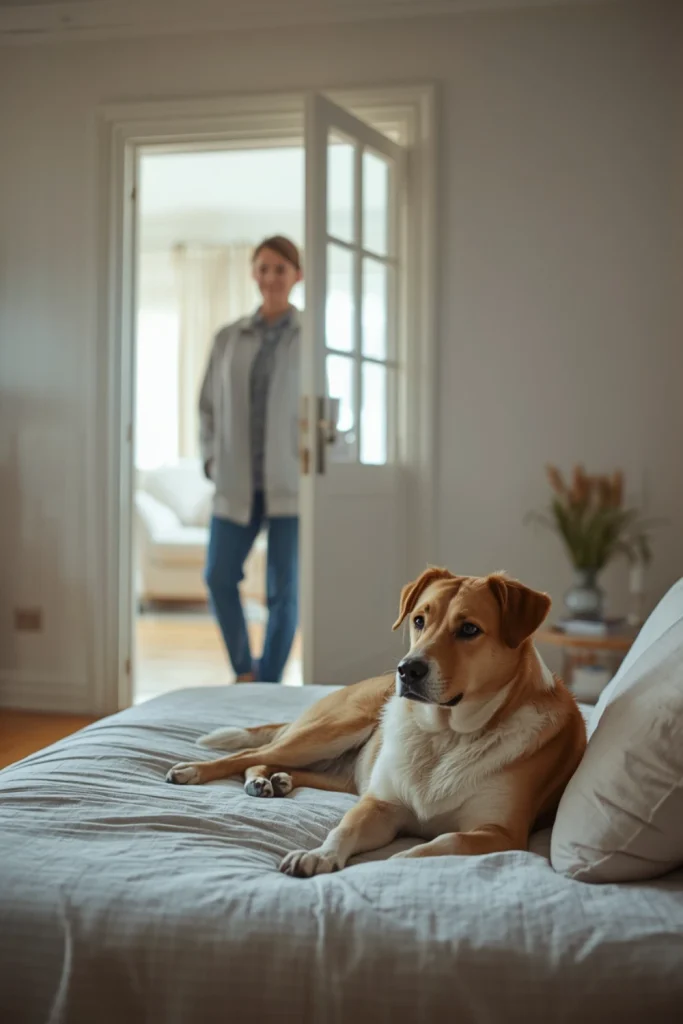
Excited or emotional departures can sometimes make separation more difficult for dogs that are already worried about being alone. Try to keep your preparation simple and predictable. Finish getting ready, make sure your dog has everything they need, and leave without a long goodbye. You do not need to ignore your dog or act coldly. A friendly, low-key approach is enough. The purpose is to make leaving feel like an ordinary part of the day rather than an unusual event.
When you return, greet your dog warmly but calmly. Give them an opportunity to settle before starting an energetic game or extended interaction. If your dog is jumping or spinning with excitement, wait for a moment of calmer behavior before offering attention, provided this does not increase their distress. For dogs with serious separation-related anxiety, even ordinary departures and returns may be very difficult, so these routines should be paired with a carefully managed training plan. Calm greetings alone will not resolve severe anxiety, but they can support a more predictable environment.
8. Provide Safe Toys and Food-Enrichment Activities
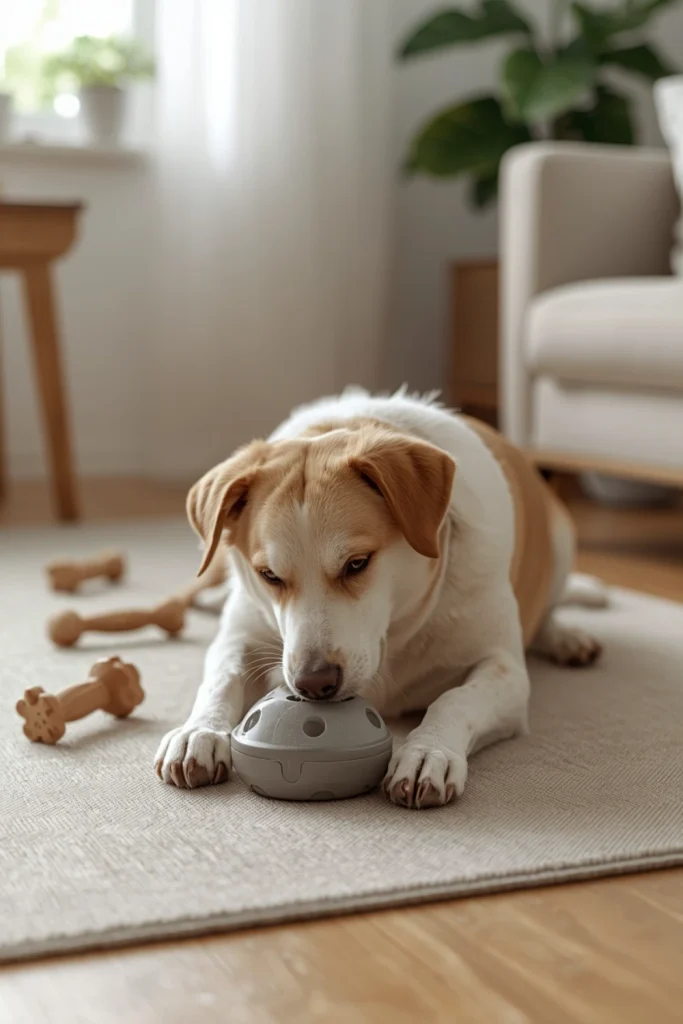
Mental enrichment can help your dog spend time constructively when you are away. Depending on your dog’s preferences, you could offer a suitable food puzzle, a durable treat-dispensing toy, or a safe chew that is appropriate for their size and chewing habits. Introduce these activities while you are home so you can observe how your dog uses them. Choose items that cannot easily break into dangerous pieces, and avoid toys that create choking risks or are unsuitable for your dog’s chewing strength.
You can also use part of your dog’s normal daily food allowance in a puzzle or enrichment activity rather than adding extra calories. Start with something easy enough that your dog can succeed without becoming frustrated. Some dogs enjoy food puzzles, while others prefer sniffing games or familiar toys. Importantly, enrichment is not a substitute for addressing separation distress. A dog that panics when left alone may ignore even a favorite treat. If your dog cannot relax or eat during your absence, reduce the difficulty and consider professional guidance.
9. Give Your Dog Appropriate Exercise Before Alone Time
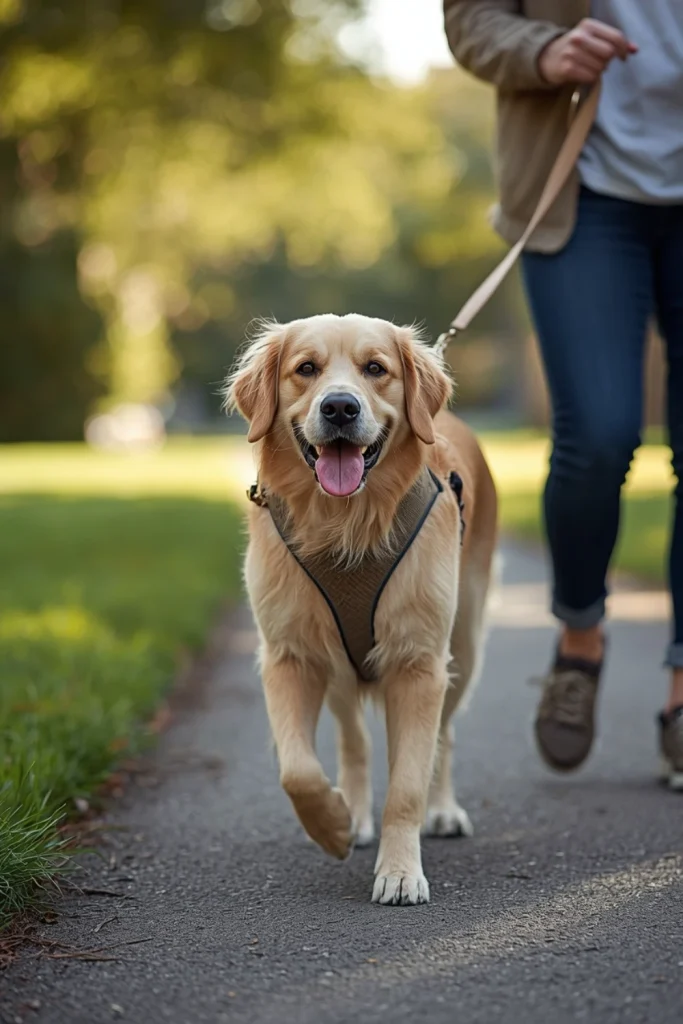
Appropriate physical activity can help your dog feel ready to rest during a period at home. Depending on age, breed, health, and fitness, this might include a sniff-focused walk, gentle play, a short training session, or another activity your veterinarian considers suitable. Letting your dog explore scents can be especially enriching because it provides mental engagement as well as movement. After the activity, allow time for water, a toilet break, and a calm transition into the home environment.
More exercise is not always better. Overexertion can make a dog uncomfortable, and highly stimulating games immediately before departure may leave some dogs more excited rather than relaxed. Puppies, senior dogs, and dogs with medical or mobility concerns need exercise suited to their individual needs. Observe how your dog behaves after different activities and adjust accordingly. The goal is a comfortable dog who can settle, not one who is physically exhausted. Exercise can support alone-time training, but it does not cure fear or separation anxiety on its own.
10. Practice Alone Time in Different Small Steps
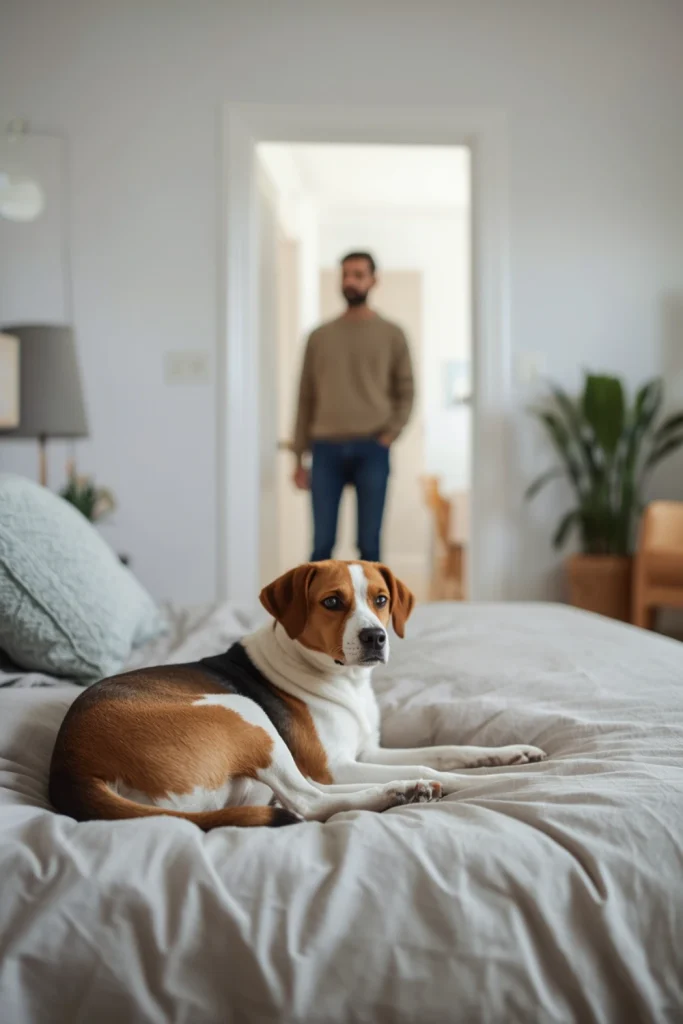
Once your dog can manage a short separation, build the next stage carefully. You might first move behind an open doorway, then briefly close an interior door, and later step outside the front door for a few seconds. Change only one aspect of the exercise at a time where possible. For example, do not suddenly increase the duration, change the location, and introduce unfamiliar sounds all during the same session. Smaller changes make it easier to identify what your dog can comfortably handle.
Keep a simple training log with the duration of each practice, your dog’s behavior, and any signs of worry. A phone or home camera can help you observe what happens after you leave, as some dogs appear settled at first but become distressed later. If your dog remains relaxed, increase the time in small increments. If signs of anxiety appear, return to an easier stage. Do not keep pushing through distress in the hope that your dog will eventually get used to it. Confidence grows when practice stays within your dog’s ability to cope.
11. Help Your Dog Become Comfortable With Everyday Household Sounds
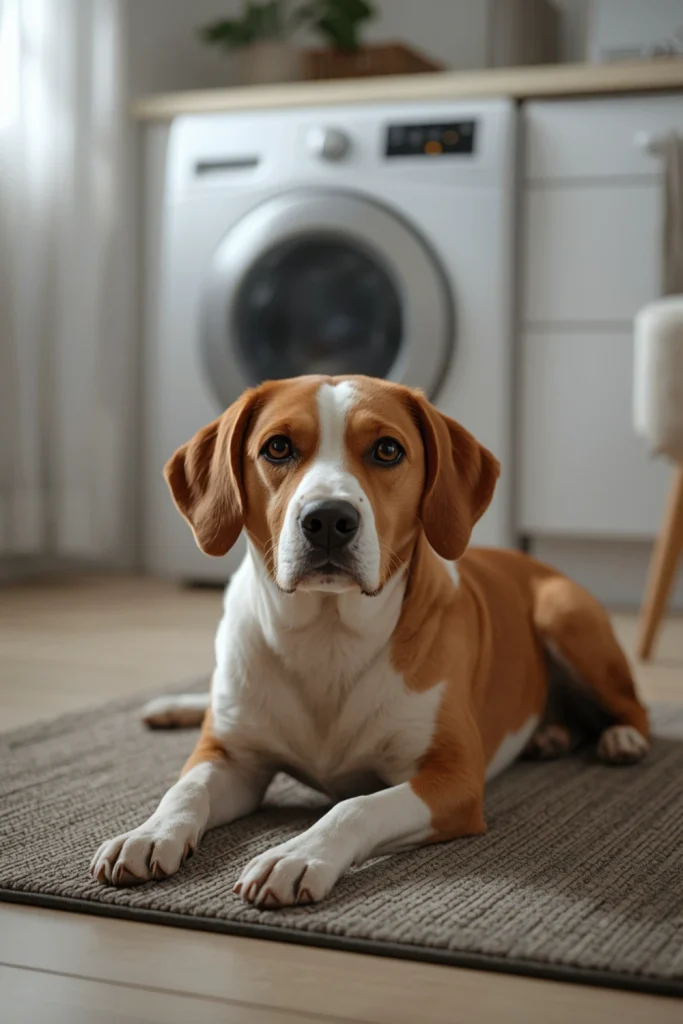
A quiet home may feel unfamiliar to a dog that is accustomed to constant company. Ordinary sounds such as a refrigerator switching on, a washing machine running, footsteps in the hallway, or distant traffic can attract attention when nobody is home. During supervised practice, help your dog become familiar with normal household sounds at comfortable levels. Pair these experiences with relaxing activities, such as resting on a bed or working on an appropriate food puzzle.
Avoid deliberately exposing your dog to loud, frightening noises in an attempt to make them tougher. If a sound causes your dog to startle, hide, bark repeatedly, or remain tense, lower the intensity or increase the distance. You can also use a low level of familiar background sound if it appears to help your dog settle, but do not assume that music or television will resolve anxiety. Observe your individual dog’s response. The purpose is to create a predictable environment where everyday noises do not become additional sources of stress during alone time.
12. Recognize Anxiety and Seek Professional Help When Needed
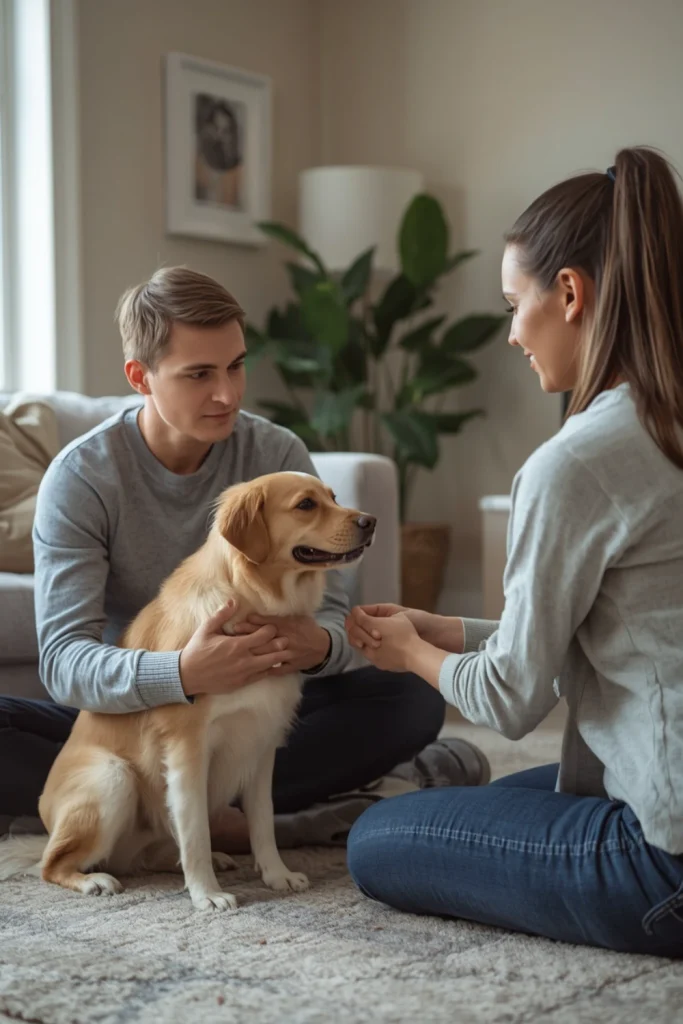
Some dogs need more than routine changes and gradual training. Signs of serious separation-related distress can include persistent barking or howling, frantic attempts to escape, destructive behavior focused on doors or windows, excessive drooling, trembling, repeated indoor accidents, or an inability to settle after the owner leaves. These behaviors should not automatically be labeled bad manners. They may indicate fear, a medical problem, or separation-related anxiety. A veterinarian can help rule out health issues and recommend an appropriate plan.
If your dog shows intense distress, avoid leaving them alone for longer than they can currently manage whenever practical. A trusted sitter, family member, dog walker, or suitable daycare arrangement may help reduce repeated distress while you work on training. Ask your veterinarian about referral to a qualified reward-based trainer or veterinary behavior professional. In some cases, a veterinarian may recommend medication alongside behavior modification. Getting help is not a failure; it is a responsible way to support your dog’s emotional well-being and make progress at a manageable pace.
Conclusion
Learning how to build a dog’s confidence when home alone takes patience, consistency, and a clear understanding of your dog’s emotional needs. Start with short separations, create a comfortable resting area, encourage independent activities, and reward relaxed behavior. Gradually introduce departure cues, maintain a predictable routine, and use appropriate enrichment to make alone time more manageable.
Most importantly, let your dog’s comfort determine the pace of training. Avoid punishment, sudden long absences, and forced exposure to frightening situations. If your dog shows persistent or intense signs of distress, seek help from a veterinarian or qualified behavior professional. With the right support and a gradual approach, you can help your dog develop healthier alone-time habits and feel more secure in their home.