

The Perfect Beginner Dog Training Schedule
Training a dog does not have to mean spending hours every day repeating commands or attending complicated training classes. A simple, consistent Dog Training Schedule can help beginners teach important skills while making training enjoyable for both the dog and owner. The key is knowing what to practice, when to practice it, and how to keep each session short and positive.
Whether you have just brought home a puppy, adopted an adult dog, or simply want to improve your dog’s manners, a structured training routine can make a big difference. This beginner-friendly guide explains how to create the perfect daily and weekly dog training schedule with easy exercises, realistic goals, positive reinforcement, and practical routines you can use at home.
1. Start Your Day With a Short Training Session
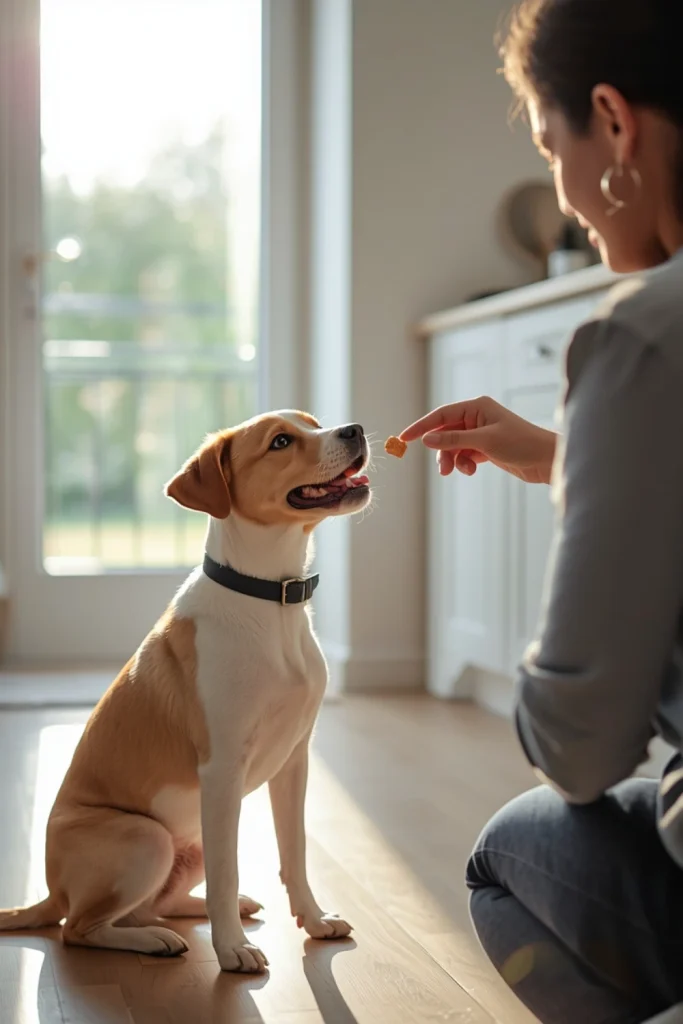
Morning is an excellent time to begin your dog’s training schedule because dogs are often alert and ready to interact after waking up. You do not need a long session. Start with five to ten minutes of simple exercises such as responding to the dog’s name, sit, wait, or eye contact. Keep the environment quiet so your dog can focus on you without too many distractions.
Morning training can also become part of your dog’s daily routine. For example, ask your dog to sit before putting down breakfast or wait briefly before opening the door. These small moments teach your dog that calm behavior and listening are part of everyday life. Over time, these simple exercises can become natural habits instead of separate training activities.
2. Teach Your Dog to Respond to Its Name
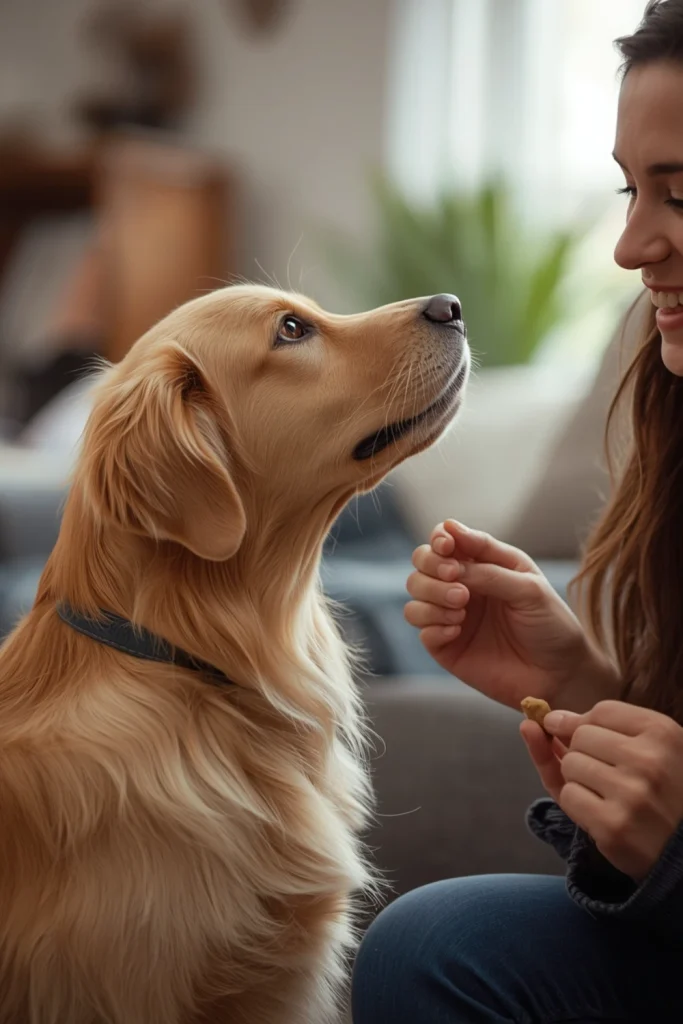
Name recognition is one of the easiest and most useful skills to include in a beginner Dog Training Schedule. Start in a quiet room where there are few distractions. Say your dog’s name in a cheerful and friendly voice. When your dog looks toward you, immediately praise the behavior and offer a small reward. Repeat this several times without adding complicated commands.
As your dog becomes reliable indoors, practice the same exercise in different areas of your home. You can eventually practice outside in a secure area with mild distractions. Avoid repeatedly saying your dog’s name when the dog is ignoring you. Instead, make the name meaningful by consistently connecting it with attention, praise, play, or rewards.
3. Practice the Sit Command
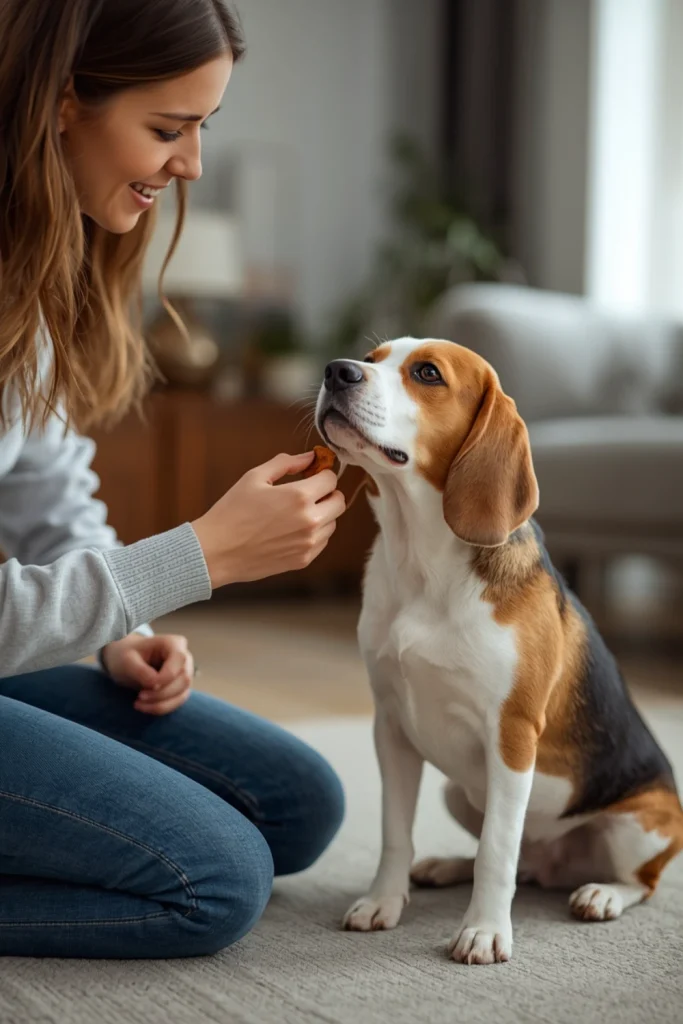
Sit is one of the most useful beginner dog commands and should have an important place in your training schedule. Hold a small treat near your dog’s nose and slowly move your hand upward and slightly backward. As your dog’s head follows the treat, its bottom may naturally move toward the floor. When your dog sits, immediately praise and reward it.
Practice the sit command in short sessions rather than repeating it dozens of times. Once your dog understands the movement, gradually introduce the verbal cue “sit.” You can then use the command during everyday situations, such as before meals, before going outside, or when greeting people. This helps your dog understand that sitting calmly is useful in real life.
4. Introduce the Stay Command Gradually
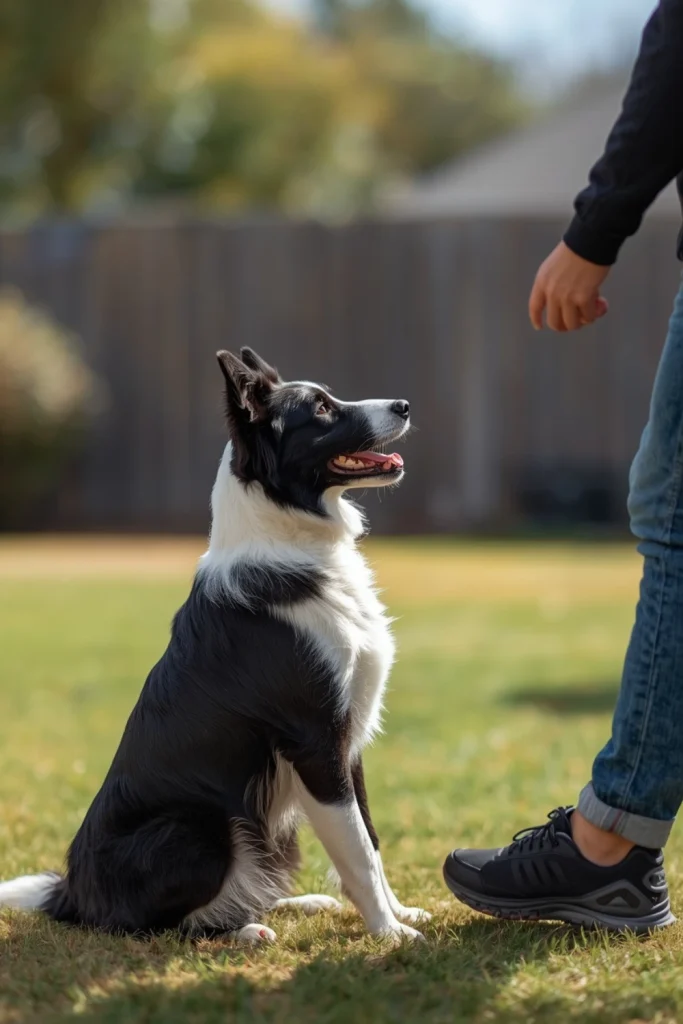
Stay can be more challenging than sit because it requires your dog to remain in one position. Begin with your dog sitting calmly. Ask for “stay,” wait for just one or two seconds, and then reward your dog while it remains in position. Keep the first exercises extremely easy so your dog learns that staying still leads to something positive.
Once your dog understands the basic idea, slowly increase the duration. Later, you can increase distance by taking one small step away before returning to reward your dog. Do not increase time, distance, and distractions at the same time. Building the skill gradually makes success easier and prevents unnecessary frustration for both you and your dog.
5. Build a Reliable Come Command
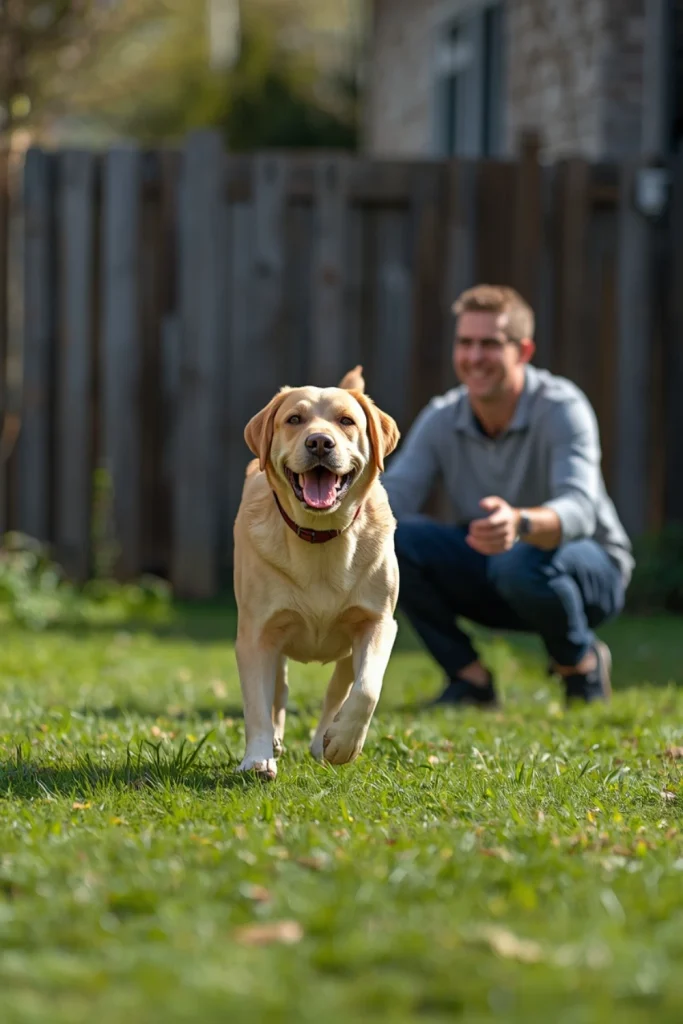
Recall training is an important part of a beginner Dog Training Schedule because teaching your dog to come when called can be extremely useful in everyday situations. Start indoors in a quiet area. Say your dog’s name followed by “come” in a happy voice. When your dog moves toward you, praise enthusiastically and provide a reward.
Never make coming to you consistently mean that something unpleasant will happen. For example, avoid calling your dog only when playtime is over or when you are about to do something the dog dislikes. Instead, frequently practice recall during fun moments. Make coming to you rewarding, safe, and enjoyable so your dog develops a positive association with the command.
6. Teach Your Dog to Wait
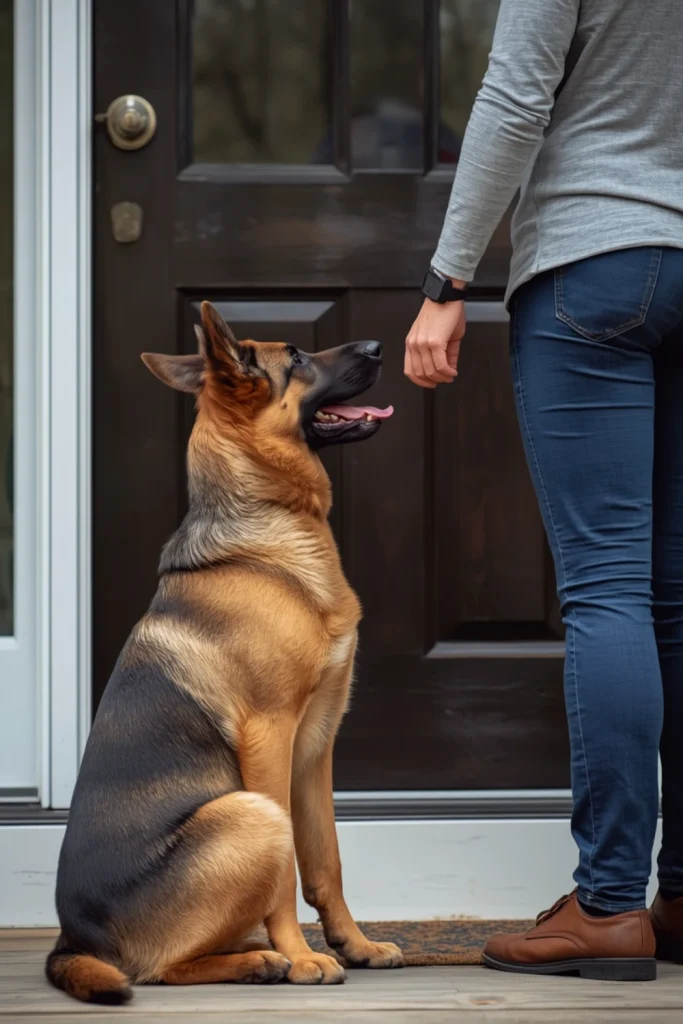
The wait command helps dogs develop patience and impulse control. It can be practiced during everyday activities, making it easy to include in a beginner training routine. Ask your dog to sit, say “wait,” pause for a moment, and then give a release cue. Initially, the waiting period should be very short.
You can practice waiting before meals, before opening doors, before getting into the car, or before starting a game. Always begin with situations your dog can handle successfully. Gradually increase the waiting time as your dog’s self-control improves. The objective is not to make your dog stay still for an extremely long period but to teach the dog to pause and listen.
7. Include Leave It Training
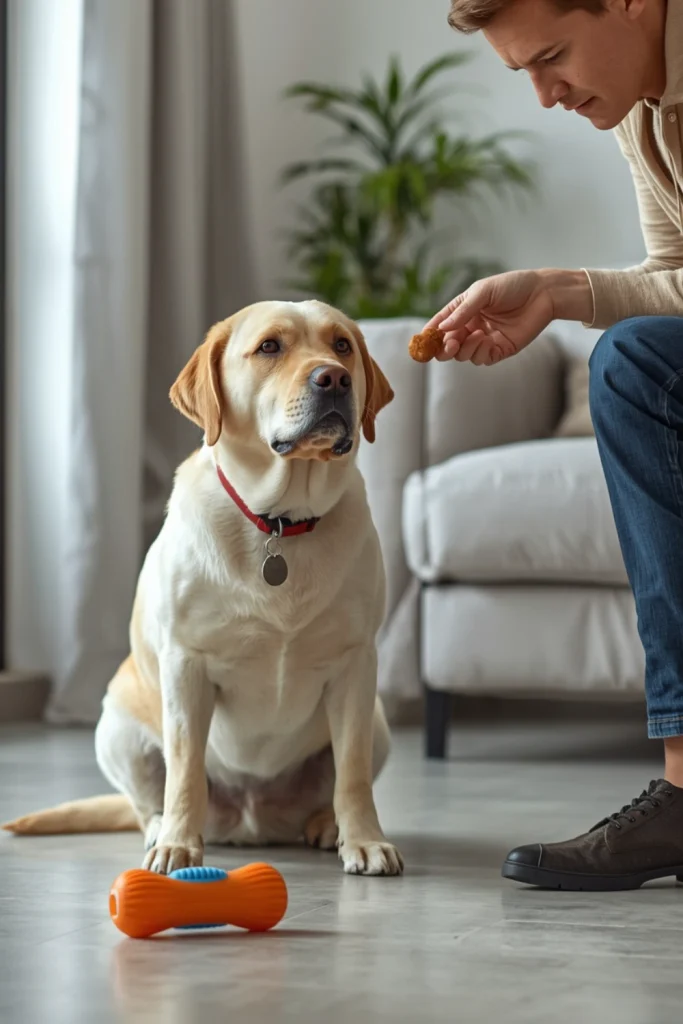
Leave it is a valuable command that teaches your dog to ignore something instead of immediately grabbing it. Begin with a low-value object that your dog finds mildly interesting. Place it where your dog cannot easily reach it and reward your dog for looking away or paying attention to you.
As your dog improves, gradually practice with different objects and environments. The exercise should remain controlled and positive. Avoid using dangerous objects during early training. The goal is to build a reliable habit of choosing you instead of automatically investigating everything nearby. Leave it can become especially useful during walks, at home, and around unfamiliar objects.
8. Add Down to Your Training Routine
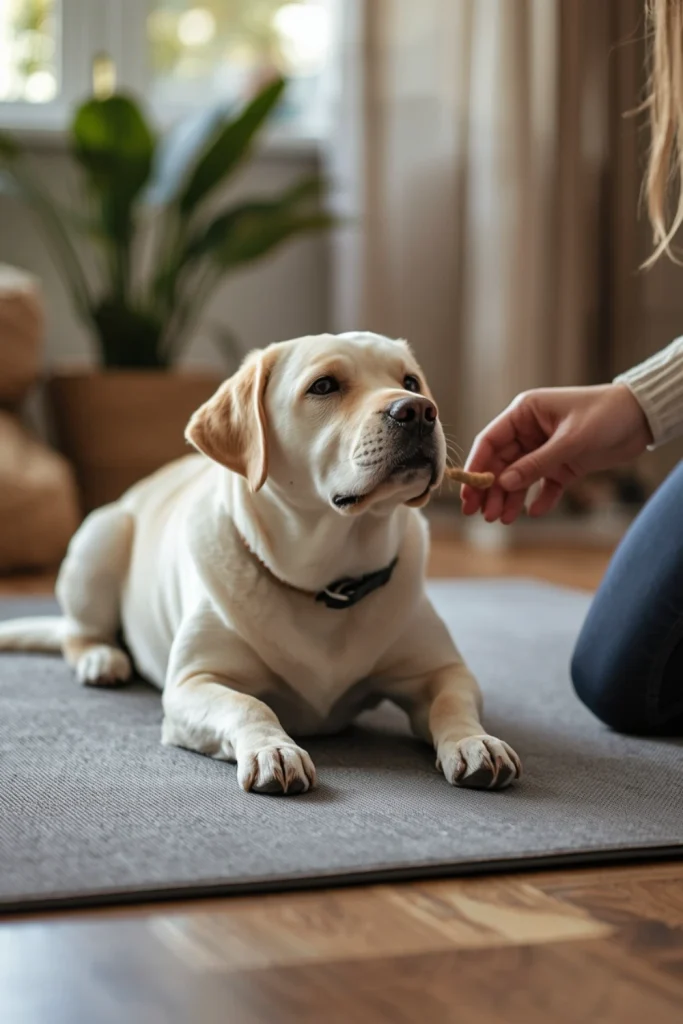
The down command encourages your dog to move from a standing or sitting position into a relaxed lying position. Start in a quiet location with a small treat. Bring the treat close to your dog’s nose and slowly guide it downward toward the floor. Once your dog follows the movement and lies down, immediately praise and reward.
Keep the first sessions simple. Some dogs may find lying down more difficult than sitting, particularly if they are excited or uncomfortable on certain surfaces. Practice on a comfortable floor or mat. Once your dog understands the movement, introduce the verbal cue and gradually practice in different locations around your home.
9. Practice Loose-Leash Walking
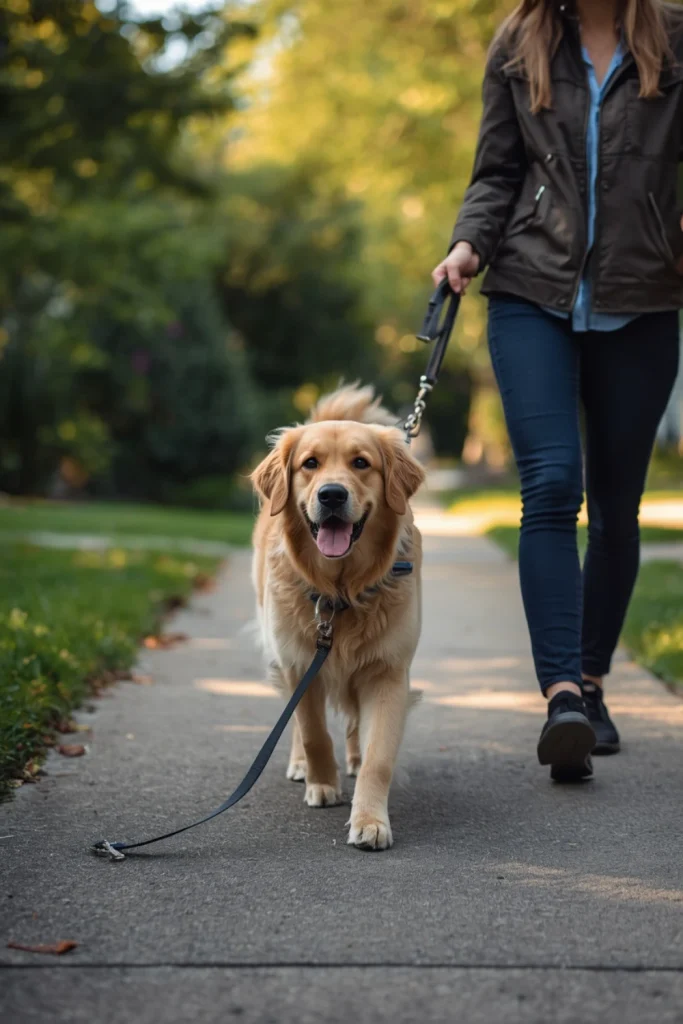
Pulling on the leash is one of the most common challenges for new dog owners. Instead of waiting until your dog is pulling heavily outside, introduce loose-leash skills indoors or in a quiet yard. Reward your dog whenever it walks near you without pulling. Keep the first exercises short and easy.
As your dog improves, move to locations with slightly more distractions. If the leash becomes tight, stop or calmly change direction rather than turning the walk into a battle. Reward the behaviors you want to see. Over time, your dog can learn that walking calmly beside you allows the walk to continue and creates opportunities for exploration.
10. Teach Calm Greetings
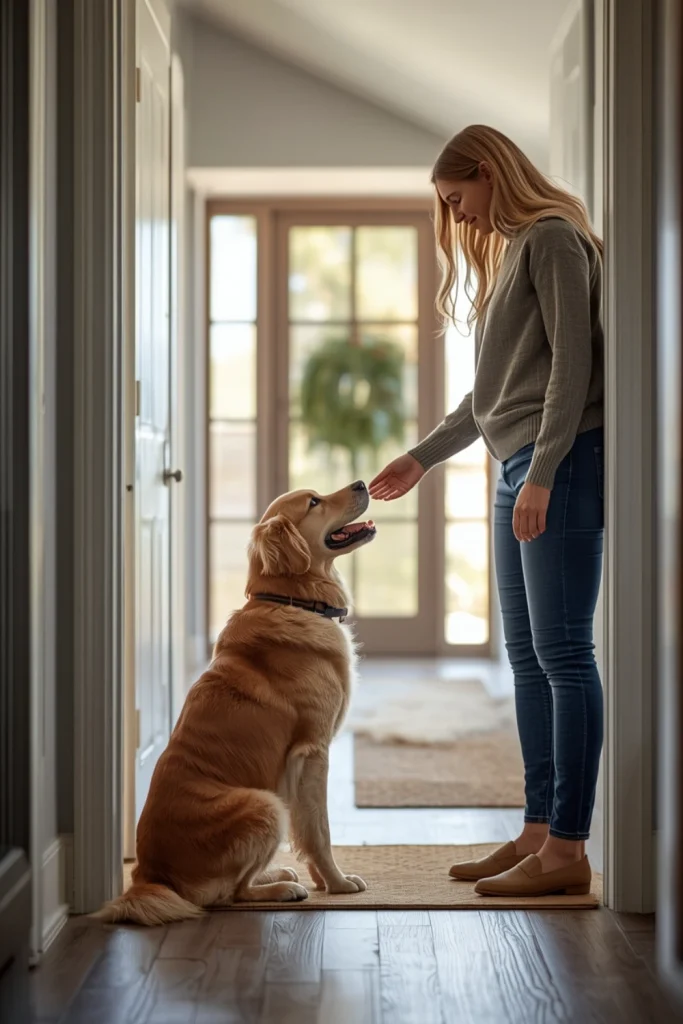
Many dogs become extremely excited when someone arrives at the house. Jumping, barking, spinning, and rushing toward visitors can be difficult for beginners to manage. A Dog Training Schedule should therefore include short exercises for calm greetings. Begin with family members and reward your dog for keeping four paws on the floor.
Once your dog understands the behavior, practice with familiar visitors. Ask the person to ignore jumping and wait until the dog becomes calmer before giving attention. Reward calm behavior consistently. With repetition, your dog can learn that sitting or standing politely results in greetings, attention, and interaction.
11. Create a Daily Leash and Outdoor Training Session
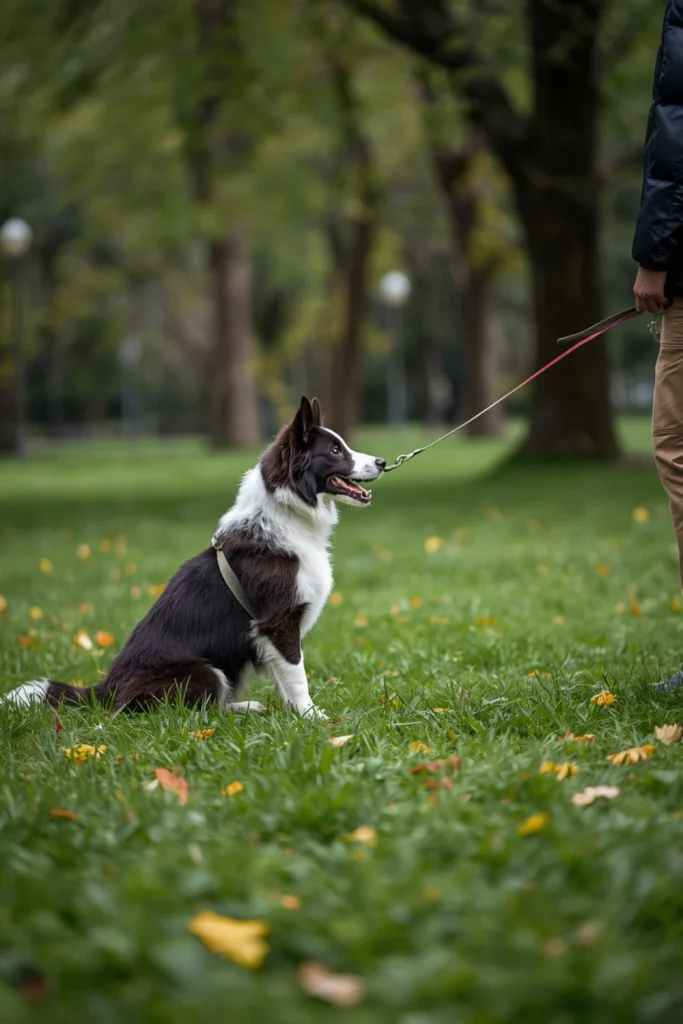
Outdoor training provides an opportunity to practice skills in a more distracting environment. After your dog understands basic commands indoors, spend five to ten minutes outside practicing name recognition, sit, come, wait, and loose-leash walking. Choose a quiet location at first rather than immediately taking your dog into a crowded park.
Outdoor sessions should be adjusted according to your dog’s behavior and experience. If your dog becomes overwhelmed by traffic, people, bicycles, or other animals, move farther away and make the exercise easier. Training works best when your dog can concentrate. Gradually expose your dog to more distractions as confidence and reliability improve.
12. Use Positive Reinforcement
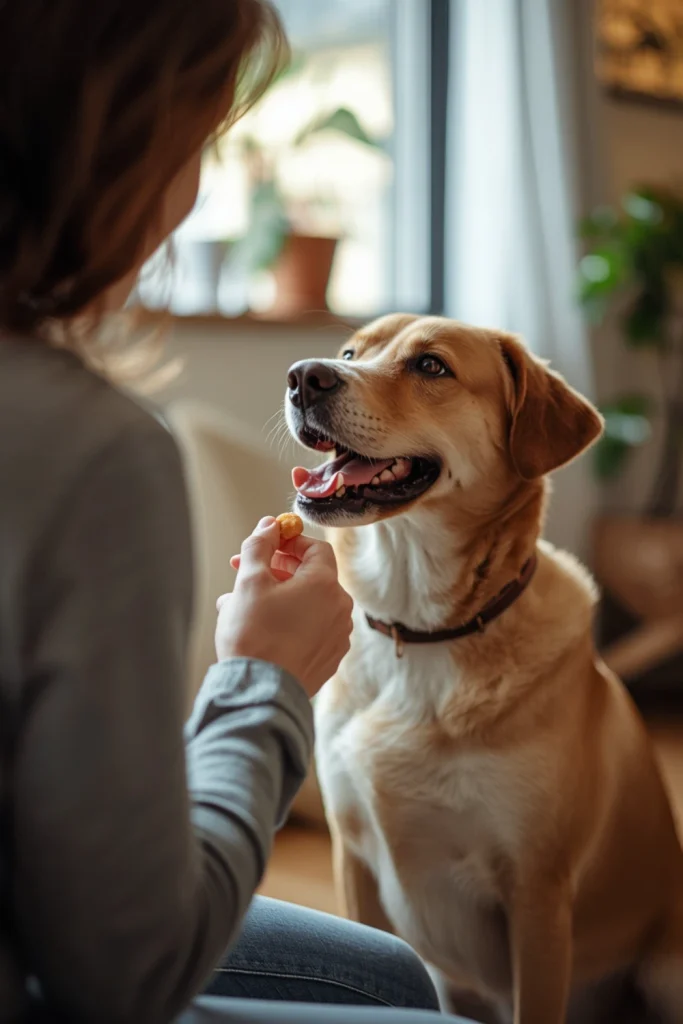
Positive reinforcement is one of the most useful approaches for beginner dog training. When your dog performs a behavior you want, immediately provide something valuable to the dog, such as a small treat, praise, attention, or a favorite toy. This helps the dog understand which behavior produced the positive outcome.
Rewards do not always need to be food. Some dogs are highly motivated by toys, play, affection, or access to something they enjoy. The important part is timing and consistency. Reward the behavior as close to the correct action as possible. Over time, you can gradually reduce treats for familiar behaviors while continuing to reinforce good choices.
13. Keep Training Sessions Short
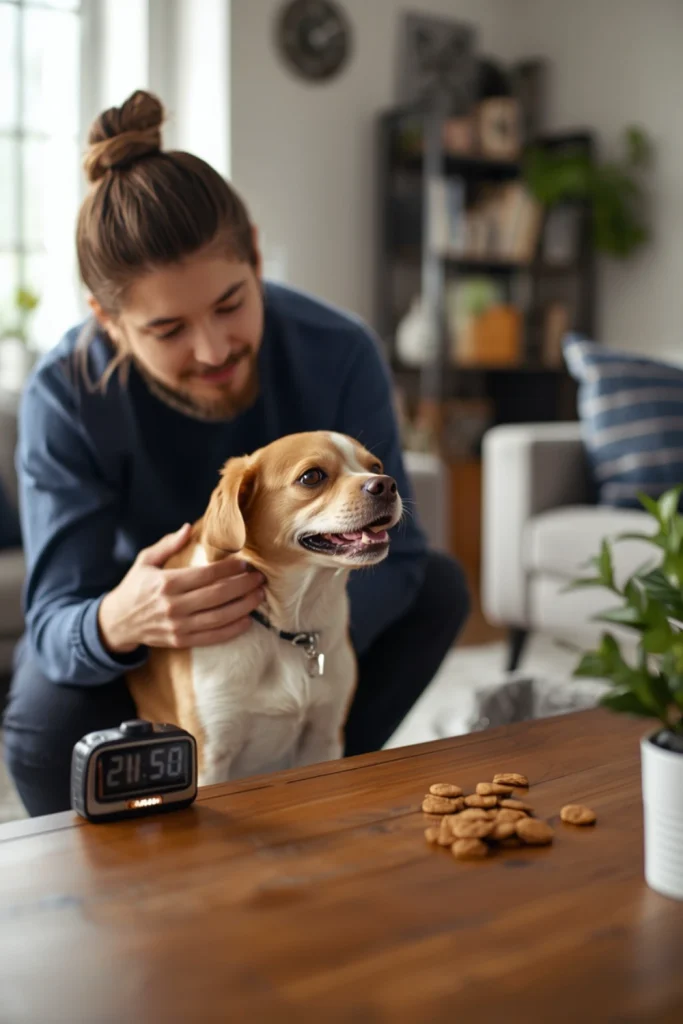
Beginners sometimes assume that more training automatically produces better results. In reality, very long sessions can cause dogs to lose focus, become tired, or become frustrated. Short sessions are often easier for dogs and owners to maintain. For many beginners, five to ten minutes is a practical starting point.
You can divide training throughout the day instead of doing one long session. For example, practice sit and name recognition in the morning, recall and leave it in the afternoon, and calm behavior or tricks in the evening. These short sessions can fit naturally into your routine without making dog training feel like a major daily responsibility.
14. Add Mental Stimulation to the Schedule
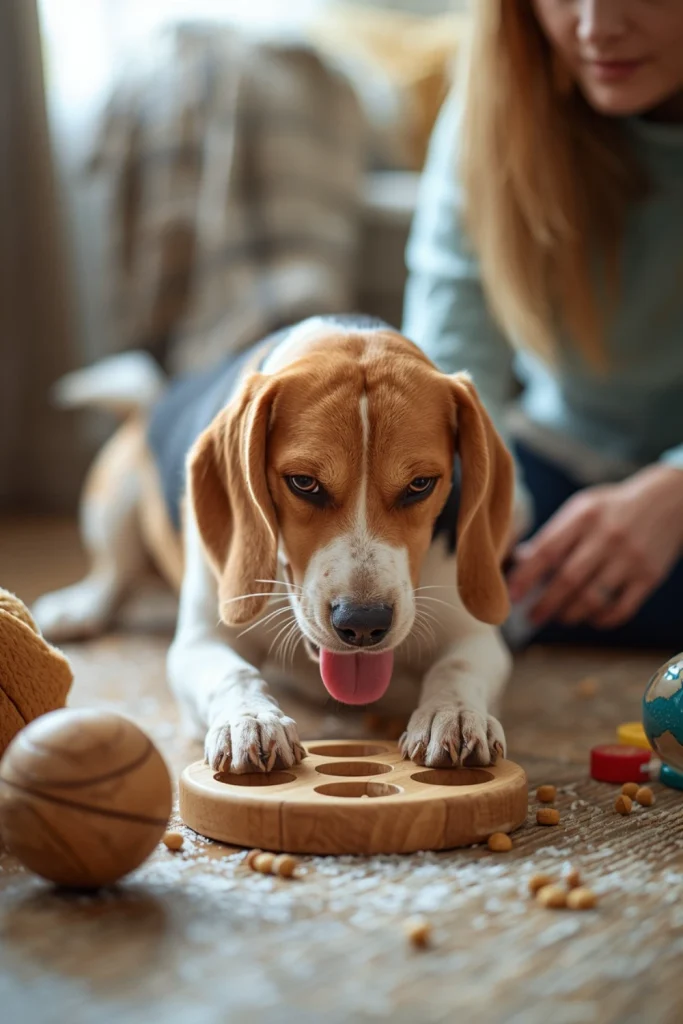
Dog training is not only about obedience commands. Mental stimulation is also important because dogs need opportunities to think, solve problems, explore, and make choices. Puzzle toys, scent games, simple searching activities, and trick training can all complement a basic Dog Training Schedule.
A mentally engaged dog may be easier to train because it has opportunities to use its natural abilities in appropriate ways. You do not need expensive equipment to provide enrichment. Hide a toy around a safe room, scatter a small portion of food for supervised searching, or teach your dog a new trick. Keep activities appropriate for your dog’s age and abilities.
15. Practice Training During Mealtime
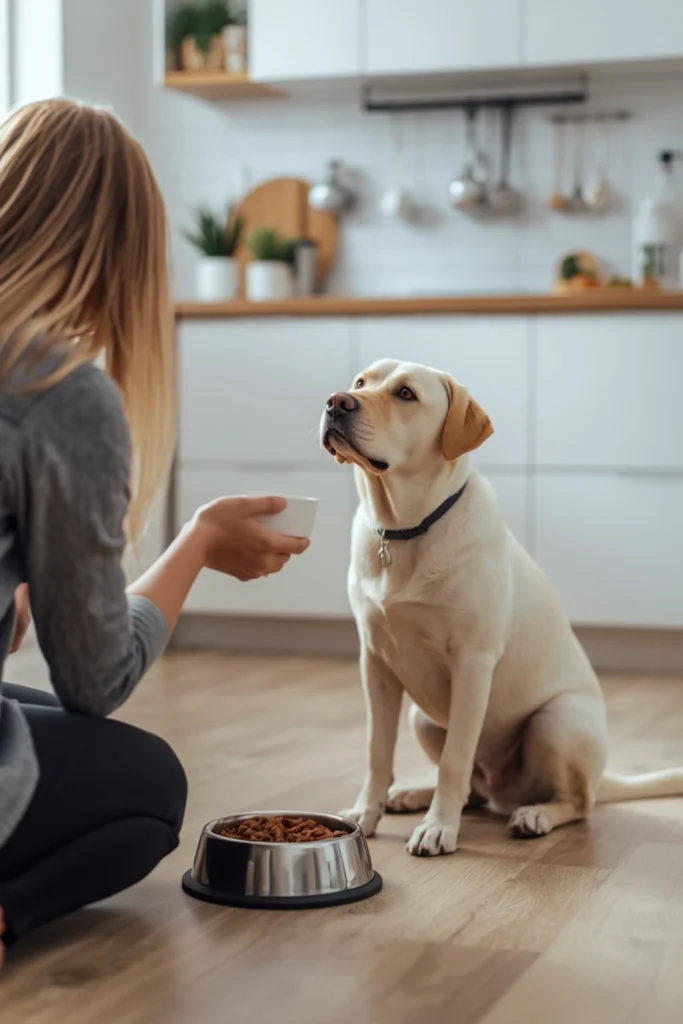
Mealtime provides an excellent opportunity to practice patience and basic obedience without creating a separate training session. Ask your dog for a simple behavior such as sit before placing the food bowl down. Once your dog is calm, provide access to the meal. This teaches the dog that calm behavior can be part of normal routines.
You can also use a portion of your dog’s normal daily food as training rewards, when appropriate for the dog’s diet and feeding plan. This helps prevent excessive treats while allowing you to practice multiple behaviors throughout the day. Always consider your dog’s individual nutritional needs and avoid changing its diet solely for training purposes.
16. Build an Evening Training Routine
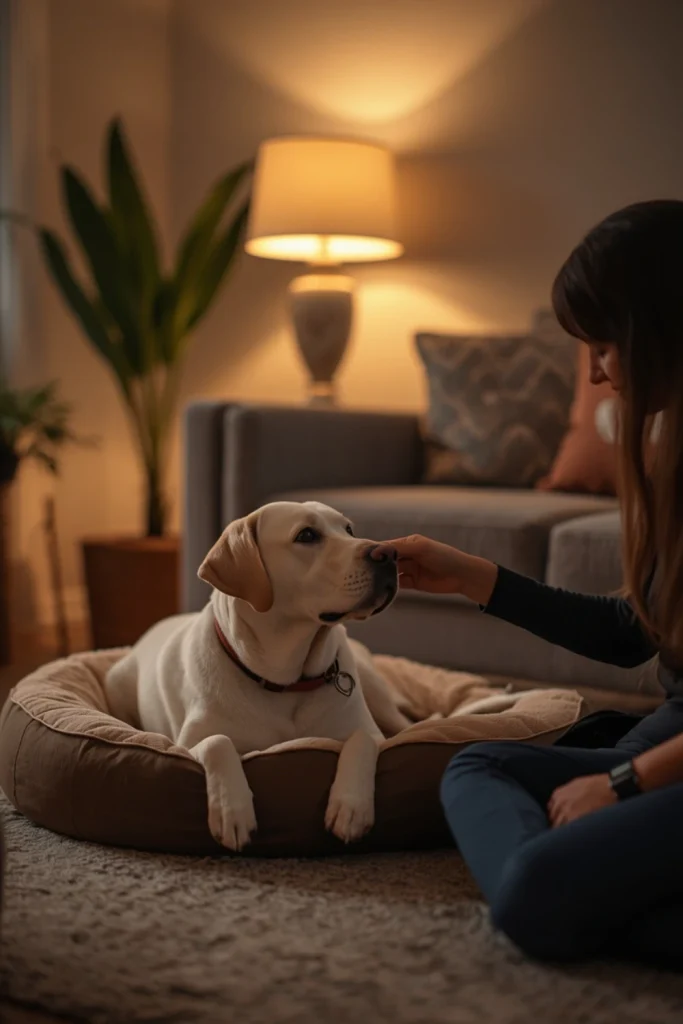
Evening is a useful time to review skills your dog has practiced during the day. A short session can include sit, down, stay, leave it, place, or a fun trick. Because the environment may be quieter, it can be a good opportunity to reinforce calm behavior rather than highly energetic activities.
Finish the evening session with something relaxing. Ask your dog to settle on a bed or mat and reward calm behavior. This can help establish a predictable end-of-day routine. Dogs often benefit from knowing what happens next, and a consistent evening pattern can make the household routine easier for both the dog and owner.
Final Thoughts
Creating a Dog Training Schedule does not have to be difficult. The most effective beginner routine is usually simple, consistent, realistic, and enjoyable. Short sessions spread throughout the day can teach important commands while helping your dog develop better focus, patience, communication, and everyday manners.
Remember that every dog learns at a different pace. Some skills may become reliable quickly, while others require weeks or months of practice. Instead of expecting perfection, focus on small improvements and repeat successful exercises in different environments. With patience, positive reinforcement, consistency, and a practical daily routine, you can build a strong foundation for your dog’s training and create a better relationship between you and your canine companion.