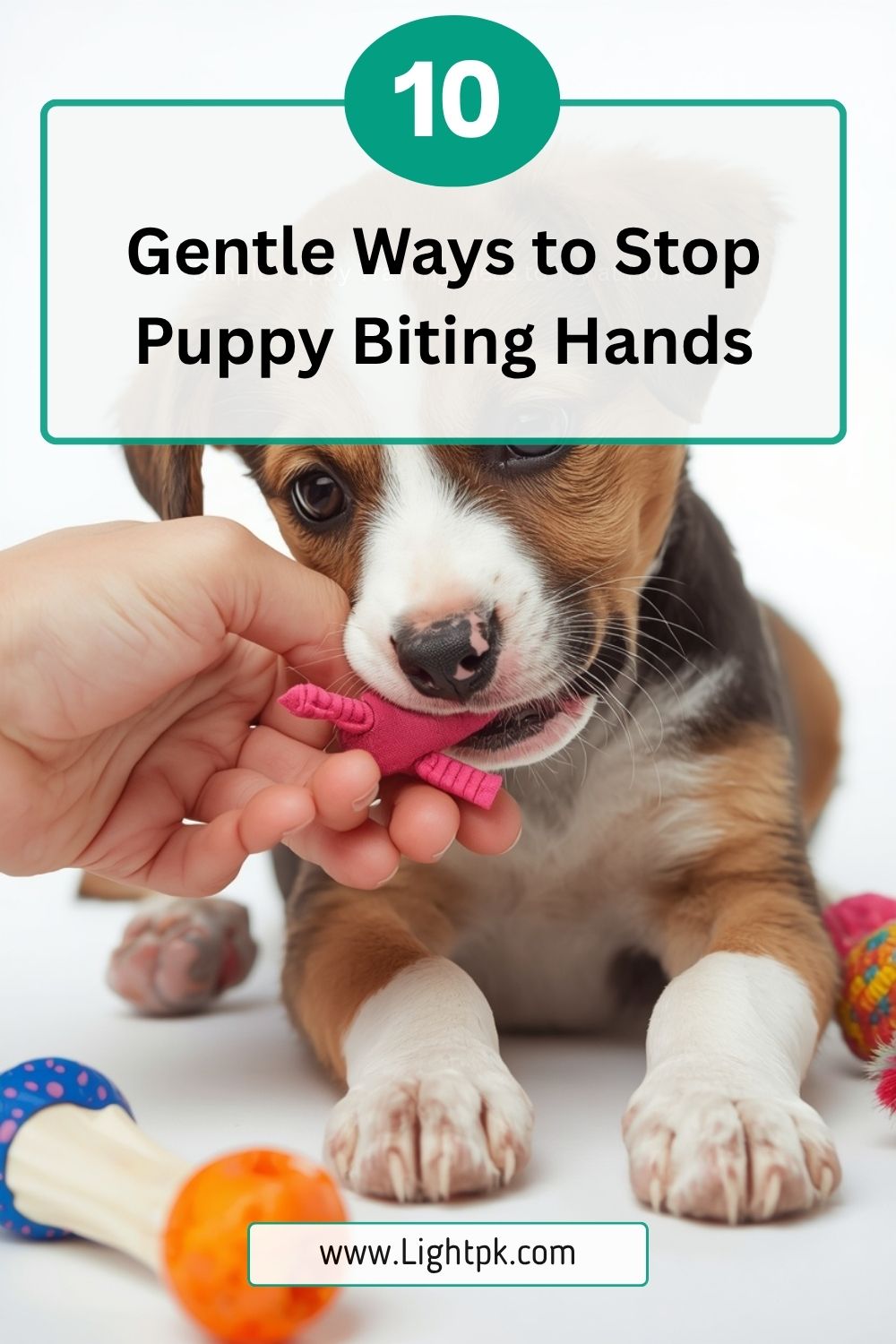
10 Gentle Ways to Stop Puppy Biting Hands
Puppies are adorable, playful, and full of energy, but their little teeth can sometimes make playtime uncomfortable. If your puppy constantly nips your fingers, grabs your hands, or bites whenever you try to pet them, you are not alone. Puppy biting is a common behavior, especially during teething and the early stages of learning how to interact with people.
The good news is that you can teach your puppy to stop biting hands without shouting, hitting, or using harsh training methods. With patience, consistency, and positive reinforcement, your puppy can learn to play gently and understand which behaviors are acceptable. These 10 gentle ways to stop puppy biting hands will help you build better habits and strengthen the bond between you and your furry companion.
1. Redirect Your Puppy’s Biting to a Suitable Toy
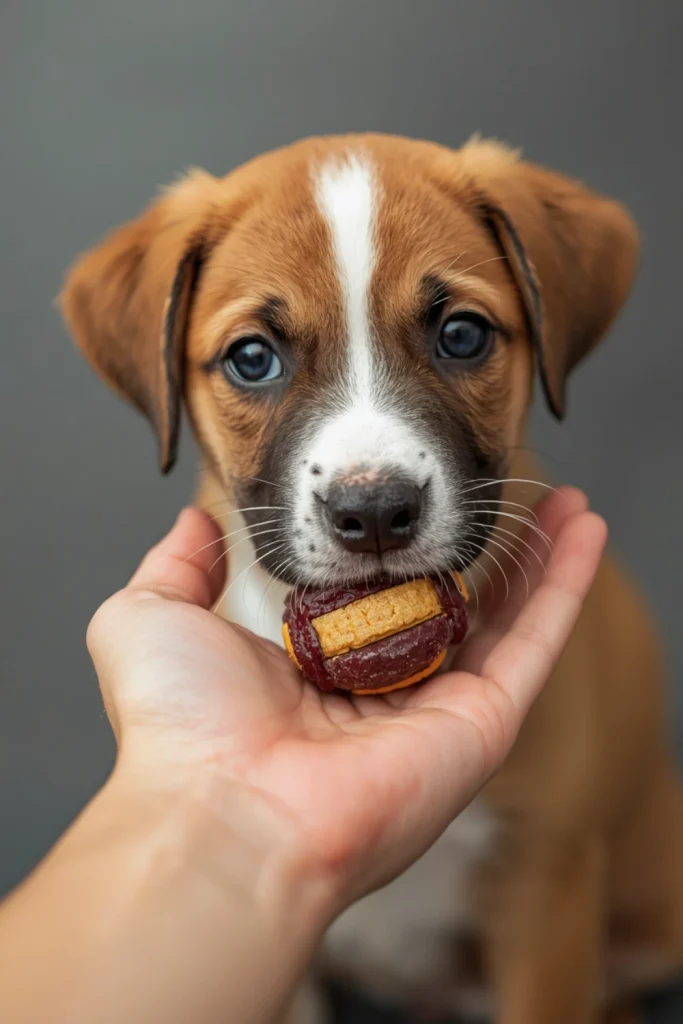
Image prompt: A realistic, adorable eight-week-old golden retriever puppy gently chewing a colorful soft puppy teething toy while its owner sits on the floor nearby, warm natural daylight, cozy living room, positive dog training moment, professional pet photography, horizontal 16:9 composition, no text, no watermark.
One of the easiest ways to stop puppy biting hands is to redirect your puppy’s mouth toward an appropriate toy. Puppies naturally use their mouths during play, so expecting them to stop mouthing everything immediately can be unrealistic. Keep several puppy-safe chew toys nearby whenever you interact with your dog. When your puppy starts biting your fingers, calmly offer a toy instead. Move the toy gently to attract your puppy’s attention and encourage them to chew on it.
2. Stop Playing When Your Puppy Bites
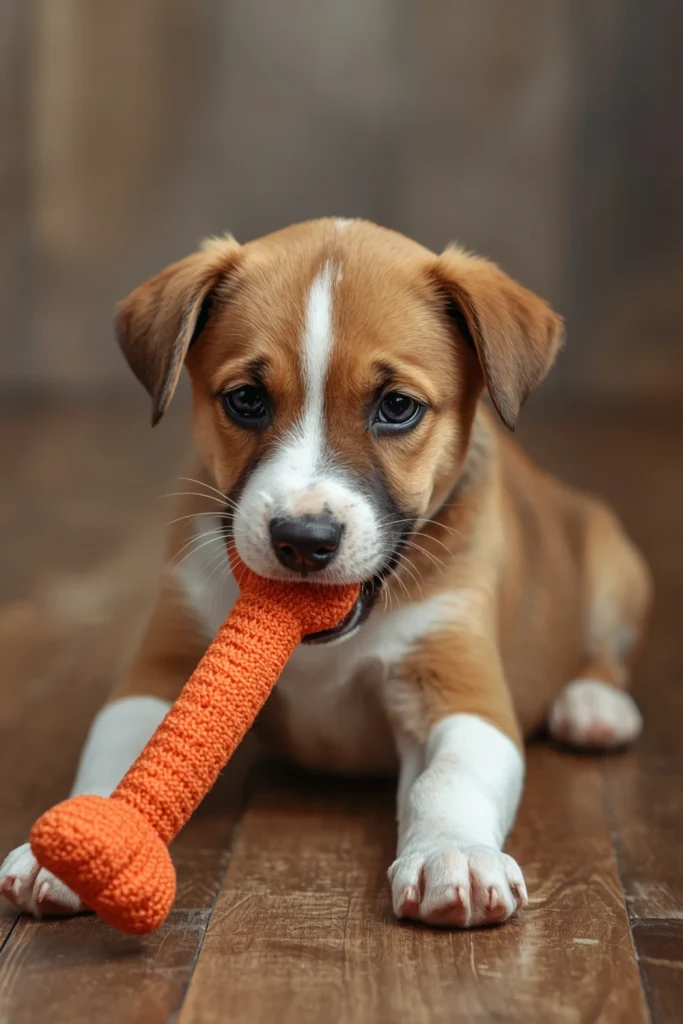
Image prompt: A young beagle puppy sitting beside its owner during a calm training session, the owner gently pausing play and keeping hands relaxed, puppy looking attentive, bright comfortable home environment, realistic professional pet photography, soft natural light, horizontal 16:9 composition, no text, no watermark.
Puppies often bite hands because they become excited during play. If biting makes the game continue, your puppy may learn that using their teeth is an effective way to keep your attention. To change this pattern, stop interacting briefly whenever your puppy bites your skin. Keep your hands still, avoid waving them around, and calmly pause the activity. You do not need to shout or frighten your puppy. A short, quiet break can communicate that biting ends the fun.
3. Reward Gentle Behavior With Positive Reinforcement
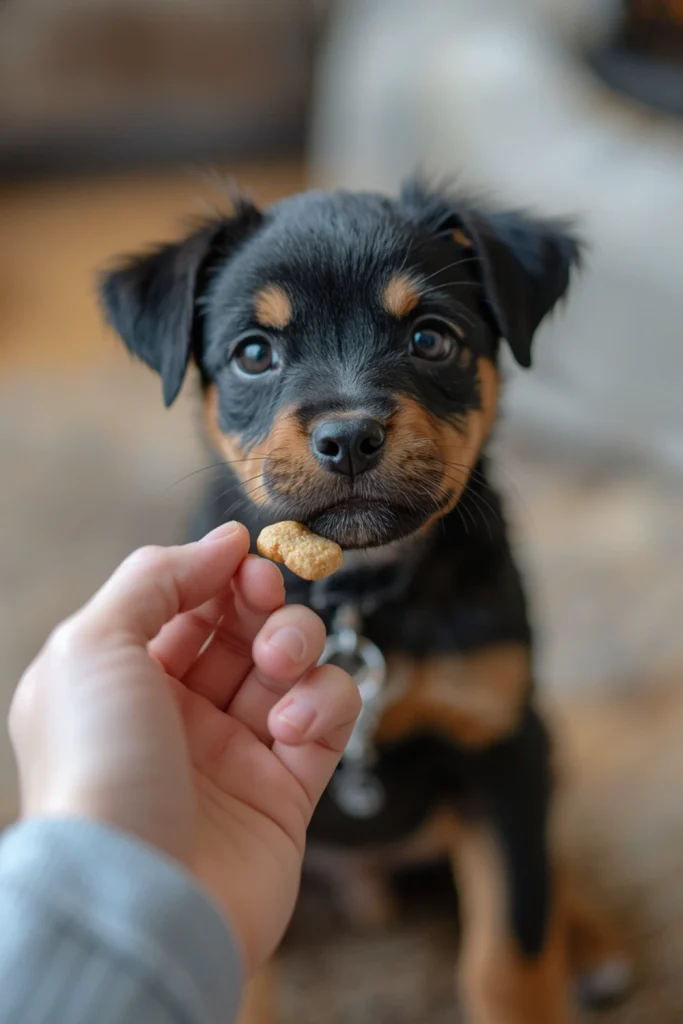
Image prompt: A happy young Labrador puppy calmly sitting beside its owner, who rewards the puppy with a tiny training treat and gentle praise, relaxed body language, bright modern living room, realistic pet photography, warm daylight, horizontal 16:9 composition, no text, no watermark.
Positive reinforcement helps puppies learn which behaviors earn attention and rewards. Instead of focusing only on stopping biting, notice the moments when your puppy interacts with you gently. For example, reward your puppy for sitting calmly while you reach toward them, licking a toy instead of your fingers, or resting quietly beside you. Use a small treat, verbal praise, or a favorite toy as a reward. This teaches your puppy that calm behavior is a reliable way to receive positive attention.
4. Provide Safe Chew Toys During Teething
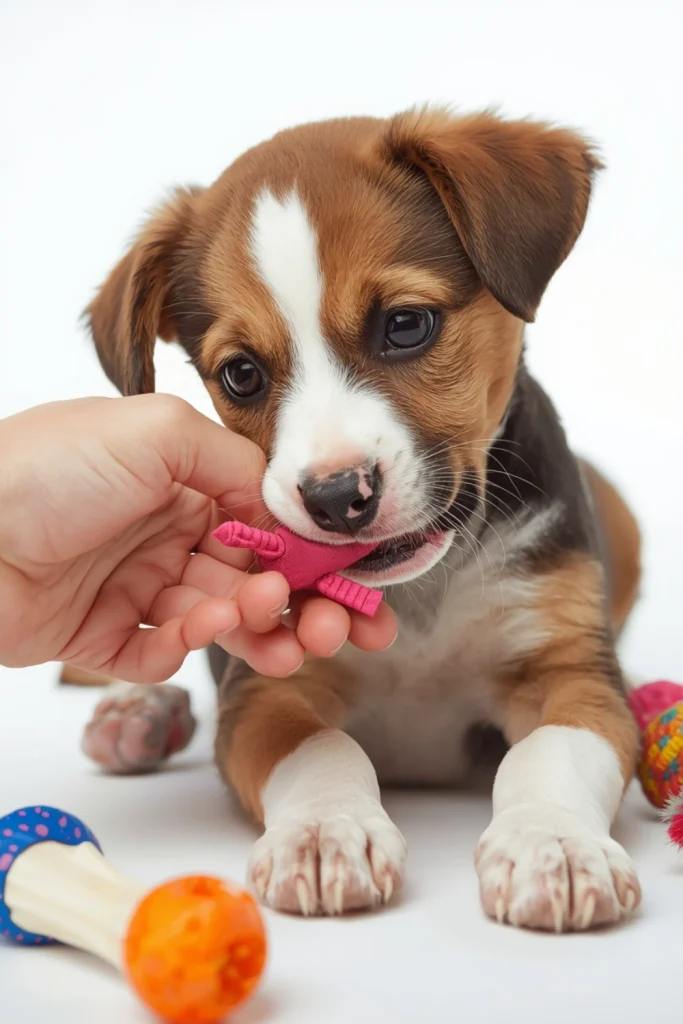
Image prompt: A cute young border collie puppy relaxing on a soft rug while chewing a puppy-safe rubber teething toy, several suitable chew toys arranged neatly nearby, peaceful home environment, detailed fur, realistic professional pet photography, natural window light, horizontal 16:9 composition, no text, no watermark.
Teething can make puppies more interested in chewing, including chewing on human fingers. During this stage, your puppy may seek different textures to relieve discomfort in their gums. Providing safe chew toys gives them a suitable outlet for this natural behavior. Choose toys specifically designed for puppies, with an appropriate size and a texture that is not excessively hard. Some puppy-safe toys can be chilled according to the manufacturer’s instructions, which may make them more appealing during teething.
5. Teach Your Puppy to Sit Before Getting Attention
Image prompt: A fluffy golden retriever puppy sitting politely in front of its owner, the owner rewarding calm behavior with a small treat, relaxed indoor training scene, puppy making eye contact, realistic pet photography, soft morning light, horizontal 16:9 composition, no text, no watermark.
Teaching your puppy to sit is a simple way to encourage polite behavior and reduce excited nipping. Many puppies jump toward hands when they want food, play, petting, or attention. A sit command gives them a clear alternative. Begin in a quiet room with a few small treats. Hold a treat near your puppy’s nose and move it gently upward so your puppy naturally lowers their rear to the floor. As soon as they sit, say “yes” or use another consistent marker and give the reward.
6. Avoid Using Your Hands as Play Toys
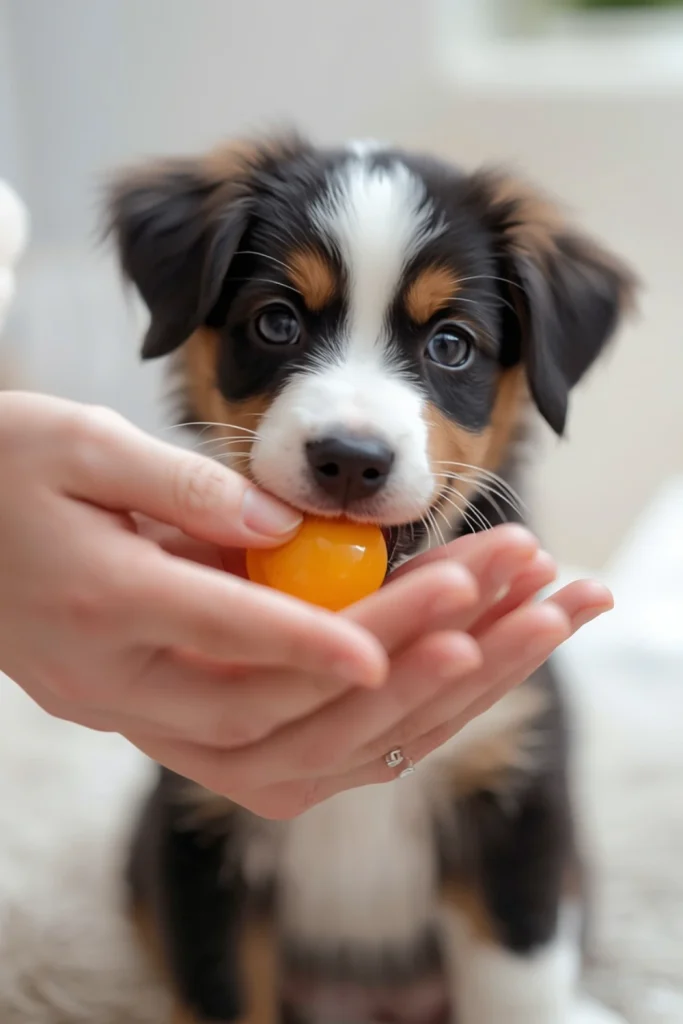
Image prompt: A young French bulldog puppy playing gently with a rope tug toy held by its owner instead of biting fingers, both relaxed and engaged, bright family living room, realistic professional dog photography, natural light, horizontal 16:9 composition, no text, no watermark.
It may seem harmless to wiggle your fingers in front of a puppy or let them chase your hands during play. However, this can teach your puppy that hands are exciting objects to grab and bite. Even if the biting is gentle at first, the habit can become uncomfortable as your puppy grows and develops stronger jaws. Use toys instead of fingers whenever you want to encourage chasing, tugging, or playful interaction. A soft tug toy, puppy-safe ball, or other suitable play item can make games more enjoyable.
7. Keep Play Sessions Short and Calm
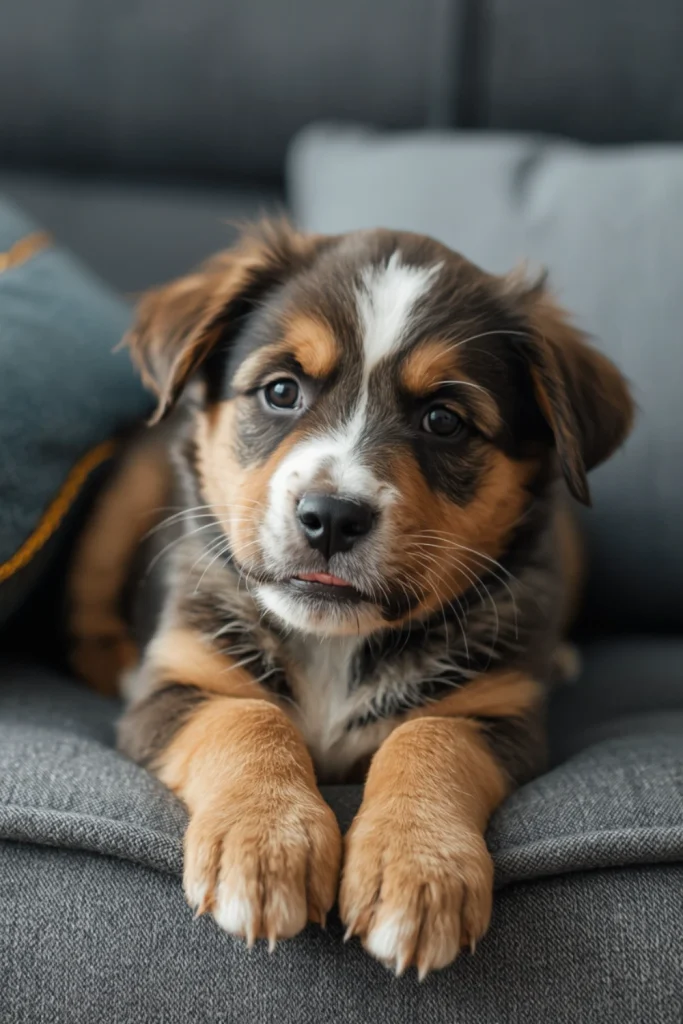
Image prompt: A sleepy young Cocker Spaniel puppy resting comfortably on a soft dog bed after a short play session, its owner sitting nearby in a peaceful living room, gentle natural light, realistic professional pet photography, cozy atmosphere, horizontal 16:9 composition, no text, no watermark.
Puppies can become overly excited when play continues for too long. As excitement increases, they may run around, grab clothing, jump at hands, or bite harder than they intended. Short play sessions with calm breaks can help your puppy stay engaged without becoming overwhelmed. Watch for signs of increasing excitement, such as frantic movements, repeated nipping, difficulty responding to familiar cues, or suddenly grabbing everything within reach. When you notice these signs, slow the game down and offer a suitable toy or a quiet activity.
8. Teach Gentle Handling Through Short Training Sessions
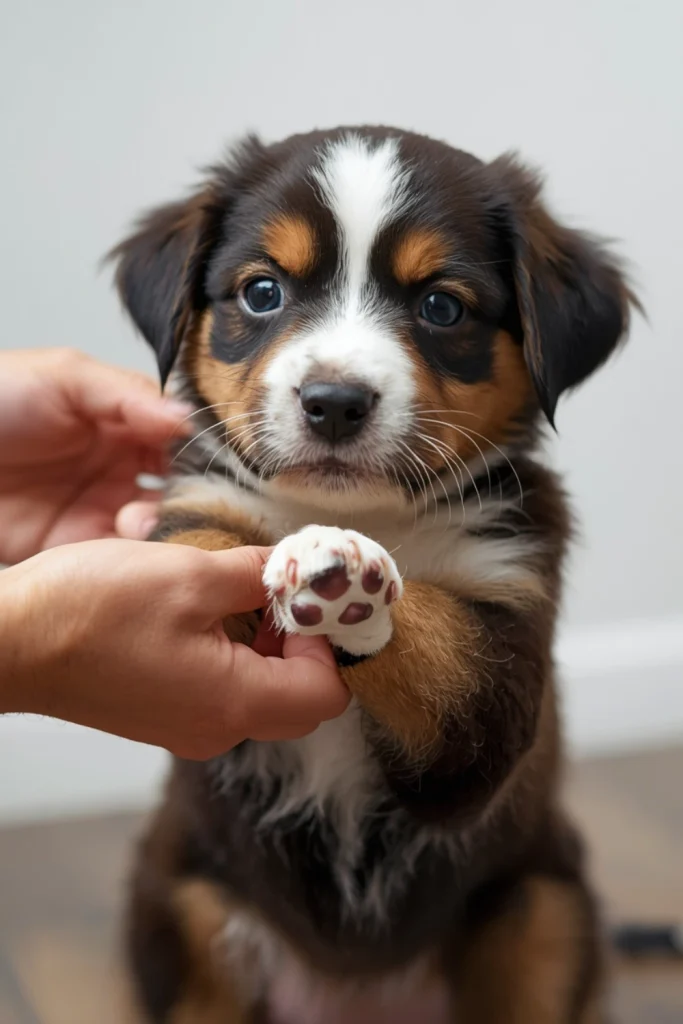
Image prompt: A calm puppy sitting beside its owner, who gently touches the puppy’s shoulder and rewards relaxed behavior with a treat, comfortable indoor setting, trusting interaction, realistic professional pet photography, soft natural daylight, horizontal 16:9 composition, no text, no watermark.
Some puppies bite hands when people try to pet them, lift them, or touch their paws. They may be excited, uncomfortable, or unsure about the interaction. Help your puppy become comfortable with gentle handling by starting with brief, easy sessions. Sit beside your puppy and touch an area they are comfortable with, such as the shoulder or chest. Immediately reward calm behavior. Keep your movements slow and give your puppy the opportunity to move away rather than holding them in place.
9. Teach Your Puppy to Settle Down Calmly
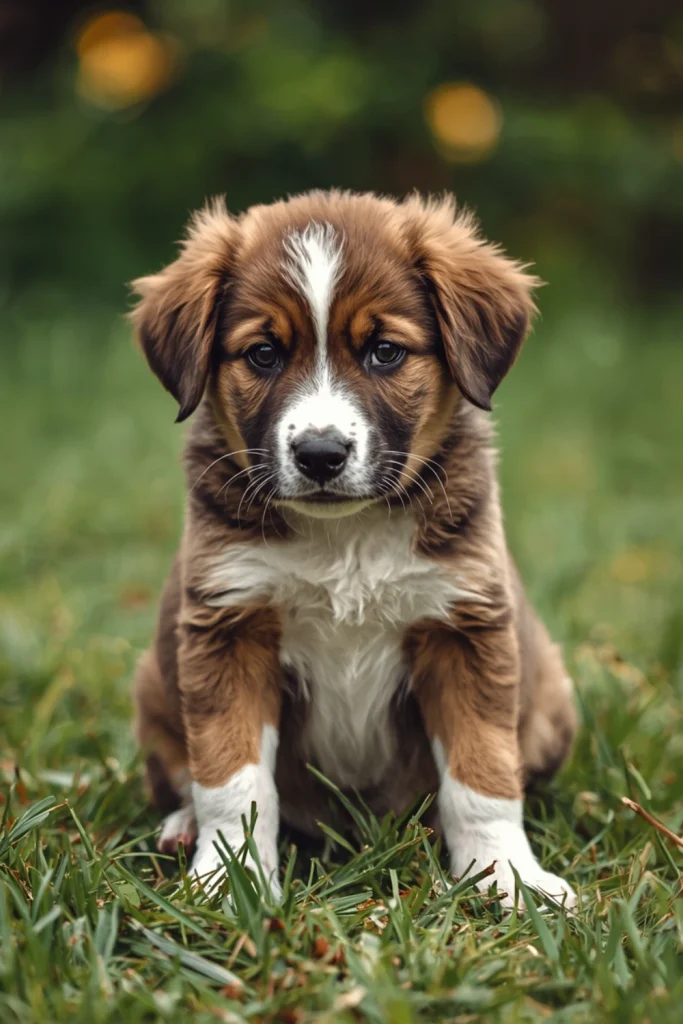
Image prompt: A peaceful young Australian Shepherd puppy lying on a comfortable mat beside its owner, the owner calmly rewarding the puppy for relaxing, tidy living room, soft sunlight through a window, realistic pet photography, horizontal 16:9 composition, no text, no watermark.
Learning to settle is an important life skill that can reduce biting caused by excitement or attention-seeking. Choose a quiet area and place a comfortable mat or dog bed on the floor. Whenever your puppy naturally lies down or relaxes, calmly praise them and offer a small reward. You can gradually introduce a cue such as “settle” or “relax,” but begin by rewarding the behavior when it happens naturally. Keep your voice soft and avoid making the training session so exciting that your puppy becomes energetic again.
10. Be Consistent and Patient With Your Training
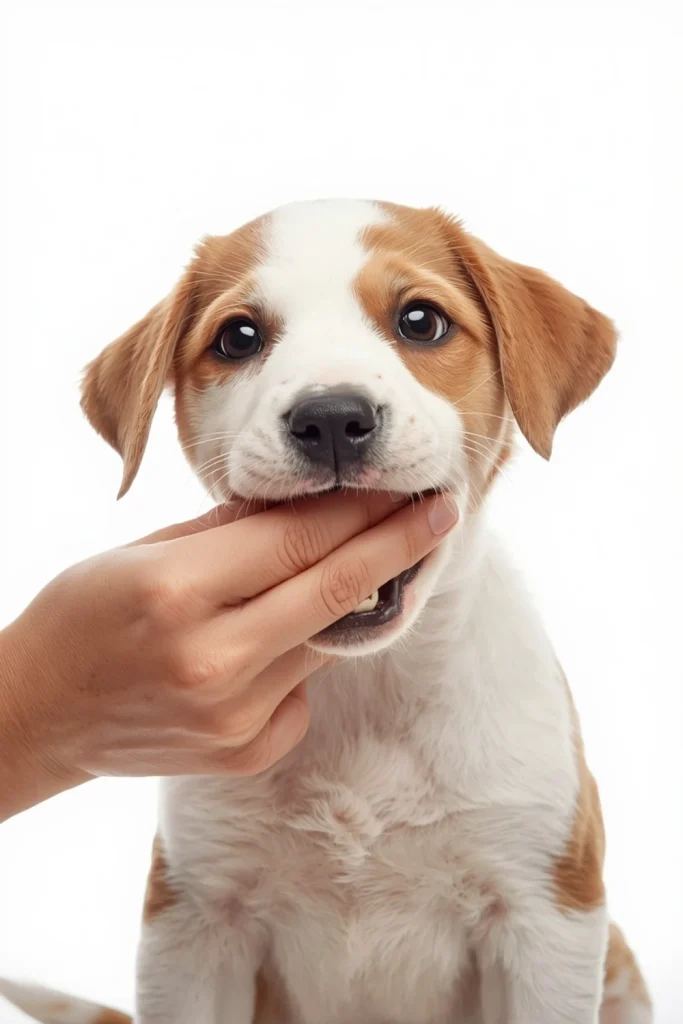
Image prompt: A loving owner practicing positive reinforcement with a young mixed-breed puppy in a bright home, puppy sitting calmly beside a chew toy, owner smiling and offering praise, realistic professional pet photography, warm natural light, horizontal 16:9 composition, no text, no watermark.
Stopping puppy biting hands takes time, and progress may not happen in a straight line. Your puppy may have several good days and then return to mouthing when tired, excited, or distracted. This does not necessarily mean training has failed. Continue using the same simple rules: redirect biting to a toy, pause play when teeth touch skin, reward gentle behavior, and avoid encouraging hand-biting games. Keep your expectations realistic and focus on small improvements, such as softer mouthing, quicker responses to redirection, or longer periods of calm interaction.
Final Thoughts
Learning how to stop puppy biting hands is an important part of raising a friendly, well-mannered dog. Although puppy mouthing is common, you can guide your puppy toward safer habits with patience and positive reinforcement. Redirecting biting to toys, briefly pausing play, rewarding calm behavior, teaching simple commands, and providing enough rest can all make a meaningful difference.
Remember that every puppy learns at a different pace. Stay consistent, avoid harsh punishment, and celebrate small improvements along the way. With gentle guidance and regular practice, your puppy can learn to enjoy playtime without constantly using their teeth on your hands. The habits you establish today can help create a more comfortable and trusting relationship with your dog as they grow.