
12 Fun Impulse Control Games for Dogs
Does your dog get overly excited when the doorbell rings, jump on visitors, grab treats too quickly, or pull on the leash whenever something interesting appears? These everyday behaviors can be challenging, but your dog can learn to make calmer choices with consistent, positive training. The key is to teach your dog what to do instead of simply telling them what not to do.
Impulse Control Games make training enjoyable by turning patience, focus, and self-control into rewarding activities. From waiting for a treat to staying calm around distractions, these games help your dog practise useful skills in small, manageable steps. Whether you have a playful puppy or an energetic adult dog, you can introduce these activities at home and gradually use them in everyday situations.
1. The Wait for a Treat Game
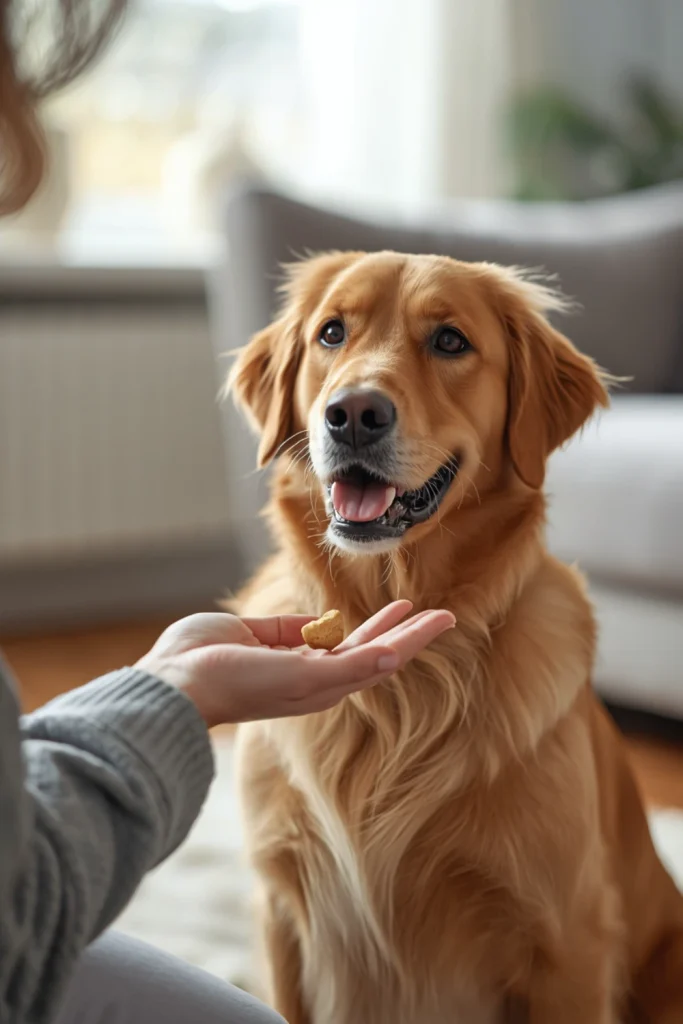
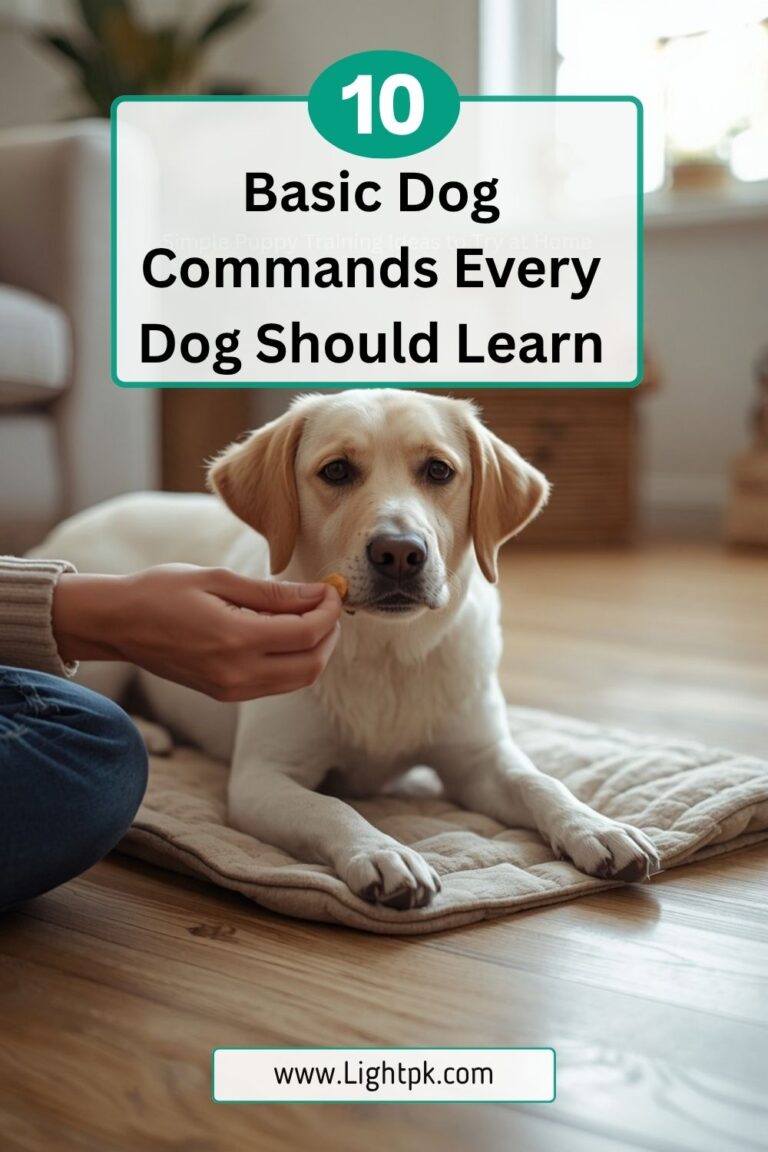
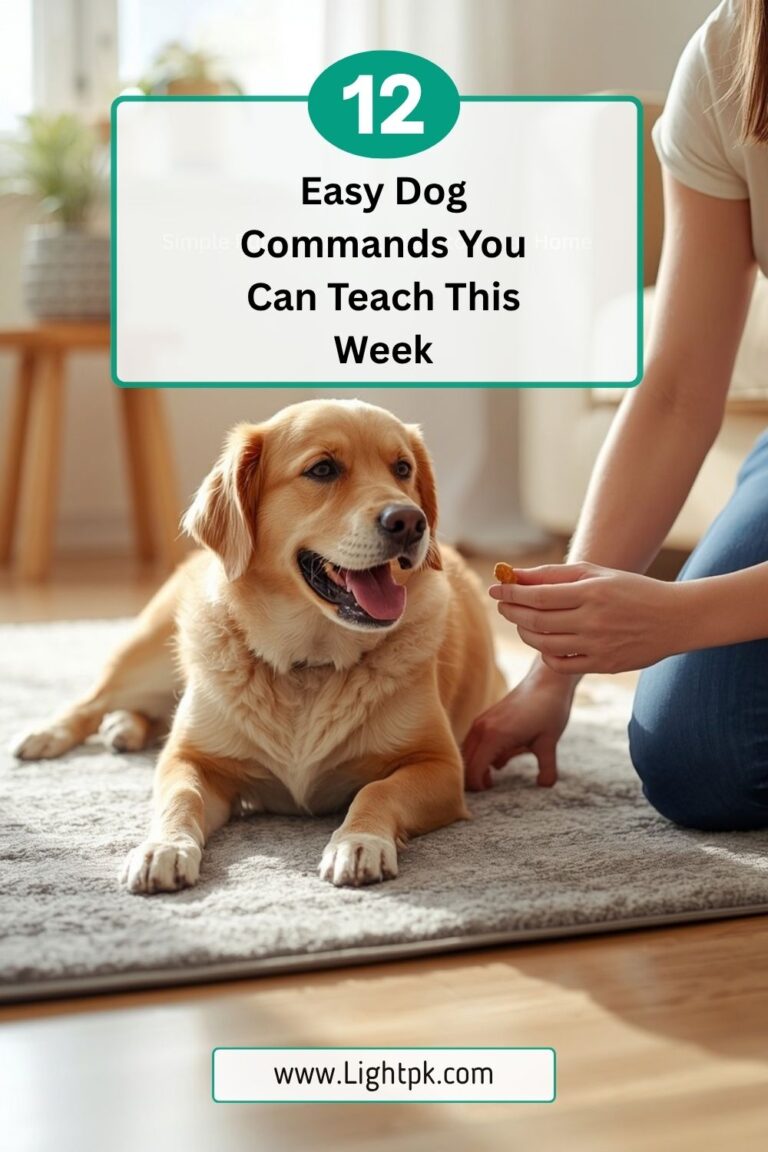
The wait-for-a-treat game is a simple introduction to impulse control. Begin by placing a small treat inside your closed hand and allowing your dog to investigate. Your dog may sniff or gently nudge your hand, so keep it still without scolding. The moment your dog pauses, moves their nose away, or stops trying to reach the treat, mark the behavior with a clicker or a gentle “yes.” Then open your hand and let your dog have the reward. Start by rewarding even a very brief moment of calm behavior.
As your dog understands the activity, gradually wait a little longer before delivering the treat. You can eventually practise with an open palm, rewarding your dog for waiting instead of grabbing. Keep sessions short and avoid teasing your dog by repeatedly withdrawing the treat. If your dog becomes frustrated, make the exercise easier and reward sooner. The goal is to teach that calm behavior makes rewards available. With regular practice, your dog can begin developing patience around food and other exciting rewards without feeling pressured or confused.
2. The Leave It Challenge
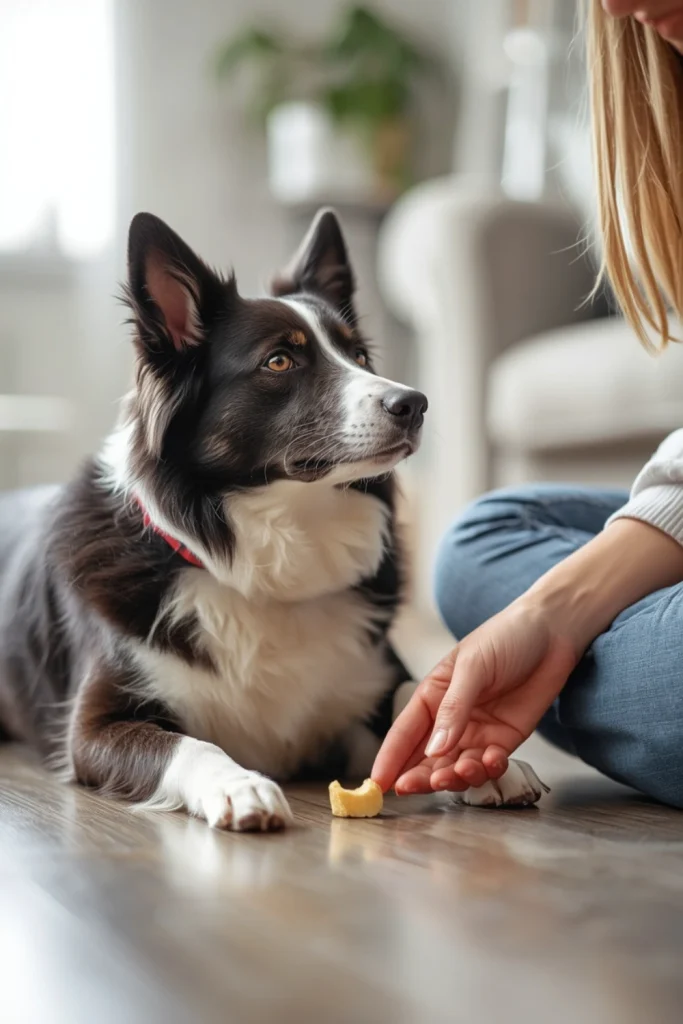
The leave-it game teaches your dog to turn away from something tempting and focus on you instead. Start by placing a treat inside your closed hand. Let your dog sniff your hand, but do not open it while they are trying to get the food. The moment your dog backs away or pauses, mark the behavior and reward them with a different treat from your other hand. This makes the exercise clear: moving away from the tempting item can lead to a reward. Keep your movements calm and avoid repeatedly presenting the treat if your dog is struggling.
Once your dog understands the basic exercise, introduce a verbal cue such as “leave it” before presenting your closed hand. Gradually practise with a treat visible on the floor, keeping it covered or secured if needed. Reward your dog for looking away or turning toward you. Begin with low-value items rather than dangerous objects or anything your dog might guard. This game can help your dog practise making better choices, but it is not a substitute for keeping harmful items out of reach. Supervise your dog and increase difficulty gradually.
3. The Sit Before the Door Opens Game
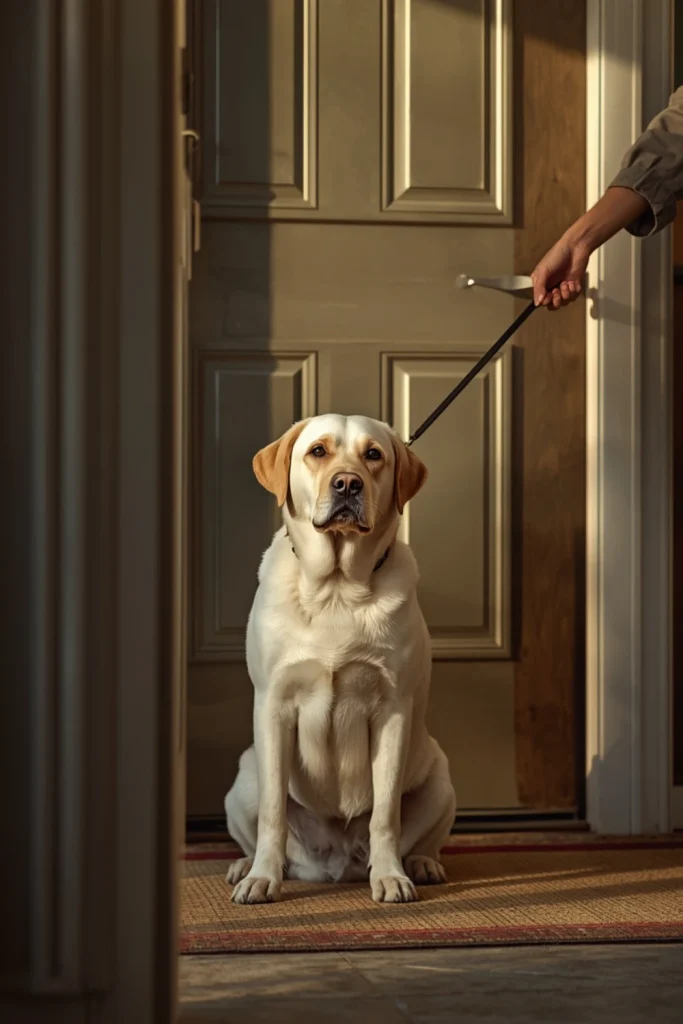
Doors can be exciting because they often lead to walks, visitors, or outdoor adventures. The sit-before-the-door game teaches your dog to pause before moving through a doorway. Begin with your dog on a suitable leash near a closed door. Ask for a sit if your dog already understands the cue, then reward them. Next, move your hand toward the door handle. If your dog remains reasonably calm, mark and reward again. If they stand up or rush forward, pause and make the exercise easier rather than pulling on the leash or scolding them.
During later sessions, gradually practise touching the handle, opening the door slightly, and closing it again while rewarding calm behavior. Only progress when your dog can manage the current step comfortably. Before practising at an exterior door, make sure your dog is securely leashed and cannot bolt into traffic. Eventually, introduce a release cue such as “okay” to signal when moving forward is allowed. This game helps your dog learn that waiting can make exciting things happen, while also creating a safer routine around doorways.
4. The Red Light, Green Light Game
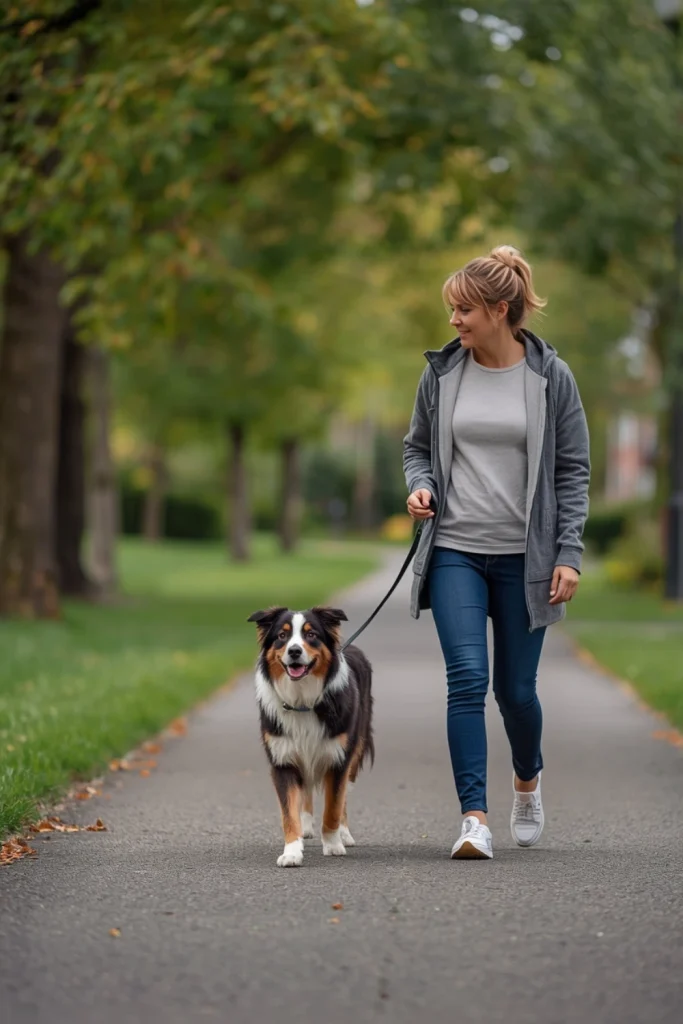
Red light, green light is a useful walking game that encourages your dog to pay attention to your movement. Begin walking with your dog on a suitable leash and harness or collar. When your dog walks with a reasonably loose leash, continue moving forward and occasionally offer a treat. If your dog pulls ahead, stop safely and wait for the leash to loosen or for your dog to turn back toward you. Mark and reward that calmer moment, then resume walking. Keep your movements gentle and never jerk the leash to force your dog into position.
As your dog becomes familiar with the pattern, practise on quiet paths before moving to places with more distractions. Think of forward movement as the green light and a brief pause as the red light. Remember that walks should also allow your dog to sniff, explore, and move comfortably rather than requiring strict heelwork the entire time. Reward check-ins and relaxed leash behavior throughout the walk. This game can help your dog learn that pulling does not reliably move them toward what they want, while walking calmly makes it easier to continue the adventure.
5. The Stay and Release Game
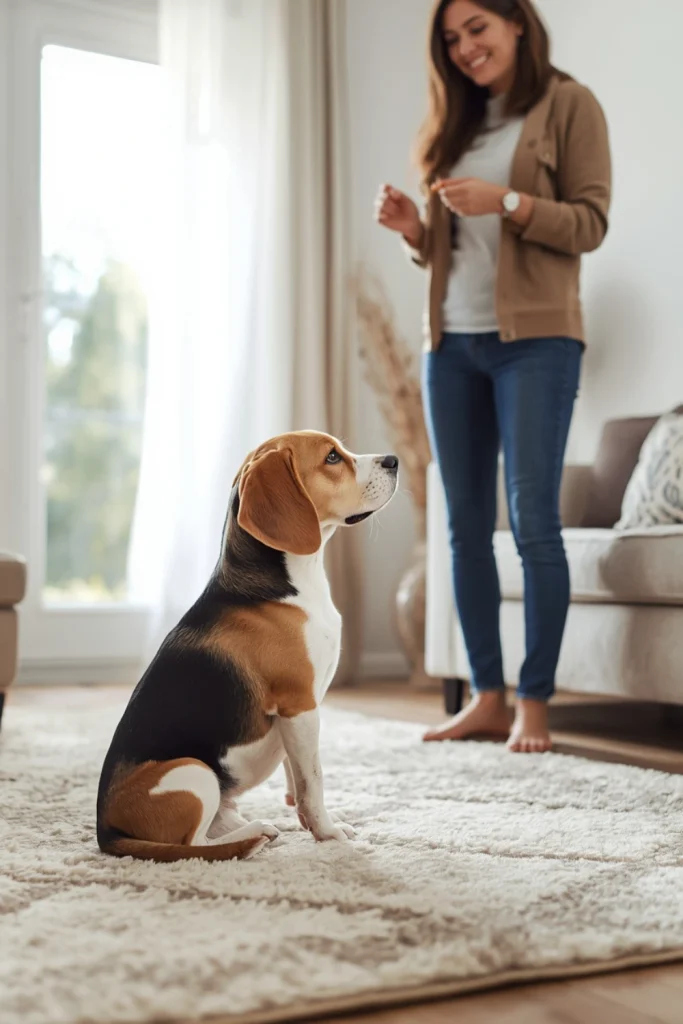
The stay game helps your dog practise remaining in one place for a short period. Begin by asking your dog to sit or lie down if they already understand one of these cues. Say “stay,” pause for just one second, then mark and reward while your dog remains in position. Use a release word such as “free” or “okay” to let them move again. Keep the first attempts easy and remain close to your dog. You want to help them succeed rather than expecting them to remain still for a long time immediately.
As your dog improves, gradually increase either the duration or the distance, but avoid increasing both at once. You might take one small step away, return, and reward your dog before releasing them. If your dog gets up, calmly reset and make the next attempt easier. Avoid repeatedly pushing them back into position or using the cue when the situation is too challenging. The goal is to build reliable behavior through practice and rewards. Keep sessions brief and practise in safe locations where your dog can move freely without creating a safety risk.
6. The Toy Waiting Game
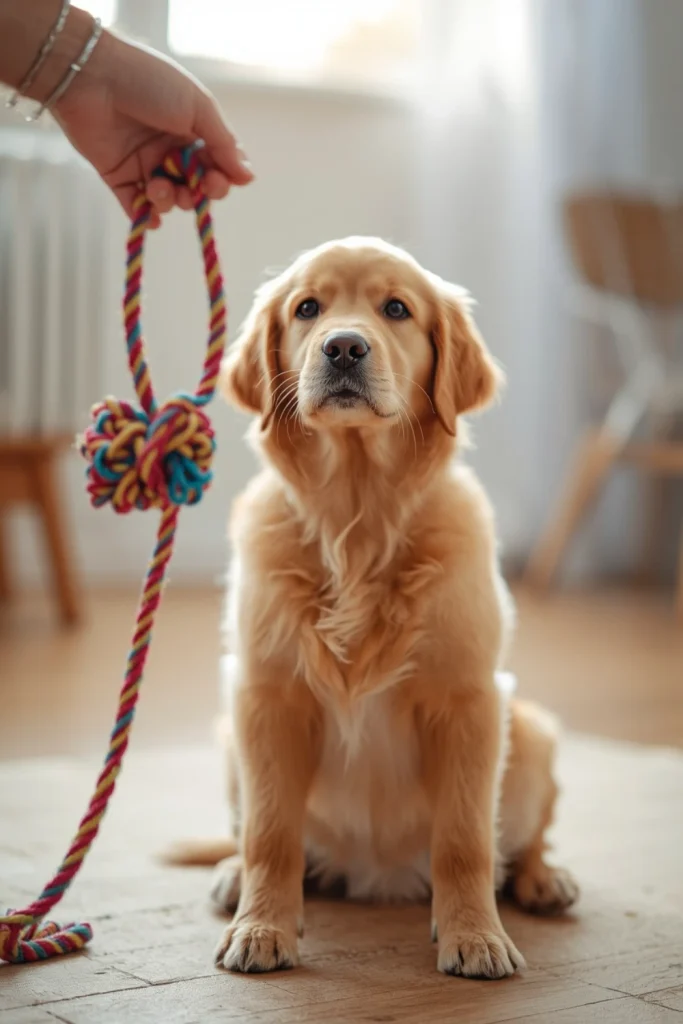
Many dogs become excited when they see a favorite toy. The toy waiting game uses that excitement to practise self-control. Hold a toy still at a comfortable distance and ask your dog for a simple behavior they already know, such as sitting. If your dog remains reasonably calm, mark the behavior and begin a short game of tug or fetch. If they jump toward the toy or grab at your hands, pause and hold the toy safely out of reach. Wait for a calmer moment before trying again, without teasing or provoking your dog.
As your dog begins to understand, introduce a brief pause before each throw or tug session. You can also ask for a hand target or a moment of attention if your dog finds those behaviors easier than sitting. Keep play safe and use a suitable toy for your dog’s size and chewing habits. Avoid forceful pulling, particularly with young puppies. This game teaches that polite behavior can start the fun. It should not require your dog to wait for long periods or hide their natural excitement; the goal is to help them manage arousal while still enjoying playtime.
7. The Find It and Wait Game
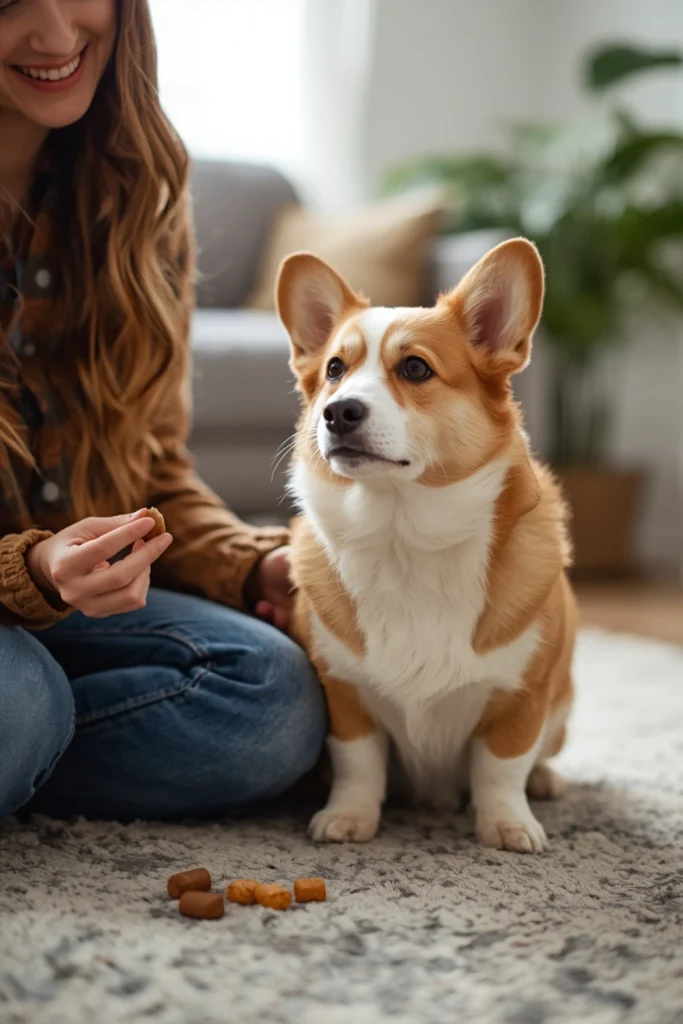
The find-it-and-wait game combines scent work with a brief moment of patience. Start by asking your dog to wait while you place a treat a short distance away in an easy-to-see location. Release your dog with a cue such as “find it,” allowing them to move toward the treat and enjoy the reward. If your dog cannot wait yet, shorten the pause or have a helper manage the setup. Avoid physically forcing your dog to remain still. Rewarding small successes will help your dog understand the game without unnecessary frustration.
Once your dog understands the activity, hide treats in a few safe, easy locations while they wait briefly. Release them to search after you give the cue. Choose accessible hiding places and avoid locations that encourage climbing, chewing furniture, or swallowing unsafe objects. Gradually increase the challenge as your dog’s searching skills improve. This game encourages patience while allowing your dog to use their natural sense of smell. It can provide mental enrichment on days when long walks are not practical, although it should complement rather than replace appropriate exercise, play, and outdoor exploration.
8. The Calm Greeting Game
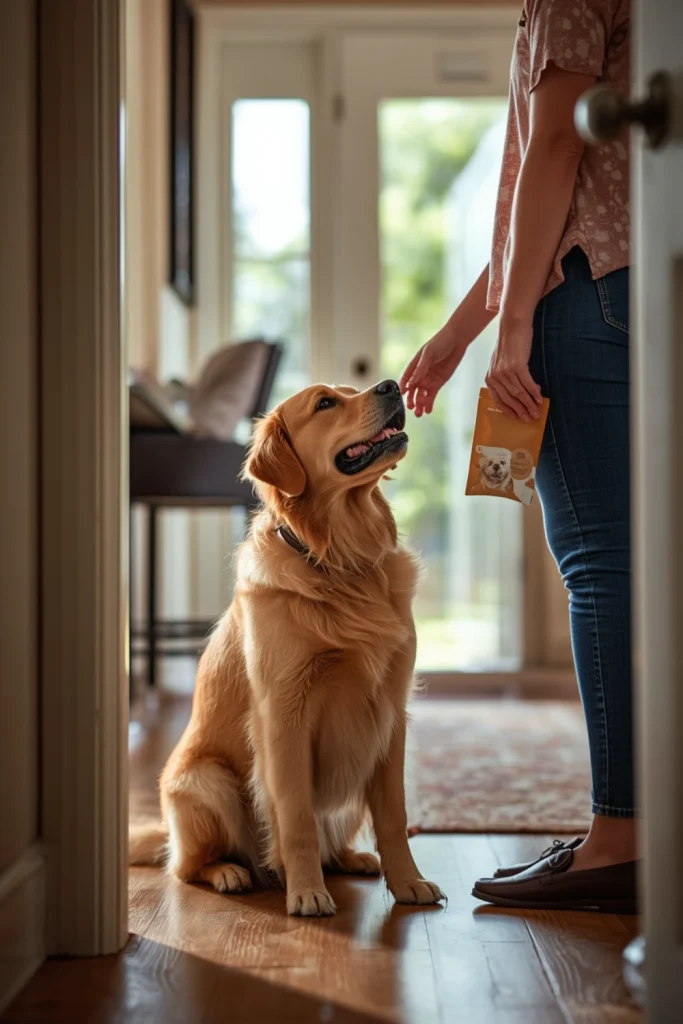
Some dogs jump on people because they are excited to say hello. The calm greeting game teaches an alternative behavior that makes greetings more comfortable for everyone. Begin with a familiar person who can follow your instructions. Keep your dog on a comfortable leash with enough room to stand or sit naturally. Ask for a sit if your dog can perform it without becoming frustrated. The visitor should approach calmly while your dog remains reasonably settled. Reward your dog for keeping their paws on the floor and interacting politely. If excitement increases, the visitor can pause or step back.
Practise with short greetings and gradually introduce different familiar people. Do not force your dog to sit for long periods while someone reaches toward them. Some dogs feel uncomfortable with direct approaches or touching, so allow them to choose whether to interact. If your dog jumps, avoid shouting or pushing them, as this may increase excitement or feel like play. Instead, reset the greeting at an easier level and reward the behavior you want. If your dog shows fear, growling, snapping, or aggression around visitors, seek professional guidance before practising close greetings.
9. The Hand Target and Check-In Game
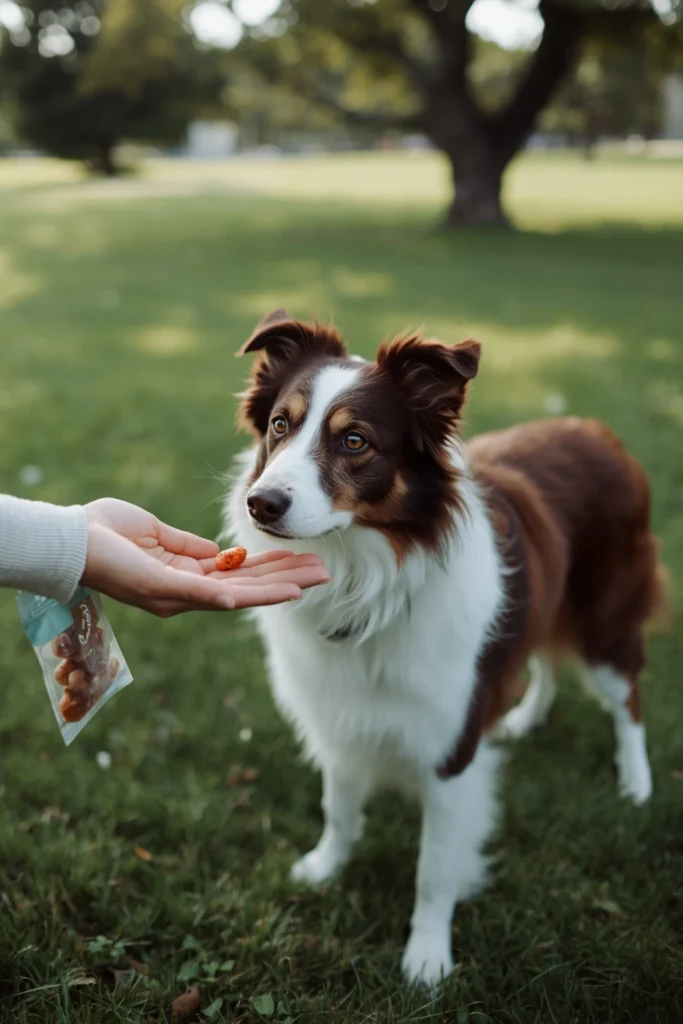
Hand targeting gives your dog a simple activity to perform when distractions appear. Hold your open palm a few inches from your dog’s nose and reward them for touching it gently. Once your dog understands the behavior, practise asking for a hand target after they notice a mild distraction, such as a person walking at a distance. Mark and reward the touch, then allow your dog to return to sniffing or exploring. Begin far enough away from distractions that your dog can still respond comfortably. If they cannot engage with you, increase the distance and make the situation easier.
As the game becomes familiar, use it to encourage voluntary check-ins during walks or in new environments. You can reward your dog for looking toward you and then offer a hand target if that helps them reconnect. Avoid using the target to force a fearful dog closer to something worrying. The goal is to provide an easy, positive choice, not to distract your dog from serious distress. This activity can improve communication and help your dog practise shifting attention without physical corrections. Keep rewards frequent when learning in a new or stimulating environment.
10. The Settle on a Mat Game
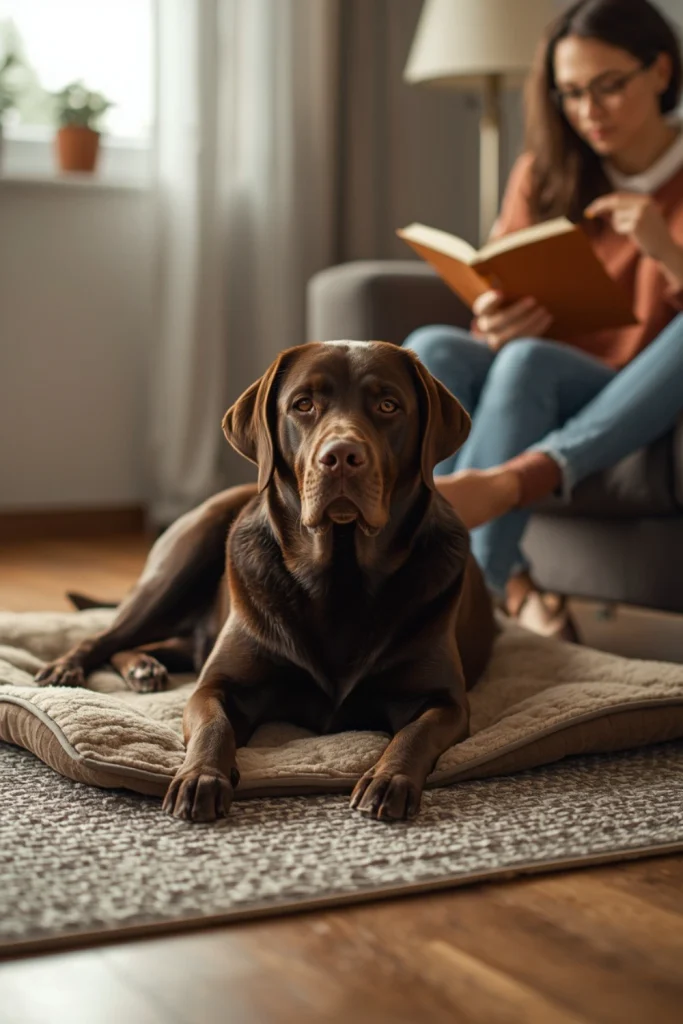
The settle-on-a-mat game encourages your dog to relax in a designated place. Begin by placing a comfortable mat in a quiet area and letting your dog investigate it. Mark and reward voluntary interest, such as stepping onto the mat or standing on it. When your dog lies down naturally, quietly reward the behavior. Avoid repeatedly commanding them to lie down if they are struggling. Instead, make the environment comfortable and reward small steps toward relaxation. The mat should never be used as punishment or as a place where your dog is forced to remain for long periods.
As your dog begins choosing the mat more often, reward brief moments of relaxed behavior. Gradually increase the time between rewards while your dog remains comfortable. Practise while you read, work at a desk, or relax in the living room, starting when there are few distractions. Later, introduce mild activity nearby, such as a family member walking through the room. If your dog gets up, allow them to move and gently invite them back rather than forcing them into position. Regular practice can support calmer household habits, but dogs still need exercise, interaction, and toilet breaks.
11. The Slow Feeding Puzzle Game
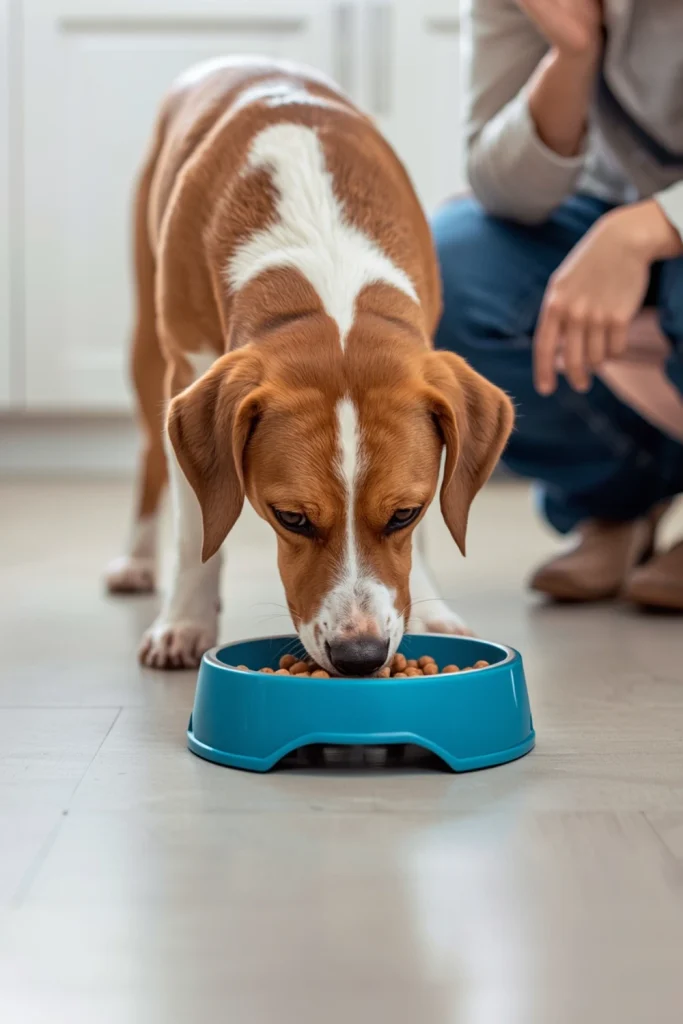
A suitable food puzzle can encourage your dog to slow down and think about how to access food. Choose a puzzle or slow-feeding bowl designed for your dog’s size and chewing habits. Start with an easy arrangement so your dog can find the food without becoming frustrated. You can mark and reward calm investigation, gentle paw movements, or successful food discovery. Supervise your dog during the activity and choose a durable product without loose pieces that could be swallowed. If your dog tends to destroy toys, select a simpler and safer enrichment option instead.
As your dog becomes comfortable, you can introduce slightly more challenging puzzles that encourage problem-solving without creating frustration. Avoid making food inaccessible for long periods or using puzzles that require forceful chewing. If your dog becomes upset, remove the puzzle and offer an easier activity. Food enrichment can help occupy a dog’s mind and create opportunities to practise persistence and calm exploration, but it is not a replacement for training specific behaviors such as waiting or leaving an item alone. Monitor food portions so puzzle rewards fit into your dog’s normal daily diet.
12. The Distraction and Focus Game
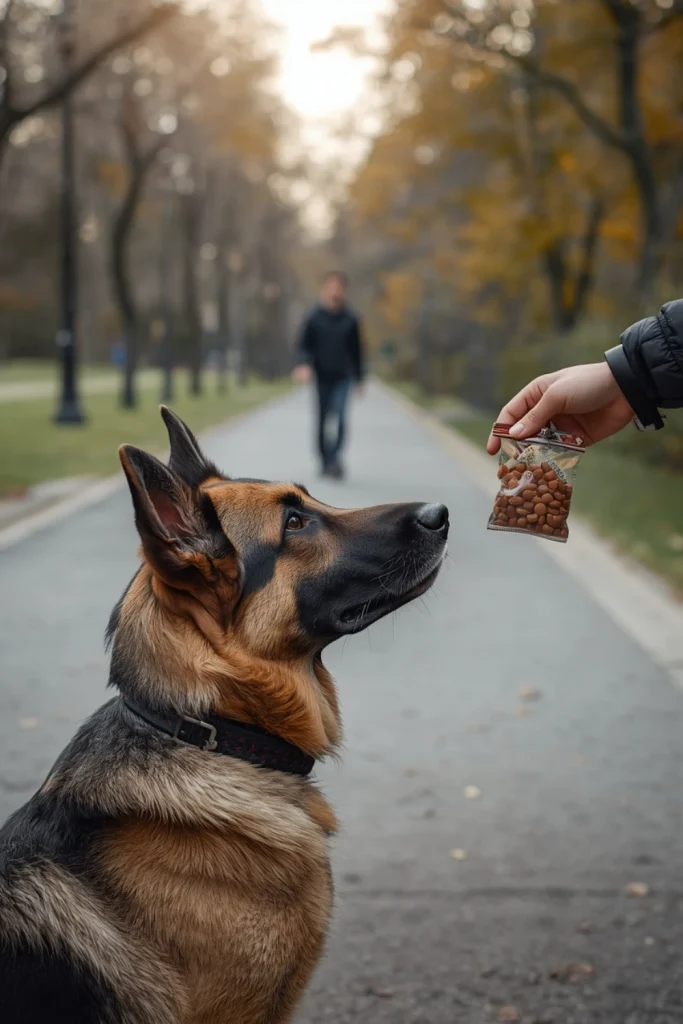
The distraction-and-focus game helps your dog practise responding to you when something interesting is nearby. Start in a quiet place and reward your dog for looking toward you. Then introduce a mild distraction at a distance, such as a person walking across the park. The moment your dog notices the person and can still remain relaxed, mark and reward them for looking back toward you. Keep enough distance that your dog can respond and take treats comfortably. If your dog starts barking, lunging, or becoming distressed, move farther away instead of demanding attention.
As your dog improves, practise with different low-intensity distractions while continuing to reward check-ins. Progress slowly and change only one factor at a time, such as the distance or type of distraction. Avoid using this game to force close encounters with unfamiliar dogs or people. A dog that is overwhelmed may be unable to learn effectively in that moment. The goal is to build the ability to notice the environment and then reconnect with you. With practice, this can support more manageable walks and help your dog make calmer choices around everyday distractions.
Conclusion
Teaching self-control does not have to be boring or complicated. These 12 Impulse Control Games give your dog opportunities to practise waiting, focusing, settling, and making calmer choices through positive reinforcement. From simple treat games to leash activities and distraction practice, each exercise can be adapted to your dog’s abilities and introduced gradually.
Consistency matters more than perfection. Keep sessions short, reward the behavior you want to see, and make the environment easier when your dog struggles. With patience and regular practice, you can help your dog build useful everyday skills while strengthening your relationship. Every dog learns at a different pace, so celebrate small improvements and make training an enjoyable part of your routine.